Review

Enhancing the Agronomic Value of Anaerobic Digestate: A Review of Current vs. Emerging Technologies, Challenges and Future Directions

by
Nimesha Senevirathne
and
Prasad Kaparaju
*
School of Engineering and Built Environment, Griffith University, Brisbane, QLD 4111, Australia
*
Author to whom correspondence should be addressed.
Agriculture 2025, 15(20), 2108; https://doi.org/10.3390/agriculture15202108
Submission received: 24 July 2025 / Revised: 6 October 2025 / Accepted: 7 October 2025 / Published: 10 October 2025
(This article belongs to the Section Agricultural Technology)

Abstract

Global concerns about resource depletion, climate change, and nutrient pollution in aquatic systems are compelling a transition towards zero-waste industries. With the skyrocketing carbon footprint of the modern fertiliser industry, sustainable options are highly sought after. Anaerobic digestion of organic waste to generate renewable biogas and fertiliser production from the residual nutrient-rich digestate are promising nutrient recovery and recycling avenues. This review explores the potential use of anaerobic digestate to develop value-added agronomic products, focusing on the quality and safety parameters pivotal to its fertiliser value. A comprehensive review of conventional and cutting-edge technologies available for digestate processing into organic/organo-mineral fertilisers has been conducted, highlighting emerging sustainable approaches. Specifically, this review unravels novel aspects of enhancing digestate quality with biostimulants such as plant growth-promoting rhizobacteria, humic substances and biochar for biofertiliser/slow-release fertiliser production. Additionally, methods and guidelines to assess and address environmental impacts by digestate application on croplands and challenges in the commercialisation of digestate-based fertilisers were analysed. This review also underscores the importance of valorising anaerobic digestate as a fertiliser in implementing a circular bioeconomy within the agroindustry.

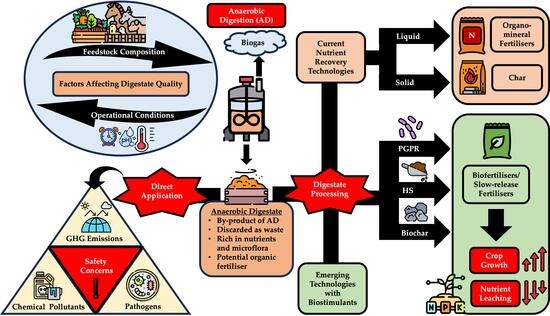
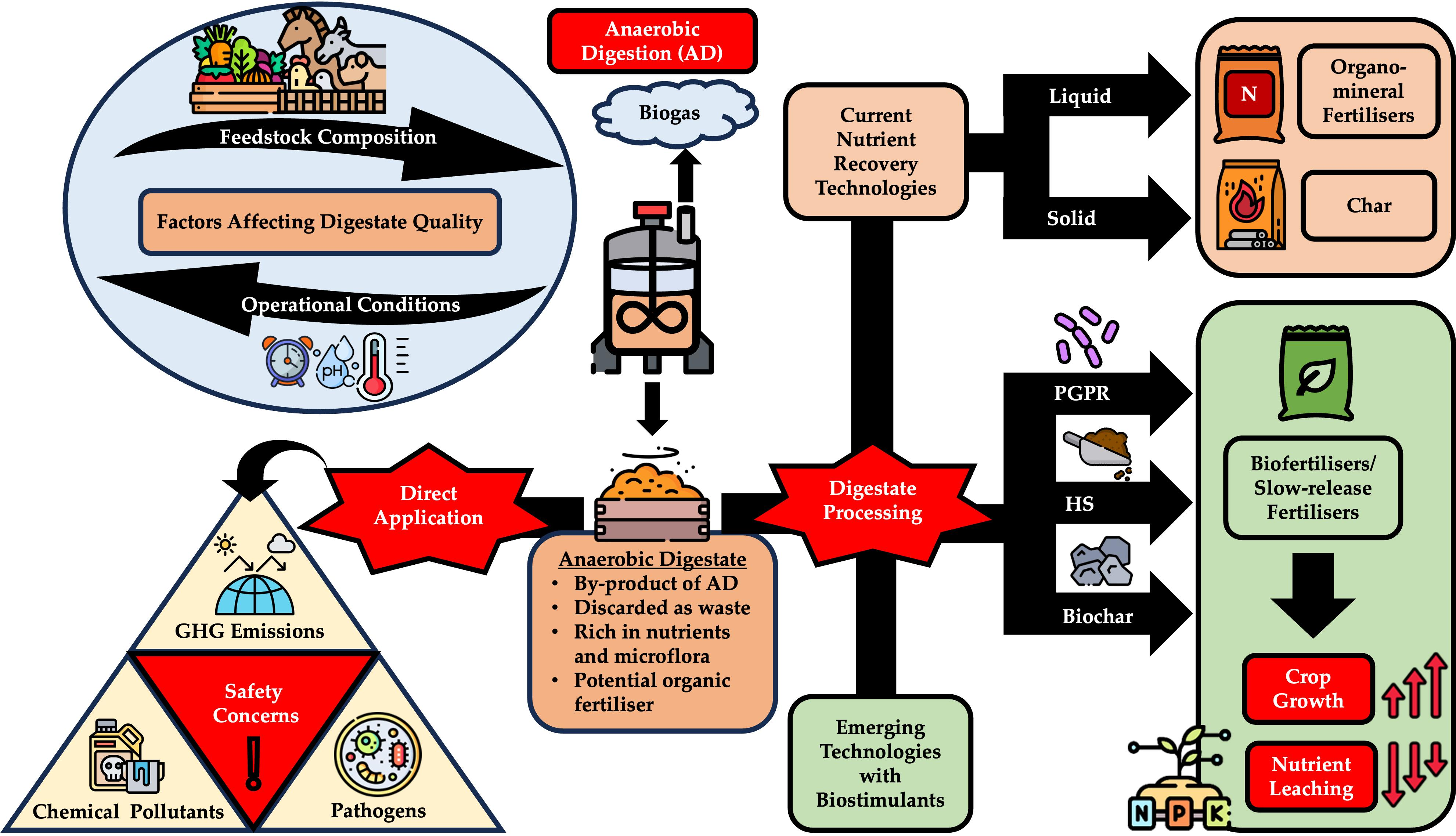
Graphical Abstract

1. Introduction

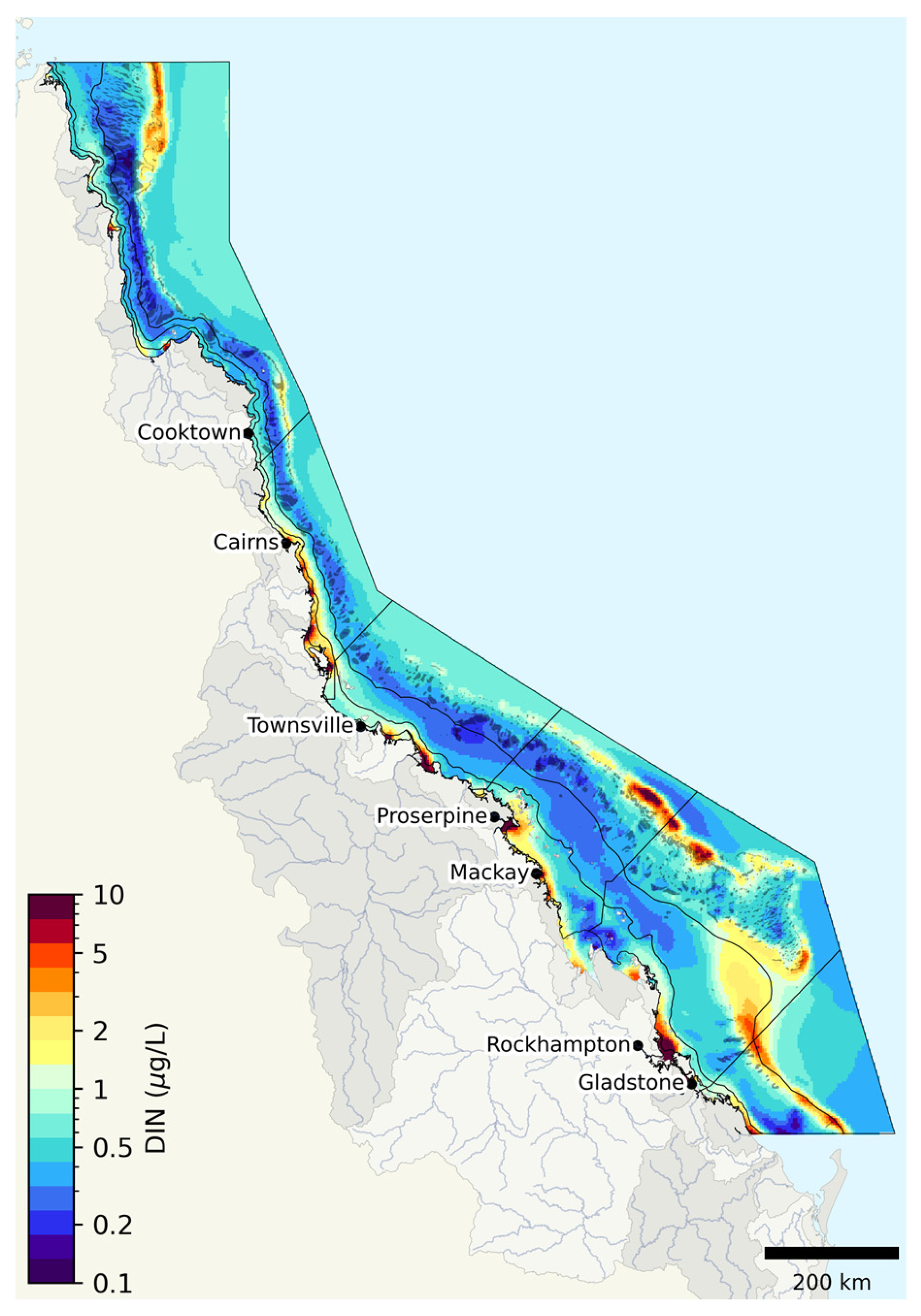
Global fertiliser statistics reveal an escalating pattern of chemical fertiliser consumption over recent years, with a forecast of a further 6–10% increase between 2024 and 2028 [1]. Environmental pollution due to excessive chemical fertiliser applications adversely affects important ecosystems worldwide. In Australia, approximately 10 kilotons of dissolved inorganic nitrogen (DIN) per year is delivered to the Great Barrier Reef (GBR) from nearby agricultural lands [2] and concentrated within the GBR World Heritage Area, as shown in Figure 1. Phenomena such as coral bleaching due to global warming from greenhouse gas (GHG) emissions and eutrophication resulting from nutrient leaching have caused a 40–60% loss of the GBR coral cover [3]. Therefore, an urgent need has arisen to generate eco-friendly alternatives that can fully or partially replace conventional chemical fertilisers.
Anaerobic digestion (AD) is a sustainable technology to produce clean energy in the form of biogas. Biogas production from organic waste has already become popular due to its contribution in reducing the number of landfills and their GHG emissions [5]. However, the fate of anaerobic digestate, the nutrient-rich byproduct of the AD process, remains uncertain. Anaerobic digestate is rich in nitrogen (N), phosphorus (P), potassium (K), and micronutrients essential for plant growth [6,7]. Therefore, fertilisers derived from anaerobic digestate can enhance soil fertility and crop growth [8]. The type of input feedstock for the AD process and the biochemical reactions and microbial interactions during different stages of AD are the key factors that determine the nutrient profile of the digestate, which adds to its agronomic value [6,9]. Production of organic fertilisers from anaerobic digestate will help decrease the reliance of farmers on inorganic fertilisers. This strategy will simultaneously improve resource use efficiency and economic returns by diminishing the amount of waste and the cost of waste disposal [7,8].
Although anaerobic digestate holds considerable potential as a fertiliser source, environmental and public health safety concerns regarding its application on agricultural soils exist. The direct application of unprocessed digestate is generally considered unsafe due to the possible presence of toxic chemicals and pathogens above the permissible levels, as the relevant regulatory bodies have recommended [5,10]. In Australia, anaerobic digestate needs to comply with the state-specific Environment Protection Authority (EPA) or End of Waste Code (EOWC) guidelines. Hence, the digestate is subjected to post-AD treatments before soil application to meet the required safety standards. These methods include thermal treatments like pasteurisation and stabilisation techniques like composting and acid/alkali conditioning [7,11]. The choice of treatment method depends on its effectiveness in eliminating the target contaminants while ensuring the stability of the digestate.
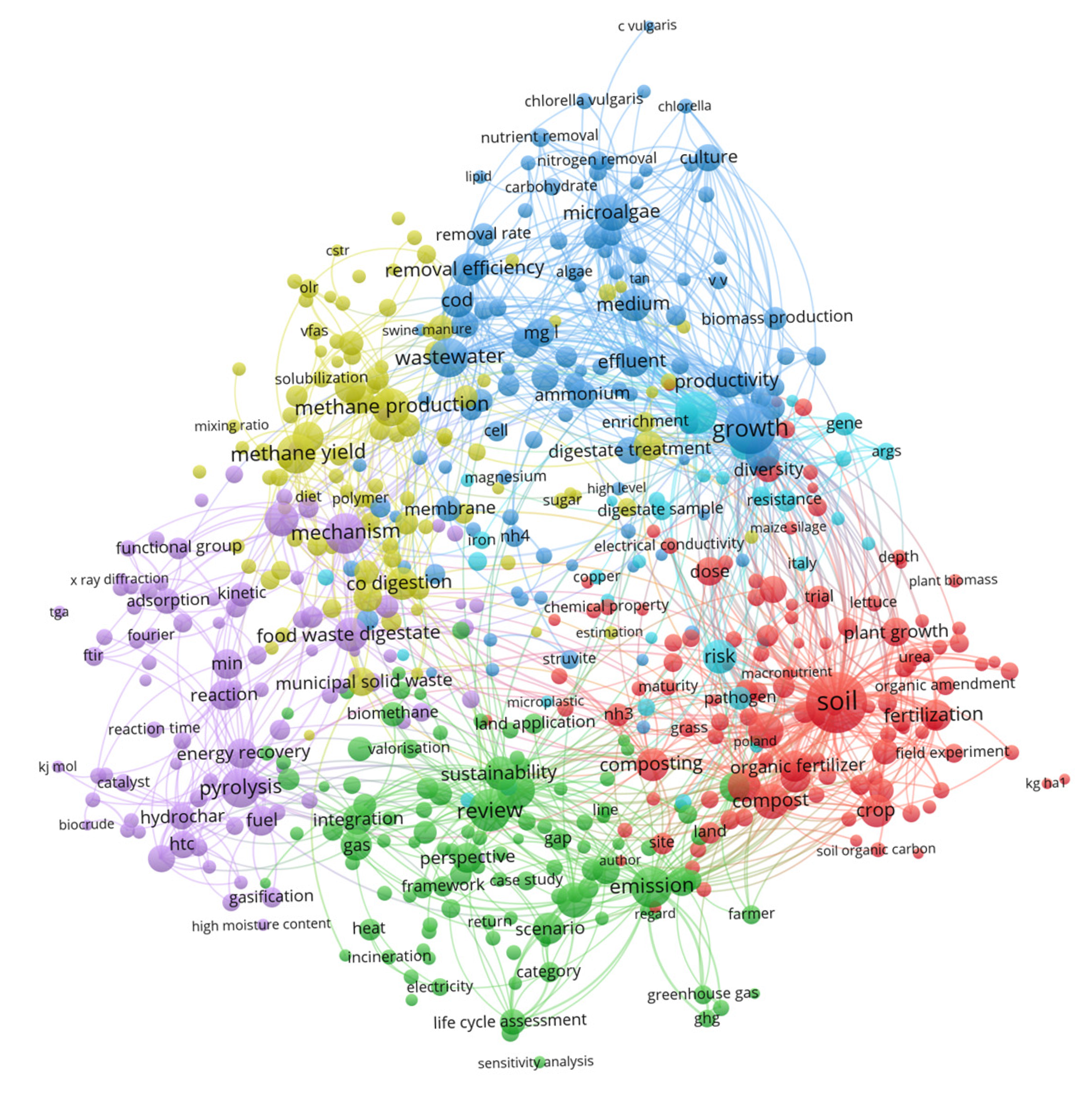
With the increasing number of biogas plants worldwide, much has been focused on managing anaerobic digestate over the recent years [5]. Figure 2 illustrates the connections between the papers published during the last 5 years with the keyword “anaerobic digestate”. Bibliometric mapping of 1555 relevant papers found in the Scopus platform identified 564 interconnected items with six overlapping clusters based on the text co-occurrence. The clusters primarily encompassed methane production (104 items), bacterial community analysis (35 items), microbial growth including microalgae (108 items), soil-based studies (118 items), sustainability analysis (110 items), and nutrient and energy recovery (89 items). The majority of the studies related to digestate-based fertiliser production were centred upon the conventional practices, including digestate treatment for direct land application as an organic fertiliser and the production of organo-mineral fertilisers via various nutrient recovery methods. According to Figure 2, food waste and municipal solid waste are the most popular feedstocks for AD, and composting is the widely practised digestate stabilisation technique. Figure 2 also shows that N/ammonium removal techniques, struvite precipitation, and char production through pyrolysis are the commonly utilised technologies for nutrient recovery from the digestate. Although digestate amendments with biostimulants for biofertiliser and slow-release fertiliser production have emerged as valuable future directions, minimal connections can be observed in the mapping between the digestate-based pot/field experiments and potential biostimulants such as bacteria, humic acid and char.
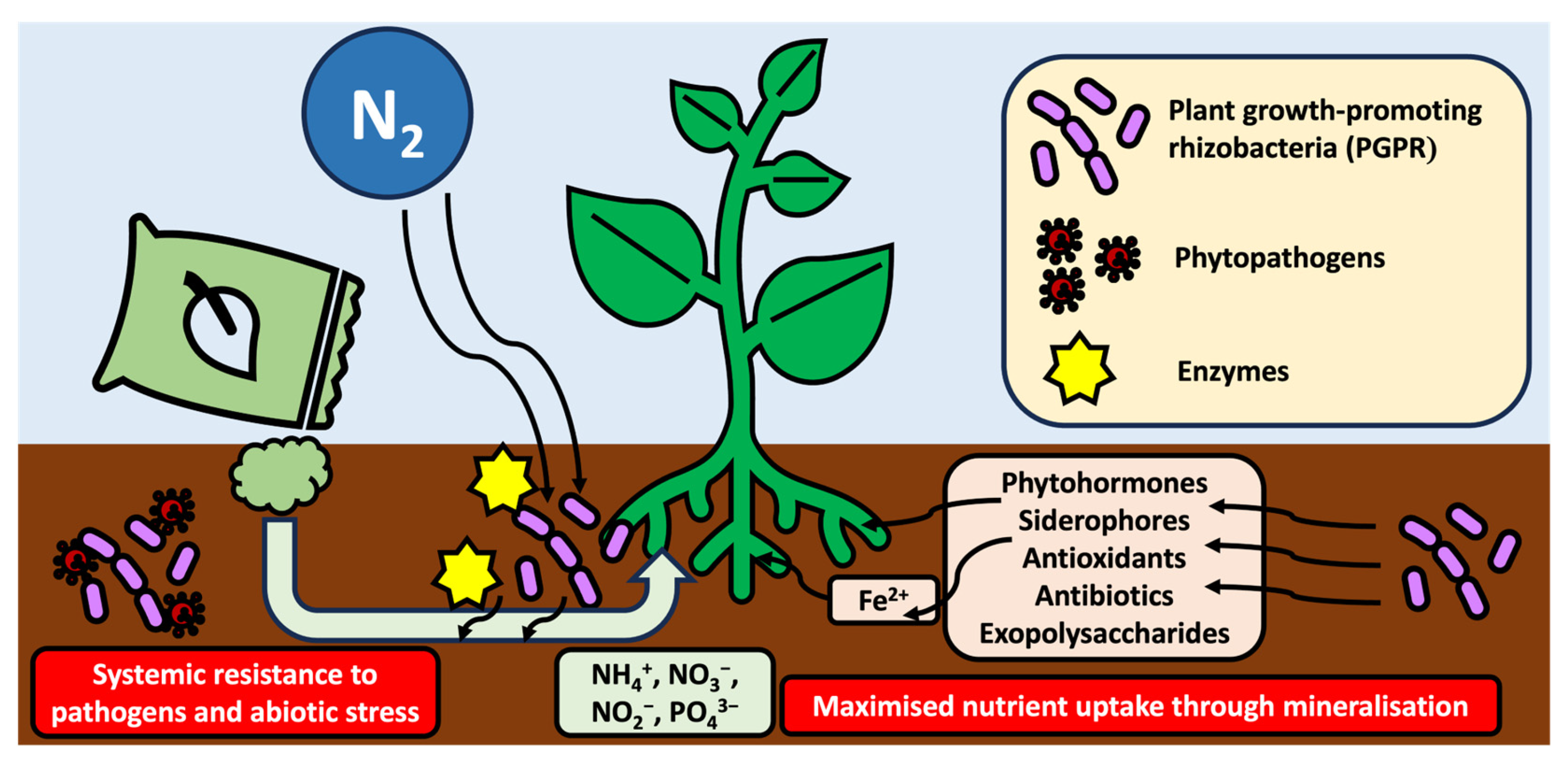
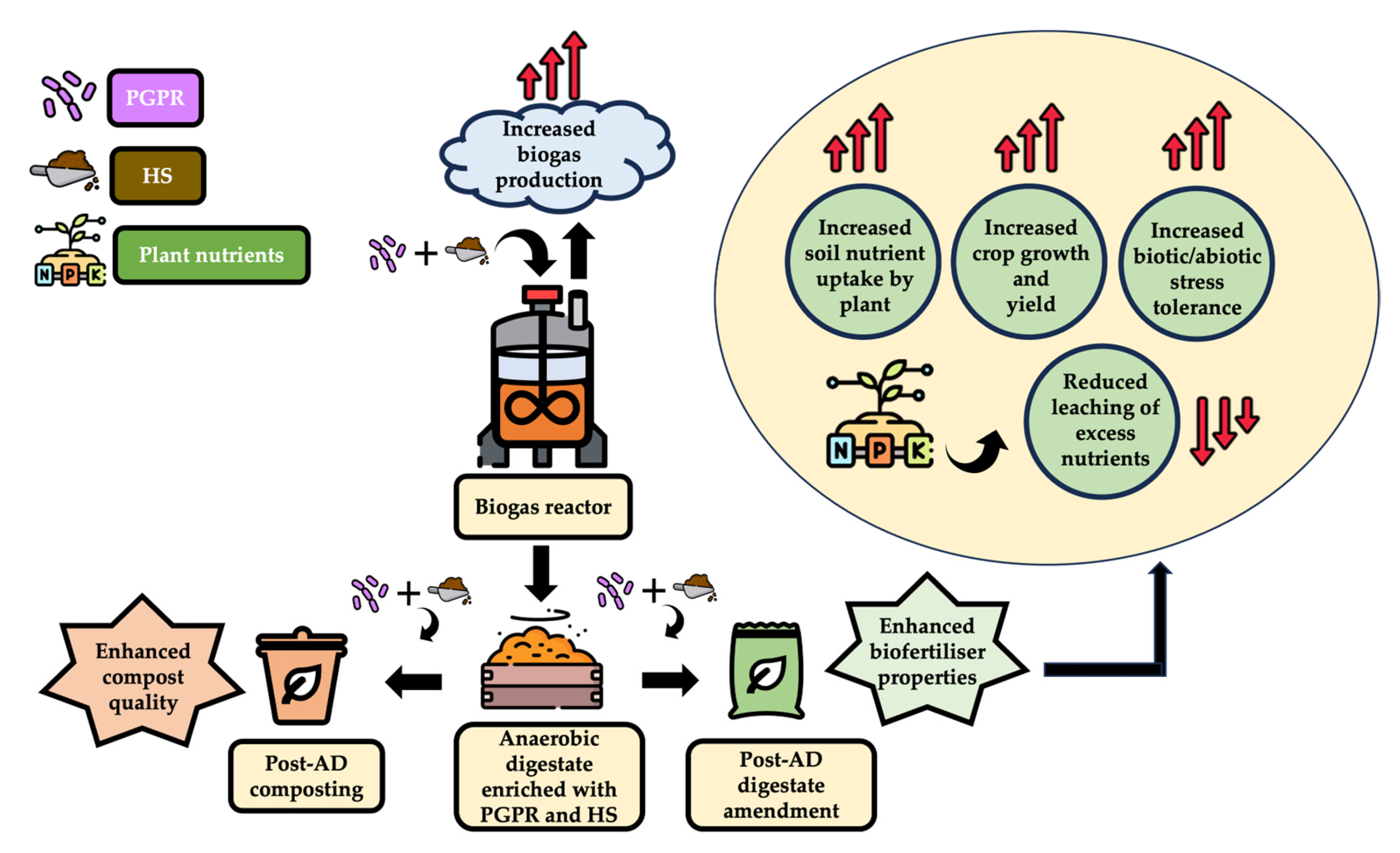
Transforming anaerobic digestate into biofertilisers is a promising approach for harnessing AD waste as high-value fertilisers [12]. This can be achieved by incorporating biostimulants such as plant growth-promoting rhizobacteria (PGPR) and humic substances (HS) into the digestate [13]. PGPR strains, mainly Bacillus and Pseudomonas spp. colonise the plant rhizosphere and promote its nutrient uptake through numerous mechanisms. Their N2-fixing and/or P-solubilising ability using specific enzymes plays a major role in mineralising the complex nutrients in the soil, thus increasing nutrient bioavailability to plants [14,15]. Bioaugmentation of the digestate with PGPR exerts not only enhanced soil fertility and plant nutrient utilisation but also tolerance against phytopathogens and stress conditions such as drought, salinity and heavy metal toxicity [16,17].
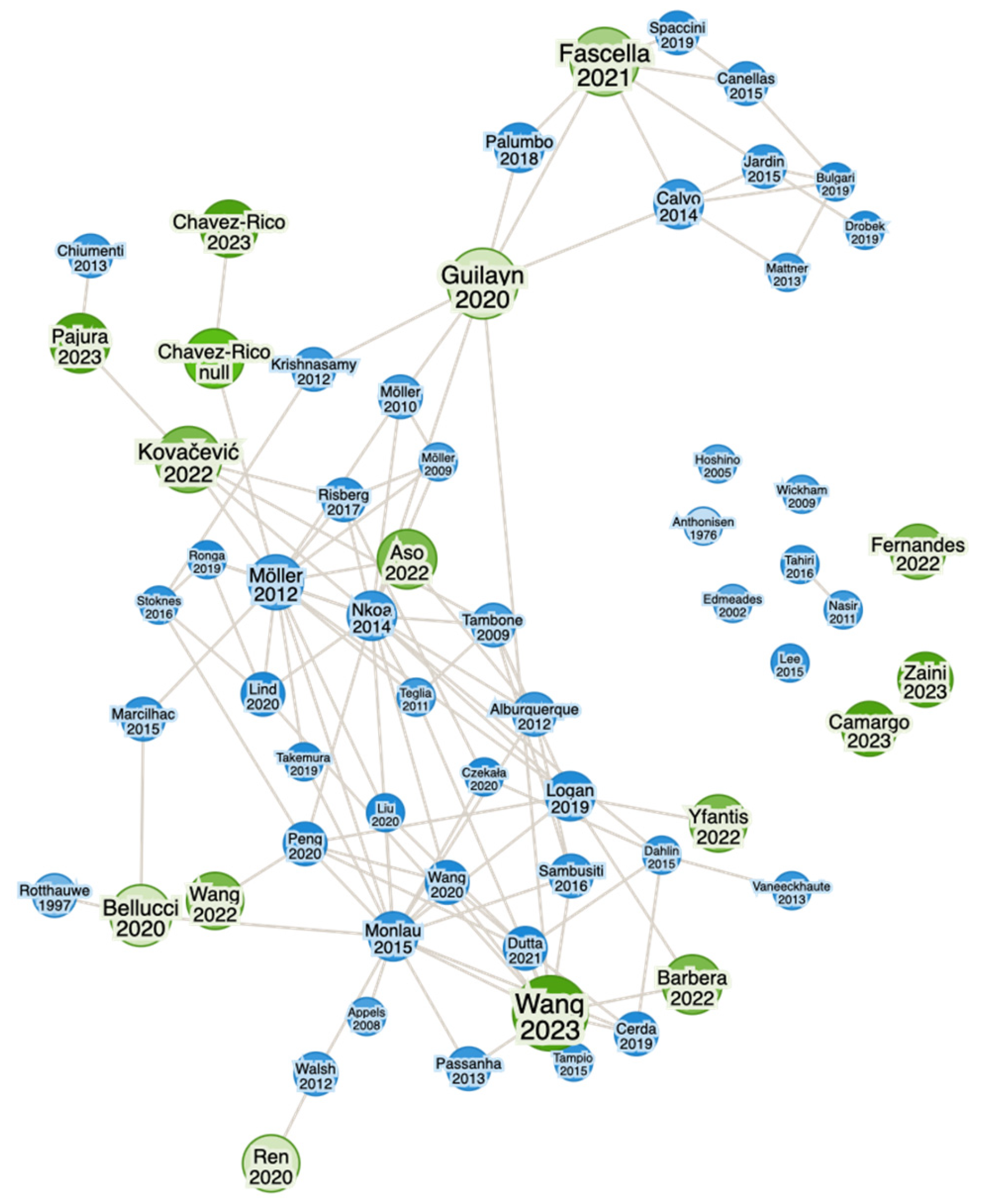
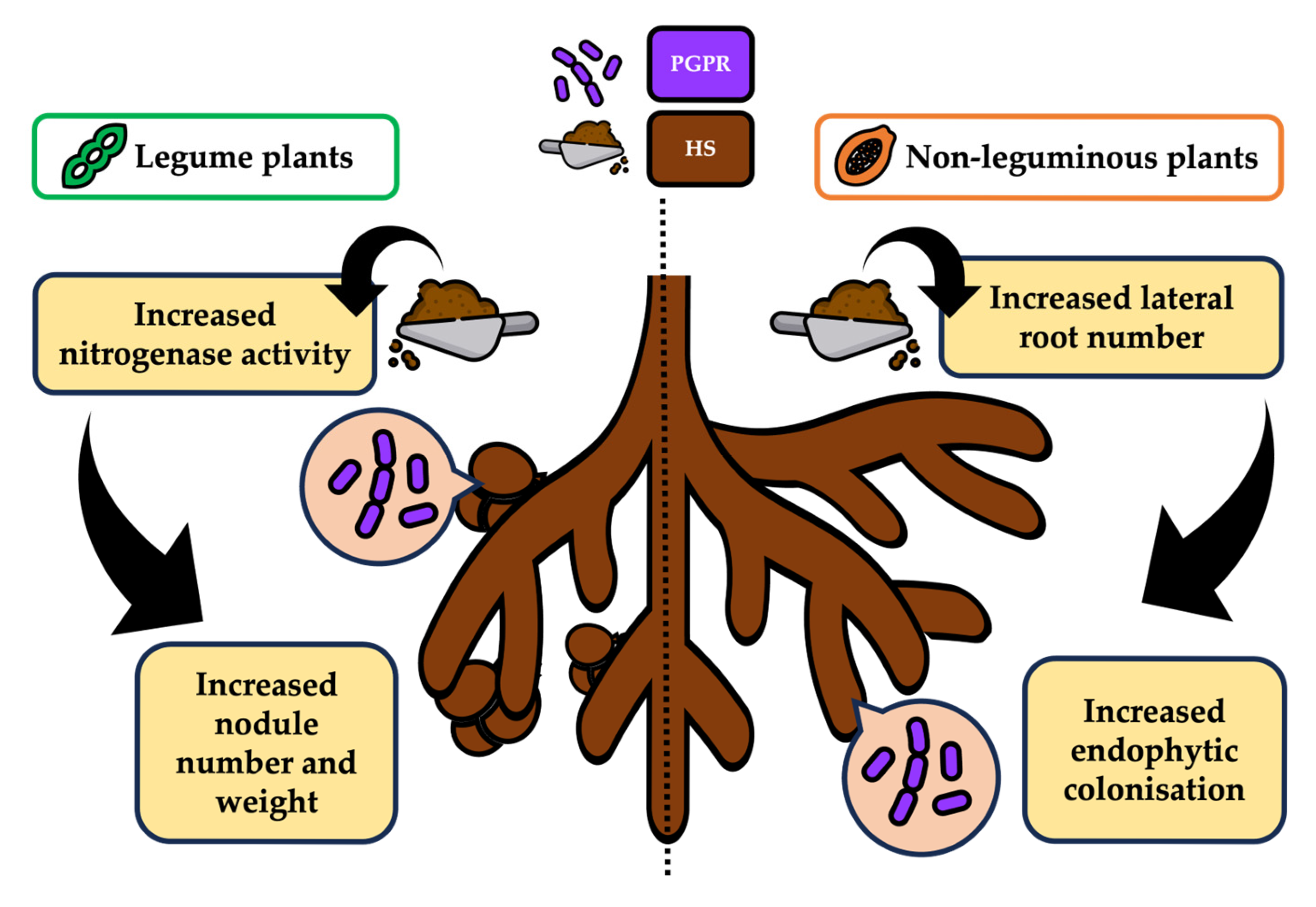
HS, including humic and fulvic acid, are naturally occurring, biologically active products of microbially mediated decomposition of organic matter [18,19]. They are known to positively influence soil physicochemical structure and plant root growth by the induction of C and N metabolism [20]. Several studies have demonstrated the synergistic effects of PGPR and HS on crop growth and yields when they are co-mingled with fertilisers [21]. In addition to HS, biochar derived from the thermal conversion of solid digestates has also been tested as a prospective material that induces slow release to prevent the leaching of excess nutrients [22]. Nevertheless, there is a lack of comprehensive reviews specifically dedicated to the development of biofertilisers and/or slow-release fertilisers from anaerobic digestate and reviews that highlight the integrated use of these biostimulants. The Scopus search revealed only 34 biostimulant-based papers directly linked to anaerobic digestate, with only 16 interconnected papers, as shown in Figure 3.
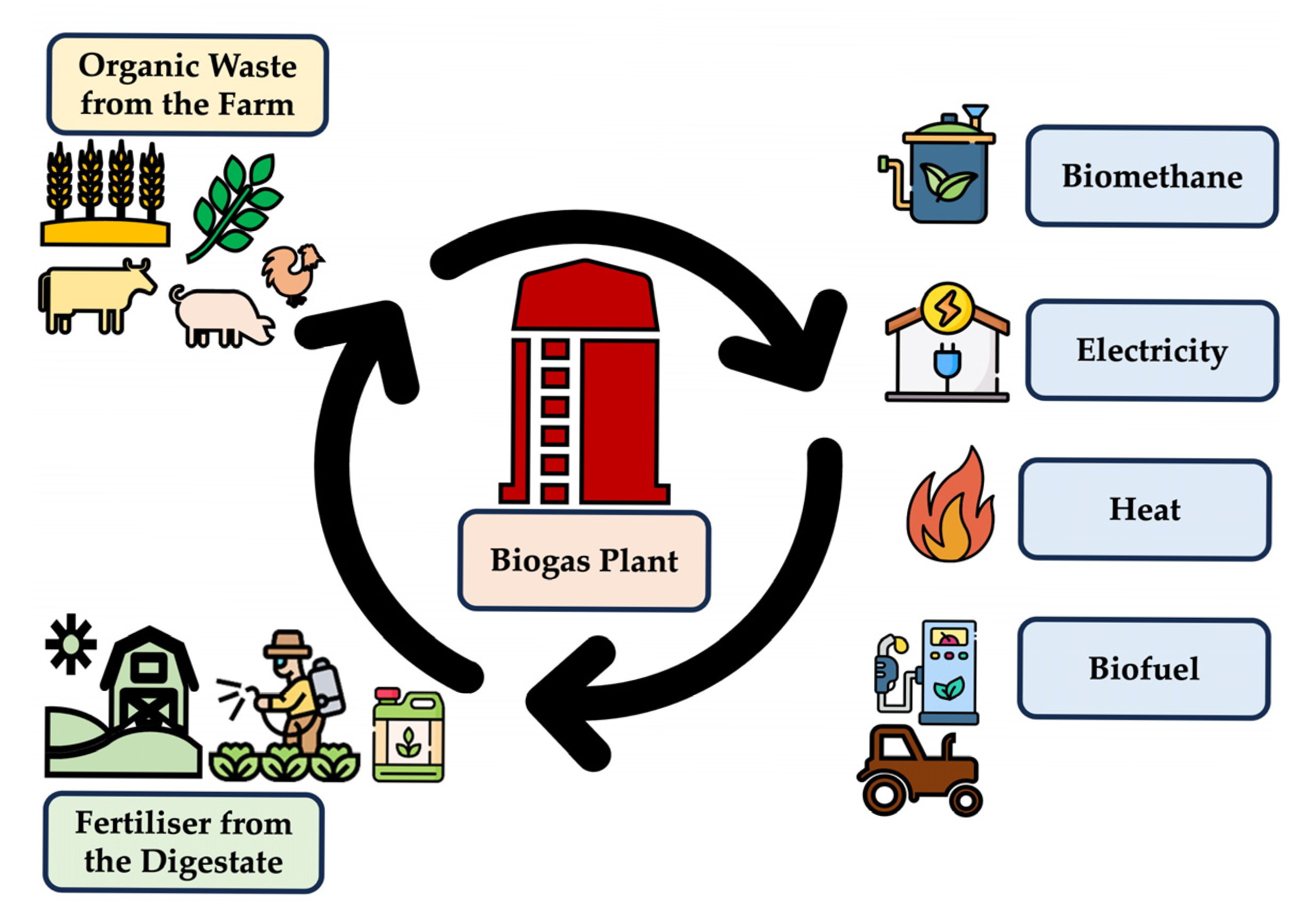
AD can establish a circular bioeconomy within the agroindustry by harnessing plant nutrients to produce renewable energy, which is then returned to the soil as fertiliser in the form of digestate [23]. Thus, processing anaerobic digestate into organic agricultural products illustrates a successful nutrient recovery and recycling pathway to achieve sustainability goals and circular bioeconomy targets [12,24]. However, commercialising digestate-based products proves challenging due to the lack of awareness regarding the benefits and misconceptions held by consumers about the utilisation of digestate. To address these barriers, biogas plant operators and farming communities need to be informed about the relevant economic and environmental advantages [5,7]. Additionally, the existing legislative frameworks for digestate commercialisation should be regularly updated through engagement with governments and policymakers to clarify the legal status of digestate valorisation [12].
This review paper aims to provide an in-depth review of the agronomic value of anaerobic digestate and state-of-the-art technologies available for its valorisation as an organic fertiliser. Firstly, it examines how biochemical reactions, microbial interactions and input feedstocks influence digestate characteristics by discussing the fundamentals of the AD process. It investigates safety concerns regarding the digestate applications on agricultural soils and suggests suitable treatments and guidelines to abide by. It then delves into a comparative analysis of various digestate processing strategies employed to produce organo-mineral fertilisers. It further explores the up-to-date work on emerging technologies, with a special emphasis on biofertiliser/slow-release fertiliser production using biostimulants, supported by a compilation of recent research. It also enlightens how digestate valorisation contributes to a circular bioeconomy within the agroindustry. Finally, it presents the socio-economic challenges associated with the marketing of value-added agricultural products derived from anaerobic digestate and offers recommendations for future directions.

2. Agronomic Value of Anaerobic Digestate

2.1. Fertiliser Potential of Anaerobic Digestate

Anaerobic digestate, i.e., the residual slurry left at the bottom of an anaerobic reactor, is an organic composite of partially degraded feedstock, microbial biomass, and minerals [25]. The fertilising potential of anaerobic digestate is closely related to its supply of macronutrients (N, P, and K) and micronutrients (including trace elements) to plants, soil C sequestration, as well as the presence of biostimulant and phytotoxic compounds [7,9].
N is a major limiting factor for plant growth, as it is a key component in chlorophyll and plant protein synthesis [26]. The availability of N to plants depends on the amount of mineral N, which is poorly immobilised in the soil in the form of ammonium (NH4+) ions. Digestates provide soluble ions for plants to readily absorb, as the NH4+ immediately undergoes the nitrification process upon addition to the soil [9]. This short-term effect of ammonium nitrogen (NH4-N) on soil N is crucial for the early stages of plant growth and development. Therefore, Tampio et al. [27] in their study concluded that autoclaved digestates with low NH4-N are more suitable as soil conditioners rather than fertilisers. A balance between inorganic N and organic N in the digestate is also necessary. Digestates usually have a low organic carbon-to-organic N (C:N) ratio, which promotes the microbial breakdown of organic matter, releasing N shortly after fertilisation [9]. The balance between the C:N ratio and the moisture content of digestate is equally important. The suppressed microbial growth under low moisture content encourages slow decomposition rates at high C:N ratios [7]. A high moisture content can lead to a N loss from the digestate through NH3 volatilisation [28]. Keeping the above facts in view, digestates containing NH4-N/total Kjeldahl nitrogen (TKN) ratios over 50% [29], C:N ratios of ≤15 [30], and a moisture content of 50–60% (w/w) is regarded as ideal for the immediate application of anaerobic digestate as a fertiliser. In a 2-year field experiment [31], which evaluated the fertiliser value of seven different digestates, the food waste digestate resulted in the highest wheat grain yield, which could be attributed to its higher NH4-N/TKN ratio (72%) and lower C:N ratio (7.71) than the other digestates.
P is present both in organic and inorganic forms in the digestate. The transformation of organic P depends on the microbial enzymes, whereas inorganic P is available for direct plant uptake [9]. Digestates can be rich in K, as it primarily occurs in an unbound ionic form that prevails in the liquid fraction [32]. The presence of trace amounts of certain elements, such as iron (Fe), manganese (Mn), zinc (Zn), copper (Cu), boron (B) and molybdenum (Mb) in the digestate elevates its fertiliser value, as they are vital micronutrients for plant growth and development [33,34].
Although anaerobic digestate usually contains less organic C than its origin, the C balance can naturally occur when it is incorporated into the soil [9]. This C saturation leads to enhanced microbial enzymatic activities, triggering the mineralisation and long-term release of nutrients in the soil [35]. A high total solid (TS) content corresponds to a high organic matter and mineral content in the digestate [36]. However, a high volatile solid (VS) content in TS can lead to phytotoxicity owing to high concentrations of volatile fatty acids (VFAs), which can retard plant growth and development [37] (discussed in Section 3.1.3).
Several C-rich organic substances in the digestate, such as humic and fulvic acids, are potential biostimulants. They maximise nutrient absorption by stimulating root growth while preventing nutrient leaching by holding onto the ionised nutrients [19] (discussed in Section 6.2.1). The organic acids help decrease the soil pH, thus mobilising certain heavy metals required for plant growth [18]. Anaerobic digestates usually have a pH close to neutrality (6.5–7.5) [38], which is preferred for their spreading on the soil since alkaline conditions can induce excess NH3 volatilisation [9] (discussed in Section 3.1.6).
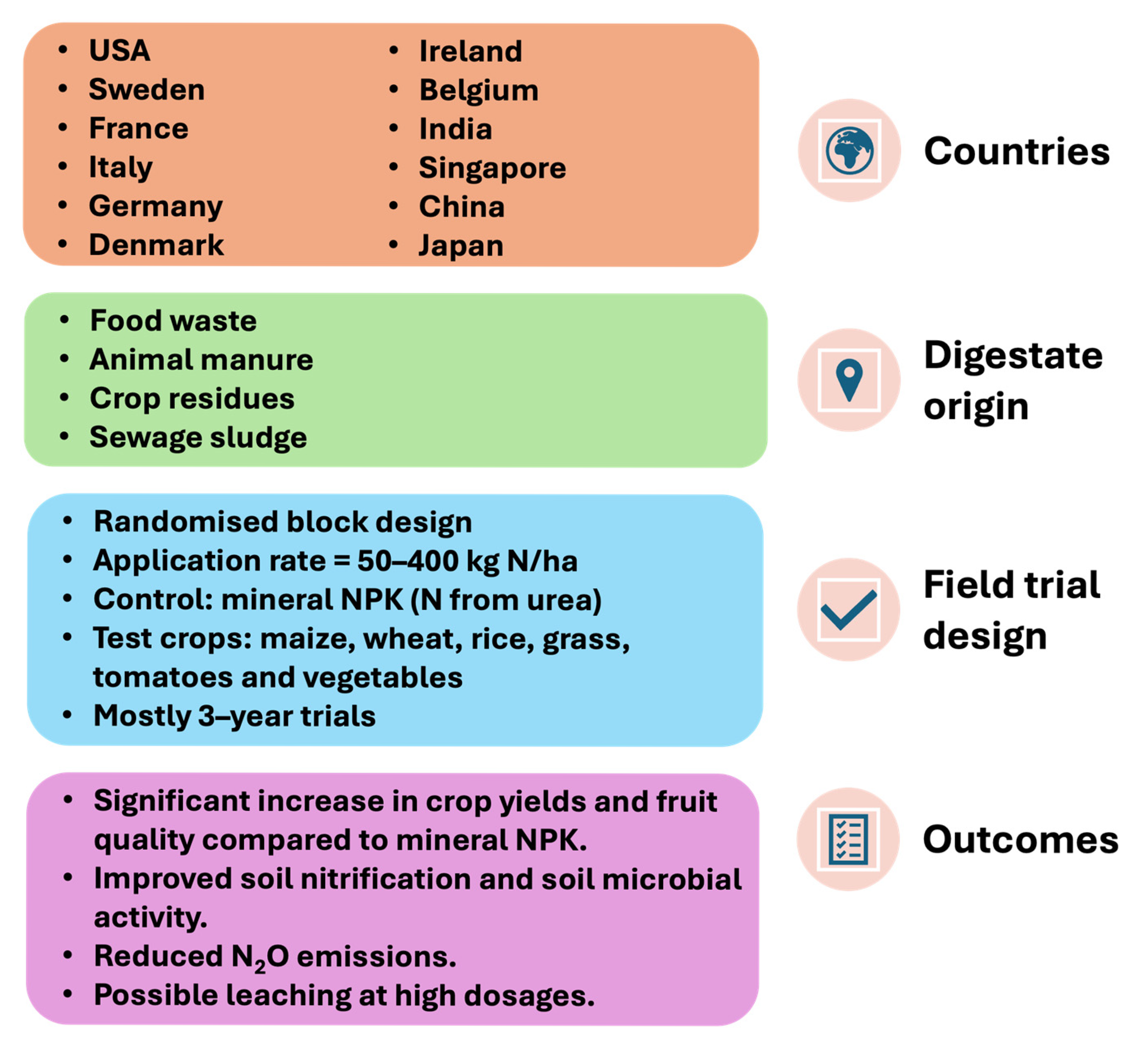
Previous studies have revealed that anaerobic digestate has the potential to replace inorganic fertilisers, enhancing soil fertility and crop growth. A summary of the most recent field experiments (14 trials conducted during 2019–2024) that utilised anaerobic digestates as fertilisers/soil amendments, and their significant findings are illustrated in Figure 4. According to Figure 4, field trials across different countries have evaluated the effectiveness of anaerobic digestates from various sources on crops like maize, wheat, grass, tomatoes, rice, and vegetables. Digestates generally performed as well as or better than synthetic fertilisers in terms of yield, crop quality, and soil health. Key findings include increased yields (up to 83% for wheat [39] and doubled grass yield [40]), improved nutrient content (e.g., protein, sugar–acid ratio in tomatoes [41]), and enhanced soil properties (e.g., pH, N, microbial activity [42]). However, challenges such as nitrous oxide (N2O) emissions [39,43] and potential nitrate (NO3) leaching [44] were observed, highlighting the need for tailored application rates and nutrient management strategies.

2.2. Factors Affecting Digestate Quality

2.2.1. AD Process Conditions

Studies have demonstrated that the biochemistry, microbiology and physicochemical operational conditions of the AD process profoundly impact the composition of digestate [7]. AD is a sequence of processes in which microorganisms digest organic materials in the absence of molecular oxygen. It basically involves the breakdown of complex, high molecular weight biomolecules into simple, low molecular weight substances [45]. Microbes that participate in AD are either facultatively or strictly anaerobic, capable of thriving in an anaerobic environment [46]. Biogas, technically a gaseous mixture of methane (CH4) and CO2, is the principal end product of AD, with the CH4 content varying between 40% and 70% [5,6]. There are four main stages of AD, namely, hydrolysis, acidogenesis, acetogenesis, and methanogenesis, which are known to function chronologically [47].
The first stage, hydrolysis, is catalysed by a diverse range of extracellular enzymes, such as cellulase, cellobiase, amylase, xylanase, protease, and lipase, produced by hydrolytic microorganisms [48]. In this stage, insoluble macromolecules such as long-chain carbohydrates, fats, and proteins are converted into their respective soluble monomers or oligomers, such as short-chain carbohydrates, long-chain fatty acids, amino acids and/or smaller peptides [45]. Hydrolytic bacteria mostly belong to the Firmicutes and Bacteroides phyla [49]. The highest level of microbial involvement occurs during this hydrolytic phase, as the microorganisms actively engage with the extracellular digestion of biomaterials [50]. However, the presence of lignin-rich polymers can slow the hydrolysis process. Therefore, hydrolysis is often considered the rate-limiting step in AD [51].
Acidogenesis is carried out by fermentative bacteria, where the hydrolysed products from the previous stage are further broken down into different compounds, such as organic acids, especially volatile fatty acids (VFAs), and other organic compounds, for example, ethanol, methanol, and formate, and as well as gases like hydrogen (H2), CO2, and NH3 [7,45]. The latter, derived from the degradation of amino acids, is usually transformed into water-soluble NH4+, which depends on pH and temperature conditions [52]. Acidogenic bacteria have 30 to 40-fold higher growth rates than methanogens, and they are known to survive extreme conditions such as low pH, high temperature, and high organic loading rates (OLRs) in AD reactors [50].
Conversion of VFAs, alcohols, aromatic compounds like benzoate, and other intermediate products generated from acidogenesis, such as propionate and butyrate, by acetogenic bacteria into the major VFA and most essential precursor for biogas production, i.e., acetate, is called acetogenesis [53]. It is known to be the fastest step in AD, which is more likely a secondary fermentation [50].
The last stage of AD, methanogenesis, is governed by methanogenic archaea, which utilise acetate and H2 formed by acetogenesis to produce biogas [49], while the residual mixture of solids and liquids, anaerobic digestate, is generated as a by-product [7]. The agronomic value of the digestate is defined by its nutritional and hygienic quality in terms of the content of essential plant nutrients, inhibitory chemical compounds, toxic heavy metals and pathogenic organisms [9].
The series of biochemical reactions in the AD process is led by consortia of phylogenetically varied microorganisms, predominantly bacteria and archaea. AD is a complicated network of synergistic and symbiotic relationships among these microorganisms and their metabolic pathways [53]. Examples of identified microbial groups involved in different stages of AD and their distinct functions are listed in Table 1. This understanding is important to optimise biogas production efficiency and anaerobic digestate management.
The microbial ecology of an AD system is directly influenced by external factors such as temperature, pH, substrate composition and other reactor operating conditions, which in turn affect biogas yield and digestate quality. For example, mesophilic and thermophilic microbial communities, respectively, dominate in biogas plants operated at mesophilic (35–37 °C) and thermophilic (55–60 °C) temperatures [9]. Usually, thermophilic conditions lead to rapid biogas production rates but are less stable than mesophilic conditions [54]. Although high temperatures in thermophilic AD reduce pathogen load, thermoduric spore-forming bacteria of pathogenic concern, such as Clostridium spp., would still survive and remain in the digestate [9]. A combination of thermophilic temperature and high hydraulic retention time (HRT) in the reactor allow for more exposure to unfavourable conditions, leading to faster pathogen inactivation [55].
Methanogens are extremely sensitive to pH fluctuations, surviving only at a pH range of 6.5–7.5, whereas acidogenic bacteria grow optimally at a pH range of 5–6.5 [56]. Over-proliferation of methanogens releases more NH3 and inhibits acidogenesis, while over-accumulation of VFAs by acidogenic activity suppresses methanogenesis. Therefore, maintenance of the AD reactor pH in a neutral range helps the recovery of hydrogen-consuming methanogens and establishes a syntrophy with hydrogen-producing acetogenic bacteria to reduce excess NH3 and VFA levels [49], thus reducing the phytotoxicity of the resulting digestate.
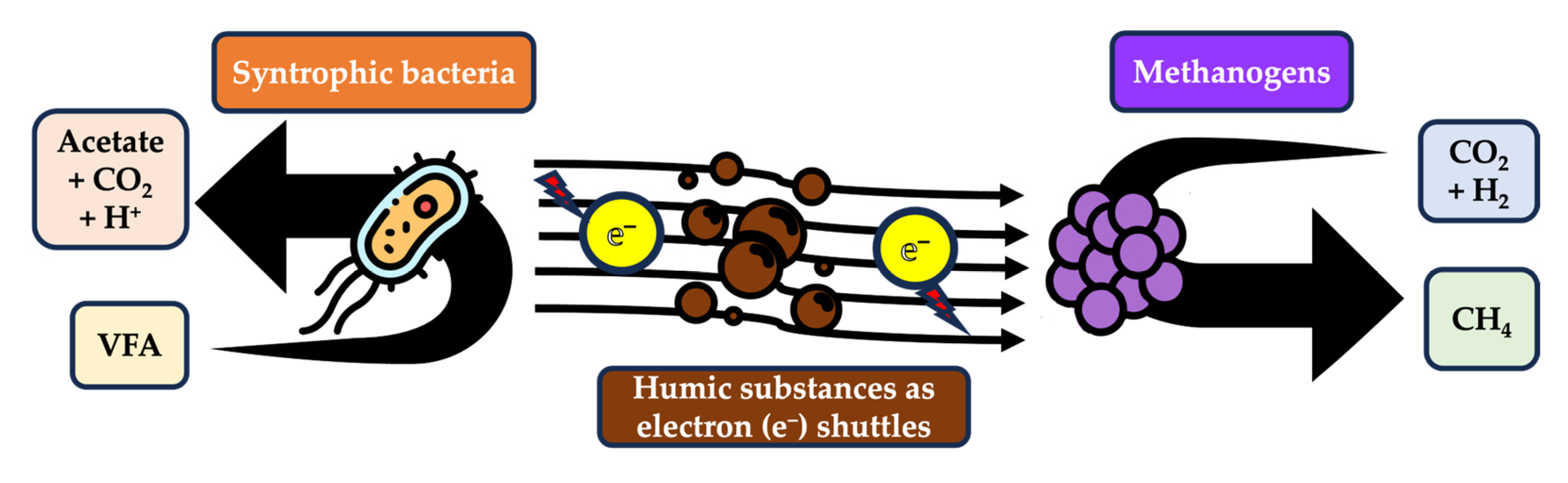
Trace elements (TEs) at relatively lower concentrations within the AD system ensure efficient anaerobic microbial metabolism and adequate micronutrient levels in the digestate for crop growth [10]. Metals and metalloids such as nickel (Ni), cobalt (Co), Fe, Cu, Zn, Mo, Mn, selenium (Se) and tungsten (W) are key components of bacterial metalloenzymes, nucleic acids and vitamin synthesis [57,58]. Metalloenzymes are essential for the catalysis of methanogenic reactions, and hence, a deficiency of these elements will lead to AD reactor failure [59]. Several studies have employed the addition of TEs to avoid nutrient deficits and reverse AD process inhibition by VFA accumulation, especially in food waste [60,61]. TEs are reported to facilitate VFA degradation via direct inter-species electron transfer (DIET) mechanisms between methanogens and syntrophic bacteria like Syntrophomonas and Syntrophobacter [62]. However, certain TEs, including heavy metals such as Cu, Zn, chromium (Cr), cadmium (Cd), lead (Pb), mercury (Hg) and arsenic (Hg), and some other metal ions such as Na+, K+, and Ca2+ or their soluble salts are of concern due to their cytotoxicity at high concentrations [10,63]. Therefore, these metals should not exceed the permissible levels with regard to the AD process stability and digestate quality. Supplementation of TEs in the form of chelates could be an effective strategy to increase the bioavailability of metals while reducing the dosage needed [64].
The activity of sulphate (SO42−)-reducing bacteria like Desulfovibrio in the digestate may result in the production of hydrogen sulphide (H2S) gas when they compete with methanogens [65]. H2S is unfavourable for the AD reactor system, as well as for the digestate quality, owing to its toxic, corrosive, and malodorous properties. To counteract these problems, sulphide/sulphur (S)-oxidising bacteria such as Sulfurimonas and Thiobacillus spp. can be enriched within the system to convert H2S into SO42−, thus compensating for the loss of S from the digestate [66].
The microbial communities involved in different stages of AD can be tailored to generate high-quality digestates [7]. Bacteria and fungi can be introduced to the AD system depending on the type of substrate. For instance, cellulolytic microbes can be added to promote hydrolysis of lignocellulosic biomass, generating a digestate rich in humic substances [67]. Bioaugmentation of the input feedstock with Bacillus and Pseudomonas species has the potential to co-enhance biogas yields and biofertiliser properties of the digestate, as these bacteria possess hydrolytic, fermentative and plant growth-promoting abilities [68,69].
Microbial community profiling of AD systems using molecular-based techniques, including taxonomic assignment by next-generation sequencing methods, gene identification by metagenomics, RNA sequencing by metatranscriptomics, and protein analysis by metaproteomics, has emerged as an advanced technology to elucidate the microbial groups and their roles in AD that are yet unknown [7,53]. Future research attempts should focus more on the effects of environmental factors on microbial interactions. For example, Jiang et al. [70] employed real-time qPCR to detect the mcrA gene to identify methane-producing archaea. The above study showed that the combined application of TE supplementation and enzymatic pre-treatment of the substrate had a synergistic effect on the AD of sewage sludge through the enrichment of hydrogenotrophic methanogens. Such discoveries about the microbial ecology of AD could potentially allow for better control and management of AD process conditions, ensuring the digestate has the desired nutrient profile suitable for its use in agriculture [7].

2.2.2. Feedstocks for AD

The type of feedstock subjected to AD plays an imperative role in determining digestate quality, as it strongly affects the physicochemical properties of the digestate [5,7]. Therefore, the selection of high-quality feedstocks ensures the production of high-quality digestates. Factors such as energy potential and nutrient profile should be considered in the feedstock selection to balance biogas production and digestate agronomic value [11]. Specifically, the feedstock should contain sufficient amounts of N, P, K and other nutrients required for microbial growth [5]. An imbalance of nutrients in the input feed will result in a poor-quality digestate in terms of nutritional value. The co-digestion of multiple feedstocks can manipulate the nutrient profile of the resulting digestate, thus replenishing the nutrients lacking in an individual feedstock [71].
Although materials with high biogas production potential are available, their use can raise environmental issues. For example, cultivating high-energy crops such as sorghum and corn is problematic due to land use competition with food crops [7]. Therefore, sustainable practices, including the reuse of waste and nutrient recovery from waste, are encouraged. The waste-to-energy concept uses many wastes as input feedstocks for biogas plants worldwide [5]. As indicated in Table 2, common waste-based feedstocks include food and garden organics (FOGO), animal waste, agricultural crop residues, sewage sludge, organic fraction of municipal solid waste (OFMSW), and industrial wastewater.
Table 2 specifically summarises the basic quality analysis outcomes of anaerobically digested waste materials obtained from full-scale biogas plants and utilised in recent AD-related studies (2020–2025). According to Table 2, most digestates are neutral to slightly alkaline with a pH in the range of 6.8 and 8.8, which is typical and favourable for microbial activity in AD. Reported VS/TS values range from 50% to 87%, indicating varying levels of organic content depending on feedstock. Moisture content of digestates, except food waste digestate, is generally high (>90%). Distillery stillage had the highest reported chemical oxygen demand (COD) of 6749 mg/L [72], while the electrical conductivity (EC) of digestates varied significantly between 1.38 and 21.7 mS/cm. Higher EC of corn silage and pig slurry mixture [73] may indicate high salt or nutrient content. C/N ratio of digestates from food waste [74], cattle dung [75], and agricultural waste [76] is in the ideal range (10–20), the latter being the highest (21.1). Total N varied widely, depending on organic and NH4-N. The highest NH4-N was observed in the co-digestion with pig manure [77]. P and K were found at moderate levels in most digestates.
Table 2. Basic physicochemical characteristics of biogas plant digestates derived from waste-based feedstocks.
Feedstock SourceDigestate CharacteristicsReference
pHVS/TS
Ratio
Moisture
Content
(w/w%)
CODEC
(mS/cm)
Total
C
Total
N
C/N
Ratio
NH4-NTotal
P
Total
K
Food waste7.83–8.207059.27–751394 (mg/g)1.38–11.50.92–48.86
(w/w%)
0.33–3.08
(w/w%)
2.79–15.865.90–6.55 (g/kg)11.69
(g/kg)
1.78
(g/kg)
[74,78,79]
Distillery stillage--90.036749
(mg/L)
--1.96 (g/L)--0.18 (g/L)-[72,80]
Cattle
manure
7.50–8.775091.2–993660 (mg/L)4.6–5.5436.0
(w/w%)
8.4
(w/w%)
4.2–124.4
(w/w%)
4.3
(w/w%)
10.7
(w/w%)
[75,81]
Pig waste and crop
residues
7.90–8.88-96.25-21.7025.21
(w/w%)
12.13
(w/w%)
2.08214.46–2932.74
(mg/kg)
8.62–32.34 (g/kg)104.8
(g/kg)
[73,77]
Agricultural waste7.80–7.9086.7993.02–94.70--44.0
(w/w%)
2.1
(w/w%)
21.1610 (mg/L)0.23–12.1
(g/kg)
1.71–11.3
(g/kg)
[76,82]
Municipal sewage sludge 6.80–8.2053–5493–97.7--120 (g/kg)20.8
(g/kg)
5.8290–420 (mg/L)10.0
(g/kg)
-[83,84]
According to the Food and Agriculture Organisation (FAO), one-third of the world’s food produced for human consumption ends up as waste, contributing to a significant amount of global GHG emissions through decomposition [85]. AD is a sustainable approach to food waste (FW) management, as it diverts waste disposal in landfills [86,87]. FW contains a large amount of biodegradable matter with a mixture of carbohydrates, lipids, proteins and minerals, particularly rich in NH4+, PO43−, and K+ ions [88]. It is also the primary component of OFMSW [86], with a high VS content of 70–90% [87]. The build-up of VFAs by the quick decomposition of VS and the ensuing low pH can cause AD process inhibition and phytotoxicity in the digestate [71,87]. Co-digestion of FW with a high load of lignocellulosic substances with slow biodegradability can reduce this rapid acidity by lowering the rate of hydrolysis. A study conducted by Zhang et al. [89] demonstrated that garden waste has been useful in this regard [87]. Co-digestion with N-rich biomass like manure is also effective in buffering and preventing acidification by VFAs [71]. Although FW digestates are common, a few undesirable characteristics restrict their direct utilisation. For example, high moisture content increases the cost of storage and transportation [90], and the abundance of extracellular polymeric substances (EPS) resists filtration/centrifugation [7]. Therefore, FW digestates are often subjected to various post-treatments [90].
AD of animal waste (AW) is a solution to livestock waste management that offers economic and environmental benefits [38]. Even though AW produces lower biogas yields than several other feedstocks, it has traits favourable for the AD process and digestate quality [7]. Animal manure contains a large pool of fermentative microbes [91], enabling it to act as a valuable source of microbial inoculum to kick-start the AD process. However, the characteristics of AW may vary depending on the source. For instance, cattle manure and poultry litter have a lower biodegradability compared to pig slurry, as they contain a large fraction of lignified compounds [11]. The fertiliser value of digestate can be raised by mixing AD feedstock with dairy/slaughterhouse wastes, which are rich in proteins and, consequently, NH4-N [11]. Wi et al. [92] in their study concluded that dairy manure could be used as an inoculum source for AD of swine manure without causing NH3 inhibition or VFA accumulation.
AD is an effective strategy to remove high levels of COD in high-strength wastewater of industrial origin, such as petrochemical, textile, pharmaceutical, and distillery effluent [93]. However, unwanted toxic/inhibitory substances can be present in industrial wastewater [9]. Therefore, digestates from anaerobically digested industrial wastewater usually undergo fractionation followed by nutrient extraction from the liquid digestate rather than being directly applied to soils. In a study conducted by Zhang et al. [94], P could be recovered in the form of mineral struvite from distillery wastewater digestate.
Waste/by-products from waste management services (e.g., wastewater treatment plants) also apply as inputs for AD [7]. Although digestates produced from the AD of sewage sludge present high nitrification rates and organic matter mineralisation, their agricultural applications are limited due to safety concerns [9]. Based on the results of their studies, Arhoun et al. [95] and Petrovic et al. [96] proposed co-digestion of sewage sludge with fruit and vegetable waste as a measure to improve the CH4 production and the agricultural usefulness of the resulting digestate.
Recently, advanced spectroscopy techniques such as Fourier transform infrared (FTIR) spectroscopy and nuclear magnetic resonance (NMR) spectroscopy have been exploited frequently to analyse digestate composition at the molecular level. These methods selectively identify functional groups, thus enabling thorough chemical characterisation and comparison of different types of feedstocks and digestates [9]. Through FTIR spectroscopy, a study conducted by Gonzalez-Rojo et al. [97] was able to discover that the AD of manure caused a dramatic decrease in aliphatic compounds, thus increasing the mineral content of the digestate. Another study [98] that employed 31P NMR identified the conversion of orthophosphate monoesters in the manure feedstock to inorganic phosphate in the digestate. Using such techniques to elucidate structural changes during organic matter transformation, particularly mineralisation, is a valuable future direction in optimising the AD process to generate a stable, high-quality digestate.

3. Digestate Quality Concerns for Agricultural Utilisation

3.1. Risks of Unprocessed Digestate Application

3.1.1. Pathogens

Hygiene is a parameter that is equally important as the nutritional value of the digestate, as it ensures the digestate is free of pathogenic microflora and other undesirable biological content [9]. The AD process itself is effective in pathogen inactivation by several means. Temperature and pH conditions used in AD, as well as certain substances produced during AD, have been found to reduce pathogen levels [10,99]. For instance, E. coli O157:H7 is reduced by 2 log units and 4 log units in mesophilic and thermophilic AD, respectively [100]. pH fluctuations in different stages of AD can also inhibit pathogen growth and survival [99]. A free NH3 concentration above 80 mg/L resulting from protein degradation is reported as inhibitory to pathogens [100]. However, anaerobic digestate may still contain undesirable organisms due to the changes in optimal reactor conditions or due to the specific abilities of pathogens to resist harsh conditions.
Pathogens are mostly introduced to the digestate from the initial feedstock. Digestates resulting from animal waste-based feedstocks pose a risk of a prevalence of bacteria of faecal origin, such as Salmonella spp., Escherichia coli, Enterococcus faecalis and Clostridium difficile [9]. Other zoonotic pathogens that can be present in animal waste include Brucella spp., Mycobacterium spp., Yersinia enterocolitica, Norovirus, Cryptosporidium parvum and Giardia intestinalis [10,101]. FW digestates may harbour food-borne pathogens such as Campylobacter jejuni, Listeria monocytogens, Bacillus cereus, Clostridium perfringens and Clostridium botulinum [9,10]. If unprocessed digestate is applied to agricultural lands, there is a risk of transmission of these pathogens to humans via food chains, causing serious infections [10,101]. Therefore, proper sanitisation of feedstocks and/or digestates is needed prior to soil application.

3.1.2. Chemical Pollutants

The agronomic value of the digestate is enhanced by its chemical safety and purity. AD feedstocks should be free of plastics, sand, stones, glass, rubber, ceramics, non-digestible matter and organic/inorganic pollutants that can hinder the AD process and deteriorate digestate quality [9]. However, some feedstocks, mainly industrial wastewater and sewage sludge, may contain undesirable amounts of chemical pollutants. Therefore, several countries have banned the use of the digestate derived from these feedstocks for agricultural use unless treated to generate safe biosolids [11]. Trace amounts of pesticides and herbicides can be present in agricultural residues [9]. The presence of toxic heavy metals, phenol derivatives and halogenated compounds in the digestate raises environmental and public health concerns when added to soils [5,11]. These harmful contaminants can accumulate in the soil and be taken up by plants, thus entering food chains. This bioaccumulation phenomenon can lead to serious human diseases like kidney failure and cancer [10].
In recent times, many new persistent organic pollutants have emerged in digestates from pharmaceuticals, personal care products, preservatives, packaging materials, detergents, fire retardants and other industrial products: microplastics, sterols, polymeric aromatic hydrocarbons (PAHs), polychlorinated biphenyls (PCBs), per- and poly-fluoroalkyl substances (PFAS) to name a few [5,11]. Most of these synthetic chemicals are long-lasting due to their recalcitrant nature and specific properties like heat resistance [102]. They have been found to affect human health adversely, specifically by disrupting the endocrine system [103]. Hence, evaluating the fate of the emerging contaminants is necessary before digestate application on soils. Nonetheless, these contaminants remain in low concentrations in digestates, making their detection and estimation difficult [5]. Also, the currently available methods for this purpose are time-consuming and expensive [102]. Therefore, the development of cost-effective techniques for the rapid identification of the aforementioned contaminants can be suggested for future research.

3.1.3. Phytotoxicity

Phytotoxicity is a critical factor that determines the suitability of a substance as a plant growth supplement. Mobile organic acids in digestate, particularly VFAs, may play a role in suppressing plant pathogens upon the application of digestate to soils [104]. However, digestates containing high levels of VFAs can be inhibitory to plant growth and beneficial microflora [105], as VFAs can alter cell permeability due to their acidity and affect the crucial metabolic enzymes [37]. Studies have confirmed the toxic effects of these VFAs on seedling emergence and shoot/root elongation through short-term germination tests. An 8-day germination study conducted by Masserano et al. [106] showed that rice roots were more sensitive than shoots to acetic acid phytotoxicity during early germination. A study conducted by Chen et al. [107] revealed that wheat rhizosphere bacteria were more sensitive to biowaste-derived acetic acid, propionic acid and valeric acid than soil fungi. Phytotoxicity of VFAs has been found to correlate positively with their concentration and length of the carbon chain [37]. Nevertheless, the overall effect may vary depending on the type of plant they interact with [7].
The germination index (GI) value expressed as a percentage of the control in a germination test indicates the phytotoxicity of a digestate on a particular plant species [108]. According to American standards, seeds of perennial ryegrass (Lolium perenne) and Chinese cabbage (Brassica rapa) are used as test materials in phytotoxicity assessments [109]. Digestates showing a GI value above 80% are generally deemed phytotoxic-free. GI values of 50–80% are considered moderately phytotoxic, while values below 50% correspond to a digestate inappropriate for agricultural use owing to high phytotoxicity [108]. Digestate stabilisation techniques have been effective in reducing VFA phytotoxicity. A study conducted by Nunez et al. [105] showed that composting could bring the total VFA of OFMSW digestate from 7200 mg/kg of dry matter to an acceptable level of 41.3 mg/kg of dry matter.

3.1.4. Effects on Soil Physiology

Excessive amounts of salt from anaerobic digestate spreading can cause changes in the soil’s physical structure. High concentrations of Na+, K+ and chloride (Cl) ions can disrupt the hydraulic conductivity of soil, and cause soil hardening and reduction in aeration [11]. These effects are assessed through the sodium adsorption ratio (SAR), potassium adsorption ratio (PAR), and magnesium adsorption ratio (MAR), which are measures of the ratio between monovalent cations (Na+, K+) and divalent cations (calcium-Ca2+, magnesium-Mg2+) in the water-soluble extract of the soil [110]. Soil SAR values above 13 indicate a decrease in the ability of the soil to form stable aggregates, thus reducing the permeability to water and restricting plant growth through osmotic stress [111].
Continuous application of a digestate with a high exchangeable Na+ level may lead to a high soil SAR, a condition called sodicity risk and hence may not be applicable for saline soils [110]. In a study conducted by Kaira et al. [112], winery wastewater sludge digestate demonstrated a high SAR due to the inoculum for the AD being a highly saline tannery effluent. The same study observed that the high concentrations of Ca and Mg in the digestate contributed to offsetting the sodicity risk by lowering the SAR value. However, a high MAR can negatively affect plant growth in alkaline soils [113]. Therefore, depending on the type of soil, regulation of the salt levels in the digestate is necessary to maintain a soil structure that supports crop growth.

3.1.5. Ecotoxicity

The changes in the biology of soil and the surrounding environments are indicators of the ecotoxicological consequences of digestate application on the soil. Digestates that carry antibiotics and cytotoxic chemicals (e.g., high concentrations of NH4-N) may deleteriously affect the indigenous soil fauna, including bacteria, fungi, protozoa, microarthropods, nematodes and earthworms, as well as the aquatic organisms living in waterbodies nearby [35].
These ecotoxic effects are commonly studied using earthworm bioassays. Ecological risk assessments (ERAs) using other organisms include luminescent bacteria (Vibrio fischeri), aquatic species (Daphnia magna and Artemia spp.), and plants (Lepidium sativum) [7]. A study conducted by Moinard et al. [114] evaluated both short-term (a few hours and 2 weeks) and long-term (2 years) effects of digestate application on the survival of two earthworm species. In the above study, it was observed that contact with high-dose liquid digestate was lethal to the earthworms in the short term, but the negative impact gradually decreased in the long term. The effect of the digestate application on soil biota may also depend on the soil type. In a short-term (42 days) response assessment performed by Vautrin et al. [115], they concluded that the digestate application on silty clay loam soil resulted in no significant change in soil microbial diversity and biomass, whereas the latter decreased by about 40% in loam and sandy loam soils when digestates with low C/N ratios were applied.
More long-term ERAs are required to assess the cumulative effects of digestate characteristics on soil biota and other life forms. A better understanding of these effects is pivotal to deciding the rates and methods for the application of different types of digestates on various soils, which would lead to the minimisation of digestate ecotoxicity.

3.1.6. Leaching and GHG Emissions

Even though anaerobic digestate supplies the soil with an additional pool of N, it can be lost without being available for plant uptake. N losses from the digestate can occur through NH3 volatilisation and dispersal of oxidised forms of N as N2O emissions or NO3 leaching [9]. It is reported that most of the N losses occur within six hours of digestate application on the soil, with digestates derived from FW and animal manure accounting for a 30–40% loss of total N [7].
The leaching of NO3 into water leads to nutrient pollution of aquatic systems by triggering excessive growth of algal blooms and bacteria, i.e., eutrophication [116]. This phenomenon depletes O2 in water, creating anoxic conditions detrimental to aquatic animals [117]. The consumption of such polluted water itself or its inhabitant life forms is unsafe for humans as well. Several human diseases, such as blue baby syndrome, shellfish poisoning and gastrointestinal and dermatological problems, are directly linked to NO3 overdose and algal toxins from eutrophication [118]. Recent research efforts in producing biofertilisers and slow-release fertilisers from digestate can be noticed as innovative approaches to address this issue. Digestates combined with biostimulants speed up the absorption of readily available nutrients by plants and slowly release the mineralised nutrients, thus minimising leaching (discussed in Section 7.3) [119,120].
N2O is a major GHG that contributes to global warming. Apart from that, digestates may also release other GHGs, such as CH4 and CO2, as well as aerosols like NH3, which are drivers of climate change [89,121]. Even though anaerobic digestate can potentially minimise GHG emissions compared to chemical fertilisers, the literature reports that it can still emit a residual CH4 amount of 70–90 N mL/g VS [7]. GHG emissions from digestate can be monitored directly by static open/closed flux chamber systems [122]. A life cycle assessment (LCA) [123] showed that raw digestate spreading on soil can contribute to a global warming potential (GWP) of at least −0.36 kg of CO2 equivalent per kilogram of digestate. Therefore, digestates need to be processed in a way that they are immediately incorporated into the soil after spreading on the field [9]. A study carried out by Sarec et al. [124] showed that subsurface digestate incorporation by the disc injection method in split doses was more effective in reducing GHG emissions than the band spreading method, while supporting forage quality and yield. The use of processed digestate has also shown significant potential to reduce these emissions. In a study conducted by Chen et al. [125], composting and incineration of solid FW digestate demonstrated lower 100-year GWP values (52.5% and 70.5%, respectively) than that of landfilling (103.4%).
Further research is required to develop best practices for digestate applications, including optimisation of application rates, modes, and timing to cater to specific crop requirements. Such findings will pave the pathway to leveraging the agricultural value of digestate without any concerns about its environmental impact.

4. Guidelines for the Safe Use of Digestate: Global Scenario

Health and safety concerns about the constituents of digestates have led to the implementation of strict controls and limitations on their agricultural utilisation. Hence, digestates must comply with certain quality and safety standards to be suitable for application on agricultural soils [5,10]. These standards define the maximum allowable concentrations of pathogens, heavy metals, organic/inorganic pollutants, phytotoxicants and impurities within the digestate intended for use as fertiliser [5,9,10]. The limits for contaminants vary depending on the nature of the digestate (solid-S/liquid-L/whole-W), the region/country of application and the digestate management policies followed, as outlined in Table 3.
To determine digestate quality and safety, countries from the European Union (EU) that are major contributors to biogas production, such as Germany, Denmark, France and Sweden, follow their own national guidelines that are compatible with either the EU Fertilising Products Regulation (FPR) [126], End of Waste Criteria (EWC) established by the EU Waste Framework Directive (WFD) [127], Ecolabel criteria [129], or European Compost Network’s Quality Assurance Standards (ECN-QAS) for compost and digestate [128]. The United Kingdom (UK) has introduced the British Standards Institution’s Publicly Available Specification (BSI PAS) 110, which is a certification scheme developed by the Waste and Resource Action Programme (WRAP) to create a market for anaerobic digestate as a renewable fertiliser [130]. The largest biogas producer in the world, China, has a national set of standards called the Code of China GB 38400 that outlines quality parameters and control measures for organic fertilisers, including anaerobic digestate [131]. The United States (US) Environmental Protection Agency (EPA) has published the Code of Federal Regulations (CFR) 503 for biosolids, which applies to digestate as well [132]. If digestate is applied as a fertiliser in Canada, it should adhere to the fertiliser regulations laid by the Canadian Food Inspection Authority (CFIA) under the Trade Memorandum (TM) T-4-93 [133]. In most states of Australia, anaerobic digestate is recognised as a type of residue from industrial waste/disposal operations under the waste code N205 [136]. The Victoria (VIC) State Government has adopted the anaerobic digestate management guidelines implemented by the relevant state-specific EPA under the Environment Protection Act 2017 [134]. In contrast, the Queensland (QLD) State Government employs EOWC guidelines established under the Waste Reduction and Recycling Act 2011 [135]. Conformity to these standards is compulsory to ensure the safe use of digestate worldwide.
Most standards share the same or almost similar types and permissible levels of chemical pollutants and indicator microorganisms as indicated in Table 3. Salmonella spp., total faecal coliforms (including Escherichia coli and Enterococcus faecalis), and individual E. coli seem to be the most common microbiological indicators. Generally, a digestate is declared microbiologically safe if Salmonella spp. is absent in 25 g of fresh digestate, and E. coli is less than 1000 CFU/g, or 100 MPN/g or mL, with reference to the existing standards (Table 3). Additionally, the Australian standards include testing of Clostridium perfringens, enteric viruses and helminth ova, especially for digestates derived from high microbial risk-feedstocks like animal waste [134,135]. Heavy metal (As, Cd, Cr, Cu, Pb, Hg, Ni, Zn, Co, Tl, V, and Sb) and essential TE (Se, B, and Mo) limits vary in different standards (Table 4), with the US EPA standards allowing higher concentrations than the rest [132]. Besides, several guidelines have set limits for total physical contaminants, including individual limits for plastics and stones (Table 3). According to Australian standards, high-quality digestates are exemplified by digestates that contain zero or negligible amounts of persistent organic pollutants such as PHAs, PCBs and PFAS [134,135]. CFIA furthermore states that any fertiliser application should not result in halogenated aromatic hydrocarbon (dioxins and furans) levels exceeding 5.355 mg Toxic Equivalency Quotient (TEQ) per hectare (ha) over 45 years [133].
Compliance with the guidelines of certification schemes is necessary for the marketing of digestate-based fertilisers as commercial products [10]. In addition to the mandatory standards of health and safety concerns, manufacturers of digestate-based fertilisers should also disclose fertilising properties (total N, NH4-N, P, K, S, Mg, and VFA) and general parameters (pH, VS, moisture content, bulk density, and electrical conductivity) of the digestate [5]. Although the above parameters have not been assigned with lower or upper limits, they will also be validated upon submission [130].
The EU regulations have imposed stringent limitations on N application rates to reduce nutrient pollution by digestate applications, whereas other countries are more lenient towards it [10]. Most EU countries’ standards align with the EU Nitrate Directive, which states that a maximum annual rate of 170 kg N/ha of soil is acceptable for anaerobic digestate spreading on croplands [137]. The UK guidelines allow a higher application rate of 250 kg N/ha/year outside the areas marked as “nitrate vulnerable zones” [138]. Other countries, including Australia, demonstrate a flexible approach in this regard, where N application rates are decided based on the specific crop requirements and regional environmental conditions [10].

5. Digestate Treatment for Direct Land Application

5.1. Pathogen Reduction

Various treatments, including chlorination, ozonation, ultraviolet (UV) radiation, pressure sterilisation, and pasteurisation, are used to reduce pathogens in digestates before and after AD [139]. While AD inactivates some pathogens, sanitisation is still needed if they persist. High costs can limit the large-scale adoption of certain methods [9].
Pasteurisation, the most common approach, involves heating at 70 °C for at least an hour to significantly reduce pathogens like Salmonella and heat-resistant viruses [5,139]. However, spore-forming bacteria (e.g., Clostridium and Bacillus) may survive and re-germinate before the digestate is spread on the soil [10]. To prevent pathogen regrowth, proper handling during transport and storage is essential [9]. Further processing of digestate has proven effective in reducing pathogens to safe levels without reactivation. A study conducted by Cathcart et al. [140] reported that the pelletisation could reduce the total Enterobacteriaceae count in the digestate below the maximum threshold with no reactivation afterwards, while Salmonella spp. was eliminated.

5.2. Stabilisation and Conditioning

Since some active microbes and biodegradable materials remain in anaerobic digestate following AD, stabilisation and conditioning practices are employed to increase the digestate’s fertiliser value and neutralise odour emissions [5,9].
Solid digestates can be stabilised through thermal or solar drying to reduce moisture content, facilitating transport and long-term storage while maintaining their stability [141]. However, drying equipment is costly, suited mainly for large-scale use, and prone to damage, fire risk, and N loss via NH3 volatilisation. Acidification with alum and exhaust gas scrubbers can mitigate these issues, as reported in previous studies [142,143]. Chemical conditioning, involving acid or base addition, adjusts pH to increase nutrient solubility and availability, though lime use may exacerbate NH3 volatilisation [7,9]. Coagulation-flocculation, another treatment method, removes colloidal particles by neutralising their surface charge and forming large aggregates called flocs [71]. This method is effective in lowering total suspended solids (TSS), colour, and turbidity [144]. However, there are limitations due to the high cost and low biodegradability of commonly used polymers like polyacrylamide as flocculants and their affinity to certain pollutants [12]. This has prompted research into sustainable alternatives such as chitosan-based biopolymers like chitosan [145].
Composting is the most widely used biological method for solid digestate stabilisation. This process involves aerobic microbial degradation of organic matter in the digestate under controlled conditions [146]. The porous structure of solid digestate ensures ample O2 supply and favours aerobic microbial growth during composting [146]. Composting induces partial mineralisation of nutrients and reduces phytotoxic volatile compounds like VFA [5]. In the final phase of composting, complex compounds such as cellulose, hemicellulose, and lignin are converted into HS in the form of humin, humic acid, and fulvic acid. Applying such composted digestate on the soil increases its C sequestration since these HS are major reservoirs of soil organic C [146]. High temperatures maintained during the process can inactivate pathogens and antibiotics [9]. Therefore, post-AD composting yields a hygienic fertiliser product with enhanced phytostimulant properties and reduced phytotoxicity, elevating its agronomic value. Nevertheless, during composting, NH3 in the digestate can be volatilised, and nitrification and denitrification reactions can emit N2O [147]. Also, high moisture content and low C:N ratio of the digestate require a long composting period and result in low degradability. This can lead to a low heat generation within the system, which is insufficient for disinfection [9].
Recent studies have focused more on co-composting anaerobic digestate with organic waste to produce high-quality organic fertilisers. This helps adjust the digestate composition to increase composting efficiency [5]. The addition of organic materials that can act as bulking agents has been found to improve the composting process by several means. Mixing these materials with compost increases air circulation, nutrient concentration, microbial decomposition rate and humification while decreasing the moisture content and odour/GHG emissions [5,9]. Commonly used bulking agents include plant-based lignocellulosic waste such as wood chips, sawdust, rice husk, corn/wheat straw and green waste [146]. Materials with high porosity and large surface area, such as biochar and zeolites, have also been suggested for this purpose [9]. Another eco-friendly method to enhance the quality of digestate-derived compost is vermicomposting, which uses earthworms to reduce the toxicity of the digestate [6]. In a study conducted by Rekasi et al. [148], compost and vermicompost prepared from sewage sludge digestate by adding spent mushroom substrate, straw, biochar, and earthworms (Eisenia fetida) showed similar toxic element levels but lower than the initial digestate.
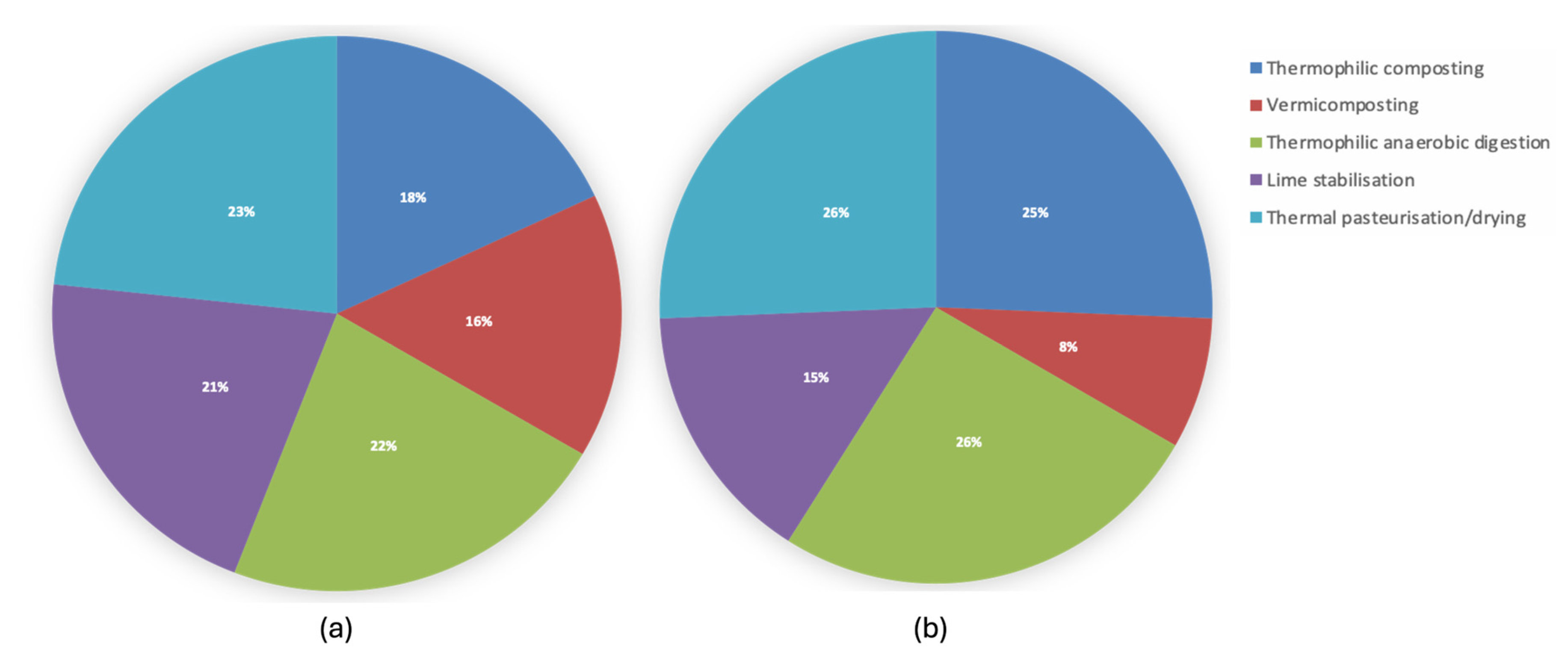
Figure 5a presents the relative average retention of N, P, and K across five post-treatment methods: thermophilic composting, vermicomposting, thermophilic AD, lime stabilisation, and thermal pasteurisation/drying. Thermal pasteurisation/drying and thermophilic AD exhibited the highest shares of NPK retention, each preserving more than 90% of nutrients on average. Lime stabilisation also achieved high nutrient conservation, with mean retention values exceeding 85%. By contrast, thermophilic composting resulted in the greatest overall nutrient losses, primarily due to volatilisation of N. Vermicomposting maintained high levels of P and K but showed comparatively lower N retention, resulting in a smaller overall share of total nutrient preservation.
Figure 5b compares the relative pathogen-reduction capacity of the same treatments, expressed as normalised log10 reductions. Thermophilic AD, thermophilic composting, and thermal pasteurisation/drying demonstrated the highest contributions, each achieving ≥5-log reductions under appropriate operating conditions. Lime stabilisation produced a moderate contribution, consistent with reported 3-log reductions. Vermicomposting displayed the lowest relative contribution, reflecting its limited ability to achieve complete pathogen inactivation without supplemental treatment. Together, Figure 5a,b illustrate that treatments with strong pathogen inactivation potential generally coincide with high nutrient retention, particularly in the case of thermophilic AD and thermal pasteurisation. However, treatments such as vermicomposting may require integration with additional hygienisation steps when Class A biosolids standards or equivalent pathogen-reduction targets are required.

6. Conventional Digestate Processing Technologies

6.1. Digestate Phase Separation

A key objective of digestate processing is volume reduction for easier handling, storage, and transport [7,9,12]. This is typically achieved through solid–liquid separation using low-cost methods like screw presses, gravity settling, filtration, or centrifugation, with the method chosen based on digestate type or centrifugation [6,9,12]. For instance, fibrous agricultural digestates are often separated using slowly rotating screw presses, though centrifuges are more efficient [6]. Separation results in a liquid fraction (LF) comprising ~80% of the volume and a solid fraction (SF) with higher dry matter content [12]. However, efficiency can be hindered by undigested organic matter and microbial extracellular polymeric substances (EPS), which may require polyelectrolyte addition for better dewatering [155].
Digestate phase separation offers both operational and agricultural benefits by dividing nutrients between fractions. The liquid fraction (LF) retains water-soluble nutrients like inorganic N and K, while the solid fraction (SF) holds most of the C, P, and organic N [71]. LF infiltrates soil well but has low dry matter and market value due to its high water content, often requiring further processing [24]. In contrast, the SF, or “pressed cake,” contains 20–30% dry matter with humus-like substances [6,9], making it a valuable organic amendment for improving soil bulking capacity [12]. The SF can be dried, pelletised, or composted to enhance marketability and reduce transport costs [7].
A pot experiment [32] showed that >80% of N and 87% of K of the digestates (rye stillage and pig slurry separately co-digested with maize silage) fractionated in the study flew to the LFs, whereas >60% of P and 70% of Mg flew to the SFs. The highest maize yields were obtained in the above study using untreated digestates and LFs, which were not associated with nutrient leaching (>100% nutrient recovery). Pelletised digestates and SFs demonstrated a slow release of nutrients but with significant N losses (>95%) by NH3 volatilisation.

6.2. Production of Organo-Mineral Fertilisers from Digestate

6.2.1. Nutrient Recovery from the Liquid Digestate

Nutrient recovery technologies aim to enhance nutrient bioavailability, with different methods offering specific benefits and trade-offs based on crop needs and economic viability [24]. Solid–liquid separation and liquid digestate treatment help create fertilisers tailored to crop nutrient demands [7].
The liquid fraction (LF) of digestate is rich in N (70–80% of dissolvable N) [24], contributing to digestate alkalinity as NH3/NH4+ [156]. Ammonia stripping, the most common method, removes 70–80% of total N by transferring NH3 to the gas phase at high pH (10–11) and temperature (60–70 °C), then capturing it with acids to form ammonium salts [9,12]. This method suits digestates with high NH4-N levels (above 1500 mg/L), as their direct land application is harmful due to the excessive nitrification of the soil [157]. This way, N release can be controlled, and the treated digestate can be recirculated to the digester to adjust the alkalinity [71]. Despite being an easy operation, NH3 stripping poses environmental and safety concerns. The use of sulfuric (H2SO4) or nitric (HNO3) acid to capture NH3 can be costly and can generate toxic waste [158]. Although the pH can be increased with CO2 stripping and lime addition, there is a risk of calcium carbonate scaling [159]. The use of air as the stripping gas can be inhibitory to the growth of strictly anaerobic microbes in the digestate, but alternative gases are expensive and hazardous [71]. Alternative physical methods like vacuum evaporation, microwave irradiation, and membrane filtration achieve 70–98% N removal [9], but are costly and prone to issues like membrane fouling and clogging [12,71].
The SF concentrates most of the P compounds in the digestate (55–65%) [71]. P from liquid digestate is commonly extracted via struvite precipitation using a high concentration of Mg at alkaline pH (8–10), allowing soluble P removal at an efficiency of above 80% [24]. Ammonium struvite (MgNH4PO4·6H2O) is a valuable slow-release fertiliser that can partially replace phosphorus pentoxide (P2O5) in commercial fertilisers [160]. Similarly, K can be recovered as potassium struvite (MgKPO4·6H2O), which offers an alternative to different potash-based fertilisers [161]. Sustainable approaches have been attempted in these precipitation methods, including the replacement of Mg additives such as MgO, Mg(OH)2, and MgCl2 with Mg-rich desalination waste like seawater brine/bittern [162,163].
In recent experimental studies, most of the nutrient recovery methods have been combined to produce multi-nutrient products, avoiding the necessity of costly acid/alkali additives for pH adjustments. Caustic soda (NaOH) dosing has been replaced with CO2 stripping [164] or microbial activities like autotrophic nitrification [165]. In a study conducted by Proskynitopoulou et al. [166], a series of treatments, including micro- and ultrafiltration, reverse osmosis, selective electrodialysis, and combined UV/ozonation, were applied to a liquid fraction obtained from a biogas plant digestate. In the aforementioned study, filtration removed the TSS, while reverse osmosis removed the remaining solutes. The selective electrodialysis unit allowed the recovery of over 95% of NH4+ and K, with the latter as struvite. The experiment of Johansson et al. [167] could simultaneously recover P and K in the form of struvite from a batch reactor digestate, after removing N by the biological process of partial nitritation-annamox. Alternatively, vivianite ([Fe(PO4)2·8H2O) and calcium phosphate precipitation (instead of struvite) can be carried out by means of electrochemical precipitation coupled with membrane separation [71]. Better nutrient extraction efficiencies could be achieved using these integrated methods, which need further research in the future.

6.2.2. Char from the Solid Digestate

The SF resulting from the digestate phase separation contains about 15–55% of C by weight [71]. Since the SF includes inhibitory and recalcitrant compounds such as fibrous lignocellulosic substances, polyphenols, and furans, it is mostly subjected to mechanical, enzymatic or chemical pre-treatments to improve biodegradability [9,71]. If not further degraded, thermochemical processes such as pyrolysis, gasification, and hydrothermal carbonisation (HTC) or liquefaction (HTL) are exploited to convert the SF into char, a value-added C-rich product with fertiliser properties [9,12,71].
Pyrolysis is a popular method for degrading high solid-containing substrates in the absence or at low concentrations of O2 [168]. This process occurs in a temperature range of 300–1000 °C [169]. Slow pyrolysis employs longer residence times and lower heating rates compared to fast pyrolysis, resulting in higher biochar yields (25–35% of the biomass) [71]. Gasification involves the partial oxidation of organic matter at temperatures as high as 700–1300 °C [170,171]. Pyrolysis/gasification yields three major products, namely, (1) solid carbonaceous biochar [172], (2) a tar-like liquid called bio-oil composed of various organic compounds, including PAHs [173], and (3) a mixture of non-condensable gases called syngas, composed of CO, CO2, CH4, H2, ethylene, and C3-compounds [174].
HTC or HTL are often utilised to treat humid digestates [71]. HTC is performed under a milder temperature of 180–250 °C [175] compared to HTL, which occurs at an elevated temperature between 250 and 380 °C [176]. The char derived from HTC is called hydrochar, which is rich in P and can be recovered through precipitation [12]. The liquid product of HTL can be separated into bio-oil and an aqueous phase rich in soluble nutrients, which can be recovered by liquid treatment technologies [176]. This aqueous phase can also be recycled as a co-digestion feedstock for AD processes, but precautions should be taken to avoid the effect of inhibitory compounds that can be present in it [177].
Char can capture CO2 and sequester C, owing to its porous nature, thus mitigating climate change [12,71]. Morphology and chemical properties of biochar and hydrochar are slightly different due to the differences in production processes. Biochar has a larger surface area, a higher ash and aromatic content, greater H/C and O/C ratios, and alkaline pH (up to 9–10) compared to hydrochar with an acidic pH (4–7) [71]. Therefore, biochar exhibits numerous physical and functional characteristics that are beneficial in agriculture (discussed in detail in Section 7.3.1). In a recent study, biochar produced by pyrolysis consisted of a high surface area with a porous structure ranging from 1 to 20 μm in diameter and could be used for the simultaneous removal of methylene blue and malachite green dyes in a binary system [178].
On the other hand, bio-oil has gained attention from researchers as a substrate for producing renewable fuel alone or blended with existing fossil fuels [179,180]. However, more research is required to overcome its poor qualities, such as acidic pH, the presence of O2, high instability, and low C and H content [173,181]. In parallel, syngas has also recently attracted attention as a supplementary energy source to generate heat/electricity alone or mixed with biogas [182]. Other syngas-related studies involve methanol production [183] and use as a hydrogen source in biological methanation processes [184].

7. Emerging Technologies for Digestate Quality Enhancement

7.1. Bioaugmentation for Biofertiliser Production

7.1.1. Plant Growth-Promoting Rhizobacteria

In sustainable agriculture, the widespread use of biofertilisers is regarded as a promising alternative to chemical-based fertilisers, effectively eliminating the potential risks and hazards associated with the latter [14]. The production of microbial biofertilisers using plant growth-promoting rhizobacteria (PGPR) is becoming increasingly popular as an environmentally friendly and cost-effective method to enhance crop yields [13]. These bacteria interact with the rhizosphere or endosphere of the plant, promote its nutrient uptake, and improve soil conditions [13,14], thereby minimising the leaching of excess nutrients [185]. PGPR play a crucial role in global food security, not only by encouraging plant development and productivity but also by suppressing pathogen growth and infection [186,187]. Utilising such beneficial microbial inoculants in sustainable biofertiliser production aids farmers in reducing their dependency on NPK fertilisers [14]. This will potentially mitigate the risk of serious environmental issues such as nutrient pollution and subsequent eutrophication, thereby protecting remarkable natural ecosystems like the GBR.
PGPR exert favourable effects on plants through various mechanisms, as indicated in Figure 6. The key direct mechanisms include atmospheric N2 fixation by nitrogenase enzymes (into NH3), solubilisation of organic P compounds by acid phosphatase enzymes (e.g., breakdown of phytic acid by phytase), production of plant-like phytohormones, Fe2+ uptake by siderophores, and excretion of exopolysaccharides/biosurfactants that enhance adhesion properties [13,14]. Indirect mechanisms involve the production of antioxidants, antibiotics, cell wall-degrading enzymes, and volatile organic compounds, which induce systemic resistance mechanisms, thus improving the plant’s ability to withstand pathogen infections and abiotic stress conditions [15,188].

7.1.2. Bioaugmentation of Anaerobic Digestate

Many PGPR have been isolated and cultivated in laboratories, mainly Bacillus spp., Pseudomonas spp., Rhizobium spp., and Azospirillum spp., facilitating the development of commercial inoculants [14,15]. The use of these inoculants as single or mixed cultures in biofertilisers is currently practised, and such products are available on the market [13].
Compared to inorganic fertilisers, nutrients in organic fertilisers, like anaerobic digestates, are not in readily available forms for plant uptake. However, if digestates are inoculated with PGPR prior to soil application, they can facilitate nutrient release from organic matter, reducing the need for synthetic fertilisers [15]. Mineralisation activities catalysed by enzymes of PGPR help convert organic N and P in digestate mainly to NH4+ and inorganic phosphate (PO43−), which plants can readily absorb [190]. Some PGPR, upon their addition to soil together with digestate, can modulate the activity of soil enzymes (e.g., nitrate reductase) involved in N cycling and increase the availability of NH4+, NO3, and NO2 to plants [191]. According to the study of Breedt et al. [192], several organic acids secreted by PGPR, such as gluconic acid, citric acid, and lactic acid, contain functional groups that can chelate cations associated with phosphates, releasing soluble PO43−. Phytohormones produced by PGPR, such as auxins and cytokinins, can stimulate root growth and increase the surface area for nutrient uptake [191]. Therefore, bioaugmentation of anaerobic digestate with PGPR is a smart move to leverage the maximum use of the nutrients added, leaving minimal unutilised nutrients behind for leaching. This effect was observed in a study that employed an organic manure-based fertiliser combined with PGPR, which significantly reduced N leaching after 3 weeks of fertilisation [193]. Tailored selection of PGPR strains based on the target crop may maximise such agricultural benefits. For example, Rhizobium spp. would be more suitable for the inoculation of a digestate intended for legume fertilisation, as they can establish a strong symbiotic relationship with each other by forming root nodules [194].
The abiotic stress relief by PGPR is evident by the increase in the plant antioxidant enzyme levels, which neutralise the reactive oxygen species (ROS) produced under stress conditions [195]. This phenomenon helps in reducing the harmful effects of ROS, thus improving the plant’s ability to cope with stress. Besides, some rhizobacteria produce the 1-aminocyclopropane-1-carboxylate (ACC) deaminase enzyme and degrade the molecular precursor of ethylene, which is produced at high levels under stress conditions, thus reducing stress-induced plant yield loss [196]. In a greenhouse study [197] where the digestate naturally contained rhizobacteria with ACC deaminase activity, soybean was less affected by heat or water deficit and had 11–12% more biomass than soybean that received urea. Therefore, selecting PGPR strains with such specific properties for bioaugmentation of anaerobic digestate may yield additional benefits apart from the effective fertilisation [16,17].

7.1.3. Bioaugmentation of Biogas Reactors

PGPR inoculants require a suitable microenvironment that provides physicochemical protection over an extended period to prevent the rapid decline of bacterial populations [198]. Therefore, the primary goal of developing inoculant formulations is to enhance their longevity and availability in suitable delivery forms [13]. Consequently, inoculants can be formulated as either liquid or solid products by incorporating appropriate carriers [198].
There is a possibility that low-cost additives, particularly by-products or waste from industries, can act as a potential nutrient source if included in biofertiliser formulations, thereby accounting for a significant decrease in production costs [13]. Commercial crop inoculation with PGPR in combination with waste-originated substrates would be a novel approach toward producing sustainable biofertilisers [199]. Interestingly, throughout the past decade, there has been much research to test the compatibility of such materials, such as sugar industry waste and distillery by-products, including sugarcane bagasse [200,201] and press mud [202,203], crop residues such as cereal husks/bran/straw and shells of nuts [204,205], and char from manure or sludge [203,206,207] as carriers of PGPR in biofertilisers. Hence, newly recognised forms of nutrient-rich waste, such as anaerobic digestate, seem to be promising candidates for this purpose.
Microbial community analysis has revealed the presence of PGPR strains in different anaerobic digestates exploited in previous studies [208,209,210]. However, the survival of PGPR in sufficient quantities in the digestate cannot be guaranteed. This can be adjusted by the targeted in situ bioaugmentation of AD systems, which involves additional dosing of PGPR into the reactors [211]. Many AD-related bioaugmentation studies have been carried out by introducing additional hydrolytic, fermentative and/or methanogenic microbes, aiming at mitigating ammonia inhibition and increasing biogas production [212]. Some of the above studies have utilised PGPR strains, although producing PGPR-enriched digestate was not their primary target. However, since PGPR can also participate in different stages of the AD process, process outcomes should be closely monitored, and extra dosing of other types of microbes might be required to balance the microbial biochemistry [211].
The benefits of integrating AD with PGPR bioaugmentation, evidenced by a compilation of recent in situ and ex situ AD-related bioaugmentation studies, are presented in Table 4. According to these studies, several PGPR strains of mainly Bacillus and Pseudomonas spp. have been used as inoculants to enhance the performance of digestates from various substrates in AD, post-AD composting, and as biofertilisers. The key findings indicate bioaugmentation with PGPR provides an opportunity to convert anaerobic digestate into a high-quality biofertiliser within the reactor itself, simultaneously enhancing biogas production. Studies demonstrated that inoculation with PGPR led to notable increases in CH4 and H2 yields by improving hydrolysis and fermentation stages of AD through substrate degradation and promoting beneficial microbes such as Bacillus, Methanosarcina, Limnochordia, Syntrophomonas, Lentimicrobium, and Hydrogenispora [68,213,214]. In post-AD applications, PGPR treatments enhanced compost quality by reducing lignocellulosic content, increasing enzymatic activities, and lowering the abundance of antibiotic-resistance genes [67]. Fertiliser potential was also improved when digestates were mixed with PGPR cultures at standard application rates, resulting in higher crop yields [215,216], enhanced nutrient uptake with reduced leaching [217], protection against plant pathogens like Fusarium, and stimulation of beneficial soil microbes like Trichoderma [217]. Better plant resilience to drought [16]/salinity stress [218,219,220] and heavy metal toxicity [221] in digestate-treated soil was evident through the increase in plant antioxidant enzymes such as catalase, superoxide dismutase, and ascorbate peroxidase.

7.2. Enrichment of Phytostimulant Compounds in Digestate

7.2.1. Humic Substances

Humic substances (HS), primarily in the forms of humic acid (HA) and fulvic acid (FA), are widely used as biostimulants in horticultural applications [18,19,20]. Plant growth promotion by HS is related to their positive influence on root architecture and soil environment via different mechanisms. The key mechanism underlying the increased uptake of macronutrients is the increased cation exchange capacity of the polyanionic HA, which also incorporates essential metals necessary for plant development [18]. The availability of P in the soil is increased by HA interfering with calcium phosphate precipitation [222]. Another important contribution of HA to root nutrition amelioration is the stimulation of plasma membrane H+-ATPases, which utilise the free energy released by ATP hydrolysis to increase the cell membrane permeability for importing NO3 [223]. FA mainly facilitates the uptake of micronutrients like Fe by increasing their mobilisation in the soil [71]. In addition to nutrient uptake, HS-mediated proton pumping by plasma membrane ATPases contributes to plant cell wall loosening, cell enlargement, and organ growth [222]. Mechanisms of plant stress alleviation by HS have also been suggested. High-molecular mass HS have been shown to enhance the activity of key enzymes involved in plant stress response modulations [224].

7.2.2. Co-Production of Biogas and Humic Fertilisers

Many studies have demonstrated improved yield and quality of crop harvest when HS are co-mingled with organic or inorganic fertilisers [225,226]. HS may be naturally present/generated within the digestate, but they can be evolved and wasted within the AD system [227,228]. Therefore, anaerobic digestate can be amended with HS to increase its fertiliser value. This can be done either by mixing HS with anaerobic digestate at standard agronomic rates, HS dosing of anaerobic reactors, or by operational changes in the AD reactor to produce HS-enriched digestate. Technically, co-digestion with lignocellulosic biomass or C-rich additives like biochar increases the concentration of HS within the digestate [229,230]. Alternatively, the digestate can be composted to improve microbial decomposition of the residual organic matter, resulting in more HS [231]. The acid-alkali extraction method can be used to recover HA and FA from fresh/composted digestates [71]. This method uses centrifugation followed by NaOH/KOH addition to extract insoluble humates, which are soluble only in alkaline solutions. Soluble fulvates remaining in the supernatant are then concentrated using filtration methods. Acidification of humates and fulvates with HCl yields HA and FA [232].
HS show dual effects on the AD process due to its electron transfer capacity (ETC) rendered by redox-active (oxygen-containing) functional groups such as quinones and ketones [233]. The electron shuttling activity of HS promotes the acidogenesis stage, facilitating VFA production. However, HS should be maintained below a certain threshold to avoid AD process inhibition [234]. Previous studies have revealed that hydrolysis and methanogenesis can be negatively affected by elevated levels of HS [235,236]. At high concentrations, HS can inhibit hydrolytic enzymes, complex with metal ions, and act as a terminal electron acceptor (TEA) by directly accepting electrons from acetate, thus hampering the conversion of acetate to methane [237,238]. Also, HS with a molecular mass less than 1000 Da may enter the cells of methanogens and disrupt their metabolism [239]. Nevertheless, several studies have demonstrated the ability of HS at optimum concentrations to increase the syntrophy between syntrophic bacteria and methanogens through direct interspecies electron transfer (DIET) [239,240], leading to enhanced biogas production, as shown in Figure 7.
A summary of previous studies (2020–2025) related to AD process improvement by HS addition and/or digestate-based humic fertiliser production is presented in Table 5. According to Table 5, various substrates (kitchen waste, sludge, crop residues, and manures) have been treated with HAs or FAs to assess their impact on AD performance and fertiliser potential. These HS were generated through commercial addition, alkaline extraction, biochar-enhanced composting, hydrothermal treatment, and solid-state AD. Optimal conditions (e.g., 156 °C, 2 h, 5% KOH) yielded up to 40.3% HA, with good thermal stability and nutrient retention [241]. With respect to biogas production, HS had mixed effects depending on type, dose, and redox potential [242]. In some cases (e.g., sludge, fruit/veg + manure, rice straw), HS enhanced methane yield (up to +14%) and microbial activity [243]. However, excessive or highly redox-active HAs could inhibit methanogenesis (e.g., −53.3% CH4 with commercial HA at 0.5 g/L in sludge) [244]. HS influenced enzyme activities and microbial communities as well. They could inhibit hydrolytic/protease activities but enhance acidogenesis and interspecies electron transfer, often benefiting methanogens like Methanosaeta and Firmicutes [245]. In terms of fertiliser potential, digestate-derived HS improved soil fertility and plant growth. Notable results include increases in biomass, root length, and photosynthesis (e.g., +114.7% in urban waste trials) [246]. HS also improved compost maturity (e.g., 146.95% GI) and N retention [247], and met national fertiliser standards in China [120].

7.2.3. Potential Synergistic Interactions of HS and PGPR

The effect of integrating HS with PGPR to produce high-quality biofertilisers is under-explored [21]. Synergistic effects of HS and PGPR have been observed in previous studies that led to improved crop growth [249,250]. Possible mechanisms of this synergistic effect have been discussed, as shown in Figure 8. HS may increase the root nodulation in legumes by triggering the expression of rhizobacterial genes related to N2 fixation [250]. In non-leguminous plants, the combined effect of HS and PGPR is linked to the enhanced endophytic bacterial colonisation due to the increased root branching upon HS addition [21].
In light of the above findings, by combining anaerobic digestate, HS, and PGPR, designs for novel biofertilisers can be generated. This approach has not been attempted yet, despite its potential benefits as illustrated in Figure 9. Co-production of biogas and biostimulant-enriched digestate will be an innovative approach for linking the renewable energy industry and sustainable agriculture.

7.3. Production of Slow-Release Fertilisers (SRFs)

7.3.1. Digestate-Based Biochar

Biochar is a popular organic additive in sustainable agriculture [251,252]. Biochar manifests specific characteristics such as a highly porous nature, a large surface area, as well as surface hydrophobicity and high cation-exchange capacity owing to its many functional groups on the surface [22]. These characteristics render biochar its adsorbent, catalytic, detoxifying, and purifying abilities [71]. This C-rich, alkaline, solid material is known to improve soil C sequestration, water retention, aeration, microbial activity, and heavy metal immobilisation, while reducing nutrient run-off, soil acidification and bulk density [22,253] (Figure 10). These properties make biochar eligible for land applications to enhance soil fertility and structure. Therefore, researchers have paid attention to focusing on the use of biochar alone or in combination with other fertilisers to promote crop growth and yields [253,254].
Due to its buffering capacity and ability to act as a biofilm support, biochar can enhance the stability of the AD process when added [62,256,257]. It can also be utilised to improve the dewaterability of digestate or for composting purposes [258]. Since biochar is employed in potable water and wastewater treatments as an activated C material, it might be equally beneficial for biogas purification and upgrading [259,260]. Therefore, beyond fertiliser production, biochar produced from the thermochemical conversion of solid anaerobic digestate can be repurposed in the biogas production process. These integrated applications of biochar in AD have received less attention on an industrial scale, indicating a need for further promotion.
Biochar can serve as an SRF by gradually providing nutrients to plants over time [22,253]. Its structure enhances its ability to retain plant nutrients such as N and P, allowing for effective adsorption. Once these nutrients are adsorbed on the surface, biochar retains them firmly, which reduces the need for frequent fertilisation and minimises nutrient loss [22]. The addition of biochar improves soil properties and structure, which further enhances this slow-release effect [261]. Biochar can also be encapsulated with other organic substances to control nutrient release [253]. Consequently, digestate-derived biochar, digestate-encapsulated biochar, and/or digestate-impregnated biochar have been used in the most recent studies (2023–2024) to create SRFs, as summarised in Table 6.
According to Table 6, various types of anaerobic digestates have been used to produce biochar-based SRFs using different modification techniques. These SRFs have been evaluated for their nutrient release profiles and agricultural benefits. Biochar co-blended with Ca-bentonite and impregnated with digestate slurry showed effective slow-release of N, P, and K. The SRF synchronised well with wheat seedling growth and improved nutrient uptake, confirming its controlled-release performance [262]. Encapsulation into fine-particle biochar maximised nutrient retention and water infiltration. It improved plant growth parameters and minimised nitrogen leaching (<8%) compared to compost, mineral fertilisers, and raw digestate [263]. Raw biochar from crop residues impregnated with biogas slurry formed SRFs that released <15% of nutrients in 24 h. It enhanced nutrient availability in cucumber plants (up to +61% N) [119]. MAP@BRC fertiliser, produced using magnesite powder and biogas residue char, showed 59% N and 50% P release in 28 days. It doubled Chinese cabbage yield and water productivity, improved soil health, and reduced heavy metal risk [264]. These positive results underscore the potential of the integration of biochar and digestate to mitigate the environmental risks linked with other digestate-based fertiliser applications, providing a more sustainable solution.

7.3.2. Digestate-Based Sustainable SRF Formulation

Use of naturally available materials such as char, zeolites, wood ash, compost, and manure as matrices for SRF production has become popular in organic agriculture [265]. The SF generated in the digestate phase separation is not yet a commonly used matrix for SRF production, even though it only requires the addition of a suitable binder at room temperature, followed by mechanical processing to be shaped into pellets or granules [266]. Mixing digestate with a biodegradable material like clay, starch, molasses, gluten, gelatin, chitosan, or alginate helps preserve its organic nature and SRF properties [267].
The manufacturing process of digestate-based pellets/granules generally consists of pre-treatment, formulation, formation, and drying [266]. Pre-treatment of the SF using pasteurisation might be required for pathogen removal unless it meets the microbiological safety standards. Size reduction is necessary to achieve a high-quality SRF product. Therefore, crushing/milling of the dried SF and sieving it through a mesh with a selected pore size are performed to obtain a powder with a fine particle size [268]. After the pre-treatments, the powder is homogenously mixed with a binder and water in a ratio that ensures it stays in a firm dough form. Generally, inorganic fertilisers are also added during the formulation to adjust the N: P: K ratio based on crop/market requirements [265]. As a sustainable approach to this, the addition of inorganic fertilisers can be replaced with the re-use of the LF of the digestate, which is rich in water-soluble nutrients. The formation step involves pelletisation/granulation of the dough using either a screw extruder, tableting/pellet press machine, or a pan/drum granulator. An extruder generates a string-shaped mass, which needs to be cut into short lengths to produce pellets [269]. Compared to extruders, pelletiser machines utilise less amount of water input and generate heat by friction as they produce pellets by pressing and rolling, without needing subsequent drying [270]. Granulators produce a ball-shaped mass, and the binder solution can be sprayed directly onto the powder during rotation, without needing to prepare the dough beforehand [271,272].
New research has emerged to test prospective coating materials for SRFs to enhance their controlled-release effects. Coating adds an additional layer that acts as a barrier to prevent the direct contact of the nutrients with their surroundings [267]. Previous studies have focused on coating fertilisers with minerals like S and organic polymers such as resins and thermoplastics [273,274]. Recently, the focus has been on coating organic fertilisers with naturally available hydrophobic liquids such as melted beeswax and plant-based wax, and natural emulsifiers like sunflower lecithin. These materials are rich in lipids/phospholids/long-chain fatty acids that can limit water penetration [275,276]. The controlled release is achieved by the ability of the coating to repel water, effectively slowing down the diffusion of water into the core to release its contents (Figure 11). A study conducted by Baird et al. [277] demonstrated that potassium chloride fertiliser coated with beeswax reduced moisture uptake by 65%, while maintaining an uninterrupted nutrient supply. Hence, encapsulation of digestate-based pellets/granules within natural hydrophobic coatings will be a novel approach to enhance the quality of digestate-based SRFs.

8. Current vs. Emerging Digestate Processing Technologies—Summary

Table 7 provides a comparative analysis of four representative digestate processing technologies, including ammonia stripping, struvite precipitation, pyrolysis, and the application of HS and PGPR. The comparison considers nutrient recovery efficiency (N, P, K), contaminant reduction potential, trends in digestate quality improvements, technology readiness levels (TRL), and indicative capital and operational expenditures (CAPEX/OPEX).
Ammonia stripping is a well-established technology (TRL 7–9) for targeted N recovery, achieving 60–90% total ammoniacal nitrogen (TAN) removal under optimised operating conditions (high pH, elevated temperature, and sufficient gas–liquid contact). Although its influence on P and K is negligible, the process generates concentrated ammonium salts, stabilises the remaining liquor, and mitigates subsequent N volatilisation during land application. Pathogen inactivation is limited unless thermal stripping is employed. Reported CAPEX is moderate to high, owing to the need for stripping columns, scrubbing systems, and heat integration, while OPEX is dominated by energy demand and alkali consumption [160].
Struvite precipitation is a mature and widely implemented technology (TRL 7–9) for P recovery, with soluble P removal efficiencies typically ranging from 50% to 90%, depending on liquor composition, pH control, and Mg dosing strategy. A smaller proportion of NH4-N (10–30%) is co-precipitated, whereas K remains in the liquor. The process does not achieve hygienisation, and pathogen control must therefore rely on upstream or downstream treatments. Its CAPEX and OPEX requirements are comparatively low, and the main operational costs relate to Mg source procurement and pH control reagents [278]. Stripping is widely tested at pilot and full scale. Struvite is attractive because it produces a marketable slow-release P fertiliser.
Pyrolysis of digestate produces a pathogen-free biochar in which P and K are concentrated and N is partially retained, meaning that biochar N availability is typically lower than original digestate N. In addition to reducing digestate moisture content and volume, pyrolysis provides an opportunity for C sequestration and energy recovery from syngas and bio-oil fractions. Nevertheless, the requirement for pre-drying and high-temperature reactors results in relatively high CAPEX and moderate-to-high OPEX, with process economics being strongly site- and energy-price-dependent. The technology is currently at TRL 5–8, with increasing pilot- and demonstration-scale applications reported since 2020 [279].
The application of HS and PGPR does not constitute a nutrient recovery process but enhances nutrient-use efficiency, root development, and plant growth responses when co-applied with digestate. These amendments contribute to improving the agronomic quality of digestate, as well as a considerable impact on reducing soil pathogen levels and/or heavy metal concentrations. Given their low CAPEX and OPEX requirements, HS/PGPR amendments are considered a cost-effective strategy for digestate valorisation at farm scale, albeit with TRL values ranging from 4 to 7 depending on strain selection and formulation [21].
Collectively, the comparison underscores the complementarity of these approaches: ammonia stripping and struvite precipitation primarily address nutrient recovery objectives, pyrolysis delivers simultaneous sanitisation and carbon valorisation, and HS/PGPR amendments focus on improving nutrient efficiency at the point of use. The selection of an appropriate technology should therefore be based on integrated criteria, including nutrient management goals, regulatory compliance, energy availability, and overall techno-economic feasibility.

9. Valorisation and Commercialisation of Anaerobic Digestate as Fertiliser for a Circular Bioeconomy: Challenges and Future Directions

AD can establish closed-loop systems in the agroindustry, where plant nutrients are recycled and repurposed to produce energy and high-value fertilisers [281]. Figure 12 illustrates the AD-based circular bioeconomy concept that a farm can adopt. Various types of organic waste (including animal waste and crop residues) generated on a farm serve as potential feedstocks for a farm-scale biogas plant, thereby reducing disposal needs and GHG emissions. A study conducted by Ugwu et al. [282] revealed that among all other scenarios tested, co-digestion of okra and pig waste enhanced with polypyrrole magnetite nanocomposites had the least global warming potential of 0.0053 kg CO2-equivalent/MJ. The resultant biogas can meet the energy requirements of the farm, which includes renewable gas (biomethane), electricity, heat, and transport fuel. The surplus heat can be used for drying the digestate to facilitate its handling and storage [6,9]. This on-site energy generation not only offers financial benefits but also ensures energy independence and reduces vulnerability to power outages, demand surges, and price volatility [283,284]. In Ukraine, green certificates are issued to biogas producers for renewable source-based electricity generation, which can be sold to other electricity suppliers [285]. The digestate from the biogas plant can be processed into organic fertilisers to be added to crops, saving nutrient costs and replacing conventional chemical fertilisers with eco-friendly products [24].
On a broader scale, the valorisation of anaerobic digestate is closely linked to the biogas industry, as it complements the economic returns and sustainability goals of the renewable energy sector. Large AD facilities/biogas plants generate substantial amounts of digestate as a residue. Consequently, in addition to optimising biogas production, effective strategies should be employed for the valorisation of digestate. A study carried out by Guo et al. [286] in a large-scale AD plant investigating the coupling of AD and digestate gasification revealed that the excess heat from the combined heat and power (CHP) system was sufficient to dry the solid digestate, and the total electricity increased by 11% compared to a stand-alone AD plant. To facilitate efficient on-site closed-loop valorisation of digestate, high-tech glasshouse horticulture can be implemented in the vicinity of the biogas plants, thus eliminating transport needs and supporting local food production [24]. Nevertheless, an energy sustainability analysis (ESA) [284] indicated that insufficient land for digestate spreading on the field or high operational costs can critically affect the on-site nutrient recovery and recycling from agricultural waste.
There is a promising niche in the market for nutrient-concentrated products derived from digestate rather than raw digestate [7]. Therefore, digestate-derived organo-mineral fertilisers produced through nutrient recovery methods, along with digestate-based biofertilisers enriched with biostimulants, represent potential commercial products [8,287]. Biogas plants with limited land can benefit from selling these products to third parties. Further volume reduction in digestate through dehydration and pelletisation/granulation techniques can be performed to increase profitability, as it facilitates storage and transportation to distant areas of high demand [7]. It is imperative to develop the supply chain by encouraging biogas plant operators to enter this market [24]. However, the commercialisation of these products poses a significant challenge, as they must comply with regulatory standards while being economically viable for the internal operations of biogas plants and meeting external market demands [5]. Also, proper coordination is essential between AD plants and product recipients.
The inconsistencies in digestate characteristics and the lack of standardisation regulations remain significant barriers to the commercialisation of digestate-based fertilisers. Clear specifications need to be defined for the suitability of digestate for commercial agriculture, including acceptable feedstock types, pre-/post-AD treatments, and parameters for digestate maturation, process temperatures, and pH levels [5,7]. In another ESA [284], the pre-AD and post-AD phases presented different energy costs for different feedstocks. Given the diverse nature of digestate composition, future research should focus more on developing advanced analytical methods to detect novel emerging contaminants, such as persistent organic pollutants, antibiotics, and microplastics [5,10]. Furthermore, the long-term impacts of digestate-based fertiliser applications on soil biology and plant nutrient uptake should be evaluated to gain a clear understanding of the efficacy and sustainability of such products [5].
Public perception is one of the main non-technical factors in the digestate-based bioeconomy [288]. European countries like Finland and Germany provide the highest investment support for biogas-based projects [285]. Therefore, in these countries, supportive policies and educational efforts have successfully promoted digestate-based fertilisers, while other countries struggle with public scepticism [7,11,288]. The primary customers in the digestate-based market include farmers, horticulturists, fertiliser companies, soil manufacturers, and municipalities managing public green spaces [5,24]. A survey [289] found that the lack of information regarding AD technology prevented farmers from implementing on-farm biogas plants. Market research also indicates that customers often have safety and quality concerns regarding the digestate due to its origin [287]. Therefore, awareness initiatives should be launched to educate the public on the economic benefits of digestate valorisation and on the existing certification schemes that ensure the safety of processed digestate [5,7]. Another survey [290] showed that providing farmers with information on digestate value positively affected their decision to enter the market.
To encourage circular bioeconomy in the biogas industry, feed-in tariffs have been established in Germany, France, Austria, and the UK to offer fixed, attractive prices for biogas electricity over a contract period [285]. In a study conducted by Bywater et al. [291], the economic viability of a small dairy farm with access to other agricultural wastes for biogas production was analysed in terms of support levels, energy prices, capital cost, internal rate of return (IRR), and digestate value. In the above study, a 145 kWe system utilising 100% of CHP electricity (grid value: 0.1361 £ per kWh) and 70% of the heat (heating oil value: 0.055 £ per kWh) could achieve an IRR above 15.5% with a median electricity tariff of 0.1104 £ per kWh at a heat tariff from 0.0309 £ to 0.0873 £ per kWh thermal. Under a subsidy-free regime, the same system could achieve a 10% IRR with electricity prices in the range of 0.149 £ to 0.261 £ per kWh. The authors concluded that high fertiliser and energy prices may increase the digestate value and economic viability of on-farm energy generation, only if the relevant environmental and societal benefits are widely acknowledged.
In the future, it is crucial to implement legislative changes that would make the commercialisation of digestate-based fertilisers economically feasible. It is essential that policymakers and stakeholders improve and clarify the legal status of digestate commercialisation to correct any negative perceptions [24]. Funding for the manufacturing and tax reductions for competitive pricing represent potential incentives for integrating digestate-based products into mainstream agricultural practices [11]. Industry-led research on LCA for environmental sustainability and techno-economic evaluations should be conducted before developing digestate-based technologies on a larger scale [288,292]. The government, scientific communities, and the private sector must work hand in hand to foster such technologies.

10. Conclusions

The agronomic value and environmental benefits of anaerobic digestate are evident from numerous studies. Although the composition and quality of digestate vary due to differences in feedstock types and AD process conditions, global guidelines ensure its safe use worldwide. Various technologies currently exist for processing anaerobic digestate into organic or organo-mineral fertilisers. However, limited attention has been given to biofertiliser production by incorporating biostimulants into anaerobic digestate, and slow-release fertiliser production by incorporating natural binders and/or coating materials into processed anaerobic digestate. This review specifically identifies methods to enhance digestate quality and, consequently, its fertiliser potential using plant growth-promoting rhizobacteria, humic substances, and biochar. Additionally, this review discusses the potential applications of these biostimulants in the co-production of biogas and digestate-based fertilisers, along with the latter’s effects on soil fertility and crop growth. The commercialisation of these digestate-based fertilisers faces challenges due to a lack of awareness and regulatory frameworks. Future efforts should focus on disseminating information on the economic benefits of digestate value-addition, and further research should aim to strengthen evaluation methods and policies to enhance the safety of digestate applications in agriculture. Successful digestate commercialisation could establish an AD-based circular bioeconomy, achieving sustainability goals.

Author Contributions

Conceptualization, N.S. and P.K.; formal analysis, P.K.; investigation, N.S.; resources, P.K.; writing—original draft preparation, N.S.; writing—review and editing, N.S. and P.K.; visualisation, N.S.; supervision, P.K. All authors have read and agreed to the published version of the manuscript.

Funding

This work was supported by the Ian Potter Foundation Grant, project Ref 31110815 “Development of sustainable biofertilizer applications to combat eutrophication”.

Data Availability Statement

The original contributions presented in this study are included in the article.

Acknowledgments

Griffith University is greatly acknowledged for providing the Griffith University Postgraduate Research Scholarship (GUPRS) and the Ian Potter Foundation fund for N.S. to pursue PhD studies at Griffith University.

Conflicts of Interest

The authors declare no conflicts of interest.

References

  1. Cross, L.; Gruère, A.; de Sousa, J.; Chtioui, H. Summary Report Medium-Term Fertilizer Outlook. IFA Annual Conference, Singapore. 20 August 2024. Available online: https://www.fertilizer.org/resource/public-summary-medium-term-fertilizer-outlook-2024-2028/ (accessed on 2 May 2025).
  2. Judy, J.D.; Kirby, J.K.; Farrell, M.; McLaughlin, M.J.; Wilkinson, S.N.; Bartley, R.; Bertsch, P.M. Colloidal Nitrogen Is an Important and Highly-Mobile Form of Nitrogen Discharging into the Great Barrier Reef Lagoon. Sci. Rep. 2018, 8, 12854. [Google Scholar] [CrossRef]
  3. Rogers, J.G.D.; Plagányi, É.E.; Blamey, L.K.; Desbiens, A.A. Validating Effectiveness of Crown-of-Thorns Starfish Control Thresholds to Limit Coral Loss throughout the Great Barrier Reef. Coral Reefs 2024, 43, 1611–1626. [Google Scholar] [CrossRef]
  4. Great Barrier Reef Marine Park Authority. Great Barrier Reef Outlook Report 2024; ISBN 9780645043877. Available online: https://elibrary.gbrmpa.gov.au/jspui/handle/11017/4069 (accessed on 30 April 2025).
  5. Malhotra, M.; Aboudi, K.; Pisharody, L.; Singh, A.; Banu, J.R.; Bhatia, S.K.; Varjani, S.; Kumar, S.; González-Fernández, C.; Kumar, S.; et al. Biorefinery of Anaerobic Digestate in a Circular Bioeconomy: Opportunities, Challenges and Perspectives. Renew. Sustain. Energy Rev. 2022, 166, 112642. [Google Scholar] [CrossRef]
  6. Chozhavendhan, S.; Karthigadevi, G.; Bharathiraja, B.; Praveen Kumar, R.; Abo, L.D.; Venkatesa Prabhu, S.; Balachandar, R.; Jayakumar, M. Current and Prognostic Overview on the Strategic Exploitation of Anaerobic Digestion and Digestate: A Review. Environ. Res. 2023, 216, 114526. [Google Scholar] [CrossRef]
  7. Chojnacka, K.; Moustakas, K. Anaerobic Digestate Management for Carbon Neutrality and Fertilizer Use: A Review of Current Practices and Future Opportunities. Biomass Bioenergy 2024, 180, 106991. [Google Scholar] [CrossRef]
  8. McCabe, B.K.; Antille, D.L.; Marchuk, S.; Tait, S.; Lee, S.; Eberhard, J.; Baillie, C.P. Biosolids-Derived Organomineral Fertilizers from Anaerobic Digestion Digestate: Opportunities for Australia. In Proceedings of the 2019 ASABE Annual International Meeting, American Society of Agricultural and Biological Engineers, Boston, MA, USA, 7–10 July 2019. [Google Scholar]
  9. Kovačić, Đ.; Lončarić, Z.; Jović, J.; Samac, D.; Popović, B.; Tišma, M. Digestate Management and Processing Practices: A Review. Appl. Sci. 2022, 12, 9216. [Google Scholar] [CrossRef]
  10. Sobhi, M.; Elsamahy, T.; Zakaria, E.; Gaballah, M.S.; Zhu, F.; Hu, X.; Zhou, C.; Guo, J.; Huo, S.; Dong, R. Characteristics, Limitations and Global Regulations in the Use of Biogas Digestate as Fertilizer: A Comprehensive Overview. Sci. Total Environ. 2024, 957, 177855. [Google Scholar] [CrossRef]
  11. Lamolinara, B.; Pérez-Martínez, A.; Guardado-Yordi, E.; Guillén Fiallos, C.; Diéguez-Santana, K.; Ruiz-Mercado, G.J. Anaerobic Digestate Management, Environmental Impacts, and Techno-Economic Challenges. Waste Manag. 2022, 140, 14–30. [Google Scholar] [CrossRef]
  12. Mancuso, G.; Habchi, S.; Maraldi, M.; Valenti, F.; El Bari, H. Comprehensive Review of Technologies for Separate Digestate Treatment and Agricultural Valorisation within Circular and Green Economy. Bioresour. Technol. 2024, 409, 131252. [Google Scholar] [CrossRef] [PubMed]
  13. Lobo, C.B.; Juárez Tomás, M.S.; Viruel, E.; Ferrero, M.A.; Lucca, M.E. Development of Low-Cost Formulations of Plant Growth-Promoting Bacteria to Be Used as Inoculants in Beneficial Agricultural Technologies. Microbiol. Res. 2019, 219, 12–25. [Google Scholar] [CrossRef] [PubMed]
  14. Singh, P.; Singh, R.K.; Zhou, Y.; Wang, J.; Jiang, Y.; Shen, N.; Wang, Y.; Yang, L.; Jiang, M. Unlocking the Strength of Plant Growth Promoting Pseudomonas in Improving Crop Productivity in Normal and Challenging Environments: A Review. J. Plant Interact. 2022, 17, 220–238. [Google Scholar] [CrossRef]
  15. Kalayu, G. Phosphate Solubilizing Microorganisms: Promising Approach as Biofertilizers. Int. J. Agron. 2019, 2019, 4917256. [Google Scholar] [CrossRef]
  16. Yaseen, R.; Aziz, O.; Saleem, M.H.; Riaz, M.; Zafar-ul-Hye, M.; Rehman, M.; Ali, S.; Rizwan, M.; Alyemeni, M.N.; El-Serehy, H.A.; et al. Ameliorating the Drought Stress for Wheat Growth through Application of ACC-Deaminase Containing Rhizobacteria along with Biogas Slurry. Sustainability 2020, 12, 6022. [Google Scholar] [CrossRef]
  17. Yaseen, R.; Zafar-ul-Hye, M.; Hussain, M. Integrated Application of ACC-Deaminase Containing Plant Growth Promoting Rhizobacteria and Biogas Slurry Improves the Growth and Productivity of Wheat under Drought Stress. Int. J. Agric. Biol. 2019, 21, 869–878. [Google Scholar] [CrossRef]
  18. Nardi, S.; Schiavon, M.; Francioso, O. Chemical Structure and Biological Activity of Humic Substances Define Their Role as Plant Growth Promoters. Molecules 2021, 26, 2256. [Google Scholar] [CrossRef]
  19. Bezuglova, O.; Klimenko, A. Application of Humic Substances in Agricultural Industry. Agronomy 2022, 12, 584. [Google Scholar] [CrossRef]
  20. Olk, D.C.; Dinnes, D.L.; Rene Scoresby, J.; Callaway, C.R.; Darlington, J.W. Humic Products in Agriculture: Potential Benefits and Research Challenges—A Review. J. Soils Sediments 2018, 18, 2881–2891. [Google Scholar] [CrossRef]
  21. Da Silva, M.S.R.d.A.; dos Santos, B.d.M.S.; da Silva, C.S.R.d.A.; da Silva, C.S.R.d.A.; Antunes, L.F.d.S.; dos Santos, R.M.; Santos, C.H.B.; Rigobelo, E.C. Humic Substances in Combination With Plant Growth-Promoting Bacteria as an Alternative for Sustainable Agriculture. Front. Microbiol. 2021, 12, 719653. [Google Scholar] [CrossRef] [PubMed]
  22. Wang, C.; Luo, D.; Zhang, X.; Huang, R.; Cao, Y.; Liu, G.; Zhang, Y.; Wang, H. Biochar-Based Slow-Release of Fertilizers for Sustainable Agriculture: A Mini Review. Environ. Sci. Ecotechnol. 2022, 10, 100167. [Google Scholar] [CrossRef] [PubMed]
  23. Antoniou, N.; Monlau, F.; Sambusiti, C.; Ficara, E.; Barakat, A.; Zabaniotou, A. Contribution to Circular Economy Options of Mixed Agricultural Wastes Management: Coupling Anaerobic Digestion with Gasification for Enhanced Energy and Material Recovery. J. Clean. Prod. 2019, 209, 505–514. [Google Scholar] [CrossRef]
  24. Shafaghat, A.H.; Merenda, A.; Seccombe, D.; Phuntsho, S.; Shon, H.K. From Waste to High-Value Fertilisers: Harvesting Nutrients from Liquid Anaerobic Digestate for a Circular Bioeconomy. Desalination 2024, 596, 118266. [Google Scholar] [CrossRef]
  25. Selvaraj, P.S.; Periasamy, K.; Suganya, K.; Ramadass, K.; Muthusamy, S.; Ramesh, P.; Bush, R.; Vincent, S.G.T.; Palanisami, T. Novel Resources Recovery from Anaerobic Digestates: Current Trends and Future Perspectives. Crit. Rev. Environ. Sci. Technol. 2022, 52, 1915–1999. [Google Scholar] [CrossRef]
  26. Mu, X.; Chen, Y. The Physiological Response of Photosynthesis to Nitrogen Deficiency. Plant Physiol. Biochem. 2021, 158, 76–82. [Google Scholar] [CrossRef]
  27. Tampio, E.; Ervasti, S.; Rintala, J. Characteristics and Agronomic Usability of Digestates from Laboratory Digesters Treating Food Waste and Autoclaved Food Waste. J. Clean. Prod. 2015, 94, 86–92. [Google Scholar] [CrossRef]
  28. Song, B.; Manu, M.K.; Li, D.; Wang, C.; Varjani, S.; Ladumor, N.; Michael, L.; Xu, Y.; Wong, J.W.C. Food Waste Digestate Composting: Feedstock Optimization with Sawdust and Mature Compost. Bioresour. Technol. 2021, 341, 125759. [Google Scholar] [CrossRef] [PubMed]
  29. Tampio, E.; Salo, T.; Rintala, J. Agronomic Characteristics of Five Different Urban Waste Digestates. J. Environ. Manag. 2016, 169, 293–302. [Google Scholar] [CrossRef]
  30. Jimenez, J.; Grigatti, M.; Boanini, E.; Patureau, D.; Bernet, N. The Impact of Biogas Digestate Typology on Nutrient Recovery for Plant Growth: Accessibility Indicators for First Fertilization Prediction. Waste Manag. 2020, 117, 18–31. [Google Scholar] [CrossRef]
  31. Häfner, F.; Hartung, J.; Möller, K. Digestate Composition Affecting N Fertiliser Value and C Mineralisation. Waste Biomass Valorization 2022, 13, 3445–3462. [Google Scholar] [CrossRef]
  32. Szymańska, M.; Ahrends, H.E.; Srivastava, A.K.; Sosulski, T. Anaerobic Digestate from Biogas Plants—Nuisance Waste or Valuable Product? Appl. Sci. 2022, 12, 4052. [Google Scholar] [CrossRef]
  33. Weimers, K.; Bergstrand, K.J.; Hultberg, M.; Asp, H. Liquid Anaerobic Digestate as Sole Nutrient Source in Soilless Horticulture—Or Spiked With Mineral Nutrients for Improved Plant Growth. Front. Plant Sci. 2022, 13, 770179. [Google Scholar] [CrossRef]
  34. Chong, C.C.; Cheng, Y.W.; Ishak, S.; Lam, M.K.; Lim, J.W.; Tan, I.S.; Show, P.L.; Lee, K.T. Anaerobic Digestate as a Low-Cost Nutrient Source for Sustainable Microalgae Cultivation: A Way Forward through Waste Valorization Approach. Sci. Total Environ. 2022, 803, 150070. [Google Scholar] [CrossRef]
  35. Van Midden, C.; Harris, J.; Shaw, L.; Sizmur, T.; Pawlett, M. The Impact of Anaerobic Digestate on Soil Life: A Review. Appl. Soil Ecol. 2023, 191, 105066. [Google Scholar] [CrossRef]
  36. Li, Y.; Qi, C.; Zhang, Y.; Li, Y.; Wang, Y.; Li, G.; Luo, W. Anaerobic Digestion of Agricultural Wastes from Liquid to Solid State: Performance and Environ-Economic Comparison. Bioresour. Technol. 2021, 332, 125080. [Google Scholar] [CrossRef]
  37. Liu, J.; Cui, W.; Qi, Z.; Wu, L.; Zhou, W. Plant-Derived Waste as a Component of Growing Media: Manifestations, Assessments, and Sources of Their Phytotoxicity. Plants 2024, 13, 2000. [Google Scholar] [CrossRef] [PubMed]
  38. Samoraj, M.; Mironiuk, M.; Izydorczyk, G.; Witek-Krowiak, A.; Szopa, D.; Moustakas, K.; Chojnacka, K. The Challenges and Perspectives for Anaerobic Digestion of Animal Waste and Fertilizer Application of the Digestate. Chemosphere 2022, 295, 133799. [Google Scholar] [CrossRef] [PubMed]
  39. Winkhart, F.; Schmid, H.; Hülsbergen, K.-J. Effects of Biogas Digestate on Winter Wheat Yield, Nitrogen Balance, and Nitrous Oxide Emissions under Organic Farming Conditions. Agronomy 2024, 14, 1739. [Google Scholar] [CrossRef]
  40. Brychkova, G.; McGrath, A.; Larkin, T.; Goff, J.; McKeown, P.C.; Spillane, C. Use of Anaerobic Digestate to Substitute Inorganic Fertilisers for More Sustainable Nitrogen Cycling. J. Clean. Prod. 2024, 446, 141016. [Google Scholar] [CrossRef]
  41. Li, F.; Yuan, Y.; Shimizu, N.; Magaña, J.; Gong, P.; Na, R. Impact of Organic Fertilization by the Digestate from By-Product on Growth, Yield and Fruit Quality of Tomato (Solanum lycopersicon) and Soil Properties under Greenhouse and Field Conditions. Chem. Biol. Technol. Agric. 2023, 10, 70. [Google Scholar] [CrossRef]
  42. Liu, W.; Yao, B.; Xu, Y.; Dai, S.; Wang, M.; Ma, J.; Ye, Z.; Liu, D. Biogas Digestate as a Potential Nitrogen Source Enhances Soil Fertility, Rice Nitrogen Metabolism and Yield. Field Crops Res. 2024, 318, 109568. [Google Scholar] [CrossRef]
  43. Zilio, M.; Pigoli, A.; Rizzi, B.; Goglio, A.; Tambone, F.; Giordano, A.; Maretto, L.; Squartini, A.; Stevanato, P.; Meers, E.; et al. Nitrogen Dynamics in Soils Fertilized with Digestate and Mineral Fertilizers: A Full Field Approach. Sci. Total Environ. 2023, 868, 161500. [Google Scholar] [CrossRef]
  44. Reuland, G.; Van de Sande, T.; Dekker, H.; Sigurnjak, I.; Meers, E. Digestate in Replacement of Synthetic Fertilisers: A Comparative 3–Year Field Study of the Crop Performance and Soil Residual Nitrates in West-Flanders. Eur. J. Agron. 2024, 161, 127380. [Google Scholar] [CrossRef]
  45. Laiq Ur Rehman, M.; Iqbal, A.; Chang, C.C.; Li, W.; Ju, M. Anaerobic Digestion. Water Environ. Res. 2019, 91, 1253–1271. [Google Scholar] [CrossRef]
  46. Karidio Daouda Idrissa, O.K.; Tsuanyo, D.; Kouakou, R.A.; Konaté, Y.; Sawadogo, B.; Yao, K.B. Analysis of the Criteria for Improving Biogas Production: Focus on Anaerobic Digestion. Environ. Dev. Sustain. 2023, 26, 27083–27110. [Google Scholar] [CrossRef]
  47. Piadeh, F.; Offie, I.; Behzadian, K.; Rizzuto, J.P.; Bywater, A.; Córdoba-Pachón, J.R.; Walker, M. A Critical Review for the Impact of Anaerobic Digestion on the Sustainable Development Goals. J. Environ. Manag. 2024, 349, 119458. [Google Scholar] [CrossRef]
  48. Menzel, T.; Neubauer, P.; Junne, S. Role of Microbial Hydrolysis in Anaerobic Digestion. Energies 2020, 13, 5555. [Google Scholar] [CrossRef]
  49. Amin, F.R.; Khalid, H.; El-Mashad, H.M.; Chen, C.; Liu, G.; Zhang, R. Functions of Bacteria and Archaea Participating in the Bioconversion of Organic Waste for Methane Production. Sci. Total Environ. 2021, 763, 143007. [Google Scholar] [CrossRef]
  50. Li, Y.; Chen, Y.; Wu, J. Enhancement of Methane Production in Anaerobic Digestion Process: A Review. Appl. Energy 2019, 240, 120–137. [Google Scholar] [CrossRef]
  51. Preethi; Banu J, R.; Varjani, S.; Sivashanmugam, P.; Tyagi, V.K.; Gunasekaran, M. Breakthrough in Hydrolysis of Waste Biomass by Physico-Chemical Pretreatment Processes for Efficient Anaerobic Digestion. Chemosphere 2022, 294, 133617. [Google Scholar] [CrossRef] [PubMed]
  52. Yang, J.; Zhang, J.; Du, X.; Gao, T.; Cheng, Z.; Fu, W.; Wang, S. Ammonia Inhibition in Anaerobic Digestion of Organic Waste: A Review. Int. J. Environ. Sci. Technol. 2024, 22, 3927–3942. [Google Scholar] [CrossRef]
  53. Harirchi, S.; Wainaina, S.; Sar, T.; Nojoumi, S.A.; Parchami, M.; Parchami, M.; Varjani, S.; Khanal, S.K.; Wong, J.; Awasthi, M.K.; et al. Microbiological Insights into Anaerobic Digestion for Biogas, Hydrogen or Volatile Fatty Acids (VFAs): A Review. Bioengineered 2022, 13, 6521–6557. [Google Scholar] [CrossRef]
  54. Alrowais, R.; Said, N.; Al-Otaibi, A.; Hatata, A.Y.; Essa, M.A.; Daiem, M.M.A. Comparing the Effect of Mesophilic and Thermophilic Anaerobic Co-Digestion for Sustainable Biogas Production: An Experimental and Recurrent Neural Network Model Study. J. Clean. Prod. 2023, 392, 136248. [Google Scholar] [CrossRef]
  55. Espinosa, M.F.; Sancho, A.N.; Mendoza, L.M.; Mota, C.R.; Verbyla, M.E. Systematic Review and Meta-Analysis of Time-Temperature Pathogen Inactivation. Int. J. Hyg. Environ. Health 2020, 230, 113595. [Google Scholar] [CrossRef]
  56. Mukherjee, T.; Trably, E.; Kaparaju, P. Critical Assessment of Hydrogen and Methane Production from 1G and 2G Sugarcane Processing Wastes Using One-Stage and Two-Stage Anaerobic Digestion. Energies 2023, 16, 4919. [Google Scholar] [CrossRef]
  57. Kadam, R.; Khanthong, K.; Jang, H.; Lee, J.; Park, J. Occurrence, Fate, and Implications of Heavy Metals during Anaerobic Digestion: A Review. Energies 2022, 15, 8618. [Google Scholar] [CrossRef]
  58. Nakhate, S.P.; Gulhane, M.; Singh, A.K.; Purohit, H.J.; Shah, M.P.; Khardenavis, A.A. Trace Metals as Key Controlling Switches Regulating the Efficiencies of Aerobic and Anaerobic Bioprocesses. Biochem. Eng. J. 2023, 198, 108999. [Google Scholar] [CrossRef]
  59. Maharaj, B.C.; Mattei, M.R.; Frunzo, L.; van Hullebusch, E.D.; Esposito, G. A General Framework to Model the Fate of Trace Elements in Anaerobic Digestion Environments. Sci. Rep. 2021, 11, 7476. [Google Scholar] [CrossRef]
  60. Juntupally, S.; Begum, S.; Anupoju, G.R. Impact of Additives (Macronutrient and Nanoparticles of Micronutrients) on the Anaerobic Digestion of Food Waste: Focus on Feeding Strategy for Improved Performance. Biomass Bioenergy 2023, 172, 106751. [Google Scholar] [CrossRef]
  61. Zhu, X.; Wang, Z.; Yellezuome, D.; Liu, R.; Liu, X.; Sun, C.; Abd-Alla, M.H.; Rasmey, A.H.M. Effects of Trace Elements Supplementation on Methane Enhancement and Microbial Community Dynamics in Mesophilic Anaerobic Digestion of Food Waste. Waste Biomass Valorization 2023, 14, 2323–2334. [Google Scholar] [CrossRef]
  62. Johnravindar, D.; Patria, R.D.; Lee, J.T.E.; Zhang, L.; Tong, Y.W.; Wang, C.H.; Ok, Y.S.; Kaur, G. Syntrophic Interactions in Anaerobic Digestion: How Biochar Properties Affect Them? Sustain. Environ. 2021, 7, 1945282. [Google Scholar] [CrossRef]
  63. Jomova, K.; Makova, M.; Alomar, S.Y.; Alwasel, S.H.; Nepovimova, E.; Kuca, K.; Rhodes, C.J.; Valko, M. Essential Metals in Health and Disease. Chem. Biol. Interact. 2022, 367, 110173. [Google Scholar] [CrossRef] [PubMed]
  64. Bardi, M.J.; Vinardell, S.; Astals, S.; Koch, K. Opportunities and Challenges of Micronutrients Supplementation and Its Bioavailability in Anaerobic Digestion: A Critical Review. Renew. Sustain. Energy Rev. 2023, 186, 113689. [Google Scholar] [CrossRef]
  65. Zheng, S.; Li, M.; Liu, Y.; Liu, F. Desulfovibrio Feeding Methanobacterium with Electrons in Conductive Methanogenic Aggregates from Coastal Zones. Water Res. 2021, 202, 117490. [Google Scholar] [CrossRef]
  66. Naphtali, J.; Chan, A.W.Y.; Saleem, F.; Li, E.; Devries, J.; Schellhorn, H.E. Comparative Metagenomics of Anaerobic Digester Communities Reveals Sulfidogenic and Methanogenic Microbial Subgroups in Conventional and Plug Flow Residential Septic Tank Systems. Processes 2022, 10, 436. [Google Scholar] [CrossRef]
  67. Zhong, B.; An, X.; An, W.; Xiao, X.; Li, H.; Xia, X.; Zhang, Q. Effect of Bioaugmentation on Lignocellulose Degradation and Antibiotic Resistance Genes Removal during Biogas Residues Composting. Bioresour. Technol. 2021, 340, 125742. [Google Scholar] [CrossRef]
  68. Liu, X.; Zhu, X.; Yellezuome, D.; Liu, R.; Liu, X.; Sun, C.; Abd-Alla, M.H.; Rasmey, A.H.M. Effects of Bacillus Subtilis Bioaugmentation on Hydrogen-Methane Production and Microbial Community in a Two-Stage Anaerobic Digestion System. Waste Biomass Valorization 2025, 16, 3789–3804. [Google Scholar] [CrossRef]
  69. Buettner, C.; von Bergen, M.; Jehmlich, N.; Noll, M. Pseudomonas Spp. Are Key Players in Agricultural Biogas Substrate Degradation. Sci. Rep. 2019, 9, 12871. [Google Scholar] [CrossRef]
  70. Jiang, X.; Lyu, Q.; Bi, L.; Liu, Y.; Xie, Y.; Ji, G.; Huan, C.; Xu, L.; Yan, Z. Improvement of Sewage Sludge Anaerobic Digestion through Synergistic Effect Combined Trace Elements Enhancer with Enzyme Pretreatment and Microbial Community Response. Chemosphere 2022, 286, 131356. [Google Scholar] [CrossRef] [PubMed]
  71. Mazzanti, G.; Demichelis, F.; Fino, D.; Tommasi, T. A Closed-Loop Valorization of the Waste Biomass through Two-Stage Anaerobic Digestion and Digestate Exploitation. Renew. Sustain. Energy Rev. 2025, 207, 114938. [Google Scholar] [CrossRef]
  72. Zielińska, M.; Mikucka, W. Membrane Filtration for Valorization of Digestate from the Anaerobitreatment of Distillery Stillage. Desalination Water Treat. 2021, 215, 60–68. [Google Scholar] [CrossRef]
  73. Rolka, E.; Wyszkowski, M.; Żołnowski, A.C.; Skorwider-Namiotko, A.; Szostek, R.; Wyżlic, K.; Borowski, M. Digestate from an Agricultural Biogas Plant as a Factor Shaping Soil Properties. Agronomy 2024, 14, 1528. [Google Scholar] [CrossRef]
  74. Wang, N.; Huang, D.; Zhang, C.; Shao, M.; Chen, Q.; Liu, J.; Deng, Z.; Xu, Q. Long-Term Characterization and Resource Potential Evaluation of the Digestate from Food Waste Anaerobic Digestion Plants. Sci. Total Environ. 2021, 794, 148785. [Google Scholar] [CrossRef]
  75. Erraji, H.; Asehraou, A.; Tallou, A.; Rokni, Y. Assessment of Biogas Production and Fertilizer Properties of Digestate from Cow Dung Using Household Biogas Digester. Biomass Convers. Biorefinery 2023, 14, 29001–29007. [Google Scholar] [CrossRef]
  76. Luisa de Castro e Silva, H.; Nyang’au, J.O.; Akyol, Ç.; Sørensen, P.; dos Santos, I.F.S.; Møller, H.B.; Meers, E. Can Copper and Zinc Replace a Commercial Trace Element Mixture in Enhancing Methane Production from Agricultural Digestate Post-Processing? Renew. Energy 2025, 245, 122761. [Google Scholar] [CrossRef]
  77. Sun, K.; Jiang, L.; Ye, Q.; Wang, Q.; Liao, D.; Chang, X.; Xi, S.; He, R. Chemical and Microbiological Characterization of Pig Manures and Digestates. Environ. Technol. 2023, 44, 1916–1925. [Google Scholar] [CrossRef]
  78. Manu, M.K.; Wang, C.; Li, D.; Varjani, S.; Wong, J.W.C. Impact of Zeolite Amendment on Composting of Food Waste Digestate. J. Clean. Prod. 2022, 371, 133408. [Google Scholar] [CrossRef]
  79. O’Connor, J.; Mickan, B.S.; Yusiharni, E.; Singh, G.; Gurung, S.K.; Siddique, K.H.M.; Leopold, M.; Bolan, N.S. Characterisation and Agronomic Evaluation of Acidified Food Waste Anaerobic Digestate Products. J. Environ. Manag. 2024, 355, 120565. [Google Scholar] [CrossRef] [PubMed]
  80. O’Shea, R.; Lin, R.; Wall, D.M.; Browne, J.D.; Murphy, J.D. A Comparison of Digestate Management Options at a Large Anaerobic Digestion Plant. J. Environ. Manag. 2022, 317, 115312. [Google Scholar] [CrossRef]
  81. Valentinuzzi, F.; Cavani, L.; Porfido, C.; Terzano, R.; Pii, Y.; Cesco, S.; Marzadori, C.; Mimmo, T. The Fertilising Potential of Manure-Based Biogas Fermentation Residues: Pelleted vs. Liquid Digestate. Heliyon 2020, 6, e03325. [Google Scholar] [CrossRef] [PubMed]
  82. Dubis, B.; Szatkowski, A.; Jankowski, K.J. Sewage Sludge, Digestate, and Mineral Fertilizer Application Affects the Yield and Energy Balance of Amur Silvergrass. Ind. Crops Prod. 2022, 175, 114235. [Google Scholar] [CrossRef]
  83. Gielnik, A.; Pechaud, Y.; Huguenot, D.; Cébron, A.; Esposito, G.; van Hullebusch, E.D. Functional Potential of Sewage Sludge Digestate Microbes to Degrade Aliphatic Hydrocarbons during Bioremediation of a Petroleum Hydrocarbons Contaminated Soil. J. Environ. Manag. 2021, 280, 111648. [Google Scholar] [CrossRef]
  84. Di Costanzo, N.; Cesaro, A.; Di Capua, F.; Mascolo, M.C.; Esposito, G. Application of High-Intensity Static Magnetic Field as a Strategy to Enhance the Fertilizing Potential of Sewage Sludge Digestate. Waste Manag. 2023, 170, 122–130. [Google Scholar] [CrossRef]
  85. FAO. The State of Food and Agriculture 2019: Moving Forward on Food Loss and Waste Reduction; UN: New York, NY, USA, 2019; ISBN 9210046269. [Google Scholar]
  86. O’Connor, J.; Mickan, B.S.; Rinklebe, J.; Song, H.; Siddique, K.H.M.; Wang, H.; Kirkham, M.B.; Bolan, N.S. Environmental Implications, Potential Value, and Future of Food-Waste Anaerobic Digestate Management: A Review. J. Environ. Manag. 2022, 318, 115519. [Google Scholar] [CrossRef]
  87. Mitra, S.; Kaparaju, P. Feasibility of Food Organics and Garden Organics as a Promising Source of Biomethane: A Review on Process Optimisation and Impact of Nanomaterials. Energies 2024, 17, 4198. [Google Scholar] [CrossRef]
  88. Dutta, S.; He, M.; Xiong, X.; Tsang, D.C.W. Sustainable Management and Recycling of Food Waste Anaerobic Digestate: A Review. Bioresour. Technol. 2021, 341, 125915. [Google Scholar] [CrossRef]
  89. Zhang, S.; Xiao, M.; Liang, C.; Chui, C.; Wang, N.; Shi, J.; Liu, L. Multivariate Insights into Enhanced Biogas Production in Thermophilic Dry Anaerobic Co-Digestion of Food Waste with Kitchen Waste or Garden Waste: Process Properties, Microbial Communities and Metagenomic Analyses. Bioresour. Technol. 2022, 361, 127684. [Google Scholar] [CrossRef]
  90. Lu, J.; Xu, S. Post-Treatment of Food Waste Digestate towards Land Application: A Review. J. Clean. Prod. 2021, 303, 127033. [Google Scholar] [CrossRef]
  91. Liu, Z.; Wang, X. Manure Treatment and Utilization in Production Systems. In Animal Agriculture: Sustainability, Challenges and Innovations; Academic Press: Cambridge, MA, USA, 2020; pp. 455–467. [Google Scholar] [CrossRef]
  92. Wi, J.; Lee, S.; Ahn, H. Influence of Dairy Manure as Inoculum Source on Anaerobic Digestion of Swine Manure. Bioengineering 2023, 10, 432. [Google Scholar] [CrossRef]
  93. Perumal, M.; Karikalacholan, S.; Parimannan, N.; Arichandran, J.; Shanmuganathan, K.; Ravi, R.; Jayapandiyan, S.; Jayakumar, S.; Mohandas, T. Integrated Anaerobic-Aerobic Processes for Treatment of High Strength Wastewater: Consolidated Application, New Trends, Perspectives, and Challenges. In Integrated Environmental Technologies for Wastewater Treatment and Sustainable Development; Elsevier: Amsterdam, The Netherlands, 2022; pp. 457–481. [Google Scholar] [CrossRef]
  94. Zhang, L.; Yuan, Y.; Li, C.; Zhang, Y.; Sun, H.; Xu, R.; Liu, Y. Biomineralization of Phosphorus during Anaerobic Treatment of Distillery Wastewaters. Sci. Total Environ. 2024, 925, 171431. [Google Scholar] [CrossRef] [PubMed]
  95. Arhoun, B.; Villen-Guzman, M.; Gomez-Lahoz, C.; Rodriguez-Maroto, J.M.; Garcia-Herruzo, F.; Vereda-Alonso, C. Anaerobic Co-Digestion of Mixed Sewage Sludge and Fruits and Vegetable Wholesale Market Waste: Composition and Seasonality Effect. J. Water Process Eng. 2019, 31, 100848. [Google Scholar] [CrossRef]
  96. Petrovič, A.; Zirngast, K.; Predikaka, T.C.; Simonič, M.; Čuček, L. The Advantages of Co-Digestion of Vegetable Oil Industry by-Products and Sewage Sludge: Biogas Production Potential, Kinetic Analysis and Digestate Valorisation. J. Environ. Manag. 2022, 318, 115566. [Google Scholar] [CrossRef] [PubMed]
  97. González-Rojo, S.; Carrillo-Peña, D.; González, R.G.; Gómez, X. Assessing Digestate at Different Stabilization Stages: Application of Thermal Analysis and FTIR Spectroscopy. Eng 2024, 5, 1499–1512. [Google Scholar] [CrossRef]
  98. Ran, X.; Uppuluri, N.S.T.; Deng, Y.; Zheng, Y.; Dong, R.; Müller, J.; Oechsner, H.; Li, B.; Guo, J. Comparison of Phosphorus Species in Livestock Manure and Digestate by Different Detection Techniques. Sci. Total Environ. 2023, 874, 162547. [Google Scholar] [CrossRef]
  99. Álvarez-Fraga, L.; Capson-Tojo, G.; Sanglier, M.; Hamelin, J.; Escudié, R.; Wéry, N.; García-Bernet, D.; Battimelli, A.; Guilayn, F. A Meta-Analysis of Pathogen Reduction Data in Anaerobic Digestion. Renew. Sustain. Energy Rev. 2025, 207, 114982. [Google Scholar] [CrossRef]
  100. Habib Oluwasegun, G.; Halima Nihinlolawa, G.; Sunday Odey, A.; Wang, Z.; Abdulmoseen Segun, G. Anaerobic Digestion for Pathogen Reduction in Waste Treatment and Safe Agricultural Use of Digestates. Int. J. Agric. Sci. Food Technol. 2024, 10, 124–130. [Google Scholar] [CrossRef]
  101. Nag, R.; Auer, A.; Nolan, S.; Russell, L.; Markey, B.K.; Whyte, P.; O’Flaherty, V.; Bolton, D.; Fenton, O.; Richards, K.G.; et al. Evaluation of Pathogen Concentration in Anaerobic Digestate Using a Predictive Modelling Approach (ADRISK). Sci. Total Environ. 2021, 800, 149574. [Google Scholar] [CrossRef]
  102. Olasupo, A.; Corbin, D.R.; Shiflett, M.B. Trends in Low Temperature and Non-Thermal Technologies for the Degradation of Persistent Organic Pollutants. J. Hazard. Mater. 2024, 468, 133830. [Google Scholar] [CrossRef]
  103. Rokni, L.; Rezaei, M.; Rafieizonooz, M.; Khankhajeh, E.; Mohammadi, A.A.; Rezania, S. Effect of Persistent Organic Pollutants on Human Health in South Korea: A Review of the Reported Diseases. Sustainability 2023, 15, 10851. [Google Scholar] [CrossRef]
  104. Swilling, K.J.; Shrestha, U.; Ownley, B.H.; Gwinn, K.D.; Butler, D.M. Volatile Fatty Acid Concentration, Soil PH and Soil Texture during Anaerobic Soil Conditions Affect Viability of Athelia (Sclerotium) rolfsii Sclerotia. Eur. J. Plant Pathol. 2022, 162, 149–161. [Google Scholar] [CrossRef]
  105. Núñez, F.; Pérez, M.; Leon-Fernández, L.F.; García-Morales, J.L.; Fernández-Morales, F.J. Effect of the Mixing Ratio on the Composting of OFMSW Digestate: Assessment of Compost Quality. J. Mater. Cycles Waste Manag. 2022, 24, 1818–1831. [Google Scholar] [CrossRef]
  106. Masserano, G.; Moretti, B.; Bertora, C.; Vidotto, F.; Monaco, S.; Vocino, F.; Vamerali, T.; Sacco, D. Acetic Acid Disturbs Rice Germination and Post-Germination under Controlled Conditions Mimicking Green Mulching in Flooded Paddy. Ital. J. Agron. 2022, 17, 1926. [Google Scholar] [CrossRef]
  107. Chen, W.; He, P.; Zhang, H.; Lü, F. Effects of Volatile Fatty Acids on Soil Properties, Microbial Communities, and Volatile Metabolites in Wheat Rhizosphere of Loess. J. Clean. Prod. 2024, 476, 143798. [Google Scholar] [CrossRef]
  108. Siles-Castellano, A.B.; López, M.J.; López-González, J.A.; Suárez-Estrella, F.; Jurado, M.M.; Estrella-González, M.J.; Moreno, J. Comparative Analysis of Phytotoxicity and Compost Quality in Industrial Composting Facilities Processing Different Organic Wastes. J. Clean. Prod. 2020, 252, 119820. [Google Scholar] [CrossRef]
  109. Kaparaju, P.; Rintala, J.; Oikari, A. Agricultural Potential of Anaerobically Digested Industrial Orange Waste with and without Aerobic Post-Treatment. Environ. Technol. 2012, 33, 85–94. [Google Scholar] [CrossRef]
  110. Qadir, M.; Sposito, G.; Smith, C.J.; Oster, J.D. Reassessing Irrigation Water Quality Guidelines for Sodicity Hazard. Agric. Water Manag. 2021, 255, 107054. [Google Scholar] [CrossRef]
  111. Jesus, J.M.; Danko, A.S.; Fiúza, A.; Borges, M.T. Comparison of Vegetative Bioremediation and Chemical Amendments for Non-Calcareous Highly Saline-Sodic Soil Remediation. Water Air Soil. Pollut. 2018, 229, 274. [Google Scholar] [CrossRef]
  112. Kaira, W.M.; Kimpiab, E.; Mpofu, A.B.; Holtman, G.A.; Ranjan, A.; Welz, P.J. Anaerobic Digestion of Primary Winery Wastewater Sludge and Evaluation of the Character of the Digestate as a Potential Fertilizer. Biomass Convers. Biorefin 2023, 13, 11245–11257. [Google Scholar] [CrossRef]
  113. Mukhtar, S.; Yasar, A.; Mahfooz, Y.; Rasheed, R.; Tabinda, A.B.; Ashraf, M.A.; Nauman, M.; Malik, A. Value Addition and Risk Assessment of Dairy Digestate as Biofertilizer on Crop Yield and Soil Fertility. Arab. J. Geosci. 2022, 15, 245. [Google Scholar] [CrossRef]
  114. Moinard, V.; Redondi, C.; Etiévant, V.; Savoie, A.; Duchene, D.; Pelosi, C.; Houot, S.; Capowiez, Y. Short- and Long-Term Impacts of Anaerobic Digestate Spreading on Earthworms in Cropped Soils. Appl. Soil. Ecol. 2021, 168, 104149. [Google Scholar] [CrossRef]
  115. Vautrin, F.; Piveteau, P.; Cannavacciuolo, M.; Barré, P.; Chauvin, C.; Villenave, C.; Cluzeau, D.; Hoeffner, K.; Mulliez, P.; Jean-Baptiste, V.; et al. The Short-Term Response of Soil Microbial Communities to Digestate Application Depends on the Characteristics of the Digestate and Soil Type. Appl. Soil. Ecol. 2024, 193, 105105. [Google Scholar] [CrossRef]
  116. Akinnawo, S.O. Eutrophication: Causes, Consequences, Physical, Chemical and Biological Techniques for Mitigation Strategies. Environ. Chall. 2023, 12, 100733. [Google Scholar] [CrossRef]
  117. Li, M.; Dong, J.; Zhang, Y.; Yang, H.; Van Zwieten, L.; Lu, H.; Alshameri, A.; Zhan, Z.; Chen, X.; Jiang, X.; et al. A Critical Review of Methods for Analyzing Freshwater Eutrophication. Water 2021, 13, 225. [Google Scholar] [CrossRef]
  118. Wurtsbaugh, W.A.; Paerl, H.W.; Dodds, W.K. Nutrients, Eutrophication and Harmful Algal Blooms along the Freshwater to Marine Continuum. Wiley Interdiscip. Rev. Water 2019, 6, e1373. [Google Scholar] [CrossRef]
  119. Villada, E.; Velasquez, M.; Gómez, A.M.; Correa, J.D.; Saldarriaga, J.F.; López, J.E.; Tamayo, A. Combining Anaerobic Digestion Slurry and Different Biochars to Develop a Biochar-Based Slow-Release NPK Fertilizer. Sci. Total Environ. 2024, 927, 171982. [Google Scholar] [CrossRef] [PubMed]
  120. Deng, F.; Cao, Z.; Luo, Y.; Wang, R.; Shi, H.; Li, D. Production of Artificial Humic Acid from Corn Straw Acid Hydrolysis Residue with Biogas Slurry Impregnation for Fertilizer Application. J. Environ. Manag. 2023, 345, 118845. [Google Scholar] [CrossRef]
  121. Zilio, M.; Pigoli, A.; Rizzi, B.; Geromel, G.; Meers, E.; Schoumans, O.; Giordano, A.; Adani, F. Measuring Ammonia and Odours Emissions during Full Field Digestate Use in Agriculture. Sci. Total Environ. 2021, 782, 146882. [Google Scholar] [CrossRef]
  122. Doyeni, M.O.; Stulpinaite, U.; Baksinskaite, A.; Suproniene, S.; Tilvikiene, V. Greenhouse Gas Emissions in Agricultural Cultivated Soils Using Animal Waste-Based Digestates for Crop Fertilization. J. Agric. Sci. 2021, 159, 23–30. [Google Scholar] [CrossRef]
  123. Angouria-Tsorochidou, E.; Seghetta, M.; Trémier, A.; Thomsen, M. Life Cycle Assessment of Digestate Post-Treatment and Utilization. Sci. Total Environ. 2022, 815, 152764. [Google Scholar] [CrossRef]
  124. Šařec, P.; Novák, V.; Látal, O.; Dědina, M.; Korba, J. Digestate Application on Grassland: Effects of Application Method and Rate on GHG Emissions and Forage Performance. Agronomy 2025, 15, 1243. [Google Scholar] [CrossRef]
  125. Chen, T.; Qiu, X.; Feng, H.; Yin, J.; Shen, D. Solid Digestate Disposal Strategies to Reduce the Environmental Impact and Energy Consumption of Food Waste-Based Biogas Systems. Bioresour. Technol. 2021, 325, 124706. [Google Scholar] [CrossRef]
  126. European Union. Regulation (EU) 2019/1009 of the European Parliament and of the Council of 5 June 2019 laying down rules on the making available on the market of EU fertilising products and amending Regulations (EC) No 1069/2009 and (EC) No 1107/2009 and repealing Regulation (EC) No 2003/2003. Off. J. Eur. Union, 2019, pp. 1–114. Available online: https://eur-lex.europa.eu/legal-content/EN/TXT/?uri=CELEX%3A32019R1009 (accessed on 20 May 2025).
  127. Delgado, L.; Sofia Catarino, A.; Eder, P.; Litten, D.; Luo, Z.; Villanueva, A. End-of-Waste Criteria. European Commission: Luxembourg, 2009; ISBN 978-92-79-13422-7. [Google Scholar] [CrossRef]
  128. Siebert, S. European Quality Assurance for Compost and Digestate ECN-QAS and BioBest Guidelines. In Proceedings of the Seminar: Circular Fertilisers for Healthy Soils: Drivers and Challenges Brussels, Brussels, Belgium, 18 April 2024. [Google Scholar]
  129. European Commission. EU Ecolabel Criteria for Growing Media and Soil Improvers, Work In-Progress; Publications Office of the European Union: Luxembourg, 2021. [Google Scholar]
  130. BSI PAS 110; Specification for Whole Digestate, Separated Liquor and Separated Fibre Derived from the Anaerobic Digestion of Source-Segregated Biodegradable Materials. The British Standards Institution: London, UK, 2014; ISBN 9780580826610.
  131. Chinese Government. Code of China. GB 38400-2019 English Version, GB 38400-2019 Limitation Requirements of Toxic and Harmful Substance in Fertilizers (English Version)—Code of China. Available online: https://www.codeofchina.com/standard/GB38400-2019.html (accessed on 23 May 2025).
  132. EPA, Environmental Protection Agency. Standards for the Use or Disposal of Sewage Sludge. 40 CFR Part 503; U.S. Government Publishing Office: Washington, DC, USA, 1993. Available online: https://www.ecfr.gov/current/title-40/chapter-I/subchapter-O/part-503 (accessed on 20 May 2025).
  133. CFIA T-4-93–Safety Standards for Fertilizers and Supplements—Inspection.Canada.Ca. Available online: https://inspection.canada.ca/en/plant-health/fertilizers/trade-memoranda/t-4-93 (accessed on 23 May 2025).
  134. EPA Victoria. Safe Use of Digestate; EPA: Perth, Australia, 2022.
  135. Department of Environment and Science Queensland Government. End of Waste Code for Digestate (EOWC010001054); Department of Environment and Science Queensland Government: Queensland, Australia, 2022.
  136. EPA Victoria. Safe Production and Use of Digestate Guidelines; EPA: Perth, Australia, 2025.
  137. European Union. European Nitrate Directive; Publications Office of the EU: Luxembourg, 2008. [Google Scholar]
  138. DEFRA Using Nitrogen Fertilisers in Nitrate Vulnerable Zones—GOV.UK. Available online: https://www.gov.uk/guidance/using-nitrogen-fertilisers-in-nitrate-vulnerable-zones (accessed on 23 May 2025).
  139. Nag, R.; Whyte, P.; Markey, B.K.; O’Flaherty, V.; Bolton, D.; Fenton, O.; Richards, K.G.; Cummins, E. Ranking Hazards Pertaining to Human Health Concerns from Land Application of Anaerobic Digestate. Sci. Total Environ. 2020, 710, 136297. [Google Scholar] [CrossRef] [PubMed]
  140. Cathcart, A.; Smyth, B.M.; Forbes, C.; Lyons, G.; Murray, S.T.; Rooney, D.; Johnston, C.R. Effect of Anaerobic Digestate Fuel Pellet Production on Enterobacteriaceae and Salmonella Persistence. GCB Bioenergy 2022, 14, 1055–1064. [Google Scholar] [CrossRef]
  141. Guilayn, F.; Rouez, M.; Crest, M.; Patureau, D.; Jimenez, J. Valorization of Digestates from Urban or Centralized Biogas Plants: A Critical Review. Rev. Environ. Sci. Biotechnol. 2020, 19, 419–462. [Google Scholar] [CrossRef]
  142. Liu, J.; Jensen, L.S.; Müller-Stöver, D.S. Comparison of Alum and Sulfuric Acid to Retain and Increase the Ammonium Content of Digestate Solids during Thermal Drying. Nitrogen 2021, 2, 287–297. [Google Scholar] [CrossRef]
  143. Morey, L.; Fernández, B.; Tey, L.; Biel, C.; Robles-Aguilar, A.; Meers, E.; Soler, J.; Porta, R.; Cots, M.; Riau, V. Acidification and Solar Drying of Manure-Based Digestate to Produce Improved Fertilizing Products. J. Environ. Manag. 2023, 336, 117664. [Google Scholar] [CrossRef]
  144. Aragaw, T.A.; Bogale, F.M. Role of Coagulation/Flocculation as a Pretreatment Option to Reduce Colloidal/Bio-Colloidal Fouling in Tertiary Filtration of Textile Wastewater: A Review and Future Outlooks. Front Environ Sci 2023, 11, 1142227. [Google Scholar] [CrossRef]
  145. Lèbre, S.; Battimelli, A.; Negrell, C.; David, G.; Vachoud, L.; Ruiz, E.; Carrère, H.; Wisniewski, C. Functionalized Chitosan as an Alternative to Polyacrylamide Flocculents for Phase Separation of Sewage Sludge Digestate. Int. J. Environ. Sci. Technol. 2024, 22, 7077–7094. [Google Scholar] [CrossRef]
  146. Czekała, W.; Nowak, M.; Piechota, G. Sustainable Management and Recycling of Anaerobic Digestate Solid Fraction by Composting: A Review. Bioresour. Technol. 2023, 375, 128813. [Google Scholar] [CrossRef]
  147. Lazcano, C.; Zhu-Barker, X.; Decock, C. Effects of Organic Fertilizers on the Soil Microorganisms Responsible for N2o Emissions: A Review. Microorganisms 2021, 9, 983. [Google Scholar] [CrossRef]
  148. Rékási, M.; Ragályi, P.; Sándor, D.B.; Szabó, A.; Rivier, P.A.; Farkas, C.; Szécsy, O.; Uzinger, N. Effect of Composting and Vermicomposting on Potentially Toxic Element Contents and Bioavailability in Sewage Sludge Digestate. Bioresour. Technol. Rep. 2023, 21, 101307. [Google Scholar] [CrossRef]
  149. Oyege, I.; Balaji Bhaskar, M.S. Effects of Vermicompost on Soil and Plant Health and Promoting Sustainable Agriculture. Soil Syst. 2023, 7, 101. [Google Scholar] [CrossRef]
  150. Yang, X.; Liu, E.; Zhu, X.; Wang, H.; Liu, H.; Liu, X.; Dong, W. Impact of Composting Methods on Nitrogen Retention and Losses during Dairy Manure Composting. Int. J. Environ. Res. Public Health 2019, 16, 3324. [Google Scholar] [CrossRef]
  151. Seruga, P.; Krzywonos, M.; Paluszak, Z.; Urbanowska, A.; Pawlak-Kruczek, H.; Niedźwiecki, Ł.; Pińkowska, H. Pathogen Reduction Potential in Anaerobic Digestion of Organic Fraction of Municipal Solid Waste and Food Waste. Molecules 2020, 25, 275. [Google Scholar] [CrossRef] [PubMed]
  152. Huang, D.; Gao, L.; Cheng, M.; Yan, M.; Zhang, G.; Chen, S.; Du, L.; Wang, G.; Li, R.; Tao, J.; et al. Carbon and N Conservation during Composting: A Review. Sci. Total Environ. 2022, 840, 156355. [Google Scholar] [CrossRef]
  153. Aira, M.; Garrido-Maestu, A.; Prado, M.; Domínguez, J. Earthworm Activity Reduces Bacterial Pathogen Loads in Sewage Sludge. Environ. Sci. Pollut. Res. 2024, 31, 61959–61966. [Google Scholar] [CrossRef] [PubMed]
  154. Wang, S.; Wu, Y. Hyperthermophilic Composting Technology for Organic Solid Waste Treatment: Recent Research Advances and Trends. Processes 2021, 9, 675. [Google Scholar] [CrossRef]
  155. Wang, X.; Wang, W.; Zhou, B.; Xu, M.; Wu, Z.; Liang, J.; Zhou, L. Improving Solid–Liquid Separation Performance of Anaerobic Digestate from Food Waste by Thermally Activated Persulfate Oxidation. J. Hazard. Mater. 2020, 398, 122989. [Google Scholar] [CrossRef]
  156. Yellezuome, D.; Zhu, X.; Wang, Z.; Liu, R. Mitigation of Ammonia Inhibition in Anaerobic Digestion of Nitrogen-Rich Substrates for Biogas Production by Ammonia Stripping: A Review. Renew. Sustain. Energy Rev. 2022, 157, 112043. [Google Scholar] [CrossRef]
  157. Yang, D.; Chen, Q.; Liu, R.; Song, L.; Zhang, Y.; Dai, X. Ammonia Recovery from Anaerobic Digestate: State of the Art, Challenges and Prospects. Bioresour. Technol. 2022, 363, 127957. [Google Scholar] [CrossRef]
  158. Folino, A.; Zema, D.A.; Calabrò, P.S. Environmental and Economic Sustainability of Swine Wastewater Treatments Using Ammonia Stripping and Anaerobic Digestion: A Short Review. Sustainability 2020, 12, 4971. [Google Scholar] [CrossRef]
  159. Kinidi, L.; Tan, I.A.W.; Wahab, N.B.A.; Bin Tamrin, K.F.; Hipolito, C.N.; Salleh, S.F. Recent Development in Ammonia Stripping Process for Industrial Wastewater Treatment. Int. J. Chem. Eng. 2018, 2018, 3181087. [Google Scholar] [CrossRef]
  160. Mancho, C.; Diez-Pascual, S.; Alonso, J.; Gil-Díaz, M.; Lobo, M.C. Assessment of Recovered Struvite as a Safe and Sustainable Phosphorous Fertilizer. Environments 2023, 10, 22. [Google Scholar] [CrossRef]
  161. Yesigat, A.; Worku, A.; Mekonnen, A.; Bae, W.; Feyisa, G.L.; Gatew, S.; Han, J.L.; Liu, W.; Wang, A.; Guadie, A. Phosphorus Recovery as K-Struvite from a Waste Stream: A Review of Influencing Factors, Advantages, Disadvantages and Challenges. Environ. Res. 2022, 214, 114086. [Google Scholar] [CrossRef]
  162. Rodrigues, D.M.; do Amaral Fragoso, R.; Carvalho, A.P.; Hein, T.; de Brito, A.G. Are Alternative Magnesium Sources the Key for a Viable Downstream Transfer of Struvite Precipitation? Assessment of Process Feasibility and Precipitate Characteristics. J. Water Process Eng. 2022, 45, 102508. [Google Scholar] [CrossRef]
  163. Pepè Sciarria, T.; Zangarini, S.; Tambone, F.; Trombino, L.; Puig, S.; Adani, F. Phosphorus Recovery from High Solid Content Liquid Fraction of Digestate Using Seawater Bittern as the Magnesium Source. Waste Manag. 2023, 155, 252–259. [Google Scholar] [CrossRef]
  164. Zhang, H.; Zhang, W.; Zhu, L.; Li, Y.P.; Chen, L.; Pan, Y.; Xu, Y.Z. Recovering Phosphorus as Struvite from the Concentrated Solution Produced by the Alternating Aerobic/Anaerobic Biofilm System. J. Environ. Chem. Eng. 2022, 10, 107976. [Google Scholar] [CrossRef]
  165. Farghali, M.; Chen, Z.; Osman, A.I.; Ali, I.M.; Hassan, D.; Ihara, I.; Rooney, D.W.; Yap, P.S. Strategies for Ammonia Recovery from Wastewater: A Review. Environ. Chem. Lett. 2024, 22, 2699–2751. [Google Scholar] [CrossRef]
  166. Proskynitopoulou, V.; Garagounis, I.; Vourros, A.; Dimopoulos Toursidis, P.; Lorentzou, S.; Zouboulis, A.; Panopoulos, K. Nutrient Recovery from Digestate: Pilot Test Experiments. J. Environ. Manag. 2024, 353, 120166. [Google Scholar] [CrossRef]
  167. Johansson, S.; Ruscalleda, M.; Saerens, B.; Colprim, J. Potassium Recovery from Centrate: Taking Advantage of Autotrophic Nitrogen Removal for Multi-Nutrient Recovery. J. Chem. Technol. Biotechnol. 2019, 94, 819–828. [Google Scholar] [CrossRef]
  168. Vuppaladadiyam, A.K.; Varsha Vuppaladadiyam, S.S.; Sikarwar, V.S.; Ahmad, E.; Pant, K.K.; S, M.; Pandey, A.; Bhattacharya, S.; Sarmah, A.; Leu, S.Y. A Critical Review on Biomass Pyrolysis: Reaction Mechanisms, Process Modeling and Potential Challenges. J. Energy Inst. 2023, 108, 101236. [Google Scholar] [CrossRef]
  169. Singh, R.; Paritosh, K.; Pareek, N.; Vivekanand, V. Integrated System of Anaerobic Digestion and Pyrolysis for Valorization of Agricultural and Food Waste towards Circular Bioeconomy: Review. Bioresour. Technol. 2022, 360, 127596. [Google Scholar] [CrossRef]
  170. Sajid, M.; Raheem, A.; Ullah, N.; Asim, M.; Ur Rehman, M.S.; Ali, N. Gasification of Municipal Solid Waste: Progress, Challenges, and Prospects. Renew. Sustain. Energy Rev. 2022, 168, 112815. [Google Scholar] [CrossRef]
  171. Tezer, Ö.; Karabağ, N.; Öngen, A.; Çolpan, C.Ö.; Ayol, A. Biomass Gasification for Sustainable Energy Production: A Review. Int. J. Hydrogen Energy 2022, 47, 15419–15433. [Google Scholar] [CrossRef]
  172. Basinas, P.; Rusín, J.; Chamrádová, K.; Kaldis, S.P. Pyrolysis of the Anaerobic Digestion Solid By-Product: Characterization of Digestate Decomposition and Screening of the Biochar Use as Soil Amendment and as Additive in Anaerobic Digestion. Energy Convers. Manag. 2023, 277, 116658. [Google Scholar] [CrossRef]
  173. Dada, T.K.; Sheehan, M.; Murugavelh, S.; Antunes, E. A Review on Catalytic Pyrolysis for High-Quality Bio-Oil Production from Biomass. Biomass Convers. Biorefinery 2021, 13, 2595–2614. [Google Scholar] [CrossRef]
  174. Feng, Y.; Bu, T.; Zhang, Q.; Han, M.; Tang, Z.; Yuan, G.; Chen, D.; Hu, Y. Pyrolysis Characteristics of Anaerobic Digestate from Kitchen Waste and Availability of Phosphorus in Pyrochar. J. Anal. Appl. Pyrolysis 2022, 168, 105729. [Google Scholar] [CrossRef]
  175. Roy, U.K.; Radu, T.; Wagner, J. Hydrothermal Carbonisation of Anaerobic Digestate for Hydro-Char Production and Nutrient Recovery. J. Environ. Chem. Eng. 2022, 10, 107027. [Google Scholar] [CrossRef]
  176. Okoro, O.V.; Sun, Z. The Characterisation of Biochar and Biocrude Products of the Hydrothermal Liquefaction of Raw Digestate Biomass. Biomass Convers. Biorefinery 2020, 11, 2947–2961. [Google Scholar] [CrossRef]
  177. Adedeji, O.M.; Bauer, S.K.; Jahan, K. Anaerobic Digestion of Aqueous Product of Co-Hydrothermal Liquefaction of Beverage Waste and Sewage Sludge: Reduction of Toxicity and Energy Assessment. Energy Convers. Manag. 2023, 290, 117228. [Google Scholar] [CrossRef]
  178. Duong, V.H.; Phuong, P.X.; Thuan, P.T.D.; Taisheva, A.; Van Dung, D.; Phung, L.D.; Bich, N.T.H.; Luu, N.D.; Khieu, D.Q.; Mercl, F.; et al. A Novel Treatment of Biogas Digestate Waste for Biochar Production and Its Adsorption of Methylene Blue and Malachite Green in a Binary System. Biofuels Bioprod. Biorefining, 2025; in press. [Google Scholar] [CrossRef]
  179. Lahijani, P.; Mohammadi, M.; Mohamed, A.R.; Ismail, F.; Lee, K.T.; Amini, G. Upgrading Biomass-Derived Pyrolysis Bio-Oil to Bio-Jet Fuel through Catalytic Cracking and Hydrodeoxygenation: A Review of Recent Progress. Energy Convers Manag 2022, 268, 115956. [Google Scholar] [CrossRef]
  180. Njoku, C.N.; Emori, W.; Ekerenam, O.O.; Anorondu, C.C.; Innocent, C.S.; Etim, I.I.N.; Ozioko, F.C.; Obike, A.I.; Orga, A.C.; Nkuzinna, O.C. Blending Bio-Oil with Fossil Fuels: Opportunities for Low-Carbon Fuel Production. Energy Sources Part A Recovery Util. Environ. Eff. 2024, 46, 45–64. [Google Scholar] [CrossRef]
  181. Ameh, V.I.; Ayeleru, O.O.; Nomngongo, P.N.; Ramatsa, I.M. Bio-Oil Production from Waste Plant Seeds Biomass as Pyrolytic Lignocellulosic Feedstock and Its Improvement for Energy Potential: A Review. Waste Manag. Bull. 2024, 2, 32–48. [Google Scholar] [CrossRef]
  182. Loboichenko, V.; Iranzo, A.; Casado-Manzano, M.; Navas, S.J.; Pino, F.J.; Rosa, F. Study of the Use of Biogas as an Energy Vector for Microgrids. Renew. Sustain. Energy Rev. 2024, 200, 114574. [Google Scholar] [CrossRef]
  183. Adil, A.; Prasad, B.; Rao, L. Methanol Generation from Bio-Syngas: Experimental Analysis and Modeling Studies. Environ. Dev. Sustain. 2024, 26, 21503–21527. [Google Scholar] [CrossRef]
  184. Menin, L.; Vakalis, S.; Benedetti, V.; Patuzzi, F.; Baratieri, M. Techno-Economic Assessment of an Integrated Biomass Gasification, Electrolysis, and Syngas Biomethanation Process. Biomass Convers. Biorefinery 2021, 11, 445–459. [Google Scholar] [CrossRef]
  185. Paungfoo-Lonhienne, C.; Redding, M.; Pratt, C.; Wang, W. Plant Growth Promoting Rhizobacteria Increase the Efficiency of Fertilisers While Reducing Nitrogen Loss. J. Environ. Manag. 2019, 233, 337–341. [Google Scholar] [CrossRef]
  186. Meena, M.; Swapnil, P.; Divyanshu, K.; Kumar, S.; Harish; Tripathi, Y.N.; Zehra, A.; Marwal, A.; Upadhyay, R.S. PGPR-Mediated Induction of Systemic Resistance and Physiochemical Alterations in Plants against the Pathogens: Current Perspectives. J. Basic. Microbiol. 2020, 60, 828–861. [Google Scholar] [CrossRef]
  187. Wang, H.; Liu, R.; You, M.P.; Barbetti, M.J.; Chen, Y. Pathogen Biocontrol Using Plant Growth-Promoting Bacteria (PGPR): Role of Bacterial Diversity. Microorganisms 2021, 9, 1988. [Google Scholar] [CrossRef] [PubMed]
  188. Khan, N.; Bano, A.; Ali, S.; Babar, M.A. Crosstalk amongst Phytohormones from Planta and PGPR under Biotic and Abiotic Stresses. Plant Growth Regul. 2020, 90, 189–203. [Google Scholar] [CrossRef]
  189. Poria, V.; Dębiec-Andrzejewska, K.; Fiodor, A.; Lyzohub, M.; Ajijah, N.; Singh, S.; Pranaw, K. Plant Growth-Promoting Bacteria (PGPB) Integrated Phytotechnology: A Sustainable Approach for Remediation of Marginal Lands. Front. Plant Sci. 2022, 13, 999866. [Google Scholar] [CrossRef]
  190. Etesami, H.; Adl, S.M. Plant Growth-Promoting Rhizobacteria (PGPR) and Their Action Mechanisms in Availability of Nutrients to Plants. In Phyto-Microbiome in Stress Regulation; Springer Nature: Berlin/Heidelberg, Germany, 2020; pp. 147–203. [Google Scholar]
  191. Kapoor, D.; Sharma, P.; Sharma, M.M.M.; Yadav, S.; Husen, A. Exploring Soil Microbiota and Their Role in Plant Growth, Stress Tolerance, Disease Control and Nutrient Immobilizer. Biocatal. Agric. Biotechnol. 2024, 61, 103358. [Google Scholar] [CrossRef]
  192. Breedt, G.; Korsten, L.; Gokul, J.K. Influence of Soil Phosphate on Rhizobacterial Performance in Affecting Wheat Yield. Curr. Microbiol. 2024, 81, 170. [Google Scholar] [CrossRef]
  193. Gallart, M.; Paungfoo-Lonhienne, C.; Gonzalez, A.; Trueman, S.J. Nitrogen Source Influences the Effect of Plant Growth-Promoting Rhizobacteria (Pgpr) on Macadamia Integrifolia. Agronomy 2021, 11, 1064. [Google Scholar] [CrossRef]
  194. Abd-Alla, M.H.; Al-Amri, S.M.; El-Enany, A.-W.E. Enhancing Rhizobium–Legume Symbiosis and Reducing Nitrogen Fertilizer Use Are Potential Options for Mitigating Climate Change. Agriculture 2023, 13, 2092. [Google Scholar] [CrossRef]
  195. Gowtham, H.G.; Singh, S.B.; Shilpa, N.; Aiyaz, M.; Nataraj, K.; Udayashankar, A.C.; Amruthesh, K.N.; Murali, M.; Poczai, P.; Gafur, A. Insight into Recent Progress and Perspectives in Improvement of Antioxidant Machinery upon PGPR Augmentation in Plants under Drought Stress: A Review. Antioxidants 2022, 11, 1763. [Google Scholar] [CrossRef] [PubMed]
  196. Gowtham, H.G.; Duraivadivel, P.; Hariprasad, P.; Niranjana, S.R. A Novel Split-Pot Bioassay to Screen Indole Acetic Acid Producing Rhizobacteria for the Improvement of Plant Growth in Tomato [Solanum lycopersicum L.]. Sci. Hortic. 2017, 224, 351–357. [Google Scholar] [CrossRef]
  197. McMillan, M.; Kallenbach, C.M.; Whalen, J.K. Soybean Abiotic Stress Tolerance Is Improved by Beneficial Rhizobacteria in Biosolids-Amended Soil. Appl. Soil. Ecol. 2022, 174, 104425. [Google Scholar] [CrossRef]
  198. Pereira, J.F.; Oliveira, A.L.M.; Sartori, D.; Yamashita, F.; Mali, S. Perspectives on the Use of Biopolymeric Matrices as Carriers for Plant-Growth Promoting Bacteria in Agricultural Systems. Microorganisms 2023, 11, 467. [Google Scholar] [CrossRef]
  199. Santos, R.M.; Kandasamy, S.; Rigobelo, E.C. Sugarcane Growth and Nutrition Levels Are Differentially Affected by the Application of PGPR and Cane Waste. Microbiologyopen 2018, 7, e00617. [Google Scholar] [CrossRef]
  200. Ehis-Eriakha, C.B.; Akemu, S.E.; Tiamiyu, A. Formulation and Evaluation of Sugarcane-Bagasse-Based Biocontrol Agents for Sustainable Phytopathogen Management. Biol. Life Sci. Forum 2023, 27, 52. [Google Scholar]
  201. Pal, A.K.; Sarkar, B.; Sengupta, C. Carrier Development For Pgpr-Biofertilizer and Its Exploitation Under Cadmium and Lead Stressed Condition. J. Microbiol. Biotechnol. Food Sci. 2022, 11, e2506. [Google Scholar] [CrossRef]
  202. Safdar, H.; Jamil, M.; Hussain, A.; Albalawi, B.F.A.; Ditta, A.; Dar, A.; Aimen, A.; Ahmad, H.T.; Nazir, Q.; Ahmad, M. The Effect of Different Carrier Materials on the Growth and Yield of Spinach under Pot and Field Experimental Conditions. Sustainability 2022, 14, 12255. [Google Scholar] [CrossRef]
  203. Gunjal, A.; Gunjal, B. Management of Pressmud (Agroindustry by-Product) by Conversion to Value-Added Products: A Review. Proc. Indian. Natl. Sci. Acad. 2021, 87, 11–18. [Google Scholar] [CrossRef]
  204. Akashdeep; Kumari, S.; Rani, N. Novel Cereal Bran Based Low-Cost Liquid Medium for Enhanced Growth, Multifunctional Traits and Shelf Life of Consortium Biofertilizer Containing Azotobacter chroococcum, Bacillus subtilis and Pseudomonas sp. J. Microbiol. Methods 2024, 222, 106952. [Google Scholar] [CrossRef]
  205. Bibi, F.; Ilyas, N.; Arshad, M.; Khalid, A.; Saeed, M.; Ansar, S.; Batley, J. Formulation and Efficacy Testing of Bio-Organic Fertilizer Produced through Solid-State Fermentation of Agro-Waste by Burkholderia Cenocepacia. Chemosphere 2022, 291, 132762. [Google Scholar] [CrossRef] [PubMed]
  206. Yang, Z.; Jiang, L.; Li, X.; Ji, Q.; Wang, M.; Zhang, Y.; Cheng, Y.; Zhang, X.; Li, H.; Feng, C. Role of Sludge Biochar Immobilized Multifunctional Microbiome in Phytoremediation of Lead-Zinc Composite Pollution. Biochar 2025, 7, 5. [Google Scholar] [CrossRef]
  207. Tahir, M.; Shahid, M.; Nawaz, F.; Ahmad, I.; Ijaz, M.; Farooq, A.B.U.; Akram, M.; Khalid, U.; Naqqash, T.; Mehmood, S.; et al. Efficacy of Organic-Based Carrier Material for Plant Beneficial Rhizobacteria Application in Okra under Normal and Salt-Affected Soil Conditions. J. Appl. Microbiol. 2022, 133, 943–959. [Google Scholar] [CrossRef]
  208. Qi, G.; Pan, Z.; Sugawa, Y.; Andriamanohiarisoamanana, F.J.; Yamashiro, T.; Iwasaki, M.; Kawamoto, K.; Ihara, I.; Umetsu, K. Comparative Fertilizer Properties of Digestates from Mesophilic and Thermophilic Anaerobic Digestion of Dairy Manure: Focusing on Plant Growth Promoting Bacteria (PGPB) and Environmental Risk. J. Mater. Cycles Waste Manag. 2018, 20, 1448–1457. [Google Scholar] [CrossRef]
  209. Qi, G.; Pan, Z.; Yamamoto, Y.; Andriamanohiarisoamanana, F.J.; Yamashiro, T.; Iwasaki, M.; Ihara, I.; Tangtaweewipat, S.; Umetsu, K. The Survival of Pathogenic Bacteria and Plant Growth Promoting Bacteria during Mesophilic Anaerobic Digestion in Full-Scale Biogas Plants. Anim. Sci. J. 2019, 90, 297–303. [Google Scholar] [CrossRef]
  210. Akindolire, M.A.; Ndaba, B.; Bello-Akinosho, M.; Rama, H.; Roopnarain, A. Bioprospecting Bacteria From Psychrophilic Anaerobic Digestate for Potential Plant Growth-Promoting Attributes. Int. J. Microbiol. 2025, 2025, 2208124. [Google Scholar] [CrossRef]
  211. Nzila, A. Mini Review: Update on Bioaugmentation in Anaerobic Processes for Biogas Production. Anaerobe 2017, 46, 3–12. [Google Scholar] [CrossRef] [PubMed]
  212. Li, Z.Y.; Inoue, D.; Ike, M. Mitigating Ammonia-Inhibition in Anaerobic Digestion by Bioaugmentation: A Review. J. Water Process Eng. 2023, 52, 103506. [Google Scholar] [CrossRef]
  213. Wang, J.; Xu, C.; Zhang, W.; Hong, Y.; Shen, G.; Wang, W.; Tang, H.; Zhang, S.; Pan, J.; Wang, W. Synergistic Effect of Two Bacterial Strains Promoting Anaerobic Digestion of Rice Straw to Produce Methane. Environ. Res. 2024, 252, 118974. [Google Scholar] [CrossRef] [PubMed]
  214. Paul Choudhury, S.; Panda, S.; Haq, I.; Kalamdhad, A.S. Enhanced Methane Production and Hydrocarbon Removal from Petroleum Refinery Sludge after Pseudomonas Putida Pretreatment and Process Scale-Up. Bioresour. Technol. 2022, 343, 126127. [Google Scholar] [CrossRef]
  215. Valentinuzzi, F.; Fracasso, I.; Bani, A.; Graf, H.; Pii, Y.; Dumbrell, A.; Cavani, L.; Cesco, S.; Borruso, L.; Mimmo, T. Enhancing Soil-Grown Strawberry Fruit Quality through the Synergistic Influence of Beneficial Microorganisms and Digestate. J. Soil. Sci. Plant Nutr. 2024, 24, 7696–7712. [Google Scholar] [CrossRef]
  216. Kumar, V.; Eid, E.M.; Al-Bakre, D.A.; Abdallah, S.M.; Širić, I.; Andabaka, Ž.; Kumar, P.; Goala, M.; Adelodun, B.; Singh, J.; et al. Combined Use of Sewage Sludge and Plant Growth-Promoting Rhizobia Improves Germination, Biochemical Response and Yield of Ridge Gourd (Luffa Acutangula (L.) Roxb.) under Field Conditions. Agriculture 2022, 12, 173. [Google Scholar] [CrossRef]
  217. Wang, C.; Liang, C.; Wang, C.; Yin, F.; Zhang, W. Control of Panax notoginseng Root Rot through the Combined Application of Biogas Slurry and Bacillus and Its Mechanistic Insights. Plant Soil. 2025; in press. [Google Scholar] [CrossRef]
  218. Abbasi, M.W.; Hussain, N.; Tariq, M.; Qasim, M.; Wei, Q.; Guo, J.; Yang, S.; Dong, R.; Abideen, Z.; El-Sheikh, M.A. Combination of Biogas Residues and Bacillus Interactions Stimulates Crop Production and Salinity Tolerance in Sorghum bicolor. Scientifica 2024, 2024, 2123395. [Google Scholar] [CrossRef]
  219. Hamid, S.; Ahmad, I.; Javed Akhtar, M.; Iqbal, M.N.; Shakir, M.; Tahir, M.; Rasool, A.; Sattar, A.; Khalid, M.; Ditta, A.; et al. Bacillus Subtilis Y16 and Biogas Slurry Enhanced Potassium to Sodium Ratio and Physiology of Sunflower (Helianthus annuus L.) to Mitigate Salt Stress. Environ. Sci. Pollut. Res. 2021, 28, 38637–38647. [Google Scholar] [CrossRef]
  220. Sohaib, M.; Zahir, Z.A.; Khan, M.Y.; Ans, M.; Asghar, H.N.; Yasin, S.; Al-Barakah, F.N.I. Comparative Evaluation of Different Carrier-Based Multi-Strain Bacterial Formulations to Mitigate the Salt Stress in Wheat. Saudi J. Biol. Sci. 2020, 27, 777–787. [Google Scholar] [CrossRef]
  221. Hussnain, M.; Shabaan, M.; Faiza; Ali, Q.; Ashraf, S.; Ahmad, M.; Ghafoor, U.; Akhtar, M.J.; Zulfiqar, U.; Hussain, S.; et al. Microbial Phytoremediation of Chromium-Contaminated Soil with Biogas Slurry for Enhancing the Performance of Vigna radiata L. Plant Stress. 2023, 10, 100206. [Google Scholar] [CrossRef]
  222. Canellas, L.P.; Olivares, F.L.; Aguiar, N.O.; Jones, D.L.; Nebbioso, A.; Mazzei, P.; Piccolo, A. Humic and Fulvic Acids as Biostimulants in Horticulture. Sci. Hortic. 2015, 196, 15–27. [Google Scholar] [CrossRef]
  223. Jorobekova, S.; Kydralieva, K. Chapter Plant Growth Biostimulants from By-Products of Anaerobic Digestion of Organic Substances. In Organic Fertilizers: History, Production and Applications; IntechOpen: London, UK, 2019. [Google Scholar]
  224. Canellas, L.P.; da Silva, R.M.; Busato, J.G.; Olivares, F.L. Humic Substances and Plant Abiotic Stress Adaptation. Chem. Biol. Technol. Agric. 2024, 11, 1–18. [Google Scholar] [CrossRef]
  225. Hernandez, O.L.; Calderín, A.; Huelva, R.; Martínez-Balmori, D.; Guridi, F.; Aguiar, N.O.; Olivares, F.L.; Canellas, L.P. Humic Substances from Vermicompost Enhance Urban Lettuce Production. Agron. Sustain. Dev. 2015, 35, 225–232. [Google Scholar] [CrossRef]
  226. He, X.; Zhang, H.; Li, J.; Yang, F.; Dai, W.; Xiang, C.; Zhang, M. The Positive Effects of Humic/Fulvic Acid Fertilizers on the Quality of Lemon Fruits. Agronomy 2022, 12, 1919. [Google Scholar] [CrossRef]
  227. Wang, X.; Lyu, T.; Dong, R.; Liu, H.; Wu, S. Dynamic Evolution of Humic Acids during Anaerobic Digestion: Exploring an Effective Auxiliary Agent for Heavy Metal Remediation. Bioresour. Technol. 2021, 320, 124331. [Google Scholar] [CrossRef]
  228. Wang, X.; Tian, P.; Muhmood, A.; Liu, J.; Su, Y.; Zhang, Q.; Zheng, Y.; Dong, R. Investigating the Evolution of Structural Characteristics of Humic Acid Generated during the Continuous Anaerobic Digestion and Its Potential for Chromium Adsorption and Reduction. Fermentation 2022, 8, 322. [Google Scholar] [CrossRef]
  229. Gao, X.; Xu, Z.; Shi, T.; Qi, C.; Nghiem, L.D.; Li, G.; Luo, W. Role of Lignocellulosic Biomass Composition to Regulate Microbial Mutualism for Organic Mineralization and Humification during Digestate Composting. ACS ES&T Eng. 2024, 4, 771–782. [Google Scholar] [CrossRef]
  230. Xu, M.; Wang, X.; Chen, E.; Sun, H.; Li, Y.; Sun, X.; Wang, Q. Impact of Biochar on Ammonia Emission Mitigation and Enhanced Humification in the Bio-Drying Process of Food Waste Digestate. Ind. Crops Prod. 2024, 219, 119145. [Google Scholar] [CrossRef]
  231. Ji, J.L.; Chen, F.; Liu, S.; Yang, Y.; Hou, C.; Wang, Y.Z. Co-Production of Biogas and Humic Acid Using Rice Straw and Pig Manure as Substrates through Solid-State Anaerobic Fermentation and Subsequent Aerobic Composting. J. Environ. Manag. 2022, 320, 115860. [Google Scholar] [CrossRef] [PubMed]
  232. Jarukas, L.; Ivanauskas, L.; Kasparaviciene, G.; Baranauskaite, J.; Marksa, M.; Bernatoniene, J. Determination of Organic Compounds, Fulvic Acid, Humic Acid, and Humin in Peat and Sapropel Alkaline Extracts. Molecules 2021, 26, 2995. [Google Scholar] [CrossRef]
  233. Li, J.; Hao, X.; van Loosdrecht, M.C.M.; Luo, Y.; Cao, D. Effect of Humic Acids on Batch Anaerobic Digestion of Excess Sludge. Water Res. 2019, 155, 431–443. [Google Scholar] [CrossRef]
  234. Li, J.; Hao, X.; van Loosdrecht, M.C.M.; Yu, J.; Liu, R. Adaptation of Semi-Continuous Anaerobic Sludge Digestion to Humic Acids. Water Res. 2019, 161, 329–334. [Google Scholar] [CrossRef]
  235. Yap, S.D.; Astals, S.; Lu, Y.; Peces, M.; Jensen, P.D.; Batstone, D.J.; Tait, S. Humic Acid Inhibition of Hydrolysis and Methanogenesis with Different Anaerobic Inocula. Waste Manag. 2018, 80, 130–136. [Google Scholar] [CrossRef]
  236. Huang, F.; Liu, H.; Wen, J.; Huang, S.; Zheng, Z.; Zhang, X.; Fu, B.; Li, Y.; Wang, A.; Liu, H. Influences of Humic Acids Released during Sludge Thermal Hydrolysis on Anaerobic Digestion: New Insights from Enzymatic Perspectives. Chem. Eng. J. 2023, 474, 145849. [Google Scholar] [CrossRef]
  237. He, Z.W.; Wang, F.; Zou, Z.S.; Tang, C.C.; Zhou, A.J.; Liu, W.; Ren, Y.X.; Li, Z.; Wang, A. Recent Advances and Perspectives in Roles of Humic Acid in Anaerobic Digestion of Waste Activated Sludge. Chem. Eng. J. 2023, 466, 143081. [Google Scholar] [CrossRef]
  238. Long, S.; Yang, J.; Hao, Z.; Shi, Z.; Liu, X.; Xu, Q.; Wang, Y.; Wang, D.; Ni, B.J. Multiple Roles of Humic Substances in Anaerobic Digestion Systems: A Review. J. Clean. Prod. 2023, 418, 138066. [Google Scholar] [CrossRef]
  239. Zhu, R.; Yan, M.; Zhang, Y.; Zou, H.; Zheng, Y.; Guo, R.; Fu, S. Insights into the Roles of Humic Acids in Facilitating the Anaerobic Digestion Process. Waste Manag. 2023, 168, 25–34. [Google Scholar] [CrossRef]
  240. Zhu, R.; Zhang, Y.; Zou, H.; Zheng, Y.; Guo, R.B.; Fu, S.F. Understanding the Mechanisms behind Enhanced Anaerobic Digestion of Corn Straw by Humic Acids. Bioresour. Technol. 2022, 359, 127454. [Google Scholar] [CrossRef] [PubMed]
  241. Han, S.Z.; Zhang, B.T.; Wang, M.Q.; Guo, R.B.; Fu, S.F. Optimization of Alkaline Hydrothermal Treatment for Humic Acids Production from Corn Straw Digestate Using the Response Surface Methodology. J. Environ. Chem. Eng. 2024, 12, 112465. [Google Scholar] [CrossRef]
  242. Zhao, C.; Liu, H.; Zhang, X.; Li, Y.; Shi, M.; Huang, F.; Dong, L.; Wen, J.; Liu, H. Humic Acids Promotion or Inhibition of Sludge Anaerobic Digestion Depends on Their Redox Potentials. Chem. Eng. J. 2023, 464, 142653. [Google Scholar] [CrossRef]
  243. Reyes, J.F.; Ortega, R.A.; Esquivel, W.D. Biogas and Humic Biofertilizer Production from Biphasic Anaerobic Digestion of Fruit and Vegetable Waste with Lignocellulosic Packing. Am. J. Eng. Res. (AJER) 2020, 9, 56–65. [Google Scholar]
  244. Sun, Y.; Liu, H.; Wen, J.; Xiao, H.; Shi, M.; Lu, X.; Shen, K.; Zhang, X.; Fu, B.; Cui, M.; et al. Influences of Released Humic Acids during Thermal Hydrolysis on Sludge Anaerobic Digestion: New Insights from the Molecular Weight of Humic Acids. J. Environ. Manag. 2024, 370, 122555. [Google Scholar] [CrossRef]
  245. Lyu, L.; Li, Y.; Zhang, S.; Chen, Z. Deeper Insights into the Effect of Humic Acid on Kitchen Waste Anaerobic Digestion: Enzyme Activities, Microbial Community Dynamics, and Key Metabolic Pathways. Fermentation 2023, 9, 881. [Google Scholar] [CrossRef]
  246. Fascella, G.; Montoneri, E.; Rouphael, Y. Biowaste-Derived Humic-like Substances Improve Growth and Quality of Orange Jasmine (Murraya Paniculata l. Jacq.) Plants in Soilless Potted Culture. Resources 2021, 10, 80. [Google Scholar] [CrossRef]
  247. Shi, M.; Liu, H.; Zhang, X.; Li, Y.; Zhao, C.; Huang, F.; Sun, Y.; Zhan, X.; Liu, H. Influence Mechanisms of Released Humic Substances during Sludge Thermal Hydrolysis on Anaerobic Digestion: Roles of Humic and Fulvic Acids. J. Clean. Prod. 2025, 489, 144670. [Google Scholar] [CrossRef]
  248. Rong, Q.; Ji, J.-L.; Li, Y.; Wang, D.; Pan, J.; Wang, Y.-Z. Effect of Biochar Addition on Biogas Production and Humic Acid Formation during Solid-State Anaerobic Digestion and Subsequent Aerobic Fermentation. J. Environ. Chem. Eng. 2025, 13, 116596. [Google Scholar] [CrossRef]
  249. Olivares, F.L.; Aguiar, N.O.; Rosa, R.C.C.; Canellas, L.P. Substrate Biofortification in Combination with Foliar Sprays of Plant Growth Promoting Bacteria and Humic Substances Boosts Production of Organic Tomatoes. Sci. Hortic. 2015, 183, 100–108. [Google Scholar] [CrossRef]
  250. Reis de Andrade da Silva, M.S.; de Melo Silveira dos Santos, B.; Hidalgo Chávez, D.W.; de Oliveira, R.; Barbosa Santos, C.H.; Oliveira, E.C.; Rigobelo, E.C. K-Humate as an Agricultural Alternative to Increase Nodulation of Soybeans Inoculated with Bradyrhizobium. Biocatal. Agric. Biotechnol. 2021, 36, 102129. [Google Scholar] [CrossRef]
  251. Li, J.; Sun, W.; Lichtfouse, E.; Maurer, C.; Liu, H. Life Cycle Assessment of Biochar for Sustainable Agricultural Application: A Review. Sci. Total Environ. 2024, 951, 175448. [Google Scholar] [CrossRef]
  252. Semida, W.M.; Beheiry, H.R.; Sétamou, M.; Simpson, C.R.; Abd El-Mageed, T.A.; Rady, M.M.; Nelson, S.D. Biochar Implications for Sustainable Agriculture and Environment: A Review. S. Afr. J. Bot. 2019, 127, 333–347. [Google Scholar] [CrossRef]
  253. Marcińczyk, M.; Oleszczuk, P. Biochar and Engineered Biochar as Slow- and Controlled-Release Fertilizers. J. Clean. Prod. 2022, 339, 130685. [Google Scholar] [CrossRef]
  254. Song, S.; Lim, J.W.; Lee, J.T.E.; Cheong, J.C.; Hoy, S.H.; Hu, Q.; Tan, J.K.N.; Chiam, Z.; Arora, S.; Lum, T.Q.H.; et al. Food-Waste Anaerobic Digestate as a Fertilizer: The Agronomic Properties of Untreated Digestate and Biochar-Filtered Digestate Residue. Waste Manag. 2021, 136, 143–152. [Google Scholar] [CrossRef] [PubMed]
  255. Patro, A.; Dwivedi, S.; Thakur, A.; Sahoo, P.K.; Biswas, J.K. Recent Approaches and Advancement in Biochar-Based Environmental Sustainability: Is Biochar Fulfilling the Sustainable Development Goals? iScience 2024, 27, 110812. [Google Scholar] [CrossRef]
  256. Sun, S.J.; Wang, F.; He, Z.W.; Tang, C.C.; Zhou, A.J.; Ren, Y.X.; Li, Z.; Liu, W. Biochar Alleviates Inhibition Effects of Humic Acid on Anaerobic Digestion: Insights to Performances and Mechanisms. Environ. Res. 2024, 259, 119537. [Google Scholar] [CrossRef] [PubMed]
  257. Fiore, M.; Demichelis, F.; Deorsola, F.A.; Fino, D.; Saracco, G.; Pugliese, M.; Tommasi, T. Optimizing Biomethane Production and Plants Growth with Biochar-Enhanced Anaerobic Digestion. Results Eng. 2025, 26, 104883. [Google Scholar] [CrossRef]
  258. Maroušek, J.; Minofar, B.; Maroušková, A.; Strunecký, O.; Gavurová, B. Environmental and Economic Advantages of Production and Application of Digestate Biochar. Environ. Technol. Innov. 2023, 30, 103109. [Google Scholar] [CrossRef]
  259. Haldar, D.; Bhattacharjee, N.; Shabbirahmed, A.M.; Anisha, G.S.; Patel, A.K.; Chang, J.-S.; Dong, C.-D.; Singhania, R.R. Purification of Biogas for Methane Enrichment Using Biomass-Based Adsorbents: A Review. Biomass Bioenergy 2023, 173, 106804. [Google Scholar] [CrossRef]
  260. Lee, J.T.E.; Ok, Y.S.; Song, S.; Dissanayake, P.D.; Tian, H.; Tio, Z.K.; Cui, R.; Lim, E.Y.; Jong, M.C.; Hoy, S.H.; et al. Biochar Utilisation in the Anaerobic Digestion of Food Waste for the Creation of a Circular Economy via Biogas Upgrading and Digestate Treatment. Bioresour. Technol. 2021, 333, 125190. [Google Scholar] [CrossRef]
  261. Karim, A.A.; Kumar, M.; Singh, E.; Kumar, A.; Kumar, S.; Ray, A.; Dhal, N.K. Enrichment of Primary Macronutrients in Biochar for Sustainable Agriculture: A Review. Crit. Rev. Environ. Sci. Technol. 2022, 52, 1449–1490. [Google Scholar] [CrossRef]
  262. Sharma, A.; Swami, S.; Pawaiya, A.; Mishra, A.; Chaudhary, M.; Bhatt, N.; Khan, A.A.; Mutiyar, P.K.; Suthar, S. Developing Slow-Release Fertilizer Based on Pyrolysis of Domestic Biogas Digestate Cake: A Circular Economy Approach for Rural Farmers. Biomass Bioenergy 2023, 178, 106966. [Google Scholar] [CrossRef]
  263. Yan, M.; Tian, H.; Song, S.; Tan, H.T.W.; Lee, J.T.E.; Zhang, J.; Sharma, P.; Tiong, Y.W.; Tong, Y.W. Effects of Digestate-Encapsulated Biochar on Plant Growth, Soil Microbiome and Nitrogen Leaching. J. Environ. Manag. 2023, 334, 117481. [Google Scholar] [CrossRef]
  264. Luo, Z.; Li, Y.; Pei, X.; Woon, K.S.; Liu, M.; Lin, X.; Hu, Z.; Li, Y.; Zhang, Z. A Potential Slow-Release Fertilizer Based on Biogas Residue Biochar: Nutrient Release Patterns and Synergistic Mechanism for Improving Soil Fertility. Environ. Res. 2024, 252, 119076. [Google Scholar] [CrossRef]
  265. Purnomo, C.W.; Saputra, H. Manufacturing of Slow and Controlled Release Fertilizer. In Controlled Release Fertilizers for Sustainable Agriculture; Academic Press: Cambridge, MA, USA, 2021; pp. 95–110. [Google Scholar] [CrossRef]
  266. Moure Abelenda, A.; Amaechi, C.V. Manufacturing of a Granular Fertilizer Based on Organic Slurry and Hardening Agent. Inventions 2022, 7, 26. [Google Scholar] [CrossRef]
  267. Timilsena, Y.P.; Adhikari, R.; Casey, P.; Muster, T.; Gill, H.; Adhikari, B. Enhanced Efficiency Fertilisers: A Review of Formulation and Nutrient Release Patterns. J. Sci. Food Agric. 2015, 95, 1131–1142. [Google Scholar] [CrossRef]
  268. Lawrencia, D.; Wong, S.K.; Low, D.Y.S.; Goh, B.H.; Goh, J.K.; Ruktanonchai, U.R.; Soottitantawat, A.; Lee, L.H.; Tang, S.Y. Controlled Release Fertilizers: A Review on Coating Materials and Mechanism of Release. Plants 2021, 10, 238. [Google Scholar] [CrossRef] [PubMed]
  269. Xiang, Y.; Ru, X.; Shi, J.; Song, J.; Zhao, H.; Liu, Y.; Zhao, G. Granular, Slow-Release Fertilizer from Urea-Formaldehyde, Ammonium Polyphosphate, and Amorphous Silica Gel: A New Strategy Using Cold Extrusion. J. Agric. Food Chem. 2018, 66, 7606–7615. [Google Scholar] [CrossRef]
  270. Cathcart, A.; Smyth, B.M.; Lyons, G.; Murray, S.T.; Rooney, D.; Johnston, C.R. An Economic Analysis of Anaerobic Digestate Fuel Pellet Production: Can Digestate Fuel Pellets Add Value to Existing Operations? Clean. Eng. Technol. 2021, 3, 100098. [Google Scholar] [CrossRef]
  271. Kibret, H.A.; Nesin, B. Pan Pelletization of Bone Char Fertilizer: An Evaluation of Process Parameters and Their Effect on Granule Strength. Waste Biomass Valorization 2021, 12, 5599–5610. [Google Scholar] [CrossRef]
  272. Chai, X.; Chen, L.; Xue, B.; Liu, E. Granulation of Ammonium Chloride Fertilizer and Agglomeration Mechanism. Powder Technol. 2017, 319, 148–153. [Google Scholar] [CrossRef]
  273. Lu, K.; Abouzeid, R.; Wu, Q.; Chen, Q.; Liu, S. Hydrogel Nanocomposite Based Slow-Release Urea Fertilizer: Formulation, Structure, and Release Behavior. Giant 2024, 18, 100270. [Google Scholar] [CrossRef]
  274. Kareem, S.A.; Dere, I.; Gungula, D.T.; Andrew, F.P.; Saddiq, A.M.; Adebayo, E.F.; Tame, V.T.; Kefas, H.M.; Joseph, J.; Patrick, D.O. Synthesis and Characterization of Slow-Release Fertilizer Hydrogel Based on Hydroxy Propyl Methyl Cellulose, Polyvinyl Alcohol, Glycerol and Blended Paper. Gels 2021, 7, 262. [Google Scholar] [CrossRef]
  275. Charoenchai, M.; Prompinit, P.; Kangwansupamonkon, W.; Vayachuta, L. Bio-Inspired Surface Structure for Slow-Release of Urea Fertilizer. J. Bionic Eng. 2020, 17, 335–344. [Google Scholar] [CrossRef]
  276. Wan, L.; Ge, C.; Ma, F.; Zhou, J.; Du, C. Biomimetic Modification of Waterborne Polymer Coating Using Bio-Wax for Enhancing Controlled Release Performance of Nutrient. Polymers 2025, 17, 838. [Google Scholar] [CrossRef] [PubMed]
  277. Baird, R.J.; Kabiri, S.; Degryse, F.; da Silva, R.C.; Andelkovic, I.; McLaughlin, M.J. Hydrophobic Coatings for Granular Fertilizers to Improve Physical Handling and Nutrient Delivery. Powder Technol. 2023, 424, 118521. [Google Scholar] [CrossRef]
  278. Guan, Q.; Li, Y.; Zhong, Y.; Liu, W.; Zhang, J.; Yu, X.; Ou, R.; Zeng, G. A Review of Struvite Crystallization for Nutrient Source Recovery from Wastewater. J. Environ. Manag. 2023, 344, 118383. [Google Scholar] [CrossRef] [PubMed]
  279. Fu, Z.; Zhao, J.; Guan, D.; Wang, Y.; Xie, J.; Zhang, H.; Sun, Y.; Zhu, J.; Guo, L. A Comprehensive Review on the Preparation of Biochar from Digestate Sources and Its Application in Environmental Pollution Remediation. Sci. Total Environ. 2024, 912, 168822. [Google Scholar] [CrossRef]
  280. Steiniger, B.; Hupfauf, S.; Insam, H.; Schaum, C. Exploring Anaerobic Digestion from Mesophilic to Thermophilic Temperatures—Operational and Microbial Aspects. Fermentation 2023, 9, 798. [Google Scholar] [CrossRef]
  281. Bolzonella, D.; Fatone, F.; Gottardo, M.; Frison, N. Nutrients Recovery from Anaerobic Digestate of Agro-Waste: Techno-Economic Assessment of Full Scale Applications. J. Environ. Manag. 2018, 216, 111–119. [Google Scholar] [CrossRef]
  282. Ugwu, S.N.; Harding, K.; Enweremadu, C.C. Comparative Life Cycle Assessment of Enhanced Anaerobic Digestion of Agro-Industrial Waste for Biogas Production. J. Clean. Prod. 2022, 345, 131178. [Google Scholar] [CrossRef]
  283. Garkoti, P.; Ni, J.Q.; Thengane, S.K. Energy Management for Maintaining Anaerobic Digestion Temperature in Biogas Plants. Renew. Sustain. Energy Rev. 2024, 199, 114430. [Google Scholar] [CrossRef]
  284. Gómez-Camacho, C.E.; Pirone, R.; Ruggeri, B. Is the Anaerobic Digestion (AD) Sustainable from the Energy Point of View? Energy Convers. Manag. 2021, 231, 113857. [Google Scholar] [CrossRef]
  285. Vaskina, I.; Hopkalo, D.; Shkarupa, O.; Dach, J.; Vaskin, R.; Sydorenko, S. Financial and Legislative Aspects of Biogas Development in Poland and Ukraine. Sci. Agric. Bohem. 2024, 55, 50–63. [Google Scholar] [CrossRef]
  286. Guo, X.; Zhang, Y.; Guo, Q.; Zhang, R.; Wang, C.; Yan, B.; Lin, F.; Chen, G.; Hou, L. Evaluation on Energetic and Economic Benefits of the Coupling Anaerobic Digestion and Gasification from Agricultural Wastes. Renew. Energy 2021, 176, 494–503. [Google Scholar] [CrossRef]
  287. Dahlin, J.; Nelles, M.; Herbes, C. Biogas Digestate Management: Evaluating the Attitudes and Perceptions of German Gardeners towards Digestate-Based Soil Amendments. Resour. Conserv. Recycl. 2017, 118, 27–38. [Google Scholar] [CrossRef]
  288. Mancini, E.; Raggi, A. Out of Sight, out of Mind? The Importance of Local Context and Trust in Understanding the Social Acceptance of Biogas Projects: A Global Scale Review. Energy Res. Soc. Sci. 2022, 91, 102697. [Google Scholar] [CrossRef]
  289. O’connor, S.; Ehimen, E.; Pillai, S.C.; Power, N.; Lyons, G.A.; Bartlett, J. An Investigation of the Potential Adoption of Anaerobic Digestion for Energy Production in Irish Farms. Environments 2021, 8, 8. [Google Scholar] [CrossRef]
  290. Selvaggi, R.; Pappalardo, G.; Pecorino, B.; Vecchio, R. Factors Influencing Farmers’ Decision to Enter Digestate Market. J. Clean. Prod. 2021, 321, 128961. [Google Scholar] [CrossRef]
  291. Bywater, A.; Kusch-Brandt, S. Exploring Farm Anaerobic Digester Economic Viability in a Time of Policy Change in the UK. Processes 2022, 10, 212. [Google Scholar] [CrossRef]
  292. Unyay, H.; Piersa, P.; Perendeci, N.A.; Wielgosinski, G.; Szufa, S. Valorization of Anaerobic Digestate: Innovative Approaches for Sustainable Resource Management and Energy Production—Case Studies from Turkey and Poland. Int. J. Green Energy 2024, 21, 1928–1943. [Google Scholar] [CrossRef]
Figure 1. Annual average DIN load in the Great Barrier Reef area (Source: [4]).
Agriculture 15 02108 g001
Figure 2. The bibliometric mapping of “anaerobic digestate” based on the Scopus keyword search result for the papers published between 2020 and 2025 (Image generated using VOSviewer version 1.6.20).
Agriculture 15 02108 g002
Figure 3. Publications related to organic fertiliser production with biostimulants, with publications appearing in green having a direct relationship with anaerobic digestate (Image generated using ResearchRabbit [Internet]).
Agriculture 15 02108 g003
Figure 4. Summary of the most recent field trials conducted using anaerobic digestates as fertilisers.
Agriculture 15 02108 g004
Figure 5. (a) Relative average NPK retention (%, normalised) and (b) relative pathogen reduction strength (log10, normalised) across different digestate treatments (data source: [101,149,150,151,152,153,154]).
Agriculture 15 02108 g005
Figure 6. Mechanisms of plant growth promotion by PGPR (Modified after [189]).
Agriculture 15 02108 g006
Figure 7. HS-mediated DIET between H2-producing acidogenic bacteria and hydrogenotrophic methanogens.
Agriculture 15 02108 g007
Figure 8. Synergistic effects of HS and PGPR on legume plants and non-leguminous plants (Modified after [21]).
Agriculture 15 02108 g008
Figure 9. Benefits of digestate-based biofertiliser production via AD integrated with biostimulants.
Agriculture 15 02108 g009
Figure 10. Beneficial properties of biochar in agriculture (Modified after [255]).
Agriculture 15 02108 g010
Figure 11. Controlled nutrient release effect of digestate-based SRFs.
Agriculture 15 02108 g011
Figure 12. AD-based circular bioeconomy in a farm.
Agriculture 15 02108 g012
Table 1. Key microorganisms involved in anaerobic digestion and their functions [7,9,53].
AD StageMicrobial GroupRoleExamples of
Identified Species
HydrolysisHydrolytic
bacteria
Breakdown of
carbohydrates,
proteins, and lipids into simple sugars, amino acids, and fatty acids
Bacillus subtilis,
Pseudomonas putida,
Proteus vulgaris,
Staphylococcushaemolyticus,
Bacteroides ruminicola
Cellulolytic
bacteria and fungi
Breakdown of
cellulose,
hemicellulose, and lignin
Clostridiumthermocellum,
Aspergillus niger,
Trichoderma reesei
AcidogenesisFermentative
acidogenic
bacteria
Conversion of
monomers into
organic acids,
alcohols, and gases
Clostridiumacetobutylicum,
Bacteroides fragilis,
Enterobcater aerogenes
AcetogenesisObligate
hydrogen-
producing
acetogens
Oxidation of organic acids and higher VFAs into H2, CO2, and acetateSyntrophomonas wolfei,
Anaerovoraxodorimutans,
Hydrogenisporaethanolica,
Hydrogenophagacarboriunda
Autotrophic
homoacetogens
Conversion of H2 and CO2 into acetateMoorella
thermoacetica,
Clostridium aceticum,
Clostridium
thermoautotrophicum,
Acetobacterium woodie,
Syntrophobacter wolinii
Heterotrophic homoacetogensConversion of
alcohols and other
intermediates into
acetate
MethanogenesisHydrogenotrophic
methanogens
Reduction of CO2 into CH4 byincorporating H2Methanobacterium
formicium,
Methanobrevibacter smithii,
Methanoculleus
thermophilicus,
Methanosphaera
stadtmanae,
Methanococcus maripaludis
Acetoclastic
methanogens
Oxidation of acetate into CH4 and CO2Methanosarcina
thermophila,
Methanosaeta concilii
Table 3. Worldwide quality parameters and maximum permissible contaminant levels for using anaerobic digestate as fertiliser.
Region/CountryEUEUEUEUUKChinaUSCanadaAustralia (VIC)Australia (QLD)
Type of standardFPREWC-WFDECN-QASEcolabelBSI PAS 110-WRAPCode of China GB38400EPA
CFR
503
CFIA
TM
T-4-93
EPA
Victoria
EOWC 010001054
Reference[126][127][128][129][130][131][132][133][134][135]
Nature of the
digestate
S/LSSSSSSSSSL/W
General properties
Dry matter (dm) (w/w%)----15------
Moisture content (w/w%)-----60-----
Organic C (w/w%)15 (S)
5 (L)
1515--------
Macronutrients
Total N (w/w%)≥1 a–2.5 b (S)
≥1 a–2 b (L)
--- ------
Total P2O5 (w/w%)≥1 a–2 b (S)
≥1 a/b (L)
--- ------
Total K2O (w/w%)≥1 a–2 b (S/L)--- ------
Heavy metals/TEs
As (mg/kg of dm)40--10-15411320201 (mg/L)
Cd (mg/kg of dm)1.51.21.51.31.233931100.2 (mg/L)
Cr (mg/kg of dm)2 (Cr(VI))100602 (Cr(VI))8015012002101001001 (mg/L)
Cu (mg/kg of dm)300200300200160-150040015015010 (mg/L)
Pb (mg/kg of dm)120120130100160503001501501002 (mg/L)
Hg (mg/kg of dm)110.450.450.82170.8150.02 (mg/L)
Ni (mg/kg of dm)50504050406004206260601 (mg/L)
Zn (mg/kg of dm)800400600300320-280070030030020 (mg/L)
Se (mg/kg of dm)------362550.5 (mg/L)
B (mg/kg of dm)--------100--
Mo (mg/kg of dm)-------5
Co (mg/kg of dm)-----100-----
Tl (mg/kg of dm)-----2.5----
V (mg/kg of dm)-----325-----
Sb (mg/kg of dm)-----25-----
Organic pollutants
Total petroleum
hydrocarbons c (w/w%)
-----0.25-----
Total phthalate esters d
(mg/kg of dm)
-----25-----
PAH16 ** (mg/kg of dm)56---0.55 #--6--
PCB7 *** (mg/kg of dm)0.15------0.0001–0.1 e
0.00003 f
(TEF) g
<0.2 *<0.1 *<0.04 * (mg/L)
PFAS (mg/kg of dm)---------<0.002 * (μg/L)<0.002 * (μg/L)
DDT/DDD/DDE **** (mg/kg of dm)--------0.50.5<0.04 * (mg/L)
Aldrin/dieldrin (mg/kg of dm)--------0.020.02<0.04 * (mg/L)
Chlordane/hepatachlor/
hexachlorobenzene/
lindane (benzene
hexachloride)
(mg/kg of dm)
--------0.02--
Physical contaminants
Total physical
contaminants
(g/kg of dm)
5---0.04–0.36 (kg/t)----0.360.14
Impurities > 2 mm
(w/w%)
3
(g/kg of dm)
0.5 0.5 -----0.5--
Total plastics
(% m/m of dm)
---------0.50.5
Total stones (g/kg)----3.2–32
(kg/t)
----3212.8
Pathogens
Faecal coliforms
(MPN/g) h
-----100 1000-10001000 1000
(MPN/mL)
Escherichia coli1000
(CFU/g)
1000
(CFU/g)
-100
(CFU/g)
1000
(CFU/g)
--1000 (MPN/g)100
(MPN/g)
100 (MPN/g)100
(MPN/mL)
Salmonella spp.absent in 25 gabsent in 25 gabsent in 25 g-absent in 25 g-3 MPN/
4 g
absent in 25 gabsent in 50 gnot
detected
not
detected
Clostridium perfringens
(CFU/g) i
--------10--
Enteric virus (PFU/g) j---------11
Helminth ova (in 4 g)---------1 1
Stability/maturity
Oxygen uptake rate (mmol O2/kg of
organic
matter/h)
2525------25--
Residual biogas
potential (L/g VS)
0.25---0.45------
Phytotoxicity
Seedling emergence and germination rate (%)70–90----------
EC k for toxic effects (compared to the
control) (%)
-----<25-----
a If the fertiliser contains only one primary declared nutrient, b If the fertiliser contains more than one primary declared nutrient. c The total petroleum hydrocarbons is the sum of C6–C36. d The total phthalate esters is the sum of eight substances: dimethyl phthalate (DMP), diethyl phthalate (DEP), dimethyl phthalate (DMP), dibutyl phthalate (DBP), butyl benzyl phthalate (BBP), di(2-ethylhexyl)phthalate (DEHP), di-n-octyl phthalate (DNOP), diisononyl phthalate (DINP), diisodecyl phthalate (DIDP). e Non-ortho substituted PCBs. f Mono-ortho substituted PCBs. g TEF: Toxic Equivalency Factors. * Not detected at this limit of detection (LOD). ** PAH16: Sum of naphthalene, acenaphthylene, acenaphthene, fluorene, phenanthrene, anthracene, fluoranthene, pyrene, benzo[a]anthracene, benzo[b]fluoranthene, benzo[k]fluoranthene, benzo[ghi]perylene, benzo[a]pyrene, chrysene, dibenzo[a,h]anthracene and indeno [1,2,3-cd]pyrene, # benzo[a]pyrene only. *** PCB7: 2,4-Dichlorobphenyl. **** Dichlorodiphenyltrichloroethane (DDT)/Dichlorodiphenyldichloroethane (DDD)/Dichlorodiphenyldichloroethylene (DDE). h MPN: Most Probable Number. i CFU: Colony Forming Units. j PFU: Plaque Forming Units. k EC: Effective Concentration.
Table 4. AD-related bioaugmentation studies involving PGPR inoculation.
PGPR Species Used for the
Bioaugmentation
Effects on Biogas Production/Fertiliser Value of DigestateReferences
Bacillus subtilis,
B. clausii, and
Pseudomonas putida
Enhanced CH4 and H2 yields.
Increased relative abundance of syntrophic
microbes during methanogenesis.
[68,213,214]
Alcaligenes spp.,
Enterobacter hormaechei,
Bacillus cereus,
B. licheniformis, and B. circulans
Reduced lignocellulosic content and reduced
abundance of antibiotic-resistance genes in compost.
Increased xylanase activity and ATP hydrolysis during composting.
[67]
Bacillus velezensis and Azospirillum brasilenseImproved soil properties-available P, organic
matter, and enzyme activities.
Inhibition of plant pathogens and stimulation of beneficial soil microbes.
[215,217]
Bacillus subtilis, Serratia ficaria, Pseudomonas putida, and P. fluorescensAlleviation of salt stress and increased plant growth and yield at high salinity levels.
Enhanced plant antioxidant enzyme activities.
[218,219,220]
N2-fixing PGPRAmelioration of Cr-induced adverse effects on crop growth and yield.
A significant decline in Cr uptake by plants.
[221]
Pseudomonas moraviensis,
Bacillus amyloliquefaciens, and Alcaligenes faecalis
Improved plant growth and yield, antioxidant
enzymatic activities, and soil water retention under drought stress.
[16]
Table 5. AD-related studies employing different humification methods.
Type of HS Used/GeneratedEffect on Biogas Production/Fertiliser Value of DigestateReferences
Commercial HAsDual effects on enzyme activities during AD: inhibition of hydrolytic enzymes and stimulation of acidogenic enzymes.
Enhanced abundance of microorganisms with mediated interspecies electron transfer ability.
HAs with too high or too low redox potentials: not conducive to
methanogenesis.
[242,245]
HA and FA derived from thermal hydrolysis of sludge followed by alkaline-resin extractionHAs influenced intracellular enzymes.
Macromolecular HAs promoted sludge solubilisation and acidification but hindered hydrolysis and methanogenesis.
Micromolecular HAs promoted acidification but inhibited methanogenesis.
FAs exhibited a more positive influence on sludge AD than HAs, due to its weak net trapping effect on extracellular enzymes, resulting from the smaller molecular weight.
[244,247]
Digestate-derived HS and HA produced by
hydrothermal
humification of the substrate
Increased plant growth and yields.
Enhanced slow release of nutrients and water retention capabilities.
[120,246]
HA produced by solid-state AD and
subsequent aerobic composting
Improved biogas production by adjusting C/N ratio.
Increased cellulose degradation rate.
Enriched syntrophic consortia.
Aerobic composting promoted humification.
Enhanced microbially mediated N retention, resulting in reduced N loss.
[231,248]
HA production by
alkaline hydrothermal
treatment of the substrate with
hemicellulose and lignin
Improved digestate dewaterability.
Higher total C content and thermal stability in the humic extract than the commercially available HA and FA.
Enhanced CH4 yield by the lignocellulosic material addition.
[241,243]
Table 6. Studies related to slow-release fertiliser (SRF) production using digestate and biochar.
Method of Biochar-Based SRF ProductionSRF EffectReference
Pyrolysis of digestate blended with Ca-bentonite and biochar mixed with the liquid fraction of the digestate.Slow-release performance synchronised with plant growth and yield.[262]
Digestate entrapped into
biochar in different particle sizes.
Biochar with low particle sizes immobilised the highest volume of digestate and allowed faster infiltration of irrigation water.
The digestate-encapsulated biochar (DEB) had the best
effectiveness on plant growth.
The DEB leached the least N compared to the compost, raw
digestate, and mineral fertilisers.
The DEB boosted the soil nitrification process and inhibited the
denitrification process.
[263]
Impregnation of raw biochar
derived from
lignocellulosic crop residues with biogas slurry.
Demonstrated properties linked to the capability of the fertiliser to release nutrients in a controlled manner.
Positive impact on the mineral nutrition of plants, resulting in an
average increase in N, P, and K concentrations.
[119]
MAP@BRC fertiliser—developed by magnesite powder (Mg source) and biogas residue char (P source).Increased crop yield and water productivity.
Improved soil nutrient levels and microbial populations.
Reduced soil acidification and heavy metal pollution risk.
[264]
Table 7. Comparison of nutrient recovery efficiency, digestate quality improvement, and cost–benefit aspects of current and emerging major digestate processing technologies [21,160,278,279,280].
TechnologyNutrient Recovery
Efficiency (N, P, K)
Contaminant Reduction (Pathogens, Heavy
Metals, Organics)
Trends in Digestate Quality
Improvements
TRL (Approx.)Typical CAPEX/OPEX
(Qualitative)
Ammonia strippingN: 60–90% TAN
recovery;
P/K mostly unaffected
Pathogens: minimal
unless thermal
stripping;
metals/organics
unchanged
Produces concentrated
ammonium salts;
reduces ammonia emissions;
N-stabilised liquor
7–9CAPEX: Moderate–High; OPEX: Moderate
(energy, alkali, absorption costs)
Struvite precipitation (Mg–NH4–PO4)P: 50–90% recovered as struvite;
N: 10–30%;
K not recovered
Pathogens: no effect; some metal
co-precipitation possible
Produces slow-release P
fertiliser;
reduces soluble P in liquor
7–9CAPEX: Low–Moderate; OPEX: Low–Moderate (Mg source, pH control)
Pyrolysis
(digestate →
biochar/syngas/
bio-oil)
P & K concentrated in char;
N partially
retained (lower plant availability at high T)
Pathogens: complete kill;
metals immobilised in char but still present;
organics cracked
Produces stable, carbon-rich soil amendment;
easier transport/storage
5–8CAPEX: High;
OPEX: Moderate–High
(drying energy,
maintenance)
Amendments with biostimulants:
HS and PGPR
No direct recovery;
improves crop uptake efficiency of NPK
Pathogens: no direct
effect;
metals/organics bioavailability may shift
Improves plant growth, root traits, nutrient uptake;
complements digestate
fertilisation
4–7CAPEX: Low;
OPEX: Low (product cost, mixing)
Disclaimer/Publisher’s Note: The statements, opinions and data contained in all publications are solely those of the individual author(s) and contributor(s) and not of MDPI and/or the editor(s). MDPI and/or the editor(s) disclaim responsibility for any injury to people or property resulting from any ideas, methods, instructions or products referred to in the content.