Article

Assessment of the Stabilization of Mercury Contaminated Soil Using Starfish
by
Deok Hyun Moon
1,*,
Sokhee P. Jung
2 and
Agamemnon Koutsospyros
3
1
Department of Environmental Engineering, Chosun University, Gwangju 61452, Korea
2
Department of Environment and Energy Engineering, Chonnam National University, Gwangju 61186, Korea
3
Center for Environmental Systems, Stevens Institute of Technology, Hoboken, NJ 07030, USA
*
Author to whom correspondence should be addressed.
Agriculture 2022, 12(4), 542; https://doi.org/10.3390/agriculture12040542

Submission received: 9 March 2022 / Revised: 30 March 2022 / Accepted: 6 April 2022 / Published: 11 April 2022
(This article belongs to the Section Agricultural Soils)

Abstract

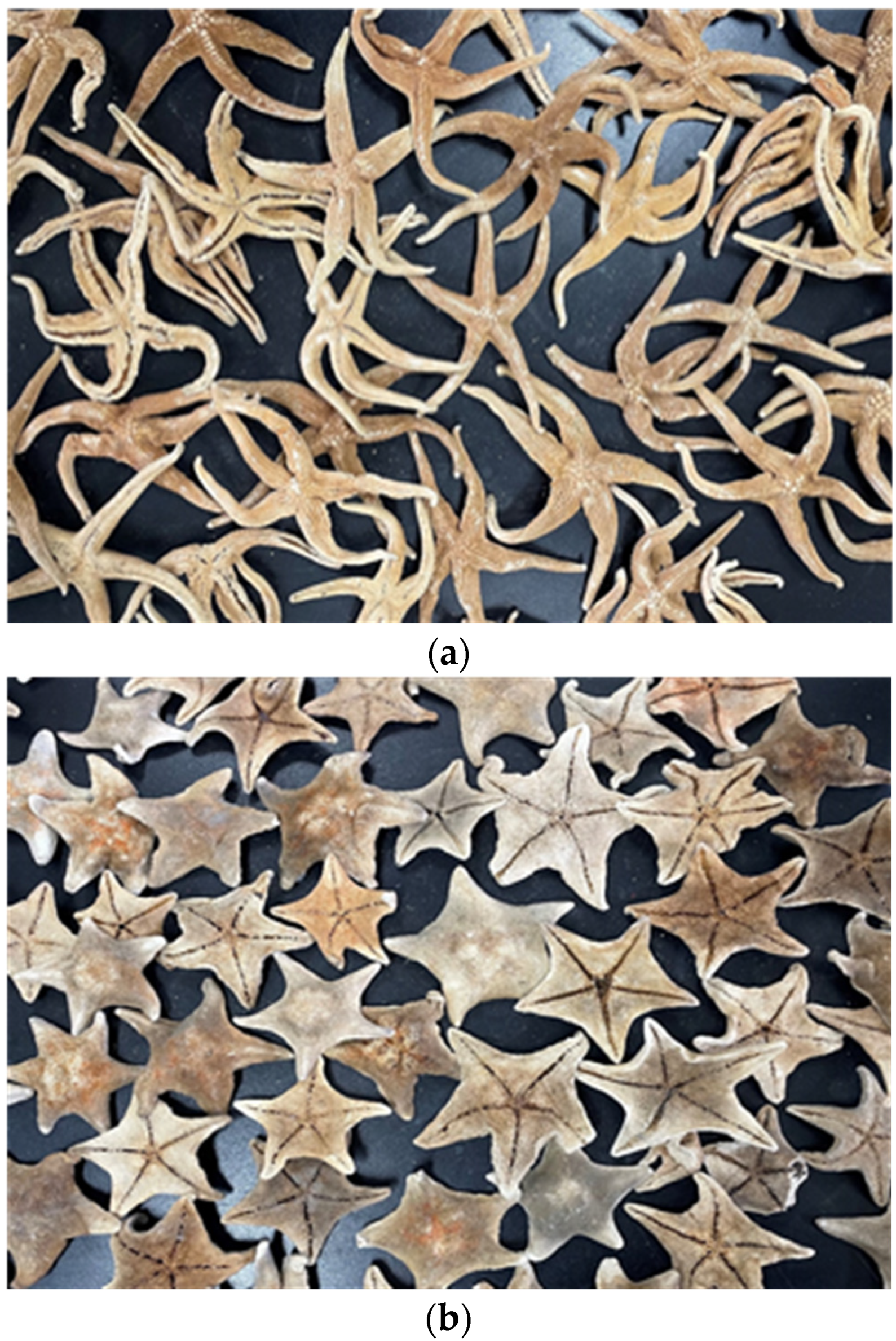
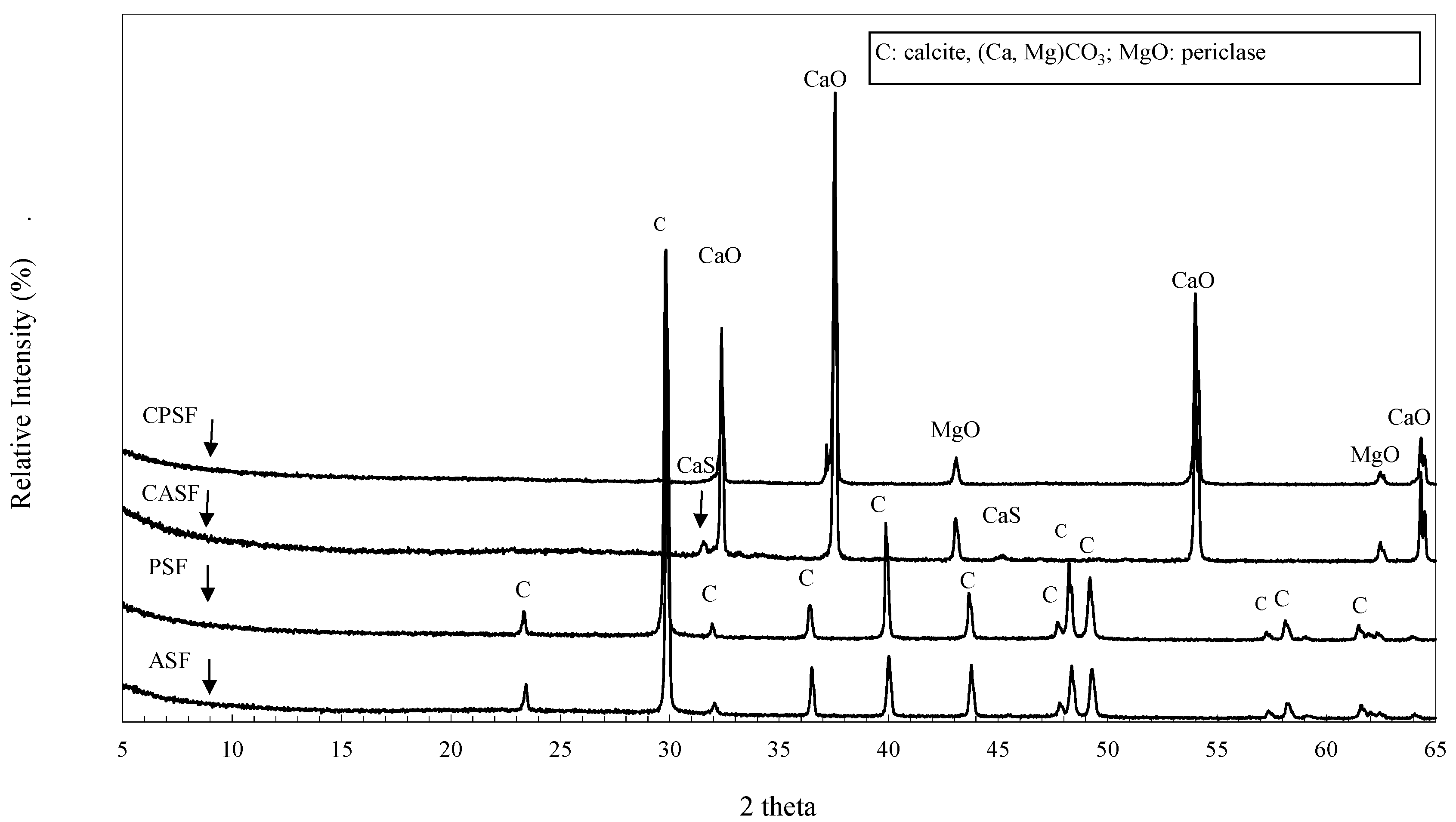
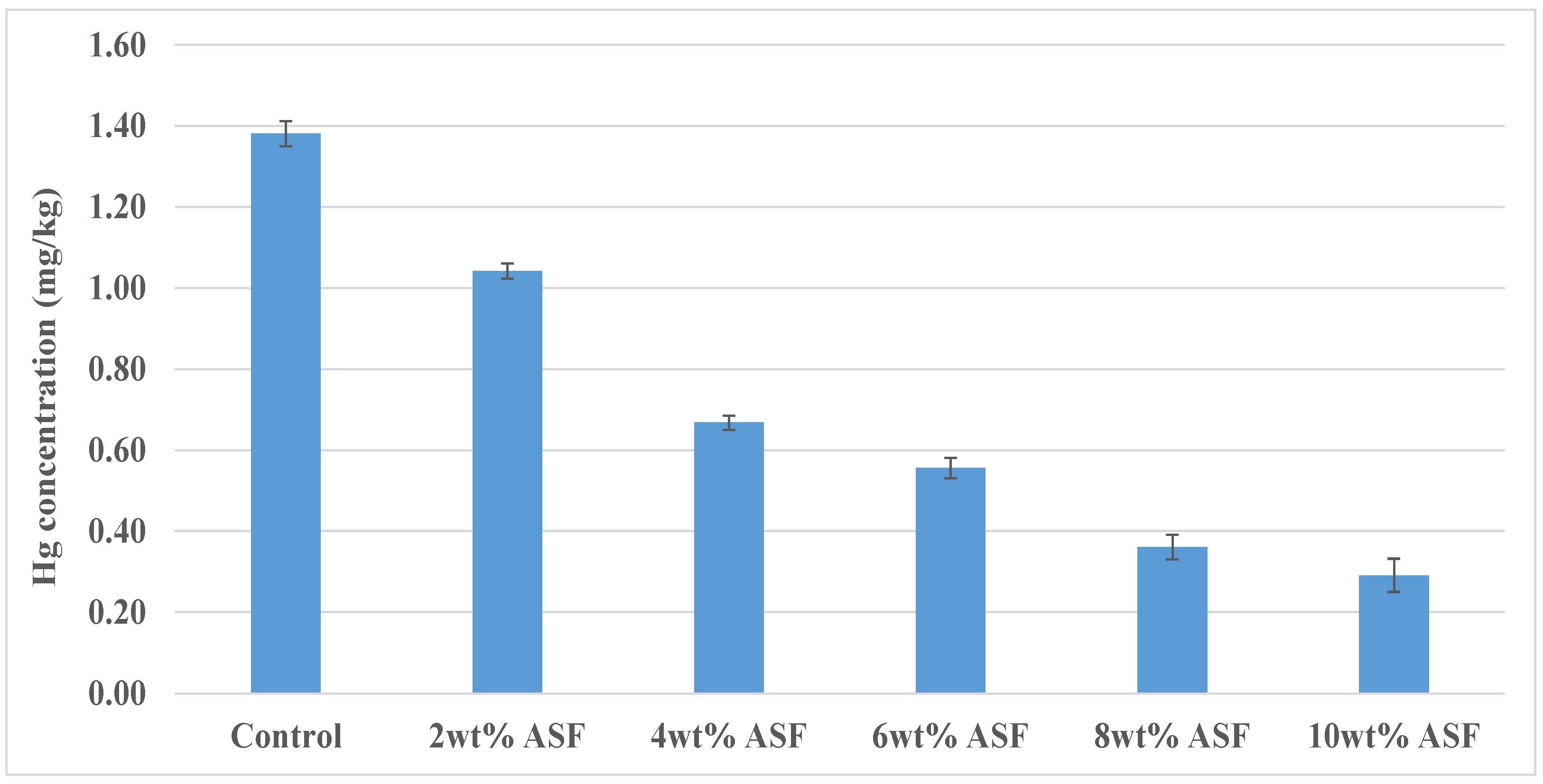
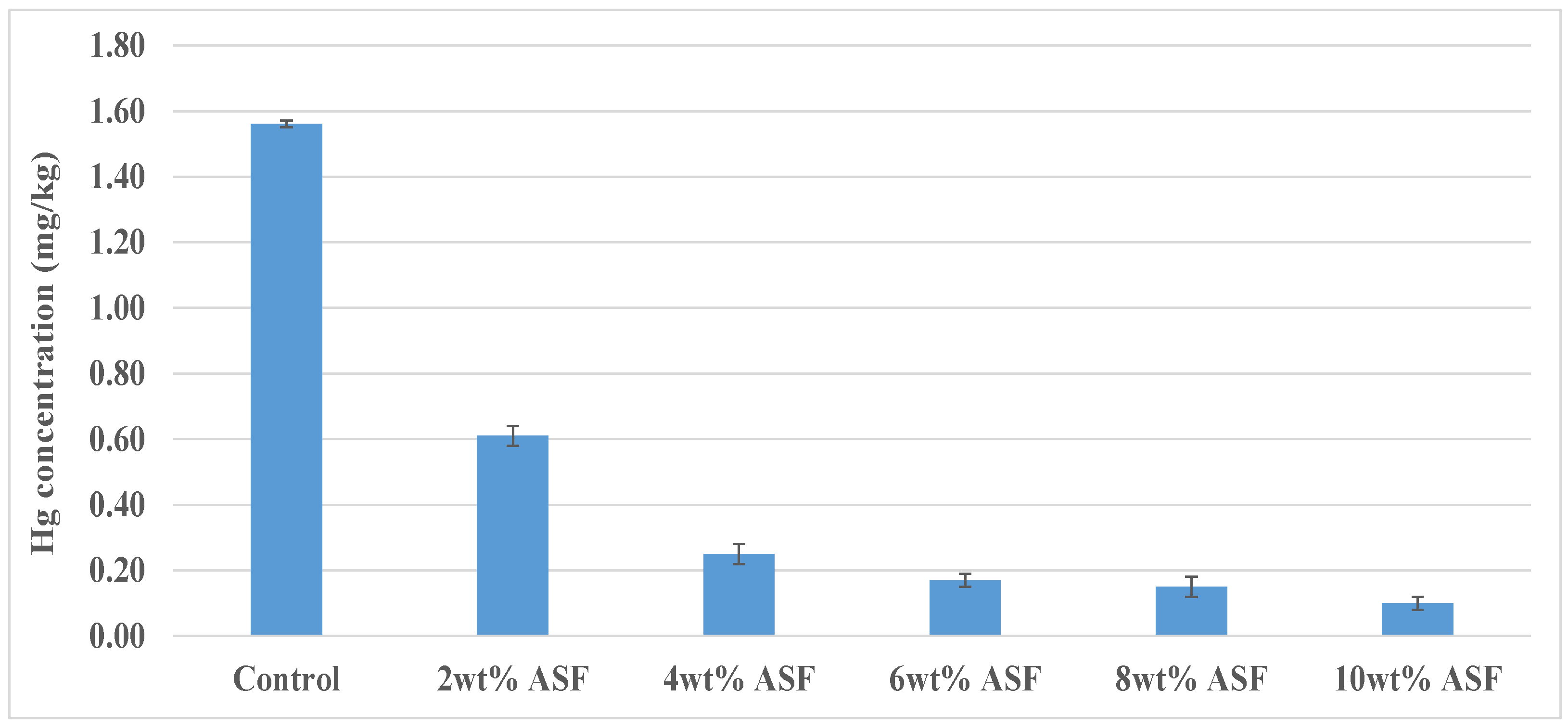
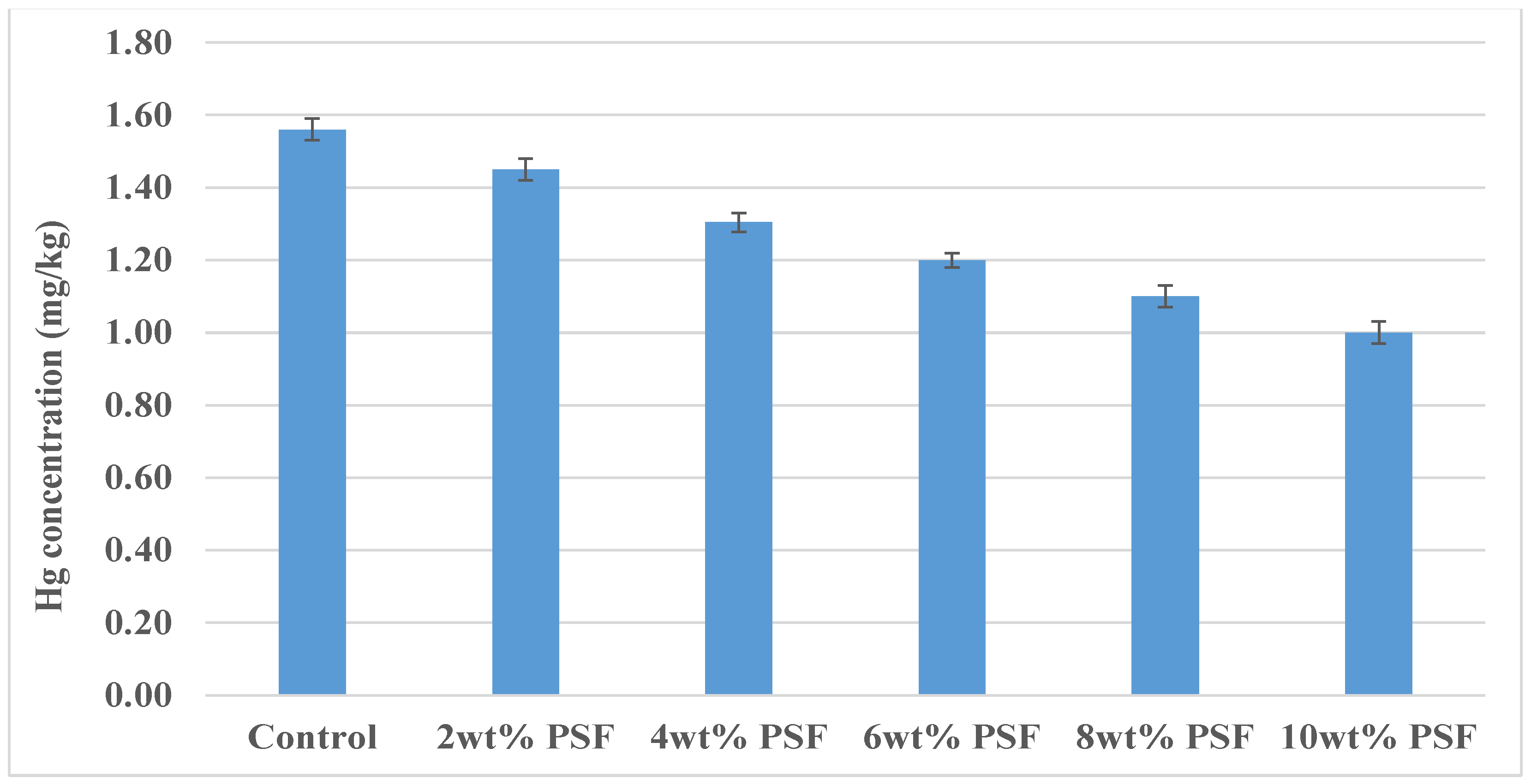
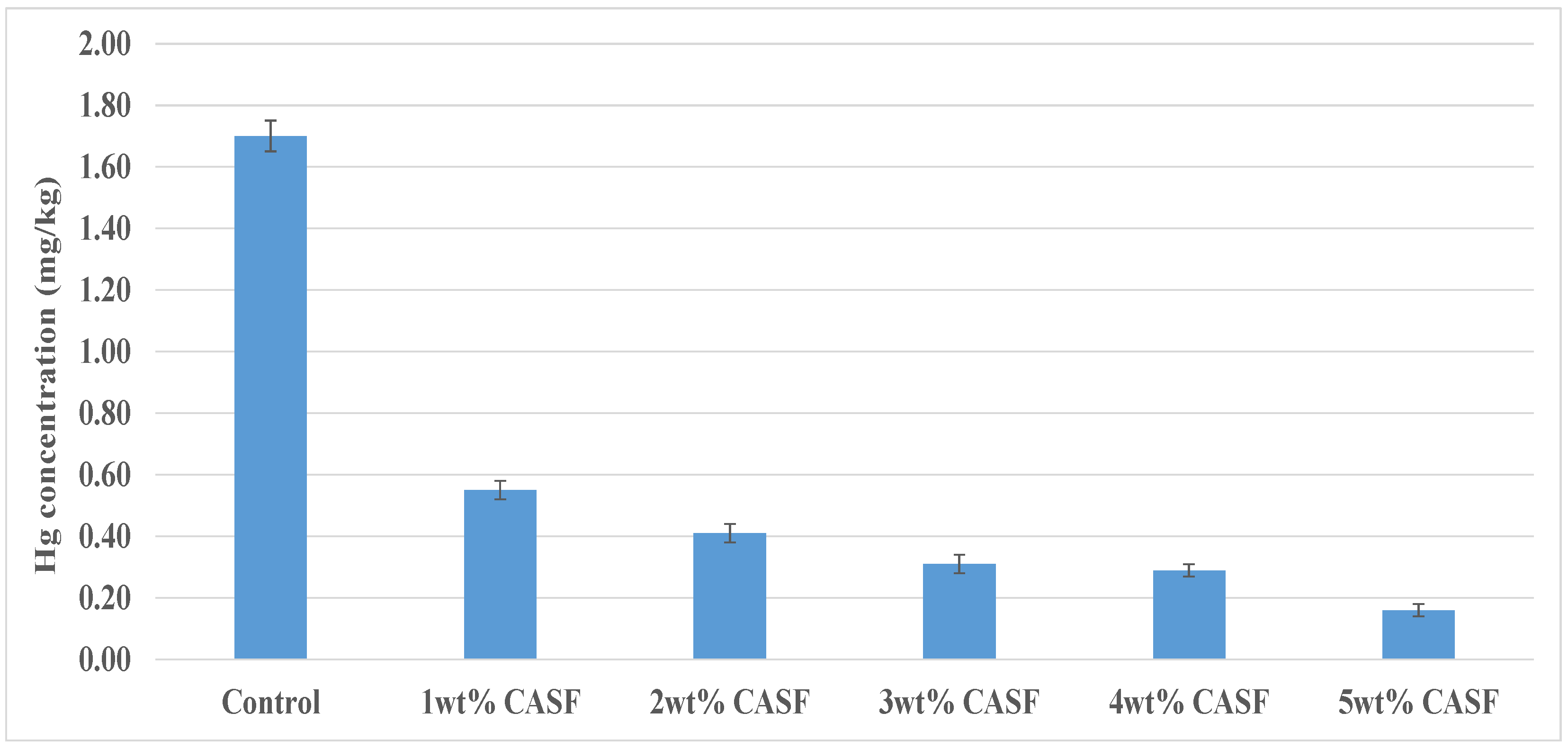
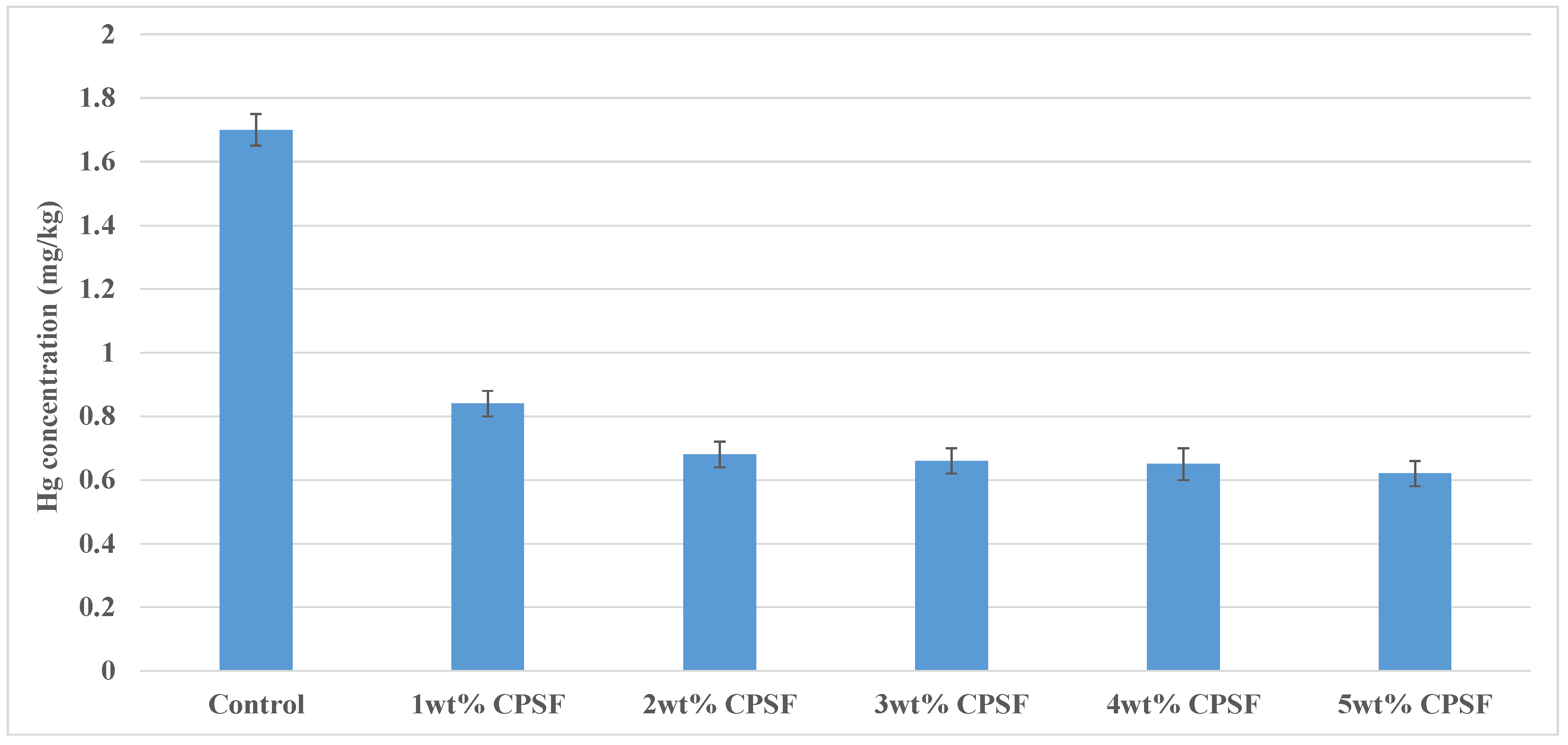
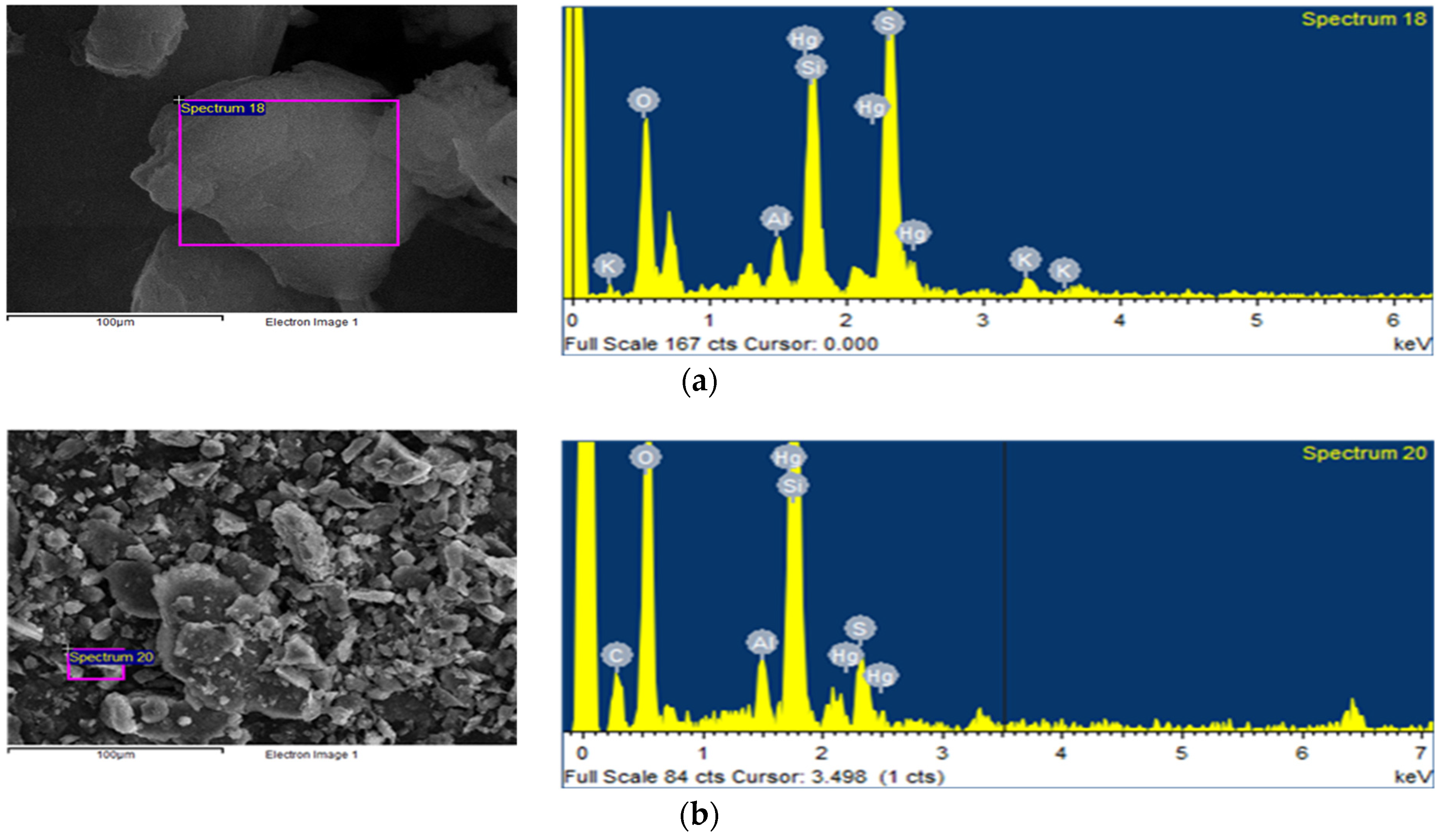
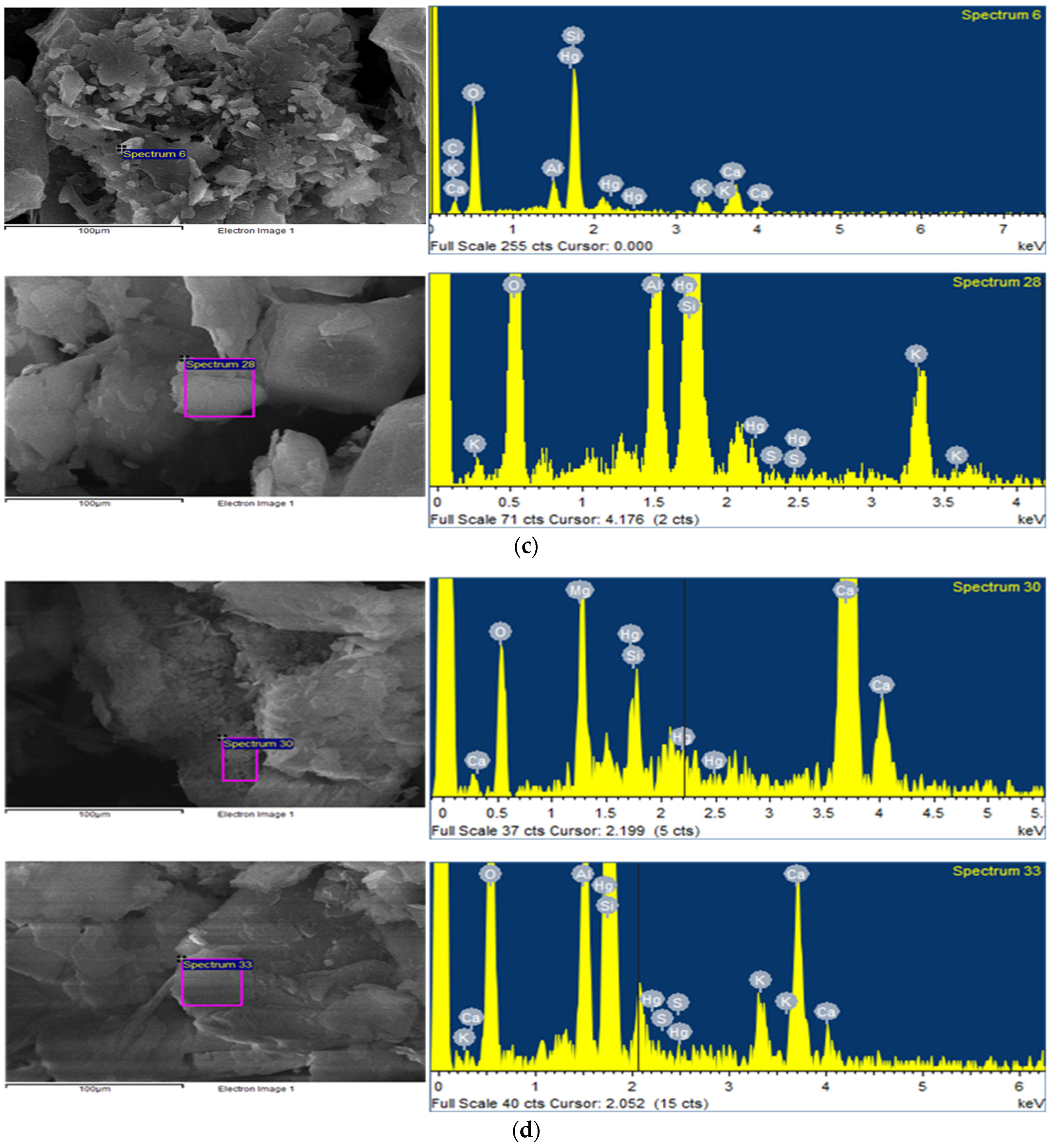
Approximately 50% of the 2600 decommissioned mines in South Korea are implicated in toxic metal/metalloid releases. One of the problems experienced in orchards situated near abandoned mines is the transport of heavy metals including mercury (Hg) into the plants. Due to high levels of Hg observed in orchard soils, heavy metal remediation is needed. The stabilization process is one of the widely used techniques to immobilize heavy metals in contaminated soil and waste. In this study, two types of starfish, Asterias amurensis (ASF) and Asterina pectinifera (PSF), were considered as stabilizing materials for remediating Hg-contaminated soil. In addition to natural starfish, the Hg immobilization effectiveness of calcined forms (CASF and CPSF) was also evaluated comparatively. The effect of particle size reduction on Hg immobilization was assessed for the ASF treatment. Total dosages of less than 10 wt% of ASF and PSF and less than 5 wt% of CASF and CPSF were applied to the Hg contaminated soil. Following treatment and curing for 28 days, the effectiveness of the stabilization process was evaluated using 1N HCl extraction tests. Overall, the stabilization results showed a decrease in Hg leachability with increasing dosages of ASF, PSF, CASF and CPSF. Generally, ASF outperformed the PSF treatments and calcined forms (CASF, CPSF) were more effective than natural forms (ASF, PSF). A reduction of approximately 79% was attained in Hg leachability for the 10 wt% ASF treatments. The -#20 mesh materials were more effective on Hg immobilization than the -#10 mesh materials. The Hg immobilization effectiveness exhibited the following increasing order: PSF (-#10 mesh) < ASF (-#10 mesh) < CPSF (-#10 mesh) < ASF (-#20 mesh) < CASF (-#10 mesh). It was found that effective Hg immobilization was most probably associated with the existing sulfur content in the starfish. The results of scanning electron microscopy-energy dispersive X-ray spectroscopy (SEM-EDX) indicated that a HgS compound and pozzolanic reaction products were responsible for effective Hg immobilization.
Keywords: mercury; stabilization; immobilization; starfish; Hg; soil mercury; stabilization; immobilization; starfish; Hg; soil