Article

Short- and Long-Term Survival Prediction Using Different Prognostic Scores in Cardiovascular Surgeries


by
Alexandros C. Liatsos
1,†,
Styliani Ioakeimidou
2,*,†,
Mairi Panagidi
3,
Andreas S. Papazoglou
4,
Dimitrios V. Moysidis
1,
Athanasios Samaras
1,
Fani Tsolaki
3 and
Georgios I. Tagarakis
3
1
Medical School, Aristotle University of Thessaloniki, 54124 Thessaloniki, Greece
2
Department of Internal Medicine, University Hospital of Zurich, 8091 Zurich, Switzerland
3
Department of Cardiothoracic Surgery, AHEPA University Hospital of Thessaloniki, 54636 Thessaloniki, Greece
4
Department of Cardiology, Athens Naval Hospital, 15561 Athens, Greece
*
Author to whom correspondence should be addressed.
These authors contributed equally to this work and share first co-authorship.
J. Clin. Med. 2026, 15(7), 2760; https://doi.org/10.3390/jcm15072760
Submission received: 11 February 2026 / Revised: 12 March 2026 / Accepted: 3 April 2026 / Published: 6 April 2026

Abstract

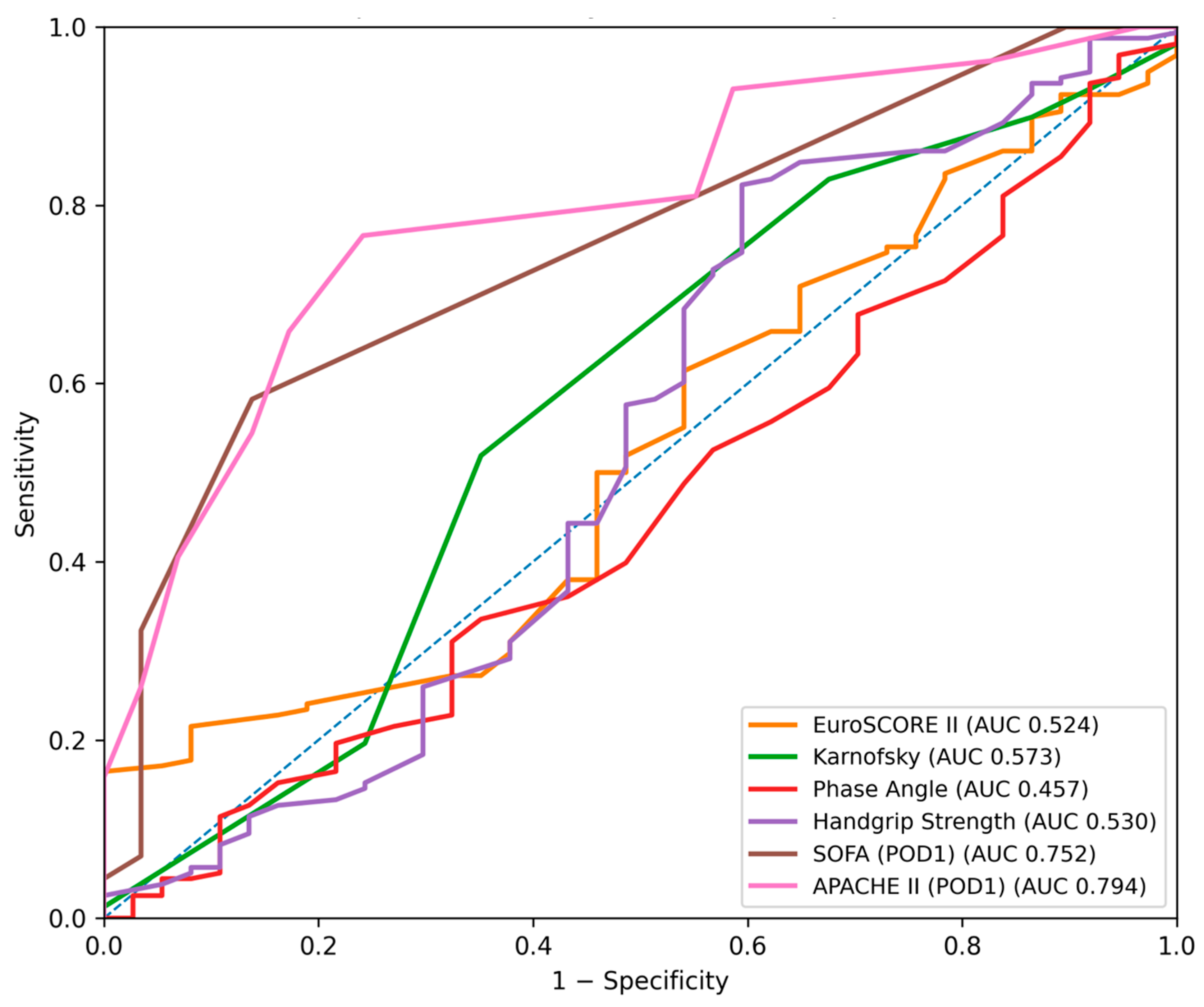
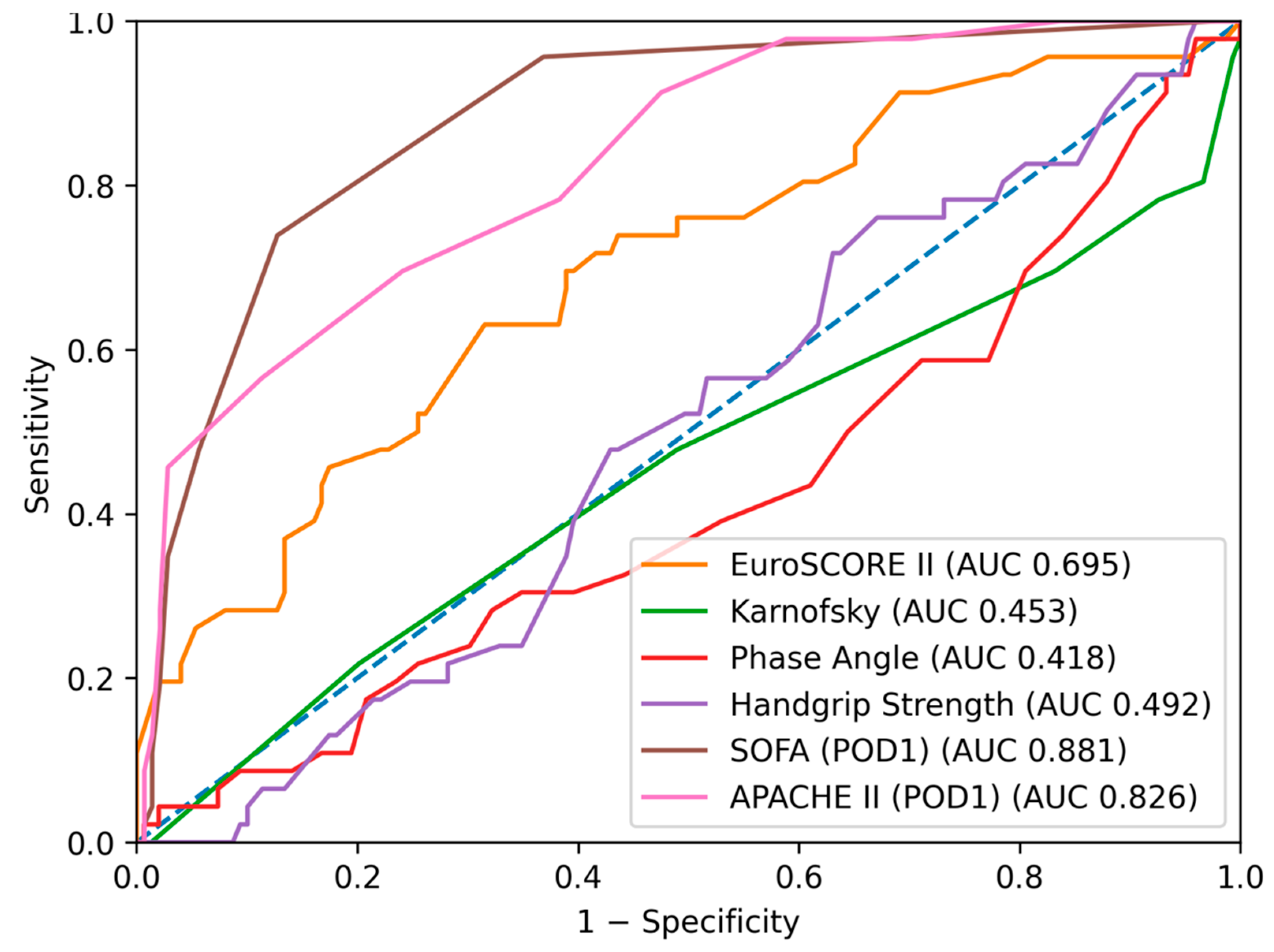
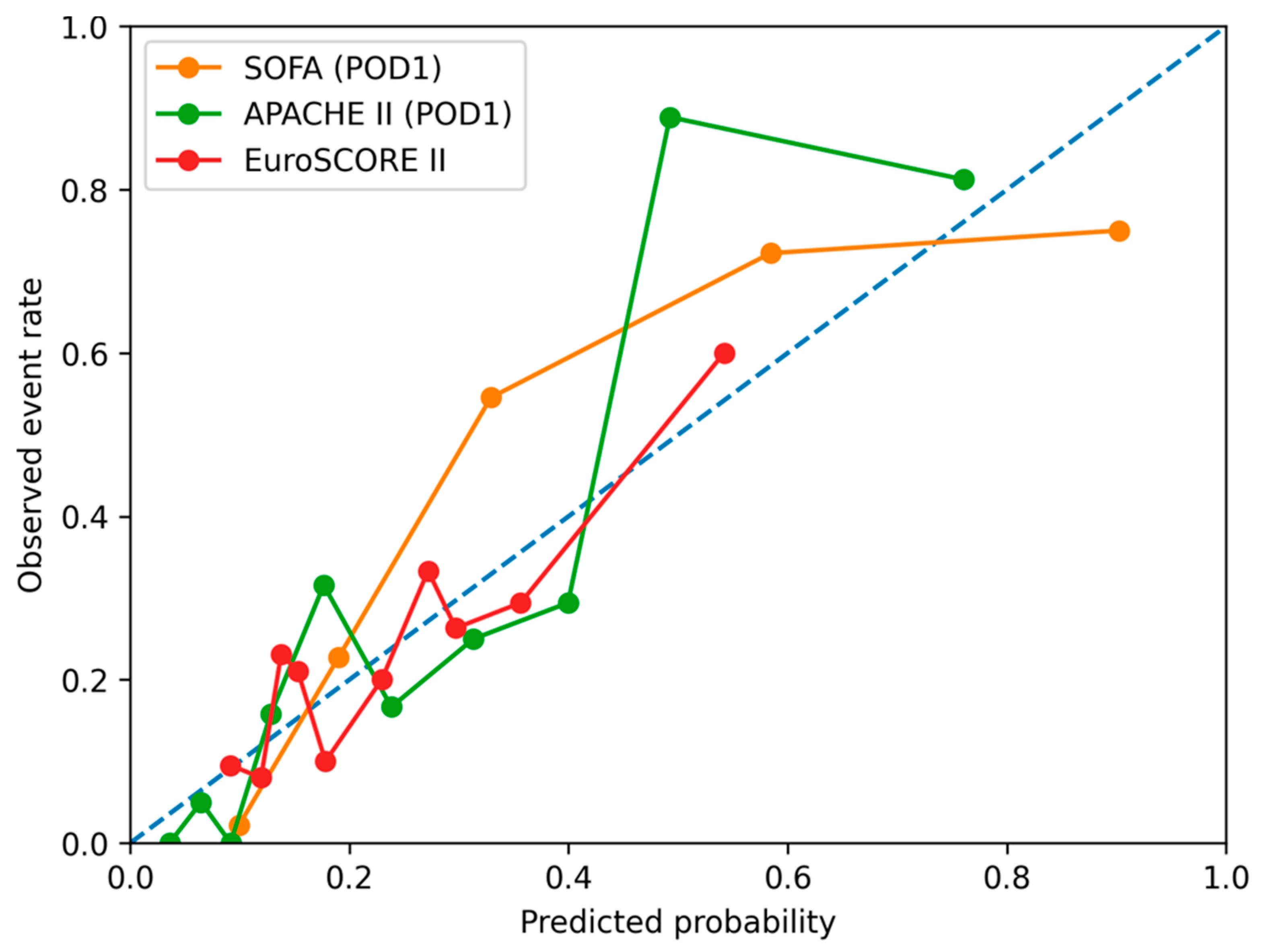
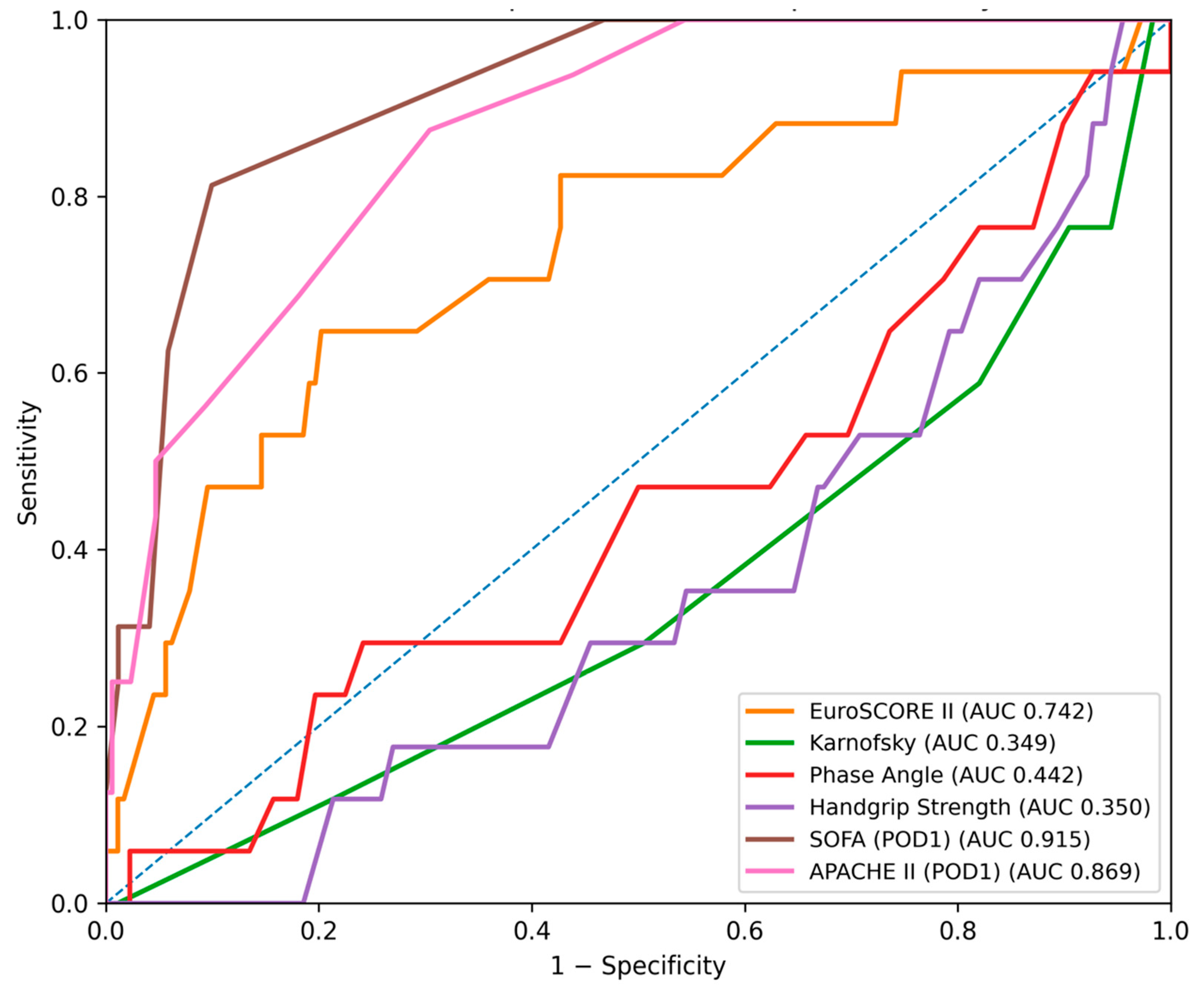
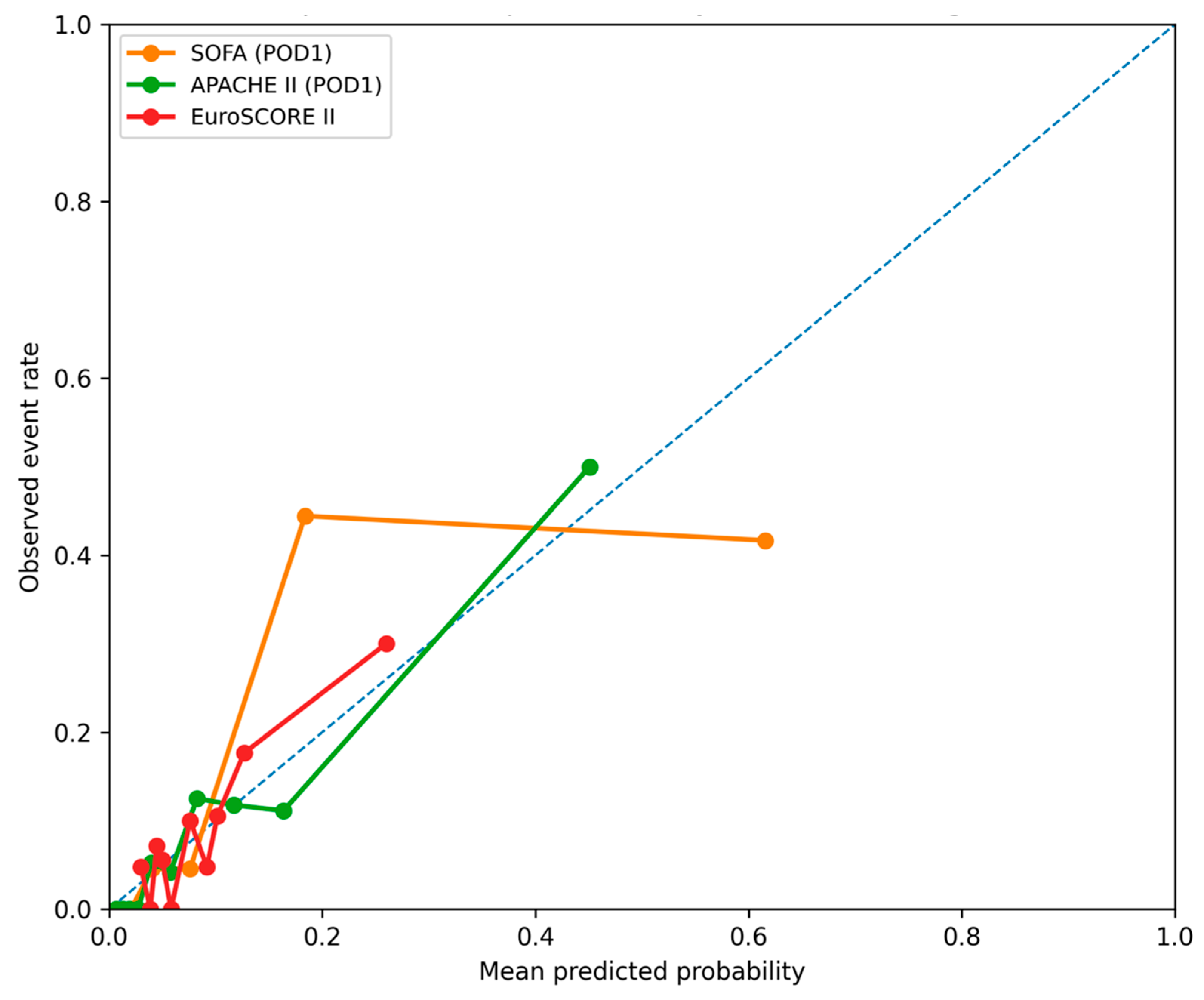
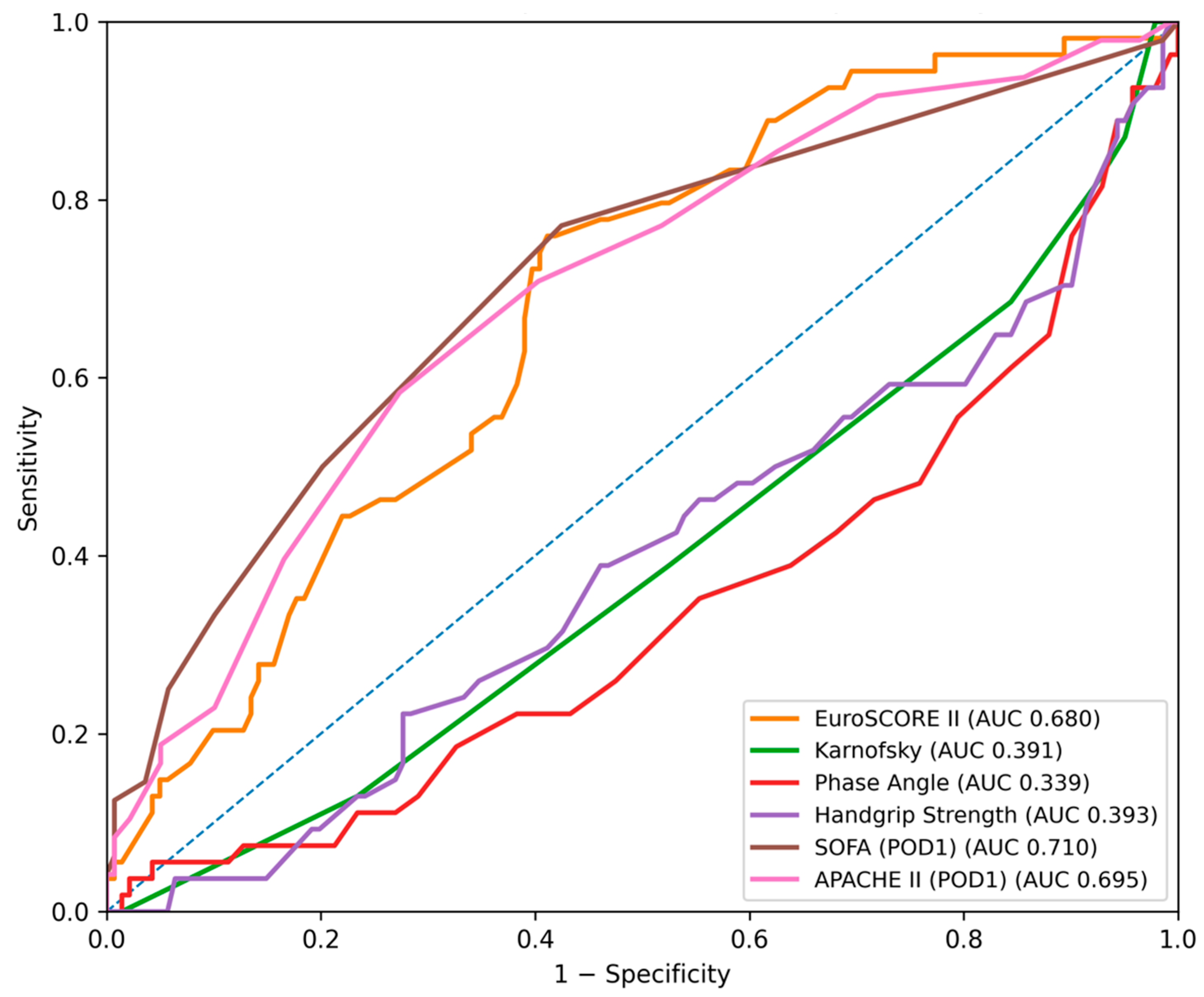
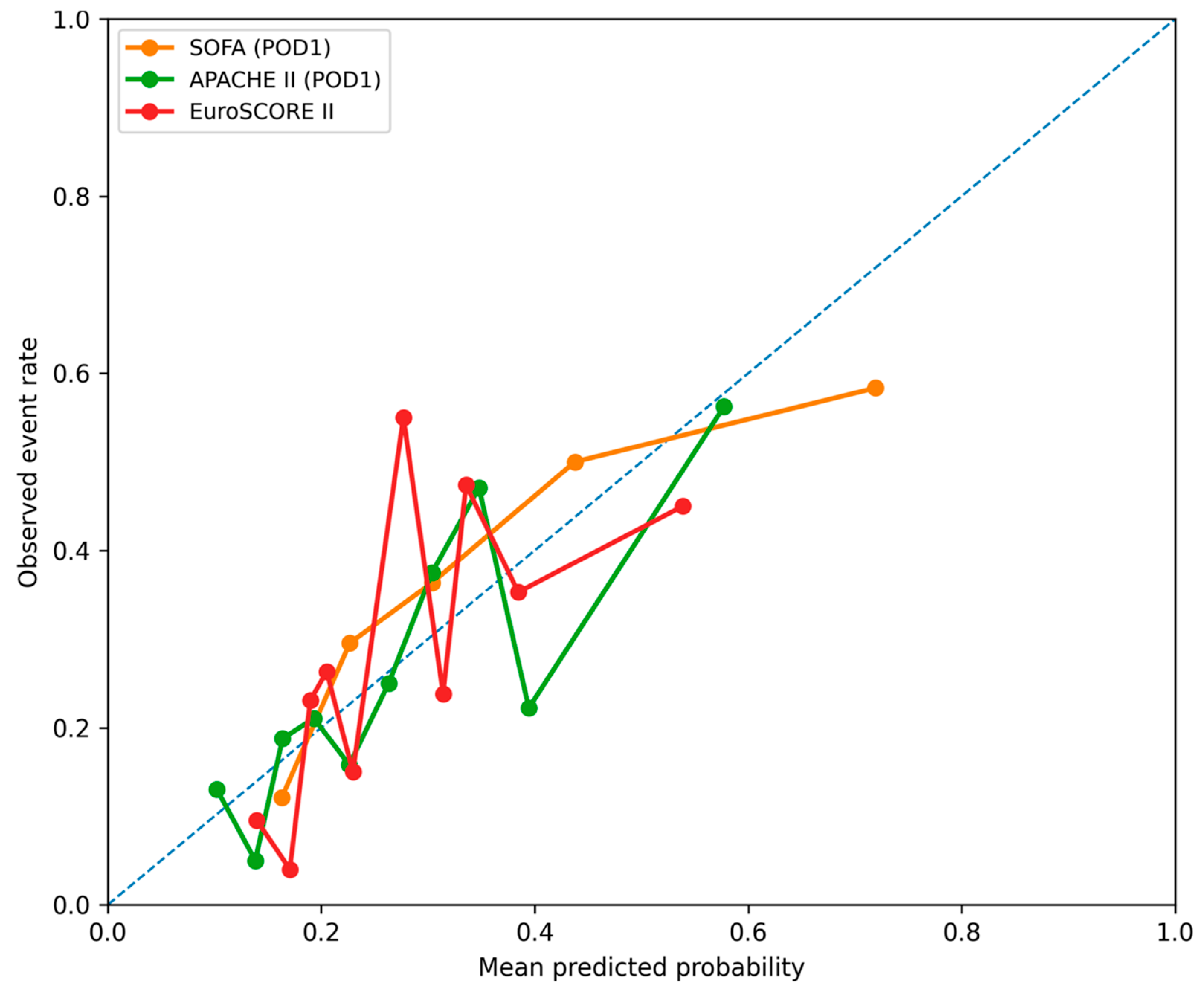
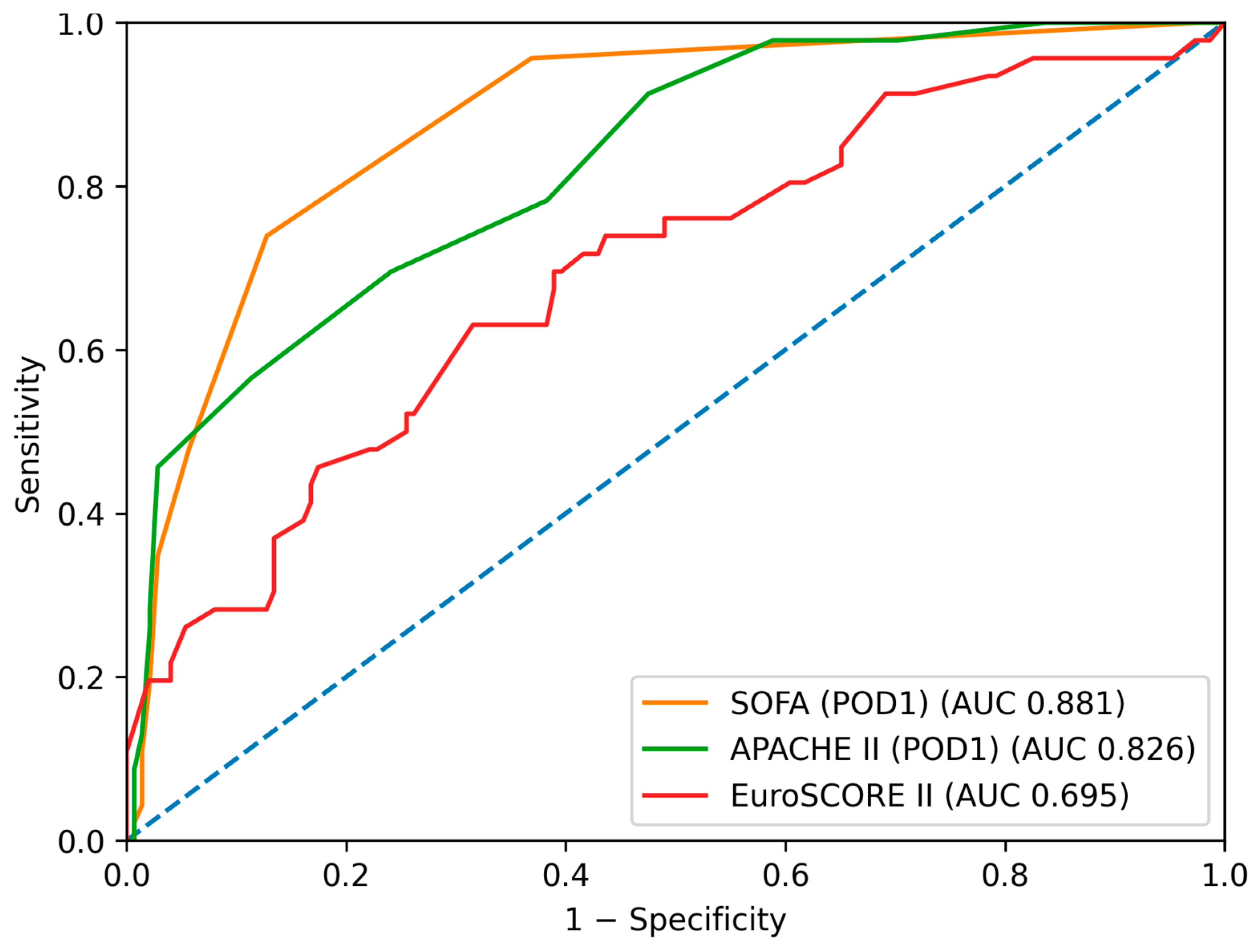
Background: Early identification of patients at risk for adverse outcomes after cardiac surgery remains a major clinical challenge. While preoperative risk scores are widely used, the prognostic value of early postoperative ICU severity scores and functional performance measures has not been fully clarified. Methods: This prospective observational study included 195 patients undergoing cardiac surgery between 2018 and 2024. Predictive performance of EuroSCORE II, the SOFA score, the APACHE II score, Karnofsky performance status, handgrip strength, and phase angle was assessed for postoperative complications and mortality. Receiver operating characteristic (ROC) curves with 95% confidence intervals were calculated, and pairwise comparisons between ROC curves were performed. Major postoperative complications were analyzed using a composite endpoint including stroke, prolonged intubation, sepsis, and reoperation, excluding systemic inflammatory response syndrome (SIRS). Results: Major postoperative complications occurred in 46 patients (23.6%). For prediction of major postoperative complications, SOFA demonstrated the highest discrimination (AUC = 0.881, 95% CI 0.819–0.928), followed by APACHE II (AUC = 0.826, 95% CI 0.753–0.888) and EuroSCORE II (AUC = 0.695, 95% CI 0.602–0.785). In-hospital mortality occurred in 19 patients (9.7%). SOFA showed the strongest predictive performance (AUC = 0.915, 95% CI 0.851–0.968), followed by APACHE II (AUC = 0.869, 95% CI 0.781–0.939) and EuroSCORE II (AUC = 0.742, 95% CI 0.595–0.870). During follow-up, 54 patients (27.7%) died. Predictive performance was comparable between SOFA (AUC = 0.710, 95% CI 0.618–0.793), APACHE II (AUC = 0.695, 95% CI 0.606–0.782), and EuroSCORE II (AUC = 0.680, 95% CI 0.599–0.757). Conclusions: Early postoperative ICU severity scores, particularly SOFA and APACHE II, demonstrated strong predictive ability for major postoperative complications and in-hospital mortality following cardiac surgery and outperformed preoperative risk scores.
Keywords: EuroSCORE II; SOFA score; APACHE II score; Karnofsky score; risk stratification; postoperative mortality EuroSCORE II; SOFA score; APACHE II score; Karnofsky score; risk stratification; postoperative mortality