1. Introduction
Fracture immobilization using plaster of Paris (POP) and fiberglass has been a fundamental component of orthopaedic care for over a century because of its accessibility, low cost, and generally reliable support of fracture healing [
1,
2,
3]. Although widely effective, these materials are associated with a spectrum of documented complications, most commonly minor skin irritation or cast-related discomfort [
4,
5,
6]. Reported adverse events include maceration, localized pressure injury, and thermal irritation during application, while more serious complications such as compartment syndrome are considered uncommon and are more frequently associated with fracture severity, high-energy trauma, or evolving soft tissue swelling rather than immobilization alone [
4,
5]. In pediatric populations, particularly in minimally displaced fractures, complication rates are low. In a randomized controlled trial of 96 children with distal radius fractures, Boutis et al. reported complication rates of 6.5% in the cast group and 8.0% in the splint group, with no significant difference between treatment approaches [
7]. Dadkhah-Tehrani et al. (2022) identified pressure ulcers in 1.7% of immobilized patients and noted that unplanned cast removal occurred in 15.2% of cases, often related to pain, swelling, or cast discomfort rather than structural treatment failure [
6]. Some studies have reported complication rates approaching 25%, with the majority classified as minor skin- or hygiene-related events rather than severe medical complications [
8,
9].
Pediatric casting carries unique risks due to thinner, more sensitive skin prone to the effects of pressure, heat, and moisture [
10]. McGraw-Heinrich et al. (2025) noted erythema, maceration, and thermal injury during application and removal [
5]. DiPaola et al. (2014) found that 5.3% of casts required unplanned changes (mean 13 days), most commonly due to wetness (47%) or breakage (33%), with 3% of patients developing irritation and two cases of superficial infection requiring antibiotics [
11]. DiFazio et al. (2017) demonstrated that targeted padding reduced lower extremity cast complications [
8]. Wong et al. (2018) reported that therapeutic play lowered distress during cast removal [
12], while Georgiadis et al. (2025) found that virtual reality reduced anxiety in children aged 4–12 [
13]. Daşar et al. (2024) further highlighted the psychological challenges associated with cast removal, emphasizing the distress linked to conventional cast-saw procedures [
14].
New immobilization options such as hybrid-mesh casts, thermoplastic splints, 3D-printed, and resin-filled casts aim to address the drawbacks of traditional casting. In a randomized trial of 79 children, Ong et al. (2023) found hybrid-mesh casts improved comfort and satisfaction but took longer to remove (4.18 ± 1.25 vs 2.25 ± 0.55 min;
p < 0.001) and cost more [
15]. Al Khudairy et al. (2012) showed that thermoplastic splints maintained alignment and had high satisfaction with few complications but required specialized fabrication [
16]. Although 3D-printed orthoses can provide stabilization with improved fit and patient comfort, recent advances in additive manufacturing have enabled the development of customized, lightweight immobilization devices with improved ventilation and patient-specific geometry. However, many designs lack integrated cushioning, and their widespread use remains limited. Skibicki et al. (2022) and van Lieshout et al. (2022) both noted that despite favorable short-term outcomes and low complication rates, 3D printing is hindered by high production costs, long fabrication times, and the need for specialized software, printers, and trained personnel [
17,
18]. Additional work has highlighted ongoing efforts to improve design efficiency and clinical scalability, although practical and economic barriers to widespread adoption remain [
19]. Similar resin-filled, non-cushioned lattice systems that harden through chemical curing within a short arm sleeve have been explored, though limited peer-reviewed evidence describing their clinical performance is currently available.
Light-cured polymer immobilization (LCPI) systems have been introduced as an alternative approach to fracture support with the aim of improving patient comfort, hygiene, and handling characteristics while maintaining adequate mechanical stability. These systems typically consist of a photo-curable polymer lattice combined with padding and an external protective layer, resulting in a lightweight, breathable, and water-resistant immobilization construct that may be removed without the use of a traditional oscillating cast saw. The open-lattice configuration allows visualization of the underlying skin and may facilitate ventilation during immobilization. Early clinical investigations have reported acceptable short-term healing outcomes in selected fracture populations [
20]. In a multicenter cohort of 137 distal radius fractures treated with a light-cured polymer system, Bali et al. (2024) reported radiographic union in 100% of cases, with two minor superficial skin infections and no documented loss of reduction [
20]. A subsequent narrative review emphasized potential workflow and patient-experience advantages while also highlighting the need for larger real-world evaluations across broader clinical indications [
21].
However, published real-world data describing LCPI use across a broader range of clinical indications remain limited. The objective of this retrospective study was to describe radiographic healing patterns and alignment outcomes among consecutive patients managed with an LCPI at a single orthopaedic clinic between 1 January and 30 June 2025. Secondary objectives were to document skin- and device-related events, quantify unplanned removals and subsequent re-interventions, and summarize patterns of immobilization management during routine follow-up.
2. Methods
2.1. Study Design and Setting
This investigation was conducted as a retrospective observational study at a single orthopaedic specialty clinic (Huesos Chicos Paediatric Orthopaedics and Sports Medicine Clinic, San Juan, Puerto Rico). The study was conducted in accordance with the Strengthening the Reporting of Observational Studies in Epidemiology (STROBE) guidelines (
Supplemental Table S1) [
22]. Consecutive patients who underwent immobilization using a LCPI system between January and June 2025 were eligible for inclusion. Patients were included if sufficient clinical documentation and radiographic follow-up at or near the time of device removal were available to allow for assessment of healing and alignment outcomes. Patients with premature device removal were included if follow-up clinical and/or radiographic documentation was available.
2.2. Patients
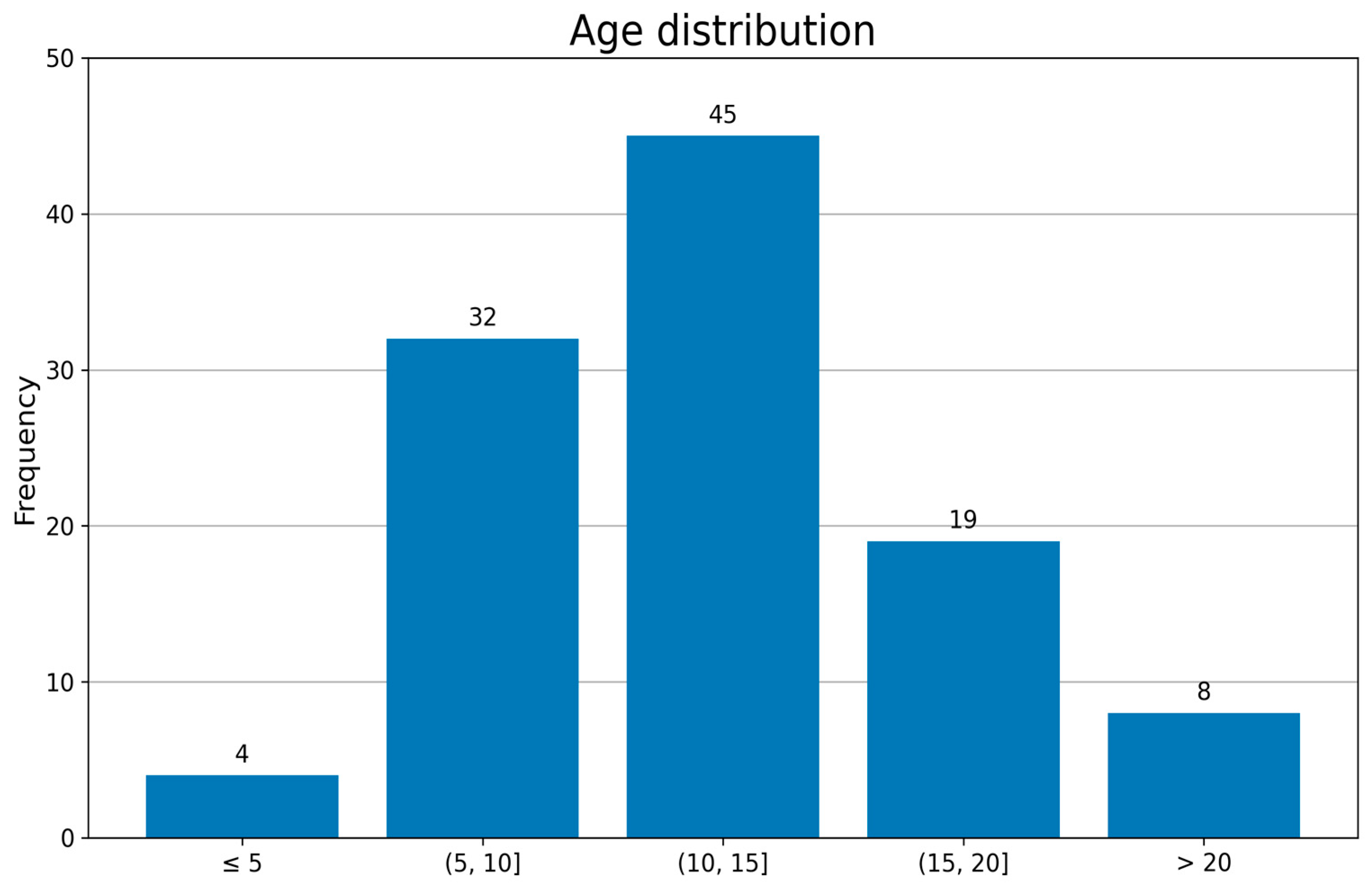
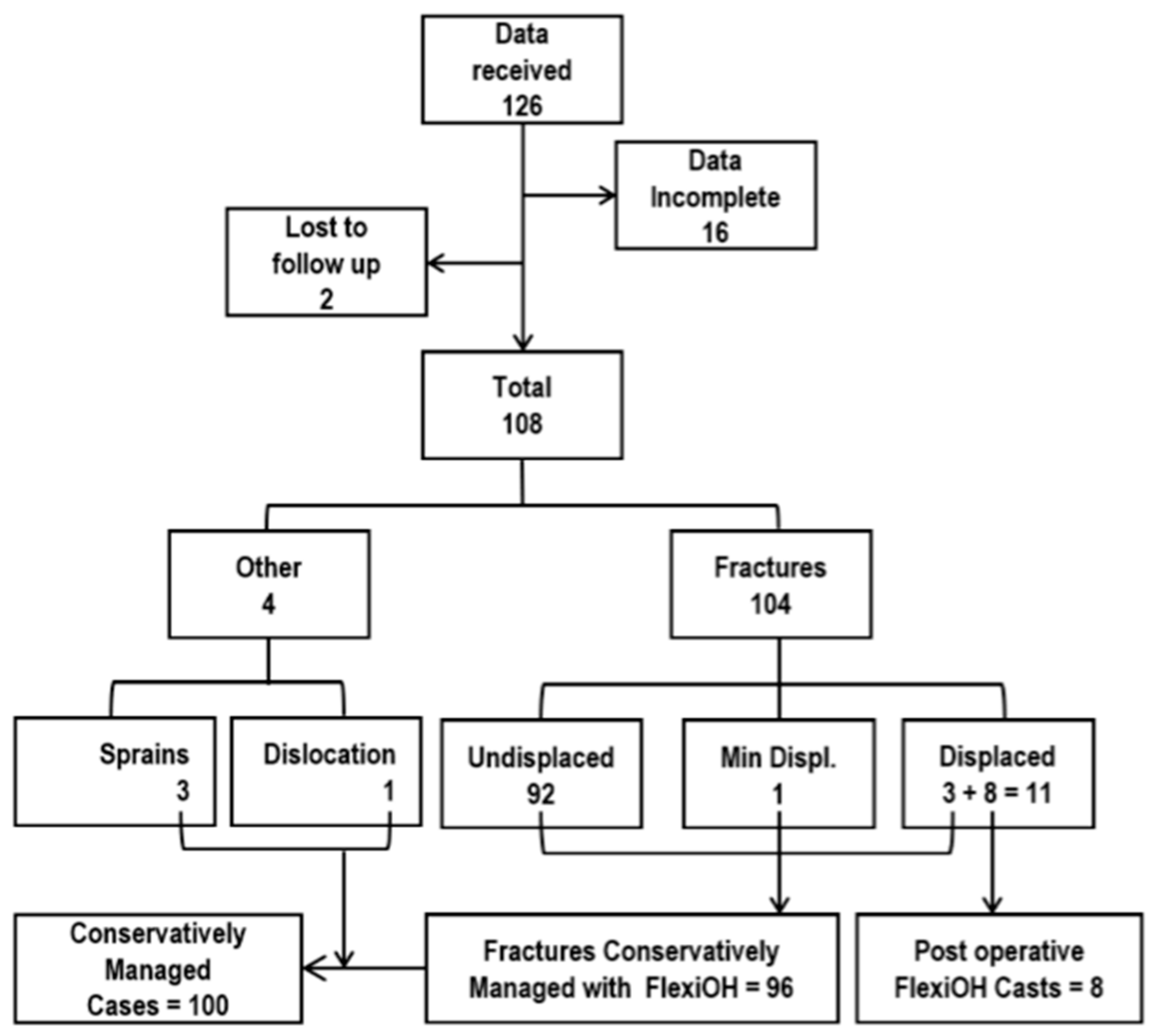
Clinical records were reviewed for all patients who underwent immobilization using an LCPI system during the study period. A total of 126 patients were identified. Sixteen patients were excluded due to incomplete clinical or radiographic documentation, and two patients were excluded because they were lost to follow-up prior to device removal. The final analytic cohort consisted of 108 patients with complete documentation available for review. The cohort included 76 males and 32 females with a mean age of 13.4 ± 7.8 years (range: 4–53 years), consistent with a predominantly pediatric and adolescent patient population (
Table 1;
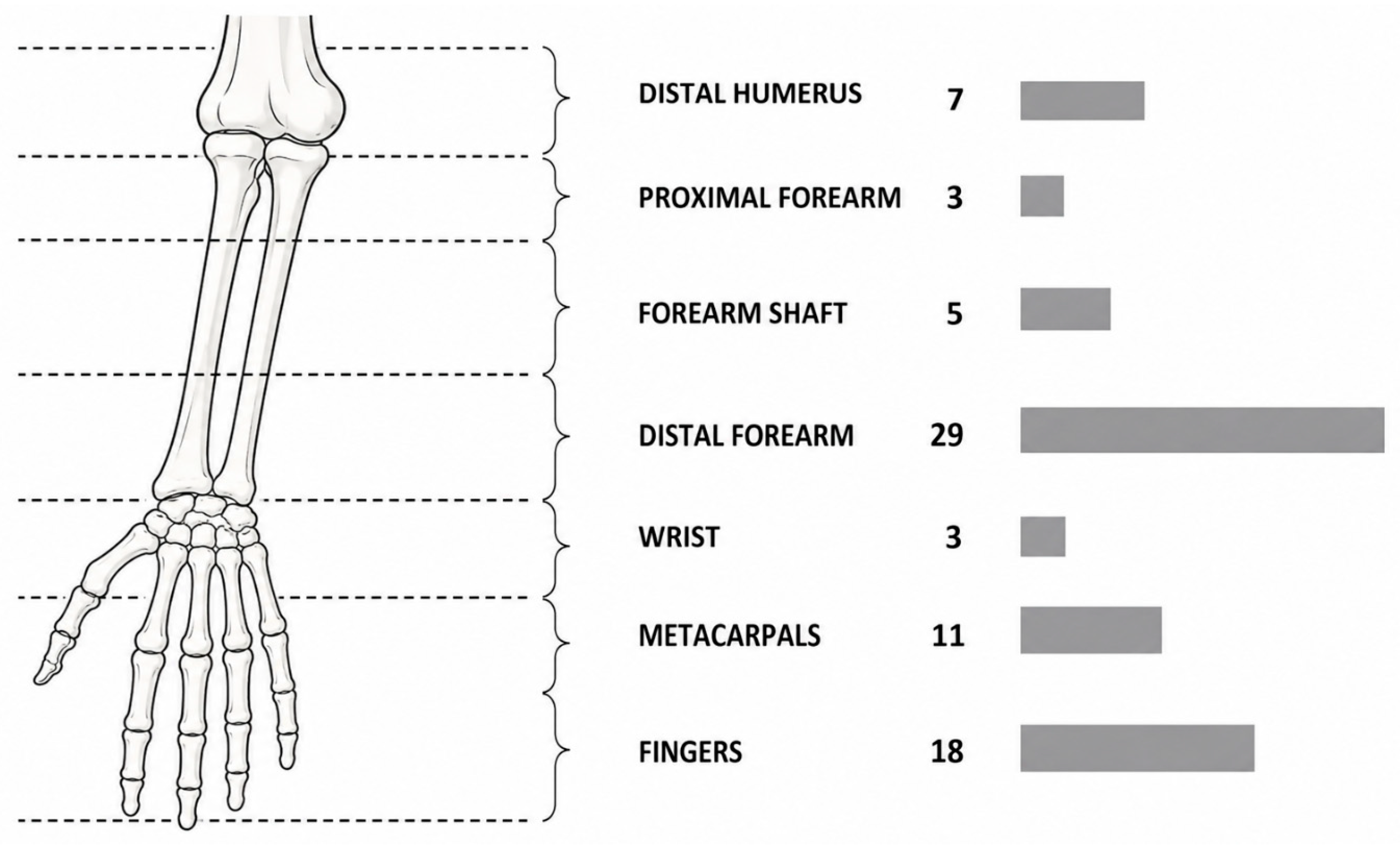
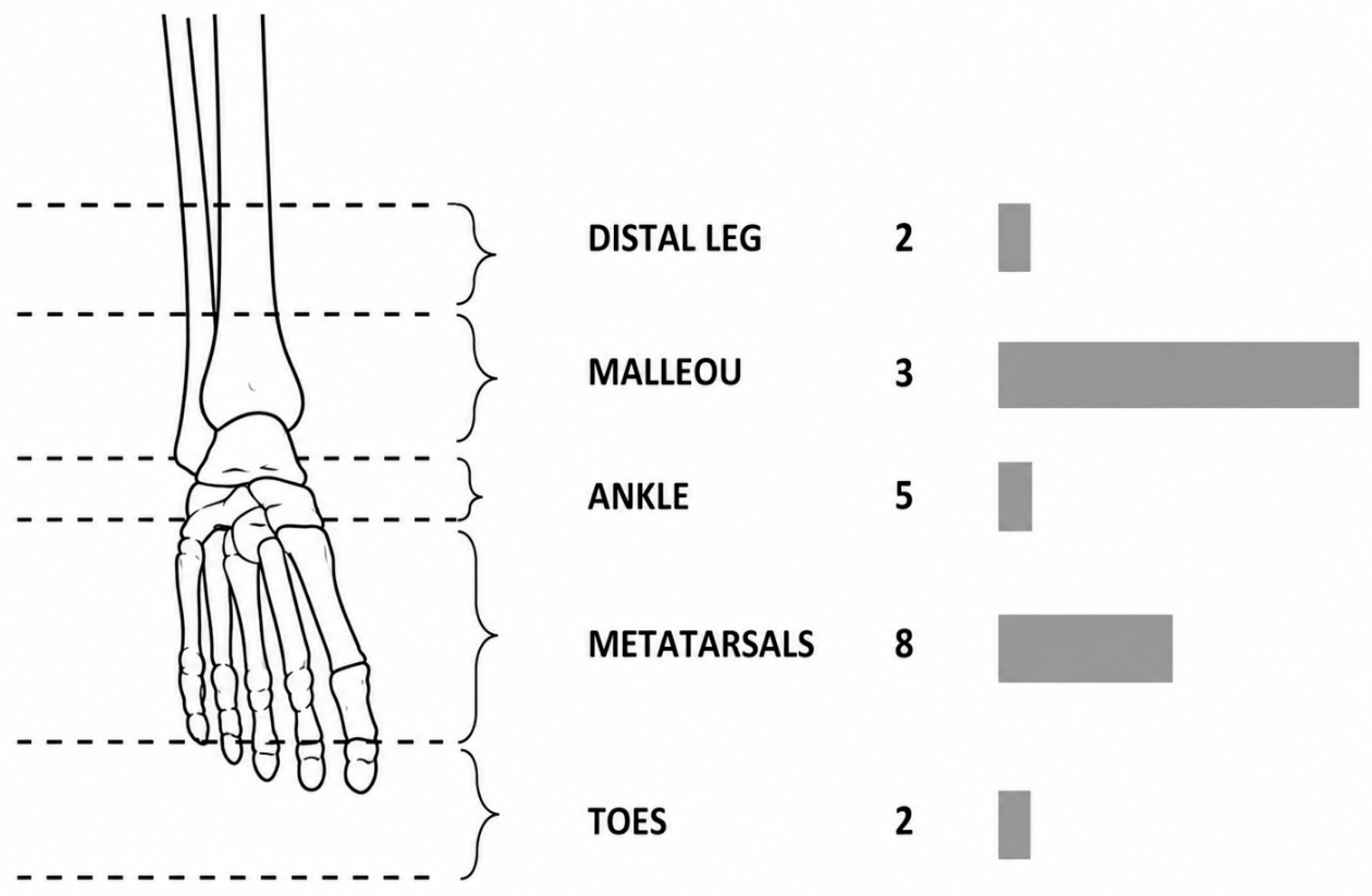
Figure 1). Patients were included if immobilization was applied for any clinical indication and both pre-application and post-removal clinical and radiographic information were documented in the medical record. The distribution of injury types and management pathways is presented in
Figure 2.
2.3. Data Collection
Clinical data were retrospectively abstracted from the electronic medical record using a standardized data collection template. Extracted information was de-identified prior to review by the investigative team, and no protected health information was included in the analytic dataset. Two investigators independently reviewed the abstracted data for completeness and internal consistency, with discrepancies resolved through discussion with the treating clinical team.
Variables collected included patient demographics, injury characteristics, treatment details, duration of immobilization, and follow-up interval. Radiographic healing status and fracture alignment were determined based on treating clinician interpretation as documented in formal radiology reports and orthopaedic clinic notes recorded at follow-up visits. No independent radiographic re-evaluation was performed as part of this study. Device-related and skin-related events documented in the medical record, including breakage, irritation, unplanned device removal, or need for additional immobilization, were also recorded. Missing data were not imputed.
Additional variables included the clinical indication for immobilization (fracture management, postoperative support, or soft-tissue injury), fracture location and pattern, baseline displacement status, and relevant comorbidities when documented. Details regarding initial management prior to application of the LCPI, including use of splints or conventional casts, were also collected. Information related to device duration, planned versus premature removal, and subsequent immobilization following device removal was recorded when available. Definitive immobilization decisions, including transition from interim management to LCPI, were based on treating clinician judgment and standard clinical practice considerations. The LCPI devices used in this study were obtained as part of routine clinical care and were not donated by the manufacturer for research purposes.
2.4. Light-Cured Polymer Immobilization System
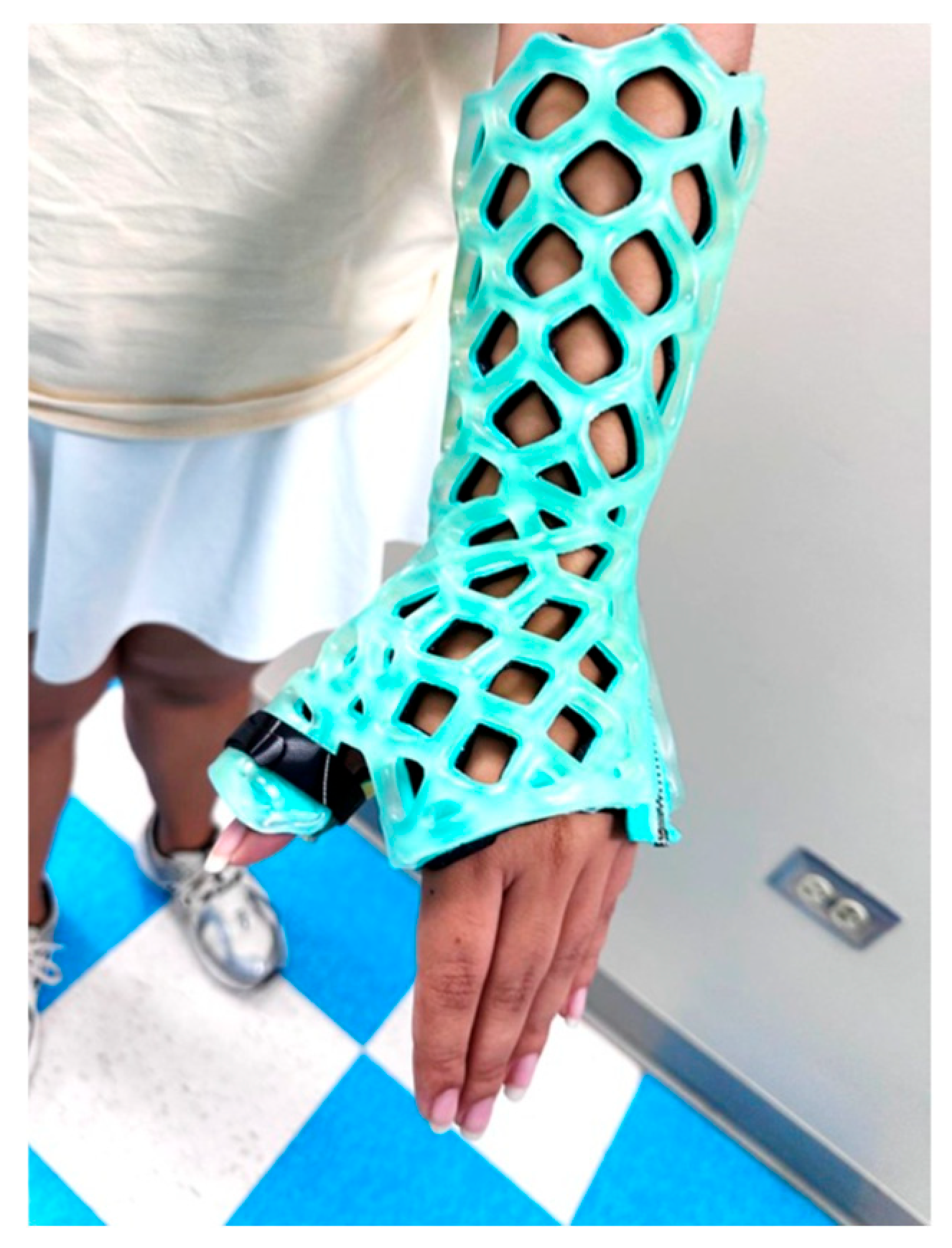
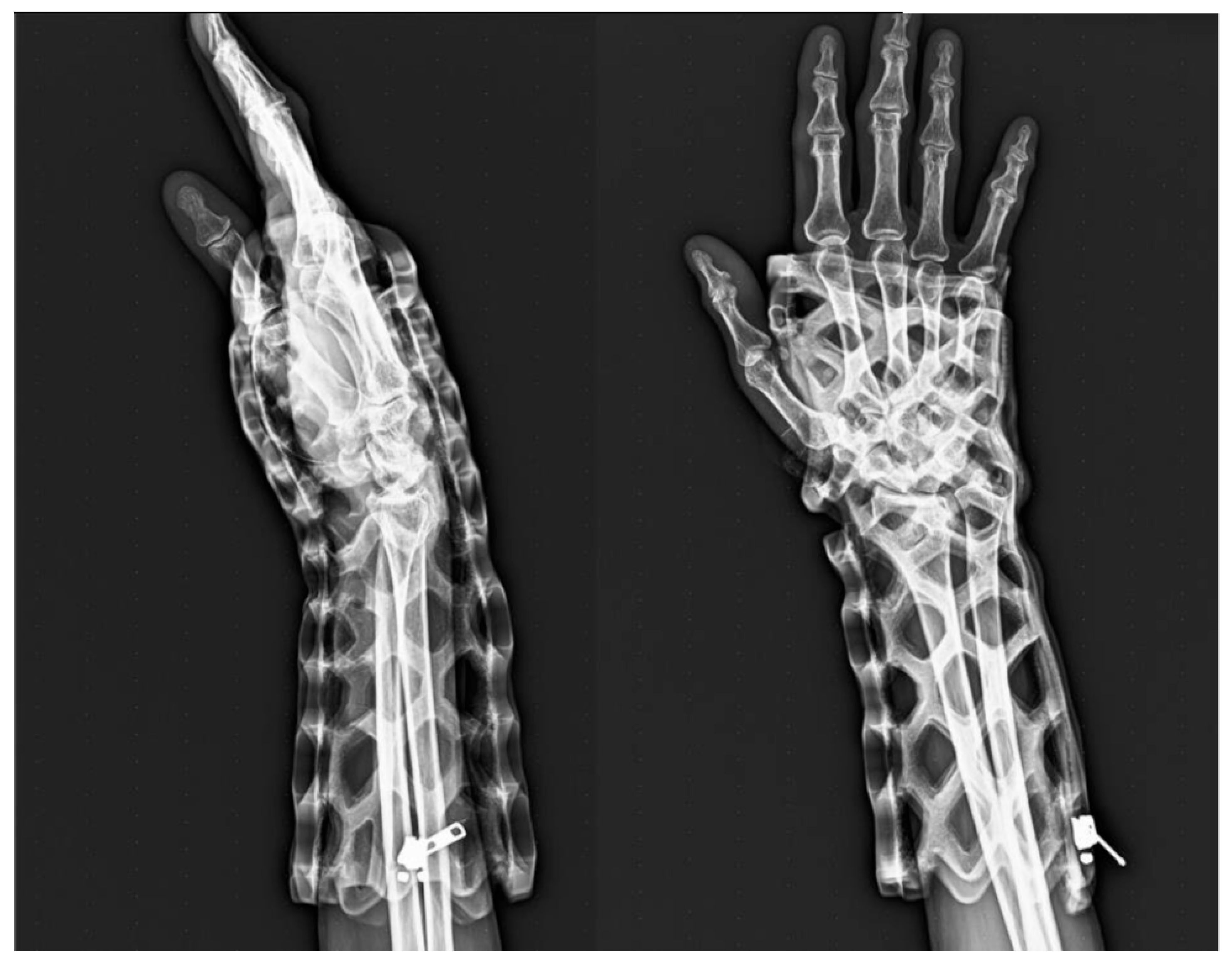
The light-cured polymer immobilization (LCPI) system used in this study consists of a photo-curable polymer lattice combined with internal padding and an external protective layer. The device is lightweight, breathable, and water-resistant and may be removed without the use of a traditional oscillating cast saw. The structural design and application of the device are illustrated in
Figure 3. Radiographic visualization through the immobilizer is demonstrated in
Figure 4.
2.5. Sample Size
A formal sample size calculation was not performed because of the retrospective observational design. Instead, all consecutive eligible patients treated during the study period were included to provide a clinically representative cohort. The final sample of 108 patients was considered sufficient to allow for descriptive estimation of healing outcomes and device-related events. Cohort sizes in the range of 80–150 patients have been reported in prior retrospective orthopaedic outcome studies evaluating fracture management and immobilization strategies [
23,
24].
2.6. Outcome Measures
Radiographic fracture healing was evaluated at the time of device removal and at the most recent clinical follow-up. Healing status was categorized based on treating clinician documentation as healed, partially healed, or not healed. Fracture alignment at follow-up was similarly classified as anatomic or near-anatomic, acceptable, or malaligned according to clinical and radiographic assessments recorded in the medical record (
Table 2) [
25]. These classifications were based on routine clinical documentation and were not independently standardized or adjudicated for study purposes.
Device-related and skin-related events documented during the period of immobilization were recorded, including breakage, irritation, or other soft-tissue concerns. Information regarding whether immobilization was completed for the intended duration or removed prematurely was also collected. When premature removal occurred, available documentation regarding timing, responsible party (patient or clinician), and clinical rationale was reviewed.
All outcome data were obtained from existing clinical records. No additional patient contact or imaging review was performed for study purposes. Consecutive case inclusion and the use of a standardized abstraction process were intended to reduce selection and information bias inherent to retrospective observational designs [
26].
2.7. Statistical Analysis
Descriptive statistics were used to summarize demographic, clinical, and outcome variables [
27]. Union rates were reported as percentages and 95% confidence intervals [
28]. Continuous variables (age and healing time) were summarized as means with standard deviations or medians with interquartile ranges [
29]. Categorical variables were presented as frequencies and percentages [
30]. All analyses were conducted using IBM SPSS Statistics version 29.0 (IBM Corp., Armonk, NY, USA). Missing data were not imputed.
2.8. Ethical Approval
This study was reviewed and approved by the Kean University Institutional Review Board (Federal Wide Assurance #FWA00012551; IRB-FY2025-12). The requirement for informed consent was waived due to the retrospective design and use of de-identified clinical data. All study procedures were conducted in accordance with institutional policies and the ethical principles outlined in the Declaration of Helsinki [
31].
4. Discussion
4.1. Principal Findings
This retrospective cohort study described radiographic healing patterns, alignment outcomes, and documented adverse events among patients treated with an LCPI system in routine orthopaedic practice. Favorable healing progression and a low frequency of recorded skin- and device-related events were observed within a cohort consisting largely of pediatric patients with predominantly nondisplaced fractures managed nonoperatively. These findings should be interpreted strictly as descriptive of clinical outcomes observed in selected patients treated with LCPI and should not be interpreted as evidence of superiority or equivalence compared with conventional casting or other immobilization methods. Given the injury profile of the cohort, the observed healing patterns likely reflect, at least in part, the generally favorable prognosis of stable fractures in younger patients. This series contributes descriptive real-world data regarding clinical utilization of LCPI systems across a range of indications. The present findings are most applicable to low-risk fracture presentations, particularly nondisplaced injuries in pediatric and adolescent patients, and should be interpreted within this specific clinical context.
4.2. Interpretation in the Context of Existing Literature
Findings in the present cohort are generally consistent with previously reported observations involving light-cured polymer immobilization systems in similar patient populations [
20,
21]. No pressure sores, burns, or maceration were documented, and only a small number of minor skin-related findings were recorded. The absence of more severe complications, such as compartment syndrome, is not unexpected given that the cohort consisted predominantly of nondisplaced fractures managed nonoperatively. However, complication rates associated with fracture immobilization vary substantially across patient populations, injury severity, and treatment settings, with prior literature describing higher rates in selected contexts [
9]. Radiographic healing and alignment outcomes were documented among patients completing the intended immobilization period, with immobilization durations broadly consistent with expected fracture healing timelines [
32,
33]. Because the present cohort consisted predominantly of nondisplaced fractures in children and adolescents, the favorable radiographic outcomes observed should not be interpreted as demonstrating comparative effectiveness of LCPI systems over conventional casting or other immobilization strategies.
4.3. Clinical Implications and Practical Considerations
Prior reports describing LCPI systems have documented their use in selected fracture populations, with generally favorable short-term clinical observations [
20]. The present findings align with previously reported observations and contribute additional real-world data across a broader range of indications. Design characteristics such as reduced device weight, potential for ventilation, and removal without oscillating saw use may influence patient experience and clinical workflow; however, the relative importance of these factors has not been established in comparative trials [
32,
34]. Consideration of patient age, injury characteristics, resource availability, and clinician familiarity with different immobilization strategies remains important when selecting an appropriate treatment approach. In addition, the absence of a comparator group in the present study limits the ability to determine how these outcomes relate to conventional casting or alternative immobilization strategies.
Cost considerations are also important when evaluating the clinical utility of emerging immobilization technologies. Although the present study did not assess the cost of LCPI, how its use was financed within the clinical setting, or how these costs compare with conventional casting or brace-based management, differences in material cost, application time, follow-up requirements, and patient experience may all influence overall value. The relative cost-effectiveness of LCPI systems compared with traditional immobilization methods remains an important area for future investigation [
35].
Closed reduction, when required, was performed prior to application of the LCPI system according to standard clinical practice. In these cases, fracture alignment was achieved using conventional reduction techniques before immobilization, and the LCPI system was then applied to maintain the corrected position. Procedural details such as sedation methods or reduction techniques were not consistently documented in the retrospective dataset and were therefore not analyzed. Given the material characteristics of LCPI systems, including the need for light-curing during application, their role in fractures requiring manipulation may be more limited compared with traditional casting techniques that allow for progressive molding. In the present cohort, only a small proportion of cases required reduction, and the findings should therefore be interpreted primarily within the context of nondisplaced fracture management.
Mechanical device breakage, observed in 11.1% of cases, was the most frequently documented device-related event in the present cohort. Although this rate may appear notable, breakage did not uniformly result in adverse clinical outcomes, and no cases of loss of reduction or major complication were attributed to device failure, as most patients were able to complete the intended immobilization period or were managed with minor adjustments in care. In this context, most breakage events can be considered clinically benign as they did not require intervention or alter the course of treatment, whereas a small subset (
n = 3) required additional immobilization and could be considered clinically relevant mechanical failures. The clinical significance of this finding remains uncertain in the absence of a comparator group as rates of cast-related complications, treatment adjustments, and outcomes with conventional materials vary across studies and clinical settings [
10,
36]. Without direct comparison to plaster or fiberglass casting, the relative frequency and clinical importance of these events cannot be definitively established. These findings highlight the importance of further comparative investigation to determine whether breakage rates differ meaningfully between immobilization methods and how such events impact overall treatment effectiveness and patient experience.
4.4. Study Strengths and Limitations
This study has several strengths, including consecutive case inclusion, standardized retrospective data abstraction, and reliance on routine clinical documentation of radiographic healing and alignment. These features provide a descriptive overview of real-world clinical utilization patterns associated with LCPI use within a defined orthopaedic practice setting.
The most important limitation of this study is the absence of a comparison cohort, which precludes direct evaluation of LCPI systems relative to conventional immobilization methods. The retrospective single-center design limits control over potential confounding variables and precludes direct statistical comparison with conventional immobilization strategies such as plaster casting, fiberglass casting, or brace-based management, thereby limiting interpretation of relative effectiveness. The study cohort consisted predominantly of pediatric and adolescent patients, with the majority under 20 years of age, and largely involved nondisplaced fractures managed nonoperatively, which represents a key limitation, as these injury patterns are typically associated with favorable healing outcomes regardless of immobilization method. As such, the findings may not be directly generalizable to adult populations or to more complex, displaced, or unstable fracture patterns commonly encountered in broader orthopaedic practice. As a result, the observed outcomes cannot be attributed to the immobilization approach itself and may not be generalizable to displaced fractures or unstable injury patterns. A small number of non-fracture cases (sprains and one elbow dislocation) were included to reflect real-world clinical utilization; however, these represented a minor proportion of the cohort and are unlikely to have meaningfully influenced the overall findings, which are primarily driven by fracture outcomes.
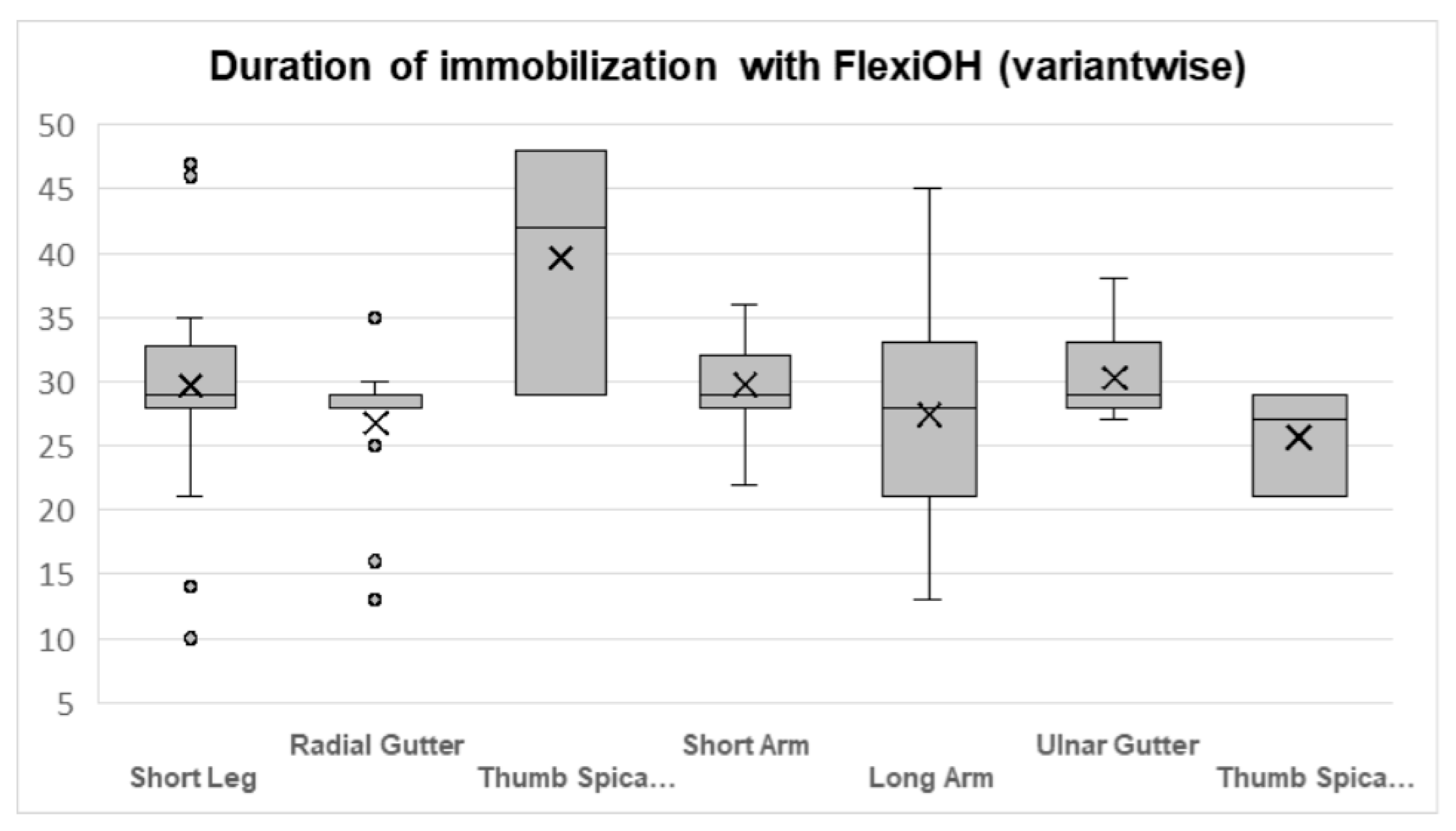
Treatment selection was based on clinician judgment and evolving clinical circumstances, introducing the potential for selection bias, as LCPI systems may have been preferentially applied to patients with more stable fracture patterns or clinical characteristics associated with a lower risk of complications. In addition, variability in follow-up duration and reliance on treating clinician documentation rather than independent blinded radiographic assessment may have influenced outcome classification. This approach introduces the potential for measurement and interpretation bias as outcome classification was dependent on routine clinical documentation rather than standardized, independently adjudicated criteria. The study did not evaluate whether some fractures included in the cohort, particularly nondisplaced injuries, could have been successfully managed using less restrictive interventions such as removable braces or splints, which are commonly used in similar clinical scenarios. Nor did it include long-term follow-up to assess delayed union, refracture, functional recovery, or patient-reported outcomes. In addition, although differences in immobilization duration were observed across construct types, the relationship between immobilization duration and fracture type or anatomical location was not formally evaluated. These differences likely reflect underlying injury characteristics and clinical decision-making rather than device-specific factors and represent an area for future investigation.
Economic considerations were not examined. The relative cost of LCPI systems compared with traditional casting materials or brace-based treatment was not assessed, and differences in resource availability, regulatory approval, and institutional workflow requirements may influence broader implementation. Consequently, the present findings should be interpreted as descriptive and hypothesis-generating rather than evidence of comparative clinical effectiveness.
4.5. Future Directions
Future research should include prospective, controlled, and multicenter studies directly comparing LCPI systems with conventional casting and brace-based management to evaluate relative effectiveness, safety, and clinical outcomes across diverse patient populations. In addition, further investigation is needed to evaluate the relationship between fracture type, anatomical location, and optimal immobilization duration across different treatment approaches.



 ,
,