Article

Morphological Changes in Blood Cells in a Rat Model of Heatstroke: A Pilot Study

1
Department of Emergency and Disaster Medicine, Juntendo University Graduate School of Medicine, Tokyo 113-8421, Japan
2
Department of Clinical Laboratory Medicine, Juntendo University Urayasu Hospital, Chiba 279-0021, Japan
3
Department of Emergency and Critical Care Medicine, Juntendo University Urayasu Hospital, Chiba 279-0021, Japan
4
Department of Anesthesiology, Critical Care, and Surgery, Duke University School of Medicine, Durham, NC 27705, USA
*
Author to whom correspondence should be addressed.
J. Clin. Med. 2022, 11(16), 4821; https://doi.org/10.3390/jcm11164821
Submission received: 19 July 2022 / Revised: 15 August 2022 / Accepted: 16 August 2022 / Published: 17 August 2022
(This article belongs to the Section Hematology)

Abstract

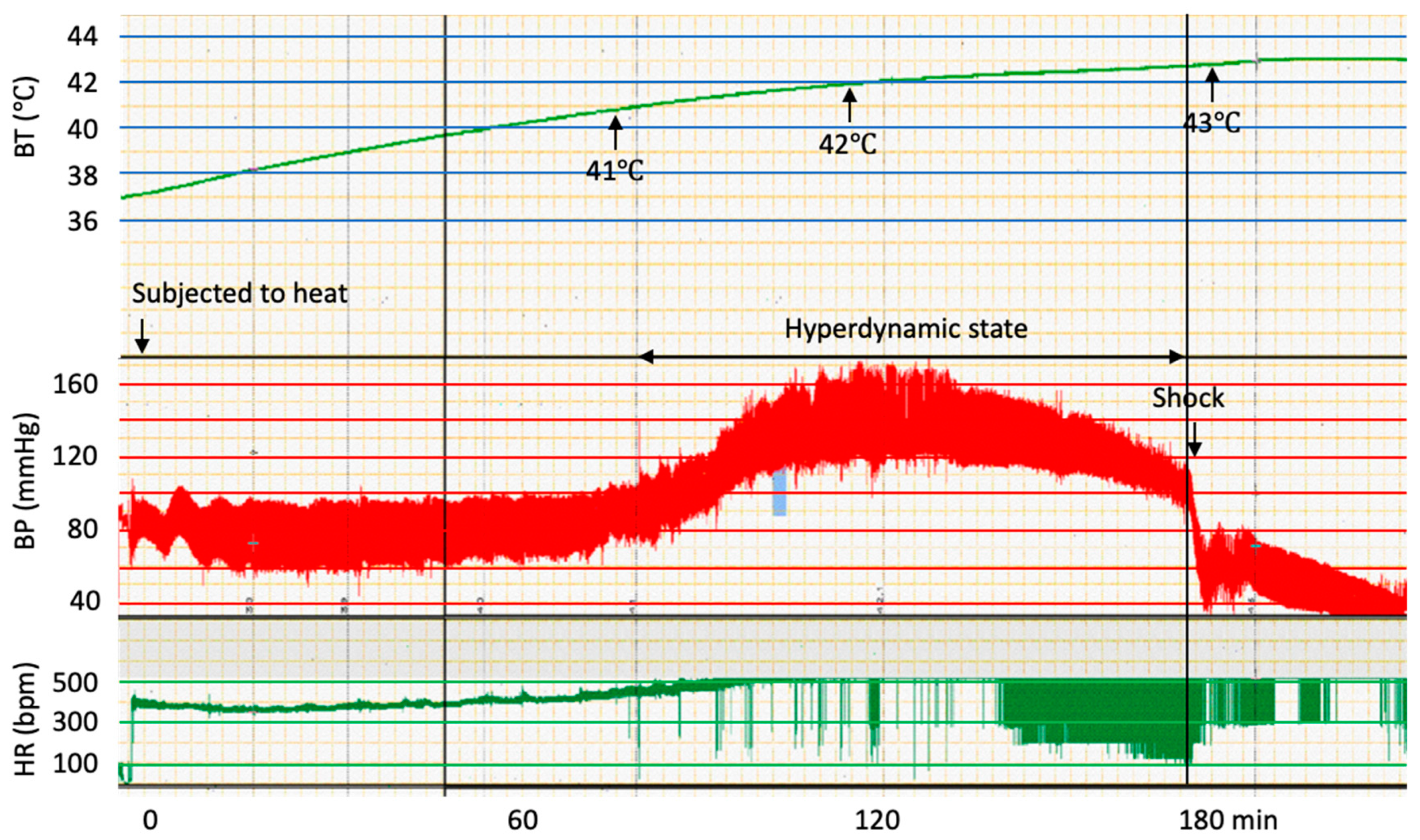
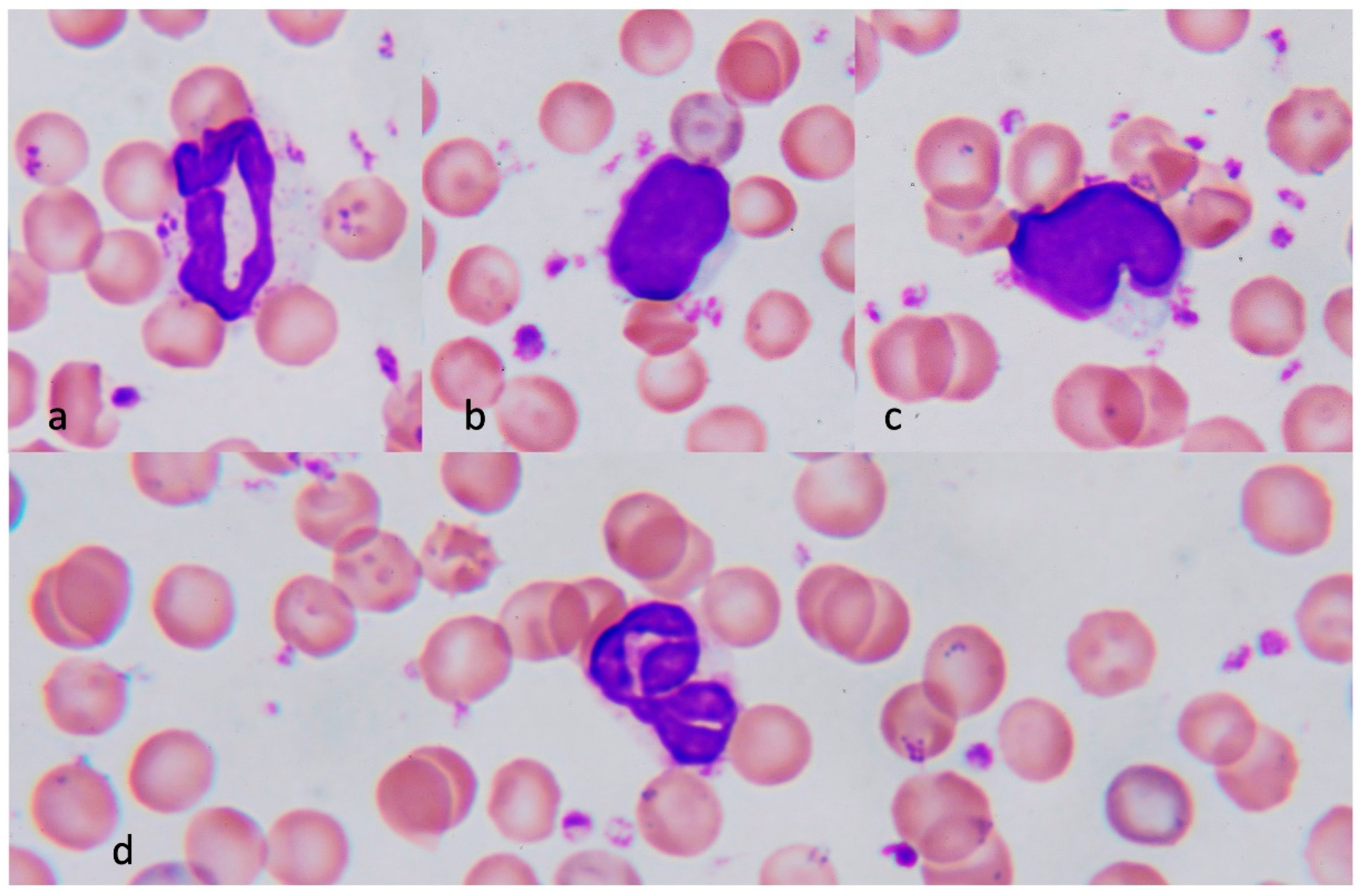
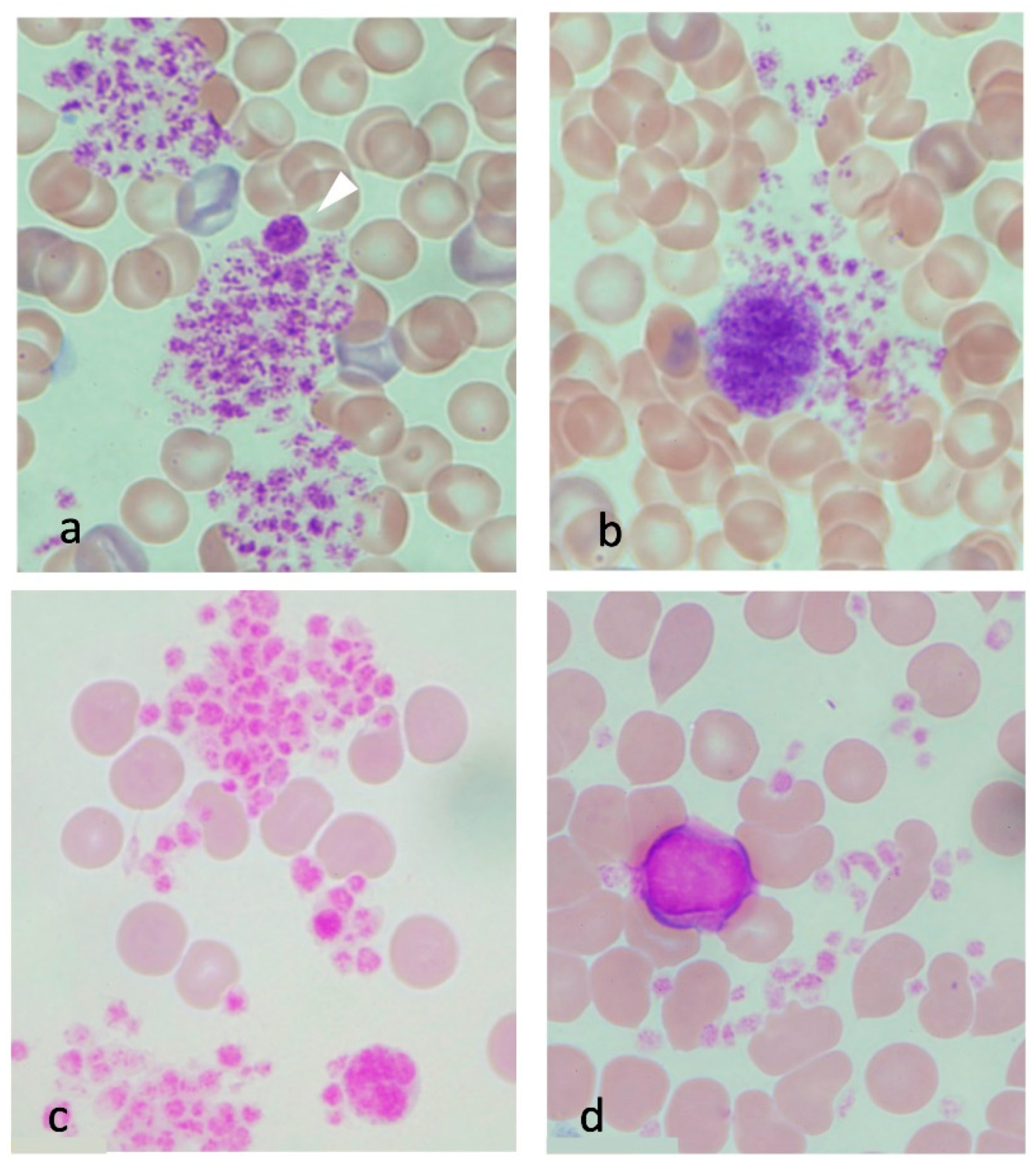
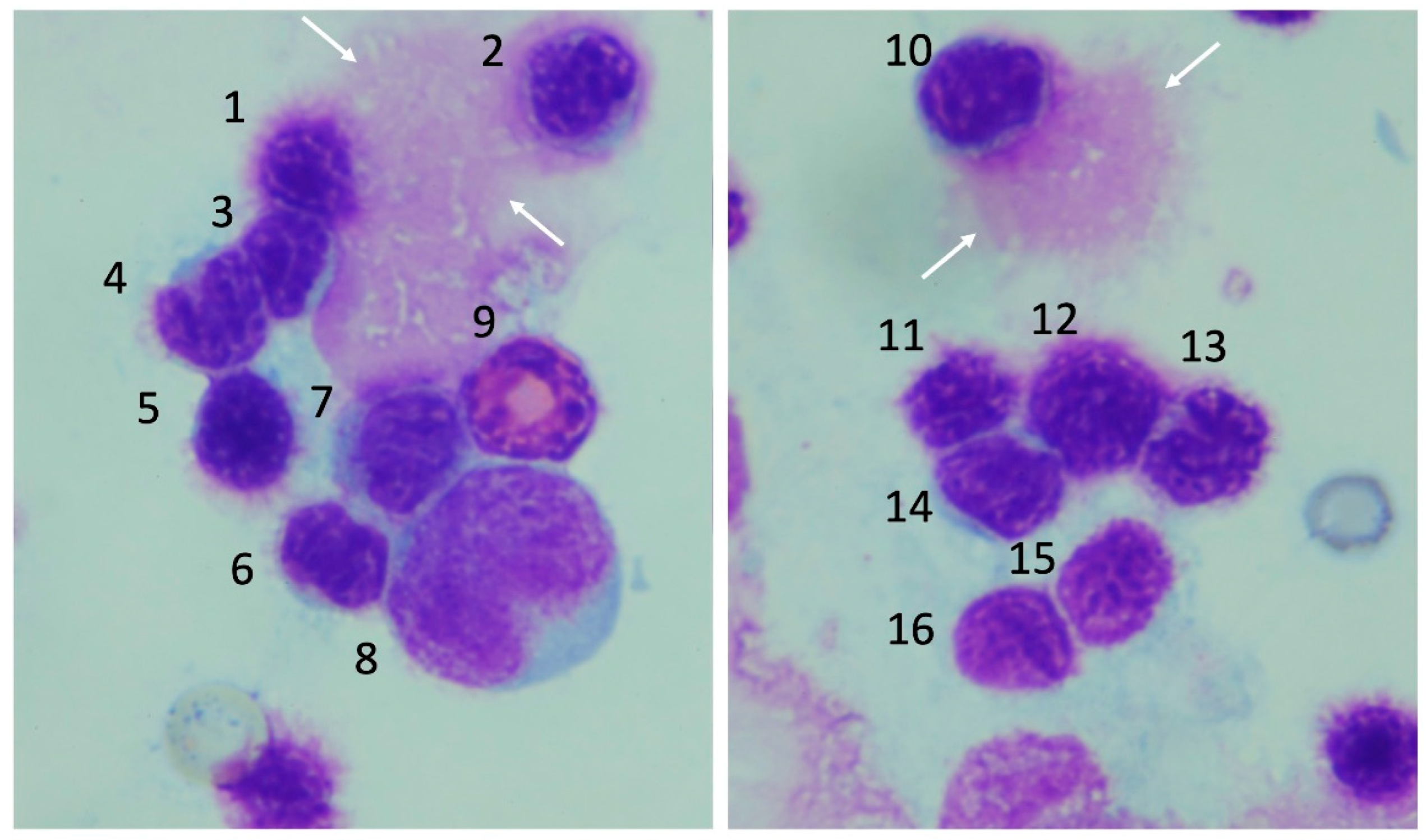
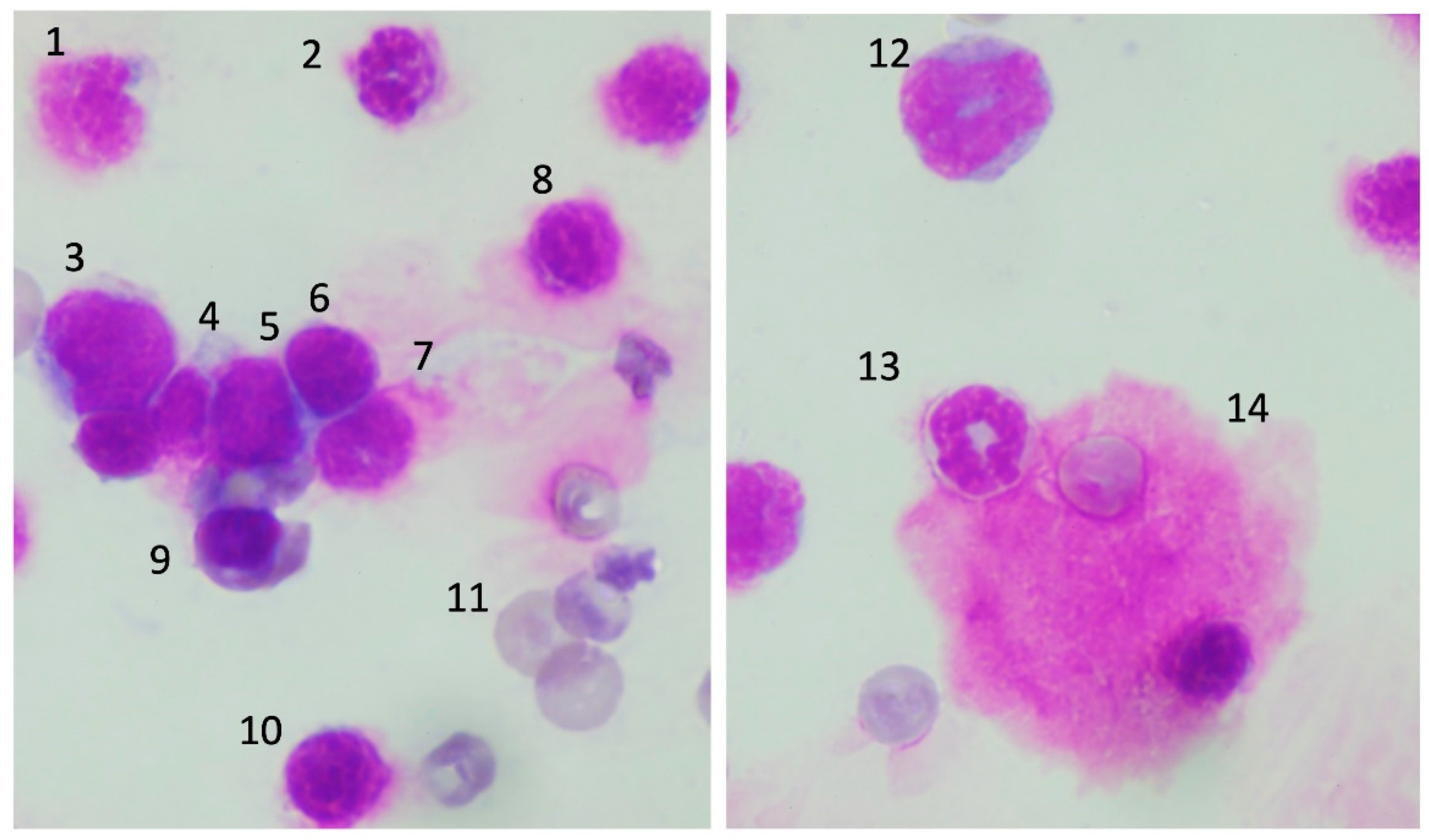
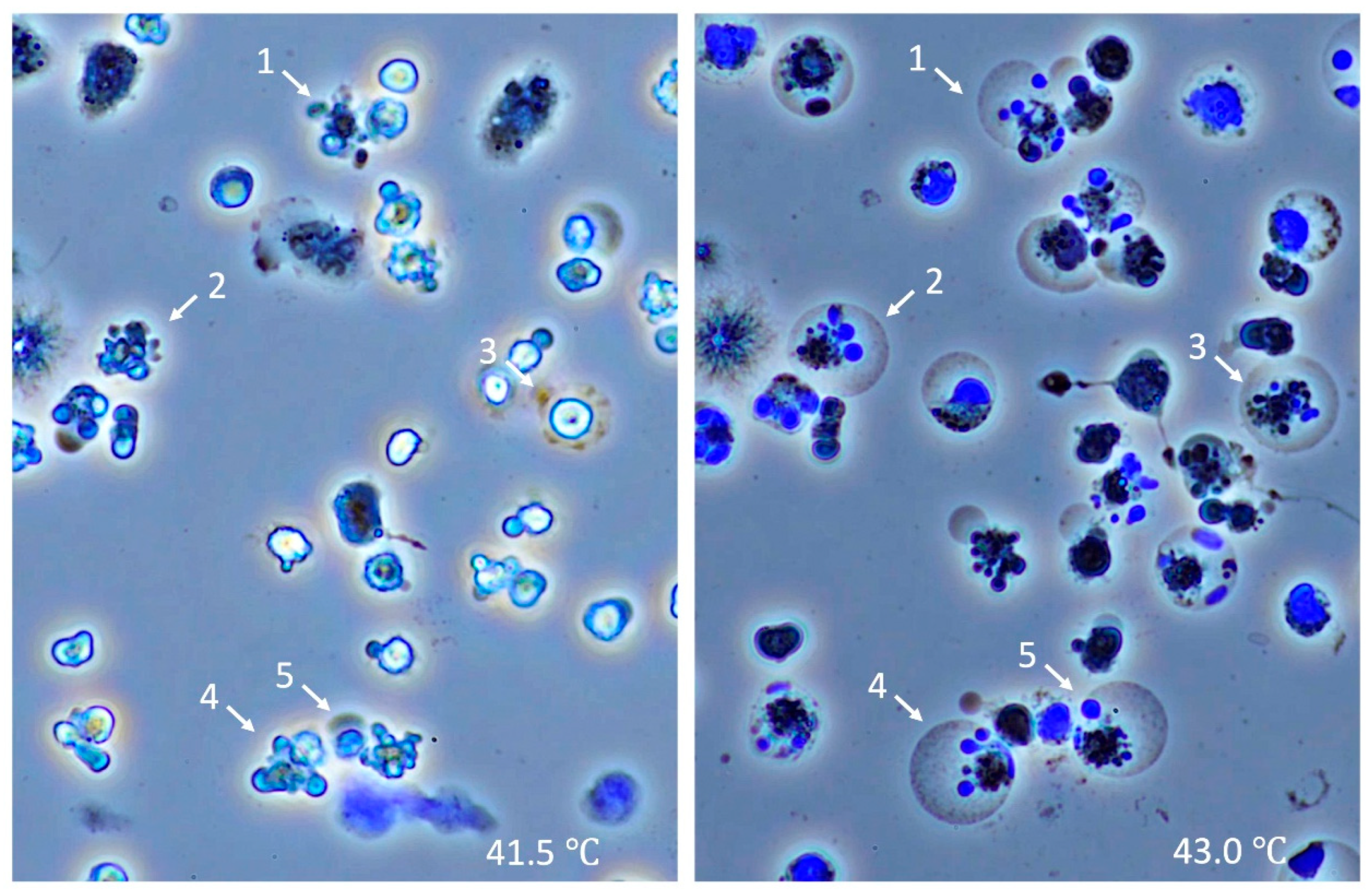
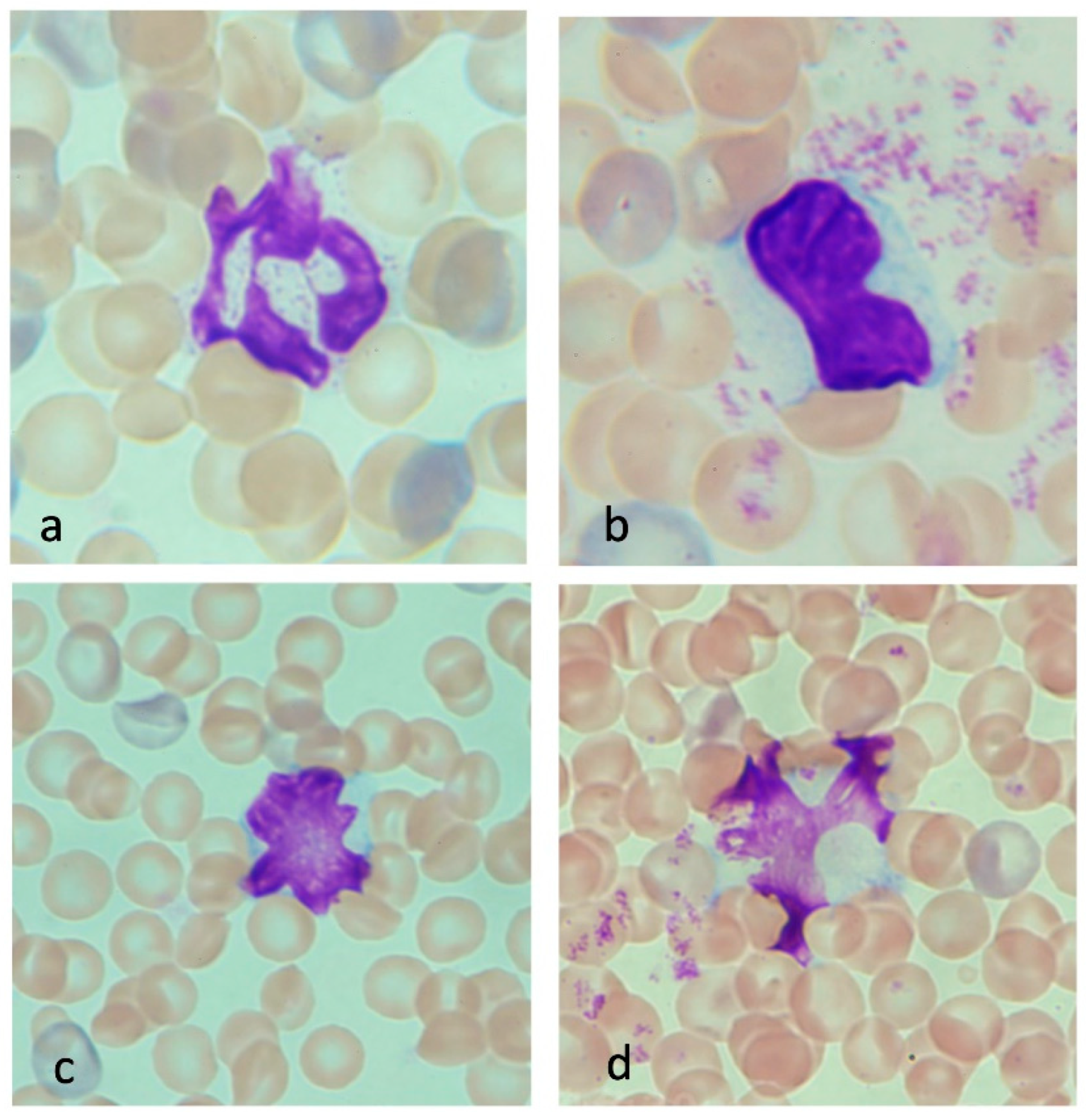
Despite the increasing threat of heatstroke with global warming, pathophysiologic injury continues to be defined. In addition, morphological changes of the peripheral blood cells in heatstroke have not been well characterized. We evaluated pathophysiologic changes in bone marrow and blood cells in a rat heatstroke model using a 39.5 °C climate chamber. After three hours of incubation, blood and bone marrow samples were collected for morphology, and the direct effects of heat on leukocytes in vitro were evaluated using time-lapse observation. The blood cell count and peripheral/bone marrow smear were examined either in a lethal model (core body temperature exceeded 42.5 °C) or in a sublethal model (<41.5 °C). Significant decreases in platelet and white blood counts occurred in the lethal model (>35% and >20% decreases, respectively) and changes were less in the sublethal model. Platelet clumping with the appearance of large platelets was observed. The neutrophils often demonstrated hyper-segmented nuclei, and lymphocytes showed reactive or blast-like changes. Further, the direct effect of heat on leukocytes noted apoptotic cell death at 41.5 °C, but subsequent necrosis at 43 °C. In summary, our rodent model showed that heatstroke causes platelet aggregation, leukocyte injury, and aponecrotic cell death. Such changes were milder and reversible in sublethal heatstroke. The appearance of immature cells may result from damage to the bone marrow microenvironment. These findings may provide useful information for potential diagnostic and therapeutic considerations.
Keywords: blood smear; heatstroke; hyperthermia; lymphocyte; platelet blood smear; heatstroke; hyperthermia; lymphocyte; platelet