Article

Mathematical Modeling Evaluates How Vaccinations Affected the Course of COVID-19 Disease Progression


by
Eleftheria Tzamali
1,
Vangelis Sakkalis
1,*,
Georgios Tzedakis
1,
Emmanouil G. Spanakis
1 and
Nikos Tzanakis
2
1
Computational Biomedicine Laboratory, Institute of Computer Science, Foundation for Research and Technology-Hellas (FORTH), 70013 Heraklion, Greece
2
Department of Respiratory Medicine, University Hospital of Heraklion, Medical School, University of Crete, 71003 Heraklion, Greece
*
Author to whom correspondence should be addressed.
Vaccines 2023, 11(4), 722; https://doi.org/10.3390/vaccines11040722

Submission received: 1 March 2023 / Revised: 17 March 2023 / Accepted: 20 March 2023 / Published: 24 March 2023
(This article belongs to the Special Issue COVID-19 Vaccination, Role of Vaccines and Global Health)

Abstract

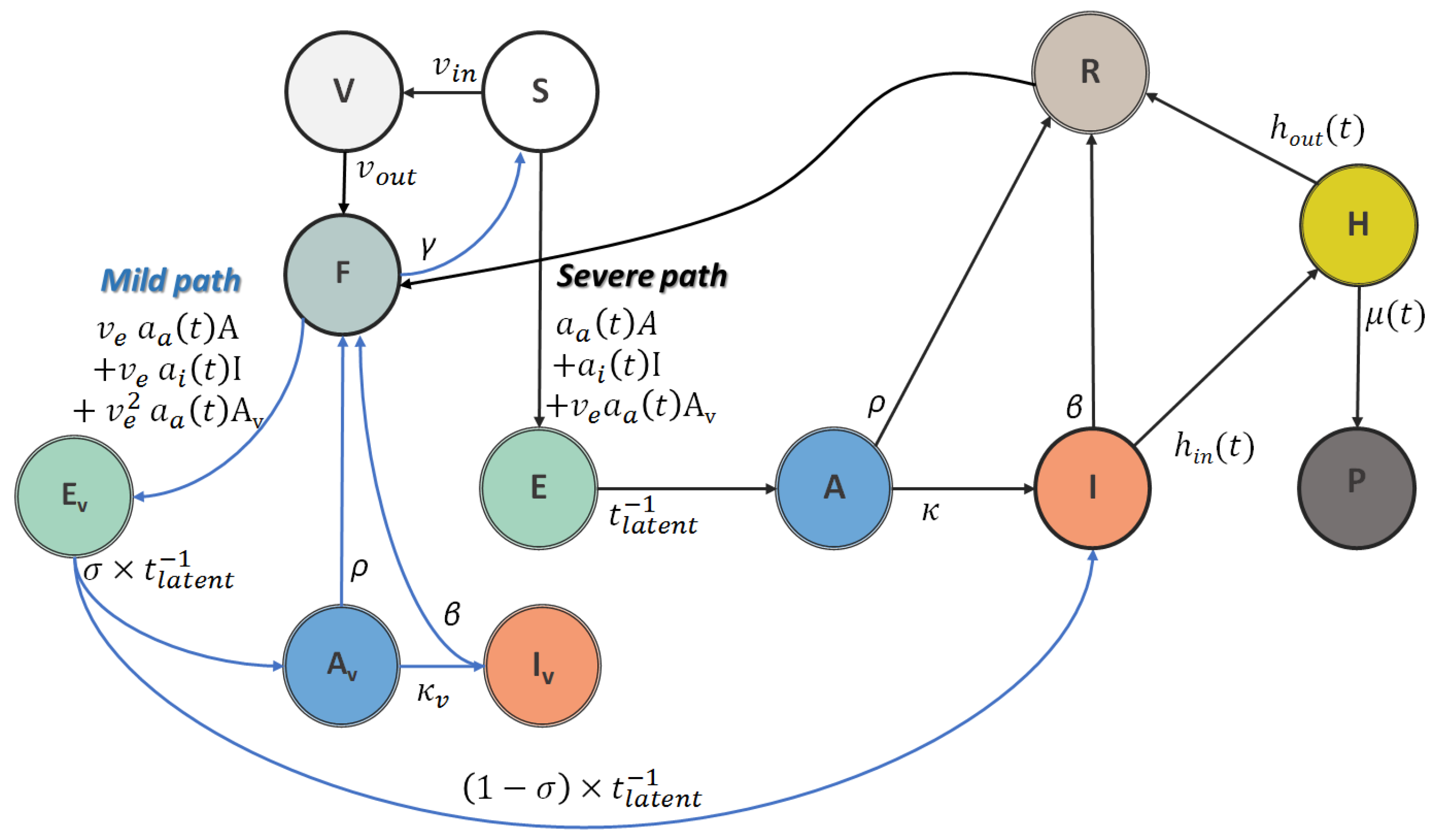
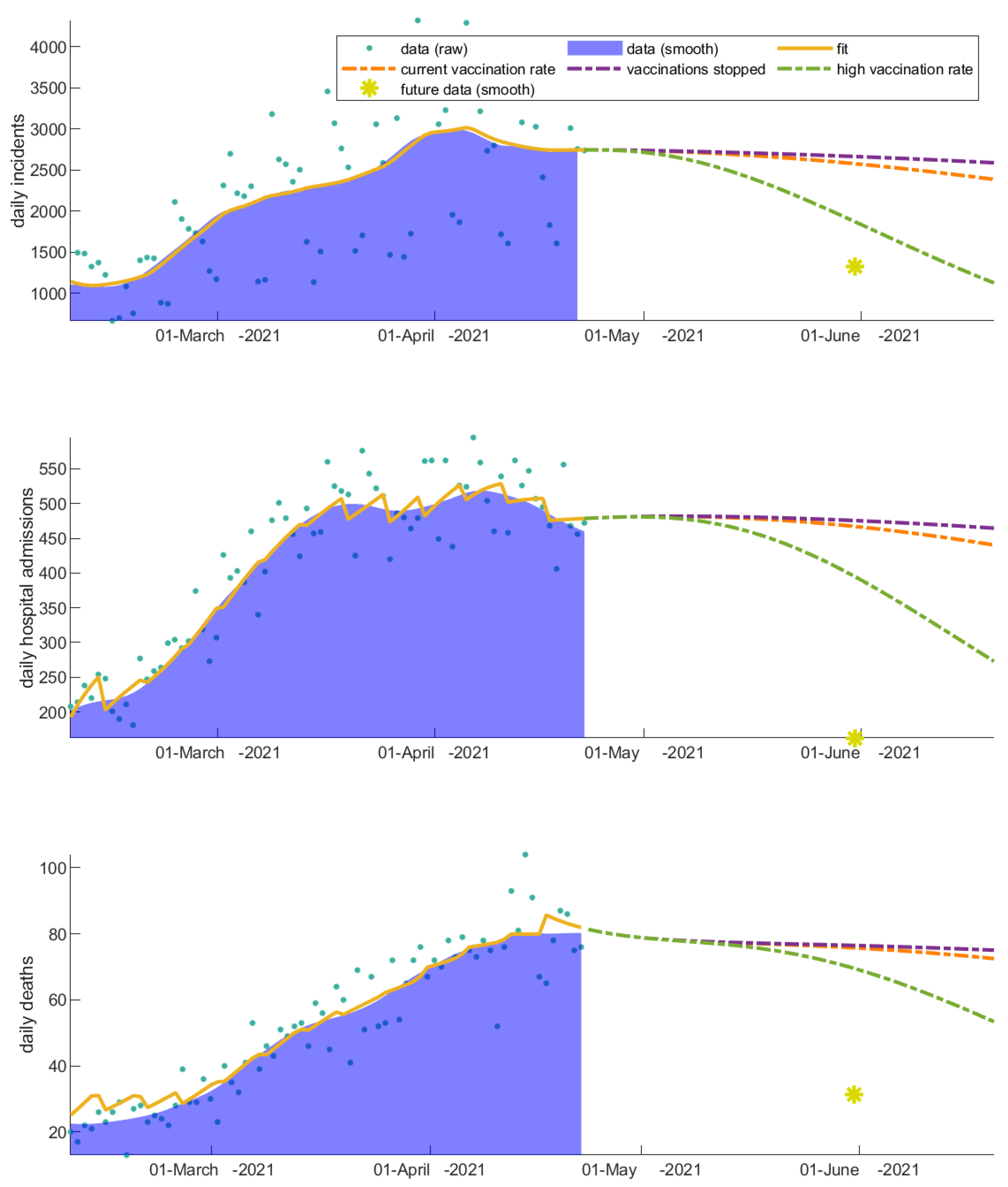
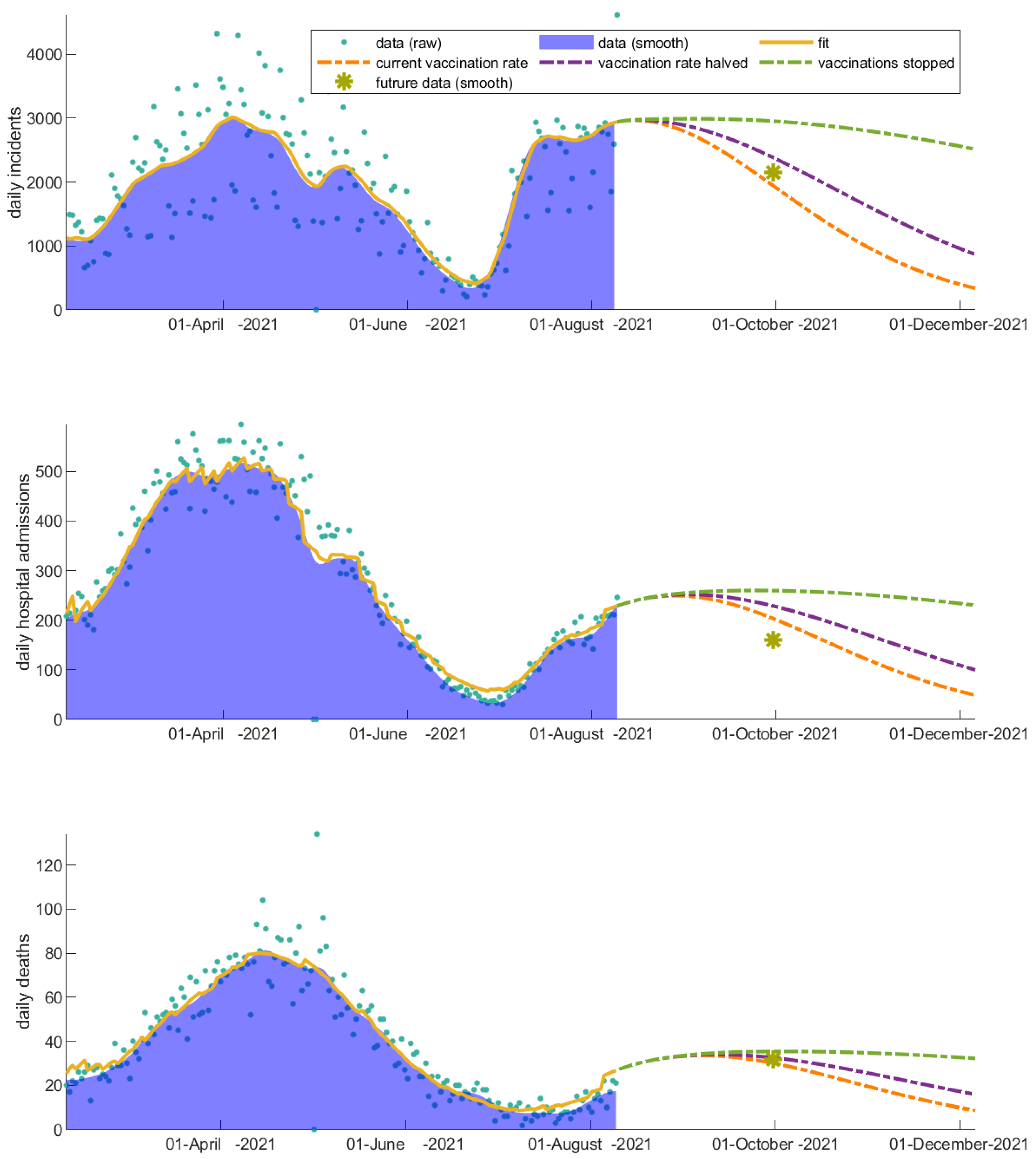
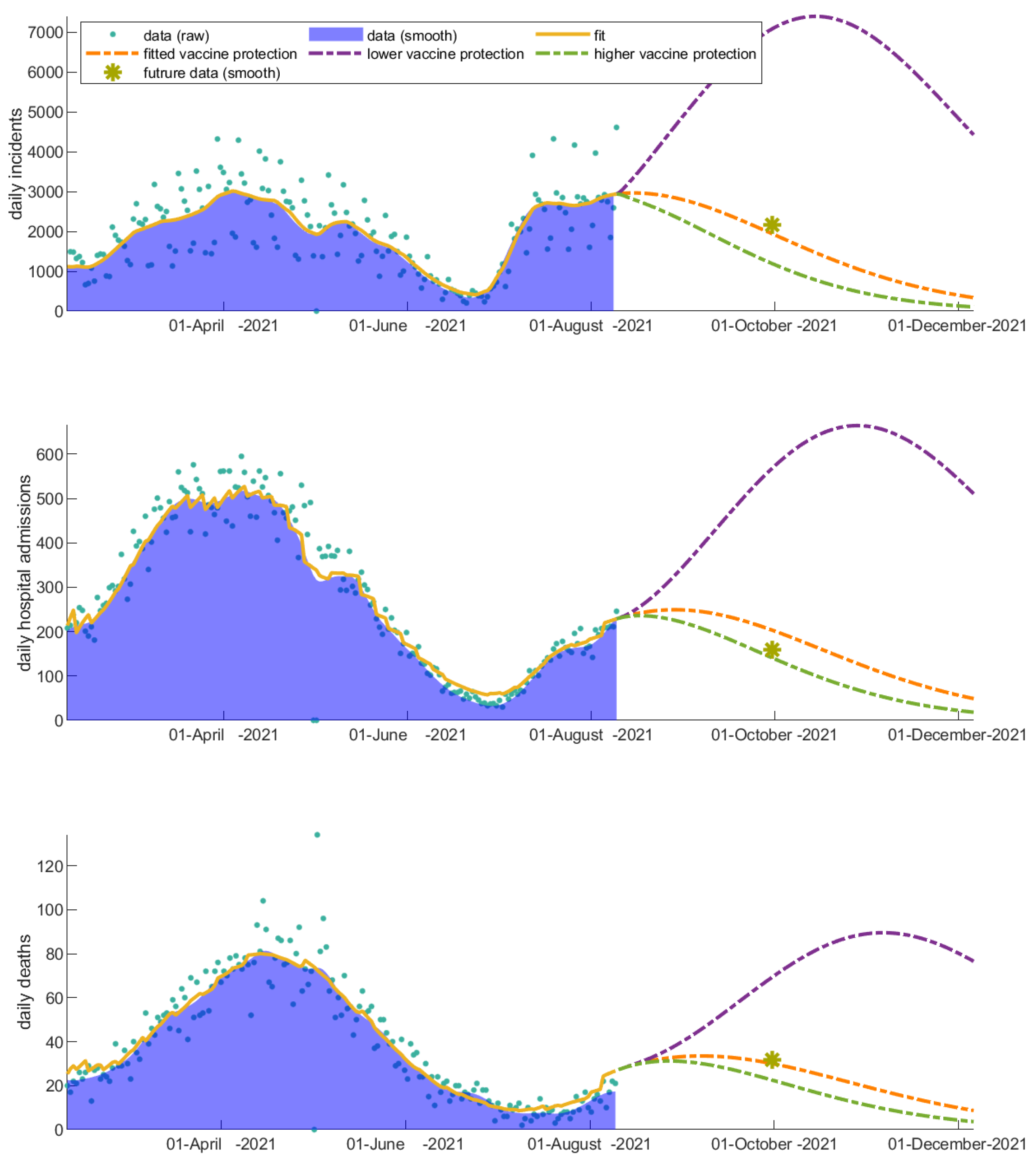
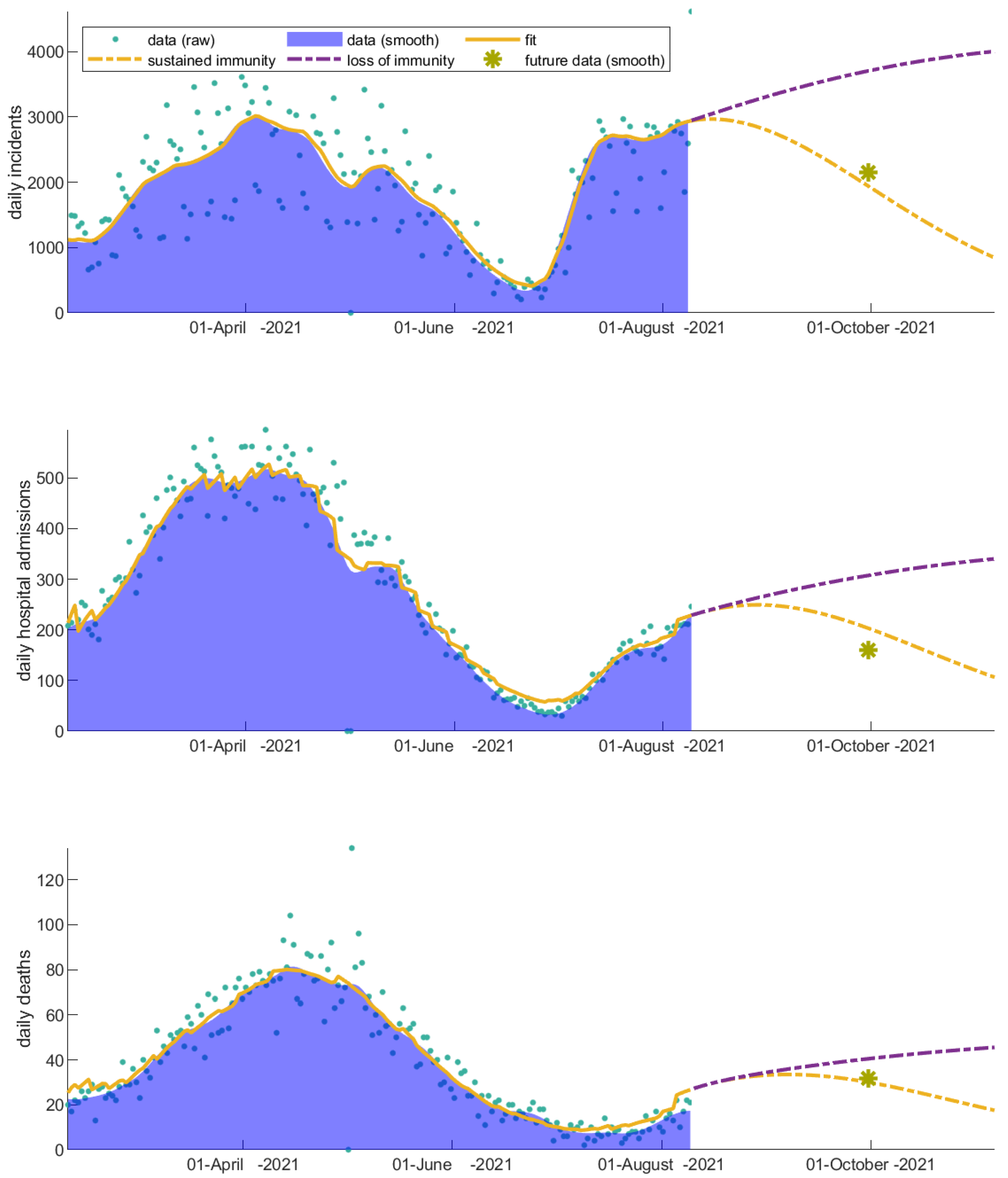
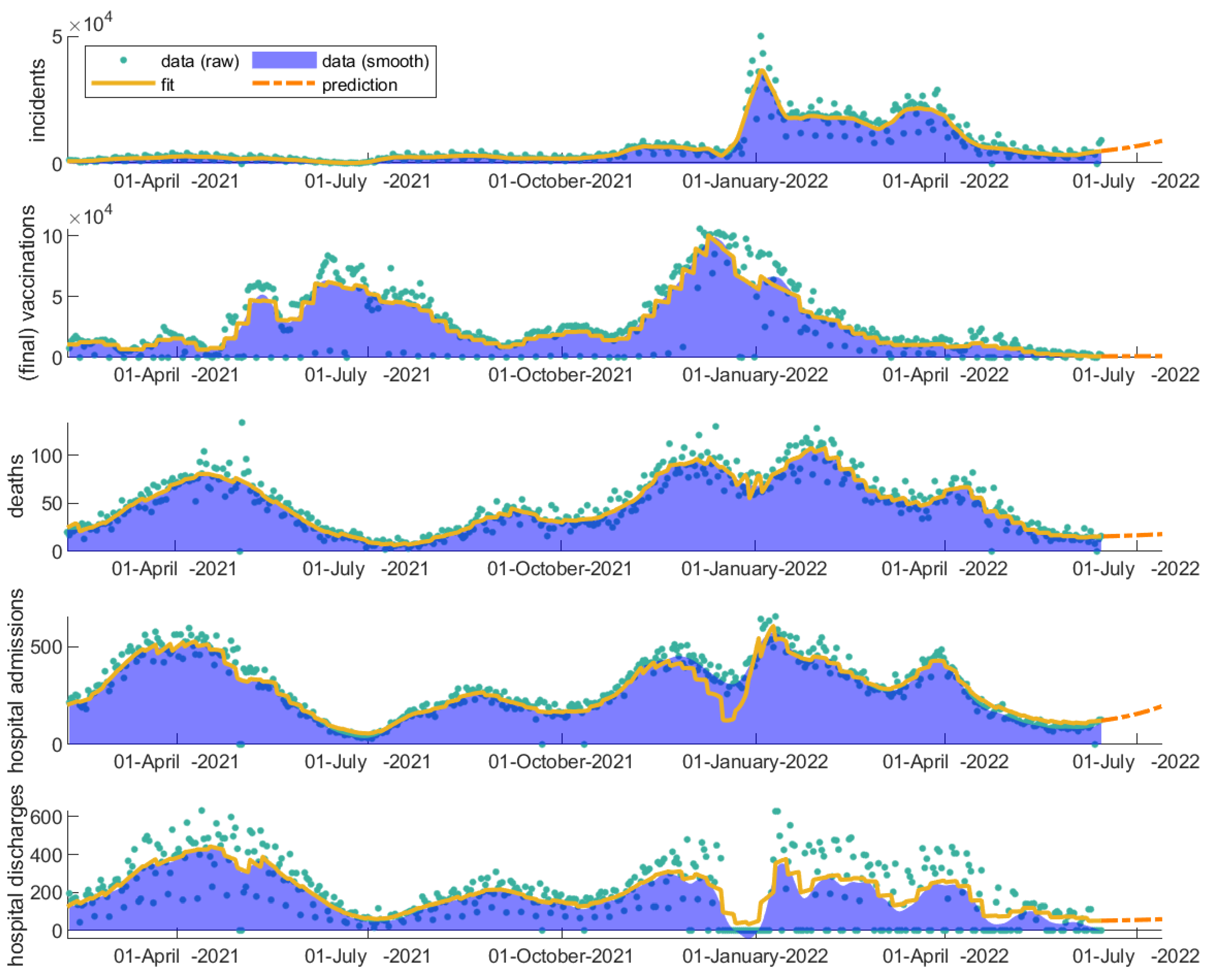
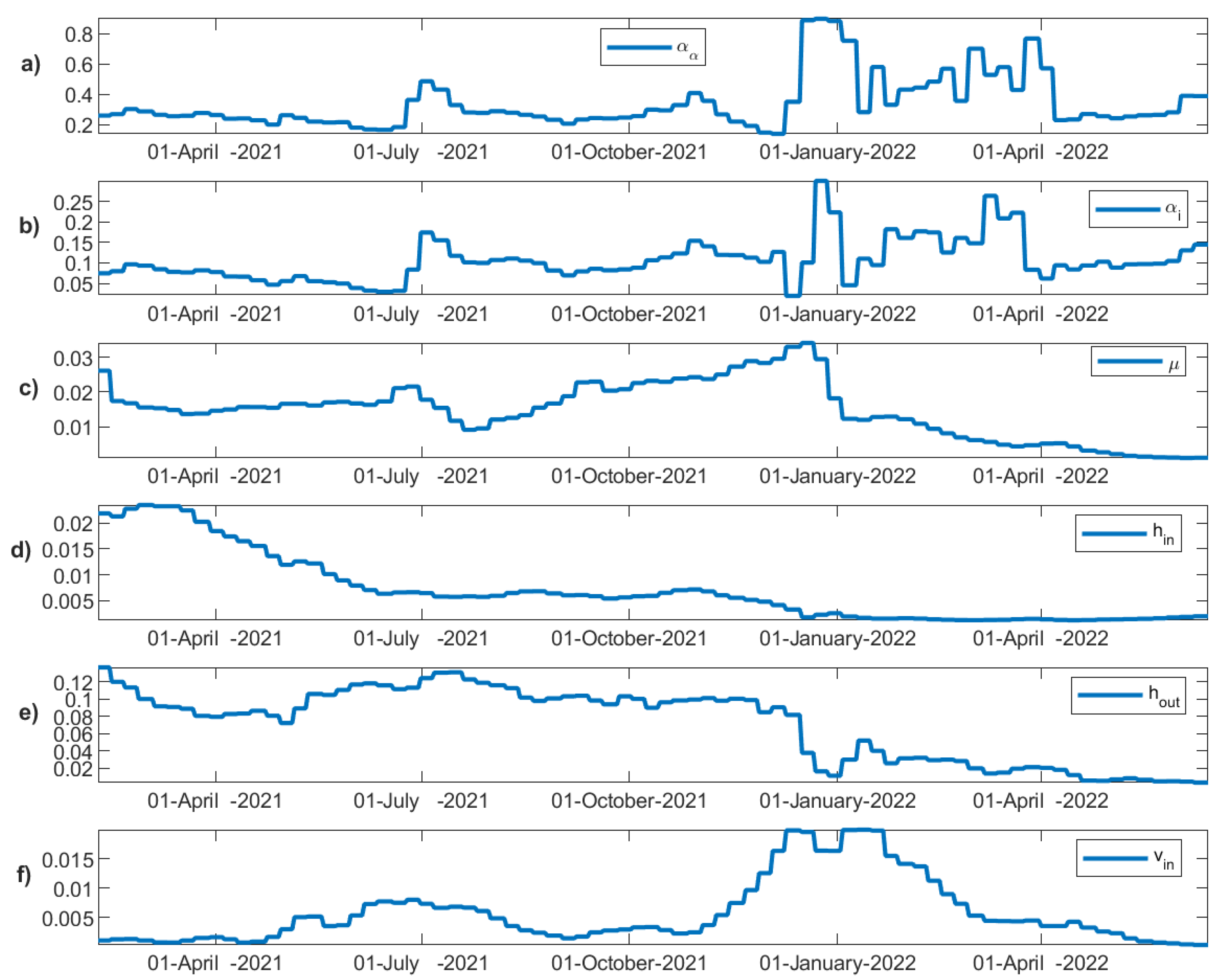
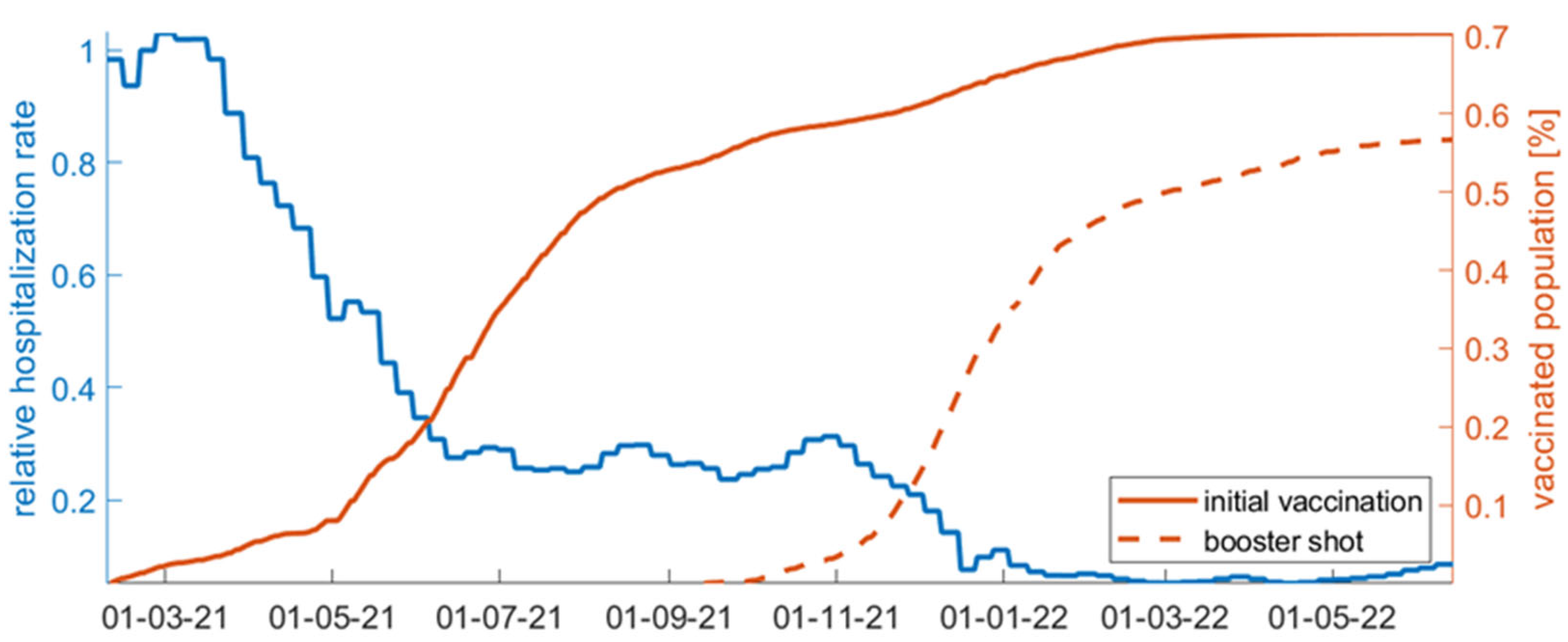
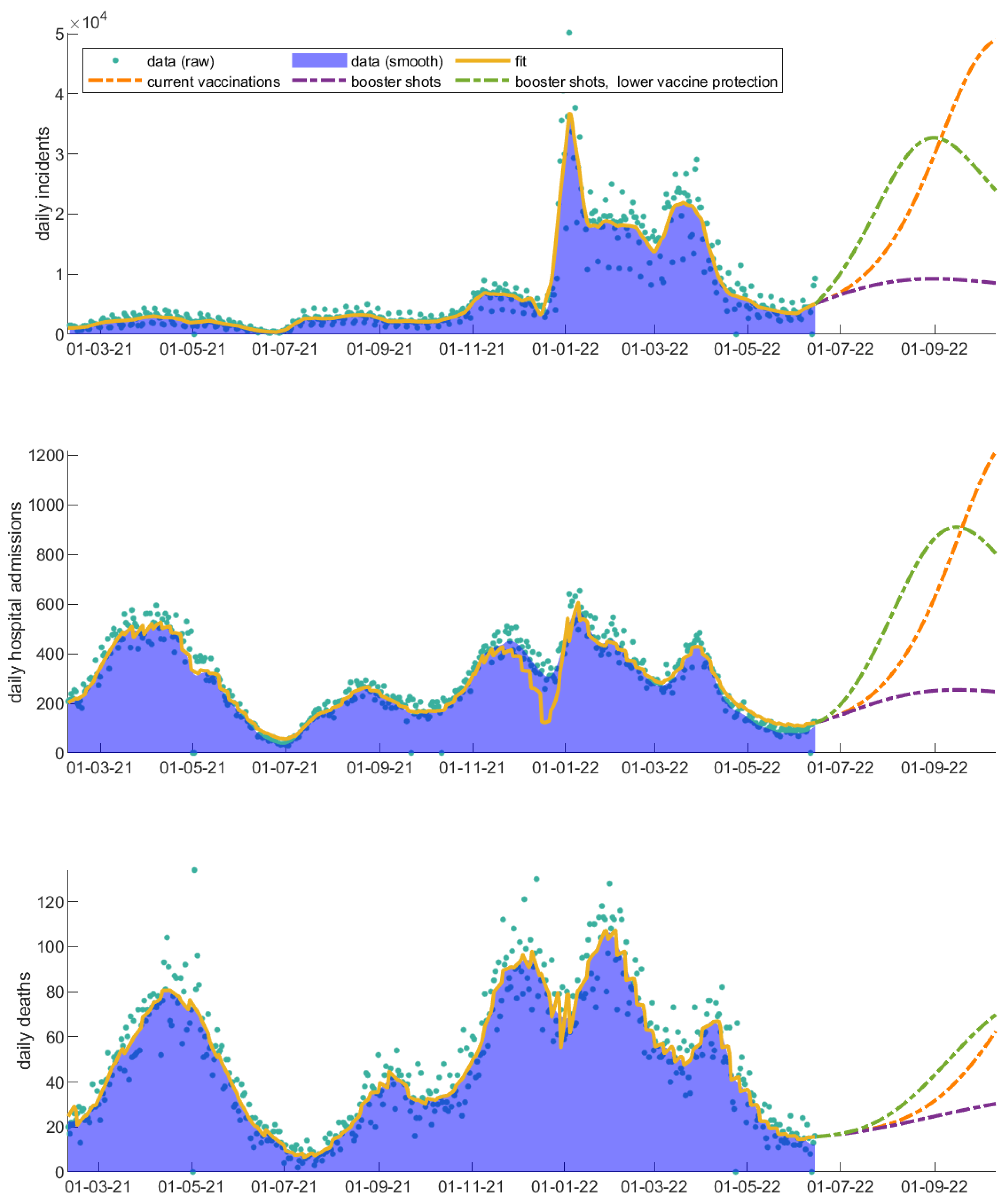
The regulation policies implemented, the characteristics of vaccines, and the evolution of the virus continue to play a significant role in the progression of the SARS-CoV-2 pandemic. Numerous research articles have proposed using mathematical models to predict the outcomes of different scenarios, with the aim of improving awareness and informing policy-making. In this work, we propose an expansion to the classical SEIR epidemiological model that is designed to fit the complex epidemiological data of COVID-19. The model includes compartments for vaccinated, asymptomatic, hospitalized, and deceased individuals, splitting the population into two branches based on the severity of progression. In order to investigate the impact of the vaccination program on the spread of COVID-19 in Greece, this study takes into account the realistic vaccination program implemented in Greece, which includes various vaccination rates, different dosages, and the administration of booster shots. It also examines for the first time policy scenarios at crucial time-intervention points for Greece. In particular, we explore how alterations in the vaccination rate, immunity loss, and relaxation of measures regarding the vaccinated individuals affect the dynamics of COVID-19 spread. The modeling parameters revealed an alarming increase in the death rate during the dominance of the delta variant and before the initiation of the booster shot program in Greece. The existing probability of vaccinated people becoming infected and transmitting the virus sets them as catalytic players in COVID-19 progression. Overall, the modeling observations showcase how the criticism of different intervention measures, the vaccination program, and the virus evolution has been present throughout the various stages of the pandemic. As long as immunity declines, new variants emerge, and vaccine protection in reducing transmission remains incompetent; monitoring the complex vaccine and virus evolution is critical to respond proactively in the future.
Keywords: SARS-CoV-2; COVID-19; mathematical modeling; vaccination; epidemics; scenario analyses; SEIR model SARS-CoV-2; COVID-19; mathematical modeling; vaccination; epidemics; scenario analyses; SEIR model