Systematic Review

Walking and Hippocampal Formation Volume Changes: A Systematic Review

by
Mohamed Hesham Khalil
Department of Architecture, University of Cambridge, Cambridge CB2 1PX, UK
Brain Sci. 2025, 15(1), 52; https://doi.org/10.3390/brainsci15010052

Submission received: 18 December 2024 / Revised: 1 January 2025 / Accepted: 8 January 2025 / Published: 8 January 2025
(This article belongs to the Section Neurorehabilitation)

Abstract

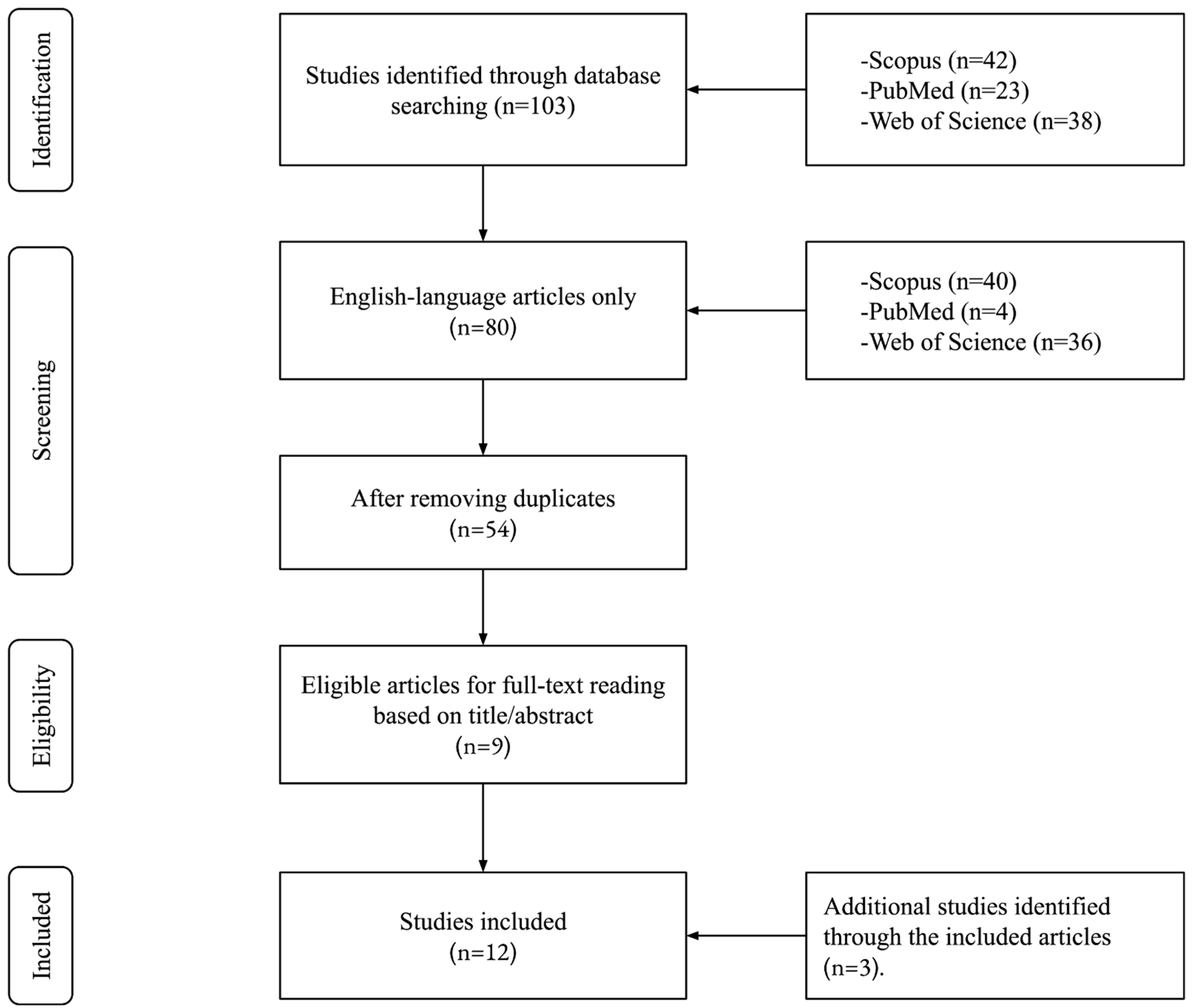
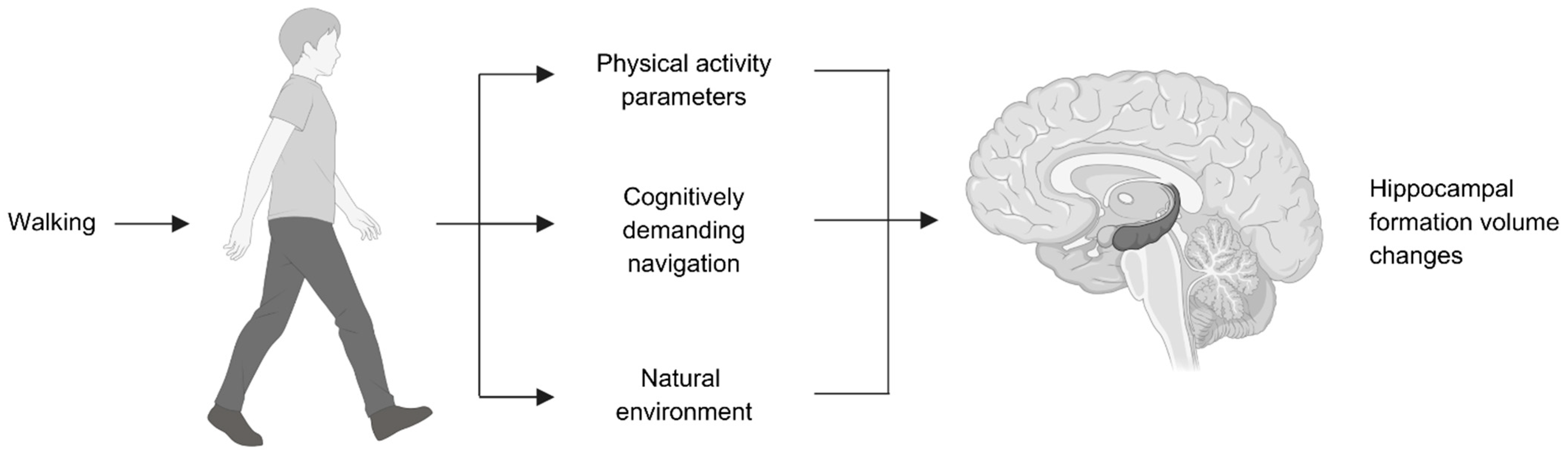
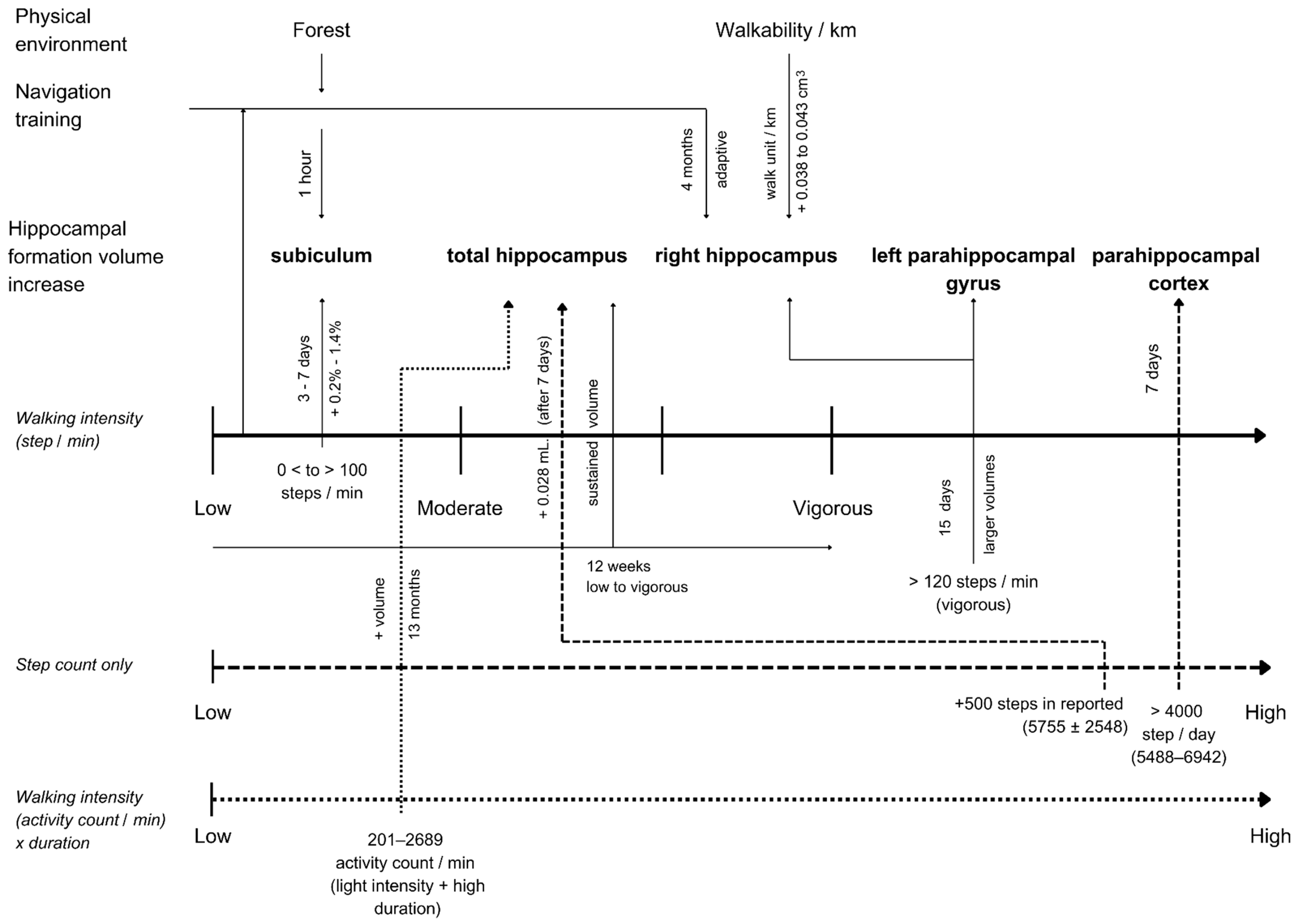
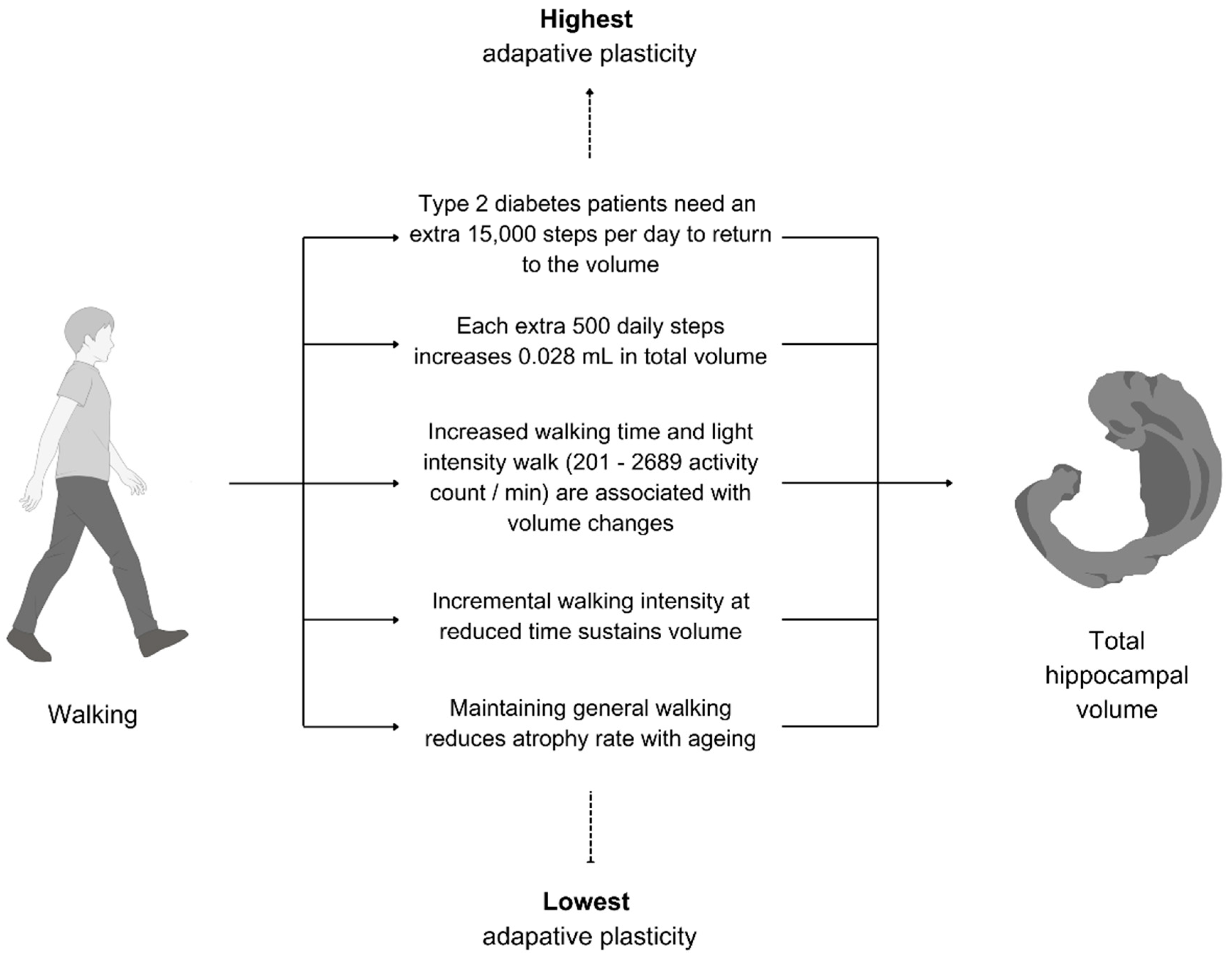
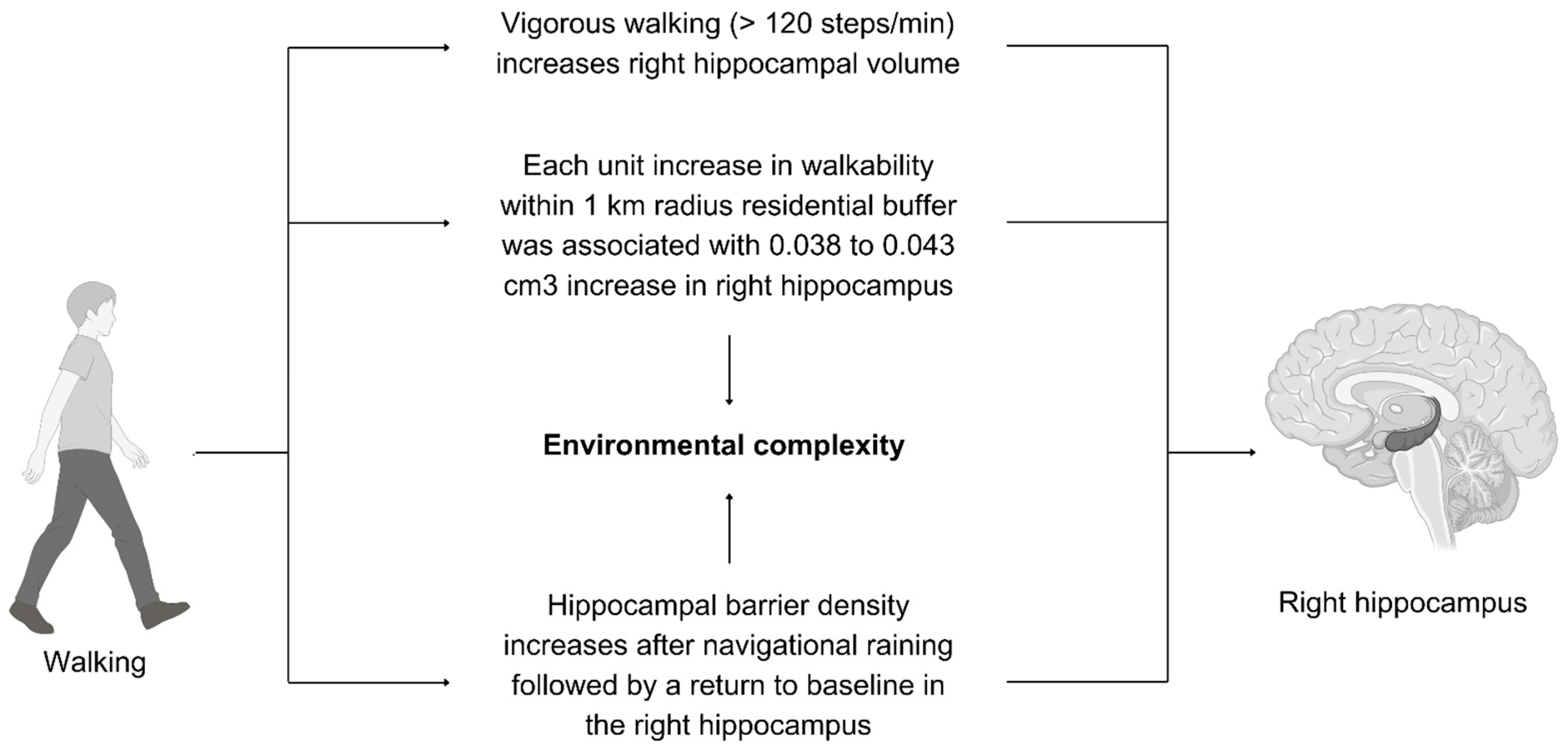
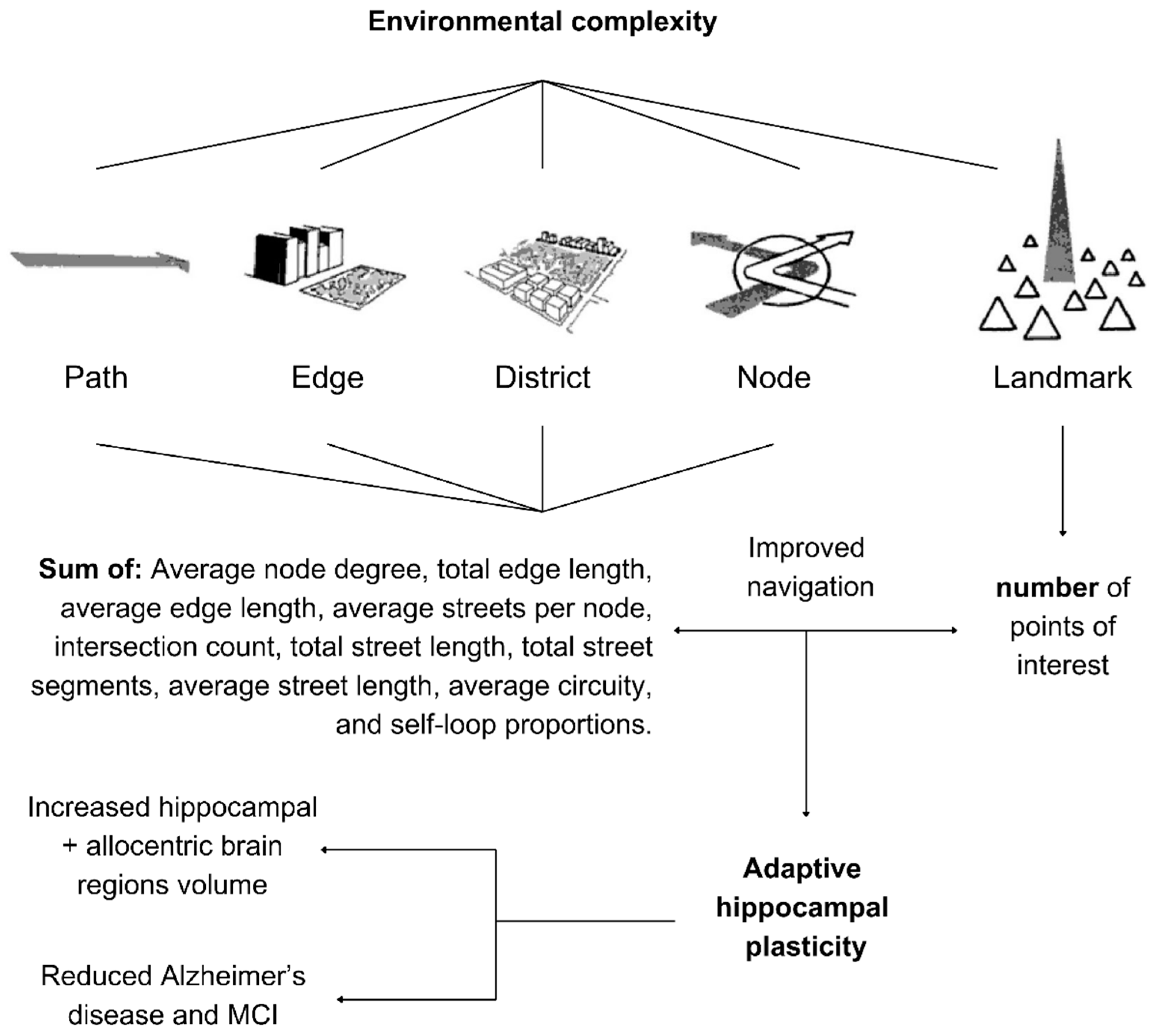
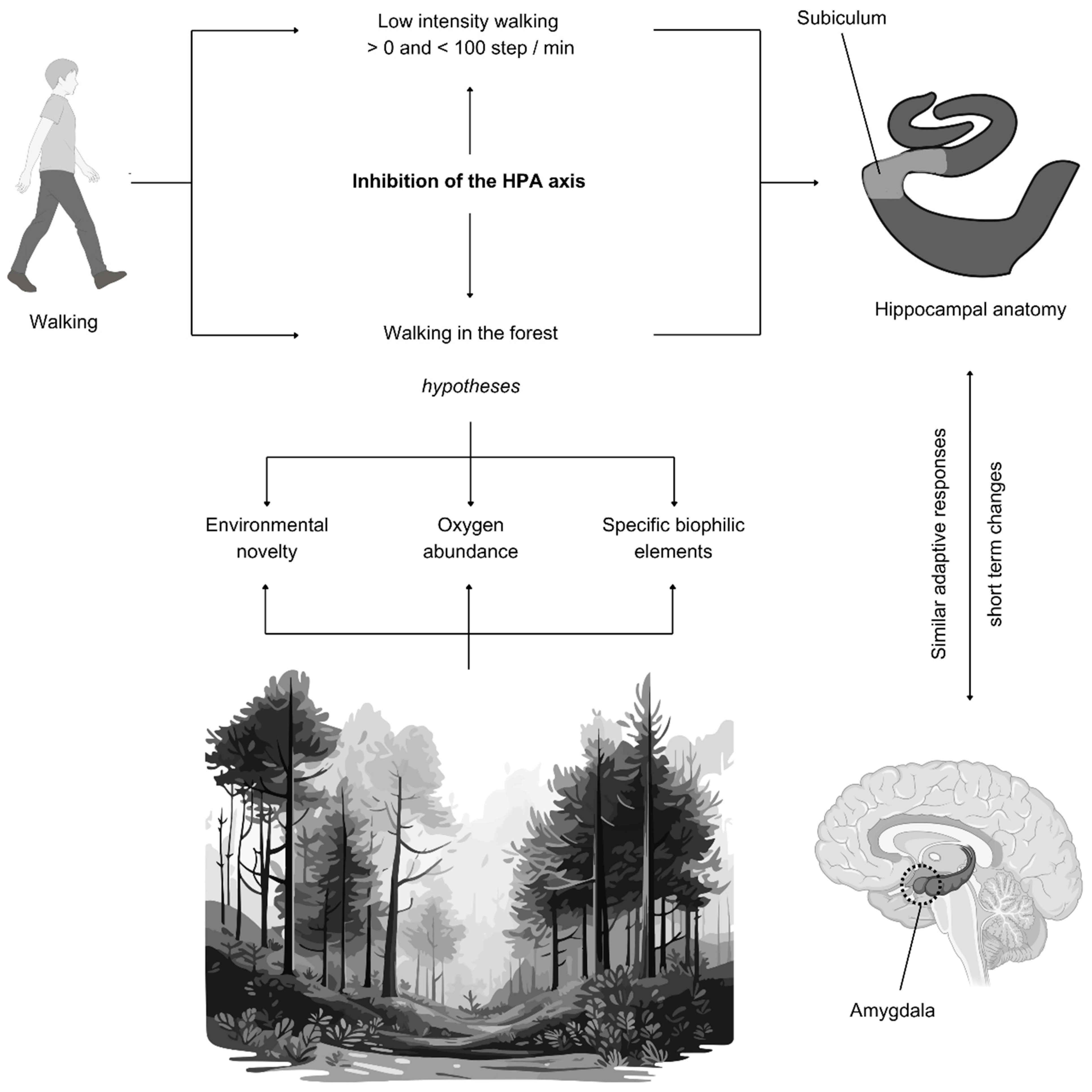
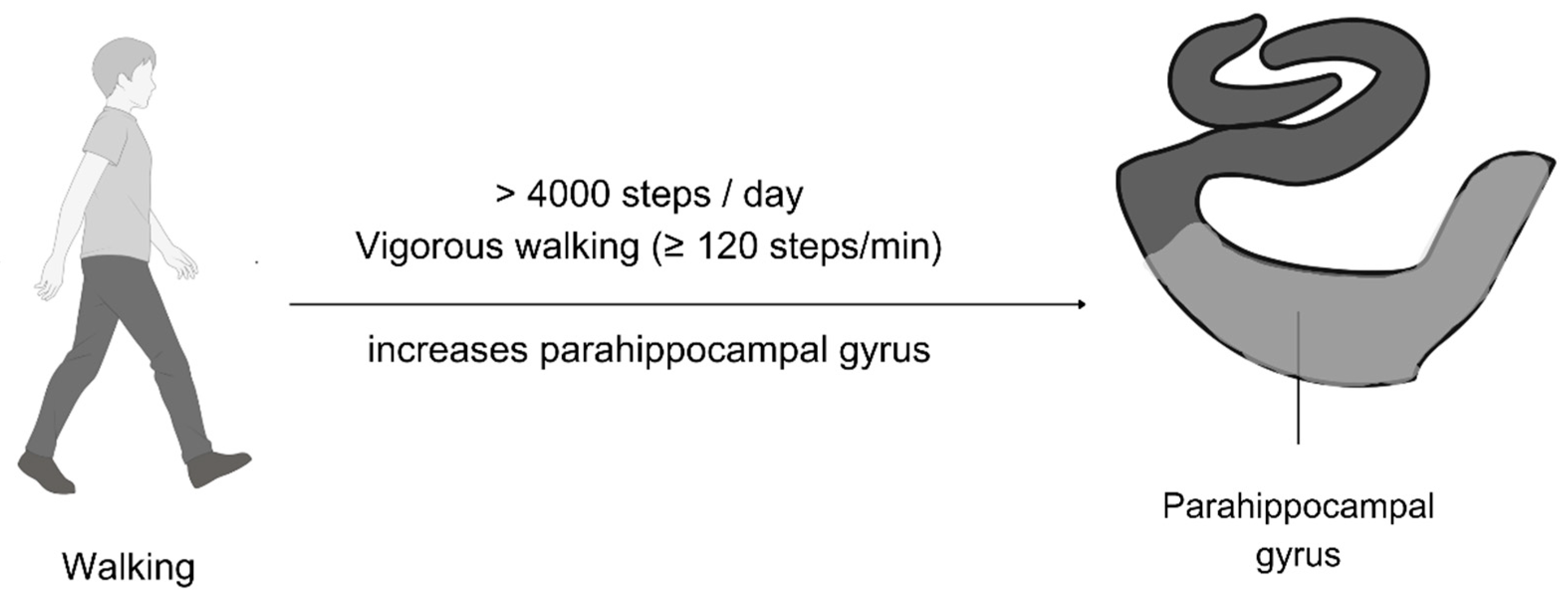
Background/Objectives: Sustaining the human brain’s hippocampus from atrophy throughout ageing is critical. Exercise is proven to be effective in promoting adaptive hippocampal plasticity, and the hippocampus has a bidirectional relationship with the physical environment. Therefore, this systematic review explores the effects of walking, a simple physical activity in the environment, on hippocampal formation volume changes for lifelong brain and cognitive health. Method: PubMed, Scopus, and Web of Science were searched for studies on humans published up to November 2022 examining hippocampal volume changes and walking. Twelve studies met the inclusion criteria. Study quality was assessed using the PEDro scale and ROBINS-I tool. A narrative synthesis explored walking factors associated with total, subregional, and hemisphere-specific hippocampal volume changes. Results: Overall, walking had positive effects on hippocampal volumes. Several studies found benefits of higher-intensity and greater amounts of walking for total hippocampal volume. The subiculum increased after low-intensity walking and nature exposure, while the parahippocampal gyrus benefited from vigorous intensity. The right hippocampus increased with spatial navigation during walking. No studies examined the effect of walking on the dentate gyrus. Conclusions: This systematic review highlights walking as a multifaceted variable that can lead to manifold adaptive hippocampal volume changes. These findings support the promotion of walking as a simple, effective strategy to enhance brain health and prevent cognitive decline, suggesting the design of physical environments with natural and biophilic characteristics and layouts with greater walkability and cognitive stimulation. Future research is encouraged to explore the hippocampal subregional changes instead of focusing on total hippocampal volume, since the hippocampal formation is multicompartmental and subfields respond differently to different walking-related variables.
Keywords: walking; hippocampus; hippocampal volume; plasticity; subiculum; parahippocampal gyrus; step count; physical activity; navigational training; green space walking; hippocampus; hippocampal volume; plasticity; subiculum; parahippocampal gyrus; step count; physical activity; navigational training; green space