
Article

Selective Probiotic Treatment Positively Modulates the Microbiota–Gut–Brain Axis in the BTBR Mouse Model of Autism


1
Department of Biochemistry and Molecular Biology, Cumming School of Medicine, University of Calgary, Calgary, AB T2N 4N1, Canada
2
Departments of Neurosciences, Pediatrics and Pharmacology, University of California San Diego (UCSD), La Jolla, CA 92093, USA
3
Lallemand Inc., Lallemand Bio-Ingredients, Montreal, QC H1W 2N8, Canada
4
Department of Biochemistry, Memorial University of Newfoundland, St. John’s, NL A1C 5S7, Canada
5
Faculty of Kinesiology, University of Calgary, Calgary, AB T2N 4N1, Canada
6
Alberta Children’s Hospital Research Institute, Cumming School of Medicine, University of Calgary, Calgary, AB T2N 4N1, Canada
*
Author to whom correspondence should be addressed.
Brain Sci. 2022, 12(6), 781; https://doi.org/10.3390/brainsci12060781

Submission received: 26 April 2022 / Revised: 9 June 2022 / Accepted: 11 June 2022 / Published: 14 June 2022
(This article belongs to the Special Issue Brain–Microbiome Interactions)

Abstract

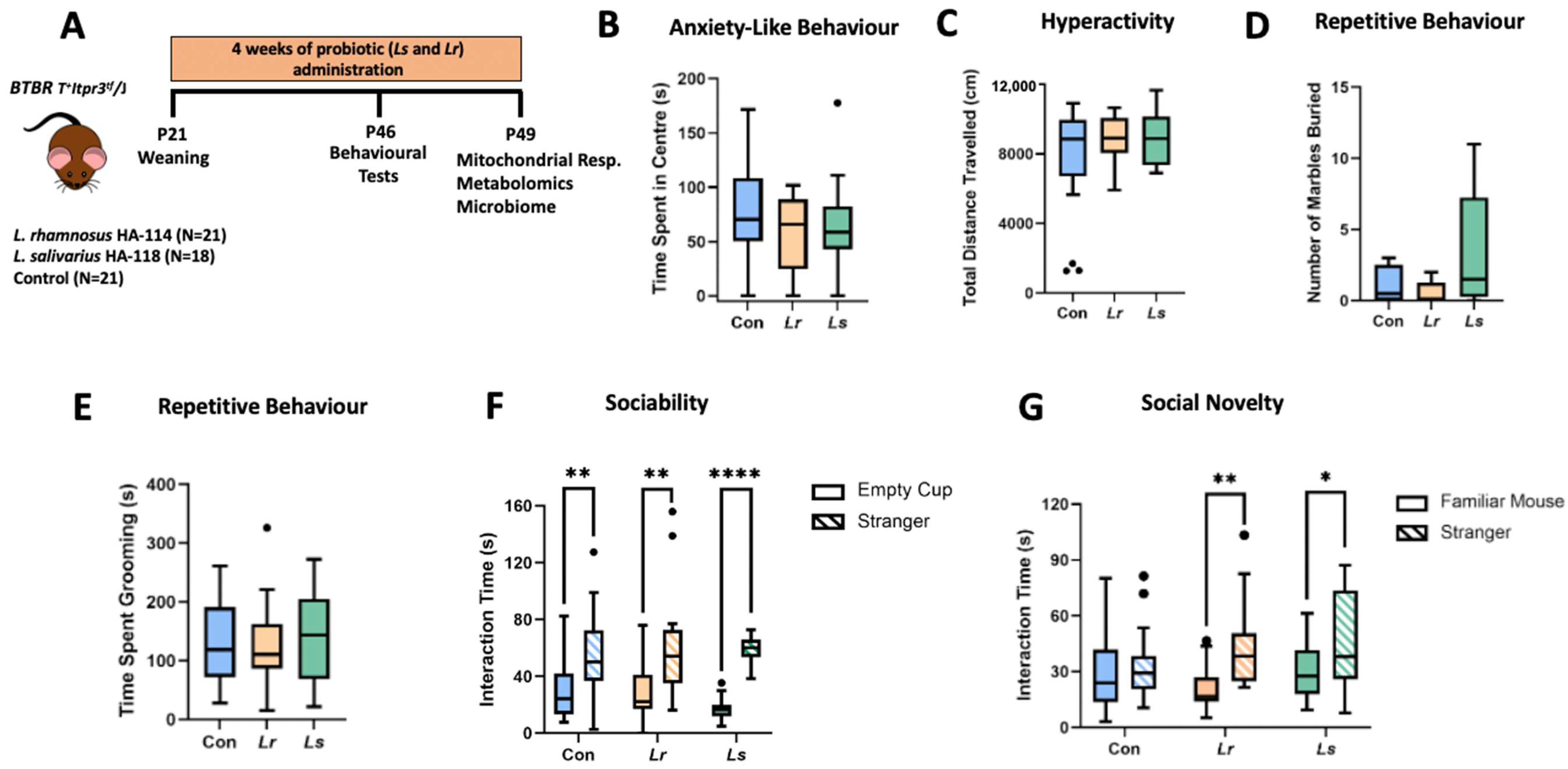
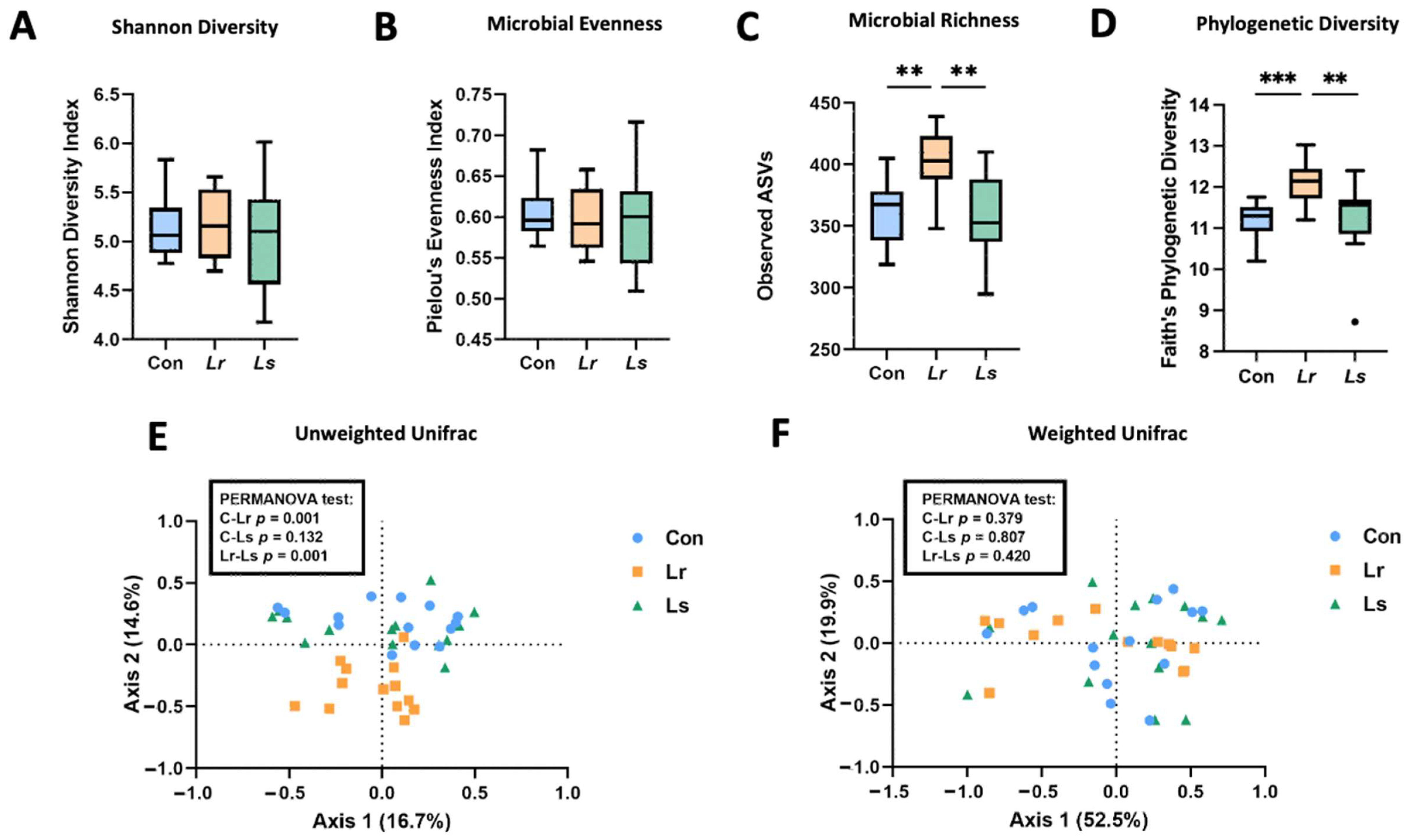
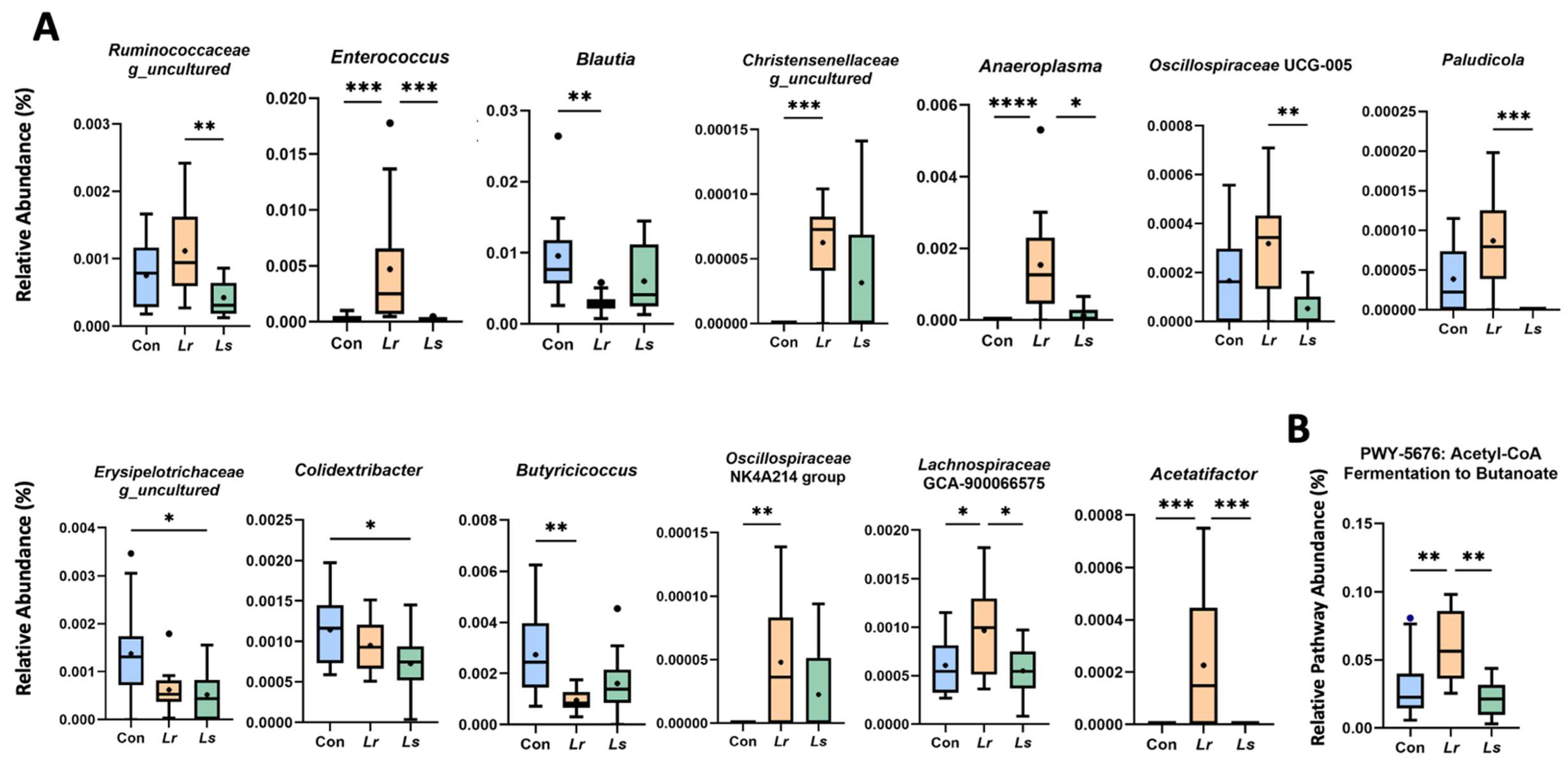
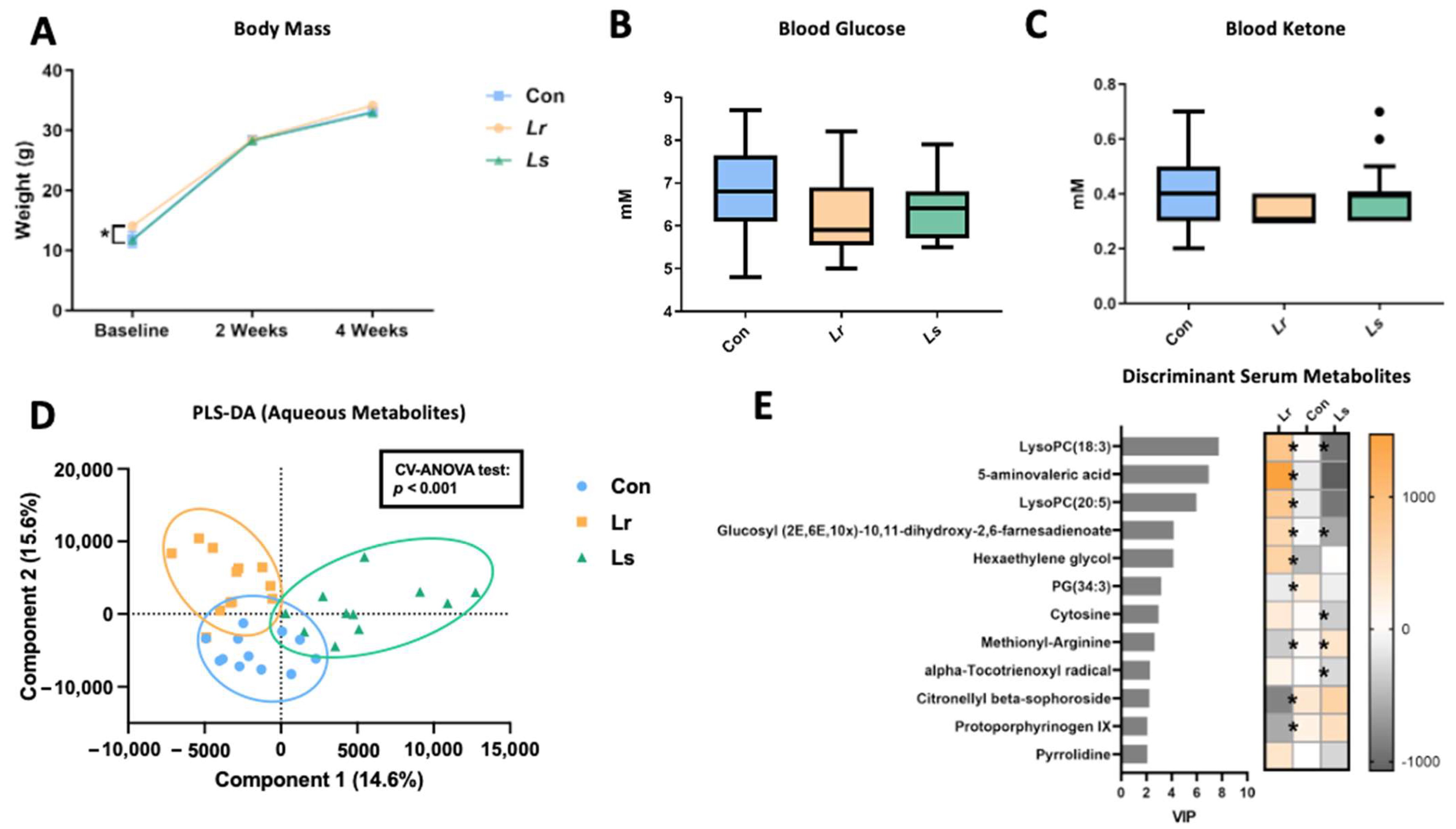
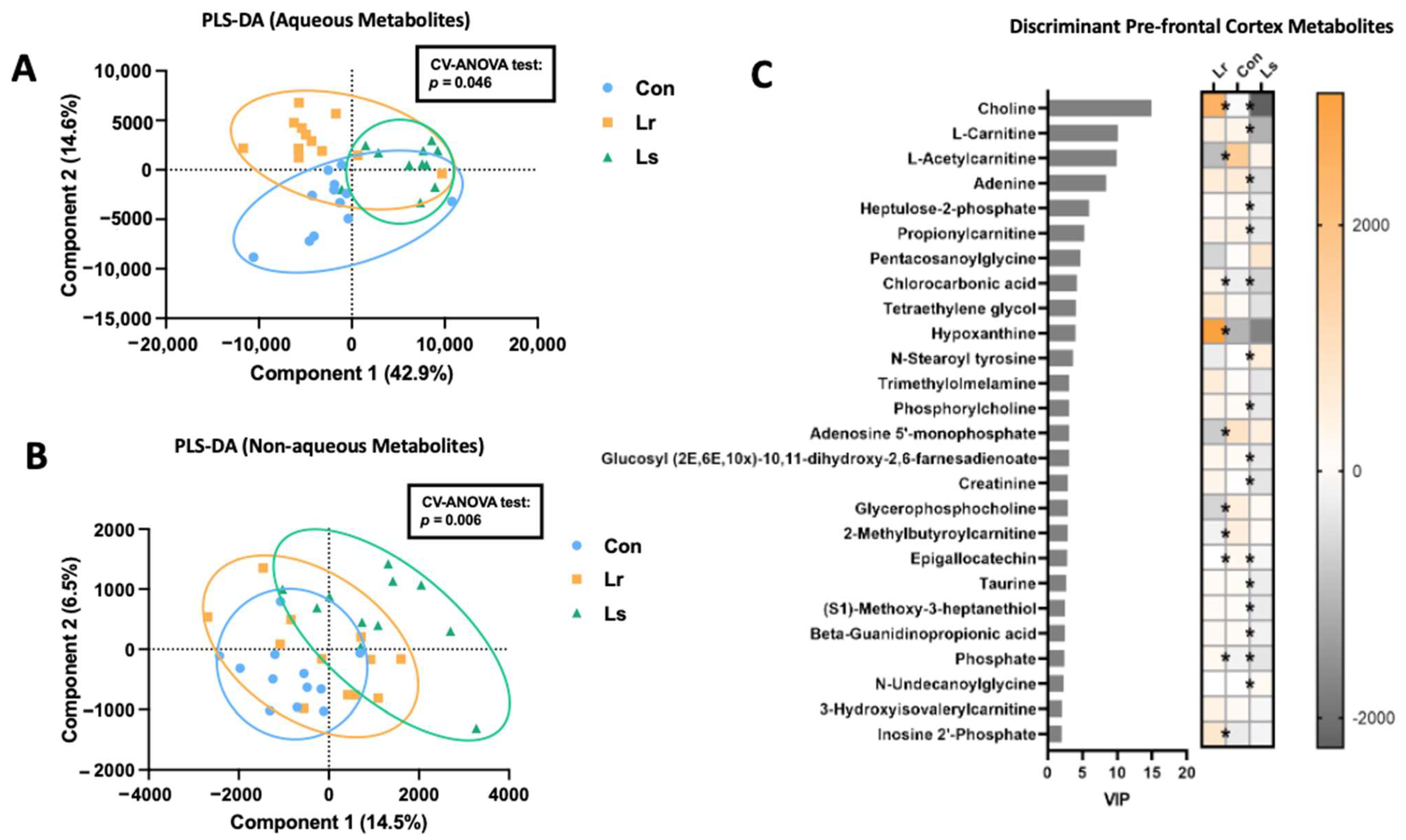
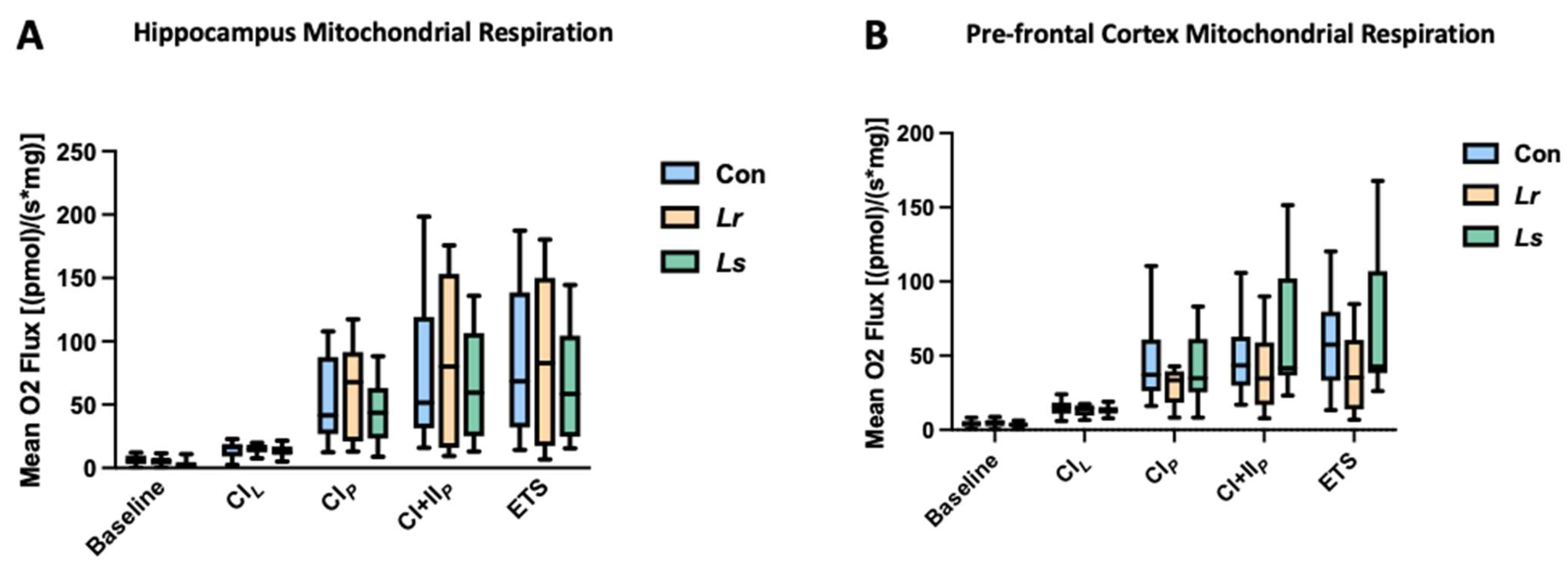
Recent studies have shown promise for the use of probiotics in modulating behaviour through the microbiota–gut–brain axis. In the present study, we assessed the impact of two probiotic strains in mitigating autism-related symptomology in the BTBR T+ Itpr3tf/J mouse model of autism spectrum disorder (ASD). Male juvenile BTBR mice were randomized into: (1) control, (2) Lr probiotic (1 × 10⁹ CFU/mL Lacticaseibacillus rhamnosus HA-114), and (3) Ls probiotic groups (1 × 10⁹ CFU/mL Ligilactobacillus salivarius HA-118) (n = 18–21/group), receiving treatments in drinking water for 4 weeks. Gut microbiota profiling by 16S rRNA showed Lr, but not Ls supplementation, to increase microbial richness and phylogenetic diversity, with a rise in potential anti-inflammatory and butyrate-producing taxa. Assessing serum and brain metabolites, Lr and Ls supplementation produced distinct metabolic profiles, with Lr treatment elevating concentrations of potentially beneficial neuroactive compounds, such as 5-aminovaleric acid and choline. As mitochondrial dysfunction is often observed in ASD, we assessed mitochondrial oxygen consumption rates in the prefrontal cortex and hippocampus. No differences were observed for either treatment. Both Lr and Ls treatment reduced behavioural deficits in social novelty preference. However, no changes in hyperactivity, repetitive behaviour, and sociability were observed. Results show Lr to impart positive changes along the microbiota–gut–brain axis, exhibiting beneficial effects on selected behaviour, gut microbial diversity, and metabolism in BTBR mice.
Keywords: probiotics; autism; gut microbiota; metabolism; mitochondria probiotics; autism; gut microbiota; metabolism; mitochondria