Article

Effects of Channel Outlet Configuration and Dimple/Protrusion Arrangement on the Blade Trailing Edge Cooling Performance


1
MOE Key Laboratory of Thermo-Fluid Science and Engineering, School of Energy and Power Engineering, Xi’an Jiaotong University, Xi’an 710049, China
2
School of Energy and Power Engineering, Xi’an Jiaotong University, Xi’an 710049, China
*
Author to whom correspondence should be addressed.
Appl. Sci. 2019, 9(14), 2900; https://doi.org/10.3390/app9142900
Submission received: 24 May 2019 / Revised: 17 July 2019 / Accepted: 17 July 2019 / Published: 19 July 2019
(This article belongs to the Section Energy Science and Technology)

Abstract

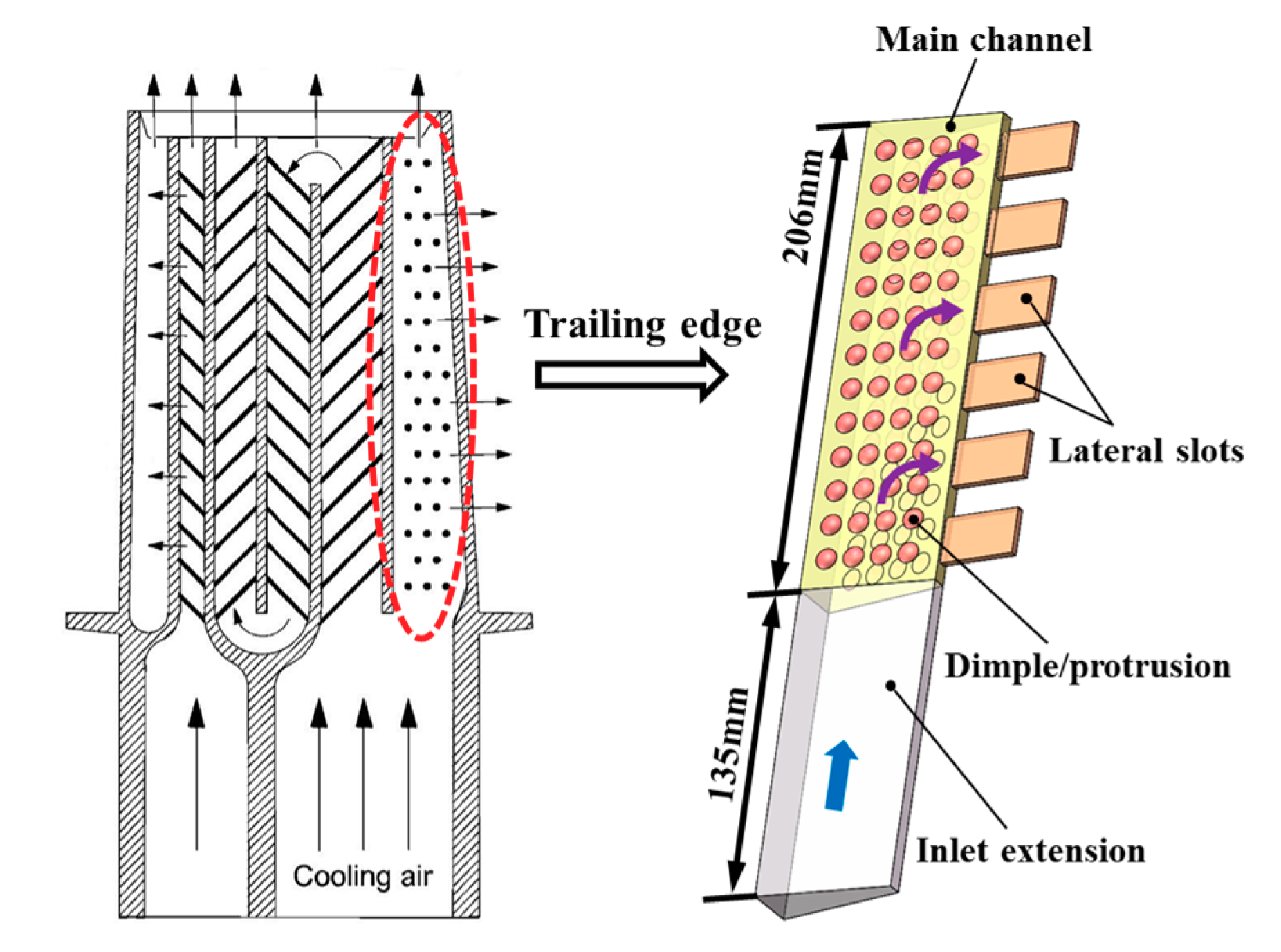
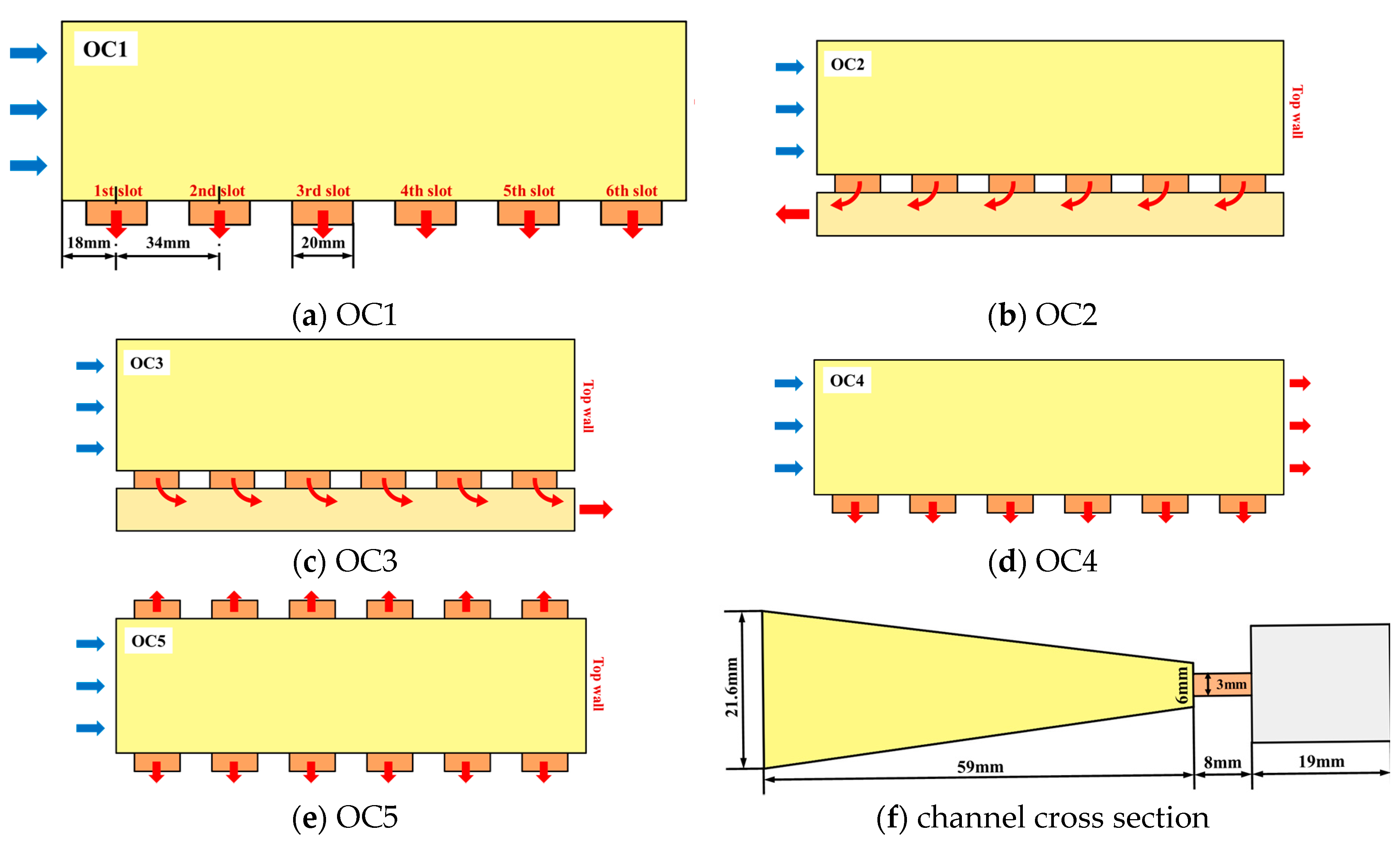
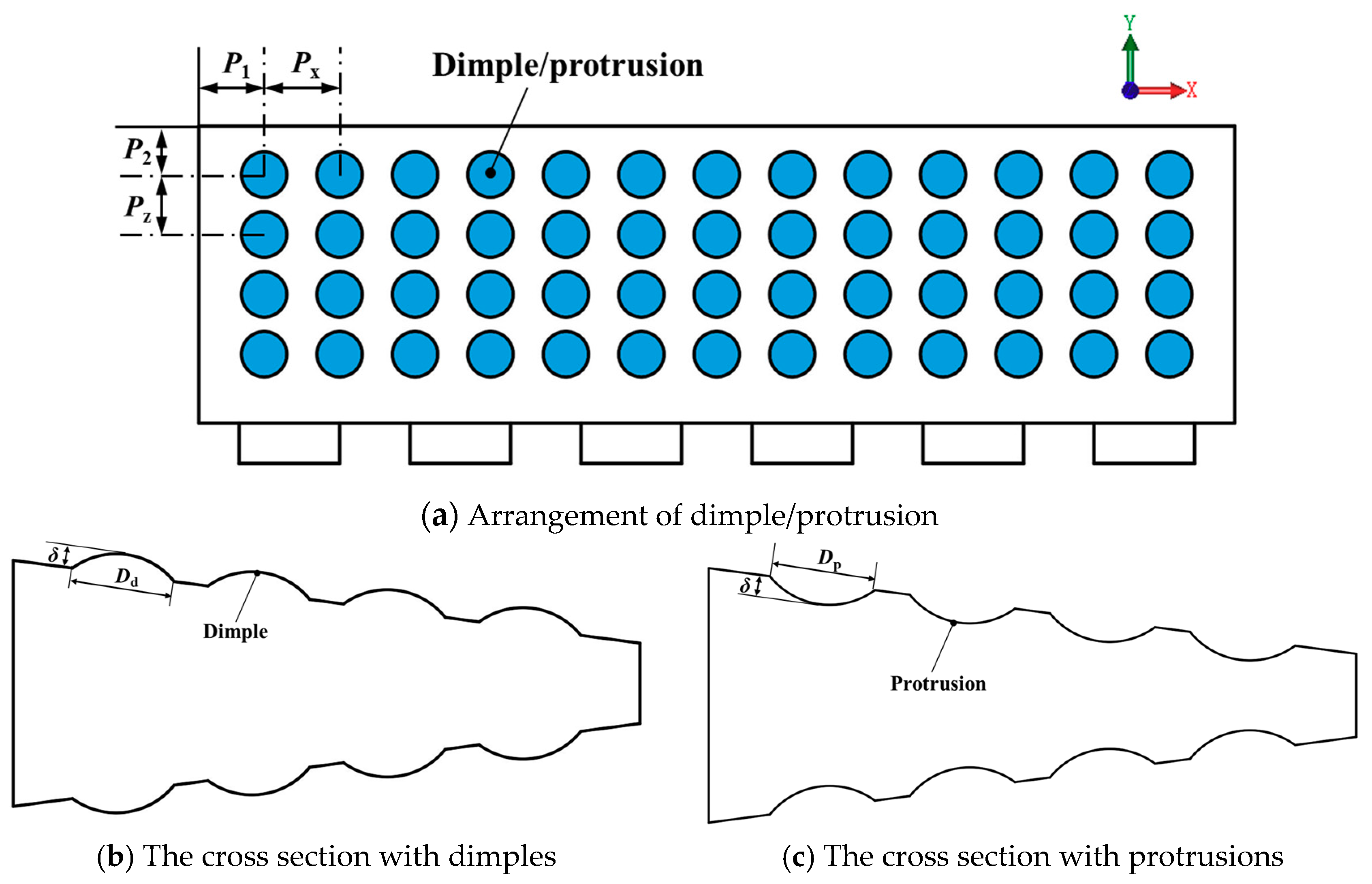
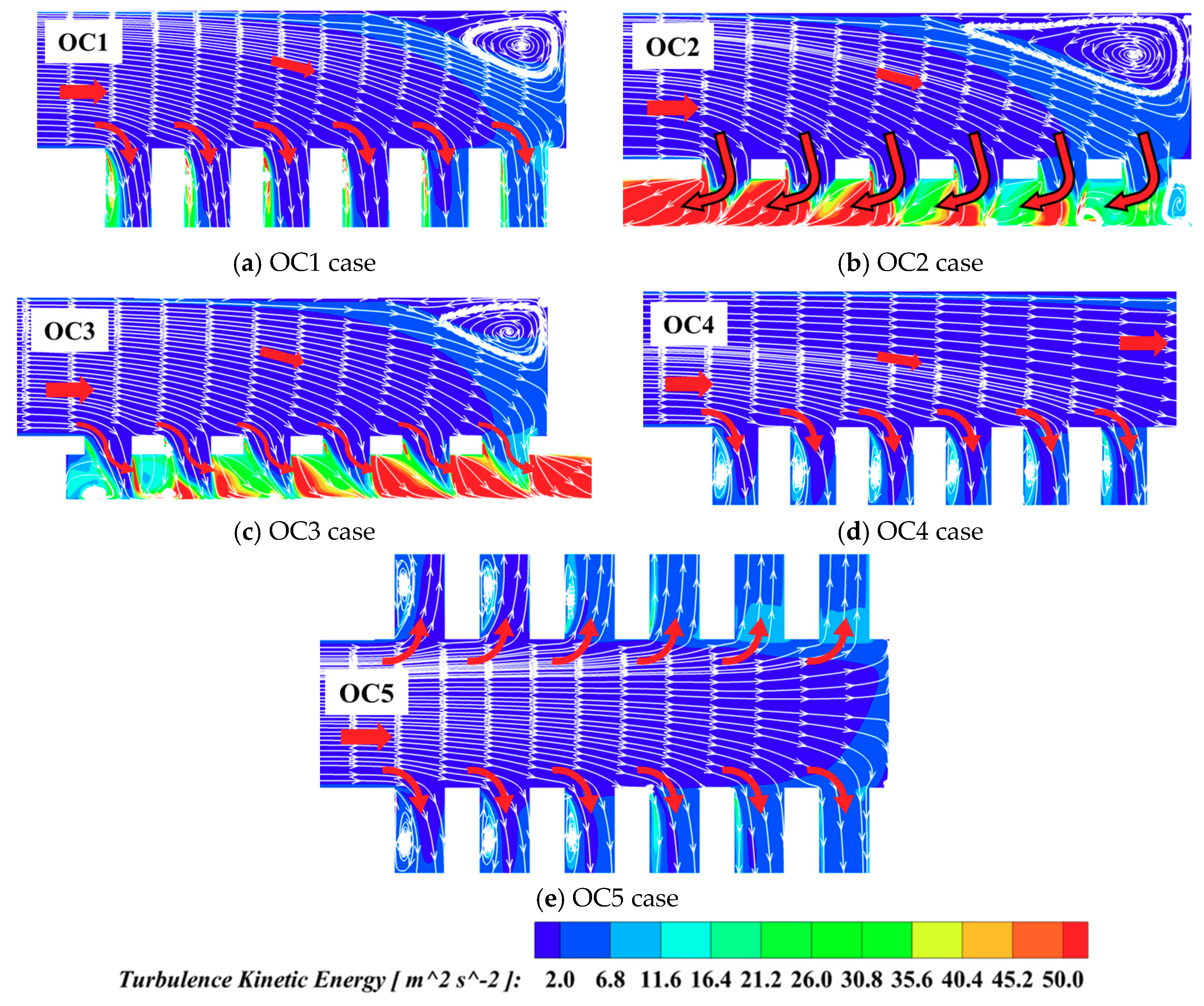
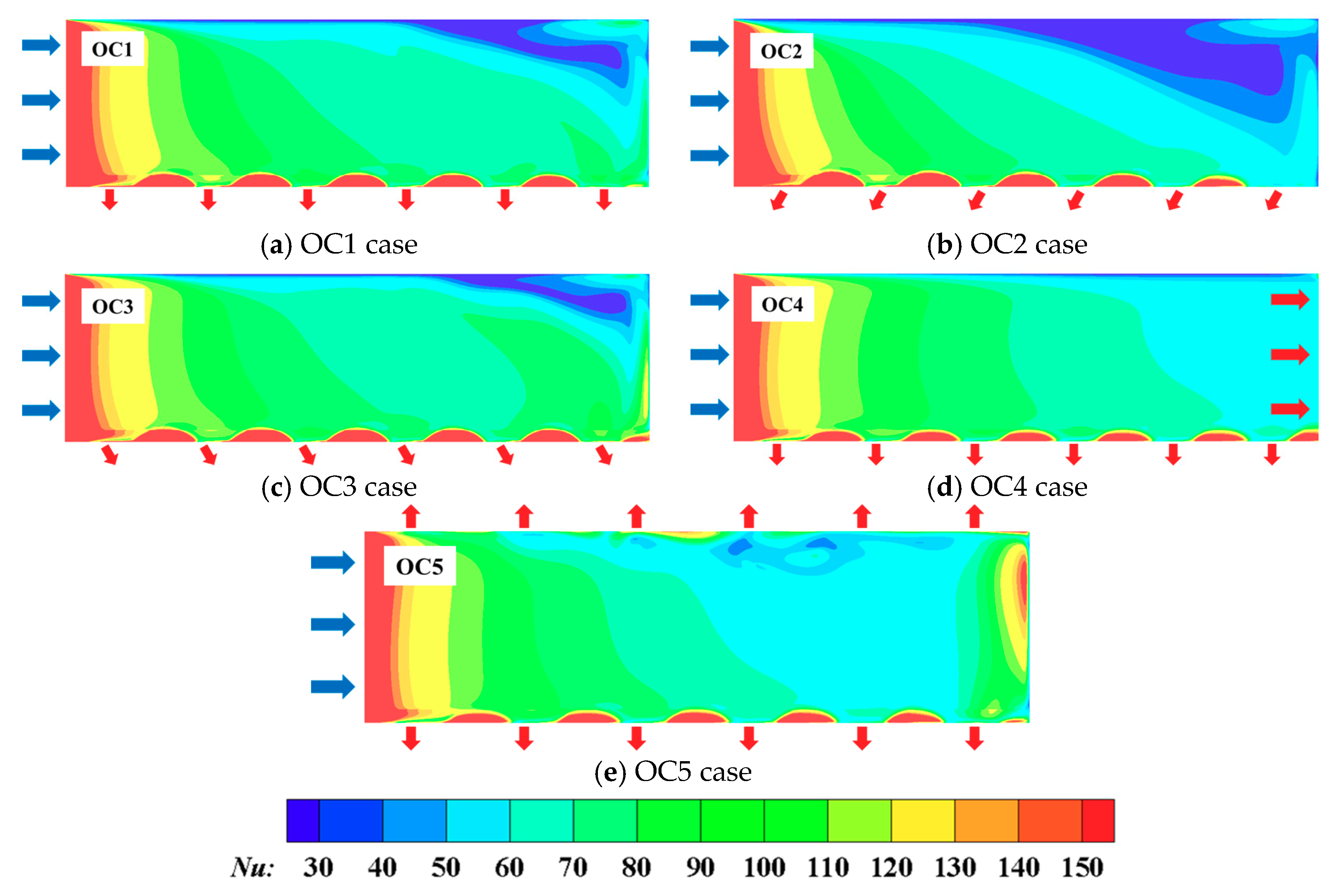
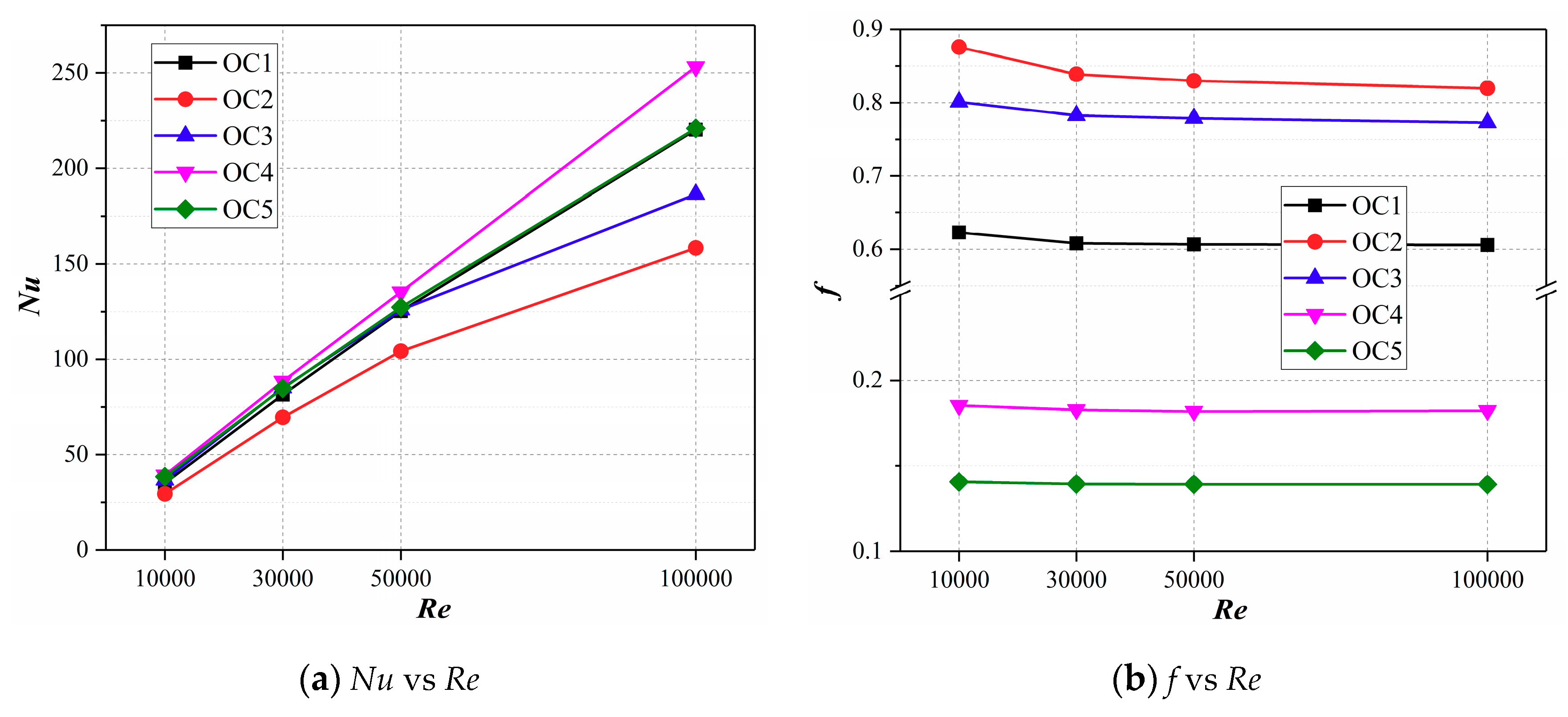
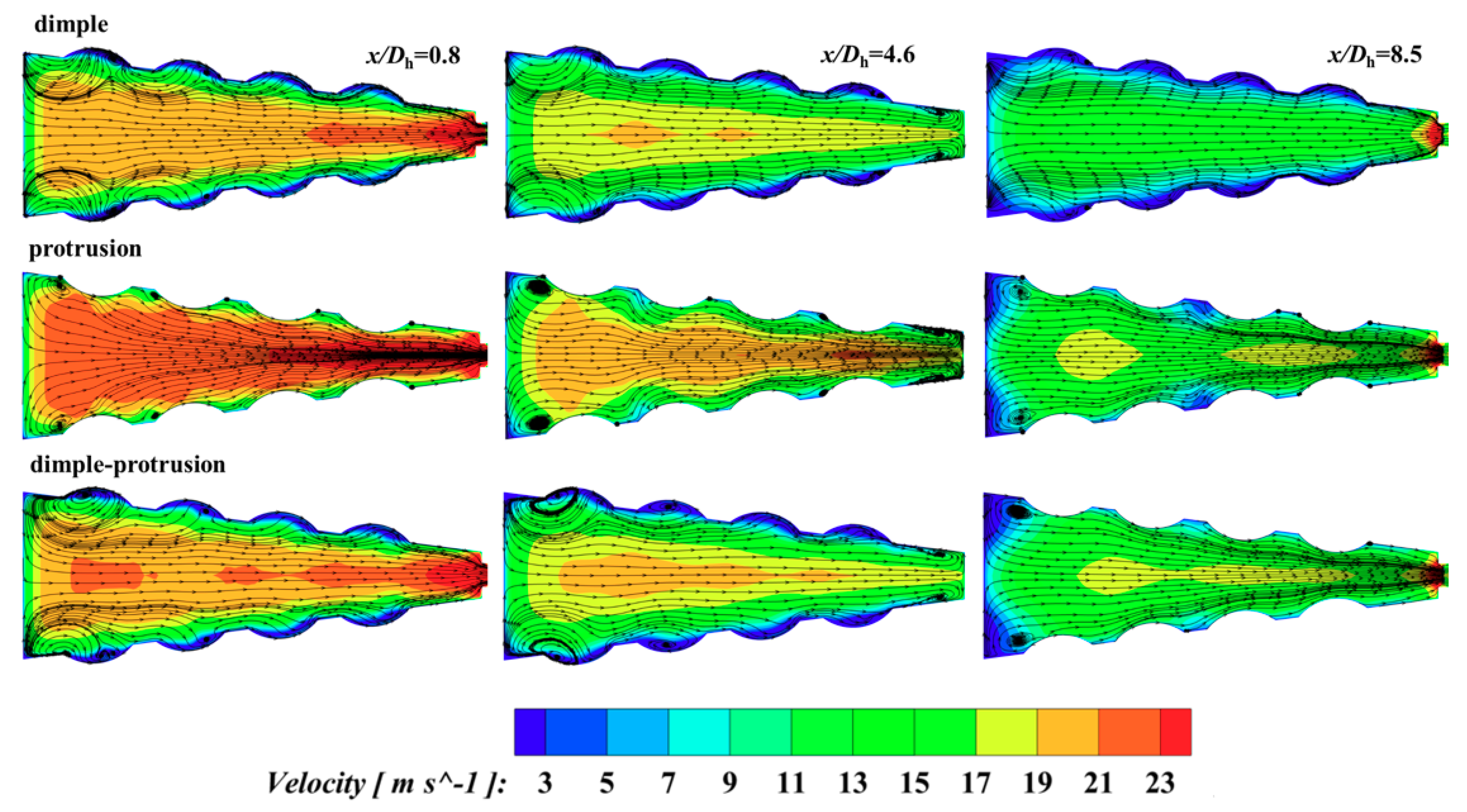
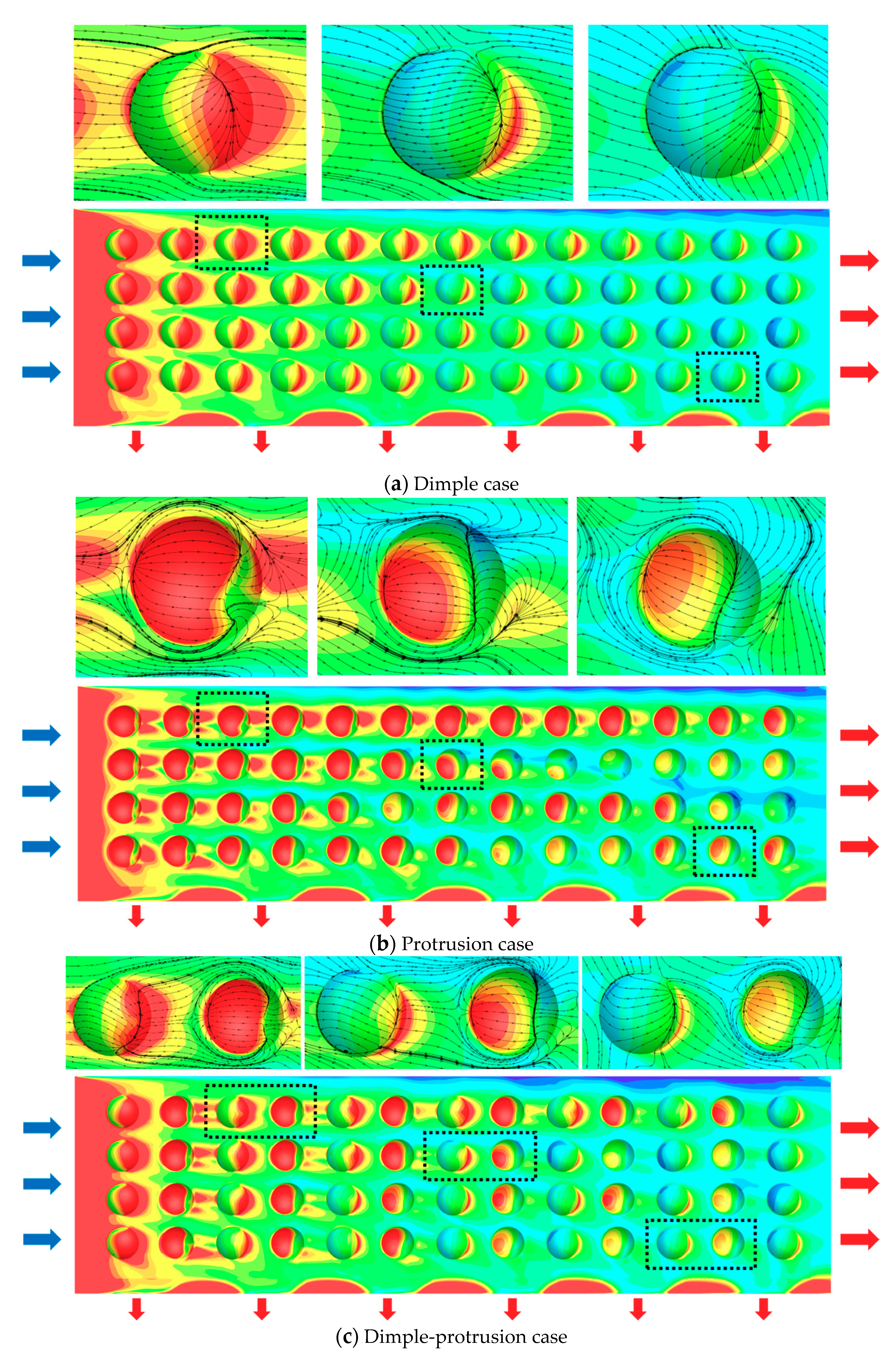
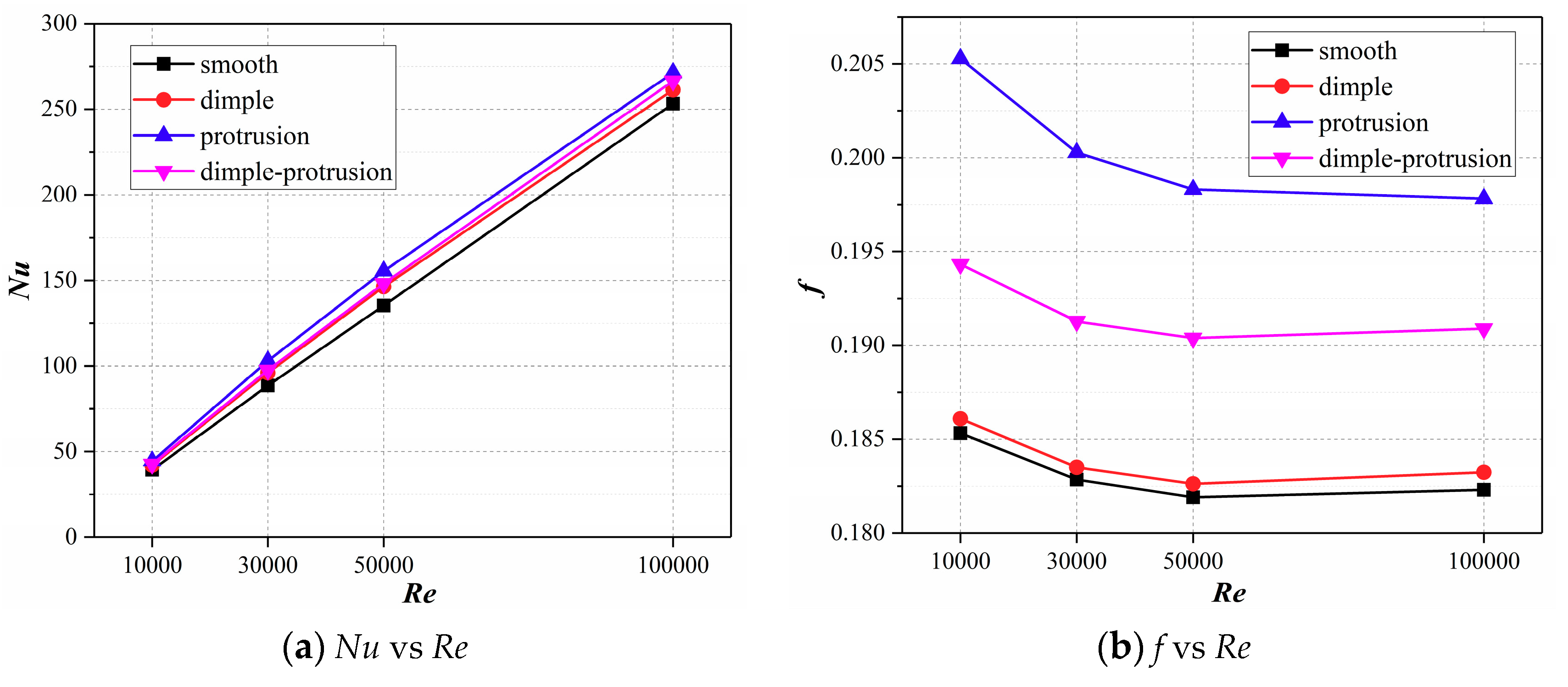
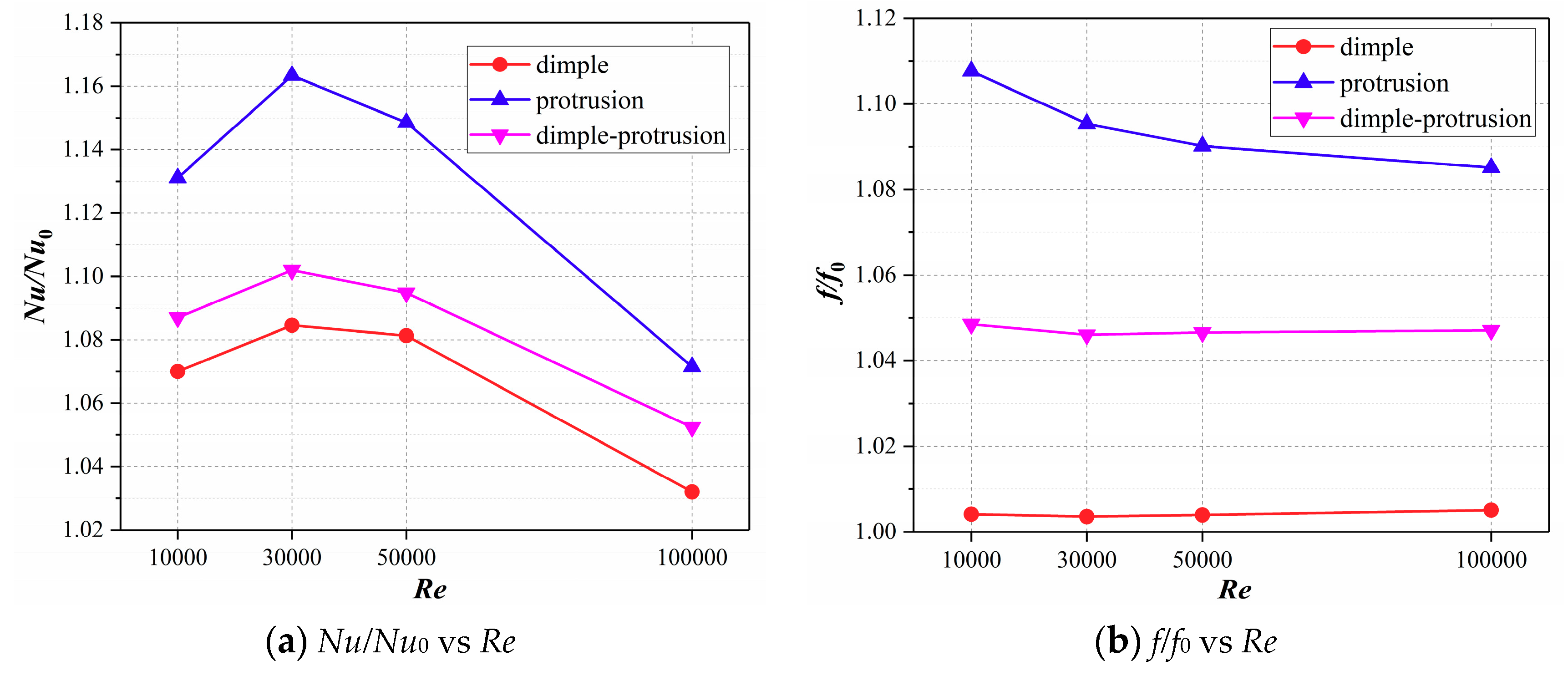
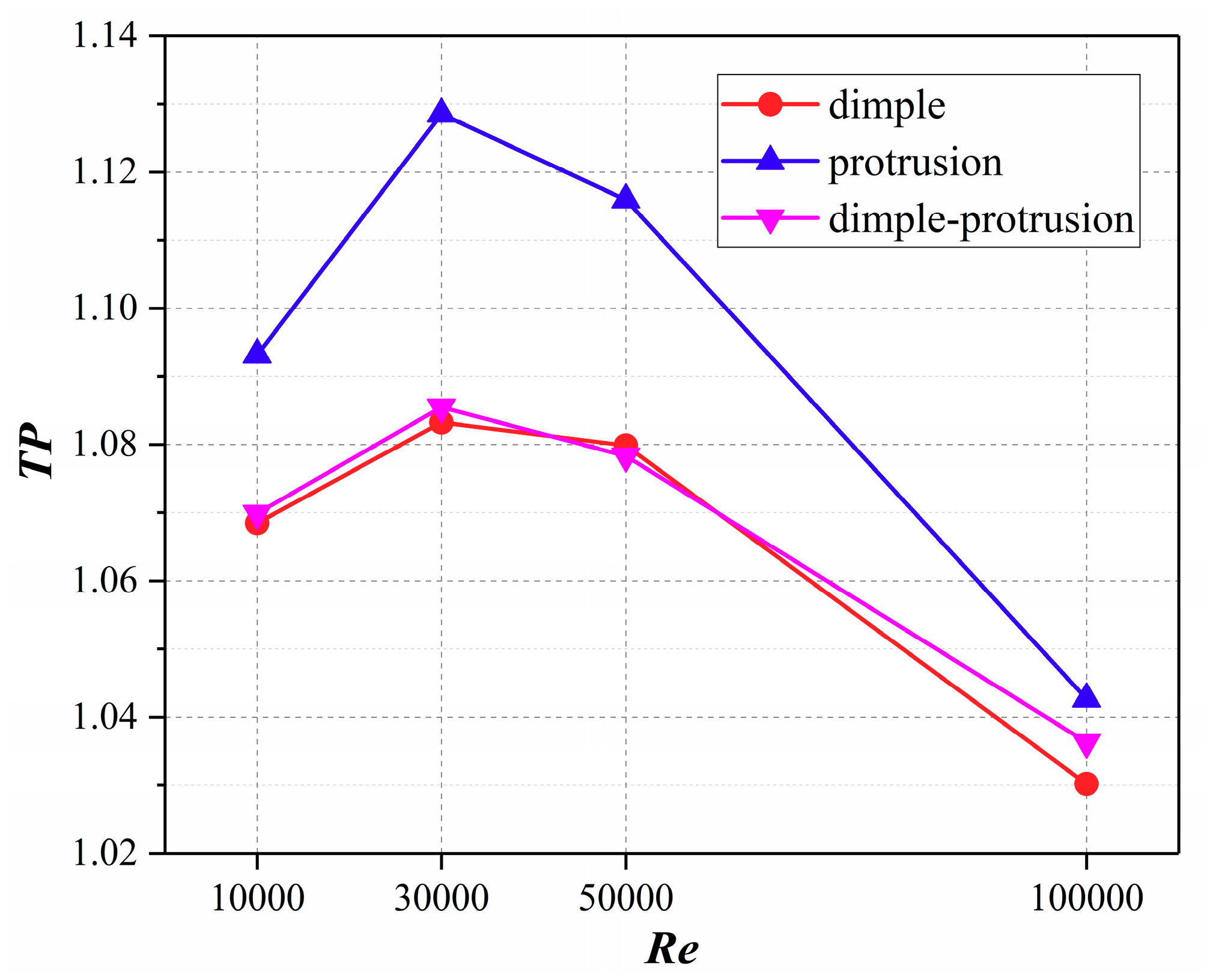
The trailing edge regions of high-temperature gas turbine blades are subjected to extremely high thermal loads and are affected by the external wake flow during operation, thus creating great challenges in internal cooling design. With the development of cooling technology, the dimple and protrusion have attracted wide attention for its excellent performance in heat transfer enhancement and flow resistance reduction. Based on the typical internal cooling structure of the turbine blade trailing edge, trapezoidal cooling channels with lateral extraction slots are modeled in this paper. Five channel outlet configurations, i.e., no second passage (OC1), radially inward flow second passage (OC2), radially outward flow second passage (OC3), top region outflow (OC4), both sides extractions (OC5), and three dimple/protrusion arrangements (all dimple, all protrusion, dimple–protrusion staggered arrangement) are considered. Numerical investigations are carried out, within the Re range of 10,000–100,000, to analyze the flow structures, heat transfer distributions, average heat transfer and friction characteristics and overall thermal performances in detail. The results show that the OC4 and OC5 cases have high heat transfer levels in general, while the heat transfer deterioration occurs in the OC1, OC2, and OC3 cases. For different dimple/protrusion arrangements, the protrusion case produces the best overall thermal performance. In conclusion, for the design of trailing edge cooling structures with lateral slots, the outlet configurations of top region outflow and both sides extractions, and the all protrusion arrangement, are recommended.
Keywords: turbine blade trailing edge; cooling; outlet configuration; dimple; protrusion; flow structure; overall thermal performance turbine blade trailing edge; cooling; outlet configuration; dimple; protrusion; flow structure; overall thermal performance