Article

Micromechanism of the Dispersion Behavior of Polymer-Modified Rejuvenators in Aged Asphalt Material


1
State Key Laboratory of Silicate Materials for Architectures, Wuhan University of Technology, Wuhan 430070, China
2
School of Material Science and Engineering, Wuhan Institute of Technology, Wuhan 430073, China
*
Author to whom correspondence should be addressed.
Appl. Sci. 2018, 8(9), 1591; https://doi.org/10.3390/app8091591
Submission received: 1 August 2018 / Revised: 31 August 2018 / Accepted: 6 September 2018 / Published: 8 September 2018

Abstract

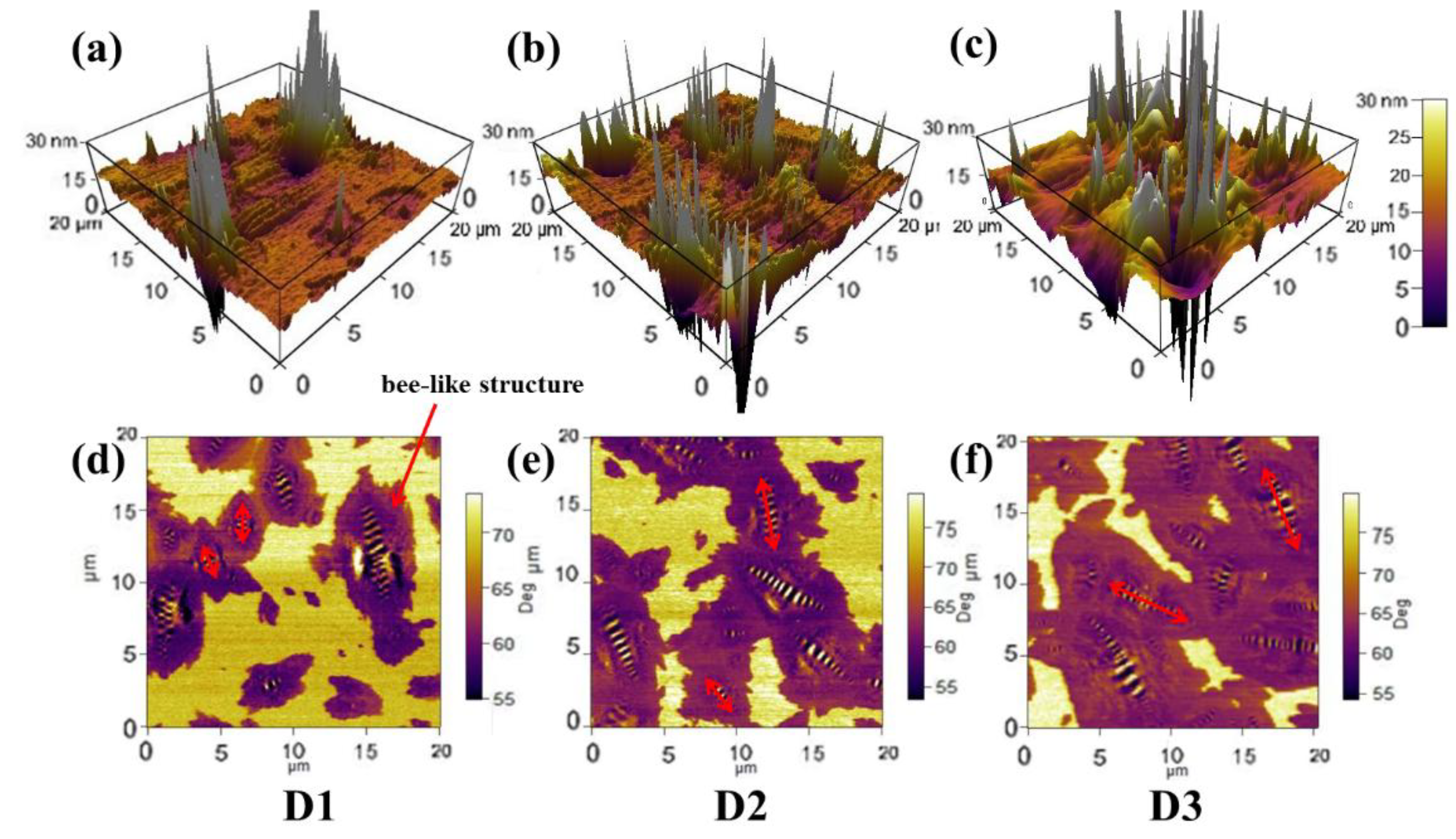
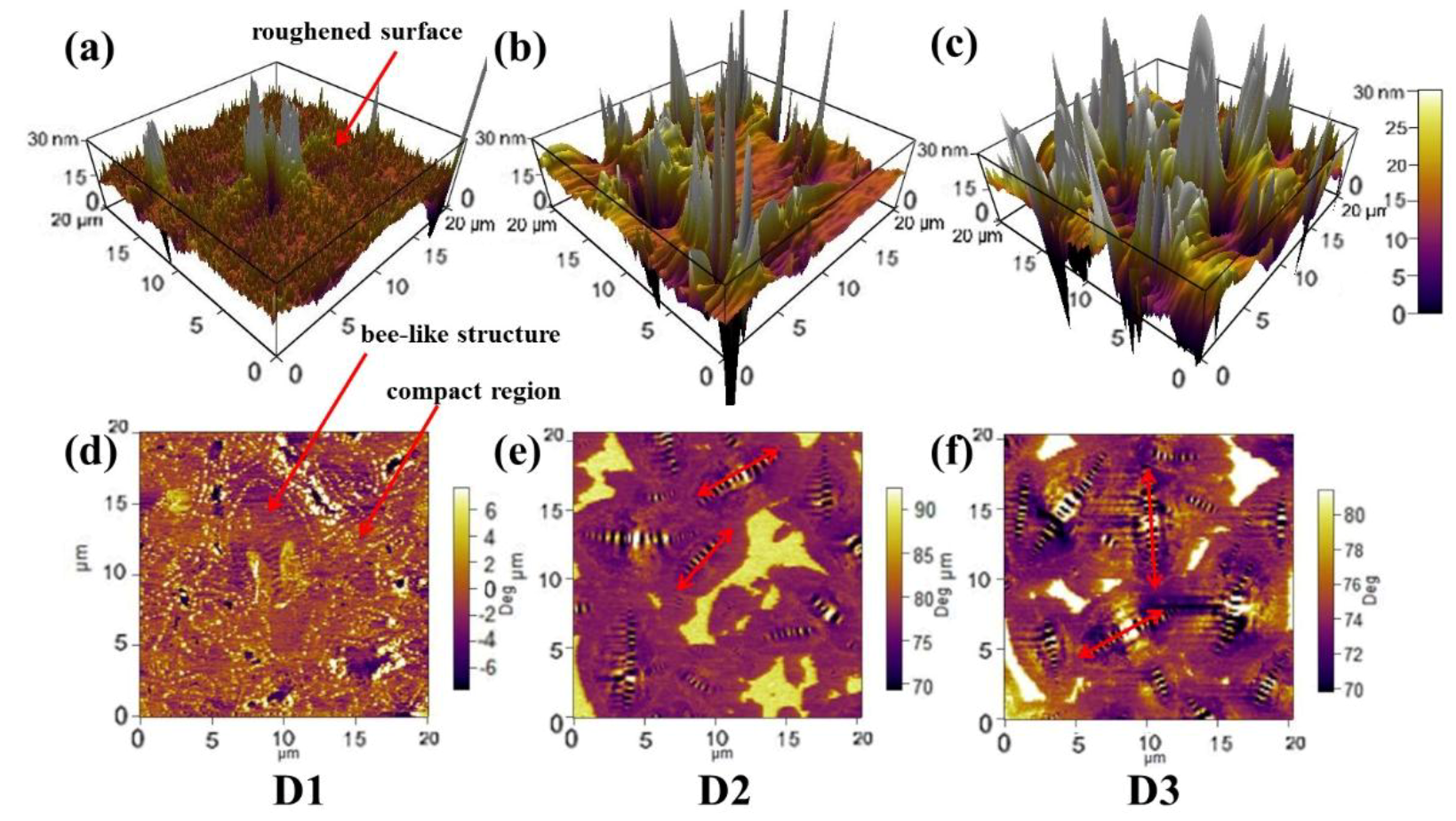
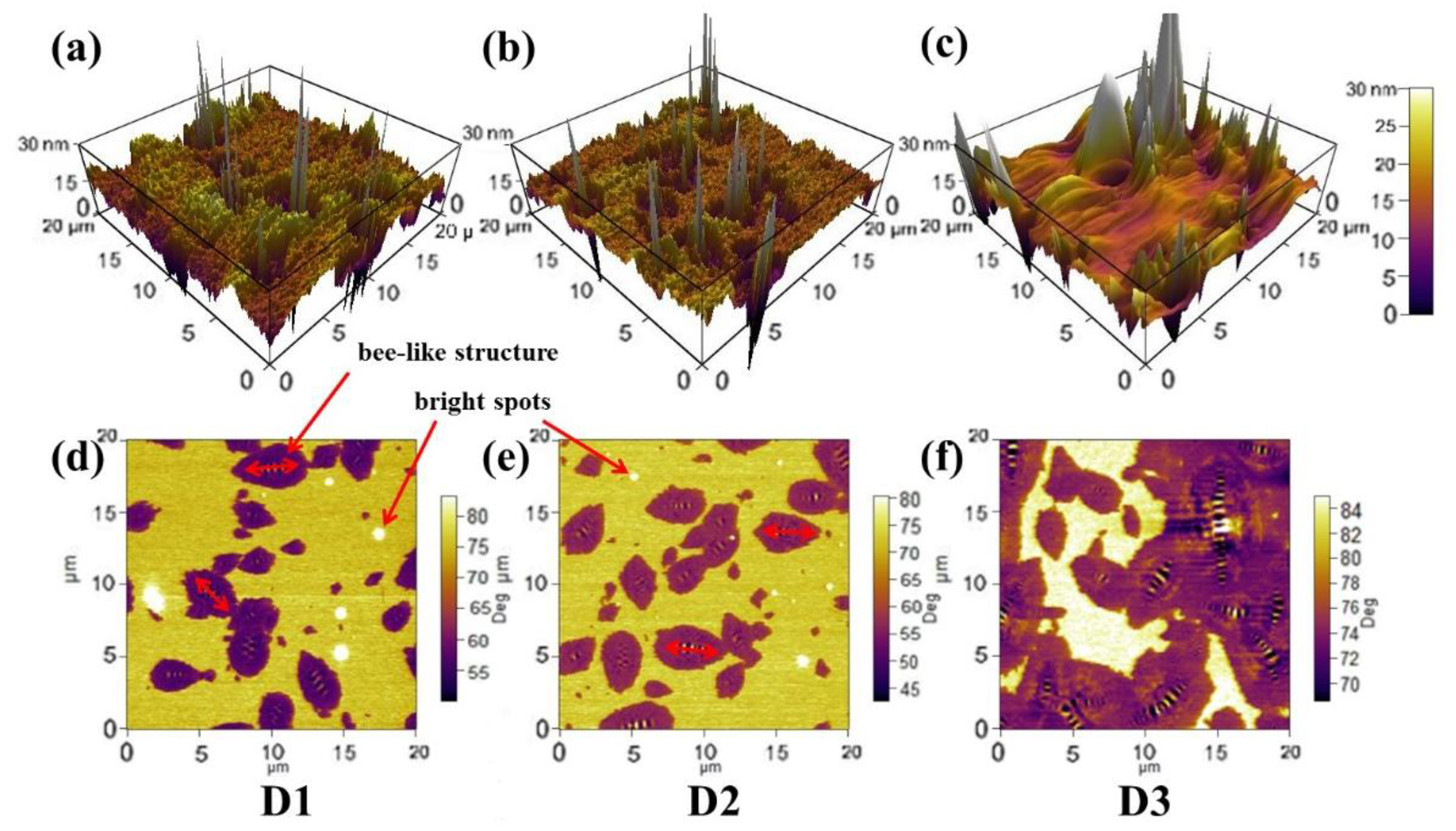
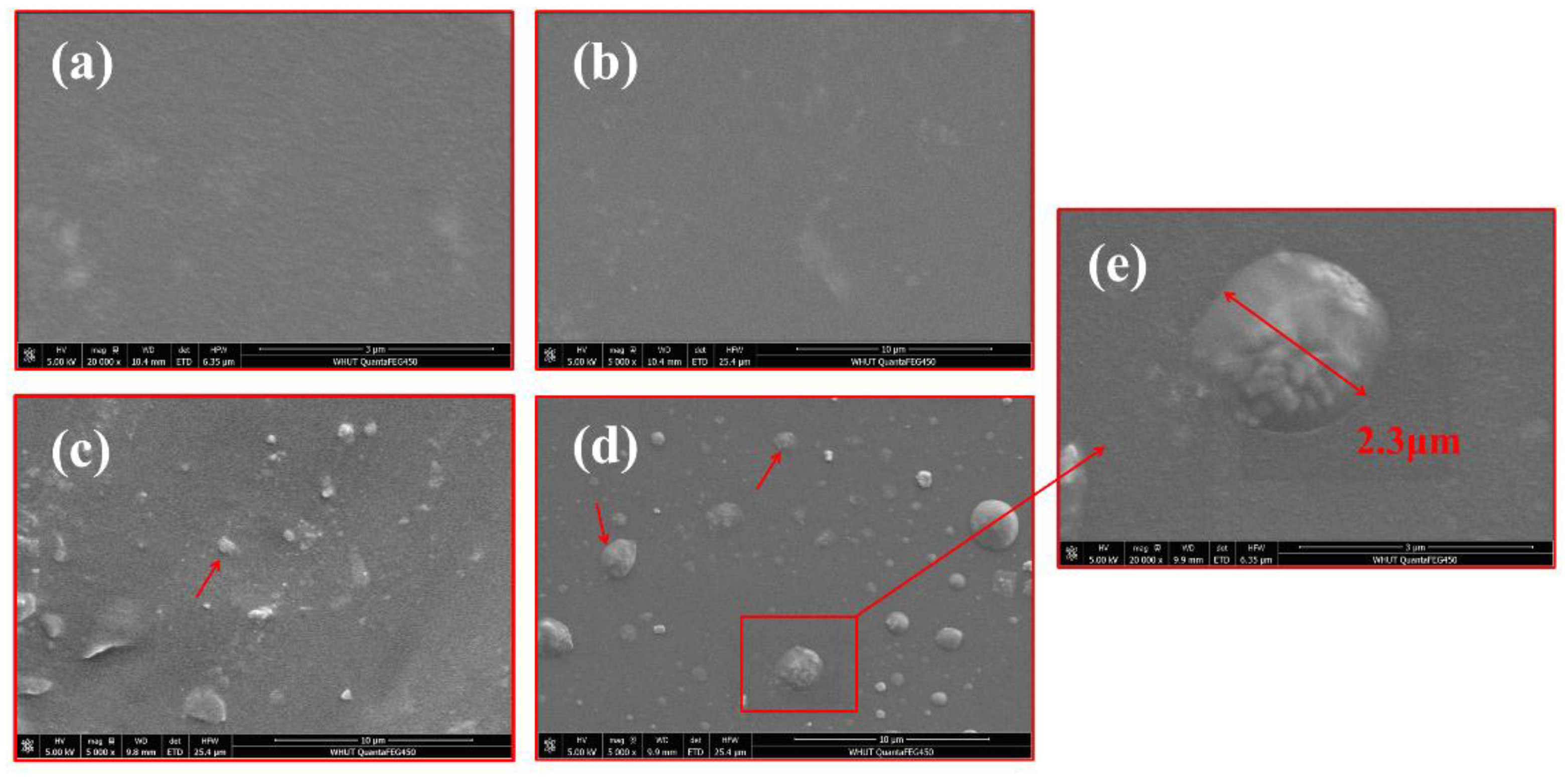
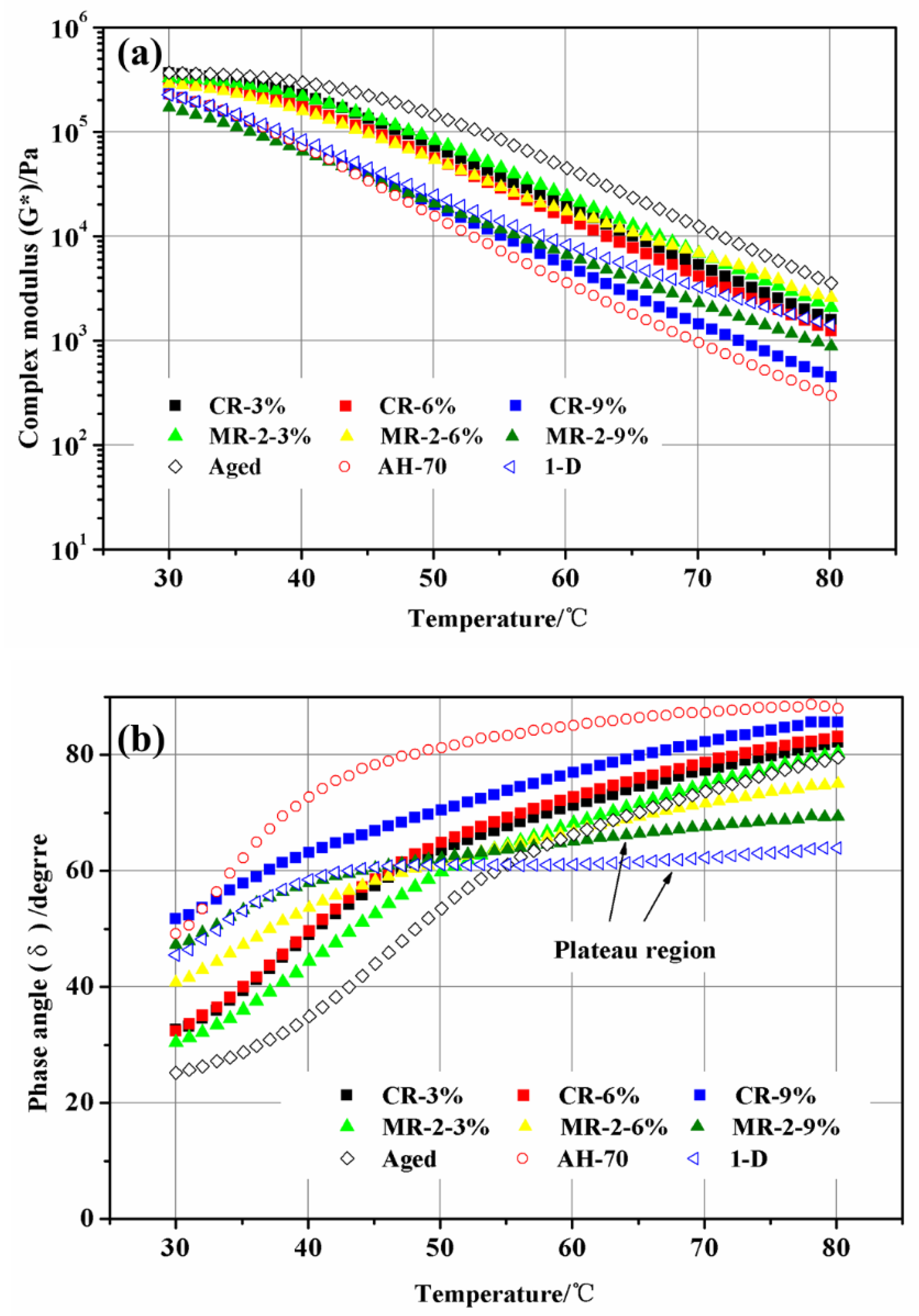
Polymer-modified rejuvenator has a different composition and dispersion behavior to traditional rejuvenators. The objective of this study was to investigate the micromechanism of polymer-modified rejuvenators on the behavior of aged asphalt binder. Firstly, gel permeation chromatography (GPC) analysis was conducted to determine the dispersion effectiveness. Secondly, the dispersal behavior of polymer-modified rejuvenators was studied by means of atomic force microscopy (AFM) and scanning electron microscopy (SEM). Rheological, toughness-tenacity, and force–ductility analyses of the rejuvenated asphalt binder were additionally performed. The results indicate that the contacted asphaltenic micelles in aged asphalt binder were dispersed by dispersion agent in the polymer-modified rejuvenator, and that the dispersion ability of the polymer-modified rejuvenator was promoted to the commercial rejuvenator level. Additionally, the polymer-modified rejuvenator was found to improve the rejuvenated asphalt binder’s resistance to deformation, through the formation of polymeric network structures in the asphalt binder. The results may be used to improve the performance of rejuvenated asphalt binder in recycled-pavement engineering.
Keywords: dispersion; aged asphalt binder; modified; rejuvenator; micromechanism; performance dispersion; aged asphalt binder; modified; rejuvenator; micromechanism; performance