Article

Application of Deep Networks to Oil Spill Detection Using Polarimetric Synthetic Aperture Radar Images

1
Faculty of Information Technology, Beijing University of Technology, Beijing 100124, China
2
National Astronomical Observatories, Chinese Academy of Sciences, Beijing 100012, China
3
Key Laboratory of Lunar Science and Deep-space Exploration, Chinese Academy of Sciences, Beijing 100012, China
*
Authors to whom correspondence should be addressed.
Appl. Sci. 2017, 7(10), 968; https://doi.org/10.3390/app7100968
Submission received: 29 July 2017 / Revised: 10 September 2017 / Accepted: 15 September 2017 / Published: 21 September 2017
(This article belongs to the Special Issue Application of Artificial Neural Networks in Geoinformatics)

Abstract

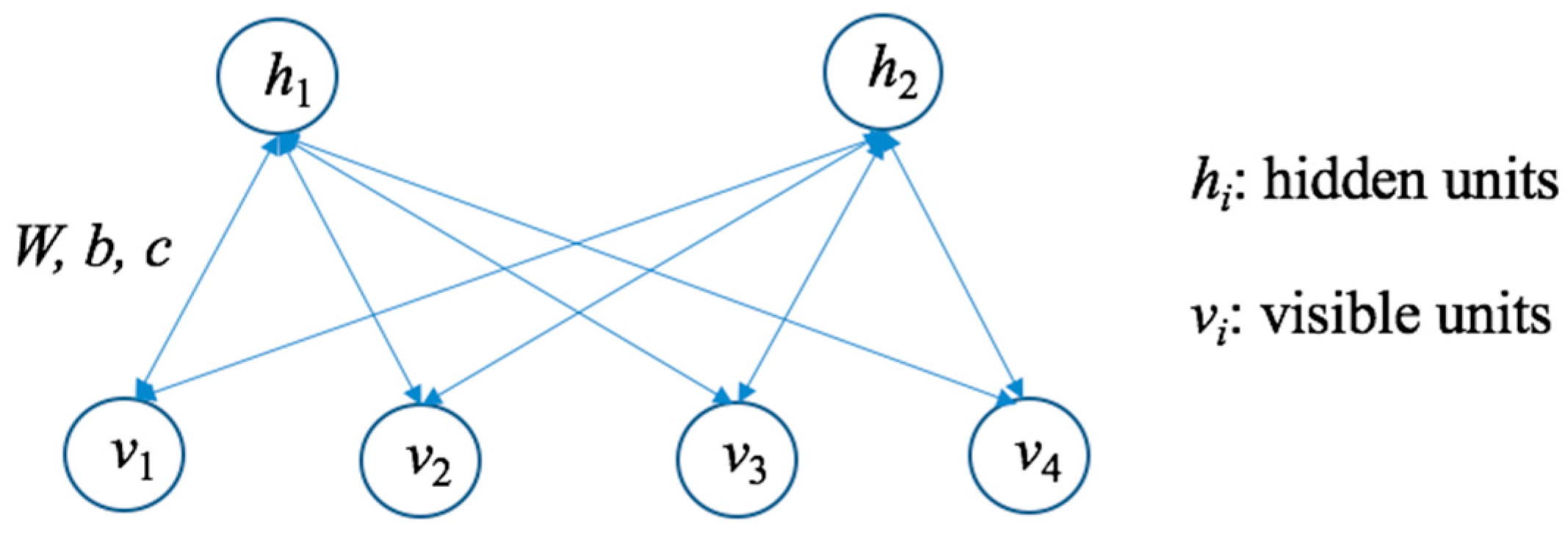
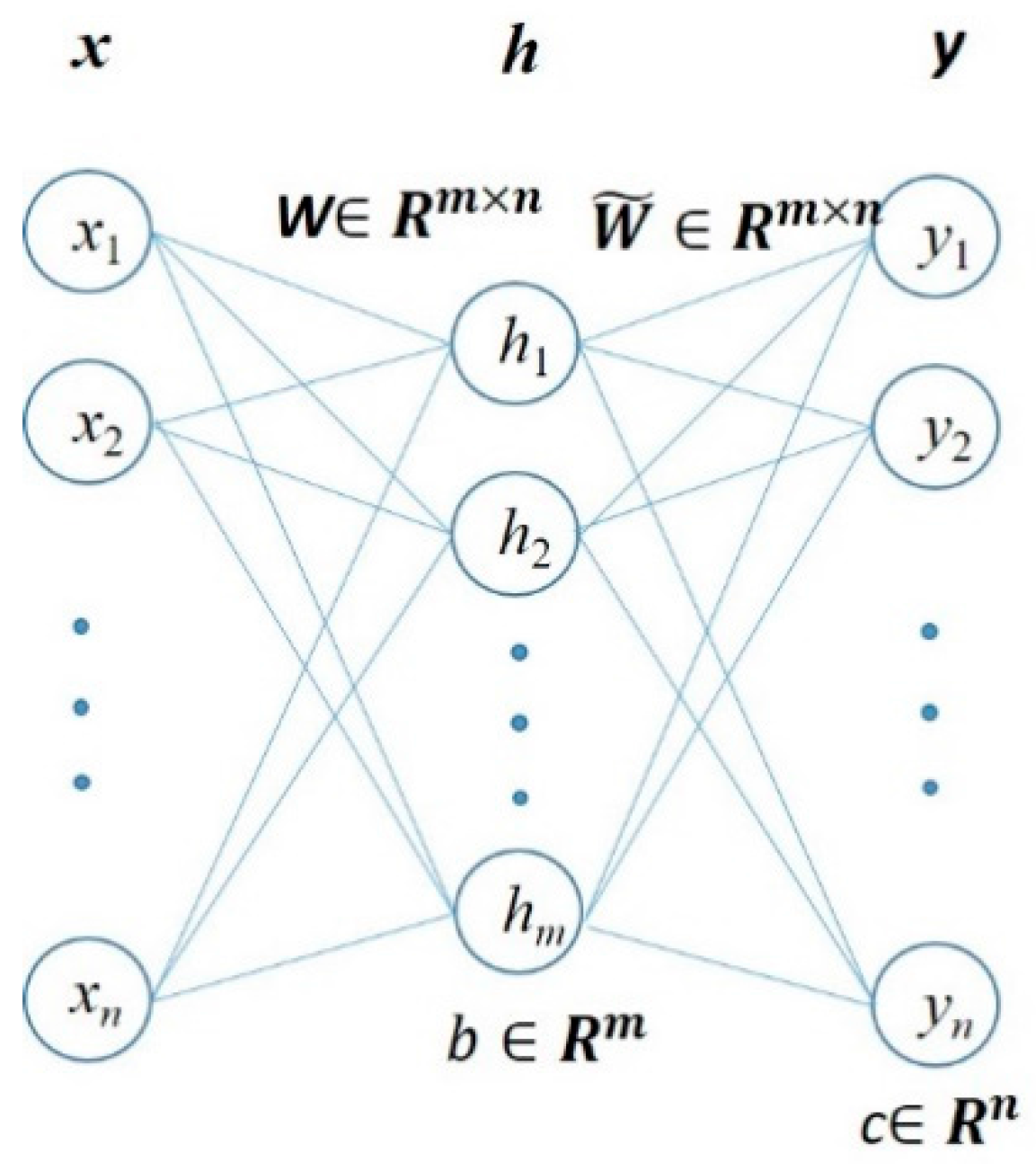
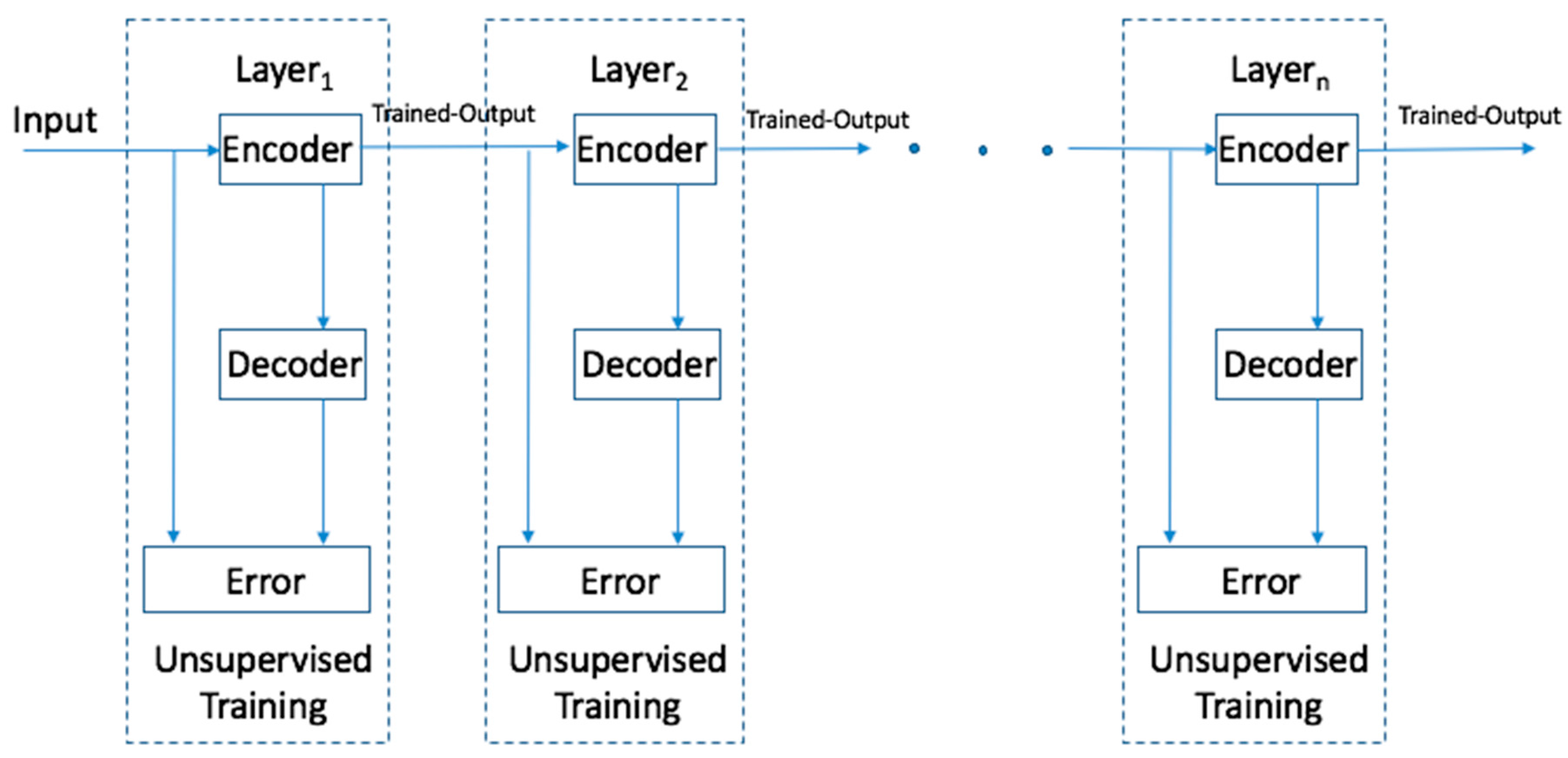
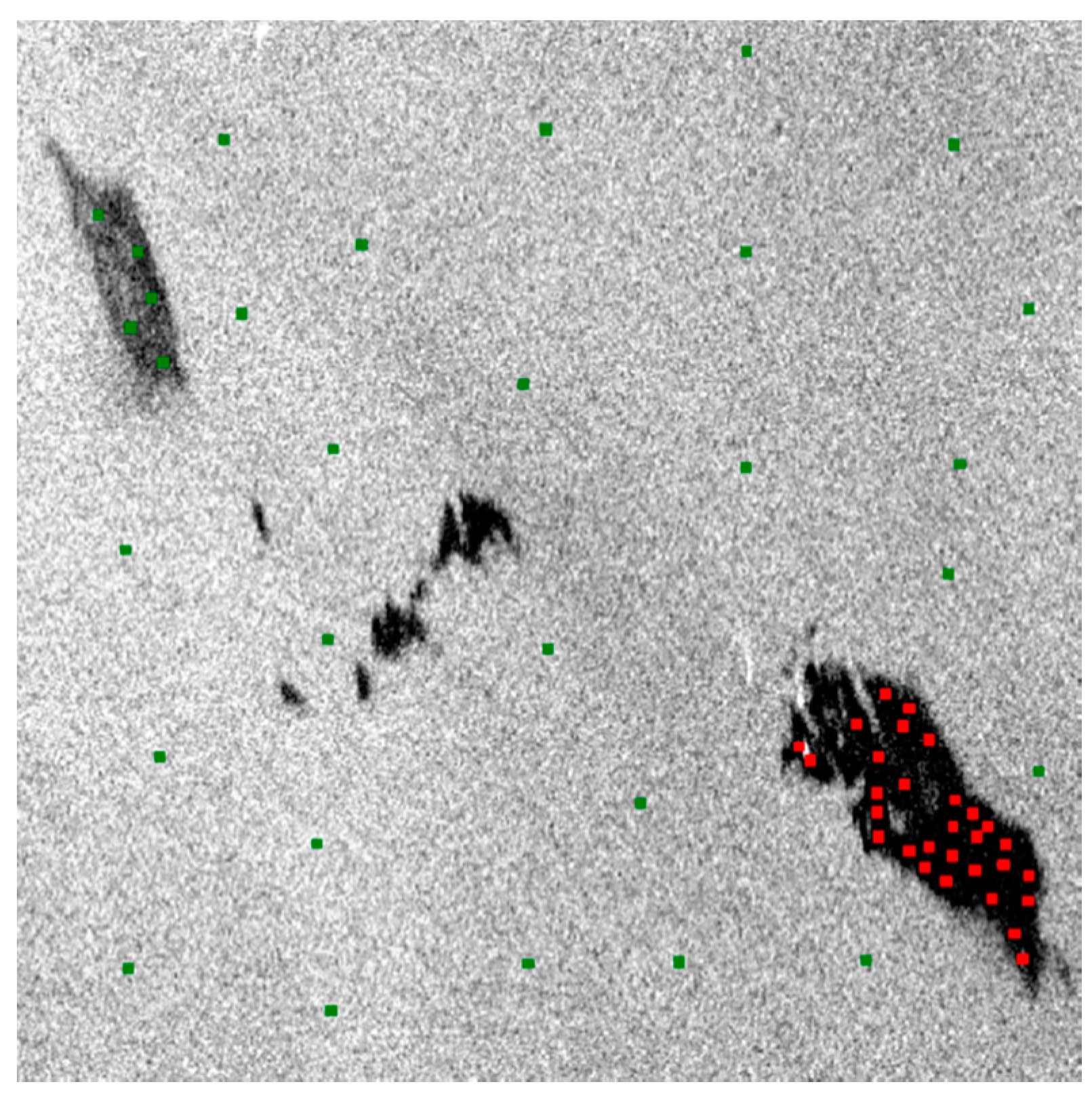
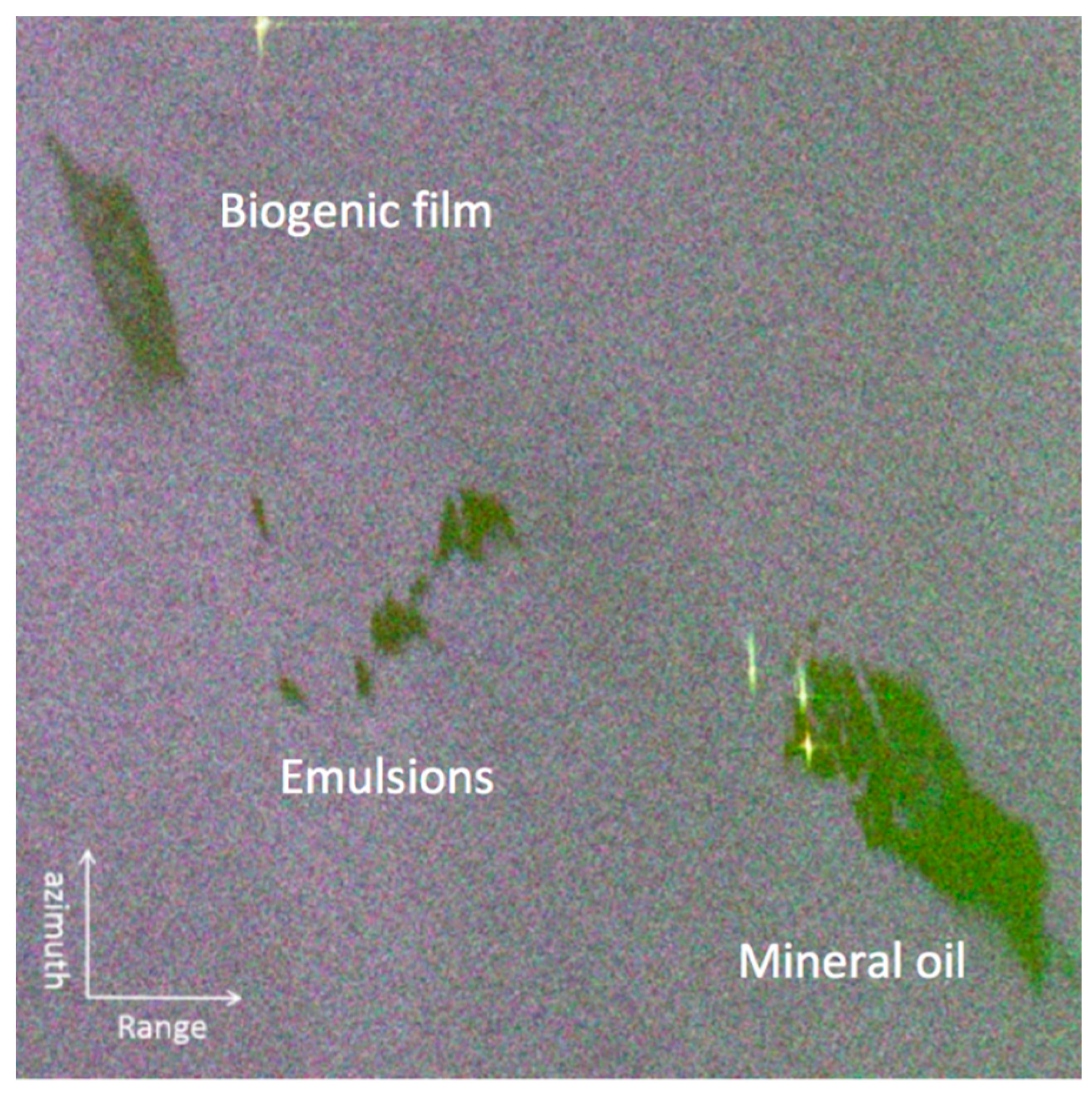
Polarimetric synthetic aperture radar (SAR) remote sensing provides an outstanding tool in oil spill detection and classification, for its advantages in distinguishing mineral oil and biogenic lookalikes. Various features can be extracted from polarimetric SAR data. The large number and correlated nature of polarimetric SAR features make the selection and optimization of these features impact on the performance of oil spill classification algorithms. In this paper, deep learning algorithms such as the stacked autoencoder (SAE) and deep belief network (DBN) are applied to optimize the polarimetric feature sets and reduce the feature dimension through layer-wise unsupervised pre-training. An experiment was conducted on RADARSAT-2 quad-polarimetric SAR image acquired during the Norwegian oil-on-water exercise of 2011, in which verified mineral, emulsions, and biogenic slicks were analyzed. The results show that oil spill classification achieved by deep networks outperformed both support vector machine (SVM) and traditional artificial neural networks (ANN) with similar parameter settings, especially when the number of training data samples is limited.
Keywords: oil spill; polarimetric synthetic aperture radar (SAR); deep belief network; autoencoder; remote sensing oil spill; polarimetric synthetic aperture radar (SAR); deep belief network; autoencoder; remote sensing