


Abstract
With the deep integration of AI and IoT technologies, smartwatches have become core terminals for health management. However, research on the use mechanisms among “digital native” college students remains limited. Extending the Unified Theory of Acceptance and Use of Technology 2 (UTAUT2) and selected constructs from the Health Action Process Approach (HAPA), this study uncovers the drivers and barriers of youths’ smartwatch health function adoption to propose targeted design strategies. A mixed-methods approach was employed, collecting semi-structured questionnaire data from 226 Chinese college students. Quantitative analysis was conducted (n = 106) using Partial Least Squares Structural Equation Modeling (PLS-SEM), complemented by qualitative text mining of open-ended feedback from non-users and churned users. The model demonstrated robust predictive power, supporting five hypotheses. Habit and action planning emerged as core antecedents of use intention, which significantly promoted actual use behavior. Effort expectancy acted as a baseline hygiene factor positively influencing performance expectancy. Qualitative findings confirmed that insufficient sensor accuracy and “health data anxiety” are critical psychological barriers. Validating the integrated model’s effectiveness, we propose three strategic interventions: enhancing data precision to build trust, implementing tiered pricing, and designing anxiety-alleviating visual interfaces, offering theoretical and empirical foundations for optimizing smart health products.
Keywords:
smartwatches; college students; health management; user behaviour; UTAUT2; HAPA; action planning 1. Introduction
Artificial Intelligence (AI) and the Internet of Things (IoT) are now deeply integrated into everyday technology. As a result, smart wearable devices are no longer just for communication—they have become essential tools for managing personal health [1]. Through the integration of high-precision sensors, smartwatches enable real-time monitoring of heart rate, sleep, and other physiological indicators, providing essential data support for individuals’ preventive health behaviors. Especially in the post-pandemic era, global health consciousness has significantly intensified [2], leading to an explosive growth in user demand for digital self-health monitoring [3].
Academic research has initially explored the technology adoption of smart health monitoring. Prior studies utilized the UTAUT2 model to examine factors influencing citizens’ adoption of smartwatches for fitness monitoring [4]. However, the rapid rise in Generative AI and Large Language Models (LLMs) in 2023 [1] marks the entry of smart terminals into a new era of autonomous, AI-driven agents (“Agentic AI”) [5]. Modern smartwatches have evolved from simple data loggers into intelligent assistants capable of deep analysis. Therefore, research must keep pace with these technological advancements. Furthermore, previous findings by Beh et al. (2021) are contextualized within Malaysia’s multi-ethnic environment [4], which may limit their cross-cultural generalizability [6]. China, as the world’s largest wearable market [7], possesses a distinct socio-cultural environment, consumption habits, and technological ecosystem. Therefore, it remains an open empirical question whether findings from Malaysia are directly applicable to Chinese college students.
In light of the rapid advancements in AI-empowered wearables, the Chinese college student cohort demonstrates unique strategic research value. This demographic is massive in scale and, as “digital natives,” exhibits exceptionally high acceptance and forward-looking demands for emerging technologies [8], such as wearable devices empowered by large AI models. They are not only core active users in the current market but also the mainstream consumers of future health management products. Theoretically, through consistent use of smartwatches, college students can gain a more intuitive understanding of their health status, set and track health goals, thereby enhancing health self-efficacy and cultivating positive lifestyle habits. However, there exists a significant gap between ideals and reality. Extensive market data and academic research indicate that wearable health devices (including smartwatches) often struggle to promote lasting health behavior changes. However, a research gap remains regarding the usage behavior of this “highly tech-sensitive group”. To address this, this study aims to uncover the underlying psychological and behavioral mechanisms driving smartwatch-based health management among Chinese college students. Therefore, by employing a mixed-methods approach, this research identifies the critical adoption drivers and uncovers users’ latent pain points, ultimately proposing practical, scientifically grounded design and intervention strategies.
2. Theoretical Basis and Research Hypotheses
2.1. Unified Theory of Acceptance and Use of Technology 2 (UTAUT2)
There is a substantial body of theoretical discussion and application regarding technology acceptance and use in academia. In the late 20th century, building upon prior research, Davis proposed the Technology Acceptance Model (TAM) to investigate the reasons behind users’ acceptance or rejection of information systems [9], as well as how system design features influence user acceptance. TAM identifies perceived usefulness and perceived ease of use as the critical elements determining technology use intention. Following several iterations, the model evolved into TAM2, which incorporated social influence and cognitive instrumental processes [10]. Subsequently, Venkatesh et al. (2003) conducted an empirical comparison of eight prominent models—including the Theory of Reasoned Action (TRA), TAM, the Motivational Model, and the Theory of Planned Behavior (TPB)—to develop the Unified Theory of Acceptance and Use of Technology (UTAUT) [11]. This unified framework has since become an effective tool for commercial management, information technology adoption research, and policy-making.
The UTAUT framework categorizes the factors influencing user acceptance into four core constructs: Performance Expectancy (PE), Effort Expectancy (EE), Social Influence (SI), and Facilitating Conditions (FC), alongside four moderating variables: gender, experience, age, and voluntariness of use [11]. UTAUT demonstrates high applicability in explaining and analyzing user acceptance of information technology and has been validated across diverse fields [12]. Its theoretical effectiveness has been confirmed in domains such as telepsychotherapy [13,14], online distance education [15,16], new product development [17], and digital healthcare [18,19].
Among these constructs, Performance Expectancy refers to the degree to which a user believes that using a specific technology will help them attain gains in work performance or activity execution [20]. Numerous studies have found that if users believe a device can assist in monitoring and improving their health, they maintain a more positive attitude toward use [21]. In the context of this study, if students perceive that the functions of a smartwatch can yield significant health benefits, their motivation to use the device will theoretically be enhanced. Accordingly, we propose the following hypothesis:
H1:
Performance expectancy is positively associated with college students’ use intention to utilize smartwatches for health management.
Effort Expectancy (EE) refers to the degree of ease associated with consumers’ use of technology [20], representing a foundational relationship within the UTAUT2 framework. Previous meta-analyses have indicated that the predictive power of this path is often insignificant, yielding the lowest β values among core constructs [22]. Nevertheless, literature suggests that EE remains a vital component in studies focusing on emerging technologies or technology adoption within developing countries [23]. For “digital native” college students, a low learning curve and easily comprehensible functions foster the perception of smartwatches as efficient health management tools. Specifically, simplicity in initial configurations, data viewing, and app synchronization can mitigate “technological frustration,” thereby strengthening their intention to incorporate these devices into daily routines. Accordingly, we propose the following hypotheses:
H2:
Effort expectancy is positively associated with performance expectancy regarding smartwatch-based health management among college students.
H3:
Effort expectancy is positively associated with use intention to utilize smartwatches for health management among college students.
Social Influence (SI) pertains to the degree to which users perceive that important others believe they should use a specific technology. Chinese college students predominantly reside in collective living arrangements [24] and are deeply embedded within peer groups and social media ecosystems [25]. When classmates, friends, or fitness/campus communities extensively utilize smartwatches and offer positive feedback, it generates normative pressure—a subjective sense of “should use”—which in turn bolsters use intention.
H4:
Social influence is positively associated with college students’ use intention to utilize smartwatches for health management.
While UTAUT has been extensively applied to investigate user adoption of new products and technologies, the increasing prevalence of technology in consumer markets and the inherent complexity of consumer behavior necessitated further theoretical refinement. Consequently, Venkatesh et al. (2012) developed the UTAUT2 model, which incorporates three additional constructs: Hedonic Motivation, Price Value, and Habit, while treating individual differences—such as age, gender, and experience—as moderating variables [20] (Figure 1).
Figure 1.
UTAUT flowchart.
Hedonic Motivation is defined as the pleasure, interest, and fun derived from using a technology, which significantly enhances behavioral intention [20]. For college students, if the health management functions of a smartwatch provide an “enjoyable” and “engaging” experience rather than mere clinical data monitoring, their usage behavior is more likely to evolve from short-term experimentation into a long-term habit. Accordingly, we propose:
H5:
Hedonic motivation is positively associated with college students’ use intention to utilize smartwatches for health management.
H6:
Hedonic motivation is positively associated with college students’ use behavior regarding smartwatch-based health management.
Habit reflects both the manifestation of automatic behavior and a critical predictor of behavioral intention [20]. Once the college student cohort integrates smartwatches into their daily routines—such as checking sleep data upon waking or monitoring physiological metrics before exercise—their decision-making process gradually shifts from “rational trade-offs” to “habit-driven” mechanisms. This transition further stabilizes their intention for actual use. Accordingly:
H7:
Habit is positively associated with college students’ use intention to utilize smartwatches for health management.
Price Value refers to the “user’s overall assessment of the utility of a product based on perceptions of what is received and what is given” [20]. In consumer technology contexts, this has been confirmed as a key variable influencing behavioral intention. For college students with limited budgets but heightened health awareness, perceiving a smartwatch as “value for money” enhances their willingness to retain and utilize its health functions over the long term. Accordingly:
H8:
Price value is positively associated with college students’ use intention to utilize smartwatches for health management.
Numerous scholars have extended the UTAUT2 framework to suit specific research themes. A meta-analysis by Tamilmani et al. (2021) identified Trust, Personal Innovativeness, Perceived Risk, Self-Efficacy, and Attitude as the five most significant extensions of UTAUT2; notably, the path from Behavioral Intention (BI) to Use Behavior (UB) remains the strongest relationship within the model [22]. Currently, extended versions of UTAUT2 have been successfully applied across diverse cultural environments and research domains. Examples include investigating e-commerce behavioral intentions among Gen Z in Vietnam [26] and analyzing factors influencing ChatGPT adoption among college students [27]. In the latter, the inclusion of “Knowledge Sharing” as an independent variable—validated through Structural Equation Modeling (SEM)—revealed that effort expectancy, behavioral intention, and knowledge sharing significantly and positively impact the actual use of ChatGPT [27].
While research indicates that UTAUT2 yields positive results in developing country contexts [26], cultural factors often play a critical moderating role, potentially inhibiting the relationships between behavioral intention and use behavior, as well as between social influence and personal volition [28,29]. Consequently, Goularte et al. (2019) proposed treating cultural variables as independent moderators of behavior and intention [30]. In healthcare, Martins et al. (2021) utilized UTAUT2 to examine mHealth adoption, confirming that performance expectancy exerts a major influence [31]—a finding consistent across other developing nations [32]. Furthermore, Beh et al. (2021) applied UTAUT2 to monitor health and fitness smartwatch usage in Malaysia, further validating the model’s efficacy in analyzing health management behaviors [4]. This is particularly relevant given the rapid transformation of the medical industry driven by AI and wearable technology since 2023 [1]. Smartwatches integrated with AI-based algorithms have demonstrated significantly improved sensitivity and precision in identifying critical health data [33].
Despite the massive population of Chinese college students, their high levels of digital literacy, and their emerging role as a dominant force in the consumer market [8,34], a systematic analysis of their engagement with smartwatch health functions remains absent from the current literature. To bridge this theoretical gap, timely research is required to analyze the drivers of health management via smart devices within the context of AI and IoT empowerment. Therefore, this study adopts the UTAUT2 framework to investigate the influence mechanisms governing smartwatch-based health management among Chinese college students. Notably, Facilitating Conditions (FC) was excluded from our SEM framework for two reasons: first, current smartwatches are universally provided with necessary charging infrastructure; second, our survey design utilized branching logic to categorize users and non-users, redirecting those who do not use smartwatches or their health functions to open-ended qualitative questions, thereby neutralizing the traditional role of FC in the quantitative path analysis.
Singular technology acceptance model [9] is insufficient to comprehensively explain the complex transition from “technology adoption” to “actual use behavior”. Although the classic UTAUT2 model [20] can explain adoption intention, it lacks a deep examination of health motivation. Therefore, this study extends UTAUT2 with Risk Perception and Action Planning from the Health Action Process Approach (HAPA). Additionally, qualitative research is incorporated to identify the pain points of non-users and churned users. Through this multidimensional lens, this paper aims to explore the underlying mechanisms driving health management among college students within the context of AI innovation and China’s specific culture, thereby proposing practical design and marketing guidance strategies.
2.2. Selected Construct from Health Action Process Approach (HAPA)
The Unified Theory of Acceptance and Use of Technology 2 (UTAUT2) (Venkatesh et al., 2012) provides a robust framework for explaining consumer technology adoption and use intention in voluntary contexts [20]. However, UTAUT2 primarily focuses on technology-centric determinants, such as performance expectancy and effort expectancy, while lacking constructs specific to health behaviors (Schretzlmaier et al., 2022) [35]. Such constructs are essential for understanding the unique nuances of health management via smartwatches. To address this gap, this study extends UTAUT2 by selectively incorporating Risk Perception and Action Planning from the Health Action Process Approach (HAPA). HAPA is a comprehensive health behavior theory encompassing both motivational and volitional factors critical to health management. Its inclusion allows for a more granular differentiation of college students’ attitudes toward utilizing smartwatches—as information-based technological products—for health-related purposes.
The Health Action Process Approach (HAPA), developed by Schwarzer (2008), is a theoretical model that conceptualizes health behavior change as a process divided into two distinct phases: the Motivational Phase and the Volitional Phase [36]. The motivational phase includes Risk Perception, Outcome Expectations, and Action Self-Efficacy, which collectively drive the formation of an intention. The volitional phase, which governs the translation of intention into actual behavior, comprises Intention, Action Planning, Coping Planning, Maintenance Self-Efficacy, and Recovery Self-Efficacy (Figure 2).
Figure 2.
HAPA methods.
The utility of the HAPA framework in explaining and predicting health behaviors is robustly supported by existing literature. Specifically, Risk Perception (RP) and Self-Efficacy have been identified as effective factors in interventions designed to increase health-related behaviors (Mullan et al., 2013) [37]. Risk Perception, a critical antecedent in the motivational phase, refers to an individual’s subjective appraisal of the likelihood and severity of specific health threats, such as sub-health status or disease risks [36]. When college students identify their own health risks—stemming from prevalent issues like prolonged sedentary lifestyles, sleep deprivation, and lack of exercise—they develop a psychological impetus to initiate health-protective behaviors to mitigate these potential threats. Accordingly, we propose:
H9:
Risk perception is positively associated with college students’ use intention to utilize smartwatches for health management.
Action Planning (AP) involves the specification of “when, where, and how” an individual intends to execute a behavior to achieve a goal [36]. Within the context of AI and IoT empowerment, smartwatches do more than collect real-time data; they assist users in formulating and executing concrete health management strategies through intelligent reminders and contextualized suggestions. For Chinese college students living in highly digitized environments [34], these features significantly lower the threshold for behavioral conversion and enhance the perceived value of the device. In this scenario, action planning not only consolidates the psychological intention for use but also serves as a direct trigger driving actual monitoring behavior. Thus, we propose:
H10:
Action planning is positively associated with college students’ use intention to utilize smartwatches for health management.
H11:
Action planning is positively associated with college students’ use behavior regarding smartwatch-based health management.
Previous meta-analytic evidence [22] has repeatedly confirmed that the path from intention to behavior is the most robust relationship within adoption models. Intention represents not only an individual’s psychological commitment to performing a specific action but also determines the level of effort they are willing to exert to overcome environmental barriers. For Chinese college students, once a clear use intention is formed within an AI-empowered health management scenario, it directly drives the wearing of smartwatches and the utilization of their health functions for self-monitoring in daily life. Accordingly:
H12:
User Intention (UI) toward smartwatch health functions is positively associated with Actual Use Behavior (UB).
This study adopts UTAUT2 as the primary theoretical foundation for the research model. Driven by the widespread diffusion of technology, the costs and prices of various smart devices have significantly declined. Concurrently, the surge and popularization of artificial intelligence (AI) have empowered AI-integrated wearables, offering diverse possibilities and enhanced convenience to users. Furthermore, research by Rana et al. (2017) suggests that the original moderating variables of UTAUT2 can be omitted, allowing the parsimonious model to be rigorously validated across varied contexts [23]. Nevertheless, UTAUT2 lacks specific constructs tailored to health behaviors [35], which are indispensable for a comprehensive understanding of health management via smartwatches. In summary, this study proposes an integrated model for the use of smartwatches for health management among college students, as illustrated in Figure 3.
Figure 3.
Research Model.
3. Methods
3.1. Quantitative Survey
3.1.1. Questionnaire Design
This study employed a semi-structured questionnaire, with data collected online using the Wenjuanxing (Sojump) platform. All research constructs were measured using established scales validated in prior literature, which were subsequently adapted to align with the specific context of smartwatch-based health management. The questionnaire was divided into three primary sections.
The first section collected demographic information, including gender, grade, age, major, self-reported health status, experience with smartwatches, and frequency of use over the past year. To ensure the depth of the investigation, branching logic was implemented: respondents without prior experience using smartwatches for health management were automatically redirected to a specific module exploring barriers to adoption. This module incorporated selected items from the original UTAUT framework alongside open-ended questions, facilitating subsequent qualitative analysis.
The second section comprised measurement scales for 11 core constructs, all adapted from seminal and recent studies. Specifically, Performance Expectancy (PE), Effort Expectancy (EE), Social Influence (SI), and Facilitating Conditions (FC) were adapted from Venkatesh et al. (2003) [11]. Hedonic Motivation (HM), Price Value (PV), and Habit (HA) were based on Venkatesh et al. (2012) and Binyamin and Hoque (2020) [20,38]. Risk Perception (RP) and Coping Planning were adapted from Daryabeygi-Khotbehsara et al. (2021) [39], while User Intention (UI) and Actual Use Behavior (UB) were derived from Venkatesh et al. (2012) [20]. All items were assessed using a 5-point Likert scale, ranging from 1 (“Strongly Disagree”) to 5 (“Strongly Agree”).
The third section consisted of open-ended questions presented to all respondents. These questions were specifically designed to capture qualitative insights from non-users and churned users, focusing on their specific pain points and reasons for discontinuing use.
3.1.2. Respondents and Data Collection
Data collection was conducted using the Wenjuanxing (Sojump) online platform, with the survey disseminated through WeChat group chats to ensure a broad reach among the target demographic. All participants were recruited from Mainland China, primarily consisting of college students from two comprehensive universities in Guangdong Province and Fujian Province.
Ethical considerations were strictly prioritized throughout the research process. Prior to accessing the questionnaire, all participants were presented with an informed consent form detailing the study’s objectives and procedures. Participation was entirely voluntary, and all data were collected anonymously to protect participants’ privacy and ensure confidentiality.
In this study, the adequacy of the sample size was predetermined and justified prior to data analysis. Following the recommendations of Hair et al. (2019) [40] for Partial Least Squares Structural Equation Modeling (PLS-SEM), we utilized G*Power 3.1.9.7 software (Faul et al., 2009) to calculate the minimum required sample size based on statistical power [41]. An a priori power analysis was conducted for a linear multiple regression with an expected medium-to-large effect size (f2) of 0.16, an alpha level α of 0.05, and a statistical power (1 − β) of 0.80. Given that the maximum number of predictors pointing to the primary endogenous construct (User Intention) is 8, the G*Power calculation indicated a minimum sample size of 102 was required.
For the quantitative analysis (PLS-SEM), only participants who had experience using smartwatch health functions were included, resulting in an effective sample size of 106. The remaining 120 participants (including non-users and churned users) were not included in the SEM analysis but contributed to the qualitative component through their responses to open-ended questions and branching-logic modules. All participants, regardless of their smartwatch usage status, were able to answer the open-ended questions regarding their suggestions for smartwatch health functions.
3.1.3. Data Analysis
In this study, IBM SPSS Statistics 27 was utilized for descriptive statistical analysis, while SmartPLS 3.0 (SmartPLS GmbH, Böblingen, Germany) was employed to construct and evaluate the Structural Equation Model (SEM). Partial Least Squares Structural Equation Modeling (PLS-SEM) was selected to examine the relationships between the research constructs (Hair et al., 2021) [42]. As a causal-predictive SEM approach, PLS-SEM focuses on explaining the variance of endogenous (dependent) constructs [43]. PLS-SEM is the preferred methodological choice when the research objective involves theoretical development and predictive modeling, and it is particularly well-suited for analyzing complex structural frameworks [42]. Numerous prior studies (Beh et al., 2021; Binyamin & Hoque, 2020; Huang, 2023) have leveraged PLS-SEM via the SmartPLS software to validate research models and investigate the intricate relationships between multiple independent and dependent variables [4,38,44].
The data analysis proceeded in two distinct stages. Initially, the raw data collected from the Wenjuanxing platform were exported to Microsoft Excel for screening and coding. During this phase, only responses from participants with actual smartwatch usage experience were retained for further analysis. Preliminary data screening, including checks for outliers and missing values, was conducted using IBM SPSS Statistics 27. Subsequently, the analysis utilized the PLS algorithm in SmartPLS to evaluate the measurement model’s reliability and validity. Following this, the bootstrapping procedure (with 5000 subsamples) was performed to test the hypothesized structural relationships and their statistical significance.
3.2. Qualitative Survey
To gain a comprehensive understanding of respondents’ perceptions and attitudes—particularly among non-users of smartwatches and those who do not utilize their health management functions—a supplemental qualitative component was integrated into the research design. Specifically, branching logic was employed within the online questionnaire: respondents who indicated they did not use health-related functions were automatically redirected to a subsequent module to identify the primary barriers to adoption. The response options for this module were strategically derived from the core constructs of the UTAUT2 framework to maintain theoretical consistency.
Furthermore, open-ended questions were incorporated to capture nuanced qualitative insights. This allowed respondents to describe their experiences and concerns in their own words. The resulting qualitative data were subsequently analyzed using word frequency statistics and content analysis to identify recurring themes, latent pain points, and specific reasons for user churn or non-adoption.
4. Results
4.1. Quantitative Results
4.1.1. Demographics
A total of 226 valid questionnaires were collected for this study. The demographic profile of the participants is summarized in Table 1. Among the 226 respondents, 83 (36.7%) were male and 143 (63.3%) were female. In terms of educational attainment, the sample consisted of 126 undergraduates (55.8%) and 100 postgraduate students (44.2%). Regarding device penetration, 54% of the respondents reported owning a smartwatch, while 106 participants (50.0%) possessed direct experience in utilizing smartwatch health management functions.
Table 1.
Demographics.
Notably, this study intentionally retained a high proportion of students from art and design disciplines. As a cohort of “future designers,” their insights into interaction design and data visualization interfaces are considered forward-looking and highly representative of emerging user expectations. However, the geographic concentration and professional distribution of this sample may limit the generalizability of the findings on a national scale, a point addressed in detail in Section 5.5.
4.1.2. Model Fit
To evaluate the reliability of the measurement model (Hair et al., 2021), we calculated Cronbach’s Alpha, Average Variance Extracted (AVE), and Composite Reliability (CR) [42]. As shown in Table 2, the Cronbach’s Alpha values for all constructs ranged from 0.771 to 0.892, consistently exceeding the recommended threshold of 0.70 [45]. The CR values for each dimension ranged between 0.868 and 0.931, similarly surpassing the 0.70 benchmark. Regarding convergent validity, the AVE values ranged from a minimum of 0.687 to higher levels, all of which exceeded the 0.50 threshold proposed by Fornell and Larcker (1981) [46], thereby indicating excellent convergent validity for the model.
Table 2.
Construct Reliability and Validity.
Table 3 demonstrates that the model possesses robust discriminant validity according to the Fornell–Larcker criterion (1981). Specifically, the square root of the AVE for each construct is greater than its correlations with other constructs, satisfying the requirements for acceptable discriminant validity. Furthermore, the Heterotrait–Monotrait Ratio (HTMT) was utilized, which is defined as the (geometric) mean of the item correlations across constructs relative to the mean of the correlations of items measuring the same construct [40]. Henseler et al. (2015) suggested that HTMT ≤ 0.85 represents the most stringent discriminant validity criterion, while HTMT ≤ 0.90 is also widely accepted as a standard for establishing discriminant validity [47]. As illustrated in Table 4, all latent variables exhibited satisfactory discriminant validity.
Table 3.
Fornell and Larcker Criteria.
Table 4.
Heterotrait–Monotrait Ratio.
The HTMT point estimate between User Intention (UI) and Use Behavior (UB) was 0.924, slightly exceeding the 0.90 threshold. However, conceptually adjacent constructs in behavioral models occasionally exhibit marginally higher HTMT values (e.g., Mohd Dzin & Lay, 2021) [48].
To conclusively establish discriminant validity, we applied the HTMT inference criterion via a complete bootstrapping procedure (5000 subsamples) (Henseler et al., 2015) [47]. The bias-corrected confidence interval for the UI-UB relationship was [0.845, 0.988]. Crucially, because the upper bound of this interval (0.988) does not contain the value of 1.0, we can statistically conclude that UI and UB are empirically distinct constructs. Thus, the discriminant validity of the measurement model is fully supported.
Additionally, a normality test was conducted, as Bollen and Long (1993) noted that verifying whether data deviate from a multivariate normal distribution is crucial; non-normality can compromise the accuracy of parameter estimates and the reliability of model fit indices [49]. According to established standards, an absolute value of skewness or kurtosis less than 2 indicates that the observed variables follow a normal distribution. The data in this study satisfy these normality criteria, as detailed in Table 5.
Table 5.
Normality Test.
Before analyzing the structural model, a multicollinearity test must be conducted to ensure that collinearity issues do not bias the estimation of the path coefficients [40]. Hair et al. (2019) indicated that a Variance Inflation Factor (VIF) value exceeding 5 suggests potential collinearity issues among the predictor constructs [40]. In this study, all remained below the threshold of 5, indicating that multicollinearity does not pose a significant concern, as detailed in Table 6.
Table 6.
VIF.
Following the validation of the measurement model, the structural model was evaluated. According to Hair et al. (2019), the primary assessment criteria for a structural model include the Coefficient of Determination R2, Cross-Validated Redundancy Q2 via the blindfolding procedure, and the statistical significance of p-values [40]. In this research, the R2 values for Performance Expectancy (PE), User Intention (UI), and Use Behavior (UB) were 0.258, 0.680, and 0.718, respectively. These results indicate that the model explains 25.8% of the variance in PE (driven by Effort Expectancy), 68.0% of the variance in UI, and 71.8% of the variance in actual UB regarding smartwatch-based health functions.
Furthermore, a Q2 value greater than 0 signifies that the structural model possesses predictive relevance [50,51]. The Q2 values for User Intention and Actual Use Behavior were 0.542 and 0.555, respectively. Since these values significantly exceed the 0.50 threshold, the model demonstrates robust predictive relevance.
4.1.3. Structural Equation Model
Following the recommendations of Hair et al. (2011) [51] to assess significance using the bootstrapping method, a non-parametric bootstrapping procedure with 5000 resamples was employed to test the path coefficients and the statistical significance of the hypotheses. The results are summarized in Table 7.
Table 7.
Path Coefficient and Hypotheses Testing.
Out of the 12 hypotheses, 5 were empirically supported. Specifically, Habit (β = 0.482, t = 4.610, p < 0.01) and Action Planning (β = 0.441, t = 4.042, p < 0.01) exerted a significant positive influence on college students’ use intention (UI) for smartwatches. Furthermore, both Action Planning (β = 0.404, t = 4.420, p < 0.01) and User Intention (β = 0.545, t = 7.120, p < 0.01) were positively associated with the actual use behavior (UB) regarding the health functions of smartwatches. This finding aligns with the meta-analysis by Tamilmani et al. (2021), which identified the UI → UB path as the most robust relationship within the model [22]. Additionally, Effort Expectancy (β = 0.515, t = 6.596, p < 0.01) significantly influenced college students’ performance expectancy (PE) regarding these health functions.
Interestingly, Hedonic Motivation (HM) (β = −0.063, t = 0.904, p > 0.05) was not associated with college students’ actual use of health functions in smartwatches. Previous research by Venkatesh et al. (2012) noted that while innovativeness and novelty enhance hedonic motivation during early adoption, this effect tends to diminish as user experience increases, causing hedonic motivation to play a progressively smaller role in determining long-term technology use [20]. For college students, the dissipation of initial novelty may prompt a transition toward more pragmatic health functionalities—such as monitoring exercise metrics and physiological data like heart rate—during use. This shift likely explains the relationship observed between HM and UB. The structural equation model is illustrated in Figure 4.
Figure 4.
Research Model Path.
Furthermore, we evaluated the effect sizes (f2) of the predictive constructs, which represent the change in R2 when a specific exogenous construct is omitted from the model [40]. According to Cohen’s recommendations [52], f2 values of 0.02, 0.15, and 0.35 represent small, medium, and large effects, respectively. As shown in Table 7, User Intention (UI) exerted a large effect on Use Behavior (UB) (f2 = 0.431), while Action Planning (AP) (f2 = 0.288) and Habit (HT) (f2 = 0.276) produced large and medium effects on User Intention (UI), respectively. Additionally, the paths from Effort Expectancy (EE) exhibited a minor effect on Performance Expectancy (PE) (f2 = 0.003), Habit (HT) to User Intention (UI) (f2 = 0.288), and Action Planning (AP) to Use Behavior (UB) (f2 = 0.240) demonstrated medium effect sizes.
4.2. Qualitative Results
In this study, branching logic was employed to redirect users who had not utilized the health functions of smartwatches to the latter part of the survey, aiming to explore the primary barriers hindering their adoption. The options were all based on the extended UTAUT2. As indicated in Table 8, among college students without prior experience in using smartwatches, “Price Value” and “Hedonic Motivation” emerged as the most critical factors deterring their usage.
Table 8.
Main Reasons for Not Using.
Specifically, the largest proportion of respondents (42.50%) cited “price being too high or lacking cost-effectiveness” as the reason, closely followed by 41.60% who stated “not finding it interesting or lacking motivation to use.” Additionally, performance expectancy (20.00%), effort expectancy (20.00%), and low awareness of health risks perception such as sedentary behavior (19.10%) also emerged as significant barriers to usage. To further explore the psychological mechanisms underlying these quantitative findings, the questionnaire included an open-ended question: “Do you have any other reasons for not using smartwatches for health management?” (Table 9). Text mining results revealed that non-user groups exhibited strong distrust and a lack of demand regarding performance expectancy and accuracy. Representative verbatim responses from respondents included:
Table 9.
Additional Barriers of Smartwatches.
“If the purchase is solely for health management, the functionality is too monotonous, leading to a low cost–benefit ratio.”(Respondent 138, female, senior)
“I remain skeptical about the accuracy of health metrics measured by electronic watches.”(Respondent 1, male, graduate)
“I don’t see the necessity; if I can’t manage my health or time manually, a device won’t help.”(Respondent 51, male, sophomore)
Additional barriers identified by non-owners included concerns regarding comfort, habit deficiency, social influence, and facilitating conditions (Table 9).
Furthermore, regarding the core question posed to all college students participating in the semi-structured questionnaire—”What do you consider the greatest barriers to using smartwatches for health management?”—the qualitative feedback demonstrated significant multidimensionality and richness (Table 10). Thematic coding results revealed that the primary obstacles reported by respondents were highly concentrated on technological bottlenecks and service gaps. Among these, the most frequently cited issue was the accuracy of monitoring data and medical credibility (Accuracy, mentioned by 25 participants), closely followed by facilitating conditions and battery life constraints (Facilitating Conditions, 18 participants), as well as the effectiveness of interactive reminders and the lack of a closed-loop intervention system (Interact Feedback, 17 participants). Additionally, obstacles related to the performance expectancy of health management functions, wearing comfort, a lack of self-health awareness, and price value were also widely reported.
Table 10.
Biggest Barriers to Using Smartwatch Health Function.
Interestingly, 5 respondents highlighted aspects of “health data-induced anxiety,” noting that monitoring can impose a “psychological burden” (Respondent 53, male, junior). One participant emphasized the stress associated with gamified management: “Many smartwatches adopt a scoring format for management; when real-life circumstances prevent me from reaching these metrics, it triggers significant anxiety” (Respondent 133, female, graduate). Another respondent added, “Seeing poor physiological indices actually triggers anxiety rather than motivation” (Respondent 82, female, senior). These findings resonate with prior literature; Lupton (2016) noted that an excessive preoccupation with the body through “self-tracking” devices may generate immense pressure, suggesting that “checking step counts may become another form of obsessive-compulsive behavior” [53]. The disclosure of health alerts and data may inadvertently induce health-related anxiety or serve as a psychological stressor for users.
For college students who are chronically exposed to high-pressure academic environments, the disclosure of cold, impersonal health warning data—without scientific emotional reassurance or effective solutions—not only fails to promote behavioral change but may even become a catalyst for inducing health anxiety.
When asked, “What suggestions do you have for smartwatch health functions?” (Table 11), beyond the previously discussed issues of data accuracy and facilitating conditions, the expectations of Chinese college students have comprehensively shifted from passive data tracking to “active health intervention.” First, concerning Performance Expectancy—the most frequently mentioned theme (26 participants)—college students are no longer satisfied with basic step counting or heart rate monitoring; instead, they strongly advocate for the medical-grade application of core functions. Several respondents explicitly expressed a desire for non-invasive blood pressure and blood glucose measurement capabilities (e.g., Respondents 22, 91, and 210).
Table 11.
Suggestions for Smartwatch Health Functions.
Regarding lifestyle interventions, participants expect the devices to provide actionable dietary advice alongside personalized reminders for hydration and avoiding prolonged sitting, thereby helping to correct unhealthy habits. Closely tied to this is the demand for Accuracy (mentioned by 17 participants), with users expecting future products to be equipped with “medical-grade sensors.”
Notably, in terms of interactive feedback, college students exhibit a strong desire to break away from the current “one-way data notification” paradigm. Beyond simple alerts, they anticipate the introduction of interactive interventions, reward mechanisms, voice coaching, and even sensory reminders customized for different age demographics. Furthermore, some participants (e.g., Respondent 130) suggested integrating gamification elements into health features to enhance the playfulness and Hedonic Motivation associated with health management. More profoundly, other respondents emphasized the need to establish a closed-loop system of “monitoring-intervention-feedback” to alleviate the health anxiety often induced by impersonal data (Anxiety reduction, Respondent 213).
Regarding hardware, participants’ suggestions were highly diversified, encompassing sweat-proof materials, imperceptible wearability, extended battery life, seamless multi-device connectivity, and stringent privacy data protection.
Synthesizing these qualitative insights, the expectations of Chinese college students clearly delineate a transitional pathway for smartwatches: evolving from a mere “Data Tracker” into a comprehensive “Digital Health Companion.”
5. Discussion
This study investigates the technology acceptance and underlying influence mechanisms of smartwatch health functions among college students. In the context of AI-powered health wearables, the existing UTAUT2 model requires urgent updates to determine whether it adequately captures the specific factors driving health behavior adoption within the youth demographic. Although a substantial body of literature examines the adoption of smart devices and technologies in developing countries, there remains an insufficient analytical focus on tech-sensitive college students, coupled with a lack of empirical validation regarding health-specific functionalities. By constructing a Structural Equation Model (SEM) integrated with the UTAUT2 framework and extended variables—Risk Perception and Action Planning—this research identifies the critical links between these constructs and the intentions and actual use behaviors of college students. Supplemented by qualitative analysis derived from semi-structured questionnaires, the study explores the following phenomena and corresponding guidance strategies:
5.1. Enhancement of Measurement Accuracy to Bolster User Trust and Usage Intention
The hypothesis that Performance Expectancy (PE) positively influences User Intention (UI) was not supported (β = −0.101, t = 1.141, p = 0.127), even exhibiting a slight negative relationship, which contradicts findings from prior studies [4]. Combined with qualitative results frequently citing “low measurement precision,” a plausible explanation lies in the cognitive discrepancy among college students between “consumer-grade wearables” and “professional-grade medical diagnosis.” Respondents do not perceive smartwatches as professional medical instruments but rather define them as daily wearable accessories. This cognitive gap highlights a core challenge in smartwatch-based health management: insufficient sensor precision and unclear value proposition.
Qualitative feedback underscored that even if users believe such devices are theoretically useful, perceived “inaccuracy” acts as an inhibitory factor that prevents this utility from translating into strong usage motivation. This reveals a critical market pain point: the suppression of performance expectancy by perceived unreliability. Consequently, improving real-time monitoring accuracy, optimizing sensor configurations, and strengthening data validation capabilities are primary prerequisites for enhancing user trust and usage intention. Advancements in data precision hold significant potential for the evolution of health functionalities [54]. Regarding Effort Expectancy (EE), its direct effect on UI was non-significant, aligning with previous meta-analytic results [22].
However, the hypothesis for the path EE → PE was supported (β = 0.515, t = 6.596, p < 0.001), suggesting that while ease of use does not directly trigger usage intention, it significantly enhances the user’s evaluation of the device’s utility. For Chinese college students, who are “digital natives,” effort expectancy has transitioned into a “Hygiene Factor” [55] or a “Must-be Quality”, which is consistent with previous research findings [56].
User expectations for functionality far exceed current product offerings. Beyond advanced medical metrics like blood pressure and glucose monitoring (Respondents 22, 91), there is high demand for daily lifestyle monitoring, including hydration, deep sleep analysis, snoring frequency, and regular meal alerts (Respondents 58, 89, 76, 79, 116). Therefore, health behavior guidance should incorporate situated intervention strategies [57], such as automatic hydration reminders triggered by high-temperature weather, to reinforce the formation of healthy habits. However, despite suggestions for “continuing to refine more health functions” (Respondent 104), an infinite expansion of features is not the optimal path due to “feature fatigue” [58]. The perceived functional overlap between smartwatches and smartphones has already led to skepticism among some users (Respondents 116, 117, 70), emphasizing the need for differentiated value rather than mere feature accumulation.
Furthermore, although the quantitative model of this study primarily focused on users’ intrinsic motivations and volitional interventions—thus excluding Facilitating Conditions (FC) from the UTAUT2 framework in the structural equation modeling—the qualitative feedback substantially highlighted the critical role of external objective conditions. Multiple respondents (e.g., Respondents 116, 117, 70, and 122) articulated explicit concerns regarding the high degree of functional overlap between smartwatches and smartphones, data synchronization delays, the technical complexity of multi-device coordination, and battery life constraints. This demonstrates that the seamless integration of device ecosystems and the synergistic optimization of hardware and software (i.e., Facilitating Conditions) remain indispensable external barriers to adoption, which can significantly impact user experience and trigger discontinuance behavior.
5.2. Tiered Pricing and Differentiated Configuration
Price sensitivity is a crucial factor constraining adoption among college students. Although the path PV → UI (β = 0.051, t = 0.507, p = 0.306) was not statistically significant, 42.5% of non-users identified the “mismatch between price and value” as a primary reason for non-adoption. Considering the strong correlations of AP → UI (β = 0.441, t = 4.042, p < 0.001), AP → UB (β = 0.404, t = 4.420, p < 0.001), and HT → UI (β = 0.482, t = 4.610, p < 0.001), this study proposes a strategy of tiered pricing and differentiated configuration. Future designs should be based on user segmentation strategies, distinguishing between basic and advanced products to avoid resource waste and experiential redundancy. Tiered pricing, particularly Good-Better-Best pricing, is common across many product categories; Mohammed (2018) suggested that companies should consider G-B-B pricing strategies to capture diverse customer segments [59]. Previous research revealed that occupation (undergraduates, master’s students, doctoral students, faculty, and temporary visitors) and academic discipline significantly influence traffic behavior and pricing preferences [60], with the proportion of tiered options increasing annually. Future designs must be based on user segmentation strategies, differentiating between basic and advanced products to avoid resource waste and experiential redundancy.
Building on this, based on factors such as monthly income, academic discipline, and health awareness, this study proposes a tiered pricing strategy tailored for college students: basic models target students with lower disposable income, emphasizing price–value to alleviate anxiety regarding “high price and low cost-performance” (Respondents 2, 13, 29, 31, 38), and feature only fundamental health functions like step counting and heart rate monitoring to highlight high value-for-money. Mid-tier models target the mainstream cohort, integrating Habit (HT, β = 0.482, p < 0.001) and Action Planning (AP,β= 0.441, p < 0.001) to provide modular health feedback such as sleep tracking and dynamic visualization, satisfying the needs identified in qualitative research where STEM students prioritize data precision and art and design students prefer interaction design. High-end models integrate AI health assistants to generate personalized action plans based on historical data and preferences, utilizing multimodal reminders (vibration, pop-ups, voice) to help users achieve their health goals. Simultaneously, based on the strong correlation of action planning, the formation of habits can significantly enhance subsequent usage behavior; mechanisms such as “21-day health check-ins” can guide users to establish stable usage habits, thereby enhancing the perceived value for college students and promoting the formation of use behavior.
5.3. Information Feedback Interaction Strategy
Professional medical monitoring watches often lack post-measurement prompts and feedback mechanisms (Respondent 1, male, graduate). To address this pain point, product design should incorporate easily recognizable health data visualizations. As noted by Respondent 105, the focal points differ between younger and elderly users; the latter group prioritizes metrics such as blood pressure and glucose, and their demand for auditory and haptic feedback is stronger than that of younger users. Consequently, it is essential to graphicalize health data or integrate voice interaction (Respondents 40, 152). By utilizing visual interfaces combined with vibration, pop-up windows, or voice-guided behavioral prompts, devices can encourage users to autonomously improve their health status. Furthermore, visualized health data facilitates the interpretation of health reports, and the integration of AI health coaching services at the software end transforms the device into a health consultant, thereby increasing user stickiness and willingness to pay.
Hedonic motivation (HM) did not significantly influence college students’ actual use behavior (UB) (β = −0.063, t = 0.904, p = 0.183), which is not supported, represents a counter-intuitive yet highly insightful finding. This does not imply that enjoyment is unimportant; rather, it reflects the dynamic evolution of user motivation. During the initial adoption stage, novelty and playfulness (hedonic motivation) may be primary attractions; however, as users accumulate experience, pure “hedonism” fades if the product fails to meet deeper health management needs [20]. If the device performs poorly in core health functionalities—such as data accuracy and effective feedback—at this juncture, usage behavior declines. This explains the negative relationship between HM and UB in our sample: users who initially purchased the device for “fun” may eventually abandon it because its core value propositions remained unfulfilled.
The “health data-induced anxiety” highlighted by Respondents 53, 82, and 133 provides a new perspective for understanding this negative relationship. When devices employ “scoring” or “goal-attainment” systems for health management, they may impose an additional psychological burden [61]. Current interaction feedback designs may inadvertently transform tools intended to promote health into stressors that generate anxiety, thereby inhibiting usage behavior. This serves not only as a contextual explanation for the findings regarding H6 but also as a critical ethical and experiential challenge that future product design must confront. As Lupton (2016) suggested, the pursuit of “beautiful data” in visualizations may encompass anxious emotional responses, and two-dimensional or three-dimensional physical representations might offer potential solutions [53]. Therefore, smartwatch interfaces should feature switchable modes: a “Relaxed Mode” and a “Detailed Mode.” The Relaxed Mode would display only positive indicators achieved and issue health alerts only in critical situations, such as tachycardia, thereby reducing anxiety stemming from unreached calorie or step goals. By embedding AI algorithms, the device could automatically identify user emotions and default to Relaxed Mode during high-stress periods. Interface designs should utilize soft palettes, such as light blue and beige, to minimize visual stimulation. Furthermore, auditory or textual prompts should be adjusted to personalized encouragement, such as: “You did great today! Let’s try again tomorrow.”
5.4. Theoretical Interpretation of Non-Significant Hypotheses
Although several hypotheses were not supported in our model, we argue that these null findings are not merely due to statistical power limitations but reflect theoretically meaningful and context-specific patterns among Chinese college students.
H1 (PE→UI, non-significant). The lack of a direct effect from Performance Expectancy to Use Intention can be attributed to a cognitive discrepancy between “consumer-grade wearables” and “professional medical devices.” College students remain skeptical about the accuracy of smartwatch health data (as evidenced by qualitative comments on “insufficient precision”), and this “accuracy anxiety” may offset perceived usefulness, preventing it from translating into use intention.
H3 (EE→UI, non-significant). The non-significant path from Effort Expectancy to Use Intention aligns with prior meta-analytic findings (Tamilmani et al., 2021) [22]. For digital-native college students, ease of use has become a “hygiene factor” or a “must-be quality”. That is, while perceived ease of use is necessary for initial adoption, it no longer directly drives sustained use intention once a certain threshold is met.
H4 (SI→UI, non-significant). The weak influence of Social Influence may reflect an increasing trend of individualism among contemporary Chinese college students, particularly in the domain of personal health management. Unlike public behaviors (e.g., fashion or gaming), health tracking via smartwatches is perceived as a private, self-directed activity, where peer pressure plays a diminished role.
H5 & H6 (HM→UI/HM→UB, non-significant). Hedonic Motivation appears to be effective only during the initial adoption phase. Over time, users shift from novelty-seeking to functional needs (e.g., accurate data, effective feedback). Moreover, qualitative feedback revealed that gamified “scoring” and “goal-attainment” mechanisms can induce “health data anxiety” (Respondents 23, 53, 82, 133, 180), as unmet targets may be perceived as personal failure or surveillance. Such anxiety may counteract initial hedonic enjoyment and even suppress use behavior, explaining why HM does not significantly predict use intention or behavior in the structural equation model.
H8 (PV→UI, non-significant). Price Value did not directly predict Use Intention, possibly because its effect is mediated by Habit and Action Planning. That is, college students may only perceive value for money after they have formed a routine of using smartwatch health functions. Future research should examine indirect pathways rather than only direct effects.
H9 (RP→UI, non-significant). Risk Perception was not a significant driver, largely because the majority of our sample self-reported good or very good health (Table 1), and qualitative responses indicated a general lack of concern about sedentary behavior or sleep deprivation. When perceived health threats are low, the motivational trigger of risk perception is insufficient to generate strong use intention (Schwarzer, 2008) [36].
5.5. Research Limitations and Future Prospects
Although this study has yielded valuable insights, several limitations should be acknowledged. First, constrained by resource allocation, the demographic characteristics of the sample exhibit a specific concentration. The data were primarily collected from universities in Guangdong and Fujian provinces, China, where students typically possess higher purchasing power and technology acceptance. Furthermore, there is a relatively high proportion of art and design students. Given their dual identity as both “consumers and designers,” these students possess more product innovation experience and capabilities compared to general consumers [62], making them more inclined to apply professional perspectives to evaluate product recognition and purchasing appeal [63]. While their acute feedback on interaction design and health data visualization provides forward-looking empirical support, it may also serve as a potential explanation for the non-significant impact of performance expectancy on user intention. Consequently, the current findings may not be directly generalizable to broader populations, such as university students in China’s central and western regions. Therefore, future research should prioritize expanding demographic boundaries, increasing sample diversity across regions, ages, and academic backgrounds to validate and enhance the model’s generalizability in more diverse contexts.
Second, a single cross-sectional design is insufficient to capture the dynamic evolution of college students’ behaviors. Limited by this approach, the current study primarily measured users’ current adoption intentions and self-reported recent usage behaviors, which cannot fully establish absolute “continuity” over a longitudinal timeframe. Future studies are encouraged to employ longitudinal designs to track changes in students’ health device adoption behaviors from enrollment to graduation, thereby more accurately distinguishing between initial adoption and long-term sustained engagement.
Regarding the discriminant validity between User Intention (UI) and Use Behavior (UB), the HTMT point estimate was 0.924, slightly above the conservative threshold of 0.90. However, the bias-corrected bootstrap 95% confidence interval for the HTMT statistic was [0.845, 0.988], which does not contain the value of 1.0. This statistically supports that UI and UB are distinct constructs (Henseler et al., 2015 [47]). Nevertheless, it must be acknowledged that the discriminant validity between UI and UB is at a borderline level, which may reflect cognitive overlap and consistency bias inherent in self-reported measures of intention and behavior. Future research should refine the scale design to better differentiate psychological tendencies from concrete execution steps. Moreover, incorporating objective log data (e.g., actual usage duration and frequency) to replace subjective reporting would minimize bias and significantly strengthen the robustness of the empirical findings.
In addition, although the original UTAUT2, Risk Perception, and Action Planning scales were rigorously translated and adapted, cultural differences may still limit their applicability to Chinese college students. In the theoretical model, items for Facilitating Conditions (FC) were not administered, which was made to preserve model parsimony and focus on internal psychological mechanisms. However, our qualitative findings suggest that FC-related factors (e.g., data synchronization, battery life, smartphone overlap) are important to users. Therefore, future research with larger and more diverse samples should fully assess the quantitative effects of FC and the complete HAPA framework in the context of smartwatch-based health management.
Finally, regarding health data-induced anxiety and the pursuit of “beautiful data,” future studies could further explore how to alleviate anxiety and enhance self-efficacy through interface design, interaction modalities, and algorithmic optimization. Investigating encouraging versus cautionary forms of data visualization, as well as the impact of gain- versus loss-framed feedback on user emotions and usage intention, would represent highly valuable research directions.
6. Conclusions
This study extended the Unified Theory of Acceptance and Use of Technology 2 (UTAUT2) and selected constructs from Health Action Process Approach (HAPA) into a comprehensive analytical framework, combined with a qualitative investigation to deeply explore the underlying mechanisms influencing the use behavior of smartwatches for health management among Chinese college students. The research model was successfully validated, yielding the following conclusions.
First, action planning and habit played pivotal positive roles in shaping usage intentions and behavioral translation, with explanatory power significantly surpassing that of traditional performance expectancy and effort expectancy. Second, although hedonic motivation did not significantly predict actual use behavior in our quantitative model, qualitative findings revealed that gamified “scoring” and “goal-attainment” mechanisms can induce “health data anxiety” (Respondents 23, 53, 82, 133, 180). This anxiety may counteract initial hedonic enjoyment and hinder use behavior, highlighting the importance of designing emotionally considerate interfaces. Furthermore, performance expectancy did not directly translate into usage intention, primarily limited by users’ cautious perceptions regarding the data precision of consumer-grade devices. Meanwhile, effort expectancy (ease of use) functioned as a fundamental “hygiene factor,” exerting an indirect driving effect by significantly enhancing performance expectancy.
These findings provide empirical support for innovative design and precise intervention strategies for AI-empowered health wearables. To maximize the potential of intelligent health tools, it is imperative to transcend simple functional stacking and prioritize users’ emotional well-being during data tracking. Establishing mechanisms to improve sensor precision is essential to solidify user trust, alongside implementing tiered pricing strategies to accommodate multidimensional motivations and introducing multi-modal interface modes to alleviate data anxiety, thereby comprehensively optimizing the human–computer interaction experience for the youth demographic.
Author Contributions
Conceptualization, X.H. and K.H.; methodology, X.H. and K.H.; software, K.H.; validation, X.H. and K.H.; formal analysis, X.H. and K.H.; investigation, K.H.; resources, X.H.; data curation, K.H.; writing—original draft preparation, X.H. and K.H.; writing—review and editing, X.H. and K.H.; visualization, K.H.; supervision, X.H.; project administration, X.H.; funding acquisition, X.H. All authors have read and agreed to the published version of the manuscript.
Funding
This research was funded by National Social Science Fund of China: 21BGL067; the Postgraduate Ideological and Political Demonstration Course of Fuzhou University (Course Name: Product and Service System Design). The APC was funded by [0480/JG48240029].
Institutional Review Board Statement
The study was conducted in accordance with the Declaration of Helsinki, and approved by the Institutional Review Board of Xiamen Academy of Arts and Design, Fuzhou University (protocol code REA250306-01, approved on 6 March 2025). Informed consent was obtained from all participants prior to data collection. All participation was entirely voluntary, and informed consent was obtained from all subjects involved in the study prior to data collection, ensuring no physiological or psychological risks to the participants.
Informed Consent Statement
Informed consent was obtained from all subjects involved in the study.
Data Availability Statement
The data presented in this study are available on request from the corresponding author. The data are not publicly available due to privacy and ethical restrictions regarding the participants.
Acknowledgments
The authors would like to express their sincere gratitude to all the college students who participated in the semi-structured questionnaires for their valuable time and insightful feedback. During the preparation of this manuscript, the authors used Gemini 3.1 Pro for the purposes of English language translation and text polishing. The authors have reviewed and edited the output and take full responsibility for the content of this publication.
Conflicts of Interest
The authors declare no conflicts of interest.
Abbreviations
The following abbreviations are used in this manuscript:
| AI | Artificial Intelligence |
| AP | Action Planning |
| AVE | Average Variance Extracted |
| CR | Composite Reliability |
| EE | Effort Expectancy |
| FC | Facilitating Conditions |
| G-B-B | Good-Better-Best |
| HAPA | Health Action Process Approach |
| HM | Hedonic Motivation |
| HT | Habit |
| HTMT | Heterotrait–Monotrait Ratio |
| IoT | Internet of Things |
| PE | Performance Expectancy |
| PLS-SEM | Partial Least Squares Structural Equation Modeling |
| PV | Price Value |
| RP | Risk Perception |
| UB | User Behavior |
| UI | User Intention |
| UTAUT2 | Unified Theory of Acceptance and Use of Technology 2 |
| VIF | Variance Inflation Factor |
References
- Bedi, A.; Al Masri, M.K.; Al Hennawi, H.; Qadir, S.; Ottman, P. The integration of artificial intelligence into patient care: A case of atrial fibrillation caught by a smartwatch. Cureus 2023, 15, e36551. [Google Scholar] [CrossRef] [Scilit]
- Shin, H.; Kang, J. Reducing perceived health risk to attract hotel customers in the COVID-19 pandemic era: Focused on technology innovation for social distancing and cleanliness. Int. J. Hosp. Manag. 2020, 91, 102664. [Google Scholar] [CrossRef] [Scilit] [PubMed]
- Hong, W. Advances and opportunities of mobile health in the postpandemic era: Smartphonization of wearable devices and wearable deviceization of smartphones. JMIR mHealth uHealth 2024, 12, e48803. [Google Scholar] [CrossRef] [Scilit]
- Beh, P.K.; Ganesan, Y.; Iranmanesh, M.; Foroughi, B. Using smartwatches for fitness and health monitoring: The UTAUT2 combined with threat appraisal as moderators. Behav. Inf. Technol. 2021, 40, 282–299. [Google Scholar] [CrossRef] [Scilit]
- Brohi, S.; Mastoi, Q.U.A.; Jhanjhi, N.Z.; Pillai, T.R. A research landscape of agentic ai and large language models: Applications, challenges and future directions. Algorithms 2025, 18, 499. [Google Scholar] [CrossRef] [Scilit]
- Dwivedi, Y.K.; Shareef, M.A.; Simintiras, A.C.; Lal, B.; Weerakkody, V. A generalised adoption model for services: A cross-country comparison of mobile health (m-health). Gov. Inf. Q. 2016, 33, 174–187. [Google Scholar] [CrossRef] [Scilit]
- Yuxin, L.; Salih, S.A.; Shaari, N. Technical Functions of Digital Wearable Products (DWPs) in the Consumer Acceptance Model: A Systematic Review and Bibliometric Analysis with a Biomimetic Perspective. Biomimetics 2025, 10, 483. [Google Scholar] [CrossRef] [Scilit]
- Feng, Z.; Hu, C.M.; He, L.L. Digital boundaries: A study on WeChat parent-child relationships among Chinese college students and their association with family factors. PLoS ONE 2024, 19, e0311494. [Google Scholar] [CrossRef] [Scilit]
- Davis, F.D. Perceived usefulness, perceived ease of use, and user acceptance of information technology. MIS Q. 1989, 13, 319–340. [Google Scholar] [CrossRef] [Scilit]
- Venkatesh, V.; Davis, F.D. A theoretical extension of the technology acceptance model: Four longitudinal field studies. Manag. Sci. 2000, 46, 186–204. [Google Scholar] [CrossRef] [Scilit]
- Venkatesh, V.; Morris, M.G.; Davis, G.B.; Davis, F.D. User acceptance of information technology: Toward a unified view. MIS Q. 2003, 27, 425–478. [Google Scholar] [CrossRef] [Scilit]
- Venkatesh, V. Technology acceptance model and the unified theory of acceptance and use of technology. In Wiley Encyclopedia of Management; Cooper, C.L., Ed.; Wiley: Chichester, UK, 2015; pp. 1–9. [Google Scholar]
- Békés, V.; Doorn, K.A.V.; Bőthe, B. Assessing patients’ attitudes towards telepsychotherapy: The development of the unified theory of acceptance and use of technology-patient version. Clin. Psychol. Psychother. 2022, 29, 1918–1927. [Google Scholar] [CrossRef] [Scilit]
- Koch, A.; Graczykowska, A.; Szumiał, S.; Marszał-Wiśniewska, M. A study on the attitude of Polish psychotherapists towards online therapy—Polish adaptation of the UTAUT-T and verification of the UTAUT-T model. Psychiatr. Pol. 2024, 58, 541–558. [Google Scholar] [CrossRef] [Scilit]
- Li, Y.; Zhao, M. The study on the influence factors of intention to continue using MOOCs: Integrating UTAUT model and social presence. Interact. Learn. Environ. 2024, 32, 7431–7449. [Google Scholar] [CrossRef] [Scilit]
- Kahnbach, L.; Hase, A.; Kuhl, P.; Lehr, D. Explaining primary school teachers’ intention to use digital learning platforms for students’ individualized practice. Front. Educ. 2024, 9, 1353020. [Google Scholar] [CrossRef] [Scilit]
- Xia, Y.; Chen, Y. Driving factors of generative ai adoption in new product development teams from a UTAUT perspective. Int. J. Hum. Comput. Interact. 2024, 41, 6067–6088. [Google Scholar] [CrossRef] [Scilit]
- Philippi, P.; Baumeister, H.; Apolinário-Hagen, J.; Ebert, D.D.; Hennemann, S.; Kott, L.; Terhorst, Y. Acceptance towards digital health interventions–model validation and further development of the unified theory of acceptance and use of technology. Internet Interv. 2021, 26, 100459. [Google Scholar] [CrossRef] [Scilit] [PubMed]
- Rahi, S.; Khan, M.M.; Alghizzawi, M. Factors influencing the adoption of telemedicine health services during COVID-19 pandemic crisis: An integrative research model. Enterp. Inf. Syst. 2021, 15, 769–793. [Google Scholar] [CrossRef] [Scilit]
- Venkatesh, V.; Thong, J.Y.; Xu, X. Consumer acceptance and use of information technology: Extending the unified theory of acceptance and use of technology. MIS Q. 2012, 36, 157–178. [Google Scholar] [CrossRef] [Scilit]
- Tian, X.F.; Wu, R.Z. Determinants of the mobile health continuance intention of elders with chronic diseases: An integrated framework of ECM-ISC and UTAUT. Int. J. Environ. Res. Public Health 2022, 19, 9980. [Google Scholar] [CrossRef] [Scilit] [PubMed]
- Tamilmani, K.; Rana, N.P.; Dwivedi, Y.K. Consumer acceptance and use of information technology: A meta-analytic evaluation of UTAUT2. Inf. Syst. Front. 2021, 23, 987–1005. [Google Scholar] [CrossRef] [Scilit]
- Rana, N.P.; Dwivedi, Y.K.; Lal, B.; Williams, M.D.; Clement, M. Citizens’ adoption of an electronic government system: Towards a unified view. Inf. Syst. Front. 2017, 19, 549–568. [Google Scholar] [CrossRef] [Scilit]
- Li, X.; Ariell, N.; Braakhuis, A.; Li, Z.; Roy, R. How do they eat: A digital diet ethnography of dietary behavior determinants among New Zealand and Chinese university students. Front. Nutr. 2025, 12, 1729437. [Google Scholar] [CrossRef] [Scilit] [PubMed]
- Jiang, B.; Wang, D. Perception of misinformation on social media among Chinese college students. Front. Psychol. 2024, 15, 1416792. [Google Scholar] [CrossRef] [Scilit]
- Cao, P.T. E-commerce behavioral intention of Vietnam Gen Z by using the UTAUT2 model. J. Adv. Manag. Res. 2025, 22, 323–337. [Google Scholar] [CrossRef] [Scilit]
- Arbulú Ballesteros, M.A.; Acosta Enríquez, B.G.; Ramos Farroñán, E.V.; García Juárez, H.D.; Cruz Salinas, L.E.; Blas Sánchez, J.E.; Arbulú Castillo, J.C.; Licapa-Redolfo, G.S.; Farfán Chilicaus, G.C. The Sustainable Integration of AI in Higher Education: Analyzing ChatGPT Acceptance Factors Through an Extended UTAUT2 Framework in Peruvian Universities. Sustainability 2024, 16, 10707. [Google Scholar] [CrossRef] [Scilit]
- Leoveanu, V.M.; Sandu, M.C.; Coman, A. Cultural Factors as Powerful Moderators of Romanian Students’ Adoption of Mobile Banking in Everyday Life. In Social Computing and Social Media. Design, Ethics, User Behavior, and Social Network Analysis; Meiselwitz, G., Ed.; Springer: Cham, Switzerland, 2020; pp. 562–577. [Google Scholar]
- Akhtar, S.; Irfan, M.; Sarwar, A.; Asma; Rashid, Q.U.A. Factors influencing individuals’ intention to adopt mobile banking in China and Pakistan: The moderating role of cultural values. J. Public Aff. 2019, 19, e1884. [Google Scholar] [CrossRef] [Scilit]
- Goularte, A.D.C.; Zilber, S.N. The moderating role of cultural factors in the adoption of mobile banking in Brazil. Int. J. Innov. Sci. 2019, 11, 63–81. [Google Scholar] [CrossRef] [Scilit]
- Martins, N.L.M.; Duarte, P.; Pinho, J.C.M. An analysis of determinants of the adoption of mobile health (mhealth). Rev. Adm. Empresas 2021, 61, e2019-0239. [Google Scholar] [CrossRef] [Scilit]
- Alam, M.Z.; Alam, M.M.D.; Uddin, M.A.; Mohd Noor, N.A. Do mobile health (mHealth) services ensure the quality of health life? An integrated approach from a developing country context. J. Mark. Commun. 2022, 28, 152–182. [Google Scholar] [CrossRef] [Scilit]
- Teich, L.; Franke, D.; Michaelis, A.; Dähnert, I.; Gebauer, R.A.; Markel, F.; Paech, C. Development of an AI based automated analysis of pediatric Apple Watch iECGs. Front. Pediatr. 2023, 11, 1185629. [Google Scholar] [CrossRef] [Scilit] [PubMed]
- Liu, J.; Wang, C.; Zhang, T.; Qiao, H. Delineating the effects of social media marketing activities on Generation Z travel behaviors. J. Travel Res. 2023, 62, 1140–1158. [Google Scholar] [CrossRef] [Scilit]
- Schretzlmaier, P.; Hecker, A.; Ammenwerth, E. Extension of the Unified Theory of Acceptance and Use of Technology 2 model for predicting mHealth acceptance using diabetes as an example: A cross-sectional validation study. BMJ Health Care Inform. 2022, 29, e100640. [Google Scholar] [CrossRef] [Scilit]
- Schwarzer, R. Modeling health behavior change: How to predict and modify the adoption and maintenance of health behaviors. Appl. Psychol. 2008, 57, 1–29. [Google Scholar] [CrossRef] [Scilit]
- Mullan, B.; Wong, C.; Kothe, E.; Maccann, C. Predicting breakfast consumption: A comparison of the theory of planned behaviour and the health action process approach. Br. Food J. 2013, 115, 1638–1657. [Google Scholar] [CrossRef] [Scilit]
- Binyamin, S.S.; Hoque, M.R. Understanding the drivers of wearable health monitoring technology: An extension of the unified theory of acceptance and use of technology. Sustainability 2020, 12, 9605. [Google Scholar] [CrossRef] [Scilit]
- Daryabeygi-Khotbehsara, R.; White, K.M.; Djafarian, K.; Shariful Islam, S.M.; Cartledge, S.; Ghaffari, M.P.; Keshavarz, S.A. Short-term effectiveness of a theory-based intervention to promote diabetes management behaviours among adults with type 2 diabetes in Iran. Int. J. Clin. Pract. 2021, 75, e13994. [Google Scholar] [CrossRef] [Scilit]
- Hair, J.F.; Risher, J.J.; Sarstedt, M.; Ringle, C.M. When to use and how to report the results of PLS-SEM. Eur. Bus. Rev. 2019, 31, 2–24. [Google Scholar] [CrossRef] [Scilit]
- Faul, F.; Erdfelder, E.; Buchner, A.; Lang, A.G. Statistical power analyses using G*Power 3.1: Tests for correlation and regression analyses. Behav. Res. Methods 2009, 41, 1149–1160. [Google Scholar] [CrossRef] [Scilit]
- Hair, J.F., Jr.; Hult, G.T.M.; Ringle, C.M.; Sarstedt, M.; Danks, N.P.; Ray, S. Partial Least Squares Structural Equation Modeling (PLS-SEM) Using R: A Workbook; Springer Nature: Cham, Switzerland, 2021. [Google Scholar]
- Leguina, A. A primer on partial least squares structural equation modeling (PLS-SEM). Int. J. Res. Method Educ. 2015, 38, 220–221. [Google Scholar] [CrossRef] [Scilit]
- Huang, T. Expanding the UTAUT2 framework to determine the drivers of mobile shopping behaviour among older adults. PLoS ONE 2023, 18, e0295581. [Google Scholar] [CrossRef] [Scilit]
- Chin, W.W. Commentary: Issues and opinion on structural equation modeling. MIS Q. 1998, 22, vii–xvi. [Google Scholar] [CrossRef] [Scilit]
- Fornell, C.; Larcker, D.F. Evaluating structural equation models with unobservable variables and measurement error. J. Mark. Res. 1981, 18, 39–50. [Google Scholar] [CrossRef] [Scilit]
- Henseler, J.; Ringle, C.M.; Sarstedt, M. A new criterion for assessing discriminant validity in variance-based structural equation modeling. J. Acad. Mark. Sci. 2015, 43, 115–135. [Google Scholar] [CrossRef] [Scilit]
- Mohd Dzin, N.H.; Lay, Y.F. Validity and Reliability of Adapted Self-Efficacy Scales in Malaysian Context Using PLS-SEM Approach. Educ. Sci. 2021, 11, 676. [Google Scholar] [CrossRef] [Scilit]
- Long, J.S.; Bollen, K.A. Testing Structural Equation Models; SAGE Publications: Thousand Oaks, CA, USA, 1993. [Google Scholar]
- Chin, W.W. Bootstrap cross-validation indices for PLS path model assessment. In Handbook of Partial Least Squares; Esposito Vinzi, V., Chin, W.W., Henseler, J., Wang, H., Eds.; Springer: Berlin/Heidelberg, Germany, 2010; pp. 83–97. [Google Scholar]
- Hair, J.F.; Ringle, C.M.; Sarstedt, M. PLS-SEM: Indeed a silver bullet. J. Mark. Theory Pract. 2011, 19, 139–152. [Google Scholar] [CrossRef] [Scilit]
- Cohen, J. Statistical Power Analysis for the Behavioral Sciences, 2nd ed.; Lawrence Erlbaum Associates: Hillsdale, NJ, USA, 1988; pp. 407–414. [Google Scholar]
- Lupton, D. The Quantified Self; John Wiley & Sons: Malden, MA, USA, 2016. [Google Scholar]
- Gammie, A.J.; Nichols, J.H.; Egaddar, O.; Becker, J.; Dabla, P.K.; Gouget, B.; Rytkönen, J. Opinion Paper: Smartwatches in Healthcare: Revolutionizing Health or Creating Data Confusion? EJIFCC 2026, 37, 16. [Google Scholar] [PubMed]
- Wu, L.H.; Wu, L.C.; Chang, S.C. Exploring consumers’ intention to accept smartwatch. Comput. Hum. Behav. 2016, 64, 383–392. [Google Scholar] [CrossRef] [Scilit]
- Amos, V.; Papalangi, N. Analysis of Financial Technology Adoption in Savings and Loan Cooperatives: A UTAUT Approach among Millennials. Es Econ. Entrep. 2025, 4, 267–276. [Google Scholar] [CrossRef] [Scilit]
- He, Q.; Agu, E.O. Context-aware probabilistic models for predicting future sedentary behaviors of smartphone users. J. Healthc. Inform. Res. 2022, 6, 112–152. [Google Scholar] [CrossRef] [Scilit]
- Cesaretto, R.; Buratto, A.; De Giovanni, P. Mitigating the feature fatigue effect for smart products through digital servitization. Comput. Ind. Eng. 2021, 156, 107218. [Google Scholar] [CrossRef] [Scilit]
- Mohammed, R. The good better best approach to pricing. Harv. Bus. Rev. 2018, 96, 106–115. [Google Scholar]
- Wang, J.H.; An, C.; Yang, J. A study of traffic, user behavior and pricing policies in a large campus network. Comput. Commun. 2011, 34, 1922–1931. [Google Scholar] [CrossRef] [Scilit]
- AlSayegh, L.A.; Al-Mustafa, M.S.; Alali, A.H.; Farhan, M.F.; AlShamlan, N.A.; AlOmar, R.S. Association between fitness tracker use, physical activity, and general health of adolescents in Eastern Province of Saudi Arabia. J. Fam. Community Med. 2023, 30, 251–258. [Google Scholar] [CrossRef] [Scilit]
- Yang, C.; Zhang, L.; Wei, W. The Influence of Introducing the Concept of Sustainable System Design Thinking on Consumer Cognition: A Designer’s Perspective. Systems 2022, 10, 85. [Google Scholar] [CrossRef] [Scilit]
- Irani, R.; Frankel, L. The role of design in consumer behaviour: How design can influence consumer decision making at a point of purchase. In Proceedings of the International Conference on Applied Human Factors and Ergonomics, San Diego, CA, USA, 16–20 July 2020; pp. 316–322. [Google Scholar]
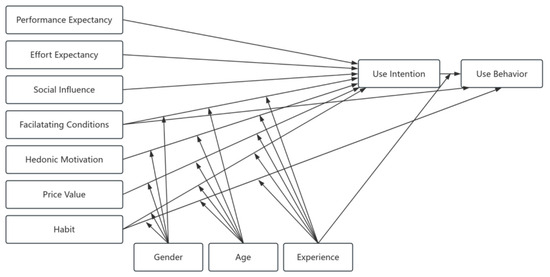
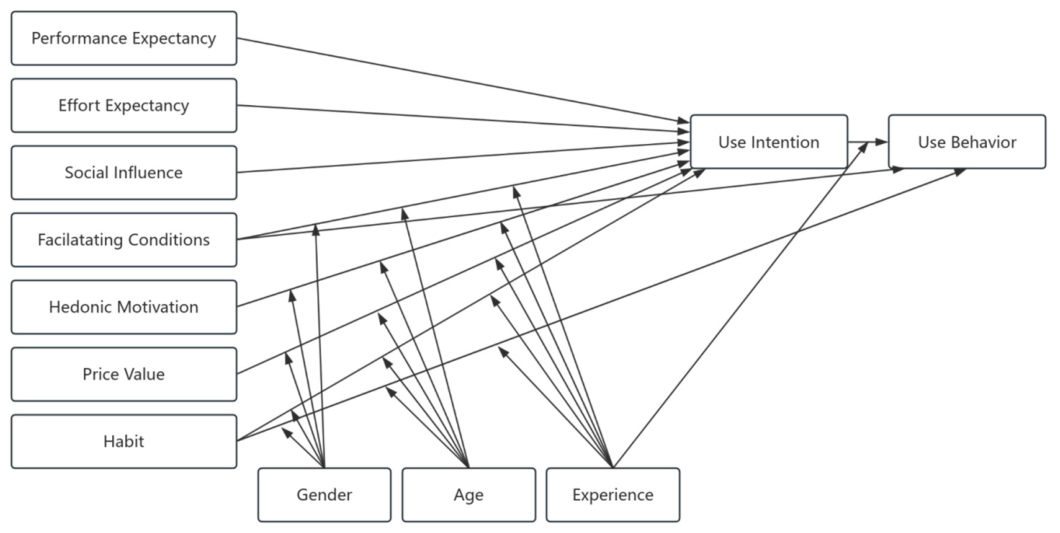
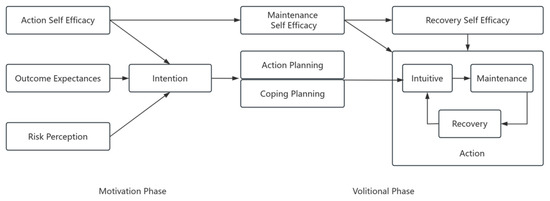
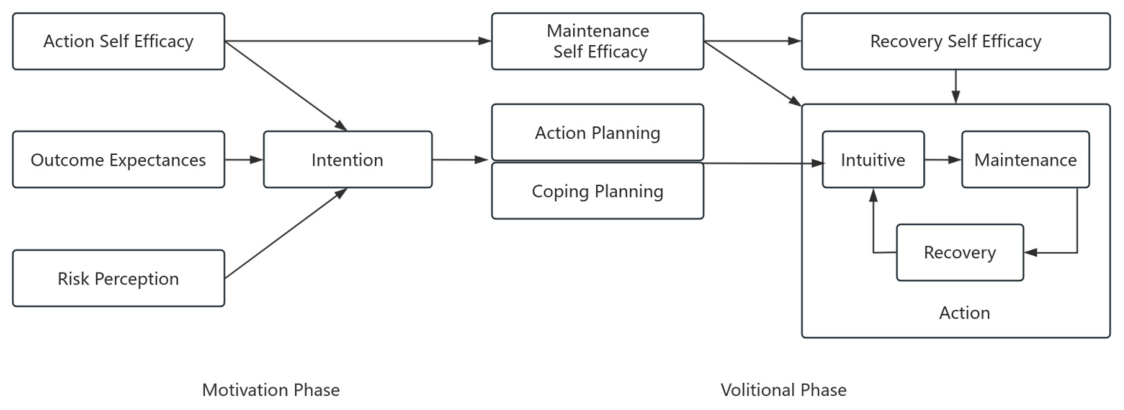
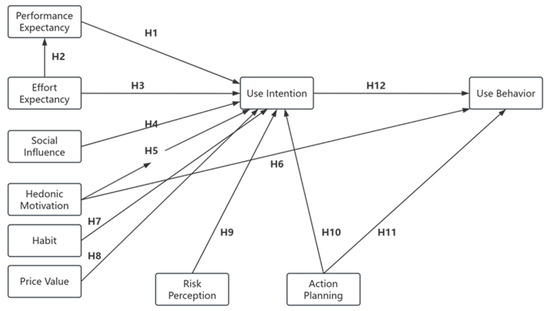
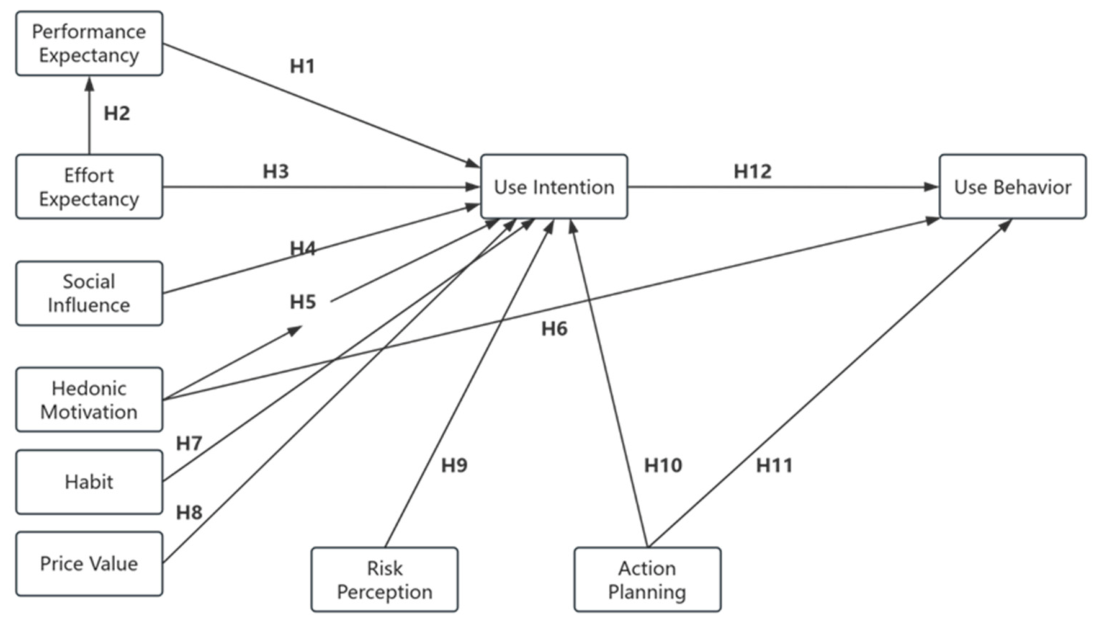
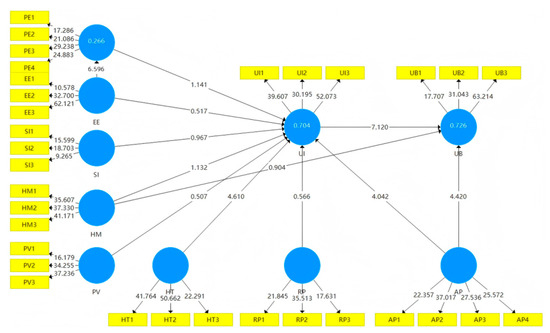
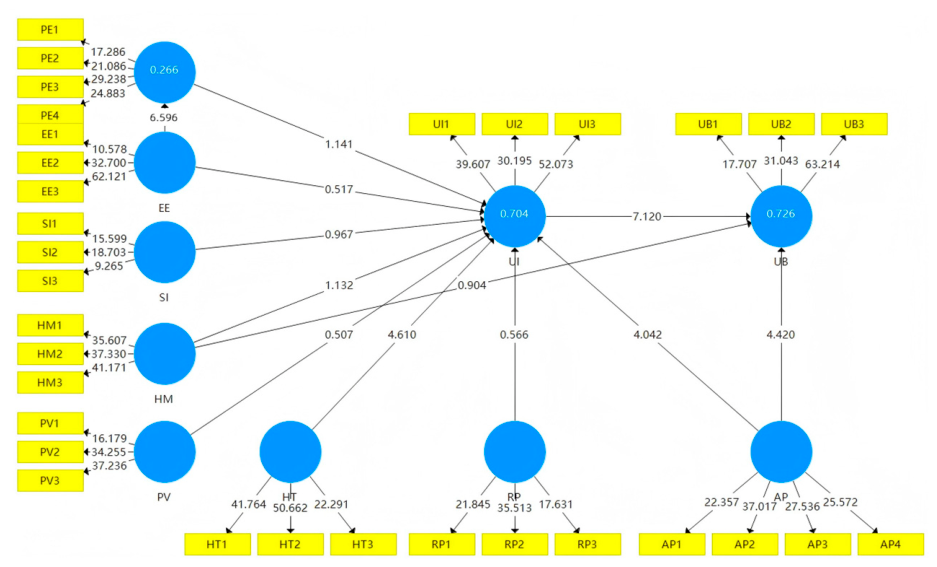

Disclaimer/Publisher’s Note: The statements, opinions and data contained in all publications are solely those of the individual author(s) and contributor(s) and not of MDPI and/or the editor(s). MDPI and/or the editor(s) disclaim responsibility for any injury to people or property resulting from any ideas, methods, instructions or products referred to in the content. |
© 2026 by the authors. Licensee MDPI, Basel, Switzerland. This article is an open access article distributed under the terms and conditions of the Creative Commons Attribution (CC BY) license.