1. Introduction
Currently, space mesh antennas represent the most promising structural approach for achieving large-scale, lightweight, and high deployment ratio satellite antennas, constituting a focal point of theoretical, methodological, and experimental research in the international aerospace community [
1]. These antennas feature a flexible force system where the reflective surface comprises a flexible cable-net structure. The flexible cable-net structure, when connected to deployable support structures, forms a specifically configured reflective surface under pre-tension, thereby enabling efficient reflection and reception of target electromagnetic waves. Depending on support configurations and actuation methods, mesh antennas have evolved into diverse structural forms [
2,
3,
4,
5,
6,
7,
8]. Current technological advancements suggest that such antennas can theoretically achieve diameters up to 50 m, with surface accuracy ranging from 200 to 500 µm and radio frequency (RF) capabilities spanning 1.6 to 40 GHz, simultaneously satisfying low-frequency and high-frequency requirements [
9]. Space mesh antennas offer advantages including lightweight reflectors, high foldability, compact stowage ratios, easy-to-achieve large apertures, and compatibility with various deployable support structures. However, their drawbacks encompass structural complexity, relatively poor surface accuracy, and challenges in ensuring reliability and repeatability [
10].
The cable-net structure serves as a critical interface connecting truss structures and supporting the wire mesh reflective surface. As the primary load-bearing component of deployable mesh antenna reflectors, its surface accuracy directly determines the operational performance of cable-net antennas. To meet surface accuracy requirements, installed cable-net antennas must undergo shape adjustments. For enhanced accuracy of mesh reflectors, numerous researchers have conducted extensive studies to improve adjustment efficiency and precision [
11,
12,
13,
14,
15,
16,
17,
18]. As early as 1996, Tabata’s team [
19] investigated the feasibility of active surface correction with limited actuators and partial cable-net data. In 1997 and 2004, respectively, You [
20] and Tanaka [
21] proposed linear adjustment algorithms that neglected geometric nonlinearity, constructing linear mathematical models to directly derive expressions between adjustment quantities and surface errors through equation transformations. In 2006, Tanaka’s team [
22] introduced a new control method based on the concept of self-equilibrium stress. This approach determines shape control inputs through the cable-net’s self-equilibrium stress, achieving precise shape control without iterative procedures. In 2011, Tanaka et al. [
23] developed an active reflector surface adjustment method building on the strong coupling between antenna gain and surface accuracy. In 2013, Du’s team [
24] established a mapping relationship between vertical cable displacement parameters and surface accuracy by constructing a mechanical model of the cable-net structure. Wang [
25] and Xun [
26] proposed, in 2013 and 2018, respectively, a method to integrate series-connected actuators into the vertical cables of mesh antennas for cable network surface adjustment. They established an active adjustment optimization model that correlates reflector surface accuracy with actuator voltage regulation. In 2016, Li et al. [
27] advanced an interval force density method for computing mean square errors in indeterminate cable-nets, establishing an optimization model to identify optimal adjustable cable modifications. In 2019, Tang et al. [
28] employed machine learning to develop predictive models correlating cable-length adjustments with surface precision, enhancing both accuracy and tension uniformity through boundary cable tuning. Most recently, in 2021, Yuan et al. [
29] applied singular value decomposition to construct a mathematical model linking element lengths to nodal displacements, optimizing actuator configuration and quantity.
Although theoretical studies have demonstrated the potential for surface control, their engineering implementation remains significantly constrained by the difficulty of in-orbit real-time measurements and the inherent complexity of active control systems. Currently, methods for measuring internal forces in cable nets include pressure sensors, fiber-optic force sensors, vibration-based measurements, and so on. The method based on pressure sensors directly measures changes in cable internal forces by installing pressure sensors at fixed anchor points or at cable connections. Wang et al. [
30] proposed an on-site cable tension analysis method using a PVDF piezoelectric film, explored the relationship between cable sag and tension, and provided explicit error equations and compensation methods. However, space mesh antennas often use fiber-braided cables such as aramid fibers, and integrating PVDF piezoelectric films into such cables presents significant manufacturing challenges. Fiber-optic force sensors use the reflection characteristics of grating structures within the optical fiber for specific wavelengths, inferring changes in external physical quantities by measuring shifts in the reflected wavelength. Kim et al. [
31] achieved long-term cable tension measurement by embedding FBG sensors into the central wire of PC steel strands. Nevertheless, fiber-optic sensors still face challenges in practical applications, including complex packaging processes, cross-sensitivity to temperature and strain, as well as high costs for multi-point distributed measurement in cable net structures. Kim et al. [
32] proposed a piezoelectric strain sensor for cable tension measurement and analyzed cable health conditions based on vibration characteristics. Jeong et al. [
33] designed an automated cable force detection system based on deep learning and wireless smart sensors, and validated performance through experiments on a single stay cable. However, the vibration frequency method is an approximate solution approach, and the simplifying assumptions in the solution process can affect measurement accuracy. Furthermore, for low-tension cable net structures, low-frequency modes are difficult to extract accurately, and environmental noise significantly affects frequency identification precision.
To address the challenge of cable force measurement, this study proposes a piezoelectric-integrated cable-net structure that aims to predict cable forces using the output voltages of piezoelectric patches. However, the highly nonlinear electromechanical coupling between piezoelectric voltages and cable forces makes an analytical model difficult to derive. Recently, advances in machine learning [
34] and intelligent algorithms [
35,
36] have led to significant progress in structural health monitoring, sensor fusion, and uncertainty-aware modeling, which creates new opportunities for cable force prediction. Specifically, the backpropagation neural network (BP neural network) is adopted as a black-box model without explicit physical constraints. This is a deliberate choice, as the strong nonlinearity of the electromechanical coupling renders an analytical model impractical, making a data-driven approach well-suited for this task. Therefore, this study combines a piezoelectric-integrated cable-net structure with a BP neural network for cable force prediction.
Unlike existing machine learning approaches that focus on shape adjustment using cable length modifications or actuator displacements, the proposed method embeds piezoelectric patches directly at cable-net nodes to convert tension variations into voltage signals. The novelty and contribution of this work are threefold: (1) a piezoelectric-integrated cable-net structure that enables in situ voltage-based tension sensing; (2) a BP neural network model that maps voltage signals to self-stress equilibrium factors, reducing prediction complexity; and (3) a systematic analysis of sensor quantity and placement effects on prediction accuracy, revealing design guidelines for practical implementation. This work provides a foundation for future real-time cable force monitoring in deployable mesh antennas.
2. BP Neural Network-Based Cable Force Prediction Model
2.1. Equilibrium Equations and Cable Force Calculation of Cable-Net Structures
Considering the self-equilibrium characteristics of cable-net structures, the nodal equilibrium equations can be established based on their geometric configuration as
where
denotes the cable force vector; the self-equilibrium matrix
is composed of the matrices
,
, and
that represent the node self-equilibrium coefficient matrices along the
,
and
axes respectively.
Given the defined geometry of the cable-net structure, Equation (1) is a homogeneous system of linear equations. This system admits non-trivial solutions if the nullity of matrix
is greater than zero. Let
and
represent the nullity and the null space of
, respectively. The internal forces can then be derived as
where
is a non-zero constant vector termed the self-stress equilibrium factor of the cable-net structure. It can take any real-valued representation as
The cable forces of a cable-net structure in equilibrium satisfy the self-equilibrium equations. Given a defined cable-net configuration, the self-equilibrium matrix and its null space can be determined. Through Equation (2), it follows that only the self-stress equilibrium factor needs to be determined to obtain the cable force vector . Typically, the condition holds. It reduces the number of unknown parameters in the prediction model by solving for the self-stress equilibrium factor rather than directly determining internal forces . Therefore, in the neural network training process, the self-stress equilibrium factor is the output layer variable.
2.2. Piezoelectric Cable Force Prediction Model
This paper establishes an electromechanical coupling simulation model for piezoelectric-integrated cable network structures, generating datasets required for neural network model training by applying varying prestress levels to the cable network. Specifically, for each cable-net configuration, the self-stress equilibrium factors were varied independently over a predefined range. Taking the cross-cable structure as an example, each factor was assigned values from the set {2, 4, 6, …, 20}, generating all possible combinations. The voltage outputs of the piezoelectric patches were then solved using the COMSOL Multiphysics version 6.2. A total of 100 datasets were generated, of which 80 were randomly selected for training and 20 for testing. For structures with higher-dimensional self-stress equilibrium factors (e.g., triangular, quadrilateral, and tensegrity cable-net structures), the parameter ranges were adjusted accordingly, and the total sample sizes were increased to 125, 120, and 120, respectively, to ensure sufficient coverage of the parameter space. All input and output data were normalized to the range [−1, 1] before training to accelerate convergence and prevent feature dominance.
The dataset consists of two components: input data (piezoelectric patch voltages ) and output data (self-stress equilibrium factors ). The BP neural network is chosen to establish the mapping relationship between the input and the output data, as it can effectively model the strongly nonlinear electromechanical coupling without requiring an explicit analytical model. Its multilayer feedforward architecture with backpropagation learning provides sufficient representational capacity for the complex mappings encountered in cable-net structures. While more advanced machine learning models exist, such as deep convolutional networks and transformer-based architectures, we opt for a standard BP network as a baseline for this proof-of-concept study for three primary reasons: (1) its proven efficiency and robustness for regression tasks with small-to-medium-sized datasets; (2) its low computational cost, which is favorable for potential real-time deployment on resource-constrained platforms; and (3) its straightforward interpretability, which allows us to clearly isolate the effects of sensor quantity and placement without confounding architectural complexities.
The BP neural network consists of an input layer, a single hidden layer, and an output layer. The number of input neurons equals the number of piezoelectric patches, and the number of output neurons equals the number of self-stress equilibrium factors. The hidden layer uses the tanh activation function, while the output layer uses a linear activation function.
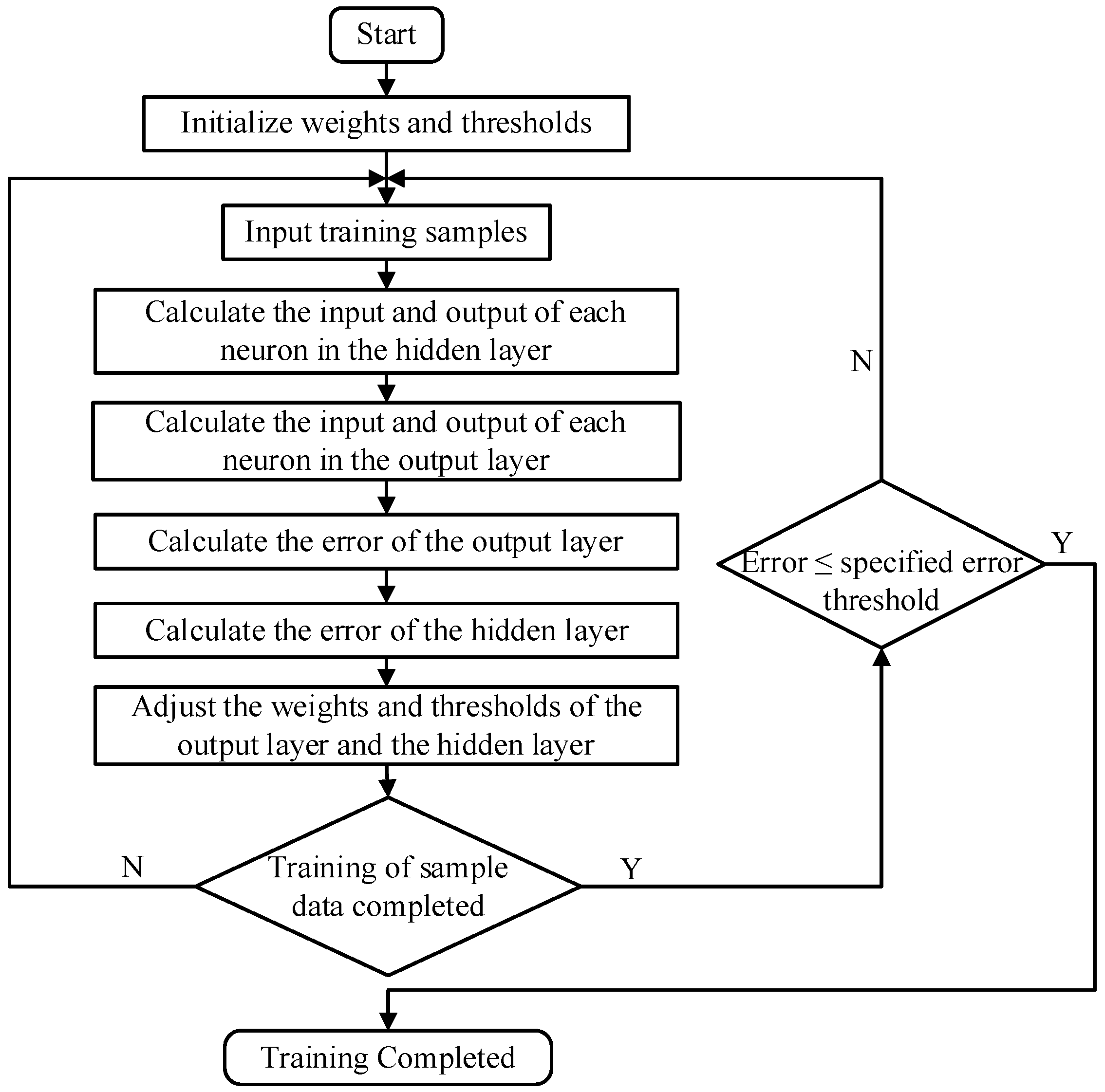
Figure 1 illustrates the workflow diagram of the BP neural network-based cable force prediction model.
The training steps for the BP neural network are as follows:
Set the weights and initial values.
Input the training samples and compute the neuron outputs layer by layer until reaching the output layer.
Compare the output layer results with the desired outputs to compute the error.
Starting from the output layer, calculate the error terms (gradients) for each neuron in reverse order and update the weights and biases using the gradient descent method.
Repeat steps 2–4 until the stopping criterion is met (e.g., reaching the maximum number of iterations or achieving an error below the threshold).
Key parameters in the neural network, including the number of training iterations, learning rate, and minimum error threshold. They can be adjusted according to practical requirements in the study. In this paper, the number of training iterations is set to 1000, the learning rate is set to 0.01, and the minimum error threshold for the training objective is set to 10−6. The error metrics selected for evaluating the performance of the neural network include Mean Squared Error (MSE), Root Mean Squared Error (RMSE), Mean Absolute Error (MAE), and Forecast Accuracy (FA).
Although the BP neural network is used as a data-driven black-box model, the underlying physical relationship can be interpreted as follows: the voltage generated by each piezoelectric patch reflects the local strain, which is determined by the combined forces of cables connected to that node. When multiple patches are placed at different nodes, their collective voltage signals encode sufficient information to determine the global self-stress equilibrium state of the cable-net.
3. Piezoelectric Cable Force Prediction and Analysis Based on BP Neural Networks
To obtain sample data on the internal cable forces and the voltages under varying cable force conditions, simulation models were established in COMSOL Multiphysics version 6.2. COMSOL’s direct solver was used with a relative tolerance of 1 × 10⁻⁶. For each cable-net structure, fixed nodes at the periphery of the cable-net were assigned zero displacement constraints to represent the connection to the supporting truss structure. The piezoelectric patches were modeled as linear piezoelectric materials with the direct piezoelectric effect enabled. The bottom surface of each piezoelectric patch was set to zero electric potential, while the top surface was assigned a floating potential to allow voltage generation. No external electric field was applied; the voltage output resulted solely from mechanical strain induced by cable forces.
The model specifications are as follows: the cable diameter is 2 mm, the cable length is 200 mm, the node connectors have dimensions of 40 mm (length) × 40 mm (width) × 2 mm (thickness), and the piezoelectric patch dimensions are 10 mm (length) × 10 mm (width) × 0.5 mm (thickness). The piezoelectric patch material is PZT-5H. The material parameters for the node connector and cables in the cable network are listed in
Table 1.
3.1. Cross Cable-Net Structure
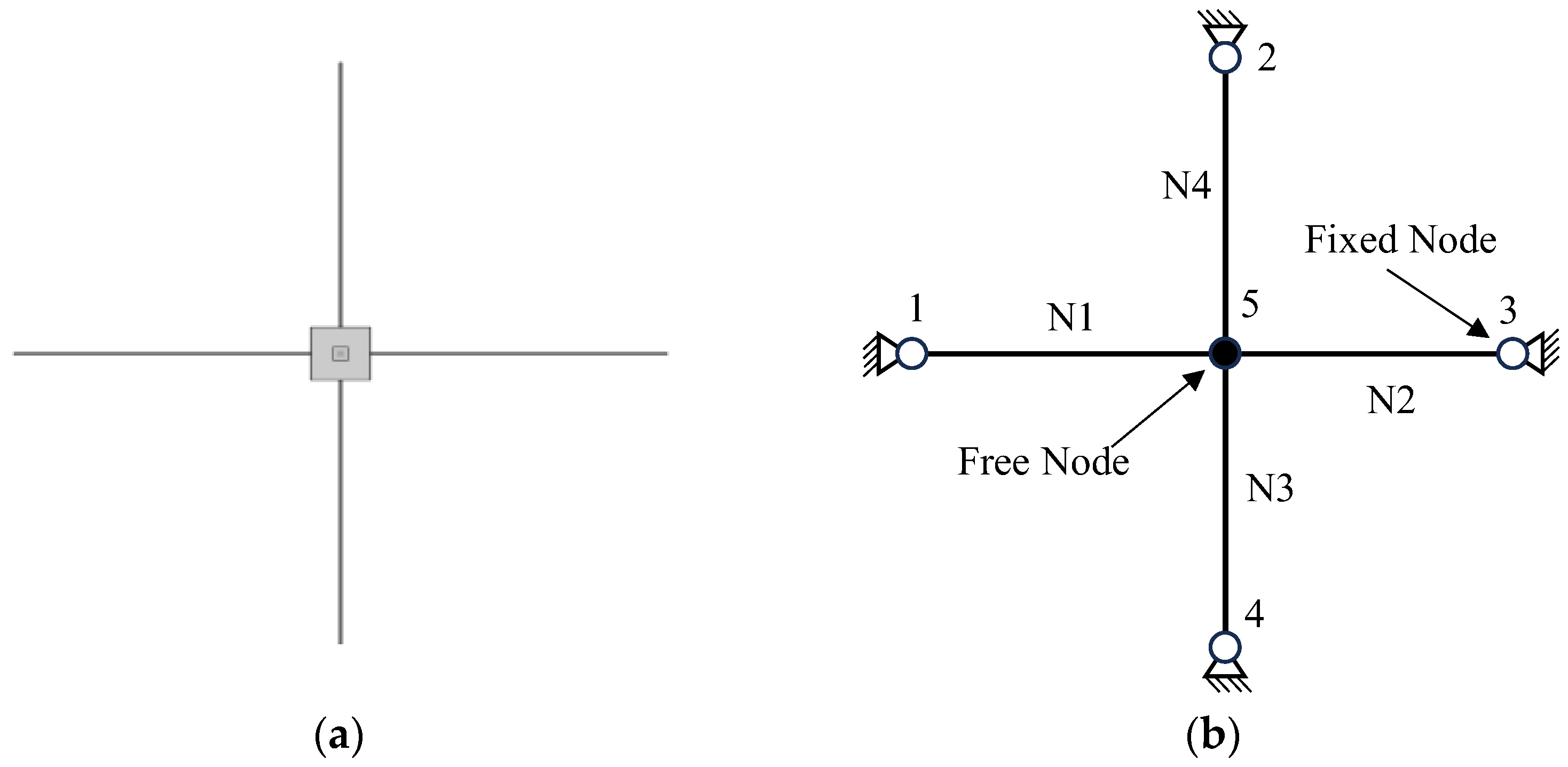
This section employs the cross-cable configuration illustrated in
Figure 2 as an analytical case study for predicting internal forces in a piezoelectric cable-net model. The cross-cable structure consists of four cables and a square thin-plate node. Different quantities and arrangements of piezoelectric patches are installed at the center of the thin plate to compare the prediction accuracy of the neural network under various configurations. The simulation model is depicted in
Figure 2a, while the theoretical model is shown in
Figure 2b.
3.1.1. Number of Piezoelectric Patches
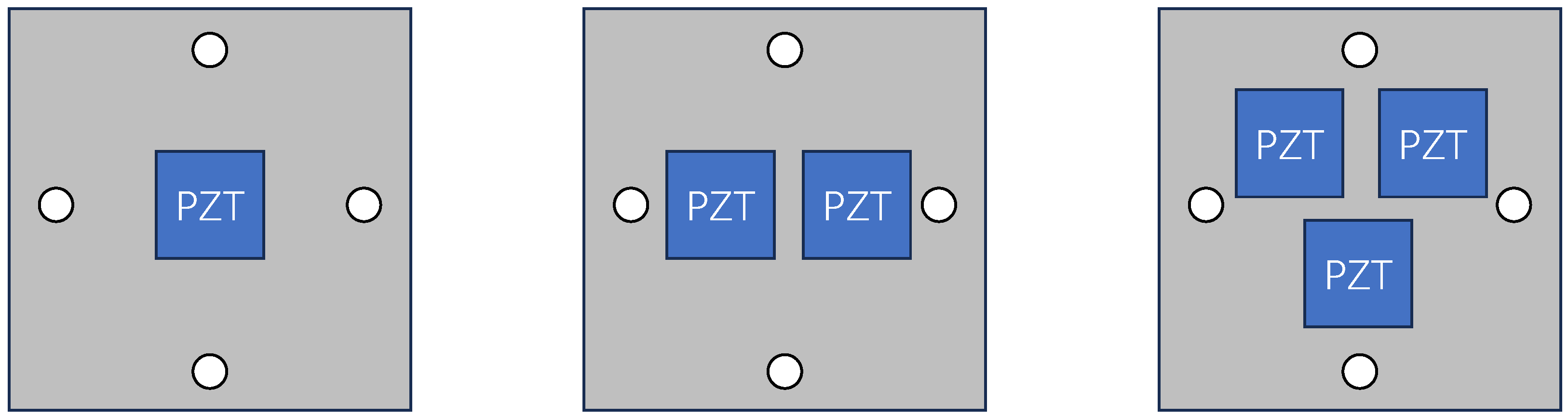
Space mesh antennas impose requirements on both the mass and volume of sensors, necessitating the installation of the fewest possible sensors to achieve accurate prediction of cable forces. This subsection investigates the impact of the number of piezoelectric patches on prediction accuracy. One to three piezoelectric patches are installed at the connection nodes of the cross-cable structure, with their distribution illustrated in
Figure 3.
By establishing the self-equilibrium matrix of the cable network, the self-stress equilibrium factors are obtained as
. Free combinations of these factors are assigned values of 2, 4, 6, …, 20. Voltage outputs are solved for each combination, resulting in 100 datasets. Among these, 80 datasets are used for training the neural network, while 20 datasets are reserved for testing the validation of the neural network model. The collected data from different quantities of piezoelectric patches were input into the BP neural network model. The prediction performance of the trained network is presented in
Table 2.
As shown in
Table 2, when only one piezoelectric patch is used, the prediction accuracy is 51.63% FA, with significant discrepancies between the predicted and actual values of the self-stress equilibrium factors. However, when the number of piezoelectric patches increases to 2 and 3, the prediction accuracy exceeds 99.99% FA, and the predicted values of the self-stress equilibrium factors are nearly identical to the actual values. This indicates that a higher quantity of piezoelectric patches enhances the accuracy of the predictive model. Nevertheless, considering the requirement to minimize sensor count in space mesh antennas, two piezoelectric patches are recommended for installation at the central nodes of the cross cable-net structure.
3.1.2. Arrangement of Piezoelectric Patches
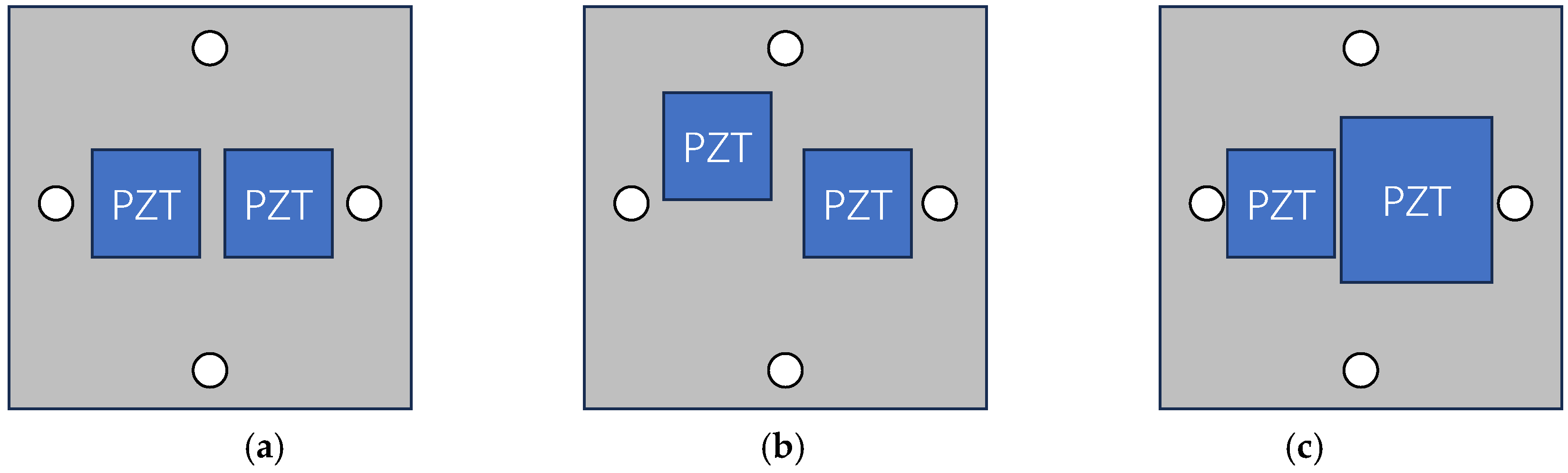
This subsection further investigates the accuracy of the piezoelectric cable force prediction model under conditions of different arrangements and different sizes of piezoelectric patches, based on a configuration of two patches. The placement schemes for the piezoelectric patches are illustrated in
Figure 4.
Following the same procedure as in
Section 3.1.1, 100 sets of data were generated. Among these, 80 sets were used as the training dataset for the neural network, and the remaining 20 sets were employed as the test dataset for validating the neural network model. For the three arrangement schemes depicted in
Figure 4, the predictive performance of the trained neural network is presented in
Table 3.
As observed in
Table 3, the two asymmetric arrangement schemes for piezoelectric patches exhibit superior prediction accuracy compared to the symmetric scheme. Potential reasons for this include: in symmetric patch arrangements, the signals may show relatively small differences under certain conditions. When the two signals are highly similar (e.g.,
), this leads to redundant features in the input model, resulting in low effective information content. Consequently, the neural network struggles to extract meaningful patterns from repetitive data, leading to poor generalization and underfitting. In contrast, asymmetric arrangements yield signals with greater disparities, providing complementary features that enable more accurate mapping and enhance the system’s predictive accuracy.
3.2. Triangular Cable-Net Structure
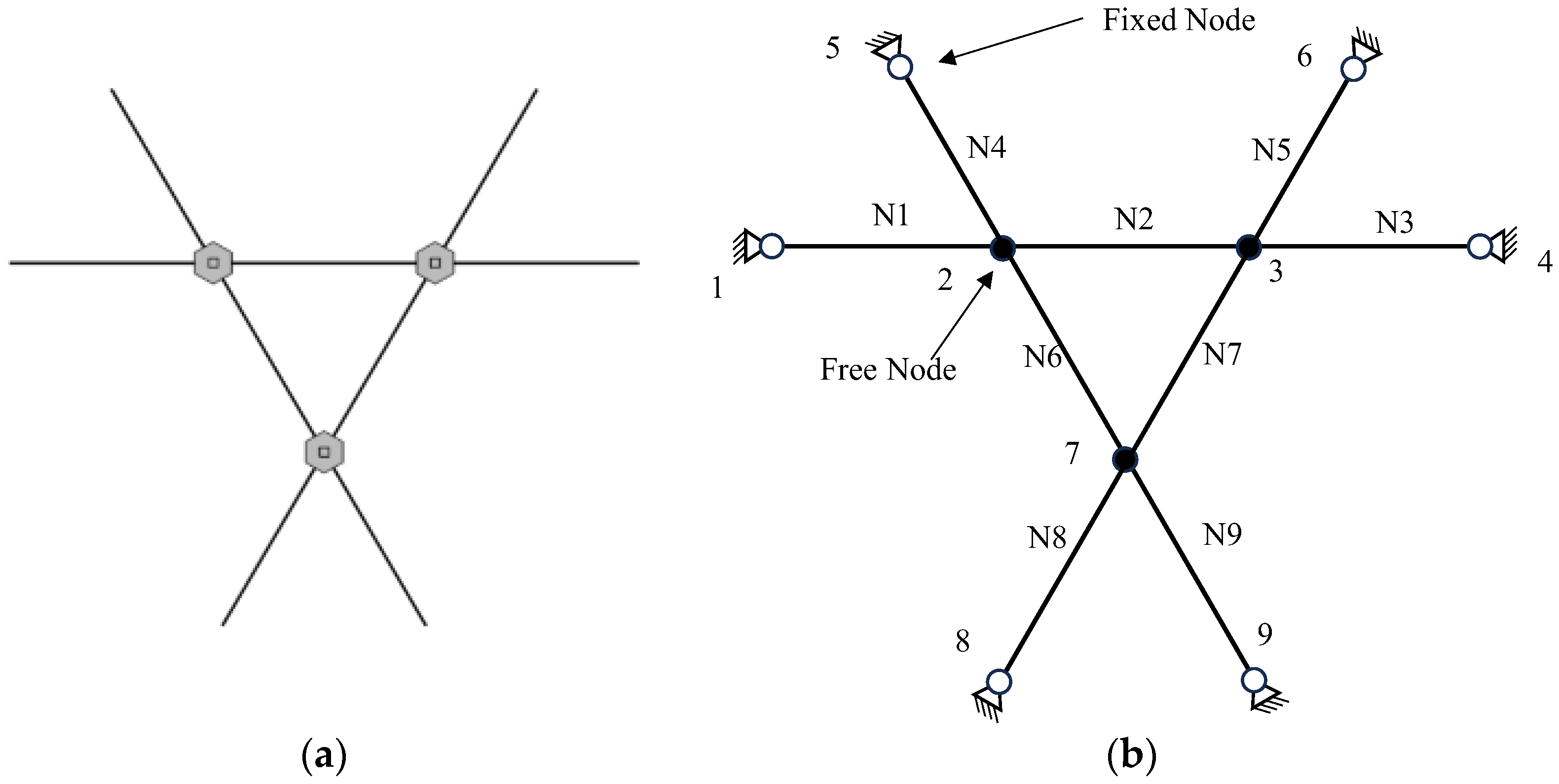
Figure 5 depicts a triangular cable-net structure composed of nine cables and three node connectors. By establishing the self-equilibrium matrix for this cable-net, it is determined that the self-stress equilibrium factors of the cable-net consist of three independent variables, denoted as
. The parameter vector
was assigned values from the set {3, 6, 9, 12, 15} in all possible combinations, yielding 125 datasets. Among these, 100 datasets are used for the training set, and 25 datasets are used for the testing set.
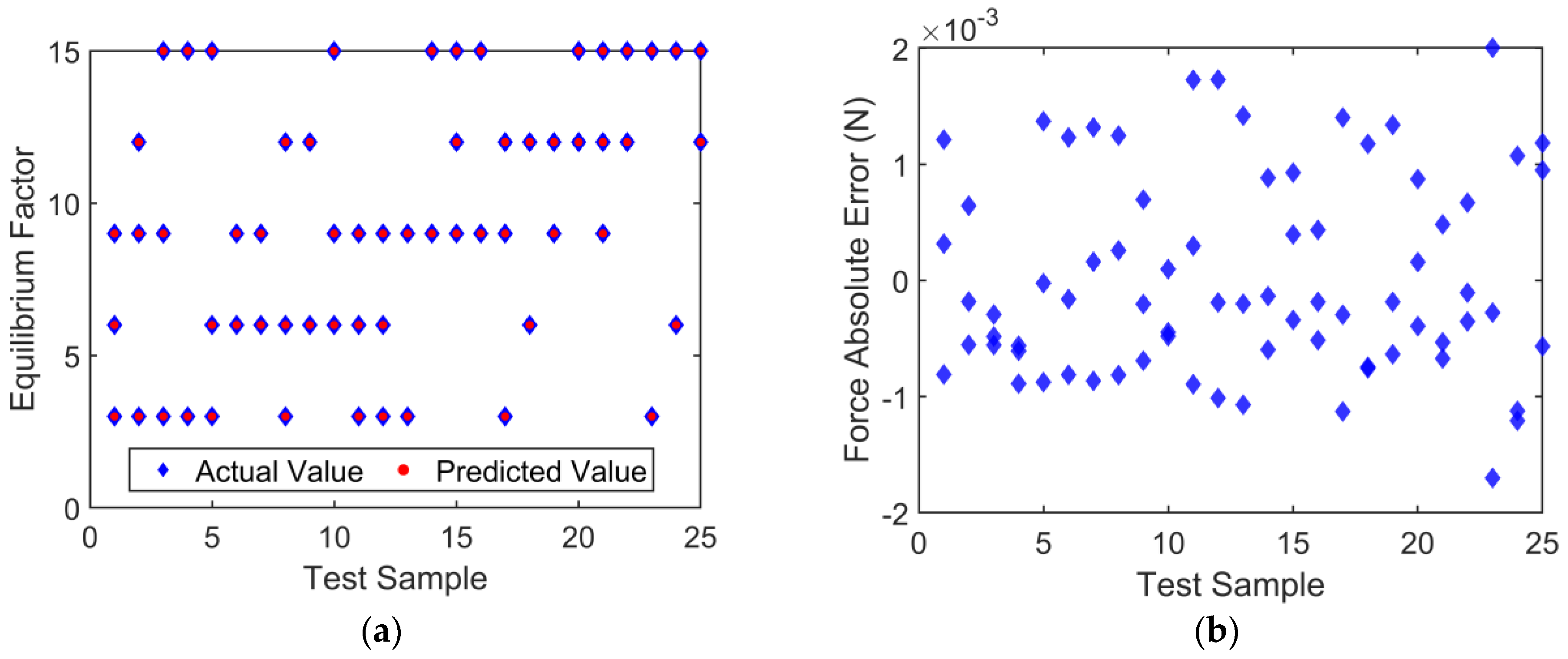
After training, the neural network yields cable force predictions as illustrated in
Figure 6. It can be observed that the predicted values of the three self-stress equilibrium factors closely match their actual counterparts, with errors on the order of 10
−3. These negligible prediction errors validate the effectiveness of the piezoelectric cable-force prediction model for estimating cable forces in triangular cable-net structures.
3.3. Quadrilateral Cable-Net Structure
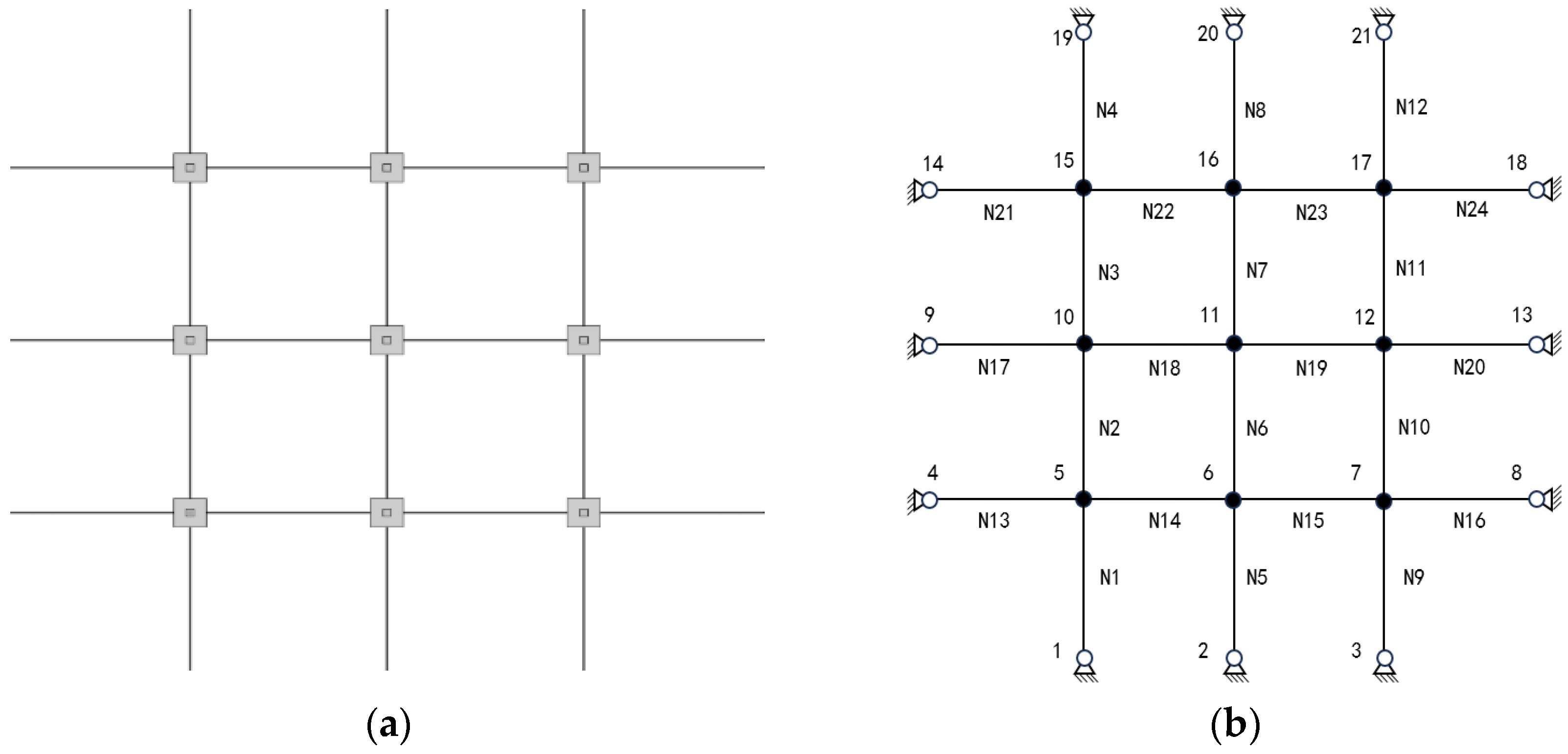
The cable-net structure composed of quadrilaterals is illustrated in
Figure 7. The total number of nodes in the cable-net is 21, including 9 free nodes and 12 fixed nodes, with 24 cable elements. Through computation of the self-equilibrium matrix for this cable-net structure, the dimensionality of its null space is determined as
. Consequently, a minimum of six parameters is required to fully define the internal force vector. Specifically, the self-stress equilibrium factor is expressed as:
.
During model training, 100 sets of data were selected as the training set, and another 20 sets were selected as the test set. The prediction performance is illustrated in
Figure 8. As shown in the figure, the test set results closely align with the actual values, with errors between the predicted and actual values falling within the thousandths range. This indicates that the established piezoelectric cable force prediction model exhibits high accuracy and can effectively reflect the actual distribution of internal forces within the cable-net.
3.4. Tensegrity Cable-Net Structure
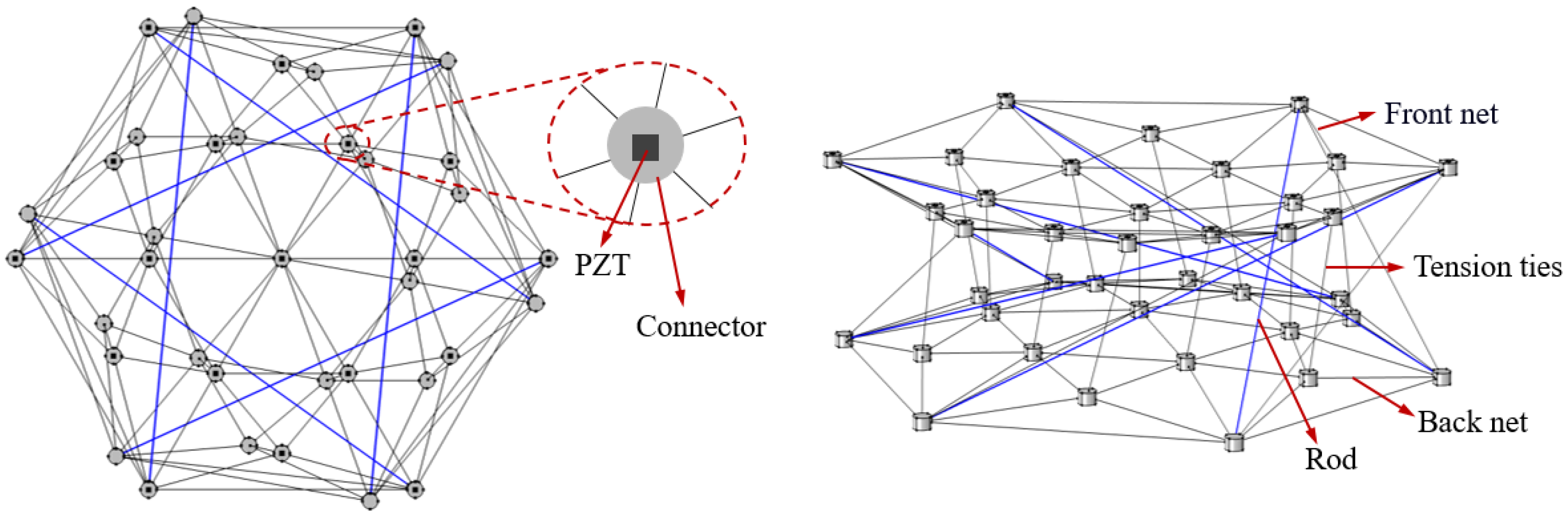
The tensegrity-type piezoelectric-integrated cable-net structure is illustrated in
Figure 9. The cable-net comprises 38 nodes, 115 cables, and 6 rods. Each node is connected using connectors, and piezoelectric patches are attached to the connectors of the front cable-net nodes to measure variations in cable tension. By calculating the self-equilibrium matrix of this cable-net structure, the dimension of its null space is found to be
. This corresponds to the self-stress equilibrium factors of the cable-net, denoted as
. Therefore, at least 13 parameters are required to determine the internal force vector of the cable-net.
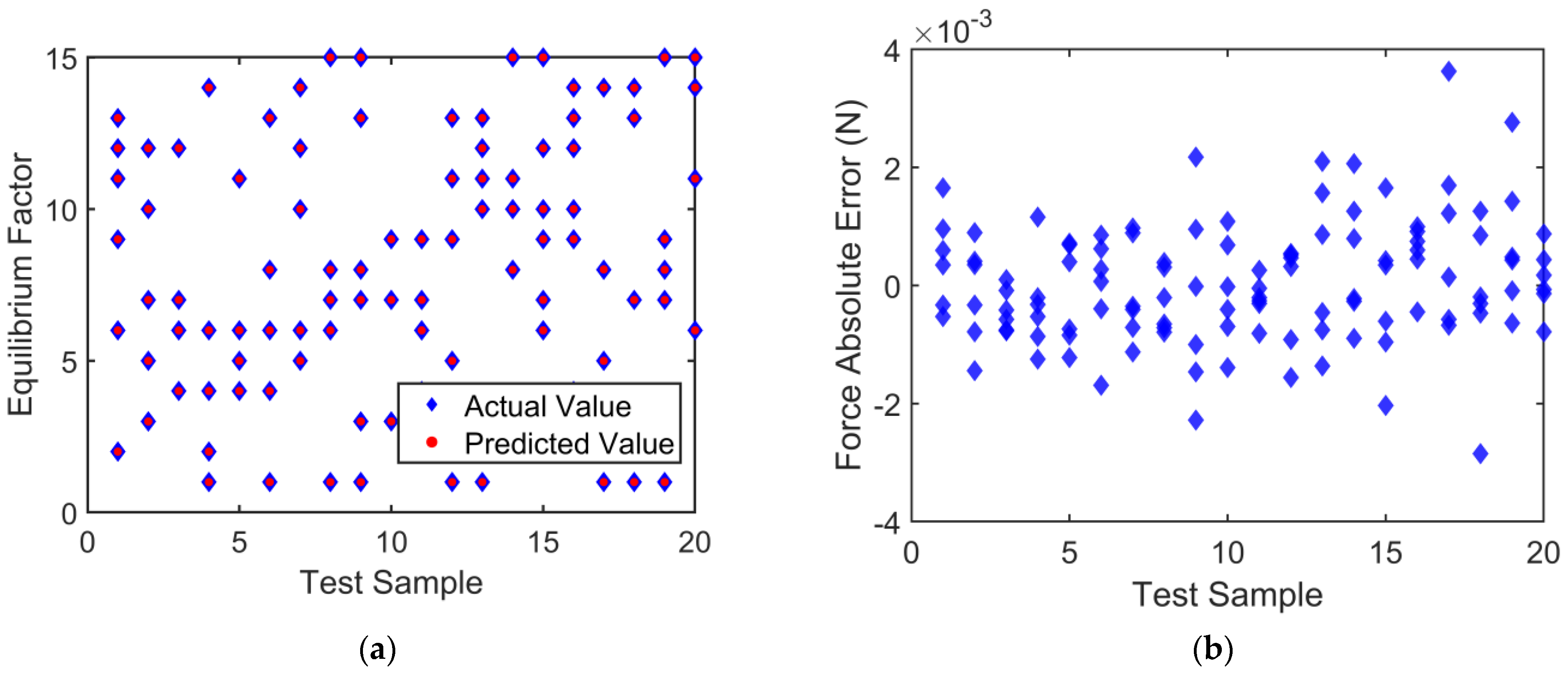
In the COMSOL Multiphysics version 6.2, 120 sets of sample data were generated by varying the values of the self-stress equilibrium factors. For neural network model training, 100 sets of data were randomly selected as the training set, and the remaining 20 sets were used as the test set. The prediction performance is illustrated in
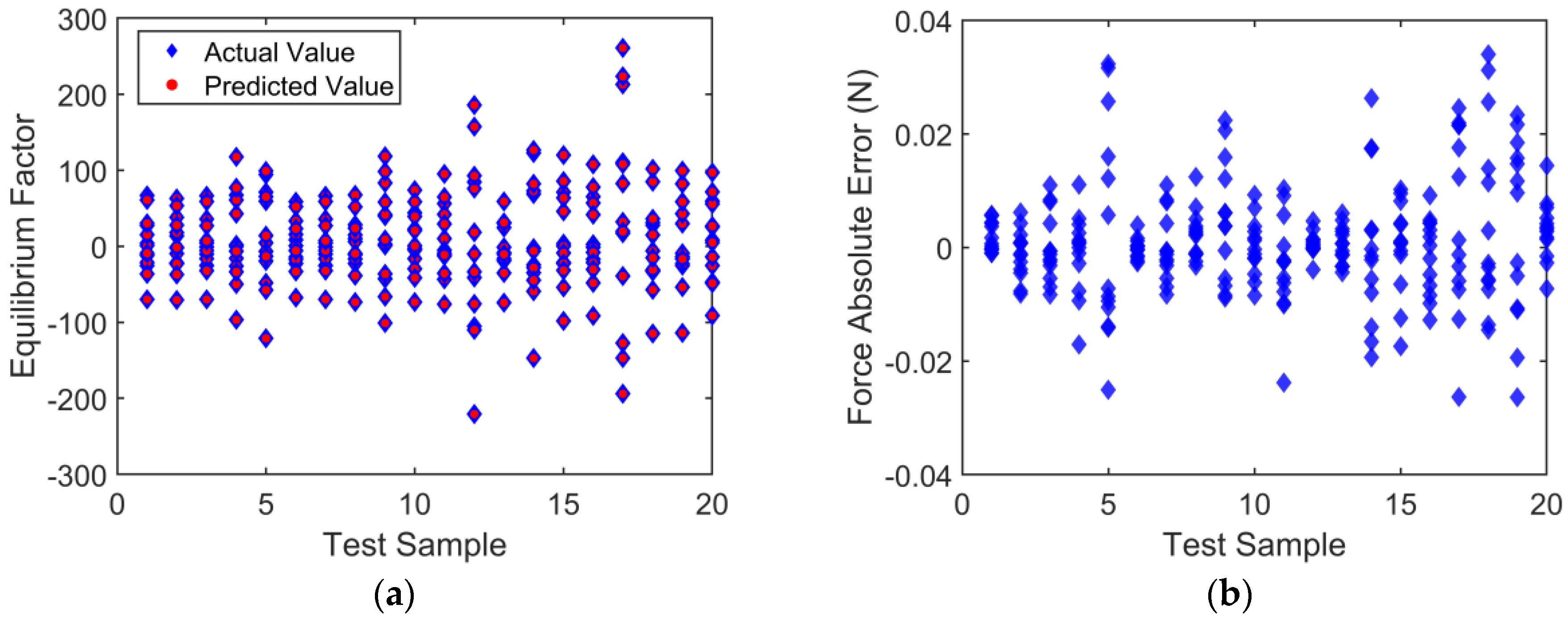
Figure 10.
Figure 10a shows a comparison between the predicted and simulated values of the cable-net’s self-stress equilibrium factors, while
Figure 10b depicts the error distribution between the predicted and simulated values.
As observed in
Figure 10, the predicted values closely align with the simulated values, with errors confined within ±0.06 N. The prediction accuracy reaches 99.94% FA, further validating the feasibility of the BP neural network-based internal force prediction method proposed in this paper for piezoelectric-integrated cable-net structures. This method effectively captures the actual distribution of internal forces within the cable-net.
3.5. Result Discussion
Based on the simulation results, the predicted values closely align with the actual values, achieving a forecast accuracy (FA) of up to 99.9% and a mean absolute error (MAE) on the order of 10
−3 to 10
−2 N. These results indicate that the prediction errors are very small. In practical terms, for cable forces typically ranging from 1 to 100 N in deployable mesh antennas, the absolute error corresponds to approximately 0.001–0.1 N, which is negligible for surface adjustment. The errors shown in
Figure 6,
Figure 8 and
Figure 10 are randomly distributed around zero, indicating that the model does not consistently overestimate or underestimate cable forces. Furthermore, the trade-off analysis presented in
Table 2 reveals that two piezoelectric patches achieve a 99.99% FA, while adding a third patch yields only marginal improvement. Given the mass and volume constraints inherent in space applications, two patches represent the optimal choice. However, it should be noted that these error bounds are based on ideal simulations; real-world uncertainties—such as noise, temperature variations, and manufacturing tolerances—may lead to increased prediction errors.
In addition, the BP neural network employed in this study has a simple architecture and is trained on datasets of 100–125 samples. The inference time per prediction is on the order of milliseconds on a standard computer, regardless of the physical size of the cable-net structure. As the number of self-stress equilibrium factors increases, the number of output neurons increases accordingly, but the network size remains modest. For extremely large cable-net structures with hundreds of self-stress equilibrium factors, a corresponding increase in the number of hidden neurons or layers may be required, but the computational cost would still be manageable given the efficiency of neural network inference.
For large-scale cable-net structures, however, the number of self-stress equilibrium factors can be substantial, making it impractical to install a piezoelectric patch at every node due to mass, wiring, and data acquisition constraints. Nevertheless, the following two strategies can address this challenge. First, the minimum required number of patches is only the number of self-stress equilibrium factors, not the number of nodes, meaning that patches need only be installed on a subset of nodes, and the sensor count can be significantly reduced. Second, the placement of patches can be optimized through sensitivity analysis to maximize information content per sensor, thereby reducing mass and installation complexity.
4. Conclusions
To address the challenge of measuring tension in large-scale cable-net structures, this paper introduces a piezoelectric-integrated cable-net design. Piezoelectric patches are installed at each node of the cable-net structure, converting variations in cable tension into measurable voltage changes through the piezoelectric effect. Additionally, a BP neural network-based method is proposed for predicting cable tension in this piezoelectric-integrated net structure. This prediction approach employs piezoelectric patch voltage values as the input layer and the cable-net’s self-stress equilibrium factors as the output layer, thereby simplifying the complexity of internal force prediction. The study further investigates the impact of the quantity and placement positions of piezoelectric patches on the accuracy of the internal force prediction model for cable-net structures. Training and test samples required for the neural network are generated through COMSOL simulations. The results indicate that accurate predictions are achieved when the number of input nodes (piezoelectric patch voltage signals) in the cable tension prediction model equals or exceeds the number of output nodes (self-stress equilibrium factors). Furthermore, it is observed that increasing the number of piezoelectric patches and adopting asymmetric patch placements can further enhance the prediction model’s accuracy. Subsequently, the BP neural network-based piezoelectric cable force prediction model is validated in triangular, quadrilateral, and tensegrity cable-net structures. The predicted values closely align with the actual values, achieving a prediction accuracy of up to 99.9%. This confirms the effectiveness of the BP neural network-based piezoelectric cable tension prediction model for internal force prediction in cable-net structures.
It is important to clarify that the proposed BP neural network model is trained for cable force prediction of a specific cable-net structure. Under varying operating conditions (e.g., thermal environments or external loads). The feasibility of successful training relies on two key conditions: the number of piezoelectric patches must be at least equal to the number of self-stress equilibrium factors, and the patch arrangement should provide informative signal features. Significant changes in the structural configuration would require retraining. It is also instructive to qualitatively compare the proposed BP-based approach with alternative machine learning methods. For instance, Support Vector Regression (SVR) with a radial basis function kernel could potentially model the nonlinearity, but it is more sensitive to hyperparameter tuning and may not scale as efficiently with dataset size. Random Forest (RF) provides inherent uncertainty estimates but may require deeper trees to capture the highly nonlinear electromechanical coupling, increasing the risk of overfitting given the limited training samples. More complex architectures like Convolutional Neural Networks (CNNs) could exploit spatial correlations among multiple piezoelectric patches. However, our patch placement is not strictly grid-structured, and the modest dataset (≈100 samples) makes a deep CNN prone to overfitting without substantial data augmentation. Therefore, the BP neural network strikes a practical balance between representational power, data efficiency, and computational simplicity for this specific task.
Finally, it should be acknowledged that the current study relies entirely on simulation data from COMSOL. Experimental validation under real-world conditions is necessary before practical deployment, as environmental factors such as temperature fluctuations, electromagnetic interference, and sensor noise may affect voltage readings. Moreover, partial sensor failure could compromise the reliability of predictions. Although a full robustness analysis is beyond the scope of this simulation-based proof-of-concept, future work will focus on constructing a physical testbed to quantify these effects. Techniques such as data augmentation (e.g., adding synthetic noise during training), sensor fusion, and transfer learning could be employed to enhance the model’s resilience to real-world imperfections.