Article

Horseradish Root Powder (Armoracia rusticana) in Edible Packaging: A Functional Ingredient with Potential for Enhancing Food Safety

Faculty of Food Engineering, Ștefan cel Mare University of Suceava, 720229 Suceava, Romania
*
Author to whom correspondence should be addressed.
Appl. Sci. 2026, 16(7), 3157; https://doi.org/10.3390/app16073157
Submission received: 19 February 2026 / Revised: 19 March 2026 / Accepted: 20 March 2026 / Published: 25 March 2026
(This article belongs to the Section Food Science and Technology)

Abstract

Armoracia rusticana (horseradish) is rich in bioactive compounds such as glucosinolates, phenolic compounds, and vitamin C, highlighting promising potential for innovative food applications, while its use in food packaging materials remains largely unexplored. This study aimed to evaluate how the concentration of horseradish root powder affects the properties of novel bioactive membranes formulated with sodium alginate, glycerol and soy lecithin. The physicochemical, mechanical, barrier and optical properties of the membranes, as well as their specific antioxidant and antimicrobial capacity, were investigated. The structure of the membranes was analyzed in terms of the functional groups and the possible interactions between the polymer matrix components using FT-IR analysis. Alongside microscopic observation of the membrane surfaces at 40× magnification, the roughness of the membranes was investigated, as well as the influence of parameters corresponding to the homogeneity and uniformity of the developed edible food membranes. The results show significant differences in the determined properties, highlighting good barrier capacity against water vapor and UV radiation, as well as high tensile strength and elongation at break values of 17.54 ± 1.18 N and 65.6 ± 9.63%, respectively. Values progressively increase as the content of incorporated plant material rises. The addition of horseradish positively influenced the composition of the membranes, increasing their antioxidant activity values by up to 34.92 ± 0.06%.

1. Introduction

The current consumer trend towards healthier and more sustainable choices is driving interest in the use of natural ingredients in biodegradable packaging development [1]. In this context, developing edible packaging is an important step in transitioning from synthetic materials to natural, sustainable solutions that can replace plastic and synthetic polymers without harming the environment.
Among the polysaccharides used for biodegradable membranes, alginate is notable for its ability to form uniform membranes. This makes it suitable for preservation applications in food packaging [2], as well as in medicine and biology [3]. Membranes incorporating sodium alginate are edible and are being intensively studied for food preservation. The most commonly used form of alginate, sodium alginate, is recognized as a safe substance (GRAS) by the FDA and authorized as a food additive in the European Union (E400–E404) [4]. It is widely used in the food and pharmaceutical industries as a thickening agent, stabilizer, emulsifier and gelling agent, as well as for producing membranes [4]. Sodium alginate, a natural anionic polysaccharide, is mainly obtained from brown seaweed (Phaeophyceae) or synthesized by certain bacteria (e.g., Pseudomonas and Azotobacter) [5,6,7] for industrial applications. It presents itself in the form of alginic acid salts [5].
The increased rigidity and reduced flexibility of alginate membranes require the addition of an effective plasticizer to minimize intermolecular interactions between polymer chains and allow for greater molecular mobility within the film matrix [7]. The introduction of plasticizers makes polymers more flexible and easier to process by reducing interaction forces between polymer chains and increasing intermolecular distances [7,8]. These additives, which are characterized by low molecular weight, are commonly used to improve important physical parameters such as viscosity, crystallinity, glass transition temperature, material density [8] and brittleness, flexibility, and elongation [9]. It is also important that the plasticizer is compatible with the polymer in terms of solubility in the formed matrix [10] in order to prevent separation of the components during film or coating formation [4].
To obtain the membranes, the plasticizer dose should be related to the total solid content of the film, with an optimal range of 10–25% (g/g) [4]. A percentage that is too low causes brittleness, while high concentrations lead to sticky membranes [4]. At concentrations higher than 30%, glycerol is no longer uniformly dispersed in the polymer matrix. A concentration of 50% glycerol leads to degradation at a much lower temperature than membranes with a lower plasticizer content [7].
Compared to other plasticizers, such as sorbitol (which leads to stiffer membranes) or xylitol, glycerol imparts superior physical and mechanical properties to membranes [10]. The literature indicates the extensive use of glycerol as a plasticizer in alginate-based membranes and coatings [4,10].
Lecithin is a surfactant that improves the adhesion of coatings and membranes [11]. Soy lecithin is compatible with alginate-based membranes, allowing this surfactant to be incorporated and improving the membranes’ moisture barrier while reducing their permeability to water vapor [12]. In addition to optimizing the properties of the membranes, lecithin also brings functional benefits to the finished product. Incorporating lecithin alongside glycerol maintains hydrogen-type interactions between polymer chains, limiting the increase in water vapor permeability caused by the plasticizer [4]. From an allergenicity perspective, the Food Allergy Research and Resource Program (FARRP) at the University of Nebraska–Lincoln has confirmed that soy lecithin does not have significant potential to induce allergic reactions [9].
The limitation of alginate membranes, which is their high permeability to water vapor, can be counteracted by adding biopolymers to improve mechanical properties or incorporating antioxidant-rich structures. This improves the water barrier and provides resistance to film oxidation processes [13]. Integrating bioactive compounds into packaging materials is an innovative strategy that can improve product quality and respond to consumers’ preferences for conscious choices. Edible packaging enriched with antimicrobial agents and antioxidants has an important functional advantage in that it promotes the gradual release of active compounds while maintaining effective biological activity during storage [4]. Sodium alginate can be used as a support system for functional agents to help maintain food quality and extend shelf life by limiting moisture transfer and controlling oxidative processes [14].
Due to its hydroxyl and carboxyl groups, sodium alginate forms hydrogen bonds with proteins, polysaccharides, lipids and other polymers, thus facilitating the production of composite materials with enhanced properties [3]. Regarding sodium alginate-based membranes, the literature emphasizes the incorporation of a variety of active agents, including essential oils (such as cinnamon, wild mint, ginger, oregano, marjoram, and lemongrass), vegetable oils (such as garlic, thyme, and lemongrass), and natural extracts (such as pomegranate peel, bamboo leaf, and rosemary), used in various food applications, including freshly sliced fruit, cheese, meat, and fish products [4]. At the same time, incorporating these active agents into the matrix of edible packaging provides a long-term, controlled release mechanism, as opposed to applying them to the surface of food [4].
The plant species Armoracia rusticana L., commonly known as horseradish and belonging to the Brassicaceae family, has high biological potential due to its rich composition of substances with antioxidant and antimicrobial properties [1]. As we have investigated in previous studies [15,16], both horseradish roots and leaves exhibit antiallergenic and antiviral properties with multiple health implications. Bioactive compounds such as glucosinolates, isothiocyanates, and phenolic compounds constitute the characteristic profile of horseradish, providing anticoagulant properties and supporting the digestive system [1], which can be useful and relevant in the context of its utilization in edible packaging.
As we have previously investigated, horseradish root exhibited valuable characteristics, such as an antioxidant capacity of 76.90 ± 1.2% in the aqueous extract and 74.53 ± 0.92% in the methanol–water (1:1, v/v) extract. Horseradish is traditionally recognized as a rich source of vitamin C, containing up to three times more than citrus fruits [16], reaching 299.78 ± 2.89 mg/100 g in the hydroalcoholic methanol–water (1:1, v/v) extract and 115.21 ± 0.73 mg/100 g in ultrapure water [15].
Seven polyphenolic compounds were identified in horseradish root, belonging to the classes of hydroxybenzoic acids (protocatechuic acid, hydroxybenzoic acid, vanillic acid) and hydroxycinnamic acids (caffeic acid, chlorogenic acid, p-coumaric acid, and rosmarinic acid), with a total content of 4.61 mg/g in the hydroalcoholic methanol–water (1:1, v/v) extraction medium and 1.26 mg/g in the aqueous medium [15]. To date, no studies have reported the use of horseradish (Armoracia rusticana) as an active ingredient in edible alginate-based membranes. Therefore, the present study aimed to investigate the effect of incorporating different concentrations of horseradish powder into sodium alginate–glycerol membranes and evaluate their physicochemical, mechanical, barrier, antioxidant, and antimicrobial properties. These investigations were conducted to evaluate the functional properties and performance of horseradish-enriched membranes. This approach provides additional insight into their potential applications in active edible packaging.

2. Materials and Methods

2.1. Chemicals

The materials required to develop the active biodegradable membranes were sodium alginate (analytical grade, molecular weight 3.0–3.5 × 10⁵ g/mol, viscosity 350–550 mPas for 1% solution at 20 °C) and glycerin (analytical grade, molecular weight 92.09 g/mol, density 1.26 g/cm3, anhydrous, purity ≥ 99.5%, ROTIPURAN®, p.a.), both purchased from Carl GmbH Roth + Co. KG (Karlsruhe, Germany). Soy lecithin was obtained from commercially available vegetable capsules (1200 mg lecithin per capsule, containing a minimum of 341 mg linoleic acid per capsule) produced by Walmark (Třinec, Czech Republic). The reagents used for the analysis were purchased from Sigma-Aldrich (Darmstadt, Germany) and used as received according to the manufacturer’s specifications.
The CompactDry plates used for the microbiological analysis were purchased from Nissui Pharmaceutical Co., Ltd. (Tokyo, Japan).

2.2. Plant Material

The active agent used was freeze-dried powder obtained from horseradish roots grown in northern Bucovina, Romania. Fresh root was washed, peeled, and finely grated. The grated material was evenly spread on the trays of the freeze dryer in a thin layer (approximately 2–3 mm thick). The sample was initially frozen at −14 °C and subsequently freeze-dried for approximately 24 h until the temperature reached −40 °C, using a BK-FD12S freeze dryer (Biobase, Shandong, China) at a pressure of 10 Pa. The cooling rate was 2 °C/min. Prior to sieving, the freeze-dried material was further ground using a Thermomix TM6 (Vorwerk, Wuppertal, Germany) to obtain a finer consistency. The particle size of the powder was then selected as ≤200 µm, using a Retsch AS 200 Basic vibrating sieve system (Retsch GmbH, Haan, Germany). The resulting powder was vacuum-sealed and stored in a freezer at −18 °C until use.

2.3. Membrane Development

The membranes were obtained by the wet casting method using round silicone molds with a diameter of 13 cm. The main component is sodium alginate, which forms the fundamental structure of the membrane, while glycerol acts as a plasticizer, giving the material flexibility.
Previous studies have demonstrated that glycerol can improve the mechanical properties of alginate-based membranes by increasing their elasticity and mechanical strength [4], which is why it was chosen as a plasticizer. To optimize the functional properties, an amphoteric surfactant, soy lecithin [12,17], was added at a concentration of 3% (g/g) relative to the total mass of solids, which falls within the 0–3% (w/w) range mentioned by Parreidt et al. [9].
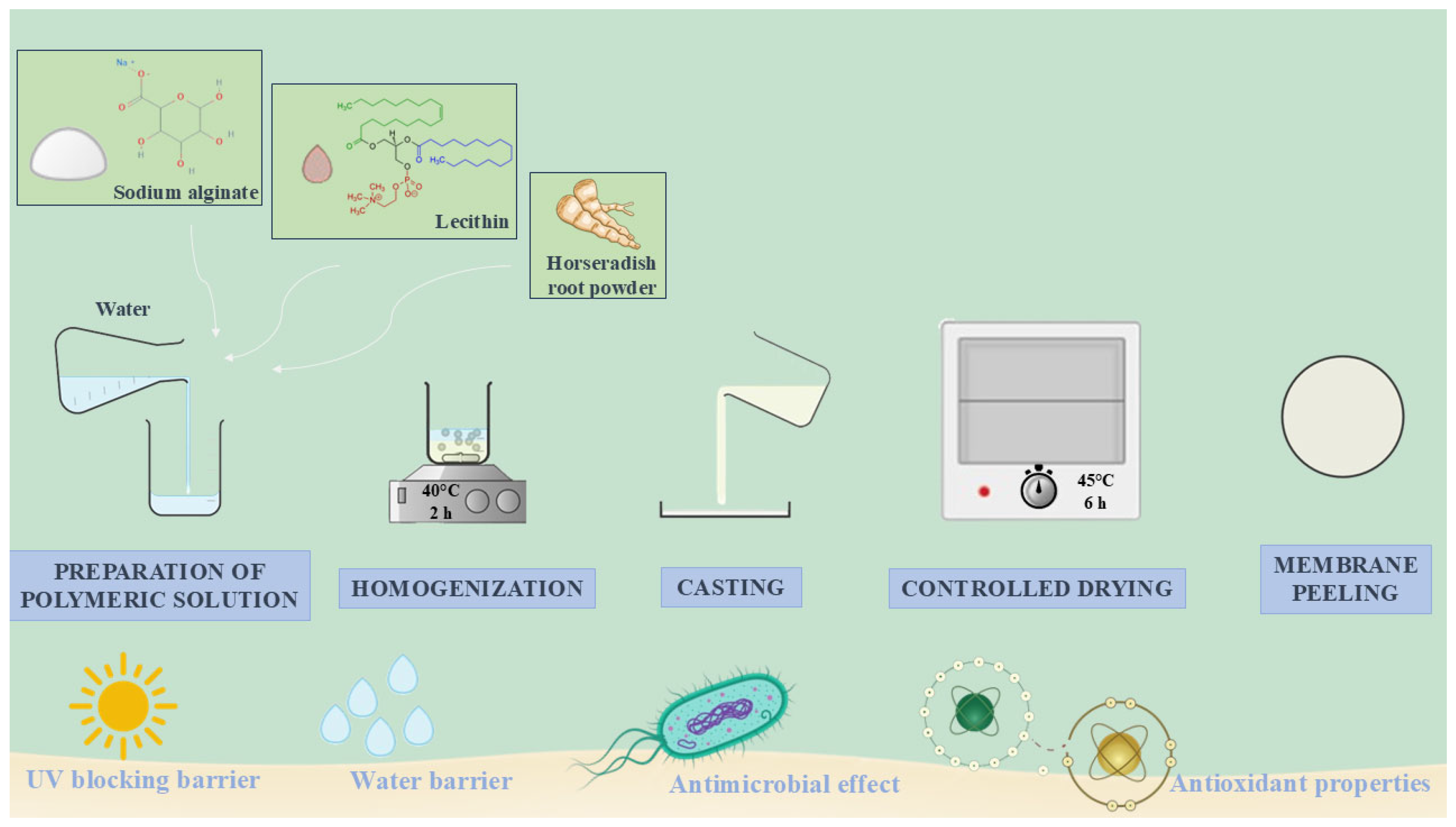
Figure 1 illustrates the preparation process of the edible membranes, highlighting the main steps from the formulation of the alginate solution and incorporation of horseradish powder to casting into silicone molds and subsequent drying of the membranes.
Sodium alginate was dissolved in distilled water at a concentration of 2% (w/v) at 40 °C under constant stirring at 300 rpm for 2 h until a clear and homogeneous solution without any lumps was obtained. Glycerol was then added in a proportion of 25% (g/g) relative to the total mass of solids and the mixture was stirred continuously to prevent the formation of air bubbles and maintain homogeneity. Soy lecithin was subsequently added at 3% (g/g) relative to the total mass of solids to the solution, and the mixture was stirred until fully incorporated. The active powder was incorporated at 0.5%, 1%, 1.5%, 2%, and 2.5% relative to the mass of the polymer solution (w/v) across formulations V1–V5. A control sample was also prepared without the addition of horseradish powder, with all other conditions kept constant. V0 represents the control sample (V0 contained no active agent), while V1–V5 correspond to formulations containing increasing amounts of plant material powder. For clarity and to better illustrate the relative proportions of each component in the membrane formulations, a detailed summary is presented in Table 1.
The prepared polymer solution containing sodium alginate, glycerol, lecithin, and the active powder was poured into silicone molds to form the edible membranes. The membranes were dried in a ZRD A5055 ventilation oven (Dongguan Zhicheng Instrument Co., Ltd., Shanghai, China) at 45 °C for approximately 6 h to produce membranes with a uniform structure. This process allowed for the controlled evaporation of the solvent and facilitated intermolecular interactions in the polymer matrix [4]. Prior to further characterization, the membranes were stored for at least 48 h at 25 °C with a relative humidity of 50 ± 1%.

2.4. Determination of Physical Properties

2.4.1. Determination of Moisture

The moisture content of the membranes was determined using a ZRD A5055 ventilated oven (Dongguan Zhicheng Instrument Co., Ltd., Shanghai, China) at 105 °C for 24 h [18]. The samples were weighed before drying (w1) and after (w2), and the water content was calculated according to the following formula:
Moisture (%) = w1w2/w1 × 100

2.4.2. Determination of Thickness

A Mitutoyo absolute digital height micrometer (Mitutoyo Corporation, Kawasaki, Japan) was used to measure the thickness. Measurements were taken at ten randomly selected positions across the membrane’s entire surface, with an accuracy of 0.001 mm [10,18,19,20].

2.4.3. Determination of Density

The density of the membranes was calculated by relating the mass of each 3 × 3 cm sample to its volume. The density was calculated according to the following equation:
Density (g/cm3) = W/V × 104
where:
  • W—the mass of the sample (g);
  • V—the volume of the film (cm3);
  • 104—converts units from μm to cm.

2.4.4. Water Solubility and Dissolution Time

To evaluate solubility, 2 × 2 cm2 film samples were first weighed to obtain the initial mass (W1). The samples were then placed in 60 mL of water at room temperature and left to stand for 24 h to allow the soluble components to dissolve. After this period, the samples were recovered and dried at 50 °C until a constant mass (W2) was obtained. The solubility was then calculated as follows:
Solubility (%) = (W1 − W2)/W1 × 100
The time required for the membranes to dissolve completely was evaluated using a dynamic method. Circular samples with a diameter of 6 mm were placed in 4 mL of water and the container was shaken vertically at a frequency of 100 times per minute until the film had completely dissolved [21]. The dissolution time was recorded from when the sample was placed in water until it had completely dissolved.

2.5. Determination of Chemical Properties

Water Activity

The water activity (aw) of the samples was determined using a laboratory instrument (AquaLab 4TE, Meter Group, Pullman, WA, USA). The samples were placed in the cell according to the manufacturer’s instructions and the values were recorded once equilibrium had been reached inside the device. Measurements were performed in triplicate for each sample and results are expressed as the mean ± standard deviation.

2.6. Determination of Mechanical Properties

The hardness and tensile strength of the samples were determined using a Perten TVT 6700 texture analyzer (Perten Instruments, Hägersten, Sweden) with a 5 mm cylindrical probe and 5 mm deformation on 40 × 40 mm samples.
Elongation at break (EB) was determined on film strips cut into 10 × 120 mm pieces. The membranes were placed in a Mark-10 texture analyzer (Mark-10 ESM301 Corporation, Copiague, NY, USA) and tested at a stretching speed of 10 mm/min with grips set 100 mm apart, in accordance with the ASTM D882-02 standard [22]. Force-deformation curves were recorded using MESURgauge Plus software (version ESM301). When calculating the mechanical parameters, we took into account the maximum force reached before the sample broke, as well as the distance travelled at the moment of breakage, i.e., the last real increase in force before it dropped sharply. Each sample was analyzed in at least three replicates to ensure the reproducibility of the results [10].

2.6.1. Determination of Hardness (H)

Hardness was calculated based on the ratio of the maximum force applied to the measured displacement:
H (N) = Fmax/h
where:
  • Fmax—applied force (N);
  • h—measured local displacement (mm).

2.6.2. Tensile Strength (TS)

The tensile strength (TS) was determined based on the recorded force-deformation curves according to Equation (5):
TS (%) = Fmax/A
where:
  • Fmax—maximum breaking force (N);
  • A—cross-sectional area (mm2).

2.6.3. Elongation at Break (EB)

Elongation at break (EB) is defined as the maximum deformation that a film can undergo before it fractures [19]. Based on the increase in length of the samples until breakage, EB was calculated using the following equation:
EB (%) = (Lf − L0)/L0 × 100
where:
  • Lf—final break length (mm);
  • L0—initial length of the sample (mm).

2.7. Determination of Barrier Properties

2.7.1. Water Vapor Transmission Rate (WVTR)

WVTR (g·h−1·m2) = w/(A × t)
where:
  • A—exposed film area (m2);
  • w/t—accumulated film weight over time (g·h−1).

2.7.2. Water Vapor Permeability (WVP)

The water vapor permeability (WVP) of the membranes was determined using the gravimetric method described by Petraru and Amariei [22] and in accordance with the ASTM E96-96M (2016) standard [23]. The method involves measuring the weight gain of a container filled with a dry agent (RH = 0%) when the film is exposed to a humidified environment (RH = 75%) at 8 h intervals over a period of 2 days [18].
WVP = (WVTR × L)/(Δp) (g/m2·h)
Δp (kPa) = S × (R1 − R2)
where:
  • L—average film thickness (mm);
  • ∆p—difference in partial pressure of water vapor between the two faces of the film (kPa);
  • S—saturated vapor pressure at 25 °C = 3.1687 kPa;
  • R1—relative humidity of the external environment = 0.75 (75%);
  • R2—relative humidity of the internal environment = 0 (0%).

2.7.3. Oil Permeability (OP)

The oil permeability of the membranes (OP) was evaluated according to the method described by Demircan et al. [24]. The film sample was placed on pre-conditioned and pre-weighed filter paper, and a defined amount (3 mL) of sunflower oil was added to it. The system was kept under controlled temperature and relative humidity conditions for 7 days.
At the end of the exposure period, the increase in filter paper mass, determined by the absorption of the absorbed oil, was used to calculate the oil permeability, taking into account the film thickness, exposed area, and test duration, according to the following equation [24]:
OP (g·mm·m−2·day−1) = (∆m × L)/(S × t)
where:
  • ∆m—changes in filter paper mass (g);
  • L—thickness of the tested film (mm);
  • S—area of the tested film (m2);
  • t—test time (days).

2.8. Determination of Optical Properties

2.8.1. Color

The color parameters of the samples were evaluated using a Konica Minolta CR-400 colorimeter (Konica Minolta, Tokyo, Japan). The colorimeter was calibrated according to the manufacturer’s instructions, and the color difference (ΔE) was subsequently calculated using Equation (11) by comparing the chromatic parameters of the samples with the control membrane [25,26]. The values were expressed in the CIE Lab system and determined in triplicate for each sample.
Δ E = ( Δ L * ) 2 + ( Δ a * ) 2 + ( Δ b * ) 2    
ΔL*, Δa* and Δb*—differences in color parameters between the sample and the control membrane.
The following were also determined: the whiteness index (WI), the yellowness index (YI) and chroma (C*), as follows [24,26]:
WI   =   100     ( 100 L * ) + a * 2 + b * 2
YI = (142.86 × b*)/L*
C * = ( a * 2 ) + b * 2

2.8.2. Transparency and Opacity of Membranes

The UV and visible light barrier properties were evaluated by measuring light transmission in the spectral range of 200–800 nm using a Shimadzu 300 UV-VIS-NIR spectrophotometer (Tokyo, Japan). The transparency of the membranes and their ability to act as a barrier against UV radiation were analyzed based on the transmission values obtained in this interval. The transparency of the membranes was evaluated using strips measuring 1 × 3 cm fixed to the cuvette of the spectrophotometer. Transmittance at 600 nm (T600) was measured, and the thickness of the film (L, mm) was taken into account, according to the following formula [20,26]:
Transparency = log T600/L
A higher transparency index indicates higher transparency of the film [24].
The opacity of the membranes was determined based on the absorption measured at 600 nm (Abs600), expressed as a ratio of the sample thickness (L, in millimeters), according to the following formula [20,27]:
Opacity = Abs600/L
An increase in film opacity indicates reduced transparency. Each sample was analyzed three times.

2.8.3. Microscopy

The sodium alginate, glycerol, lecithin, and freeze-dried horseradish powder membranes (along with the control membrane) were examined using a Zeiss LSM 900 binocular biological microscope (Zeiss, Oberkochen, Germany) equipped with an AxioCam 208 color camera with 40× magnification. The captured images were processed using ZEN 3.4 (Blue Edition) software.
The morphological characterisation and surface roughness of the membranes were evaluated using a MarSurf CWM 100 confocal microscope (Mahr GmbH, Göttingen, Germany) with an integrated white light interferometer. MountainsMap software (version 7, Digital Surf, Lavoisier, Besançon, France) was used to process, visualise and analyse the microscopic images. A minimum of three measurements were performed on each sample in different areas of the surface. The analyzed roughness parameters included Ra (mean arithmetic roughness), Rq (mean square roughness) and Rt (total profile height).

2.9. Determination of Antioxidant Properties

DPPH (DPPH Radical Scavenging Activity)

The antioxidant activity of the membranes was evaluated using the DPPH radical capture method. In total, 0.025 g of each film sample was added to 1.95 mL of a 0.1 mM methanolic DPPH solution [28]. The mixture was vortexed for 30 s, after which it was incubated in the dark at room temperature for 30 min. The absorbance was then measured at 517 nm using a 300 UV-VIS-NIR spectrophotometer (Shimadzu, Tokyo, Japan). The determinations were performed in triplicate, using a control sample obtained by the same procedure. Antioxidant activity was determined using the following equation:
Inhibition percent (%) = (Acontrol − Asample)/Acontrol × 100
where:
  • Acontrol—absorbency corresponding to the sample without film;
  • Asample—absorbency corresponding to the sample with film.

2.10. Determination of Antibacterial and Antifungal Properties

Microbiological determinations were performed using the Compact Dry plate method, which uses lyophilized culture media. This method involves inoculating diluted suspensions of the samples and incubating them in controlled conditions specific to each tested microorganism.
For microbiological analysis, 1 g of each membrane sample (V0–V5) was aseptically transferred into 9 mL of sterile saline solution (0.9% NaCl) to obtain a 1:10 dilution. The mixture was homogenized using a sterile glass rod until complete dispersion of the sample was achieved. Subsequently, 1 mL of the resulting suspension was inoculated onto Compact Dry plates containing lyophilized culture medium. The inoculated plates were incubated in a microbiological incubator (Memmert GmbH & Co. KG, Schwabach, Germany) under time and temperature conditions specific to each microorganism, according to standard microbiological protocols. All procedures were carried out under aseptic conditions. Microbiological stability was evaluated against bacteria, yeasts, and molds, following standard incubation procedures. Two strains of Gram-negative bacteria were tested: Escherichia coli (E. coli ATCC 25922) and Enterobacteriaceae (ISO 21528-2:2017 [29]), as well as four Gram-positive strains: Listeria monocytogenes (L. monocytogenes NCTC 7973), Staphylococcus aureus (S. aureus ATCC 11632), Enterococcus (EN 15788:2019/2021 [30]) and Bacillus cereus (MicroVal 2019-LR87). The presence of yeasts and moulds (AOAC 100401) was also evaluated. All determinations were carried out in triplicate.

2.11. FT-IR Analysis

The sodium alginate, glycerin, lecithin and freeze-dried horseradish powder membranes were analyzed using a Thermo Scientific Nicolet iS20 FT-IR spectroscope (Thermo Scientific, Karlsruhe, Germany). Spectra were recorded within the 400–4000 cm−1 range, with a resolution of 4 cm−1 and 32 scans. The data was processed using OMNIC software (version 9, Thermo Scientific, Waltham, MA, USA).

2.12. Statistical Analysis

The graphical data and statistical analysis were performed using the trial version of XLSTAT (version 2016.02, Addinsoft, Paris, France). Values are expressed as the mean ± standard deviation. Differences between membranes were evaluated using one-way ANOVA, followed by a Tukey post hoc test for multiple comparisons. Results were considered statistically significant for p values < 0.05. In the tables, different letters (a–f) indicate significant differences between membranes according to the Tukey test.

3. Results

3.1. Physical and Chemical Properties of the Membranes

The results of the physical and chemical analyses of the sodium alginate-based membranes are shown in Table 2.

3.1.1. Moisture of the Membranes

Moisture affects the shelf life of packaged products. Analyzing moisture in membranes allows parameters to be adjusted to prevent excessive moisture or drying of products.
Moisture also influences how well membranes maintain their shape and mechanical strength. Excess moisture can lead to deformation, while a membrane that is too dry can become brittle or fragile. At the same time, water can alter the size and connectivity of the membrane’s pores, thereby affecting the transport of gases, vapors, or nutrients. Therefore, moisture is an important factor to consider, as it affects both the durability and functionality of membranes.
The water content of membranes reflects their degree of hydrophilicity. Alginate has hydrophilic groups, which is why the control membrane without an active agent has the highest moisture content [22]. Changes in moisture are also correlated with changes in hydrophilicity, influencing the water permeability properties of the membranes [11]. Controlling moisture is essential for preventing mould growth and maintaining the quality and safety of food products [6]. The moisture content of membranes based on sodium alginate, glycerol, lecithin and freeze-dried horseradish root powder ranged from 6.48% to 7.06%. There was a significant difference in moisture content between membrane types (p = 0.004). The control sample, which did not contain added horseradish powder, had the highest moisture content (8.14%), which indicates a higher water retention capacity in the absence of the active agent. For active membranes, the lowest moisture content was recorded for sample V5 (6.48%), and the highest content was recorded for sample V1 (7.06%). The intermediate samples corresponding to horseradish powder concentrations of 1.5%, 2%, and 2.5% exhibited moisture values consistent with the overall trend, namely, V2 (6.66%) > V3 (6.60%) > V4 (6.53%). There was a downward trend in moisture content with increasing amounts of active agent, suggesting that the incorporation of freeze-dried horseradish powder leads to a reduction in the hydrophilicity of the polymer matrix. This trend can be explained by the increase in the solid matter fraction in the film structure, which limits the availability of free hydroxyl groups capable of binding water molecules.
Additionally, the bioactive compounds and plant fibres in horseradish powder may interact with the alginate chains, resulting in a denser structure and consequently reduced water absorption capacity. At the same time, membrane thickness influences moisture content [22].
The results indicate that adding freeze-dried horseradish powder significantly affects the moisture content of the membranes, which is important for edible packaging applications where controlling water transfer is essential.

3.1.2. Thickness of the Membranes

The thickness of the obtained membranes ranged from 0.055 to 0.134 mm, which falls within the specified limits for edible membranes and coatings, the thickness of which must not exceed 0.300 mm [4]. Statistically significant differences were found in the thickness of all membranes (p < 0.0001). As expected, the thickness of the membranes increased proportionally to the amount of plant material added, with measured values of V0 = 0.055 mm, V1 = 0.086 mm, V2 = 0.097 mm, V3 = 0.118 mm, V4 = 0.128 mm, and V5 = 0.134 mm, showing the trend V0 < V1 < V2 < V3 < V4 < V5.

3.1.3. Density of Membranes

Density is an important parameter when evaluating the properties of edible membranes. Low values are associated with a high degree of flexibility, while high values indicate a more compact structure and superior barrier properties against water vapor [27].
The density values of the membranes (V0–V5) ranged from 0.93 to 1.57 g/cm3, showing a statistically significant difference (p < 0.0001) and direct proportionality to the concentration of the active agent.
The density of the membranes increased progressively with the addition of the active agent. The control (V0) had the lowest density, 0.93 g/cm3, while the samples with horseradish powder showed a gradual increase: V1 (1.16 g/cm3) < V2 (1.19 g/cm3) < V3 (1.32 g/cm3) < V4 (1.41 g/cm3) < V5 (1.57 g/cm3). The introduction of the active agent promotes structural consolidation of the membrane matrix, possibly through the accumulation of additional material or reorganization of its internal structure. This trend suggests a direct and proportional effect of the active agent on membrane density.

3.1.4. Solubility and Dissolution Time of Membranes

The solubility of membranes is an important parameter for evaluating the strength and integrity of packaging, as well as biodegradability [31]. Due to their complete dissolution in aqueous media, alginate-lecithin membranes can be used as edible materials; solubility is a key criterion for food and pharmaceutical applications. For applications involving fresh or minimally processed products, high membrane solubility is required.
Significant statistical differences were identified between samples in terms of solubility and the degree to which the membranes dissolved (p < 0.0001). After 24 h of immersion in ultrapure water, the solubility of the membranes showed a downward trend with increasing freeze-dried horseradish powder concentration. The maximum value was recorded for the control sample (66.38%), a result associated with the hydrophilic nature of sodium alginate and its high solubility in aqueous media. The incomplete dissolution of the control membrane can be attributed to the absence of additional conditions to intensify the solubilization process (e.g., intense stirring or mechanical treatments), as well as the presence of structural interactions in the polymer matrix, specific to glycerol and lecithin. For the other samples, solubility ranged from 21.73% to 39.59%, decreasing progressively with the addition of increasing amounts of horseradish powder.
The dissolution time was directly proportional to the composition of the membranes. Increasing the amount of active agent incorporated led to a progressive increase in dissolution time, indicating the formation of a more stable structural network between the biopolymer and the plasticizer. This consolidated network limits the rapid penetration of the dissolving medium, leading to a slower release of the matrix.
The control membrane, without an active agent, showed complete dissolution in a very short time, only 0.18 min. The introduction of a low concentration of active agent (0.5%) led to a slight increase in dissolution time, up to 0.28 min, suggesting the existence of a structure with limited interactions between the biopolymer chains.
By increasing the amount of active agent to moderate values of 1% and 1.5%, a significant intensification of intermolecular interactions is observed, which leads to the formation of a more compact structure and, implicitly, a delayed hydration and solubilization process. Thus, dissolution times increased to 1.58 min for the 1% concentration and to 3.83 min for the 1.5% concentration.

3.1.5. Water Activity of Membranes

High water activity in hydrophilic membranes promotes gas transport by increasing their diffusivity and solubility, resulting in higher gas permeability [4].
The water activity corresponding to the analyzed membranes recorded values between 0.291 and 0.353, with significant differences (p < 0.0001). The water activity increased with the amount of horseradish powder added: the values for the initial samples with concentrations of 0.5% and 1% powder were 0.291 and 0.315; for the intermediate sample with a powder content of 1.5%, it was 0.341; and for the samples with the highest concentration, 2% and 2.5% powder, the values were 0.350 and 0.353. The control membrane had a slightly higher water activity than V1 of 0.305. Compared to V0, membranes containing active agents, especially V2–V5, have higher water activity values, suggesting an increased capacity for hydration and water retention. This behavior may be due to the additional presence of substances that retain more water, such as protein, lipid, and carbohydrate compounds [22], which are part of the composition of horseradish powder.
All membranes were below the safety threshold of 0.400, associated with microbiological stability. These values indicate a low free water content, favorable for applications in food packaging.

3.2. Mechanical and Barrier Properties of Membranes

The mechanical properties (TS and EB), as well as the barrier properties against water vapor and oil (WVTR, WVP, and OP), are presented in Table 2. For all parameters analyzed, statistically significant differences were recorded between the membrane samples studied (p < 0.0001).

3.2.1. Hardness (H) of Membranes

Hardness is an essential parameter in evaluating the mechanical performance of food membranes. Hardness values varied within a relatively narrow range, between 1.36 and 3.21 N, indicating that the mechanical properties of the base material were maintained even in the presence of the active agent. A progressive increase in hardness was observed with an increase in the percentage of freeze-dried horseradish root powder and, implicitly, with a change in the composition of the membranes, suggesting that this parameter is influenced by several concomitant factors, such as internal structure, powder particle distribution, and matrix porosity.
The maximum hardness values were recorded for membranes with 2.5% and 2% freeze-dried horseradish root powder, respectively V5 (2.70 N) and V4 (2.31 N), suggesting that at higher concentrations of active agent, the powder particles contribute to the stiffening of the membrane structure. Compared to sample V1 (1.36 N), corresponding to the lowest powder addition (0.5%), the hardness of membrane V5 (2.70 N), corresponding to the highest powder addition (2.5%), is almost double, highlighting the significant influence of the active agent content on the mechanical behavior of the membranes.
The hardness corresponding to the control membrane without an active agent has the highest value of hardness, V0 (3.21 N), which can be explained by the tighter bond between the molecules and polymer chains, giving greater resistance to deformation. The active agent demonstrates increased flexibility, contributing to a lower hardness value.

3.2.2. Tensile Strength (TS) of Membranes

The mechanical properties of food membranes are important indicators of their ability to withstand various factors, such as transport, storage and handling [32]. One of the most significant characteristics of edible membranes is their tear resistance, which is influenced by their composition [10]. This parameter helps in selecting the scope of application of the membranes [33]. The values obtained for the developed membranes corresponding to tear resistance are between 9.06 and 60.14 MPa, with the maximum value recorded for the control membrane V0. For membranes to which an active agent was added, the minimum of 9.06 MPa corresponded to sample V1, with the addition of 0.5% horseradish powder, and the maximum of 17.54 MPa corresponded to sample V5, with 2.5% horseradish powder.
One of the most significant characteristics of edible membranes is tensile strength, which is influenced by their composition [10]. This parameter helps determine the scope of application of the membranes [33]. The values obtained for the developed membranes in terms of tensile strength range from 9.06 to 60.14 MPa, with the highest value recorded for the V0 control membrane. For membranes to which an active agent was added, the minimum value of 9.06 MPa corresponded to sample V1 with the addition of 0.5% horseradish powder and the maximum value of 17.54 MPa corresponded to sample V5 with the addition of 2.5% horseradish powder.

3.2.3. Elongation at Break (EB) of Membranes

Elongation at break increased with the addition of increasing amounts of freeze-dried horseradish powder to the sodium alginate and lecithin polymer matrix, suggesting an increase in the material’s flexibility and deformation capacity before breakage. Lecithin also contributed significantly to this behaviour by acting as a plasticizer and increasing the flexibility of the membranes [12]. The elongation at break values for the horseradish powder-enriched membrane variants ranged from 13.1% to 65.6%, while the control sample without an active agent showed a value of 12.6%, indicating reduced ductility and more brittle behaviour. Increasing the lyophilized powder content from 1.5% (V3—26.6%) to 2% (V4—57.6%) significantly increased elongation at break, clearly demonstrating the effect of the percentage of active agent added on the mechanical behaviour of the membranes.

3.2.4. Water Vapor Transmission Rate (WVTR) and Water Vapor Permeability (WVP) of Membranes

WVP is critical for food packaging as it determines the transfer of moisture between the food product and the environment [6,13,26].
In order to create an effective barrier against water transfer, the aim is to achieve the lowest possible WVP values [6,26,34,35]. The presence of plasticizers leads to a decrease in intermolecular hydrogen bonds, resulting in an increase in water vapor permeability [19,34]. Reducing water vapor transfer through the film helps to preserve the stability and freshness of the packaged product [34].
Increased WVP values can be attributed to the membranes’ hydrophilic nature, which promotes water absorption and swelling of the polymer structure under conditions of high water activity [4]. The higher the WVP values, the lower the intermolecular interactions [19].
The results show a progressive decrease in water vapor barrier properties for sodium alginate and lecithin-based membranes as the content of the active agent integrated into the polymer matrix increases, for both WVTR and WVP values. The V1 membrane containing 0.5% freeze-dried horseradish root powder exhibits the highest permeability, with recorded WVTR and WVP values of 2.89 g·m−2·h−1 and 0.105 g·mm·m−2·h−1·kPa−1, respectively.

3.2.5. Oil Permeability (OP) of Membranes

The main purpose of assessing oil permeability of edible membranes is to assess their potential for packaging products with a high fat content. Sunflower oil was selected as the test medium for oil permeability measurements because it is widely accessible, food-grade, non-toxic, and non-volatile [36].
The control sample exhibits the lowest oil permeability (V0 = 0.041 g·mm·m−2·day−1), and this value increases progressively as the concentration of the active agent incorporated into the polymer matrix rises, with the exception of V3 = 0.057 g·mm·m−2·day−1 (corresponding to 1.5% horseradish powder), which deviates slightly from the overall trend.
Thus, the first membrane, containing 0.5% freeze-dried horseradish root powder, exhibited an oil permeability of 0.058 g·mm·m−2·day−1, while the membranes with 1%, 2%, and 2.5% powder showed values of 0.058, 0.065, and 0.071 g·mm·m−2·day−1, respectively.

3.3. Optical Properties of Membranes

3.3.1. Color of Membranes

The chromatic appearance of edible packaging directly influences consumer perception, with color being associated with acceptability [32] and the information conveyed about the product [19]. The differences between membranes for all color parameters (L*, a*, b*, ΔE) were evaluated using one-way ANOVA, followed by the Tukey HSD post-hoc test. The results indicated statistically significant differences for all parameters analyzed (p < 0.0001).
The optical parameters were determined for all membranes and are presented in Table 3. The brightness (L*) of the samples showed values between 76.41 and 91.37, indicating a gradual darkening and opacity as a natural effect of the addition of horseradish powder and lecithin to the membrane matrix. The color parameters a* recorded negative values, except for the membranes with the highest powder content, corresponding to 2.5%, which had a value of 1.40, suggesting a very slight red tint to the membrane. The b* color parameters were positive for all formulations, indicating the presence of yellow color.
The color difference between the six types of membrane was determined in two ways: first, in relation to the white plate standard in the colorimeter kit (ΔE1*), and second, in relation to the control membrane (V0), which contained no active agent (ΔE2*). In both cases, a proportional increase in the color difference value was identified, corresponding to the amount of horseradish powder added.
For the white and yellow indices, however, an inverse proportional relationship was evident: as the yellow index (YI) increased, the white index (WI) decreased progressively. The results obtained for chroma (C*) support these chromatic observations, with increased values of this parameter indicating intensified color saturation as the concentration of the active agent increases.
Although lecithin was incorporated into the matrix at a low concentration of 3% (g/g) relative to dry matter, its intense color contributes to the color change of the membranes [11].

3.3.2. Transparency and Opacity of Membranes

In the case of edible membranes based on sodium alginate, lecithin and freeze-dried horseradish root powder, there was an inverse proportional relationship between transparency and opacity. Thus, increasing the amount of the active ingredient resulted in a progressive decrease in transparency (from 14.03 for membrane V1 to 0.87 for membrane V5) and an increase in opacity (from −1.09 for membrane V1 to 2.09 for membrane V5).
For the control membranes, the highest transparency value recorded was V0 = 33.70, while the lowest opacity value recorded was V0 = −16.74. This is due to the transparent nature of water and sodium alginate, which did not induce significant optical changes, unlike horseradish powder and lecithin [11]. This is due to the dispersion of lecithin droplets in the polymer matrix causing light scattering [12].

3.3.3. UV-Vis Spectra of Membranes

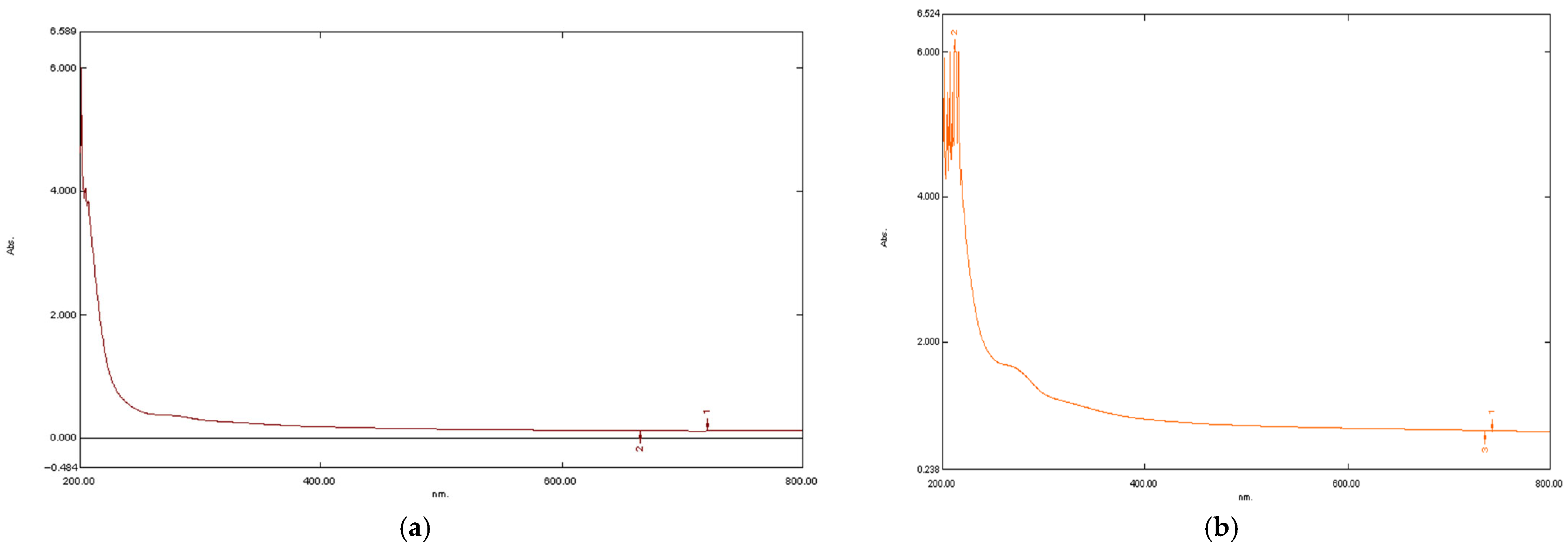
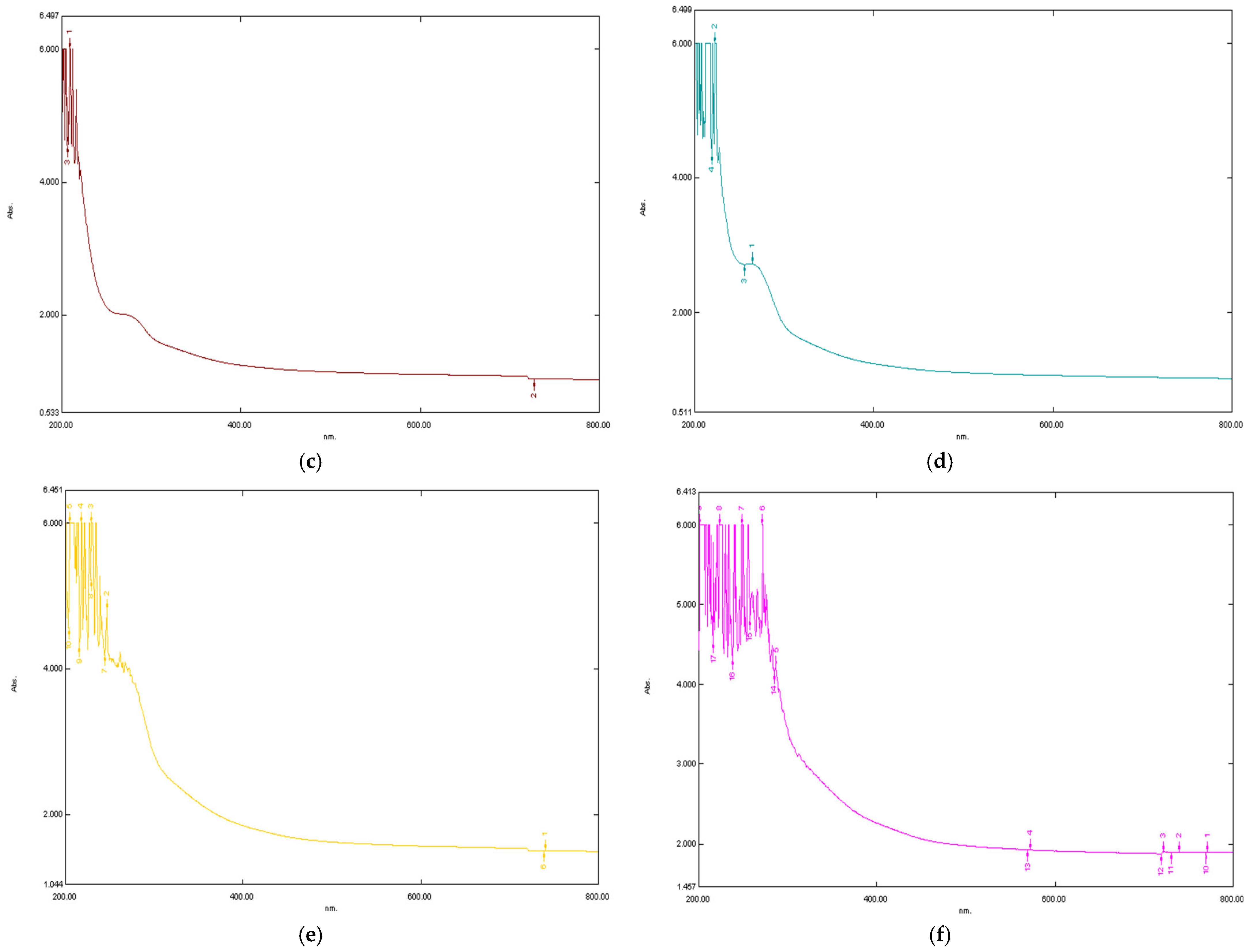
In the packaging industry, the ability to block UV radiation is a desirable feature as it prevents the deterioration of packaged food products [11,20,32]. Prolonged exposure to UV radiation can damage the packaging itself [22] and cause the products inside to spoil through photooxidation reactions [32]. This also leads to the degradation of nutrients such as proteins and lipids [26]. UV radiation corresponds to the absorption range of 200–280 nm [22]. The absorption spectra in the light range (200–800 nm) were evaluated and interpreted for sodium alginate- and lecithin-based membranes.
UV light was effectively absorbed in all analyzed samples, indicating that the membranes can block UV radiation and demonstrating their potential for use as packaging materials with effective UV protection. As shown in Figure 2, an improvement in UV radiation absorption is observed as the amount of freeze-dried horseradish powder in the polymer matrix increases. In the 200–400 nm region, the presence of several peaks indicates the existence of chemical groups capable of absorbing UV light. The control membrane exhibits very low UV radiation absorption, indicating low protection and, consequently, high vulnerability to damage to both the membrane and the packaged products.

3.3.4. Macroscopic and Microscopic Appearance of Membranes

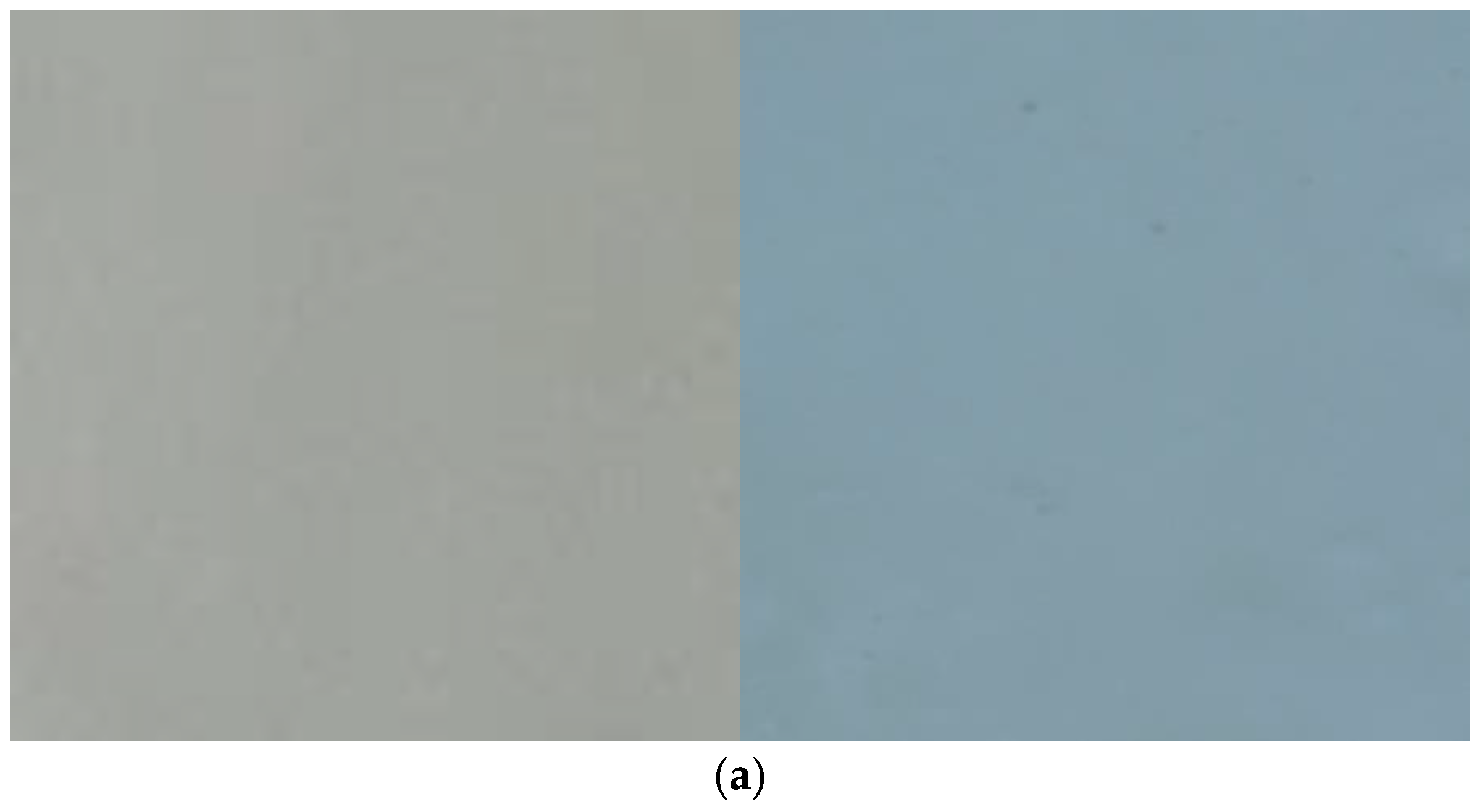
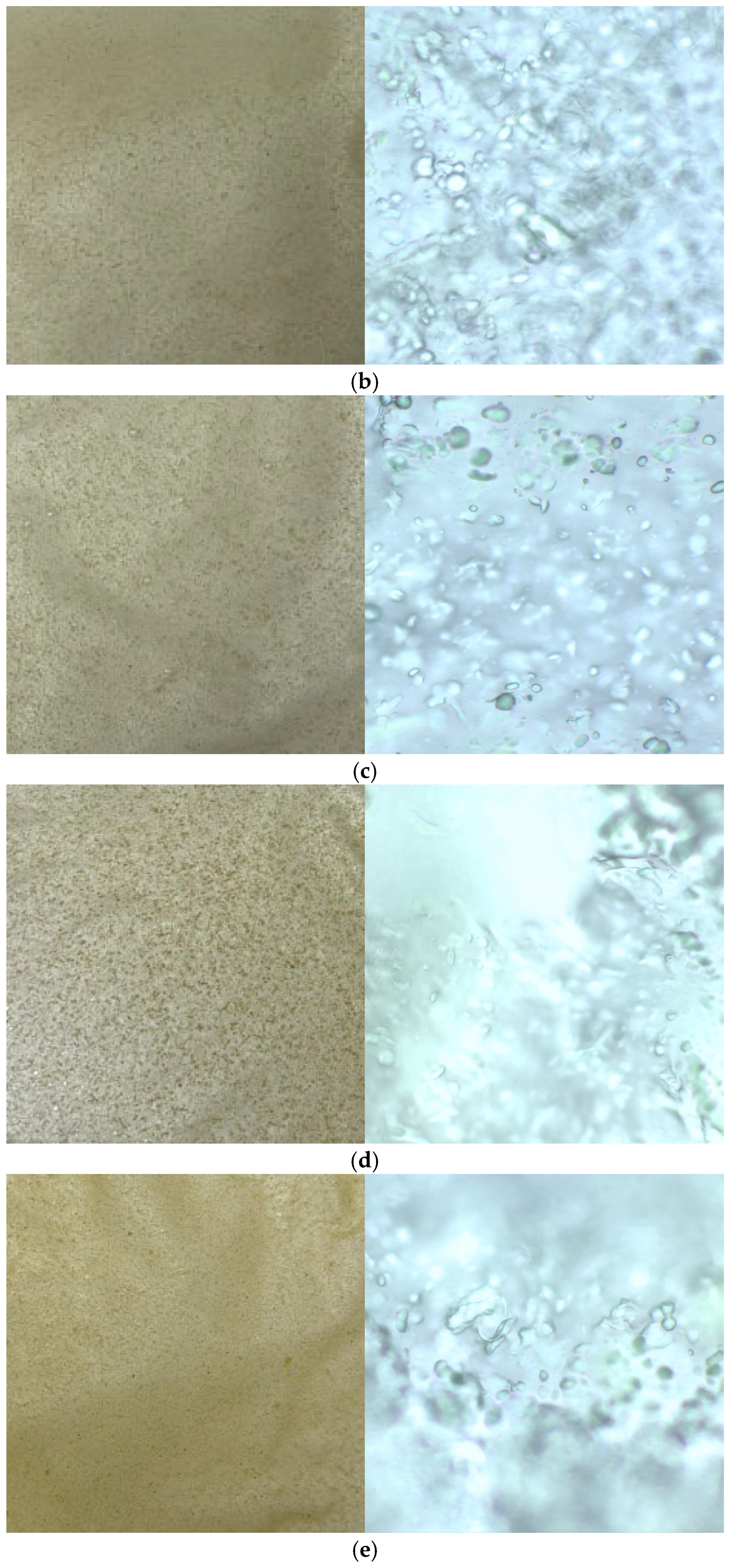
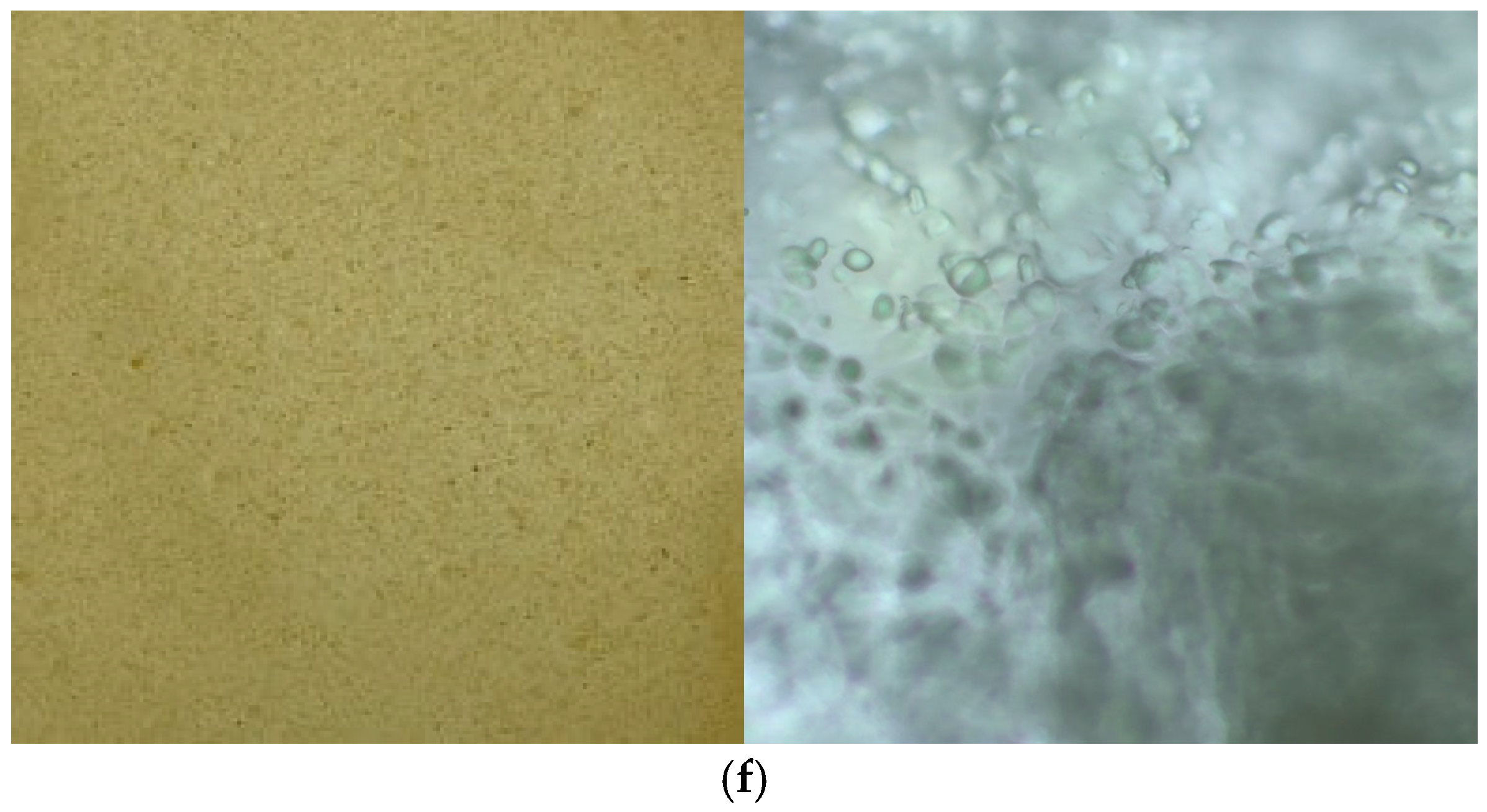
The first interaction between consumers and food products occurs through the packaging, which creates an initial impression prior to the experience with the packaged product. From a macroscopic perspective, the control membrane exhibited a uniform and homogeneous surface. As the horseradish powder content increases from 0.5% to 2.5%, the color intensifies and the surface porosity increases, as shown in Figure 3.
All powder-enriched membranes displayed visible surface asperities, while no evidence of material agglomeration was observed. Additionally, a subtle horseradish aroma was detected in all samples, becoming progressively more pronounced with increasing powder concentration. It is potentially suitable for food packaging, particularly for meat products, where a mild pungent aroma from horseradish could be desirable.
Starting with the V3 membrane and a powder concentration of 1.5%, the distribution of solid particles becomes more evident, suggesting less uniform dispersion in the polymer matrix.
The images corresponding to the membranes analyzed at a magnification of 40× are shown in Figure 1. Microscopic analysis revealed a compact structure in the case of the control membrane. The gradual introduction of horseradish powder resulted in particular structures appearing in the sodium alginate, glycerol and lecithin matrix, associated with the presence of plant particles. The simultaneous increase in the concentration of glycerol and lecithin, relative to dry matter, may also contribute to the modification of the internal organization of the membrane, influencing the interactions between the alginate chains and leading to the appearance of less compact microstructures.
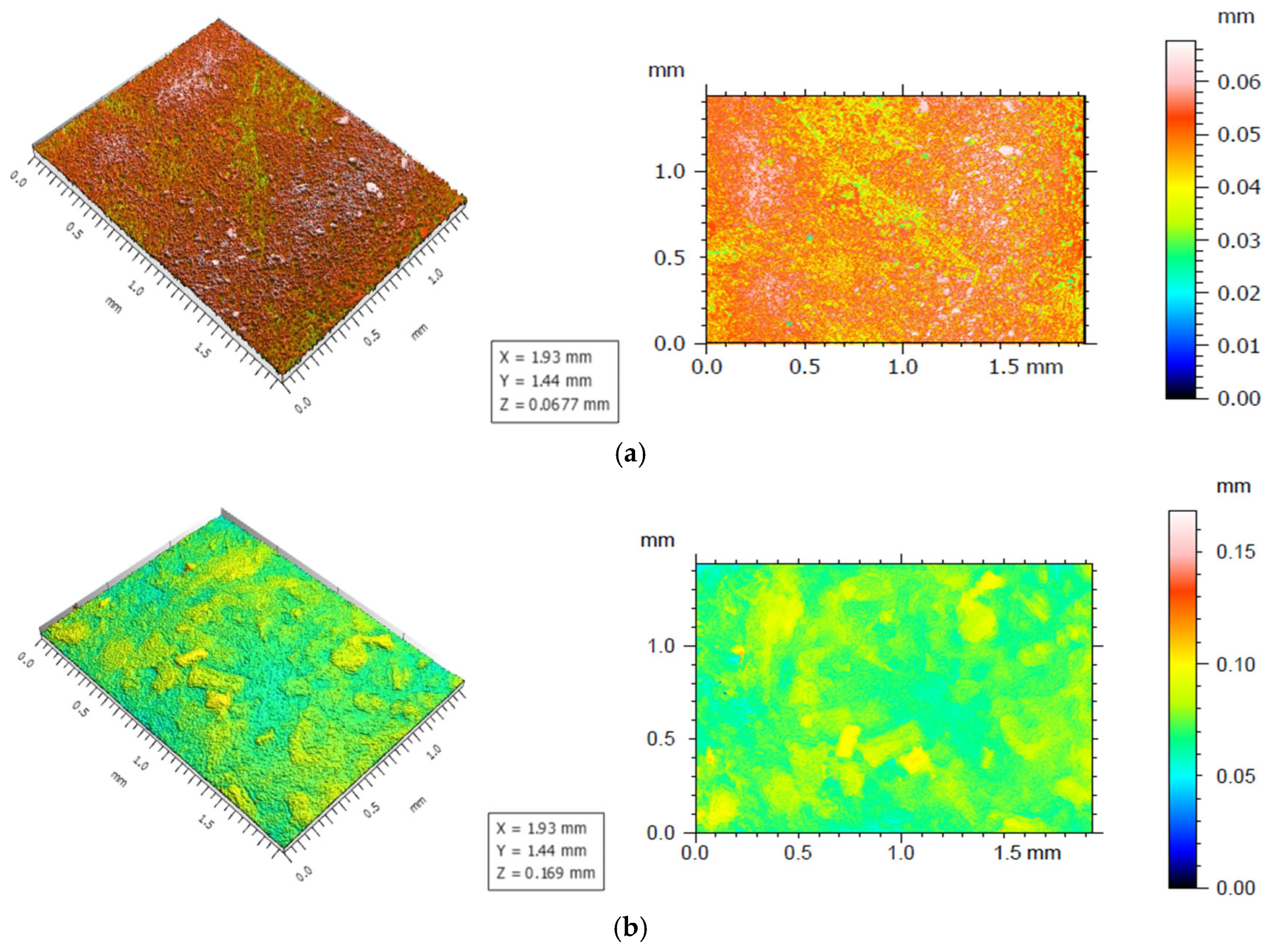
The surface topography of the membranes was evaluated using 3D confocal microscopy. The roughness parameters (Table 4) revealed significant variations depending on the amount of horseradish powder present in the sodium alginate, glycerol and soy lecithin matrix. The side of the membrane in contact with the casting surface was smooth and free from roughness, while the side in contact with air and water showed increased roughness as the percentage of horseradish increased.
The control membrane exhibits the lowest roughness values (Ra = 5.25 μm, Rq = 6.49 μm and Rz = 31.85 μm), indicating a relatively smooth and homogeneous surface, exhibiting minimal agglomerations (Figure 4). As the concentration of vegetable powder increased, the Ra values increased progressively, suggesting the formation of rougher structures on the membrane surfaces. An exception to this trend is the V5 membrane, which has an Ra value of 7.06 μm, demonstrating good homogeneity of the polymer matrix, even though the addition of horseradish root powder is at the highest proportion, 2.5%.
In terms of Rq, which measures height variations relative to the average plane of the profile, variation in this parameter depending on the powder concentration is also evident. The Rq values increase from 6.49 μm for the V0 membrane to 12.09 μm for the V4 membrane. The V5 membrane also deviates from this trend, reaching a lower value of 8.73 μm, which suggests a more uniform distribution of matter with smaller height variations.
The Rz parameter provides information on the difference between the highest peaks and deepest depressions on the membrane surface. Again, a progressive increase in values is observed as the percentage of incorporated plant material changes. This increase ranges from 31.85 μm for sample V0 to 71.81 μm for membrane V3, which has the maximum value. From the V4 membrane onwards, there is a gradual decrease in value: 70.66 μm for V4, followed by a more pronounced decrease for V5, where Rz reaches 41.68 μm.
The 3D topographic images confirmed the presence of protrusions and depressions on the surface of the membranes, attributed to interactions between the alginate matrix and the solid horseradish particles, as shown in Figure 4. All these structural changes result in changes in mechanical, barrier, physicochemical, and even optical properties.

3.4. Antioxidant Activity of Membranes

According to the FDA, antioxidants are considered to be preservatives that limit food spoilage by inhibiting the oxidative processes responsible for rancidity and discoloration [4].
The antioxidant activity of the membranes was initially evaluated by dissolving them in water using methods reported in the literature [10,20,24,26]. Although dissolution of the membranes was successfully achieved, contact with the DPPH reagent caused flocculation, necessitating additional centrifugation and filtration. The results obtained did not reveal any significant antioxidant activity, most likely due to the retention of compounds with antioxidant potential at the level of the microfilters used. Therefore, antioxidant activity was subsequently determined by direct contact of the film with methanolic DPPH solution, as reported in other studies [37].
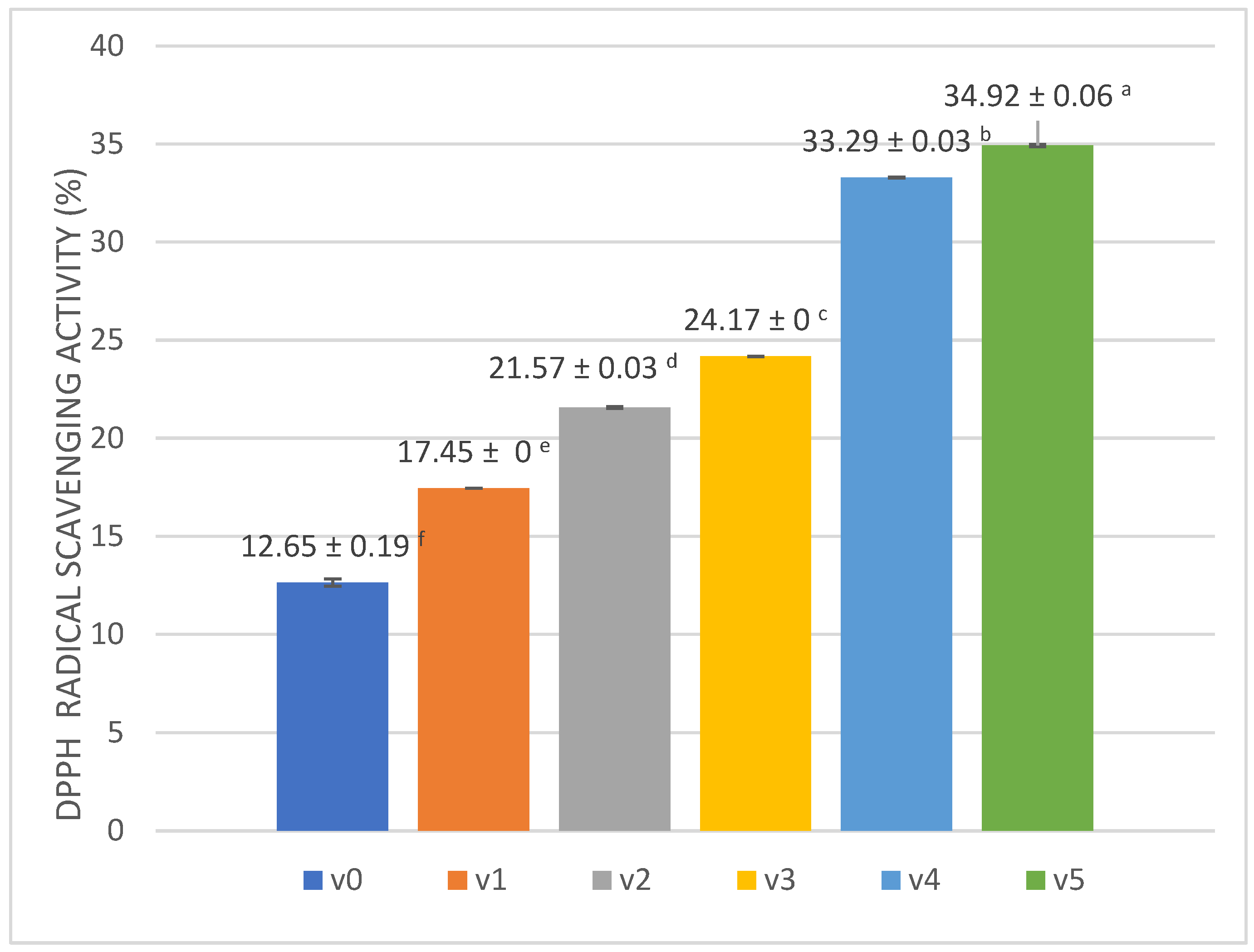
The membranes developed in this study exhibited considerable antioxidant activity, ranging from 11.63 to 34.92%. A positive correlation was observed between the concentration of lyophilized horseradish root powder and the DPPH radical scavenging activity of sodium alginate–glycerol–lecithin-based membranes (Figure 5).
The control membrane exhibits an antioxidant capacity of 12.65%, which can be attributed to the presence of sodium alginate [20,37] and lecithin within the polymer matrix. In a previous study, lyophilized powder obtained from horseradish root, which was used as the same raw material, showed an antioxidant capacity of 96.93%. The antioxidant potential of the membranes increased considerably with the addition of horseradish root powder. For the V1 membrane, which had the lowest addition of horseradish powder at 0.5%, the percentage inhibition of DPPH free radicals was 17.45%. For the V5 membrane, which had the maximum addition of lyophilized powder at 2.5%, this value doubled to 34.92%. For the intermediate membrane variants V2 and V3, with additions of 1% and 1.5% horseradish powder respectively, the antioxidant activity was 21.57% and 24.17%. Membrane V4, with an addition of 2%, also exhibited a similar value of 33.29%. Antioxidant activity of the membranes increased proportionally with the concentration of horseradish powder.

3.5. Assessment of Microbial Growth on Membranes

Food packaging materials must have a pronounced antimicrobial effect to preserve and maintain the freshness of food [38]. Packaging with antimicrobial functionality is important for increasing the microbiological stability and shelf life of products [6].
Table 5 shows the results of the microbiological analysis of the membranes, which were performed after preparation and incubation in accordance with the relevant standards. All of the analyzed membranes demonstrated antimicrobial activity, as evidenced by the inhibition of selected species of microorganisms.
In addition to the antimicrobial capacity conferred by the lyophilized horseradish root powder, due to glucosinolates and phenolic substances [16], sodium alginate contributes to an antimicrobial effect [22], as does lecithin [11]. The antimicrobial activity of horseradish is associated with the presence of phytochemical compounds, especially isothiocyanates, but also phenolic compounds and flavonoids, such as quercetin [16]. Total count analysis showed a gradual increase in the number of cfu with increasing powder addition, from 2 cfu for the control membrane (V0) to 3 cfu for V1–V3 and 4 cfu for V4 and V5, the values being well below the maximum permissible limit of 50–100 cfu [22].

3.6. FT-IR Analysis of Membranes

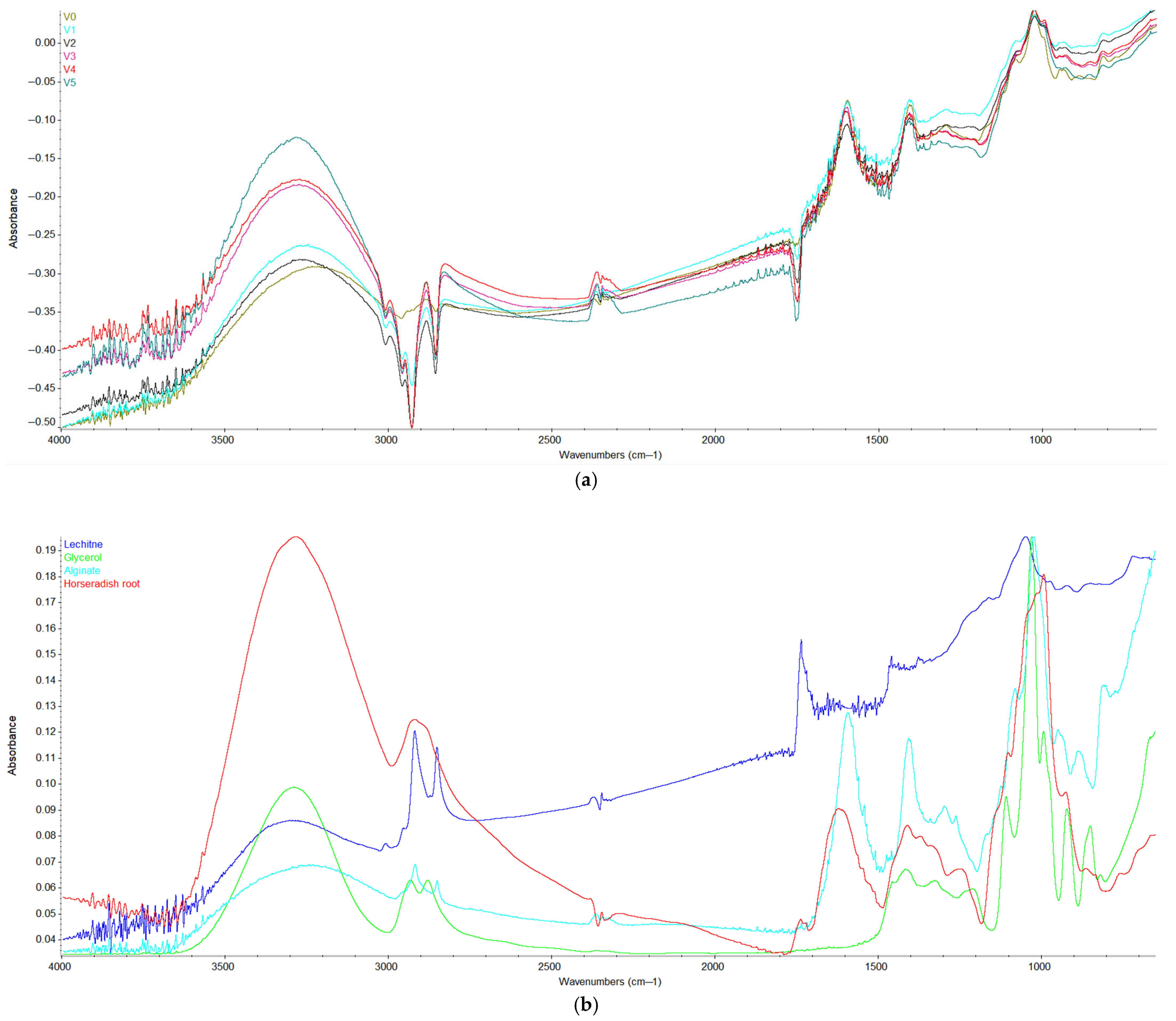
The FTIR-ATR (Fourier Transform Infrared Attenuated Total Reflectance) spectra of the membranes (Figure 6) were used to identify chemical bonds and functional groups. Different peaks can be observed in three distinct regions: the single-bond region (4000–2500 cm−1), the double-bond region (2000–1500 cm−1), and the fingerprint region (1500–600 cm−1).
A broad and intense peak in the 3200–3500 cm−1 range was observed, corresponding to the stretching vibrations of hydroxyl (OH) groups. This band is attributed to polar interactions between the film components, as well as to the presence of unbound water within the film matrix [19]. Compared to the control film, the peak shifted from 3210.62 cm−1 in the base film to 3281.83 cm−1 as the horseradish powder content increased. This shift suggests a partial reorganization of intermolecular hydrogen bonds and the formation of new interactions between hydroxyl groups of alginate and the bioactive components present in horseradish. The stretching vibration band observed in the range of 2882.63–2888.15 cm−1 corresponds to the characteristic C–H stretching vibrations [39]. Similar peaks are present in sodium alginate (around 2916 cm−1) and glycerol (around 2878.36 cm−1) spectra [40]. The presence of this band in the composite films confirms the contribution of both alginate and glycerol to the film structure.
The fingerprint region contains numerous absorption bands arising from different types of vibrational modes (torsional, stretching, scissoring, rocking, and bending). Although this region is complex and harder to interpret, it provides important information about organic compounds [41].
In the spectrum of lecithin, a strong band at 1735.05 cm−1 corresponds to the C=O stretching vibration of ester groups, characteristic of phospholipids [42,43]. However, this peak is not clearly observed in the film spectra, suggesting that the lecithin molecules may be well dispersed within the alginate matrix or involved in interactions that reduce the intensity of this vibration
The absorption bands at 1595.90–1601.78 cm−1 and 1405.37–1405.85 cm−1 correspond to the asymmetric and symmetric stretching vibrations of the carboxylate groups (COO) and are characteristic of ionic binding [24]. The intensities of the absorption bands at ≈1590 cm−1 increased and the intensities at ≈1405 cm−1 decreased with increasing horseradish powder concentration. These spectral variations indicate possible interactions between the carboxylate groups of alginate and polar functional groups from horseradish constituents, such as phenolic hydroxyl groups or proteins. Such interactions may involve electrostatic attractions and hydrogen bonding, which can influence the organization of alginate chains and the ionic cross-linking structure within the film matrix. These findings suggest that powder incorporation enhances the structural stability of the membrane [44].
In the glycerol spectrum, the peaks observed at approximately 1107.46 cm−1 and 992.58 cm−1 were attributed to the stretching vibrations of C–O groups [45]. Accordingly, the broad band detected in the film samples between 1023.17 and 1025.57 cm−1 may be associated with interactions between the plasticizer and the polymer matrix. The slight shift of this band toward higher wavenumbers with increasing powder content indicates the development of stronger intermolecular interactions within the film structure [31]. These interactions likely reduce the mobility of polymer chains, contributing to the stabilization of the film structure.
The bands observed around 811.17–816.16 cm−1 are attributed to mannuronic and guluronic acid units, which are characteristic components of the alginate structure [46].
The persistence of these bands across all film formulations indicates that the primary polysaccharide structure of alginate remains intact after the incorporation of horseradish powder. However, minor shifts in this region may reflect slight modifications in chain conformation or local molecular ordering caused by the presence of the active compound.
The comparison between the spectra of the individual components and the composite films demonstrates that the incorporation of horseradish powder does not introduce new functional groups but results in noticeable shifts and intensity changes in several characteristic bands. Such interactions contribute to the improved cohesion and structural stability of the biodegradable film matrix.

4. Discussion

In the food packaging industry, it is essential that the materials used meet a number of functional requirements. These include adequate mechanical resistance to shocks, protection against UV radiation during storage and high barrier properties against water vapor and oil to limit the transfer of moisture and lipid compounds. The materials must also have low moisture and free water content to reduce the potential for microbial growth. In addition to the classic properties, edible membranes must meet specific criteria, such as being made from GRAS raw materials, having an attractive appearance and pleasant taste and smell, and having adequate solubility and microbiological stability conferred by the composition of the incorporated agents.
The low moisture content observed in the samples contributes to limiting microbial development. This finding is further supported by the correspondingly low free water values (0.27–0.40), which are comparable to those reported in a previous study on sodium alginate–glycerol edible membranes incorporating sunflower seed meal [22].
The water activity values obtained for samples V4 and V5 are consistent with those reported for sodium alginate–glycerol membranes containing 20% and 30% Moringa oleifera powder, respectively (aw = 0.35) [47]. Similarly, the water activity value of sample V3 is comparable to that reported for membrane F3 containing 10% Moringa oleifera powder [47]. This trend can be explained by the increase in the solid content within the film structure, which reduces the availability of free hydroxyl groups capable of binding water molecules. In addition, the bioactive compounds and plant fibers present in horseradish powder may interact with the alginate chains, resulting in a more compact structure and, consequently, a reduced water absorption capacity [47]. At the same time, the moisture content is influenced by the thickness of the membranes [22]. The control membrane has the lowest thickness (V0 = 0.055 mm), a value close to that reported by Gheorghiță et al. [47] for a control membrane based on sodium alginate and glycerin, with a thickness of 0.069 mm. The thickness value for membrane V1 (0.086 mm) is consistent with that reported for a sodium alginate–gum arabic–glycerol membrane containing 20 μm/mL natamycin [19]. The highest thickness recorded in the present study was 0.134 mm, which falls within the range reported for membranes containing 20% and 30% Moringa oleifera powder (0.127–0.143 mm) [47]. It was observed that as the amount of active agent, freeze-dried horseradish powder, increased, the thickness of the membranes recorded higher values. This behavior is natural; the increase can be explained by the additional amount of material introduced into the membrane but also by the additional roughness conferred by the powder. The same trend was observed in the study on Moringa oleifera membranes, where an increase in the thickness of sodium alginate and glycerol-based membranes was observed with the addition of essential oil and powder [47].
The increase in the percentage of freeze-dried horseradish root powder also led to a higher density, which can be explained by the structural changes induced by the addition of powder, which favors a more compact network. A value similar to that obtained for the density of the V5 = 1. 57 g/cm3, which contains the highest amount of horseradish powder (2.5%), was also reported for a membrane based on sodium alginate, glycerin, and Moringa oleifera powder (30%) with a density of 1.66 g/cm3. Therefore, the resulting density reflects the balance between the amount of material introduced and the internal structure of the membrane. Thus, the results indicate a direct correlation between the amount of active agent and the physical-mechanical properties of the membranes, which may be relevant for optimizing their composition for practical application. Solubility and dissolution time are also important parameters for understanding how membranes behave in contact with moisture or aqueous environments, influencing both their structural stability and their applicability as edible materials. The results are in line with those corresponding to a formulation based on sodium alginate, zein emulsion with pelargonic acid and eugenol, which showed a solubility value of 56.66% [48]. The increased stability of these membranes under high-humidity conditions typical of food products suggests their potential for applications requiring controlled dissolution and gradual release of active compounds. The thickness of the membranes is also an additional factor that can influence the dissolution time. However, the clear correlation observed between composition and dissolution behavior highlights the fact that formulation plays a decisive role. The residues remaining after the dissolution of the water-soluble parts can be mainly associated with the insoluble fraction from the horseradish powder, as well as with the portions of the polymer network that showed high structural stability and did not dissolve under the experimental conditions applied.
Depending on the intended application and environmental conditions, parameters such as WVTR, WVP, and OP are also key indicators for evaluating membrane performance. The WVP values reported in the literature for the control membrane based on sodium alginate and glycerin [49] were lower, namely, 0.006 g·mm·m−2·h−1·kPa−1, which may be associated with a higher alginate content (3% w/v) and a lower glycerin content (2.5% w/v), suggesting that any change in composition influences the barrier properties. Water vapor permeability is closely dependent on the water content of the membranes but also on their thickness [22], which is confirmed by the results of the study. On the other hand, oil permeability values followed a downward trend, similar to that of edible membranes based on sodium alginate with added sunflower seed meal [22].
The mechanical parameters, hardness, tensile strength, and elongation at break showed changes with the increase in the content of plant material added. The results obtained are in line with the literature, which also highlights an upward trend in hardness with the addition of substances to the polymer matrix. The tensile strength values are also consistent with the literature, falling within the range of 8. 66 and 22.15 MPa, specific to sodium alginate-based membranes with added sunflower meal [22], as well as between 3.9 and 33.8 MPa for membranes based on hydroxypropyl methylcellulose, isolated soy proteins, vitamin E, and oleic acid [50]. The maximum tensile strength value, 60.14 MPa, was recorded for the control membrane. This falls within the typical range for membranes made of polylactic acid, a biopolymer used in thermoplastics, whose tensile strength values range between 50 and 70 MPa [51]. In the case of membranes V1–V3 with added horseradish root powder, the tensile strength varies between 9.06 MPa and 9.24 MPa. This value falls within the typical range for starch-based (potato and corn) and seaweed-based packaging, where the tensile strength is between 5 and 10 MPa [51]. A very similar tensile strength value (9.60 MPa) was recorded for a membrane based on yellow peach powder, a result mainly due to the pectin in the fruit composition, which led to improved mechanical properties [10]. Sample V4 has a tensile strength of 13.99 MPa, a value that falls within the range specific to palm leaf packaging for bowls, platters, and casseroles, as well as within the range of membranes obtained from mushroom mycelium, used as a biodegradable alternative to foam packaging [51]. Sample V5, with a tensile strength of 17.54 MPa, has values very close to those reported for membranes based on hydroxypropyl methylcellulose, vitamin E 0.1%, and oleic acid, which recorded 17.8 MPa [50]. The behavior of the membranes can be attributed to the synergy and compatibility between the components introduced into the polymer matrix.
Similar breaking behavior was observed for the sodium alginate and glycerol-based membrane with the addition of yellow peach powder, presenting a value of 24.8%, close to the V3 membrane [10]. Another formulation based on sodium alginate, zein emulsion with pelargonic acid and eugenol, recorded similar values of elongation at break, with a maximum value of 78.39% [48]. High values of elongation at break were also reported by Rosenbloom and Zhao [50] for films based on soy protein isolates, with the addition of 0.2% vitamin E, where a value of 63.7% was recorded, comparable to that obtained for sample V5 (65.6%). The control membrane recorded the lowest value of elongation at break (V0 = 12.6%), corresponding to that reported for a membrane based on alginate and pectin, glycerol, and cinnamic acid [18].
The simultaneous increase in hardness and elongation at break suggests that the addition of powder contributed to strengthening the structure of the material while maintaining good deformation capacity. These observed variations were influenced by the overall composition, which causes a structural rearrangement of the membranes [28]. The increase in elongation at break can be attributed to the progressive addition of glycerol, which diminishes the intermolecular forces between the polymer chains and increases their mobility, giving the membrane greater flexibility [52]. A similar behavior of simultaneous increase in both parameters was identified in the case of membranes based on sodium alginate, glycerol, and pectin, in whose matrix essential oil was integrated [28].
The color parameters corresponding to the control membrane are similar to those reported in the literature for a membrane with 3% sodium alginate and 2.5% glycerol, presenting brightness values L* = 87.86, a = −0.35, and b* = 10.34 [49]. For the control sample, the value b* = 6.55 is similar to a membrane formulated with sodium alginate, gum arabic, gluten, and 4% glycerol [31]. For sample V1, a value of −1.32 was recorded for the a* parameter, very close to that reported (−1.31) for a membrane based on sodium alginate, gum arabic, and glycerol, loaded with 60 μg/mL natamycin. In the case of sample V3, the a* value (−1.23) was similar to that corresponding to a membrane with a concentration of 20 μg/mL natamycin [19]. A similar behavior of progressive decrease in the whiteness index and increase in the yellowness index was reported by Socha et al. [11], where the addition of coffee caused comparable changes in the WI and YI indices. This correlation confirms the appearance and intensification of the yellow hue specific to the analyzed membranes, a phenomenon attributed to the presence of plant-derived compounds incorporated into the polymer matrix.
A relationship was observed between the addition of freeze-dried horseradish powder and the UV-blocking capacity of the membranes, suggesting that the bioactive compounds present in the plant powder contribute to the absorption of UV radiation. This effect can be attributed to the rich phenolic composition and the presence of natural pigments, which reduce light transmittance and contribute to UV radiation blocking [53].
The roughness profile analysis revealed changes induced by the addition of horseradish powder, with sample V5 distinguishing itself from the control sample V0 by its homogeneous morphology and lack of agglomeration, enabling the efficient incorporation of a relatively high powder content (2.5%).
The results of the study on the antioxidant activity of the membranes obtained are consistent with those reported in the literature for sodium alginate and glycerol-based membranes. Sample V3 exhibited an inhibition percentage of 21.57%, a value comparable to that reported for sample F5 (21.38%) containing 20% Moringa oleifera powder [47]. Similarly, sample V2 showed an antioxidant capacity close to 18.65%, which is in agreement with values reported for membranes formulated with sodium alginate, glycerol, and yellow peach peel powder [10]. Regarding the results obtained for antimicrobial activity, the values are similar to those in the literature on the effectiveness of horseradish against microorganisms. In previous studies, horseradish has demonstrated strong antimicrobial effects against Escherichia coli, Staphylococcus aureus, Bacillus cereus, and molds such as Aspergillus flavus, Endomyces fibuliger, Penicillium notatum, P. commune, P. corylophilum, P. dis color, P. palitans, P. polonicum, P. raqueforti, P. solitum, and Pichia anoma [16]. It should be noted that, in the present study, only total microbial counts and presence/absence of target bacteria were evaluated, providing preliminary information on the antimicrobial potential of the membranes. More detailed assays, such as inhibition zone and viable count methods, as well as studies on the release behavior of active components, are planned in future work to provide a more comprehensive understanding of antimicrobial efficiency. The changes observed in the FT-IR spectra suggest that the presence of horseradish powder promotes the stabilization of the polymer matrix, leading to a more organized structure.
Although lyophilization is generally considered more expensive than other extraction or drying techniques, it allows the retention of a higher concentration of phenolic compounds and antioxidants, which may contribute to the enhanced preservation properties [16]. Compared to membranes enriched with other plant powders, such as Moringa oleifera powder and essential oil or peach peel, the horseradish-enriched films exhibited similar or superior antioxidant and barrier properties. Considering its preservative compound profile, rapid growth, high climatic adaptability, and availability throughout multiple seasons, horseradish remains a promising and practical active agent for edible film development, facilitating large-scale production.
Overall, the results obtained demonstrate that adjusting the concentration of the active agent allows the quality properties of the membranes to be evaluated and controlled, offering the possibility of formulating adaptable systems for various food applications.

5. Conclusions

The development of edible membranes has gained significant importance in the current transition toward sustainable and natural food packaging solutions, as alternatives to conventional synthetic materials. Particular attention is directed toward biopolymers and active agents capable of enabling controlled release of functional compounds, thus contributing to extended shelf life.
The present study investigated the influence of freeze-dried horseradish root powder on the properties of a biopolymer matrix based on sodium alginate, glycerol, and lecithin. To our knowledge, similar films have not been previously reported, emphasizing their novelty and potential for application in food packaging.
The analyses demonstrated the good compatibility of freeze-dried horseradish root powder with sodium alginate–glycerol–lecithin membranes, contributing to the formation of homogeneous and functional edible membranes. A positive correlation was identified between increasing horseradish powder concentration and the enhancement of the membranes’ functional properties. This observation was consistent across all tested parameters, demonstrating that higher horseradish concentrations reliably improved mechanical, barrier, and antioxidant performance.
The characterization of the membranes included moisture, water vapor and oil permeability, and water activity, all of which are critical for food contact applications and microbial stability. Antioxidant assays showed enhanced antioxidant stability for membranes with higher horseradish content. The mechanical properties, including tensile strength and elongation at break, improved with increasing horseradish concentration, indicating good synergy among matrix components. Surface roughness measurements also confirmed that the membranes with the highest powder content had a compact and uniform structure. Microbiological tests confirmed the antimicrobial potential of the membranes, attributable to both sodium alginate and horseradish powder. FTIR analysis highlighted the compatibility of the polymer matrix with horseradish powder. The optical characteristics, including color, transparency, opacity, and UV-barrier performance, resulted from the combined effects of matrix–phenolic interactions and the UV absorption and scattering properties of horseradish powder.
Therefore, the results indicate superior performance of membranes formulated with sodium alginate, glycerol, and soy lecithin incorporating freeze-dried horseradish root powder (Armoracia rusticana), providing valuable insights for the development of natural active edible membranes. Further studies are needed to evaluate their potential for practical applications in food products, such as meat products. Future work will include detailed sensory evaluations to assess their adaptability in different food systems, as well as antimicrobial testing, to fully explore their functional properties and investigate their potential to extend the shelf life of food products due to the antimicrobial properties of horseradish.

Author Contributions

Conceptualization, B.Ș. and S.A.; methodology, B.Ș.; software, B.Ș.; validation, B.Ș., S.A., A.P. and I.B.; formal analysis, B.Ș.; investigation, B.Ș.; resources, B.Ș., S.A. and A.P.; data curation, B.Ș., S.A., A.P. and I.B.; writing—original draft preparation, B.Ș.; writing—review and editing, B.Ș.; visualization, B.Ș.; supervision, B.Ș. and S.A.; project administration, S.A.; funding acquisition, S.A. All authors have read and agreed to the published version of the manuscript.

Funding

This research received no external funding.

Institutional Review Board Statement

Not applicable.

Informed Consent Statement

Not applicable.

Data Availability Statement

The data presented in this study are available upon request from the corresponding author.

Conflicts of Interest

The authors declare no conflicts of interest.

Abbreviations

The following abbreviations are used in this manuscript:
ANOVAAnalysis of Variance
HHardness
TSTensile strength
EBElongation at break
WVTRWater vapor transmission rate
WVPWater vapor permeability
OPOil permeability
TTransparency
OOpacity
FT-IRFourier Transform Infrared Attenuated Total Reflectance

References

  1. Marković, J.M.; Salević, A.S.; Milinčić, D.D.; Gašić, U.M.; Đorđević, V.B.; Rabrenović, B.B.; Pešić, M.B.; Lević, S.M.; Mihajlović, D.M.; Nedović, V.A. Horseradish (Armoracia rusticana L.) processing by-products as potential functional ingredients in food production: A detailed insight into phytochemical composition and antioxidant properties. Separations 2025, 12, 330. [Google Scholar] [CrossRef]
  2. Urs, T.; Jaiswal, G.S.; Jain, N.V.; Gowtham, G.K.; Somashekar, R. Biodegradable polymer composite materials for sustainable food packaging applications: A review. Polym. Bull. 2026, 83, 167. [Google Scholar] [CrossRef]
  3. Yan, P.; Lan, W.; Xie, J. Modification on sodium alginate for food preservation: A review. Trends Food Sci. Technol. 2024, 143, 104217. [Google Scholar] [CrossRef]
  4. Rhim, J.-W.; Park, H.-M.; Ha, C.-S. Alginate-based edible films and coatings for food packaging applications. Foods 2018, 7, 170. [Google Scholar] [CrossRef]
  5. Kontominas, M.G. Use of alginates as food packaging materials. Foods 2020, 9, 1440. [Google Scholar] [CrossRef] [PubMed]
  6. Eslami, Z.; Elkoun, S.; Robert, M.; Adjallé, K. A review of the effect of plasticizers on the physical and mechanical properties of alginate-based films. Molecules 2023, 28, 6637. [Google Scholar] [CrossRef]
  7. Metha, C.; Pawar, S.; Suvarna, V. Recent advancements in alginate-based films for active food packaging applications. Sustain. Food Technol. 2024, 2, 1246–1265. [Google Scholar] [CrossRef]
  8. Kandil, H.; El Desouky, F.G. Plasticizer modulation of dynamic mechanical properties and dielectric performance in sodium alginate-based biopolymer films. J. Inorg. Organomet. Polym. Mater. 2025, 35, 5790–5804. [Google Scholar] [CrossRef]
  9. Parreidt, T.S.; Schott, M.; Schmid, M.; Müller, K. Effect of presence and concentration of plasticizers, vegetable oils, and surfactants on the properties of sodium-alginate-based edible coatings. Int. J. Mol. Sci. 2018, 19, 742. [Google Scholar] [CrossRef]
  10. Lu, X.; Chen, Z.; Ma, Q.; Mu, J.; Li, X.; Liu, H. Preparation and characterization of yellow peach peel/sodium alginate/glycerol antioxidant film applicable for oil package. Polymers 2022, 14, 1693. [Google Scholar] [CrossRef]
  11. Socha, R.; Such, A.; Wisła-Świder, A.; Juszczak, L.; Nowak, E.; Bulski, K.; Frączek, K.; Doskocil, I.; Lampova, B.; Koronowicz, A. Edible alginate–lecithin films enriched with different coffee bean extracts: Formulation, non-cytotoxic, anti-inflammatory and antimicrobial properties. Int. J. Mol. Sci. 2024, 25, 12093. [Google Scholar] [CrossRef] [PubMed]
  12. Shamsuri, A.A.; Md. Jamil, S.N.A. Functional properties of biopolymer-based films modified with surfactants: A brief review. Processes 2020, 8, 1039. [Google Scholar] [CrossRef]
  13. Lopes, A.I.; Melo, A.; Afonso, T.B.; Silva, S.; Barros, L.; Tavaria, F.K.; Pintado, M. Alginate edible films containing essential oils: Characterization and bioactive potential. Polymers 2025, 17, 1188. [Google Scholar] [CrossRef]
  14. Chávez-Martínez, A.; Salas-Salazar, N.A.; Olivas-Orozco, G.I.; Armendáriz-Ledezma, M.R.; Delgado-Luján, A.; Molina-Corral, F.J.; Flores-Córdova, M.A. Effect of edible coating application on the quality and bioactive compounds of raspberries (Rubus idaeus L.). Int. J. Fruit Sci. 2026, 26, 2607099. [Google Scholar] [CrossRef]
  15. Șuian, B.; Amariei, S. Extraction and characterization of bioactive compounds in horseradish (Armoracia rusticana): Focus on polyphenols, vitamin C, and fatty acids. Appl. Sci. 2025, 15, 6534. [Google Scholar] [CrossRef]
  16. Șuian, B.; Amariei, S. Comprehensive characterization of Armoracia rusticana roots and leaves: Physicochemical properties, functional potential, and nutritional composition. Int. J. Mol. Sci. 2025, 26, 9462. [Google Scholar] [CrossRef]
  17. Vieira, T.M.; Moldão-Martins, M.; Alves, V.D. Design of chitosan and alginate emulsion-based formulations for the production of monolayer crosslinked edible films and coatings. Foods 2021, 10, 1654. [Google Scholar] [CrossRef]
  18. Yenn, W.; Wu, Y.; Zhang, H.; Li, X.; Chen, J. Development of sodium alginate-pectin biodegradable active food packaging film containing cinnamic acid. Chemosphere 2023, 336, 139212. [Google Scholar] [CrossRef]
  19. Yuan, Y.; Wang, H.; Fu, Y.; Chang, C.; Wu, J. Sodium alginate/gum arabic/glycerol multicomponent edible films loaded with natamycin: Study on physicochemical, antibacterial, and sweet potatoes preservation properties. Int. J. Biol. Macromol. 2022, 213, 1068–1077. [Google Scholar] [CrossRef] [PubMed]
  20. Petraru, A.; Amariei, S. Sunflower oilcake as a potential source for the development of edible membranes. Membranes 2022, 12, 789. [Google Scholar] [CrossRef] [PubMed]
  21. Li, H.; Li, W.; Zhang, J.; Xie, G.; Xiong, T.; Xu, H. Preparation and characterization of sodium alginate/gelatin/Ag nanocomposite antibacterial film and its application in the preservation of tangerine. Food Packag. Shelf Life 2022, 33, 100928. [Google Scholar] [CrossRef]
  22. Amariei, S.; Ursachi, F.; Petraru, A. Development of new biodegradable agar-alginate membranes for food packaging. Membranes 2022, 12, 576. [Google Scholar] [CrossRef]
  23. ASTM E96-96M; Standard Test Methods for Gravimetric Determination of Water Vapor Transmission Rate of Materials. ASTM: West Conshohocken, PA, USA, 2024.
  24. Demircan, B.; McClements, D.J.; Velioglu, Y.S. Next-generation edible packaging: Development of water-soluble, oil-resistant, and antioxidant-loaded pouches for use in noodle sauces. Foods 2025, 14, 1061. [Google Scholar] [CrossRef]
  25. Silva, T.; Rodríguez-Mercado, F.; Guarda, A.; Saravia, M.J.; Muñoz-Shugulí, C.; Tapia, A.; Bruna, J.; Torres, A.; Galotto, M.J.; García, V. Enhanced shelf life of chicken fillets using an active pad based on alginate hydrogel containing a β-cyclodextrin/carvacrol inclusion complex. Food Bioprocess Technol. 2025, 19, 44. [Google Scholar] [CrossRef]
  26. Li, H.; Liu, C.; Sun, J.; Lv, S. Bioactive edible sodium alginate films incorporated with tannic acid as antimicrobial and antioxidative food packaging. Foods 2022, 11, 3044. [Google Scholar] [CrossRef]
  27. Avramia, I.; Amariei, S. Formulation, characterization and optimization of β-glucan and pomegranate juice based films for its potential in diabetes. Nutrients 2022, 14, 2142. [Google Scholar] [CrossRef] [PubMed]
  28. Bhatia, S.; Öz, F. Development, characterization, and assessment of antioxidant pectin–sodium alginate based edible films incorporated with cassia essential oil. Int. J. Food Sci. 2023, 2023, 4652–4665. [Google Scholar] [CrossRef]
  29. ISO 21528-2:2017; Microbiology of the Food Chain—Horizontal Method for the Detection and Enumeration of Enterobacteriaceae—Part 2: Colony-Count Technique. ISO: Geneva, Switzerland, 2017.
  30. EN 15788:2019/2021; Animal Feeding Stuffs: Methods of Sampling and Analysis—Detection and Enumeration of Enterococcus (E. faecium) spp. Used as Feed Additive. BSI: Kolkata, India, 2021.
  31. Syarifuddin, A.; Haliza, N.; Izzah, N.; Tahir, M.M.; Dirpan, A. Physical, mechanical, barrier, and optical properties of sodium alginate/gum arabic/gluten edible films plasticized with glycerol and sorbitol. Foods 2025, 14, 1219. [Google Scholar] [CrossRef] [PubMed]
  32. Mikus, M.; Galus, S. The effect of selected phenolic acids on the functional properties of pectin-based packaging films. Appl. Sci. 2026, 16, 797. [Google Scholar] [CrossRef]
  33. James, K.; Long, H.; O’Hara, I.O.; Williams, B.; Moghaddam, L. Bio-based film development: Harnessing alginate and fucoidan extracted from Ascophyllum nodosum with glycerol and choline chloride-based solvent. Food Hydrocoll. 2024, 153, 110013. [Google Scholar] [CrossRef]
  34. Wibowo, A.H.; Fehragucci, H.; Purnawan, C. Effect of plasticizer addition on the characteristics of chitosan-alginate edible film. ALCHEMY J. Penelit. Kim. 2023, 19, 123–129. [Google Scholar] [CrossRef]
  35. Castro-Yobal, M.A.; Contreras-Oliva, A.; Saucedo-Rivalcoba, V.; Rivera-Armenta, J.L.; Hernández-Ramírez, G.; Salinas-Ruiz, J.; Herrera-Corredor, A. Evaluation of physicochemical properties of film-based alginate for food packing applications. e-Polymers 2021, 21, 1–13. [Google Scholar] [CrossRef]
  36. Khalid, M.A.; Niaz, B.; Saeed, F.; Afzaal, M.; Islam, F.; Hussain, M.; Mahwish; Khalid, H.M.S.; Siddeeg, A.; Al-Farga, A. Edible coatings for enhancing safety and quality attributes of fresh produce: A comprehensive review. Int. J. Food Prop. 2022, 25, 1817–1847. [Google Scholar] [CrossRef]
  37. Lopes, A.I.; Melo, A.; Afonso, T.B.; Silva, S.; Barros, L.; Tavaria, F.K.; Pintado, M. Evaluation of antimicrobial and antioxidant activities of alginate edible coatings incorporated with plant extracts. Coatings 2023, 13, 1487. [Google Scholar] [CrossRef]
  38. Chinnaiah, K.; Kannan, K.; Krishnamoorthy, R.; Gurushankar, K. Datura metel L. leaf extract mediated sodium alginate polymer membrane for supercapacitor and food packaging applications. Int. J. Biol. Macromol. 2023, 242, 125112. [Google Scholar] [CrossRef]
  39. Yoncheva, K.; Ivanova, S.; Petkova, P.; Dimitrov, P.; Stoyanova, A.; Atanasov, V. Improvement of the antimicrobial activity of oregano oil by encapsulation in chitosan-alginate nanoparticles. Molecules 2021, 26, 7017. [Google Scholar] [CrossRef]
  40. Du, H.; Fan, C.; Ma, Y.; Xue, J.; Su, H.; Xuan, C. Quality control of alfalfa using FTIR spectroscopy in combination with machine learning: Optimisation of feature extraction algorithms and metaheuristic algorithm. Future Foods 2025, 12, 100848. [Google Scholar] [CrossRef]
  41. Lucarini, M.; Durazzo, A.; Kiefer, J.; Santini, A.; Lombardi-Boccia, G.; Souto, E.B.; Romani, A.; Lampe, A.; Ferrari Nicoli, S.; Gabrielli, P.; et al. Grape seeds: Chromatographic profile of fatty acids and phenolic compounds and qualitative analysis by FTIR-ATR spectroscopy. Foods 2020, 9, 10. [Google Scholar] [CrossRef]
  42. Kudo, S.; Nakashima, S. Changes in IR band areas and band shifts during water adsorption to lecithin and ceramide. Spectrochim. Acta Part A Mol. Biomol. Spectrosc. 2020, 228, 117779. [Google Scholar] [CrossRef]
  43. Morais, C.L.M.; Lima, K.M.G.; Singh, M.; Martin, F.L. Tutorial: Multivariate classification for vibrational spectroscopy in biological samples. Nat. Protoc. 2020, 15, 2143–2162. [Google Scholar] [CrossRef]
  44. Soybean, C.A.C.; Wang, J.; Li, T.; Zhou, Y.; Xu, X.; Liu, Q. Preparation and application of edible film based on sodium carboxymethylcellulose-sodium alginate composite soybean oil body. Coatings 2023, 13, 1716. [Google Scholar] [CrossRef]
  45. Pourfarzad, A.; Ahmadian, Z. Interactions between polyols and wheat biopolymers in a bread model system fortified with inulin: A Fourier transform infrared study. Heliyon 2018, 4, e01017. [Google Scholar] [CrossRef]
  46. Jonović, M.; Jugović, B.; Žuža, M.; Đorđević, V.; Milašinović, N.; Bugarski, B.; Knežević-Jugović, Z. Immobilization of horseradish peroxidase on magnetite-alginate beads to enable effective strong binding and enzyme recycling during Anthraquinone Dyes’ Degradation. Polymers 2022, 14, 2614. [Google Scholar] [CrossRef]
  47. Gheorghita, R.; Filip, R.; Lupaescu, A.-V.; Iavorschi, M.; Anchidin-Norocel, L.; Gutt, G. Innovative materials with possible applications in the wound dressings field: Alginate-based films with Moringa oleifera extract. Gels 2023, 9, 560. [Google Scholar] [CrossRef] [PubMed]
  48. Lade, D.; Dhowlaghar, N.; Pillai, S.S.; Patil, B.S. Physicochemical, mechanical, and antimicrobial properties of sodium alginate films as carriers of zein emulsion with pelargonic acid and eugenol for active food packing. Food Packag. Shelf Life 2023, 40, 101202. [Google Scholar] [CrossRef]
  49. Mahcene, Z.; Mansouri, S.; Benali, M.; Boulekbache-Makhlouf, L.; Madani, K.; Fendri, I.; Khwaldia, K. Development and characterization of sodium alginate based active edible films incorporated with essential oils of some medicinal plants. Int. J. Biol. Macromol. 2020, 145, 124–132. [Google Scholar] [CrossRef]
  50. Rosenbloom, R.A.; Zhao, Y. Hydroxypropyl methylcellulose or soy protein isolate-based edible, water-soluble, and antioxidant films for sanflower oil packaging. J. Food Sci. 2020, 85, 1234–1242. [Google Scholar] [CrossRef]
  51. Arshad, M.T.; Khan, M.I.; Hussain, T.; Ahmad, S.; Ali, I.; Rehman, A.U.; Ali, S. Emerging trends in sustainable packaging of food products: An updated review. J. Nat. Fibers 2025, 22, 2505608. [Google Scholar] [CrossRef]
  52. Putriadi, S.E.; Rostini, I.; Pratama, R.I.; Rochima, E. A review: Alginate-based edible film (mechanical and physical properties). Int. J. Sci. Technol. Res. 2022, 10, 380–384. [Google Scholar]
  53. Nowak, N.; Grzebieniarz, W.; Cholewa-Wójcik, A.; Juszczak, L.; Konieczna-Molenda, A.; Dryzek, E.; Sarnek, M.; Szuwarzyński, M.; Mazur, T.; Jamróz, E. Effects of Selected Plant Extracts on the Quality and Functional Properties of Gelatin and Furcellaran-Based Double-Layer Films. Food Bioprocess Technol. 2024, 17, 1201–1214. [Google Scholar] [CrossRef]
Figure 1. Schematic representation of membrane preparation.
Applsci 16 03157 g001
Figure 2. UV-vis spectra corresponding to membranes based on sodium alginate, lecithin, and freeze-dried horseradish root powder; (a) control membrane—V0; (b) membrane with 0.5% powder—V1; (c) membrane with 1% powder—V2; (d) membrane with 1.5% powder—V3; (e) membrane with 2% powder—V4; (f) membrane with 2.5% powder—V5.
Applsci 16 03157 g002aApplsci 16 03157 g002b
Figure 3. Macroscopic and microscopic appearance of sodium alginate, lecithin and freeze-dried horseradish root powder membranes. From left to right: macroscopic image; microscopic image at ×40 magnification (biological microscope); (a) Control membrane—V0; (b) Membrane with 0.5% powder—V1; (c) Membrane with 1% powder—V2; (d) Membrane with 1.5% powder—V3; (e) Membrane with 2% powder—V4; (f) Membrane with 2.5% powder—V5.
Applsci 16 03157 g003aApplsci 16 03157 g003bApplsci 16 03157 g003c
Figure 4. Three-dimensional topographic profile of horseradish membranes surface; (a) Control membrane V0; (b) Membrane with the highest addition of freeze-dried horseradish root powder V5.
Applsci 16 03157 g004
Figure 5. Assessment of the antioxidant activity of horseradish-enriched edible membranes by the DPPH assay. The error bars represent the standard deviation. Different letters (a–f) indicate significant differences between groups (p < 0.0001, one-way ANOVA followed by Tukey’s post hoc test).
Applsci 16 03157 g005
Figure 6. FT-IR spectra of sodium alginate-based membranes (a) and raw materials used in the formulation (b).
Applsci 16 03157 g006
Table 1. Edible membrane formulations and component ratios.
SampleSodium Alginate (w/v)Glycerol (g/g)Lecithin (g/g)Horseradish Root Powder (w/v)
V02%25%3%-
V12%25%3%0.5%
V22%25%3%1%
V32%25%3%1.5%
V42%25%3%2%
V52%25%3%2.5%
Table 2. Comprehensive physical, chemical, mechanical, and barrier properties of edible membranes based on sodium alginate, glycerol, lecithin and horseradish powder.
SampleParameters
Physico-ChemicalMechanicalBarrier
Moisture
(%)
Thickness
(mm)
Density (g/cm3)Solubility
(%)
Dissolution Time (min)awH
(N)
TS
(MPa)
EB
(%)
WVTR (g·m−2·h−1)WVP (g·mm·m−2·h−1·kPa−1)OP (g·mm·m−2·day−1)
V08.14 ± 0.33 a0.055 ± 0 d0.93 ± 0.02 e66. 38 ± 2.00 a0.18 ± 0.02 e0.305 ± 0.002 d3.21 ± 0.08 a60.14 ± 1.39 a12.60 ± 0.98 b 2.29 ± 0.33 a,b0.053 ± 0.01 b0.041 ± 0.00 e
V17.06 ± 0.80 a0.086 ± 0.01 c1.16 ± 0.00 d39.59 ± 1.08 b0.28 ± 0.04 e0.291 ± 0.001 e1.36 ± 0.04 d9.06 ± 0.06 d13.10 ± 2.04 b2.89 ± 0.12 a0.105 ± 0.004 a0.050 ± 0.00 d
V26.66 ± 0.07 b0.097 ± 0.00 b,c1.19 ± 0.07 c,d36.72 ± 0.84 b1.58 ± 0.07 d0.315 ± 0.002 c1.46 ± 0.11 d9.09 ± 0.08 d19.10 ± 1.39 b1.77 ± 0.01 b,c0.072 ± 0.00 b0.058 ± 0.002 c
V36.60 ± 0.10 b0.118 ± 0.01 a,b1.32 ± 0.02 b,c30.28 ± 1.32 c3.83 ± 0.06 c0.341 ± 0.002 b1.91 ± 0.06 c9.24 ± 1.05 d26.6 ± 3.29 b1.38 ± 0.19 c,d0.069 ± 0.01 b0.057 ± 0.00 c
V46.53 ± 0.07 b0.128 ± 0.00 a1.41 ± 0.01 b23.91 ± 0.62 d4.32 ± 0.04 b0.350 ± 0.002 a2.31 ± 0.22 b,c13.99 ± 1.02 c57.60 ± 2.45 a1.23 ± 0.18 c,d0.066 ± 0.01 b0.065 ± 0.002 b
V56.48 ± 0.08 b0.134 ± 0.02 a1.57 ± 0.08 a21.73 ± 0.72 d6.77 ± 0.05 a0.353 ± 0.001 a2.70 ± 0.11 b17.54 ± 1.18 b65.60 ± 9.63 a1.04 ± 0.10 d0.059 ± 0.005 b0.071 ± 0.00 a
V0: control membrane without horseradish powder, V1: membrane with 0.5% horseradish powder, V2: membrane with 1% horseradish powder, V3: membrane with 1.5% horseradish powder, V4: membrane with 2% horseradish powder, V5: membrane with 2.5% horseradish powder; aw—water activity index, H—hardness, TS—tensile strength, EB—elongation at break, WVTR—water vapor transmission rate, WVP—water vapor permeability, OP—oil permeability. The values represent the mean of the determinations ± standard deviation. Values marked with different letters (a–e) in the exponent within the same column indicate statistically significant differences (p < 0.05).
Table 3. Optical color parameters specific to sodium alginate and horseradish powder-based membranes.
MembranesOptical Color Parameters
L*a*b*ΔE1*ΔE2*WIYIC*TO
V091.37 ± 2.25 a−1.25 ± 0.08 d6.55 ± 0.11 f3.78 ± 1.86 f89.02 ± 1.88 a10.23 ± 0.40 f6.66 ± 0.12 f33.70 ± 0.00 a−16.74 ± 0.00 f
V189.88 ± 0.16 a,b−1.32 ± 0.01 d13.72 ± 0.40 e10.29 ± 0.42 e7.32 ± 0. 42 e82.9 ± 0.41 b21.78 ± 0.67 e13.78 ± 0.40 e14.03 ± 0.00 b−1.09 ± 0.002 e
V289.09 ± 0.16 a,b−0.99 ± 0.02 c16.98 ± 0.30 d13.66 ± 0.34 d10.85 ± 0.34 d79.8 ± 0.53 c27.19 ± 0.30 d17.00 ± 0.30 d9.70 ± 0.00 c0.45 ± 0.002 d
V387.85 ± 0.65 b,c−1.23 ± 0.04 c,d19.66 ± 0.70 c16.65 ± 0.87 c13.8 ± 0.82 c76.86 ± 0.91 c31.93 ± 1.36 c19.70 ± 0.70 c7.70 ± 0.00 d0.69 ± 0.00 c
V484.94 ± 0.07 c−0.53 ± 0.05 b27.41 ± 0.24 b24.85 ± 0.23 b21.91 ± 0.23 b68.71 ± 0.22 d46.05 ± 0.41 b27.42 ± 0.24 b3.49 ± 0.001 e1.50 ± 0.02 b
V576.41 ± 0.80 d1.40 ± 0.15 a30.14 ± 0.84 a31.37 ± 0.37 a28.08 ± 0.40 a61.68 ± 0.33 e56.27 ± 1.10 a30.17 ± 0.85 a0.87 ± 0.003 f2.09 ± 0.00 a
V0: control membrane without horseradish powder, V1: membrane with 0.5% horseradish powder, V2: membrane with 1% horseradish powder, V3: membrane with 1.5% horseradish powder, V4: membrane with 2% horseradish powder, V5: membrane with 2.5% horseradish powder, L*—lightness indicates how light or dark a sample is (0 = black, 100 = white), a*—red/green coordinate, b*—yellow/blue coordinate, ΔE1*—color difference compared to the white plate standard, ΔE2*—color difference compared to the control membrane, another measure of color change. WI—whiteness index, YI—yellowness index, C*—chroma or saturation, T—transparency, O—opacity. The values represent the mean of the determinations ± standard deviation. Values marked with different letters (a–f) in the exponent within the same column indicate statistically significant differences (p < 0.05).
Table 4. Specific parameters for evaluating the roughness of sodium alginate, glycerol, lecithin and horseradish root powder membranes.
Membrane Ra (μm)Rq (μm)Rz (μm)
V05.25 ± 0.086.49 ± 0.1831.85 ± 0.35
V15.50 ± 3.827.44 ± 5.2941.33 ± 3.23
V26.72 ± 4.448.59 ± 5.6750.20 ± 3.63
V38.03 ± 4.5210.13 ± 5.3671.81 ± 4.35
V49.43 ± 4.5912.09 ± 5.3970.66 ± 2.66
V57.06 ± 3.578.73 ± 4.3741.68 ± 1.62
V0: control membrane without horseradish powder, V1: membrane with 0.5% horseradish powder, V2: membrane with 1% horseradish powder, V3: membrane with 1.5% horseradish powder, V4: membrane with 2% horseradish powder, V5: membrane with 2.5% horseradish powder, Ra: the absolute value of the membrane profile, Rq: the standard deviation of the variation in heights, and Rz: the difference between the highest and lowest points of a depth. The values represent the mean of the determinations ± standard deviation.
Table 5. Microbiological analysis of alginate-lecithin-based membranes with the addition of lyophilized horseradish powder.
Test/Membrane V0V1V2V3V4V5Limits
Escherichia coliAbsentAbsentAbsentAbsentAbsentAbsentAbsent
EnterobacteriaceaeAbsentAbsentAbsentAbsentAbsentAbsentAbsent
Listeria monocytogenesAbsentAbsentAbsentAbsentAbsentAbsentAbsent
StaphylococcusAbsentAbsentAbsentAbsentAbsentAbsentAbsent
EnterococcusAbsentAbsentAbsentAbsentAbsentAbsentAbsent
Bacillus cereusAbsentAbsentAbsentAbsentAbsentAbsent100–1000 cfu
Yeasts and Molds (cfu)AbsentAbsentAbsentAbsentAbsentAbsentAbsent
Total Count (cfu)23334450–100 cfu
V0: control membrane without horseradish powder, V1: membrane with 0.5% horseradish powder, V2: membrane with 1% horseradish powder, V3: membrane with 1.5% horseradish powder, V4: membrane with 2% horseradish powder, V5: membrane with 2.5% horseradish powder. The values represent the mean of the determinations.
Disclaimer/Publisher’s Note: The statements, opinions and data contained in all publications are solely those of the individual author(s) and contributor(s) and not of MDPI and/or the editor(s). MDPI and/or the editor(s) disclaim responsibility for any injury to people or property resulting from any ideas, methods, instructions or products referred to in the content.