1. Introduction
Bioactive glasses are well-known and researched materials with a proven ability to elicit apatite formation and bone regeneration [
1].
An ideal biocompatible endodontic sealer minimises leakage and, by creating an alkaline pH, has a significant antibacterial effect. An ideal sealer would also promote osteoblast, odontoblast, and cementoblast activity to facilitate bone, dentine, and cementum regeneration whilst inhibiting osteoclast activity, preventing any surrounding bone loss. In contrast, the more popular endodontic sealers (calcium hydroxide, zinc oxide or resin-based sealers) exert only a modest or no antibacterial effect. Although traditional sealers fill voids in canals, they are unable to bond effectively with dentine and promote bone and cementum regeneration. Bioglass containing endodontic sealants would, therefore, be an important advancement in endodontics due to the potential interaction with periapical tissues to stimulate apatite formation and promote the deposition of cementum and the production of a biological seal, which facilitates healing [
2,
3].
The addition of various ions, such as strontium and fluoride, to a bioactive glass has multiple benefits. Strontium upregulates osteoblast and odontoblast activity [
4], differentiates dental pulp stem cells to induce dentine-like matrix formation [
5], and has antimicrobial activity against several Gram-negative bacteria in a dose-dependent manner [
6]; additionally, its high atomic number confers greater radiopacity. A high strontium content in a fluoride-free phosphate glass can reduce or inhibit apatite formation, but in the presence of fluoride, apatite formation can occur directly without the need for a precursor—octacalcium phosphate phase [
6]. An ideal endodontic sealer would therefore contain both strontium and fluoride and a small amount of sodium to minimise solubility [
7]. A high phosphate content would increase apatite formation and support osteoblast differentiation and osteogenesis [
8].
The commercial bioactive sealer GuttaFlow Bioseal (GFBS) (Coltene Whaledent, Altstaten, Switzerland) claims to be bioactive, able to bond to tooth and the gutta percha, expand on curing, and easy to manipulate. It consists of a bioactive glass and gutta percha particles embedded within a polydimethylsiloxane (PDMS) matrix. The total volume of the bioactive glass fillers, according to the manufacturer, ranges between 5 and 30% in weight [
9]. GFBS sealer has physical properties that align with the International Organisation for Standardisation’s ISO 6876 [
10]. However, compared to other endodontic sealants, it has a lower radiopacity [
11], lacks a fluid tight seal and has a short setting time [
12]. Further study, however, demonstrated that GFBS can release ions and form apatite-like morphological structures [
13]. It has also been reported that GFBS promoted wound closure in a concentration-dependent manner and did not induce apoptosis, thus preserving cell viability [
14].
Whilst the composition of the bioactive glass in GFBS is not clearly stated, based on the dissolution and mineralization characteristics, it is consistent with the 45S5 composition [
12], implying the glass would be based on SiO
2-Na
2O-CaO-P
2O
5 (
Table 1).
In addition to the physical and sealing ability of endodontic sealers, studies have also reported on their cytotoxicity [
15,
16]. The biocompatibility of root canal sealers is often evaluated using in vitro models for cellular response [
17]. Cementoblasts play a significant part in the healing of periodontal ligaments and cementum in the periapical tissues [
18]. Cell line viability and gene expression of the cementoblast cell line OCCM-30 was investigated with various endodontic sealers [
15]. From the sealers assessed, it was found that AH Plus and a low concentration of Simpliseal sealer did not decrease cell viability. The study did not, however, evaluate bioceramic sealers.
From the literature, it is clear that no ideal endodontic sealer exists at present. The aim of this study, therefore, is to report on the physical properties and biocompatibility of a novel low-sodium, strontium-based-bioglass-containing endodontic sealer and compare it with a commercially available GFBS sealer. The biological response of cementoblasts (OCCM-30) to the novel strontium-based bioglass is also reported.
The null hypothesis is that the addition of strontium to the novel sealer will not change its physical or biological properties compared to the commercial sealer.
2. Materials and Methods
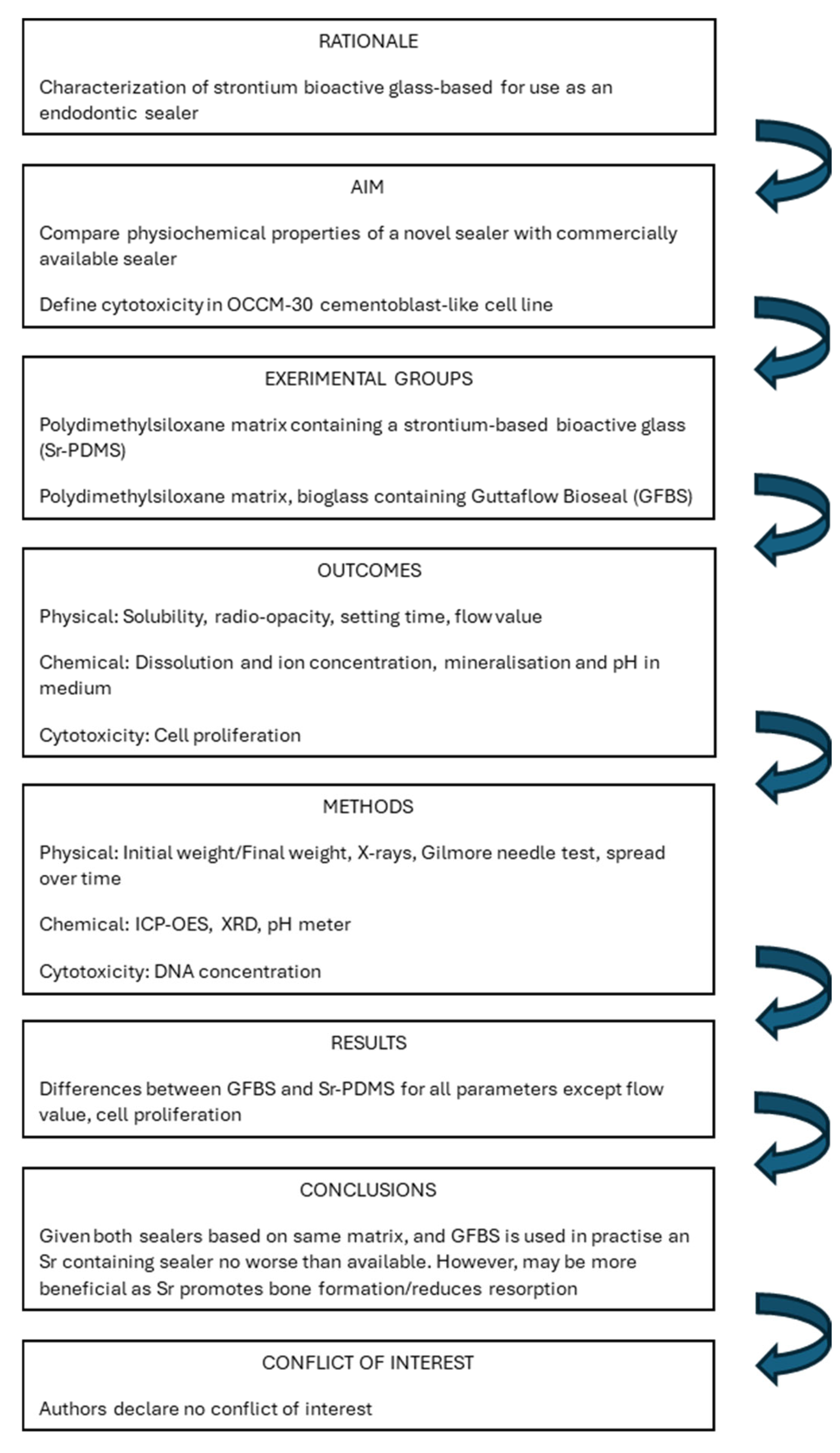
The manuscript describing this laboratory study has been written according to the Preferred Reporting Items for Laboratory studies in Endodontology (PRILE) 2021 guidelines [
19] (
Figure 1).
Two sealants were investigated: an experimental, novel bioactive endodontic sealer and a commercially available bioactive endodontic sealer (Guttaflow bioseal (Coltene Whaledent AG, Feldwiesenstrasse 20, 9450 Altstaetten SG, Switzerland).
2.1. Synthesis of the Strontium Bioactive Glass
An experimental bioactive endodontic sealer bioglass with fluoride and strontium and high phosphate and low sodium contents was designed with a low network connectivity of 2.28 [
20]. The glass consisted of SiO
2 (Prince Minerals Ltd., Stoke- on-Trent, UK), Na
2CO
3, CaCO
3, SrCO
3, P
2O
5 and CaF
2 (Sigma-Aldrich, Gillingham, UK) and was prepared via the melt quench route. Network connectivity was calculated based on composition, using molar percentage constituents.
The network connectivity model assumes the phosphate forms orthophosphate and that there are no Si-O-P bonds. The network connectivity (NC) was calculated from the molar composition and defined as the average number of bridging oxygens per silicon. The calculation of network connectivity NC is as follows:
where the [] represent mole fractions and allNMO is the sum of all the network-modifying oxide concentrations.
Note the CaF2 is not included in the NC calculation since fluoride ions are locally charge-balanced by Ca2+ cations.
Owing to the hygroscopic nature of P2O5, this component was added last. All components were mixed vigorously in a sealed container, placed into a platinum crucible and heated in an electric furnace (EHF 17/3, Lenton, Hope Valley, UK) at 1490 °C for 1 h. The subsequent melt was rapidly quenched in water, and the frit was collected, transferred to an oven and dried overnight at 37 °C.
The glass frit was milled in a Gyro-mil (Gyro Mill, Glen Creston, London, UK) and then sieved using a 45 µm sieve (Endecotts Ltd., London, UK). The D50 particle size for all the glass powders (BAG and inert) was approximately 8 µm.
The composition of the novel strontium bioactive glass is given in
Table 1 alongside the composition of 45S5 (the bioactive glass assumed to be present in GFBS). The novel bioactive glass was incorporated into the GFBS matrix (polydimethyl siloxane) by Coltene Whaledent (Coltene Whaledent AG, Feldwiesenstrasse 20, 9450 Altstaetten SG, Switzerland) using the same weight fraction of glass as in the commercial sealer.
2.2. Pilot Study
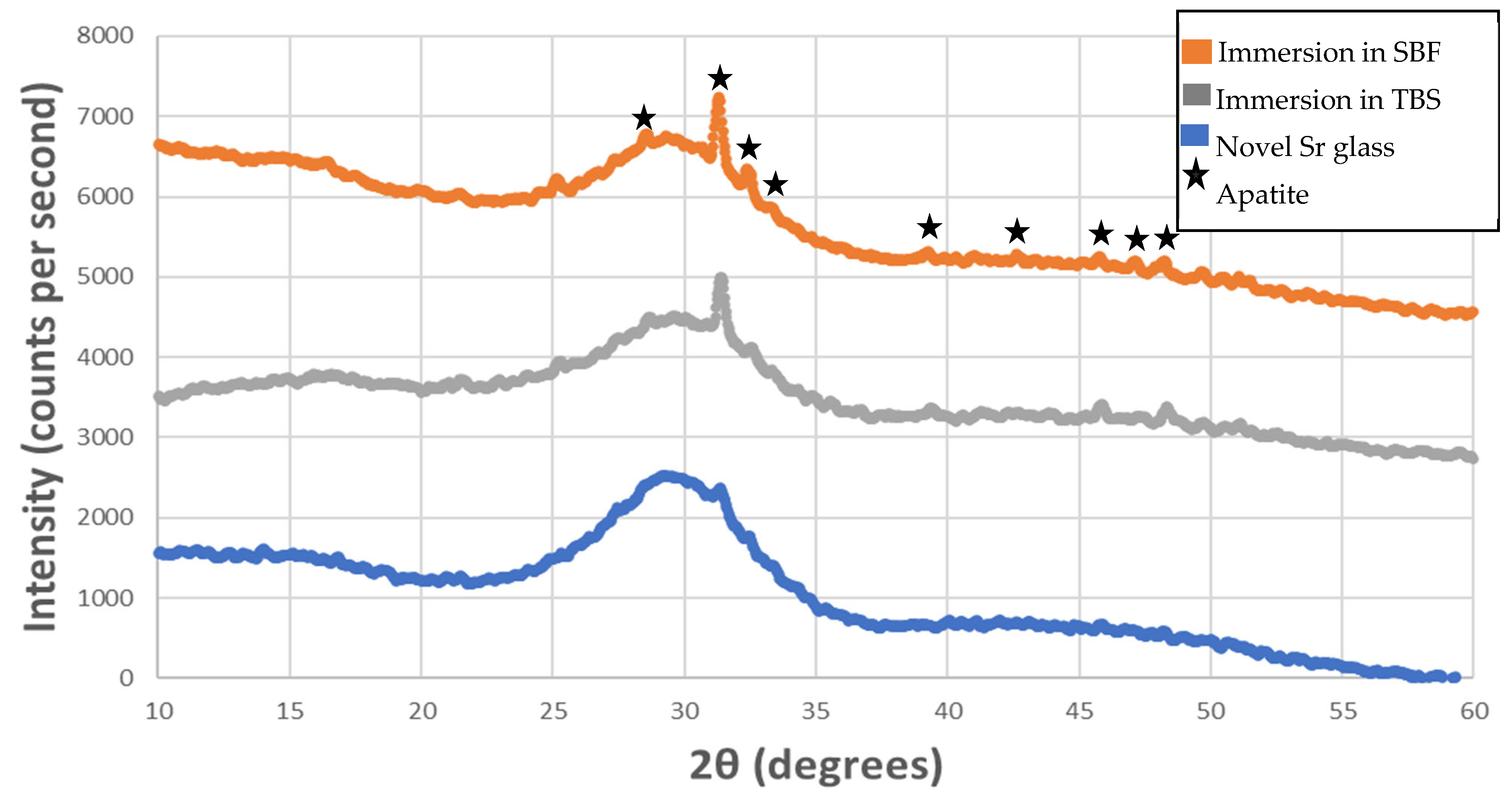
An initial pilot study was performed to test the bioactivity of the novel strontium-based bioactive glass and ensure its ability to form apatite prior to further testing. The bioactive glass (0.075 g) was immersed in 50 mL of simulated body fluid (SBF) or tris buffer solution (TBS) at pH 7.4 for a period of 7 days. X-ray diffraction (XRD) patterns were then assessed to identify apatite formation. XRD analysis was carried out for the glass powder and the immersed samples (size <45 μm) using a Panalytical X’PERT PRO X-ray diffractometer (Malvern Panalytical, Almelo, The Netherlands), using Bragg–Brentano flat plate geometry and Cu Kα radiation (λ1 = 1.54059 Å and λ2 = 1.54442 Å). Powder samples were packed into stainless steel holders. Patterns were collected from 5 to 70° 2θ with an interval of 0.0334° and a step time of 200 s. XRD data were analysed using X’Pert Data Collector (v2.2, Panalytical, Almelo, The Netherlands). The XRD pattern obtained showed clear evidence of apatite formation after 7 days of immersion for both SBF and TBS (
Figure 2).
2.3. Dissolution and Biomineralisation
Discs of both sealants (
n = 42 discs for each sealant) were prepared using circular plastic moulds (10 ± 0.1 mm diameter and 1.0 ± 0.1 mm thick). Then, 1 litre of SBF solution was prepared as a dissolution medium according to the protocol of Kokubo and Yamaguchi [
21]. The pH of the solution was adjusted using hydrochloric acid to 7.4 at 37 °C. TBS was made by adding 121.14 g of tris base to 800 mL of distilled water. The solution was then adjusted to pH 7.48 using hydrochloric acid. Further distilled water was then added until the volume reached 1 litre. The discs for each sealer (
n = 42) were divided into 7 groups and then immersed in 20 mL of solution (SBF or TBS) and incubated for 1, 7, 21, 28, 42, 77 and 84 days. After the prescribed immersion times, the pH of the solution was assessed at 37 °C using an open junction electrode by Mettler Toledo (Mettler-Toledo, Im Langacher, 44 Greifensee, Switzerland). The discs were then collected and washed with ethanol, dried in an oven, and stored for analysis with XRD to assess apatite formation. The immersion solutions were assessed for ion concentration using inductively coupled plasma optical emission spectrometry (ICP-OES).
2.4. Physical Properties Testing
All physical tests were carried out and compared with the International Organisation for Standardisation (ISO 6876) to ensure the novel strontium and the commercial sealer met worldwide requirements [
10].
2.5. Solubility
Discs (n = 3) were prepared and weighed to determine initial mass and subsequently immersed in distilled water at 37 °C for 24 h. The excess water was removed with moistened filter paper. Finally, the samples were dried in an oven until the weight was stable and the final dry mass noted.
Solubility was calculated as
2.6. Radiopacity
Discs of both sealants (
n = 6) were prepared as above. Each sample was placed alongside an aluminium step wedge with variable thickness (from 1 to 13 mm in 0.5 mm increments) on a digital radiographic sensor (Vatech, operating at 60 kV, 70 mA, 0.10 pulses per second); a protocol similar to that of Tanomaru-Filho et al. [
11]. Analysis of the images was performed with ImageJ software (version 1.54m) [
22], and the relevant grey value was measured. Three repeat radiopacity calculations were performed for each of the 6 samples. A calibration curve was then plotted for each image showing the aluminium wedge thickness versus the relevant grey value, and linear regression was performed. The equivalent aluminium thickness for each sample was calculated from the linear regression equation. The mean figure was recorded as the final radiopacity value.
2.7. Setting Time
Discs (n = 3) were used for this experiment for each sealer. A water bath at a temperature of 37 °C was prepared, and plastic moulds (10 ± 0.1 mm diameter and 1.0 ± 0.1 mm thickness) were placed on top of the water bath to ensure the moulds reached a temperature of 37 °C. The moulds were then filled with either the novel Sr sealer or the GFBS. A Gilmore needle with a mass of 100 g and diameter of 2.0 mm was used to assess the setting time. The final setting time was considered as the time when the marks of the needle could not be seen on the sealer surface. The mean value was recorded as the final setting time.
2.8. Flow Value
To measure the flow value, 0.05 mL of material was placed in the centre of a glass plate using a graduated syringe. After 180 s, a second glass plate was placed on top of the sealer, and a 100 g weight was placed on the upper glass plate and left for 10 min. The maximum and minimum diameters of the dispersed material were measured; results were accepted if there was a less than 1 mm difference between the two diameters. The experiment was repeated three times, and the mean value was recorded as the final flow value.
2.9. Cell Culture
The OCCM-30 cementoblast mouse cell line (generously provided by Dr. Martha J. Somerman (National Institutes of Health) was maintained in DMEM (ThermoFisher, Waltham, MA, USA) media with 10% FBS (Gibco, Grand Island, NY, USA), 1% L-glutamine and 100 U/mL penicillin, and 100 μg/mL streptomycin (ThermoFisher) in T75 flasks in Haier Biomedical Biological Safety Cabinet (model; HR900-IIA2-D) at 37 °C and 5% CO2.
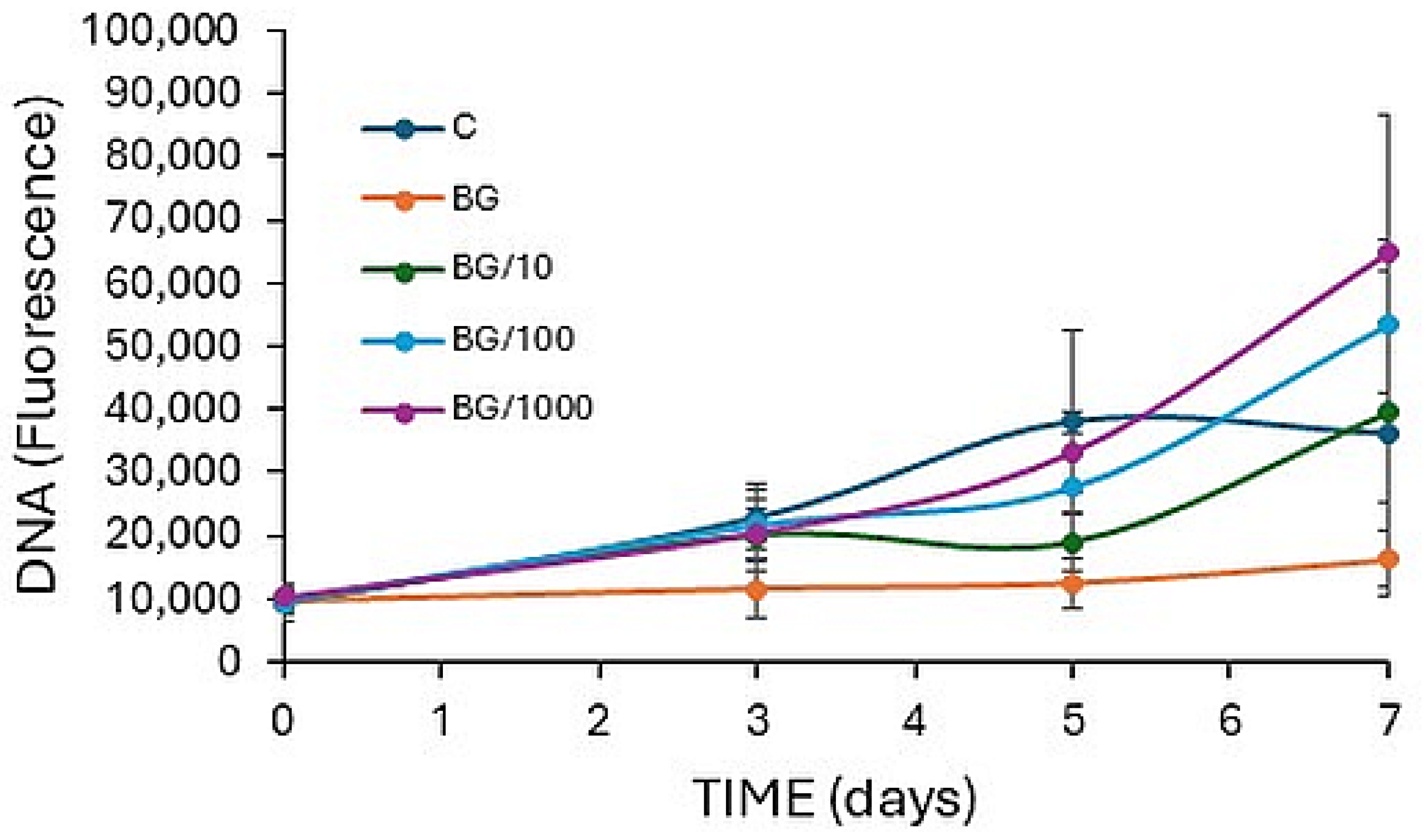
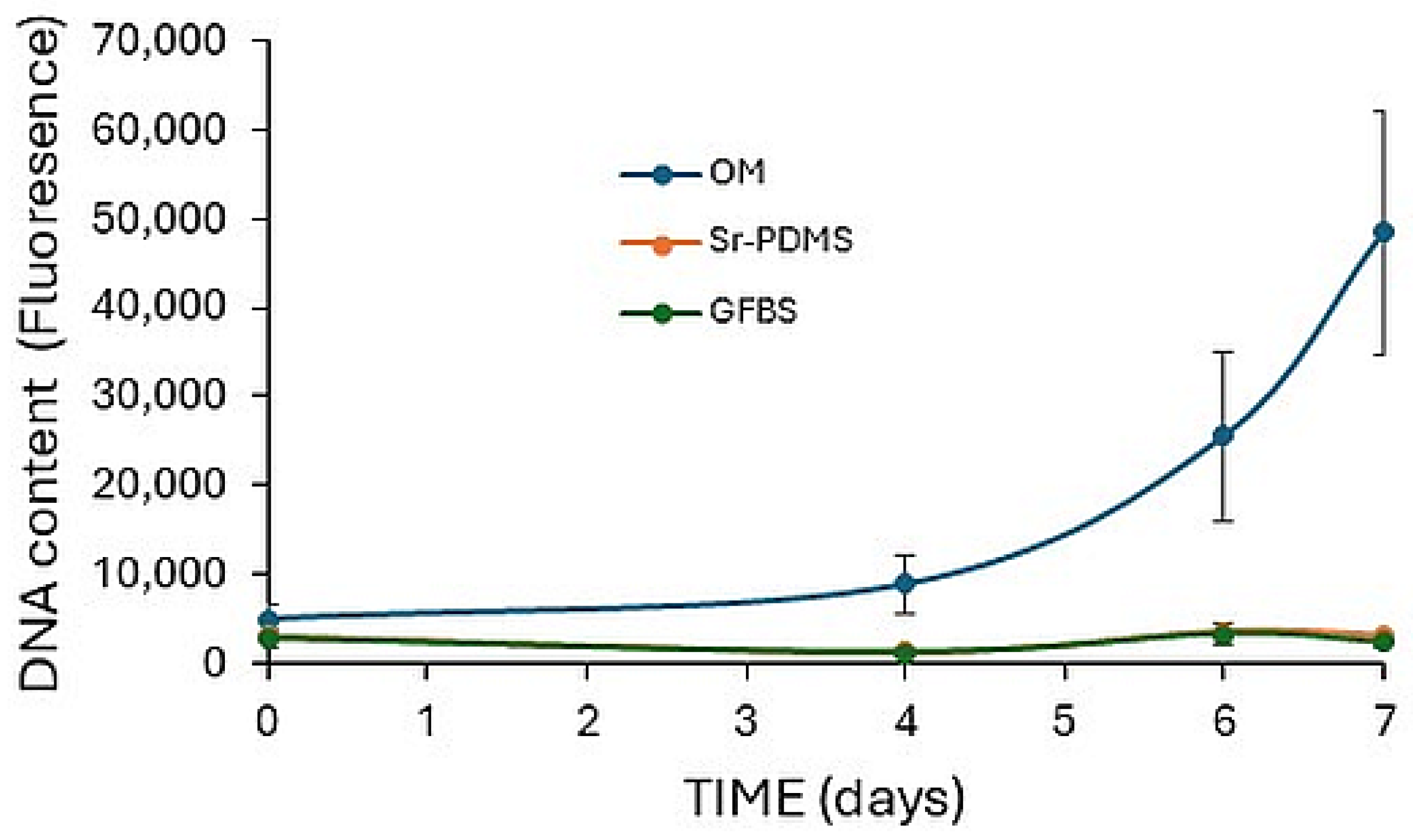
Initially, a dose–response investigation of cell proliferation in response to exogenous BG was conducted. A stock of 75 mg BG in 50 mL DMEM was prepared and left at 37 °C for 7 days. It was then filter sterilised, and four 10-fold dilutions were prepared in a normal culture medium. For experimentation, 2000 cells per 100 mL were seeded in the wells of 96-well plates in the same medium and kept overnight. The following morning, maintenance media was replaced with either normal (control) media; osteogenic media (reduced FBS (only 1.5%) and the addition of 50 μg/mL ascorbic acid and 10 mM sodium β-glycerophosphate); or the BG-conditioned osteogenic media (n = 6 wells per treatment group).
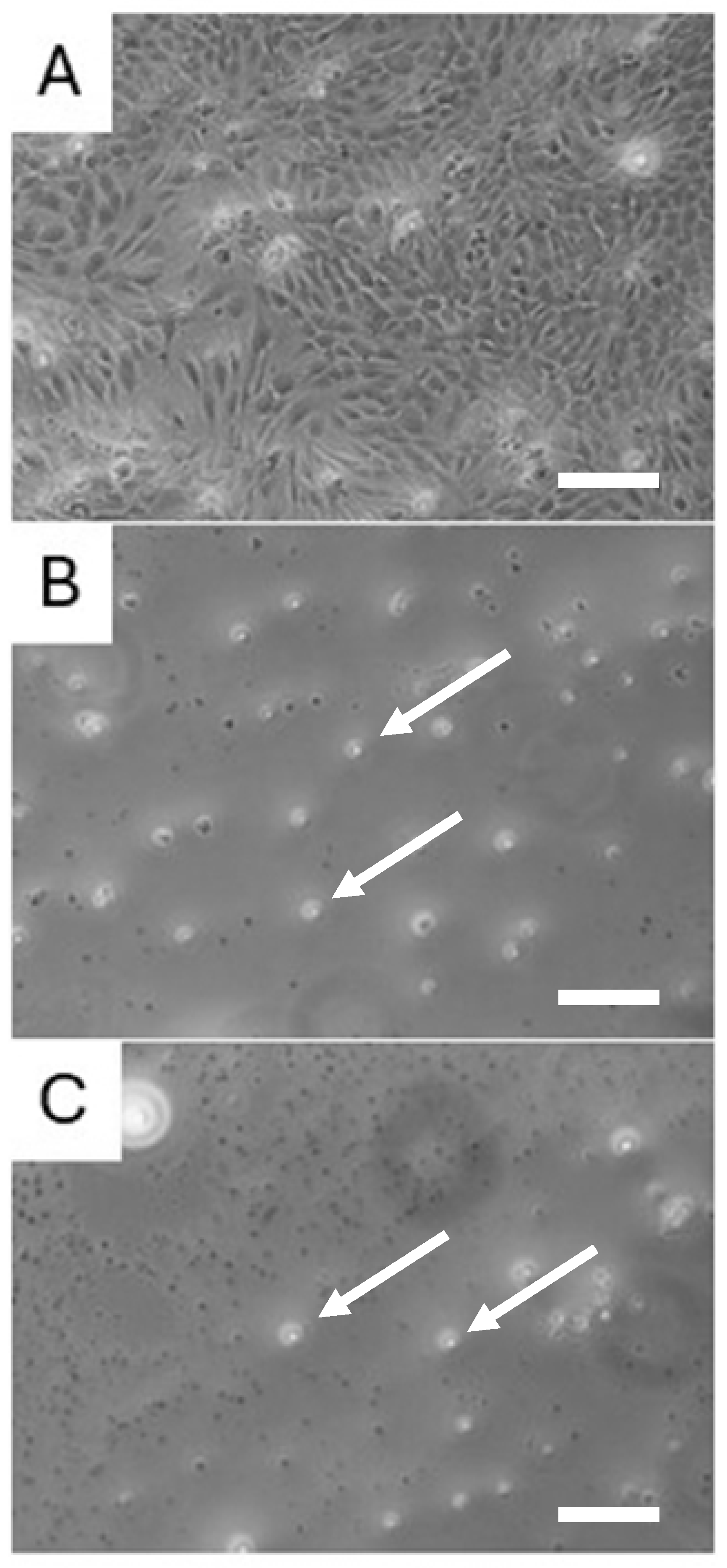
To assess the effect of the sealants on cell proliferation, DMEM pre-conditioned with either Sr-PDMS or GFBS (immersed for 7 days in 10 mL of DMEM at 37 °C, filter-sterilised and completed with appropriate additives) was applied to the cells (n = 6 wells per treatment group).
For DNA content per well analysis to determine proliferation [
23], the plates were removed at the stated time points, and the wells were rinsed in PBS twice, inverted and tamped dry, and stored at −20 °C until all time points had been collected. The plates were thawed and incubated in 50 µL of distilled water for 1 h and placed in the freezer. Following re-thawing, the wells were incubated with 50 ul of TNE buffer (10 mM Tris, 1 mM EDTA, 2 M NaCl, pH 7.4) containing 1 mg/mL Hoechst 33258 and read in a plate reader (excitation measured at l 350 nM; emission measured at l 460 nm).
2.10. Statistical Analysis
Statistical package for social sciences (SPSS) version 24 was used for this study. Paired t-tests were applied to the radiopacity data. A two-way ANOVA followed by a one-way ANOVA and the Bonferroni post hoc test were applied to the cell viability data for multiple comparisons between dilutions for each day after confirming approximate normality of the data and homogeneity of variances (Levene’s test).
4. Discussion
The addition of bioactive glass fillers to endodontic sealants is intended to promote apical healing by the dissolution of the glass particles and subsequent ability to form apatite to aid in bone regeneration and improve the sealing capacity of the root filling. The findings presented here demonstrate the production of a sealer with appropriate physical characteristics and increased radiopacity and reduced solubility. Moreover, the strontium-bioglass-conditioned media appeared to actively stimulate cell proliferation.
The results from this study align with previous studies where GFBS was shown to release ions and form apatite-like deposits in SBF [
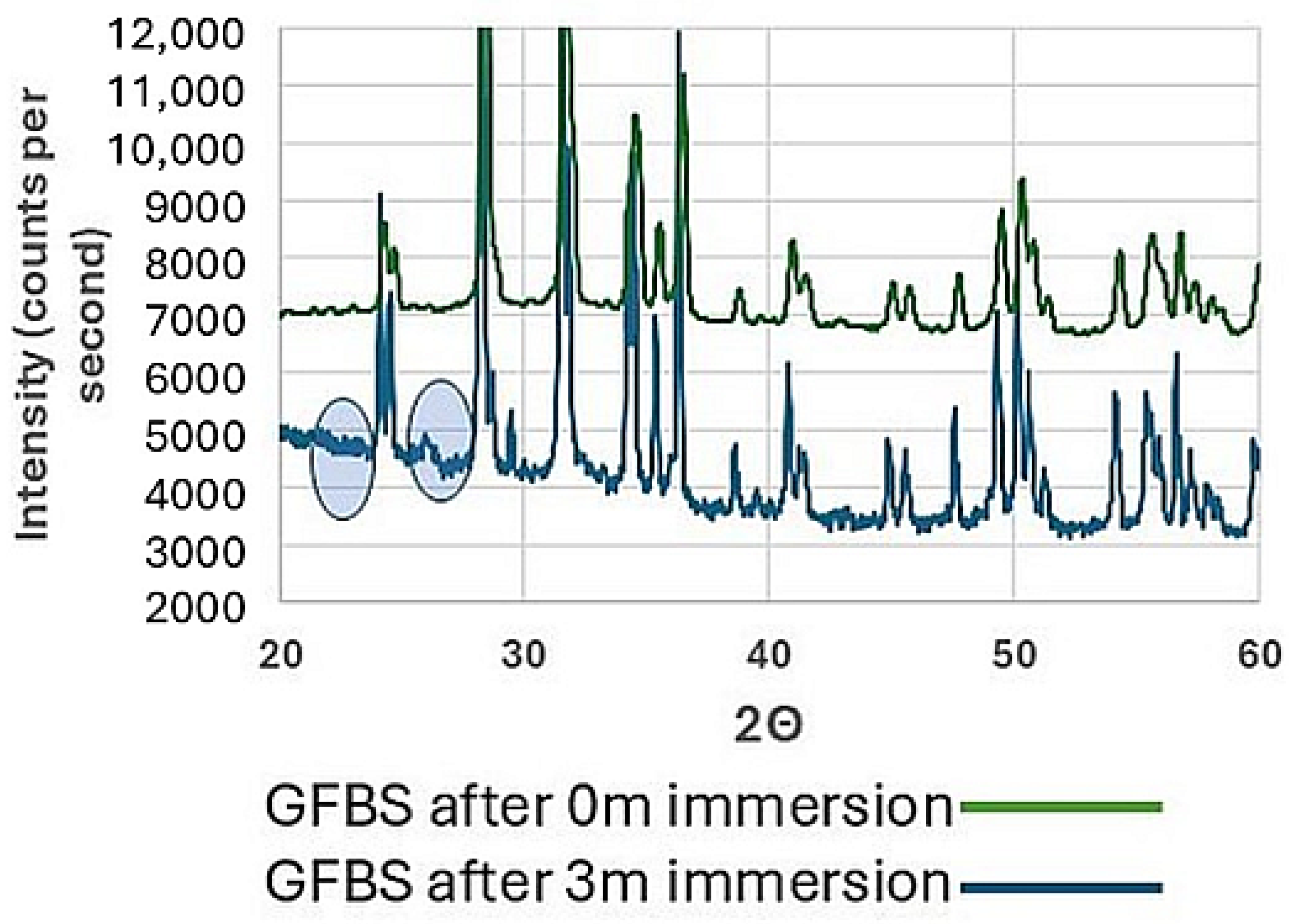
13]. The weak diffraction lines from XRD analysis at the three-month immersion period in SBF (at 26.1 2θ and 33–34 2θ) are supportive of apatite formation. The interference from the zirconia filler, added to provide radiopacity, makes the accurate determination of apatite formation challenging. In contrast, there is no clear evidence of apatite formation in TBS. This is possibly because SBF is saturated with Ca
2+ and PO
43− ions, making it easier to form apatite. Previous studies have shown that when bioactive glass is implanted into a bone defect, it bonds directly to the bone via an apatite layer without the intervention of connective tissues [
21]. Clinically, the ability to form bone-like carbonated apatite can aid in the regeneration of bony defects seen in long-standing endodontic infections [
25].
No clear evidence of apatite formation was seen in the novel strontium-based endodontic sealer in either TBS or SBF. A possible reason for this may be that the bioactive glass used in this sealer has a higher network connectivity (network connectivity—2.28), making it more cross-linked in comparison with the 45S5 bioactive glass (network connectivity—2.11). The network connectivity of the glass is related to its solubility and degradation. However, glass structure and phase composition can also impact connectivity and, therefore, solubility [
20]. Therefore, it takes longer to degrade, which is consistent with the lower solubility rate. Whilst the ability to form apatite is often a marker of bioactivity, the release of strontium may also be considered beneficial because it is pro-proliferative. Alternative reasons for the lack of apatite formation could be that bioglass exposure to the immersion media was limited by the presence of the matrix (matrix shielding) or that precipitation reactions were altered due to the overall composition of the bioglass and the degradation chemistry of the surrounding matrix. The reason for the low-level apatite formation was not determined. Based on the low solubility, the immersion time required to generate the conditioned media was 7 days to allow for ion release. Future studies should include a range of days and especially earlier time points to ascertain the effect of ion release without the potential buildup of contaminants.
The mechanism of action for bioactive glasses arises from the cation exchange of, for example, Na
+ and Ca
2+ from the glass with H
3O
+ ions from bodily fluids. This is followed by a breakdown of Si-O-Si bonds at the glass/solution interface. Ultimately, amorphous calcium phosphate precipitates on the silica-rich layer, which crystallises to form hydroxycarbonate apatite, which can bond to both bone and tooth [
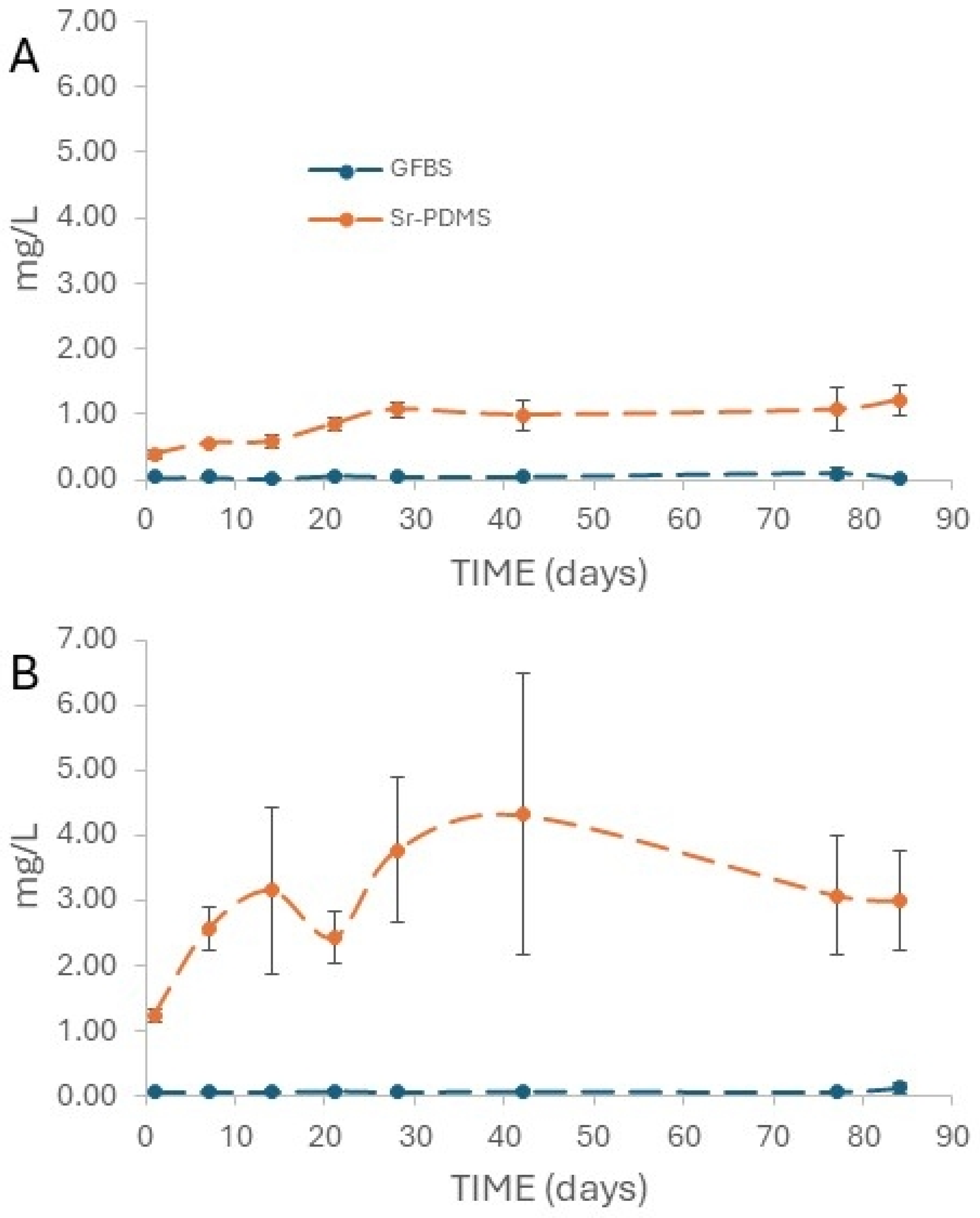
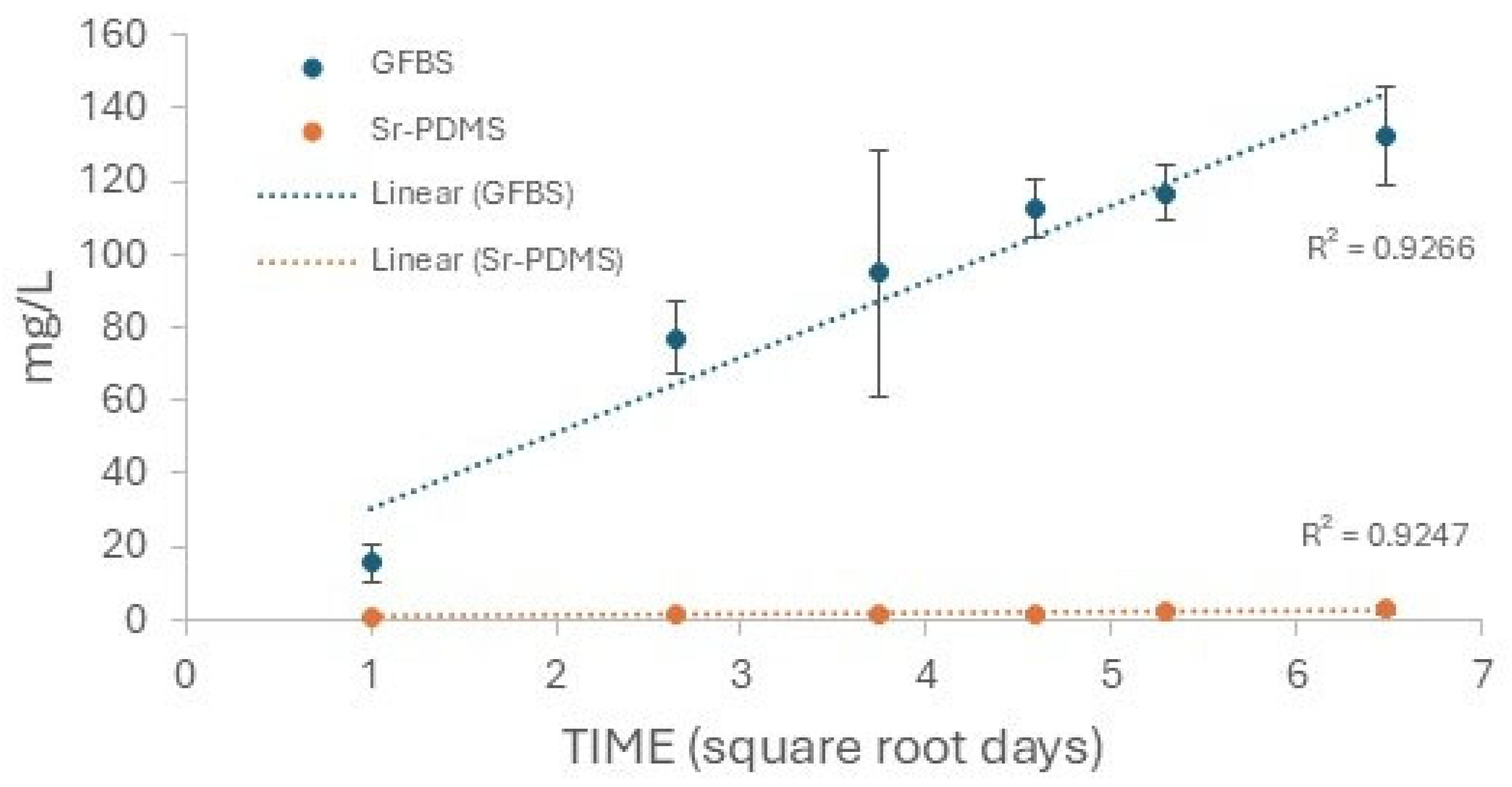
26]. In this study, the novel sealer was found to be less soluble than GFBS, which can be explained by its higher network connectivity and lower Na
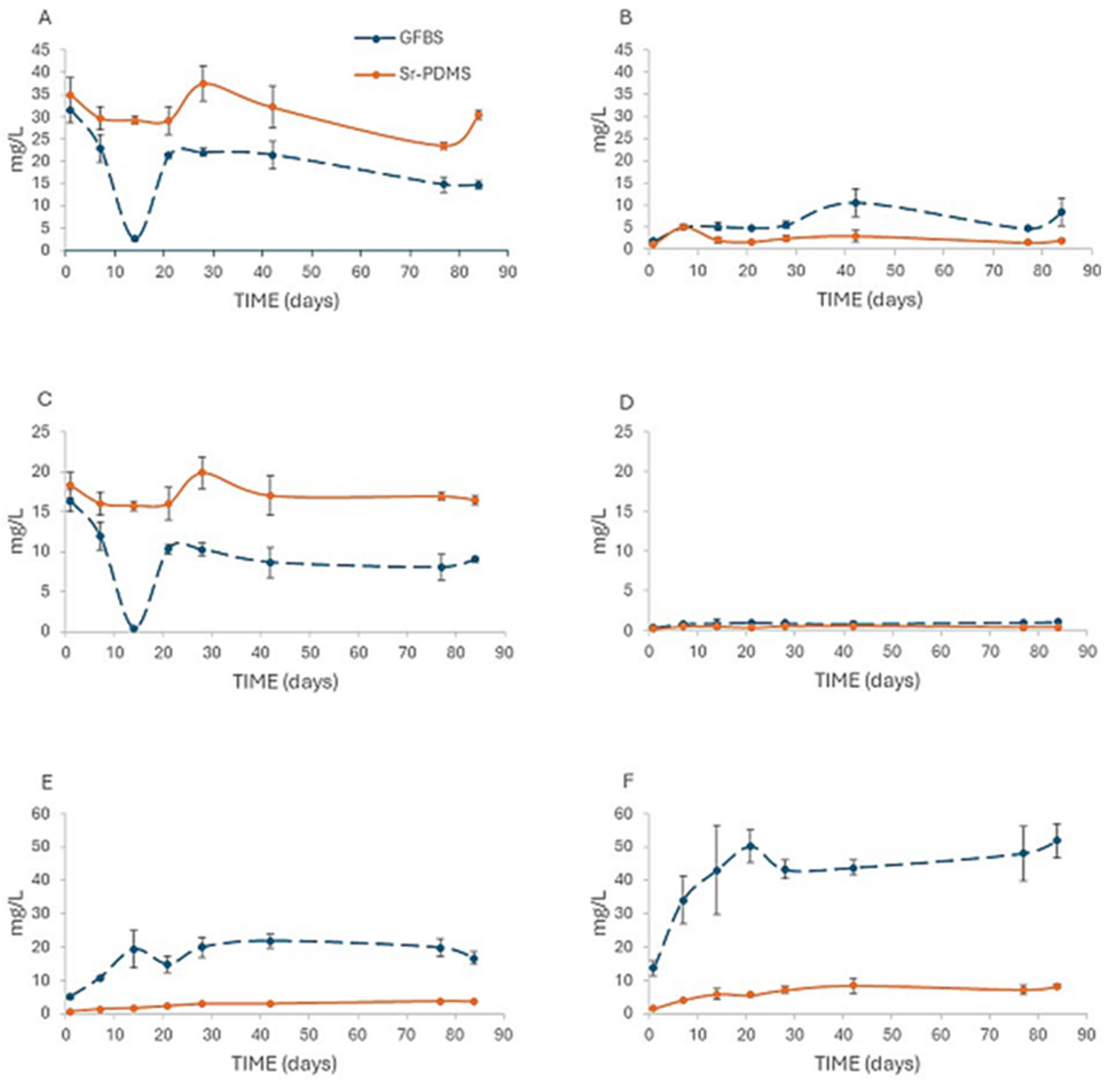
2O content. In contrast, GFBS released significantly more Na
+ ions than the novel sealer, which is clearly related to the higher sodium content of the 45S5 glass and its lower network connectivity.
Bioceramic sealers have been shown to have high solubility when immersed in aqueous solutions [
27]. This could be regarded as a disadvantage because the dissolution of an endodontic sealer can lead to microleakage and, ultimately, the failure of endodontic treatment [
28,
29]. Conversely, some degree of degradation of a bioceramic sealer could release compounds that may benefit apical healing. The novel sealer demonstrated low solubility compared to the commercial sealer and also demonstrated improved radiopacity. Assessing the solubility of sealants is important, as a sealer with low solubility can help prevent apical leakage and improve the apical seal. From the ISO standard test, the solubility of GFBS is over 20 times higher than that of the novel sealer.
A likely explanation for this can be found in the sodium ion release data, which shows a square root time dependence indicative of a diffusion process. Sodium salts do not precipitate (unlike Ca2+ and PO43−). Therefore, assessing Na+ ion release can help determine the degradation and solubility of a material. Linear regression was applied to the sodium ion release against the square root time, yielding a correlation coefficient close to 1 (0.9615 for GFBS and 0.9514 for the novel strontium sealer). The gradient of the Na+ ion release from GFBS was 50 times greater than that of the novel sealer. This explains why the solubility of GFBS was higher than that of the novel sealer. It is important to acknowledge that although both sealants meet the ISO standards for solubility, the data from this study show a continuous ion release profile over a 3-month period. This means that as further ions are released, the solubility of the material increases over time, which can have a significant impact on the sealing properties of the sealer. The GFBS sealant could exceed a solubility range of 3% over a period of 3 months, as the material’s solubility already reached 1.77% after only 24 h immersion. When assessing future materials, consideration should be given to extending the immersion time (to exceed 24 h) before assessing solubility, as this could have significant clinical implications.
The addition of strontium to the bioactive glass has shown considerable promise. In current research, strontium confers greater radiopacity to the sealer because of its high atomic number. The radiopacity of the novel sealer is almost double (1.85 times) that required by the ISO standard, and this was found to be statistically significant (
p < 0.05). Zirconia is added in the commercial GFBS to confer radiopacity. As strontium improves the radiopacity of an endodontic sealer, a novel sealer can be created, minimising the amount of zirconia required whilst adding more bioactive glass, without compromising on viscosity of the sealer. This will not only improve the radiopacity of the sealer (as shown in this study) but also improve the bioactive properties of the sealer. For example, the substitution of calcium for strontium ions in the novel sealer may have a further favourable impact on bone cells. Strontium-containing bioactive glasses are currently being used in other medical applications, such as the treatment of osteoporosis [
30]. A study conducted by Gentlemen et al. showed that strontium-substituted bioactive glass promoted osteoblast proliferation and reduced osteoclast activity in a cell culture [
4]. In this study, there was a constant release of strontium ions into the SBF solution (with no clear evidence of precipitation), which should offer a clear clinical benefit. However, high concentrations of strontium inhibit cementoblast proliferation (consistent with data presented here) and promote differentiation by downregulating sclerostin expression [
31].
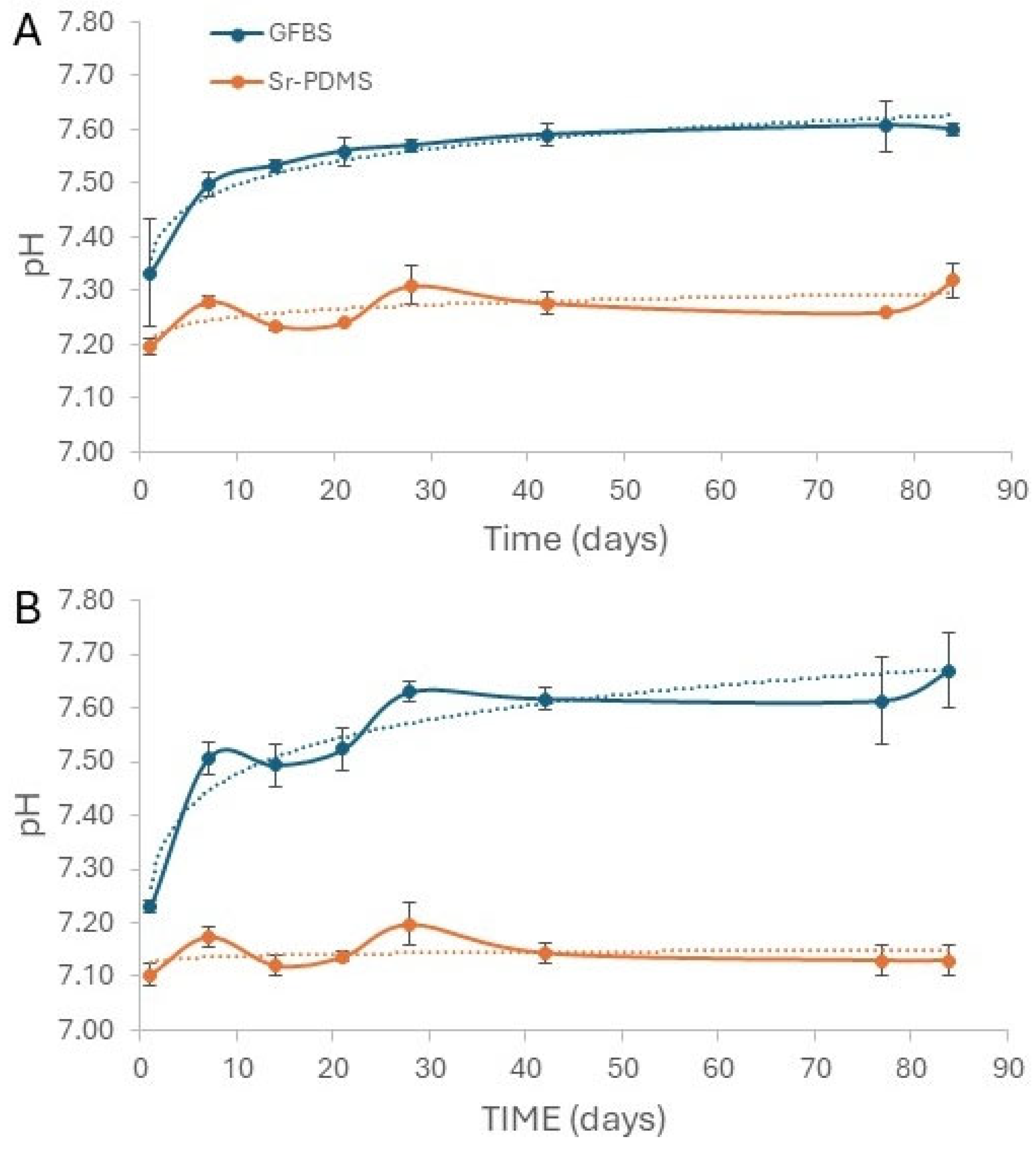
Both sealants caused an increase in pH value in the immersion solution, with the increase being greater for GFBS, presumably due to the higher Na+ ion content. From Hench’s earlier research, the first stage in glass degradation is Na+ ion exchange for H+, which leads to the increase in pH. Therefore, a higher Na+ content in 45S5 will cause a faster and more pronounced alkaline pH rise.
It has been shown that a pH rise in an endodontic sealer can be associated with antimicrobial effects and the deposition of mineralised tissue. This can aid healing. In addition, the increase in pH can help to neutralise acid produced by osteoclasts [
32]. Additionally, an alkaline pH can encourage a prolonged setting time and have a long-lasting antibacterial effect that eliminates the residual microorganisms surviving along dentinal walls [
33]. This may lead to eradication of persistent bacteria that survived the chemo-mechanical procedure during root canal treatment.
Reviewing cell proliferation rates in the Sr dose–response experiment, the data from this study suggests that the ion release from the BG component of the novel Sr-PDMS sealer, at the concentrations of BG embedded within the set sealer discs, does not elicit a cytotoxic response. As the matrix component of this sealer is already used in the commercially available (GFBS) sealer, it appears that the novel Sr-PDMS sealer is a potentially safe endodontic sealer, but further biocompatibility tests are required.
This study illustrates that it is possible to generate novel materials with strontium-containing bioglass with potential attributes that it suitable for use as a sealer. The null hypothesis is, therefore rejected. An active sealer needs to not only seal but promote cell activity to help close the apical foramen.
A limitation of this study was that the experiments were only conducted in vitro in a ‘closed system’, where concentrations of released ions and chemicals can become artificially elevated compared to in vivo. Endodontic sealants in vivo are exposed to real body fluids (interstitial tissue fluids from the dental pulp or periodontal ligament) whereby there will be continual ‘wash out’ and high local concentrations are unlikely to develop. Additionally, such fluids have been shown to contain various proteins, such as albumin, which can inhibit apatite formation by obstructing apatite nucleation sites [
34]. Therefore, future research into bioactive endodontic sealants is needed to optimise the composition. Additionally, clinical trials with appropriate ethical approval should be conducted to demonstrate the real clinical effects of bioactive strontium-based endodontic sealants.