Article

Identifying Laboratory Parameters Profiles of COVID-19 and Influenza in Children: A Decision Tree Model


1
Mathematics and Informatics Department, Research Center in Informatics and Information Technology, Faculty of Sciences, Lucian Blaga University, 5-7 Ion Ratiu Str., 550025 Sibiu, Romania
2
Faculty of Medicine, Lucian Blaga University of Sibiu, 2A Lucian Blaga Str., 550169 Sibiu, Romania
3
Biology and Ecology Research Center, Faculty of Sciences, Lucian Blaga University of Sibiu, 550012 Sibiu, Romania
4
Institute of Computer Science, University of Opole, ul. Oleska 48, 45-052 Opole, Poland
5
Pediatric Clinical Research Department, Clinical Pediatric Hospital, 2-4 Pompeiu Onofreiu Str., 550166 Sibiu, Romania
6
Clinical Laboratory, Clinical Pediatric Hospital, 2-4 Pompeiu Onofreiu Str., 550166 Sibiu, Romania
*
Authors to whom correspondence should be addressed.
Appl. Sci. 2026, 16(2), 668; https://doi.org/10.3390/app16020668
Submission received: 25 November 2025 / Revised: 28 December 2025 / Accepted: 6 January 2026 / Published: 8 January 2026

Abstract

Background: The COVID-19 pandemic has put other infectious diseases, especially in children, into a new perspective. Our study focuses on two important viral infections: COVID-19 and influenza, which often present with similar clinical symptoms. Taking into consideration that the pathophysiology and systemic impact of the two viruses are distinct, which can lead to measurable differences in laboratory values, this study aimed to analyze laboratory features that differentiate between COVID-19 and influenza virus infections in pediatric patients. Methods: We statistically analyzed the routinely available laboratory data of 98 patients with influenza virus and 78 patients with COVID-19. Afterwards, the classification and regression tree (CART) method was performed to identify specific clinical scenarios, based on multilevel interactions of different features that could assist clinicians in evidence-based differentiation. Results: Significant differences between the two groups were observed in ALT, eosinophils, hemoglobin, and creatinine. Influenza-infected infants presented significantly higher leukocyte, neutrophil, and basophil counts compared to infants infected with COVID-19. Regarding children (over 12 months), significantly lower levels of ALT and eosinophil counts were observed in those with influenza compared to those with COVID-19. Furthermore, the CART decision tree model identified distinct profiles based on a combination of features such as age, leukocytes, lymphocytes, platelets, and neutrophils. Conclusions: After further refinement and application, such machine learning-based, evidence-driven models, considering the large scale of clinical and laboratory variables, might help to improve, support, and sustain healthcare practices. The differential decision tree may contribute to enhanced clinical risk assessment and decision making.

1. Introduction

Respiratory infections are illnesses affecting the airways and lungs, from the nose and throat down to the deepest parts of the respiratory tract. The vast majority of them are caused by viruses (influenza, RSV—respiratory syncytial virus, coronaviruses, rhinoviruses), but they can also be caused by bacteria or, less commonly, by fungi. Respiratory viral infections significantly impact the health of the global population. They vary depending on the season and have a significant impact on global health, from pandemics such as the Spanish flu, Severe Acute Respiratory Syndrome coronavirus (SARS-CoV), Middle East Respiratory Syndrome (MERS-CoV), the pandemic caused by the coronavirus of 2019 (COVID-19), seasonal influenza (FLU), and other types of viruses [1].
The emergence of COVID-19 (caused by the SARS-CoV-2 virus) has created a significant diagnostic challenge due to the considerable overlap in its initial clinical presentation with seasonal influenza (caused by influenza A and B viruses) [2,3,4,5]. Both are acute respiratory infections presenting with common symptoms such as fever, cough, and fatigue.
Although the transmission pathways and clinical symptoms are similar, especially during periods of co-circulation, the pathophysiology and systemic impact of the two viruses are distinct, which could lead to measurable differences in laboratory values. Studies analyzing blood parameters in children with COVID-19 and influenza showed distinct, mixed, or conflicting blood parameter profiles/results [6,7,8,9]. Further analysis of these parameters is needed to develop practical, reliable, rapid methods for identifying and quantifying laboratory distinctions that can assist practitioners in ensuring appropriate patient diagnosis, management, and treatment and public health measures.
The current study aimed to analyze routinely available laboratory features to differentiate between COVID-19 and influenza virus infections in pediatric patients. Classification and regression tree (CART) analysis was also used to identify specific clinical scenarios based on the multilevel interactions of different features that can assist clinicians in evidence-based differentiation.

2. Materials and Methods

We conducted a retrospective study including demographic, clinical, and laboratory characteristics of 176 children (aged under 18 years) hospitalized at the Pediatric Clinical Hospital of Sibiu, from July 2022 to May 2023. A total of 98 patients were diagnosed with COVID-19 and 78 children with seasonal influenza A and/or B confirmed by multiplex real-time PCR assay (Allplex™, Seoul, Republic of Korea) that enables simultaneous amplification and differentiation of target nucleic acids of S gene, RdRP gene, and N gene of SARS-CoV-2, influenza A virus (Flu A), and influenza B virus (Flu B) and/or by rapid qualitative detection (using antigen tests developed to detect SARS-CoV-2/influenza A and/or B) by collecting nasal/pharyngeal swab samples (Xiamen Boson Biotech Co., Ltd., Xiamen, China). Patients above 18 years, as well as patients whose clinical and laboratory data could not be accessed, were excluded from the analysis. Informed consent was obtained from guardians of all patients, for all subjects included in this study, in accordance with the Declaration of Helsinki. The study was approved by the Institutional Review Board of Pediatric Clinical Hospital of Sibiu (No. 2218). All demographic parameters, clinical symptoms, and hematological and biochemical parameters of all patients were retrospectively reviewed from the digital register.
Results of laboratory tests included the following data: complete blood count (leukocytes [103/μL], hemoglobin [g/dL], absolute neutrophils [103/μL], absolute lymphocytes [103/μL], absolute monocytes [103/μL], absolute eosinophils [103/μL], absolute basophils [103/μL], platelet counts [103/μL], NLR—neutrophil–lymphocyte ratio, PLR—platelet–lymphocyte ratio, LMR—lymphocyte–monocyte ratio, liver enzymes parameters (AST—aspartate aminotransferase [U/L], ALT—alanine aminotransferase [U/L]), renal function parameters (urea [mg/dL], creatinine [mg/dL]), and other parameters: RBC [106/μL], C-reactive protein [mg/L]. Hematological parameters were measured using an automated hematological analyzer Sysmex XN (Sysmex Corporation, Kobe, Japan) and serum biomarkers were measured using an automated biochemical analyzer, Abbott, C 4000 (Abbott Park, IL, USA) with the specific kits in accordance with the manufacturer’s recommendations. We considered normal range references, adjusted to age and gender, according to the laboratory guidelines where the study took place [10].
The categorical data are presented as frequency and percentage and continuous data are presented as medians and IQR (interquartile range). For comparison of characteristics between the two patient groups, COVID-19 vs. influenza, the Mann–Whitney test, Chi-square test, or Fisher’s test were carried out. We performed these comparisons for all included patients and separately for two age groups: children under 1 year old (age ≤ 12 months) and children over 1 year old (age > 12 months). Classification and regression tree (CART), a supervised machine learning classification method, was used to identify important predictors, their corresponding cutoff points, and (homogenous) groups of patients, based on rules representing combinations of predictors. Decision tree algorithms are non-parametric methods, used for both classification and regression tasks, in order to create a model that predicts values for a target variable by learning decision rules inferred from data features. The learning process operates recursively, dividing the data based on the best features and optimal split point(s) in order to minimize prediction error. The resulting model is presented using a tree structure which includes nodes (root node, intermediate nodes, and terminal nodes) and edges between them. The tree can be translated into interpretable and understandable/explainable sets of “if-then” rules that mimic human decision making, which could be valuable to clinicians, researchers, and policymakers. In our study, a CART decision tree was constructed for the supervised classification of pediatric patients with COVID-19 and influenza. Also, the logistic regression method, a frequently used classification method in previous studies, was used. The model’s performance was assessed by performance metrics: accuracy, sensitivity, specificity, and ROC curve. The training (90%)/test (10%) method was used for (internal) validation. Data analyses were performed using R software v.4.0.5 (R Foundation for Statistical Computing, Vienna, Austria) and SPSS (IBM, Armonk, NY, USA, Statistical Package for the Social Science, v. 20).

3. Results

The study included 98 patients with influenza virus and 78 patients with COVID-19. The median age was higher in the influenza group (28, IQR: (11–57) months) than the COVID-19 group (10, IQR: (6–27) months); more than half of the patients with COVID-19 were infants while in the influenza group one-third of the children (34.2%) were between 2 and 6 years old, followed by infants (26.8%). The two groups were similar in terms of gender distribution, with males comprising 52.56% in the COVID-19 group and 50% in the influenza group (Appendix A, Table A1). The main encountered symptoms in the influenza group were as follows: fever (89.80%), nasal congestion (71.43%), cough (70.41%), loss of appetite (55.10%), and rhinorrhea (47.96%), while in the COVID-19 group the hierarchy of symptoms was as follows: fever (87.18%), loss of appetite (57.69%), nasal congestion (50.00%), and cough (47.44%). Diarrhea and rash were more frequent in the COVID-19 patients compared to those with influenza (diarrhea: 29.49% vs. 17.35%, p = 0.056, rash: 24.36% vs. 13.27%, p = 0.058).
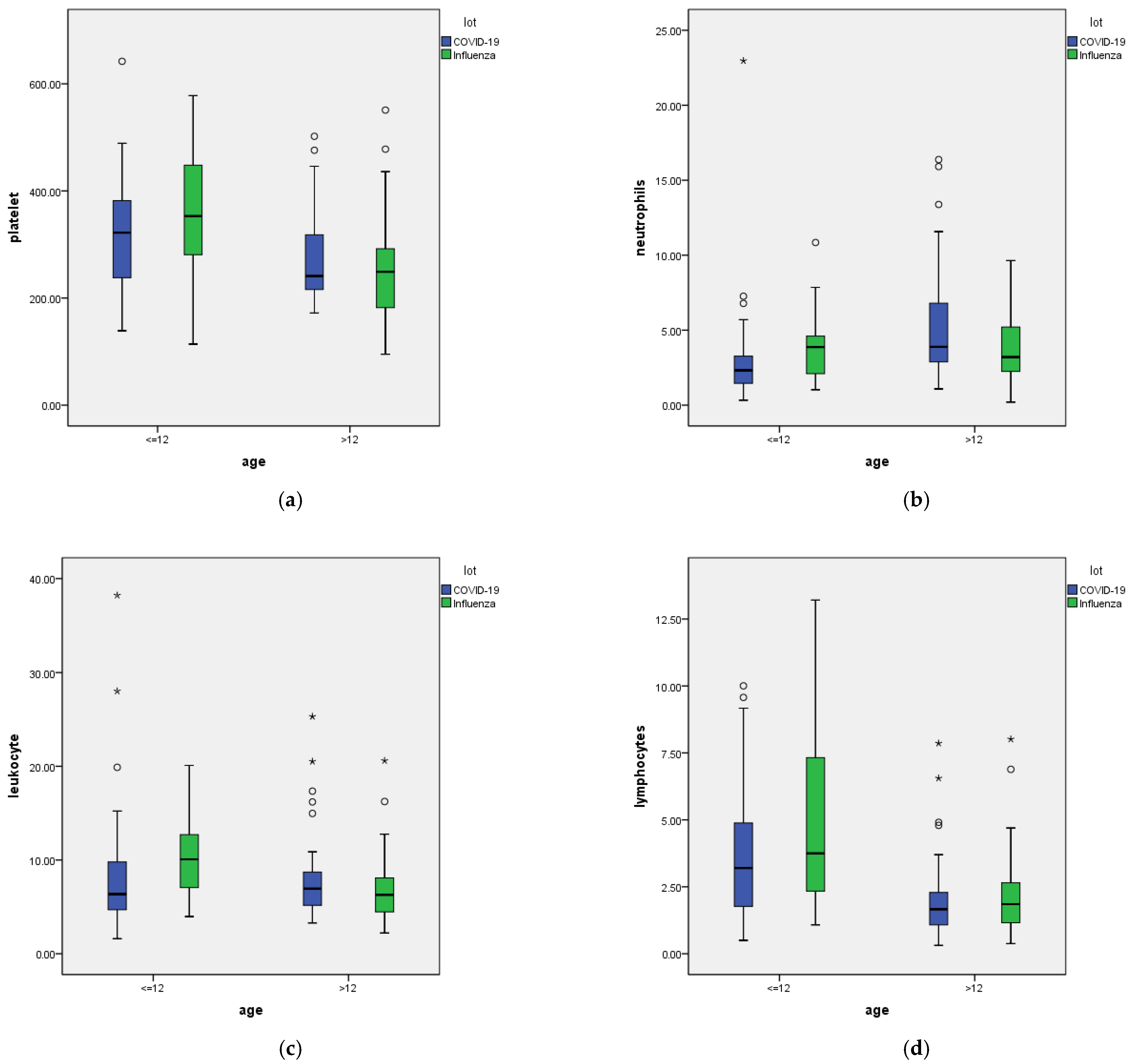
When comparing laboratory parameters in influenza and COVID-19 patients, significant differences were noted in ALT, eosinophils, hemoglobin, and creatinine (Table 1). Among children under 1 year old (≤12 months), influenza-infected children presented significantly higher levels of leukocyte, neutrophil, and basophil counts compared to the COVID-19 group. Among children over 1 year old (>12 months), significant lower levels of ALT and eosinophil counts were observed in children with influenza compared to the COVID-19 group (Table 2, Figure 1).
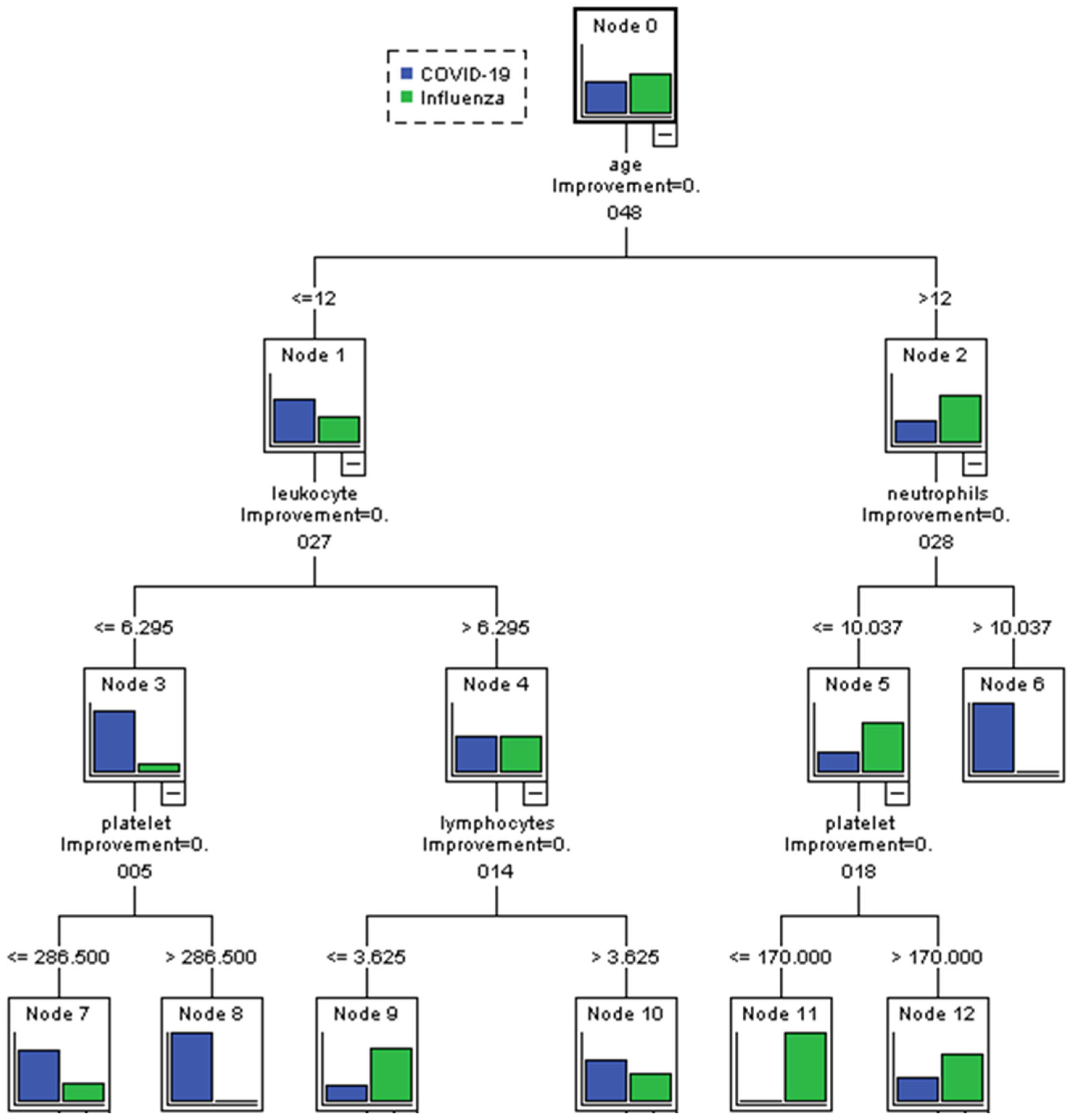
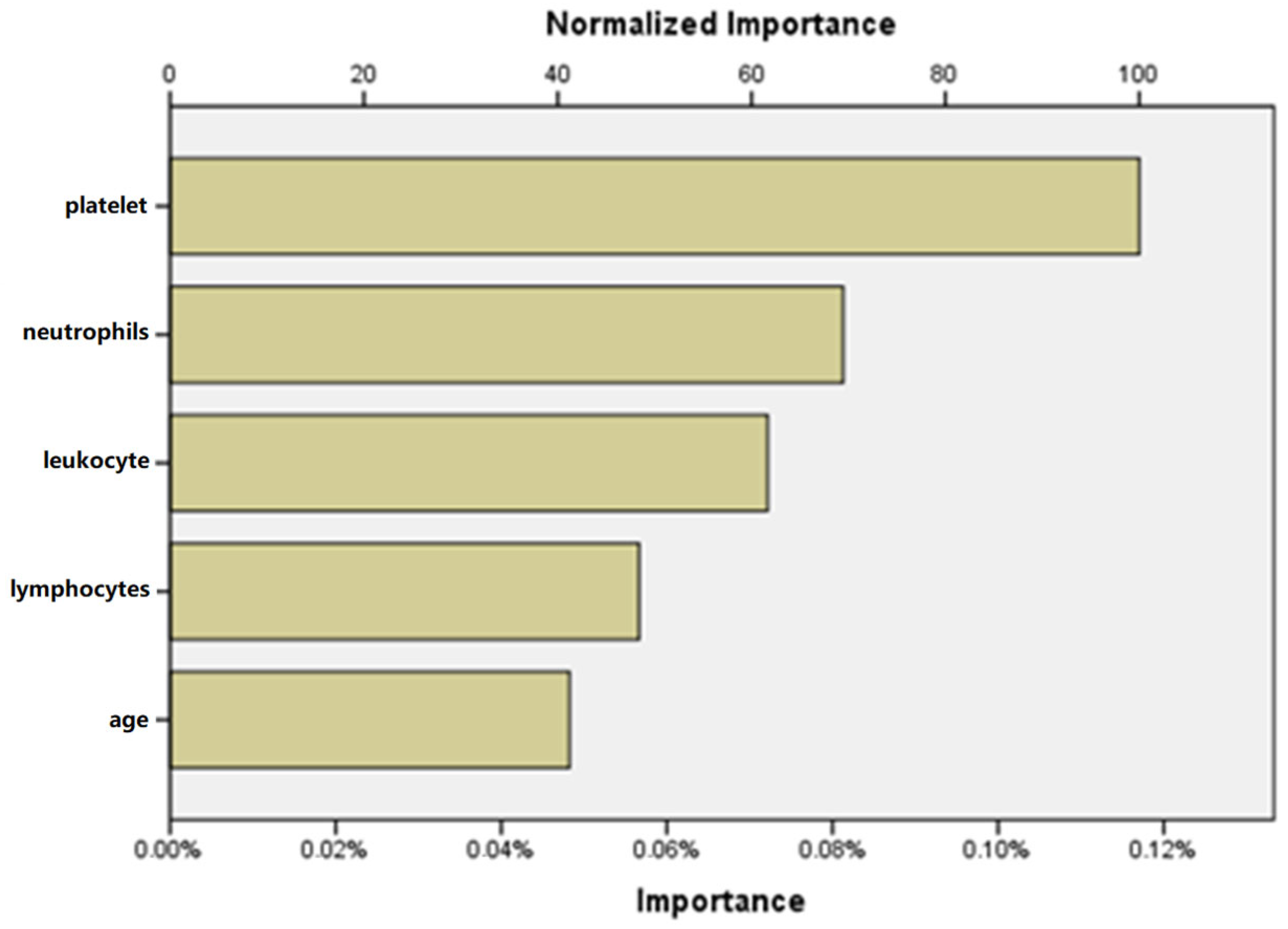
The decision tree model, presented in Figure 2, identified age as the first predictor for discriminating between COVID-19 and influenza patients. In the case of patients under 12 months (indicated by the “age ≤ 12” branch of the tree), 63.4% (45/71) had COVID-19, while in the group of patients over 12 months (the “age > 12” branch), 68.6% (72/105) had influenza. Among infants (age ≤ 12 months), leukocytes were identified as the second splitting predictor (cutoff value: 6.295 × 10³/μL), while splitting predictors at the third level were platelets (cutoff value: 286.500 × 10³/μL) and lymphocytes (cutoff value: 3.625 × 10³/L). Among older children (age > 12 months), neutrophils were identified as the second splitting predictor (cutoff value: 10.037 × 10³/L), followed by platelet count (cutoff value: 170.000 × 10³/μL) at the third split. The normalized importance of predictors used to construct the decision tree model is presented in Figure 3.
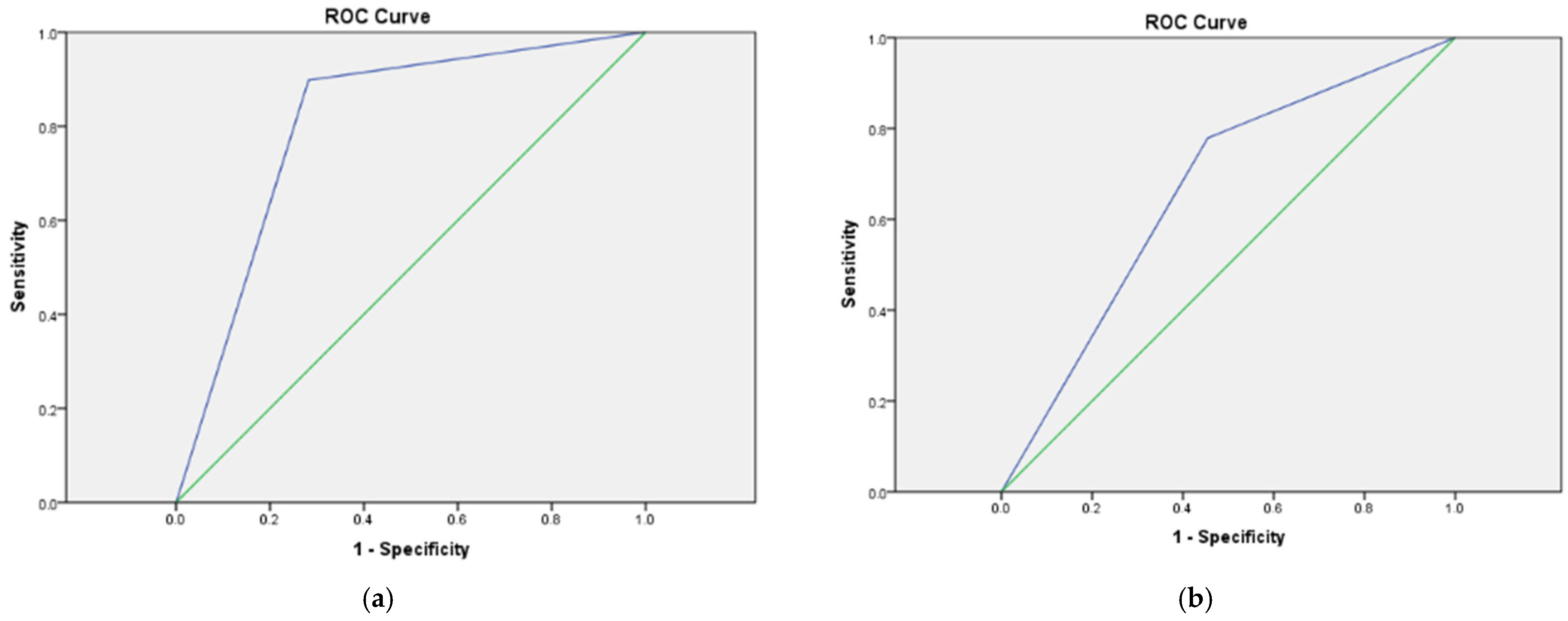
The confusion matrix and prediction performance indicators of the two classification models are presented in Table 3 and Table 4, while the ROC curve for the models is presented in Figure 4.

4. Discussion

Differentiating between COVID-19 and influenza is a critical challenge in clinical practice. In this study, we assessed the clinical and laboratory characteristics of SARS-CoV2 and influenza infection in hospitalized pediatric patients.
The most prevalent encountered symptom in both groups was fever, affecting 87.7% of patients in the COVID-19 group and 89.8% of those with influenza. Among COVID-19 patients, loss of appetite was the second most prevalent symptom. Cough and nasal congestion were found mostly in children with influenza. About one-fifth of patients in both groups reported breathing difficulties. Headache was the least frequently reported symptom, given the fact that it is a difficult-to-objectify symptom, especially for younger children. Numerous studies, ours included, indicate that patients with influenza have fever, nasal congestion, and cough more frequently than those diagnosed with COVID-19, while diarrhea is most prevalent in SARS-CoV-2 infection [4,6,9,11].
The higher prevalence of these symptoms can be attributed to differences in viral tropism, replication dynamics, transmission pathways, and the specific immune responses triggered by each infection. The influenza virus primarily targets the respiratory epithelial cells [6,12]. The virus has a surface glycoprotein called hemagglutinin, capable of binding to sialic acid residues from the surface of the target cells. The distribution of sialic acid along the respiratory tract is not uniform, with higher concentrations being found in the upper respiratory tract. This explains why the inflammation is predominantly localized in this region [6,13]. On the other hand, SARS-CoV-2 especially affects the lower respiratory tract via angiotensin-converting enzyme 2 (ACE2) receptors. Recent studies suggest that infection of the lower respiratory tract can occur as a primary event or as a result of the aspiration of infectious particles. Differences between these types of infection are also observed in the host immune response. The influenza virus is considered a respiratory virus, so the inflammatory response tends to remain localized, and extrapulmonary dissemination is rare. In contrast, SARS-CoV-2 can infect a wide range of cell types and tissues, and the infection tends to be more generalized [14].
Various biochemical and hematological parameters were evaluated for comparison between groups.
The mean serum levels of creatinine and urea were lower in the COVID-19 group compared to the influenza group. The influenza group had fewer infants, a factor that could have significantly influenced the serum creatinine values. Serum creatinine levels are dependent on age and muscular mass, so younger children have physiologically lower levels [15,16].
In our study, the mean levels of ALT and AST were higher in the COVID-19 group, but there was a statistically significant difference (p = 0.000) only for alanine aminotransferase (ALT). Age-stratified analysis revealed that this difference remained significant only in children older than 12 months. The current literature presents conflicting data. Most studies indicate that liver enzyme levels are lower in SARS-CoV-2 infections compared to influenza. However, some research has shown higher AST levels in COVID-19 patients [3,6,17]. The mechanisms involved in hepatic injury in COVID-19 are multifactorial. The SARS-CoV-2 virus was proven to have a direct cytopathic effect on hepatocytes by binding to ACE2 receptors, which are expressed not only in hepatocytes but also in cholangiocytes and endothelial cells [18,19]. Histopathological examination of liver biopsy samples has revealed findings such as macrovesicular steatosis and an increased number of mitotic figures, suggestive of hepatocyte apoptosis [19,20]. These alterations collectively contribute to a reduced regenerative capacity of hepatocytes [20]. In a study conducted by Sanyaolu A. et al. [19], it was observed that SARS-CoV-2 infection is associated with abnormal liver function tests, regardless of whether patients had pre-existing liver conditions or not. This suggests a direct viral role in hepatocyte injury. In the same study, liver injury was reported in up to 53% of SARS-CoV-2-infected patients, and those rates were higher (69%) among those requiring hospitalization. The influenza virus is considered non-hepatotropic, so influenza infection is associated with a lower rate of liver injury compared to SARS-CoV-2 infection.
Certain influenza virus strains can affect hepatocytes and can alter liver function tests. The most commonly implicated mechanism is immune-mediated inflammation, often associated with drug-induced hepatotoxicity. As shown in the study by Shafran Noa et al. [21], a key distinguishing feature between the two infections is the moment at which hepatic abnormalities occur. In patients with SARS-CoV-2 infection, liver enzyme alterations tend to occur later in the course of the disease, whereas in influenza infection, such abnormalities typically emerge earlier.
Although CRP levels were higher on average in the influenza patients, this difference did not reach statistical significance. When adjusting for age, we found that infants in both groups had lower values compared to older children. Our study supports findings from previous research, indicating that inflammatory markers like C-reactive protein (CRP) and procalcitonin generally tend to have lower levels during SARS-CoV-2 infection [3,6,17,22,23]. This can be explained by the rapid action of the influenza virus, which promptly infects the epithelial cells lining the respiratory tract, thereby activating innate immune mechanisms and triggering acute inflammation and subsequent elevations in CRP levels. On the other hand, in their study, Levinson T. et al. [24] demonstrated that “higher CRP level upon admission is approximately twice as common among SARS-CoV-2 patients compared to other widespread respiratory viruses, which may demonstrate the higher intensity of inflammation caused by SARS-CoV-2”.
Several hematological parameters were assessed within the study, including hemoglobin concentration, total leukocyte count, leukocyte differential, and platelet count, as well as derived indices such as the neutrophil-to-lymphocyte ratio (NLR), platelet-to-lymphocyte ratio (PLR), and lymphocyte-to-monocyte ratio (LMR).
In most subjects of the study, red blood cells (RBCs) had normal values for age. No differences were observed based on the type of infection. In the infant group, where iron-deficiency anemia is more common, the lowest RBC values were found: 15.6% for infants infected with SARS-CoV-2 and 11.54% for those infected with influenza. One-third of the patients included in the study had low hemoglobin levels. There were no statistically significant differences identified regarding the type of infection. In the infant group, more than half of those infected with SARS-CoV-2 (51.11%) had hemoglobin values below the normal range. In the influenza cohort, one-third of the children presented with anemia upon hospital admission (34.62%) among those under 12 months of age, and 34.78% among those over 12 months. The majority of studies comparing the hematological parameters between influenza and COVID-19 have reported significantly higher red blood cell counts and hemoglobin concentrations in patients with COVID-19 [7,25,26]. One explanation for this finding is the agglutination of red blood cells, which occurs due to the influenza virus binding to sialic acid receptors on their surface [25,27].
Most of the patients enrolled in the study had normal leukocyte counts, regardless of the type of infection. This result was consistent between age categories (infants and children over 12 months). Among infants, the median leukocyte count was found to be significantly higher in influenza infection compared to COVID-19 (p = 0.012). Most studies indicate that leukocyte counts are lower in SARS-CoV-2 infection compared to influenza. Our study also supports this conclusion for children under 12 months of age [3,11,22,28]. In infants, leukopenia is more severe in SARS-CoV-2 infection than in influenza, primarily due to cytokine-mediated lymphocyte depletion, bone marrow suppression, and systemic immune activation. The physiological immaturity of the infant’s immune system has an additional effect.
Examining the rest of the hematological parameters, specifically, lymphocyte, monocyte, eosinophil, and basophil counts, we found no statistically significant differences between patients with COVID-19 and those with influenza, except for eosinophil counts in individuals over 12 months of age (p = 0.004) and basophil counts in infants (p = 0.024). Eosinophil counts were normal in almost all patients included in the study, except for 6.06% of children over 12 months of age with COVID-19. Lymphopenia was observed in one-third of patients with COVID-19 and influenza. When analyzed by age groups, lymphopenia was more common in COVID-19 patients than in those with influenza. These findings were supported by other studies [29]. On the other hand, in their studies, Lee H.Y. (Taiwan) and Siddiqui (Turkey) highlighted that lymphopenia is more characteristic of influenza infection than of COVID-19 [26,30]. In our study, lymphocytosis was less common in the studied group, but it occurs more frequently in patients infected with COVID-19, except for infants where it is more prevalent among those with influenza. Despite these observations, no statistically significant differences were found. Median lymphocyte counts were lower in older children compared to infants and in COVID-19 compared with influenza for both age groups. These findings were supported by the study of Akkoç et al. [29]. Studies report conflicting data regarding this parameter. Dulkadir et al. [7] showed that lymphocyte counts were higher in the COVID-19 group. In his systematic review and meta-analysis, Bang Yu et al. [25] found “no significant difference in terms of lymphocyte count” between these infections. Recent studies confirm that patients with influenza may have low lymphocyte counts because of hematopoietic suppression and virus-induced apoptosis. Recently, lymphopenia has also been identified as an important marker of SARS-CoV-2 infection. A possible explanation might be an increased production of interleukin-6 (IL-6), which leads to the excessive activation of monocytes and a decrease in lymphocyte levels [5].
Neutrophilia was more prevalent among children with influenza and neutropenia in both age groups with COVID-19. COVID-19 infection was associated with a higher proportion of neutrophilia among children aged 12 months or older, and influenza among infants. Neutropenia was more frequent in SARS-CoV-2 infection across all age groups, without a statistically significant difference. Neutrophil count was significantly lower in infants with COVID-19 than with influenza (p = 0.011). This conclusion is also supported by other studies, such as that of Yilmaz K. et al. [3], which reported a significantly lower neutrophil count in patients with COVID-19. Similar results were reported by studies conducted by Liang F. et al., Li Y. et al., and Săsăran O. et al. [22,31,32]. However, in a meta-analysis, Bang Yu et al. [25] reported that neutrophil counts were similar in both infections, whereas Dulkadir R. [7] found that neutrophil counts were significantly higher in SARS-CoV-2 infection compared to influenza.
The vast majority of the children enrolled in our study had normal monocyte counts. Monocytosis was more prevalent in COVID-19 compared to influenza in both age groups, but no statistically significant difference was reached. The median monocyte count was lower in the COVID-19 group compared with the influenza group. This conclusion is supported by the study of Jiangnan Chen, which showed that in the influenza group, both monocyte percent and count are significantly higher regardless of the severity of COVID-19 [33]. Similar results were reported by Mudd PA et al. who identified that “COVID-19 subjects exhibited significantly reduced numbers of circulating monocytes” [34]. On the other hand, Curtolo A. et al. showed that monocyte count was higher in the COVID-19 group than in the influenza group, and the monocyte count is predictive for the SARS-CoV-2 infection [35]. Macrophages and monocytes are an important part of the innate immune system and among the first line of defense, especially against viruses [36]. Their roles are complex in inflammation and inflammatory disease and in tissue homeostasis, and, as recent studies show, they can be reprogrammed to anti-inflammatory cells [37]. Recent studies show that up to 10% of the blood monocytes can be infected by SARS-CoV-2 and become a source of excessive inflammation and severe COVID-19. The cytokine and chemokine pattern changes contribute to a severe inflammatory response and higher mortality [36,38,39].
In this study, we found that a substantial majority of patients exhibited platelet counts within the normal range, with 89.89% of individuals diagnosed with COVID-19 and 83.33% of those with influenza falling into this category. The platelet count was lower in COVID-19 patients across both age groups. Platelets play important roles in the inflammatory response, especially due to vascular endothelial injury. However, they can also become activated in the absence of injury due to proinflammatory or infectious factors [40]. Similar results were reported by Akkoç G. et al. [29], while Bang Yu [25] showed that no significant difference in platelet count could be found in the studies he included in his meta-analysis. Yilmaz K. et al. [3] found that in the COVID-19 group the platelet count was higher compared to the influenza group. In SARS-CoV-2 infection, platelets are involved in thrombotic events and lower counts are associated with severe disease course, disease progression, and poor outcomes [40,41,42,43].
The resulting decision tree model delineates patient profiles associated with COVID-19 and influenza, based on a combination of laboratory parameters. The model segments patients by age, leukocyte count, neutrophil count, lymphocyte count, and platelet count, revealing characteristic patterns for each viral infection (across different branches of the decision tree). Infant patients (age ≤ 12 months) predominantly classified with COVID-19 are characterized by a combination of relatively lower leukocyte counts (≤6.296 × 10³/μL, further refined to <5.000 × 10³/Μl), and relatively lower platelet counts (≤286.500 × 10³/μL). Normal leukocyte values (>6.296 × 10³/μL) combined with a predisposition for lymphopenia (<3.625 × 10³/μL) are predominantly encountered in cases of influenza infection. When both leukocyte and lymphocyte counts remain within normal ranges, platelet values above 363.000 × 10³/μL characterize the COVID-19 infection. When platelet counts are below this level, the percentage of cases with influenza infection lowers to 33%, whereas the percentage of cases with SARS-CoV-2 infection rises to 66%. Regarding children with age > 12 months, a neutrophil count over 10.000 × 10³/μL is encountered in cases of patients with COVID-19 infection. Below this neutrophil threshold, when associated with a tendency towards thrombocytopenia (≤170.000 × 10³/μL), the findings indicate influenza infection. These patterns are most likely related to the fact that, with increasing age, the immune system becomes more robust and more capable of responding effectively to viral stimuli. SARS-CoV-2 infection is more prone to induce systemic inflammation compared to the influenza virus, which often has a suppressive effect on the bone marrow, resulting in lower platelet counts.
We analyzed ratios of various immune-related cell types. Our findings show that the neutrophil-to-lymphocyte ratio (NLR) was higher in patients with influenza compared to those with COVID-19; however, this difference was not statistically significant (p = 0.195). The NLR values are sex- and age-dependent regardless of the condition (disease vs. health) [44,45,46]. Prozan L. [47] found that the NLR median is significantly higher in influenza compared to COVID-19. In SARS-CoV-2 infection, NLR is an independent prognostic factor for progression to pneumonia [48], and it is proven to be better than PLR for predicting the severity of the disease [47].
Our study showed that the lymphocyte-to-monocyte ratio (LMR) was higher in influenza infection compared to SARS-CoV-2 infection (3.17 vs. 2.72, p = 0.105). A study conducted by Săsăran O. et al. supports these findings [32]. The lymphocyte-to-monocyte ratio (LMR) indicates the involvement of immune cells in both localized and generalized inflammatory processes [49]. In the scientific literature, LMR has been associated with various conditions, including bacterial and fungal infections, sepsis, different types of cancers, trauma, and vascular diseases such as spontaneous intracerebral hemorrhage, ischemic stroke, and atherosclerosis [49,50,51,52,53]. The lymphocyte-to-monocyte ratio seems to effectively differentiate between patients with influenza type A and those without this infection [54]. Furthermore, an LMR below 2 is significantly useful in distinguishing influenza type A infections from other viral infections [55]. The lower LMR value is associated with a more severe infection because of the decreased lymphocyte counts that delay viral clearance. Additionally, the LMR appears to be a valuable dynamic biomarker for monitoring hospitalized patients [49,56,57,58].
In our study, we found that the platelet-to-lymphocyte ratio (PLR) was elevated in SARS-CoV-2 infections across all age groups. The same results, as reported in a study by Yan Zhao conducted in China, showed that PLR levels were lower in influenza than in COVID-19 [59].
The platelet-to-lymphocyte ratio (PLR) reflects the complex interaction between platelets and lymphocytes in inflammation. An increase in this ratio is associated with both acute and chronic inflammatory processes [40]. The PLR increases constantly during childhood as a result of the decrease in lymphocytes and platelets. In SARS-CoV-2 infection, the PLR is higher in severe and critical cases and predicts the severity of the disease [40,60,61,62].
This study represents our preliminary research in utilizing machine learning-based models to understand the clinical and laboratory markers associated with COVID-19 and influenza. The results are promising and there are several directions for future research that could further refine and expand upon these findings. The study was a retrospective, single-center study with a small sample size. To enhance the robustness and generalizability of the model, prospective, multi-center studies involving larger sample sizes from diverse regions are needed. These studies could provide more reliable results and better applicability to broader patient populations. Moreover, while this study focused on a specific set of laboratory features, future work could explore the inclusion of additional variables—such as genetic, imaging, and environmental factors—that may individually influence disease outcomes. Incorporating these factors could offer a more comprehensive understanding of the pathophysiology and systemic impacts of both viruses. The data-driven approach presented here lays the groundwork for future multidimensional, data-driven frameworks. Such frameworks could integrate diverse clinical data sources and enhance decision making by supporting clinicians in more personalized and effective patient care.

5. Conclusions

Machine learning-based, evidence-driven models that consider a large scale of clinical and laboratory variables can help to improve, support, and sustain healthcare practices. The developed decision tree model is an exploratory one providing an interpretable framework that can be useful for understanding the differential clinical presentations of COVID-19 and influenza, highlighting the specific combinations of laboratory markers that contribute to their discrimination. COVID-19 frequently involves relatively low leukocyte and platelet counts in younger patients. Influenza often shows a combination of moderate leukocytes and moderate-to-lower lymphocytes in the cases of younger patients. In older patients, distinguishing features involve more complex patterns, combining neutrophil and platelet variations. After further refinement and application, the decision tree model differentiating between COVID-19 and influenza has the potential to improve clinical risk assessment and decision making in practice.

Author Contributions

Conceptualization, G.M., I.O.M.-B., M.T.; methodology, G.M., I.O.M.-B., M.T., I.B., G.S.; software, I.M., I.B., G.S., G.M.; investigation, I.O.M.-B., M.T.; data curation, I.O.M.-B., M.T., I.M.; writing—original draft preparation, I.O.M.-B., M.T., I.M.; writing—review and editing, I.B., G.S., I.O.M.-B., M.T., I.M.; project administration, G.M., I.O.M.-B., M.T.; funding acquisition, G.M. All authors have read and agreed to the published version of the manuscript.

Funding

Project financed by Lucian Blaga University of Sibiu through the research grant LBUS-IRG-2023.

Institutional Review Board Statement

The study was conducted according to the guidelines of the Declaration of Helsinki and approved by the Ethics Committee of the Pediatric Clinical Hospital Sibiu (no. 2218/16 March 2022).

Informed Consent Statement

Informed consent was obtained from all subjects involved in the study.

Data Availability Statement

The data presented in this study are available on reasonable request from the corresponding author.

Acknowledgments

Project financed by Lucian Blaga University of Sibiu through the research grant LBUS-IRG-2023.

Conflicts of Interest

The authors declare no conflicts of interest.

Abbreviations

The following abbreviations are used in this manuscript:
CARTClassification and regression tree
ASTAspartate aminotransferase
ALTAlanine aminotransferase
CRPC-reactive protein
RBCRed blood count
NLRNeutrophil–lymphocyte ratio
PLRPlatelet–lymphocytes ratio
LMRLymphocytes–monocytes ratio

Appendix A

Table A1. Age and gender distribution of patients.
COVID-19
(n = 78)
Influenza
(n = 98)
p
Gender
Male41 (52.56)49 (50.00)0.537
Female37 (47.44)49 (50.00)
Age
Median (IQR)10.00 (6–27)28.00 (11–57)
<1 year45 (57.69)26 (26.80)0.001
1–2 year10 (12.82)19 (19.59)
2–6 year15 (19.23)33 (34.02)
6–10 year2 (2.56)8 (8.25)
>10 year6 (7.69)11 (11.34)

References

  1. Kwon, J.H.; Paek, S.H.; Park, S.H.; Kim, M.J.; Byun, Y.H.; Song, H.Y. COVID-19, Influenza, and RSV in Children and Adults: A Clinical Comparative Study of 12,000 Cases. J. Clin. Med. 2024, 13, 1702. [Google Scholar] [CrossRef]
  2. Halasa, N.B.; Spieker, A.J.; Young, C.C.; Olson, S.M.; Newhams, M.M.; Amarin, J.Z. Life-threatening complications of influenza vs coronavirus disease 2019 (COVID-19) in US children. Clin. Infect. Dis. 2023, 76, e280–e290. [Google Scholar] [CrossRef]
  3. Yılmaz, K.; Şen, V.; Aktar, F.; Onder, C.; Yılmaz, E.D.; Yılmaz, Z. Does COVID-19 in children have a milder course than Influenza? Int. J. Clin. Pract. 2021, 75, e14466. [Google Scholar] [CrossRef]
  4. Song, X.; Delaney, M.; Shah, R.K.; Campos, J.M.; Wessel, D.L.; DeBiasi, R.L. Comparison of clinical features of COVID-19 vs seasonal influenza A and B in US children. JAMA Netw. Open 2020, 3, e2020495. [Google Scholar] [CrossRef]
  5. Khorramdelazad, H.; Kazemi, M.H.; Najafi, A.; Keykhaee, M.; Emameh, R.Z.; Falak, R. Immunopathological similarities between COVID-19 and influenza: Investigating the consequences of Co-infection. Microb. Pathog. 2021, 152, 104554. [Google Scholar] [CrossRef]
  6. Pata, D.; Buonsenso, D.; Valentini, P. Comparison of the Clinical and Laboratory Features of COVID and Influenza in Children. Mediterr. J. Hematol. Infect. Dis. 2022, 14, e2022065. [Google Scholar] [CrossRef]
  7. Dulkadir, R.; Oztelcan Gunduz, B. Differentiating COVID-19 and influenza in children: Hemogram parameters as diagnostic tools. Front. Public Health 2024, 12, 1377785. [Google Scholar] [CrossRef]
  8. Kala, M.; Ahmad, S.; Dhebane, M.; Das, K.; Raturi, M.; Tyagi, M.; Kusum, A. A cross-sectional comparative characterization of hematological changes in patients with COVID-19 infection, non-COVID influenza-like illnesses and healthy controls. Viruses 2022, 15, 134. [Google Scholar] [CrossRef]
  9. Bai, Y.; Tao, X. Comparison of COVID-19 and influenza characteristics. J. Zhejiang Univ. Sci. B 2021, 22, 87–98. [Google Scholar] [CrossRef]
  10. Heil, W.; Erhardt, V. Reference Ranges for Adults and Children-Pre-Analytical Considerations; Roche Diagnostics GmbH: Mannheim, Germany, 2008; pp. 129–137. [Google Scholar]
  11. Temel, H.; Okur, M.; Gunduz, M.; Comert, M.; Erkesim, R.; Celebi, M.; Istanbullu-Tosun, A.; Ulfer, G. Clinical and Laboratory Comparison of COVID-19 and Influenza A/B in Children. Clin. Lab. 2021, 67, 1655–1661. [Google Scholar] [CrossRef]
  12. Han, Y.; Guo, J.; Li, X.; Zhong, Z. Differences in clinical characteristics between coronavirus disease 2019 (COVID-19) and influenza: A systematic review and meta-analysis. NPJ Prim. Care Respir. Med. 2025, 35, 8. [Google Scholar] [CrossRef]
  13. Kosik, I.; Yewdell, J.W. Influenza hemagglutinin and neuraminidase: Yin-yang proteins coevolving to thwart immunity. Viruses 2019, 11, 346. [Google Scholar] [CrossRef]
  14. Choreno-Parra, J.A.; Jimenez-Alvarez, L.A.; Cruz-Lagunas, A.; Rodriguez-Reyna, T.S.; Ramirez-Martinez, G.; Sandoval-Vega, M.; Hernández-García, D.L.; Choreño-Parra, E.M.; Balderas-Martínez, Y.I.; Martinez-Sánchez, M.E.; et al. Clinical and immunological factors that distinguish COVID-19 from pandemic influenza A (H1N1). Front. Immunol. 2021, 12, 593595. [Google Scholar] [CrossRef]
  15. Chuang, G.T.; Tsai, I.J.; Tsau, Y.K. Serum creatinine reference limits in pediatric population—A single center electronic health record-based database in Taiwan. Front. Pediatr. 2021, 9, 793446. [Google Scholar] [CrossRef]
  16. den Bakker, E.; Gemke, R.J.; Bökenkamp, A. Endogenous markers for kidney function in children: A review. Crit. Rev. Clin. Lab. Sci. 2018, 55, 163–183. [Google Scholar] [CrossRef]
  17. Yang, Z.H.A.O.; De Lin, S.U.N.; Heather, C.B.; Gang, W.A.N.; Wei, H.A.O.; Shu Xin, H.E.; Lin, P.A.N.G. Coronavirus disease 2019 versus influenza A in children: An observational control study in China. Biomed. Environ. Sci. 2020, 33, 614. [Google Scholar] [CrossRef]
  18. Xu, L.; Liu, J.; Lu, M.; Yang, D.; Zheng, X. Liver injury during highly pathogenic human coronavirus infections. Liver Int. 2020, 40, 998–1004. [Google Scholar] [CrossRef]
  19. Sanyaolu, A.; Marinkovic, A.; Abbasi, A.F.; Prakash, S.; Patidar, R.; Desai, P.; Williams, M.; Jan, A.; Hamdy, K.; Solomon, R.; et al. Effect of SARS-CoV-2 infection on the liver. World J. Virol. 2023, 12, 109. [Google Scholar] [CrossRef]
  20. Kumar, P.; Sharma, M.; Kulkarni, A.; Rao, P.N. Pathogenesis of liver injury in coronavirus disease 2019. J. Clin. Exp. Hepatol. 2020, 10, 641. [Google Scholar] [CrossRef]
  21. Shafran, N.; Issachar, A.; Shochat, T.; Shafran, I.H.; Bursztyn, M.; Shlomai, A. Abnormal liver tests in patients with SARS-CoV-2 or influenza–prognostic similarities and temporal disparities. JHEP Rep. 2021, 3, 100258. [Google Scholar] [CrossRef]
  22. Li, Y.; Wang, H.; Wang, F.; Du, H.; Liu, X.; Chen, P.; Wang, Y.; Lu, X. Comparison of hospitalized patients with pneumonia caused by COVID-19 and influenza A in children under 5 years. Int. J. Infect. Dis. 2020, 98, 80–83. [Google Scholar] [CrossRef]
  23. Hattatoğlu, D.G.; Yıldız, B.P. Comparison of clinical and biochemical features of hospitalized COVID-19 and influenza pneumonia patients. J. Med. Virol. 2021, 93, 6619–6627. [Google Scholar] [CrossRef]
  24. Levinson, T.; Wasserman, A.; Shenhar-Tsarfaty, S.; Halutz, O.; Shapira, I.; Zeltser, D.; Rogowski, O.; Berliner, S.; Ziv-Baran, T. Comparative analysis of CRP as a biomarker of the inflammatory response intensity among common viral infections affecting the lungs: COVID-19 versus influenza A, influenza B and respiratory syncytial virus. Clin. Exp. Med. 2023, 23, 5307–5313. [Google Scholar] [CrossRef]
  25. Yu, B.; Chen, H.H.; Hu, X.F.; Mai, R.Z.; He, H.Y. Comparison of laboratory parameters, clinical symptoms and clinical outcomes of COVID-19 and influenza in pediatric patients: A systematic review and meta-analysis. World J. Clin. Cases 2022, 10, 10516. [Google Scholar] [CrossRef]
  26. Lee, H.Y.; Chen, C.C.; Ko, S.H.; Hsu, Y.L.; Chang, E.P.; Hsu, Y.C.; Li, M.Y.; Chen, C.L.; Lee, W.Y. Epidemiology and Clinical Characteristics of Laboratory-Confirmed COVID-19 and Influenza Infections in Children: A 2015–2024 Study in Taiwan. Microorganisms 2025, 13, 517. [Google Scholar] [CrossRef]
  27. Trombetta, C.M.; Ulivieri, C.; Cox, R.J.; Remarque, E.J.; Centi, C.; Perini, D.; Piccini, G.; Rossi, S.; Marchi, S.; Montomoli, E. Impact of erythrocyte species on assays for influenza serology. J. Prev. Med. Hyg. 2018, 59, E1. [Google Scholar] [CrossRef]
  28. Asseri, A.A.; Shati, A.A.; Al-Qahtani, S.M.; Alzaydani, I.A.; Al-Jarie, A.A.; Alaliani, M.J.; Ali, A.S. Distinctive clinical and laboratory features of COVID-19 and H1N1 influenza infections among hospitalized pediatric patients. World J. Pediatr. 2021, 17, 272–279. [Google Scholar] [CrossRef]
  29. Akkoç, G.; Ağbaş, A.; Duru, N.S. A comparison of clinical findings and laboratory test results between hospitalized children with COVID-19 and influenza. J. Pediatr. Res. 2021, 8, 432–437. [Google Scholar] [CrossRef]
  30. Siddiqui, M.; Gültekingil, A.; Bakırcı, O.; Uslu, N.; Baskın, E. Comparison of clinical features and laboratory findings of coronavirus disease 2019 and influenza A and B infections in children: A single-center study. Clin. Exp. Pediatr. 2021, 64, 364. [Google Scholar] [CrossRef]
  31. Liang, F.; Wang, X.; Shao, J.; Chen, J.; Liu, L.; Li, H.; Xu, Y.; He, L.; Liang, H.; Li, K.; et al. Comparison of clinical features on admission between coronavirus disease 2019 and influenza a among children: A retrospective study in China. BMC Infect. Dis. 2021, 21, 365. [Google Scholar] [CrossRef]
  32. Săsăran, M.O.; Muntean, C.V.; Stoica, A.B.; Schwesig, C.; Văsieșiu, A.M.; Pleșca, A.D.; Mărginean, C.O. Clinical and Paraclinical Peculiarities of SARS-CoV-2 and Influenza Infections in Children: A Comparative Study. Life 2025, 15, 784. [Google Scholar] [CrossRef]
  33. Chen, J.; Pan, Y.; Li, G.; Xu, W.; Zhang, L.; Yuan, S.; Xia, Y.; Lu, P.; Zhang, J. Distinguishing between COVID-19 and influenza during the early stages by measurement of peripheral blood parameters. J. Med. Virol. 2020, 93, 1029–1037. [Google Scholar] [CrossRef]
  34. Mudd, P.A.; Crawford, J.C.; Turner, J.S.; Souquette, A.; Reynolds, D.; Bender, D.; Bosanquet, J.P.; Anand, N.J.; Striker, D.A.; Martin, R.S.; et al. Distinct inflammatory profiles distinguish COVID-19 from influenza with limited contributions from cytokine storm. Sci. Adv. 2020, 6, eabe3024. [Google Scholar] [CrossRef]
  35. Curtolo, A.; Oliva, A.; Volpicelli, L.; Ceccarelli, G.; D’Ettorre, G.; Borrazzo, C.; Mastroianni, C.M.; Venditti, M. Monocyte absolute count as a preliminary tool to distinguish between SARS-CoV-2 and influenza A/B infections in patients requiring hospitalization. Infez. Med. 2020, 28, 534–538. [Google Scholar]
  36. Meidaninikjeh, S.; Sabouni, N.; Marzouni, H.Z.; Bengar, S.; Khalili, A.; Jafari, R. Monocytes and macrophages in COVID-19: Friends and foes. Life Sci. 2021, 269, 119010. [Google Scholar] [CrossRef]
  37. Varga, G.; Foell, D. Anti-inflammatory monocytes—Interplay of innate and adaptive immunity. Mol. Cell. Pediatr. 2018, 5, 5. [Google Scholar] [CrossRef]
  38. Junqueira, C.; Crespo, Â.; Ranjbar, S.; De Lacerda, L.B.; Lewandrowski, M.; Ingber, J.; Parry, B.; Ravid, S.; Clark, S.; Schrimpf, M.R. FcγR-mediated SARS-CoV-2 infection of monocytes activates inflammation. Nature 2022, 606, 576–584. [Google Scholar] [CrossRef]
  39. Brewer, R.C.; Robinson, W.H.; Lanz, T.V. SARS-CoV-2 infection of monocytes: Balancing acts of antibodies and inflammasomes. Signal Transduct. Target. Ther. 2022, 7, 250. [Google Scholar] [CrossRef]
  40. Sarkar, S.; Kannan, S.; Khanna, P.; Singh, A.K. Role of platelet-to-lymphocyte count ratio (PLR), as a prognostic indicator in COVID-19: A systematic review and meta-analysis. J. Med. Virol. 2022, 94, 211–221. [Google Scholar] [CrossRef]
  41. Sciaudone, A.; Corkrey, H.; Humphries, F.; Koupenova, M. Platelets and SARS-CoV-2 during COVID-19: Immunity, thrombosis, and beyond. Circ. Res. 2023, 132, 1272–1289. [Google Scholar] [CrossRef]
  42. Barrett, T.J.; Bilaloglu, S.; Cornwell, M.; Burgess, H.M.; Virginio, V.W.; Drenkova, K.; Ibrahim, H.; Yuriditsky, E.; Aphinyanaphongs, Y.; Lifshitz, M.; et al. Platelets contribute to disease severity in COVID-19. J. Thromb. Haemost. 2021, 19, 3139–3153. [Google Scholar] [CrossRef]
  43. Bashash, D.; Hosseini-Baharanchi, F.S.; Rezaie-Tavirani, M.; Safa, M.; Dilmaghani, N.A.; Faranoush, M.; Abolghasemi, H. The prognostic value of thrombocytopenia in COVID-19 patients; a systematic review and meta-analysis. Arch. Acad. Emerg. Med. 2020, 8, e75. [Google Scholar]
  44. Moosmann, J.; Krusemark, A.; Dittrich, S.; Ammer, T.; Rauh, M.; Woelfle, J.; Metzler, M.; Zierk, J. Age-and sex-specific pediatric reference intervals for neutrophil-to-lymphocyte ratio, lymphocyte-to-monocyte ratio, and platelet-to-lymphocyte ratio. Int. J. Lab. Hematol. 2022, 44, 296–301. [Google Scholar] [CrossRef]
  45. Eltyeb, E.E.; Gohal, G.A.; Alhazmi, S.A.; Alqassim, M.A.; Hakami, E.F.; Moafa, M.H.; Mutahar, N.H.; Shanaq, M.M.; Shanaq, S.M.; Almalki, A.J.; et al. Neutrophil-to-lymphocyte ratio, platelets-to-lymphocyte ratio, and red cell distribution width as prognostic indicators for length of hospital stay in pediatric asthma. Saudi Med. J. 2025, 46, 143. [Google Scholar] [CrossRef]
  46. Asperges, E.; Albi, G.; Zuccaro, V.; Sambo, M.; Pieri, T.C.; Calia, M.; Colaneri, M.; Maiocchi, L.; Melazzini, F.; Lasagna, A.; et al. Dynamic NLR and PLR in predicting COVID-19 severity: A retrospective cohort study. Infect. Dis. Ther. 2023, 12, 1625–1640. [Google Scholar] [CrossRef]
  47. Prozan, L.; Shusterman, E.; Ablin, J.; Mitelpunkt, A.; Weiss-Meilik, A.; Adler, A.; Choshen, G.; Kehat, O. Prognostic value of neutrophil-to-lymphocyte ratio in COVID-19 compared with Influenza and respiratory syncytial virus infection. Sci. Rep. 2021, 11, 21519. [Google Scholar] [CrossRef]
  48. Huang, L.; Ye, C.; Zhou, R.; Ji, Z. Diagnostic value of routine blood tests in differentiating between SARS-CoV-2, influenza A, and RSV infections in hospitalized children: A retrospective study. BMC Pediatr. 2024, 24, 328. [Google Scholar] [CrossRef]
  49. Dymicka-Piekarska, V.; Dorf, J.; Milewska, A.; Łukaszyk, M.; Kosidło, J.W.; Kamińska, J.; Wolszczak-Biedrzycka, B.; Naumnik, W. Neutrophil/lymphocyte ratio (NLR) and lymphocyte/monocyte ratio (LMR)–risk of death inflammatory biomarkers in patients with COVID-19. J. Inflamm. Res. 2023, 16, 2209–2222. [Google Scholar] [CrossRef]
  50. Offi, C.; Romano, R.M.; Cangiano, A.; Pignatelli, M.F.; Candela, G.; Docimo, G. Evaluation of LMR, NLR and PLR as predictors of malignancy in indeterminate thyroid nodules. Acta Otorhinolaryngol. Ital. 2021, 41, 530. [Google Scholar] [CrossRef]
  51. Chan, J.C.; Chan, D.L.; Diakos, C.I.; Engel, A.; Pavlakis, N.; Gill, A.; Clarke, S.J. The lymphocyte-to-monocyte ratio is a superior predictor of overall survival in comparison to established biomarkers of resectable colorectal cancer. Ann. Surg. 2017, 265, 539–546. [Google Scholar] [CrossRef]
  52. Ren, H.; Liu, X.; Wang, L.; Gao, Y. Lymphocyte-to-monocyte ratio: A novel predictor of the prognosis of acute ischemic stroke. J. Stroke Cerebrovasc. Dis. 2017, 26, 2595–2602. [Google Scholar] [CrossRef]
  53. Wang, J.; Wang, W.; Wang, A.; Zhang, X.; Bian, L.; Du, Y.; Lu, J.; Zhao, X. Slightly elevated lymphocyte to monocyte ratio predicting favorable outcomes in patients with spontaneous intracerebral hemorrhage. J. Inflamm. Res. 2022, 15, 6773–6783. [Google Scholar] [CrossRef]
  54. Hong, J.; Lv, J.; Wu, M.; Shao, J.; Wu, Q. The blood routine test holds screening values for influenza A in 2023: A retrospective study. Transl. Pediatr. 2024, 13, 236. [Google Scholar] [CrossRef]
  55. Patel, B.; Oye, M.; Norez, D.; Isache, C. Peripheral blood lymphocyte-to-monocyte ratio as a screening marker for influenza infection. J. Investig. Med. 2021, 69, 47–51. [Google Scholar] [CrossRef] [PubMed]
  56. Shivakumar, B.G.; Gosavi, S.; Rao, A.A.; Shastry, S.; Raj, S.C.; Sharma, A.; Suresh, A.; Noubade, R. Neutrophil-to-lymphocyte, lymphocyte-to-monocyte, and platelet-to-lymphocyte ratios: Prognostic significance in COVID-19. Cureus 2021, 13, e12622. [Google Scholar] [CrossRef]
  57. Erdogan, A.; Can, F.E.; Gönüllü, H. Evaluation of the prognostic role of NLR, LMR, PLR, and LCR ratio in COVID-19 patients. J. Med. Virol. 2021, 93, 5555–5559. [Google Scholar] [CrossRef]
  58. Jemaa, A.B.; Salhi, N.; Othmen, M.B.; Ali, H.B.; Guissouma, J.; Ghadhoune, H.; Oueslati, R.; Dhaouadi, H. Evaluation of individual and combined NLR, LMR and CLR ratio for prognosis disease severity and outcomes in patients with COVID-19. Int. Immunopharmacol. 2022, 109, 108781. [Google Scholar] [CrossRef]
  59. Zhao, Y.; Yu, C.; Ni, W.; Shen, H.; Qiu, M.; Zhao, Y. Peripheral blood inflammatory markers in predicting prognosis in patients with COVID-19. Some differences with influenza A. J. Clin. Lab. Anal. 2021, 35, e23657. [Google Scholar] [CrossRef]
  60. Kosidło, J.W.; Wolszczak-Biedrzycka, B.; Matowicka-Karna, J.; Dymicka-Piekarska, V.; Dorf, J. Clinical significance and diagnostic utility of NLR, LMR, PLR and SII in the course of COVID-19: A literature review. J. Inflamm. Res. 2023, 16, 539–562. [Google Scholar] [CrossRef]
  61. Gujar, R.K.; Meena, A.; Chouhan, S.S.; Likhar, K.S. Hematological profiles of COVID-19 patients at the Ratlam district, Madhya Pradesh State, India. Bioinformation 2021, 17, 686. [Google Scholar] [CrossRef]
  62. Colaneri, M.; Genovese, C.; Fassio, F.; Canuti, M.; Giacomelli, A.; Ridolfo, A.L.; Asperges, E.; Albi, G.; Bruno, R.; Antinori, S.; et al. Prognostic significance of NLR and PLR in COVID-19: A multi-cohort validation study. Infect. Dis. Ther. 2024, 13, 1147–1157. [Google Scholar] [CrossRef] [PubMed]
Figure 1. Distribution plot of laboratory characteristics (a) platelet, (b) neutrophils, (c) leukocyte, (d) lymphocytes, for the two groups (COVID-19 vs. influenza), stratified by age (≤12 months vs. >12 months). * and circles in the figure are represent outliers values.
Applsci 16 00668 g001
Figure 2. Decision tree model for distinguishing between COVID-19 and influenza.
Applsci 16 00668 g002
Figure 3. Predictor importance.
Applsci 16 00668 g003
Figure 4. ROC curve for (a) decision tree, (b) logistic regression.
Applsci 16 00668 g004
Table 1. Laboratory characteristics of patients.
Laboratory
Characteristics
COVID-19
(n = 78)
Influenza
(n = 98)
p-Value
urea [mg/dL]19.00 (15.00–23.00)20.00 (16.00–24.00)0.500
creatinine [mg/dL]0.45 (0.39–0.49)0.46 (0.41–0.53)0.046
AST [U/L]48.00 (37.00–58.00)41.00 (31.00–54.50)0.065
ALT [U/L]25.00 (17.00–35.00)19.50 (13.50–25.00)0.000
CRP [mg/L]4.59 (2.00–15.00)5.26 (2.00–24.07)0.564
RBC [106/μL]4.32 (3.99–4.59)4.44 (4.23–4.70)0.059
hemoglobin [g/dL]11.30 (10.30–12.40)11.95 (11.05–12.70)0.013
leukocyte [103/μL]6.94 (4.92–9.70)6.85 (4.68–9.84)0.602
neutrophils [103/μL]2.93 (1.58–4.47)3.38 (2.16–5.19)0.212
lymphocytes [103/μL]2.29 (1.34–4.09)2.16 (1.41–3.23)0.458
monocytes [103/μL]0.82 (0.46–1.18)0.61 (0.43–0.98)0.065
eosinophils [103/μL]0.02 (0.00–0.08)0.00 (0.00–0.02)0.000
basophils [103/μL]0.02 (0.01–0.02)0.01 (0.01–0.02)0.254
platelet [103/μL]285.50 (230.00–366.00)261.50 (189.50–345.00)0.078
NLR1.30 (0.64–2.50)1.73 (0.65–2.65)0.195
PLR114.50 (72.61–200.23)123.12 (73.43–181.39)0.700
LMR2.72 (1.81–4.75)3.17 (2.42–4.82)0.105
AST—aspartate aminotransferase, ALT—alanine aminotransferase, CRP—C-reactive protein, RBC—red blood count, NLR—neutrophil–lymphocyte ratio, PLR—platelet–lymphocytes ratio, LMR—lymphocytes–monocytes ratio.
Table 2. Laboratory characteristics of patients under and over 1 year old (12 months).
Laboratory
Characteristics
≤12 Months>12 Months
COVID-19
(n = 45)
Influenza
(n = 26)
p-ValueCOVID-19
(n = 33)
Influenza
(n = 71)
p-Value
urea [mg/dL]18.00 (13.00–21.00)14.00 (11.00–20.00)0.15321.00 (17.00–27.00)20.00 (18.00–27.00)0.965
creatinine [mg/dL]0.41 (0.37–0.45)0.40 (0.36–0.43)0.3080.48 (0.46–0.58)0.50 (0.44–0.58)1.000
AST [U/L]54.00 (42.00–63.00)55.00 (47.00–79.00)0.48339.50 (24.00–51.50)38.00 (29.00–50.00)0.951
ALT [U/L]28.00 (22.00–41.00)27.00 (20.00–32.00)0.50419.50 (15.00–31.55)16.00 (13.00–22.00)0.054
CRP [mg/L]3.69 (2.00–11.00)4.03 (2.01–27.02)0.3439.46 (2.00–26.50)6.35 (2.00–24.07)0.567
RBC [106/μL]4.09 (3.82–4.47)4.15 (3.86–4.46)0.7934.48 (4.34–4.65)4.51 (4.31–4.70)0.805
hemoglobin [g/dL]10.90 (9.90–11.30)11.10 (10.70–12.10)0.07012.30 (11.70–13.00)12.20 (11.30–12.90)0.494
leukocyte [103/μL]6.36 (4.69–9.80)10.08 (7.06–12.71)0.0126.95 (5.17–8.71)6.29 (4.47–8.09)0.104
neutrophils [103/μL]2.32 (1.46–3.27)3.87 (2.10–4.60)0.0113.89 (2.88–6.80)3.20 (2.25–5.21)0.116
lymphocytes [103/μL]3.20 (1.77–4.88)3.75 (2.34–7.32)0.1661.66 (1.08–2.29)1.85 (1.16–2.65)0.570
monocytes [103/μL]0.96 (0.64–1.71)1.04 (0.69–1.88)0.7240.54 (0.38–0.85)0.55 (0.40–0.79)0.800
eosinophils [103/μL]0.03 (0.00–0.12)0.01 (0.00–0.05)0.0560.02 (0.00–0.05)0.00 (0.00–0.01)0.004
basophils [103/μL]0.02 (0.01–0.03)0.03 (0.02–0.04)0.0240.01 (0.01–0.02)0.01 (0.01–0.02)0.208
platelet [103/μL]322.00 (238.00–382.00)353.00 (281.00–448.00)0.090241.00 (216.00–318.00)249.00 (182.00–292.00)0.111
NLR0.80 (0.39–1.36)0.90 (0.34–1.85)0.4732.50 (1.44–4.86)1.88 (1.18–3.09)0.147
PLR109.92 (56.82–172.74)104.01 (55.44–138.29)0.593149.31 (104.95–233.04)128.23 (85.39–188.20)0.175
LMR2.56 (1.86–4.55)3.32 (2.59–6.08)0.0963.32 (1.81–5.07)3.12 (2.39–4.66)0.660
AST—aspartate aminotransferase, ALT—alanine aminotransferase, CRP—C-reactive protein, RBC—red blood count, NLR—neutrophil–lymphocyte ratio, PLR—platelet–lymphocytes ratio, LMR—lymphocytes–monocytes ratio.
Table 3. Confusion matrix of prediction for the two models.
Decision Tree (CART)Logistic Regression
PredictedPredicted
ObservedCOVID-19InfluenzaCOVID-19Influenza
COVID-1956224235
Influenza10882174
Table 4. Evaluation metrics of classifiers for differential diagnosis between COVID-19 and influenza.
AlgorithmAcc (%)Se (%)Sp (%)AUC (95%CI)
Decision tree (CART)81.871.889.880.8 (73.9–87.7)
Logistic regression67.454.577.966.2 (57.9–74.5)
Acc—accuracy, Se—sensitivity, Sp—specificity, AUC—area under the curve.
Disclaimer/Publisher’s Note: The statements, opinions and data contained in all publications are solely those of the individual author(s) and contributor(s) and not of MDPI and/or the editor(s). MDPI and/or the editor(s) disclaim responsibility for any injury to people or property resulting from any ideas, methods, instructions or products referred to in the content.