Review

State of the Art: Building-Integrated Photovoltaic (BIPV) Products

by
Rebecca Jing Yang
1,*,
Yusen Zhao
2,
Chaoxiang Zhang
2,
Chathuri Gunarathna
2,
Pabasara Wijeratne
2,
Jiaqi Yang
2,
Nilmini Pradeepika Weerasinghe
3,
Yukun Zang
2,
Hongying Zhao
2,
Tharushi Samarasinghalage
2,
Chengyang Liu
2,
Sajani Jayasuriya
2 and
Mathanky Sachchithananthan
2
1
Department of Infrastructure Engineering, University of Melbourne, Melbourne 3010, Australia
2
School of Property Construction and Project Management, RMIT University, Melbourne 3000, Australia
3
School of Engineering, RMIT University, Melbourne 3000, Australia
*
Author to whom correspondence should be addressed.
Appl. Sci. 2026, 16(15), 7863; https://doi.org/10.3390/app16157863
Submission received: 2 June 2026 / Revised: 2 August 2026 / Accepted: 4 August 2026 / Published: 6 August 2026

Abstract

Building-integrated photovoltaic (BIPV) systems offer a promising pathway for embedding renewable energy generation into the built environment. However, their widespread adoption is hindered by inconsistent, incomplete, and non-standardized product information. This study systematically assesses the availability and completeness of information provided for commercially available BIPV products to identify critical information gaps affecting their adoption into modern construction. A comprehensive methodology was adopted, beginning with a literature review to identify key product attributes, resulting in 11 major attribute categories and 90 sub-attributes. These attributes were validated through semi-structured interviews with 27 industry professionals and subsequently used to examine information availability across 177 BIPV products from 15 countries, covering technical, economic, certification, warranty, and building-integration characteristics. The results show that information required for design, installation, and maintenance is frequently missing or inconsistently reported in manufacturer documentation. Building-related attributes are considerably underreported compared to electrical characteristics, limiting the usefulness of available information for design integration, simulation, and lifecycle assessment. Furthermore, continued perception of BIPV primarily as an electrical product contributes to fragmented documentation practices and inconsistent information provision. Hence, improved standardization and digitalization of BIPV product information are urgently required. The study demonstrates that the validated attribute structure can provide the foundation for standardized digital product information management, including BIM-compatible BIPV product libraries and centralized databases to support informed decision-making and wider industry adoption.

1. Introduction

Transitioning to renewable energy is vital for combating climate change, ensuring energy security, and fostering sustainability [1]. BIPV systems exemplify this shift by embedding solar technology into architecture, transforming buildings into clean energy producers while promoting environmental and economic benefits for a greener, more resilient future [2,3].
Numerous studies have reviewed BIPV technologies, examining their performance, design considerations, and applicability across different building types and climatic conditions. Debbarma et al. [4] examined the functionality, cost, and esthetics of BIPV and BIPV/T (building-integrated photovoltaic thermal) systems. Yang and Zou [5] analyzed the costs, benefits, and risks associated with BIPV. Yu et al. [6] reviewed the power generation, thermal performance, and optical characteristics of BIPV windows in different applications. More recently, experimental studies [7,8] have investigated decorative glazing and textured glass for BIPV, demonstrating how optical modifications influence photovoltaic performance while improving architectural integration and esthetics. Taşer et al. [9] analyzed design parameters impacting BIPV performance, while Constantinou et al. [10] recently evaluated advanced BIPV applications, examining their technical and sustainability aspects. In another study, Kuhn et al. [2] provided a comprehensive review of the technical aspects of BIPV products. However, these studies lack a detailed overview of the current BIPV products available in the market, particularly in terms of their product characteristics and manufacturer-provided information. The recent study by Bonomo et al. [11] provided a detailed explanation on cost-effectiveness, economic sustainability and the use of digital design processes. This study highlighted the importance of product information availability; however, it did not provide a comprehensive review on the product attributes required to support product selection, design integration, and information management. Despite the extensive body of research on BIPV technologies, a comprehensive review of commercially available BIPV products and the availability of manufacturer-provided product information remain lacking, limiting the availability of valuable insights for researchers and industry professionals.
The design and evaluation of integrated BIPV applications involve multiple interrelated disciplines. Key considerations extend beyond power generation and economic feasibility to include structural integrity, building energy efficiency, and indoor environmental quality [12]. The multidisciplinary nature of BIPV design requires detailed, product-specific information throughout the design, specification, and integration process. Martín-Chivelet et al. [13] reviewed the thermal, optical, and electrical properties of BIPV systems, providing foundational information on key electrical, thermal and optical product characteristics. Pierluigi Bonomo et al. [14] analyzed BIPV products and advocated a “building-based” product approach to bolster the BIPV market; however, they did not specify the product attributes required for a comprehensive database. Similarly, the International Energy Agency Photovoltaic Power System Performance (IEA PVPS) Task 15 report [15] analyzed 27 software programmes, nine online tools, and four applications for BIPV design and performance modelling. The report highlighted the absence of essential product information but without outlining the specific product attributes required to support comprehensive BIPV design and assessment.
Although previous studies significantly advanced the understanding of BIPV technologies, design considerations, and modelling requirements, there remains a lack of a systematic framework for defining the comprehensive product information requirements of BIPV products. Existing reviews have primarily focused on specific technical aspects, such as electrical, thermal, optical, or economic characteristics, rather than identifying a consolidated set of product attributes required across the design, installation, and operation stages of BIPV projects [2,11,12].
Consequently, three significant gaps remain in the current literature that hinder the wider application of BIPV in the building industry. First, there is a limited availability of adequate product information to support and optimize the design process. Existing product documentation is often limited to electrical specifications (e.g., power, current, voltage) with insufficient information relating to building-specific requirements [14]. This lack of comprehensive data prevents engineers, architects, and other design professionals from fully evaluating and integrating BIPV systems as practical building components. Second, manufacturer-provided product information often does not adequately address the practical requirements of real-world applications, limiting its usefulness during the design and specification process. Although prior studies have reviewed the data required for BIPV evaluation, they have not adequately bridged the gap between manufacturers’ data and real-world design needs. Third, existing studies lack a comprehensive review of the BIPV products currently available in the market that examines their technological characteristics, product attributes and manufacturer-provided information. Consequently, there is limited understanding of the current market offerings, technological developments and information gaps that influence product selection, design integration, and the broader adoption of BIPV systems.
According to the IEA PVPS Task 15 report [16], the number of companies manufacturing BIPV products has increased significantly in recent years, highlighting the need for a comprehensive review of commercially available BIPV products and their attributes. Accordingly, this study aims to identify and validate the essential attributes of BIPV products and to examine the availability of corresponding manufacturer-provided product information to support their integration into building designs. The key objectives of this study are to: (1) develop and validate a comprehensive set of BIPV product attributes needed to support effective design and integration; (2) assess the availability, completeness, and consistency of manufacturer-provided information across commercially available BIPV products collected from multiple countries; and (3) identify the information and documentation gaps in current BIPV product offerings that must be addressed to facilitate wider BIPV adoption and improve industry decision-making.
To achieve these objectives, the study combined a literature review, semi-structured interviews and a desktop study. First, relevant BIPV product attributes were identified from the existing literature and industry sources and subsequently validated through interviews with 27 industry professionals. Based on the interview findings, the attribute framework was refined and subsequently applied in a desktop study to collect information on commercially available BIPV products. Each BIPV product was evaluated against the validated attribute framework to determine the availability and completeness of manufacturer-provided information. In total, information on 177 commercially available BIPV products was collected from manufacturers across 15 countries.
The main contributions of this study are fourfold. First, it develops and validates a comprehensive BIPV product attribute framework comprising the 11 attribute categories and 90 sub-attributes required to describe BIPV products and support informed product selection and building integration. Second, it systematically assesses the availability, completeness, and consistency of manufacturer-provided information across commercially available BIPV products. Third, it identifies critical information gaps that require further research and development (R&D), technical advancement, and industry standardization. Finally, it demonstrates that the validated attribute framework provides a foundation for developing Building Information Modelling (BIM)-compatible BIPV product libraries and standardized digital product information frameworks, thereby supporting more effective BIPV design, specification, and industry-wide adoption.
The paper is structured as follows. Section 2 presents a comprehensive list of BIPV product attributes identified through the literature and validated through interviews. Section 3 presents the findings on the availability of information across the reviewed commercially available BIPV products. Section 4 discusses the significance of accessible, comprehensive, and standardized product information for informed product selection, design integration, lifecycle assessment, and the wider adoption of BIPV systems. Finally, Section 5 presents the conclusions and recommendations for future research and practice.

2. Materials and Methods

In this study, the term “BIPV product” refers to commercially available BIPV products marketed by manufacturers. The review focuses on manufacturer-provided product information, including module-level technical specifications (e.g., cell technology and electrical characteristics) and product-level information (e.g., certifications, warranties, installation guidance, and building integration characteristics). According to IEA PVPS [16], a “BIPV module” is defined as the smallest (electrically and mechanically) non-divisible photovoltaic unit in a BIPV system that retains building-related functionality. If the BIPV module is dismounted, it would have to be replaced by an appropriate construction product. Furthermore, it includes the electrical components needed to connect the PV modules to external AC or DC circuits and the mechanical mounting systems needed to integrate the BIPV products into the building [17].
A comprehensive literature review was first conducted to identify the product attributes required to comprehensively describe BIPV products and support their selection and integration within building designs. The identified attributes were classified into five aspects: cost, building integration, certificates, warranty and technical characteristics [5,14]. These aspects were further categorized into 11 major attributes and 90 sub-attributes as presented in Table A1 (refer to Appendix A).
Following the identification of the preliminary BIPV product attributes through the literature review, semi-structured interviews were conducted with 27 industry professionals to validate and refine the identified attribute framework. The interview participants were recruited from stakeholders involved in BIPV-related building design, construction, and operation processes. The participants represented 11 stakeholder groups, including professionals from architecture, engineering, and construction (AEC) sectors, local councils, BIPV distributors, and BIPV installation companies. Participants were selected based on their professional experience and involvement in building projects, renewable energy systems, building envelope design, or BIPV-related activities. All participants had a minimum of two years of relevant professional experience, with experience levels ranging from 2 to more than 10 years. Table 1 tabulates the profile of the interview participants.
The interviews followed a semi-structured format and focused on participants’ professional roles, relevant BIPV application scenarios, and the types of product information required for BIPV product selection and integration. The interview questions were designed to explore the relevance, completeness, and practical applicability of the preliminary attribute framework from different stakeholder perspectives. Each interview lasted approximately 30 min, and all interviews were audio-recorded and transcribed for analysis. The interview transcripts were analyzed using thematic coding to identify recurring themes related to required BIPV product attributes, information gaps, and stakeholder-specific priorities. The interview findings were compared with the preliminary attribute framework, and attributes were subsequently refined, reorganized, or expanded based on stakeholder feedback. The validated attribute framework was then applied in the subsequent desktop study.
Following the validation process, a comprehensive desktop study of commercially available BIPV products was undertaken using publicly available manufacturer information complied through the BIPV Enabler database [18]. In addition, manufacturer and product information were identified through a broad search of publicly available sources, including manufacturer websites, industry reports, technical datasheets, product catalogues, brochures and other relevant BIPV information platforms. A total of 32 manufacturers across 15 countries were contacted to collect and verify product information. The product information was collected across 2024 and 2025. Initially, publicly available manufacturer information was collected and where information was incomplete or required clarification additional information was obtained through direct communication with manufacturers. Products that had been discontinued, lacked sufficient verifiable technical documentation, or represented duplicate entries of the same product were excluded from the analysis. Where manufacturers offered product families with multiple electrical ratings but identical product characteristics, these were treated as a single product unless the variants differed in their reported technical or building-related attributes. Customized project-specific products were included only when sufficient standardized product information was publicly available or confirmed by the manufacturer. In total, information for 177 commercially available BIPV products was compiled into the database.
Each reviewed BIPV product was systematically assessed against the validated attribute framework comprising 11 major attributes and 90 sub-attributes. For each attribute, information was coded using a binary classification of available or unavailable. An attribute was recorded as available when verifiable information was reported in technical datasheets, product catalogues, brochures, manufacturer websites, or information obtained through direct communication with manufacturers. Where no verifiable information was available, the corresponding attribute was recorded as unavailable. The study did not adopt separate “partially available” or “not applicable” categories because the objective was to evaluate the availability of product information rather than the quality of individual attribute descriptions. When product information was ambiguous or inconsistent across different sources, manufacturer-provided documentation or direct manufacturer confirmation was used as the primary reference. The compiled database was subsequently used to evaluate the reviewed BIPV products.
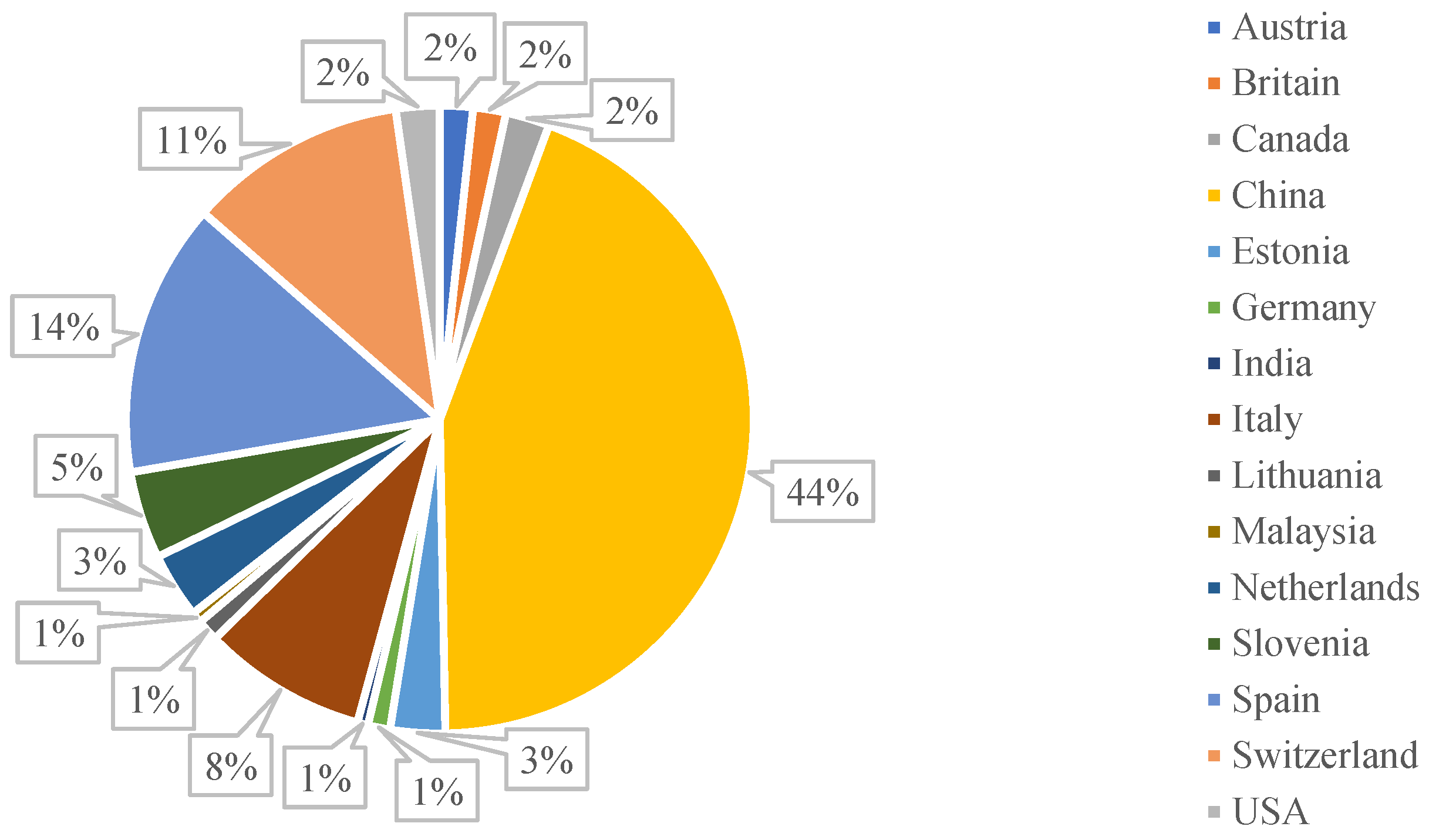
Figure 1 illustrates the geographical distribution of manufacturers whose BIPV products were included in the database. The distribution indicates that the current commercial BIPV market is concentrated in a limited number of countries, particularly China and Europe, although products from several other regions are also represented.
Then collected data were analyzed using descriptive statistics and compiled into a comprehensive database in MS Excel. This database was subsequently used to systematically organize and compare manufacturer-provided information for the reviewed BIPV products across the identified product attributes. Rather than directly evaluating product performance, the database enables a systematic assessment of information availability to support informed product comparison, design decision-making and the future development of digital product libraries. Furthermore, the database can also be continuously updated to incorporate new products, technological advancements and evolving industry practices.

3. Results: Review of BIPV Products

Based on the validated attribute framework presented in Table A1 (Appendix A), this section presents the findings of the desktop review of commercially available BIPV products. It begins with an overview of the availability of BIPV product information across major attribute categories, followed by a detailed analysis organized into five main aspects: building integration, technical characteristics, cost, warranties, and certifications.

3.1. Overview of Information Availability Across the Reviewed BIPV Products

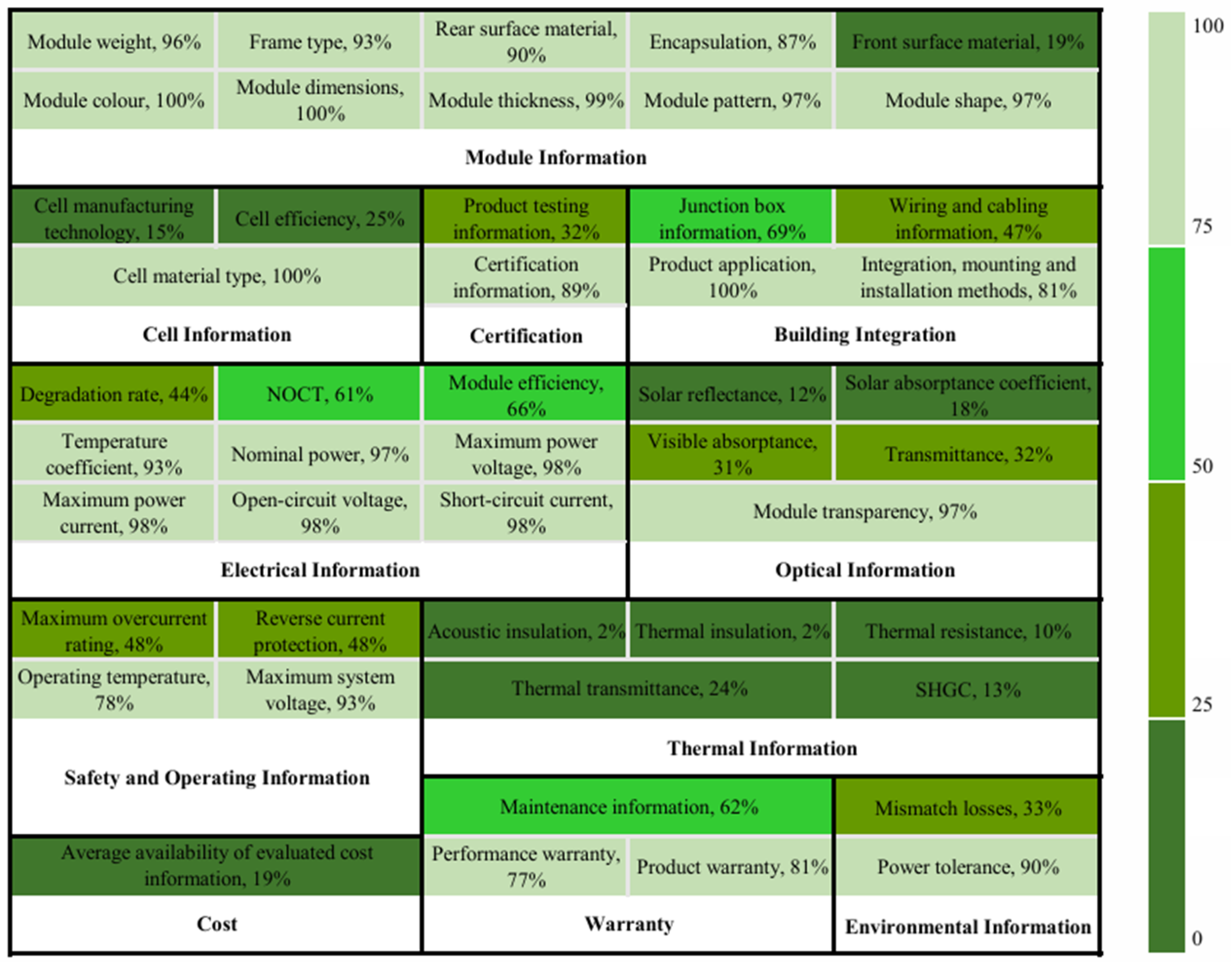
To provide an overall assessment of manufacturer-provided information, Figure 2 presents a heatmap illustrating the availability of information for the validated BIPV product attributes across the 177 reviewed products.
As shown in Figure 2, the availability of product information varies considerably across different attribute categories. The following sections discuss each attribute category in detail.

3.2. Building Integration Aspect

This subsection analyses the availability of manufacturer-provided information for building integration attributes, including product application types, integration methods, and installation-related information.

3.2.1. Product Application

According to the IEA PVPS Task 15 report [16], BIPV products can be utilized for various application types such as rain screens, curtain wall spandrels, curtain wall vision panels, double-skin façades, non-openable skylights, parapets, canopies, roof sheets, balconies, roof tiles, openable skylights, massive façades, and window and shading devices. Among the reviewed BIPV products, roof sheets, massive façades, and canopies were the most frequently reported application types, whereas windows, roof tiles, and shading devices were less commonly represented.
The reviewed products demonstrated diverse application scenarios across building types; however, this diversity requires consideration of specific building requirements, such as fire safety, esthetics, thermal performance, and structural integration. Therefore, product information describing application suitability is essential for supporting appropriate product selection and building integration.

3.2.2. Integration/Mounting and Installation Methods

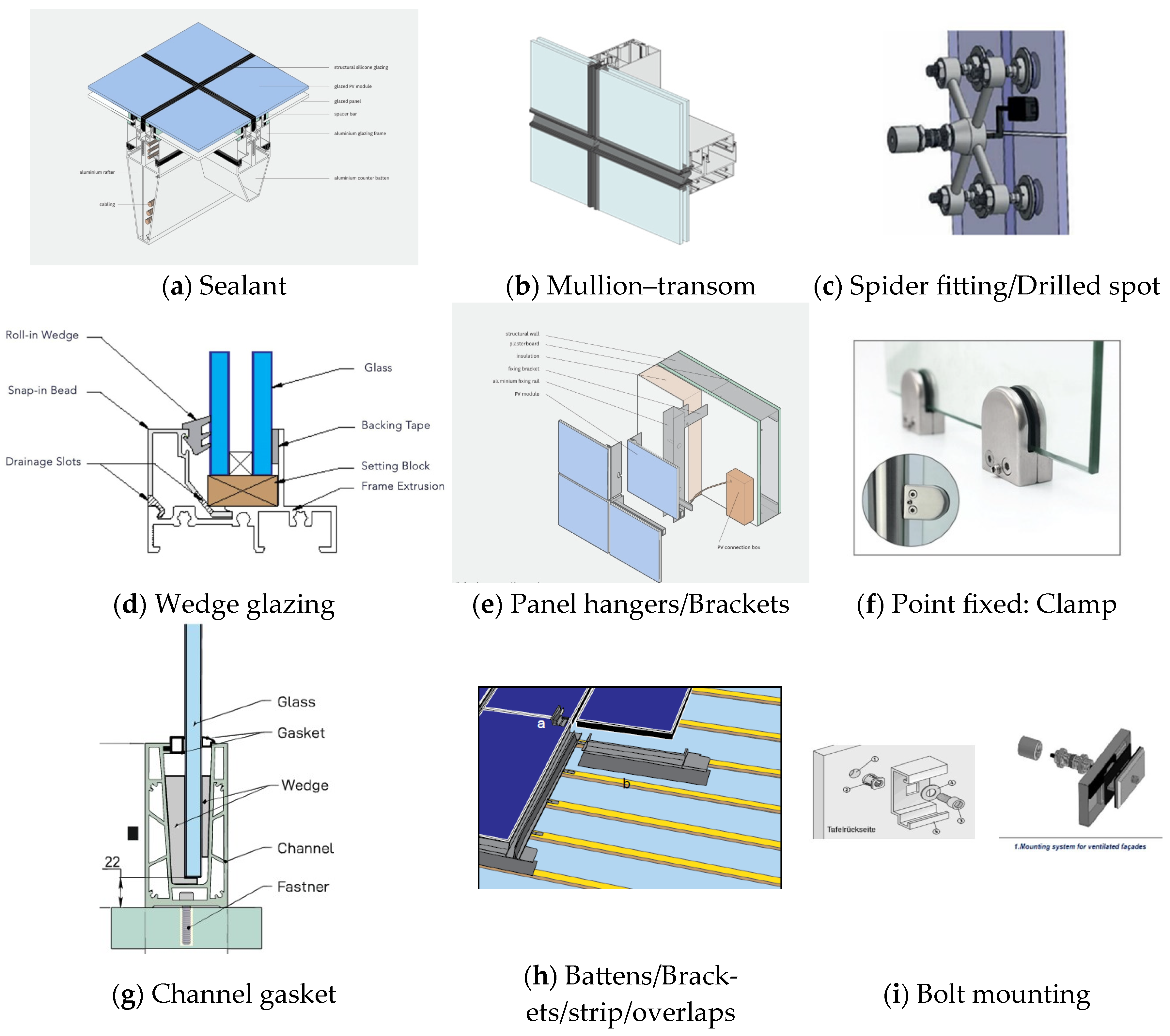
The reviewed BIPV products demonstrated a variety of integration and mounting approaches depending on their intended application. Typically, BIPV products employ one or more integration methods to achieve key functionalities such as airtightness and watertightness [19]. Figure 3 illustrates the most common BIPV integration methods identified in the literature. The diversity of installation methods highlights the broad range of BIPV applications across roofs, façades, skylights, and curtain wall systems and emphasizes the need for manufacturers to provide detailed installation information to support appropriate product selection and design integration.
The selection of mounting methods depends on the application type, module characteristics (e.g., framed/frameless and opaque/semi-transparent configurations), and specific building requirements [21].
Table 2 provides a summary of nine different mounting methods corresponding to 14 BIPV application types. There is a clear difference between the integration methods used for roof installations and those employed for walls or façades. For façade-integrated PV systems, common integration methods include sealants, mullion/transom systems, channel gaskets, and spider fittings or drilled spots. In contrast, BIPV roof installations often use mounting methods like battens, strips, and overlaps to secure the panels [22]. In addition, the installation process requires a variety of skilled labour types, including glaziers, roofers, façade fixers, and electricians, depending on the application type. It was found that most installation details including the labour requirements are not specified and are not readily available. Among the reviewed BIPV products, only a limited number of manufacturers provided brochures describing product integration methods along with specifications and images. Limited availability of installation details may increase uncertainty during project planning, particularly regarding installation requirements and associated labour considerations. This lack of information may make it more challenging for stakeholders to accurately assess installation complexity and associated costs, especially where specialized skills are required [23].
BIPV mounting systems must comply with both building-specific and PV-specific standards to ensure structural integrity, safety, and long-term performance. Accordingly, manufacturers should provide sufficient installation information to support appropriate product selection, design integration, and construction planning.

3.2.3. Electrical Connection and Accessories

Junction box: The junction box provides the electrical interface between the PV module and external circuits and influences installation configuration. Its location, configuration, and electrical characteristics are important for integration planning, particularly in applications where esthetics or limited installation space are critical.
The junction box, equipped with bypass diodes, is typically installed on each PV panel by the BIPV manufacturer. It serves as an interface between the conductor strips on the panel and the DC input and output cables [24]. Typically, the junction box is located on the back of the module, but it can also be integrated into the side edge of the module to enhance esthetics and transparency [25]. The placement of the junction box is an important consideration for the module installation method, particularly when integrated into the side edge. The bypass diodes housed within the junction box provide protection against issues such as partial shading and reverse currents, contributing to module reliability and operational stability. They enhance the power generation efficiency, prolong the module lifespan, and safeguard downstream equipment. The number of bypass diodes in a PV module is generally determined by the number of series-connected cell strings within the module [26]. For instance, a standard 60-cell or 72-cell PV module typically includes three bypass diodes, while half-cut cell modules commonly incorporate six bypass diodes to improve operation under conditions of partial shading. With ongoing technological advancements and cost reductions, modules equipped with one diode per cell have also emerged on the market. However, BIPV information on the junction box configuration, location and bypass-diode arrangements was not consistently available across the reviewed products.
Wiring, cabling: Cable length, diameter, and connector type are critical for electrical integration and installation planning [27]. Although some BIPV products reported standard specifications for cable components (MC4 connectors and 4 mm2 diameter cables), more than half of the reviewed products did not provide complete cable specifications. Although cable length may not be a primary consideration during architectural design, it is an important parameter for electrical connection design and system installation. The review found that cable specifications, including cable length, were frequently omitted from manufacturer documentation. With the increasing diversity of BIPV products, accurate cable specifications are essential for architects and fire engineers to address safety concerns and ensure the proper integration of BIPV systems into building designs.

3.3. Technical Aspect

The technical aspects of BIPV systems include cell-level specifications and module-level characteristics. The availability of these attributes enables engineers and designers to compare products, assess their suitability for different building applications, and support BIPV system design and integration.

3.3.1. Cell Information

PV cells are the core components of BIPV modules responsible for converting solar radiation into electricity [28]. The reviewed cell-related attributes include cell material type, manufacturing technology, efficiency, quantity, colour, and dimensions.
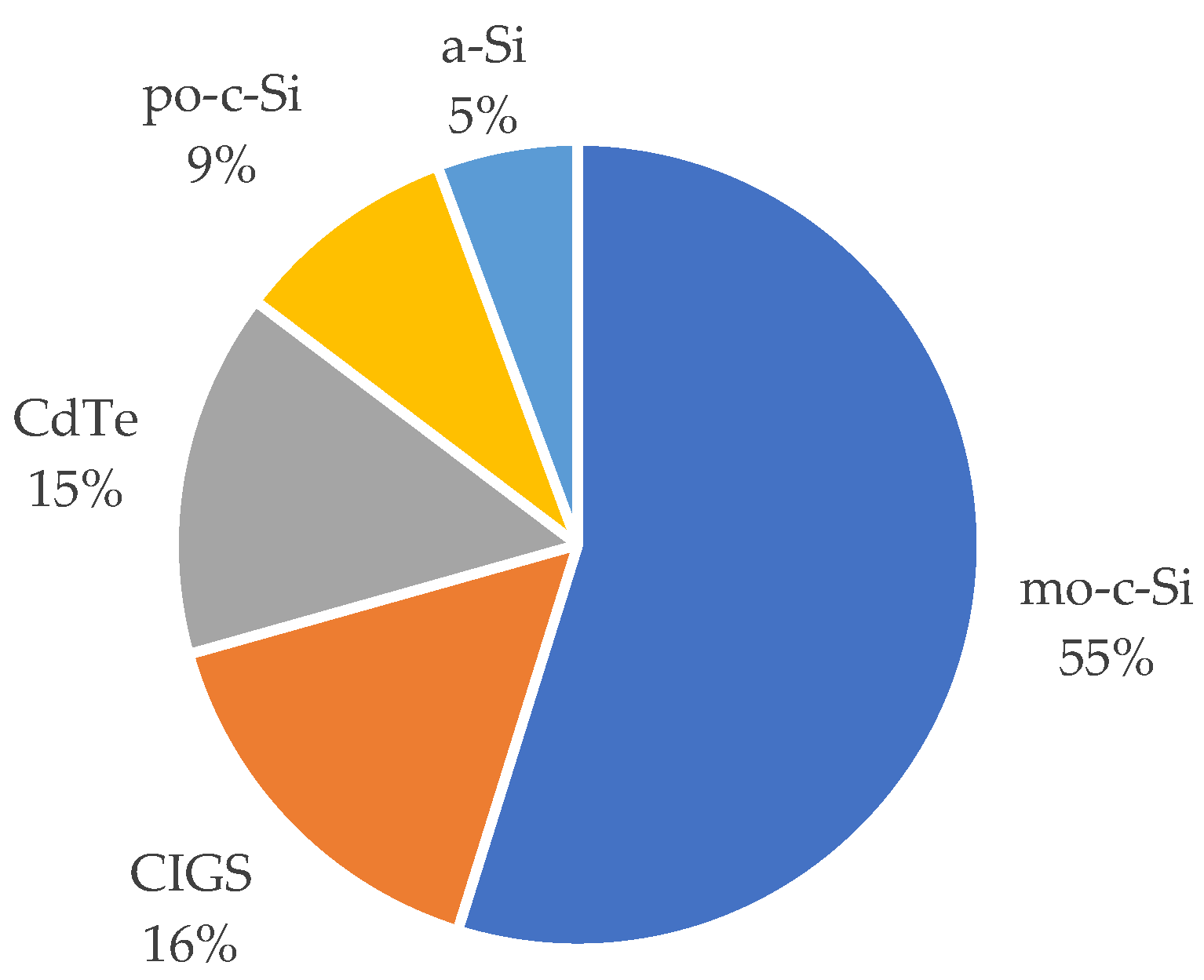
Cell material type: The technology behind BIPV cells varies depending on the raw materials used in their construction [29]. Crystalline silicon (monocrystalline silicon (mo-c-Si), polycrystalline silicon (po-c-Si)) and thin-film technology (amorphous silicon (a-Si), cadmium telluride (CdTe), copper indium gallium selenide (CIGS)) represent the two main PV technologies that have achieved large-scale commercialization. Figure 4 illustrates the distribution of cell technologies in the collected BIPV modules.
Among the reviewed BIPV products for which cell technology information was available, silicon-based cells represented approximately 50% of the collected products, with mo-c-Si being the dominant technology. Compared with conventional ground-mounted PV systems, thin-film cells hold significant potential in the BIPV field due to their lightweight nature, flexibility, customizable appearance, and strong adaptability to low-light and high-temperature conditions. The reviewed products mainly employed crystalline silicon technologies, while thin-film technologies such as CIGS and CdTe were less frequently represented.
Among thin-film technology, a-Si cells have gradually been phased out from the mainstream market because of their low efficiency and poor long-term stability, impacted by light-induced degradation. CIGS cells offer higher efficiency, but also high manufacturing costs and the scarcity of raw materials will limit their widespread adoption. Although CdTe cells exhibit slightly lower efficiencies and contain toxic cadmium, they are gradually gaining market share due to their lower production costs and simpler manufacturing processes. Additionally, although third-generation solar cells, such as dye-sensitized and perovskite cells, have shown significant advancements in laboratory settings, their commercial-scale production remains limited due to challenges related to stability.
Cell manufacturing technology: For silicon-based modules, cell manufacturing technology involves applying various techniques and processes to solar cells to enhance the overall module efficiency, reduce hot-spot temperatures, and mitigate shading effects [30]. For example, PERC (Passivated Emitter and Rear Cell) technology enhances energy conversion efficiency by adding a dielectric passivation layer on the back of the cell [31]. Tunnel Oxide Passivated Contact (TOPcon), emerging as the next mainstream trend in high-efficiency solar cells, incorporates a tunnel oxide passivation contact layer to minimize charge recombination and increase the open-circuit voltage, further improving efficiency. Among the reviewed BIPV products, PERC remained the most commonly reported manufacturing technology.
Technological advances have also led to the development of bifacial modules, which can absorb radiation from both the front and back sides and improve potential energy yield under suitable installation conditions [32]. Among the evaluated modules, those utilizing mature bifacial technology are predominantly silicon-based, particularly those incorporating mo-c-Si cells. Additionally, a limited number of CIGS thin-film modules with bifacial power generation capabilities are also present. Continuous improvements in cell manufacturing have further improved module characteristics and functionality.
The layout of PV cells and their interconnection technology within the module are critical factors influencing module efficiency and reliability. Traditional modules have relied on busbar/ribbon interconnects, whereas recent advances have introduced improved PV cell layouts, such as double half-cut cells, which are designed to reduce shading impacts [33]. Half-cut technology uses laser cutting to divide solar cells in half, enhancing performance under partial shading, reducing hot-spot formation, and achieving higher efficiency [34]. Similarly, back-contact (BC) technology places all electrodes on the back of the solar cells, eliminating front-side electrode shading and significantly improving conversion efficiency. Recently, several suppliers have introduced products based on BC technology; however, according to the BIPV definition adopted in this study, these products are not classified as BIPV products as the reviewed products were required to retain building-related functionality according to the adopted BIPV definition. Information on these cell manufacturing technologies provides valuable insight into the intended technical characteristics of BIPV modules, including their efficiency, shading tolerance, and hot-spot resistance. However, such information is typically reported only for products incorporating advanced technologies, reflecting manufacturers’ efforts to differentiate their products in the market.
Cell efficiency: Cell efficiency is directly related to the underlying cell technology. Reported efficiencies ranged from 18.2 to 22.5% for mo-c-Si modules, 15.5% for CdTe modules, and 15.5 to 17% for CIGS modules.
Cell dimension and pattern: Cell dimension refers to the length and width of each solar cell, while cell pattern denotes the arrangement of cells on the module [35]. The most common pattern of a silicon-based PV cell is a square with smoothed, rounded angles. Thin-film materials are deposited directly on large-area substrates by vapour deposition and sputtering. Therefore, thin-film PV can be cut into specific sizes according to the application requirements, making it highly flexible in shape and installation. For silicon-based PV cells, there are standardized mainstream specifications on the market. In recent years, the bigger size of silicon-based PV cells has become a trend in conventional ground-based silicon-based PV products [36]. Larger cell formats reduce cutting loss and increase the light-absorbing area of a single cell, thereby significantly increasing power output and reducing the overall cost. For example, the size of silicon-based PV cells has been upgraded from 156 mm in the past to 182 mm and even to 210 mm.
However, BIPV applications often require greater flexibility in cell size because modules must accommodate different building geometries. The installation requirements in different locations such as building façades and roofs make smaller-sized PV cells sometimes more suitable as they can better fit the dimensions of the building [37]. In addition, for the electrical analysis of the product, several PV simulation tools, such as PVsyst and solar Building Information Modelling (BIM), are needed to build digital models of the module, which require relevant information about the PV cells [38]. However, the current collected BIPV product information often lacks specific individual cell size and arrangement details.
Number of cells: For silicon-based PV modules, the number of PV cells directly determines the module’s output power. Similar to cell dimension, the number of cells is crucial for building a digital model of the BIPV product. Most residential rooftop PV modules in the market have 60 cells, and commercial panels have 72 cells. However, for different application types, since the size of BIPV modules is usually not fixed, the number of PV cells is also not fixed. Many manufacturers did not provide this information, limiting the availability of detailed module representations required for digital modelling.
Cell colour: Cell colour refers to the visible appearance of the cell. Mo-c-Si cells are typically blue, black or grey, while po-c-Si cells are blue or dark blue. CIGS cells and CdTe cells typically appear dark brown or black. The colour of the solar cells can be adjusted by varying the thickness of the anti-reflection coating, but the efficiency will be reduced [39]. However, information on cell colour and appearance customisation was rarely reported by manufacturers.

3.3.2. Module Information

Module information describes the physical, mechanical, optical, and functional characteristics required to support product selection and building integration. These characteristics include module dimensions, weight, thickness, transparency, frame configuration, front and rear materials, encapsulation materials, and electrical accessories. Among these properties, the electrical parameters represent important attributes for understanding the energy generation characteristics of BIPV modules. In addition, module shape, module size, module thickness, module weight, and stiffness jointly affect the integration of BIPV modules. Module transparency affects daylighting considerations and esthetic outcomes, while other properties, such as front material, back material, and encapsulation material, influence thermal behaviour, durability, and protection characteristics.
Physical and Mechanical
Front/Rear surface material: The front and rear surface materials influence the durability, appearance, thermal behaviour, and integration characteristics of BIPV modules [40]. The rear surface material of BIPV modules is crucial for thermal management and moisture protection. The choice of packaging material is closely related to the functional integration requirements and safety standards of the BIPV [41]. Glass is commonly used as the front cover of PV modules due to its high transparency, mechanical stability, and non-flammability, such as low-iron ultra-clear glass and tempered glass [42]. Furthermore, different functionalities can be achieved by coating the inner and outer surfaces of the glass, for example, colour components or anti-glare components. For the rear cover, options include layered polymer films or glass [40]. Traditional layered polymer films offer advantages such as being lightweight, insulating, and waterproof [43]. In contrast, a double-glass structure, where glass is used for both the front and back covers, offers improved rigidity, durability, and esthetic appeal [13]. This structure also allows for translucency and supports bifacial power generation technology. However, the double-glass structure generally increases both the module weight and manufacturing cost [40]. Double-glass configurations are increasingly adopted in BIPV applications because they improve rigidity, durability, and esthetic flexibility [44]. However, information regarding front and rear surface materials was not consistently provided across reviewed products.
Encapsulation: Encapsulation materials provide protection for PV cells and contribute to module durability and environmental resistance [45]. Among the reviewed BIPV products, Ethyl Vinyl Acetate (EVA) film and polyvinyl butyral (PVB) were the most commonly reported encapsulation materials. For BIPV applications, PVB offers several advantages, including enhanced UV stability, improved moisture resistance, and superior optical transparency and mechanical strength.
Module frame type: The module frame protects the internal components from thermal and mechanical tensions while providing mounting points [46]. Typically, the frames are made of black anodized aluminum, featuring a twin-wall profile with drainage holes. Among the reviewed BIPV modules, 74% reported frameless configurations and 19% reported frame configurations, while frame information was unavailable for 7%.
Module thickness: Module thickness varies depending on product construction, particularly the PV technology and packaging configuration [43]. Silicon-based PV cells are usually thicker, while thin-film cells can be made relatively thin [47]. In most BIPV modules, except for certain flexible panels, BIPV modules typically contain one or more layers of glass, which mainly determines the module’s thickness. Among the reviewed products, reported thickness values ranged from 2.5 mm to 71 mm depending on the packaging material.
Module weight: The weight of BIPV modules is a critical parameter in the design of BIPV systems. It directly impacts the load calculations of both the building and the BIPV system, which are essential for ensuring structural safety [48]. Additionally, the weight of the modules influences the selection and design of the mounting system. Higher module weight may require additional structural considerations and can influence mounting system selection and installation requirements. Similarly to module thickness, the weight of BIPV modules is primarily influenced by the packaging material, which serves as the main source of weight. Among the BIPV products reviewed, the module weights ranged from 1.3 kg to 116.3 kg, with an average weight of 26 kg.
Module dimensions: BIPV products offer a wide range of size options and can be customized according to specific project requirements. The dimensional parameters of BIPV modules are not merely product specifications; they are also critical factors influencing system design, integration, and application suitability. Thin-film PV modules generally offer greater flexibility in sizing [49], whereas the dimensions of silicon-based modules are primarily determined by the number of cells and spacing between adjacent cells [50]. Module dimensions influence the available active area for solar conversion and therefore affect the electrical characteristics of the module. Precise dimensional information is essential for developing digital models, including BIM-based representations and digital twins, because module geometry directly affects design coordination and assessment accuracy.
Appearance
Module colour: Module colour influences the esthetics integration and architectural acceptance of BIPV systems. While the colour of PV cells varies depending on the cell technology, the appearance of BIPV modules can be modified through different glass treatments and coatings. The review identified a wide range of commercially available module colours, including green, red, orange, grey, yellow, purple, gold, and bronze. In addition, some manufacturers offer customized colour options to satisfy project-specific architectural requirements.
Module pattern: BIPV modules are available in a variety of surface patterns to support different architectural applications. Among the reviewed products, reported patterns included dots, stripes, diamonds, large-grain patterns, and louvre-type dense stripes and brick-like, stone-like, aluminum-look, and asphalt patterns. Several manufacturers also provide customized patterns to meet specific design requirements.
Module shape: The module shape is another important consideration for architectural integration. The majority of the reviewed products were rectangular; however, some manufacturers offer customized module shapes for specific applications. Thin-film BIPV products generally provide greater flexibility in module shape, whereas silicon-based modules are typically available in more standardized geometries.

3.3.3. Electrical Attributes

Electrical attributes describe the energy generation and operating characteristics of BIPV modules and are essential for system planning, electrical design, and performance assessment. These attributes include module efficiency, power output, temperature coefficient, current and voltage [51]. Manufacturer-provided electrical parameters are typically reported under Standard Test Conditions (STCs) [defined as 1000 W/m2 irradiance, AM1.5 spectral distribution, and a cell temperature of 25 °C], while some modules also include values under nominal operating cell temperature (NOCT) conditions [800 W/m2, AM1.5, and 20 °C]. Unless otherwise stated, the electrical parameters discussed in this section refer to STCs.
The level of electrical information required varies across the different stages of a BIPV project. During the preliminary design and feasibility stage, key parameters such as module efficiency and nominal power (Pmax) are generally sufficient to estimate energy generation and support initial economic assessments.
Module efficiency: Module efficiency is a key attribute describing the conversion capability of BIPV modules. It represents the ratio of electrical output generated to the incident solar radiation received on the panel surface [52]. Some manufacturers did not explicitly report module efficiency, although it could be derived from the reported maximum power output (Pmax) and module dimensions when sufficient information was available. The reviewed products show that the efficiency of mo-c-Si modules ranges from 8.7% to 22.4%, while po-c-Si modules range from 7.14% to 16.7%. The CdTe modules range from 6.5% to 13.1%, CIGS modules range from 13.3% to 17%, and a-Si modules generally exhibit lower efficiencies between 3% and 6%. The reported efficiency ranges vary among different PV technologies and are also influenced by module characteristics such as transparency, number of cells in the module, and spacing between cells.
During detailed system design, additional electrical information is required to support string optimization, inverter selection, and grid connection design. Parameters such as short-circuit current (Isc), open-circuit voltage (Voc), maximum power voltage (Vmp), maximum power current (Imp), and nominal power (Pmax) provide information required for electrical system design. Table 3 lists the reported ranges of these parameters for different cell technologies identified in the reviewed products.
In addition to the electrical parameters discussed above, manufacturer documentation may also include temperature-related characteristics, such as temperature coefficients and NOCT values, which support the assessment of module performance under different operating conditions. These attributes are discussed in the following subsection.
Temperature coefficient: The temperature coefficient describes the change in the electrical characteristics of PV modules with increasing operating temperature and is important for estimating energy yield under different environmental conditions [53]. The three commonly reported temperature coefficients describe changes in max power, Voc, and Isc. Temperature has a significant effect on Voc, with the Voc temperature coefficient typically being negative, indicating that Voc decreases as temperature increases. Voc generally decreases by approximately 0.2% to 0.5% for every 1 °C increase. Conversely, the Isc temperature coefficient is generally positive and has a relatively smaller sensitivity to temperature variations. The power temperature coefficient quantifies the rate of change in output power due to temperature fluctuations [54]. A higher power temperature coefficient indicates efficiency loss in high-temperature environments is more pronounced.
In BIPV applications, module operating temperatures may be influenced by the level of ventilation available behind the installed modules. Consequently, the temperature coefficients listed in product information sheets are essential for engineers in optimizing system design and selecting appropriate materials and ventilation strategies. Table 4 lists the reported ranges of the temperature coefficients for the different cell technologies identified in the reviewed products.
Among the reviewed products, silicon-based modules generally reported higher temperature coefficients than thin-film modules. However, the reported values varied among products and are influenced by cell technology, module design, and manufacturing characteristics. Based on ongoing improvements in manufacturing processes, reducing temperature sensitivity is also an important development objective for PV manufacturers.
Nominal operating cell temperature (NOCT): NOCT indicates the expected operating temperature of a PV cell under standardized operating conditions and provides additional information for estimating module behaviour beyond STC ratings. Reported NOCT values typically spanned from 42 to 48 °C. CIGS products were frequently reported within the range of 47–48 °C, whereas mo-c-Si products reported values between 44 and 45 °C.
For the planning of BIPV systems, lifecycle cost analysis (LCCA) is commonly applied to evaluate economic feasibility and long-term benefits. Within LCCA, an important parameter influencing the long-term energy yield and economic outcomes of BIPV systems is the module degradation rate.
Degradation rate: Degradation refers to the gradual decline in a PV module output power over time due to factors such as material degradation, environmental exposure, and cell-level failures [55]. The degradation rate is commonly divided into two categories: first-year degradation and annual degradation thereafter [56]. Among the reviewed products, the reported first-year degradation rate ranged from −0.5% to −5%, while subsequent annual degradation rates were generally reported between −0.5% and −0.7%. However, degradation information was unavailable for approximately half of the reviewed products, limiting consistent long-term performance evaluation and lifecycle assessment solely on manufacturer-provided data.

3.3.4. Thermal Attributes

Thermal characteristics are critical for BIPV products as they influence building energy performance when the modules form part of the building envelope. Manufacturer documentation commonly reports thermal performance using two parameters: the thermal transmittance (U-value) and solar heat gain coefficient (SHGC).
Thermal transmittance: Thermal transmittance (U-value) represents the thermal insulation performance of a building envelope and plays a significant role in determining building energy consumption [57]. Consequently, the thermal insulation performance of BIPV modules is as important as that of conventional building envelope materials [58].
The relevance of U-value depends on the intended BIPV application. For example, U-value information is particularly important for enclosed glazing applications, whereas it may be less relevant for ventilated façades or discontinuous roof systems. As a result, U-value information was not consistently reported across the reviewed products.
Among the products that reported U-values, thermal performance varied according to packaging materials and glazing configuration. Single-layer BIPV laminates commonly reported U-values around 5.7, while products incorporating additional coatings, insulating layers, or multi-layer structures, such as PV vacuum glazing, demonstrated improved thermal insulation characteristics. However, the absence of U-value information limits designers’ ability to compare products and evaluate their suitability for energy-efficient building applications. Specifically, the reported U-values vary depending on factors such as substrate configuration, glazing layers, and insulation materials. Therefore, U-value information is particularly important when selecting BIPV products for applications where thermal insulation performance is a design requirement.
Solar heat gain coefficient (SHGC): SHGC quantifies the proportion of incident solar radiation transmitted through a BIPV module and converted into heat within a building [59]. A lower SHGC indicates better control over solar heat gain, which is essential for maintaining indoor comfort and reducing cooling loads, particularly in warmer climates [60]. Therefore, SHGC is an important parameter for selecting BIPV products for specific building applications.
Similar to U-value, SHGC was not consistently reported across the reviewed products. However, this parameter is particularly relevant for semi-transparent BIPV modules where solar radiation transmission influences both indoor environmental conditions and daylight availability. The SHGC of a BIPV module is influenced by factors such as glass coatings and PV cell arrangement. For instance, low-emissivity (Low-E) coatings can be incorporated into BIPV glazing systems to modify solar heat transmission characteristics. Additionally, in silicon-based semi-transparent BIPV modules, the ratio of visible light and solar radiation transmission can be adjusted by modifying the spacing between PV cells, thereby altering the SHGC. Among the reviewed products, the reported SHGC values ranged from 0.13 to 0.67.

3.3.5. Optical Attributes

Optical attributes influence the architectural integration, daylight performance, and esthetic appearance of BIPV products. The key optical attributes identified in this study include module transparency, solar absorptance, and visible transmittance. These parameters are particularly relevant for semi-transparent BIPV applications, such as façades, windows, and skylights.
Module transparency: Module transparency describes the ability of a BIPV module to transmit visible light and is particularly important for applications requiring daylight penetration and visual integration. Depending on the product design, BIPV modules can range from opaque to semi-transparent. Transparency can be achieved through different design approaches, such as modifying cell spacing in si-based modules or adjusting material thickness in thin-film products. Among the reviewed products, transparency levels varied depending on the PV technology and module configuration, as summarized in Table 5.
Increasing module transparency generally results in lower electrical output because a greater proportion of the module area is allocated to light transmission rather than photovoltaic conversion. Therefore, transparency information is important for designers when balancing daylighting, esthetics, and energy generation requirements.
Solar absorptance coefficient (τα): Solar absorptance describes the fraction of incident solar radiation absorbed by a BIPV product and influences thermal behaviour when modules are integrated into building envelopes [25]. Solar absorptance information assists designers in evaluating thermal interactions between BIPV products and building envelopes, particularly in façade applications.

3.3.6. Safety Operating Attributes

Safety-related operating attributes provide important information for assessing the suitability of BIPV products under different installation conditions and supporting safe system design. The key attributes identified include operating temperature range, maximum overcurrent rating, reverse current protection, and maximum system voltage. These parameters are generally provided through manufacturer datasheets and certification documentation.
Operating temperature: The operating temperature range defines the environmental conditions under which BIPV modules are designed to operate. Most reviewed products reported an operating temperature range of approximately −40 °C to 85 °C. This information enables engineers to consider local environmental conditions during product selection and system design.
Maximum overcurrent rating: The maximum overcurrent rating defines the allowable current level of a PV module and supports the selection of appropriate overcurrent protection devices and conductor sizes [61]. These ratings are determined based on the maximum current and voltage conditions that can be generated by the modules. Among the reviewed products, a maximum overcurrent rating of 20 A was commonly reported.
Reverse current protection: Reverse current protection information describes the capability of PV modules to withstand abnormal current flow conditions, such as those caused by shading or module faults [61]. Although reverse current protection requirements are covered by PV safety standards, detailed manufacturer information was not consistently available.
Maximum system voltage: Maximum system voltage is a critical safety parameter used to ensure that the PV system operates within safe voltage limits. This parameter defines the maximum voltage that modules can withstand when connected in series under different environmental conditions [62]. The maximum system voltage for most of the reviewed BIPV products is set at 1000 V, while some mo-c-Si and po-c-Si products adopt 1500 V ratings. Collectively, these safety attributes support safe installation, reliable operation, and appropriate electrical system design.

3.3.7. Environmental Attributes

Environmental Product Declarations (EPDs) serve as a tool to quantify and communicate environmental information based on lifecycle assessment (LCA), as defined in ISO 14025 (2006). These declarations provide information on environmental impacts, including carbon footprint, water usage, and energy consumption, throughout the product lifecycle, from raw material extraction to end-of-life disposal or recycling.
For BIPV products, an EPD may include product descriptions, the basis for LCA, environmental performance indicators, Product Category Rules (PCRs) and geographical information. To enable meaningful comparison between EPDs, stakeholders need to establish consistent PCRs that define the scope, methodology, and assumptions used for LCA calculations. Additionally, geographical factors, such as climate conditions and solar irradiance, may influence the interpretation of environmental assessments, highlighting the importance of considering location-specific conditions when comparing products.
The review identified that EPD availability among BIPV products remains limited. While some manufacturers provide EPD documentation, many reviewed products did not include this information. These findings highlight an opportunity for BIPV manufacturers and industry stakeholders to collaborate in developing consistent PCRs and improving the availability and comparability of environmental information within the BIPV sector.

3.3.8. Other Attributes

Additional module-level attributes reviewed in this study include information related to manufacturing specifications, such as mismatch loss and power tolerance.
Mismatch losses: Mismatch refers to the reduction in overall system output caused by inconsistent performance between components within a system. Mismatch losses may result from environmental conditions such as partial shading or from differences in electrical characteristics between modules produced during manufacturing. Even modules manufactured within the same production batch may exhibit slight discrepancies in electrical performance due to differences in materials and manufacturing processes. The mismatch losses considered in this study primarily relate to variations in module electrical characteristics at the manufacturing stage. The reviewed products reported mismatch losses ranging from 0.2% to 5%. However, improvements in manufacturing processes and quality control have reduced mismatch losses associated with production variations. Most recently developed products reported mismatch losses of approximately 0.2%.
Power tolerance: Power tolerance indicates the allowable deviation between the rated maximum power output (Pmax) specified by the manufacturer and the actual power output under Standard Test Conditions (STCs). Power tolerance is also useful information when investigating the ageing of PV systems [63]. Overall, power tolerance can bring uncertainty to PV system design and building energy analysis in long-term operation. Most reviewed products reported power tolerances within +/−5%, while the maximum reported tolerance was approximately +/−10%.

3.4. Cost Aspect

Cost information for BIPV products includes several components such as total system cost, module cost, balance-of-system (BOS) cost, mounting system cost, installation cost, transportation cost, maintenance cost, and insurance costs. However, the review found that only 19% of the reviewed products reported module cost information (Figure 2), while information on BOS, installation, transportation, and maintenance costs was generally unavailable. Accordingly, this study focuses on the available information relating to module costs. Nevertheless, information on the remaining cost components is essential for estimating total project costs and conducting comprehensive economic assessments. Further, the potential cost offsets resulting from the replacement of conventional building materials with BIPV systems should also be considered when evaluating the overall economic value of BIPV integration.
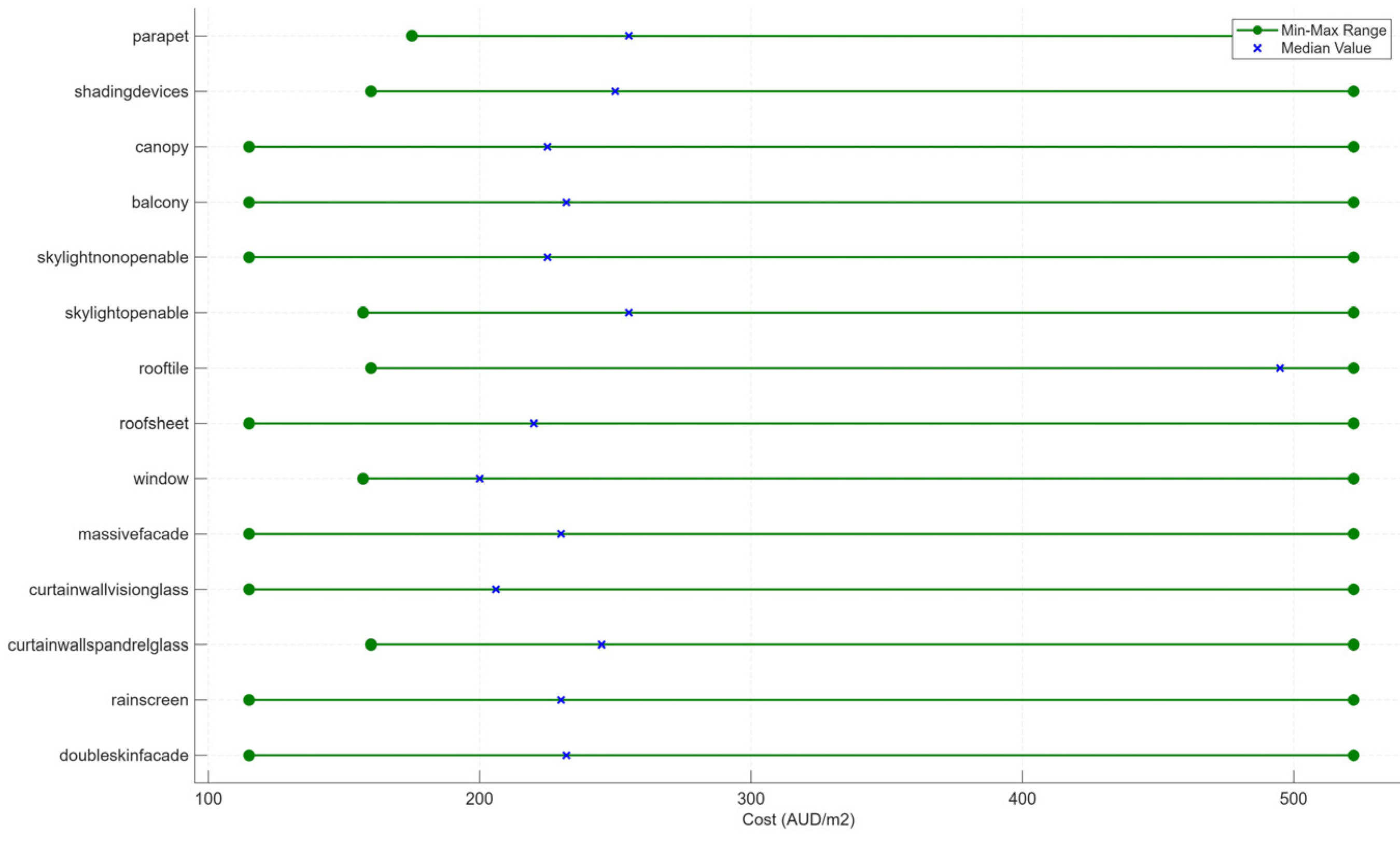
In recent years, expansion of production capacity and technological advancement across the global PV supply chain have resulted in significant reductions in conventional PV module prices [64]. In contrast, the cost trends of BIPV modules are more complex. As customized products, BIPV modules generally have higher manufacturing costs than conventional PV modules [41]. This is primarily because BIPV products are required not only to generate electricity but to fulfil additional building-related functions, including thermal insulation, waterproofing and durability. Therefore, the production process requires higher-quality materials, such as double-layer tempered glass, as well as more complex fabrication and encapsulation processes [65]. Additional requirements associated with building regulations, such as the use of coated glass or integrated insulation layers, may further increase material and manufacturing costs. Figure 5 presents the reported cost ranges for different types of BIPV product.

3.5. Warranties Aspect

Warranty information is an important attribute for understanding the manufacturer commitments, reported service conditions, and lifecycle considerations of BIPV systems. The reviewed products were assessed based on three categories of warranty information: (1) product warranty, (2) performance warranty and (3) maintenance procedure. Manufacturers typically provide warranties defining their commitments regarding product quality and guaranteed output levels throughout the expected service life of the product [66]. The warranty period for BIPV products is generally divided into two components: product warranty and performance warranty, which address material quality and power output guarantees, respectively [67]. In addition, operation and maintenance procedures are crucial for maintaining the functionality of BIPV systems as energy-generating components and as integrated building elements [68].

3.5.1. BIPV Product Warranty

A product warranty defines the period during which the manufacturer provides commitments to repairing or replacing components affected by material defects or manufacturing faults. Among the reviewed product information, reported warranty periods ranged from 3 to 30 years, with 62% of manufacturers providing warranties of at least 10 years. However, 29% of manufacturers reported provide warranties of five years or less.

3.5.2. Performance Warranty

Performance warranties define the minimum retained power output guaranteed by manufacturers over a defined warranty period. More than half of the reviewed products reported performance warranty periods ranging from 20 to 30 years. These warranties commonly specify a minimum retained power output, such as 80% of the rated power output for the first 10 years, with warranty periods extending to 25 years. A limited number of products reported enhanced performance warranties, including guarantees of 90% of rated output at 10 years and 80% at 25 years.

3.5.3. Maintenance

Maintenance information may include recommendations for cleaning dust, dirt, snow or ice from module surfaces, replacing damaged modules, maintaining mounting systems, and servicing BoS components [69]. The availability of such information is important for planning lifecycle management activities, particularly for BIPV systems where modules also serve building functions. However, the reviewed product information indicates that manufacturer-provided maintenance guidance is not consistently available; only 62% of the reviewed products included any maintenance-related information (Figure 2). As periodic inspections are required throughout the service life of BIPV systems, the availability of manufacturer-recommended maintenance procedures would support effective operation and long-term asset management.

3.6. Certificate Aspects

Certification information provides evidence of compliance with relevant standards and regulations for selected BIPV products [70]. These certifications indicate that products have undergone specified testing procedures related to safety, reliability, and technical requirements. However, the certifications reported for the reviewed BIPV products were predominantly associated with PV electrical performance and safety standards rather than being focused on building-related aspects.

3.6.1. Certificate Information

BIPV products are required to comply with relevant safety and technical standards before entering the market, and certification provides supporting evidence of compliance with specific requirements [71]. Among the BIPV products reviewed, 19 products reported ISO 9001 quality certification, indicating that manufacturers have established quality management processes.
Some reviewed products also reported compliance with the IEC 62804 standard, which defines testing procedures for potential-induced degradation–delamination (PID-d) in crystalline silicon PV modules, particularly those with one or two glass surfaces [72]. The availability of certification information, such as ISO 9001 and IEC 62804, can assist designers and stakeholders in assessing documented product quality and comparing available BIPV products.
In addition to international certifications, BIPV products must comply with local building codes and electrical standards [73]. For example, European markets require consideration of standards such as EN 13501 for fire safety, EN 13022 for safety and accessibility, and EN 12758 for noise protection [74]. Similarly, BIPV products installed in Australia must comply with the relevant Australian Standards (ASs) and meet the approval requirements of the Clean Energy Council (CEC) for grid-connected PV systems [74]. These requirements are periodically updated; for example, CEC-approved PV modules are required to comply with the latest editions of the IEC 61215 and IEC 61730 standards to maintain product approval and eligibility under Australian incentive schemes. Therefore, while international certifications demonstrate product compliance with recognized technical standards, additional national regulatory and certification requirements should also be considered when selecting and deploying BIPV products in different regions.

3.6.2. Product Testing

Testing-related information provides evidence of compliance with the safety, durability, and building integration requirements of BIPV products. Unlike conventional PV modules, BIPV products serve dual functions as both energy-generating systems and building envelope elements. Therefore, information related to fire performance, wind resistance, acoustic properties, airtightness, watertightness, and durability are important for architects, façade engineers, and structural engineers when assessing product suitability for specific building applications. However, the availability of such information varies considerably among manufacturers.
Acoustic performance: Acoustic performance is important because BIPV products integrated into building envelopes are expected to provide adequate sound insulation. In compliance with national regulations, BIPV products are evaluated for airborne sound insulation using standards such as AS 1191. The test measures the Sound Reduction Index (SRI) by assessing the difference between the incident and transmitted sound power. The measured SRI values are then compared against reference values from AS/NZS 1276.1 to determine compliance with acoustic requirements for building integration.
Fire safety: Fire safety information was one of the most commonly reported certification attributes provided by BIPV manufacturers. Most reviewed products comply with one of three major fire safety standards: IEC 61730, UL 1703, and EN 13501. Fire classification is particularly important as BIPV products become part of the external building envelope. Architects, façade engineers and building regulators require this information to assess compliance with application-specific fire safety requirements, particularly for high-rise and public buildings.
Under UL 1703, BIPV products are generally classified as Class A or Class C based on flame-spread requirements. Class A requires the flame spread to remain within 6 ft over a 10 min test period, whereas Class C permits flame spread up to 13 ft within 4 min. Under EN 13501-1, the reviewed BIPV products were classified as Class B. This classification involves testing according to EN ISO 11925-2 and EN 13823. EN ISO 11925-2 specifies requirements of vertical flame spread (should be less than 150 mm with 30 s exposure time), while EN 13823 requires two types of values, which are FIGRA (= FIGR A0.2 MJ) ≤ 120 W/s and THR600s ≤ 7.5 MJ. Additionally, Class B classification (EN 13501-1) also specifies limits for smoke production and flaming droplets or particles. While the value of SMOGRA should be less than 180 m2/s and TSP (600 s) should be less than 200 m2, a BIPV product that satisfies Class B standards should not have flaming droplets/particles occur within 600 s.
Electrical: BIPV products must adhere to relevant electrical standards to ensure reliability and safety. Common standards include EN 61215 for crystalline silicon PV modules, IEC 61646 for thin-film PV modules, and EN 61730-1 and EN 61730-2 for PV module safety qualification. In addition, EN 50583, introduced in 2016 specifically for BIPV systems, outlines both electrical and building-related requirements [74]. Other certifications including TUV, UL, CEI, and ISO provide additional evidence of product quality, manufacturing control, and compliance with relevant requirements. Several reviewed products reported compliance with these standards under the degradation-related attributes.
Wind Resistance: Wind resistance information is required by structural engineers to evaluate the mechanical suitability of BIPV modules and their mounting systems under project-specific wind loading conditions. Therefore, manufacturer-provided wind resistance data support preliminary product screening during building design. However, a significant proportion of reviewed BIPV products did not provide information regarding wind resistance. Among the products for which information was available, the majority meet the 2400 Pa wind resistance standard, complying with ASTM E1830 and IEC 61215 requirements. This standard is generally sufficient for typical wind conditions in most building environments. Approximately, one-quarter of the products with complete data reports ratings of 6000 Pa, indicating suitability for applications requiring extreme wind resistance. These products are designed to withstand harsher environmental factors, ensuring enhanced durability in high-wind or storm-prone regions.
Seismic resistance: The seismic performance of BIPV systems is strongly influenced by installation methods and local seismic design requirements. Although standards exist for assessing seismic resilience, specific seismic resistance information was not commonly identified in the manufacturer documentation reviewed in this study.
Corrosion resistance: PV modules exposed to corrosive environments, such as marine locations, require testing according to IEC 61701 (Salt Mist) and IEC 62716 (Ammonia) standards to demonstrate resistance against environmental degradation and to ensure durability.
Airtightness: Airtightness plays a crucial role in building energy efficiency and thermal comfort. Availability of airtightness testing information assists façade engineers in evaluating whether BIPV products can maintain the required envelope performance. Standards such as AS/NZS 4284 regulate testing procedures for evaluating the airtightness of building-integrated systems.
Water tightness and dust resistance: Water- and dust-ingress protection is measured by the IP classification defined in EN 60529. Among the reviewed products, approximately 10% reported IP ratings, of these, nearly half reported the highest rating of IP68, indicating complete protection against dust and water. This elevated level of protection is particularly important for outdoor applications exposed to harsh weather conditions.
It should be noted that this study evaluates the availability of manufacturer-provided product information and associated testing documentation rather than the actual structural or building performance of BIPV systems under project-specific conditions.

4. Discussion: Significance of BIPV Product Information Availability

The review of BIPV attributes emphasizes the critical role of comprehensive product information in supporting BIPV adoption and informed decision-making across the design, installation, operation and maintenance phases. As an emerging technology, BIPV continues to face limited public awareness and inconsistent availability of essential product data, which restricts effective integration into building projects. Although basic product information is generally available through brochures or manufacturer websites, key product characteristics including SRI, solar and visible transmittance, reflectance, absorptance, and detailed testing and certification results are often missing or incomplete. This information is essential for assessing product safety, durability, and compatibility with building codes and environmental conditions.
The limited availability of cost information and maintenance guidance further complicates project planning and budgeting and long-term management of BIPV systems. This study underscores an urgent need for standardized, accessible, and updated information to enhance digital modelling, improve technical outcomes, and enable informed decision-making among stakeholders. Four key priorities are identified: (1) defining BIPV clearly as a building product with integrated electrical functionality; (2) improving the availability and consistency of product data required for design and integration; (3) promoting digitalization of BIPV product information; and (4) supporting continuous technological development through transparent and updated documentation practices. Addressing these priorities would improve product transparency, facilitate informed decision-making, and accelerate the adoption of BIPV technologies and improve effective integration into the built environment.

4.1. Considering BIPV as a Building Façade Element

The desktop study identified a major barrier to BIPV adoption: BIPV is still predominantly perceived as an electrical product rather than as a building façade element with integrated energy generation functionality. This perception has slowed the development of BIPV-specific codes and regulations that acknowledge its dual role, creating challenges for adoption among building professionals. Consequently, product information is often fragmented and incomplete, as manufacturers do not consistently provide the information required for building applications, particularly structural attributes including load-bearing capacity, airtightness, watertightness, wind and hail resistance, and combustibility. The absence of dedicated BIPV standards contributes to inconsistencies in product documentation testing procedures and quality assurance, particularly for products marketed across different regulatory environments. Additionally, the focus on electrical performance tends to overshadow esthetic and façade-related considerations, limiting the broader acceptance of BIPV among building designers and users. This study stresses the urgent need for locally and internationally recognized BIPV-specific codes and standards that acknowledge BIPV as a building envelope element integrated with electrical functionality. Such standards would enhance product consistency in product documentation, strengthen stakeholder confidence, and facilitate wider adoption in the building industry by supporting both technical and architectural requirements.

4.2. Availability of Information for Design Optimization

The findings demonstrate that a broad range of product information is required to support effective BIPV product selection and building design. Without access to comprehensive and consistent product information, it becomes difficult for designers to evaluate the suitability of BIPV products for specific applications and to optimize building designs by balancing electricity generation, energy efficiency, architectural integration, façade functionality, and visual comfort. Although the literature review identified numerous relevant attributes, the desktop study of existing BIPV products revealed significant gaps in the availability of information for many of these attributes. For instance, information related to product testing including static load capacity, snow load resistance, and acoustic insulation, was rarely included in product catalogues. The absence of such information makes it difficult and time-consuming to compare products across the market and limits the ability of designers and other stakeholders to identify products that best meet specific project requirements.
The review indicates that many manufacturers do not provide sufficient information to support the multidisciplinary requirements of building design. According to Pelle et al. [75], BIPV design requires information related to structural integrity, architectural compatibility, electrical characteristics, optical properties, thermal behaviour, and fire safety. The fragmented nature of the BIPV supply chain, particularly the disconnect between electrical and building design disciplines, further exacerbates these challenges [76]. As a result, architects, engineers and other stakeholders often struggle to deliver optimized, integrated, and practical BIPV solutions. Bridging this gap will require greater standardization of product information together with the development of centralized, comprehensive product databases.
Beyond technical and building-related information, the limited availability of cost-related data represents a significant barrier to the practical evaluation and adoption of BIPV systems. Although module prices are occasionally reported, other cost components, including BOS costs, mounting costs, installation costs, transportation costs and maintenance costs, are rarely disclosed. These costs can vary considerably depending on building type, installation complexity, location and project-specific requirements. The absence of this information could prevent stakeholders from accurately estimating the total project cost, lifecycle costs, and economic feasibility of BIPV. Since economic considerations strongly influence decision-making in building projects, improving the transparency and accessibility of this cost information is essential for enabling reliable comparisons between BIPV and conventional building or PV alternatives.

4.3. Importance of BIPV Product Information Digitalisation

A significant barrier to widespread BIPV adoption is the lack of digital representation for BIPV products, particularly in standardized data formats compatible with BIM platforms. This limitation makes it difficult to organize, manage, and exchange detailed product information efficiently. Design professionals including architects and engineers often struggle to locate product information that satisfies project requirements and compiles with relevant standards, limiting efficient product comparison and selection.
A comprehensive, well-structured digital database of BIPV products would centralize essential information, facilitating product comparison, design optimization and informed decision-making. It would also enable manufacturers to update product information, improve product visibility, monitor market demand, and refine product offerings based on industry needs. Specifically, the proposed BIPV product information database could be integrated with existing BIM-based product information management systems by developing standardized digital object templates for BIPV products. The 11 attribute categories and 90 sub-attributes identified in this study could serve as the foundation for defining required data fields within these digital objects. This digitalization would enhance information accessibility, interoperability, real-time updates, and communication among stakeholders. Overall, a digital BIPV product database would streamline the design process, enhance information management, improve stakeholder awareness, and support the broader adoption of BIPV technologies within the building industry.

4.4. A Platform to Provide Consistent Information

A significant disconnect exists between the rapid development of BIPV technologies and the availability of BIPV product information required by building developers, clients, architects, engineers and other industry professionals. Bridging this gap requires the establishment and maintenance of a dynamic, continuously updated BIPV product database. Such a platform would enable manufacturers to register their products and provide regular updates as new specifications, certifications, and product developments become available. By consulting this centralized database, stakeholders could more easily compare products, identify information gaps, and understand emerging technological developments within the BIPV market. These insights could drive future product development and the refinement of existing products to better align with real-world demands. Furthermore, increased visibility and comparability of BIPV products would promote transparency and healthy competition among manufacturers, ultimately supporting more informed product selection and wider adoption of BIPV systems.

5. Conclusions

The successful integration of BIPV products across the design, installation, and operation phases depends on the availability of comprehensive and reliable product information. This study reviewed 177 BIPV products from 15 countries and found that essential product information is often incomplete or inconsistently reported in manufacturer documentation. While basic electrical specifications are generally available, important attributes such as cell size, cell spacing, interconnection layout, degradation rates and several building-related characteristics are frequently absent. These information gaps limit the ability of designers and other stakeholders to accurately compare products, undertake detailed design analyses, and develop digital building models.
As BIPV systems serve both as power generators and building components, manufacturer documentation should extend beyond electrical specifications to include thermal, optical, structural, installation, and maintenance information. While some manufacturers are beginning to provide more building-oriented product information, considerable inconsistencies remain across the reviewed products. In addition, installation guidance is often incomplete, making product selection and system integration more challenging for architects, engineers, and installers. Although standardized installation practices exist, many product datasheets lack adequate information, undermining successful system implementation and raising risks of high costs and installation errors.
The findings demonstrate the need for greater standardization and digitalization of BIPV product information to support product comparison, design integration, and informed decision-making. Future efforts should focus on developing BIM-compatible digital product databases based on standardized BIPV information requirements to improve accessibility, consistency, and transparency of product data throughout the building lifecycle. Developing such databases would improve the accessibility, consistency, and transparency of BIPV product information and would lead to wider adoption of BIPV technologies by providing stakeholders with the information required for effective product selection, design, installation, and lifecycle management.
This review represents the status of BIPV product information available during the data collection period (2024–2025). As BIPV technologies continue to evolve, the findings presented in this study should be interpreted as a snapshot of information availability during the review period. The developed database can be continuously updated to incorporate new products and future technological developments.

Author Contributions

Conceptualization, R.J.Y.; methodology, R.J.Y., Y.Z. (Yusen Zhao), C.Z., C.G., P.W., J.Y., N.P.W., Y.Z. (Yukun Zang), H.Z., T.S., C.L. and S.J.; formal analysis, R.J.Y., Y.Z. (Yusen Zhao), C.Z., C.G., P.W., J.Y., N.P.W., Y.Z. (Yukun Zang), H.Z., T.S., C.L. and S.J.; writing—original draft preparation, C.G. and M.S.; writing—review and editing, R.J.Y.; supervision, R.J.Y.; project administration, R.J.Y. All authors have read and agreed to the published version of the manuscript.

Funding

This research received no external funding.

Institutional Review Board Statement

The study was conducted in accordance with the National Statement on Ethical Conduct in Human Research (NHMRC, 2007) and was approved by the Human Research Ethics Committee of RMIT University, Australia (Approval No. EC00237, 19 November 2020).

Informed Consent Statement

Informed consent was obtained from all subjects involved in the study.

Data Availability Statement

The database structure, attribute definitions, and metadata framework developed in this study are available within the article. The complete dataset containing compiled BIPV product information is available from the corresponding author upon reasonable request.

Conflicts of Interest

The authors declare no conflicts of interest.

Abbreviations

The following abbreviations are used in this manuscript:
ACAlternating current
A-SiAmorphous silicon
ASTMAmerican Society for Testing and Materials
BCBack-contact
BIMBuilding information modelling
BIPVBuilding-integrated photovoltaic
BIPV/TBuilding-integrated photovoltaic thermal
BOSBalance of system
CdTeCadmium telluride
CIGSCopper indium gallium selenide
DCDirect current
EPDsEnvironmental product declarations
EVAEthyl vinyl acetate
GHGGreenhouse gas
IEA PVPSInternational energy agency photovoltaic power system performance
IECInternational Electrotechnical Commission
IPIngress Protection
ISOInternational Organization for Standardization
LCCALifecycle cost analysis
LCALifecycle assessment
Low-ELow emissivity
Mo-c-SiMonocrystalline silicon
MSMicrosoft
NOCTNominal operating cell temperature
PID-dPotential-induced degradation–delamination
PCRsProduct category rules
PERCPassivated emitter and rear cell
PmaxNominal power
Po-c-SiPolycrystalline silicon
PV Photovoltaic
PVBPolyvinyl butyral
QtyQuantity
R&DResearch and development
SHGCSolar heat gain coefficient
SRISound reduction index
STCStandard test conditions

Appendix A

Table A1. BIPV product attributes.
Main AttributeDescriptionSub-AttributesReferences
Building Integration
Product applicationWays BIPV products can be applied in buildings.Applicable building element
Applicable building type
[16]
Integration/mounting/installation methodThe aspects to be considered when integrating BIPV products into the building façade.Method
Material
Installation labour type
Installation time
[19,20,21,22,23]
Wiring, cabling and junction boxBalance of system (BOS) required to complete the BIPV installation.Junction box
Diode type
Protection class
Cable connector
Wiring and cabling
Cable type—[material]
Cross section—diameter [mm]
Length [mm]
[24,25,26,27]
Technical
Cell informationPV cell specifications.Cell material type
Cell manufacturing technology
Cell colour
Cell pattern
Cell dimension
Cell efficiency
[19,29,30,32,33,34,35,36,37,38,39]
Module informationPV module specifications.Module efficiency
Number of cells
Module colour
Module dimension
Module thickness
Module transparency
Module weight
Frame type
Front material
Rear/back material
Encapsulation materials
Greenhouse gas emission
[13,40,41,42,43,44,45,46,47,48,49,50,77]
Electrical informationElectrical properties of BIPV product which are required to assess the performance and make design-related decisions.Nominal power (Pmpp) [W]
Maximum power voltage (Vmp) [V]
Maximum power current (Imp) [A]
Open-circuit voltage [V]
Short-circuit current [A]
Power tolerance [%]
Maximum system voltage [V]
Reverse current [A]
Maximum overcurrent rating [A]
Maximum reverse current [A]
[51,52,61,62,63]
Thermal configurationThermal properties of BIPV products require to assess the performance and make design-related decisions.Temperature coefficient of pmax, Voc and Isc [%/°C]
Thermal transmittance U-value [%/°C]
SHGC/g value [%]
Operating module temperature [C]
Nominal operating cell temperature (NOCT) [°C]
Thermal resistance (R) [m2 K/W]
[53,54,57,58,59,60]
Optical characteristicsVisual characteristics of BIPV products that balance energy efficiency, electricity generation, esthetics, and visual comfort. Solar reflectance index
Solar transmittance [%]
Solar reflectance and absorptance
Visible transmittance [%]
Visible reflectance and absorptance
[7,8,25]
LossesFactors affecting energy loss.Mismatch (%):
Degradation (%)/year:
[55,56]
Cost
CostAll associated costs of installing a BIPV system.Preferred currency
Module cost
Balance-of-system (BOS) cost
Mounting system cost
Installation cost of the system
Transportation cost
[41,64,65]
Warranty
WarrantyTypes of warranties awarded with BIPV products.Product warranty [year]
Performance warranty [year]
Lifespan [year]
[66,67,68]
Recommended maintenance procedureProcesses to be followed and factors to be considered for maintaining the BIPV system.Inspection
Sequence of inspection—yearly/monthly
Accessibility (description of the way to access the system)
Description of safety procedure needed
Accessibility for removal—description
Cleaning labour type
Cleaning material used
[69,78]
Certificates
Certificate informationDetails of the certificates awarded to BIPV products.Certification body
Type
Issue date
Reference number
[70,71,72,73,74]
Product testing outcomesProperties/results of different testing procedures conducted to understand the performance of BIPV products.Static load
Snow load
Hailstone impact/resistant
Wind resistant
Air tightness/permeability
Water tightness/waterproofing level
Noise protection level
Weighted sound reduction index
Fire class
Combustibility of module component
Fire resistance
Reaction to fire
Combustibility of cable
Combustibility of mounting
Dust and sand resistance
Corrosion resistant
Seismic resistance
Design frictional drag force
Protection class
[74]

References

  1. Suman, A. Role of Renewable Energy Technologies in Climate Change Adaptation and Mitigation: A Brief Review from Nepal. Renew. Sustain. Energy Rev. 2021, 151, 111524. [Google Scholar] [CrossRef]
  2. Kuhn, T.E.; Erban, C.; Heinrich, M.; Eisenlohr, J.; Ensslen, F.; Neuhaus, D.H. Review of Technological Design Options for Building Integrated Photovoltaics (BIPV). Energy Build. 2021, 231, 110381. [Google Scholar] [CrossRef]
  3. O’Neil, R.; Preziuso, D.; Arkema, K.; Ko, Y.; Pevzner, N.; Diamond, K.; Gore, S.; Morrice, K.; Henderson, C.; Powell, D. Renewable Energy Landscapes: Designing Place-Based Infrastructure for Scale; Pacific Northwest National Laboratory: Richland, WA, USA, 2022. [CrossRef] [PubMed]
  4. Debbarma, M.; Sudhakar, K.; Baredar, P. Thermal Modeling, Exergy Analysis, Performance of BIPV and BIPVT: A Review. Renew. Sustain. Energy Rev. 2017, 73, 1276–1288. [Google Scholar] [CrossRef]
  5. Yang, R.J.; Zou, P.X.W. Building Integrated Photovoltaics (BIPV): Costs, Benefits, Risks, Barriers and Improvement Strategy. Int. J. Constr. Manag. 2016, 16, 39–53. [Google Scholar] [CrossRef]
  6. Yu, G.; Yang, H.; Luo, D.; Cheng, X.; Ansah, M.K. A Review on Developments and Researches of Building Integrated Photovoltaic (BIPV) Windows and Shading Blinds. Renew. Sustain. Energy Rev. 2021, 149, 111355. [Google Scholar] [CrossRef]
  7. Kwaśnicki, P. Texturized Glass in the Application of Architectural Photovoltaics. Clean. Eng. Technol. 2024, 22, 100810. [Google Scholar] [CrossRef]
  8. Kwaśnicki, P.; Gronba-Chyła, A.; Augustowski, D.; Marszałek, L.; Generowicz, A.; Kochanek, A.; Pietrucha, I.; Barbusiński, K. Impact of Decorative Ceramic Screen Printing on the Optical and Photovoltaic Performance of Glass Covers for BIPV Applications. Materials 2026, 19, 2420. [Google Scholar] [CrossRef] [PubMed]
  9. Taşer, A.; Koyunbaba, B.K.; Kazanasmaz, T. Thermal, Daylight, and Energy Potential of Building-Integrated Photovoltaic (BIPV) Systems: A Comprehensive Review of Effects and Developments. Sol. Energy 2023, 251, 171–196. [Google Scholar] [CrossRef]
  10. Constantinou, S.; Al-naemi, F.; Alrashidi, H.; Mallick, T.; Issa, W. A Review on Technological and Urban Sustainability Perspectives of Advanced Building-Integrated Photovoltaics. Energy Sci. Eng. 2024, 12, 1265–1293. [Google Scholar] [CrossRef]
  11. Bonomo, P.; Frontini, F.; Loonen, R.; Reinders, A.H.M.E. Comprehensive Review and State of Play in the Use of Photovoltaics in Buildings. Energy Build. 2024, 323, 114737. [Google Scholar] [CrossRef]
  12. Boronuosi, F.; Aghababaei, S.; Azad, S.; Ameli, M.T.; Nazari-Heris, M. Building-Integrated Photovoltaic (BIPV) and Its Application, Design, and Policy and Strategies. In Natural Energy, Lighting, and Ventilation in Sustainable Buildings; Springer: Cham, Switzerland, 2024; pp. 91–109. [Google Scholar] [CrossRef]
  13. Martín-Chivelet, N.; Kapsis, K.; Wilson, H.R.; Delisle, V.; Yang, R.; Olivieri, L.; Polo, J.; Eisenlohr, J.; Roy, B.; Maturi, L.; et al. Building-Integrated Photovoltaic (BIPV) Products and Systems: A Review of Energy-Related Behavior. Energy Build. 2022, 262, 111998. [Google Scholar] [CrossRef]

  14. Bonomo, P.; Chatzipanagi, A.; Frontini, F. Overview and Analysis of Current BIPV Products: New Criteria for Supporting the Technological Transfer in the Building Sector. VITRUVIO 2015, 1, 67–85. [Google Scholar] [CrossRef]
  15. IEA PVPS—T15. BIPV Design and Performance Modelling: Tools and Methods BIPV Design and Performance Modelling: Tools and Methods IEA PVPS Task 15 Subtask E-Demonstration; IEA PVPS: Rheine, Germany, 2019. [Google Scholar]
  16. IEA PVPS—T15. Enabling Framework for the Development of BIPV; Multidisciplinary Digital Publishing Institute (MDPI): Basel, Switzerland, 2025; Volume 15. [Google Scholar]
  17. Rosa, F. Building-Integrated Photovoltaics (BIPV) in Historical Buildings: Opportunities and Constraints. Energies 2020, 13, 3628. [Google Scholar] [CrossRef]
  18. Building Integrated Photovoltaics (BIPV) Enabler, RMIT University and ARENA. Available online: https://arena.gov.au/projects/building-integrated-photovoltaics-bipv-enabler/ (accessed on 1 March 2025).
  19. Liu, K.; Zhu, B.; Chen, J.; Liu, K.; Zhu, B.; Chen, J. Low-Carbon Design Path of Building Integrated Photovoltaics: A Comparative Study Based on Green Building Rating Systems. Buildings 2021, 11, 469. [Google Scholar] [CrossRef]
  20. Roberts, S.; Guariento, N. Design of the Building Envelope. In Building Integrated Photovoltaics; Birkhäuser: Basel, Switzerland, 2009; pp. 43–60. [Google Scholar]
  21. Correia Lopes, G.; Vicente, R.; Azenha, M.; Ferreira, T.M. A Systematic Review of Prefabricated Enclosure Wall Panel Systems: Focus on Technology Driven for Performance Requirements. In Proceedings of the Conference Proceedings of the 12th Conference of Advanced Building Skins; Elsevier Ltd.: Amsterdam, The Netherlands, 2017; Volume 40, pp. 1339–1349. [Google Scholar]
  22. Fasana, S.; Nelva, R. Improvementt of the Water Resistancy in the Integration of Photovoltaic Panels on Traditional Roofs. Constr. Build. Mater. 2013, 48, 1081–1091. [Google Scholar] [CrossRef]
  23. Kryszak, M.; Wang, L.W. The Value of Aesthetics in the BIPV Roof Products Segment: A Multiperspective Study under European Market Conditions. Energy Sources Part A Recovery Util. Environ. Eff. 2020, 46, 14635–14656. [Google Scholar] [CrossRef]
  24. Wang, W.; Xu, K.; Song, S.; Bao, Y.; Xiang, C. From BIM to Digital Twin in BIPV: A Review of Current Knowledge. Sustain. Energy Technol. Assess. 2024, 67, 103855. [Google Scholar] [CrossRef]
  25. IEA PVPS—T15. Analysis of the Technological Innovation System for BIPV in Spain 2022 PVPS Task 15 Enabling Framework for the Acceleration of BIPV; IEA PVPS: Rheine, Germany, 2022. [Google Scholar]
  26. Alqaisi, Z.; Mahmoud, Y. Comprehensive Study of Partially Shaded PV Modules with Overlapping Diodes. IEEE Access 2019, 7, 172665–172675. [Google Scholar] [CrossRef]
  27. Whitfield, K. Degradation Processes and Mechanisms of PV System Adhesives/Sealants and Junction Boxes. In Durability and Reliability of Polymers and Other Materials in Photovoltaic Modules; William Andrew Publishing: Norwich, NY, USA, 2019; pp. 235–254. [Google Scholar] [CrossRef]
  28. Liu, B.; Duan, S.; Cai, T. Photovoltaic DC-Building-Module-Based BIPV System-Concept and Design Considerations. IEEE Trans. Power Electron. 2011, 26, 1418–1429. [Google Scholar] [CrossRef]
  29. Shukla, A.K.; Sudhakar, K.; Baredar, P. A Comprehensive Review on Design of Building Integrated Photovoltaic System. Energy Build. 2016, 128, 99–110. [Google Scholar] [CrossRef]
  30. Feldman, D.; Ramasamy, V.; Fu, R.; Ramdas, A.; Desai, J.; Margolis, R. U.S. Solar Photovoltaic System and Energy Storage Cost Benchmark: Q1 2020; National Renewable Energy Laboratory: Golden, CO, USA, 2021. [CrossRef] [PubMed]
  31. Glunz, S.W.; Preu, R.; Biro, D. Crystalline Silicon Solar Cells. State-of-the-Art and Future Developments; Elsevier Ltd.: Amsterdam, The Netherlands, 2012; Volume 1. [Google Scholar]
  32. Badran, G.; Dhimish, M. Comprehensive Study on the Efficiency of Vertical Bifacial Photovoltaic Systems: A UK Case Study. Sci. Rep. 2024, 14, 18380. [Google Scholar] [CrossRef] [PubMed]
  33. Sinha, A.; Sulas-Kern, D.B.; Owen-Bellini, M.; Spinella, L.; Ulǐcńa, S.; Pelaez, S.A.; Johnston, S.; Schelhas, L.T. Glass/Glass Photovoltaic Module Reliability and Degradation: A Review. J. Phys. D Appl. Phys. 2021, 54, 413002. [Google Scholar] [CrossRef]
  34. Zuboy, J.; Springer, M.; Palmiotti, E.C.; Karas, J.; Smith, B.L.; Woodhouse, M.; Barnes, T.M. Getting Ahead of the Curve: Assessment of New Photovoltaic Module Reliability Risks Associated With Projected Technological Changes. IEEE J. Photovolt. 2024, 14, 4–22. [Google Scholar] [CrossRef]
  35. Zhao, X.; Gao, W.; Dong, H.; Zhou, Y.; Huang, H.; Wu, Z.; Ran, C. Advanced Technical Strategies for Upscaling Perovskite Photovoltaics from Cells to Modules. Nano Energy 2024, 128, 109933. [Google Scholar] [CrossRef]
  36. Dallaev, R.; Pisarenko, T.; Papež, N.; Holcman, V. Overview of the Current State of Flexible Solar Panels and Photovoltaic Materials. Materials 2023, 16, 5839. [Google Scholar] [CrossRef] [PubMed]
  37. Sohn, J.W.; Jang, H.; Kim, Y.S.; Kim, D.; Hwang, S.; Kang, Y. Performance Comparison of a Building-Integrated Photovoltaics (BIPV) Module with Patterned Glass in Korean Weather. J. Power Sources Adv. 2025, 32, 100169. [Google Scholar] [CrossRef]
  38. Wijeratne, W.M.P.U.; Yang, R.J.; Too, E.; Wakefield, R. Design and Development of Distributed Solar PV Systems: Do the Current Tools Work? Sustain. Cities Soc. 2019, 45, 553–578. [Google Scholar] [CrossRef]
  39. Rudzikas, M.; Šetkus, A.; Stange, M.; Ulbikas, J.; Ulyashin, A. Simple Interference Based Colorization of Si Based Solar Cells and Panels with ITO/SiNx:H Double Layer Antireflective Coatings. Sol. Energy 2020, 207, 218–227. [Google Scholar] [CrossRef]
  40. Kim, M.S.; Lee, J.H.; Kwak, M.K. Review: Surface Texturing Methods for Solar Cell Efficiency Enhancement. Int. J. Precis. Eng. Manuf. 2020, 21, 1389–1398. [Google Scholar] [CrossRef]
  41. Zhang, T.; Wang, M.; Yang, H. A Review of the Energy Performance and Life-Cycle Assessment of Building-Integrated Photovoltaic (BIPV) Systems. Energies 2018, 11, 3157. [Google Scholar] [CrossRef]
  42. Allsopp, B.L.; Orman, R.; Johnson, S.R.; Baistow, I.; Sanderson, G.; Sundberg, P.; Stålhandske, C.; Grund, L.; Andersson, A.; Booth, J.; et al. Towards Improved Cover Glasses for Photovoltaic Devices. Prog. Photovolt. Res. Appl. 2020, 28, 1187–1206. [Google Scholar] [CrossRef]
  43. Bonomo, P.; Frontini, F.; De Berardinis, P.; Donsante, I. BIPV: Building Envelope Solutions in a Multi-Criteria Approach. A Method for Assessing Life-Cycle Costs in the Early Design Phase. Adv. Build. Energy Res. 2017, 11, 104–129. [Google Scholar] [CrossRef]
  44. Chen, M.; Zhang, W.; Xie, L.; He, B.; Wang, W.; Li, J.; Li, Z. Improvement of the Electricity Performance of Bifacial PV Module Applied on the Building Envelope. Energy Build. 2021, 238, 110849. [Google Scholar] [CrossRef]
  45. Kim, D.; Lim, H.; Kim, S.H.; Lee, K.N.; You, J.; Ryu, D.Y.; Kim, J. Recent Developments of Polymer-Based Encapsulants and Backsheets for Stable and High-Performance Silicon Photovoltaic Modules: Materials Nanoarchitectonics and Mechanisms. J. Mater. Chem. A Mater. 2024, 12, 7452–7469. [Google Scholar] [CrossRef]
  46. IEA T15. Building-Integrated Photovoltaics—A Technical Guidebook; Routledge: New York, NY, USA, 2025. [Google Scholar]
  47. Beaucarne, G. Silicon Thin-Film Solar Cells. Adv. Optoelectron. 2007, 2007, 036970. [Google Scholar] [CrossRef]
  48. Shukla, A.K.; Sudhakar, K.; Baredar, P. Recent Advancement in BIPV Product Technologies: A Review. Energy Build. 2017, 140, 188–195. [Google Scholar] [CrossRef]
  49. Reinhard, P.; Chirilǎ, A.; Blösch, P.; Pianezzi, F.; Nishiwaki, S.; Buecheler, S.; Tiwari, A.N. Review of Progress toward 20% Efficiency Flexible CIGS Solar Cells and Manufacturing Issues of Solar Modules. IEEE J. Photovolt. 2013, 3, 572–580. [Google Scholar] [CrossRef]
  50. Ranjan, S.; Balaji, S.; Panella, R.A.; Ydstie, B.E. Silicon Solar Cell Production. Comput. Chem. Eng. 2011, 35, 1439–1453. [Google Scholar] [CrossRef]
  51. Zhang, W.; Sun, Y.; Lin, Z. Coupled Evaluation of the Optical-Thermal-Electrical Performance of Customized Building-Integrated Photovoltaic Components. Renew. Energy 2024, 223, 119994. [Google Scholar] [CrossRef]
  52. Mouhib, E.; Micheli, L.; Almonacid, F.M.; Fernández, E.F.; Mouhib, E.; Micheli, L.; Almonacid, F.M.; Fernández, E.F. Overview of the Fundamentals and Applications of Bifacial Photovoltaic Technology: Agrivoltaics and Aquavoltaics. Energies 2022, 15, 8777. [Google Scholar] [CrossRef]
  53. Lindig, S.; Kaaya, I.; Weis, K.A.; Moser, D.; Topic, M. Review of Statistical and Analytical Degradation Models for Photovoltaic Modules and Systems as Well as Related Improvements. IEEE J. Photovolt. 2018, 8, 1773–1786. [Google Scholar] [CrossRef]
  54. Virtuani, A.; Strepparava, D. Modelling the Performance of Amorphous and Crystalline Silicon in Different Typologies of Building-Integrated Photovoltaic (BIPV) Conditions. Sol. Energy 2017, 146, 113–118. [Google Scholar] [CrossRef]
  55. Dimitriou, T.; Skandalos, N.; Karamanis, D. Progress in Improving Photovoltaics Longevity. Appl. Sci. 2024, 14, 10373. [Google Scholar] [CrossRef]
  56. Wei, W.; Yao, X.; Zhang, Y.; Zhen, Q.; Qin, M.; Tang, Z.; Oosthuizen, M.K.; Zhang, W.; Wei, W.; Yao, X.; et al. Vegetation Restoration Measures: Increasing Plant Height Suppresses Population Densities of Plateau Pikas. Land Degrad. Dev. 2023, 34, 2201–2213. [Google Scholar] [CrossRef]
  57. Aguilar-Santana, J.L.; Velasco-Carrasco, M.; Riffat, S. Thermal Transmittance (U-Value) Evaluation of Innovative Window Technologies. Future Cities Environ. 2020, 6, 1–13. [Google Scholar] [CrossRef]
  58. Zhang, Y.; Jiang, W.; Song, J.; Xu, L.; Li, S.; Hu, L. A Parametric Model on Thermal Evaluation of Building Envelopes Containing Phase Change Material. Appl. Energy 2023, 331, 120471. [Google Scholar] [CrossRef]
  59. Baenas, T.; Machado, M. On the Analytical Calculation of the Solar Heat Gain Coefficient of a BIPV Module. Energy Build. 2017, 151, 146–156. [Google Scholar] [CrossRef]
  60. Ardabili, N.G.; Feng, Y.; Wang, J. Design and Optimization of Thermally Responsive Autonomous Dynamic Glazed Attachment Systems for Building Solar Heat Gain Control. Build. Simul. 2023, 16, 1971–1986. [Google Scholar] [CrossRef]
  61. Ravyts, S.; Van De Sande, W.; Vecchia, M.D.; Van Den Broeck, G.; Duraij, M.; Martinez, W.; Daenen, M.; Driesen, J. Practical Considerations for Designing Reliable DC/DC Converters, Applied to a BIPV Case. Energies 2020, 13, 834. [Google Scholar] [CrossRef]
  62. Asiri, J.; Salem, N. Building Integrated Photovoltaic, BIPV, System: Design and Simulation for an Educational Building. In Proceedings of the 13th International Conference on Power, Energy and Electrical Engineering, CPEEE 2023; Institute of Electrical and Electronics Engineers Inc.: New York, NY, USA, 2023; pp. 470–479. [Google Scholar]
  63. Kumar, A.; Alaraj, M.; Rizwan, M.; Alsaidan, I.; Jamil, M. Development of Novel Model for the Assessment of Dust Accumulation on Solar PV Modules. IEEE J. Photovolt. 2023, 13, 150–157. [Google Scholar] [CrossRef]
  64. Candelise, C.; Winskel, M.; Gross, R.J.K. The Dynamics of Solar PV Costs and Prices as a Challenge for Technology Forecasting. Renew. Sustain. Energy Rev. 2013, 26, 96–107. [Google Scholar] [CrossRef]
  65. Chabukswar, R. From Raw Material to Finished Product: Material, Design and Process of Automotive Glass. Process Automot. Glass 2024. [Google Scholar] [CrossRef]
  66. Kleyner, A.; Sandborn, P. Minimizing Life Cycle Cost by Managing Product Reliability via Validation Plan and Warranty Return Cost. Int. J. Prod. Econ. 2008, 112, 796–807. [Google Scholar] [CrossRef]
  67. Fedorova, A.; Hrynyszyn, B.D.; Jelle, B.P. Building-Integrated Photovoltaics from Products to System Integration—A Critical Review. IOP Conf. Ser. Mater. Sci. Eng. 2020, 960, 042054. [Google Scholar] [CrossRef]
  68. Chivelet, N.M.; Astigarraga, A.; Lugmair, M.; Boddaert, S. Operation and Maintenance of BIPV Systems. In Building-Integrated Photovoltaics; Routledge: New York, NY, USA, 2024; pp. 167–172. [Google Scholar]
  69. Osmani, K.; Haddad, A.; Lemenand, T.; Castanier, B.; Ramadan, M. A Review on Maintenance Strategies for PV Systems. Sci. Total Environ. 2020, 746, 141753. [Google Scholar] [CrossRef] [PubMed]
  70. Bonomo, P.; Parolini, F.; Corti, P.; Frontini, F.; Bellenda, G.; Caccivio, M. Impact Resistance of BIPV Systems: New Testing Procedure for Performance Assessment of Multifunctional Products. Energy Sci. Eng. 2023, 11, 22–47. [Google Scholar] [CrossRef]
  71. Pillai, D.S.; Shabunko, V.; Krishna, A. A Comprehensive Review on Building Integrated Photovoltaic Systems: Emphasis to Technological Advancements, Outdoor Testing, and Predictive Maintenance. Renew. Sustain. Energy Rev. 2022, 156, 111946. [Google Scholar] [CrossRef]
  72. Rachid, A.; Goren, A.; Becerra, V.; Radulovic, J.; Khanna, S. Photovoltaic Cells and Systems. In Solar Energy Engineering and Applications; Springer Science and Business Media Deutschland GmbH: Berlin, Germany, 2023; pp. 17–42. [Google Scholar]
  73. Yang, R.; Zang, Y.; Yang, J.; Wakefield, R.; Nguyen, K.; Shi, L.; Trigunarsyah, B.; Parolini, F.; Bonomo, P.; Frontini, F.; et al. Fire Safety Requirements for Building Integrated Photovoltaics (BIPV): A Cross-Country Comparison. Renew. Sustain. Energy Rev. 2023, 173, 113112. [Google Scholar] [CrossRef]
  74. IEA PVPS—T15. Analysis of Requirements, Specifications and Regulation of BIPV; IEA PVPS: Rheine, Germany, 2019. [Google Scholar]
  75. Pelle, M.; Causone, F.; Maturi, L.; Moser, D. Opaque Coloured Building Integrated Photovoltaic (BIPV): A Review of Models and Simulation Frameworks for Performance Optimisation. Energies 2023, 16, 1991. [Google Scholar] [CrossRef]
  76. Pinto, G.L.; Özaras, F.; Andersson, J.; Sandén, B.A. Technological Transitions as Evolutionary Reconfiguration Processes: A Multi-Level Perspective and a Case-Study. In Proceedings of the 40th European Photovoltaic Solar Energy Conference and Exhibition (EUPVSEC); Elsevier: Lisbon, Portugal, 2002; Volume 31, pp. 1257–1274. [Google Scholar]
  77. Tripathy, M.; Sadhu, P.K.; Panda, S.K. A Critical Review on Building Integrated Photovoltaic Products and Their Applications. Renew. Sustain. Energy Rev. 2016, 61, 451–465. [Google Scholar] [CrossRef]
  78. IEA PVPS—T15. Inventory on Existing Business Models, Opportunities and Issues for BIPV; Jung, O., Ed.; IEA PVPS: Rheine, Germany, 2018. [Google Scholar]
Figure 1. Country-wise distribution of manufacturers represented in the database of 177 commercially available BIPV products. The database includes products collected from manufacturers across 15 countries through desktop review and direct communication with manufacturers.
Applsci 16 07863 g001
Figure 2. Availability of product information for the validated BIPV product attributes across the 177 reviewed products. The colour intensity represents the percentage of products reporting information for each attribute.
Applsci 16 07863 g002
Figure 3. BIPV integration methods. Source: Roberts and Guariento [20].
Applsci 16 07863 g003
Figure 4. Cell technology.
Applsci 16 07863 g004
Figure 5. Cost range for BIPV products based on application.
Applsci 16 07863 g005
Table 1. Profile of interview respondents. “✓” indicates the project phase(s) in which each stakeholder group is involved.
Stakeholder GroupPhases InvolvedNumber of Participants
Conceptual DesignDetail DesignConstruction and CommissioningOperation and MaintenanceDecommissioning
Architects 5
Building Constructor3
Electrical Engineer 3
Façade Engineer 3
Structural Engineer 3
ESD consultants 3
Electrician/Solar installer 2
Fire Engineer 2
Project developer/Building owner1
Manufacturer/Distributor 1
Facility Manager 1
Table 2. Integrated methods based on BIPV application type. “x” indicates the applicable mounting methods for the corresponding application type.
BIPV Application TypeMounting Methods
Channel GasketSpider Fitting/Drilled SpotMullion–TransomSealant GlazingPoint FixedPanel HangersBattens/Overlaps/
Strips/Brackets
Wedged GlazingBolt Mounting
Rain screenxxxxxx
Curtain wall spandrelxxxxxx
Curtain wall vision panelxxxxxx
Double-skin façadexxxxx
Non-openable skylightxxxx
Parapetxxxx
Canopyxxxx xx
Roof sheetxxxx x x
Balconyxxxx x
Roof tilexx x
Openable skylightxx x
Massive façade xx x
Windowx x x
Shading devicesxx
Table 3. Range of each sub-attribute based on different cell technologies.
Sub-Attributemo-c-SiCIGSCdTepo-c-Sia-Si
Short-Circuit Current0.8–12 A1–13 A0.5–4 A8–10 A0.8–3 A
Open-circuit voltage10–62 V39–171 V59–126 V10–80 V23–191 V
Maximum Power Voltage8–52 V31–134 V44–100 V8–62 V16–132 V
Maximum Power Current0.8–11 A0.8–11 A0.5–3 A7–9 A0.7–1.34 A
Nominal power30–410 W28–350 W45–300 W64–497 W10–177 W
Table 4. Range of temperature coefficient based on cell technology.
Cell TechnologyTemperature Coefficient of Max PowerTemperature Coefficient of VocTemperature Coefficient of Isc
CIGS−0.4 to −0.268−0.36 to 0.01−0.35 to 0.05
CdTe−0.29 to −0.214−0.321 to −0.280.04 to 0.06
mo-c-Si−0.5141 to 0.448−0.41 to 0.07−0.36 to 0.1
po-c-Si−0.47 to −0.43−0.4049 to −0.340.027 to 0.0825
a-Si−0.19−0.280.09
Table 5. BIPV module transparency.
Technology TypeTransparency Level
OpaqueSemi-Transparent
QtyQtyLowest (%)Highest (%)
mo-c-Si55422070
po-c-Si971050
CIGS28---
CdTe12141050
a-Si641030
Disclaimer/Publisher’s Note: The statements, opinions and data contained in all publications are solely those of the individual author(s) and contributor(s) and not of MDPI and/or the editor(s). MDPI and/or the editor(s) disclaim responsibility for any injury to people or property resulting from any ideas, methods, instructions or products referred to in the content.