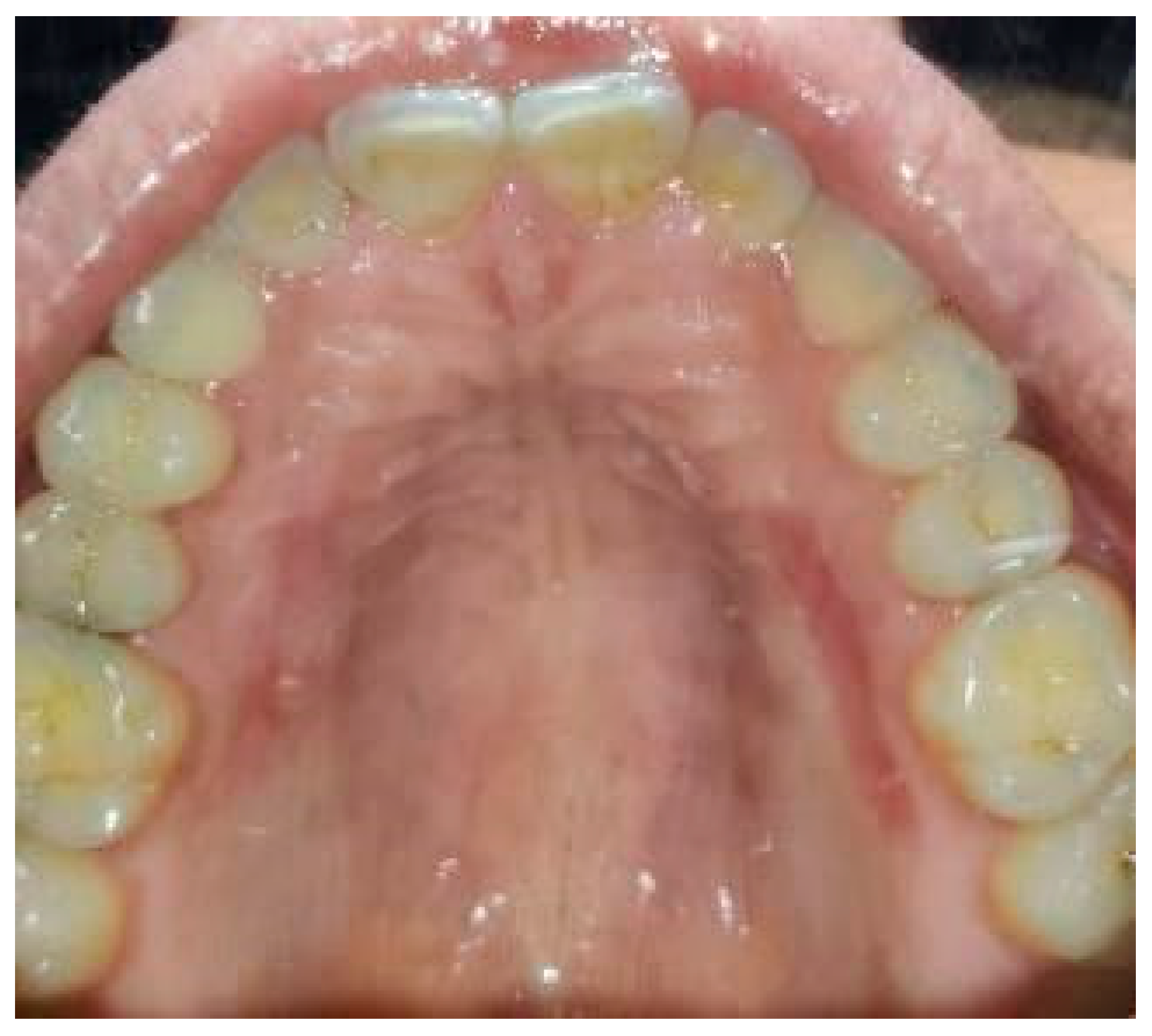
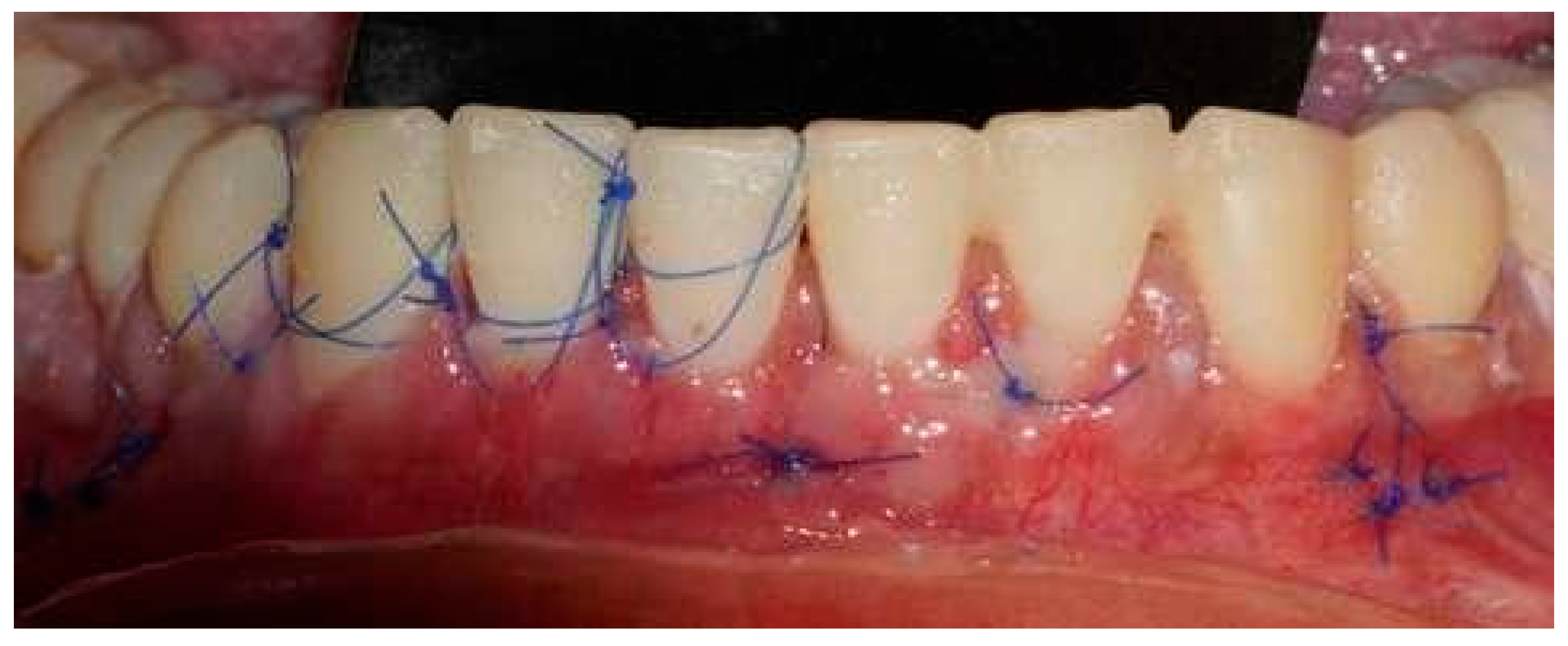
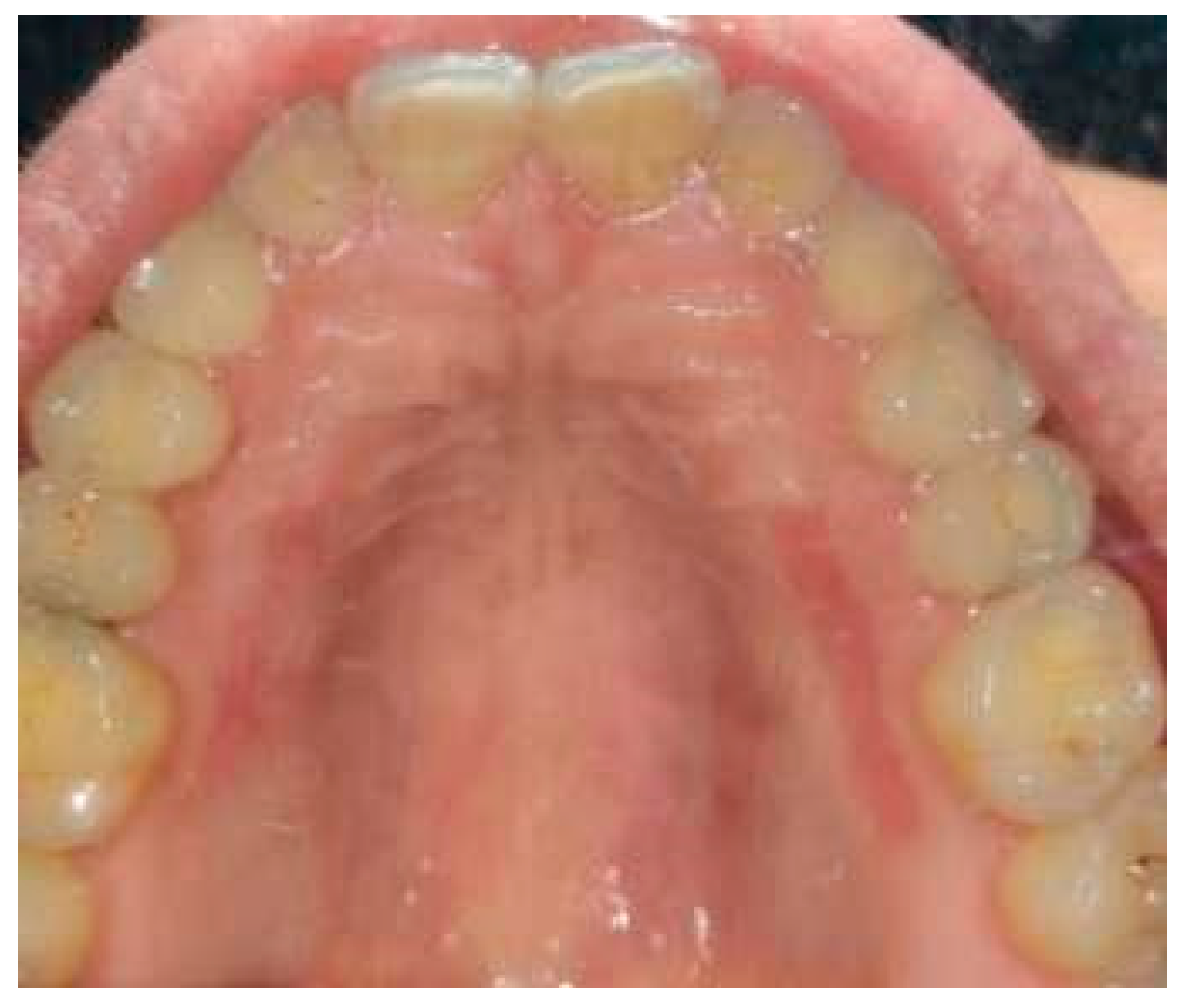
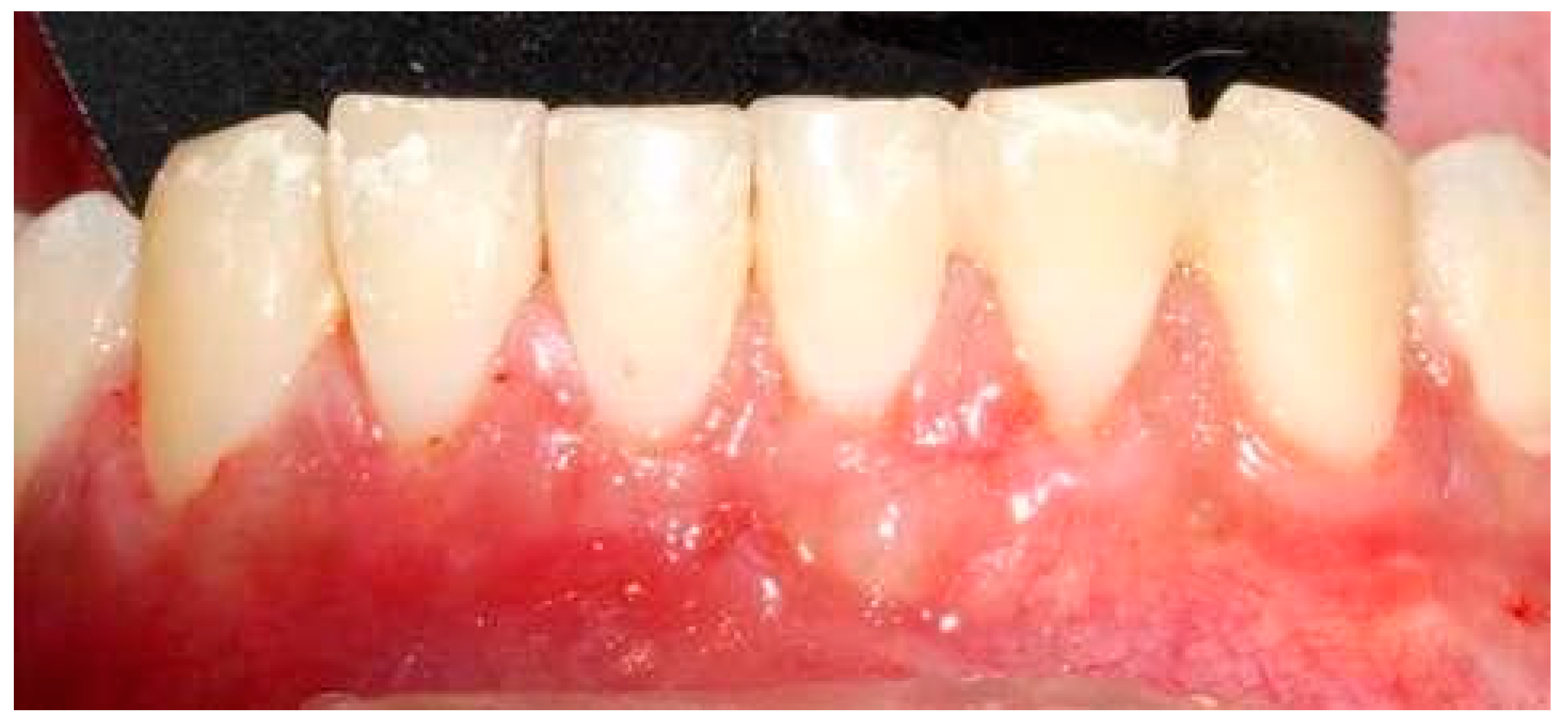
Subepithelial Connective Tissue Graft Versus De-Epithelialized Free Gingival Graft with the Modified Coronally Advanced Tunnel Technique: A Split-Mouth Pilot Randomized Trial

 , ,
, ,
Featured Application
Abstract
1. Introduction
2. Materials and Methods
2.1. Ethical Considerations
2.2. Study Population
2.2.1. Inclusion Criteria
- At least two adjacent Miller Class I/II (Cairo RT1) recession defects in the esthetic area (second premolar to second premolar) of the maxilla or mandible;
- Gingival recession depth ≥ 2 mm;
- Age 18–60 years;
- Systemically healthy subjects with no untreated periodontal disease;
- Full-mouth plaque score (FMPS) < 25% and full-mouth bleeding score (FMBS) < 20%;
- Willingness to participate and to sign informed consent.
2.2.2. Exclusion Criteria
- Pregnancy or lactation;
- Current tobacco smokers;
- Systemic conditions affecting periodontal healing;
- Systemic antibiotic therapy within the previous 3 months;
- Medications known to affect gingival tissues (e.g., inducing gingival overgrowth).
2.3. Randomization, Allocation Concealment and Blinding
2.4. Surgical Procedures
2.4.1. Pre-Surgical Protocol
2.4.2. Recipient Site Preparation
2.4.3. Donor Site—Control Group (SCTG)
2.4.4. Donor Site—Test Group (D-FGG)
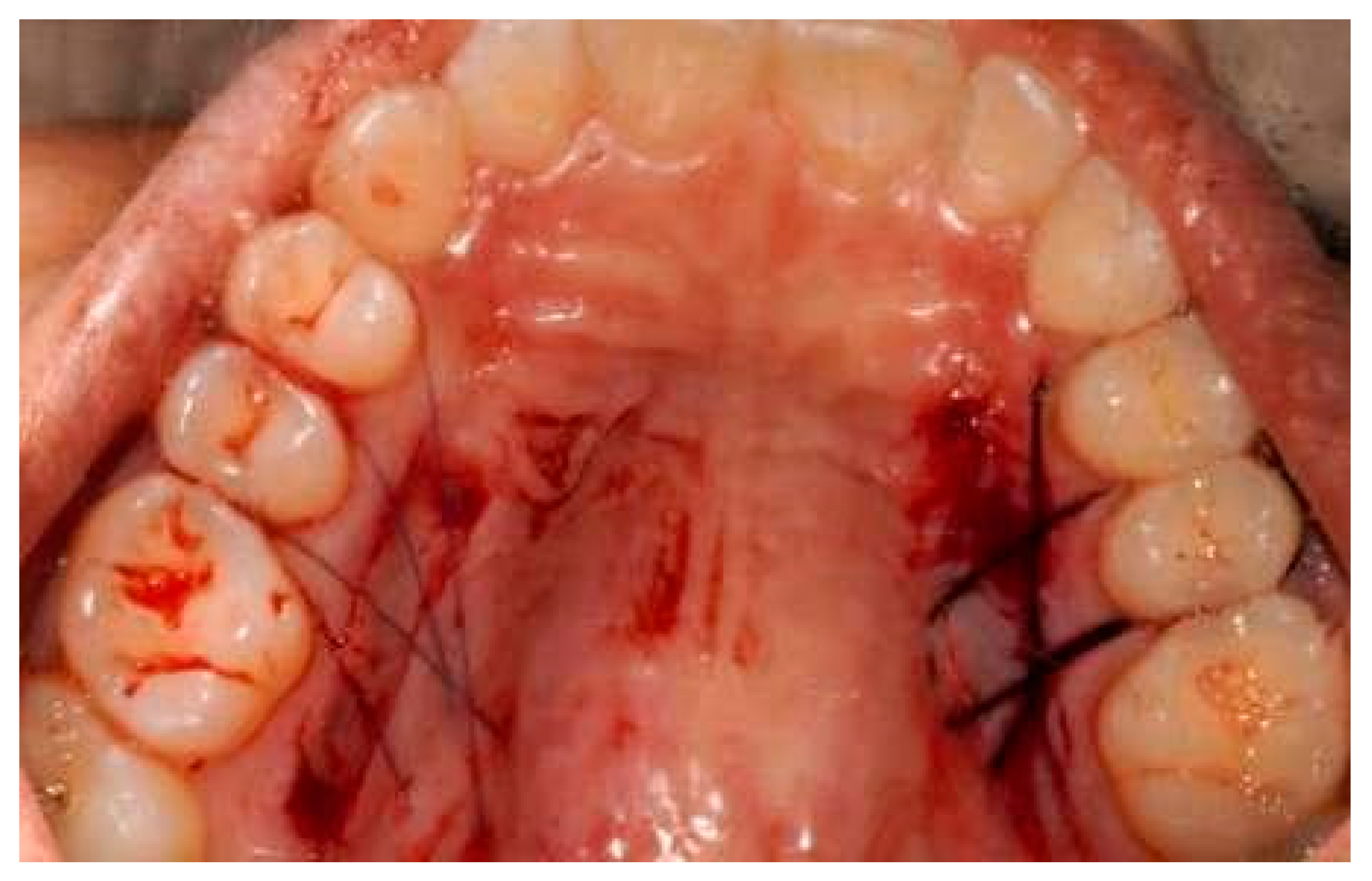
2.4.5. Donor-Site Management
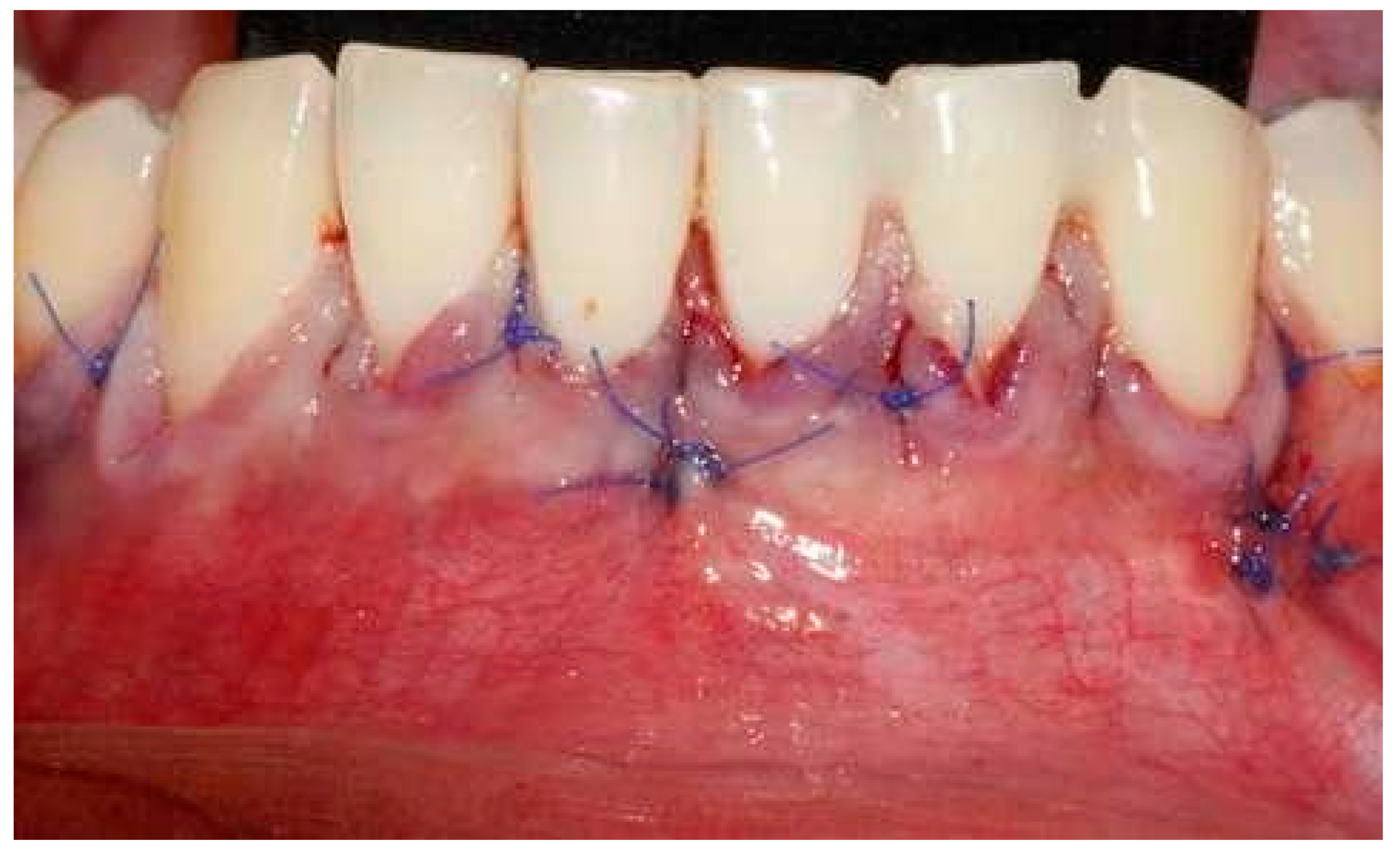
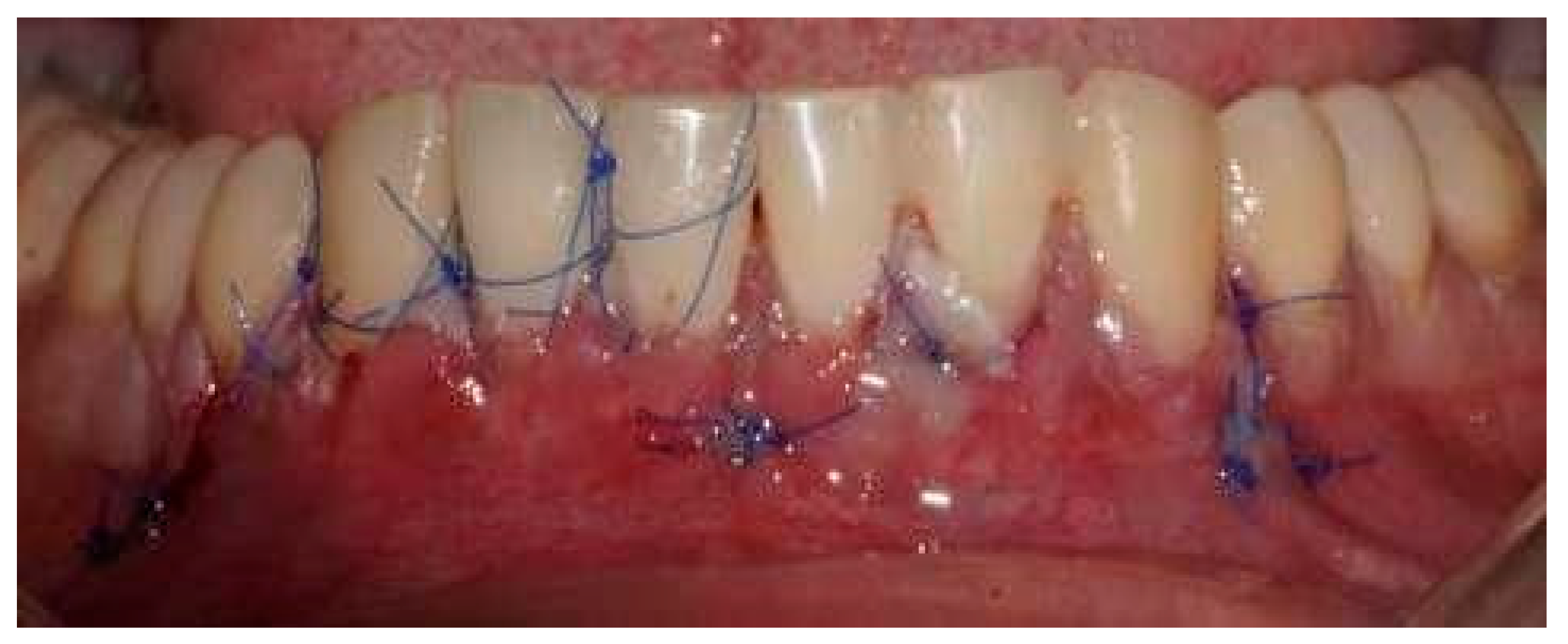
2.4.6. Flap Advancement and Composite Stops
2.5. Postoperative Care
2.6. Outcome Variables
- Recession depth reduction from baseline to 6 months;
- Root Coverage Esthetic Score (RES) at 6 months [17];
- Patient-reported pain and discomfort, assessed using 100 mm visual analog scales (VAS), with 0 indicating ‘no pain/discomfort’ and 100 ‘worst imaginable pain/discomfort.’ Patients received standardized written and verbal instructions for VAS completion, with explicit definitions of pain (sharp, aching or throbbing sensations requiring analgesic medication) and discomfort (functional impairment, tenderness or awareness without frank pain). VAS assessments were administered at 24 h, 7 days and 14 days postoperatively. Although VAS is a widely validated instrument with established psychometric properties in periodontal surgery, no study-specific calibration or validation procedures were performed. VAS forms were completed independently by patients without examiner influence;
- Chewing discomfort, recorded on a VAS at 1 and 2 weeks;
- Postoperative bleeding at the donor site, recorded on a VAS at 1 and 2 weeks;
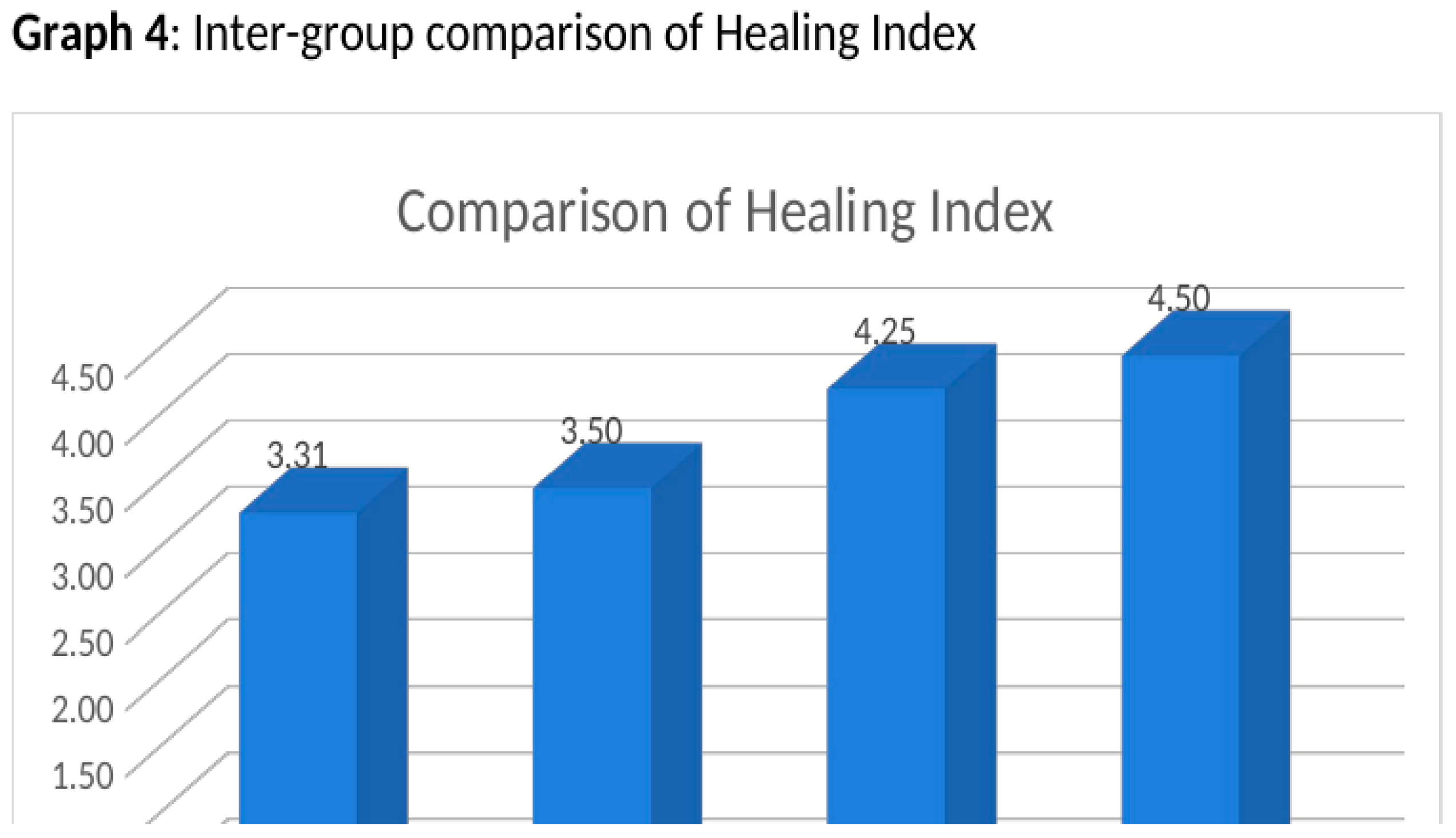
- Early wound healing, assessed with the Landry Healing Index [18] at 1 and 2 weeks.
2.7. Examiner Calibration and Measurement Reproducibility
2.8. Statistical Analysis
3. Results
3.1. Participant Flow and Baseline Characteristics
3.2. Patient Morbidity
3.2.1. Postoperative Pain
3.2.2. Chewing Discomfort
3.2.3. Postoperative Bleeding
3.3. Root Coverage
3.4. Root Coverage Esthetic Score
3.5. Early Healing
4. Discussion
5. Limitations
- The 6-month observation period does not allow conclusions on the long-term stability of the gingival margin;
- The sample size was based on convenience, and the study was not formally powered to detect small intergroup differences in mRC or RES; the results are therefore exploratory and should not be interpreted as evidence of equivalence between the two grafts;
- Multiple recessions within the same patient and side were treated as repeated observations, and the available summary data did not allow a formal hierarchical model (mixed-effects or generalized estimating equations) accounting for the full correlation structure of the split-mouth design;
- No histological or immunohistochemical analysis of the donor or recipient sites was performed; differences in tissue composition between SCTG and D-FGG could only be inferred indirectly;
- Additional clinical parameters such as recession width, keratinized tissue width, width of attached gingiva and clinical attachment level were not collected;
- Postoperative outcomes were assessed through self-reported VAS, which is inherently subject to inter-individual variability in pain perception and tolerance.
- Donor-site management was not standardized across groups (additional bovine collagen membrane in the D-FGG arm only), which represents a methodological confounder for the interpretation of patient-reported morbidity outcomes;
- The cohort showed a marked sex imbalance (12 males vs. 4 females), which may limit the generalizability of the morbidity findings, particularly given known sex-related differences in pain perception and wound healing.
6. Conclusions
Author Contributions
Funding
Institutional Review Board Statement
Informed Consent Statement
Data Availability Statement
Conflicts of Interest
Abbreviations
| CAF | Coronally Advanced Flap |
| CRC | Complete Root Coverage |
| CTG | Connective Tissue Graft |
| D-FGG | De-epithelialized Free Gingival Graft |
| EMD | Enamel Matrix Derivative |
| FMBS | Full-Mouth Bleeding Score |
| FMPS | Full-Mouth Plaque Score |
| MAGRs | Multiple Adjacent Gingival Recessions |
| MCAT | Modified Coronally Advanced Tunnel |
| mRC | Mean Root Coverage |
| PROMs | Patient-Reported Outcome Measures |
| RES | Root Coverage Esthetic Score |
| SCTG | Subepithelial Connective Tissue Graft |
| SNOSE | Sequentially Numbered Opaque Sealed Envelopes |
| TUN | Tunnel Technique |
| VAS | Visual Analog Scale |
References
- Armitage, G.C. Development of a classification system for periodontal diseases and conditions. Ann. Periodontol. 1999, 4, 1–6. [Google Scholar] [CrossRef]
- Wennström, J.L. Mucogingival therapy. Ann. Periodontol. 1996, 1, 671–701. [Google Scholar] [CrossRef]
- Rios, F.S.; Costa, R.S.A.; Wagner, T.P.; Christofoli, B.R.; Goergen, J.; Izquierdo, C.; Jardim, J.J.; Maltz, M.; Haas, A.N. Incidence and progression of gingival recession over 4 years: A population-based longitudinal study. J. Clin. Periodontol. 2021, 48, 114–125. [Google Scholar] [CrossRef]
- Daprile, G.; Gatto, M.R.; Checchi, L. The evolution of buccal gingival recessions in a student population: A 5-year follow-up. J. Periodontol. 2007, 78, 611–614. [Google Scholar] [CrossRef] [PubMed]
- Serino, G.; Wennström, J.L.; Lindhe, J.; Eneroth, L. The prevalence and distribution of gingival recession in subjects with a high standard of oral hygiene. J. Clin. Periodontol. 1994, 21, 57–63. [Google Scholar] [CrossRef] [PubMed]
- Chambrone, L.; de Castro Pinto, R.C.N.; Chambrone, L.A. The concepts of evidence-based periodontal plastic surgery: Application of the principles of evidence-based dentistry for the treatment of recession-type defects. Periodontology 2000 2019, 79, 81–106. [Google Scholar] [CrossRef]
- Cairo, F. Periodontal plastic surgery of gingival recessions at single and multiple teeth. Periodontology 2000 2017, 75, 296–316. [Google Scholar] [CrossRef]
- Aroca, S.; Keglevich, T.; Nikolidakis, D.; Gera, I.; Nagy, K.; Azzi, R.; Etienne, D. Treatment of class III multiple gingival recessions: A randomized-clinical trial. J. Clin. Periodontol. 2010, 37, 88–97. [Google Scholar] [CrossRef]
- Cairo, F.; Pagliaro, U.; Buti, J.; Baccini, M.; Graziani, F.; Tonelli, P.; Pagavino, G.; Tonetti, M.S. Root coverage procedures improve patient aesthetics. A systematic review and Bayesian network meta-analysis. J. Clin. Periodontol. 2016, 43, 965–975. [Google Scholar] [CrossRef] [PubMed]
- Gaikwad, I.; Lele, P.; Dodwad, V.; Mariam, S. Modified Coronally Advanced Tunnel (MCAT) Technique with Subepithelial Connective Tissue Graft (SCTG): A Case Report. J. Young Pharm. 2023, 15, 764–766. [Google Scholar] [CrossRef]
- Puri, K.; Kumar, A.; Khatri, M.; Bansal, M.; Rehan, M.; Siddeshappa, S.T. 44-year journey of palatal connective tissue graft harvest: A narrative review. J. Indian Soc. Periodontol. 2019, 23, 395–408. [Google Scholar] [CrossRef] [PubMed]
- Zucchelli, G.; Mele, M.; Stefanini, M.; Mazzotti, C.; Marzadori, M.; Montebugnoli, L.; De Sanctis, M. Patient morbidity and root coverage outcome after subepithelial connective tissue and de-epithelialized grafts: A comparative randomized-controlled clinical trial. J. Clin. Periodontol. 2010, 37, 728–738. [Google Scholar] [CrossRef]
- Bertl, K.; Pifl, M.; Hirtler, L.; Rendl, B.; Nürnberger, S.; Stavropoulos, A.; Ulm, C. Relative Composition of Fibrous Connective and Fatty/Glandular Tissue in Connective Tissue Grafts Depends on the Harvesting Technique but not the Donor Site of the Hard Palate. J. Periodontol. 2015, 86, 1331–1339. [Google Scholar] [CrossRef]
- Tavelli, L.; Barootchi, S.; Nguyen, T.V.N.; Tattan, M.; Ravidà, A.; Wang, H.L. Efficacy of tunnel technique in the treatment of localized and multiple gingival recessions: A systematic review and meta-analysis. J. Periodontol. 2018, 89, 1075–1090. [Google Scholar] [CrossRef]
- Mashaly, M.; Ghallab, N.A.; Elbattawy, W.; Elarab, A.E. Soft Tissue Augmentation Using De-Epithelialized Free Gingival Graft Compared to Single-line Incision Subepithelial Connective Tissue Graft in the Management of Miller Class I and II Gingival Recession: A Randomized Controlled Clinical Trial. Contemp. Clin. Dent. 2022, 13, 227–235. [Google Scholar] [CrossRef] [PubMed]
- Aroca, S.; Molnár, B.; Windisch, P.; Gera, I.; Salvi, G.E.; Nikolidakis, D.; Sculean, A. Treatment of multiple adjacent Miller class I and II gingival recessions with a Modified Coronally Advanced Tunnel (MCAT) technique and a collagen matrix or palatal connective tissue graft: A randomized, controlled clinical trial. J. Clin. Periodontol. 2013, 40, 713–720. [Google Scholar] [CrossRef]
- Cairo, F.; Rotundo, R.; Miller, P.D.; Pini Prato, G.P. Root coverage esthetic score: A system to evaluate the esthetic outcome of the treatment of gingival recession through evaluation of clinical cases. J. Periodontol. 2009, 80, 705–710. [Google Scholar] [CrossRef]
- Landry, R.G.; Turnbull, R.S.; Howley, T. Effectiveness of benzydamine HCl in the treatment of periodontal post-surgical patients. Res. Clin. Forums 1988, 10, 105–118. [Google Scholar]
- Harris, R.J.; Miller, R.; Miller, L.H.; Harris, C. Complications with surgical procedures utilizing connective tissue grafts: A follow-up of 500 consecutively treated cases. Int. J. Periodontics Restor. Dent. 2005, 25, 449–459. [Google Scholar]
- Chambrone, L.; Tatakis, D.N. Periodontal soft tissue root coverage procedures: A systematic review from the AAP Regeneration Workshop. J. Periodontol. 2015, 86, S8–S51. [Google Scholar] [CrossRef]
- Wessel, J.R.; Tatakis, D.N. Patient outcomes following subepithelial connective tissue graft and free gingival graft procedures. J. Periodontol. 2008, 79, 425–430. [Google Scholar] [CrossRef]
- Bakhishov, H.; Isler, S.C.; Bozyel, B.; Yıldırım, B.; Tekindal, M.A.; Ozdemir, B. De-epithelialized gingival graft versus subepithelial connective tissue graft in the treatment of multiple adjacent gingival recessions using the tunnel technique: 1-year results of a randomized clinical trial. J. Clin. Periodontol. 2021, 48, 970–983. [Google Scholar] [CrossRef]
- Molnár, B.; Aroca, S.; Dobos, A.; Orbán, K.; Szabó, J.; Windisch, P.; Stähli, A.; Sculean, A. Treatment of multiple adjacent RT 1 gingival recessions with the modified coronally advanced tunnel (MCAT) technique and a collagen matrix or palatal connective tissue graft: 9-year results of a split-mouth randomized clinical trial. Clin. Oral Investig. 2022, 26, 7135–7142. [Google Scholar] [CrossRef] [PubMed]
- Stähli, A.; Imber, J.C.; Raptis, E.; Salvi, G.E.; Eick, S.; Sculean, A. Effect of enamel matrix derivative on wound healing following gingival recession coverage using the modified coronally advanced tunnel and subepithelial connective tissue graft: A randomised, controlled, clinical study. Clin. Oral Investig. 2020, 24, 1043–1051. [Google Scholar] [CrossRef]
- Pietruska, M.; Skurska, A.; Podlewski, Ł.; Milewski, R.; Pietruski, J. Clinical evaluation of Miller class I and II recessions treatment with the use of modified coronally advanced tunnel technique with either collagen matrix or subepithelial connective tissue graft: A randomized clinical study. J. Clin. Periodontol. 2019, 46, 86–95. [Google Scholar] [CrossRef] [PubMed]
- Sculean, A.; Cosgarea, R.; Stähli, A.; Katsaros, C.; Arweiler, N.B.; Brecx, M.; Deppe, H. The modified coronally advanced tunnel combined with an enamel matrix derivative and subepithelial connective tissue graft for the treatment of isolated mandibular Miller Class I and II gingival recessions: A report of 16 cases. Quintessence Int. 2014, 45, 829–835. [Google Scholar] [PubMed]
- Sculean, A.; Cosgarea, R.; Stähli, A.; Katsaros, C.; Arweiler, N.B.; Miron, R.J.; Deppe, H. Treatment of multiple adjacent maxillary Miller Class I, II, and III gingival recessions with the modified coronally advanced tunnel, enamel matrix derivative, and subepithelial connective tissue graft: A report of 12 cases. Quintessence Int. 2016, 47, 653–659. [Google Scholar]
- Dembowska, E.; Drozdzik, A. Subepithelial connective tissue graft in the treatment of multiple gingival recession. Oral Surg. Oral Med. Oral Pathol. Oral Radiol. Endod. 2007, 104, e1–e7. [Google Scholar] [CrossRef]
- Nart, J.; Valles, C. Subepithelial Connective Tissue Graft in Combination with a Tunnel Technique for the Treatment of Miller Class II and III Gingival Recessions in Mandibular Incisors: Clinical and Esthetic Results. Int. J. Periodontics Restor. Dent. 2016, 36, 591–598. [Google Scholar] [CrossRef]
- Zuhr, O.; Rebele, S.F.; Cheung, S.L.; Hürzeler, M.B. Research Group on Oral Soft Tissue Biology and Wound Healing. Surgery without papilla incision: Tunneling flap procedures in plastic periodontal and implant surgery. Periodontology 2000 2018, 77, 123–149. [Google Scholar] [CrossRef]
- McLeod, D.E.; Reyes, E.; Branch-Mays, G. Treatment of multiple areas of gingival recession using a simple harvesting technique for autogenous connective tissue graft. J. Periodontol. 2009, 80, 1680–1687. [Google Scholar] [CrossRef]
- Aroca, S.; Barbieri, A.; Clementini, M.; Renouard, F.; De Sanctis, M. Treatment of class III multiple gingival recessions: Prognostic factors for achieving a complete root coverage. J. Clin. Periodontol. 2018, 45, 861–868. [Google Scholar] [CrossRef] [PubMed]
- Chaparro, A.; De la Fuente, M.; Albers, D.; Hernandez, D.; Villalobos, A.M.; Gaedechens, D. Root Coverage of Multiple Miller Class I and II Recession Defects Using Acellular Dermal Matrix and Tunneling Technique in Maxilla and Mandible: A 1-Year Report. Int. J. Periodontics Restor. Dent. 2015, 35, 639–645. [Google Scholar] [CrossRef] [PubMed]
- Clauser, C.; Nieri, M.; Franceschi, D.; Pagliaro, U.; Pini-Prato, G. Evidence-based mucogingival therapy. Part 2: Ordinary and individual patient data meta-analyses of surgical treatment of recession using complete root coverage as the outcome variable. J. Periodontol. 2003, 74, 741–756. [Google Scholar] [CrossRef]
- Matthews, D.C.; McCulloch, C.A. Evaluating patient perceptions as short-term outcomes of periodontal treatment: A comparison of surgical and non-surgical therapy. J. Periodontol. 1993, 64, 990–997. [Google Scholar] [CrossRef] [PubMed]
- Wang, H.L.; Romanos, G.E.; Geurs, N.C.; Sullivan, A.; Suárez-López Del Amo, F.; Eber, R.M. Comparison of two differently processed acellular dermal matrix products for root coverage procedures: A prospective, randomized multicenter study. J. Periodontol. 2014, 85, 1693–1701. [Google Scholar] [CrossRef]
- Tavelli, L.; Barootchi, S.; Di Gianfilippo, R.; Kneifati, A.; Majzoub, J.; Stefanini, M.; Zucchelli, G.; Wang, H.L. Patient experience of autogenous soft tissue grafting has an implication for future treatment: A 10- to 15-year cross-sectional study. J. Periodontol. 2021, 92, 637–647. [Google Scholar] [CrossRef]
- Burkhardt, R.; Hammerle, C.H.; Lang, N.P. Research Group on Oral Soft Tissue Biology & Wound Healing. Self-reported pain perception of patients after mucosal graft harvesting in the palatal area. J. Clin. Periodontol. 2015, 42, 281–287. [Google Scholar]
- Weisel, J.W. Structure of fibrin: Impact on clot stability. J. Thromb. Haemost. 2007, 5, 116–124. [Google Scholar] [CrossRef]
- Cortellini, P.; Tonetti, M.; Baldi, C.; Francetti, L.; Rasperini, G.; Rotundo, R.; Nieri, M.; Franceschi, D.; Labriola, A.; Prato, G.P. Does placement of a connective tissue graft improve the outcomes of coronally advanced flap for coverage of single gingival recessions in upper anterior teeth? A multi-centre, randomized, single-blind, clinical trial. J. Clin. Periodontol. 2009, 36, 68–79. [Google Scholar] [CrossRef]
- Zangrando, M.S.; Eustachio, R.R.; de Rezende, M.L.; Sant’ana, A.C.; Damante, C.A.; Greghi, S.L. Clinical and Patient-Centered outcomes using two types of subepithelial connective tissue grafts: A Split-Mouth randomized clinical trial. J. Periodontol. 2021, 92, 814–822. [Google Scholar] [CrossRef] [PubMed]
- Gobbato, L.; Nart, J.; Bressan, E.; Mazzocco, F.; Paniz, G.; Lops, D. Patient morbidity and root coverage outcomes after the application of a subepithelial connective tissue graft in combination with a coronally advanced flap or via a tunneling technique: A randomized controlled clinical trial. Clin. Oral Investig. 2016, 20, 2191–2202. [Google Scholar] [CrossRef] [PubMed]
- Sordahl, A.J.; Verket, A. Root coverage of gingival recession defects with a modified coronally advanced tunnel technique: A case series. Clin. Exp. Dent. Res. 2022, 8, 140–147. [Google Scholar]
- Carosi, P.; Ferrigno, N.; Arcuri, C.; Laureti, M. Computer-Aided Surgery and Immediate Loading to Rehabilitate Complete Arch with Four Dental Implants and Fixed Screw-Retained Prosthesis Up to 4 Years in Function: A Retrospective Study. Int. J. Oral Maxillofac. Implant. 2021, 36, 1180–1187. [Google Scholar] [CrossRef] [PubMed]
- Carosi, P.; Ottria, L.; Lio, F.; Laureti, A.; Papi, P. The health of soft tissues around four dental implants loaded immediately supporting a 4-year-old fixed screw-retained prosthesis. J. Biol. Regul. Homeost. Agents 2021, 35, 57–66. [Google Scholar] [CrossRef]
- Carosi, P.; Lorenzi, C.; Di Gianfilippo, R.; Papi, P.; Laureti, A.; Wang, H.L.; Arcuri, C. Immediate vs. Delayed Placement of Immediately Provisionalized Self-Tapping Implants: A Non-Randomized Controlled Clinical Trial with 1 Year of Follow-Up. J. Clin. Med. 2023, 12, 489. [Google Scholar] [CrossRef]
- Leggeri, A.; Carosi, P.; Mazzetti, V.; Arcuri, C.; Lorenzi, C. Techniques to Improve the Accuracy of Intraoral Digital Impression in Complete Edentulous Arches: A Narrative Review. Appl. Sci. 2023, 13, 7068. [Google Scholar] [CrossRef]
- Pozzi, A.; Carosi, P.; Lorenzi, C.; Chow, J.; Wang, H.L.; Gallucci, G.O. In Vivo Accuracy of Autonomous Dental Implant Robotic Surgery: Systematic Review and Meta-analysis. Int. J. Oral Maxillofac. Implant. 2025, 40, 683–690. [Google Scholar] [CrossRef]
- Pozzi, A.; Carosi, P.; Lorenzi, C.; Arcuri, L. Dynamic navigation accuracy for implant placement in the anterior aesthetic area: A prospective clinical study. J. Dent. 2026, 168, 106560. [Google Scholar] [CrossRef]
- Cardaropoli, D.; Tamagnone, L.; Roffredo, A.; Costanzo, L. Effect of time and local factors on the stability of hydrophilic self-tapping tissue-level implants: 1-year prospective study. Int. J. Oral Maxillofac. Implant. 2025; in press.
- Pinto, A.; Mazzetti, V.; Carosi, P.; Lorenzi, C. Cortical Laminar Bone Membrane in Implant Dentistry: Biological Basis, Clinical Protocols, and Outcomes. Appl. Sci. 2025, 15, 12243. [Google Scholar] [CrossRef]
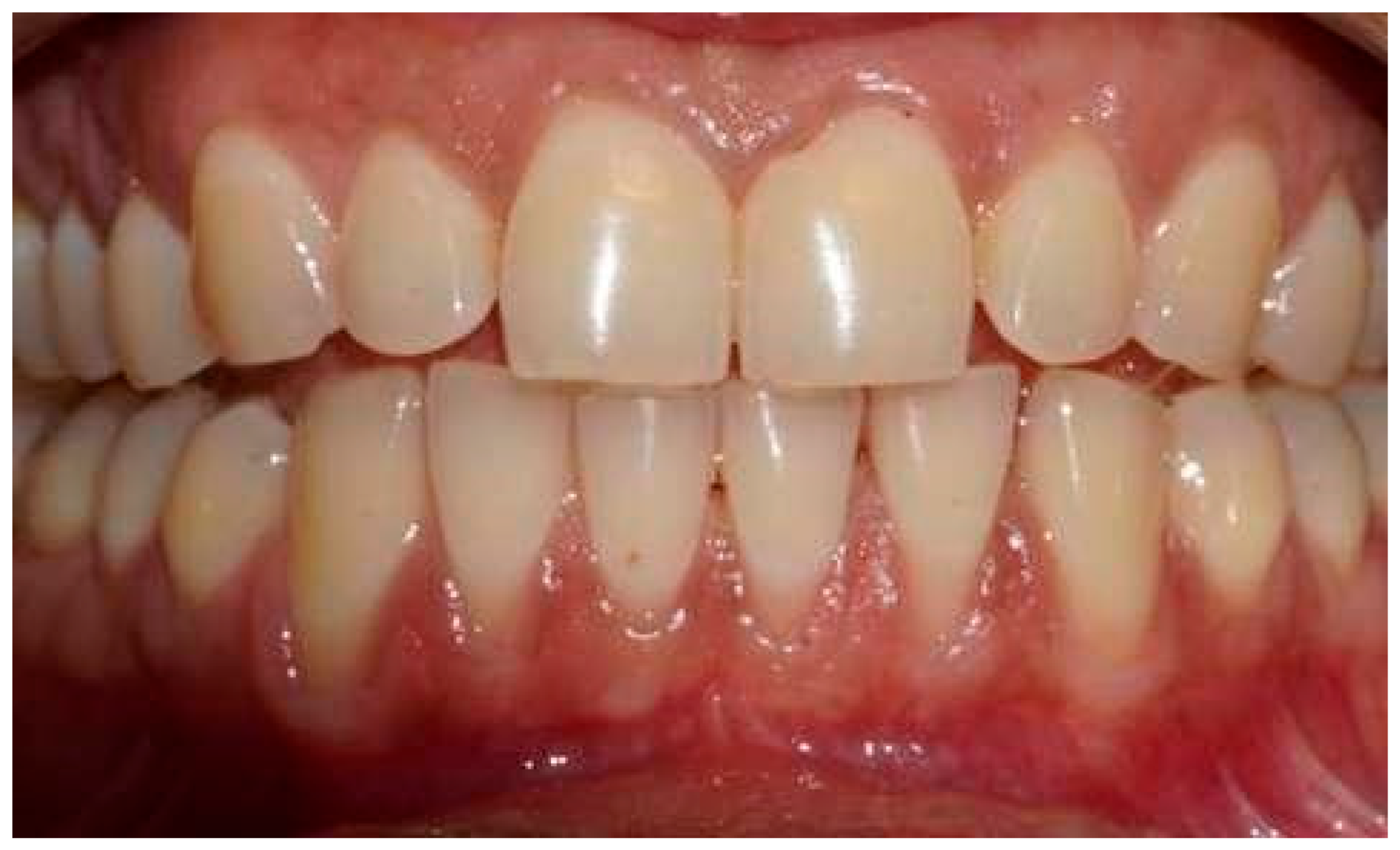


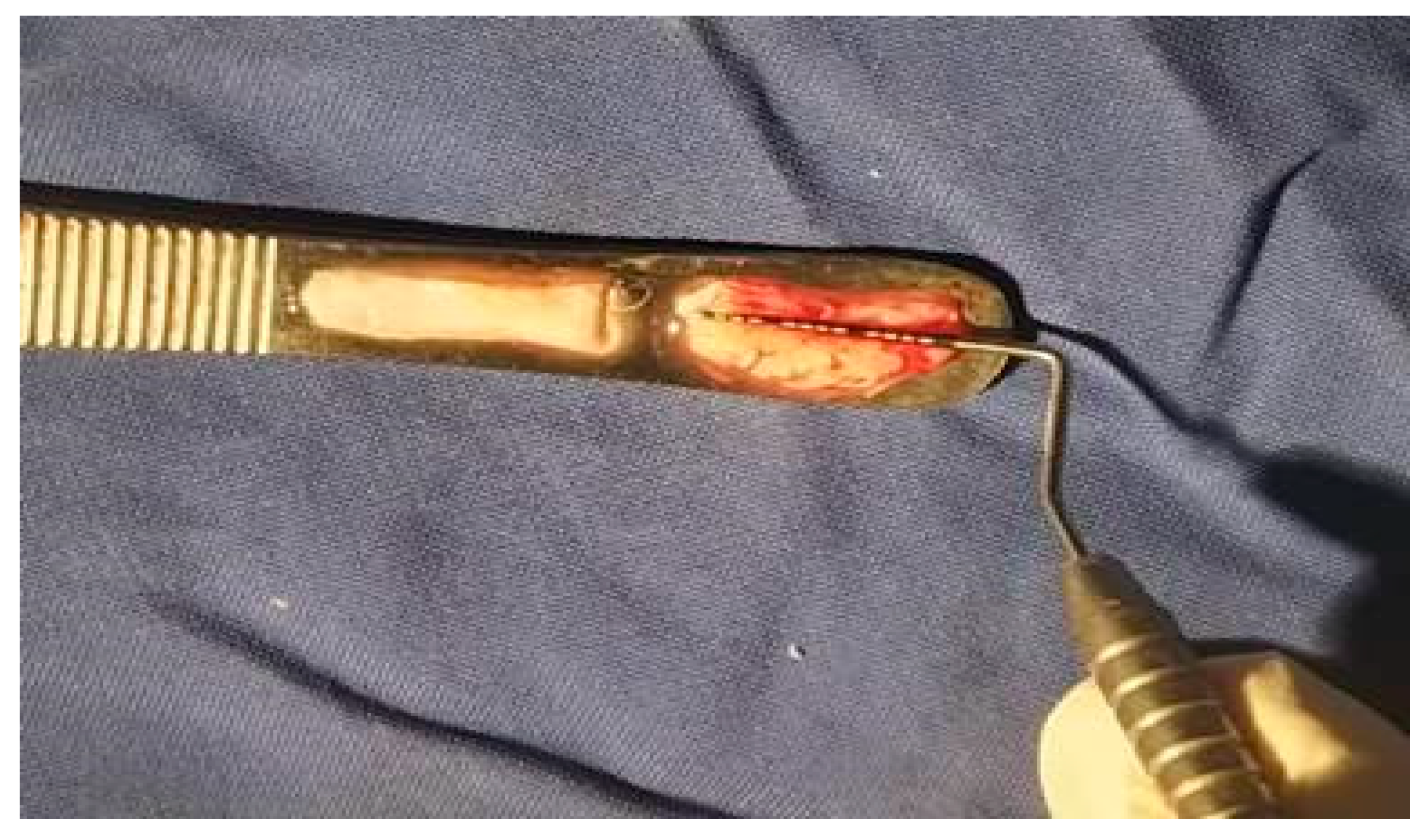





| Test Group (n = 38) | Control Group (n = 36) | ||
|---|---|---|---|
| Age (range) | 43 ± 13.07 (25–68) | 43 ± 13.07 (25–68) | |
| Tooth location | Maxilla | 20 | 16 |
| Mandible | 18 | 20 | |
| Type of teeth | Incisors | 18 | 17 |
| Canines | 8 | 7 | |
| Premolars | 12 | 12 |
| Variable | Time | Mean | SD | SE | t-Value | p-Value |
|---|---|---|---|---|---|---|
| Test Group | ||||||
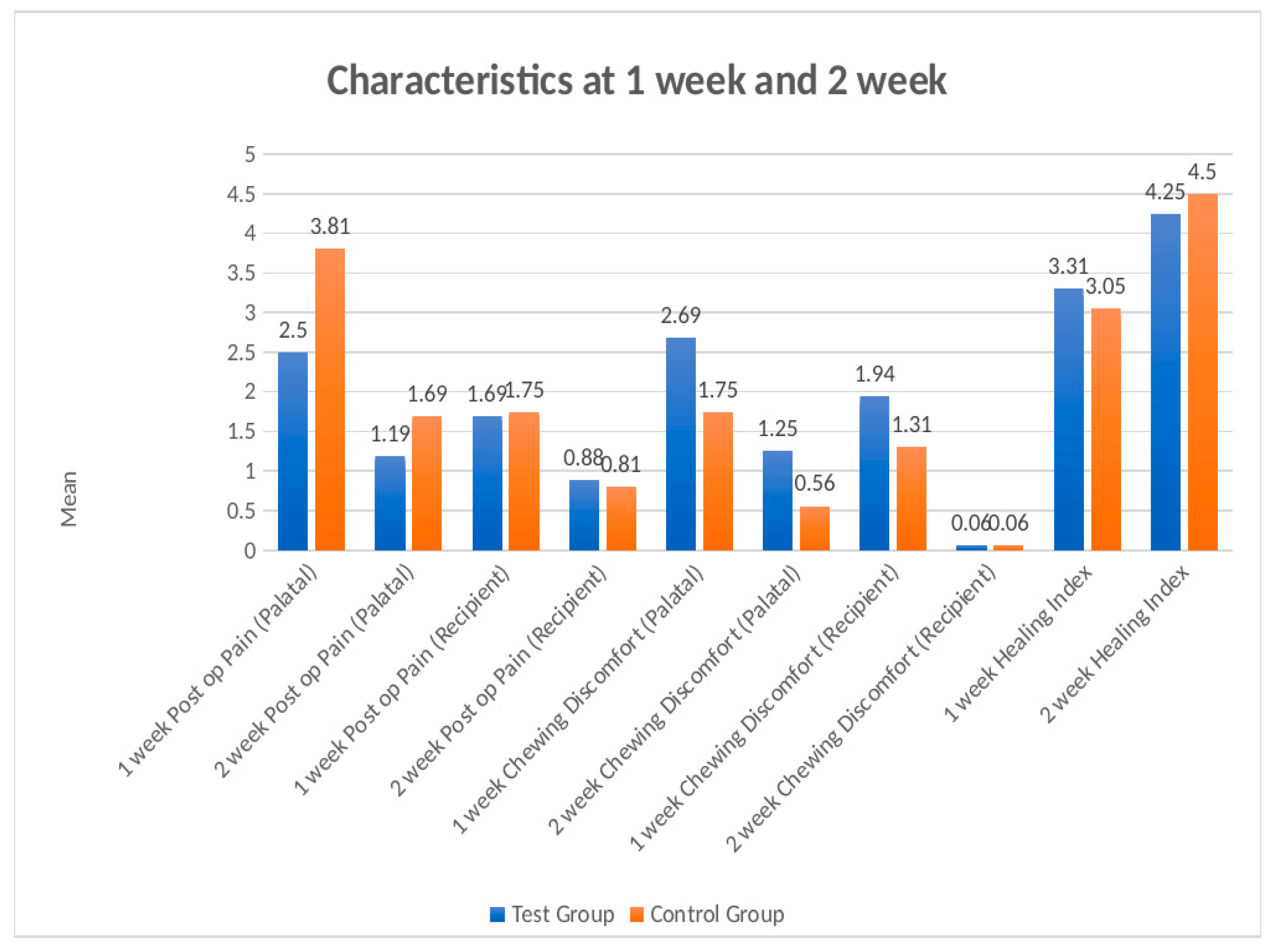
| Post-op pain (donor) | 1 week | 2.5 | 0.73 | 0.183 | 10.967 | <0.001 |
| 2 weeks | 1.188 | 0.544 | 0.136 | |||
| Post-op pain (recipient) | 1 week | 1.688 | 0.704 | 0.176 | 8.062 | <0.001 |
| 2 weeks | 0.875 | 0.619 | 0.155 | |||
| Chewing discomfort (donor) | 1 week | 2.688 | 0.793 | 0.198 | 7.064 | <0.001 |
| 2 weeks | 1.25 | 0.577 | 0.144 | |||
| Post-op bleeding (donor) | 1 week | 1.938 | 0.854 | 0.213 | 8.474 | <0.001 |
| 2 weeks | 0.063 | 0.25 | 0.063 | |||
| Control Group | ||||||
| Post-op pain (donor) | 1 week | 3.813 | 0.834 | 0.209 | 8.295 | <0.001 |
| 2 weeks | 1.688 | 0.704 | 0.176 | |||
| Post-op pain (recipient) | 1 week | 1.75 | 0.683 | 0.171 | 5.514 | <0.001 |
| 2 weeks | 0.813 | 0.655 | 0.164 | |||
| Chewing discomfort (donor) | 1 week | 1.75 | 0.683 | 0.171 | 7.251 | <0.001 |
| 2 weeks | 0.563 | 0.629 | 0.157 | |||
| Post-op bleeding (donor) | 1 week | 1.313 | 0.602 | 0.151 | 8.66 | <0.001 |
| 2 weeks | 0.063 | 0.25 | 0.063 | |||
| Variable | Time | Mean | N | SD | SE | t-Value | p-Value |
|---|---|---|---|---|---|---|---|
| Test Group | |||||||
| Healing Index | 1 week | 3.313 | 16 | 0.479 | 0.12 | −8.474 | <0.001 |
| 2 weeks | 4.25 | 16 | 0.683 | 0.171 | |||
| Recession (mm) | Baseline | 2.342 | 38 | 0.815 | 0.132 | 19.384 | <0.001 |
| Residual | 0.171 | 38 | 0.314 | 0.051 | |||
| Control Group | |||||||
| Healing Index | 1 week | 3.5 | 16 | 0.632 | 0.158 | −10.954 | <0.001 |
| 2 weeks | 4.5 | 16 | 0.516 | 0.129 | |||
| Recession (mm) | Baseline | 2.289 | 38 | 0.732 | 0.119 | 20.796 | <0.001 |
| Residual | 0.145 | 38 | 0.283 | 0.046 | |||
| Variable | Group | N | Mean | SD | SE | t-Value | p-Value |
|---|---|---|---|---|---|---|---|
| Recession at baseline (mm) | Test | 38 | 2.32 | 0.82 | 0.13 | 0.364 | 0.717 |
| Control | 36 | 2.26 | 0.74 | 0.13 | |||
| Residual recession (mm) | Test | 38 | 0.18 | 0.32 | 0.05 | 0.258 | 0.797 |
| Control | 36 | 0.16 | 0.29 | 0.05 | |||
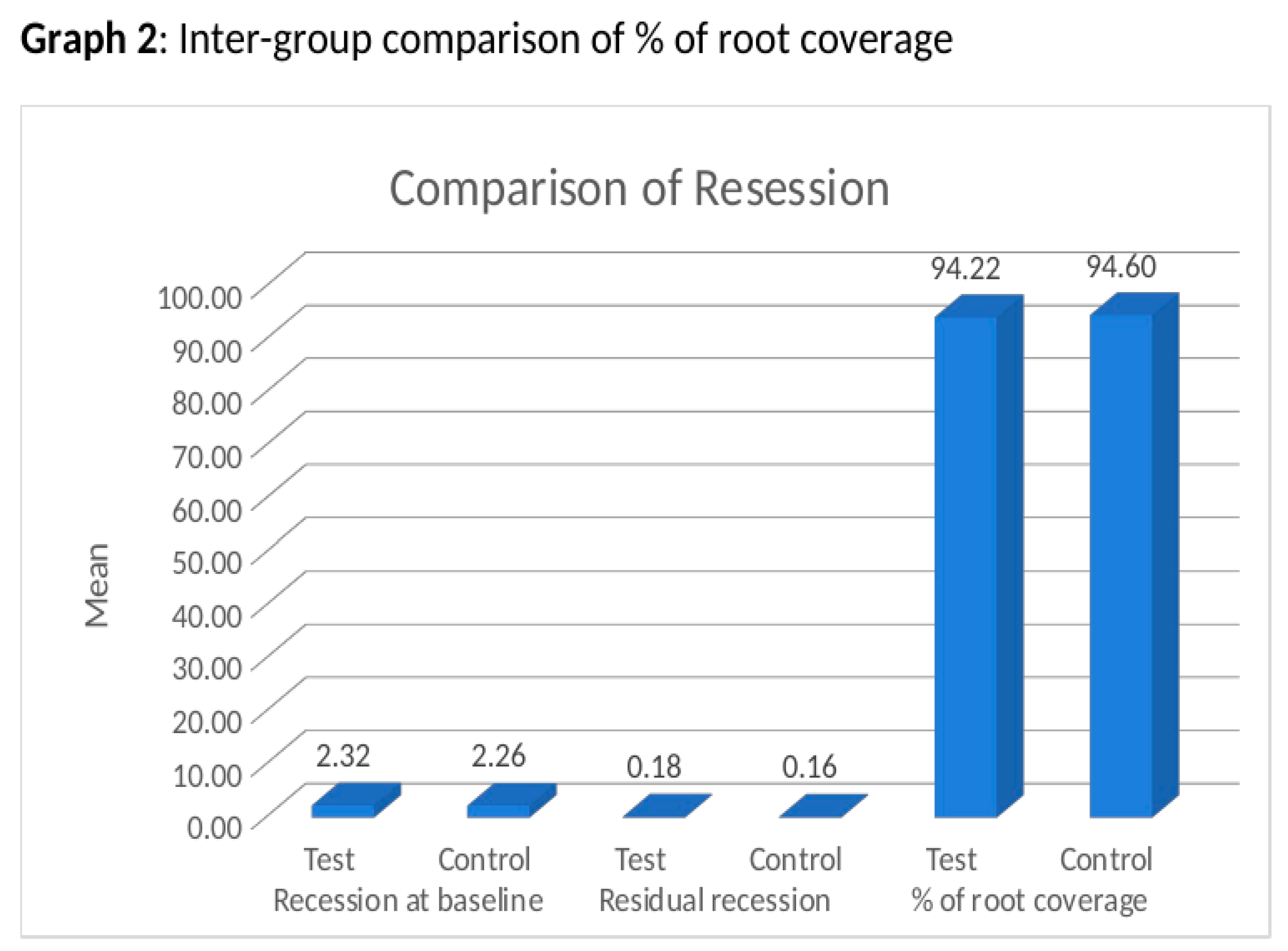
| Root coverage (%) | Test | 38 | 94.22 | 10.28 | 1.69 | −0.160 | 0.873 |
| Control | 36 | 94.6 | 9.99 | 1.69 |
Disclaimer/Publisher’s Note: The statements, opinions and data contained in all publications are solely those of the individual author(s) and contributor(s) and not of MDPI and/or the editor(s). MDPI and/or the editor(s) disclaim responsibility for any injury to people or property resulting from any ideas, methods, instructions or products referred to in the content. |
© 2026 by the authors. Licensee MDPI, Basel, Switzerland. This article is an open access article distributed under the terms and conditions of the Creative Commons Attribution (CC BY) license.
Share and Cite
Jaisinghani, S.; Devkar, N.; Carosi, P.; Jadhav, R.; Jabade, B.; Dhamapurkar, A.; Ladda, P.; Pinto, A.; Lorenzi, C. Subepithelial Connective Tissue Graft Versus De-Epithelialized Free Gingival Graft with the Modified Coronally Advanced Tunnel Technique: A Split-Mouth Pilot Randomized Trial. Appl. Sci. 2026, 16, 5445. https://doi.org/10.3390/app16115445
Jaisinghani S, Devkar N, Carosi P, Jadhav R, Jabade B, Dhamapurkar A, Ladda P, Pinto A, Lorenzi C. Subepithelial Connective Tissue Graft Versus De-Epithelialized Free Gingival Graft with the Modified Coronally Advanced Tunnel Technique: A Split-Mouth Pilot Randomized Trial. Applied Sciences. 2026; 16(11):5445. https://doi.org/10.3390/app16115445
Chicago/Turabian StyleJaisinghani, Simran, Nihal Devkar, Paolo Carosi, Rucha Jadhav, Bhagyashree Jabade, Ankita Dhamapurkar, Prerna Ladda, Alessandro Pinto, and Claudia Lorenzi. 2026. "Subepithelial Connective Tissue Graft Versus De-Epithelialized Free Gingival Graft with the Modified Coronally Advanced Tunnel Technique: A Split-Mouth Pilot Randomized Trial" Applied Sciences 16, no. 11: 5445. https://doi.org/10.3390/app16115445
APA StyleJaisinghani, S., Devkar, N., Carosi, P., Jadhav, R., Jabade, B., Dhamapurkar, A., Ladda, P., Pinto, A., & Lorenzi, C. (2026). Subepithelial Connective Tissue Graft Versus De-Epithelialized Free Gingival Graft with the Modified Coronally Advanced Tunnel Technique: A Split-Mouth Pilot Randomized Trial. Applied Sciences, 16(11), 5445. https://doi.org/10.3390/app16115445