Article

High-Fidelity Finite Element Modelling (FEM) and Dynamic Analysis of a Hybrid Aluminium–Honeycomb Railway Vehicle Carbody


Department of Industrial Engineering, University of Florence, 50139 Florence, Italy
*
Author to whom correspondence should be addressed.
Appl. Sci. 2026, 16(1), 549; https://doi.org/10.3390/app16010549
Submission received: 22 October 2025 / Revised: 29 December 2025 / Accepted: 1 January 2026 / Published: 5 January 2026

Abstract

This study presents the development and high-fidelity finite element modelling of an innovative hybrid railway carbody structure, designed to achieve a substantial reduction in mass while maintaining the required mechanical performance under service conditions. The proposed concept integrates a traditional aluminium frame with an advanced honeycomb sandwich panel, joined through adhesive bonding to ensure structural continuity, compensate for thermal effects, and minimize over constraining stresses. Detailed numerical simulations were conducted to evaluate both the static and dynamic behaviour of the structure under the most demanding load cases prescribed by standards. Modal analysis showed excellent agreement with the original carbody, with variations in the first natural frequency about 3%, while a change in the nature of the corresponding eigenvector was observed. Static simulations under maximum vertical loading confirmed comparable stiffness and stress distributions. Localised stress peaks increased by approximately 19%; the corresponding material utilization factor remained below unity, demonstrating that the structure operates safely within its allowable limits. The introduction of the sandwich panel enabled a mass saving of approximately 60% in the replaced components, corresponding to 3.9% if referred to the whole structure. The results validate the structural feasibility and mechanical reliability of the proposed hybrid concept, laying the foundations for the subsequent experimental phase and for refining its predictive accuracy and industrial applicability.

1. Introduction

In recent years, railway rolling stock manufacturers have faced increasing pressure to develop vehicle platforms that are more energy-efficient, sustainable, and economically competitive. This growing demand has driven research and innovation toward lightweight design strategies, which enable a significant reduction in energy consumption and an improvement in the payload-to-weight ratio of railway vehicles. In this context, the present research activity aims to contribute to this objective by developing and numerically validating an innovative hybrid railway carbody concept through high-fidelity finite element modelling, combining traditional aluminium structures with advanced honeycomb sandwich panels to achieve a substantial mass reduction while ensuring the required structural performance under service conditions. Mass reduction of the vehicle structure through lightweight design approaches [1] represents an effective solution to lower the required traction power during operation. Moreover, it allows for increasing the payload while reducing both rail and wheel wear, thereby limiting the overall track damage produced by the train [2].
The carbody shell is generally composed of metallic components joined by welds and/or bolts and covered with metallic sheets. In some cases, the structure is realized using aluminium extruded profiles, which are welded together to form the carbody cross section. Innovative materials and structural optimization processes represent effective tools to achieve this goal. Recent studies have explored innovative methods to reduce the mass of railway carbodies while maintaining structural integrity. A dynamic size optimization process was introduced to support lightweight design through advanced numerical techniques [3]. A hybrid design strategy was proposed combining composite materials and dynamic optimization to enhance stiffness and vibration performance [4].
A more recent study compared aluminium and carbon-fibre thin-walled structures (CFRP), confirming the superior stiffness-to-weight ratio and modal behaviour of composite solutions. However, unlike conventional metallic materials such as aluminium, CFRP structures exhibit failure mechanisms such as delamination, matrix cracking and fibre breakage, which require dedicated evaluation procedures and advanced numerical–experimental approaches to ensure structural integrity under impact, fatigue, and fire loading; moreover, their wider adoption in railway applications is still limited by relatively high costs [5]. In contrast, aluminium honeycomb panels represent a far more mature and consolidated lightweight solution, widely employed in aerospace and automotive applications due to their predictable mechanical response, favourable stiffness-to-weight ratio and standardized manufacturing processes, although they have never been adopted for the roofs of urban railway vehicles. The redesign of metallic carbody components through combined topology, shape, and size optimization proved effective in reducing mass, particularly when applied to the rib structures of the carbody shell [6]. A multidisciplinary optimization framework integrating fatigue life prediction was later proposed to improve the long-term performance of lightweight metallic designs [7]. At the same time, optimization methods were applied to composite structures to achieve greater efficiency: the crashworthiness performance of composite energy-absorbing systems for railway vehicles was optimized to enhance impact safety [8], while a complex multi-level process combining shape and size optimization was used to refine the bodyshell of a light rail vehicle through 90 constraint functions, achieving a balanced compromise between stiffness and weight [9].
Further investigations focused on sandwich and composite panels, where multi-objective optimization was employed to minimize both mass and cost while satisfying the stiffness, strength, buckling, and thickness requirements for high-speed train applications [10]. Using finite element simulations, an optimized configuration of load-carrying sandwich panels achieved up to a 30% mass saving [11]. Manufacturing aspects were also explored, with the successful use of glass fibre reinforced polymer (GFRP) pultruded panels as substitutes for steel components in medium-speed vehicles, resulting in a 35.5% reduction in mass and full compliance with European railway standards [12]. The dynamic and impact performance of curved GFRP composites was further examined through experimental and numerical tests to assess their projectile resistance under service conditions [13]. The adoption of carbon fibre reinforced polymers (CFRPs) has introduced new opportunities for achieving lightweight yet high-performance railway structures, with recent studies focusing on assessing their mechanical behaviour, durability, and cost-effectiveness compared to traditional aluminium solutions [14,15,16,17,18,19,20]. In parallel, several studies explored material-level innovations for structural integration in railway carbodies [21,22,23]. Three types of composite panels were extensively characterized to determine their lamina mechanical properties and evaluate their applicability to railway vehicle structures [24,25]. The substitution of an aluminium end car box with a carbon fibre composite design achieved a mass equal to 72% of the original component while maintaining satisfactory tensile, fatigue, and impact resistance [26]. In addition, core optimization for noise attenuation performance was presented [27].
Lightweight design strategies have also been successfully applied to other key railway components, including bogie frames and bolster beams, where the integration of advanced materials and optimization techniques has led to notable gains in structural efficiency and load-bearing performance [28,29,30].
Finally, the present research introduces an innovative hybrid carbody design that integrates a lightweight aluminium structure with a honeycomb sandwich panel, representing a novel approach for urban rail vehicles applications, reducing vehicle mass while maintaining the required mechanical strength and stiffness. This concept aims to improve the overall energy efficiency of urban rail vehicles, allowing for either a reduction in power consumption or an increase in passenger capacity without altering the vehicle envelope. In addition, the acquisition of a fully certified external panel, compliant with all relevant European standards, which can be installed through a bonded joint offering high mechanical performance while avoiding welded connections, a well-known critical aspect of carbody manufacturing in terms of both cost and production complexity, represents an important alternative to replace traditional solutions. From a maintenance perspective, in the event of damage the panel can be replaced quickly and with short procurement times, ensuring limited operational downtime and overall reduced lifecycle costs. Finally, the paper provides a comprehensive description of the reference tram platform and the proposed hybrid solution, including real images of the sandwich panel to illustrate its geometry and configuration. Subsequently, the numerical modelling process is presented in detail, followed by an in-depth analysis of the influence of this innovative design on the dynamic behaviour and stress performance of the carbody structure.

2. Materials and Methods

This section presents the methodology adopted in the present research, including a detailed description of the finite element model of the considered carbody and a dedicated subsection focusing on the aluminium honeycomb sandwich panel under investigation.

2.1. Methodology

In this section, the procedure adopted by the authors for the redesign of the carbody structure using a honeycomb sandwich panel is presented. The proposed solution represents a novel lightweight hybrid design concept that combines conventional aluminium profiles with an advanced composite sandwich panel, aiming to achieve a significant reduction in mass while maintaining equivalent structural performance and compliance with railway standards. Starting from the finite element (FE) model of the original carbody, the roof assembly was modified to integrate a sandwich panel. The methodology can be summarized as follows. First, the FE model of the complete vehicle was assessed according to the EN 12663-1:2015 [31] standard. Although the load cases were applied to the entire vehicle, it was essential that the reference carbody exhibited appropriate mechanical performance, particularly in terms of stress concentration within the allowable limits of the materials and in its modal characteristics. Second, the reference carbody was isolated, including all the relevant elements influencing its dynamic behaviour, such as concentrated masses, which model the main carbody equipment. A modal analysis was then carried out to assess its natural frequencies and mode shapes. The first natural frequency was carefully evaluated, as excessively low values could lead to resonance with low-frequency excitations, such as hunting motion. The obtained mode shapes were later used as a reference to identify variations introduced by the redesigned configuration. Third, the carbody structure was modified to allow for proper installation of the sandwich panel, considering the selected fastening system, which in this case was a bonded joint. Fourth, the updated structure was first examined through modal analysis to detect possible changes in dynamic behaviour, followed by mechanical verification according to EN 12663-1:2015, with particular attention to the maximum vertical load case, discussed in detail in the next sections. The influence of load redistribution on adjacent carbodies was also considered, since the boundary conditions between connected units can affect their structural response. Finally, to ensure a comprehensive assessment, the entire carbody was analyzed under the defined load cases before focusing on local evaluations of the sandwich structure, including both the skins and the core. The proposed methodology ensures that the redesigned solution maintains adequate structural performance while introducing the lightweight benefits of sandwich construction.

2.2. Tram Platform and Carbody Description

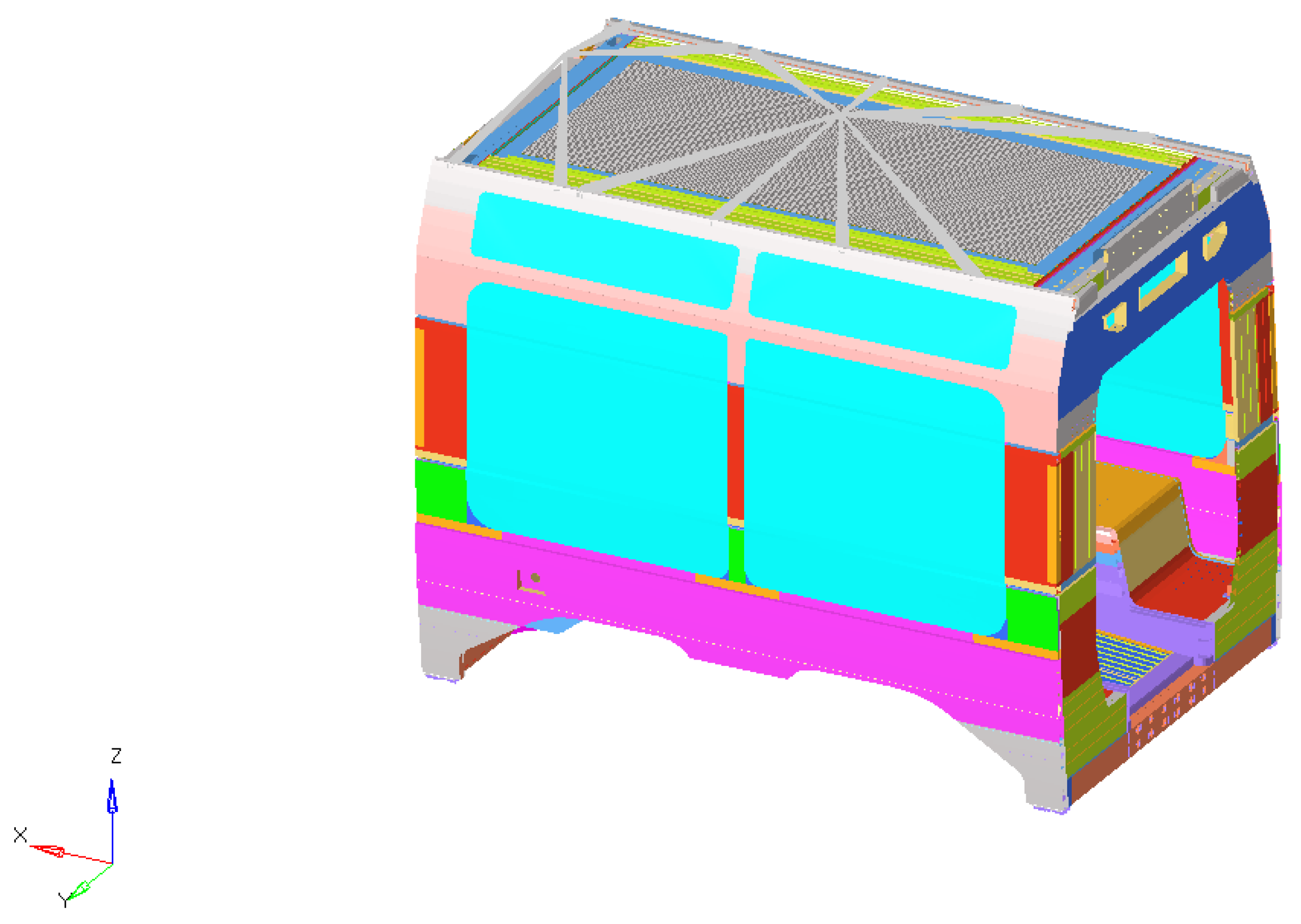
The light rail vehicle (LRV) analyzed in this study belongs to a modern tram platform classified in category P-V according to the reference standard [31]. It is a modular vehicle platform that can be configured with five to nine carbodies, with the number of bogies always equal to the number of carbodies minus two. This configuration combines carbodies directly supported by bogies with suspended ones, without the use of Jacobs bogies, which are generally not adopted for urban vehicles. The suspended carbodies feature a low-floor design and include door systems that allow for easy passenger access and rapid flow, which is typical for urban transport applications. The carbody structure, shown in Figure 1, is entirely made of aluminium alloys EN AW 6005 T6 and EN AW 6106 T6, whose mechanical properties are defined in EN 1999-1-1:2014 [32]. As is common for aluminium structures, the main assemblies were joined using both welding and riveting techniques. In the numerical model, each rivet was represented with a simplified approach aimed at capturing only axial and shear stress effects. Rivets were positioned along the connection interfaces between the upper and lower frames, with more than 150 rivets evenly distributed across the various joint regions between subassemblies. The vehicle windows also play a structural role, contributing to the overall stiffness of the carbody. These are connected to the frame through bonded joints, which allow for an adequate transfer of loads while compensating for differential thermal expansions. This bonding solution prevents the glass panels from being overconstrained, thus avoiding critical stress conditions that could otherwise occur under service or thermal loads. The upper roof panel and the floor panel, due to their relatively simple and linear geometry, were identified as the most suitable components for the integration of a sandwich structure. In addition, the passenger seating area was also considered as a potential candidate for the use of composite and laminated materials, since its geometry can be effectively realized with current manufacturing technologies. However, the introduction of low-floor designs has significantly reduced the available space for onboard systems, forcing designers to relocate many components to the roof area. Consequently, as the number of roof-mounted devices has increased, the structural performance of the roof assembly has become a critical aspect in the overall design of modern light rail vehicles.
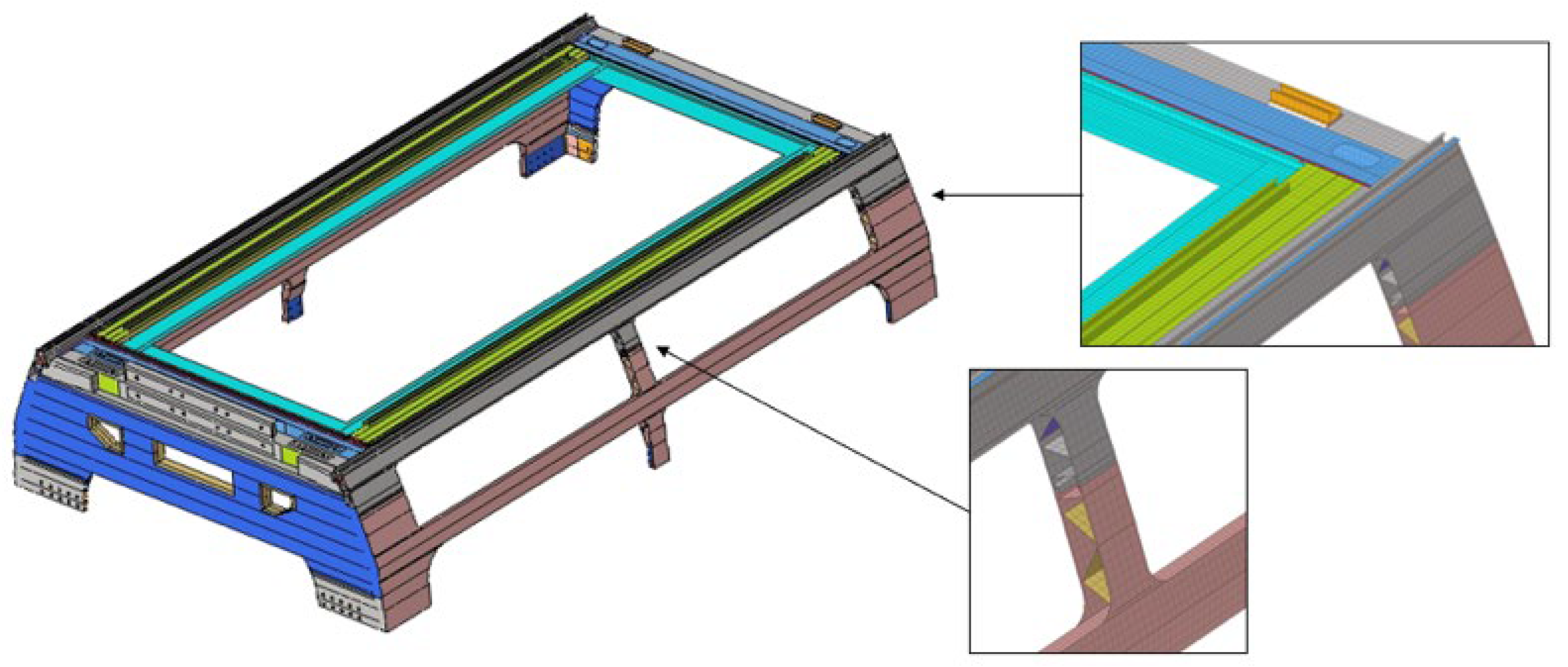
Regarding the assembly process, the redesigned roof required the sandwich panel to be installed from the top of the pre-assembled welded carbody structure. Once the panel was correctly positioned, the bonding adhesive was applied to secure it in place. Based on the geometry of the sandwich panel, the most suitable roof configuration featured a simple cut-out profile, allowing for integration of the new component without modifying the overall geometry or external dimensions of the carbody. Only one structural element needed to be adapted for the introduction of the innovative component: in the original configuration, it consisted of a longitudinally extruded profile, whereas in the redesigned version, it was replaced by a rectangular section following the same “circular crown” concept. Figure 2 illustrates the redesigned roof sub-assembly. To enable proper assembly, the installation procedure required accurate alignment of the sandwich panel, ensuring a controlled gap between it and the underlying structural surface. The contact areas were carefully prepared to achieve effective adhesion, and the bonding agent was applied in multiple steps, paying close attention to the timing of injection, which was influenced by the adhesive’s flow characteristics as well as its drying and curing behaviour. The bonding material used was a high-performance one-component polyurethane adhesive and sealant that cures upon exposure to atmospheric humidity. This adhesive is commonly employed for window installation in railway vehicles and has been previously investigated for a similar rail application [33]. The finite element (FE) model of the carbody consisted in a high-fidelity representation of the structure, comprising approximately 900,000 nodes. The average size of the mesh was about 18 mm, with a maximum element length about 35 mm and minimum one about 1 mm, with local refinements, useful to increase the quality and the reliability of the stress assessment. The carbody structure, including all subassemblies and equipment, was modelled using a two-dimensional mesh of first-order QUAD4 shell elements, CONM2 concentrated mass, and distributed mass exploiting NSM (non-structural mass). All the rivets were modelled using 1D beam elements, combined with RBE2 rigid connections.

2.3. Honeycomb Sandwich Structure

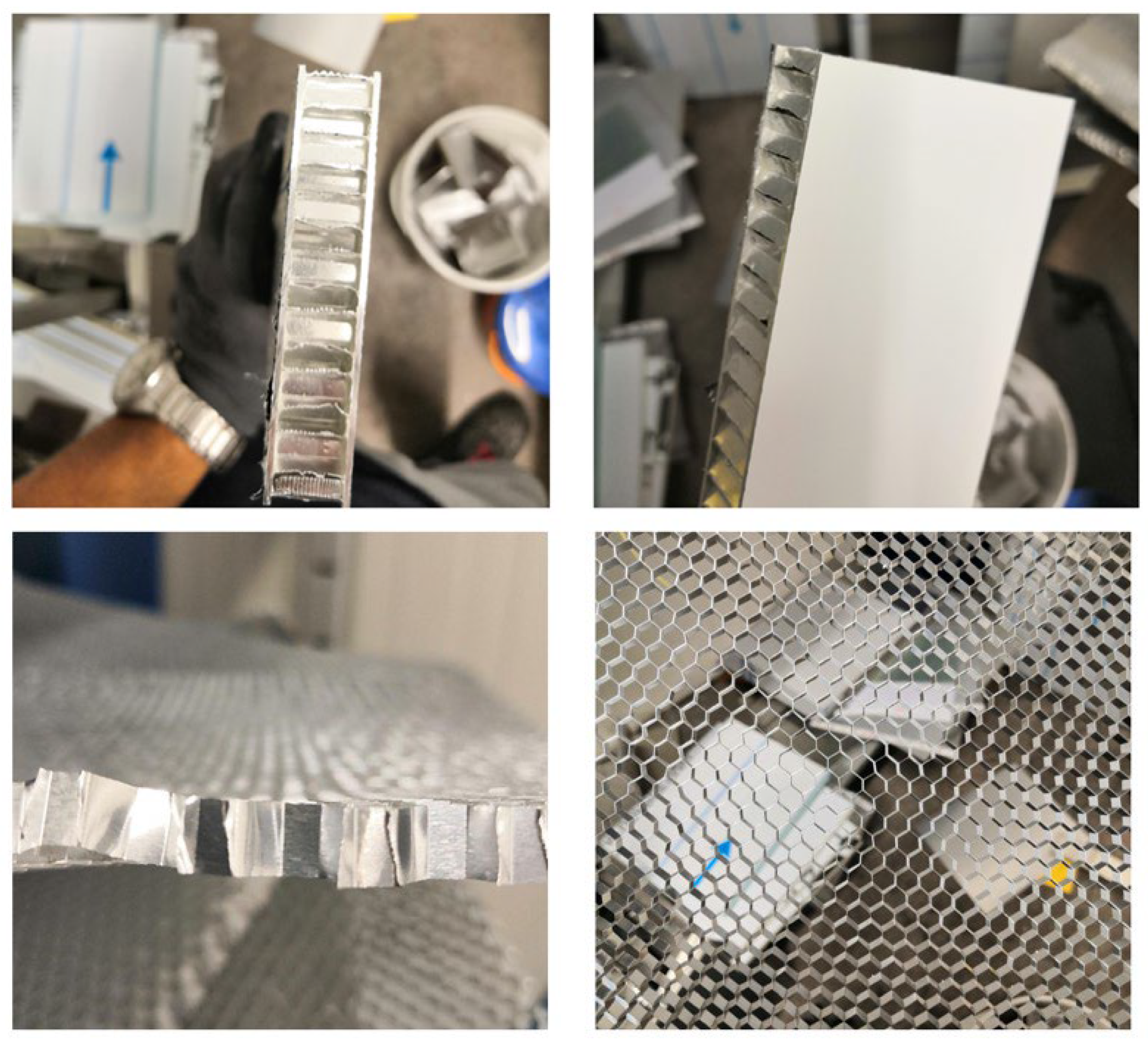
The aluminium sandwich panel with a honeycomb core was selected due to its excellent mechanical properties, particularly its high stiffness-to-weight ratio. Figure 3 presents real images of the panel, taken from different configurations and dimensions, to provide a clearer understanding of its type and structural layout.
The reference mechanical performances in terms of admissible strength and deflection are reported in [34,35,36]. Future developments include the direct installation of the panel on the carbody, with experimental evaluation of its performance through laser-based and strain gauge measurements. The full panel dimensions are reported in Table 1. No assembly tolerances or precision levels are specified at this stage, as such evaluations are not required for the current exploratory phase. In addition, depending on the adhesive used, the panel could operate at service temperatures up to 140 °C. Moreover, it is fully recyclable and offers promising fire resistance performance. Among the different requirements, compliance with the fire behaviour assessment defined by the European Standard CEI EN 45545-2 [37] at hazard level HL2, represents one of the most demanding challenges that was able to be filled.
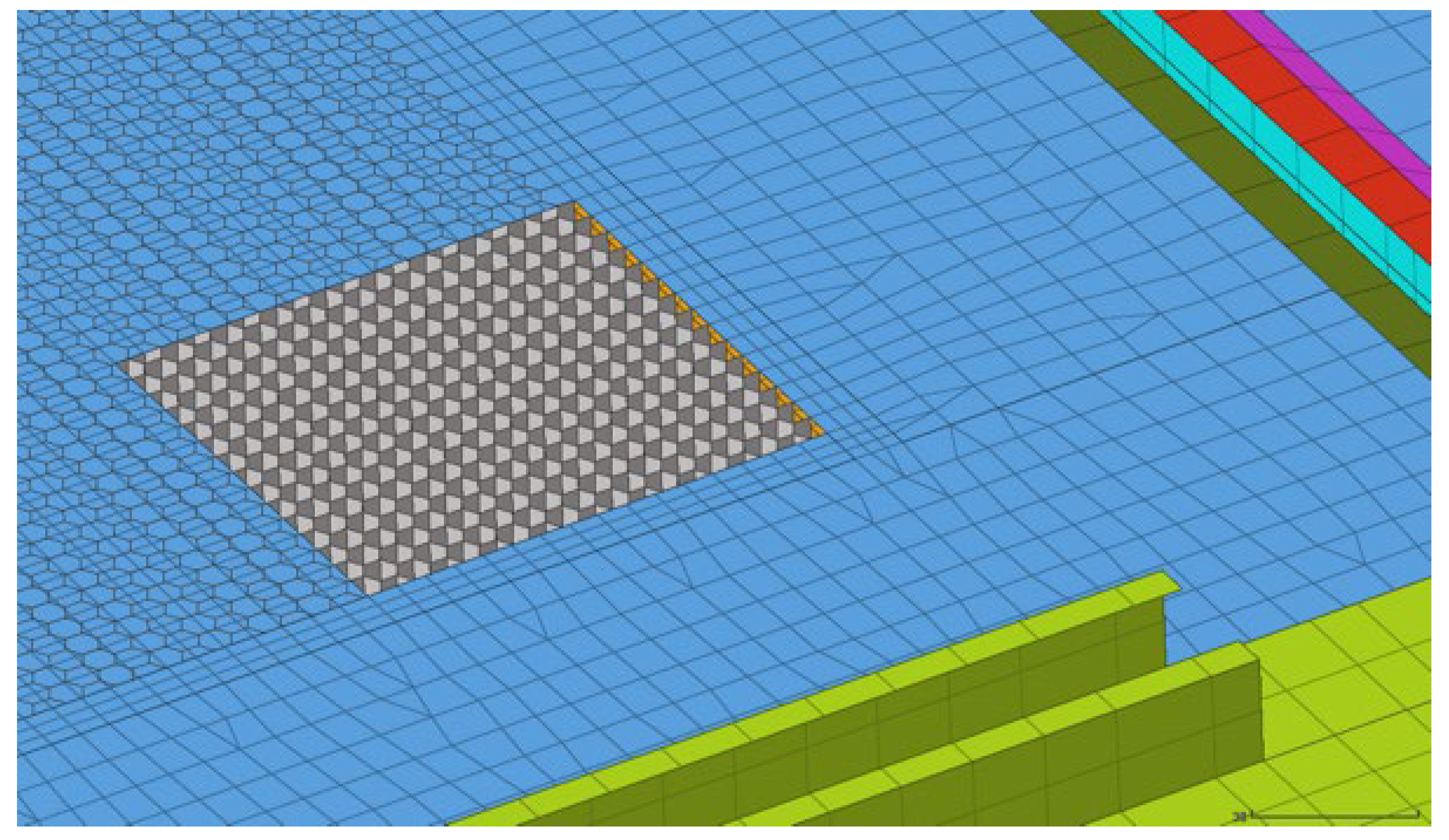
Once the geometry of the panel was defined, it was accurately recreated starting from a surface model and then discretized into finite elements. The entire panel was modelled using first-order shell elements. As indicated in [38], to correctly capture possible local deformation effects within the honeycomb core, at least three nodes were included along the thickness direction of the panel. The adhesive layers between the skins and the core were modelled using contact interfaces with the freeze option, which constrains relative motion between surfaces, maintaining the initial gap and enforcing zero sliding distance. This approach allows the use of a linear analysis method while providing a realistic representation of both the panel and adhesive behaviour, fully consistent with the objectives of this study. This modelling choice made it possible to preserve a linear computational framework while achieving an accurate mechanical response of the panel, keeping the number of nodes, and therefore the degrees of freedom, within acceptable limits to ensure an optimal balance between computational cost and model accuracy. The bonding joint was represented using first-order hexahedral solid elements with a rectangular cross-section. In future developments, this geometry could be refined to an irregular profile to better reproduce the actual mounting conditions. Figure 4 shows a local view of the roof assembly, where part of the upper skin elements was removed to expose the honeycomb core.

3. Results

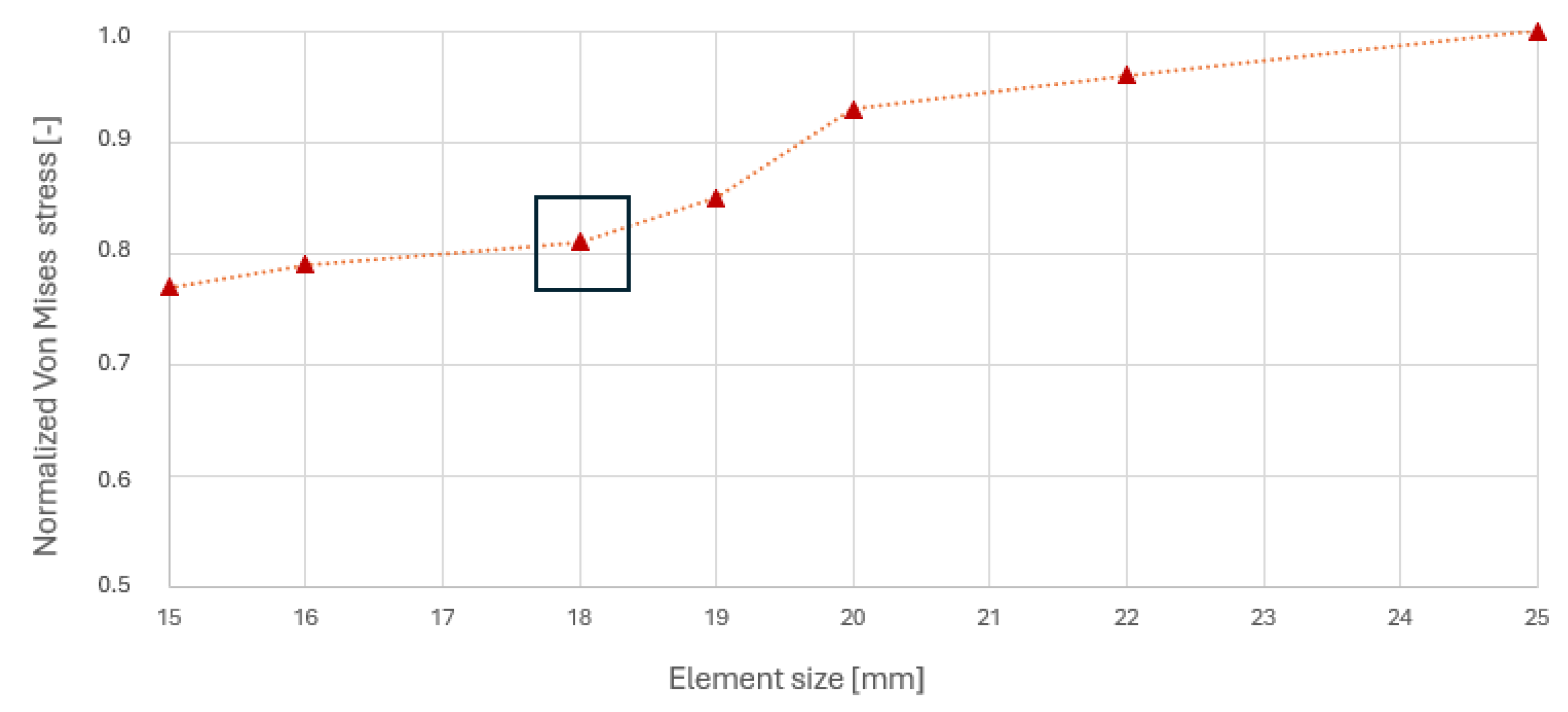
The computations were performed on a workstation equipped with an Intel(R) Xeon(R) CPU E5-2643 v4 @ 3.40 GHz and 32 GB of RAM. To evaluate the mechanical performance of the carbody, the most critical loading condition, the maximum vertical load, was considered. All reference masses used in the analysis are reported in UNI EN 15663:2019 [39]. Boundary conditions for all load cases were defined using an isostatic configuration: the carbody was vertically supported at the secondary suspension points, laterally constrained at the side pads, and longitudinally restrained at the rear buffers of the cab. The FE analysis was linear static type to study stress performance, while the “normal modes” type was used to study the modal behaviour of the carbody. The FE model and the characteristics of its elements have been previously described; however, it is important to note that a mesh sensitivity analysis was conducted to stabilize the results, ensuring maximum reliability of the discretization. Figure 5 presents the mesh sensitivity analysis, indicating that stress results converged and reached a plateau at an element size of 18 mm; this size was therefore selected as a reference, providing an optimal balance between numerical accuracy and computational efficiency.
The following section presents the results obtained from this research activity, which demonstrate that the hybrid solution allowed for a remarkable mass reduction of approximately 60% compared to the replaced components in the original structure. In particular, as indicated in Section 2.2, the central extrusions of the roof sub-assembly were replaced with the aluminium-honeycomb sandwich panels. Specifically, three aluminium extruded profiles, with an average thickness ranging from 2.5 to 3.5 mm and longitudinally welded together, were substituted. The mass reduction achieved on these components corresponded to approximately 3.9% of the total vehicle mass, highlighting the effectiveness of the proposed lightweight solution in reducing the overall structural weight while maintaining the necessary mechanical performance.

3.1. Dynamic Behaviour Assessment and Comparison

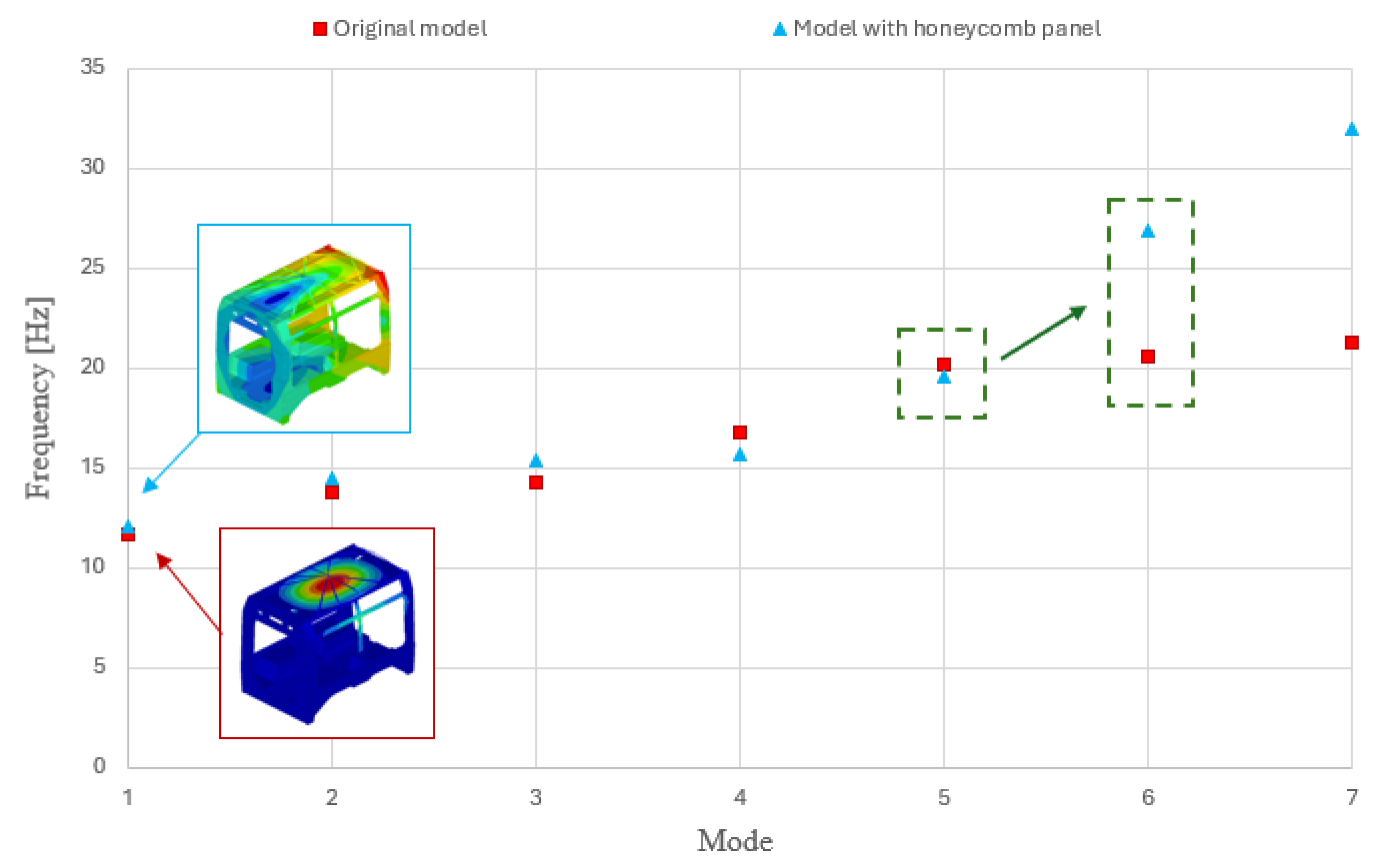
The first step in the dynamic study involved the analysis of a single carbody, appropriately isolated while including all major masses that could influence the system’s modal behaviour in its original configuration. This preliminary analysis aimed to verify that the first natural frequency was at least above the reference value of 10–11 Hz. The second step, following the detailed modelling of the redesigned structure including the honeycomb sandwich panel, consisted of performing a modal analysis of the updated carbody under the same testing conditions. As reported in Table 2, an excellent agreement was observed in terms of eigenvalues for the first mode, showing a limited increase of approximately 3%. However, the same conclusion cannot be drawn for the mode shape of the first modal form. While the original carbody exhibited a typical flexural mode localized in the roof, the modified stiffness distribution resulting from the addition of the sandwich panel, the bonded joint, and the redesigned roof assembly produced a more global mode with a combined flexural-torsional character, showing the maximum displacement at one of the ends. Nonetheless, it can be concluded that the frequency matching remains good up to the fifth mode, where a sign inversion was also observed. The two mode shapes are illustrated in Figure 6. This change in modal behaviour will need to be carefully evaluated to account for potential excitations acting on the carbody due to vehicle motion. For this reason, it is important to emphasize once again the necessity of keeping the first natural frequency well-separated from possible low-frequency excitations or vehicle-induced motions.
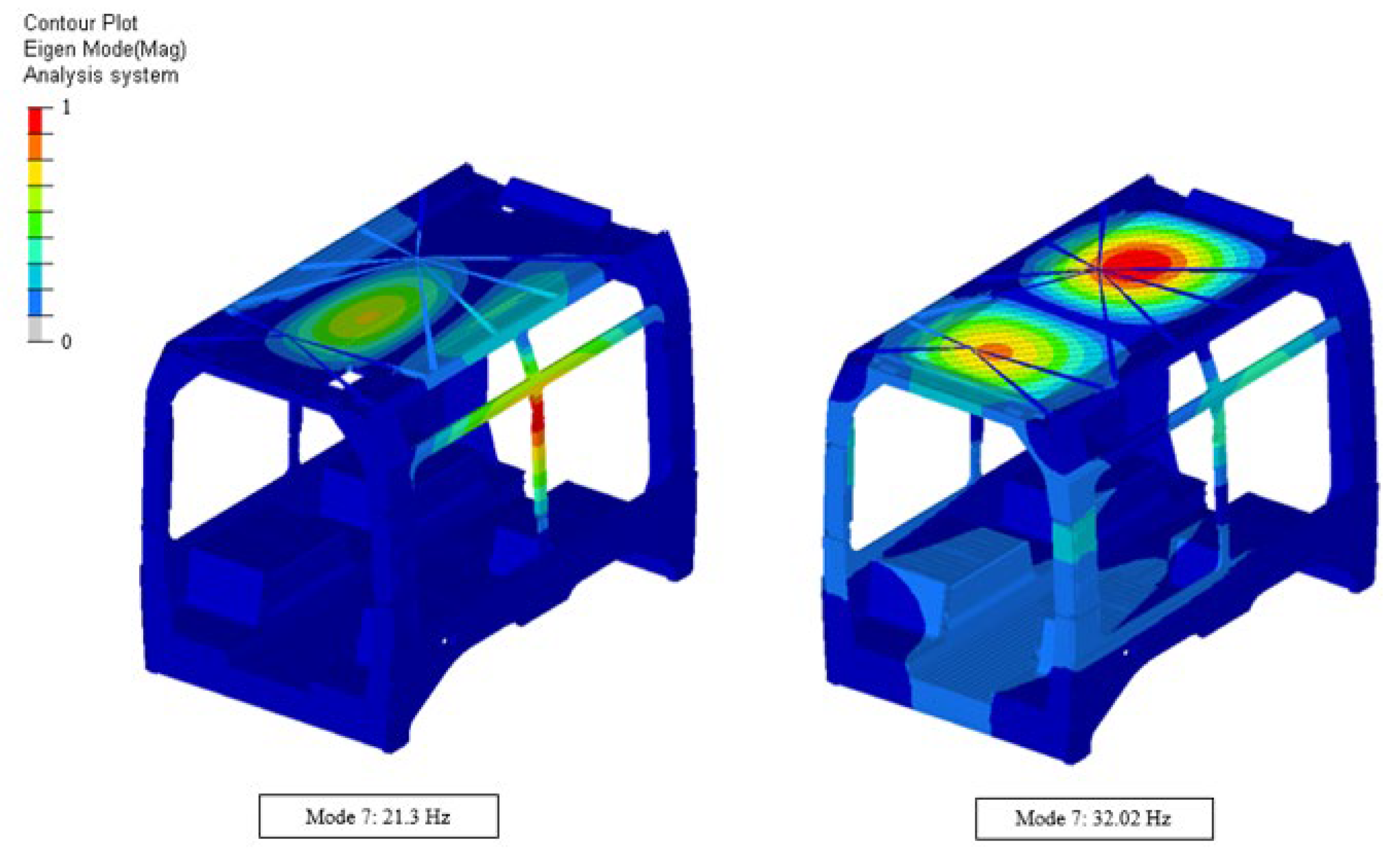
It is also interesting to note the significant differences that arise from the sixth mode onward. The delta increased by approximately six times, with a marked difference in eigenvalues, as indicated in the graph. As is typical at higher frequencies, the mode shapes tended to be more localized, as observed in the original carbody shown on the left in Figure 7. In particular, the maximum displacement occurred at the side-mounted stanchion. A similar, though less pronounced, effect was observed for the seventh mode of the redesigned carbody. In this case, however, the maximum displacement occurred in the roof assembly, exhibiting a more pronounced double-lobed pattern at one end. It is crucial to consider the presence of the window glass. In the original configuration, the localized maximum displacement must be carefully evaluated to ensure that this mode is decoupled from potential higher-frequency excitations that could induce undesired resonance effects on the glass. At the same time, the stiffness contribution provided by the window may have a beneficial effect in mitigating such responses.

3.2. Stress Analysis

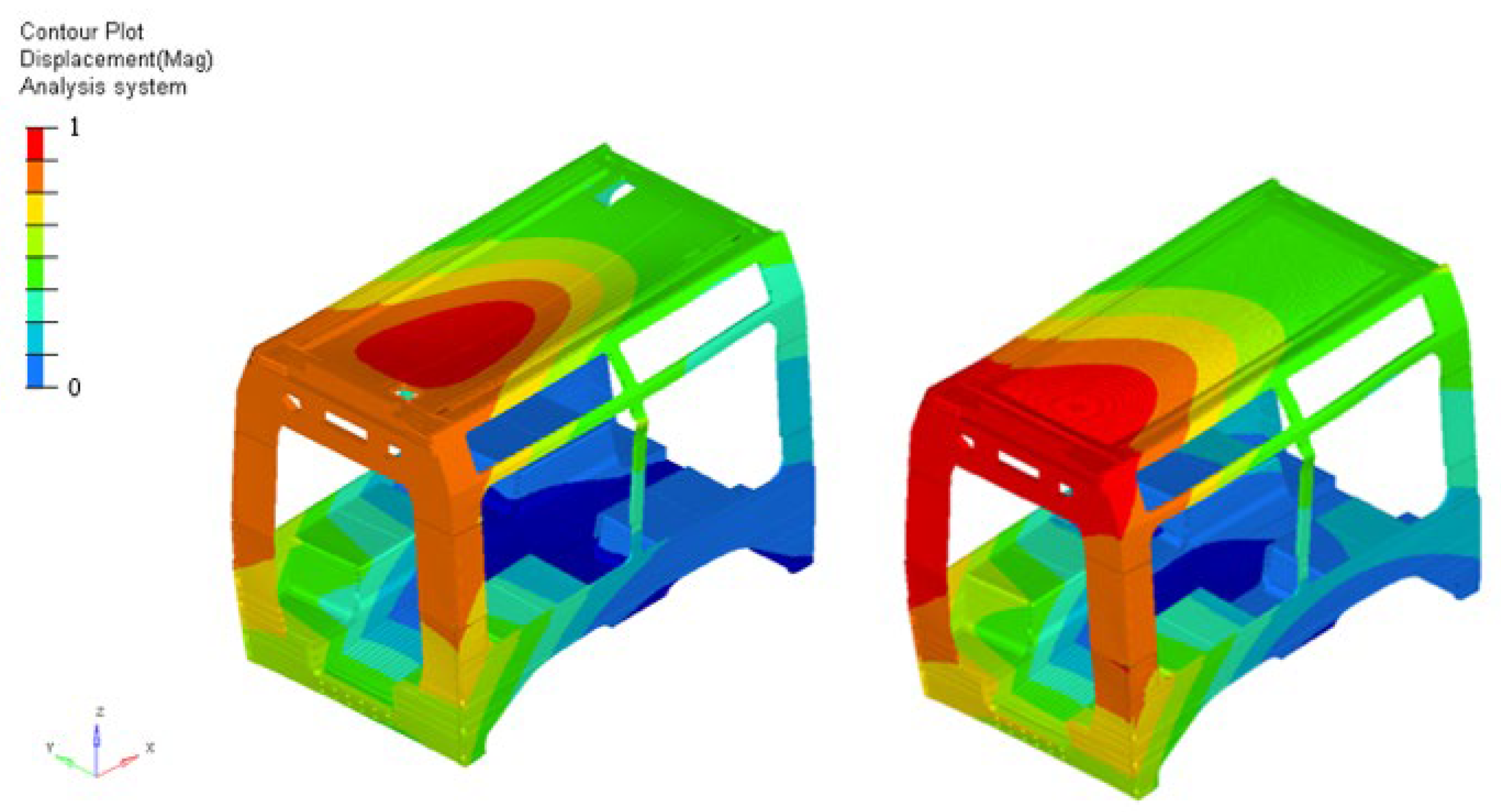
As previously indicated, the load case analyzed, identified as the most critical among those specified in the reference standard, was the maximum vertical load. This condition represents a conservative approach in terms of load distribution, but it becomes realistic in the case of a fully loaded vehicle with passengers standing close together, a situation that can occur frequently in urban transport. A detailed examination of the results shows, first of all, in Figure 8, the displacement distribution of the carbody structure. The overall magnitude of displacements remained similar between the two configurations. The most noticeable difference appeared in the distribution pattern, consistent with the observations from the dynamic analysis. The redesigned structure tended to move more as a compact unit, with higher stresses observed at the ends of the roof subassembly. In contrast, the original structure showed the maximum deflection on the same side, but localized at the centre of the roof.
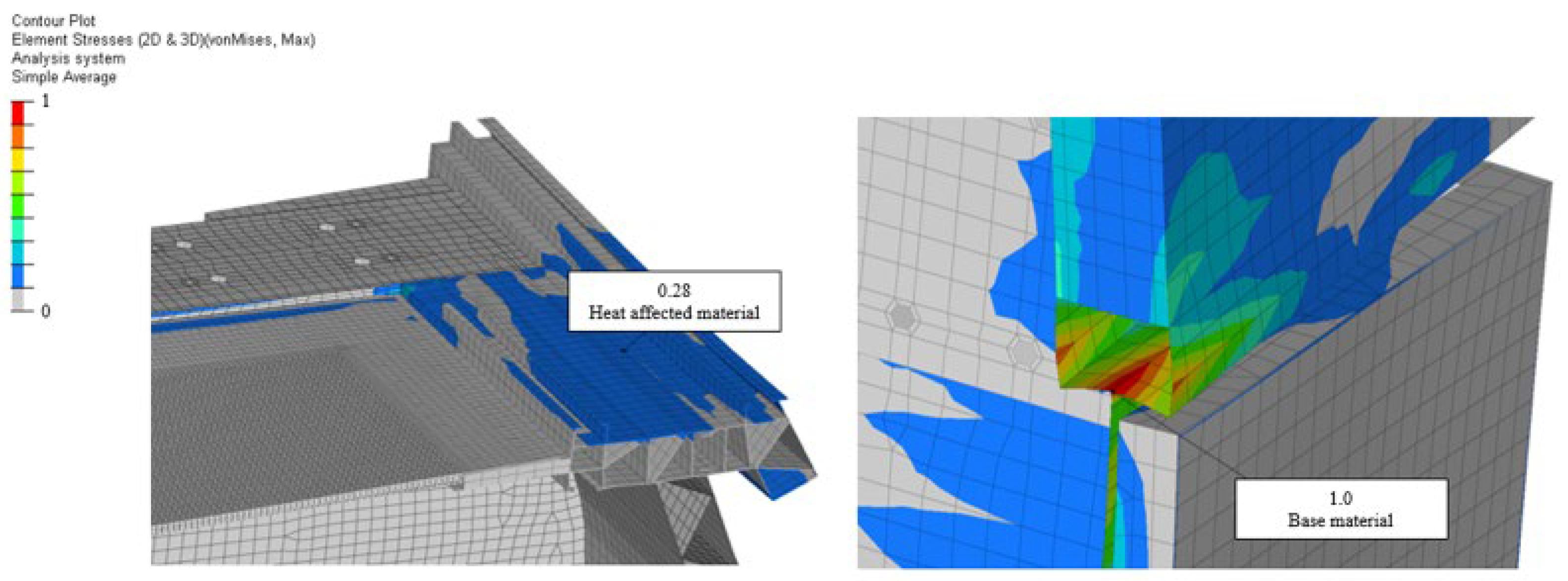
Examining the stress distribution on the carbody structure in more detail, two reference areas are highlighted in Figure 9. In the left image, the maximum stress recorded in the heat-affected material of the roof region is shown, corresponding to approximately 30% of the overall maximum stress observed. The right image shows the peak stress occurring in the front section of the carbody, where the largest displacements were observed. This stress peak is largely attributable to the modelling approach, as the vertical stanchion is connected to the underframe solely through rivets, creating a lever-like effect, particularly at the base of the plate where the maximum occurs. The stress value obtained in the redesigned structure, localized in the same region as in the original configuration, increased by about 19%. Nevertheless, this increase did not compromise the overall structural performance of the carbody, which maintained a utilization factor below the allowable limit, approximately 0.96. Utilization factor was calculated as the ratio between absolute principal stress (FEM) and permissible stress.
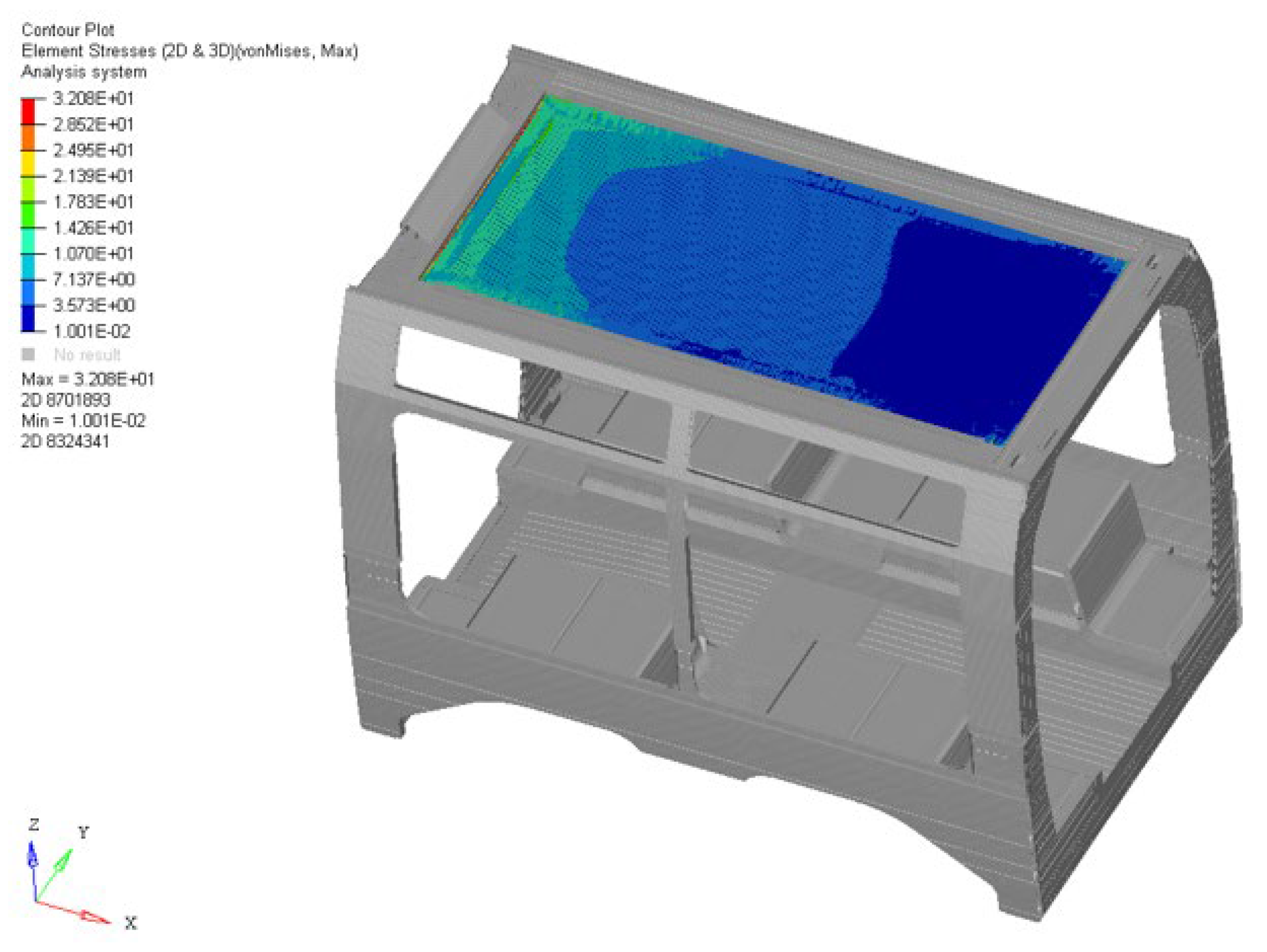
Moving to the analysis of the sandwich panel, it was evaluated together with the carbody structure as a whole. A stress peak was observed at the panel ends, on the skins, at the interface with the bonded joint, and thus with the carbody. This boundary condition naturally generates a stress concentration at the panel extremities. Nevertheless, the stress level remained acceptable, approximately 30 MPa, as shown in Figure 10. For future developments, a more detailed modelling of the panel ends could allow for a refined estimation of the local stresses. However, this level of detail goes beyond the objectives of the current research activity, which is considered conservative at this stage.
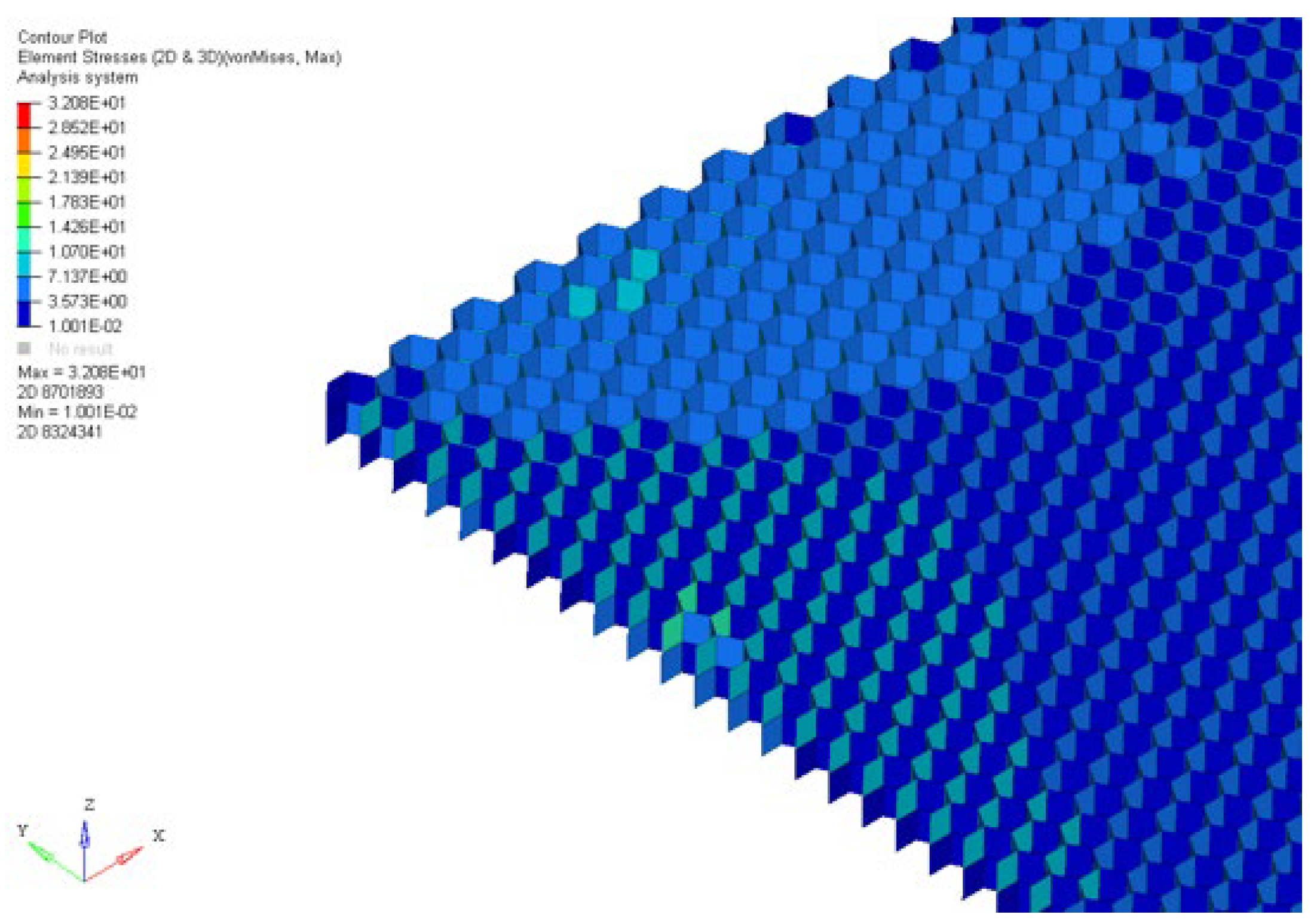
Finally, the stress within the core, particularly on the individual cells, was analyzed. The observed values, as illustrated in Figure 11, were consistent with expectations, showing a generally uniform distribution. It is noted that not all faces of each cell experience the same stress level, which reflects the real behaviour of the system. Each cell is not uniformly loaded, as perfect fabrication of the panel and the interfaces between core and skins cannot always be guaranteed. This result confirms the validity and reliability of the modelling approach adopted.

3.3. Sensitivity Analysis on Core Cell Thickness

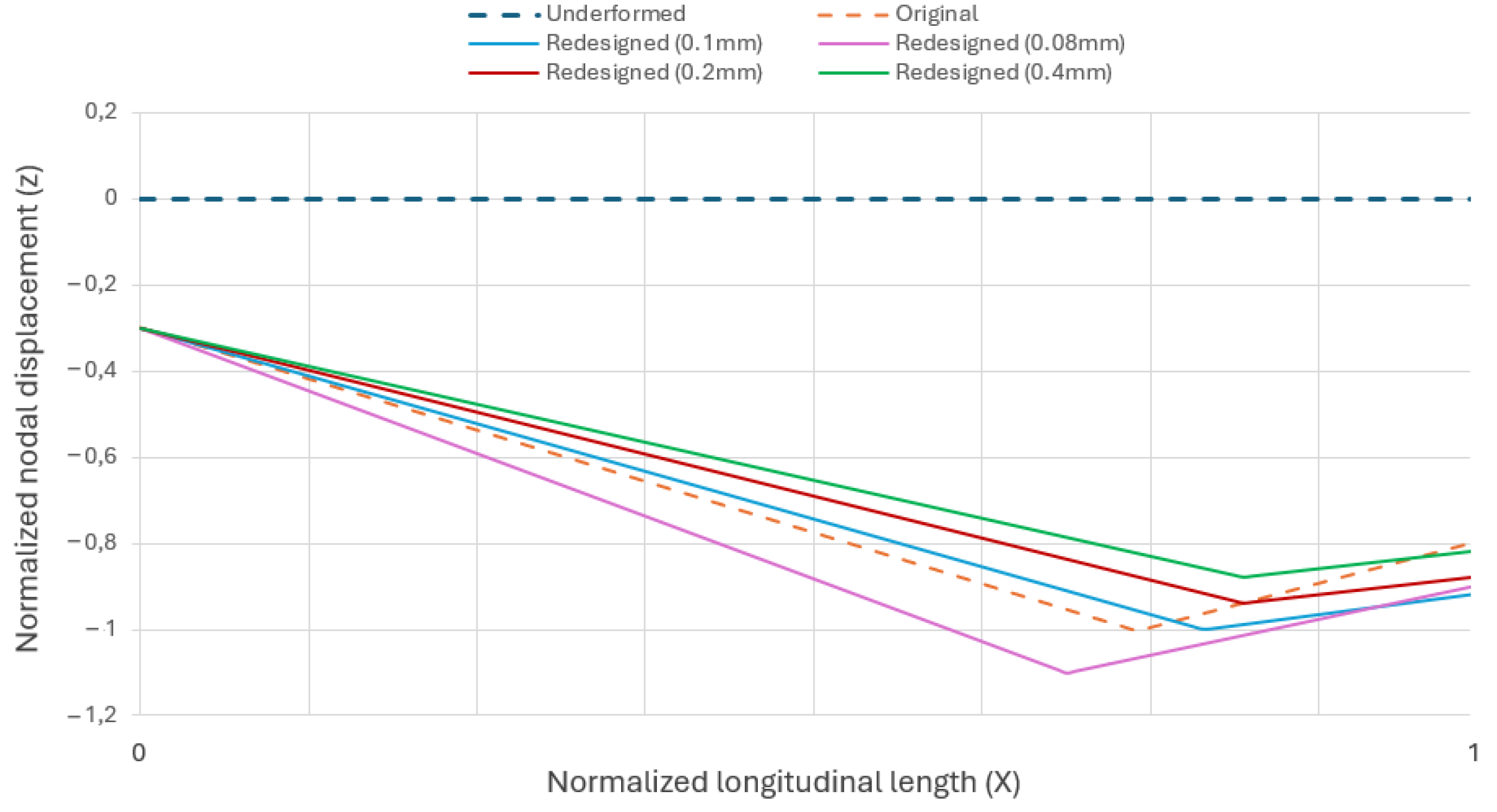
A preliminary sensitivity study was conducted to evaluate the impact of the honeycomb cell thickness within the proposed sandwich panel on the structural behaviour of the carbody. Results are shown in Figure 12. Starting from a reference cell thickness of 0.1 mm, as reported in Table 1, a reduction of 20% was initially hypothesized, resulting in a test value of 0.08 mm, and the consequent effects on the maximum displacements of the panel were assessed. Subsequently, the analysis was extended to consider increased cell thicknesses of 0.2 mm and 0.4 mm, in order to investigate the influence of this parameter across a wider range. The results of this preliminary investigation highlighted a notable sensitivity of the panel’s response to variations in cell thickness: a decrease to 0.08 mm led to an increase in the maximum displacement of approximately 10%, whereas an increase in cell thickness produced a significant beneficial effect, reducing the maximum deformation. Importantly, the displacement at the panel extremity initially considered did not undergo substantial changes, indicating that the overall structural behaviour of the carbody remained consistent. In contrast, the opposite extremity exhibited a measurable variation, with a significant increase in displacement observed under the reduced cell thickness scenario. It should be noted that increasing the honeycomb cell thickness is inherently associated with an increase in the panel mass, which may affect the overall vehicle weight and energy efficiency. Nevertheless, a systematic structural optimization process, as well as future sensitivity studies, could be fundamental to identifying the optimal configuration of the panel, balancing structural performance, maximum displacements, and mass considerations. These preliminary findings provide a foundation for further investigations, which are planned in line with the experimental validation campaigns described in the concluding section, and will contribute to a more comprehensive understanding of the structural performance and optimization of hybrid aluminium–honeycomb sandwich carbodies.

4. Conclusions

This research activity presented the redesign and analysis of a light rail vehicle carbody integrating an innovative hybrid structure that combines conventional aluminium assemblies with a sandwich panel featuring a honeycomb core. The proposed solution represents a significant step toward lightweight design in urban railway applications, with the aim of reducing vehicle mass and, consequently, energy consumption, while potentially increasing the passenger payload capacity without altering the external dimensions of the vehicle. Starting from the validated finite element (FE) model of the reference carbody, the redesigned configuration incorporating the sandwich panel was evaluated through modal and static analyses. Based on the presented research activity, the main findings can be summarized as follows:
(1)
The modal results confirmed that the hybrid solution maintained the required dynamic performance, with the first natural frequency remaining above the 10–11 Hz threshold and only a limited variation of about 3% compared to the original structure. Although a change in the mode shape was observed, the overall dynamic behaviour remained consistent and acceptable;
(2)
The static analysis, performed under the most critical load case, confirmed the structural reliability of the redesigned carbody. The global deformation magnitude was comparable to that of the reference configuration, while the new design exhibited a more uniform and compact displacement pattern. The maximum stress increased by about 19% but remained within safe limits, with a utilization factor of approximately 0.96;
(3)
The preliminary sensitivity analysis on the honeycomb cell thickness demonstrated a clear influence of this parameter on the structural response of the carbody, confirming the need for future optimization studies to balance structural performance, displacement control, and mass efficiency in hybrid aluminium–honeycomb sandwich solutions;
(4)
The sandwich panel showed acceptable stress levels, with localized concentrations at the bonded joint zone and a generally uniform distribution within the honeycomb core;
(5)
The proposed hybrid aluminium–sandwich carbody achieved comparable structural performance to the original while enabling significant mass reduction, with a weight saving of approximately 60% compared to the components replaced in the original structure, corresponding to 3.9% if referring to the whole structure.
Future developments will include experimental validation of the hybrid structure through full-scale testing according to the relevant EN 12663-1 standards, considering the specific category of urban rail vehicles. These tests will allow for detailed evaluations of adhesive bonding performance and fatigue life of the proposed solution. The experimental campaign will be complemented by more detailed nonlinear numerical modelling if required, addressing current model limitations such as the neglect of nonlinear adhesive behaviour, temperature effects, and manufacturing tolerances. Once feasibility is confirmed, future extensions will focus on assessing the crashworthiness performance and conducting multi-scenario dynamic load simulations, enabling a comprehensive understanding of the structure under a wide range of operational conditions.

Author Contributions

Conceptualization, methodology, software and validation A.C.; review, supervision, project administration E.M. and A.R. All authors have read and agreed to the published version of the manuscript.

Funding

This study was supported by the MOST Sustainable Mobility National Research Center and received funding from the European Union Next GenerationEU (PIANO NAZIONALE DI RIPRESA E RESILIENZA (PNRR) MISSIONE 4 COMPONENTE 2, INVESTIMENTO 1.4 D.D. 1033 17/06/2022, CN00000023).

Data Availability Statement

The original contributions presented in this study are included in the article. Further inquiries can be directed to the corresponding author.

Conflicts of Interest

The authors declare no conflicts of interest.

References

  1. Koenig, J. Integral consideration of the lightweight design for railway vehicles. In Proceedings of the Young Researchers Seminar, Kongens Lyngby, Denmark, 8–10 June 2011; Technical University of Denmark: Kongens Lyngby, Denmark, 2011. [Google Scholar]
  2. Robinson, M.; Carruthers, J.; O’Neill, C.; Ingleton, S.; Grasso, M. Transport of DE-LIGHT: The design and prototyping of a lightweight crashworthy rail vehicle driver’s cab. Procedia—Soc. Behav. Sci. 2012, 48, 672–681. [Google Scholar] [CrossRef]
  3. Cascino, A.; Meli, E.; Rindi, A. Dynamic size optimization approach to support railway carbody lightweight design process. Proc. Inst. Mech. Eng. Part F J. Rail Rapid Transit 2023, 237, 871–881. [Google Scholar] [CrossRef]
  4. Cascino, A.; Meli, E.; Rindi, A. A strategy for lightweight designing of a railway vehicle car body including composite material and dynamic structural optimization. Railw. Eng. Sci. 2023, 31, 340–350. [Google Scholar] [CrossRef]
  5. Cascino, A.; Meli, E.; Rindi, A. Comparative analysis and dynamic size optimization of aluminum and carbon fiber thin-walled structures of a railway vehicle car body. Materials 2025, 18, 1501. [Google Scholar] [CrossRef]
  6. Lee, H.A.; Jung, S.B.; Jang, H.H.; Shin, D.-H.; Lee, J.U.; Kim, K.W.; Park, G.-J. Structural-optimization-based design process for the body of a railway vehicle made from extruded aluminium panels. Proc. Inst. Mech. Eng. Part F J. Rail Rapid Transit 2016, 230, 1283–1296. [Google Scholar] [CrossRef]
  7. Miao, B.R.; Luo, Y.X.; Peng, Q.M.; Qiu, Y.; Chen, H.; Yang, Z. Multidisciplinary design optimization of lightweight carbody for fatigue assessment. Mater. Des. 2020, 194, 108910. [Google Scholar] [CrossRef]
  8. Xie, S.; Li, H.; Yang, W.; Wang, N. Crashworthiness optimisation of a composite energy-absorbing structure for railway vehicles. Struct. Multidiscip. Optim. 2018, 57, 1793–1807. [Google Scholar] [CrossRef]
  9. Harte, A.M.; McNamara, J.F.; Roddy, I.D. A multilevel approach to the optimisation of a composite light rail vehicle bodyshell. Compos. Struct. 2004, 63, 447–453. [Google Scholar] [CrossRef]
  10. Hudson, C.W.; Carruthers, J.J.; Robinson, A.M. Multiple objective optimisation of composite sandwich structures for rail vehicle floor panels. Compos. Struct. 2010, 92, 2077–2082. [Google Scholar] [CrossRef]
  11. Wennberg, D.; Stichel, S.; Wennhage, P. Optimisation of sandwich panels for the load carrying structure of high-speed rail vehicles. Int. J. Aerosp. Lightweight Struct. 2012, 2, 19–40. [Google Scholar] [CrossRef]
  12. Tang, J.; Zhou, Z.; Chen, H.; Wang, S.; Gutiérrez, A. Research on the lightweight design of GFRP fabric pultrusion panels for railway vehicle. Compos. Struct. 2022, 286, 115221. [Google Scholar] [CrossRef]
  13. Yang, C.; Gao, Y.; Guo, W.; Yang, Y.; Xu, P.; Alqahtani, M.S. High-velocity impact behaviour of curved GFRP composites for rail vehicles: Experimental and numerical study. Polym. Test. 2022, 116, 107774. [Google Scholar] [CrossRef]
  14. Zhang, J.; Chevali, V.S.; Wang, H.; Wang, C.-H. Current status of carbon fibre and carbon fibre composites recycling. Compos. Part B Eng. 2020, 193, 108053. [Google Scholar] [CrossRef]
  15. Saeedi, A.; Motavalli, M.; Shahverdi, M. Recent advancements in the applications of fiber-reinforced polymer structures in railway industry—A review. Polym. Compos. 2024, 45, 77–97. [Google Scholar] [CrossRef]
  16. Muhammad, A.; Rahman, M.R.; Baini, R.; Bakri, M.K.B. Advances in sustainable polymer composites. In Advances in Sustainable Polymer Composites; Woodhead Publishing: Sawston, UK, 2021; Chapter 8. [Google Scholar]
  17. Arifurrahman, F.; Budiman, B.A.; Aziz, M. On the lightweight structural design for electric road and railway vehicles using fiber reinforced polymer composites: A review. Int. J. Sustain. Transp. 2018, 12, 21–29. [Google Scholar] [CrossRef]
  18. Jagadeesh, P.; Puttegowda, M.; Oladijo, O.P.; Lai, C.W.; Gorbatyuk, S.; Matykiewicz, D.; Rangappa, S.M.; Siengchin, S. A comprehensive review on polymer composites in railway applications. Polym. Compos. 2022, 43, 1238–1249. [Google Scholar] [CrossRef]
  19. Tang, J.; Zhou, Z.; Chen, H.; Wang, S.; Gutiérrez, A.; Zhang, C.; Deng, J. Laminate design, optimization, and testing of an innovative carbon fiber-reinforced composite sandwich panel for high-speed train. Polym. Compos. 2021, 42, 5811–5829. [Google Scholar] [CrossRef]
  20. Wennberg, D.; Wennhage, P.; Stichel, S. Selection of sandwich panels for the load carrying structure of high-speed rail vehicles. In Proceedings of the 16th International Conference on Composite Structures (ICCS16), Porto, Portugal, 28–30 June 2011. [Google Scholar]
  21. Um, H.; Rho, H.; Jeon, N.; Shin, J.; Kim, H. Mechanical performance of novel curved sandwich structures featuring 3D-printed continuous carbon fiber/polyamide 6 composite corrugated core with railway interlocking. Compos. Part B Eng. 2025, 295, 112222. [Google Scholar] [CrossRef]
  22. Lovska, A.; Nerubatskyi, V.; Okorokov, A.; Vernyhora, R.; Zhuravel, I. Determining loading patterns in the bearing structure of a railroad flatcar with a floor made from sandwich panels. East.-Eur. J. Enterp. Technol. 2023, 3, 6–13. [Google Scholar] [CrossRef]
  23. Juřička, M.; Fojtl, L.; Rusnáková, S.; Juřičková, E. Acoustic characteristics of composite structures used in train. Manuf. Technol. 2020, 20, 335–341. [Google Scholar] [CrossRef]
  24. Grasso, M.; Gallone, A.; Genovese, A.; Macera, L.; Penta, F.; Pucillo, G.; Strano, S. Composite material design for rail vehicle innovative lightweight components. In Proceedings of the World Congress on Engineering, London, UK, 1–3 July 2015; Volume II. [Google Scholar]
  25. Cascino, A.; Meli, E.; Rindi, A. Design and optimization of a hybrid railcar structure with multilayer composite panels. Materials 2025, 18, 5013. [Google Scholar] [CrossRef]
  26. Liu, Y.; Lin, X.; Li, Z.; Dai, P.; Zan, H.; Cai, D.; Du, C. Design and application of carbon fiber composite material in end box of rail transit vehicles. IOP Conf. Ser. Mater. Sci. Eng. 2019, 612, 032200. [Google Scholar] [CrossRef]
  27. Basaran, M.; Turkmen, H.; Yildiz, M. Sensor-enhanced thick laminated composite beams: Manufacturing, testing, and numerical analysis. Sensors 2024, 24, 5366. [Google Scholar] [CrossRef]
  28. Cascino, A.; Meli, E.; Rindi, A. Development of a methodology for railway bolster beam design enhancement using topological optimization and manufacturing constraints. Eng 2024, 5, 1485–1498. [Google Scholar] [CrossRef]
  29. Cascino, A.; Meli, E.; Rindi, A. Development of a design procedure combining topological optimization and a multibody environment: Application to a tram motor bogie frame. Vehicles 2024, 6, 1843–1856. [Google Scholar] [CrossRef]
  30. Cascino, A.; Meli, E.; Rindi, A. A new strategy for railway bogie frame designing combining structural–topological optimization and sensitivity analysis. Vehicles 2024, 6, 651–665. [Google Scholar] [CrossRef]
  31. EN 12663-1:2015; Railway Applications—Structural Requirements of Railway Vehicle Bodies—Part 1: Locomotives and Passenger Rolling Stock (and Alternative Method for Freight Wagons). iTeh Standards: San Francisco, CA, USA, 2014.
  32. UNI EN 1999-1-1:2014; Eurocode 9: Design of Aluminium Structures—Part 1-1: General Rules—General Rules and Rules for Buildings. UNI: Milan, Italy, 2014.
  33. Liu, Y.; Carnegie, C.; Ascroft, H.; Li, W.; Han, X.; Guo, H.; Hughes, D.J. Investigation of Adhesive Joining Strategies for the Application of a Multi-Material Light Rail Vehicle. Materials 2021, 14, 6991. [Google Scholar] [CrossRef] [PubMed]
  34. ASTM Standard C365/C365M-16; Standard Test Method for Flatwise Compressive Properties of Sandwich Cores. ASTM International: West Conshohocken, PA, USA, 2016.
  35. ASTM C 393; Standard Test Method for Flexural Properties of Sandwich Constructions, Annual Book of ASTM Standards. ASTM International: West Conshohocken, PA, USA, 2020; Volume 15.03.
  36. Available online: https://www.celcomponents.com/ (accessed on 1 January 2020).
  37. CEI EN 45545-2; Railway Applications. Fire Protection on Railway Vehicles. Requirements for Fire Behaviour of Materials and Components. iTeh Standards: San Francisco, CA, USA, 2020.
  38. Bitzer, T. Honeycomb Technology; Chapman& Hall: Boca Raton, FL, USA, 1997. [Google Scholar]
  39. UNI EN 15663:2019; Railway Applications—Vehicle Reference Masses. UNI: Milan, Italy, 2019.
Figure 1. Finite element model of the redesigned carbody.
Applsci 16 00549 g001
Figure 2. Redesigned roof sub-assembly (FE model) with local views of the grid.
Applsci 16 00549 g002
Figure 3. Real view of honeycomb sandwich panels for different configurations.
Applsci 16 00549 g003
Figure 4. Local view of the honeycomb sandwich panel FE model.
Applsci 16 00549 g004
Figure 5. Mesh sensitivity.
Applsci 16 00549 g005
Figure 6. Distribution and comparison of eigenvalues.
Applsci 16 00549 g006
Figure 7. Comparison of mode shape 7: original carbody vs. redesigned carbody.
Applsci 16 00549 g007
Figure 8. Comparison of displacements: original carbody vs. redesigned carbody.
Applsci 16 00549 g008
Figure 9. Stress distribution and concentration for redesigned carbody.
Applsci 16 00549 g009
Figure 10. Stress distribution on a sandwich panel (global carbody view).
Applsci 16 00549 g010
Figure 11. Stress distribution on honeycomb core.
Applsci 16 00549 g011
Figure 12. Sensitivity analysis con cell core thickness.
Applsci 16 00549 g012
Table 1. Geometrical characteristics of the honeycomb sandwich panel.
Geometrical Characteristics of the Honeycomb Sandwich Panel
Length (x)[mm]3180
Width (y)[mm]1400
Thickness (z)[mm]11
Cell thickness[mm]0.1
Cell diameter[mm]10
Areal density[kg/m2]6.7
Table 2. Modal frequencies comparison.
ModeOriginal ModelModel with Sandwich PanelΔ Frequency
[-][Hz][Hz][%]
111.712.083.25
213.8414.484.62
314.3115.47.62
416.7915.7−6.49
520.1819.64−2.68
620.627.8635.24
721.332.0250.33
Disclaimer/Publisher’s Note: The statements, opinions and data contained in all publications are solely those of the individual author(s) and contributor(s) and not of MDPI and/or the editor(s). MDPI and/or the editor(s) disclaim responsibility for any injury to people or property resulting from any ideas, methods, instructions or products referred to in the content.