Article

Development Virtual Sensors for Vehicle In-Cabin Temperature Prediction Using Deep Learning

1
Convergence Security for Automobile, Soonchunhyang University, Asan-si 31538, Republic of Korea
2
Department of Electrical and Computer Engineering, California State University, Fresno, CA 93740, USA
3
Department of Mechanical Design Engineering, Tech University of Korea, Siheung-si 15073, Republic of Korea
*
Author to whom correspondence should be addressed.
Appl. Sci. 2026, 16(1), 300; https://doi.org/10.3390/app16010300
Submission received: 16 November 2025 / Revised: 16 December 2025 / Accepted: 23 December 2025 / Published: 27 December 2025
(This article belongs to the Section Transportation and Future Mobility)

Featured Application

The proposed algorithm can be applied to a recognition system for thermal management optimization of xEV by developing a deep learning-based cabin room virtual sensor to perform precise prediction of indoor temperature.

Abstract

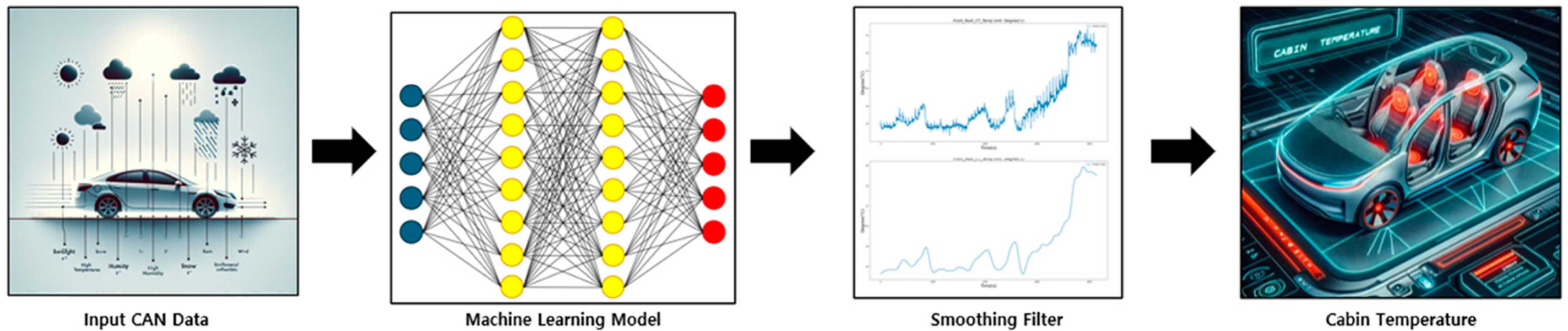
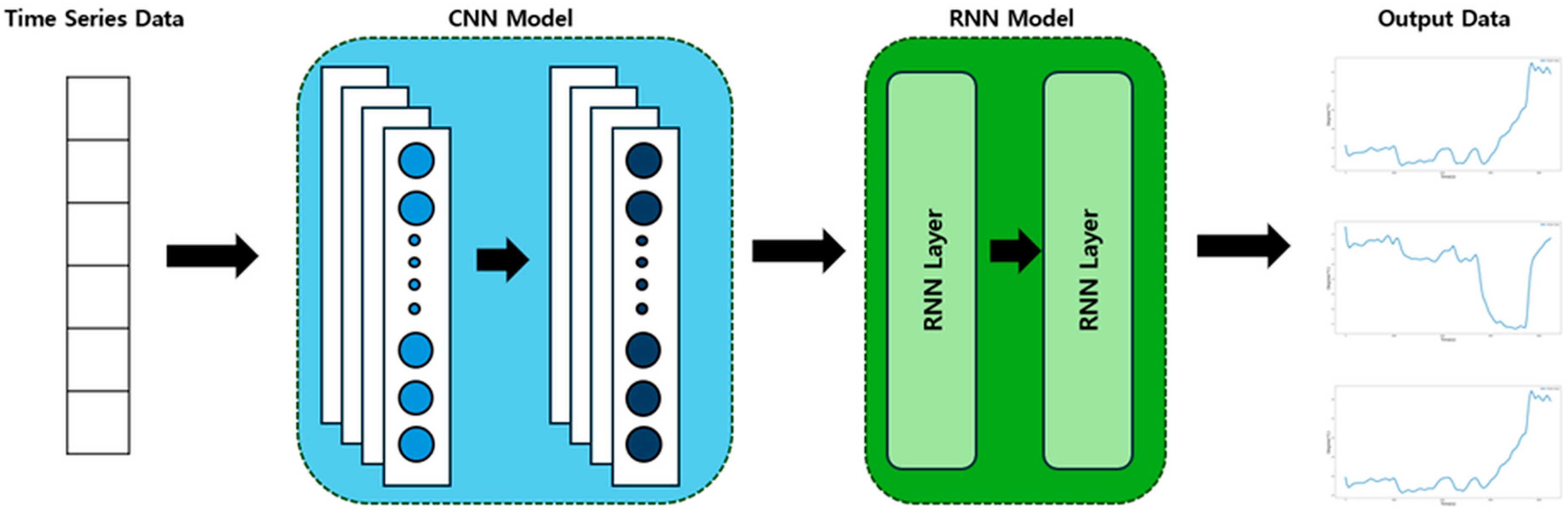
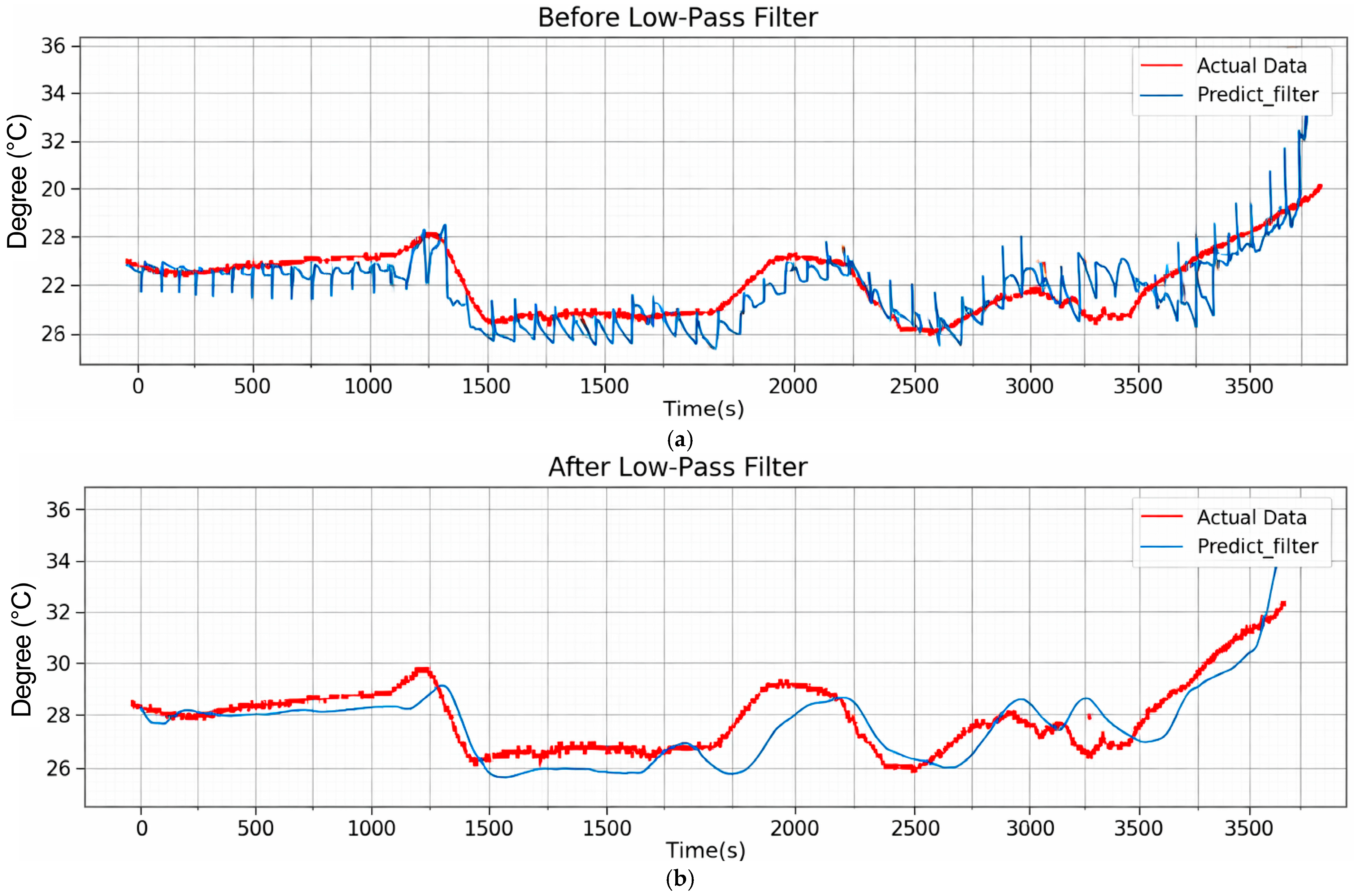
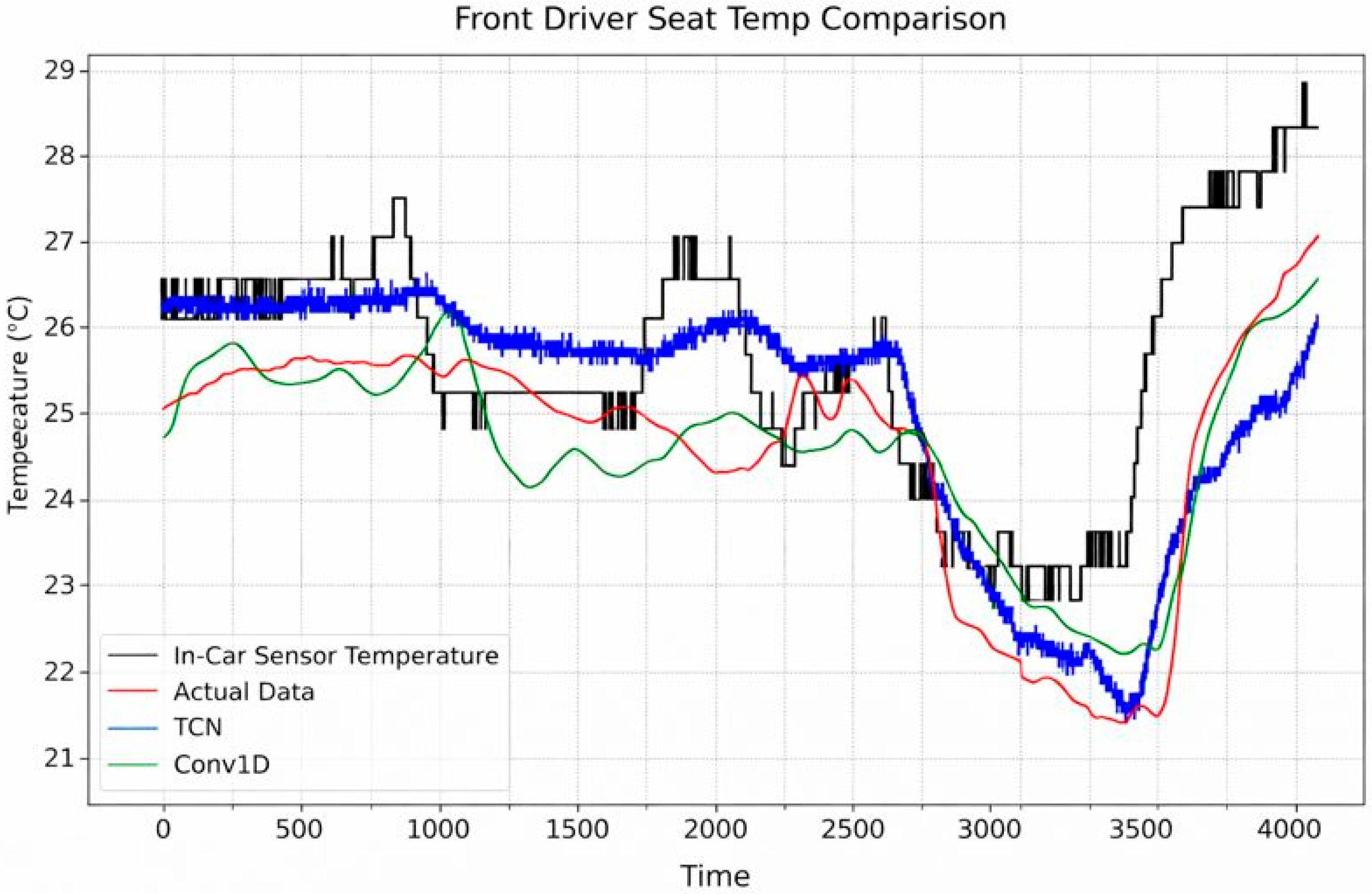
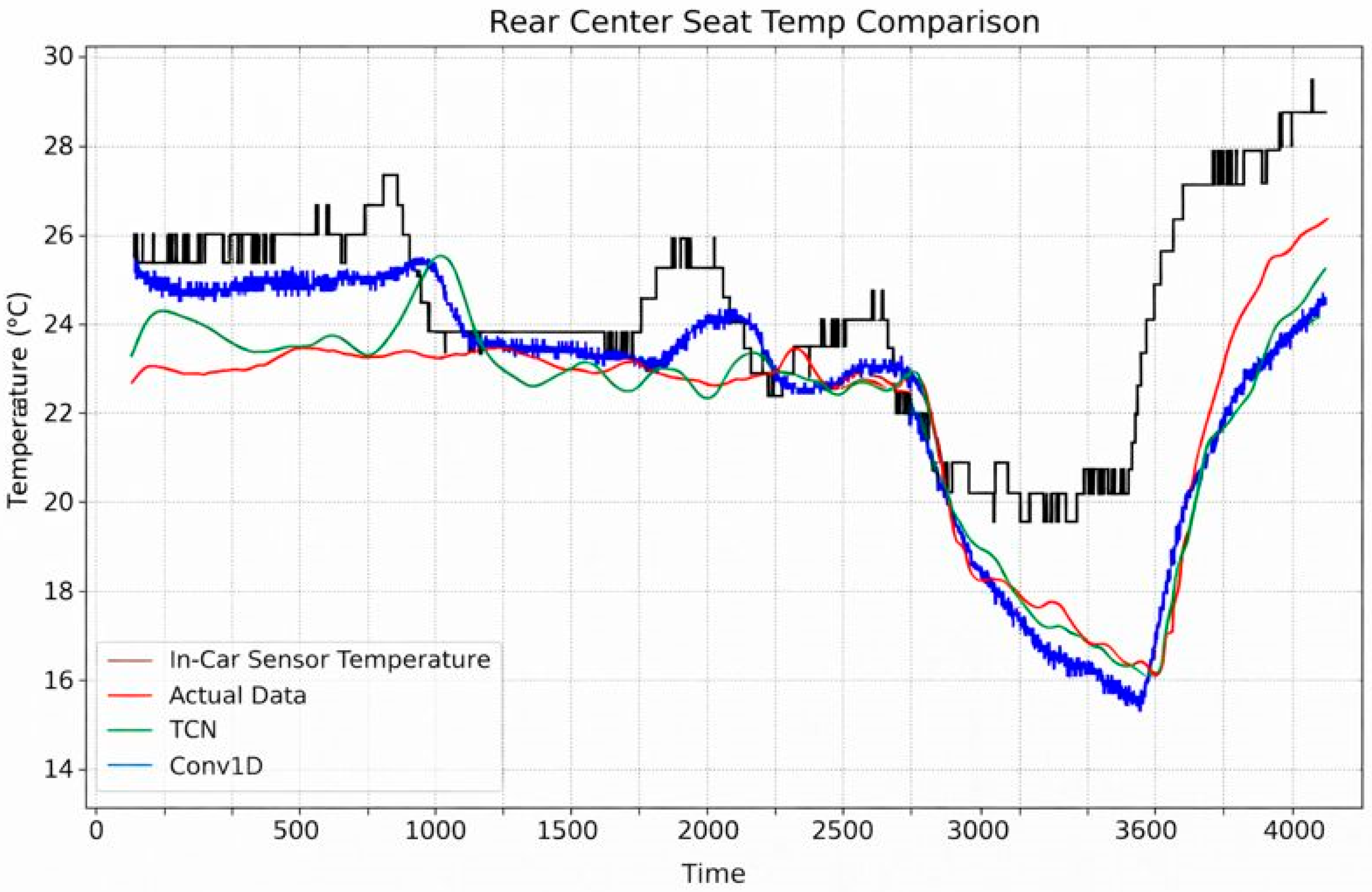
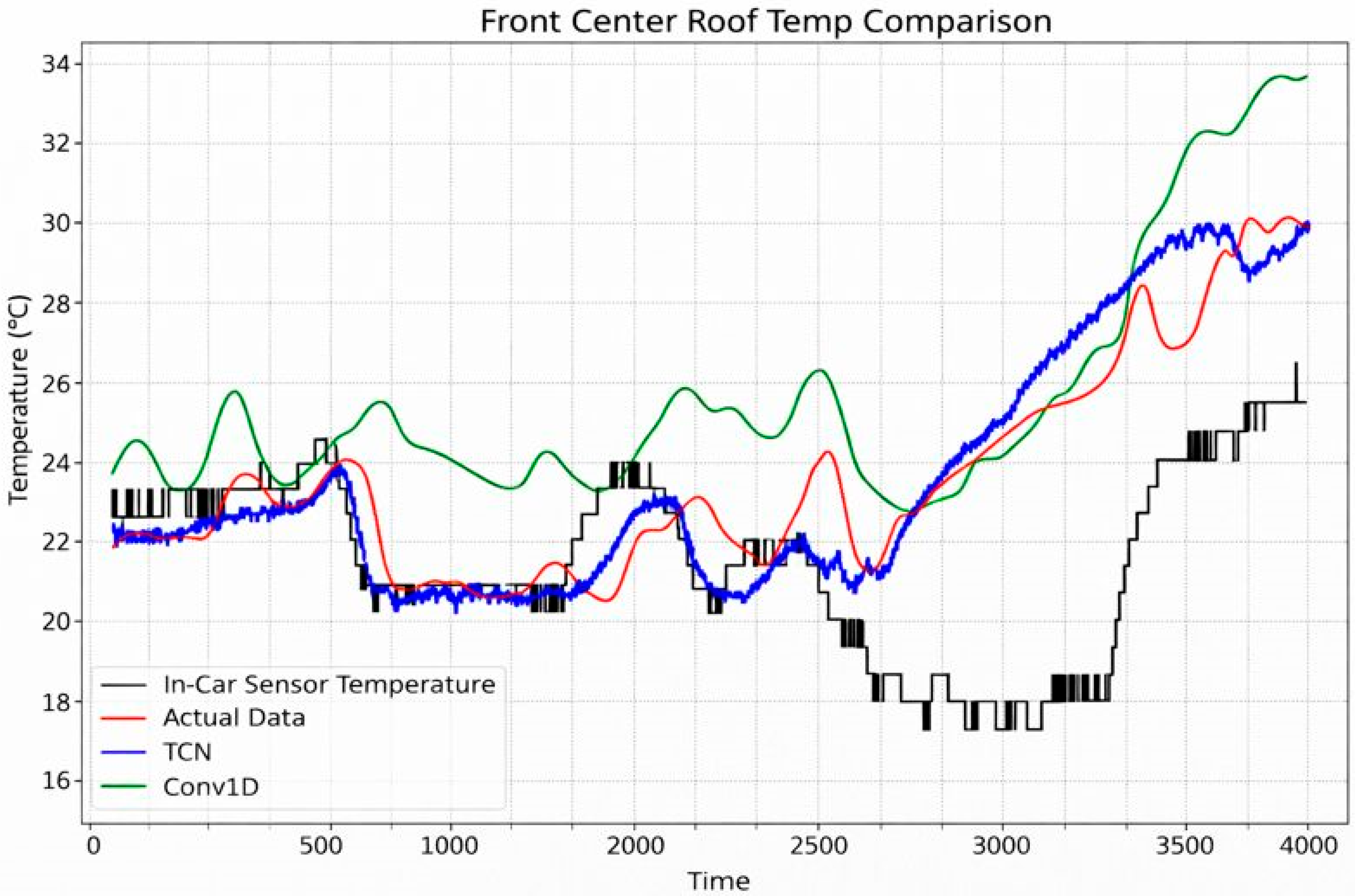
The internal temperature of a vehicle is influenced by various factors such as the external environment (temperature, solar radiation, and humidity) and the air conditioning habits of the driver. Even when the air conditioning system is set to a specific temperature, the internal temperature can vary depending on the time, weather, and driver’s manipulation of the system. In this study, we developed and evaluated a deep learning-based vehicle cabin temperature prediction system using CAN (Controller Area Network) data collected from the vehicle and temperature data from thermometers installed on the roof and seats of an electric vehicle (EV). The models used in the temperature prediction system were evaluated by applying various deep learning architectures that consider the characteristics of time series data, and their accuracy was measured using the mean absolute percentage error (MAPE) metric. Additionally, a low-pass filter was applied to the prediction results, which reduced the MAPE from 4.2798% to 4.1433%, indicating an improvement in prediction accuracy. Among the deep learning models, the model with the highest performance achieved an MAPE of 3.5287%, corresponding to an approximate error of 0.88 °C at an actual temperature of 25 °C. The results of this study contribute significantly to enhancing the accuracy and reliability of EV interior temperature predictions, enabling more precise simulations, and improving the thermal comfort and energy efficiency of EVs. The proposed temperature-prediction system is expected to contribute to the comfort of EV users and overall performance of vehicles, thereby strengthening the role of EVs as a sustainable means of transportation.
Keywords: temperature prediction; time series forecasting; deep learning; machine learning; energy efficiency temperature prediction; time series forecasting; deep learning; machine learning; energy efficiency