1. Introduction
In recent years, optimizations and structural Finite Element Method (FEM) analyses in the field of electric motors (EMs) have progressed rapidly [
1]. In [
1] the authors investigate a wound-rotor electrical machine by coupling structural and thermal analyses to assess the potential for performance enhancement under realistic operating conditions. Several studies have focused on optimizing permanent-magnet (PM) shape, distribution, and geometric tailoring [
2,
3,
4,
5,
6]. In [
2], a multi-objective, multi-physics optimization algorithm is proposed for a PM-assisted Synchronous Reluctance Machine (SynRM), where electromagnetic and mechanical aspects are simultaneously optimized, contrary to traditional approaches where the two domains are often treated separately. In [
3], another multi-physics, multi-objective optimization is presented for a V-shape IPMSM to maximize torque. In this case, electromagnetic, structural, and thermal analyses are carried out sequentially rather than fully coupled. In [
4], the authors introduce a hybrid shape-optimization methodology combining parametric optimization (typically applied to PMs) with topology optimization (commonly applied to flux barriers), targeting the concurrent reduction in torque ripple and the maximization of torque. In [
5], a consequent-pole PM (CPM) topology is proposed. This configuration can reduce rare-earth PM usage by up to 50%, thanks to a continuous magnetization layout in which adjacent poles share the same orientation. Numerical optimizations are performed to mitigate cogging torque and torque ripple, critical issues for this topology. In [
6], another CPM motor design with flared PMs is investigated via FEM to assess technological feasibility. Parametric optimizations are carried out to improve performance and validate the manufacturability of the proposed geometry.
Other studies investigate strategies for reducing PM mass and rare-earth material usage [
7,
8,
9,
10]. In [
7], a comprehensive review of hybrid rare-earth and full rare-earth PM machines is presented, outlining guidelines to overcome current limitations and reduce production costs while preserving performance. In [
8], several approaches are proposed to reduce rare-earth PM usage by introducing ferrite magnets, supported by a multistep, iterative FEM-based design workflow. A dedicated magnet-design methodology for hybrid low-rare-earth (HLRE) machines is also introduced. In [
9], a flux-reversal PM motor topology is proposed with the explicit goal of minimizing rare-earth dependency. The motor operates as a PM-assisted reluctance machine, combining magnetic saliency and reduced PM material. In [
10], the authors investigate the use of “banana-shaped” PMs to reduce rare-earth content while maintaining torque performance. Although more efficient at equal mass, the geometry is harder to manufacture. Alternative magnetization patterns are therefore proposed to simplify large-scale production.
The SPMSM analyzed in this work has been previously optimized from an electromagnetic standpoint [
11]. Therefore, the electromagnetic behavior of the baseline machine (such as flux distribution, torque capability, and PM sizing) has been considered established and has not been revisited here. The present paper focuses exclusively on the mechanical integrity of the rotor–PM assembly, re-evaluating the electromagnetic performance only insofar as it is directly affected by the adhesive grooves and the corresponding local airgap variations. In such motors, the main structural issue is the centrifugal force, which tends to expel the PMs radially toward the stator [
12]. This can lead to excessive stress, deformation, or even PM detachment, as highlighted in [
13], compromising both structural integrity and motor functionality [
14,
15,
16]. Centrifugal force acts only during rotation and becomes particularly critical at high speeds. Its intensity is proportional to the mass of the PM, its radial position, and the square of the angular velocity, as given by the following equation:
where
m is the mass of the PM,
ω is the angular velocity, and
r is the distance from the rotation center. SPMSMs are especially sensitive to centrifugal loads for two main reasons. First, PMs are placed farther from the rotation center than in other configurations (e.g., IPMSMs). Second, PMs are directly exposed to the stator, with no structural support between them. The larger radius implies greater centrifugal loads on SPMSMs compared to IPMSMs. Additionally, the absence of supporting structural material behind the PMs increases their deformability and hampers uniform stress distribution. The differences between IPMSMs and SPMSMs extend well beyond these aspects, as detailed in [
17]. Further complications arise from the PM manufacturing process, particularly due to the sintering stage [
18,
19,
20]. Sintered Neodymium–Iron–Boron (Nd-Fe-B) PMs have relatively poor tensile and flexural strength [
21]. Therefore, it is crucial to limit stress concentrations in the PMs. To mitigate such issues, several approaches have been proposed in the literature, including carbon or glass fiber sleeves [
22] and diamagnetic metallic alloys [
23]. Carbon sleeve-based solutions are often hybrid systems, combining the sleeve with an adhesive layer. These systems reduce both deformations and peak stresses on PMs and the rotor, ensuring more effective mechanical stress distribution [
24]. However, introducing a carbon or metal sleeve increases the airgap between the rotor and stator, leading to non-negligible performance losses [
25]. To overcome this drawback, an innovative layout has been proposed in which radial PM retention is achieved solely through mechanical teeth and one or more adhesive layers. Another key contribution of the present work is a systematic optimization of the adhesive distribution between the PM and the rotor, aimed at minimizing the adhesive volume and its magnetic impact while preserving mechanical retention. Conventional solutions based on continuous carbon or metal sleeves inevitably increase the effective airgap and reduce electromagnetic performance. On the contrary, the present approach explores selective, controlled adhesive patterns and quantities that provide required mechanical safety margins with a smaller magnetic penalty. Characteristics such as torque density, efficiency, and ease of control, which are particularly important in the aviation industry, make SPMSMs highly desirable, especially in fixed-speed applications, such as starter generators (SGs). Therefore, these aspects have been considered as the ones that led to the choice of this type of EM over all other options available both on the market and in the literature.
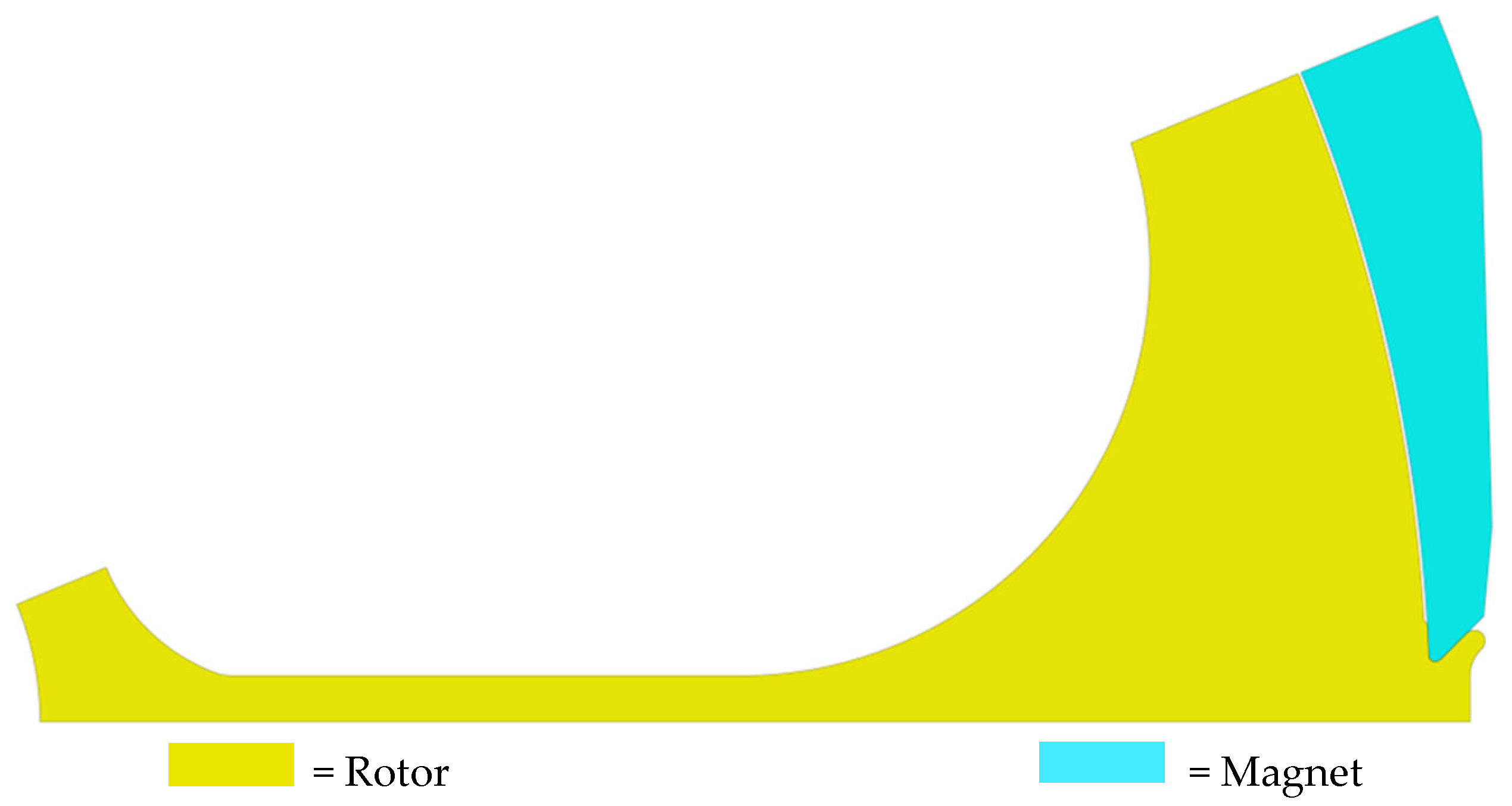
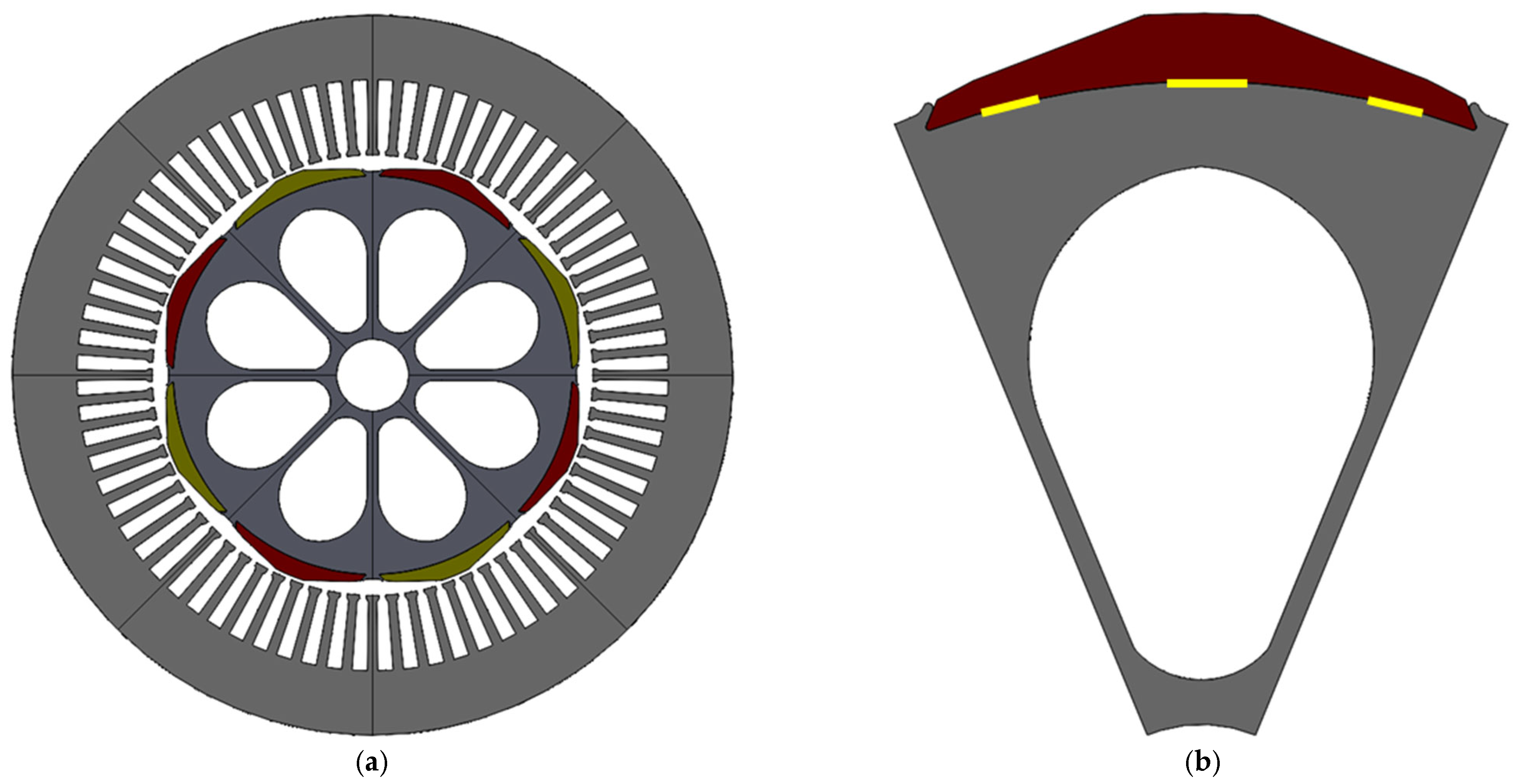
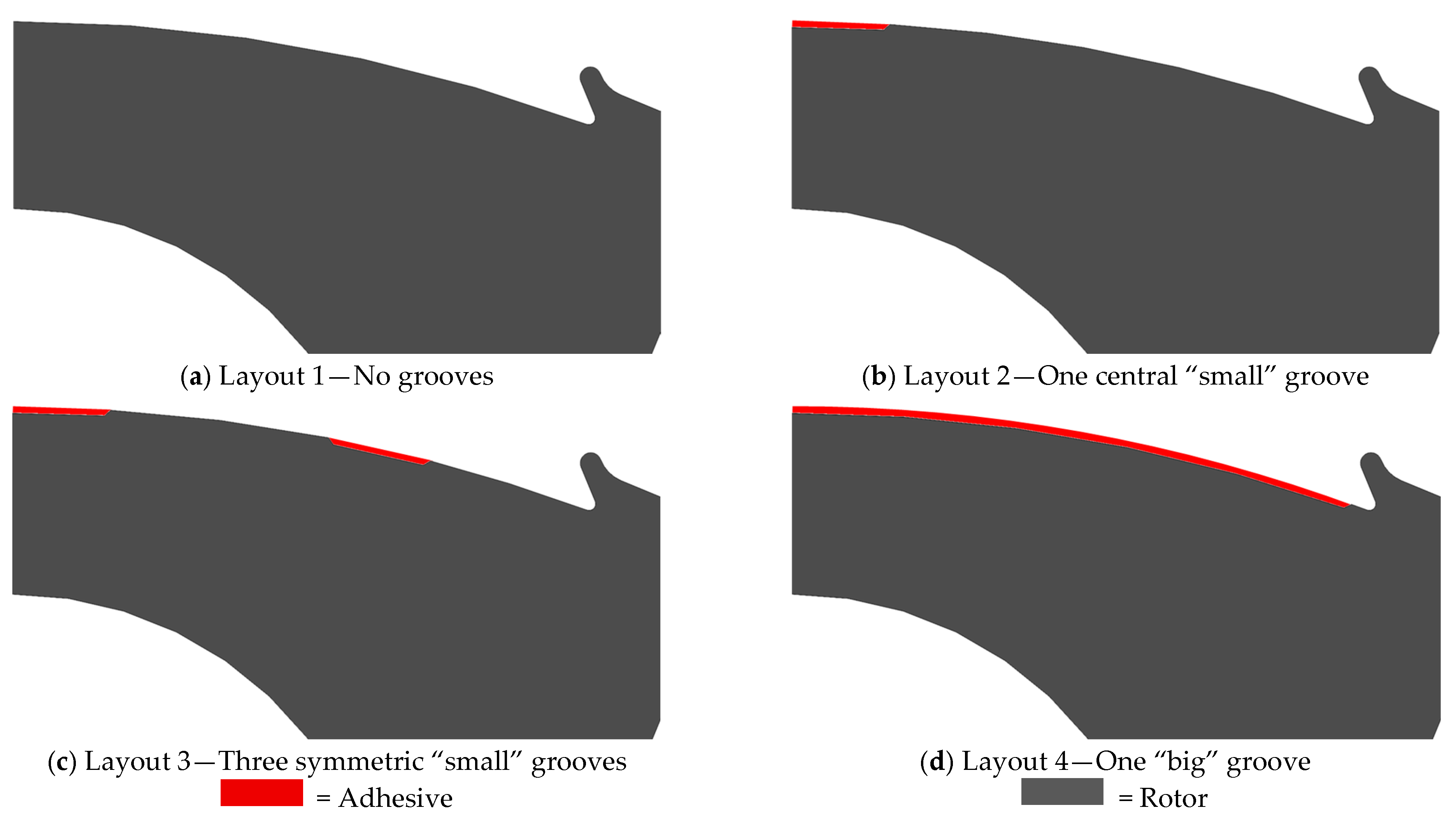
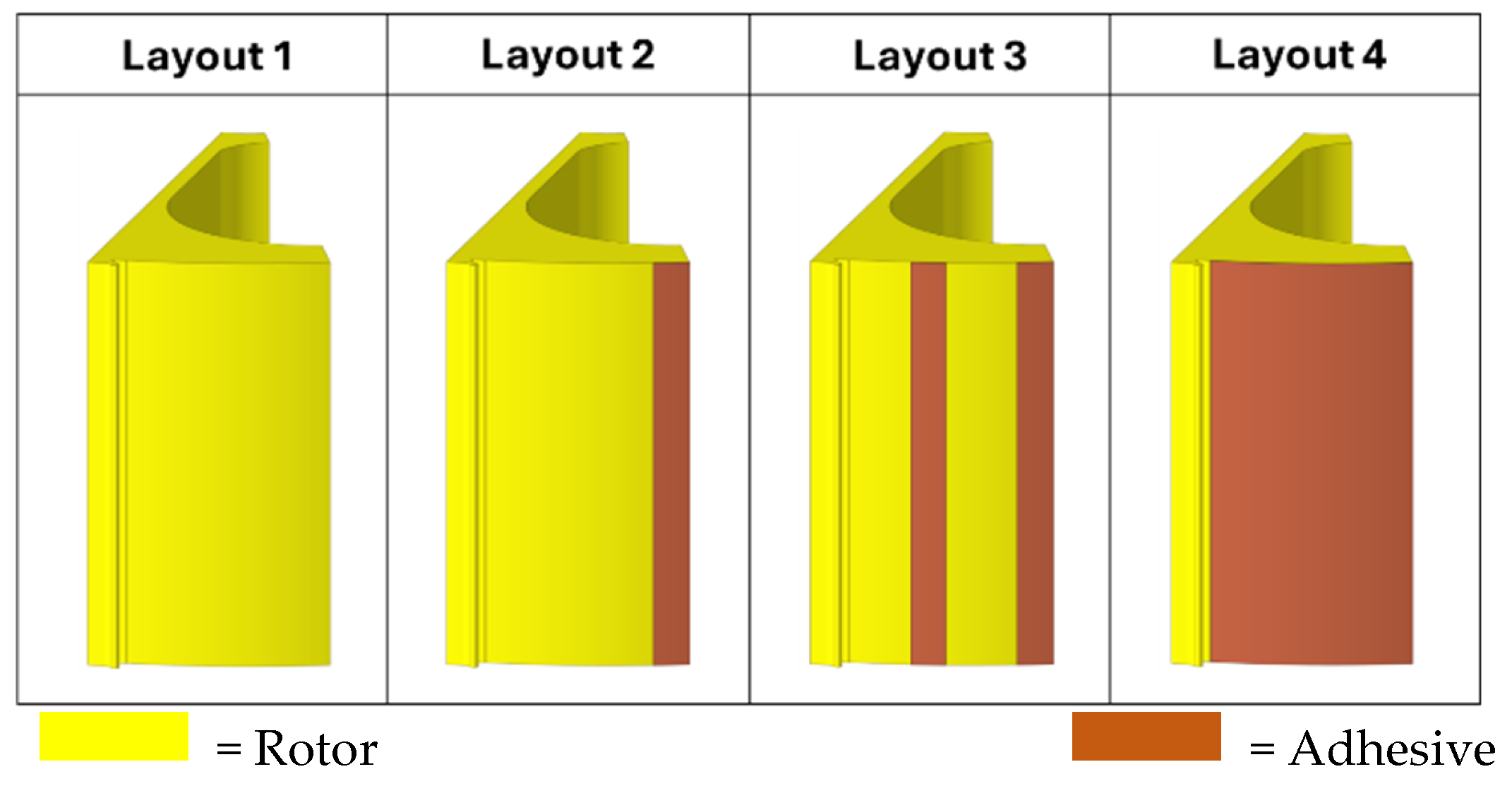
The present study focuses on improving the distribution of adhesive between PMs and the rotor. Four configurations have been analyzed, differing in adhesive quantity and placement, from no adhesive to full-surface bonding of the PM back face. The complete model of the motor is shown in
Figure 1a, together with a detailed view of the rotor–PM assembly,
Figure 1b. In
Figure 1b, which represents one magnetic pole of the electric machine, both a portion of the rotor and a full PM have been included. By observing the contact area between the rotor and the PM, two radial retention teeth might be seen on the sides of the PM. Their shape is commonly referred to as dovetail. This feature constitutes one of the two elements responsible for radially restraining the PM. The regions highlighted in yellow indicate the areas where the adhesive should be applied, namely, the other element cooperating with the mechanical dovetail in ensuring the radial retention of the PM. The particular shape of the PM results from a previously conducted multi-objective optimization process. Several design constraints, and their combination, had to be satisfied accounting for both performance and environmental aspects. This optimization led to the geometry depicted in
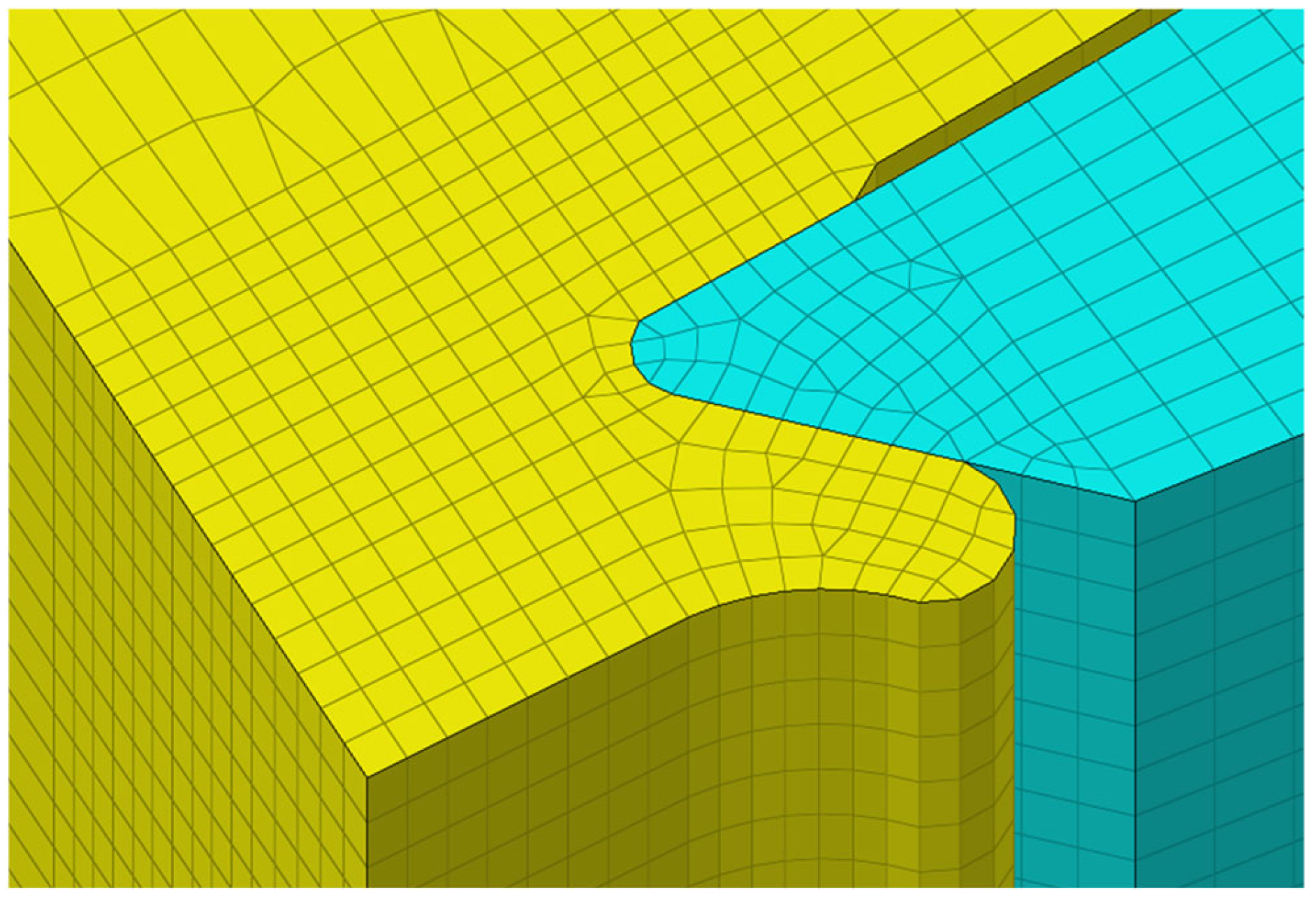
Figure 1b. The FEM approach is adopted to evaluate stress and strain on critical components. For the adhesive layer, the Cohesive Zone Model (CZM) has been employed.
The present paper is structured as follows.
Section 2 describes the main applications of SPMSM.
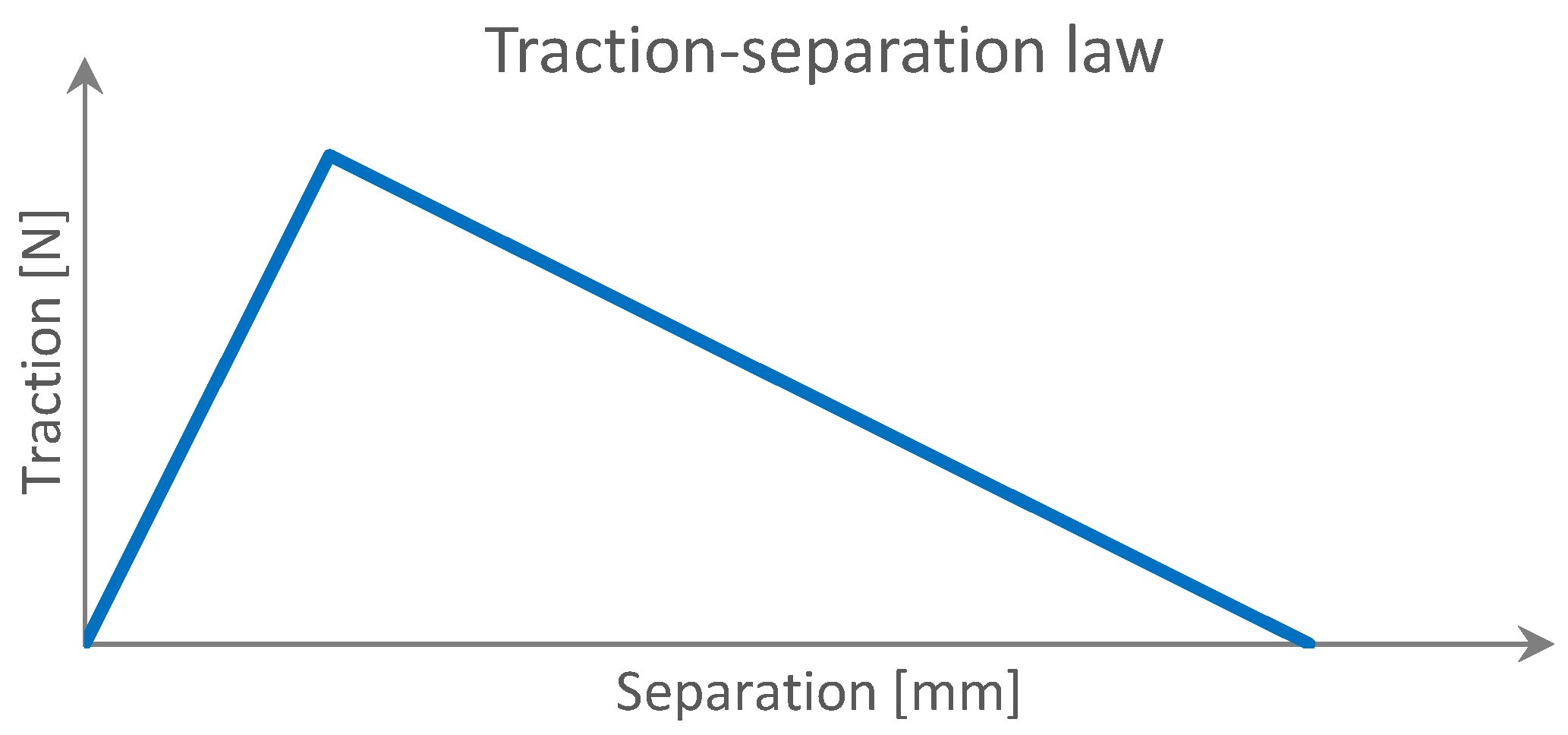
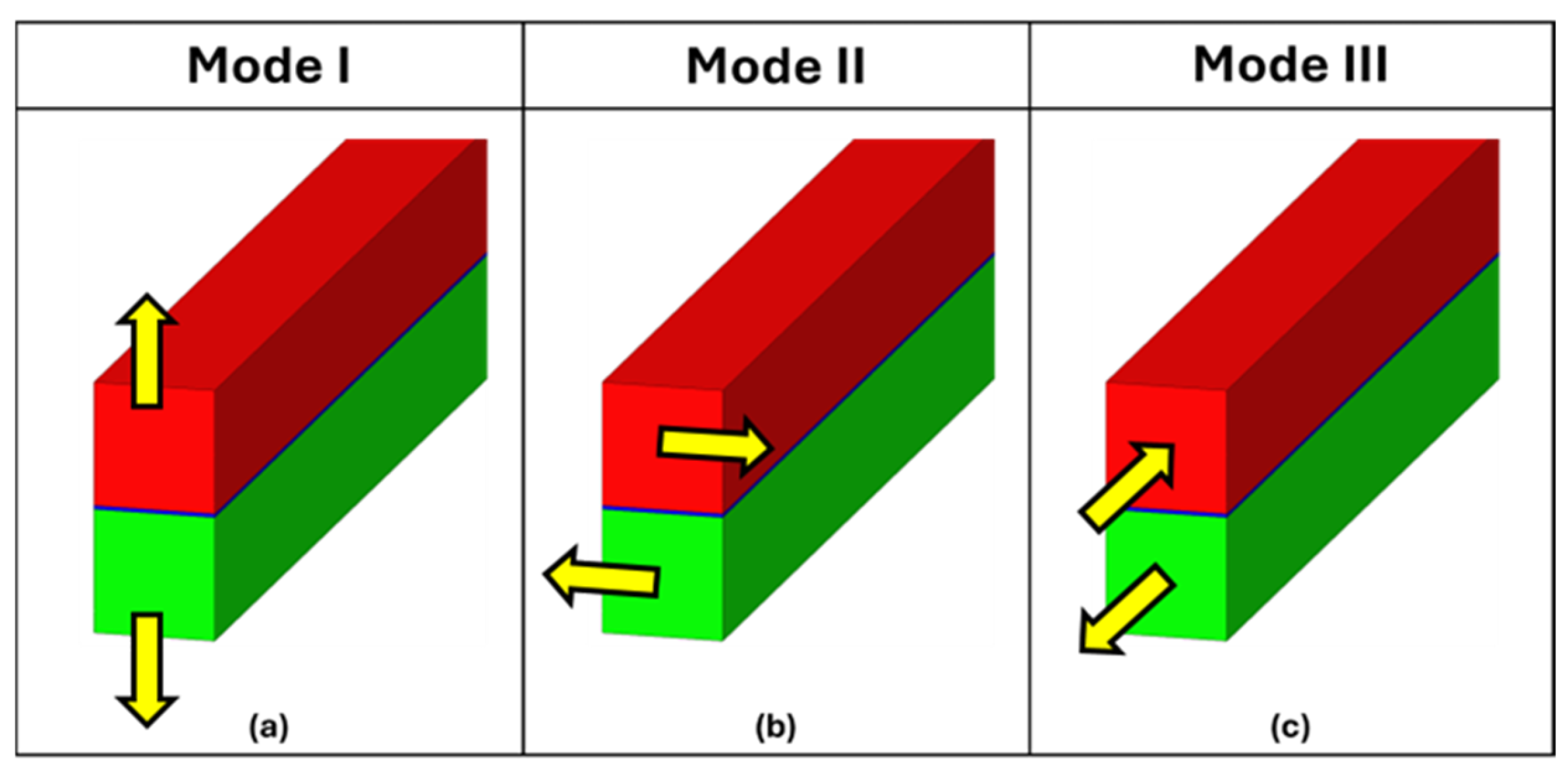
Section 3.1 presents the modeling methodology for the adhesive layer, with a focus on the CZM.
Section 3.2 describes the FEM setup, including geometry, materials, and boundary conditions.
Section 4.1,
Section 4.2,
Section 4.3 and
Section 4.4 analyze the results for each layout, focusing on stress, deformation, and adhesive performance. Finally,
Section 5 summarizes the key findings and outlines the trade-offs between mechanical robustness and material efficiency.
2. SPMSM: Main Applications
SPMSMs are widely adopted across several industrial and transportation sectors due to a combination of technical attributes that define their engineering value. Their high torque and power density, efficient electromagnetic behavior, compact construction, and excellent dynamic response make them attractive whenever performance, size, and controllability are critical design drivers. These advantages primarily derive from the placement of PMs on the rotor surface, which maximizes the effective airgap flux and enhances the magnetic coupling with the stator windings. Moreover, the absence of rotor excitation windings eliminates brushes and slip rings, reducing maintenance requirements and improving long-term reliability. Also, SPMSMs exhibit high efficiency over a wide speed range because no field current is required to establish rotor flux, and magnetic losses remain relatively low. From a dynamic perspective, their capability to generate rapid torque transients and follow advanced control algorithms—such as field-oriented control (FOC) or direct torque control (DTC)—makes them suitable for applications demanding precise position or speed regulation and fast response. Although SPMSMs offer several advantages, they also impose specific design constraints. The surface-mounted PMs are more exposed to mechanical loads, thermal degradation, and the risk of partial demagnetization. For this reason, suitable retention strategies, such as mechanical teeth, adhesive bonding, or protective sleeves, must be adopted to ensure safe operation, especially in high-speed applications. SPMSMs may also exhibit significant cogging torque and torque ripple, which require careful electromagnetic design involving PM shaping, optimized slot-pole combinations, winding layout strategies, or current profiling. Finally, the use of rare-earth magnetic materials introduces cost and sustainability considerations that often motivate design approaches aimed at minimizing PM volume or adopting alternative PM arrangements. These characteristics explain why SPMSMs are used in a range of practical applications, where their strengths align with the specific technical requirements of each sector. The main application domains are summarized below.
Automotive: SPMSMs are extensively employed in electric traction systems, particularly for light-duty vehicles and hybrid architectures. Their high torque density enables compact motor designs that fit within tight packaging constraints, while their high efficiency contributes directly to extending vehicle range. SPMSMs also provide excellent controllability and fast torque response, which are essential for vehicle dynamics, regenerative braking, and overall drivability. The mechanical simplicity of the surface-mounted rotor reduces rotating inertia and manufacturing complexity, advantages that are particularly valuable in electric mobility applications [
26].
Aerospace: In the aerospace sector, SPMSMs are used in high-speed starter generator (SG) units and other onboard electromechanical systems. Their high power density and favorable mass-to-performance ratio allow the development of compact and lightweight machines that meet stringent aviation or military requirements. However, aerospace environments impose severe mechanical and thermal loads. High rotational speeds amplify centrifugal forces acting on PMs, making their retention (through mechanical teeth, adhesive layers, or sleeves) a critical aspect of rotor design. Thermal management is also essential to prevent demagnetization and ensure long-term reliability. These challenges make SPMSMs well-suited for aerospace applications, provided that adequate structural design measures are implemented [
27].
Electric Energy Generation: SPMSMs are also used in electrical generation systems, especially in low-speed or direct-drive configurations such as wind turbines. In these systems, surface-mounted PM rotors offer low cogging torque, favorable thermal characteristics, and high surface power density, making them efficient in capturing mechanical energy at low rotational speeds. Variants such as Halbach arrays or eccentric PM arrangements are frequently studied to further improve flux distribution and maximize output under low-speed conditions. Their simple mechanical architecture and high efficiency make SPMSMs a strong candidate for renewable energy systems and distributed generation [
28].
Robotics and Industrial Automation: SPMSMs are widely adopted in robotics, precision servo systems, machine tools, and industrial automation. Their high dynamic responsiveness, excellent torque linearity, and compatibility with advanced control schemes enable precise and rapid motion execution. The compactness of the SMPSMs and low maintenance requirements support integration into articulated robotic arms, CNC stages, and high-performance actuation systems. These characteristics make SPMSMs a reference solution for motion control applications demanding high accuracy, repeatability, and reliability [
29].
Compressors and Pumps: In compact, high-efficiency electric pumps and compressors, SPMSMs allow the development of machines capable of delivering high power density within restricted volumes. Their ability to maintain good performance over a wide operating range, combined with fast response achieved through vector control, makes them suitable for automotive HVAC systems, industrial compressors, refrigeration units, and high-speed pumps. The reduced mechanical complexity of the rotor contributes to greater reliability, especially in continuous-operation environments [
30].
4. Results
4.1. Layout 1
Layout 1 is the simplest configuration among the FEM models. Here, the PM is retained solely through contact with the rotor tooth, without any adhesive. As a result, the entire centrifugal load during rotation is transferred to the rotor exclusively via the retention tooth, causing high stress concentrations on both components, the rotor and PM.
By knowing the PM density, its geometry, and the rotational speed, it is possible to analytically estimate the force transmitted to the rotor. This estimation is independent of the presence or absence of adhesive, which affects only how the force is distributed over the rotor surface. Using Equation (1), the centrifugal force generated by the PM is calculated to be 1190 N. The attractive magnetic force between the rotor and the PM has been intentionally neglected. This choice ensures a conservative, safety-oriented simulation approach, producing a worst-case scenario compared to real operating conditions.
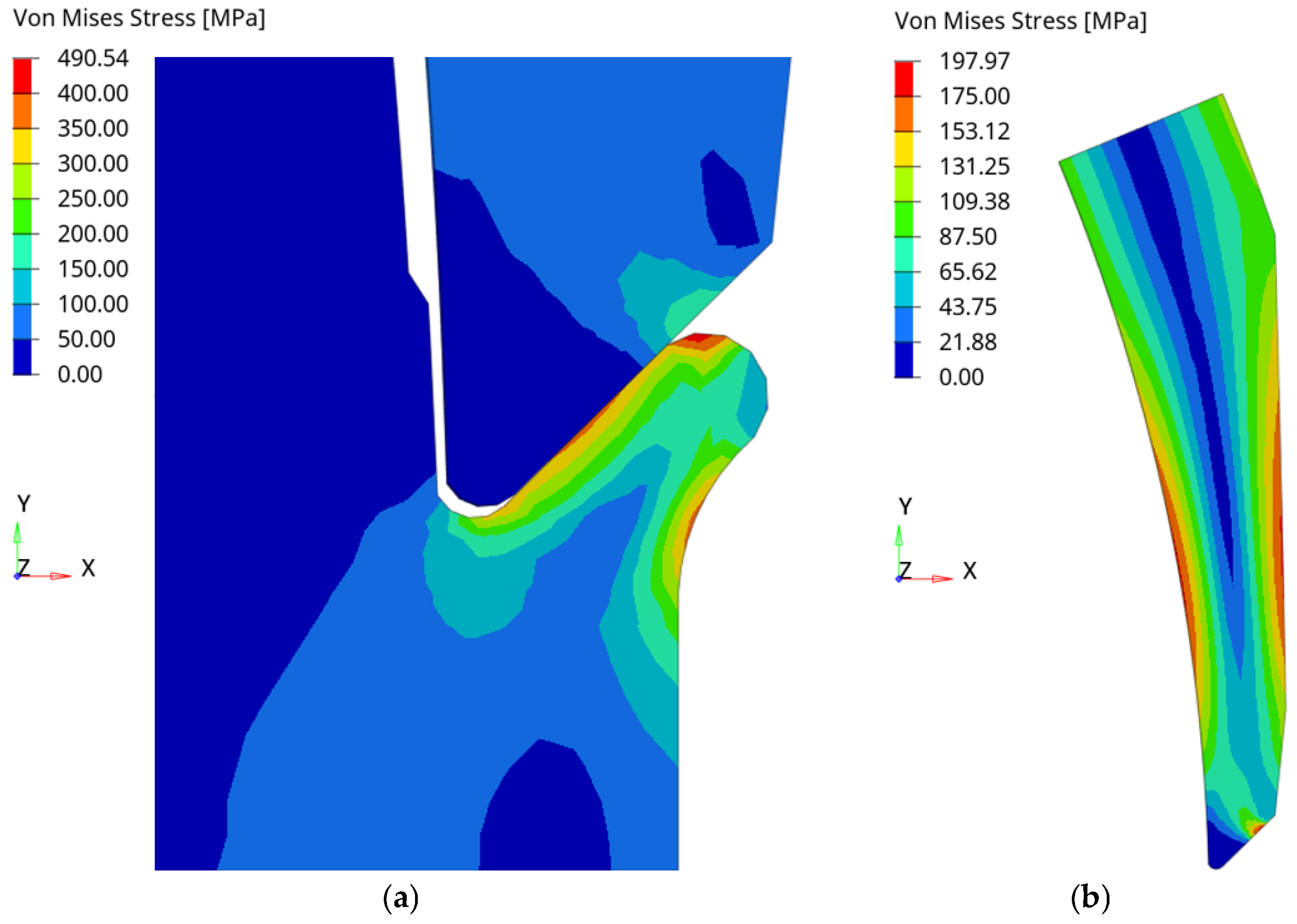
FEM analysis shows that, without adhesive, the maximum stresses occur precisely in the tooth–PM contact zone. Within the rotor, stresses are concentrated on the tooth and nearby regions, indicating localized bending. This is confirmed by the non-uniform stress distribution. In fact, peaks appear at the tooth edges, with minimum values at the center. The estimated stress levels already justify rejecting this configuration. Considering a yield strength of 400 MPa and a safety factor of 3, the 133 MPa limit is exceeded. Also, in the PM, stresses are high, with the typical bending pattern showing the maximum at the edges and minimum at the center. The peak value, around 180 MPa, surpasses the 95 MPa safety threshold, again assuming a safety factor of 3. Notably, due to the non-uniform geometry of the PM, the point of maximum stress does not align with the section of maximum bending moment. This behavior derives from the variations in the flexural strength modulus. Although the maximum moment occurs at mid-span, the most critical section is located where the combination between bending moment and resistance modulus is most unfavorable.
Figure 8 illustrates the distribution of stress in the most critical zones of both components.
Excessive deformations are also observed in both the PM and teeth. The central region of the PM experiences the greatest effects due to a higher mass concentration and its greater distance from the mechanical constraints. Given a nominal airgap of 1.00 mm, the PM deformation reduces it by 18%, reaching 0.82 mm. This can jeopardize magnetic performance, causing saturation, increased losses, and lower efficiency. Even if the mechanical strength of the tooth was adequate, the stress and deformation levels of the PM would have still made this configuration unacceptable. This case highlights the need for a multi-criteria structural assessment. A viable design should ensure that stresses remain well below the yield strength, deformations stay within functional tolerances, and the structural integrity of the rotor–PM interface is verified for both components.
4.2. Layout 2
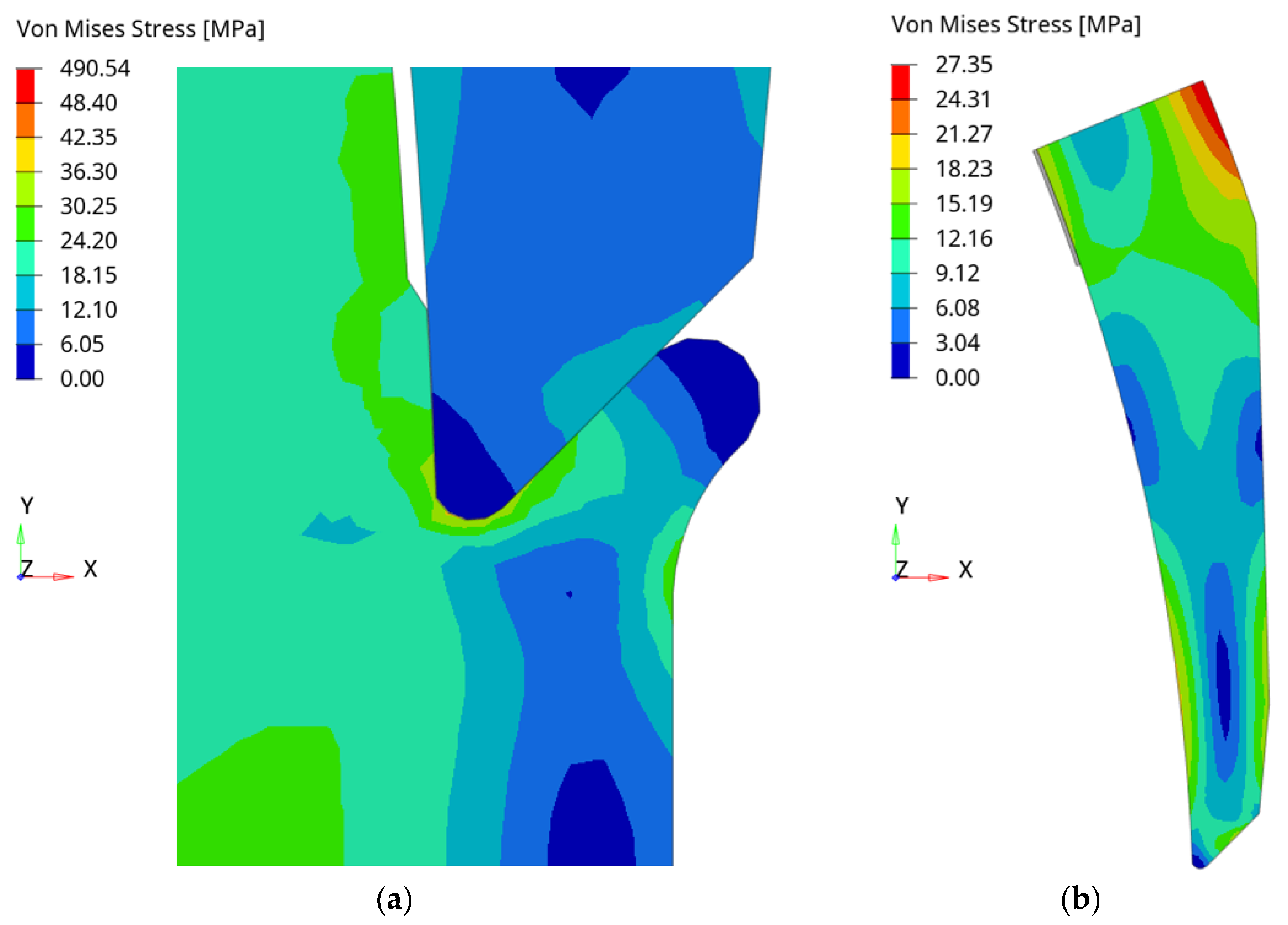
Layout 2 is the first configuration introducing an adhesive layer between the PM and rotor. The application area has been selected based on the layout 1 results, targeting the central region of the PM, where deformations peaked. Adding adhesive here aimed at redistributing centrifugal forces, enabling more uniform load transfer and reducing local stresses and deformations. Numerical results show a significant improvement over layout 1. Stress concentrations in the rotor teeth decrease substantially, so much so that the upper limit of the color scale had to be lowered. Although mechanical contact between the tooth and PM still exists, the main load path now passes through the adhesive, which acts as a structural bridge. The stress acting on the tooth remains mainly bending, as confirmed by the non-uniform stress distribution, but its magnitude is much lower. The maximum stress area no longer aligns with the tooth–PM interface, as shown in
Figure 9.
Although the Young’s modulus of the adhesive is much lower than that of the rotor and PM, what matters structurally is the overall stiffness, defined by the modulus, contact area, and adhesive thickness, according to the relation:
where
k is the stiffness of the component,
E is the elastic modulus,
A is the surface area of the adhesive, and
l is its thickness. This demonstrates how, even with a low Young’s modulus, a large area, and a small thickness, high stiffness can be achieved. This local stiffness allows the adhesive to effectively transfer loads. In the PM, improvement is also clear. The central adhesive introduces a third constraint point (alongside the lateral teeth), shifting from a two-point to a three-point load system, significantly reducing stress. The PM still experiences bending, but the stress levels are much lower than before, the critical region shifts toward the PM center, and the critical areas are smaller.
A key benefit of this layout is the drastic deformation drop, from 0.1668 mm (layout 1) to 0.0145 mm, over a 90% reduction. Also, the deformation peak moves from the PM center to the area between the bonded surface and the tooth contact. This suggests placing future adhesive layers where deformation peaks occur, following an iterative strategy. A critical limitation concerns adhesive stress. The adhesive primarily operates under normal loading. These stresses can be estimated conservatively, ignoring the rotor tooth contact, via the following equation:
where
is the normal stress,
F is the centrifugal force, and
A is the effective bonded surface area.
Despite low deformation, the limited bonded area results in stress between 6 and 8 MPa, with edge peaks from boundary effects. Given the limits of structural adhesives, their degradation at high temperature, and aerospace safety margins, these values are too high for reliable operation. Although the yield strength of AV138 is 39.5 MPa at room temperature, this degrades significantly at 120 °C. Assuming a safety factor of 10, acceptable stresses drop to 4 MPa. Hence, despite notable improvements, this layout cannot yet be deemed definitive due to adhesive performance constraints.
4.3. Layout 3
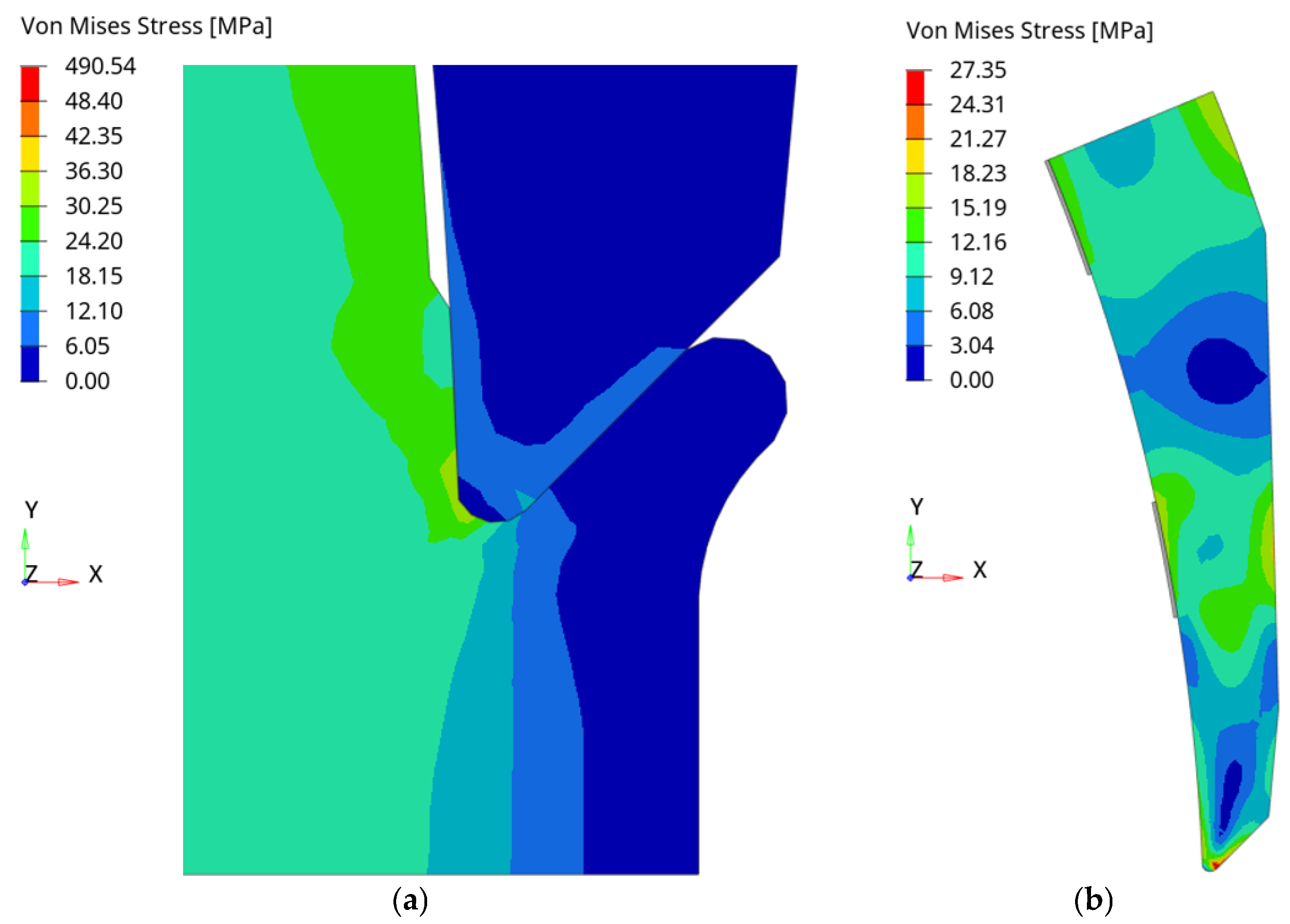
Layout 3 introduces two additional adhesive layers between the PM and rotor, placed where new PM deformation peaks occur. The goal is to reduce stress on cohesive elements, especially in areas subject to load concentration. Doubling the adhesive area should ideally halve the average stress due to the increased bonding surface. Compared to the transition from layout 1 to 2, the changes from layout 2 to 3 are less pronounced, as can be seen in
Figure 10. The rotor shows localized stress reduction, mainly in the tooth area, confirming that more load paths now pass through the adhesive, further lightening the load that passes through the mechanical contact between the PM and the rotor. Elsewhere in the rotor, however, stress distribution remains nearly unchanged, suggesting the component is nearing structural stabilization and becoming less sensitive to added adhesive. On the PM side, the second adhesive layer has a more evident impact. The stress distribution becomes less uniform and harder to interpret, with bending and normal loads now comparable in magnitude and partially overlapping. This indicates a shift from a predominantly bending stress regime (as in layout 1) to a more complex, mixed condition, where the adhesive significantly alters force transmission. In terms of radial deformation, further improvement could be noted compared to layout 2, although less pronounced than in the previous comparison. Quantitatively, from layout 1 to layout 2, deformations have been reduced by 91.31%; from layout 1 to layout 3, the reduction is equal to 93.40%; and finally, from layout 2 to layout 3, deformations have been reduced by 24.07%. Though the first and second comparisons differ only slightly, the direct comparison between layout 2 and layout 3 still shows meaningful gains, confirming the advantage of adding adhesive in reducing peak deformations. As in layout 2, the maximum deformation zone shifts toward the outer regions of the PM, away from the center.
This behavior aligns with the iterative logic: each new adhesive layer is placed where the prior layout showed the highest deformation, helping limit displacements and shifting the deformation peak further. Layout 3 continues the evolutionary improvement from layout 1, offering lower tooth stress, reduced adhesive stress (max 4.27 MPa, considered acceptable), further radial deformation reduction in the PM, and better internal stress redistribution. However, results suggest the system is entering an asymptotic phase, where benefits taper off with each new adhesive layer. To achieve further gains, changes in geometry or materials may be more effective than simply adding more adhesive.
4.4. Layout 4
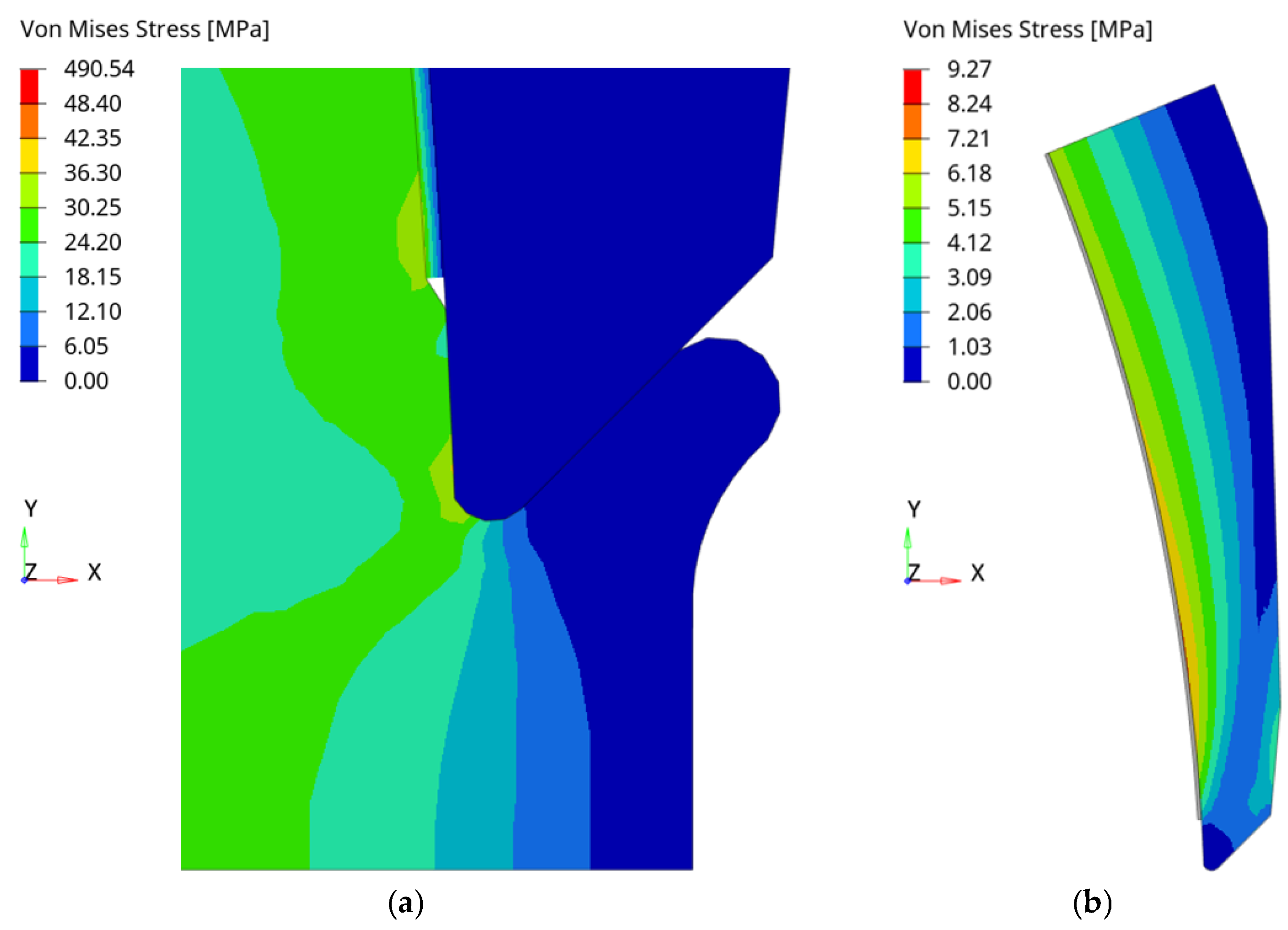
Layout 4 represents the final configuration, featuring the highest adhesive content. The bonding layer covers nearly the entire contact surface between PM and rotor, except for the ends near the rotor teeth. While effective in reducing adhesive stress, this solution is the least efficient in terms of material usage, requiring a substantial adhesive volume. However, due to the high stiffness of the adhesive film, the contribution of direct PM–tooth contact becomes negligible. This is supported by prior simulations, where increasing the bonded surface area consistently reduced the load transmitted through PM–tooth contact. The stress distribution of the rotor closely resembles layout 3. Stress levels in the tooth area remain well below critical thresholds, as shown in
Figure 11. A detailed comparison of layouts 2, 3, and 4 shows only minor local differences, with nearly identical distributions between layouts 3 and 4. Notably, in this configuration, no mechanical contact between the PM and rotor was activated. The stiffness of the adhesive–rotor system fully supports the centrifugal load. Thus, all force transfer occurs through the adhesive alone. Changes in the PM are more evident. Stress distribution follows a radially increasing trend, from low values at the outer surface to a peak near the rotor. This pattern reflects pure centrifugal loading, where the inner portion of the PM is subjected to the effect of the external mass, resulting in the development of tensile stress fields, while the outer region sees minimal stresses. This gradient suggests an optimal constraint condition enabled by the adhesive, which ensures uniform load sharing and reduces stress concentrations.
In terms of deformation, layout 4 proves the most effective. The maximum deformation is reduced by 94.57% compared to layout 1 and by ~18% versus layout 3. As in previous cases, increasing the bonded area shifts the maximum deformation zones toward the unbonded PM ends. This consistent behavior confirms a stable and predictable system response. Adhesive stress analysis confirms expectations. Layout 4 achieves the lowest stress levels recorded. The larger bonding surface enables wider load distribution, reducing both peak and average values. Stress ranges from 0.53 MPa to 2.12 MPa, with less pronounced edge effects than in prior layouts, demonstrating the effectiveness of the solution. Overall, layout 4 stands out as the most structurally robust configuration due to its extensive bonded area. However, this robustness comes at the cost of higher adhesive usage and reduced material efficiency. It concludes the simulation series, offering maximum reliability with lower engineering efficiency.
5. Discussion and Conclusions
The analysis of the different bonding configurations between the PM and the rotor has demonstrated that the presence, amount, and spatial distribution of the adhesive were decisive for the mechanical integrity of SPMSM rotors. Increasing the bonded area systematically reduced stress and deformation by shifting the load transfer mechanism from mechanical contact to adhesive-mediated transfer. Across the examined configurations, the maximum PM displacement decreased by up to 94.57%, and the peak adhesive stresses fell from more than 8 MPa to approximately 2 MPa as the bonded surface increased.
These mechanical benefits, however, introduced trade-offs. Although layout 4 provided the lowest stress level and the most homogeneous stress distribution, its practical implementation presented several drawbacks. The wide adhesive cavity required a substantially larger adhesive volume and complicated the dispensing process, increasing the likelihood of voids, incomplete wetting, and variability between units. In addition, quality control became more demanding and the thicker adhesive layer behaved as an additional non-magnetic gap, slightly penalizing electromagnetic performance. For these reasons, layout 4, despite its structural superiority, exhibited low material efficiency and is generally justified only in extreme high-speed or safety-critical applications.
By contrast, layout 3 offered a more favorable balance between structural performance and industrial feasibility. The presence of three smaller adhesive cavities did not increase the complexity of the lamination manufacturing process, but it significantly simplified adhesive application during rotor assembly. Smaller cavities are easier to fill so the risk of air entrapment was reduced. In addition, repeatability was improved and the process was more robust. Moreover, a smaller adhesive volume was required. As a result of this, layout 3 emerged as a technically viable and cost-effective solution for serial manufacturing, especially considering its limited magnetic impact and its lower production cost. In this sense, layout 3 represented the most balanced configuration when considering mechanical robustness, adhesive performance, material usage, and manufacturability.
Several broader design principles might be extracted from the study. Adhesive-bonded retention was effective only when stress transfer occurred over sufficiently large bonded regions. Small bonding interfaces tended to create stress concentration. Hybrid mechanical-adhesive retention, such as dovetail and adhesive architecture considered here, generally provided better stress homogenization and improved safety margins at high speed. Optimal solutions required a balance between mechanical robustness, electromagnetic penalties, and manufacturing constraints. Finally, cohesive-zone-based FEM models were essential for capturing localized adhesive damage mechanisms and stress concentration, which cannot be adequately represented by simplified analytical or lumped structural models.
These findings provided practical guidance for designers of high-speed SPMSMs in sectors such as aerospace, automotive, and high-performance industrial applications. Moderate increases in bonded areas might substantially enhance rotor–PM reliability without resorting to sleeves, thereby avoiding the electromagnetic losses associated with sleeve-induced airgap enlargement. Moreover, adhesive design should be considered a parametric design variable rather than a secondary manufacturing detail, and hybrid retention strategies offer significant benefits under high centrifugal loads.
Overall, the results deliver both configuration-specific insights and generalizable engineering principles for adhesive-based retention in SPMSMs. They provide a solid foundation for more informed rotor–PM interface design and support the development of mechanically robust, electromagnetically efficient, and manufacturable solutions.
Currently, advanced experimental tests are being conducted to determine the actual mechanical strength of the adhesive. The aim of this activity is to develop accurate numerical–experimental correlations. Specifically, these tests will be performed at the average operating temperature of the motor, providing realistic data that closely represents actual service conditions. Additionally, several Finite Element simulations of the experimental tests have been carried out to optimize specimen design. The PM and rotor are subjected to a radially distributed centrifugal force. Since it is extremely challenging to replicate a test in which the rotor experiences the actual centrifugal force, an approximation is adopted. Essentially, the experimental test will consist of a tensile test conducted at a controlled temperature of 120 °C. Once the experimental data are obtained, the FEM model, particularly regarding the adhesive characterization and modeling, will be updated and reassessed.
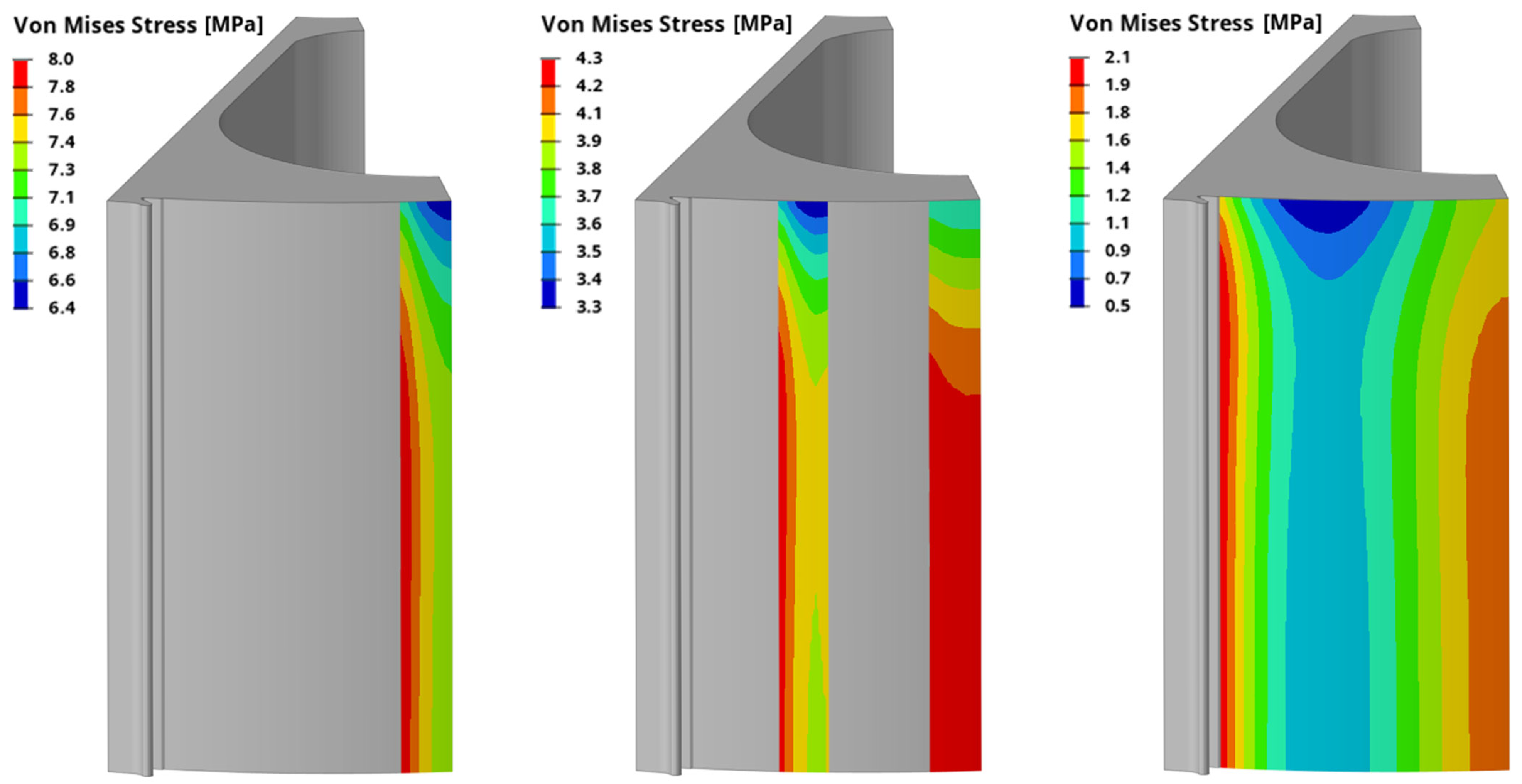
Another key aspect to evaluate concerns the stress distribution within the adhesive.
Figure 12 shows the stress distributions for the three layouts in which the adhesive is present. Consistent with theory and the literature, the edges of the adhesive exhibit higher stress values compared to non-edge regions. Some studies [
36,
37] suggest combining brittle and ductile adhesives to mitigate these stresses concentrations.
However, given the limited size of the bonded sections, such an approach is impractical or, if attempted, extremely complex. The stress distribution shows a recurring pattern along the left side of the adhesive across the different layouts. While the shape of this pattern is consistent, the stress magnitude decreases with increasing bonded area, but not linearly. In fact, in layouts 2 and 3 at 10,000 rpm, contact between the rotor and PM is observed, whereas no such contact occurs in layout 4. This could explain why the safety factor doubles when moving from layout 2 to 3, where the bonded area increases from 115.4 to 230.8 mm2, while in the transition from layout 3 to 4, despite tripling the bonded area, the safety factor only doubles.
Finally,
Table 4 summarizes the main results obtained in the various configurations analyzed, highlighting the evolution resulting from the optimization of the adhesive distribution between the rotor and the PM. Specifically, the maximum stress and displacement values are reported. The former are reported on the rotor, the adhesive, and the PM. The latter are reported only on the PM.




 ,
,