Abstract
The increasing emphasis on green chemistry and environmentally responsible organic synthesis highlights the need to evaluate not only the biological activity but also the ecological safety of bioactive molecules. Xanthone, cinnamic acid, and chalcone scaffolds are widely explored in pharmaceutical and cosmetic research, yet their environmental profiles remain insufficiently characterized. This study assessed the ecotoxicity of simple derivatives from these three structural classes using the Microtox assay with the bioluminescent bacteria Aliivibrio fischeri. Test compounds were synthesized or obtained commercially, dissolved in dimethyl sulfoxide (DMSO), and evaluated at two exposure times (5 and 15 min), with half maximal effective concentration (EC50) values calculated based on luminescence inhibition. The results revealed substantial differences between the investigated groups: chalcone derivatives exhibited uniformly high ecotoxicity, whereas cinnamic acid derivatives showed the most favorable environmental profile with low variability in EC50 values. Xanthone derivatives displayed the widest ecotoxicity range, with toxicity strongly dependent on substituent type and substitution position. Notably, chloro-substitution in cinnamic acid derivatives correlated with lower toxicity, while positional effects were critical in the xanthone series. A comparison with in silico predictions generated using the ADMETlab platform showed poor correlation with the experimental outcomes. The predictive model did not distinguish the differing ecotoxicological behavior of α,β-unsaturated systems in chalcones versus cinnamic acids and systematically flagged halogenation as a toxicity-driving feature, contrary to several of our in vitro observations. Together, these findings provide new insights into structure–ecotoxicity relationships and underscore the need to complement computational predictions with validated experimental assays when designing bioactive compounds with improved environmental safety.
1. Introduction
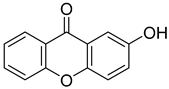
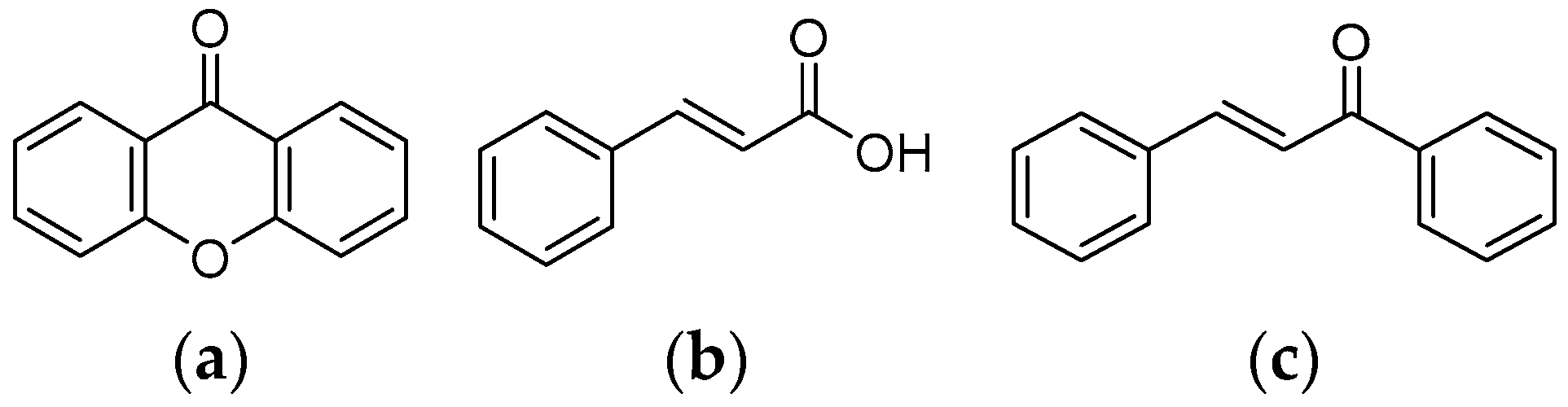
Xanthone, cinnamic acid, and chalcone frameworks (Figure 1) represent three highly interesting structural motifs. They share several common features as all occur naturally, mainly in plants, and exhibit broad and diverse biological activities. Moreover, these scaffolds contain structural sites that allow diverse chemical modifications, leading to compounds with potential applications in pharmacy, cosmetology, and materials science.
Figure 1.
Structural representation of xanthone (a), cinnamic acid (b), and chalcone (c) scaffolds.
Xanthone (9H-xanthen-9-one, dibenzo-γ-pirone) has been widely evaluated as a core for various biologically active molecules [1]. Xanthone derivatives were naturally identified in various plants, mostly from Clusiaceae, Hypericaceae, Calophyllaceae, Gentianaceae, and Polygalaceae families, as well as in lichen and fungi [2,3]. Natural xanthones were proved to show a plethora biological activities including antibacterial, hypocholesterolemic, antiallergic, cardiotonic, antidiabetic, anti-neoplastic, neuroprotective, antioxidant, and immunomodulatory properties [3,4,5]. The profile of biological activity of synthetic xanthone derivatives is similar, but some semisynthetic and synthetic xanthone derivatives showed better activity than naturally occurring compounds in terms of antibacterial [6], anti-inflammatory [7], and anti-Alzheimer’s properties [8]. Moreover, some synthetic derivatives proved to have anticonvulsant potential [9].
Cinnamic acid and its derivates have been widely identified in plants, where they serve as secondary metabolites. Many naturally occurring cinnamic acid derivates showed various biological activity. Primarily, they are reported as antioxidant agents, and such activity results from a presence of vinyl fragment and a phenyl ring. Moreover, the presence of hydroxy and/or methoxy groups in the phenyl ring enhances their antioxidant properties [10,11,12]. Cinnamic acid and its derivatives, both natural and synthetic, were also investigated as anticancer [13,14], hypolipidemic [15], anti-melanogenic [12,16,17], antineuroinflammatory [18], antibacterial [10], antifungal [19], and anti-Alzheimer’s [20] agents. Additionally, some natural and synthetic derivatives of cinnamic acid were proposed as multifunctional cosmetic ingredients for the enhancement of the treatment of atopic dermatitis and acne [10]. Moreover, some UV filters registered for the use in cosmetic products such as isoamyl p-methoxycinnamate, 2-ethylhexyl 4-methoxycinnamate, 2-ethoxyethyl 4-methoxycinnamate, and octocrylene possess cinnamoyl chromophore [21].
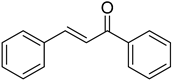
Chalcones belong to the family of flavonoids that are naturally occurring in plants. They are characterized by β-unsaturated carbonyl aromatic ketone structure. Natural, semisynthetic, and synthetic chalcones were investigated in numerous studies. They were proved to possess various biological activities including, but not limited to, antioxidant [22,23], anticancer [24,25,26,27], anti-microbial [22,23,26,28], anti-inflammatory [26,29], analgesic [29], antidepressant [29], anti-Alzheimer’s [30], antidiabetic [31], and antiprotozoal activities [22,23,29]. Synthesis of the chalcone core is pretty straightforward, the most common synthetic methods include the Claisen–Schmidt condensation of the aldehyde and ketone which is typically followed by in situ dehydration [22].
Considering the increasing interest in xanthone, cinnamic acid, and chalcone derivatives as active compounds used in pharmaceuticals and cosmetics, as well as reports on the growing environmental contamination caused by these products [32], we decided to evaluate the ecotoxicity of simple derivatives of xanthone, cinnamic acid, and chalcone using the Microtox assay. The Microtox assay is based on the use of bioluminescent Aliivibrio fischeri bacteria. This test is widely applied in toxicological research due to its high sensitivity, short exposure time, and suitability for evaluating a broad range of chemical substances, including organic compounds and cosmetic ingredients. It provides a rapid and reliable indication of the potential effects of tested compounds on aquatic organisms, making it a valuable tool for environmental safety assessment [33].
In addition, the ecotoxicological evaluation of these three structural groups is increasingly necessary as part of the early-stage development of pharmaceutical and cosmetic ingredients. Integrating environmental safety considerations at the design stage, so-called eco-design or greener chemistry, allows researchers to identify and exclude compounds with potential ecotoxicity before they progress further in development. Such a proactive assessment helps prevent adverse environmental impacts, supports sustainable innovation, and ensures that bioactive compounds are developed with both efficacy and environmental responsibility. Therefore, studying the ecotoxicity of xanthone, cinnamic acid, and chalcone derivatives contributes not only to fundamental toxicological knowledge but also to the early-stage optimization of safe and environmentally compatible active ingredients.
The aim of this study was to determine the relationship between the chemical structure and ecotoxicity within xanthone, cinnamic acid, and chalcone derivatives. Additionally, experimental results were correlated with in silico ecotoxicology prediction. The obtained results are expected to provide a basis for the future design of biologically active molecules in a more sustainable and environmentally friendly manner.
2. Materials and Methods
2.1. Characteristic of the Tested Compounds
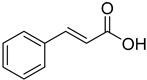
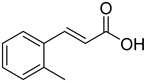
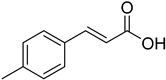
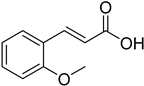
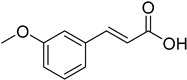
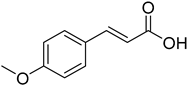
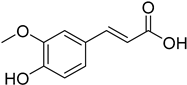
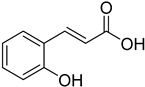
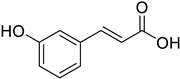
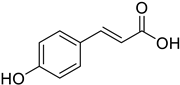
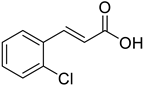
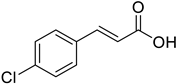
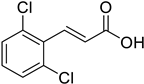
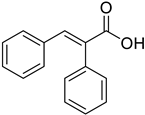
Test compounds from the groups of xanthone and chalcone derivatives were synthesized at the Faculty of Pharmacy, Jagiellonian University Medical College in Kraków, and their structure and purity were confirmed by means of Proton Nuclear Magnetic Resonance (1H NMR) and Liquid Chromatography–Mass Spectrometry (LC-MS). The spectra and detailed spectral data of the synthesized compounds are provided in the Supplementary Materials. The spectra for the xanthone derivatives are presented in Figures S1–S26, while the chalcone derivatives are presented in Figures S27–S42. Cinnamic acid derivatives were purchased from commercial suppliers ((E)-cinnamic acid- Acros Organics, China, (E)-2-methylcinnamic acid and (E)-4-methylcinnamic acid, (E)-2-chlorocinnamic acid—FluoroChem, Hadfield, UK, (E)-2-methoxycinnamic acid, (E)-3-methoxycinnamic acid, (E)-4-methoxycinnamic acid, (E)-4-hydroxy-3-methoxycinnamic acid, (E)-2-hydroxycinnamic acid, (E)-3-hydroxycinnamic acid, (E)-4-hydroxycinnamic acid, and (E)-α-phenyl cinnamic acid—Alfa Aesar, Lancaster, UK, (E)-4-chlorocinnamic acid—Angene, Nanjing, China, (E)-2,6-dichlorocinnamic acid—AmBeed, Arlington Hts, IL, USA) and were used without further purification.
2.2. Microtox Assay
The ecotoxicity was assessed using a Microtox® Model 500 Analyzer (Modern Water, New Castle, DE, USA) following the basic test protocol provided by the supplier. Frozen Allivibrio fischeri bacteria were reconstituted with an original reconstitution solution (Modern Water, New Castle, DE, USA) and stirred before each experiment. The tested compounds were dissolved in dimethyl sulfoxide (DMSO) (Sigma-Aldrich, Darmstadt, Germany), and serial solutions (dilution factor 2) were prepared separately before transferring to the apparatus. The test probes were prepared using 25 μL of the test solution in DMSO or DMSO for the blank probe, 2475 μL original diluent (2% sodium chloride, Modern Water, New Castle, DE, USA) and 125 μL Osmotic Adjustment Solution (OAS, 22% sodium chloride, Modern Water, New Castle, DE, USA). The final initial concentration ranges, 0.59–4.72 mg/L for xanthone derivatives, 5.89–47.15 mg/L for cinnamic acid derivatives, and 0.06–0.47 mg/L for chalcone derivatives, were selected on the basis of our prior experimental experience. However, the test concentrations were adjusted after the initial evaluation in case no result was close to 50%. The samples were further retested at higher or lower concentrations depending on the outcome of the initial screening. Only for the chalcone derivatives (with the exception of the unsubstituted compound) were such low concentrations sufficient to determine the half maximal effective concentration (EC50) value without the need to test additional concentration ranges. The probes were transferred into the original glass test tubes and placed in incubator wells at 15 ± 0.5 °C 15 min prior to the experiment. Toxicity values were estimated after 5 and 15 min exposure and expressed as EC50 (the concentration where a 50% loss of initial luminescence was indicated) calculated by the instrument software. Two replicates were tested for each experimental condition [34,35,36].
2.3. In Silico Ecotoxicity Evaluation
In silico ecotoxicity evaluation was performed by means of ADMETlab 3.0 on line platform available at https://admetlab3.scbdd.com, and used on 2 and 4 December 2025.
3. Results
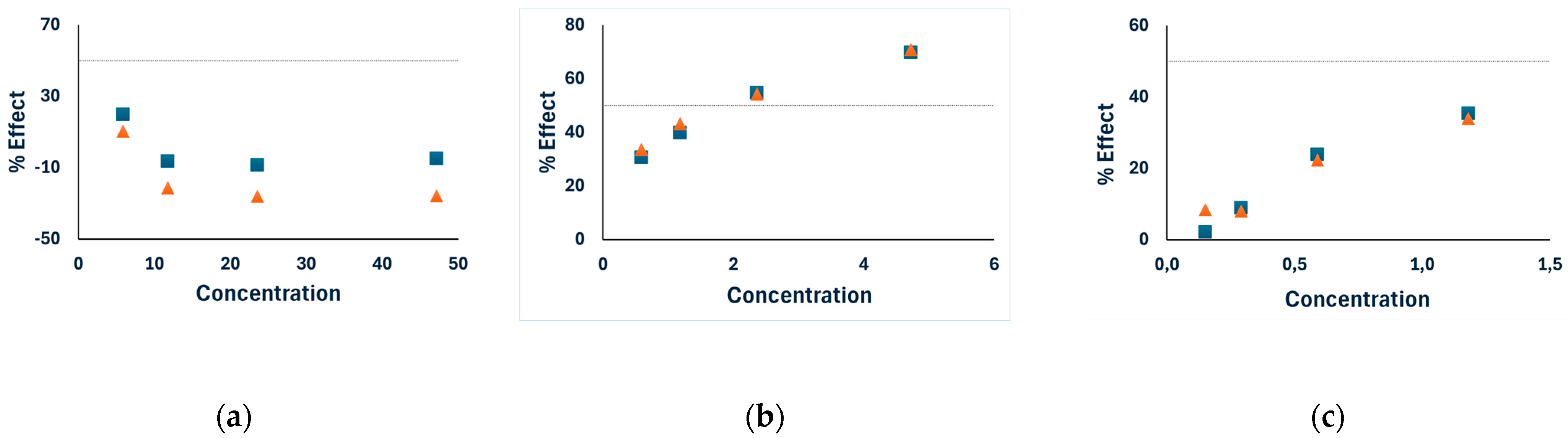
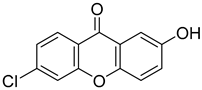
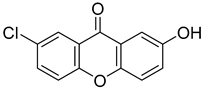
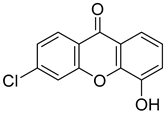
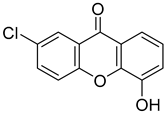
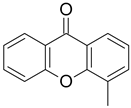
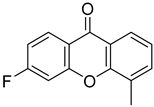
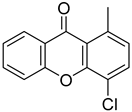
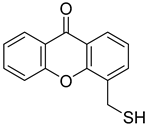
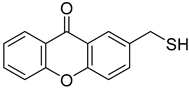
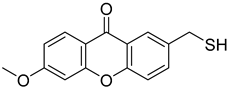
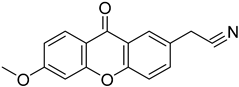
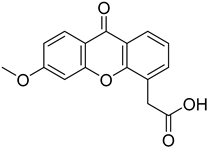
The results of the ecotoxicological evaluation of xanthone derivatives were presented in Table 1. The ecotoxicity within this group was diverse; the EC50 values ranged from 0.068 mg/L for 4-(sulfanylmethyl)-9H-xanthen-9-one to 22.870 mg/L for 4-chloro-1-methyl-9H-xanthen-9-one, which corresponds to an approximately 340-fold difference. However, the most safe compound in the tested group seems to be 2-(sulfanylmethyl)-9H-xanthen-9-one, for which it was not possible to find EC50, because of the limited solubility. At concentrations up to 47.15 mg/L, no bacterial inhibition exceeding 19.66% was observed for this compound (Figure 2a), whereas preparation of a more concentrated solution was not possible due to limited solubility. For 4-chloro-1-methyl-9H-xanthen-9-one and 7-chloro-4-hydroxy-9H-xanthen-9-one, the calculated 95% confidence intervals were very wide, which may also result from their limited solubility. During the assays, turbidity of these tested samples was observed. No significant differences were observed between the results obtained for the two incubation times, 5 min and 15 min. Within the studied group of compounds, the 7-chloro substituted derivatives proved to be by far the safest, on the contrary to 6-chloro substituted derivatives, which were among the most ecotoxic. Interesting results were obtained for the thiol-containing derivatives. Among them, the compound substituted at position 4 (4-(sulfanylmethyl)-9H-xanthen-9-one) was the most ecotoxic, whereas its isomer substituted at position 2 (2-(sulfanylmethyl)-9H-xanthen-9-one) was several times safer. The investigated acid ((6-methoxy-xanthen-4yl)-acetic acid) was also found to belong to the group of relatively safer compounds (EC50 = 8.718 mg/L). The results for 2-hydroxy-9H-xanthen-9-one (Figure 2b) and 6-chloro-2-hydroxy-9H-xanthen-9-one (Figure 2c) are noteworthy, since the hydroxyl group in the phenyl ring may confer antioxidant potential, indicating the possible application as active ingredients in cosmetic products.
Table 1.
Results of Microtox evaluation of xanthone derivatives.
Figure 2.
Graphical representation of the results of the Microtox evaluation for (a) 2-(sulfanylmethyl)-9H-xanthen-9-one (highest % effect: 19.66%), (b) 2-hydroxy-9H-xanthen-9-one (EC50 = 1.911 mg/L, 5 min), and (c) 6-chloro-4-hydroxy-9H-xanthen-9-one (EC50 = 2.564 mg/L, 5 min).
—results after 5 min incubation,
—results after 15 min incubation.
—results after 5 min incubation,
—results after 15 min incubation.
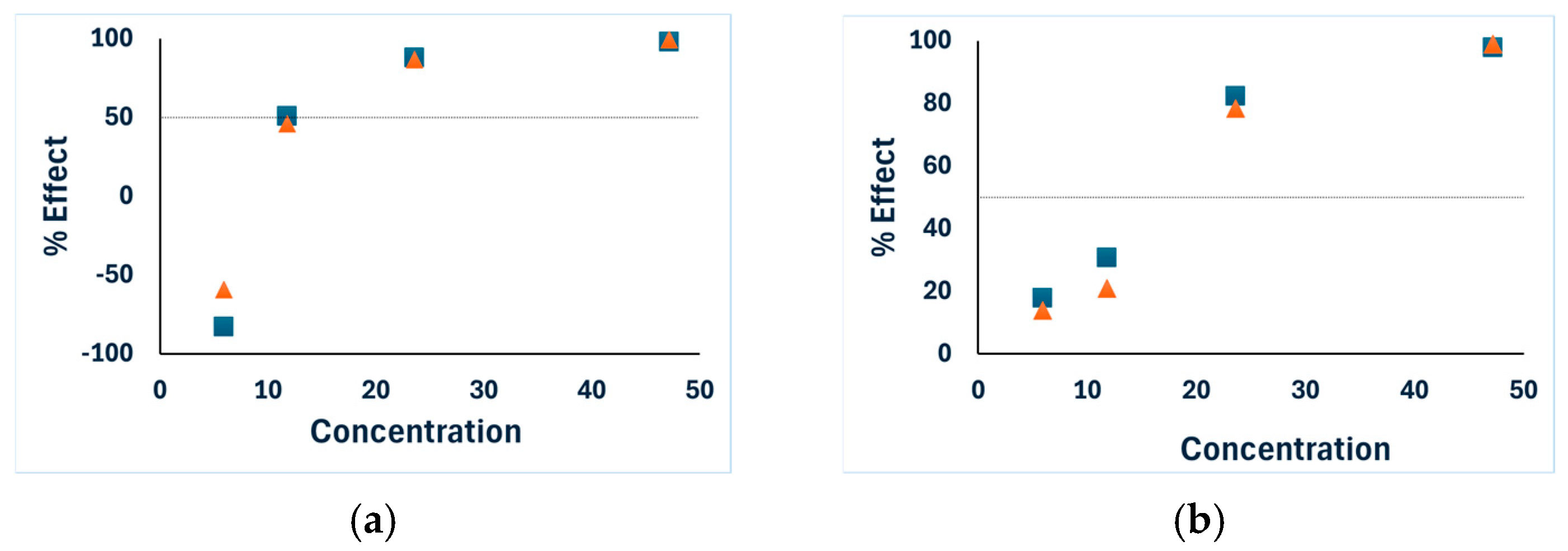
The results of the ecotoxicological evaluation of cinnamic acid derivatives are presented in Table 2. In this test group, the observed ecotoxicity showed rather little variation, the safest compound was found to be 4-chlorocinnamic acid with EC50s of 47.90 mg/L after 5 min and 40.92 mg/L after 15 min, while the lowest EC50 was detected for 2-methoxycinnamic acid—4.19 mg/L after 5 min of incubation (11-fold difference). The lowest EC50s in two times of incubation were, however, observed for (E)-3-methoxycinnamic acid. In case of (E)-4-methoxycinnamic acid, (E)-3-hydroxycinnamic acid, (E)-2,6-dichlorocinnamic acid, and (E)-α-phenyl cinnamic acid the calculated 95% confidence intervals were wide, which could result from the limited solubility of the test compounds. During the assays, the turbidity of these tested samples in higher concentrations was observed. For (E)-2-methoxycinnamic acid, an unusual time-dependent effect was observed, the EC50 value determined after 15 min was five-fold higher than that obtained after 5 min. This indicates a marked decrease in the ecotoxicity over the exposure period, suggesting partial recovery of A. fischeri luminescence or a reversible interaction between the compound and bacterial cells. However, this observation should not be interpreted as a true reduction in toxicity over time, as this assay does not provide information about longer-term toxicological outcomes. The structure–ecotoxicology evaluation revealed that chloro-substituted derivatives seemed the safest when compared to methyl-, methoxy-, and hydroxy-substituted, as well as unsubstituted, cinnamic acid. The results for (E)-4-hydroxycinnamic acid (p-coumaric acid, Figure 3a) and (E)-4-hydroxy-3-methoxycinnamic acid (ferulic acid, Figure 3b) are noteworthy, because these two compounds are widely reported as promising natural ingredients for cosmetic use. They are already used commercially in cosmetic formulations. Overall, in the current study, cinnamic acid derivatives were shown to be safer than xanthone and chalcone derivatives.
Table 2.
Results of Microtox evaluation of cinnamic acid derivatives.
Figure 3.
Graphical representation of the results of the Microtox evaluation for (a) (E)-4-hydroxycinnamic acid (p-coumaric acid, EC50 = 11.64 mg/L, 5 min) and (b) (E)-4-hydroxy-3-methoxycinnamic acid (ferulic acid, EC50 = 12.68 mg/L, 5 min).
—results after 5 min incubation,
—results after 15 min incubation.
—results after 5 min incubation,
—results after 15 min incubation.
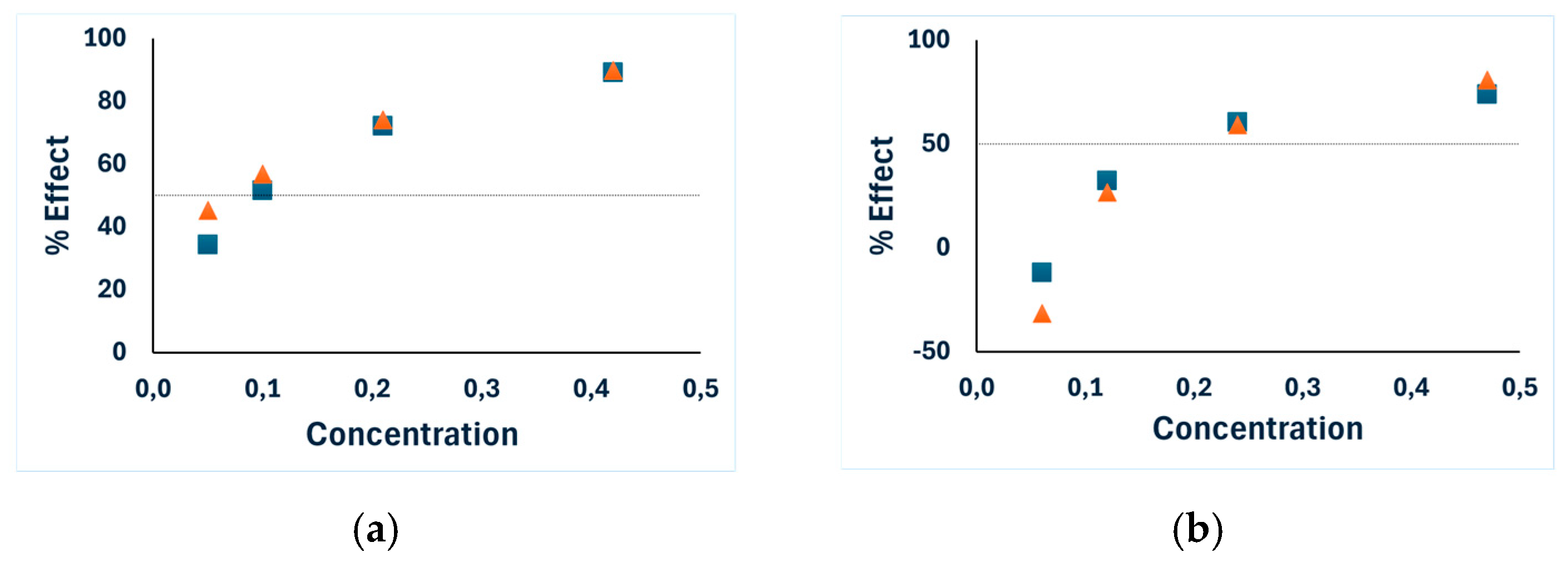
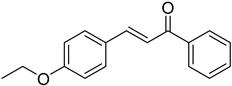
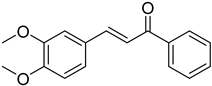
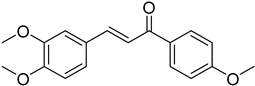
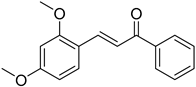
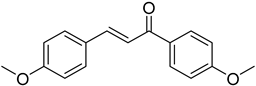
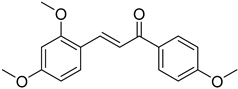
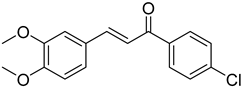
Results of ecotoxicological evaluation of chalcone derivatives are presented in Table 3. Within this group of compounds all tested substances exhibited low EC50 values, indicating a high ecotoxic potential. The most ecotoxic compound was (E)-4-ethoxychalcone, with EC50 values of 0.013 mg/L after 5 min of incubation and 0.005 mg/L after 15 min. In contrast, the derivative with the lowest ecotoxic potential among the chalcone derivatives was (E)-2,4-dimethoxy-4′-methoxychalcone, for which EC50 values were 30–70 times higher, reaching 0.398 mg/L after 5 min and 0.392 mg/L after 15 min of incubation. Chalcones have been reported as compounds with therapeutic potential and as possible UV filters. However, the present findings indicate that they may exhibit ecotoxicity, which limits their commercial potential and underscores the need to consider environmental aspects in any large-scale application of chalcone derivatives. In Figure 4 there are presented graphical representation of results for the results of the Microtox evaluation for exemplary compounds from this group: (E)-3,4-dimethoxychalcone (Figure 4a) and (E)-3,4-dimethoxy-4′-chlorochalcone (Figure 4b).
Table 3.
Results of Microtox evaluation of chalcone derivatives.
Figure 4.
Graphical representation of the results of the Microtox evaluation for (a) (E)-3,4-dimethoxychalcone (EC50 = 0.0930 mg/L, 5 min) and (b) (E)-3,4-dimethoxy-4′-chlorochalcone (EC50 = 0.196 mg/L, 5 min).
—results after 5 min incubation,
—results after 15 min incubation.
—results after 5 min incubation,
—results after 15 min incubation.
A comparison of results obtained for these three different group of derivatives showed that the chalcone scaffold exhibits substantially higher ecotoxicity compared to xanthone and cinnamic acid frameworks.
All synthesized structures were evaluated using the ADMETlab 3.0 online platform, with a specific focus on the Aquatic Toxicity Rule. In the group of xanthone derivatives, the in silico predictions indicated one positive alert for compounds containing chlorine or fluorine atom in their structure, whereas no alerts were generated for the remaining xanthone derivatives without chlorine or fluorine. Within the group of cinnamic acid derivatives, two positive aquatic toxicity alerts were predicted for all compounds, with the olefinic linker identified as the structural element responsible for these signals. Additionally, for chlorinated derivatives an extra alert was generated, resulting in a total of three alerts for each cinnamic acid analog containing chlorine in its structure. Similarly, all chalcone derivatives produced at least two aquatic toxicity alerts, which were associated with the presence of the α,β-unsaturated carbonyl system, while for the chalcone derivative containing a chlorine atom, three alerts were identified.
4. Discussion
Xanthone, cinnamic acid, and chalcone derivatives share several common characteristics. All of them occur naturally in the environment and represent important classes of plant secondary metabolites. Natural derivatives isolated from plants, as well as plant extracts containing these compounds, have demonstrated a wide range of biological activities. Moreover, all three structural motifs, the xanthone, cinnamic acid, and chalcone frameworks, contain sites that can undergo chemical modification to yield derivatives with enhanced or optimized biological properties, potentially exceeding the activity of their natural counterparts [3,12,23].
As demonstrated for ferulic acid and its derivatives, the biological activity relevant to Alzheimer’s disease therapy is several times higher for synthetic analogs compared to their natural counterparts [20]. Similarly, numerous synthetic cinnamic acid derivatives have been reported to surpass the parent natural compounds in terms of anti-tumor, antidiabetic, anti-microbial, anti-parasitic, anti-oxidative, and anti-inflammatory activities [37]. Moreover, simple cinnamic acids have been used as modifiers of other naturally occurring molecules to optimize their biological and physicochemical properties. The resulting conjugates exhibited beneficial anti-tumor, neuroprotective, antidiabetic, anti-microbial, anti-parasitic, anti-oxidative, and anti-inflammatory effects [38]. The chalcone framework has also been introduced into various natural molecules, yielding new derivatives with anti-dyslipidemic, antibacterial, antimalarial, anti-inflammatory, anticancer, anti-Alzheimer’s, and α-glucosidase inhibitory activities [39]. Many synthetically modified chalcones displayed a similar spectrum of biological effects as their natural counterparts; however, they often exhibited higher potency and an improved safety profile [23]. Furthermore, both the xanthone and cinnamic acid scaffolds have been successfully utilized in the development of promising UV filters for cosmetic applications [40].
On the other hand, in modern scientific research, environmental aspects have become increasingly important, including the protection of natural resources, biodiversity preservation, and the implementation of sustainable research practices. Recent studies and reports have shown that the natural environment now contains not only traces but also considerable amounts of pharmacologically active substances [32]. This includes, among others, antidepressants, anti-inflammatory drugs, hormonal agents, anticancer compounds, and antibiotics [41,42,43,44]. Similarly, cosmetic ingredients are now recognized as significant environmental contaminants that can cause long-lasting and often irreversible changes. In particular, UV filters used in sunscreen formulations are suspected of contributing to coral reef bleaching, entering food chains, and affecting the physiology of aquatic organisms living in natural ecosystems [32,45]. Ecotoxicological assessment of UV filters is routinely performed and required for both existing and newly developed molecules considered as potential UV filter candidates. It is therefore recommended that modern sunscreen formulations utilize primarily those filters for which lower environmental risk has been demonstrated [46]. A well-established and widely accepted model for assessing the environmental toxicity of chemical compounds is based on Daphnia magna. Standardized Organization for Economic Co-operation and Development (OECD) tests, such as the immobilization and lethality test, acute immobilization test, and reproduction test, are commonly applied for this purpose [47]. In recent years, advanced research and analytical methods have also been introduced to identify environmental hazards caused by toxicants. These include DNA sequencing, mass spectrometry, and computational biology, as well as omics approaches (e.g., functional genomics, metagenomics, transcriptomics, proteomics, metabolomics, and lipidomics), which are essential for understanding the biological impact of pollutants on living organisms [48]. Some studies have focused not only on the direct environmental effects of specific compounds but also on their ability to modulate the biotransformation of other substances. Gryko et al. investigated the influence of natural cinnamic acids on environmental processes related to carbon and nitrogen compound transformation occurring during biological wastewater treatment. Their findings demonstrated that cinnamic acid, 4-hydroxycinnamic acid, 3,4-dihydroxycinnamic acid, and 3,4,5-trihydroxycinnamic acid may affect the biodegradation of organic substances under both aerobic and anaerobic conditions [11]. In another study, Zhong et al. proposed the synthesis of glycosylated cinnamic acid derivatives with antiviral activity, particularly intended for the control of viral infections in crop plants. The designed compounds were evaluated as eco-friendly due to the incorporation of two natural product-based structural motifs [49].
Therefore, it seems essential to conduct studies aimed at identifying environmentally safe and hazardous structural motifs in order to enable the design and synthesis of pharmaceutical and cosmetic ingredients in a more environmentally responsible manner. The concept of designing “greener drugs” has already been proposed, emphasizing that active pharmaceutical ingredients (APIs) should not only fulfill their primary therapeutic function but also be environmentally friendly. Such an approach requires close collaboration between research and development teams and environmental specialists [50,51].
In this context, our research aimed to address pressing environmental concerns related to the ecotoxicity of structurally diverse compounds. The findings clearly indicate that the chalcone scaffold exhibits substantially higher ecotoxicity compared to xanthone and cinnamic acid frameworks. This observation may be possibly explained by their characteristic α,β-unsaturated carbonyl (enone) functionality, which acts as a Michael acceptor and can react with biological nucleophiles such as thiol groups of glutathione or protein cysteines. The electrophilic character of such compounds has been repeatedly associated with acute toxic effects and is used as a structural alert in toxicity assessment [52,53,54,55]. In addition, classical physicochemical determinants of aquatic toxicity such as lipophilicity and aqueous solubility modulate bioavailability and membrane partitioning and thus can further affect toxic responses [56]. This observation may explain the limited potential for broad commercial application of chalcones, for instance, in cosmetic formulations. Conversely, cinnamic acid derivatives emerged as the safest group, displaying minimal variability in EC50 values. It is noteworthy that the tested series included compounds already employed in commercial applications, such as (E)-4-hydroxy-3-methoxycinnamic acid (ferulic acid) and (E)-4-hydroxy-3-methoxycinnamic acid (p-coumaric acid), widely used in the cosmetic industry. Although cinnamic acid derivatives also contain an α,β-unsaturated carbonyl system, its reactivity is significantly lower due to the presence of a carboxyl group, which reduces lipophilicity and limits the ability to participate in Michael addition reactions under physiological or environmental conditions. In contrast, chalcones possess a highly conjugated enone flanked by two aromatic rings, which markedly increases the electrophilicity of the β-carbon and facilitates interactions with nucleophilic biomolecules. This structural difference, together with higher hydrophobicity, may explain the higher ecotoxicity observed for chalcones in our study and is consistent with their known behavior as Michael acceptors reported in the literature [52,57]. Unexpected results were obtained for the chloro-substituted cinnamic acid derivatives, which turned out to be among the least ecotoxic compounds in our study. This finding contrasts with the scientific literature, which often indicates that halogenation—particularly chlorination—can increase the ecotoxic potential of organic molecules [54]. These results support the hypothesis that cinnamic acid derivatives are environmentally promising candidates.
The ecotoxicity of xanthone derivatives, however, was highly heterogeneous. Within the studied series, we identified compounds with extreme toxicity, such as 4-(sulfanylmethyl)-9H-xanthen-9-one (EC50 = 0.068 mg/L), alongside derivatives like 4-chloro-1-methyl-9H-xanthen-9-one, which exhibited an EC50 value 340-fold higher (22.870 mg/L). This wide range underscores the complexity of predicting ecotoxicity within this structural class. Xanthone derivatives are increasingly being designed with the intention of achieving a favorable environmental safety profile, as reflected in the available literature. Several newly developed, nature-inspired xanthones have been reported to show low toxicity toward common aquatic indicator organisms, such as Artemia salina and Daphnia magna indicating that appropriate structural modification can significantly reduce the environmental risk associated with this class of compounds [58,59]. At the same time, there are reports demonstrating the toxic effects of xanthone-rich plant extracts toward fish embryos, highlighting that the ecological activity of xanthones strongly depends on their structure, substitution pattern, and physicochemical properties [60]. Our findings, supported by the literature data, indicate that xanthones constitute a promising yet structurally sensitive scaffold, where the design of biologically active derivatives must be carefully balanced with the need to minimize potential impacts on aquatic environments.
By analyzing structurally modified derivatives, we were able to establish relationships between molecular architecture and ecotoxicity. Interestingly, chloro-substitution did not appear to negatively influence ecotoxicity overall. Among cinnamic acid derivatives, chloro-substituted compounds were the safest compared to methyl-, methoxy-, hydroxy-substituted, and unsubstituted, analogs. However, the xanthone series demonstrated that the substitution position is critical: while 7-chloro derivatives were among the least ecotoxic, 6-chloro derivatives ranked among the most toxic. This finding highlights that not only the nature of the substituent but also its position within the aromatic ring significantly affects ecotoxicity. A similar trend was observed for thiol-containing derivatives: the compound substituted at position 4 (4-(sulfanylmethyl)-9H-xanthen-9-one) was the most ecotoxic, whereas its regio-isomer ((2-sulfanylmethyl)-9H-xanthen-9-one) was several times safer. In the chalcone group, one derivative bearing an ethoxy substituent proved to be the most ecotoxic, although, as previously noted, chalcones generally exhibited high toxicity.
Collectively, these observations emphasize the importance of the compound pattern, substituent type, and place of substitution in shaping the environmental profile of organic compounds.
The results obtained from the in silico assessment did not fully correlate with our experimental findings generated in the Microtox assay. ADMETlab 3.0 did not differentiate between the α,β-unsaturated moiety present in cinnamic acid derivatives and in chalcone frameworks, predicting comparable levels of aquatic toxicity for both structural types. However, our in vitro data clearly demonstrated that cinnamic acid derivatives exhibited substantially lower ecotoxicity than chalcones. Moreover, the computational predictions consistently flagged the presence of chlorine as an indicator of increased aquatic toxicity. In contrast, our experimental results showed that chlorinated derivatives were not necessarily the most ecotoxic within their respective groups—in some cases, they were among the least toxic compounds tested. Importantly, our study further revealed that ecotoxicity was influenced not merely by the presence of a halogen atom, but also by its position within the molecular scaffold.
These discrepancies highlight that current in silico tools, while valuable for preliminary screening, cannot replace experimental evaluation. Computational alerts should therefore be interpreted cautiously, as they may overlook subtle structure–toxicity relationships detectable only through validated in vitro assays.
5. Conclusions
This study provides an ecotoxicological comparison of three structurally distinct but pharmacologically relevant scaffolds, xanthone, cinnamic acid, and chalcone derivatives, using the Microtox assay. The results clearly demonstrate that the ecotoxicity of these molecules is strongly structure-dependent and varies substantially across the studied classes.
Chalcone derivatives consistently exhibited the highest ecotoxicity, with EC50 values as low as 0.005–0.013 mg/L for the most hazardous compounds. Even the least toxic chalcone tested showed EC50 values below 0.4 mg/L. These results confirm that the α,β-unsaturated carbonyl system present in chalcones is strongly associated with elevated ecotoxic potential, highlighting this scaffold as environmentally risky. Consequently, chalcones require careful pre-screening in the early-stage development of bioactive molecules, particularly when considered for pharmaceutical or cosmetic applications.
Cinnamic acid derivatives, in contrast, displayed the most favorable ecotoxicological profile, with EC50 values ranging from approximately 4 mg/L to nearly 48 mg/L. In our study, chloro-substituted cinnamic acids were identified as the safest representatives of this group. The relatively narrow toxicity range observed for this class indicates predictable structure–ecotoxicity behavior, making cinnamic acid derivatives promising candidates for sustainable molecular design.
Xanthone derivatives demonstrated the widest structural and ecotoxicological diversity, with EC50 values differing by more than 300-fold (from 0.068 to 22.870 mg/L). Clear substitution-dependent trends were identified: 7-chloro derivatives were among the least toxic, whereas 6-chloro analogs displayed markedly higher toxicity. Similarly, thiol-containing derivatives significantly differed in toxicity depending solely on the position of the substituent (position 2 vs. position 4). These findings indicate that the xanthone core is highly tunable and sensitive to small structural modifications, underscoring its potential for environmentally conscious optimization.
Overall, the study establishes explicit structure–ecotoxicity relationships for these three important classes of bioactive compounds. The results highlight the environmental risks associated with chalcones, the comparatively low ecotoxicity of cinnamic acids, and the position-dependent toxicity of xanthones. These insights provide a valuable foundation for rational and sustainable molecular design, enabling the early elimination of environmentally hazardous candidates and supporting the development of pharmaceuticals and cosmetic ingredients that meet modern expectations for efficacy, safety, and environmental responsibility.
Importantly, a comparison of experimental data with in silico predictions revealed a limited correlation between the two approaches. The computational model did not differentiate the distinct ecotoxicological behavior of α,β-unsaturated systems in chalcones versus cinnamic acid derivatives, and consistently flagged halogenation as a toxicity driver, even in cases where chlorinated derivatives proved among the safest in vitro. These discrepancies emphasize that in silico tools, while valuable for preliminary screening, cannot substitute validated experimental assays and should be used as supportive rather than decisive methods in ecotoxicological evaluation.
Supplementary Materials
The following supporting information can be downloaded at: https://www.mdpi.com/article/10.3390/app152412998/s1, Spectral characterization of the synthesized compounds, LC-MS and 1H NMR spectra for the synthesized compounds.
Author Contributions
Conceptualization, D.Ż. and A.G.-K.; methodology, A.G.-K., J.P. and K.S.; validation, A.G.-K., J.P. and K.S.; formal analysis, D.Ż., A.G.-K., J.P. and K.S.; investigation, D.Ż., A.G.-K., J.P. and K.S.; resources, K.S.; data curation, A.G.-K. and J.P.; writing—original draft preparation, D.Ż., A.G.-K., J.P. and K.S.; writing—review and editing, D.Ż., A.G.-K., J.P. and K.S.; project administration, K.S.; funding acquisition, K.S. All authors have read and agreed to the published version of the manuscript.
Funding
This research was funded by the Polish National Science Centre, grant number 2020/37/B/NZ7/02546 as well as Jagiellonian University Medical College grant numbers N42/DBS/000391 and N42/DBS/000383.
Institutional Review Board Statement
Not applicable.
Informed Consent Statement
Not applicable.
Data Availability Statement
The original contributions presented in this study are included in the article/Supplementary Material. Further inquiries can be directed to the corresponding author.
Acknowledgments
The authors would like to express sincere gratitude to Robert Krzyżak for his valuable assistance in preparing the figures used in this work. During the preparation of this manuscript, authors used ChatGPT 5.1 for the purposes of text correction, improvement, and/or translation from Polish. The authors have reviewed and edited the output and take full responsibility for the content of this publication.
Conflicts of Interest
The authors declare no conflicts of interest.
References
- Li, Y.; Zhang, L.; Wang, W.; Liu, Y.; Sun, D.; Li, H.; Chen, L. A Review on Natural Products with Cage-like Structure. Bioorganic Chem. 2022, 128, 106106. [Google Scholar] [CrossRef]
- Liu, X.; Shen, J.; Zhu, K. Antibacterial Activities of Plant-Derived Xanthones. RSC Med. Chem. 2022, 13, 107–116. [Google Scholar] [CrossRef] [PubMed]
- Oriola, A.O.; Kar, P. Naturally Occurring Xanthones and Their Biological Implications. Molecules 2024, 29, 4241. [Google Scholar] [CrossRef]
- Dutta, T.; Das, T.; Gopalakrishnan, A.V.; Saha, S.C.; Ghorai, M.; Nandy, S.; Kumar, M.; Radha; Ghosh, A.; Mukerjee, N.; et al. Mangiferin: The Miraculous Xanthone with Diverse Pharmacological Properties. Naunyn Schmiedebergs Arch. Pharmacol. 2023, 396, 851–863. [Google Scholar] [CrossRef]
- Gunter, N.V.; Teh, S.S.; Lim, Y.M.; Mah, S.H. Natural Xanthones and Skin Inflammatory Diseases: Multitargeting Mechanisms of Action and Potential Application. Front. Pharmacol. 2020, 11, 594202. [Google Scholar] [CrossRef]
- Lu, Y.; Guan, T.; Wang, S.; Zhou, C.; Wang, M.; Wang, X.; Zhang, K.; Han, X.; Lin, J.; Tang, Q.; et al. Novel Xanthone Antibacterials: Semi-Synthesis, Biological Evaluation, and the Action Mechanisms. Bioorganic Med. Chem. 2023, 83, 117232. [Google Scholar] [CrossRef]
- Zelaszczyk, D.; Lipkowska, A.; Szkaradek, N.; Słoczyńska, K.; Gunia-Krzyżak, A.; Librowski, T.; Marona, H. Synthesis and Preliminary Anti-Inflammatory Evaluation of Xanthone Derivatives. Heterocycl. Commun. 2018, 24, 231–236. [Google Scholar] [CrossRef]
- Zhang, Z.; Guo, J.; Cheng, M.; Zhou, W.; Wan, Y.; Wang, R.; Fang, Y.; Jin, Y.; Liu, J.; Xie, S.S. Design, Synthesis, and Biological Evaluation of Novel Xanthone-Alkylbenzylamine Hybrids as Multifunctional Agents for the Treatment of Alzheimer’s Disease. Eur. J. Med. Chem. 2021, 213, 113154. [Google Scholar] [CrossRef] [PubMed]
- Szkaradek, N.; Gunia, A.; Waszkielewicz, A.M.; Antkiewicz-Michaluk, L.; Cegła, M.; Szneler, E.; Marona, H. Anticonvulsant Evaluation of Aminoalkanol Derivatives of 2- and 4-Methylxanthone. Bioorganic Med. Chem. 2013, 21, 1190–1198. [Google Scholar] [CrossRef]
- Kabat, M.; Popiół, J.; Gunia-Krzyżak, A. Cinnamic Acid Derivatives as Potential Multifunctional Agents in Cosmetic Formulations Used for Supporting the Treatment of Selected Dermatoses. Molecules 2024, 29, 5806. [Google Scholar] [CrossRef] [PubMed]
- Gryko, K.; Kalinowska, M.; Ofman, P.; Choińska, R.; Świderski, G.; Świsłocka, R.; Lewandowski, W. Natural Cinnamic Acid Derivatives: A Comprehensive Study on Structural, Anti/pro-Oxidant, and Environmental Impacts. Materials 2021, 14, 6098. [Google Scholar] [CrossRef]
- Chen, J.; Ran, M.; Wang, M.; Liu, X.; Liu, S.; Yu, Y. Structure-Activity Relationships of Antityrosinase and Antioxidant Activities of Cinnamic Acid and Its Derivatives. Biosci. Biotechnol. Biochem. 2021, 85, 1697–1705. [Google Scholar] [CrossRef]
- Fotopoulos, I.; Hadjipavlou-Litina, D. Approaches for the Discovery of Cinnamic Acid Derivatives with Anticancer Potential. Expert. Opin. Drug Discov. 2024, 19, 1281–1291. [Google Scholar] [CrossRef]
- Cheng, C.; Li, G.; Zheng, G.; Yu, C. Design and Synthesis of Cinnamic Acid Triptolide Ester Derivatives as Potent Antitumor Agents and Their Biological Evaluation. Bioorganic Med. Chem. Lett. 2022, 67, 128760. [Google Scholar] [CrossRef]
- Nouni, C.; Theodosis-Nobelos, P.; Rekka, E.A. Antioxidant and Hypolipidemic Activities of Cinnamic Acid Derivatives. Molecules 2023, 28, 6732. [Google Scholar] [CrossRef]
- Gunia-Krzyżak, A.; Popiół, J.; Słoczyńska, K.; Żelaszczyk, D.; Koczurkiewicz-Adamczyk, P.; Wójcik-Pszczoła, K.; Bucki, A.; Sapa, M.; Kasza, P.; Borczuch-Kostańska, M.; et al. Discovery of (E)-3-(4-Chlorophenyl)-N-(5-Hydroxypentyl)Acrylamide among N-Substituted Cinnamamide Derivatives as a Novel Cosmetic Ingredient for Hyperpigmentation. Bioorganic Chem. 2024, 150, 107533. [Google Scholar] [CrossRef]
- Kabat, M.; Gunia-Krzyżak, A. Cinnamic Acid Derivatives as Potential Melanogenesis Inhibitors for Use in Cosmetic Products. Chem. Biodivers. 2025, 18, e00767. [Google Scholar] [CrossRef] [PubMed]
- Huang, S.; Liu, W.; Li, Y.; Zhang, K.; Zheng, X.; Wu, H.; Tang, G. Design, Synthesis, and Activity Study of Cinnamic Acid Derivatives as Potent Antineuroinflammatory Agents. ACS Chem. Neurosci. 2021, 12, 419–429. [Google Scholar] [CrossRef] [PubMed]
- Liu, H.; Cai, C.; Zhang, X.; Li, W.; Ma, Z.; Feng, J.; Liu, X.; Lei, P. Discovery of Novel Cinnamic Acid Derivatives as Fungicide Candidates. J. Agric. Food Chem. 2024, 72, 2492–2500. [Google Scholar] [CrossRef]
- Singh, Y.P.; Rai, H.; Singh, G.; Singh, G.K.; Mishra, S.; Kumar, S.; Srikrishna, S.; Modi, G. A Review on Ferulic Acid and Analogs Based Scaffolds for the Management of Alzheimer’s Disease. Eur. J. Med. Chem. 2021, 215, 113278. [Google Scholar] [CrossRef] [PubMed]
- Nitulescu, G.; Lupuliasa, D.; Adam-Dima, I.; Nitulescu, G.M. Ultraviolet Filters for Cosmetic Applications. Cosmetics 2023, 10, 101. [Google Scholar] [CrossRef]
- Irfan, R.; Mousavi, S.; Alazmi, M.; Saleem, R.S.Z. A Comprehensive Review of Aminochalcones. Molecules 2020, 25, 5381. [Google Scholar] [CrossRef]
- Jasim, H.A.; Nahar, L.; Jasim, M.A.; Moore, S.A.; Ritchie, K.J.; Sarker, S.D. Chalcones: Synthetic Chemistry Follows Where Nature Leads. Biomolecules 2021, 11, 1203. [Google Scholar] [CrossRef]
- Ouyang, Y.; Li, J.; Chen, X.; Fu, X.; Sun, S.; Wu, Q. Chalcone Derivatives: Role in Anticancer Therapy. Biomolecules 2021, 11, 894. [Google Scholar] [CrossRef] [PubMed]
- de Souza, P.S.; Bibá, G.C.C.; Melo, E.D.D.N.; Muzitano, M.F. Chalcones against the Hallmarks of Cancer: A Mini-Review. Nat. Prod. Res. 2022, 36, 4809–4826. [Google Scholar] [CrossRef]
- Shalaby, M.A.; Rizk, S.A.; Fahim, A.M. Synthesis, Reactions and Application of Chalcones: A Systematic Review. Org. Biomol. Chem. 2023, 21, 5317–5346. [Google Scholar] [CrossRef]
- Abonia, R.D.; Castillo, J.; Insuasty, B.; Quiroga, J.; El Nogueras, M.; Cobo, J. Synthesis of Novel Quinoline-2-One Based Chalcones of Potential Anti-Tumor Activity. Eur. J. Med. Chem. 2012, 57, 29–40. [Google Scholar] [CrossRef]
- Wang, S.; Li, C.; Zhang, L.; Sun, B.; Cui, Y.; Sang, F. Isolation and Biological Activity of Natural Chalcones Based on Antibacterial Mechanism Classification. Bioorganic Med. Chem. 2023, 93, 117454. [Google Scholar] [CrossRef]
- Tan, Q.W.; He, L.Y.; Zhang, S.S.; He, Z.W.; Liu, W.H.; Zhang, L.; Guan, L.P.; Wang, S.H. Design, Synthesis, and Biological Activity of Chalcone Analogs Containing 4-Phenylquinolin and Benzohydrazide. Chem. Biodivers. 2022, 19, e202100610. [Google Scholar] [CrossRef] [PubMed]
- Thapa, P.; Upadhyay, S.P.; Suo, W.Z.; Singh, V.; Gurung, P.; Lee, E.S.; Sharma, R.; Sharma, M. Chalcone and Its Analogs: Therapeutic and Diagnostic Applications in Alzheimer’s Disease. Bioorganic Chem. 2021, 108, 104681. [Google Scholar] [CrossRef] [PubMed]
- Kahssay, S.W.; Hailu, G.S.; Desta, K.T. Design, Synthesis, Characterization and in Vivo Antidiabetic Activity Evaluation of Some Chalcone Derivatives. Drug Des. Dev. Ther. 2021, 15, 3119–3129. [Google Scholar] [CrossRef]
- Wydro, U.; Wołejko, E.; Luarasi, L.; Puto, K.; Tarasevičienė, Ž.; Jabłońska-Trypuć, A. A Review on Pharmaceuticals and Personal Care Products Residues in the Aquatic Environment and Possibilities for Their Remediation. Sustainability 2024, 16, 169. [Google Scholar] [CrossRef]
- Hao, O.J.; Lin, C.; Jeng, F.; Shih, C. A Review of Microtox Test and Its Applications. Toxicol. Environ. Chem. 1995, 52, 57–76. [Google Scholar] [CrossRef]
- Kielka, E.; Siedlecka, A.; Wolf, M.; Stróżak, S.; Piekarska, K.; Strub, D. Ecotoxicity Assessment of Camphor Oxime Using Microtox Assay—Preliminary Research. In Proceedings of the E3S Web of Conferences, Les Ulis, France, 24 August 2018; EDP Sciences: London, UK, 2018. Volume 44. [Google Scholar]
- Johnson, B.T. Microtox® Acute Toxicity Test. In Small-Scale Freshwater Toxicity Investigations; Blaise, C., Férard, J.F., Eds.; Springer: Dordrecht, The Netherlands, 2005; Volume 1, pp. 69–105. [Google Scholar] [CrossRef]
- Gunia-Krzyżak, A.; Popiół, J.; Słoczyńska, K.; Żelaszczyk, D.; Orzeł, K.; Koczurkiewicz-Adamczyk, P.; Wójcik-Pszczoła, K.; Kasza, P.; Borczuch-Kostańska, M.; Pękala, E. In Silico and in Vitro Evaluation of a Safety Profile of a Cosmetic Ingredient: 4-Methoxychalcone (4-MC). Toxicol. Vitr. 2023, 93, 105696. [Google Scholar] [CrossRef] [PubMed]
- Sova, M. Antioxidant and antimicrobial activities of cinnamic acid derivatives. Mini Rev. Med. Chem. 2012, 12, 749–767. [Google Scholar] [CrossRef] [PubMed]
- Deng, H.; Xu, Q.; Guo, H.Y.; Huang, X.; Chen, F.; Jin, L.; Quan, Z.S.; Shen, Q.K. Application of Cinnamic Acid in the Structural Modification of Natural Products: A Review. Phytochemistry 2023, 206, 113532. [Google Scholar] [CrossRef]
- Quan, Y.S.; Liu, J.Y.; Wang, Y.L.; Liu, Z.; Quan, Z.S.; Wang, S.H.; Yin, X.M. Application of Chalcone in the Structural Modification of Natural Products: An Overview. Chem. Biodivers. 2025, 22, e202401953. [Google Scholar] [CrossRef]
- Popiół, J.; Gunia-Krzyżak, A.; Słoczyńska, K.; Koczurkiewicz-Adamczyk, P.; Piska, K.; Wójcik-Pszczoła, K.; Żelaszczyk, D.; Krupa, A.; Żmudzki, P.; Marona, H.; et al. The Involvement of Xanthone and (E)-Cinnamoyl Chromophores for the Design and Synthesis of Novel Sunscreening Agents. Int. J. Mol. Sci. 2021, 22, 34. [Google Scholar] [CrossRef]
- Li, D.; Chen, H.; Liu, H.; Schlenk, D.; Mu, J.; Lacorte, S.; Ying, G.G.; Xie, L. Anticancer Drugs in the Aquatic Ecosystem: Environmental Occurrence, Ecotoxicological Effect and Risk Assessment. Environ. Int. 2021, 153, 106543. [Google Scholar] [CrossRef]
- Hejna, M.; Kapuścińska, D.; Aksmann, A. Pharmaceuticals in the Aquatic Environment: A Review on Eco-Toxicology and the Remediation Potential of Algae. Int. J. Environ. Res. Public Health 2022, 19, 7717. [Google Scholar] [CrossRef]
- Liliana, A.; Ríos, M.; Gutierrez-Suarez, K.; Carmona, Z.; Ramos, G.; Felipe, L.; Oliveira, S. Pharmaceuticals as Emerging Pollutants: Case Naproxen an Overview. Chemosphere 2022, 291, 132822. [Google Scholar] [CrossRef]
- Murzyn, A.; Popiół, J.; Gunia-Krzyżak, A.; Żelaszczyk, D.; Dąbrówka, B.; Koczurkiewicz-Adamczyk, P.; Piska, K.; Żmudzki, P.; Pękala, E.; Słoczyńska, K. Biotransformation of Oxybenzone and 3-(4-Methylbenzylidene)Camphor in Cunninghamella Species: Potential for Environmental Clean-up of Widely Used Sunscreen Agents. J. Hazard. Mater. 2025, 489, 137544. [Google Scholar] [CrossRef]
- Jyoti, D.; Sinha, R. Physiological Impact of Personal Care Product Constituents on Non-Target Aquatic Organisms. Sci. Total Environ. 2023, 905, 167229. [Google Scholar] [CrossRef]
- Pawlowski, S.; Luetjens, L.H.; Preibisch, A.; Acker, S.; Petersen-Thiery, M. Cosmetic UV Filters in the Environment—State of the Art in EU Regulations, Science and Possible Knowledge Gaps. Int. J. Cosmet. Sci. 2023, 45, 52–66. [Google Scholar] [CrossRef]
- Tkaczyk, A.; Bownik, A.; Dudka, J.; Kowal, K.; Ślaska, B. Daphnia Magna Model in the Toxicity Assessment of Pharmaceuticals: A Review. Sci. Total Environ. 2021, 763, 143038. [Google Scholar] [CrossRef]
- Liang, X.; Martyniuk, C.J.; Simmons, D.B.D. Current Topics in Omics, Ecotoxicology, and Environmental Science. Comp. Biochem. Physiol. Part. D Genom. Proteom. 2021, 38, 100782. [Google Scholar] [CrossRef] [PubMed]
- Zhong, F.; Zhang, Q.; Chen, K.; Lan, S.; Yang, W.; Gan, X. Eco-Friendly Cinnamic Acid Derivatives Containing Glycoside Scaffolds as Potential Antiviral Agents. J. Agric. Food Chem. 2023, 71, 17752–17762. [Google Scholar] [CrossRef] [PubMed]
- Vidaurre, R.; Bramke, I.; Puhlmann, N.; Owen, S.F.; Angst, D.; Moermond, C.; Venhuis, B.; Lombardo, A.; Kümmerer, K.; Sikanen, T.; et al. Design of Greener Drugs: Aligning Parameters in Pharmaceutical R&D and Drivers for Environmental Impact. Drug Discov. Today 2024, 29, 104022. [Google Scholar] [CrossRef]
- Kar, S.; Sanderson, H.; Roy, K.; Benfenati, E.; Leszczynski, J. Green Chemistry in the Synthesis of Pharmaceuticals. Chem. Rev. 2022, 122, 3637–3710. [Google Scholar] [CrossRef]
- Kenari, F.; Molnár, S.; Perjési, P. Reaction of Chalcones with Cellular Thiols. The Effect of the 4-Substitution of Chalcones and Protonation State of the Thiols on the Addition Process. Diastereoselective Thiol Addition. Molecules 2021, 26, 4332. [Google Scholar] [CrossRef]
- Jackson, P.A.; Widen, J.C.; Harki, D.A.; Brummond, K.M. Covalent Modifiers: A Chemical Perspective on the Reactivity of α,β-Unsaturated Carbonyls with Thiols via Hetero-Michael Addition Reactions. J. Med. Chem. 2017, 60, 839–885. [Google Scholar] [CrossRef] [PubMed]
- Schultz, T.W.; Carlson, R.E.; Cronin, M.T.D.; Hermens, J.L.M.; Johnson, R.; O’Brien, P.J.; Roberts, D.W.; Siraki, A.; Wallace, K.B.; Veith, G.D. A Conceptual Framework for Predicting the Toxicity of Reactive Chemicals: Modeling Soft Electrophilicity. SAR QSAR Environ. Res. 2006, 17, 413–428. [Google Scholar] [CrossRef]
- Yarbrough, J.W.; Schultz, T.W. Abiotic Sulfhydryl Reactivity: A Predictor of Aquatic Toxicity for Carbonyl-Containing α,β-Unsaturated Compounds. Chem. Res. Toxicol. 2007, 20, 558–562. [Google Scholar] [CrossRef]
- Lambert, F.N.; Vivian, D.N.; Raimondo, S.; Tebes-Stevens, C.T.; Barron, M.G. Relationships Between Aquatic Toxicity, Chemical Hydrophobicity, and Mode of Action: Log Kow Revisited. Arch. Environ. Contam. Toxicol. 2022, 83, 326–338. [Google Scholar] [CrossRef] [PubMed]
- Zhuang, C.; Zhang, W.; Sheng, C.; Zhang, W.; Xing, C.; Miao, Z. Chalcone: A Privileged Structure in Medicinal Chemistry. Chem. Rev. 2017, 117, 7762–7810. [Google Scholar] [CrossRef]
- Vilas-Boas, C.; Sousa, J.; Lima, E.; Running, L.; Resende, D.; Ribeiro, A.R.L.; Sousa, E.; Santos, M.M.; Aga, D.S.; Tiritan, M.E.; et al. Preliminary Hazard Assessment of a New Nature-Inspired Antifouling (NIAF) Agent. Sci. Total Environ. 2024, 933, 172824. [Google Scholar] [CrossRef]
- Vilas-Boas, C.; Silva, E.R.; Resende, D.; Pereira, B.; Sousa, G.; Pinto, M.; Almeida, J.R.; Correia-da-Silva, M.; Sousa, E. 3,4-Dioxygenated Xanthones as Antifouling Additives for Marine Coatings: In Silico Studies, Seawater Solubility, Degradability, Leaching, and Antifouling Performance. Environ. Sci. Pollut. Res. 2023, 30, 68987–68997. [Google Scholar] [CrossRef]
- Fazry, S.; Noordin, M.A.M.; Sanusi, S.; Noor, M.M.; Aizat, W.M.; Lazim, A.M.; Dyari, H.R.E.; Jamar, N.H.; Remali, J.; Othman, B.A.; et al. Cytotoxicity and Toxicity Evaluation of Xanthone Crude Extract on Hypoxic Human Hepatocellular Carcinoma and Zebrafish (Danio Rerio) Embryos. Toxics 2018, 6, 60. [Google Scholar] [CrossRef] [PubMed]
Disclaimer/Publisher’s Note: The statements, opinions and data contained in all publications are solely those of the individual author(s) and contributor(s) and not of MDPI and/or the editor(s). MDPI and/or the editor(s) disclaim responsibility for any injury to people or property resulting from any ideas, methods, instructions or products referred to in the content. |
© 2025 by the authors. Licensee MDPI, Basel, Switzerland. This article is an open access article distributed under the terms and conditions of the Creative Commons Attribution (CC BY) license (https://creativecommons.org/licenses/by/4.0/).