Systematic Review

Limosilactobacillus reuteri in Pediatric Oral Health: A Systematic Review

by
João Pedro Carvalho
1,
Romy Grondin
1,
Paulo Rompante
1,
Célia Fortuna Rodrigues
2,3,4,5,
José Carlos Andrade
2,3 and
António Rajão
2,3,*
1
UNIPRO—Oral Pathology and Rehabilitation Research Unit, University Institute of Health Science (IUCS), 4585-116 Gandra, Portugal
2
Associate Laboratory i4HB—Institute for Health and Bioeconomy, University Institute of Health Sciences—CESPU, 4585-116 Gandra, Portugal
3
UCIBIO—Applied Molecular Biosciences Unit, Translational Toxicology Research Laboratory, University Institute of Health Sciences (1H-TOXRUN, IUCS-CESPU), 4585-116 Gandra, Portugal
4
LEPABE—Laboratory for Process Engineering, Environment, Biotechnology and Energy, Faculty of Engineering, University of Porto, 4200-465 Porto, Portugal
5
ALiCE—Associate Laboratory in Chemical Engineering, Faculty of Engineering, University of Porto, 4200-465 Porto, Portugal
*
Author to whom correspondence should be addressed.
Appl. Sci. 2025, 15(21), 11783; https://doi.org/10.3390/app152111783
Submission received: 14 October 2025 / Revised: 31 October 2025 / Accepted: 4 November 2025 / Published: 5 November 2025
(This article belongs to the Special Issue Recent Advances in Pediatric Orthodontics and Pediatric Dentistry)

Abstract

Background: Limosilactobacillus reuteri (L. reuteri), present in the oral and intestinal microbiota, can colonize the oral cavity through breastfeeding and dairy intake, promoting oral health by balancing the microbiota, inhibiting pathogens, and modulating immune responses. This study aimed to evaluate the preventive role and therapeutic potential of L. reuteri in pediatric oral health. Methods: A literature review was conducted using PubMed, Wiley Library, and the Cochrane Library, supplemented by manual screening, according to PRISMA guidelines and covering the period from January 2011 to 31 December 2024. Results: From 835 records identified, 12 studies met the inclusion criteria. Data shows that L. reuteri strains produce antimicrobial substances that disrupt biofilms and inhibit Streptococcus mutans and other lactobacilli, leading to increased oral pH and improved periodontal indices. The effectiveness of probiotics was found to be strain-specific and transient, with continuous intake and adequate oral hygiene enhancing their ability to colonize the oral cavity. Conclusions: Probiotics show significant potential as therapeutic interventions for controlling cariogenic bacteria and supporting gum health in children. Through mechanisms including bacterial co-aggregation, competitive exclusion, antimicrobial compound synthesis, and immune modulation, probiotics may effectively reduce the risk of tooth decay and gum disease. Their effectiveness depends on the strain, regular intake, proper dosing, good oral hygiene, and suitable delivery, which enhance oral colonization and clinical benefits.

1. Introduction

The oral cavity hosts a diverse community of microorganisms, the oral microbiome, including bacteria, fungi, viruses, and small protists. However, some of these microorganisms can exhibit opportunistic behavior under certain conditions. In a healthy individual, the oral cavity microbiome maintains an equilibrium within the host, denominated, eubiosis [1,2]. When an imbalance within the resident flora occurs, for example, in patients using high-spectrum antibiotics or immunosuppressed patients, such as those with HIV or cancer, the commensalism–parasitism relationship of pathogenic microbes changes, resulting in dysbiosis [3,4,5]. The increase in opportunistic microorganisms and their intrusion into deeper tissues can lead to various oral diseases, including dental caries, gingivitis, periodontitis, and oral candidiasis [1,6,7,8]. Immunosuppression can result in the overgrowth of opportunistic pathogens, leading to deterioration of both the hard tissues (teeth and bone) and soft tissues (gums and oral mucosa) within the oral cavity [9,10].
The etiology of dental caries is multifactorial, with time, inadequate oral hygiene, and a sugary diet all contributing to disease development. The primary organisms involved are Streptococcus mutans (S. mutans) as the initial colonizer and Lactobacilli as secondary invaders, progressing through adhesion, co-aggregation, and acid production [11,12,13].
According to the World Health Organization, probiotics are live microorganisms which, when consumed in adequate amounts, confer health benefits to the host [14].
The mechanisms behind probiotic action involve more than simply regulating the intestinal bacterial flora or modulating the immune response. Probiotics such as Limosilactobacillusreuteri (L. reuteri) can interact with epithelial cells, influence cytokine production, and modulate both innate and adaptive immune pathways. Additionally, they contribute to maintaining mucosal barrier integrity and preventing colonization by pathogenic microorganisms through competitive inhibition. These actions, combined with the secretion of antimicrobial substances (e.g., reuterin and bacteriocins), highlight the multifactorial ways in which probiotics promote oral and systemic health [15,16,17].
Given that probiotics can effectively modulate local microbial communities, the oral cavity represents an ideal environment for probiotic therapeutic interventions. The primary mechanisms of probiotic action include co-aggregation, competitive exclusion, and production of antimicrobial substances such as bacteriocins (Figure 1). By transforming a pathogenic environment into a healthy microbial ecosystem, probiotics have demonstrated the capacity to both prevent and treat oral diseases [6]. Rather than indiscriminately eliminating microorganisms, probiotics selectively replace pathogenic species while preserving beneficial flora. This targeted approach allows probiotics to restore oral homeostasis more effectively than conventional antimicrobial treatments [12,18,19,20].
Lactobacilli and Bifidobacteria establish colonization in the gastrointestinal tract during early neonatal development and represent the most extensively utilized probiotic strains, commonly found in everyday fermented food products [1,9,19,21]. These beneficial microorganisms have demonstrated significant efficacy in reducing populations of S. mutans, Aggregatibacter actinomycetemcomitans, and Porphyromonas gingivalis, thereby preventing dental caries and periodontal disease progression. For successful therapeutic outcomes, these probiotics must exhibit strong adherence capabilities and environmental resilience within the harsh oral cavity conditions [6,8,22].
Their protective mechanisms encompass nutrient competition, binding site occupation, antimicrobial compound synthesis, and immune system modulation, collectively establishing an inhospitable microenvironment that inhibits pathogenic bacterial colonization [13,16].
The Lactobacilli genera encompass a diverse and heterogeneous group of bacteria, including species such as Lactobacillus acidophilus (L. acidophilus), Lacticaseibacillus rhamnosus (L. rhamnosus), L. reuteri and Lacticaseibacillus casei (L. casei) [3,23]. The primary function of these probiotics involves regulating host microbiota composition, preventing or reversing dysbiosis, and effectively managing various pathological conditions, particularly oral diseases [6,7,9,16,18,21].
L. reuteri, a probiotic bacterium naturally inhabiting the oral cavity, has been extensively investigated for its multifaceted health benefits, especially in the prevention and management of diverse diseases and gastrointestinal disorders [21,23,24]. L. reuteri strains demonstrate potent antioxidant and antifungal properties, effectively combating bacterial infections through microbiota regulation, antimicrobial metabolite secretion, and Candida spp. growth inhibition [6,7,8,13,23]. Several L. reuteri strains demonstrate remarkable tolerance to low pH environments and bile salt exposure, attributed in part to their biofilm-forming capacity, which enables them to prevent pathogenic colonization and restore microbial equilibrium. These strains interact with the host through immune system stimulation and production of antimicrobial compounds, particularly reuterin, which modulates microbial community structure and inhibits pathogenic bacterial establishment. Notably, L. reuteri strains exhibit superior resistance to reuterin toxicity compared to other bacterial species, suggesting that reuterin production functions as an adaptive survival mechanism to enhance their competitive persistence in complex microbial environments [21,23,24]. Multiple L. reuteri strains have demonstrated efficacy in inhibiting oral pathogens, highlighting their promising therapeutic potential in oral disease prevention [3,13,25].
Dental caries remains one of the most common chronic diseases in children worldwide, affecting both primary and permanent teeth, with a substantial global burden reported over the last three decades. Early childhood caries can have long-term consequences for oral health, growth, and quality of life [26,27]. Conventional plaque control and caries prevention strategies, such as fluoride application and mechanical removal, are effective but may be limited in young children or individuals with restricted access to dental care [28,29,30].
Children’s oral microbiota is in active development and is particularly susceptible to colonization by cariogenic bacteria such as S. mutans and Lactobacilli. Early modulation of the oral microbiome offers a critical window for preventing dental diseases. Probiotics, including L. reuteri, have the potential to directly target microbial causes of caries, affecting oral flora balance, inhibiting pathogenic bacterial growth, and preventing biofilm formation, thereby potentially overcoming the limitations of conventional preventive strategies [31,32,33]. While probiotics have been widely studied in adults and in gastrointestinal health, evidence specifically targeting pediatric populations remains limited and sometimes inconsistent.
This systematic review aims to evaluate the preventive and therapeutic potential of L. reuteri specifically for pediatric oral health, highlighting its benefits in the prevention and management of oral diseases as an alternative therapeutic approach.

2. Materials and Methods

2.1. Review Guidelines

This systematic review was conducted in accordance with the Preferred Reporting Items for Systematic Review and Meta-analysis (PRISMA) 2020 guidelines [34]. The study protocol was registered in the PROSPERO database (CRD420251123776) prior to the literature screening.

2.2. Selection Criteria

To be included in this study, articles had to meet the following conditions:
Inclusion criteria:
-
Articles published from January 2011 to 31 December 2024;
-
Studies involving patients under 18 years of age;
-
Studies evaluating the effect of L. reuteri in the oral cavity;
-
Randomized controlled trials (RCTs).
Exclusion criteria:
-
Articles whose abstracts do not address the research topic;
-
Studies on adult patients;
-
Studies of the effects of L. reuteri that are not in the oral cavity;
-
Systematic review, or a review, or a meta-analysis or books and documents.

2.3. Eligibility Criteria

The PICOS (Population, Intervention, Comparison, Outcomes, and Study design) strategy was employed to formulate the research question: “Does the use of probiotic bacteria, such as L. reuteri, play a preventive and therapeutic role in the oral cavity of pediatric patients?” (Table 1).

2.4. Search Strategy

A bibliographic research was conducted in the PubMed, Wiley Library, and Cochrane Library databases, covering publications from January 2011 to 31 December 2024. Keyword combinations were applied to identify relevant scientific papers according to the objectives of the study. Specific keywords and MeSH terms utilized in this search are summarized in Table 2.

2.5. Selection of Articles and Data Collection

To minimize selection and extraction bias, all records were independently screened by two reviewers (R.G. and J.P.C.), and data extraction was performed in duplicate. Discrepancies between reviewers were resolved through discussion, with a third reviewer (A.R.) making the final decision when consensus could not be reached, ensuring inter-rater reliability throughout the process. The literature search was carried out both electronically and manually. The retrieved records from all databases were exported to Mendeley Reference Manager®, where duplicates were automatically identified and removed.

2.6. Quality Assessment and Risk of Bias

The methodological quality and risk of bias of the included studies were assessed using the Joanna Briggs Institute (JBI) Critical Appraisal Checklist for Randomized Controlled Trials (2017 version) [35]. Each item in Table 3 was rated as Yes (Y), No (N), Unclear (U), or Not Applicable (NA). The risk of bias assessment was independently performed by two reviewers (J.P.C. and R.G.), and any disagreements were resolved through discussion and consensus with a third reviewer (A.R.). Seven studies were assessed as having a low risk of bias, while five studies showed a moderate risk.

3. Results

3.1. Selection of Articles

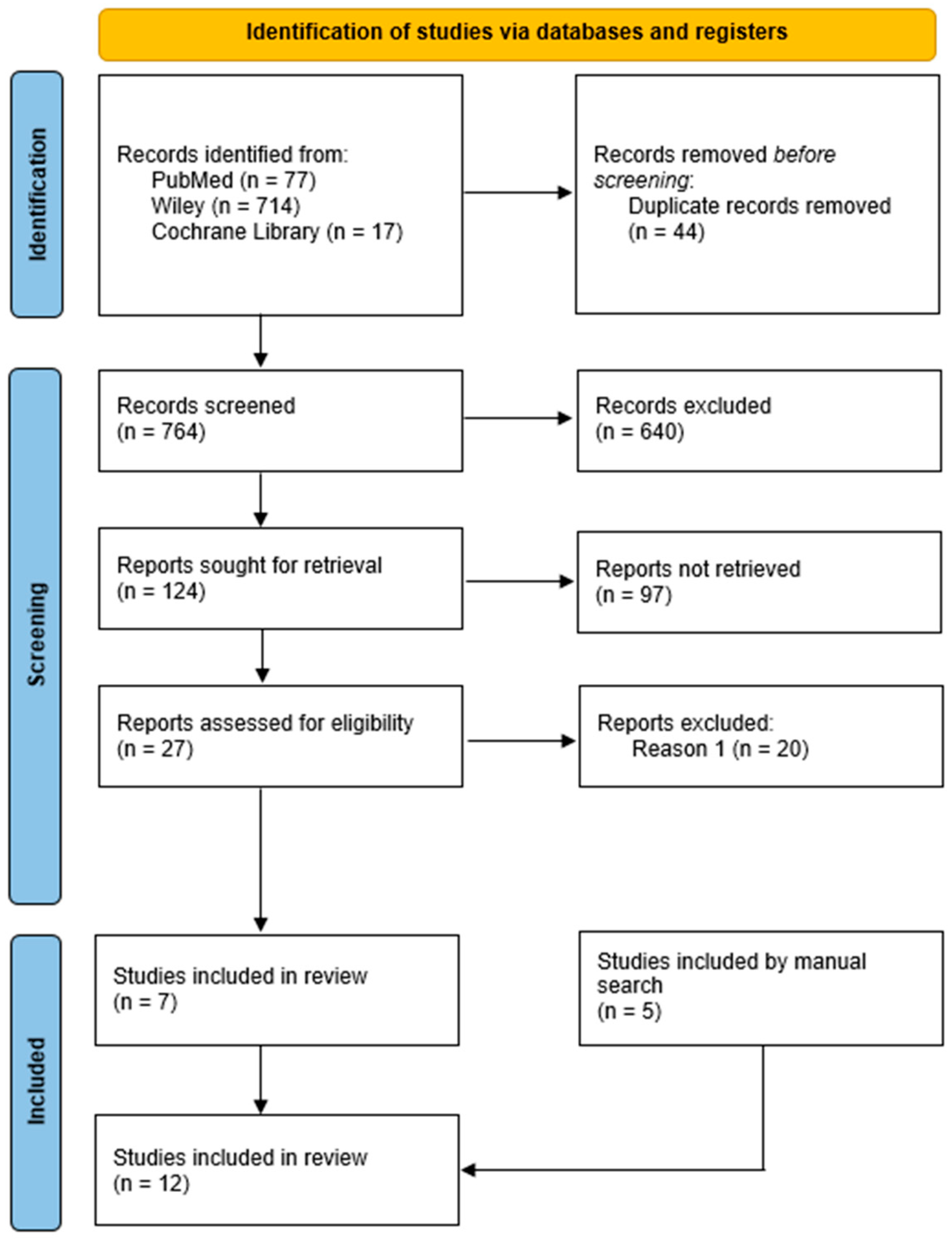
Searches of the PubMed, Wiley Library, and Cochrane Library databases identified a total of 808 articles, of which 44 were duplicates, resulting in 764 unique records. After screening titles and abstracts, 97 articles were excluded for not meeting the inclusion criteria. The remaining 27 studies were assessed in full text, of which 20 were excluded for not providing relevant information. Consequently, seven articles were selected and included. Subsequently, 5 additional studies were identified through manual searches, resulting in a total of 12 articles included in this systematic review, as shown in Figure 2.

3.2. Sample Characteristics for Study Quality

In the included randomized controlled trials, seven studies, Gizani et al. [36], 2016, Hasslöf et al. [37], 2022, Keller et al. [38], 2014, Bolla et al. [39], 2022, Cildir et al. [40], 2012, Ebrahim et al. [41], 2022, and García et al. [42], 2021, were considered to have a low risk of bias. Five studies, Stensson et al. [43], 2014, Alamoudi et al. [25], 2018, Kaur et al. [44], 2018, Tehrani et al. [45], 2016, and Alforaidi et al. [46], 2021, presented a moderate risk. Overall, the evidence included in this review is considered to have a low to moderate risk of bias. The quality assessments of the studies are presented in Table 3.

3.3. Characteristics of the Included Studies

For each eligible study included in this systematic review, data was collected on general characteristics such as author, year of publication, study design, study objective, population, duration of supplementation, bacterial strain, and probiotic vehicle. Outcomes, including caries prevalence, gingival health, bacterial counts, and salivary markers, were also recorded and analysed, as shown in Table 4.
Table 3. Joanna Briggs Institute Critical Appraisal Checklist for randomized controlled clinical trials.
Was the Randomization Method Adequate?Was the Allocation Method Adequate?Were the Groups Similar at the Start of the Study?Were the Participants Blinded?Were the Professionals Who Administered the Interventions Blinded?Were the Outcome Assessors Blinded?Were the Interventions Clearly Described and Applied Equally in Both Groups?Was the Primary Outcome Clearly Defined and Measured?Was There an Intention-to-Treat Analysis?Were Losses and Exclusions Described?Were Complications or Adverse Events Reported?Were the Study Results Accurate and Reliable?Were the Study Results Relevant to Clinical Practice?
Stensson et al., 2014 [43]YUYNUYYYUYNYY
Gizani et al., 2016 [36]YUYYYYYYUUNYY
Hasslöf et al., 2022 [37]YUYYYYYYUYNYY
Keller et al., 2014 [38]YUYYYYYYUUNYY
Alamoudi et al., 2018 [25]YUYUUUYYUUNYY
Kaur et al., 2018 [44]YUYUUUYYUUNYY
Bolla et al., 2022 [39]YUYYYYYYUUNYY
Cildir et al., 2012 [40]YUYYYYYYUUNYY
Tehrani et al., 2016 [45]YUYUUUYYUUNYY
Ebrahim et al., 2022 [41]YUYYYYYYUUNYY
García et al., 2021 [42]YUYYYYYYUUNYY
Alforaidi et al., 2021 [46]YUYUUUYYUUNYY
(Y)—Yes, (N)—No, (U)—Unclear.
Table 4. Data and outcomes from articles.
Authors and Year of PublicationStudy DesignObjectivesPopulationDuration of SupplementationBacterial StrainProbiotic VehicleOutcomes
Stensson et al., 2014 [43]Single-blind, placebo-controlled, multicenter trialAssess the influence on oral health at the age of 9 with daily oral supplementation of L. reuteri ATCC 55730 given to mothers during the last month of pregnancy and to children throughout their first year of life.113 childrenFor mothers: 4 weeks before birth
For children: during their first year of life
L. reuteri ATCC 55730Drops
-
Reduced caries prevalence: 82% of children in the probiotic group were caries-free, compared to 58% in the placebo group.
-
Lower prevalence of interproximal caries lesions in the probiotic group.
-
Fewer sites exhibited gingivitis compared to the placebo group.
-
No differences between groups in bacterial counts (L. reuteri, S. mutans and lactobacilli)
-
No differences in salivary SIgA levels in saliva, in both groups.
Gizani et al.,
2016 [36]
Double-blind
RCT
Evaluate the effect of daily probiotic lozenges administration, on white spot lesion formation and salivary counts of lactobacilli and S. mutans in patients with fixed orthodontic appliances.85 patients17 monthsL. reuteri (DSM 17938 and ATCC PTA 5289)Lozenges
-
No differences in white spot lesion incidence were observed between the groups at debonding.
-
Salivary lactobacilli levels significantly decreased in both groups at appliance removal compared to baseline, while S. mutans counts remained unchanged.
Hasslöf et al.,
2022 [37]
Double-blind
RCT
Determine the effect of probiotic-containing drops on the recurrence of dental caries in preschool children.38 children12 monthsL. reuteri (DSM 17938 and ATCC PTA 5289)Drops
-
After 12 months, 67% of the sample showed recurrent moderate/extensive lesions, with no differences between groups.
-
No beneficial effects on dental plaque or gingival inflammation were observed.
-
Probiotic supplementation with L. reuteri did not significantly reduce the recurrence of early childhood caries compared to the placebo group.
Keller et al.,
2014 [38]
Double-blind
RCT
Investigate the impact of probiotic lactobacilli tablets on early caries lesions in adolescents using quantitative light-induced fluorescence.36 adolescents3 monthsL. reuteri (DSM 17938 and ATCC PTA 5289)Tablets
-
No significant differences in fluorescence values and lesion areas were observed between the two groups at baseline or follow-up.
-
The test group showed a significant decrease in fluorescence over time, meaning less mineral loss in enamel.
Alamoudi et al., 2018 [25]RCTInvestigate the role of L. reuteri probiotic lozenges on caries-associated salivary bacterial counts (S. mutans and Lactobacillus), dental plaque accumulation, and
salivary buffer capacity in preschool children.
178 children28 daysL. reuteri (DSM 17938 and ATCC PTA 5289)Lozenges
-
The experimental group showed a statistically significant reduction in S. mutans and lactobacilli.
-
Both groups had less plaque accumulation than at baseline.
-
The experimental group had a greater increase in buffer capacity than the control group, but this was not statistically significant.
Kaur et al.,
2018 [44]
RCTAssess the impact of probiotic and xylitol-containing chewing gums on salivary S. mutans counts, plaque and gingival scores, following the intervention.40 children3 weeksL. reuteri (ATCC 55730 and ATCC PTA 5282)Chewing gums
-
Decrease of salivary S. mutans counts in both groups, with a significant reduction in plaque and gingival scores observed after the intervention.
-
Both probiotic and xylitol-containing chewing gums were equally effective in reducing S. mutans counts in children.
Bolla et al.,
2022 [39]
Double-blind
RCT
Evaluate the effects of L. reuteri, B. bifidum, and their combination on salivary S. mutans counts in children, and the sustainability of their action.60 subjects14 daysBifidobacterium bifidum (UBBB 55, MTCC 5398) and L. reuteri (UBLRu 87, MTCC 5403)Curds
-
Significant reduction in S. mutans was observed in the L. reuteri group, lasting at least 21 days since the intervention.
-
No significant changes in S. mutans levels were detected in the group consuming curd with B. bifidum since the intervention to day 14 or day 21.
-
Significant increase in S. mutans levels was noted in the group receiving curd with a combination of B. bifidum and L. reuteri since the intervention to day 14.
Cildir et al.,
2012 [40]
Double-blind, randomized crossover designInvestigate the effect of the probiotic L. reuteri on salivary S. mutans and Lactobacillus levels in children with cleft lip/palate using a novel drop containing L. reuteri.19 operated cleft lip/palate children25 daysL. reuteri (DSM 17938 and ATCC PTA 5289)Drops
-
No statistically significant reduction in salivary S. mutans and Lactobacillus levels was observed after 25 days in both control and test groups.
Tehrani et al.,
2016 [45]
RCTEvaluate the effect of a probiotic drop containing L. rhamnosus, Bifidobacterium infantis, and L. reuteri on salivary counts of S. mutans and Lactobacillus in children of 3 to 6 years old.61 children2 weeksL. rhamnosus ATCC 15820, Bifidobacterium infantis ATCC 15697 and L. reuteri ATCC 55730Drops
-
S. mutans level decreased significantly in the probiotic group after intervention, and there were significant differences in salivary S. mutans counts after intervention between the two groups.
-
In the probiotic group, Lactobacillus counts decreased significantly after the intervention; however, there were no significant differences between the two groups.
-
The probiotic drop lowered S. mutans counts, especially in children with higher salivary counts, while Lactobacillus counts remained unchanged.
Ebrahim et al., 2022 [41]Double-blind RCTDetermine the effectiveness of the commercially available Lorodent Probiotic Complex in reducing plaque accumulation and S. mutans levels in adolescent orthodontic patients.60 adolescents28 daysStreptococcus. salivarius K12, Lacticaseibacillus paracasei, Lactiplantibacillus plantarum, L. acidophilus, Ligilactobacillus salivarius and L. reuteriLozenges
-
No significant changes were observed in the Plaque Index (PI), composite PI scores, or relative S. mutans DNA levels in saliva and plaque between the probiotic and placebo groups at any time point.
García et al.,
2021 [42]
Double-blind
RCT
Examine the impacts of a probiotic on oral health indices in adolescents and analyze the relationships between these indices, dietary habits, and oral hygiene.27 adolescents28 daysL. reuteri (DSM 17938 and ATCC 5289)Tablets
-
Improvements were noted in dental plaque, gingivitis, and bleeding in both groups although they did not reach statistical significance.
-
Increase of oral pH in the study group, although the variation was not statistically significant.
Alforaidi et al., 2021 [46]RCTAnalyze the impact of probiotics on biofilm acidogenicity and the levels of salivary S. mutans and lactobacilli in orthodontic patients.28 subjects3 weeksL. reuteri (DSM 17938 and ATCC PTA 5289)Drops
-
Plaque pH significantly increased in the test group after three weeks, with no significant changes in pH in the placebo group compared to baseline.
-
The three-week stimulated whole saliva samples showed no statistically significant difference in the number of S. mutans and lactobacilli between the two groups.
-
qPCR analysis demonstrated that both strains were able to colonize the dental biofilm without significantly affecting the microbial counts.
-
A mixture of L. reuteri reduced the pH decline at the three-week follow-up.
B. bifidum: Bifidobacterium bifidum; L. acidophilus: Lactobacillus acidophilus; L. reuteri: Limosilactobacillus reuteri; L. rhamnosus: Lactobacillus rhamnosus; PI: Plaque Index; pH: potential of hydrogen; qPCR: quantitative Polymerase Chain Reaction; RCT: Randomized Controlled Trial; SIgA: secretory IgA; S. mutans: Streptococcus mutans.

4. Discussion

4.1. Limosilactobacillus Reuteri as an Alternative Approach Against Pediatric Dental Caries

4.1.1. Mechanisms of Action of L. Reuteri in Caries Prevention

The oral cavity hosts several microbial species, with hard dental tissues providing ideal spaces for colonization due to their gaps and fissures. These microorganisms colonize the oral cavity through initial adhesion, followed by biofilm maturation and acid production. Bacterial biofilms significantly contribute to caries lesion development over time [44,47,48].
Dental caries arises from tooth demineralization caused by sustained acidity in the oral environment and is influenced by multiple factors, including interactions between cariogenic bacteria, host immune responses, carbohydrate-rich diets, and duration of exposure. Acidogenic bacteria, such as S. mutans and lactobacilli, play a central role in caries formation within dental plaque by metabolizing dietary carbohydrates into acids. This acid production lowers oral pH, resulting in mineral loss through a dynamic demineralization–remineralization cycle [38,41,42,44,46]. Early detection and minimally invasive management of caries lesions are therefore essential components of modern oral healthcare [38].
Over the years, various antimicrobial strategies have been explored, with growing attention on probiotics as a natural alternative for maintaining oral health [38,44]. Probiotics are live microorganisms that confer health benefits to the host when administered in adequate amounts [37]. They act by introducing beneficial bacterial strains into the oral microbiota, inhibiting pathogenic colonization and growth, and supporting overall microbial homeostasis [36].
Among probiotics, L. reuteri is a Gram-positive, heterofermentative lactic acid bacterium naturally present in the gastrointestinal tract and oral cavity of humans and other mammals. Uniquely, it can colonize the oral mucosa and produce antimicrobial compounds, such as reuterin and bacteriocins, which inhibit cariogenic and periodontopathogenic bacteria. Its probiotic potential has been widely studied due to its dual ability to modulate the host immune system and maintain microbial balance within the oral biofilm [49,50,51]. L. reuteri Daily consumption of L. reuteri may help restore or sustain oral biofilm stability, thereby promoting both gastrointestinal and oral health [46,52].
Previous research has demonstrated that probiotics benefit oral health by pathogen colonization through multiple mechanisms: co-aggregation, antimicrobial compound production, competitive inhibition of harmful microbes for adhesion sites and nutrients, and immune modulation at both local and systemic levels [38,39,45].
From a safety perspective, L. reuteri is generally recognized as safe (GRAS status) and has demonstrated high tolerability in pediatric populations across multiple clinical trials. However, as with other probiotics, caution is recommended in severely immunocompromised individuals or those with central venous catheters, as rare cases of bacteremia have been described [53,54].

4.1.2. Early Life Interventions and Influence of Breastfeeding

Early microbial colonization of the oral cavity is essential, as the first 1000 days of life present a huge opportunity to shape the microbiota through pre- and probiotic interventions for healthy growth and development. In fact, several studies suggest that probiotic supplementation in infants, children and adolescents significantly reduces caries prevalence [37,38,43,44]. This reduction can be achieved by L. reuteri supplementation, which, through its diverse mechanisms, uses multiple mechanisms to decrease levels of S. mutans and lactobacilli, the primary bacterial species involved in dental caries development [36,39,43].
Since L. reuteri is naturally present in breast milk, breastfeeding may confer additional benefits by promoting early colonization of the oral cavity and potentially reducing S. mutans levels [37,43]. Stensson et al. [43] reported that 60 children who received L. reuteri ATCC 55730 supplementation from birth through their first year exhibited a reduced prevalence of dental caries, particularly on interproximal surfaces of primary teeth at age 9.
In another study, primary dentition was evaluated using clinical and radiographic examinations for interproximal caries, along with assessments of dental plaque, gingival health, and salivary concentrations of S. mutans, lactobacilli, and secretory IgA (SIgA). No significant differences were observed between groups in bacterial counts or salivary SIgA levels. However, a reduced prevalence of caries and interproximal lesions was reported based on clinical and radiographic findings. These discrepancies may reflect the transient nature of probiotic colonization, as probiotics administered nearly eight years earlier may not be detectable in saliva at later sampling [43].
Interestingly, the observed reduction in caries prevalence despite unchanged bacterial counts could be related to elevated salivary IgA levels in the probiotic group, which, although not statistically significant, may have contributed to inhibition of S. mutans activity [43].

4.1.3. Effectiveness of Different Probiotic Delivery Vehicles in Children

L. reuteri is administered in various formulations, including drops, lozenges, tablets, chewing gums, yogurts, and fermented dairy products. These delivery methods influence its stability, contact time, and efficacy within the oral cavity. Among drop-based interventions, Stensson et al. [43] and Hasslöf et al. [37] evaluated preschool children using supplements containing two L. reuteri strains: DSM 17938 (from human breast milk) and ATCC PTA 5289 (from the oral cavity). Despite prior evidence of these strains promoting remineralization and reducing pathogenic bacteria, the studies observed a high rate (67%) of recurrent moderate to extensive early childhood caries (ECC) after 12 months, indicating no significant reduction in ECC recurrence compared to placebo. Although this combination has been reported to induce remineralization and reduce pathogenic bacteria in school children, the lack of efficacy may be influenced by factors such as administration duration, strain selection, or individual variations in oral microbiota. Nevertheless, probiotics may still serve as co-adjuvant therapies when combined with effective oral hygiene practices [37].
Other studies in younger and adolescent populations have investigated tablets, lozenges, and curd. Keller et al. [38] reported a trend toward reduced demineralization in adolescents consuming L. reuteri tablets (DSM 17938 and ATCC PTA 5289) for three months, although differences were not statistically significant when compared with placebo. In younger populations, Bolla et al. [39] observed that curd containing L. reuteri UBLRu87 and Bifidobacterium bifidum UBBB55 unexpectedly increased S. mutans counts, possibly due to interspecies competition, whereas curd with L. reuteri alone reduced S. mutans for up to 21 days, demonstrating a transient but sustained effect requiring daily consumption.
Drop-based formulations containing L. rhamnosus ATCC 15820, L. reuteri ATCC 55730, and B. infantis ATCC 15697 significantly reduced salivary S. mutans in children aged 3–6 years, though Lactobacillus counts were variable. Similarly, Cildir et al. [40] evaluated drops with L. reuteri DSM 17938 and ATCC PTA 5289 in children aged 4–12 years with cleft lip/palate. After 25 days, no significant reductions in salivary S. mutans or Lactobacillus were observed, suggesting that efficacy may depend on population characteristics and duration of administration.
In contrast, solid formulations have generally shown more consistent benefits. Alamoudi et al. [25] demonstrated that L. reuteri lozenges significantly reduced S. mutans and Lactobacillus in preschoolers, likely due to reuterin production, with high acceptability and safety. Kaur et al. [44] reported similar benefits using chewing gum containing L. reuteri, showing reductions in S. mutans, plaque, and gingival scores, along with improved saliva buffering. García et al. [42] observed stabilization of Lactobacillus and a less pronounced increase in S. mutans in adolescents consuming probiotic tablets, with a trend toward increased oral pH.
Among the included studies, the most frequently tested L. reuteri strains were DSM 17938 and ATCC PTA 5289, used in combination in approximately 58% of trials. The strain ATCC 55730 appeared in about 25% of studies, either alone or in combination with other species, while less common variants such as ATCC PTA 5282 and UBLRu87 (MTCC 5403) were each used in about 8% of studies. One trial evaluated a multistrain commercial formulation containing L. reuteri without specifying the strain.
Drops were the most commonly used delivery vehicle (42%), followed by lozenges (25%) and tablets (17%), while chewing gums and curds were less frequent (8% each). Although drops are convenient and facilitate compliance, solid formulations, such as lozenges, tablets, and chewable gums, generally demonstrate superior efficacy [25,38,44]. A key limitation in interpreting results is the substantial heterogeneity across studies in strains, dosages, administration duration, and delivery systems, which may explain the variability in outcomes.

4.1.4. Probiotics in Pediatric Orthodontic Patients

Orthodontic patients are at higher risk of developing caries due to increased biofilm accumulation around brackets. Nowadays, even complex orthodontic movements can be performed using aligners instead of fixed braces, which facilitates better oral hygiene and consequently reduces the risk of cavities, periodontal inflammation, and dental decalcification. [55,56,57] After the placement of fixed orthodontic appliances, a rapid shift occurs in the composition of dental plaque microbiota. The biofilm becomes enriched with acidogenic species, particularly S. mutans and Lactobacillus spp. [58].
Ebrahim et al. [41] examined multistrain lozenges containing L. reuteri in adolescents with fixed appliances. Despite high compliance, no significant differences were observed in Plaque Index (PI) or S. mutans counts, likely due to the low colony-forming unit (CFU) concentration (~105 per lozenge versus ~109 commonly used) and the challenges of maintaining oral hygiene with fixed appliances. Similarly, Alforaidi et al. [46] evaluated L. reuteri drops (DSM17938 and ATCC PTA5289) and found no significant differences in S. mutans or lactobacilli counts between groups. However, bacterial levels remained stable in the test group while increasing in the placebo group, and plaque pH and buffering capacity improved, suggesting a temporary modulation of oral biofilm and acid stress.
Collectively, these findings emphasize that in orthodontic patients, probiotic effectiveness is limited by factors such as delivery method, dosage, and biofilm accumulation. Sustained and adequate probiotic intake, combined with proper oral hygiene, is crucial to achieving meaningful caries prevention [41,46].

4.2. Limosilactobacillus Reuteri as an Adjuvant on Periodontal Therapy

4.2.1. Effects in Children and Adolescents

The use of L. reuteri as a probiotic adjuvant in children and adolescents has shown mixed results among reports. Stensson et al. [43] reported that children treated with drops containing L. reuteri ATCC 55730 exhibited a significantly lower incidence of gingival inflammation compared to controls. In contrast, Hasslöf et al. [37] reported no beneficial effects on plaque or gingival inflammation with drops containing two strains (DSM17938 and ATCCPTA5289). These differences may possibly be due to the use of differences in strains, methodologies, study duration, or interruptions from the COVID-19 pandemic.
Alamoudi et al. [25], using the same strains, observed less plaque accumulation in both probiotic and control groups, although the probiotic group showed a greater increase in salivary buffering capacity. This suggests that observed changes may also reflect improved oral hygiene practices rather than probiotic effects alone. García et al. [42] evaluated probiotic tablets in adolescents and found trends of improvement in Plaque Index (PI) and Gingival Index (GI) in the probiotic group, but results were not statistically significant, and the Bleeding Index (BI) remained unchanged. These findings align with evidence in adults, as summarized by Butera et al. [59], who demonstrated that domiciliary probiotic protocols can enhance outcomes of non-surgical periodontal therapy. While the populations differ, these results collectively support the notion that L. reuteri contributes to microbial balance and inflammation control across age groups.
Continuous administration, parental supervision, and combination with fluoride use are recommended to optimize benefits. Evidence suggests that solid formulations, such as lozenges, tablets, or chewable gums, generally provide better contact time and clinical efficacy than liquid drops.

4.2.2. Effects During Orthodontic Treatment

Orthodontic patients are at increased risk of plaque accumulation due to fixed appliances, which can exacerbate gingivitis and caries risk. Agossa et al. [52] evaluated lozenges containing two strains (L. reuteri DSM 17938 and ATCC PTA 5289) combined with tooth brushing in adolescents with fixed orthodontic appliances. The six-month study assessed clinical oral parameters and salivary inflammation biomarkers, with the final three months evaluating lasting effects after probiotic administration, aiming to determine whether six weeks of supplementation could positively modulate the oral microbiota.
A study protocol by Seidel et al. [60] investigated the same strains in adolescents with fixed orthodontic appliances, adjusting lozenge administration to 12 weeks starting at appliance placement to optimize therapeutic efficacy. The effectiveness of the Gingival Index and Bleeding on Probing remains uncertain due to delayed administration in previous studies, the lack of short-term follow-up assessments, and insufficient post-treatment evaluation. Ebrahim et al. [41] evaluated the Lorodent Probiotic Complex in adolescents with braces and found no significant differences in PI or composite PI scores. The authors suggest that proper pre-treatment hygiene, possibly using chlorhexidine, could improve probiotic colonization and efficacy. In contrast, Kaur et al. [44] observed that chewing gums containing L. reuteri significantly reduced plaque and gingival scores, likely through a combination of increased salivary flow, mechanical cleaning, and anti-inflammatory effects, partially mediated by reuterin. Probiotics may support periodontal health in orthodontic patients, but outcomes depend on strain selection, delivery method, treatment duration, and baseline oral hygiene.
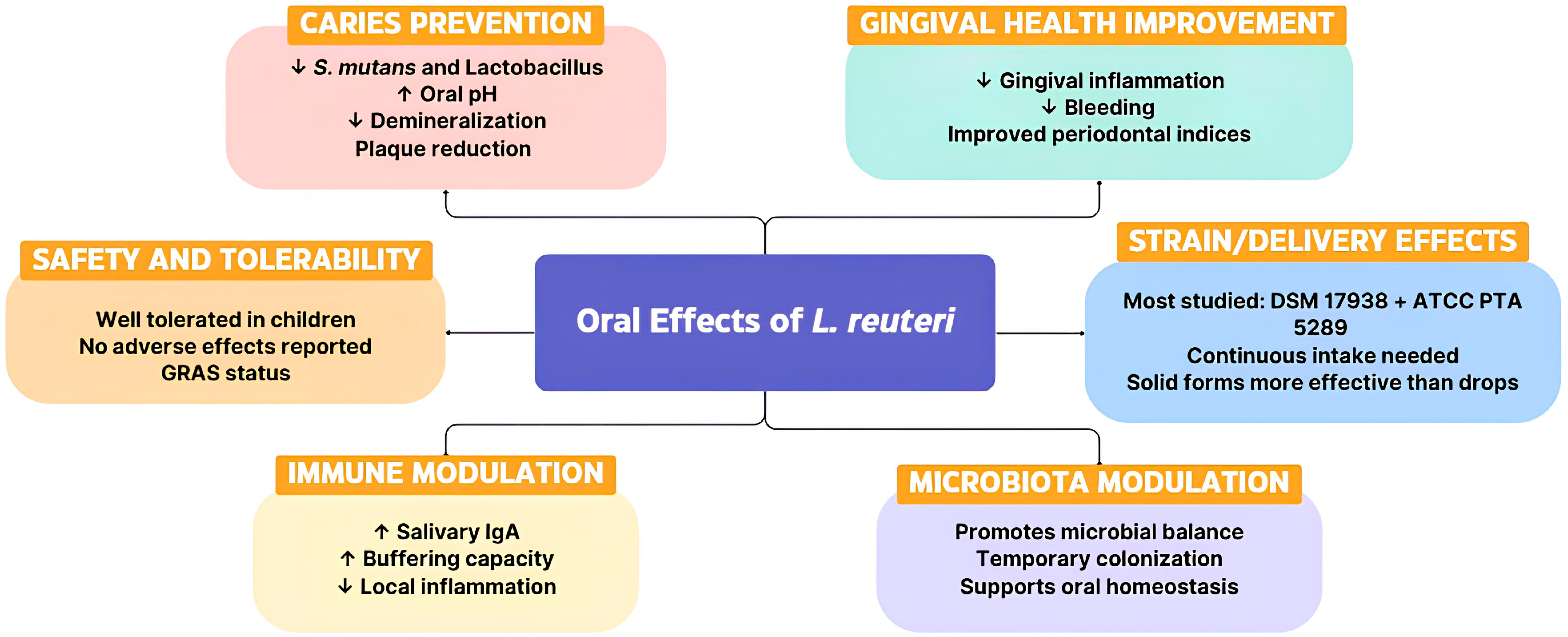
Figure 3 summarizes the main oral effects of L. reuteri, highlighting its mechanisms of action and clinical relevance in children and adolescents.
Overall, the evidence supports that L. reuteri exerts multiple benefits within the oral cavity through diverse, strain-dependent mechanisms. These include modulation of the oral microbiota, enhancement of salivary immune responses, maintenance of pH balance, and reduction of pathogenic biofilm accumulation, ultimately contributing to caries prevention and improved gingival health in pediatric populations.

5. Conclusions

L. reuteri offers multiple benefits for pediatric oral health. Naturally present in the oral cavity and gastrointestinal tract, it can colonize the mouth through breastfeeding and dairy consumption. L. reuteri reduces S. mutans and lactobacilli levels, helping prevent dental caries, and certain strains, like ATCC PTA 5289, show minimal acid production, lowering the risk of enamel demineralization. It also improves periodontal health by increasing oral pH and modulating microbial balance through co-aggregation, antimicrobial production (e.g., reuterin), competitive inhibition, and immune modulation.
However, these conclusions should be interpreted cautiously. The evidence is limited by substantial heterogeneity in probiotic strains, dosages, delivery methods, and study durations, which reduces comparability across studies. Additional limitations include small sample sizes, short follow-up periods, variations in oral hygiene practices, dietary habits, participant compliance, and potential publication bias. Some studies were also influenced by external factors, such as the COVID-19 pandemic. Larger, well-controlled, standardized trials are needed to better establish efficacy and determine optimal protocols for L. reuteri use in pediatric oral health. Despite current limitations, L. reuteri shows promising potential as a safe adjunct in pediatric oral health strategies.

Author Contributions

Conceptualization, J.P.C., R.G. and A.R.; methodology, J.P.C., R.G., and A.R.; validation, P.R., C.F.R., J.C.A. and A.R.; formal analysis, A.R.; investigation, J.P.C. and R.G.; data curation, J.P.C. and R.G.; writing—original draft preparation, J.P.C., R.G., and A.R.; writing—review and editing, J.P.C., R.G., and A.R.; supervision, P.R., C.F.R., J.C.A. and A.R. All authors have read and agreed to the published version of the manuscript.

Funding

This research received no external funding.

Institutional Review Board Statement

Not applicable.

Informed Consent Statement

Not applicable.

Data Availability Statement

The original contributions presented in this study are included in the article. Further inquiries can be directed to the corresponding author.

Conflicts of Interest

The authors declare no conflicts of interest.

Abbreviations

The following abbreviations are used in this manuscript:
B. bifidumBifidobacterium bifidum
BIBleeding Index
ECCEarly Childhood Caries
GIGingival Index
L. acidophilusLactobacillus acidophilus
L. caseiLactobacillus casei
L. reuteriLimosilactobacillus reuteri
L. rhamnosusLactobacillus rhamnosus
pHpotential of hydrogen
PIPlaque Index
PICOSPopulation, Intervention, Comparison, Outcome, Study Design
PRISMAPreferred Reporting Items for Systematic Reviews and Meta-Analyses
qPCRquantitative Polymerase Chain Reaction
RCTRandomized Controlled Trial
SIgASecretory IgA
S. mutansStreptococcus mutans

References

  1. Ptasiewicz, M.; Grywalska, E.; Mertowska, P.; Korona-Głowniak, I.; Poniewierska-Baran, A.; Niedźwiedzka-Rystwej, P.; Chałas, R. Armed to the Teeth—The Oral Mucosa Immunity System and Microbiota. Int. J. Mol. Sci. 2022, 23, 882. [Google Scholar] [CrossRef]
  2. Baker, J.L.; Mark Welch, J.L.; Kauffman, K.M.; McLean, J.S.; He, X. The Oral Microbiome: Diversity, Biogeography and Human Health. Nat. Rev. Microbiol. 2023, 22, 89. [Google Scholar] [CrossRef] [PubMed]
  3. Rajão, A.; Silva, J.P.N.; Almeida-Nunes, D.L.; Rompante, P.; Rodrigues, C.F.; Andrade, J.C. Limosilactobacillus reuteri AJCR4: A Potential Probiotic in the Fight Against Oral Candida spp. Biofilms. Int. J. Mol. Sci. 2025, 26, 638. [Google Scholar] [CrossRef]
  4. Karczewski, J.; Poniedziałek, B.; Adamski, Z.; Rzymski, P. The Effects of the Microbiota on the Host Immune System. Autoimmunity 2014, 47, 494–504. [Google Scholar] [CrossRef]
  5. Lamont, R.J.; Koo, H.; Hajishengallis, G. The Oral Microbiota: Dynamic Communities and Host Interactions. Nat. Rev. Microbiol. 2018, 16, 745–759. [Google Scholar] [CrossRef]
  6. Vazquez-Munoz, R.; Dongari-Bagtzoglou, A. Anticandidal Activities by Lactobacillus Species: An Update on Mechanisms of Action. Front. Oral Health 2021, 2, 689382. [Google Scholar] [CrossRef]
  7. Saha, S.; Tomaro-Duchesneau, C.; Rodes, L.; Malhotra, M.; Tabrizian, M.; Prakash, S. Investigation of Probiotic Bacteria as Dental Caries and Periodontal Disease Biotherapeutics. Benef. Microbes 2014, 5, 447–460. [Google Scholar] [CrossRef]
  8. Du, Q.; Ren, B.; Zhou, X.; Zhang, L.; Xu, X. Cross-Kingdom Interaction between Candida Albicans and Oral Bacteria. Front. Microbiol. 2022, 13, 911623. [Google Scholar] [CrossRef]
  9. Jindal, G.; Pandey, R.K.; Singh, R.K.; Pandey, N. Can Early Exposure to Probiotics in Children Prevent Dental Caries? A Current Perspective. J. Oral Biol. Craniofacial Res. 2012, 2, 110–115. [Google Scholar] [CrossRef] [PubMed][Green Version]
  10. Veerapandian, R.; Paudyal, A.; Schneider, S.M.; Lee, S.T.M.; Vediyappan, G. A Mouse Model of Immunosuppression Facilitates Oral Candida Albicans Biofilms, Bacterial Dysbiosis and Dissemination of Infection. Front. Cell Infect. Microbiol. 2024, 14, 1467896. [Google Scholar] [CrossRef] [PubMed]
  11. Seminario-Amez, M.; López-López, J.; Estrugo-Devesa, A.; Ayuso-Montero, R.; Jané-Salas, E. Probiotics and Oral Health: A Systematic Review. Med. Oral Patol. Oral Y Cir. Bucal 2017, 22, e282–e288. [Google Scholar] [CrossRef]
  12. Beattie, R.E. Probiotics for Oral Health: A Critical Evaluation of Bacterial Strains. Front. Microbiol. 2024, 15, 1430810. [Google Scholar] [CrossRef]
  13. Saha, S. Suppression of Streptococcus Mutans and Candida Albicans by Probiotics:An In Vitro Study. Dentistry 2012, 2, 141. [Google Scholar] [CrossRef]
  14. Sung, V.; Hiscock, H.; Tang, M.L.K.; Mensah, F.K.; Nation, M.L.; Satzke, C.; Heine, R.G.; Stock, A.; Barr, R.G.; Wake, M. Treating Infant Colic with the Probiotic Lactobacillus reuteri: Double Blind, Placebo Controlled Randomised Trial. BMJ 2014, 348, g2107. [Google Scholar] [CrossRef] [PubMed]
  15. Plaza-Diaz, J.; Ruiz-Ojeda, F.J.; Gil-Campos, M.; Gil, A. Mechanisms of Action of Probiotics. Adv. Nutr. 2019, 10 (Suppl 1), S49. [Google Scholar] [CrossRef]
  16. D’errico, G.; Bianco, E.; Tregambi, E.; Maddalone, M. Usage of Lactobacillus reuteri Dsm 17938 and Atcc Pta 5289 in the Treatment of the Patient with Black Stains. World J. Dent. 2021, 12, 32–37. [Google Scholar] [CrossRef]
  17. Saxelin, M.; Tynkkynen, S.; Mattila-Sandholm, T.; De Vos, W.M. Probiotic and Other Functional Microbes: From Markets to Mechanisms. Curr. Opin. Biotechnol. 2005, 16, 204–211. [Google Scholar] [CrossRef]
  18. Allaker, R.P.; Stephen, A.S. Use of Probiotics and Oral Health. Curr. Oral Health Rep. 2017, 4, 309–318. [Google Scholar] [CrossRef]
  19. Bizzini, B.; Pizzo, G.; Scapagnini, G.; Nuzzo, D.; Vasto, S. Probiotics and oral health. Curr. Pharm. Des. 2012, 18, 5522–5531. [Google Scholar] [CrossRef] [PubMed]
  20. Rossoni, R.D.; de Barros, P.P.; de Alvarenga, J.A.; Ribeiro, F.d.C.; Velloso, M.d.S.; Fuchs, B.B.; Mylonakis, E.; Jorge, A.O.C.; Junqueira, J.C. Antifungal Activity of Clinical Lactobacillus Strains against Candida albicans Biofilms: Identification of Potential Probiotic Candidates to Prevent Oral Candidiasis. Biofouling 2018, 34, 212–225. [Google Scholar] [CrossRef] [PubMed]
  21. Maccelli, A.; Carradori, S.; Puca, V.; Sisto, F.; Lanuti, P.; Crestoni, M.E.; Lasalvia, A.; Muraro, R.; Bysell, H.; Sotto, A.D.; et al. Correlation between the Antimicrobial Activity and Metabolic Profiles of Cell Free Supernatants and Membrane Vesicles Produced by Lactobacillus reuteri DSM 17938. Microorganisms 2020, 8, 1653. [Google Scholar] [CrossRef]
  22. Andrade, J.C.; Kumar, S.; Kumar, A.; Černáková, L.; Rodrigues, C.F. Application of Probiotics in Candidiasis Management. Crit. Rev. Food Sci. Nutr. 2022, 62, 8249–8264. [Google Scholar] [CrossRef] [PubMed]
  23. Mu, Q.; Tavella, V.J.; Luo, X.M. Role of Lactobacillus reuteri in Human Health and Diseases. Front. Microbiol. 2018, 9, 757. [Google Scholar] [CrossRef]
  24. Marinacci, B.; Pellegrini, B.; Roos, S. A Mini-Review: Valuable Allies for Human Health: Probiotic Strains of Limosilactobacillus Reuteri. Ital. J. Anat. Embryol. 2023, 127, 57–60. [Google Scholar] [CrossRef]
  25. Alamoudi, N.M.; Almabadi, E.S.; El Ashiry, E.A.; El Derwi, D.A. Effect of Probiotic Lactobacillus reuteri on Salivary Cariogenic Bacterial Counts among Groups of Preschool Children in Jeddah, Saudi Arabia: A Randomized Clinical Trial. J. Clin. Pediatr. Dent. 2018, 42, 331–337. [Google Scholar] [CrossRef]
  26. Mathur, V.P.; Dhillon, J.K. Dental Caries: A Disease Which Needs Attention. Indian. J. Pediatr. 2018, 85, 202–206. [Google Scholar] [CrossRef] [PubMed]
  27. Chen, X.; Jia, L.; Wang, Q.; Wang, J.J.; Tian, Y.; Zhang, Z.; Xie, L. Global, Regional, and National Burden of Caries in Primary Teeth from 1990 to 2021: Results from the Global Burden of Disease Study 2021. BMC Oral Health 2025, 25, 1381. [Google Scholar] [CrossRef]
  28. Moraes, R.B.; Menegazzo, G.R.; Knorst, J.K.; Ardenghi, T.M. Availability of Public Dental Care Service and Dental Caries Increment in Children: A Cohort Study. J. Public Health Dent. 2021, 81, 57–64. [Google Scholar] [CrossRef]
  29. Perinetti, G.; Caputi, S.; Varvara, G. Risk/Prevention Indicators for the Prevalence of Dental Caries in Schoolchildren: Results from the Italian OHSAR Survey. Caries Res. 2005, 39, 9–19. [Google Scholar] [CrossRef] [PubMed]
  30. Walsh, T.; Worthington, H.V.; Glenny, A.M.; Marinho, V.C.C.; Jeroncic, A. Fluoride Toothpastes of Different Concentrations for Preventing Dental Caries. Cochrane Database Syst. Rev. 2019, 3. [Google Scholar] [CrossRef]
  31. Marsh, P.D. Are Dental Diseases Examples of Ecological Catastrophes? Microbiology 2003, 149 Pt 2, 279–294. [Google Scholar] [CrossRef]
  32. Twetman, S.; Jørgensen, M.R. Can Probiotic Supplements Prevent Early Childhood Caries? A Systematic Review and Meta-Analysis. Benef. Microbes 2021, 12, 231–238. [Google Scholar] [CrossRef] [PubMed]
  33. Yu, X.; Devine, D.A.; Vernon, J.J. Manipulating the Diseased Oral Microbiome: The Power of Probiotics and Prebiotics. J. Oral. Microbiol. 2024, 16, 2307416. [Google Scholar] [CrossRef] [PubMed]
  34. Page, M.J.; McKenzie, J.E.; Bossuyt, P.M.; Boutron, I.; Hoffmann, T.C.; Mulrow, C.D.; Shamseer, L.; Tetzlaff, J.M.; Akl, E.A.; Brennan, S.E.; et al. The PRISMA 2020 Statement: An Updated Guideline for Reporting Systematic Reviews. BMJ 2021, 372, n71. [Google Scholar] [CrossRef]
  35. Tufanaru, C.; Munn, Z.; Aromataris, E.; Campbell, J.; Hopp, L. Chapter 3: Systematic reviews of effectiveness. In Joanna Briggs Institute Reviewer’s Manual; Aromataris, E., Munn, Z., Eds.; The Joanna Briggs Institute: Adelaide, Australia, 2017. [Google Scholar]
  36. Gizani, S.; Petsi, G.; Twetman, S.; Caroni, C.; Makou, M.; Papagianoulis, L. Effect of the Probiotic Bacterium Lactobacillus reuteri on White Spot Lesion Development in Orthodontic Patients. Eur. J. Orthod. 2016, 38, 85–89. [Google Scholar] [CrossRef]
  37. Hasslöf, P.; Granqvist, L.; Stecksén-Blicks, C.; Twetman, S. Prevention of Recurrent Childhood Caries with Probiotic Supplements: A Randomized Controlled Trial with a 12-Month Follow-Up. Probiotics Antimicrob. Proteins 2022, 14, 384–390. [Google Scholar] [CrossRef] [PubMed]
  38. Keller, M.K.; Larsen, I.N.; Karlsson, L.; Twetman, S. Effect of Tablets Containing Probiotic Bacteria (Lactobacillus reuteri) on Early Caries Lesions in Adolescents: A Pilot Study. Benef. Microbes 2014, 5, 403–407. [Google Scholar] [CrossRef]
  39. Bolla, V.L.; Reddy, M.S.; Srinivas, N.; Reddy, C.S.; Koppolu, P. Investigation and Comparison of the Effects of Two Probiotic Bacteria, and in Reducing Mutans Streptococci Levels in the Saliva of Children. Ann. Afr. Med. 2022, 21, 395–402. [Google Scholar] [CrossRef]
  40. Cildir, S.K.; Sandalli, N.; Nazli, S.; Alp, F.; Caglar, E. A Novel Delivery System of Probiotic Drop and Its Effect on Dental Caries Risk Factors in Cleft Lip/Palate Children. Cleft Palate-Craniofacial J. 2012, 49, 369–372. [Google Scholar] [CrossRef]
  41. Ebrahim, F.; Malek, S.; James, K.; Macdonald, K.; Cadieux, P.; Burton, J.; Cioffi, I.; Lévesque, C.; Gong, S.G. Effectiveness of the Lorodent Probiotic Lozenge in Reducing Plaque and Streptococcus mutans Levels in Orthodontic Patients: A Double-Blind Randomized Control Trial. Front. Oral Health 2022, 3, 884683. [Google Scholar] [CrossRef]
  42. Borrell García, C.; Ribelles Llop, M.; García Esparza, M.Á.; Flichy-Fernández, A.J.; Marqués Martínez, L.; Izquierdo Fort, R. The Use of Lactobacillus reuteri DSM 17938 and ATCC PTA 5289 on Oral Health Indexes in a School Population: A Pilot Randomized Clinical Trial. Int. J. Immunopathol. Pharmacol. 2021, 35, 20587384211031107. [Google Scholar] [CrossRef]
  43. Stensson, M.; Koch, G.; Coric, S.; Abrahamsson, T.R.; Jenmalm, M.C.; Birkhed, D.; Wendt, L.K. Oral Administration of Lactobacillus reuteri during the First Year of Life Reduces Caries Prevalence in the Primary Dentition at 9 Years of Age. Caries Res. 2014, 48, 111–117. [Google Scholar] [CrossRef]
  44. Kaur, K.; Nekkanti, S.; Madiyal, M.; Choudhary, P. Effect of Chewing Gums Containing Probiotics and Xylitol on Oral Health in Children: A Randomized Controlled Trial. J. Int. Oral Health 2018, 10, 237–243. [Google Scholar] [CrossRef]
  45. Tehrani, M.; Akhlaghi, N.; Talebian, L.; Emami, J.; Keyhani, S. Effects of Probiotic Drop Containing Lactobacillus Rhamnosus, Bifidobacterium Infantis, and Lactobacillus reuteri on Salivary Streptococcus Mutans and Lactobacillus Levels. Contemp. Clin. Dent. 2016, 7, 469–474. [Google Scholar] [CrossRef] [PubMed]
  46. Alforaidi, S.; Bresin, A.; Almosa, N.; Lehrkinder, A.; Lingström, P. Effect of Drops Containing Lactobacillus reuteri (DSM 17938 and ATCC PTA 5289) on Plaque Acidogenicity and Other Caries-Related Variables in Orthodontic Patients. BMC Microbiol. 2021, 21, 271. [Google Scholar] [CrossRef] [PubMed]
  47. Marsh, P.D.; Zaura, E. Dental biofilm: Ecological interactions in health and disease. J. Clin. Periodontol. 2017, 44 (Suppl. S18), S12–S22. [Google Scholar] [CrossRef]
  48. Kolenbrander, P.E.; Palmer, R.J.; Rickard, A.H.; Jakubovics, N.S.; Chalmers, N.I.; Diaz, P.I. Bacterial Interactions and Successions during Plaque Development. Periodontol. 2000 2006, 42, 47–79. [Google Scholar] [CrossRef] [PubMed]
  49. Meurman, J.H.; Stamatova, I. Probiotics: Contributions to Oral Health. Oral Dis. 2007, 13, 443–451. [Google Scholar] [CrossRef]
  50. Vaccari, R.; Ryffel, B.; Mazziotta, C.; Tognon, M.; Martini, F.; Torreggiani, E.; Rotondo, J.C. Probiotics Mechanism of Action on Immune Cells and Beneficial Effects on Human Health. Cells 2023, 12, 184. [Google Scholar] [CrossRef]
  51. Walter, J. Ecological Role of Lactobacilli in the Gastrointestinal Tract: Implications for Fundamental and Biomedical Research. Appl. Environ. Microbiol. 2008, 74, 4985. [Google Scholar] [CrossRef]
  52. Agossa, K.; Dubar, M.; Lemaire, G.; Blaizot, A.; Catteau, C.; Bocquet, E.; Nawrocki, L.; Boyer, E.; Meuric, V.; Siepmann, F. Effect of Lactobacillus reuteri on Gingival Inflammation and Composition of the Oral Microbiota in Patients Undergoing Treatment with Fixed Orthodontic Appliances: Study Protocol of a Randomized Control Trial. Pathogens 2022, 11, 112. [Google Scholar] [CrossRef]
  53. Doron, S.; Snydman, D.R. Risk and Safety of Probiotics. Clin. Infect. Dis. 2015, 60 (Suppl. S2), S129–S134. [Google Scholar] [CrossRef]
  54. Zawistowska-Rojek, A.; Tyski, S. Are Probiotic Really Safe for Humans? Pol. J. Microbiol. 2018, 67, 251–258. [Google Scholar] [CrossRef]
  55. Tufekci, E.; Dixon, J.S.; Gunsolley, J.C.; Lindauer, S.J. Prevalence of White Spot Lesions during Orthodontic Treatment with Fixed Appliances. Angle Orthod. 2011, 81, 206–210. [Google Scholar] [CrossRef]
  56. Pinho, T.; Carvalho, J.P. Three-Dimensional Comparison of CBCT and Intraoral Scans for Assessing Orthodontic Traction of Impacted Canines with Clear Aligners. Dent. J. 2025, 13, 286. [Google Scholar] [CrossRef] [PubMed]
  57. Azaripour, A.; Weusmann, J.; Mahmoodi, B.; Peppas, D.; Gerhold-Ay, A.; Van Noorden, C.J.F.; Willershausen, B. Braces versus Invisalign®: Gingival Parameters and Patients’ Satisfaction during Treatment: A Cross-Sectional Study. BMC Oral Health 2015, 15, 69. [Google Scholar] [CrossRef] [PubMed]
  58. Lundstrom, F.; Krasse, B. Streptococcus Mutans and Lactobacilli Frequency in Orthodontic Patients; the Effect of Chlorhexidine Treatments. Eur. J. Orthod. 1987, 9, 109–116. [Google Scholar] [CrossRef] [PubMed]
  59. Butera, A.; Folini, E.; Cosola, S.; Russo, G.; Scribante, A.; Gallo, S.; Stablum, G.; Menchini Fabris, G.B.; Covani, U.; Genovesi, A. Evaluation of the Efficacy of Probiotics Domiciliary Protocols for the Management of Periodontal Disease, in Adjunction of Non-Surgical Periodontal Therapy (NSPT): A Systematic Literature Review. Appl. Sci. 2023, 13, 663. [Google Scholar] [CrossRef]
  60. Seidel, C.L.; Gerlach, R.G.; Weider, M.; Wölfel, T.; Schwarz, V.; Ströbel, A.; Schmetzer, H.; Bogdan, C.; Gölz, L. Influence of Probiotics on the Periodontium, the Oral Microbiota and the Immune Response during Orthodontic Treatment in Adolescent and Adult Patients (ProMB Trial): Study Protocol for a Prospective, Double-Blind, Controlled, Randomized Clinical Trial. BMC Oral. Health 2022, 22, 148. [Google Scholar] [CrossRef]
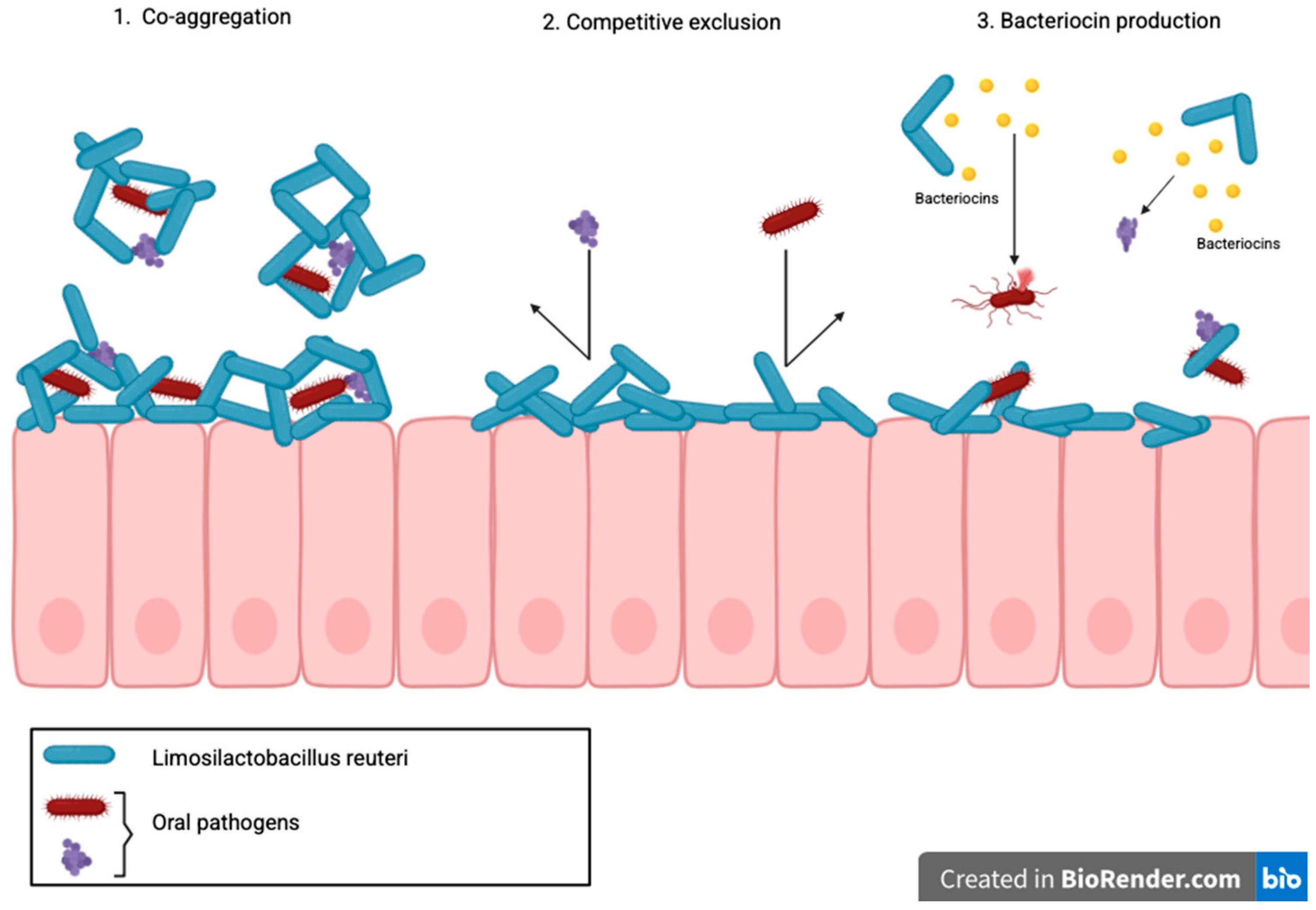
Figure 1. Potential mechanisms used by L. reuteri to maintain a balanced environment; 1. Co-aggregation: The ability to physically bind to other microorganisms, including pathogens, forming aggregations that can inhibit the adhesion, colonization and biofilm formation of pathogens in the oral cavity; 2. Competitive exclusion: A mechanism by which probiotics prevent the growth of harmful microorganisms by competing for adhesion sites and nutrients, thus limiting pathogen colonization in the oral environment; 3. Bacteriocin production: Secretion of antimicrobial substances that specifically affect and inhibit the growth of harmful pathogenic bacteria, helping maintain a balanced oral microbiota. Created with Biorender.com.
Applsci 15 11783 g001
Figure 2. PRISMA Flow diagram. Reason 1: Irrelevant to the topic.
Applsci 15 11783 g002
Figure 3. Oral effects of L. reuteri in children, summarizing its main actions on caries prevention, gingival health, microbiota and immune modulation, and safety.
Applsci 15 11783 g003
Table 1. PICOS Strategy.
PChildren and adolescents under 18 years old
IOral administration of L. reuteri in any formulation (drops, lozenges, tablets, chewing gum, or curds)
CPlacebo or no-probiotic control group
OReduction in S. mutans, improvement in plaque and gingival indices, caries prevention/reduction, changes in salivary pH or buffering, oral microbial diversity, and gingival inflammation/bleeding.
SRandomized controlled trials (RCTs)
Table 2. Databases and research strategy.
DatabasesAdvanced ResearchArticles
PubMed(((children[MeSH Terms]) AND (oral health[MeSH Terms]) OR (“saliva”[MeSH Terms]) AND (lactobacillus reuteri[MeSH Terms])) AND (probiotics[MeSH Terms])) OR ((lactobacillus reuteri[MeSH Terms]) AND (“child”[MeSH Terms]) AND (probiotics[MeSH Terms]))77
Wiley Librarychildren AND oral health AND lactobacillus reuteri AND probiotics714
Cochrane Librarychildren AND oral health AND lactobacillus reuteri AND probiotics17
Disclaimer/Publisher’s Note: The statements, opinions and data contained in all publications are solely those of the individual author(s) and contributor(s) and not of MDPI and/or the editor(s). MDPI and/or the editor(s) disclaim responsibility for any injury to people or property resulting from any ideas, methods, instructions or products referred to in the content.