Review

Are Spectroscopic Methods a Promising Diagnostic Tool for Female Infertility?—A Review of Current Information

by
Kamil Sobieszuk
1,
Sylwester Mazurek
1,* and
Ewa Maria Kratz
2,*
1
Department of Chemistry, University of Wroclaw, 14 F. Joliot-Curie Street, 50-383 Wroclaw, Poland
2
Department of Laboratory Diagnostics, Division of Laboratory Diagnostics, Faculty of Pharmacy, Wroclaw Medical University, Borowska Street 211a, 50-556 Wroclaw, Poland
*
Authors to whom correspondence should be addressed.
Appl. Sci. 2025, 15(21), 11591; https://doi.org/10.3390/app152111591
Submission received: 27 September 2025 / Revised: 26 October 2025 / Accepted: 29 October 2025 / Published: 30 October 2025
(This article belongs to the Special Issue Application of Spectroscopy in Chemistry)

Abstract

Diagnosing female infertility is a complex and time-consuming task due to the large number of factors affecting the patient’s fertility, which results in the need to perform many tests to determine the cause in each case accurately. In recent years, the use of spectroscopic methods has been explored for their potential to identify spectral markers of female infertility through analysis of follicular fluid (FF). This article aims to serve as a review and presentation of the research performed in the field of female infertility diagnostics using NMR and vibrational spectroscopy in the analysis of FF samples.

1. Introduction

Infertility, a condition defined as a couple’s inability to conceive after a year of regular, unprotected sexual intercourse, is a progressive, complex health and social problem, particularly in developed countries, where it negatively impacts demographic indicators [1,2]. Identifying the causes of infertility and providing an accurate and comprehensive diagnosis, especially in the case of idiopathic infertility, and treatment is necessary to ultimately sustain our society’s growth. There are several underlying factors, both male and female, either related or directly cause infertility. Because of this, a variety of tests are needed to formulate the appropriate treatment, such as hormone level evaluations or transvaginal ultrasonography, alongside a comprehensive patient review.
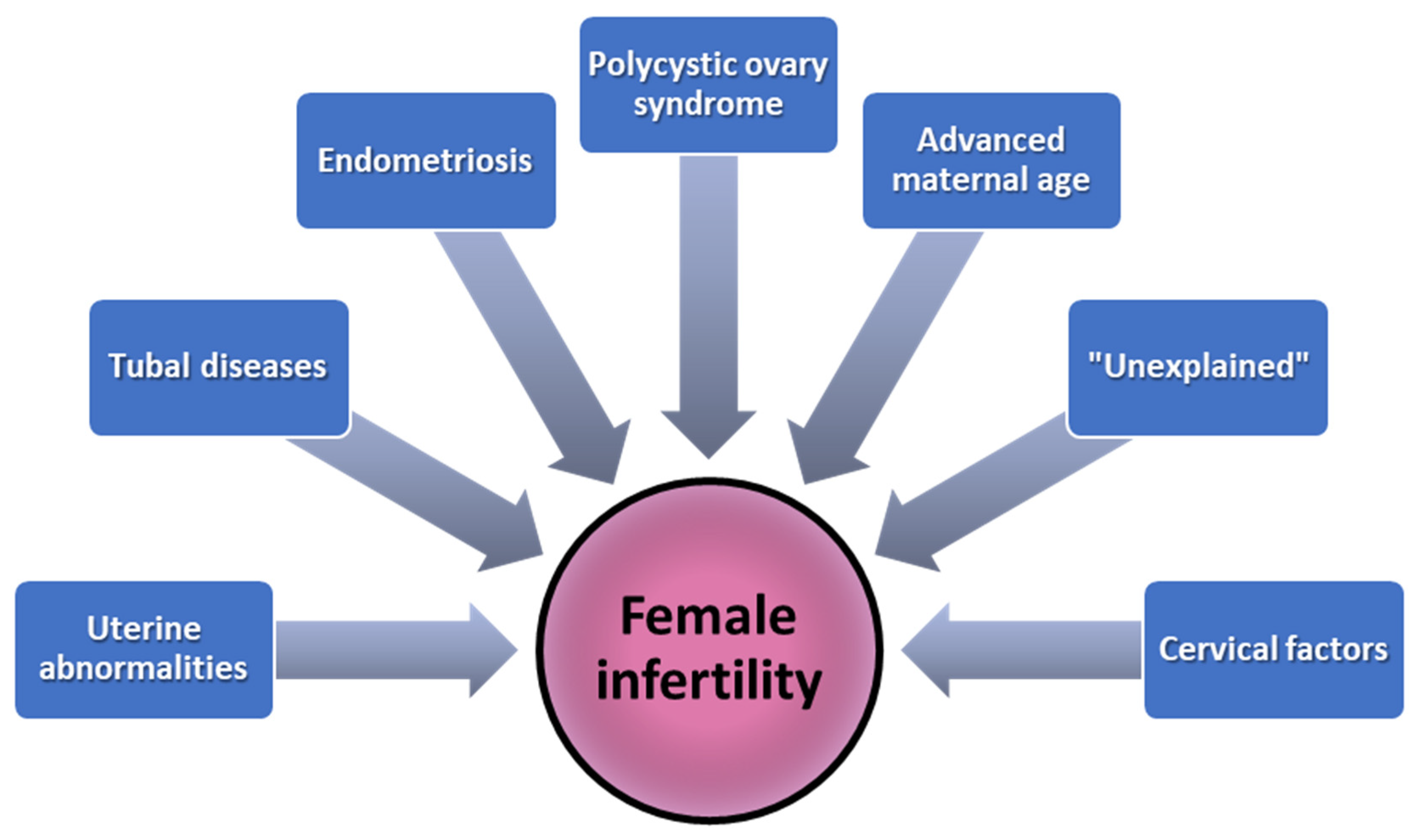
Focusing on female infertility (Figure 1), some of the most common causes are ovulatory disorders, with polycystic ovary syndrome (PCOS) being the most prevalent of them [2,3]. Another factor growing in prevalence due to women putting off childbearing until later in their lives is advanced maternal age (AMA), defined as age above 35 years, and known to be associated with an increased probability of obstetric complications and miscarriage, and a simultaneous decrease in fecundity [4].
Female infertility/lowered fertility may also be caused by endometriosis which creates diagnostic problems. The members of the Endometriosis Guideline Core Group asserted that there is still an urgent need for further research into the most appropriate diagnostics, including laboratory diagnostics [5], especially since one of the currently recommended diagnostic tools for this disease, i.e., 3D transvaginal ultrasound, does not guarantee detection of the disease even in its advanced stage, when the endometrial lesions occur outside the measurement range of the device [6]. There is also a group of patients, around 30%, suffering from unexplained infertility, in which no abnormalities are detected during diagnostics, while the couple is still unable to conceive, complicating the process of formulating a treatment plan. Most proposed methods are inter alia intrauterine insemination or assisted reproductive technologies (also including hormonal stimulation of ovulation) [7].
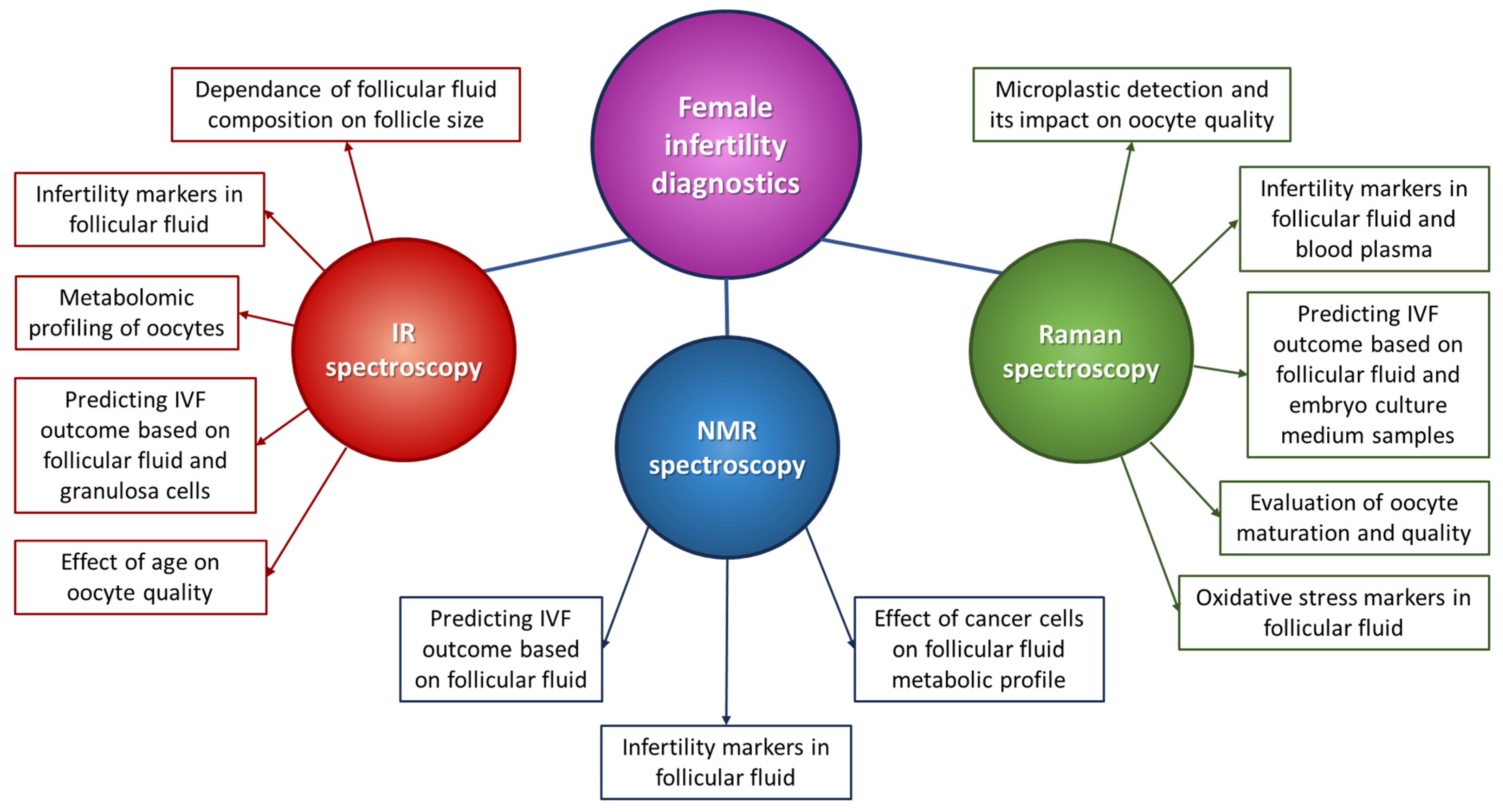
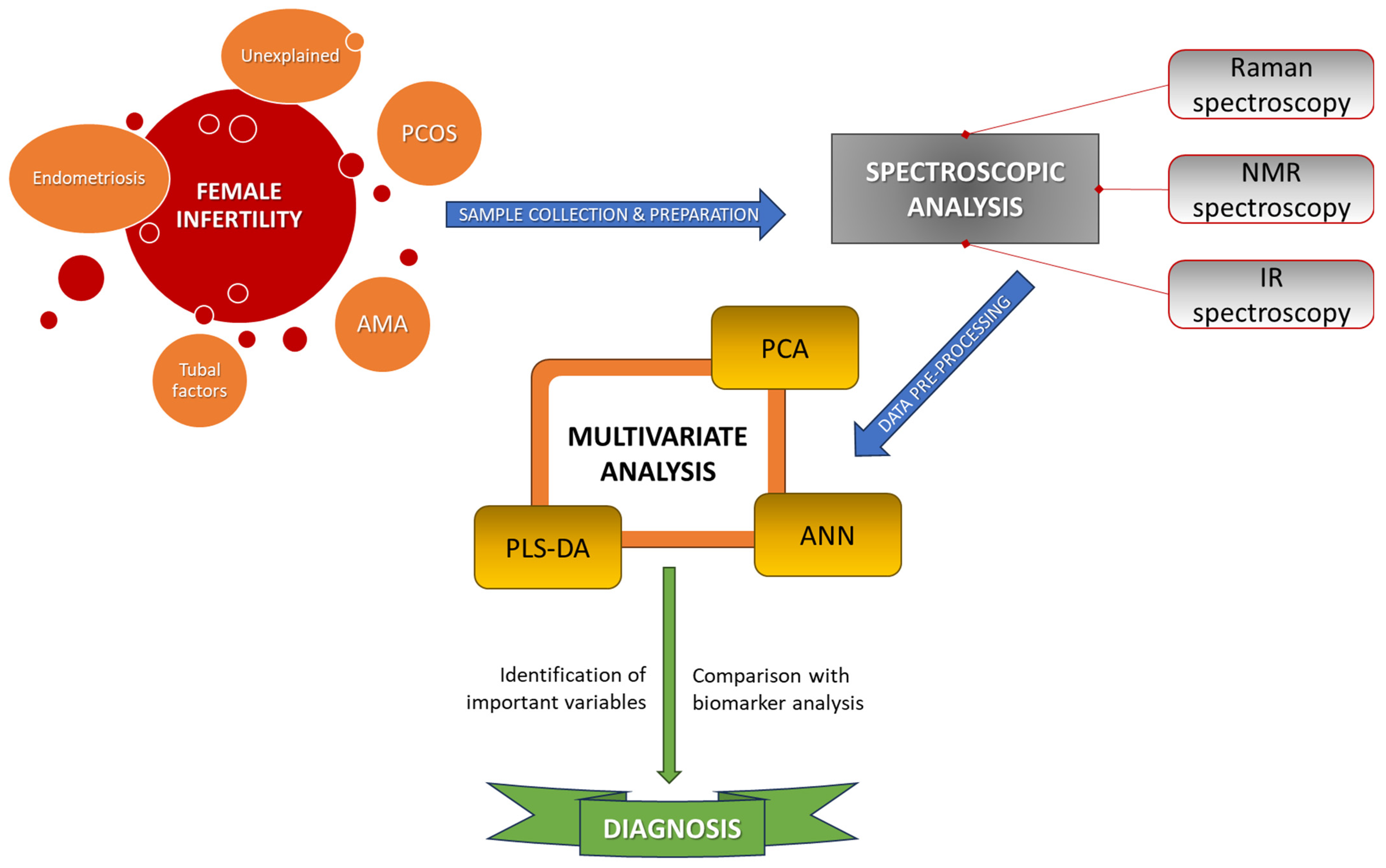
Diagnostics of female infertility is very time-consuming and requires numerous complex, often invasive, investigations, and assisted reproductive procedures are not always successful, even after several attempts. However, alternative protocols are being developed, including the use of various spectroscopic techniques to determine infertility markers in biological material such as follicular fluid, blood serum, granulosa cells or even oocytes in some cases. These methods most commonly include nuclear magnetic resonance (NMR) spectroscopy and vibrational spectroscopy (infrared and Raman). A summary of the research performed on this topic was presented in Figure 2. Other techniques, such as ultraviolet-visible (UV-VIS) spectroscopy [8] or electron paramagnetic resonance (EPR) spectroscopy [9], have also been used but only occasionally, and thus not discussed in this review. The biggest advantage of spectroscopic methods is the ability to determine specific changes from just one measurement, regardless of the infertility cause, making them a very versatile tool in the field of infertility diagnostics, eliminating the need for multiple, invasive procedures. It is important to emphasize that the biological material used in spectroscopic analyses consists of samples collected from patients for other diagnostic or therapeutic procedures, and separate collections dedicated solely to spectroscopic measurements are not practiced. Identifying and proposing new diagnostic markers present in follicular fluid is particularly important for women undergoing hormonal stimulation during the preparation for in vitro fertilization (IVF), with particular emphasis on patients whose IVF procedure has failed and requires repeating it, including cases of spontaneous miscarriage. The components of follicular fluid interact with the oocyte and directly affect the quality of the egg cell, which clearly indicates that the analysis of this body fluid is important in the context of the effectiveness of IVF procedures, also answering the question of why this aspect of research was so interesting for us. Standardly, follicular fluid is collected through transvaginal needle aspiration, guided by ultrasound, and follicular fluid sampling coincides with oocyte collection to IVF procedure, and no additional procedures are performed to obtain follicular fluid [10,11]. In this case, follicular fluid is considered waste material and does not require medical collection. However, due to its interesting composition and the role it plays in the egg maturation process, it can be used for scientific research, focusing on, among other things, the search for specific markers that would correlate with the causes of infertility and/or IVF procedure success or failure, serving as additional diagnostic markers.
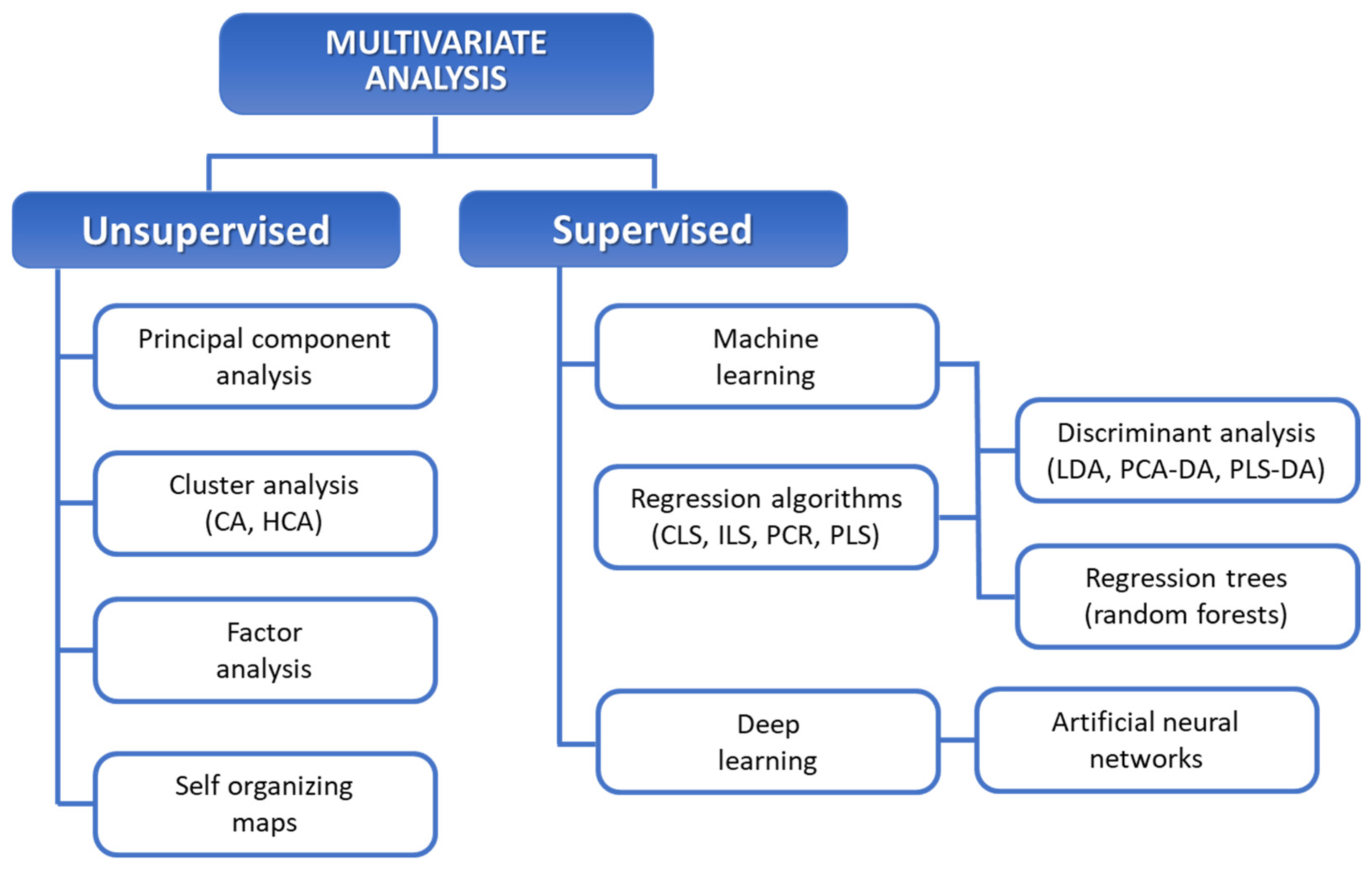
Ellis and Goodacre [12] in their studies often employ multivariate analysis techniques, i.e., advanced statistical methods, that reduce the dimensionality of data, simplifying the analysis without losing information. These can be divided into unsupervised methods, such as principal component analysis (PCA), which allows for grouping data based on differences and similarities between objects, and supervised methods, such as partial least squares discriminant analysis (PLS-DA) or artificial neural networks (ANN), which differentiate samples based on reference data used to create the model [12]. An overview of these methods is shown in Figure 3. Multivariate analysis is a very important aspect of metabolomics, as biological systems and body fluids are complex. To perform a comprehensive analysis of such type of material, procedures are needed that allow for the extraction of valuable information from the recorded data and eliminate redundancy. However, it is important to remember that the quality of the analysis is dependent on the supplied data. To avoid overfitting, every model should be validated using cross-validation and validation data sets [12,13,14].
This article serves as a review of the literature on the use of spectroscopy techniques in diagnosing the causes of female infertility through the analysis of follicular fluid (FF). It should be emphasized that analyses of this type of material are currently not widely used in clinical practice as a diagnostic tool for female infertility or in the context of predicting a successful IVF procedure, and the research studies conducted in this area constitute a relatively small database.

2. Materials and Methods

A literature search was conducted across multiple databases, including PubMed, Scopus, and Web of Science™, using keyword combinations of ‘follicular fluid’, ‘female infertility’, and ‘spectroscopy’/‘spectr*’, occasionally also specifying a specific method. Publications were then evaluated and selected by the following criteria:
  • studies addressed the diagnosis of female infertility,
  • at least one of the sample types analyzed was follicular fluid,
  • spectroscopic methods were used in the study.
To develop the first criterion, special attention was paid to research articles that presented the results of analyses that differentiated women with infertility and healthy women, using multivariate statistical analysis methods such as PCA and PLS-DA. Publications focused mainly on studies of FF composition in infertile women, as well as animal studies, were excluded from a more detailed analysis. Our article is based on a literature review of approximately 100 entries. It includes data published from 1990 (pertaining to FF analysis of animals) to the present, mostly in English, and was conducted using the search terms mentioned above or their combinations. Finally, after excluding records that are repeated in different databases, 60 items from original papers and reviews, in our opinion, the most useful for our analysis, were selected.

3. Results

3.1. Nuclear Magnetic Resonance (NMR) Spectroscopy

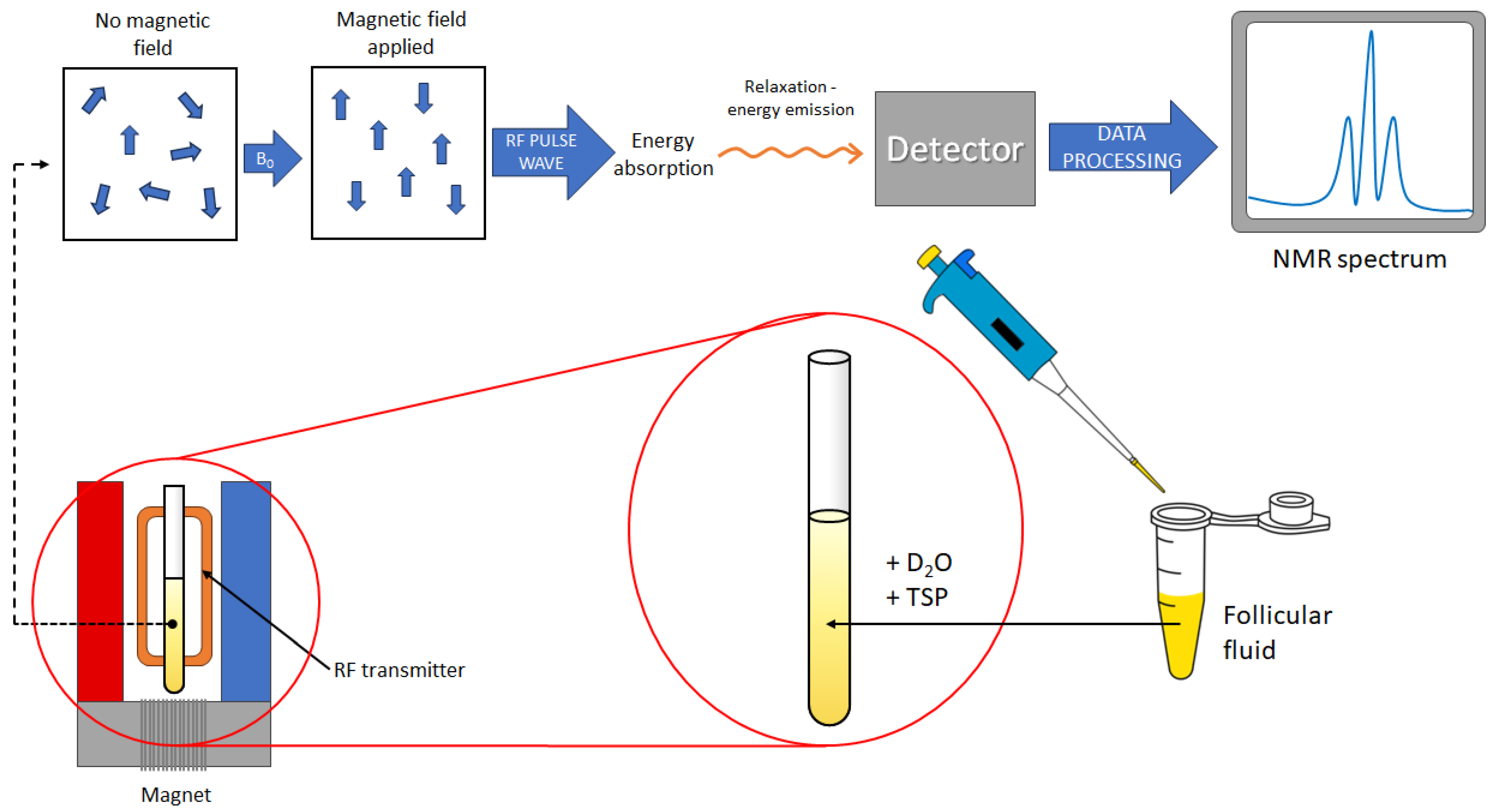
One of the most used spectroscopic techniques in follicular fluid analysis and in metabolomics, in general, is nuclear magnetic resonance (NMR) spectroscopy. Figure 4 shows the basic principles of NMR measurements. Due to the signals being affected by the structure and concentration of analytes in the samples, NMR allows for easy identification and quantification of different metabolites. On the other hand, it is not very sensitive, and the signals from certain metabolites can be covered up by noise or more intense signals, such as the signal of the solvent [15,16]. In addition to classic one-dimensional NMR spectra of nuclei such as 1H, 13C, 15N, or 31P, two-dimensional spectra can also be recorded to help with the analysis of more complicated samples [15,16]. Common NMR experiments used in metabolomics are presented in Table 1.
Concerning female infertility, NMR spectroscopy has been used extensively to construct metabolic profiles of different body fluids, including follicular fluid [16,17]. In addition to studies detailing the composition of FF in healthy women [10,18], the effect of several causes of infertility on the FF metabolic profile was studied, including PCOS [19,20,21,22] and endometriosis [22,23,24,25,26]. In the case of the former, higher levels of AMH and lower levels of progesterone were observed along with changes in amino acid levels (e.g., glycine, phenylalanine, and valine) and organic acids such as pyruvate, lactate, and acetate, suggesting disruptions in pyruvate and amino acid metabolism and glycolysis in follicles [19,20,21,22]. In FF samples derived from women endometriosis-affected were observed lower levels of alanine, aspartate, and glucose, among others, and higher levels of lactate and lipids/phospholipids [22,23,24,25,26].
Table 1. Typical NMR experiments.
Experiment TypeCharacteristicsPublication
1D NMRTypical NMR experiment used to identify metabolites present in the sample[10,19,27,28]
CPMGPulse sequence commonly used in metabolomics—allows for the suppression of macromolecule signals[10,20,21,22,25,26,29,30,31,32,33,34,35]
2D NMR
COSYTypical 2D NMR experiment, allowing for identification of coupling between nuclei[10,27]
NOESYUtilizes nuclear Overhauser effect to establish correlations between spatially close nuclei (can also be used in 1D NMR)[28,29]
TOCSYAllows for the identification of longer chains of spin couplings[10,29,30]
DOSYSeparates signals based on their diffusion coefficient, differentiating mixture components[10]
JRESSeparates coupling constant and chemical shift, separating overlapping signals and simplifying the analysis[10,29,30]
HSQCAllows for the detection of heteronuclear correlations, i.e., between two different types of nuclei (e.g., 1H and 13C)[10,27,28,29,30]
HMBCAllows for the detection of heteronuclear correlations separated by two, three or four bonds [27]
COSY—Correlation Spectroscopy, CPMG—Carr-Purcell-Meiboom-Gill, DOSY—Diffusion Ordered Spectroscopy, HMBC—Heteronuclear Multiple Bond Correlation, HSQC—Heteronuclear Single-Quantum Correlation, JRES—J-resolved, NMR—nuclear magnetic resonance spectroscopy, NOESY—Nuclear Overhauser Effect Spectroscopy, TOCSY—Total Correlation Spectroscopy.
Effects of other factors on FF composition, not typically associated with female infertility causes, have also been studied. One such factor was a diagnosis of cancer. The research performed by Morelli et al. [32,33] showed that the presence of cancer cells in the body may cause alterations in the metabolic profile of FF, independent of the tumor type (e.g., breast cancer [32,33], lymphoma [32]).
Another topic researched by Morelli et al. [34,35] was the impact of SARS-CoV-2 infection and a patient’s vaccination status on FF composition. The authors reported heightened alanine and proline and lowered lipid and trimethylamine N-oxide levels in vaccinated women, while women who recovered from COVID-19 had lower levels of metabolites, along with lower numbers of oocytes in the follicles [34,35]. However, no evidence of COVID-19 affecting the quality of oocytes or IVF outcome was found [34].
NMR spectroscopy has also been used to identify biomarkers in FF (and other body fluids) to predict the results of IVF procedures and oocyte development [17,18,36,37]. Several metabolites were identified as potential biomarkers, including glucose, lactate, choline, lipoproteins, and fatty acids (palmitic, arachidonic, and stearic acids, among others) [36,37]. As the medium in which oocytes mature, changes in FF composition can have a direct effect on the quality of oocytes and the success of pregnancy, even if no actual cause of infertility was diagnosed.
Additionally, NMR spectroscopy was employed to characterize biological fluid samples in many studies concerning animal reproduction, including mares [29,30,38], goats [27,39], pigs [40,41], cows [41], and other mammals [28,41,42].
Morelli et al. [22] studied changes in the metabolic profile of follicular fluids depending on the cause of female infertility. The collected samples were divided into five groups, each associated with a different diagnosis: patients with unexplained infertility (n = 13), polycystic ovary syndrome (PCOS, n = 12), tubal diseases (n = 10), endometriosis (n = 8), and a control group of women with male factor infertility (n = 10). 600 μL of the sample’s supernatant was mixed with deuterated water (D2O) with the addition of sodium 3-(trimethylsilyl)propionate (TSP), as a standard. 1H NMR spectra were recorded on a 500 MHz spectrometer, using a Carr-Purcell-Meiboom-Gill (CMPG) pulse sequence to suppress signals from water and macromolecules. The analysis was performed with the exclusion of the 4.7–5.1 ppm region, where the water signal is present. The processed NMR spectra were then used to construct a PCA model first; however, the resulting PCA score plots did not show any clear clustering of samples. Therefore, a supervised learning method was applied. PLS-DA models were built for each category of infertility causes, along with a model comparing the subjects’ ages. The quality of modeling was evaluated by the determination of the goodness of fit (R2) and the goodness of prediction of the model (Q2) parameters; validation of the models was performed by permutation tests. Additionally, variable importance in projection (VIP) parameter was used to determine the impact of biochemical features on group separation. However, only models constructed utilizing NMR spectra of patients with endometriosis and PCOS distinguished patients from healthy individuals. PLS-DA models built for the remaining studied groups of patients gave negative values of the Q2 parameter, indicating poor predictive ability [22]. Based on these results, it can be concluded that in cases of unexplained infertility and fallopian tube diseases, changes in FF composition in the NMR data are either absent or too subtle to be detected by PLS-DA.
In the model developed based on the PCOS data, VIP analysis indicated decreased levels of acetate, β-hydroxybutyrate, leucine, and threonine and lactate compared with the control group, whereas glucose, creatine, and glycerol levels increased [22]. On the other hand, VIP for the PLS-DA model utilizing spectra of FF from females with endometriosis showed decreased levels of acetate, β-hydroxybutyrate, citrate, and valine, and increased levels of glucose, lactate, and unsaturated lipids as differentiating criteria. These findings were in good agreement with univariate analysis and revealed correlations between certain clinical parameters, e.g., a positive correlation between BMI and alanine and aspartate, or a negative correlation between lactate and β-hCG levels. It also showed that between fertile women, PCOS and endometriosis patients, both progesterone and BMI did not vary greatly, but significant differences were detected in estradiol levels and in the number, represented by the median, of monitored follicles, total retrieved oocytes, and mature metaphase II oocytes. According to the authors [22], these findings may suggest that PCOS induces insulin-resistance (as evidenced by leucine level decrease and increase in glycerol and lipid levels due to altered lipolysis), reducing oocyte glucose uptake, leading to energy metabolism disruption. Increased levels of glucose and lactate in endometriosis on the other hand are hypothesized to be related to increase in glycolytic mode of energy production and anaerobic glycolysis, respectively, theorized to be caused by inflammation. The effect of age on FF components was also studied; however, significant changes were detected only between the youngest (<33 years) and the oldest (>39 years) age groups, where the latter was characterized by higher lactate, accompanied by lower aspartate and glucose levels [22]. Concluding, we can say that spectroscopic analysis of follicular fluid provides important information on changes in the expression of its key components, which are directly or indirectly related to the development of diseases that may accompany infertility or even be its direct or indirect cause.
Dogan et al. [31] compared the metabolomic profile of follicular fluid of women with advanced maternal age (AMA) and a control group of fertile women aged 25–35 years. Biological material was collected from consenting patients of an infertility clinic after ovarian hyperstimulation. Twenty-three samples belonged to women with AMA (>40 years old), and 31 comprised the control group. The 1H NMR experiments were performed on 400 µL portions of FF dissolved in D2O, using a CPMG pulse sequence on a 600 MHz NMR spectrometer. The spectra were then normalized, their dimensionality was reduced by binning, and PCA and PLS-DA models were developed. Both PCA and PLS-DA score plots showed clustering of objects with some degree of separation between groups, with better separation achieved in the PLS-DA model. While the Q2 value obtained for the PLS-DA model was not very high, its sensitivity and specificity in the leave-one-out cross-validation reached 75%. Based on PCA loadings, PLS-DA VIP plots, and box plots of normalized peak intensities, the main factors enabling correct sample classification were increased levels of trimethylamine N-oxide and lactate, and decreased levels of α- and β-glucose in the AMA group. Changes in alanine and acetoacetate levels were also detected but were considered statistically insignificant [31].
Karaer et al. [26] performed metabolomic analysis of the follicular fluid of women suffering from ovarian endometriosis by NMR spectroscopy. Twelve individuals with endometriosis undergoing ovarian stimulation treatment were chosen, along with a control group of 12 fertile women with male infertility factors. Compared to other studies, the sample size of individuals is relatively small, and therefore, the results for this group may not be fully representative of the overall population. For NMR analysis, after centrifugation at 10,000 rpm, 600 μL of FF sample supernatant was taken, and 60 μL of D2O with TSP standard was added. 31P, 15N, and 19F decoupled proton spectra were recorded on a 600 MHz spectrometer at 298 K, in a CPMG pulse sequence. Examination of the NMR spectra revealed cases of contamination with a compound (HEPES) present in the flushing medium used during oocyte collection and sample preparation. Therefore, analyses were performed on the entire sample set and after removing contaminated samples. Analysis of a data set containing spectra of contaminated samples yielded a good separation of endometriosis patients and fertile women in the PCA score plots (R2 = 0.5890). Applying the PLS-DA modeling technique, even better classification was obtained (R2X = 0.5586, R2Y = 0.8788, Q2 = 0.8240). However, contamination of some samples can be a source of undesirable variability in the system. Its presence can lead to models incorrectly attributing the presence of contamination signals to changes in the metabolic profile in NMR spectra, when this is clearly not the case. This was confirmed by the HEPES peaks, which are figured as important components in both PCA loadings and PLS-DA VIP plots. The presence of contaminants caused changes in lactate and glucose levels, although the exact nature of these changes was not disclosed in the paper. This would have prevented the use of their signals in discriminant analysis and biased the results of the metabolomics analysis. After removing the contaminated samples, significantly better group separation was achieved in both PCA (R2 = 0.6511) and PLS-DA analyses, with improved model quality parameters (R2X = 0.5381, R2Y = 0.9723, Q2 = 0.9239). However, this meant that the control and treatment group sizes were halved, further questioning their representativeness. VIP plots revealed that the most important variables in the classification process were assigned to lactate, β-glucose, pyruvate, and valine. This was confirmed by statistical analysis by means of the Student t-test, which showed that FF of women with endometriosis is characterized by higher levels of the above-mentioned metabolites than in fertile women [26].

3.2. Infrared (IR) Spectroscopy

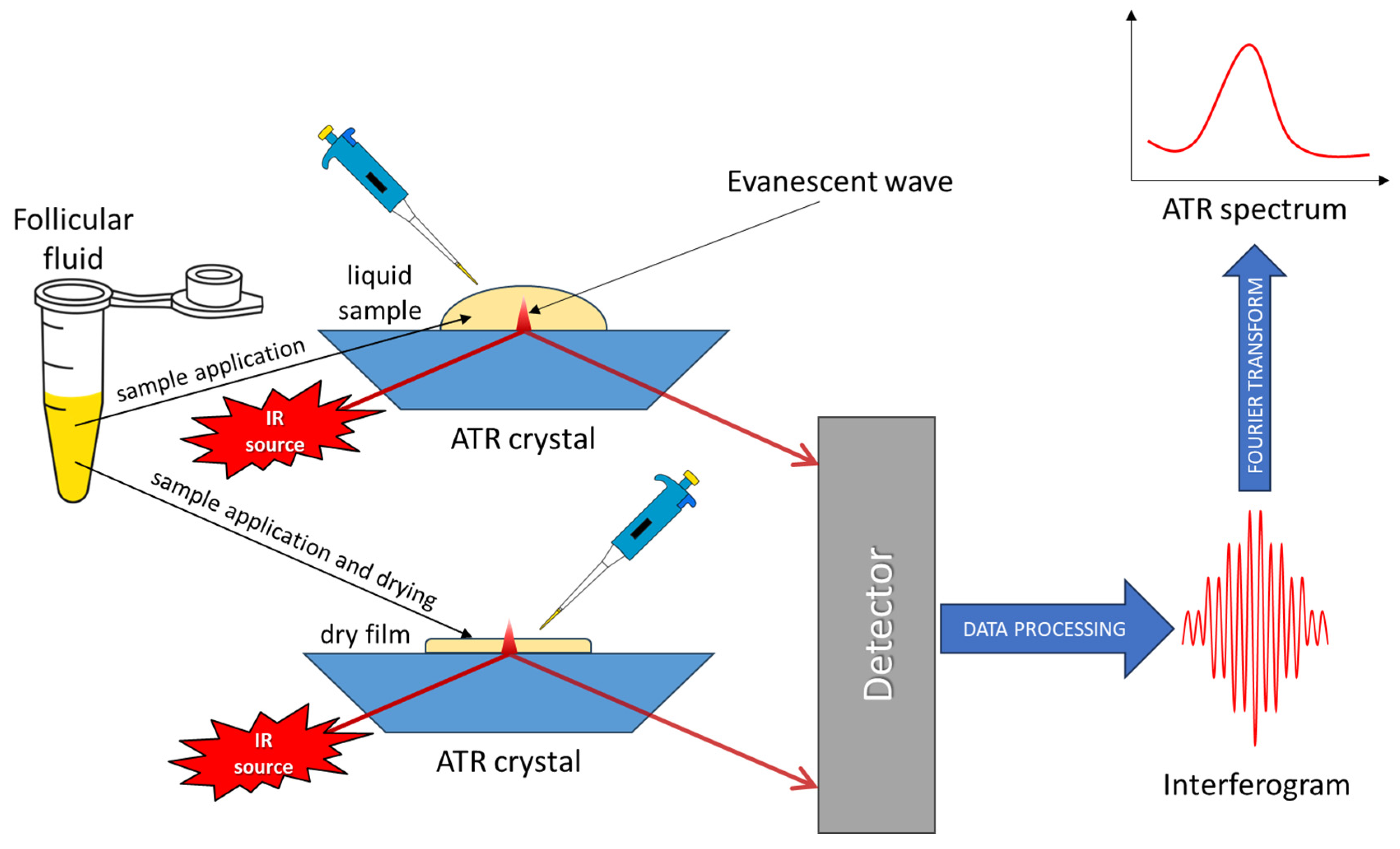
Infrared spectroscopy (IR) is a highly effective analytical method whose applicability in diagnostic testing is constantly evolving. Its main advantages are a short period of analysis and minimal sample preparation required. In addition to typical transmission IR, there are many different spectral acquisition techniques that help tailor the measurement mode to the sample. The most important techniques include attenuated total reflection (ATR) spectroscopy, used in mid-infrared, and diffuse-reflectance spectroscopy (DRIFTS), which provides data from the mid- and near-infrared (NIR) regions. A diagram of the ATR spectroscopy principles and procedure is presented in Figure 5. A drawback of IR spectroscopy in the analysis of biological samples is the strong absorption of water in the mid-infrared region, which means that the water signal can obscure bands from metabolites. This problem is typically addressed by drying the sample or subtracting a reference water spectrum, or by using chemometric methods to extract meaningful information from the spectra [12,15].
Few studies have been performed on the topic of female infertility diagnostics using IR spectroscopy, with only a couple concerning FF analysis [43,44]. Other research focused on different sample types, one of them being granulosa cells, which surround the oocyte and regulate its development by producing hormones and nutrients, and as such directly influence the oocyte quality. IR spectra-based metabolic profiling of human granulosa cells of women with endometriosis [45] showed that even in the case of unilateral endometriosis, changes in metabolic profile can be observed in the presumably “healthy” ovary. Granulosa cells were also studied by IR microspectroscopy in the context of predicting IVF outcome, and markers such as higher lipid content and a decreased expression of phosphate group were identified as negatively impacting the chance of implantation and successful embryo development [46].
IR spectroscopy was also utilized in studies on oocytes. One such study examined the effects of the patient’s age on oocyte quality. Comparison between spectra of oocytes donated by ~30-year-olds and ~40-year-olds revealed a higher amount of peroxidized fatty acids and random coil protein structures in the cells belonging to older women, suggesting a decline in their quality [47]. While this type of research could be considered the most accurate, as it is performed directly on the cells responsible for the success of pregnancy, the authors belief that it should be avoided in the case of human infertility research, as women are born with a finite number of oocytes and the results of in vitro and in vivo analysis of fluids and tissues can be successfully translated onto the issue of IVF success based on the knowledge of reproductive biochemistry.
A few studies were dedicated to metabolomic profiling of oocytes and predicting IVF results by NIR spectroscopy [48,49,50]. Research by Fernandes et al. [48] concerned goat oocytes and revealed differences between profiles of culture media after oocyte in vitro maturation. The other two studies [49,50] were performed on human oocyte culture medium, and in both cases, differences in metabolomic profiles of the samples could be used to assess egg cell viability. However, in none of the studies were any specific metabolites or band assignments presented [48,49,50], with only broad regions and scarce assignments performed in the case of the goat oocyte study [48].
Thomas et al. [43] used IR spectroscopy to analyze FF from two types of antral follicles: large (>17 mm in diameter) and small (<15 mm). While not exactly relating to infertility, follicular diameter is considered to be a marker of maturity and potential oocyte quality in assisted reproduction and fertility treatment. Using cluster analysis and ANN, quantitative differences in metabolites between FF samples from differently sized follicles were discovered, which were theorized to relate to the follicle developmental stage.
Jakubczyk et al. [44] utilized the ATR technique with machine learning analysis to identify IR markers of idiopathic female infertility in FF. The study was conducted on an FF sample of 116 participants, half of whom were women with an unexplained infertility diagnosis and half composed the control group of fertile women with a diagnosed male factor of infertility. The ATR spectra of dried samples were recorded in the 4000–800 cm−1 range, and three separate regions were chosen for further analysis: 1800–800 cm−1 so-called a fingerprint region, 3000–2700 cm−1 one assigned to mostly CH3/CH2 stretching vibrations of lipids, and 1700–1500 cm−1 in which peaks related mostly to vibrations of proteins are present. Comparison of the spectra of both examined groups of participants showed higher intensity of peaks relating to phospholipids and lipids, and lower intensity of amide signals in FF samples from the idiopathic infertility class. Additionally, peak shifting towards lower wavenumbers was observed for phosphate, glycogen, and CH3 group vibration signals, while the signals of amide I and CH2 symmetric stretching were shifted towards higher wavenumbers. PCA models constructed using the three spectral bands allowed for obtaining well-separated clusters in the PCA results plots, although based on the scatter of objects in the PC1/PC2 coordinate system, a significantly higher variance was observed in the group with unexplained infertility compared to the control group data. Afterwards, the obtained spectral data sets were analyzed by six different machine learning algorithms, namely: random forest (RF), deep neural networks (DNN), support vector machine (SVM), C5.0 decision trees, XGBoost trees, and k-nearest neighbors (kNN) with k = 3 and k = 5, both in the fingerprint region and lipid vibration domains. Classification accuracy of the RF models ranged from 93.8% to 100%. Overall, better results were achieved when using fingerprint region, except for the analysis based on DNN and XGBoost trees. Classifiers using selected sets of variables, i.e., absorptions at a given wavenumber, were also constructed, and they gave comparable results to the ones based on the wide spectral ranges, with an accuracy of 94.5–99.3%, indicating that the signals in the IR spectrum reflect differences in chemical composition of body fluids of patients and healthy controls. The changes in protein structure are theorized by the authors to be linked to higher levels of reactive oxygen species, while higher lipid levels could lead to lipid toxicity and impaired oocyte maturation [44].

3.3. Raman Spectroscopy

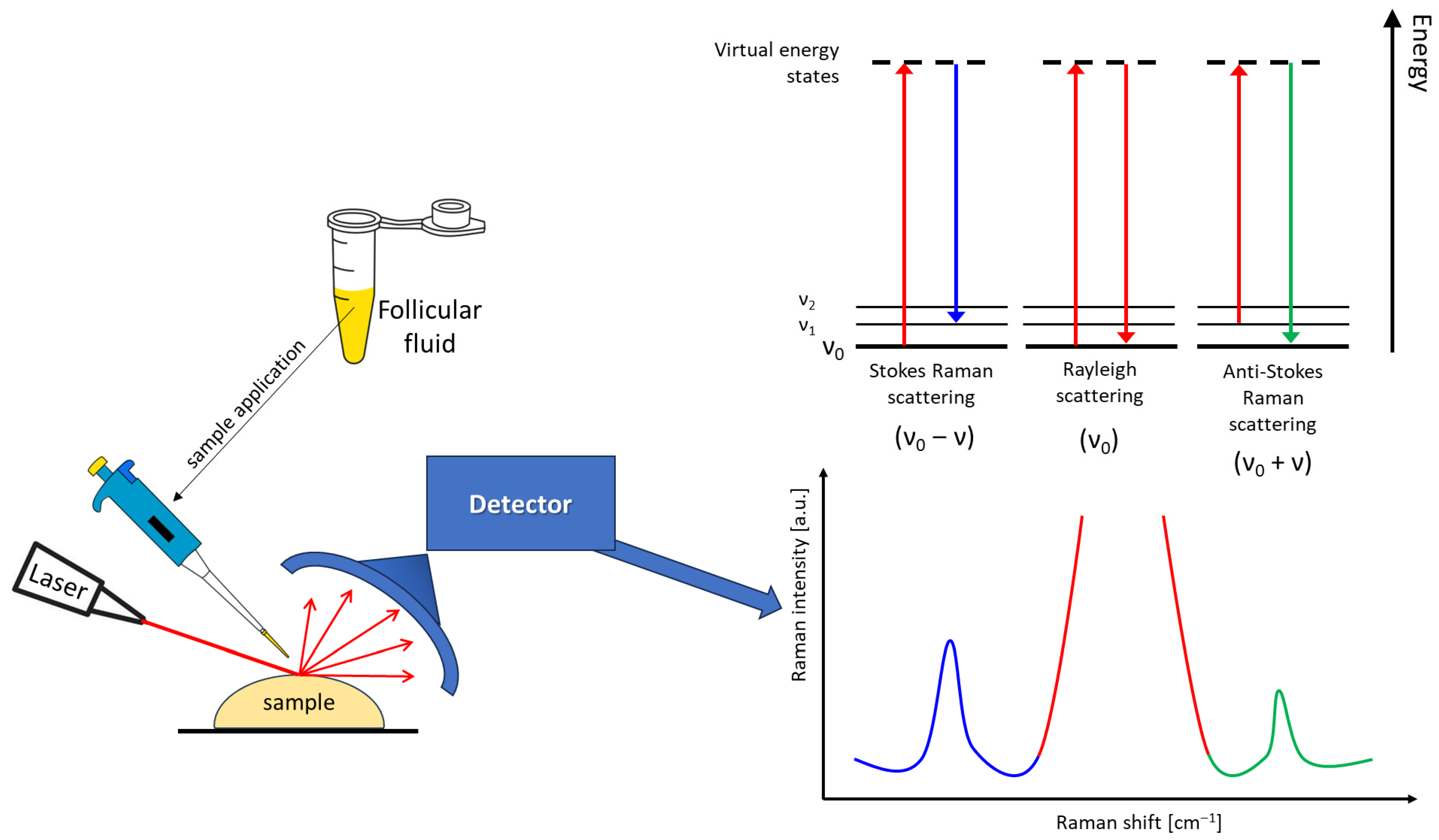
Another vibrational spectroscopy technique is Raman spectroscopy (Figure 6). The major advantage of Raman spectroscopy over IR is that water signals have virtually no effect on the Raman spectrum, allowing for a simpler analysis of biological fluids or tissues. However, the Raman effect is observed only for about 1 in 107 photons, meaning that the resulting signals are often weaker compared to IR spectra, and therefore recording a good quality Raman spectrum is more time-consuming and requires advanced excitation and detection system technologies, which makes these devices more expensive [12,51].
Similarly to infrared spectroscopy, studies using Raman spectroscopy have not yet been fully exploited. Raman spectra of blood serum samples were used by Parlatan et al. [52] to construct kNN and SVM classification models in combination with PCA for diagnosing endometriosis, with the weighted kNN model achieving up to 80.5% sensitivity and 89.7% sensitivity for the training set, while both parameters for the test set reached 100%. Raman spectroscopy was also utilized to predict the developmental competence of oocytes based on their phosphoric acid and phosphorylation levels [53].
Another study focused on microplastic detection in FF samples from humans and mice by Raman microspectroscopy, determining that the presence of polyethylene negatively impacted fertilization rates and oocyte quality [54]. Raman microspectroscopy was also used to investigate changes in the composition of the ooplasm of mouse oocytes in different stages of their development. It was discovered that ooplasm lipid content can be used as a marker of oocyte maturity with the 1605/1447 cm−1 peak intensity ratio, analogous to the protein/lipid ratio, allowing for quality assessment [55].
A technique named surface-enhanced Raman scattering (SERS) was used to detect and quantify chemerin, a protein present in follicular fluid, considered to be a marker of PCOS, allowing for the differentiation of PCOS-affected and healthy women [56].
Raman spectroscopy was also employed to predict IVF outcome based on the markers detected in the culture medium of embryos, resulting in successful and unsuccessful pregnancies. Analysis using PCA and several machine learning algorithms showed that the non-pregnancy group is characterized by higher levels of tryptophan, tyrosine, and serine [57].
Zhang et al. [58] used Raman spectroscopy along with machine-learning algorithms to classify both follicular fluid and blood plasma samples based on differences in metabolic profiles associated with PCOS. The study was performed on a set of 100 samples, half from women diagnosed with PCOS and half from a control group of fertile women who were patients of a fertility clinic due to either tubal or male factors. After recording and pre-processing the spectra, PCA was performed to reduce the number of variables in the acquired data and find markers of changes between the two types of samples, i.e., PCOS and non-PCOS. The spectral range of 1800–600 cm−1 was chosen for analysis, with the first three principal components (PCs) being considered. The results of the samples’ classification were presented in the PC1/PC2 and PC1/PC3 coordinate plots [58]. While this form of presenting data is acceptable, in our opinion, the three-dimensional plots would have been much clearer to interpret.
In the case of FF data analysis, a clear clustering of objects was observed in the PCA scores plots, suggesting the presence of variability in the Raman spectra related to differences in the chemical composition of samples collected from women suffering from PCOS and healthy individuals [58]. An analysis of loading plots indicated that the most important bands in the Raman spectra were located in the 1150–1130 cm−1 and 1550–1480 cm−1 spectral range. However, no specific band assignment was performed, and the nature and potential differences between Raman spectra were not explored by the article’s authors. One of the reasons for this might be the fact that vibrational spectroscopy methods allow for the identification of functional groups of molecules, which, combined with the rich and complex composition of biological systems, makes detailed analysis of spectra difficult. Interestingly, PCA of blood plasma samples did not separate the two groups of donors, and no significant difference between their spectra was observed [58]. This may be due to the stronger effect of PCOS on follicular fluid than on blood, although the authors did not propose any explanation for the results.
Afterwards, both follicular fluid and blood plasma spectral data were divided into training and testing sets, in a 4:1 ratio, and four classification models were constructed using three machine-learning algorithms: kNN, RF, and XGB, with a fourth model created by stacking all three algorithms [58]. Their performance was assessed by calculating the sensitivity, specificity, and accuracy parameters of the testing set data classification. Once again, better results were obtained in the case of FF spectra analysis, with quality parameter values ranging from 80 to 90%. In contrast, these parameters did not exceed 76% for the models classifying Raman data of blood plasma samples. The best classification in both cases was achieved by the stacked algorithm model, followed by kNN, although extreme gradient boosting gave slightly better results in the case of plasma samples [58]. In our opinion, the lack of cross-validation results makes it difficult to assess the true performance of discriminant models and does not allow for the detection of models’ overfitting.
Huang et al. [59] applied Raman spectra of follicular fluid of PCOS-affected women to predict implantation and pregnancy outcome. This research was performed on a larger data set, with both the PCOS patients’ group and the control group of fertile women consisting of 150 samples. The Raman spectra were recorded in the 2000–50 cm−1 range with the fingerprint region, 1800–600 cm−1, chosen for further processing and analysis. Comparison of raw data showed no significant differences between the spectra of the two classes; however, analysis of the data revealed differences in certain band intensities, many of which were related to the spectral contributions of protein, e.g., the C=O stretching band at 1668 cm−1 or the C-C and C-N stretching bands at 1156 cm−1. PCA performed on the fingerprint region of the FF Raman spectra resulted in clustering of objects in the score plots, with partial overlap. This is most likely due to the high similarity between the PCOS and control samples’ spectra, suggesting that the aforementioned spectral differences in FF composition are rather minute. Based on the loading plots, two spectral regions were selected, i.e., 1165–993 cm−1 and 1678–1439 cm−1, which could potentially differentiate between the two sets of samples. The signals in these ranges were integrated, and then quantitative analysis was performed, which showed that the median band integration for the PCOS FF samples was higher in the former range and lower in the latter [59].
Raman spectra of follicular fluid from PCOS patients were then subsequently split into two groups based on the quality of blastocysts obtained in vitro and the pregnancy success rate [59]. PCA modeling confirmed that the signals relevant to the classification of objects into one of two groups were located in the same spectral range as those previously distinguished. Further analysis demonstrated that for high-quality blastocysts and pregnancy success groups, the band integration was lower in the 1165–993 cm−1 region and higher in the 1678–1439 cm−1 region. Artificial neural networks were then created, using four-fifths of the dataset as the training set and the remainder as the test set. The developed models achieved an accuracy of 90% and 74% in predicting blastocyst quality and pregnancy success rate, respectively. This may suggest the existence of a relationship between FF composition, as expressed in their Raman spectra, and other parameters that predict in vitro fertilization outcome [59].
Depciuch et al. [60] reported the use of Raman spectroscopy to detect markers of oxidative stress in FF samples from women with unexplained infertility. The study group consisted of 65 patients attending fertility clinics and a comparable control group of 63 fertile women with a male factor infertility diagnosis. Simple comparison of the obtained Raman spectra revealed that the intensity of signals at 742, 1000, and 2987 cm−1 was higher in the spectra of FF of women with unexplained infertility compared to the control group. These bands correlate to the presence of tryptophan, phenylalanine C-H bending, and lipid C-H stretching vibrations, respectively. Based on T2 plots, peaks allowing for class differentiation were found to be in three distinct spectral ranges: 1400–1320 cm−1 assigned to lipid and protein C-H bending modes, 3000–2850 cm−1 characteristic for lipid CH3/CH2 stretching modes, and 1800–800 cm−1 range as a whole fingerprint region, for which PCA models were developed. It was discovered that in the fingerprint region, the greatest separation was achieved when using PC3 and PC4 as coordinates of the score’s plots, while for the 1400–1320 cm−1 range, data clustering was observed in the PC1/PC3 plot. Interestingly, in the case of PCA modeling based on the area of lipid stretching vibrations, the separation of groups turned out to be ineffective, which, in the context of the influence of oxidative stress on the chemical composition of compounds in the tissue, makes these results somewhat surprising. However, although some subregions of the FF Raman spectra were identified, which allowed the differentiation between the control and study groups, a more detailed band assignment was expected [60].
Similar to another work by the same research team presented previously [44], three PLS regression models for each spectral region of Raman spectra of follicular fluid were constructed to predict the values of total oxidant level and oxidative stress index. Afterwards, several machine learning and deep learning methods were employed to develop discriminant models for the two studied groups of individuals. The accuracy of the obtained classifiers was in the range of 92.0–99.5%, with the deep learning model achieving the highest predictive ability (99.2%), closely followed by the random forest (500 trees) and the C5.0 decision tree algorithm [60], indicating the utility of Raman spectra of body fluids in the prediction of some parameters related to fertility.

4. Discussion

Spectroscopic techniques, both NMR and vibrational spectroscopy, have proven to be a useful source of information on the chemical composition of follicular fluid, enabling the use of spectral data in discriminatory analysis of female fertility (Figure 7). Among vibrational techniques, Raman spectroscopy is the most used method, while studies applying IR spectroscopy in this area are limited. Table 2 features a comparison of spectroscopic methods, while an overview of the publications focused on this topic was presented in Table 3.
Most studies on follicular fluid have focused on differentiating samples from fertile women from those with a single cause of infertility. Only the study by Morelli et al. [22] attempted discriminant analyses that considered various infertility factors. However, the use of unsupervised learning was not successful in object classification. Moreover, only two of the four PLS-DA models successfully differentiated between the control group (fertile) and the patient group (infertile women). It should be noted that the larger the number of samples subjected to spectroscopic analysis, the higher the probability of finding factors differentiating the two classes of objects, while the studied group of samples included only 8–13 individuals.
Promising results have been obtained using vibrational spectroscopy in the discriminatory analysis of unexplained female infertility. This is particularly valuable because a diagnosis can be made by excluding abnormalities in the tests, and thus, a simple spectroscopic detection method could accelerate treatment development [44,60]. Moreover, the results of these studies indicate that spectral data of biological fluids obtained using Raman/IR techniques are a better source of chemical information compared to NMR spectra, which allows the development of classifiers with better predictive ability. This is somewhat surprising, as NMR spectroscopy is often used in metabolomics studies. A main advantage of this technique is the ability to relatively easily identify substances based on their characteristic chemical shift in the NMR spectrum, whereas in vibrational spectra the signals refer to the presence of functional groups and bonds common to many compounds, which means that the spectrum of a complex system consisting of many compounds will contain lot of overlapping peaks, which makes it impossible to separate the spectral contributions coming from a specific molecule.
It also should be emphasized that NMR spectroscopy requires significantly greater experience to obtain good-quality spectra. One of the challenges in NMR analysis of biological samples is the need to suppress the water signal, which, due to its intensity, can obscure and distort other peaks. This procedure requires extensive knowledge of optimizing various pulse sequences. In general, IR and Raman spectral measurements are much easier, and fewer factors influence the quality of the obtained spectra. Another important issue related to recording the spectra of body fluids using spectroscopic techniques is the sample preparation stage. Raman spectroscopy allows the collection of spectral data from a µL portion of the sample in its native state, and the presence of water in the sample does not impede analysis. NMR measurements require a large portion of the sample, the addition of a deuterated solvent, and a reference compound. In most of the presented studies, aliquots of approximately 400–600 µL of the tested material were used, which significantly limits the availability of the material for other studies or in case of the need to repeat the analysis in case of equipment or human error; smaller volumes of the sample, here FF, could drastically reduce the signal-to-noise ratio of the recorded NMR spectra.
As mentioned earlier, few studies have been conducted using infrared spectroscopy. The classic approach, transmission measurements, for liquid samples requires the use of very thin cuvettes with optical wavelengths of 1–3 microns, which is not convenient for measuring large sample sets. Although the ATR technique allows for the measurement of liquid samples, even in µL volumes, the strength of water absorbance in the IR range often renders the spectra unusable for analysis. The solution is to prepare a dry film. However, the analysis results may be highly dependent on factors such as drying time, layer thickness, or compositional homogeneity of the film formed.
Additionally, multivariate analysis methods play a crucial role in the studies of FF composition, allowing for easy discrimination of control and study groups and identification of variables contributing to the variance in recorded data. The most often used tool in the studies was PCA, as the fundamental method of variable reduction. PCA can be successfully applied to the identification of similarities and differences between numerous data points [26,44,58]. However, PCA is a basic, unsupervised method, meaning that it does not use any training data, which means that discrimination might not always be accurate, such as in the case of Morelli et al. [22] studies. As such, supervised learning methods (e.g., PLS-DA, ANN) are also utilized, often giving better classification results than PCA [22,26,31]. In our opinion, the use of these tools is an indispensable step in the analysis of medical samples, due to the abundance of components contained within them, and their role in this field of research should not be underestimated.
Ultimately, both NMR and vibrational spectroscopy methods have their advantages and disadvantages in the analysis of follicular fluid. It should be mentioned that NMR spectra allow for a more complete metabolite identification, while in the case of IR and Raman, additional data from other sources, alongside variable reduction methods, are often required to perform a comprehensive analysis of FF composition. On the other hand, vibrational spectra are usually easier to obtain and process, due to the complexity of NMR measurements. In our opinion, while NMR is used more extensively in metabolomics, with enough further research, both IR and Raman spectroscopy are viable as reliable tools in the field of biological sample analysis.

5. Conclusions

Relatively few studies whose results are available in the literature address the diagnostics of female infertility using spectroscopic data of follicular fluid. Although most studies presented in this review show potential, they still require improvement in the use of multivariate analysis methods or in the proper preparation of samples and ensuring a sufficiently large sample size. An important challenge is to conduct comparative studies using different spectroscopic techniques that allow for direct correlation of vibrational spectra of body fluids with metabolomic (NMR) data, as well as to compare the performance of discriminant models based on data recorded for the same sets of samples.

Author Contributions

Conceptualization, S.M. and E.M.K.; methodology, K.S.; writing—original draft preparation, K.S.; writing—review and editing, K.S., S.M. and E.M.K.; visualization, K.S. and S.M.; supervision, S.M. and E.M.K.; funding acquisition, E.M.K. All authors have read and agreed to the published version of the manuscript.

Funding

This research received no external funding.

Institutional Review Board Statement

Not applicable.

Informed Consent Statement

Not applicable.

Data Availability Statement

Data sharing is not applicable.

Conflicts of Interest

The authors declare no conflicts of interest.

Abbreviations

The following abbreviations are used in this manuscript:
1H NMRProton nuclear magnetic resonance spectroscopy
3DThree-dimensional
AMAAdvanced maternal age
AMHAnti-Müllerian hormone
ANNArtificial neural networks
ATRAttenuated total reflection
BMIBody mass index
CH2Methylene group
CH3Methyl group
CPMGCarr-Purcell-Meiboom-Gill
DNNDeep neural networks
DRIFTSDiffuse-reflectance infrared Fourier transform spectroscopy
EPRElectron paramagnetic resonance
ESHREEuropean Society of Human Reproduction and Embryology
FFFollicular fluid
FSHFollicle-stimulating hormone
HEPES4-(2-Hydroxyethyl)-1-piperazineethanesulfonic acid
HSGHysterosalpingography
IRInfrared
kNNk-Nearest neighbors
LHLuteinizing hormone
NIRNear-infrared
NMRNuclear magnetic resonance
PCPrincipal component
PC1, PC2First, second, etc. principal component
PCAPrincipal component analysis
PCOSPolycystic ovary syndrome
PLSPartial least squares
PLS-DAPartial least squares discriminant analysis
RFRandom forest
SHGSonohysterography
SVMSupport vector machine
TSPSodium-3-(trimethylsilyl)propionate
UV-VISUltraviolet-visible
VIPVariable importance in projection
WHOWorld Health Organization
XGBExtreme gradient boosting
β-hCGBeta-human chorionic gonadotropin

References

  1. World Health Organization. Infertility Prevalence Estimates, 1990–2021; World Health Organization: Geneva, Switzerland, 2023. [Google Scholar]
  2. Carson, S.A.; Kallen, A.N. Diagnosis and Management of Infertility: A Review. JAMA-J. Am. Med. Assoc. 2021, 326, 65–76. [Google Scholar] [CrossRef]
  3. Practice Committee of the American Society for Reproductive Medicine. Diagnostic Evaluation of the Infertile Female: A Committee Opinion. Fertil. Steril. 2015, 103, e44–e50. [Google Scholar] [CrossRef]
  4. Ubaldi, F.M.; Cimadomo, D.; Vaiarelli, A.; Fabozzi, G.; Venturella, R.; Maggiulli, R.; Mazzilli, R.; Ferrero, S.; Palagiano, A.; Rienzi, L. Advanced Maternal Age in IVF: Still a Challenge? The Present and the Future of Its Treatment. Front. Endocrinol. 2019, 10, 94. [Google Scholar] [CrossRef] [PubMed]
  5. Becker, C.M.; Bokor, A.; Heikinheimo, O.; Horne, A.; Jansen, F.; Kiesel, L.; King, K.; Kvaskoff, M.; Nap, A.; Petersen, K.; et al. ESHRE Guideline: Endometriosis. Hum. Reprod. Open 2022, 2022, hoac009. [Google Scholar] [CrossRef]
  6. Kratz, E.M.; Sołkiewicz, K.; Jędryka, M. The Degree of Branching of Serum IgG N-Glycans as a Marker of Advanced Endometriosis. Molecules 2024, 29, 5136. [Google Scholar] [CrossRef] [PubMed]
  7. Practice Committee of the American Society for Reproductive Medicine. Effectiveness and Treatment for Unexplained Infertility. Fertil. Steril. 2006, 86, S111–S114. [Google Scholar] [CrossRef]
  8. Di Nisio, A.; Rocca, M.S.; Sabovic, I.; De Rocco Ponce, M.; Corsini, C.; Guidolin, D.; Zanon, C.; Acquasaliente, L.; Carosso, A.R.; De Toni, L.; et al. Perfluorooctanoic Acid Alters Progesterone Activity in Human Endometrial Cells and Induces Reproductive Alterations in Young Women. Chemosphere 2020, 242, 125208. [Google Scholar] [CrossRef] [PubMed]
  9. Török, A.; Belágyi, J.; Török, B.; Tinneberg, H.-R.; Bódis, J. Scavenger Capacity of Follicular Fluid, Decidua and Culture Medium with Regard to Assisted Reproduction: An in Vitro Study Using Electron Paramagnetic Resonance Spectroscopy. Gynecol. Obstet. Investig. 2003, 55, 178–182. [Google Scholar] [CrossRef]
  10. Piñero-Sagredo, E.; Nunes, S.; De Los Santos, M.J.; Celda, B.; Esteve, V. NMR Metabolic Profile of Human Follicular Fluid. NMR Biomed. 2010, 23, 485–495. [Google Scholar] [CrossRef]
  11. Hood, R.B.; Liang, D.; Tan, Y.; Ford, J.; Souter, I.; Jones, D.P.; Hauser, R.; Gaskins, A.J. Characterizing the Follicular Fluid Metabolome: Quantifying the Correlation across Follicles and Differences with the Serum Metabolome. Fertil. Steril. 2022, 118, 970–979. [Google Scholar] [CrossRef]
  12. Ellis, D.I.; Goodacre, R. Metabolic Fingerprinting in Disease Diagnosis: Biomedical Applications of Infrared and Raman Spectroscopy. Analyst 2006, 131, 875–885. [Google Scholar] [CrossRef]
  13. Considine, E.C.; Thomas, G.; Boulesteix, A.L.; Khashan, A.S.; Kenny, L.C. Critical Review of Reporting of the Data Analysis Step in Metabolomics. Metabolomics 2018, 14, 7. [Google Scholar] [CrossRef]
  14. Saccenti, E.; Hoefsloot, H.C.J.; Smilde, A.K.; Westerhuis, J.A.; Hendriks, M.M.W.B. Reflections on Univariate and Multivariate Analysis of Metabolomics Data. Metabolomics 2014, 10, 361–374. [Google Scholar] [CrossRef]
  15. Saputra, R.R.; Ariefin, M.; Kumalasari, M.R.; Dongoran, J.; Tampubolon, M.J.L.; Sulistiawati, P.; Simangunsong, S.Y.; Ariska, R.; Paksi, P.G.R.; Siska, A.; et al. Advancements in NMR and IR Spectroscopy: Enhancing Metabolomics and Disease Diagnostics in the Health Sector: A Comprehensive Review. IJCA Indones. J. Chem. Anal. 2024, 7, 77–88. [Google Scholar] [CrossRef]
  16. Baskind, N.E.; McRae, C.; Sharma, V.; Fisher, J. Understanding Subfertility at a Molecular Level in the Female through the Application of Nuclear Magnetic Resonance (NMR) Spectroscopy. Hum. Reprod. Update 2011, 17, 228–241. [Google Scholar] [CrossRef] [PubMed][Green Version]
  17. Asampille, G.; Cheredath, A.; Joseph, D.; Adiga, S.K.; Atreya, H.S. The Utility of Nuclear Magnetic Resonance Spectroscopy in Assisted Reproduction: NMR in Assisted Reproduction. Open Biol. 2020, 10, 200092. [Google Scholar] [CrossRef] [PubMed]
  18. McRae, C.; Baskind, N.E.; Orsi, N.M.; Sharma, V.; Fisher, J. Metabolic Profiling of Follicular Fluid and Plasma from Natural Cycle In Vitro Fertilization Patients—A Pilot Study. Fertil. Steril. 2012, 98, 1449–1457.e6. [Google Scholar] [CrossRef]
  19. Vale-Fernandes, E.; Carrageta, D.F.; Moreira, M.V.; Guerra-Carvalho, B.; Rodrigues, B.; Sousa, D.; Brandão, R.; Leal, C.; Barreiro, M.; Tomé, A.; et al. Follicular Fluid Profiling Unveils Anti-Müllerian Hormone alongside Glycolytic and Mitochondrial Dysfunction as Markers of Polycystic Ovary Syndrome. Mol. Cell. Endocrinol. 2025, 602, 112536. [Google Scholar] [CrossRef]
  20. Zhang, Y.; Liu, L.; Yin, T.-L.; Yang, J.; Xiong, C.-L. Follicular Metabolic Changes and Effects on Oocyte Quality in Polycystic Ovary Syndrome Patients. Oncotarget 2017, 8, 80472–80480. [Google Scholar] [CrossRef]
  21. Iaccarino, N.; Amato, J.; Pagano, B.; Pagano, A.; D’Oriano, L.; Pelliccia, S.; Giustiniano, M.; Brancaccio, D.; Merlino, F.; Novellino, E.; et al. 1H NMR-Based Metabolomics Study on Follicular Fluid from Patients with Polycystic Ovary Syndrome. Biochim. Clin. 2018, 42, 26–31. [Google Scholar]
  22. Castiglione Morelli, M.A.; Iuliano, A.; Schettini, S.C.A.; Petruzzi, D.; Ferri, A.; Colucci, P.; Viggiani, L.; Cuviello, F.; Ostuni, A. NMR Metabolic Profiling of Follicular Fluid for Investigating the Different Causes of Female Infertility: A Pilot Study. Metabolomics 2019, 15, 19. [Google Scholar] [CrossRef] [PubMed]
  23. Marianna, S.; Alessia, P.; Susan, C.; Francesca, C.; Angela, S.; Francesca, C.; Antonella, N.; Patrizia, I.; Nicola, C.; Emilio, C. Metabolomic Profiling and Biochemical Evaluation of the Follicular Fluid of Endometriosis Patients. Mol. Biosyst. 2017, 13, 1213–1222. [Google Scholar] [CrossRef]
  24. Kartsova, L.A.; Bessonova, E.A.; Deev, V.A.; Kolobova, E.A. Current Role of Modern Chromatography with Mass Spectrometry and Nuclear Magnetic Resonance Spectroscopy in the Investigation of Biomarkers of Endometriosis. Crit. Rev. Anal. Chem. 2024, 54, 2110–2133. [Google Scholar] [CrossRef]
  25. Pocate-Cheriet, K.; Santulli, P.; Kateb, F.; Bourdon, M.; Maignien, C.; Batteux, F.; Chouzenoux, S.; Patrat, C.; Philippe Wolf, J.; Bertho, G.; et al. The Follicular Fluid Metabolome Differs According to the Endometriosis Phenotype. Reprod. Biomed. Online 2020, 41, 1023–1037. [Google Scholar] [CrossRef]
  26. Karaer, A.; Tuncay, G.; Mumcu, A.; Dogan, B. Metabolomics Analysis of Follicular Fluid in Women with Ovarian Endometriosis Undergoing in Vitro Fertilization. Syst. Biol. Reprod. Med. 2019, 65, 39–47. [Google Scholar] [CrossRef]
  27. Arcce, I.M.L.; Silva, L.M.A.; Canuto, K.M.; Filho, E.d.G.A.; de Sousa, F.C.; Melo, L.M.; Chaves, M.S.; van Tilburg, M.F.; Freitas, V.J.d.F. Nuclear Magnetic Resonance-Based Metabolomics in Goat Ovarian Follicular Fluid. Small Rumin. Res. 2023, 223, 106968. [Google Scholar] [CrossRef]
  28. Catalán, J.; Martínez-Rodero, I.; Yánez-Ortiz, I.; Mateo-Otero, Y.; Bragulat, A.F.; Nolis, P.; Carluccio, A.; Yeste, M.; Miró, J. Metabolic Profiling of Preovulatory Follicular Fluid in Jennies. Res. Vet. Sci. 2022, 153, 127–136. [Google Scholar] [CrossRef]
  29. González-Fernández, L.; Sánchez-Calabuig, M.J.; Calle-Guisado, V.; García-Marín, L.J.; Bragado, M.J.; Fernández-Hernández, P.; Gutiérrez-Adán, A.; Macías-García, B. Stage-Specific Metabolomic Changes in Equine Oviductal Fluid: New Insights into the Equine Fertilization Environment. Theriogenology 2020, 143, 35–43. [Google Scholar] [CrossRef] [PubMed]
  30. Fernández-Hernández, P.; Sánchez-Calabuig, M.J.; García-Marín, L.J.; Bragado, M.J.; Gutiérrez-Adán, A.; Millet, Ó.; Bruzzone, C.; González-Fernández, L.; Macías-García, B. Study of the Metabolomics of Equine Preovulatory Follicular Fluid: A Way to Improve Current In Vitro Maturation Media. Animals 2020, 10, 883. [Google Scholar] [CrossRef]
  31. Dogan, B.; Karaer, A.; Tuncay, G.; Tecellioglu, N.; Mumcu, A. High-Resolution 1H-NMR Spectroscopy Indicates Variations in Metabolomics Profile of Follicular Fluid from Women with Advanced Maternal Age. J. Assist. Reprod. Genet. 2020, 37, 321–330. [Google Scholar] [CrossRef] [PubMed]
  32. Castiglione Morelli, M.A.; Iuliano, A.; Schettini, S.C.A.; Petruzzi, D.; Ferri, A.; Colucci, P.; Viggiani, L.; Cuviello, F.; Ostuni, A. NMR Metabolomics Study of Follicular Fluid in Women with Cancer Resorting to Fertility Preservation. J. Assist. Reprod. Genet. 2018, 35, 2063–2070. [Google Scholar] [CrossRef]
  33. Castiglione Morelli, M.A.; Iuliano, A.; Matera, I.; Viggiani, L.; Schettini, S.C.A.; Colucci, P.; Ostuni, A. A Pilot Study on Biochemical Profile of Follicular Fluid in Breast Cancer Patients. Metabolites 2023, 13, 441. [Google Scholar] [CrossRef]
  34. Castiglione Morelli, M.A.; Iuliano, A.; Viggiani, L.; Matera, I.; Pistone, A.; Schettini, S.C.A.; Colucci, P.; Ostuni, A. Redox Balance and Inflammatory Response in Follicular Fluids of Women Recovered by SARS-CoV-2 Infection or Anti-COVID-19 Vaccinated: A Combined Metabolomics and Biochemical Study. Int. J. Mol. Sci. 2024, 25, 8400. [Google Scholar] [CrossRef]
  35. Castiglione Morelli, M.A.; Iuliano, A.; Schettini, S.C.A.; Ferri, A.; Colucci, P.; Viggiani, L.; Matera, I.; Ostuni, A. Are the Follicular Fluid Characteristics of Recovered Coronavirus Disease 2019 Patients Different From Those of Vaccinated Women Approaching In Vitro Fertilization? Front. Physiol. 2022, 13, 840109. [Google Scholar] [CrossRef] [PubMed]
  36. Wallace, M.; Cottell, E.; Gibney, M.J.; McAuliffe, F.M.; Wingfield, M.; Brennan, L. An Investigation into the Relationship between the Metabolic Profile of Follicular Fluid, Oocyte Developmental Potential, and Implantation Outcome. Fertil. Steril. 2012, 97, 1078–1084.e8. [Google Scholar] [CrossRef]
  37. Gao, J.; Xiao, Y. Metabolomics and Its Applications in Assisted Reproductive Technology. IET Nanobiotechnol. 2023, 17, 399–405. [Google Scholar] [CrossRef] [PubMed]
  38. Gerard, N.; Loiseau, S.; Duchamp, G.; Seguin, F. Analysis of the Variations of Follicular Fluid Composition during Follicular Growth and Maturation in the Mare Using Proton Nuclear Magnetic Resonance (1H NMR). Reproduction 2002, 124, 241–248. [Google Scholar] [CrossRef]
  39. Izquierdo, D.; Roura, M.; Pérez-Trujillo, M.; Soto-Heras, S.; Paramio, M.T. Fatty Acids and Metabolomic Composition of Follicular Fluid Collected from Environments Associated with Good and Poor Oocyte Competence in Goats. Int. J. Mol. Sci. 2022, 23, 4141. [Google Scholar] [CrossRef] [PubMed]
  40. Bertoldo, M.J.; Nadal-Desbarats, L.; Gérard, N.; Dubois, A.; Holyoake, P.K.; Grupen, C.G. Differences in the Metabolomic Signatures of Porcine Follicular Fluid Collected from Environments Associated with Good and Poor Oocyte Quality. Reproduction 2013, 146, 221–231. [Google Scholar] [CrossRef]
  41. Gosden, R.G.; Sadler, I.H.; Reed, D.; Hunter, R.H.F. Characterization of Ovarian Follicular Fluids of Sheep, Pigs and Cows Using Proton Nuclear Magnetic Resonance Spectroscopy. Cell. Mol. Life Sci. 1990, 46, 1012–1015. [Google Scholar] [CrossRef]
  42. Kosior, M.A.; Calabria, A.; Benitez Mora, M.P.; Russo, M.; Presicce, G.A.; Cocchia, N.; Monti, S.; Aardema, H.; Gasparrini, B. Seasonal Variations in the Lipid Profile of the Ovarian Follicle in Italian Mediterranean Buffaloes. Animals 2022, 12, 2108. [Google Scholar] [CrossRef] [PubMed]
  43. Thomas, N.; Goodacre, R.; Timmins, E.M.; Gaudoin, M.; Fleming, R. Fourier Transform Infrared Spectroscopy of Follicular Fluids from Large and Small Antral Follicles. Human Reprod. 2000, 15, 1667–1671. [Google Scholar] [CrossRef][Green Version]
  44. Jakubczyk, P.; Paja, W.; Pancerz, K.; Cebulski, J.; Depciuch, J.; Uzun, Ö.; Tarhan, N.; Guleken, Z. Determination of Idiopathic Female Infertility from Infrared Spectra of Follicle Fluid Combined with Gonadotrophin Levels, Multivariate Analysis and Machine Learning Methods. Photodiagnosis Photodyn. Ther. 2022, 38, 102883. [Google Scholar] [CrossRef]
  45. Notarstefano, V.; Gioacchini, G.; Byrne, H.J.; Zacà, C.; Sereni, E.; Vaccari, L.; Borini, A.; Carnevali, O.; Giorgini, E. Vibrational Characterization of Granulosa Cells from Patients Affected by Unilateral Ovarian Endometriosis: New Insights from Infrared and Raman Microspectroscopy. Spectrochim. Acta Part A Mol. Biomol. Spectrosc. 2019, 212, 206–214. [Google Scholar] [CrossRef]
  46. Gioacchini, G.; Notarstefano, V.; Sereni, E.; Zacà, C.; Coticchio, G.; Giorgini, E.; Vaccari, L.; Carnevali, O.; Borini, A. Does the Molecular and Metabolic Profile of Human Granulosa Cells Correlate with Oocyte Fate? New Insights by Fourier Transform Infrared Microspectroscopy Analysis. Mol. Hum. Reprod. 2018, 24, 521–532. [Google Scholar] [CrossRef] [PubMed]
  47. Gioacchini, G.; Giorgini, E.; Vaccari, L.; Ferraris, P.; Sabbatini, S.; Bianchi, V.; Borini, A.; Carnevali, O. A New Approach to Evaluate Aging Effects on Human Oocytes: Fourier Transform Infrared Imaging Spectroscopy Study. Fertil. Steril. 2014, 101, 120–127. [Google Scholar] [CrossRef]
  48. Fernandes, D.P.; Rossetto, R.; Montenegro, A.R.; Fernandes, C.C.L.; Bravo, P.A.; Moreno, M.E.; Cavalcanti, C.M.; Kubota, G.A.; Rondina, D. Effectiveness of Near-Infrared Spectroscopy as a Non-Invasive Tool to Discriminate Spectral Profiles of in Vitro Cultured Oocytes from Goats. Anim. Reprod. 2021, 18, e20200255. [Google Scholar] [CrossRef]
  49. Nagy, Z.P.; Jones-Colon, S.; Roos, P.; Botros, L.; Greco, E.; Dasig, J.; Behr, B. Metabolomic Assessment of Oocyte Viability. Reprod. Biomed. Online 2009, 18, 219–225. [Google Scholar] [CrossRef]
  50. Vergouw, C.G.; Botros, L.L.; Roos, P.; Lens, J.W.; Schats, R.; Hompes, P.G.A.; Burns, D.H.; Lambalk, C.B. Metabolomic Profiling by Near-Infrared Spectroscopy as a Tool to Assess Embryo Viability: A Novel, Non-Invasive Method for Embryo Selection. Human Reprod. 2008, 23, 1499–1504. [Google Scholar] [CrossRef]
  51. Lima, C.; Muhamadali, H.; Goodacre, R. The Role of Raman Spectroscopy Within Quantitative Metabolomics. Annu. Rev. Anal. Chem. 2025, 14, 323–345. [Google Scholar] [CrossRef] [PubMed]
  52. Parlatan, U.; Inanc, M.T.; Ozgor, B.Y.; Oral, E.; Bastu, E.; Unlu, M.B.; Basar, G. Raman Spectroscopy as a Non-Invasive Diagnostic Technique for Endometriosis. Sci. Rep. 2019, 9, 19795. [Google Scholar] [CrossRef] [PubMed]
  53. Ishigaki, M.; Hoshino, Y.; Ozaki, Y. Phosphoric Acid and Phosphorylation Levels Are Potential Biomarkers Indicating Developmental Competence of Matured Oocytes. Analyst 2019, 144, 1527–1534. [Google Scholar] [CrossRef] [PubMed]
  54. Wang, Q.; Chi, F.; Liu, Y.; Chang, Q.; Chen, S.; Kong, P.; Yang, W.; Liu, W.; Teng, X.; Zhao, Y.; et al. Polyethylene Microplastic Exposure Adversely Affects Oocyte Quality in Human and Mouse. Environ. Int. 2025, 195, 109236. [Google Scholar] [CrossRef]
  55. Davidson, B.; Murray, A.A.; Elfick, A.; Spears, N. Raman Micro-Spectroscopy Can Be Used to Investigate the Developmental Stage of the Mouse Oocyte. PLoS ONE 2013, 8, e67972. [Google Scholar] [CrossRef]
  56. Momenpour, A.; Lima, P.D.A.; Chen, Y.-A.; Tzeng, C.-R.; Tsang, B.K.; Anis, H. Surface-Enhanced Raman Scattering for the Detection of Polycystic Ovary Syndrome. Biomed. Opt. Express 2018, 9, 801–817. [Google Scholar] [CrossRef]
  57. Meng, H.; Huang, S.; Diao, F.; Gao, C.; Zhang, J.; Kong, L.; Gao, Y.; Jiang, C.; Qin, L.; Chen, Y.; et al. Rapid and Non-Invasive Diagnostic Techniques for Embryonic Developmental Potential: A Metabolomic Analysis Based on Raman Spectroscopy to Identify the Pregnancy Outcomes of IVF-ET. Front. Cell Dev. Biol. 2023, 11, 1164757. [Google Scholar] [CrossRef]
  58. Zhang, X.; Liang, B.; Zhang, J.; Hao, X.; Xu, X.; Chang, H.M.; Leung, P.C.K.; Tan, J. Raman Spectroscopy of Follicular Fluid and Plasma with Machine-Learning Algorithms for Polycystic Ovary Syndrome Screening. Mol. Cell. Endocrinol. 2021, 523, 111139. [Google Scholar] [CrossRef]
  59. Huang, X.; Hong, L.; Wu, Y.; Chen, M.; Kong, P.; Ruan, J.; Teng, X.; Wei, Z. Raman Spectrum of Follicular Fluid: A Potential Biomarker for Oocyte Developmental Competence in Polycystic Ovary Syndrome. Front. Cell Dev. Biol. 2021, 9, 777224. [Google Scholar] [CrossRef] [PubMed]
  60. Depciuch, J.; Paja, W.; Pancerz, K.; Uzun, Ö.; Bulut, H.; Tarhan, N.; Guleken, Z. Analysis of Follicular Fluid and Serum Markers of Oxidative Stress in Women with Unexplained Infertility by Raman and Machine Learning Methods. J. Raman Spectrosc. 2023, 54, 501–511. [Google Scholar] [CrossRef]
Figure 1. Typical causes of female infertility.
Applsci 15 11591 g001
Figure 2. An overview of the research performed in the field of infertility diagnostics using spectroscopic methods.
Applsci 15 11591 g002
Figure 3. Division of multivariate analysis techniques. CA—cluster analysis, CLS—classical least squares, HCA—hierarchical cluster analysis, ILS—inverse least squares, LDA—linear discriminant analysis, PCA-DA—principal component analysis, PCR—principal component regression, PLS—partial least squares, PLS-DA—partial least squares discriminant analysis.
Applsci 15 11591 g003
Figure 4. Diagram of NMR spectroscopy principles and instrumentation used to follicular fluid analysis. B0—main magnetic field, RF—radiofrequency, TSP—sodium 3-(trimethylsilyl)propionate.
Applsci 15 11591 g004
Figure 5. Diagram of an ATR spectrum acquisition. ATR—attenuated total reflection, IR—infrared.
Applsci 15 11591 g005
Figure 6. Diagram of the Raman scattering principle. ν0—ground state; ν1, ν2—vibrational excited states.
Applsci 15 11591 g006
Figure 7. An overview of a typical procedure for the diagnostics of female infertility utilizing spectroscopic methods. AMA—advanced maternal age, ANN—artificial neural networks, IR—infrared, NMR—nuclear magnetic resonance, PCA—principal component analysis, PCOS—polycystic ovary syndrome, PLS-DA—partial least squares discriminant analysis.
Applsci 15 11591 g007
Table 2. Comparison of the spectroscopic methods.
IssueNMR SpectroscopyVibrational Spectroscopy (IR, Raman, etc.)
PrinciplesMagnetic resonance of certain nuclei (e.g., 1H, 13C, 15N) in a strong magnetic fieldChemical bond vibrations caused by the absorption of IR radiation or inelastic scattering of visible light (Raman)
Information gleaned from the spectraDetailed chemical structure of molecules and their concentration in the solutionPresence of functional groups and bonds, general sample composition
SensitivityIn the µM—mM rangeIR—in the µM—mM range
Raman—low, but can be heightened by certain techniques (e.g., SERS)
Signal specificityAllows for exact metabolite identification and structure determinationModerate—signals from specific functional groups are additive and difficult to deconvolute
QuantificationYes—signal intensity is directly related to the number of nuclei in the sampleSemi-quantitative—requires calibration, signal intensity dependent on multiple factors
Sample preparationDissolved in deuterated solvent with addition of reference materialMinimal—can be used to measure analytes in all states, even in situ.
Destructive/non-destructiveNon-destructiveUsually, non-destructive
RepeatabilityVery high, even between different spectrometersHigh, although dependent on measurement conditions, such as temperature or sample layer thickness
Acquisition timeRanging from 15 min to a few hours for more complex measurementsOften ranging from a few seconds to 5 min
InstrumentationExpensive and large apparatus, cooling liquids (liquid helium) and superconductive magnetsCheaper and compact spectrometers (IR, Raman, NIR)
Uses in metabolomicsIdentification and quantification of metabolites, determination of metabolite structureMetabolic profiling, metabolomic fingerprinting
Most common usesBiomarker analysis, metabolite mixture analysisDifferentiation of health status, tissue analysis
LimitationsHigh cost, average sensitivity, high concentrations of analyte requiredSignal overlapping, often insufficient to determine exact sample composition
IR—infrared, NIR—near-infrared, NMR—nuclear magnetic resonance, SERS—surface-enhanced Raman scattering.
Table 3. Discriminant analyses using spectroscopic data of follicular fluid in the diagnostics of female infertility.
PublicationSpectroscopic MethodMultivariate AnalysisInfertility CauseResults
Morelli et al. [22]NMR spectroscopyPCA
PLS-DA
PCOS↓acetate, lactate, leucine, β-hydroxybutyrate, threonine,
↑glucose, creatine, glycerol
endometriosis↓acetate, citrate, valine, β-hydroxybutyrate
↑glucose, lactate, unsaturated lipids
“unexplained”Unable to distinguish from control
tubal diseases
Dogan et al. [31]NMR spectroscopyPCA
PLS-DA
AMA↑trimethylamine N-oxide, lactate
↓α-glucose, β-glucose
Karaer et al. [26]NMR spectroscopyPCAendometriosis↑lactate, β-glucose, pyruvate, valine
PLS-DA
Jakubczyk et al. [44]IR spectroscopyPCA“unexplained”↑phospholipids, lipids
↓amides (protein)
Machine learning: random forests, DNN, SVM, C5.0 decision trees, XGBoost trees, kNN
Zhang et al. [58]Raman spectroscopyPCA
Machine learning: kNN, random forests, XGB
PCOSThe treatment group was distinguished from the control, but no specific assignments were presented
Huang et al. [59]Raman spectroscopyPCA
ANN
PCOS↑phenylalanine, protein
↓β-carotene
No specific assignments were performed
Depciuch et al. [60]Raman spectroscopyPCA“unexplained”↑lipids
No specific assignments were performed
PLS
Machine learning: random forests, DNN, SVM, C5.0 decision trees, XGBoost trees, kNN
AMA—advanced maternal age, ANN—artificial neural networks, DNN—deep neural networks, IR—infrared, kNN—k-nearest neighbors, NMR—nuclear magnetic resonance, PCA—principal component analysis, PCOS—polycystic ovary syndrome, PLS-DA—partial least squares discrimination analysis, SVM—support vector machine, XGB—extreme gradient boosting, ↑—increased level, ↓—decreased level.
Disclaimer/Publisher’s Note: The statements, opinions and data contained in all publications are solely those of the individual author(s) and contributor(s) and not of MDPI and/or the editor(s). MDPI and/or the editor(s) disclaim responsibility for any injury to people or property resulting from any ideas, methods, instructions or products referred to in the content.