Article

Novel Deep Learning Method in Hip Osteoarthritis Investigation Before and After Total Hip Arthroplasty

by
Roel Pantonial
and
Milan Simic
*
School of Engineering, RMIT University, Melbourne, VIC 3000, Australia
*
Author to whom correspondence should be addressed.
Appl. Sci. 2025, 15(2), 872; https://doi.org/10.3390/app15020872
Submission received: 6 December 2024 / Revised: 10 January 2025 / Accepted: 13 January 2025 / Published: 17 January 2025
(This article belongs to the Special Issue Application of Artificial Intelligence in Biomedical Informatics)

Abstract

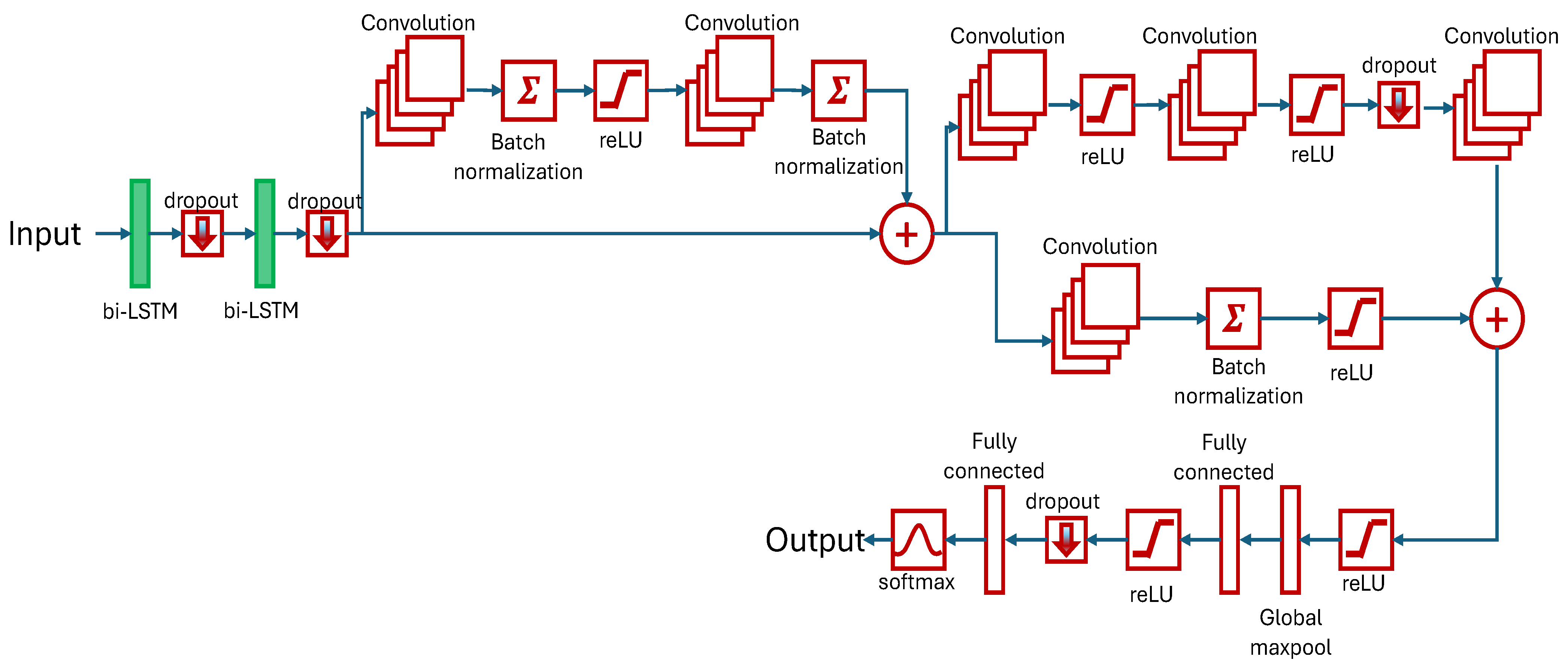
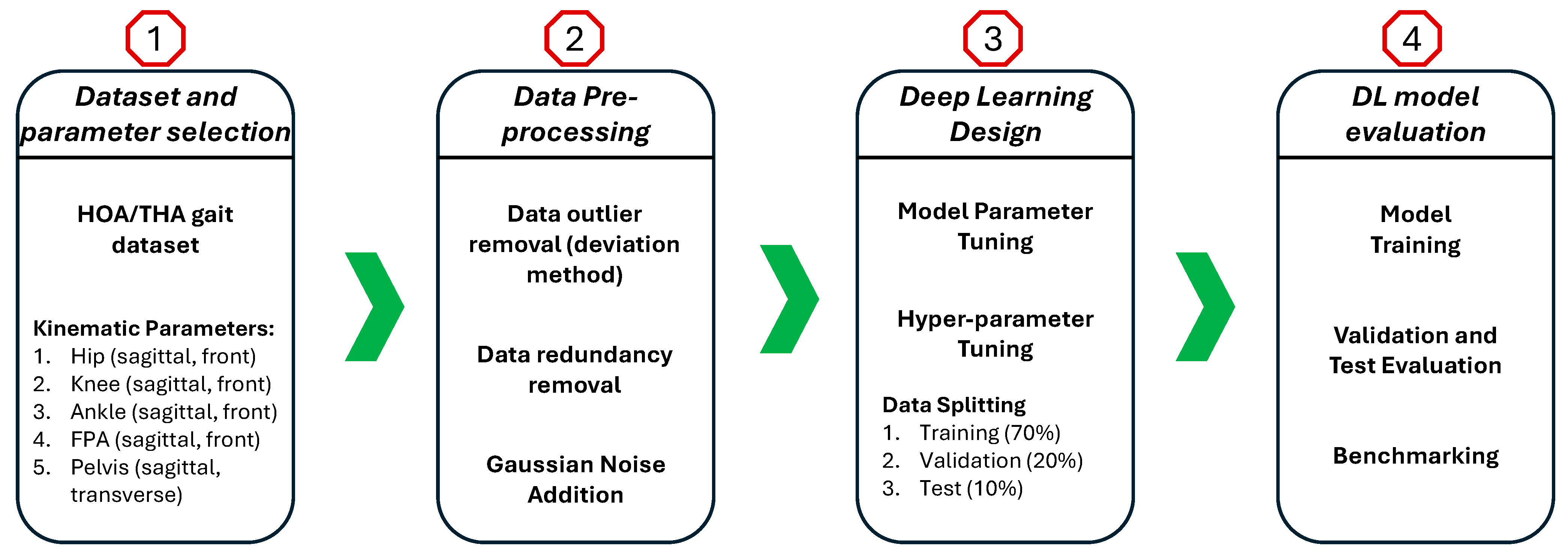
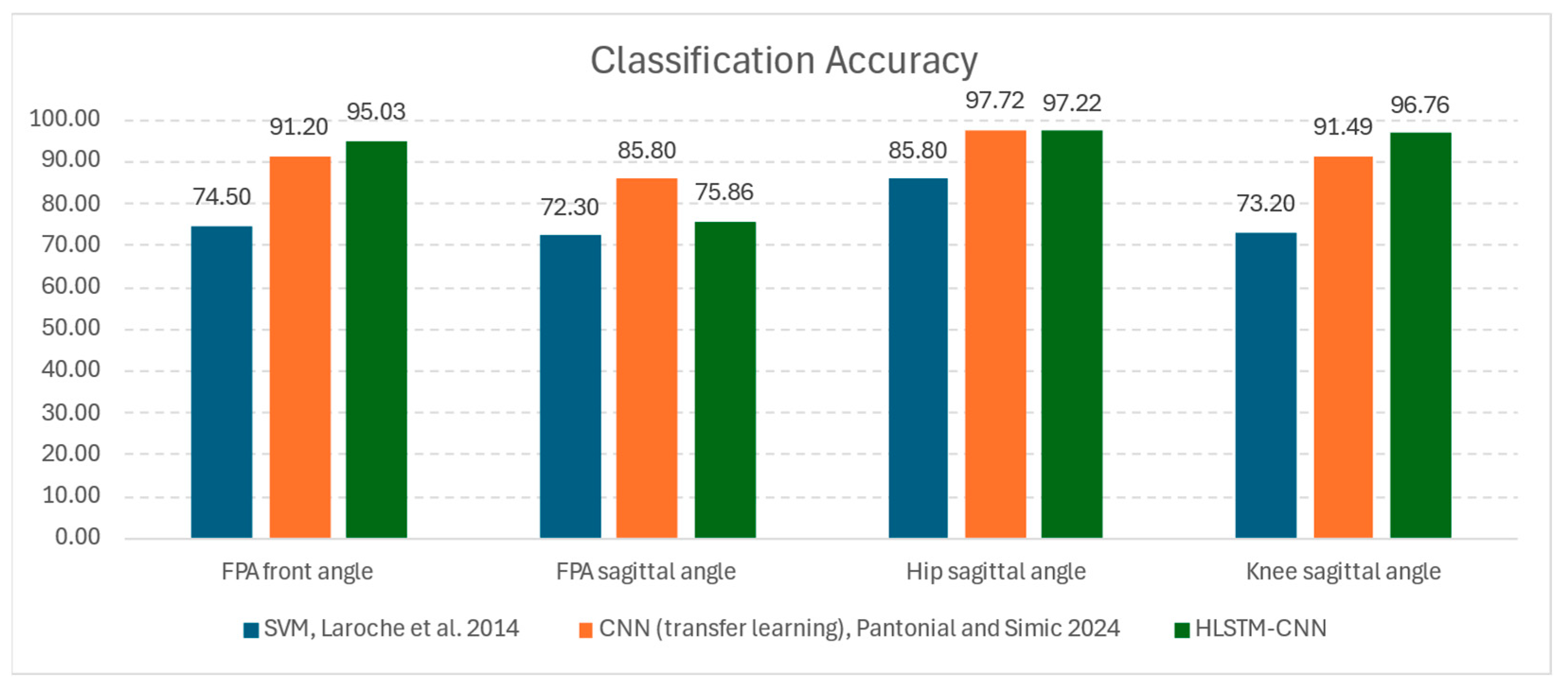
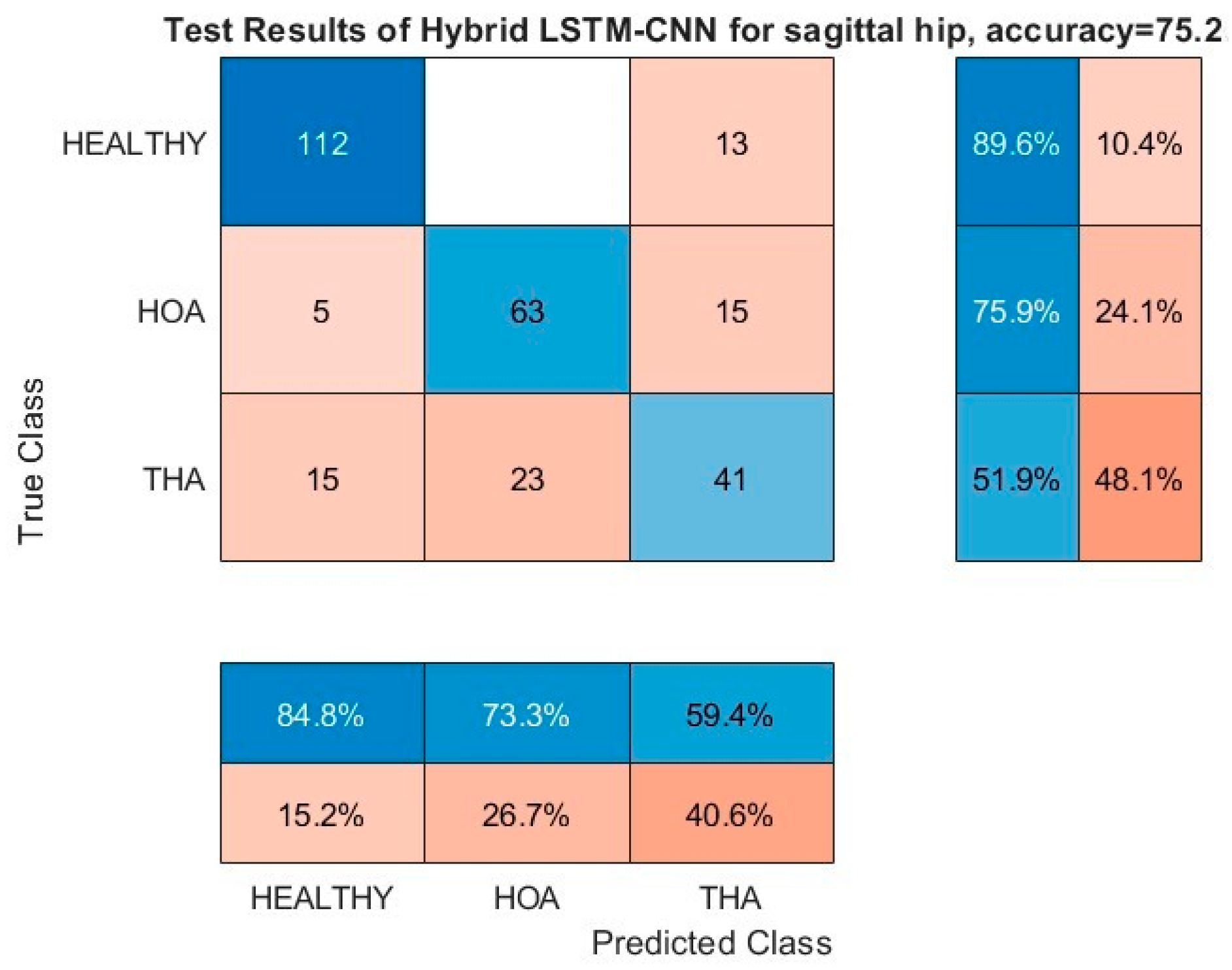
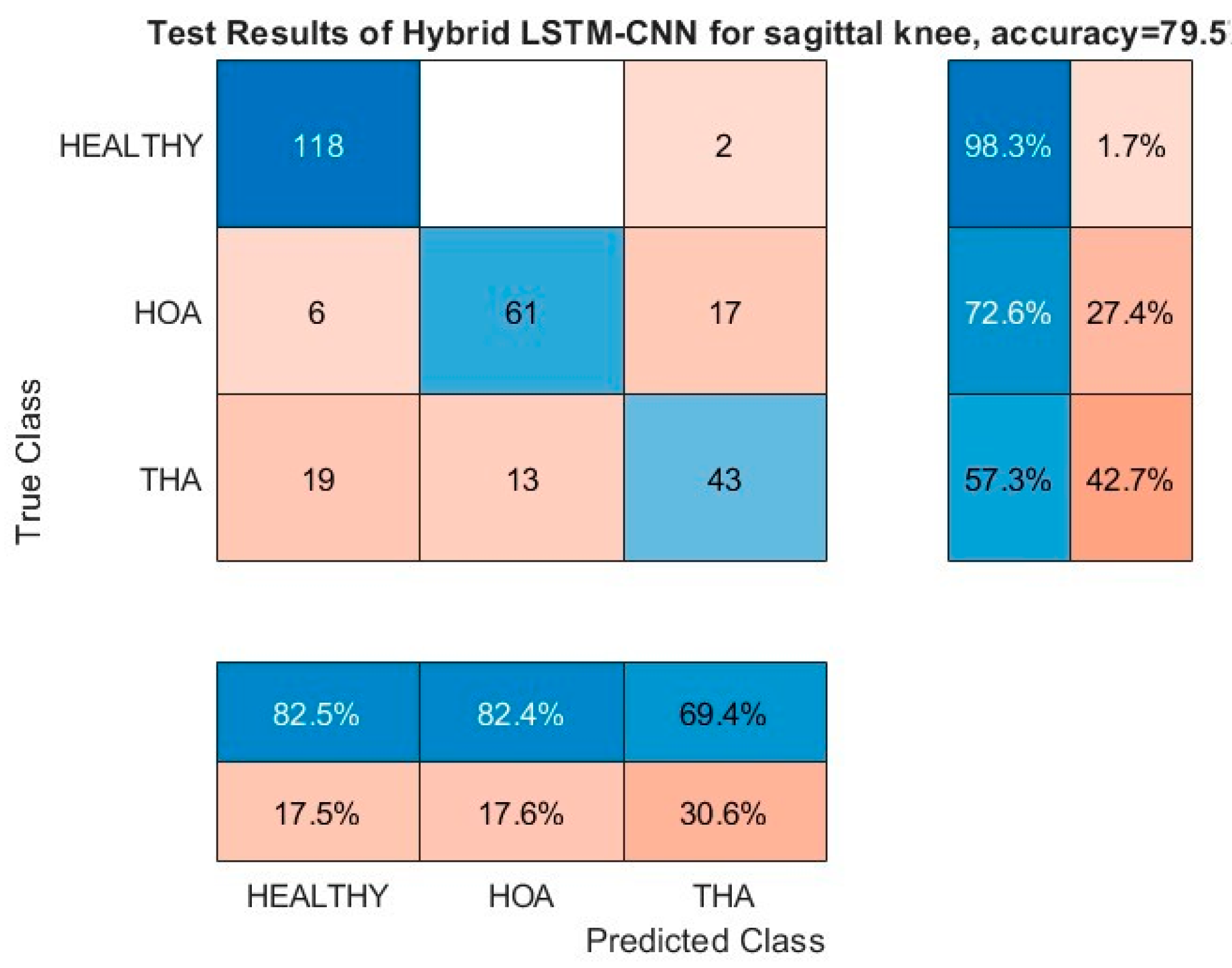
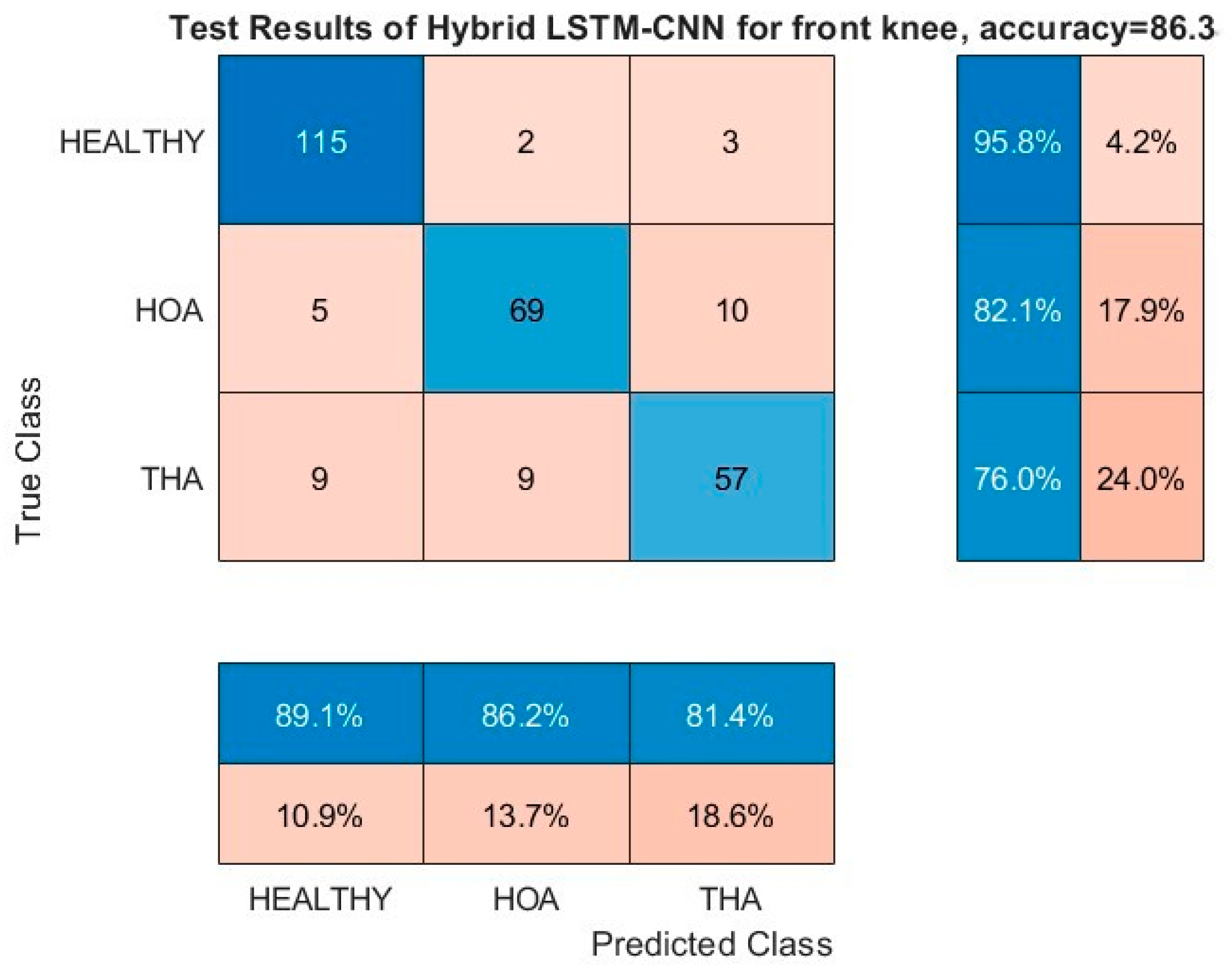
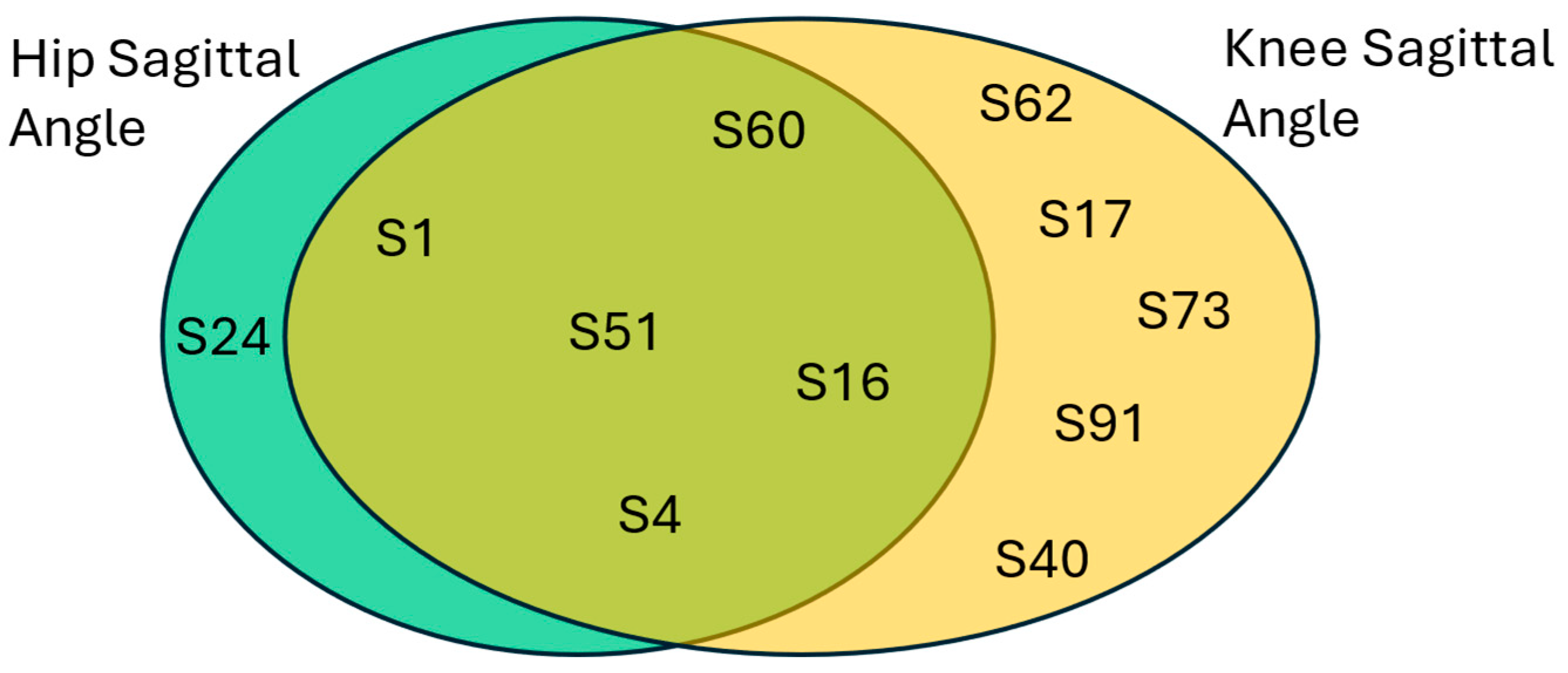
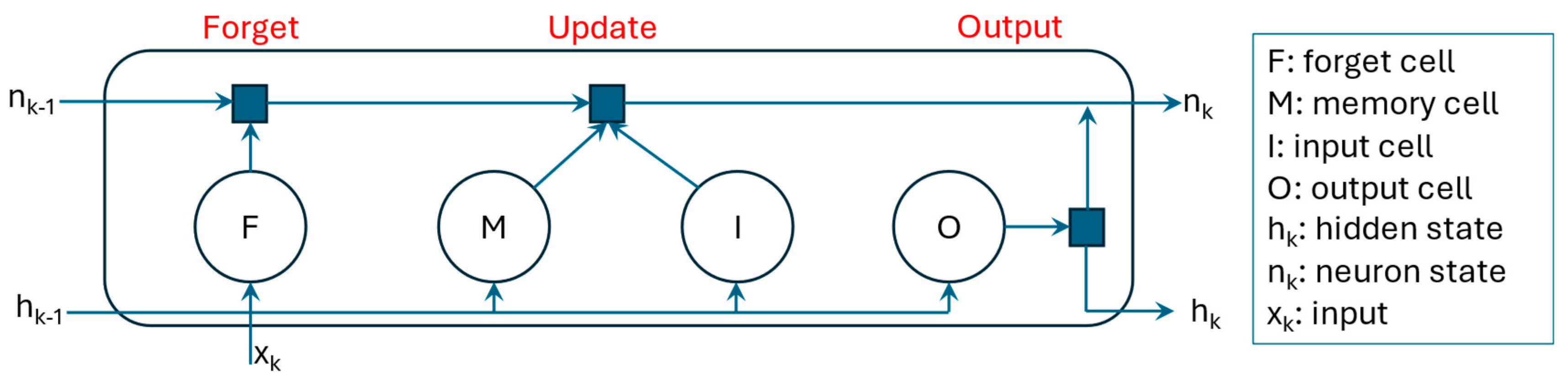
The application of gait analysis on patients with Hip Osteoarthritis (HOA) before and after Total Hip Arthroplasty (THA) surgery can provide accurate diagnostics, reliable treatment decision making, and proper rehabilitation efforts. Acquired kinematic trajectories provide discriminating features that can be used to determine the gait patterns of healthy subjects and the effects of surgical operation. However, there is still a lack of consensus on the best discriminating kinematics to achieve this. Our investigation aims to utilize Deep Learning (DL) methodologies and improve classification results for the kinematic parameters of healthy, HOA, and 6 months post-THA gait cycles. Kinematic angles from the lower limb are used directly as one-dimensional inputs into a DL model. Based on the human gait cycle’s features, a hybrid Long Short-Term Memory–Convolutional Neural Network (HLSTM-CNN) is designed for the classification of healthy/HOA/THA gaits. It was found, from the results, that the sagittal angles of hip and knee, and front angles of FPA and knee, provide the most discriminating results with accuracy above 94% between healthy and HOA gaits. Interestingly, when using the sagittal angles of hip and knee to analyze the THA gaits, common subjects have the same results on the misclassifications. This crucial information provides a glimpse in the determination for the success or failure of THA.
Keywords: gait; kinematic parameters; hip osteoarthritis; total hip arthroplasty; long short-term memory; convolutional neural networks gait; kinematic parameters; hip osteoarthritis; total hip arthroplasty; long short-term memory; convolutional neural networks