The Design and Development of a Wearable Cable-Driven Shoulder Exosuit (CDSE) for Multi-DOF Upper Limb Assistance



Abstract
1. Introduction
- Cable-Driven Exosuits in Rehabilitation Robotics
- Need for Shoulder-Specific Rehabilitation
- Categories of Shoulder Exoskeletons
- Current Challenges in High-DOF Systems
- Addressing Misalignment and Discomfort
- Design Challenges in Existing Exosuits and Proposed Solution
2. Design Concept
2.1. Upper Limb Biomechanics
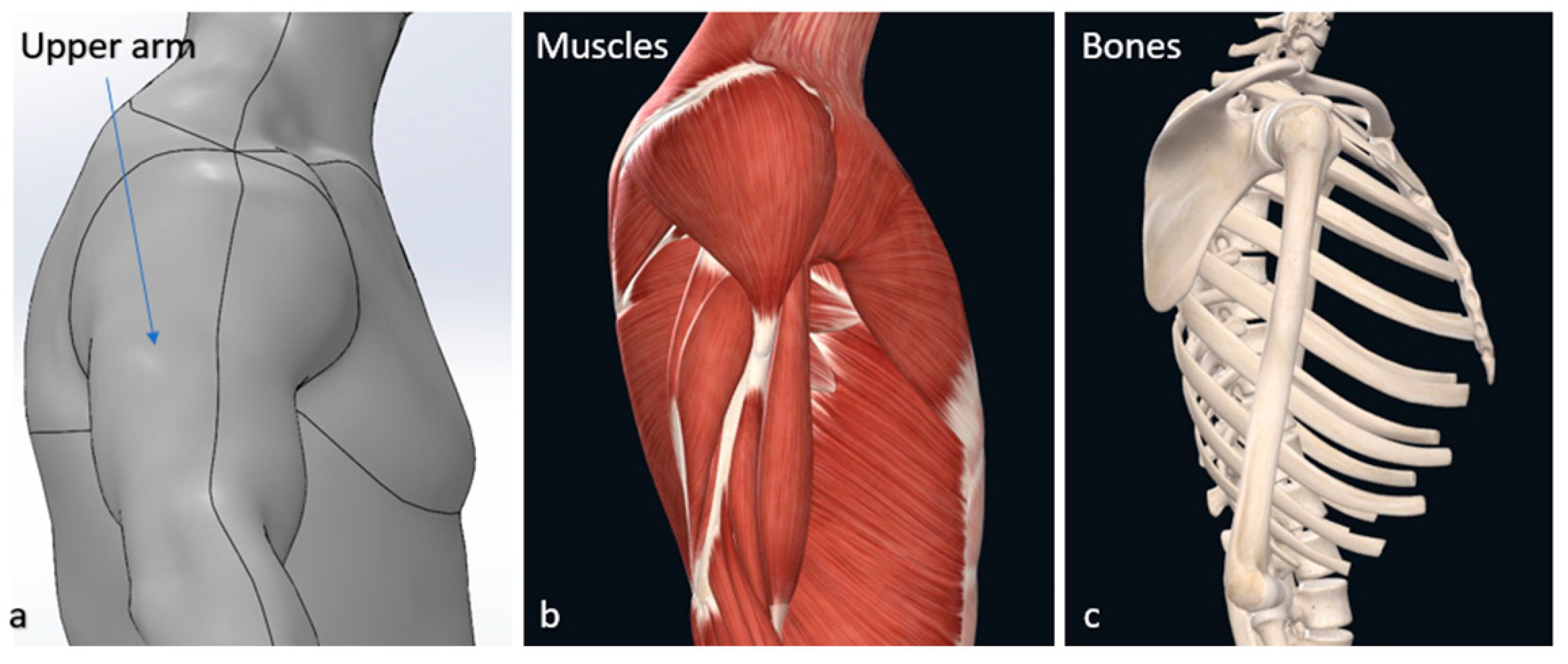
2.2. Shoulder Joints and Muscles
2.3. Bioinspired Design
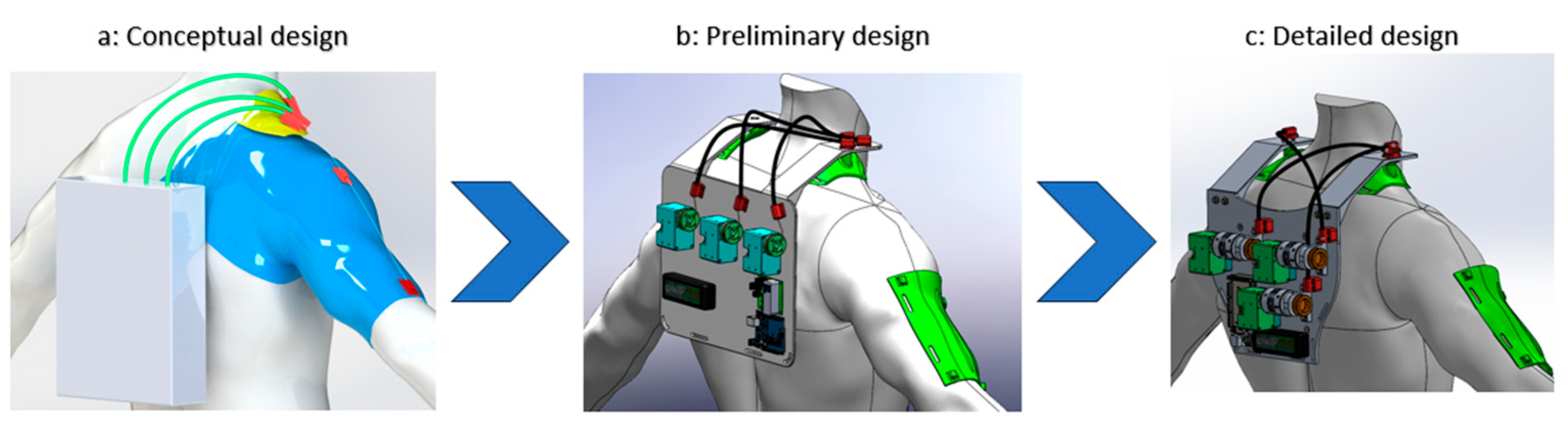
2.4. Design and Development of Exosuit
2.5. Justification
3. Mathematical Modeling of CDSE
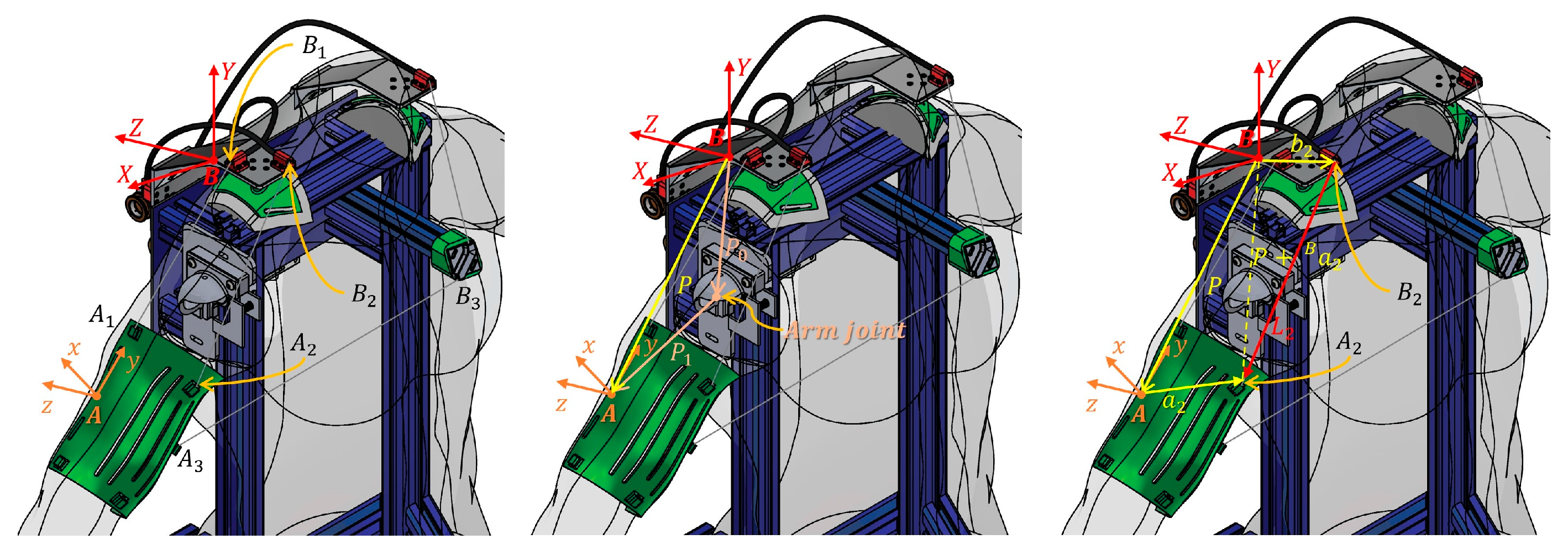
Inverse Kinematics of CDSE
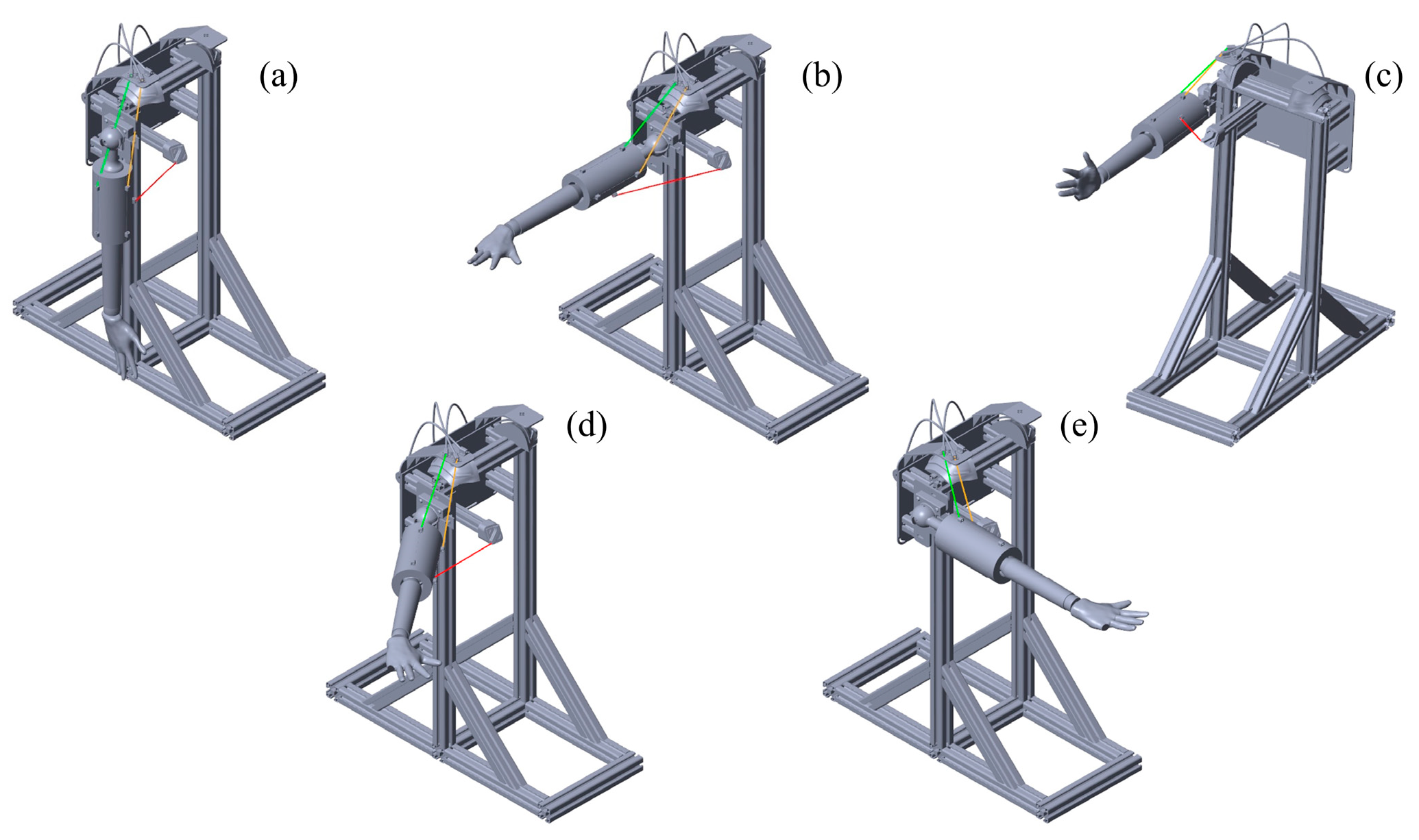
4. Rehabilitation Scenarios
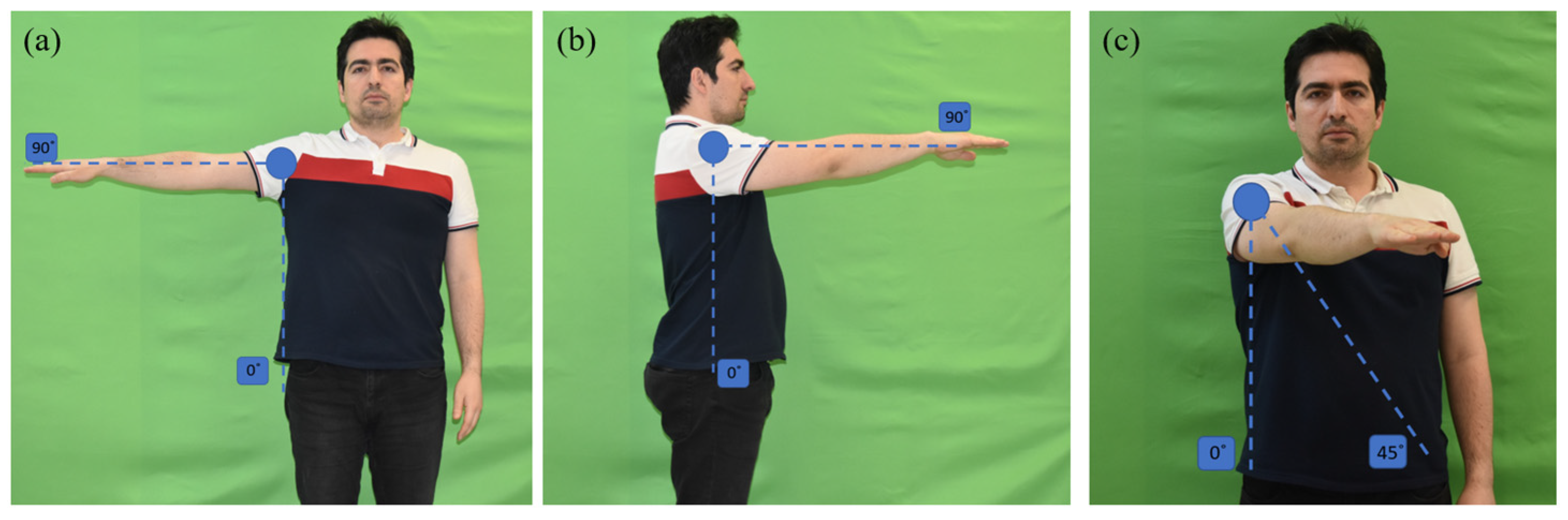
4.1. Shoulder Abduction
4.2. Shoulder Flexion
4.3. Shoulder Horizontal Flexion
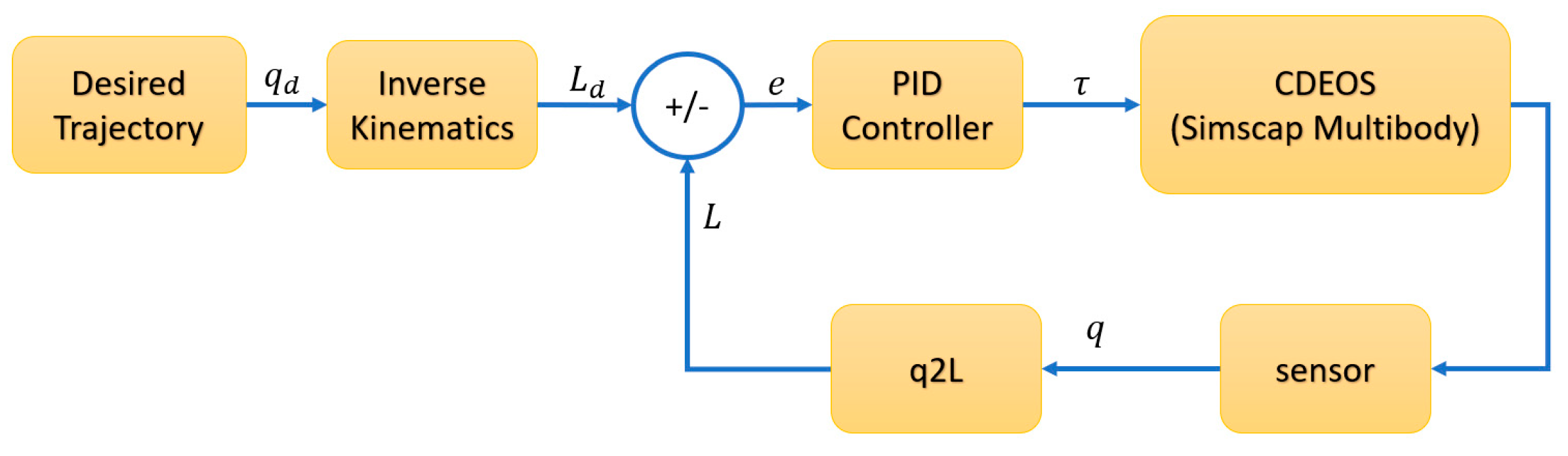
5. Simulation and Control
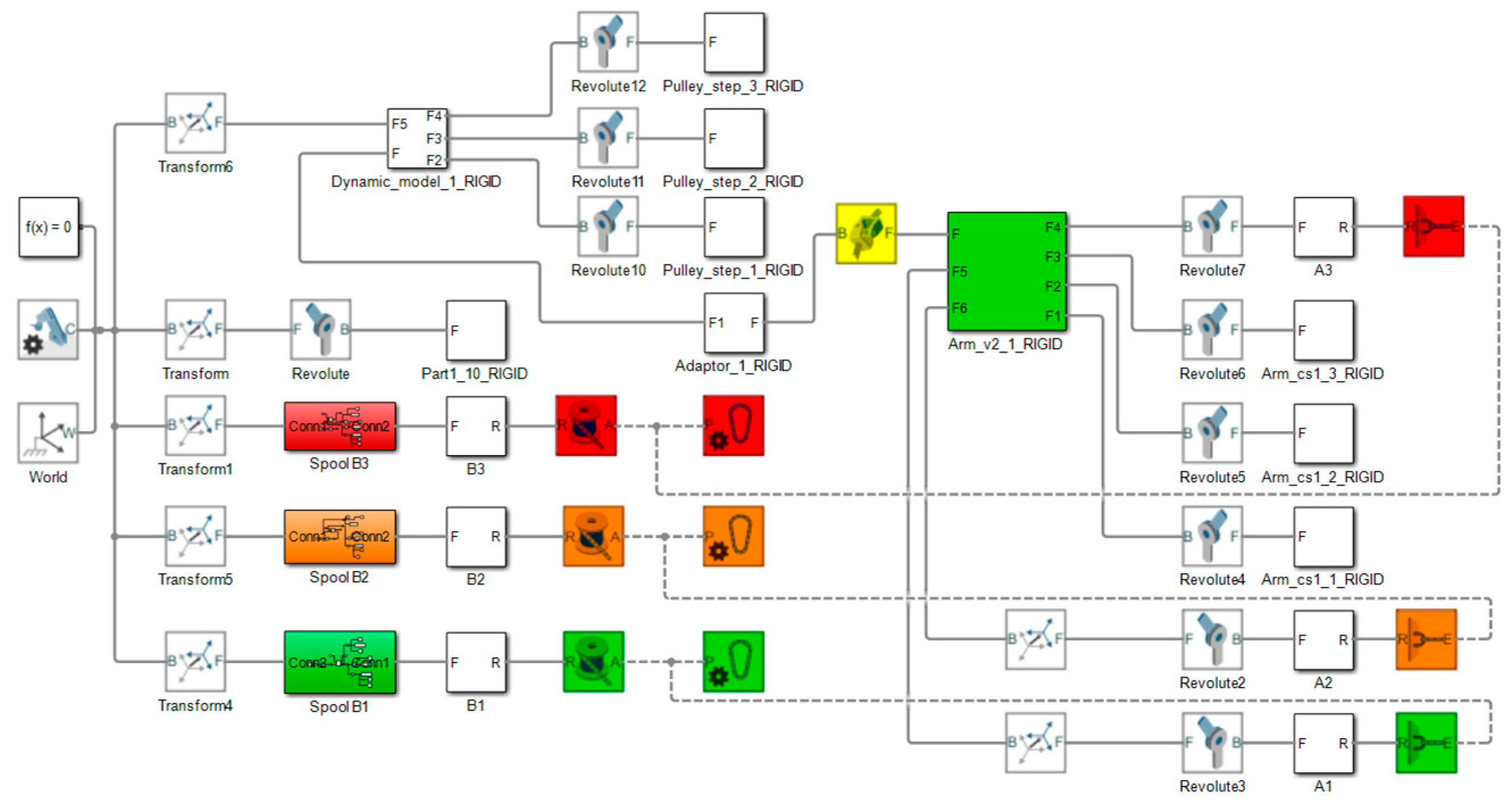
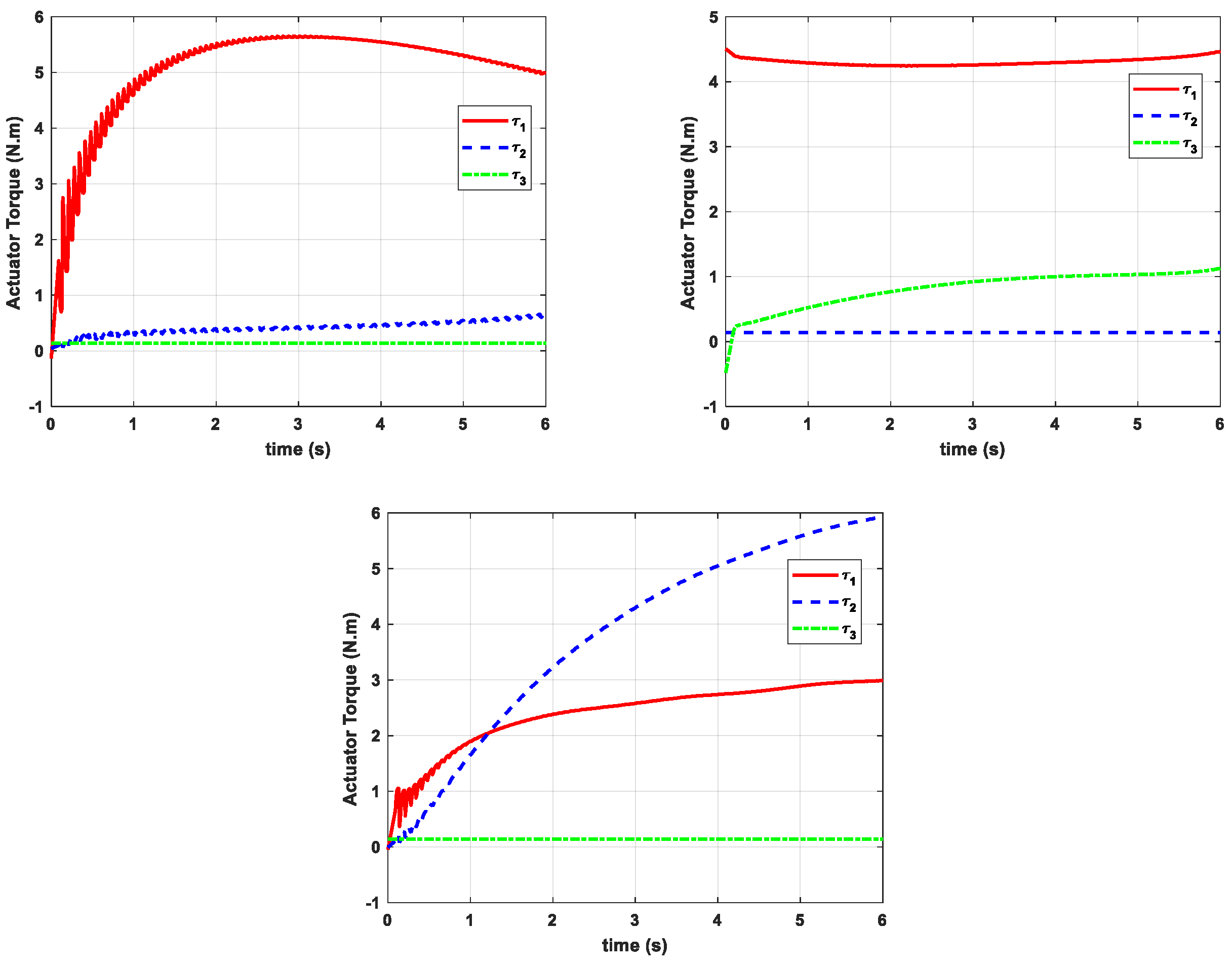
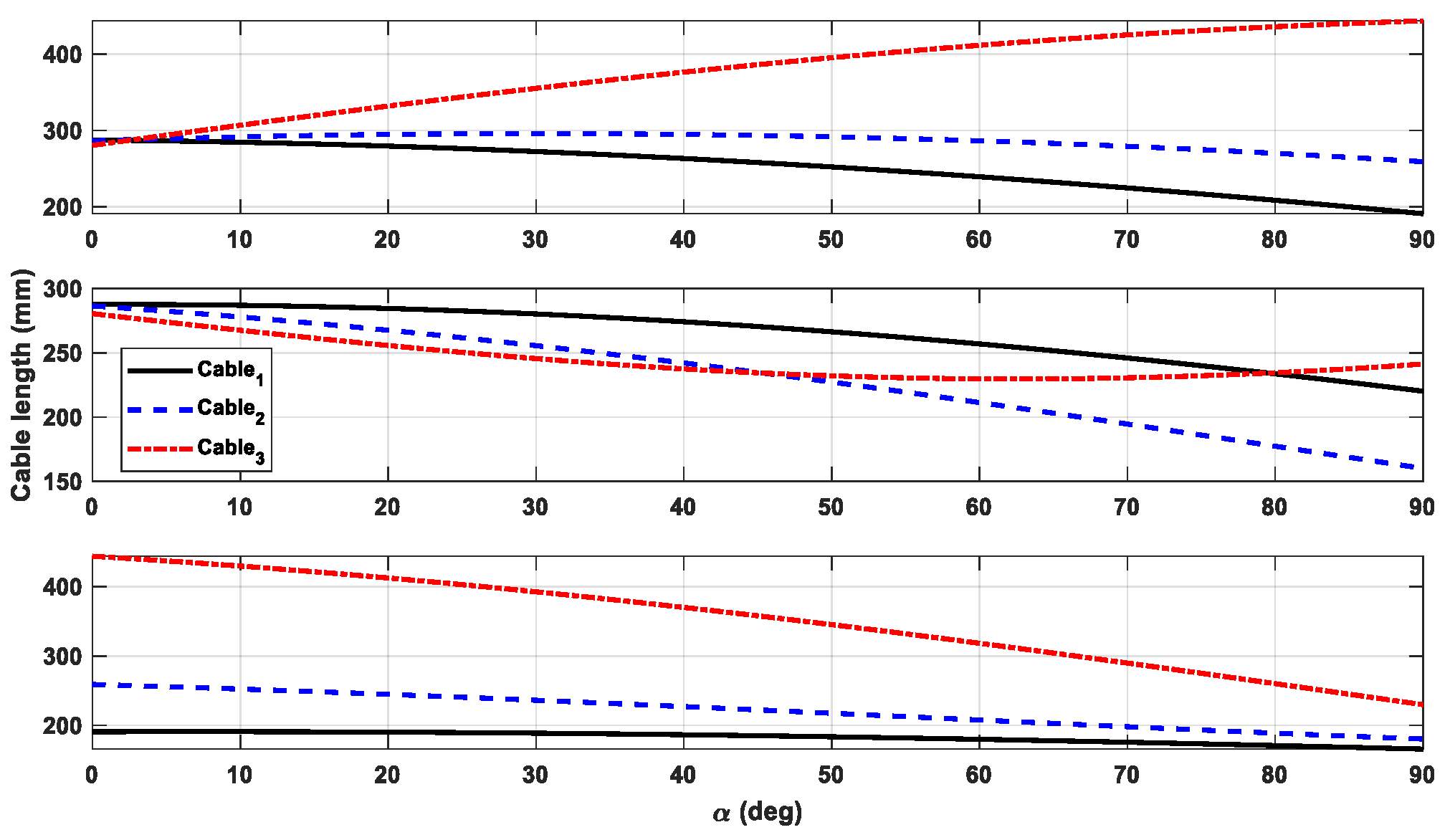
5.1. Simulation Results
5.2. Justification of Control Strategy
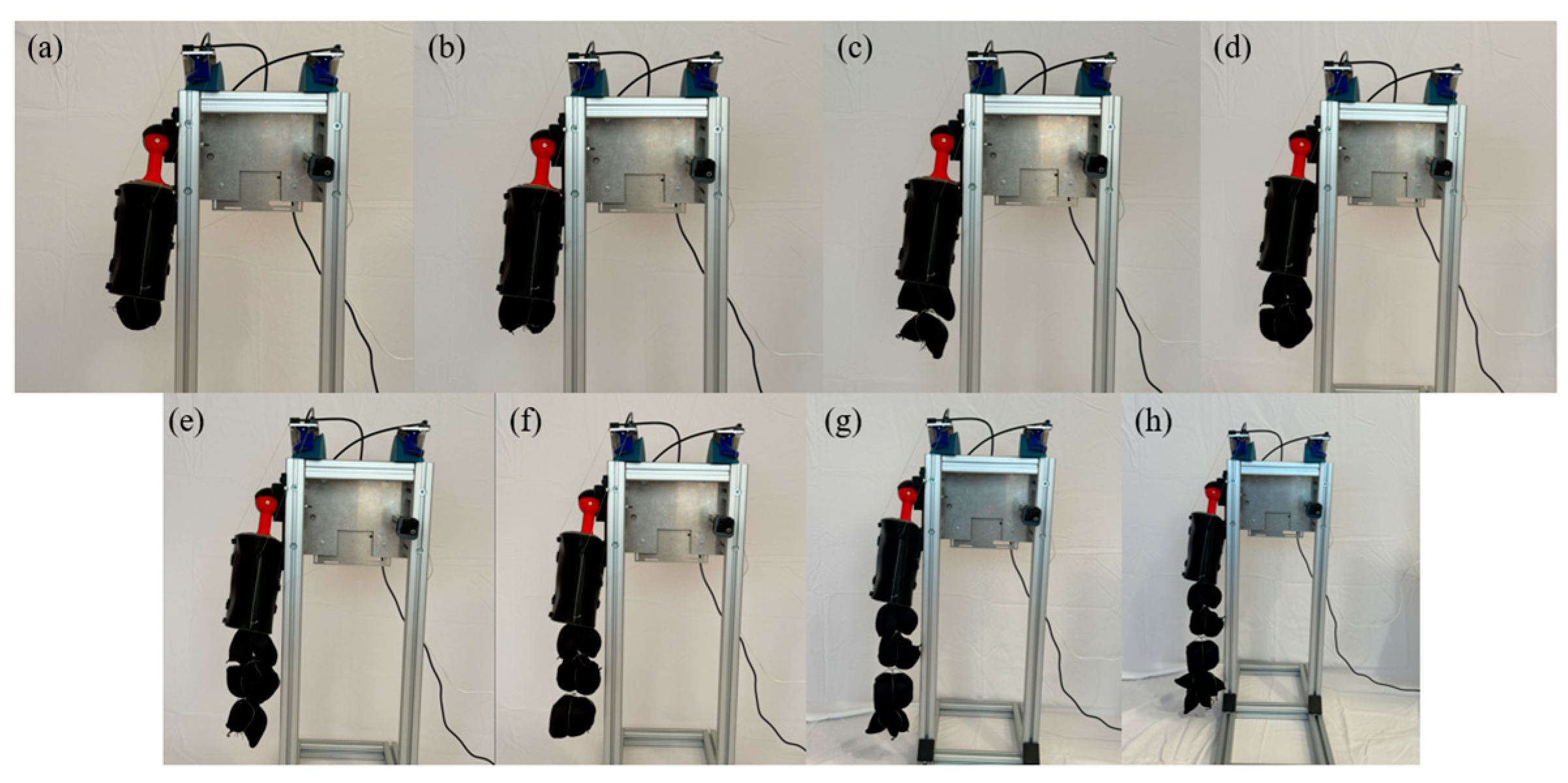
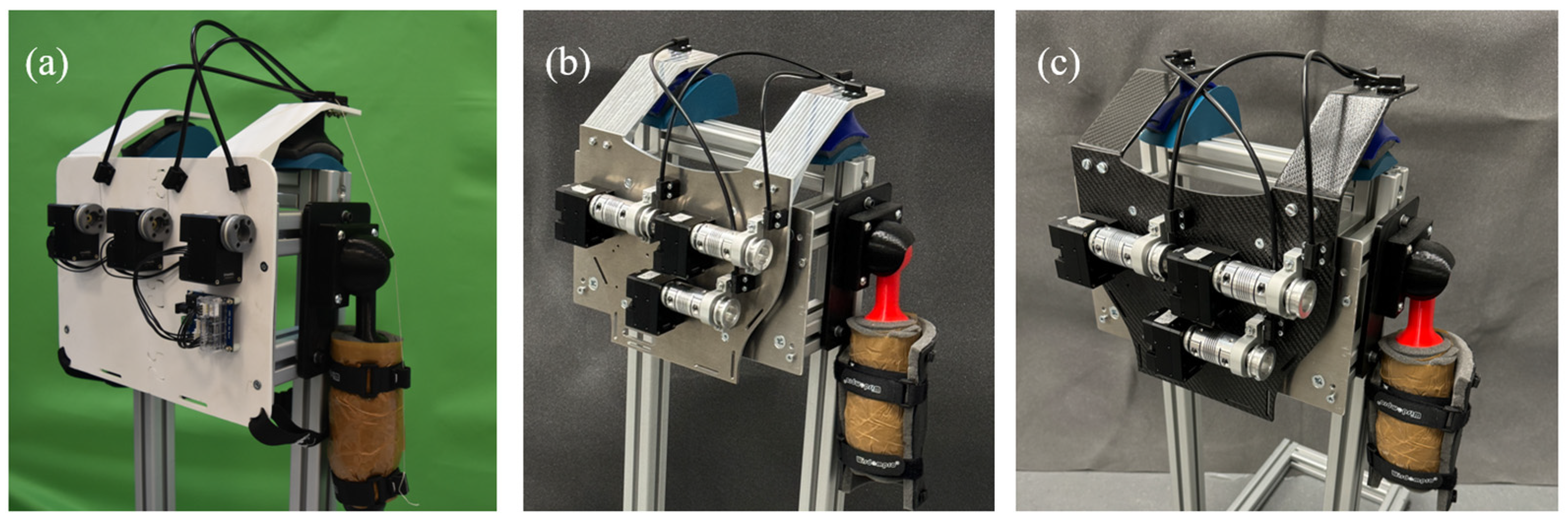
6. Prototype and Experiment
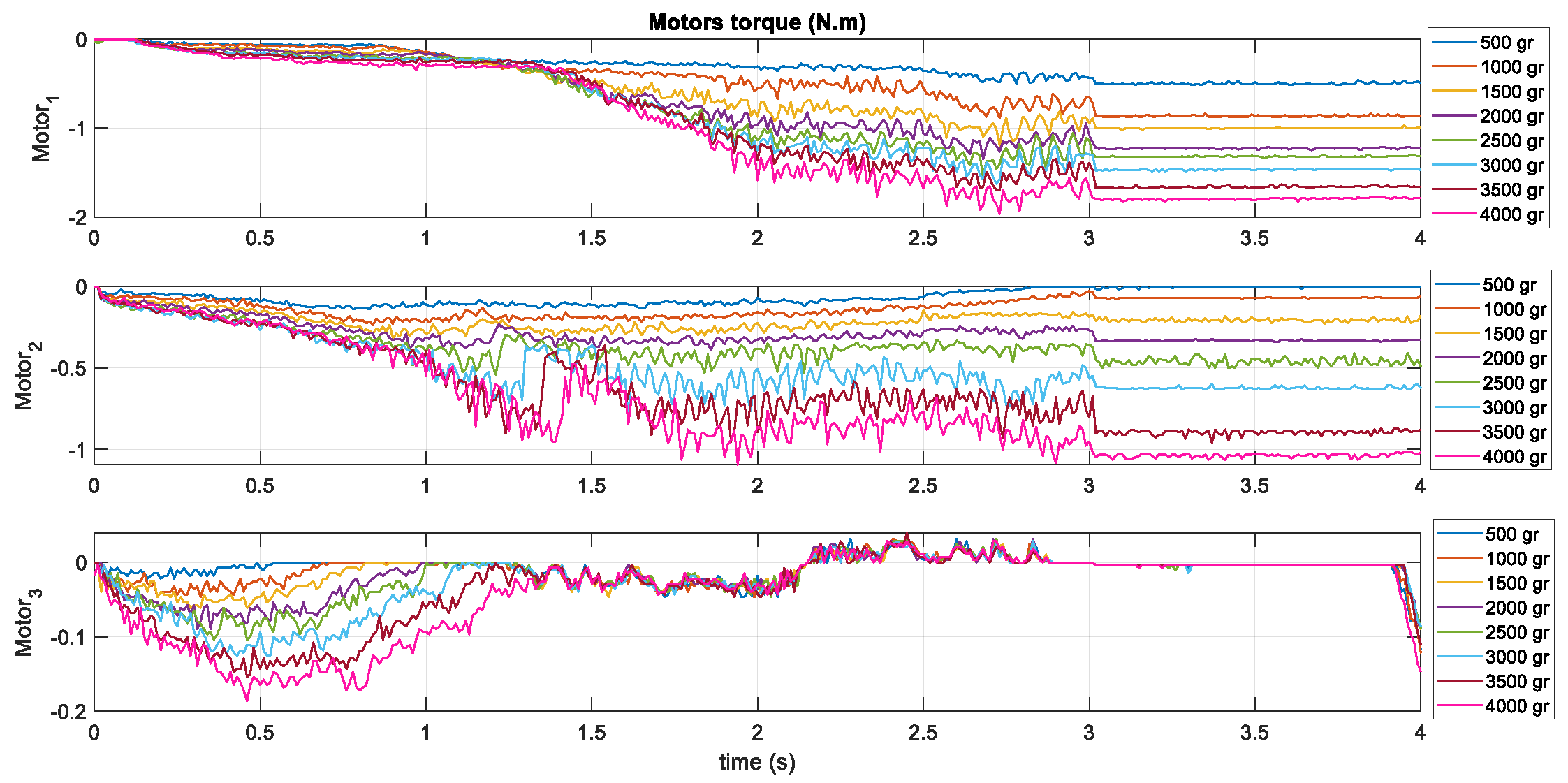
6.1. Experimental Results
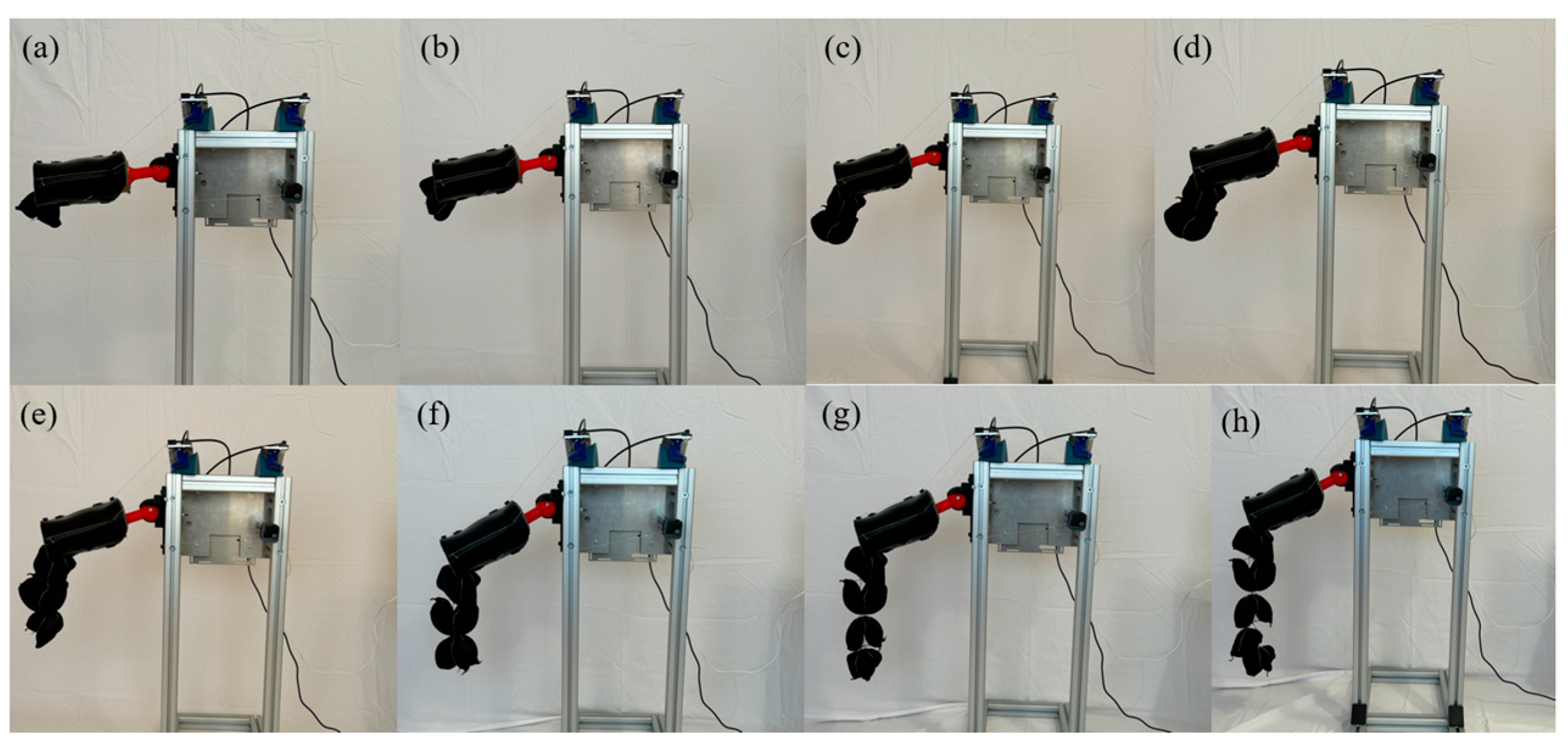
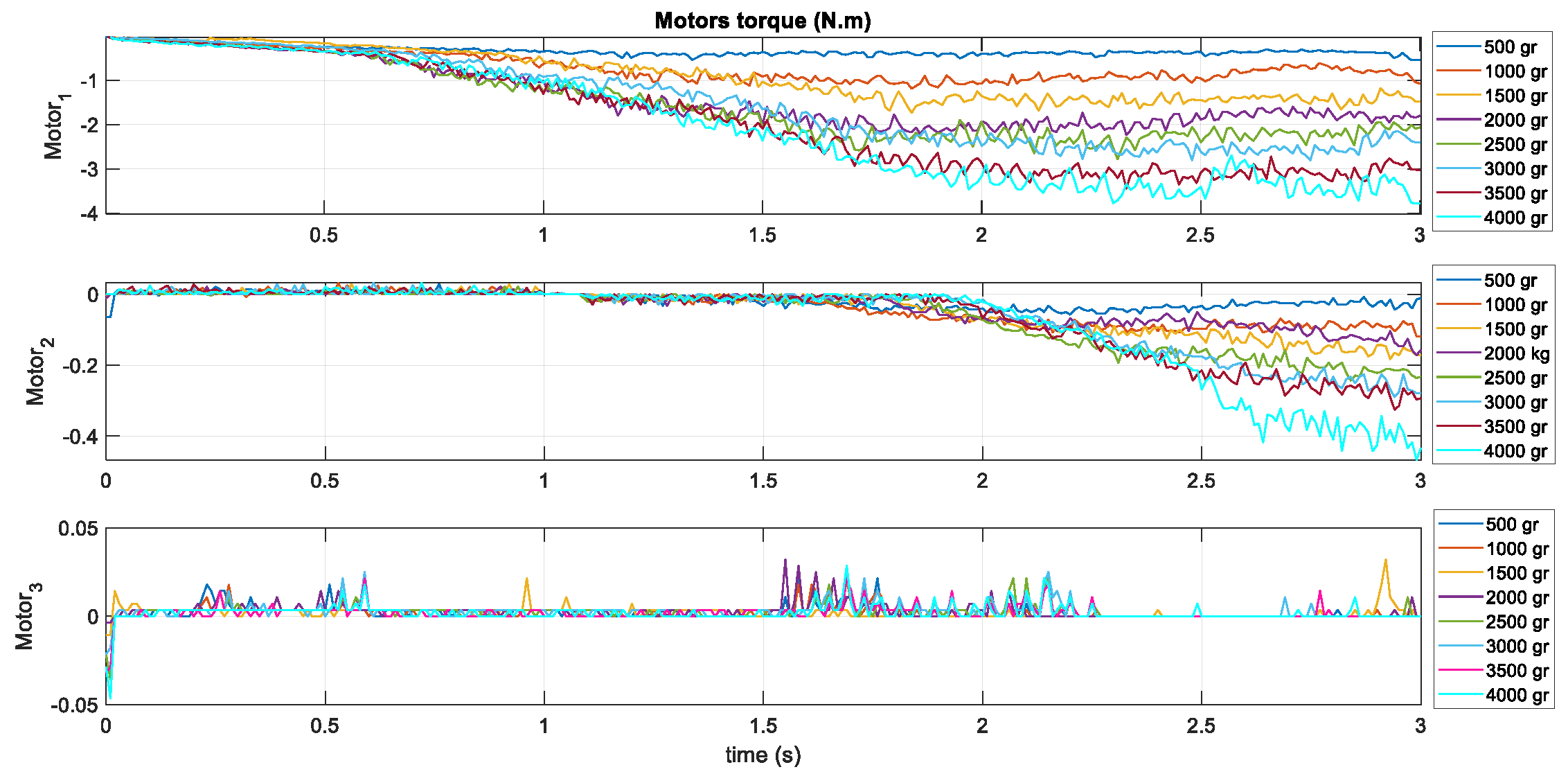
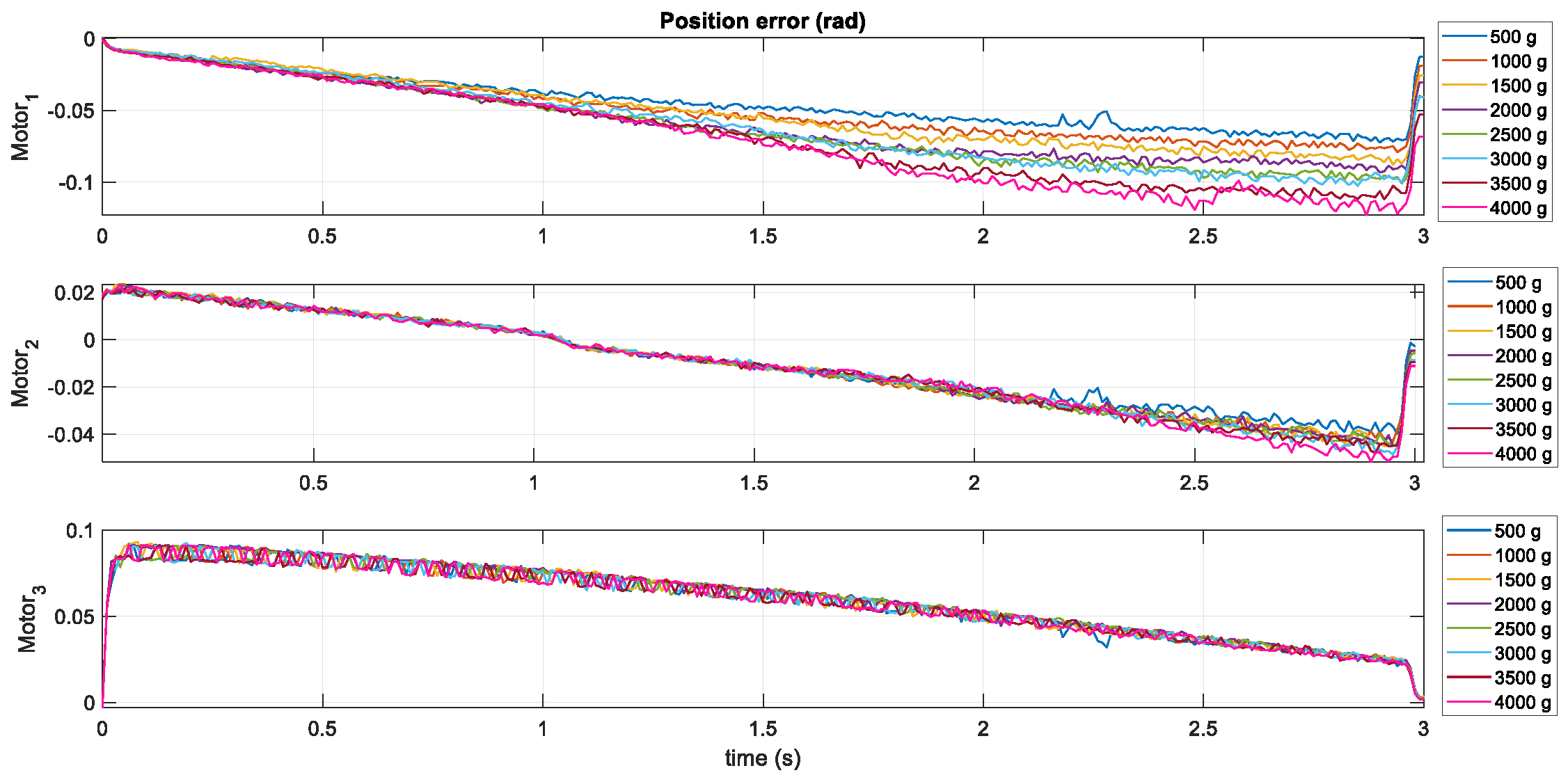
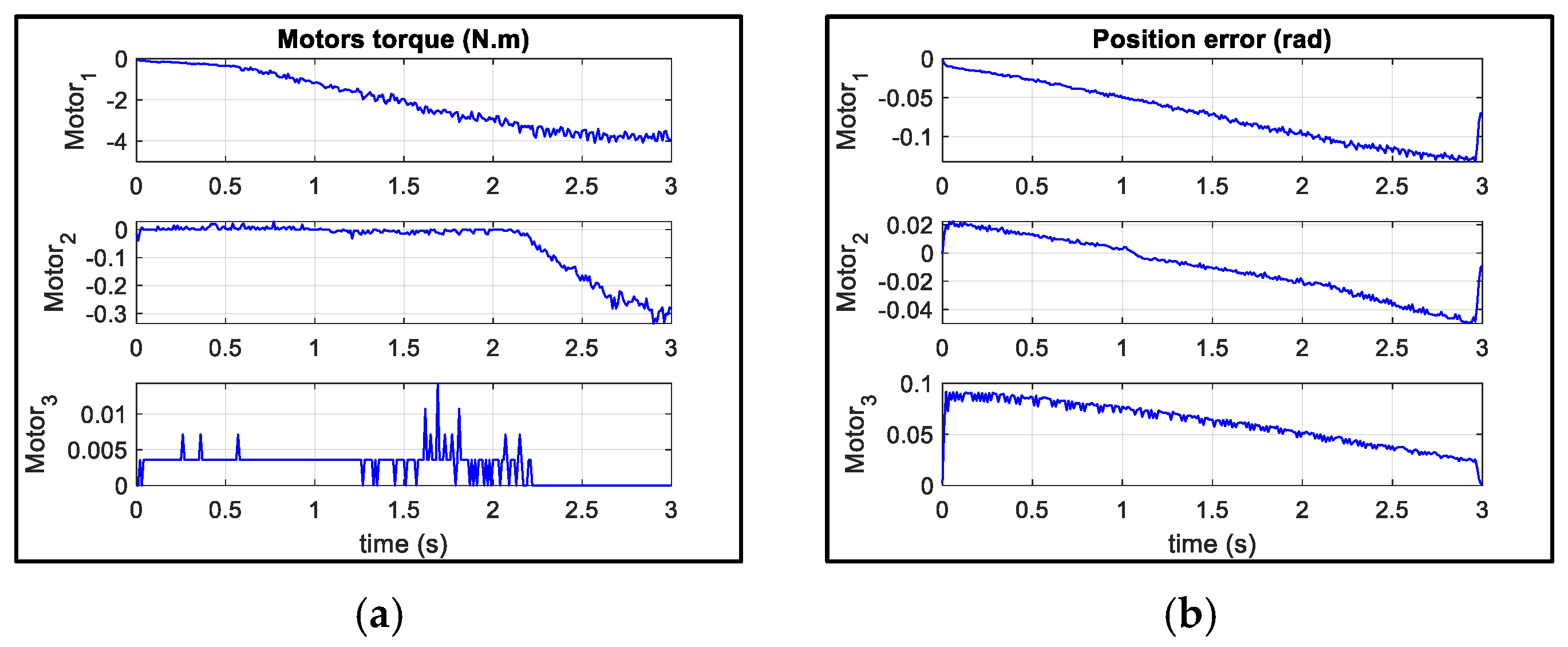
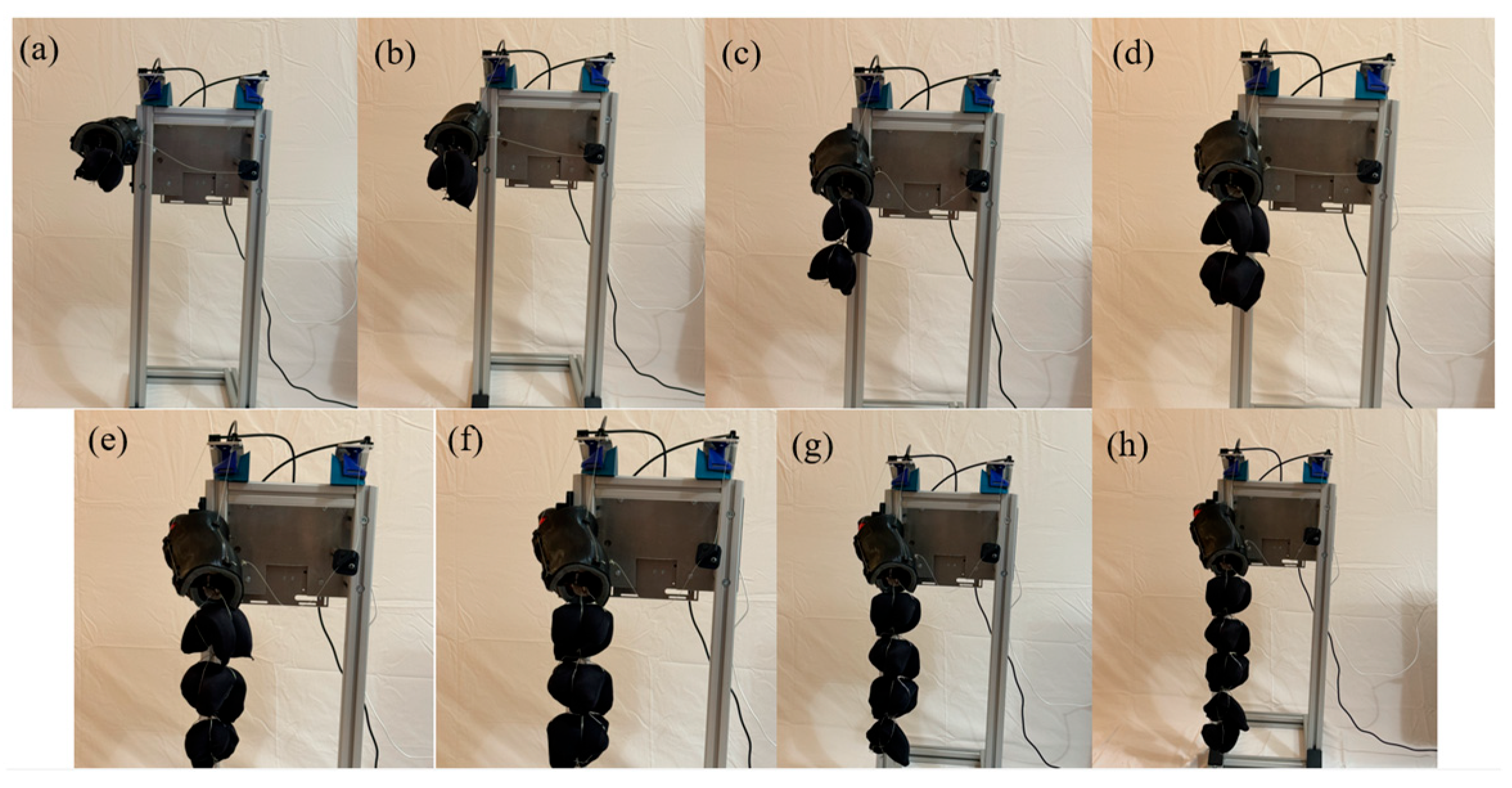
6.2. Shoulder Abduction Movement Test
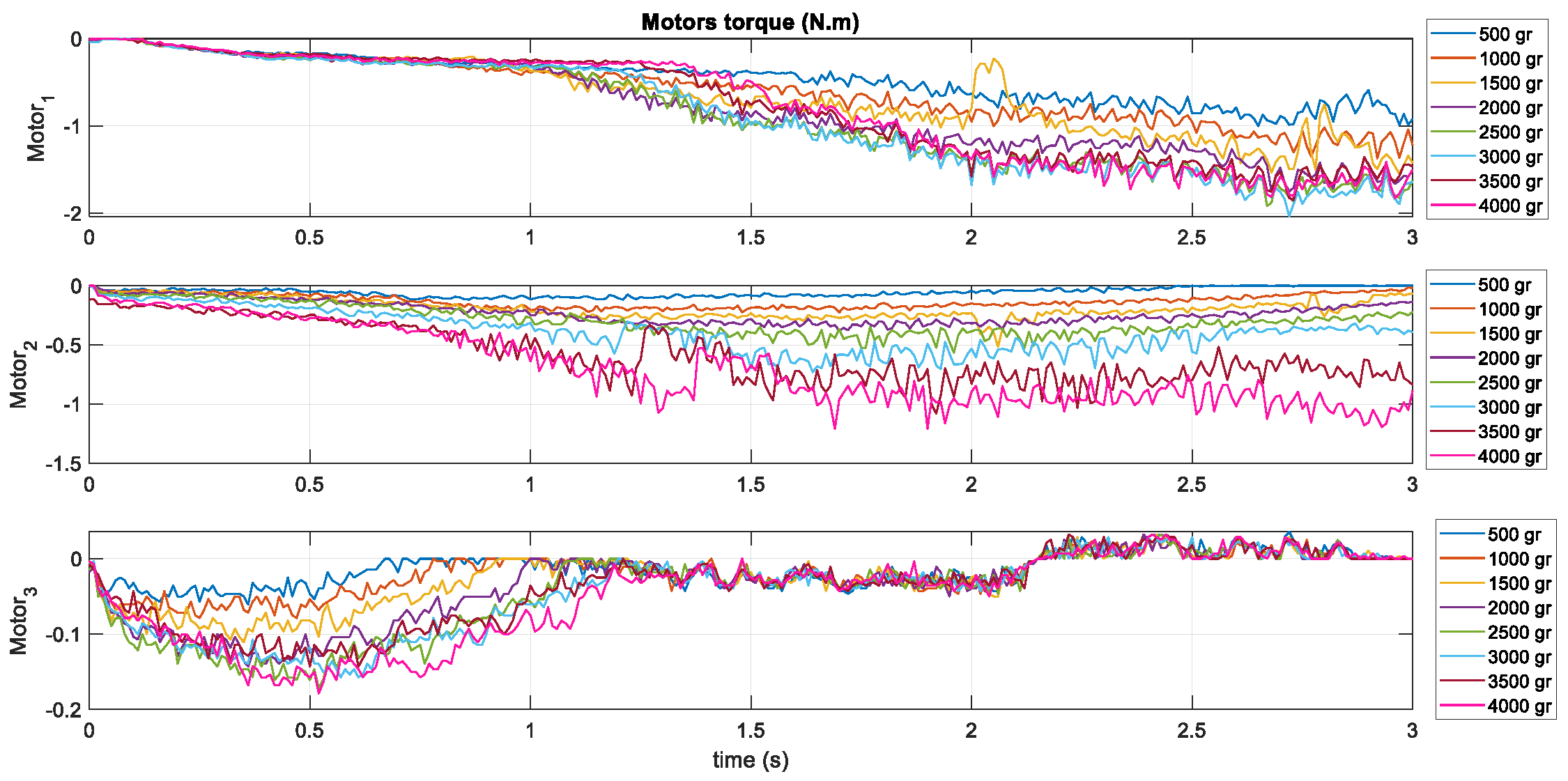
6.3. Shoulder Flexion Movement Test
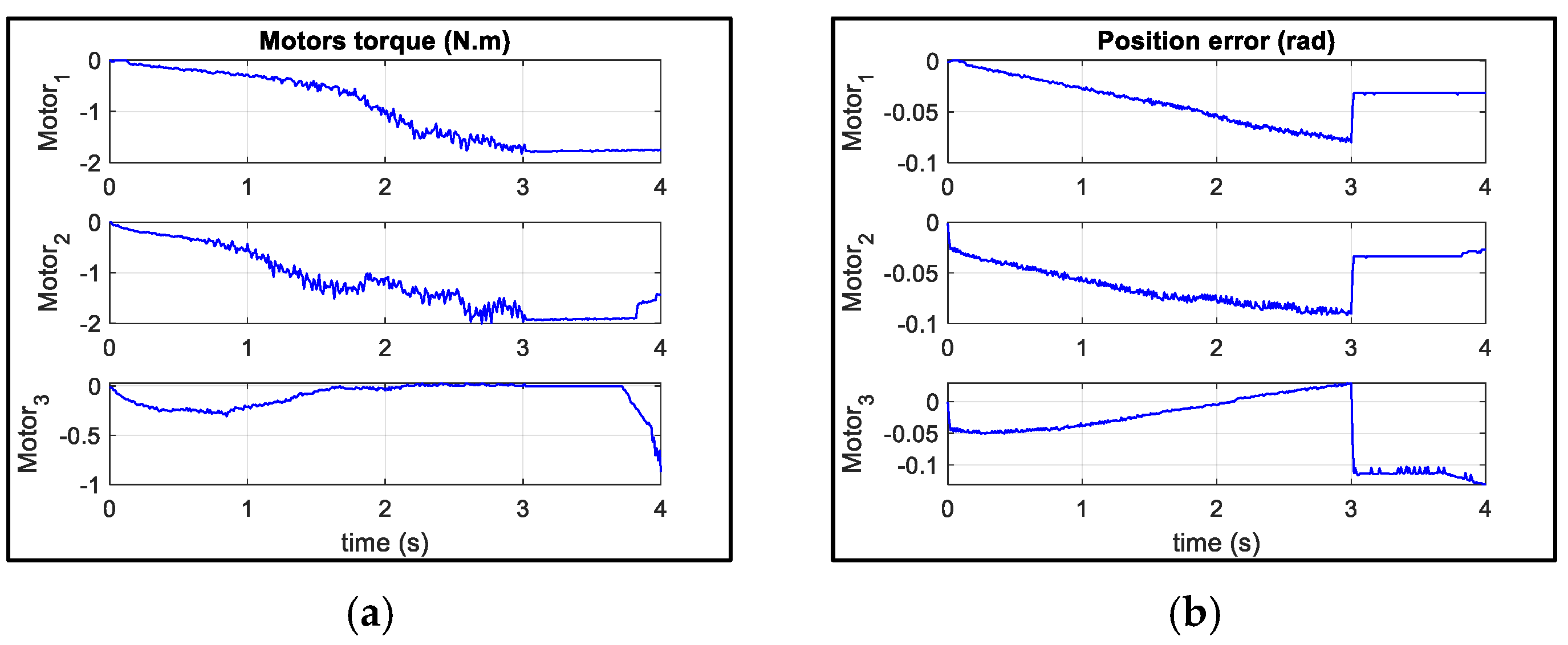
6.4. Shoulder Horizontal Flexion Movement Test
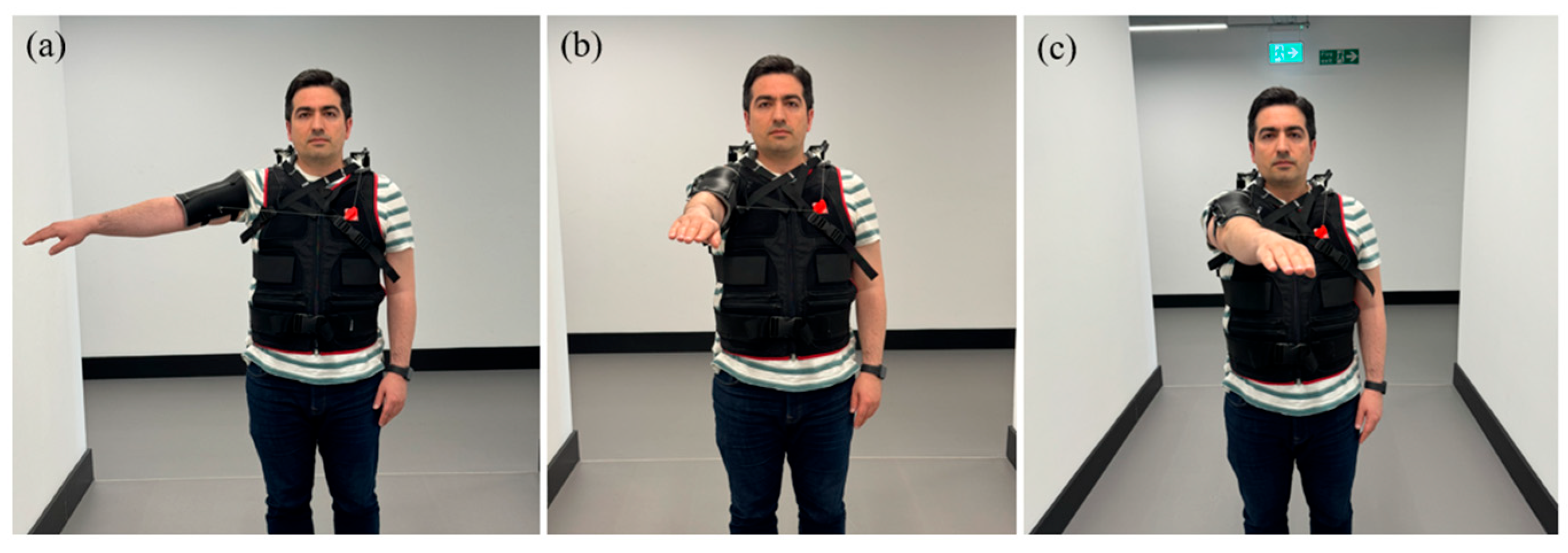
6.5. Experiments on Healthy Candidate with Carbon Fiber CDSE
6.6. Safety Considerations
6.7. Power Consumption and Energy Efficiency
6.8. Benchmarking Responsiveness with Recent Exosuits
6.9. Comparison Between Simulation and Experimental Results
7. Conclusions and Future Work
Author Contributions
Funding
Institutional Review Board Statement
Informed Consent Statement
Data Availability Statement
Conflicts of Interest
References
- O’Neill, C.T.; Phipps, N.S.; Cappello, L.; Paganoni, S.; Walsh, C.J. A soft wearable robot for the shoulder: Design, characterization, and preliminary testing. In Proceedings of the 2017 International Conference on Rehabilitation Robotics (ICORR), London, UK, 17–20 July 2017; IEEE: New York, NY, USA, 2017; pp. 1672–1678. [Google Scholar]
- Gopura, R.A.; Kiguchi, K. Mechanical designs of active upper-limb exoskeleton robots: State-of-the-art and design difficulties. In Proceedings of the 2009 IEEE International Conference on Rehabilitation Robotics, Kyoto, Japan, 23–26 June 2009; IEEE: New York, NY, USA, 2009; pp. 178–187. [Google Scholar]
- Bogue, R. Exoskeletons and robotic prosthetics: A review of recent developments. Ind. Robot. Int. J. 2009, 36, 421–427. [Google Scholar] [CrossRef] [Scilit]
- Platz, T. Evidenzbasierte Armrehabilitation. Der Nervenarzt 2003, 74, 841–849. [Google Scholar] [CrossRef] [Scilit]
- Varghese, R.J.; Freer, D.; Deligianni, F.; Liu, J.; Yang, G.-Z.; Tong, R. Wearable robotics for upper-limb rehabilitation and assistance: A review of the state-of-the-art challenges and future research. In Wearable Technology in Medicine and Health Care; Elsevier: Amsterdam, The Netherlands, 2018; pp. 23–69. [Google Scholar]
- Bermejo-García, J.; Rodríguez Jorge, D.; Romero-Sánchez, F.; Jayakumar, A.; Alonso-Sánchez, F.J. Actuation Strategies for a Wearable Cable-Driven Exosuit Based on Synergies in Younger and Older Adults. Sensors 2022, 23, 261. [Google Scholar] [CrossRef] [Scilit]
- Jorge, D.R.; Bermejo-Garcìa, J.; Jayakumar, A.; Romero-Sánchez, F.; Alonso, F.J. A synergy-based approach for the design of a lower-limb, cable-driven exosuit. J. Mech. Des. 2022, 144, 103302. [Google Scholar] [CrossRef] [Scilit]
- Bruckmann, T.; Pott, A. Cable-Driven Parallel Robots; Springer: Berlin/Heidelberg, Germany, 2012; Volume 12. [Google Scholar]
- Sanjuan, J.; Castillo, A.D.; Padilla, M.A.; Quintero, M.C.; Gutierrez, E.; Sampayo, I.P.; Hernandez, J.R.; Rahman, M.H. Cable driven exoskeleton for upper-limb rehabilitation: A design review. Robot. Auton. Syst. 2020, 126, 103445. [Google Scholar] [CrossRef] [Scilit]
- Mao, Y.; Agrawal, S.K. Design of a cable-driven arm exoskeleton (CAREX) for neural rehabilitation. IEEE Trans. Robot. 2012, 28, 922–931. [Google Scholar] [CrossRef] [Scilit]
- Agrawal, S.K.; Dubey, V.N.; Gangloff, J.J.; Brackbill, E.; Mao, Y.; Sangwan, V. Design and optimization of a cable driven upper arm exoskeleton. J. Med. Devices 2009, 3, 031004. [Google Scholar] [CrossRef] [Scilit]
- Rossini, M.; De Bock, S.; van der Have, A.; Flynn, L.; Rodriguez-Cianca, D.; De Pauw, K.; Lefeber, D.; Geeroms, J.; Rodriguez-Guerrero, C. Design and evaluation of a passive cable-driven occupational shoulder exoskeleton. IEEE Trans. Med. Robot. Bionics 2021, 3, 1020–1031. [Google Scholar] [CrossRef] [Scilit]
- Xiloyannis, M.; Cappello, L.; Binh, K.D.; Antuvan, C.W.; Masia, L. Preliminary design and control of a soft exosuit for assisting elbow movements and hand grasping in activities of daily living. J. Rehabil. Assist. Technol. Eng. 2017, 4, 2055668316680315. [Google Scholar] [CrossRef] [Scilit]
- He, L.; Xu, C.; Guan, X. Design Methodology and Experimental Study of a Lower Extremity Soft Exosuit. Electronics 2023, 12, 2502. [Google Scholar] [CrossRef] [Scilit]
- Wei, W.; Qu, Z.; Wang, W.; Zhang, P.; Hao, F. Design on the bowden cable-driven upper limb soft exoskeleton. Appl. Bionics Biomech. 2018, 2018, 1925694. [Google Scholar] [CrossRef] [Scilit]
- Lingampally, P.K.; Doss, A.S.A.; Nguyen, G.M.T.; Schilberg, D. A comprehensive review of wearable assistive robotic devices used for head and neck rehabilitation. Results Eng. 2023, 19, 101306. [Google Scholar] [CrossRef] [Scilit]
- Nef, T.; Klamroth-Marganska, V.; Keller, U.; Riener, R. Three-dimensional multi-degree-of-freedom arm therapy robot (ARMin). In Neurorehabilitation Technology; Springer: Berlin/Heidelberg, Germany, 2022; pp. 623–648. [Google Scholar]
- Lenarcic, J.; Stanisic, M. A humanoid shoulder complex and the humeral pointing kinematics. IEEE Trans. Robot. Autom. 2003, 19, 499–506. [Google Scholar] [CrossRef]
- Voilqué, A.; Masood, J.; Fauroux, J.; Sabourin, L.; Guezet, O. Industrial exoskeleton technology: Classification, structural analysis, and structural complexity indicator. In Proceedings of the 2019 Wearable Robotics Association Conference (Wearracon), Scottsdale, AZ, USA, 25–27 March 2019; IEEE: New York, NY, USA, 2019; pp. 13–20. [Google Scholar]
- Van Engelhoven, L.; Poon, N.; Kazerooni, H.; Rempel, D.; Barr, A.; Harris-Adamson, C. Experimental evaluation of a shoulder-support exoskeleton for overhead work: Influences of peak torque amplitude, task, and tool mass. IISE Trans. Occup. Ergon. Hum. Factors 2019, 7, 250–263. [Google Scholar] [CrossRef] [Scilit]
- Kim, S.; Nussbaum, M.A. A follow-up study of the effects of an arm support exoskeleton on physical demands and task performance during simulated overhead work. IISE Trans. Occup. Ergon. Hum. Factors 2019, 7, 163–174. [Google Scholar] [CrossRef] [Scilit]
- Pacifico, I.; Scano, A.; Guanziroli, E.; Moise, M.; Morelli, L.; Chiavenna, A.; Romo, D.; Spada, S.; Colombina, G.; Molteni, F. An experimental evaluation of the proto-mate: A novel ergonomic upper-limb exoskeleton to reduce workers’ physical strain. IEEE Robot. Autom. Mag. 2020, 27, 54–65. [Google Scholar] [CrossRef] [Scilit]
- Hyun, D.J.; Lim, H.; Park, S.; Nam, S. Singular wire-driven series elastic actuation with force control for a waist assistive exoskeleton, H-WEXv2. IEEE/ASME Trans. Mechatron. 2020, 25, 1026–1035. [Google Scholar] [CrossRef] [Scilit]
- Sierotowicz, M.; Brusamento, D.; Schirrmeister, B.; Connan, M.; Bornmann, J.; Gonzalez-Vargas, J.; Castellini, C. Unobtrusive, natural support control of an adaptive industrial exoskeleton using force myography. Front. Robot. AI 2022, 9, 919370. [Google Scholar] [CrossRef] [Scilit]
- Grazi, L.; Trigili, E.; Proface, G.; Giovacchini, F.; Crea, S.; Vitiello, N. Design and experimental evaluation of a semi-passive upper-limb exoskeleton for workers with motorized tuning of assistance. IEEE Trans. Neural Syst. Rehabil. Eng. 2020, 28, 2276–2285. [Google Scholar] [CrossRef] [Scilit] [PubMed]
- Crea, S.; Beckerle, P.; De Looze, M.; De Pauw, K.; Grazi, L.; Kermavnar, T.; Masood, J.; O’Sullivan, L.W.; Pacifico, I.; Rodriguez-Guerrero, C. Occupational exoskeletons: A roadmap toward large-scale adoption. Methodology and challenges of bringing exoskeletons to workplaces. Wearable Technol. 2021, 2, e11. [Google Scholar] [CrossRef] [Scilit]
- Grazi, L.; Trigili, E.; Caloi, N.; Ramella, G.; Giovacchini, F.; Vitiello, N.; Crea, S. Kinematics-based adaptive assistance of a semi-passive upper-limb exoskeleton for workers in static and dynamic tasks. IEEE Robot. Autom. Lett. 2022, 7, 8675–8682. [Google Scholar] [CrossRef] [Scilit]
- Ball, S.J. MEDARM: A rehabilitation robot with 5DOF at the shoulder complex. In Proceedings of the 2007 IEEE/ASME International Conference on Advanced Intelligent Mechatronics, Zurich, Switzerland, 4–7 September 2007; pp. 1–6. [Google Scholar] [CrossRef] [Scilit]
- Zimmermann, Y.; Forino, A.; Riener, R.; Hutter, M. ANYexo: A versatile and dynamic upper-limb rehabilitation robot. IEEE Robot. Autom. Lett. 2019, 4, 3649–3656. [Google Scholar] [CrossRef] [Scilit]
- Kim, B.; Deshpande, A.D. An upper-body rehabilitation exoskeleton Harmony with an anatomical shoulder mechanism: Design, modeling, control, and performance evaluation. Int. J. Robot. Res. 2017, 36, 414–435. [Google Scholar] [CrossRef] [Scilit]
- Yan, H.; Wang, H.; Chen, P.; Niu, J.; Ning, Y.; Li, S.; Wang, X. Configuration design of an upper limb rehabilitation robot with a generalized shoulder joint. Appl. Sci. 2021, 11, 2080. [Google Scholar] [CrossRef] [Scilit]
- Li, R.; Liu, Z.; Mi, W.; Bai, S.; Zhang, J. Design and Kinematic Analysis of a Novel Wire-Driven Spherical Scissors Mechanism. In Recent Advances in Mechanisms, Transmissions and Applications: Proceedings of the Fifth MeTrApp Conference 2019; Springer: Berlin/Heidelberg, Germany, 2019; Volume 5, pp. 192–200. [Google Scholar]
- Mazzoleni, S.; Duret, C.; Grosmaire, A.G.; Battini, E. Combining upper limb robotic rehabilitation with other therapeutic approaches after stroke: Current status, rationale, and challenges. BioMed Res. Int. 2017, 2017, 8905637. [Google Scholar] [CrossRef] [Scilit]
- Zuccon, G.; Lenzo, B.; Bottin, M.; Rosati, G. Rehabilitation robotics after stroke: A bibliometric literature review. Expert Rev. Med. Devices 2022, 19, 405–421. [Google Scholar] [CrossRef] [Scilit]
- Lawrence, R.L.; Braman, J.P.; LaPrade, R.F.; Ludewig, P.M. Comparison of 3-dimensional shoulder complex kinematics in individuals with and without shoulder pain, part 1: Sternoclavicular, acromioclavicular, and scapulothoracic joints. J. Orthop. Sports Phys. Ther. 2014, 44, 636–645. [Google Scholar] [CrossRef] [Scilit]
- Ergin, M.A.; Patoglu, V. ASSISTON-SE: A self-aligning shoulder-elbow exoskeleton. In Proceedings of the 2012 IEEE International Conference on Robotics and Automation, Saint Paul, MN, USA, 14–18 May 2012; IEEE: New York, NY, USA, 2012; pp. 2479–2485. [Google Scholar]
- Dehez, B.; Sapin, J. ShouldeRO, an alignment-free two-DOF rehabilitation robot for the shoulder complex. In Proceedings of the 2011 IEEE International Conference on Rehabilitation Robotics, Zurich, Switzerland, 29 June–1 July 2011; IEEE: New York, NY, USA, 2011; pp. 1–8. [Google Scholar]
- Cappello, L.; Binh, D.K.; Yen, S.-C.; Masia, L. Design and preliminary characterization of a soft wearable exoskeleton for upper limb. In Proceedings of the 2016 6th IEEE International Conference on Biomedical Robotics and Biomechatronics (BioRob), Singapore, 26–29 June 2016; IEEE: New York, NY, USA, 2016; pp. 623–630. [Google Scholar]
- Hosseini, M.; Meattini, R.; San-Millan, A.; Palli, G.; Melchiorri, C.; Paik, J. A sEMG-driven soft exosuit based on twisted string actuators for elbow assistive applications. IEEE Robot. Autom. Lett. 2020, 5, 4094–4101. [Google Scholar] [CrossRef] [Scilit]
- Hoang, T.T.; Sy, L.; Bussu, M.; Thai, M.T.; Low, H.; Phan, P.T.; Davies, J.; Nguyen, C.C.; Lovell, N.H.; Do, T.N. A wearable soft fabric sleeve for upper limb augmentation. Sensors 2021, 21, 7638. [Google Scholar] [CrossRef] [Scilit]
- Chen, H.; Zendehdel, N.; Leu, M.C.; Yin, Z. A gaze-driven manufacturing assembly assistant system with integrated step recognition, repetition analysis, and real-time feedback. Eng. Appl. Artif. Intell. 2025, 144, 110076. [Google Scholar] [CrossRef] [Scilit]
- Dung Cai, V.; Bidaud, P. Self-adjusting isostatic exoskeleton for the elbow joint: Mechanical design. In Advances on Theory and Practice of Robots and Manipulators: Proceedings of the Romansy 2014 XX CISM-IFToMM Symposium on Theory and Practice of Robots and Manipulators; Springer: Berlin/Heidelberg, Germany, 2014; pp. 19–26. [Google Scholar]
- Koller, J.R.; Remy, C.D.; Ferris, D.P. Comparing neural control and mechanically intrinsic control of powered ankle exoskeletons. In Proceedings of the 2017 International Conference on Rehabilitation Robotics (ICORR), London, UK, 17–20 July 2017; IEEE: New York, NY, USA, 2017; pp. 294–299. [Google Scholar]
- Tong, R. Wearable Technology in Medicine and Health Care; Academic Press: Cambridge, MA, USA, 2018. [Google Scholar]
- Pang, Z.; Wang, T.; Wang, Z.; Yu, J.; Sun, Z.; Liu, S. Design and analysis of a wearable upper limb rehabilitation robot with characteristics of tension mechanism. Appl. Sci. 2020, 10, 2101. [Google Scholar] [CrossRef] [Scilit]
- Li, N.; Yang, T.; Yu, P.; Chang, J.; Zhao, L.; Zhao, X.; Elhajj, I.H.; Xi, N.; Liu, L. Bio-inspired upper limb soft exoskeleton to reduce stroke-induced complications. Bioinspiration Biomim. 2018, 13, 066001. [Google Scholar] [CrossRef] [Scilit]
- Xiao, F.; Gao, Y.; Wang, Y.; Zhu, Y.; Zhao, J. Design of a wearable cable-driven upper limb exoskeleton based on epicyclic gear trains structure. Technol. Health Care 2017, 25, 3–11. [Google Scholar] [CrossRef] [Scilit]
- Nef, T.; Guidali, M.; Riener, R. ARMin III–arm therapy exoskeleton with an ergonomic shoulder actuation. Appl. Bionics Biomech. 2009, 6, 127–142. [Google Scholar] [CrossRef] [Scilit]
- Koo, D.; Chang, P.H.; Sohn, M.K.; Shin, J.-h. Shoulder mechanism design of an exoskeleton robot for stroke patient rehabilitation. In Proceedings of the 2011 IEEE International Conference on Rehabilitation Robotics, Zurich, Switzerland, 29 June–1 July 2011; IEEE: New York, NY, USA, 2011; pp. 1–6. [Google Scholar]
- Majidi Fard Vatan, H.; Nefti-Meziani, S.; Davis, S.; Saffari, Z.; El-Hussieny, H. A review: A comprehensive review of soft and rigid wearable rehabilitation and assistive devices with a focus on the shoulder joint. J. Intell. Robot. Syst. 2021, 102, 9. [Google Scholar] [CrossRef] [Scilit]
- Kobayashi, H.; Ishida, Y.; Suzuki, H. Realization of all motion for the upper limb by a muscle suit. In Proceedings of the RO-MAN 2004 13th IEEE International Workshop on Robot and Human Interactive Communication (IEEE Catalog No. 04TH8759), Kurashiki, Japan, 20–22 September 2004; pp. 631–636. [Google Scholar]
- Natividad, R.F.; Yeow, C.H. Development of a soft robotic shoulder assistive device for shoulder abduction. In Proceedings of the 6th IEEE International Conference on Biomedical Robotics and Biomechatronics (BioRob), Singapore, 26–29 June 2016; pp. 989–993. [Google Scholar]
- Tschiersky, M.; Hekman, E.E.; Brouwer, D.M.; Herder, J.L.; Suzumori, K. A Compact McKibben Muscle Based Bending Actuator for Close-to-Body Application in Assistive Wearable Robots. IEEE Robot. Autom. Lett. 2020, 5, 3042–3049. [Google Scholar] [CrossRef] [Scilit]
- Galiana, I.; Hammond, F.L.; Howe, R.D.; Popovic, M.B. Wearable soft robotic device for post-stroke shoulder rehabilitation: Identifying misalignments. In Proceedings of the IEEE/RSJ International Conference on Intelligent Robots and Systems, Vilamoura-Algarve, Portugal, 7–12 October 2012; pp. 317–322. [Google Scholar]
- Kim, Y.G.; Xiloyannis, M.; Accoto, D.; Masia, L. Development of a Soft Exosuit for Industrial Applications. In Proceedings of the 7th IEEE International Conference on Biomedical Robotics and Biomechatronics (Biorob), Enschede, The Netherlands, 26–29 August 2018; pp. 324–329. [Google Scholar]
- Park, D.; Koo, I.; Cho, K.J. Evaluation of an improved soft meal assistive exoskeleton with an adjustable weight-bearing system for people with disability. In Proceedings of the IEEE International Conference on Rehabilitation Robotics (ICORR), Singapore, 11–14 August 2015; pp. 79–84. [Google Scholar]
- Samper-Escudero, J.L.; Coloma, S.; Olivares-Mendez, M.A.; Gonzalez, M.A.S.U.; Ferre, M. A Compact and Portable Exoskeleton for Shoulder and Elbow Assistance for Workers and Prospective Use in Space. IEEE Trans. Hum.-Mach. Syst. 2023, 53, 668–677. [Google Scholar] [CrossRef] [Scilit]
- Lessard, S.; Pansodtee, P.; Robbins, A.; Trombadore, J.M.; Kurniawan, S.; Teodorescu, M. A Soft Exosuit for Flexible Upper-Extremity Rehabilitation. IEEE Trans. Neural Syst. Rehabil. Eng. 2018, 26, 1604–1617. [Google Scholar] [CrossRef] [Scilit]
- Gaponov, I.; Popov, D.; Lee, S.J. Auxilio: A portable cable-driven exosuit for upper extremity assistance. Int. J. Control Autom. Syst. 2017, 15, 73–84. [Google Scholar] [CrossRef] [Scilit]
- Sugar, T.; He, J.; Koeneman, E.J.; Koeneman, J.B.; Herman, R.; Huang, H.; Schultz, R.S.; Herring, D.E.; Wanberg, J.; Balasubramanian, S.; et al. Design and control of RUPERT: A device for robotic upper extremity repetitive therapy. IEEE Trans. Neural Syst. Rehabil. Eng. 2007, 15, 336–346. [Google Scholar] [CrossRef] [Scilit]













| Symbol | Definition | Quantity | Unite |
|---|---|---|---|
| Patient mass | 70 | ||
| Mass of the arm | 4.70 | ||
| Mass of the elbow to wrist | 3.19 | ||
| Mass from the wrist to the fingertips | 1.18 | ||
| Position of the cable’s traction points on the moving platform relative to the moving coordinate system | [0, 87.76, 0] | mm | |
| [−39.83, 65.61, −80.99] | |||
| [−93.25, 0, −63.56] | |||
| Position of the traction points of the cables on the fixed platform relative to the fixed coordinate system | [−6.98, 8, −23.4] | ||
| [−11.44, 8, −54.60] | |||
| [−28.89, −183.07, −150.06] |
| System | Actuation Method | Latency/Response | Tracking Error | Notes |
|---|---|---|---|---|
| CDSE (this work) | Bowden cable + electric motors | <50 ms | <5% (<0.05 rad) | 3 DOFs, portable (≈2 kg) |
| Auxilio (Gaponov et al., [58]) | Cable-driven, electric | <60 ms | Not reported | 1–2 DOFs, portable |
| CAREX (Mao & Agrawal, [10]) | Cable-driven, electric | 50–70 ms | <0.1 rad | Rehabilitation exoskeleton |
| O’Neill et al. [1] | Soft cable-driven | <100 ms | Not reported | Shoulder prototype |
| Movement Type | Parameter | Simulation Result (Avg/Peak) | Experimental Result (Avg/Peak) | Deviation (%) |
|---|---|---|---|---|
| Abduction | Peak Torque (Motor 1) | ~5.1 Nm | ~5.0 Nm | <2% |
| Torque Range (Motor 1) | −0.5 to −3.8 Nm | −0.54 to −3.78 Nm | <5% | |
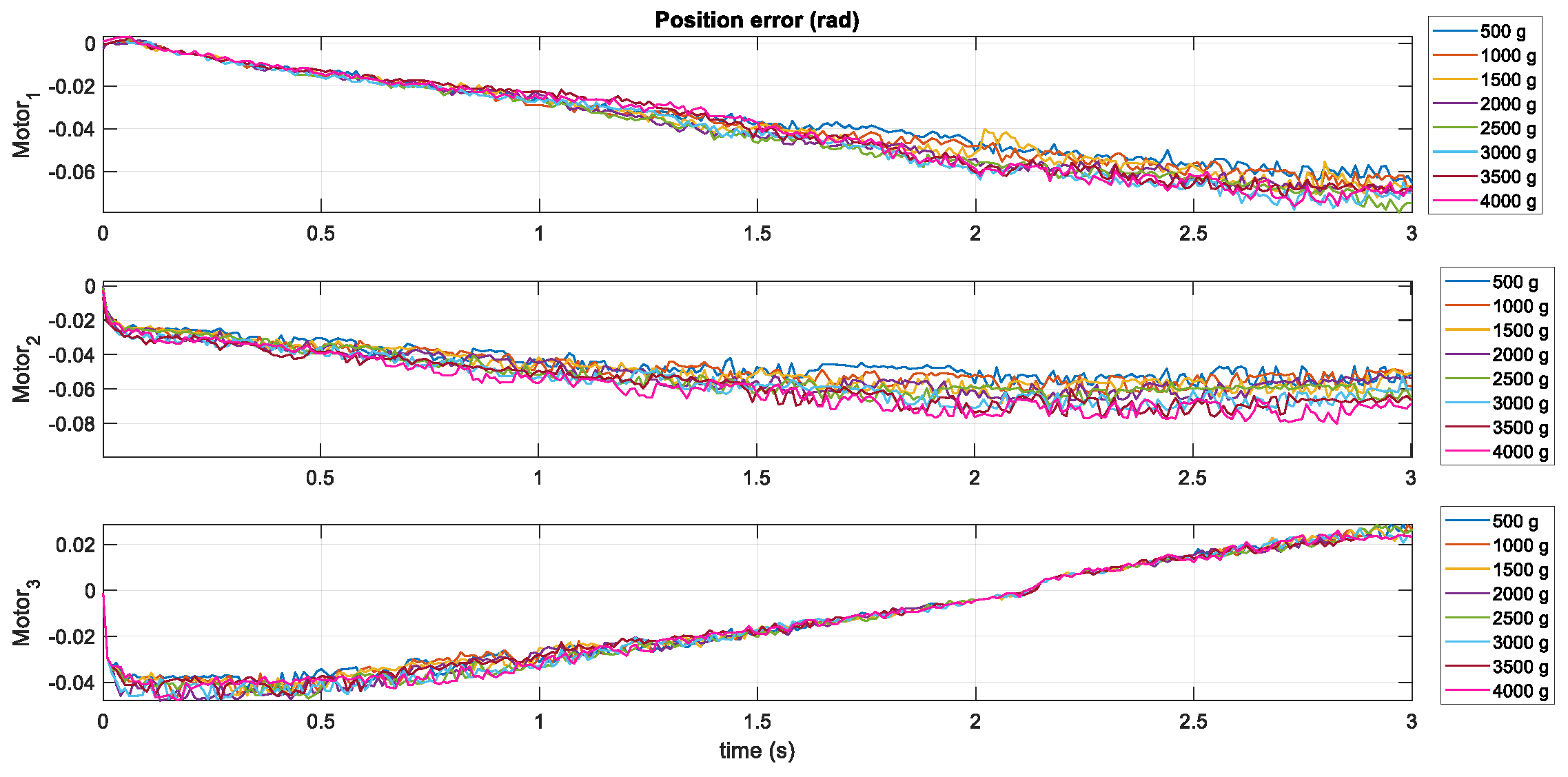
| Position Error (max) | ~0.09 rad | ~0.093 rad | <5% | |
| Flexion | Peak Torque (Motor 2) | ~2.6 Nm | ~2.5 Nm | ~4% |
| Torque Range (Motor 1) | −1.0 to −2.0 Nm | −1.0 to −2.0 Nm | <5% | |
| Position Error (max) | ~0.08 rad | −0.080 rad | <5% | |
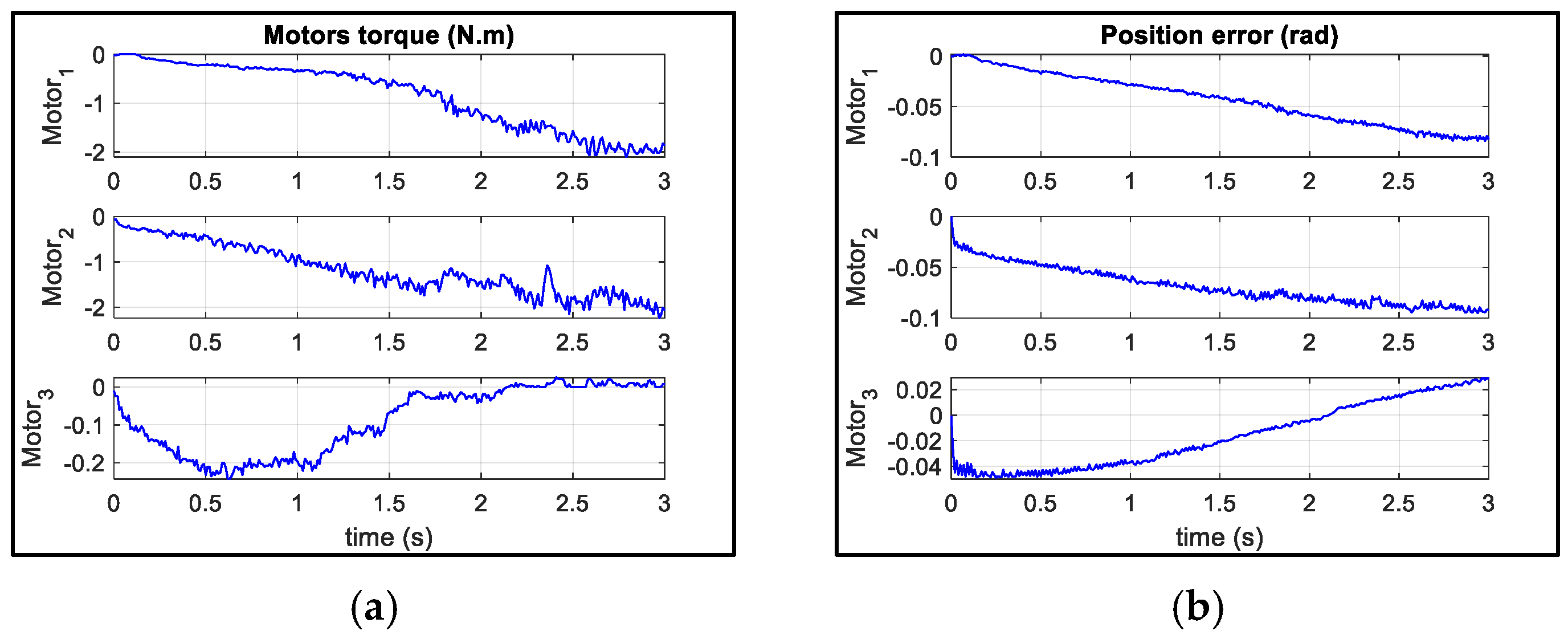
| Horizontal Flexion | Peak Torque (Motor 1) | ~2.0 Nm | ~1.9 Nm | ~5% |
| Torque Range (Motor 1) | −0.5 to −1.96 Nm | −0.516 to −1.963 Nm | <5% | |
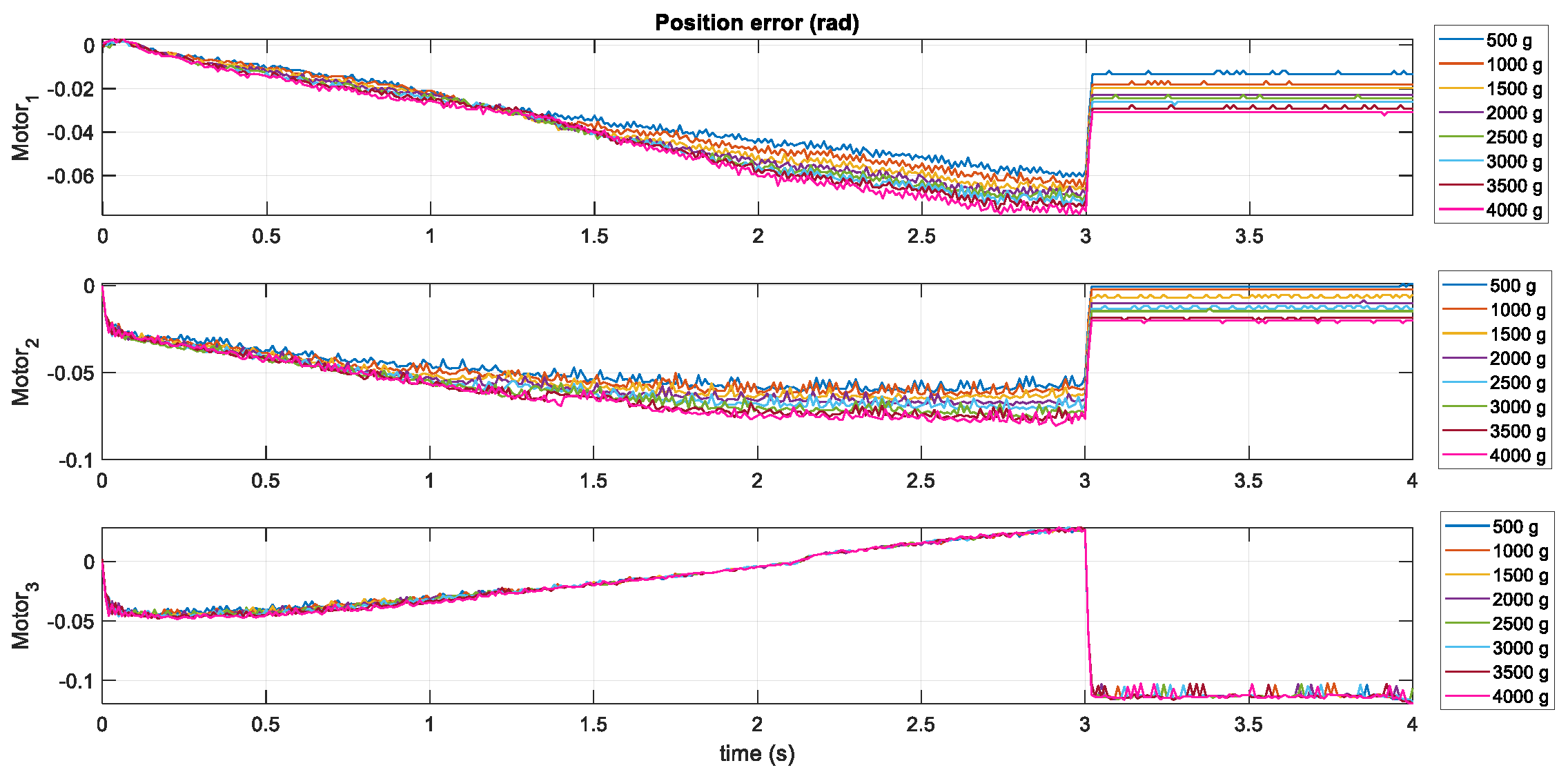
| Position Error (max) | ~0.07 rad | −0.078 rad | <5% | |
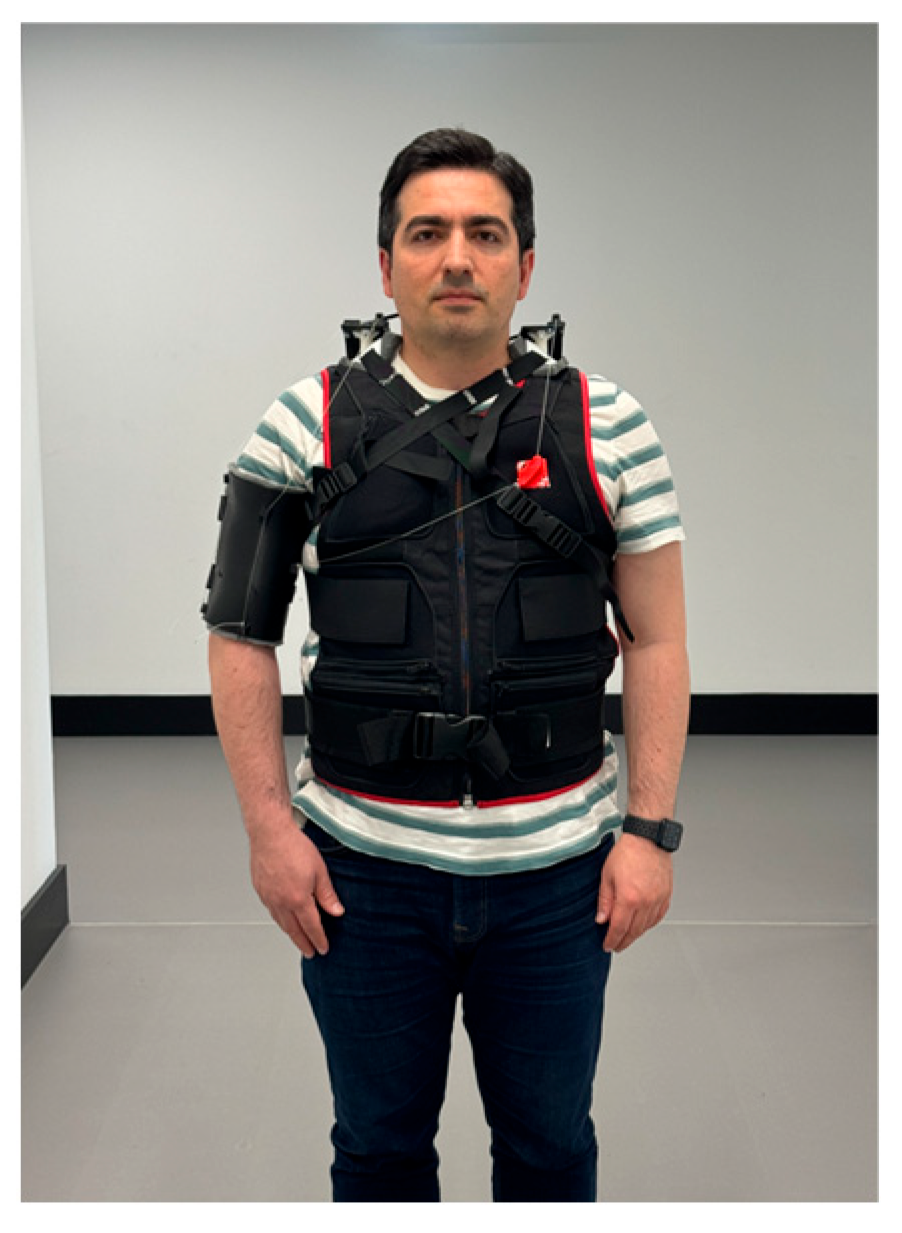
| Healthy Subject (Abduction) | Peak Torque (Motor 1) | ~5.1 Nm | >5.0 Nm | <5% |
| Position Error (max) | ~0.05 rad | ~0.05 rad | <5% |
Disclaimer/Publisher’s Note: The statements, opinions and data contained in all publications are solely those of the individual author(s) and contributor(s) and not of MDPI and/or the editor(s). MDPI and/or the editor(s) disclaim responsibility for any injury to people or property resulting from any ideas, methods, instructions or products referred to in the content. |
© 2025 by the authors. Licensee MDPI, Basel, Switzerland. This article is an open access article distributed under the terms and conditions of the Creative Commons Attribution (CC BY) license (https://creativecommons.org/licenses/by/4.0/).
Share and Cite
Vatan, H.; Theodoridis, T.; Wei, G.; Saffari, Z.; Holderbaum, W. The Design and Development of a Wearable Cable-Driven Shoulder Exosuit (CDSE) for Multi-DOF Upper Limb Assistance. Appl. Sci. 2025, 15, 10673. https://doi.org/10.3390/app151910673
Vatan H, Theodoridis T, Wei G, Saffari Z, Holderbaum W. The Design and Development of a Wearable Cable-Driven Shoulder Exosuit (CDSE) for Multi-DOF Upper Limb Assistance. Applied Sciences. 2025; 15(19):10673. https://doi.org/10.3390/app151910673
Chicago/Turabian StyleVatan, Hamed, Theodoros Theodoridis, Guowu Wei, Zahra Saffari, and William Holderbaum. 2025. "The Design and Development of a Wearable Cable-Driven Shoulder Exosuit (CDSE) for Multi-DOF Upper Limb Assistance" Applied Sciences 15, no. 19: 10673. https://doi.org/10.3390/app151910673
APA StyleVatan, H., Theodoridis, T., Wei, G., Saffari, Z., & Holderbaum, W. (2025). The Design and Development of a Wearable Cable-Driven Shoulder Exosuit (CDSE) for Multi-DOF Upper Limb Assistance. Applied Sciences, 15(19), 10673. https://doi.org/10.3390/app151910673