3.1. SEM Analysis
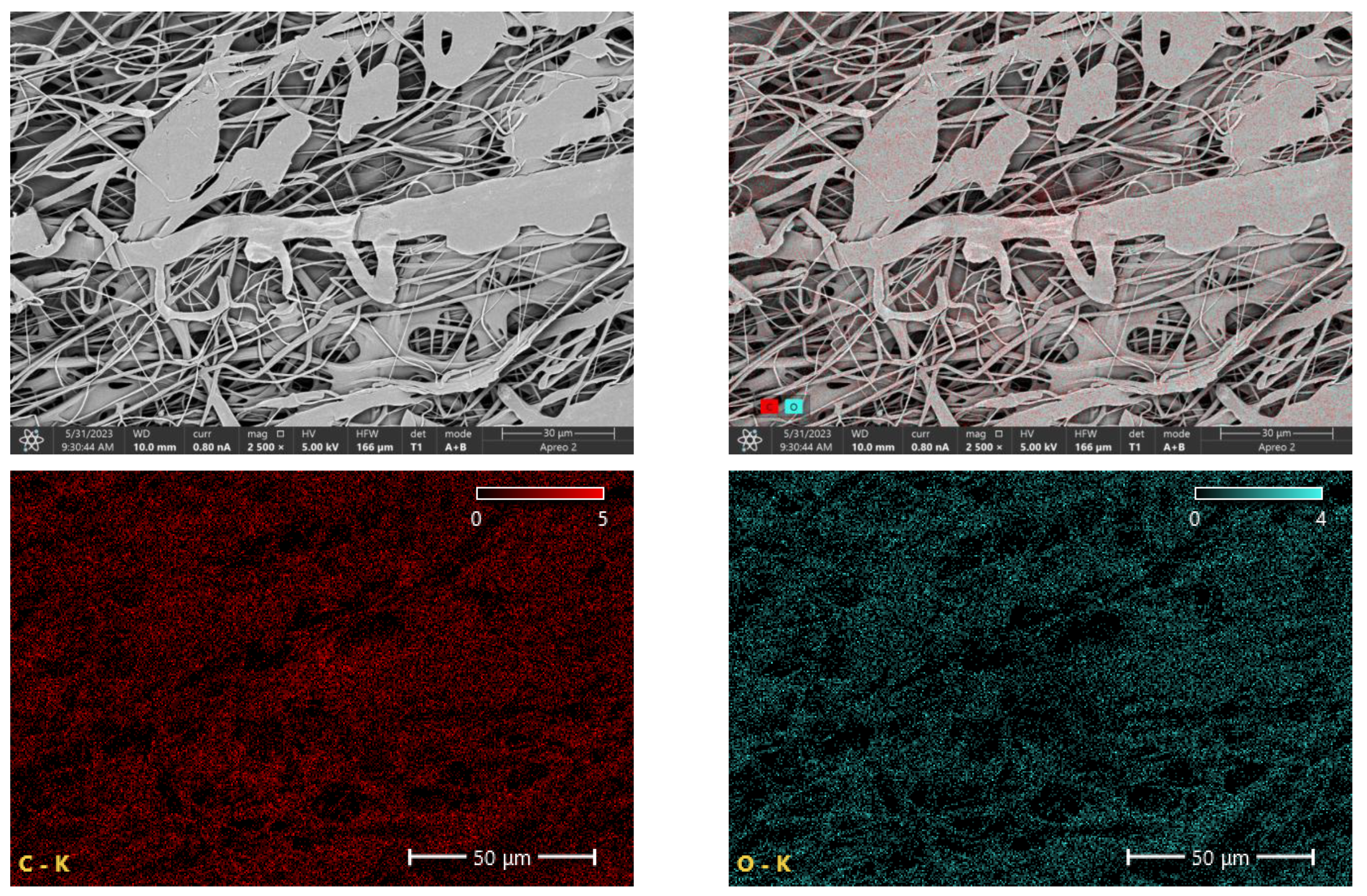
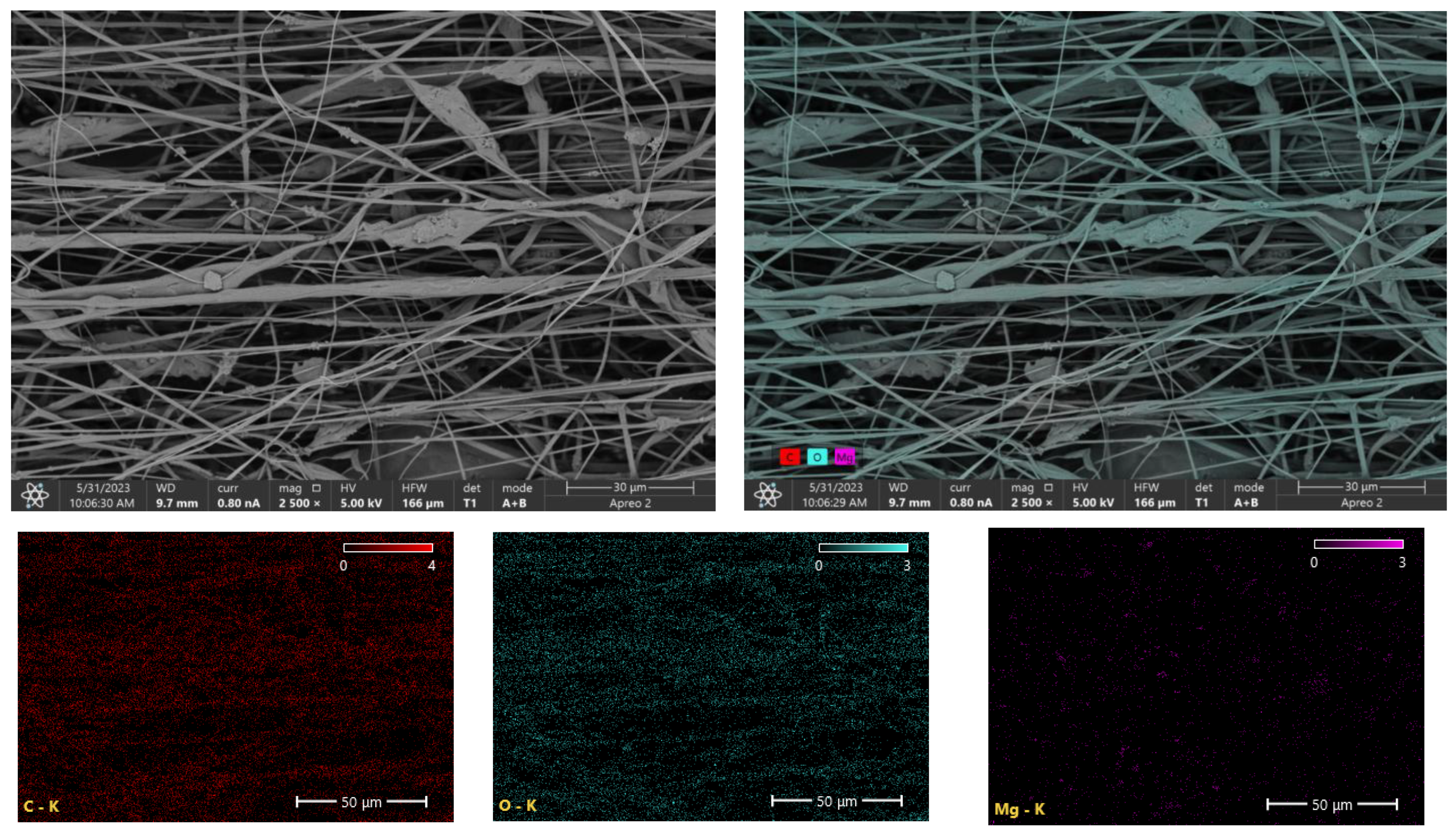
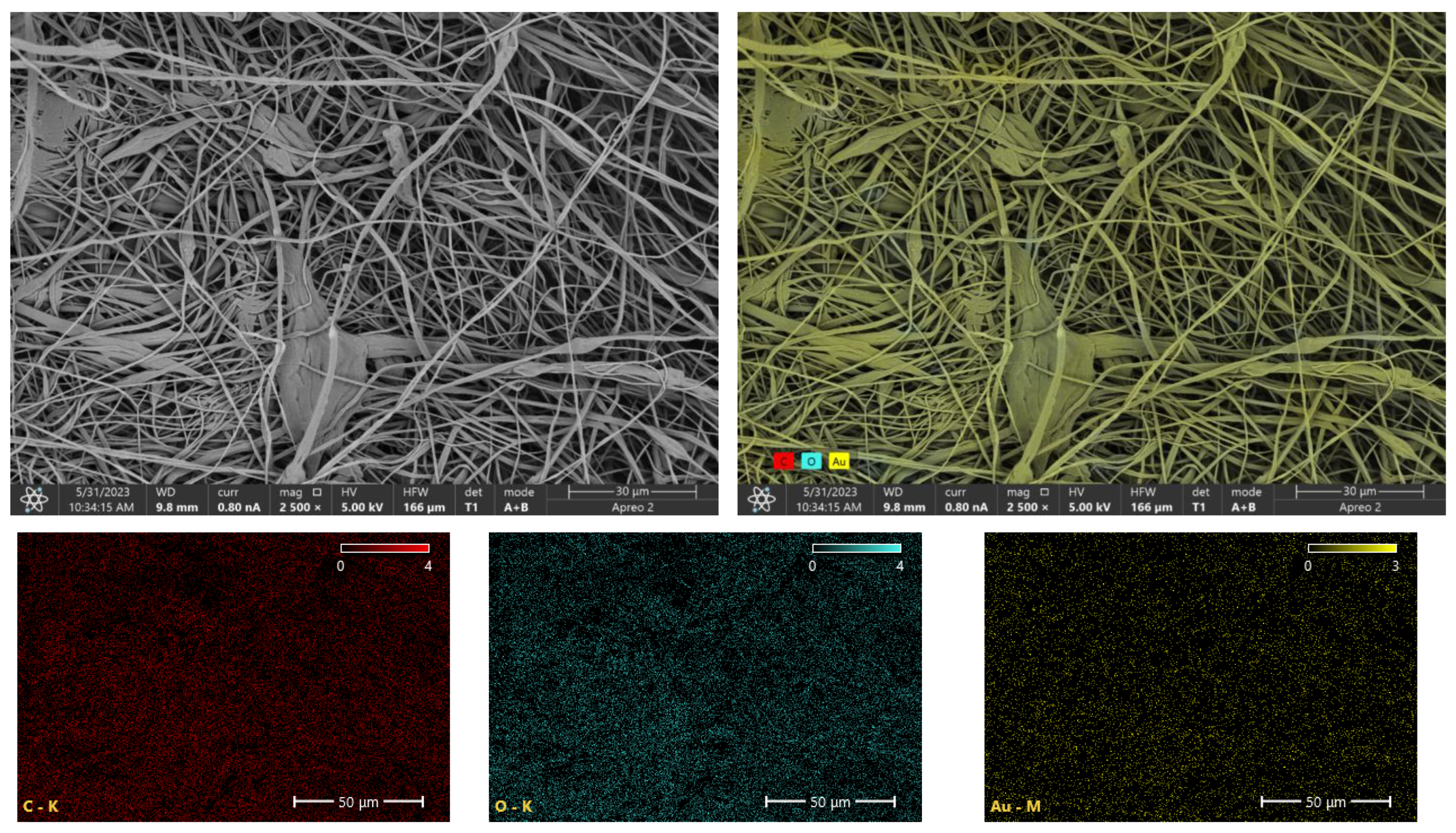
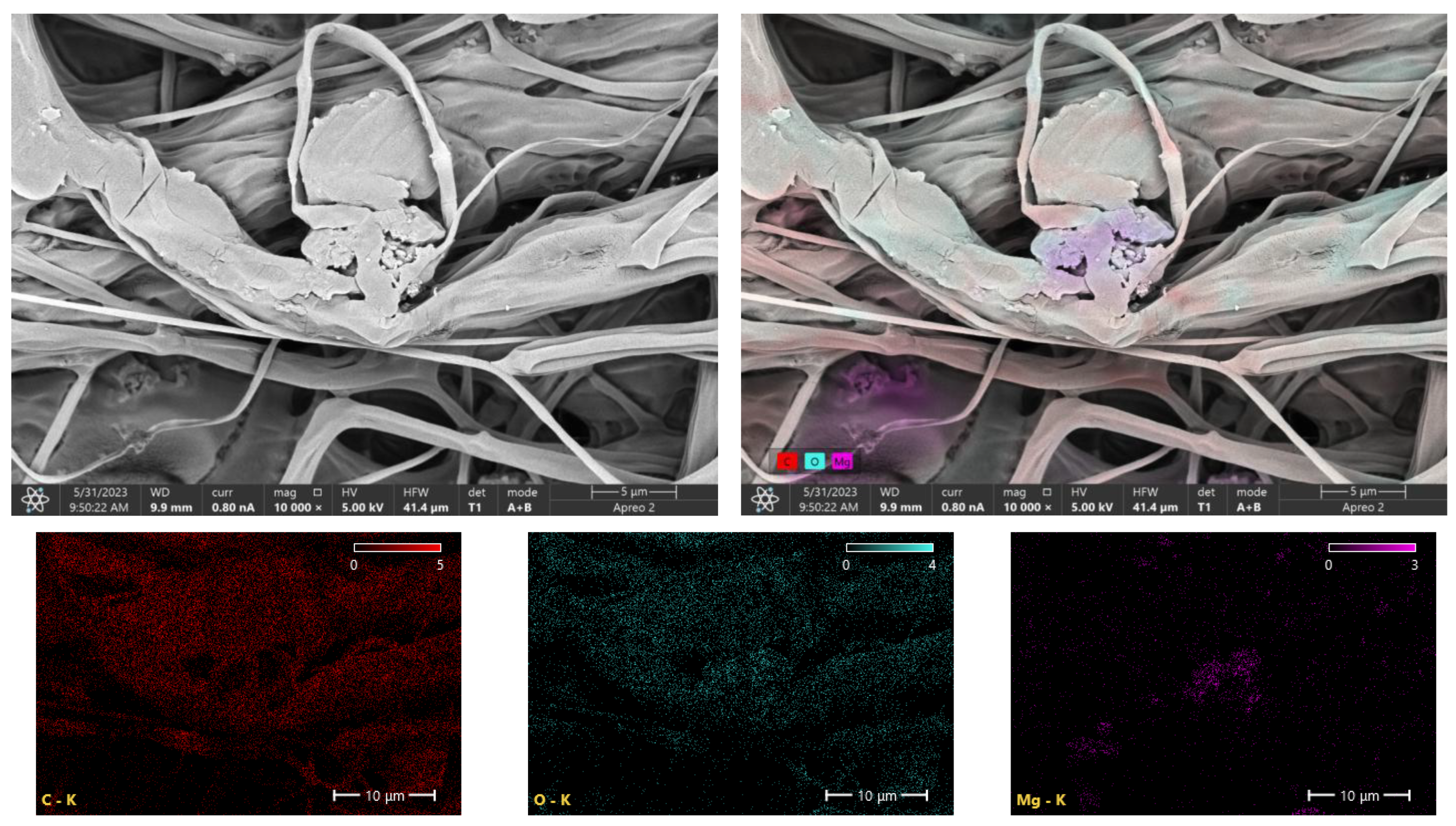
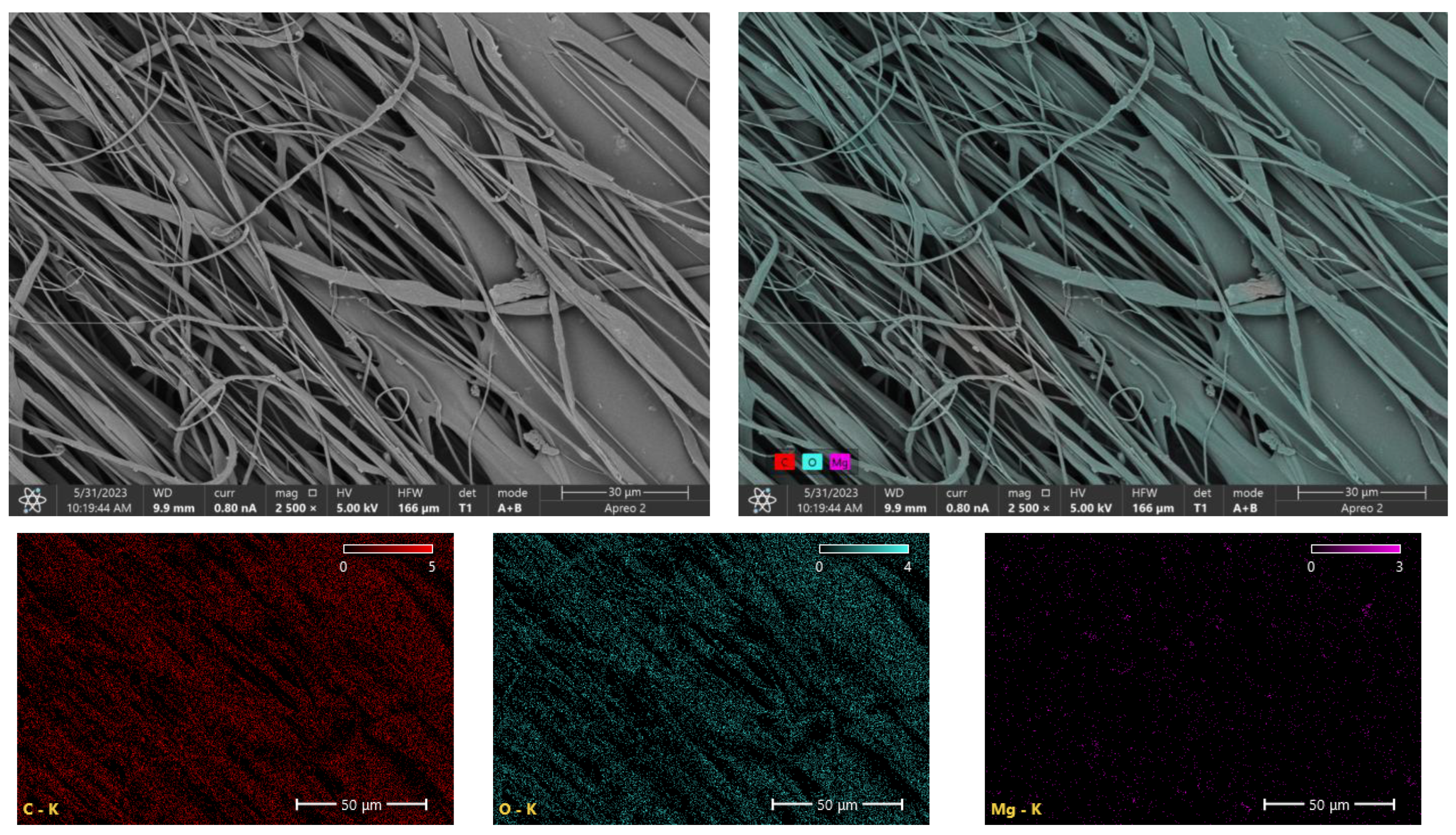
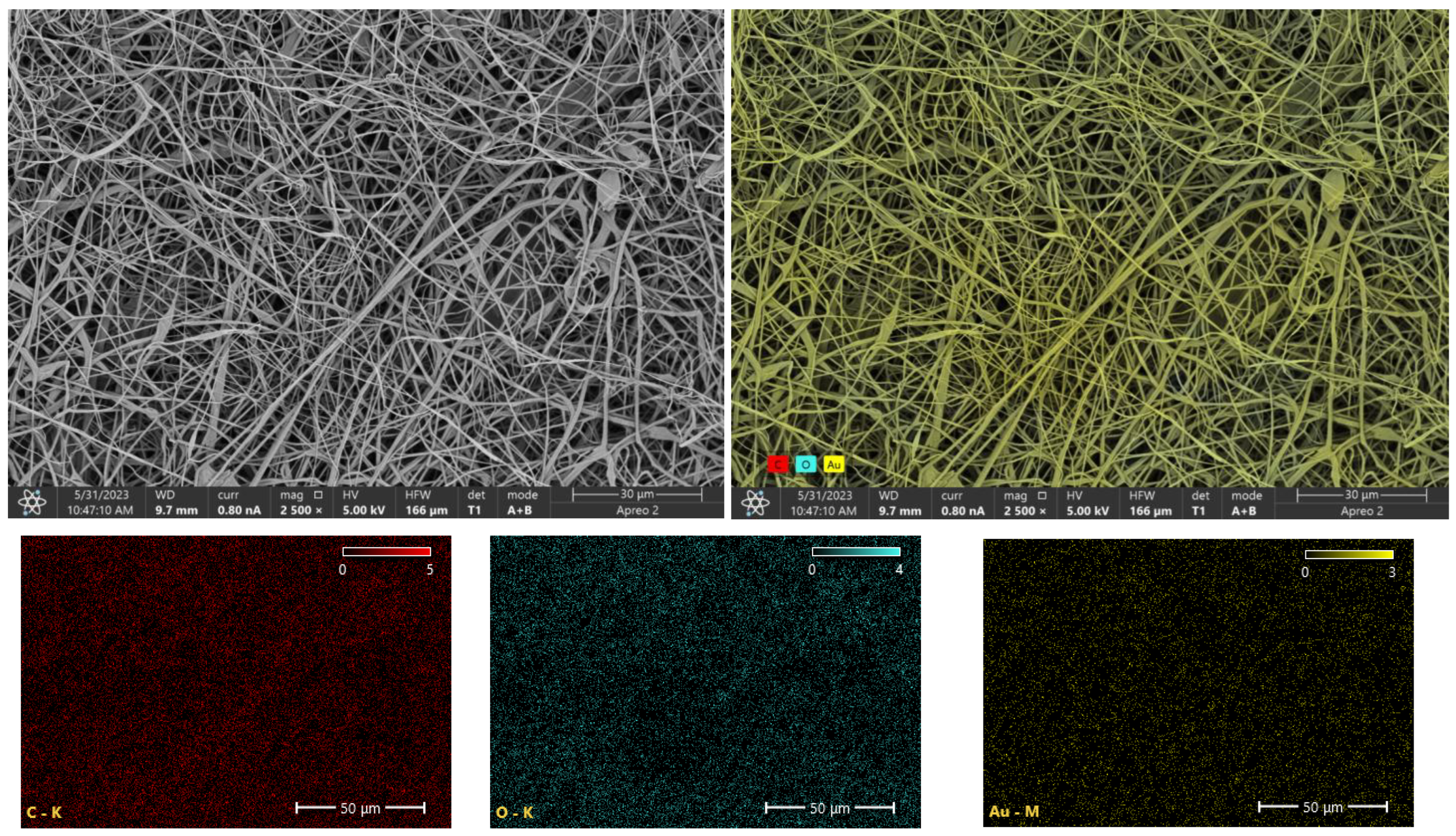
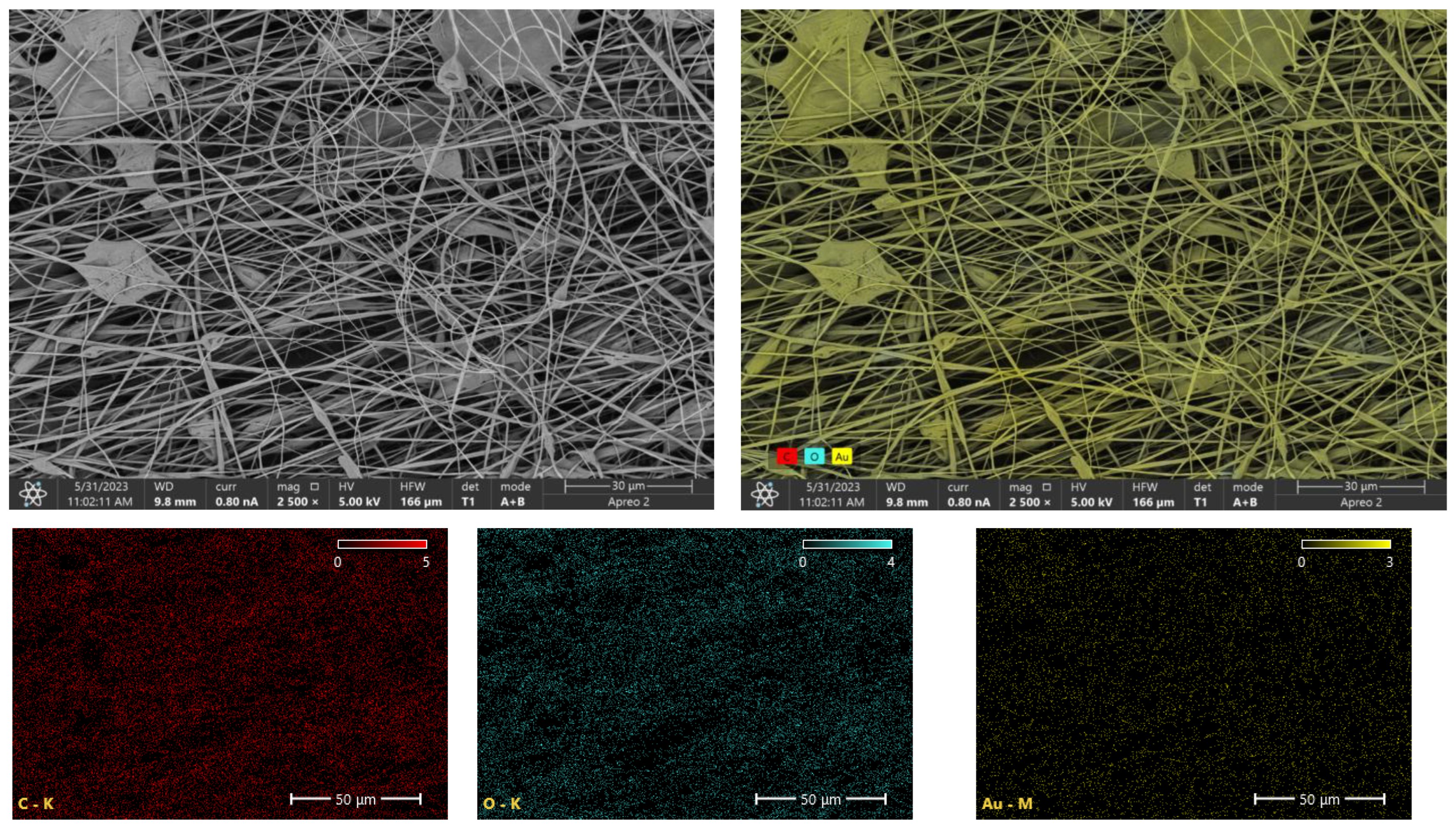
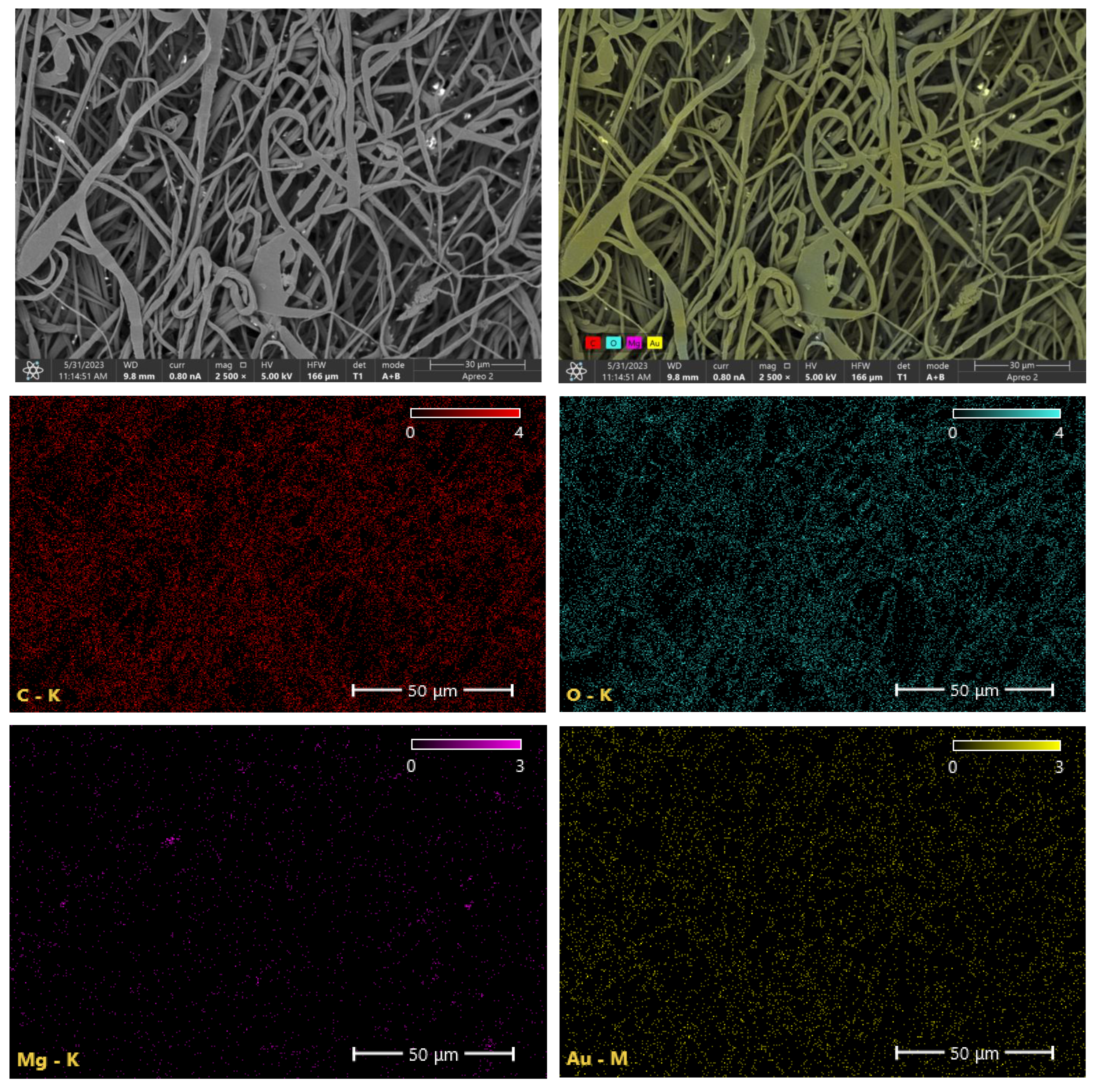
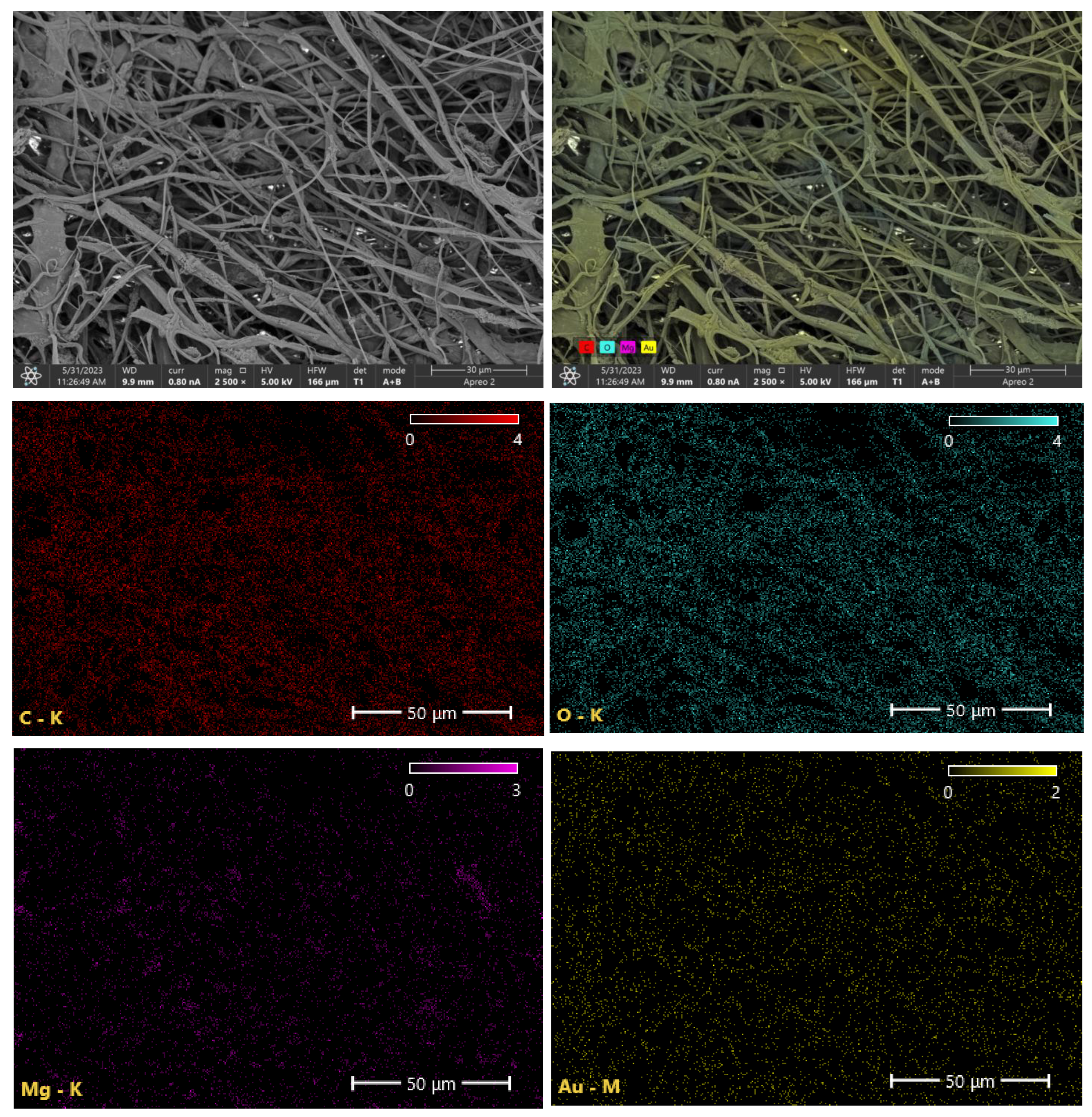
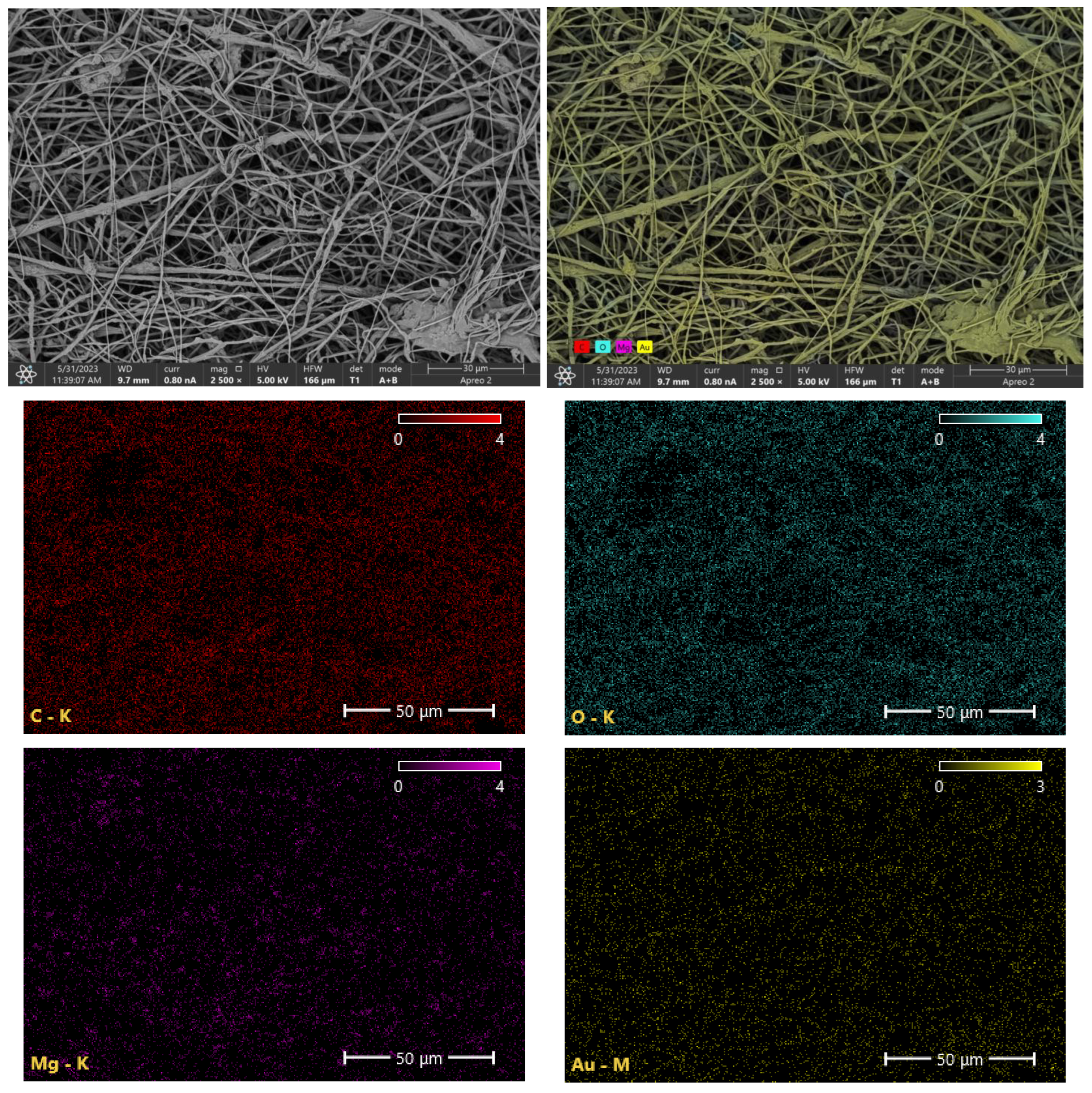
Scanning electron microscopy (SEM) combined with energy-dispersive X-ray spectroscopy (EDS) was employed to examine the surface morphology and elemental composition of electrospun PLA membranes with varied concentrations of MgO and AuNPs (
Figure 3,
Figure 4,
Figure 5,
Figure 6,
Figure 7,
Figure 8,
Figure 9,
Figure 10,
Figure 11 and
Figure 12). The analysis focused on fiber diameter, nanoparticle distribution, and surface topography to evaluate how different modifications influence scaffold architecture and potential bioactivity in guided bone regeneration applications. The pristine PLA membrane (sample 1,
Table 2) displayed smooth, bead-free nanofibers with a uniform diameter averaging 450 ± 50 nm, reflecting an optimized electrospinning process. This morphology is typical of well-controlled PLA electrospinning, consistent with previous studies demonstrating smooth fiber surfaces with minimal topographical interference [
15,
16]. EDS spectra confirmed the exclusive presence of carbon and oxygen, validating the chemical purity of the unmodified PLA. This sample served as the control benchmark for assessing the morphological and compositional changes induced by nanoparticle incorporation.
The introduction of a small amount of MgO (sample 2: 0.05 g) resulted in a slight increase in fiber diameter (~470 ± 40 nm) and subtle surface roughening. EDS spectra showed detectable magnesium peaks, confirming MgO integration within the PLA matrix
Table 3). Increasing the MgO content further (sample 3: 0.25 g,
Table 4) led to more pronounced surface texture, with bulging regions and a fiber diameter of ~510 ± 45 nm. These findings are in line with Hosseini et al. [
9], who reported that MgO enhances nanofiber surface area and roughness, promoting osteoblast activity.
Sample 4 (0.5 g MgO) exhibited moderately coarse fibers (~530 ± 50 nm), with visible crystallite exposure. Although slight micro-clustering was observed, EDS spectra showed intensified and well-dispersed Mg signals (
Table 5). This supports previous observations by Zhang et al. [
22] that higher MgO concentrations can promote both osteoinductivity and localized pH buffering due to nanoparticle crystallinity.
Gold nanoparticle (AuNP) modification introduced different structural features. In sample 5 (0.5 mL AuNPs), the fiber diameter remained similar to that of the control (~460 ± 40 nm), but localized granules became visible, likely representing superficial AuNPs (
Table 6). Sample 6 (1 mL AuNPs) showed rougher surfaces (~470 ± 35 nm) with dispersed AuNP aggregates, which is consistent with previous reports on AuNP clustering at moderate loading levels (
Table 7) [
10,
11]. Sample 7 (2 mL AuNPs) demonstrated the most irregular topography and slight fiber thickening (~490 ± 45 nm), accompanied by strong EDS gold signals and visible nanoparticle clusters. These results reflect a saturation threshold, where excess AuNPs may aggregate and impair uniform surface biofunctionality (
Table 8) [
12].
Dual modification with MgO and AuNPs yielded the most balanced morphological and compositional profiles. Sample 8 (0.05 g MgO + 0.5 mL AuNPs) showed uniform fibers (~500 ± 40 nm) with minimal protuberances and co-localized Mg and Au peaks, indicating effective nanoparticle incorporation without agglomeration (
Table 9). Sample 9 (0.25 g MgO + 1 mL AuNPs) had smooth fibers (~510 ± 35 nm) and optimal nanoparticle distribution. EDS analysis confirmed a well-dispersed presence of both Mg and Au, correlating with the highest calcium deposition observed in biomineralization assays (
Table 10). These findings are supported by Qiao et al. [
10], who reported enhanced osteoconductivity in dual-functionalized scaffolds.
Sample 10 (0.5 g MgO + 2 mL AuNPs) maintained the fiber diameter (~520 ± 40 nm) but exhibited increased heterogeneity and nanoparticle clustering (
Table 11). While bioactivity remained high, irregularity in nanoparticle distribution could lead to spatially variable cellular responses, a phenomenon also noted in studies by Yang et al. [
11].
Overall, SEM and EDS analyses confirmed that MgO and AuNPs were successfully incorporated into the electrospun PLA membranes, with each component influencing specific aspects of surface morphology and elemental distribution. MgO primarily contributed to increased texture and potential pH buffering, while AuNPs enhanced surface complexity and introduced biofunctional metallic cues. These architectural modifications are essential for mimicking the extracellular matrix, as noted by other researchers [
24,
29], and for promoting osteoblast adhesion and mineralization. Among all formulations, sample 9 demonstrated the most favorable structural features for guided bone regeneration, representing an optimal balance between surface uniformity, nanoparticle distribution, and expected bioactivity.
3.2. FT-IR Analysis
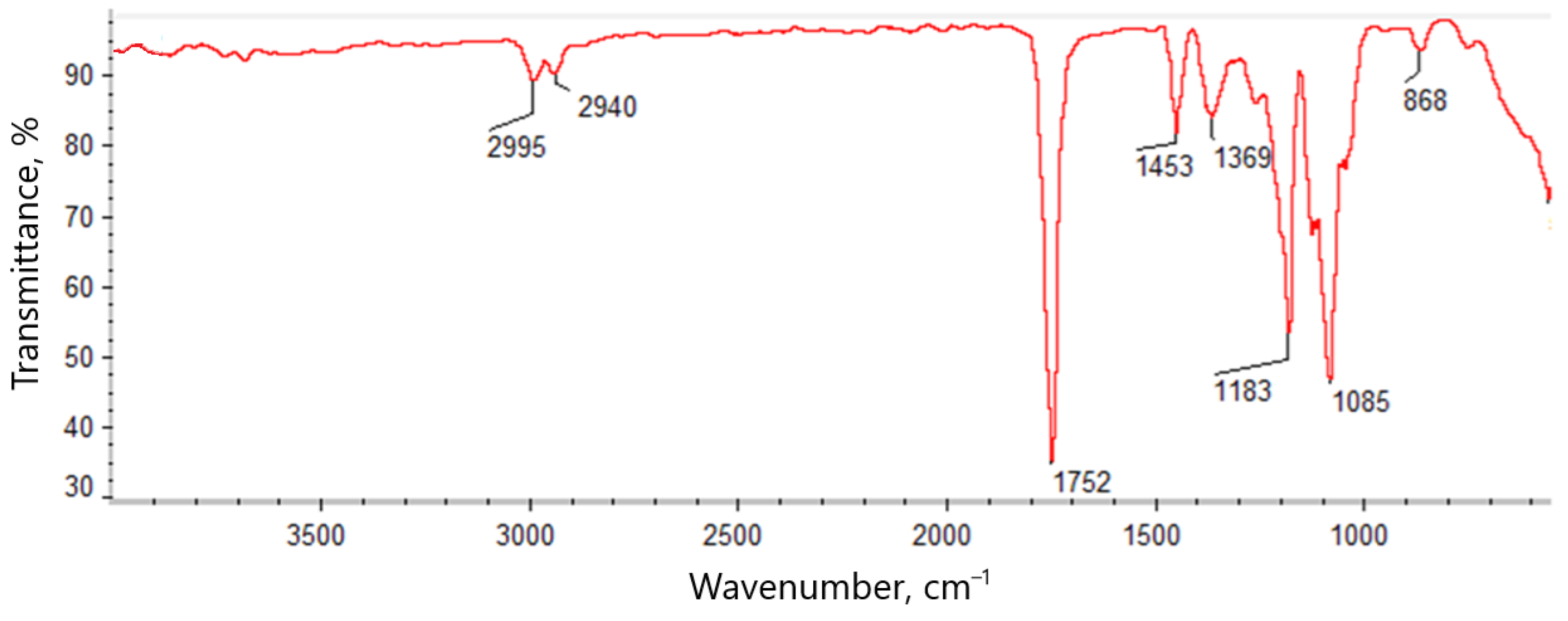
The FT-IR spectrum analysis (
Figure 13) of polylactic acid (PLA) nanofibers enables the identification of characteristic absorption bands associated with specific functional groups in the polymer matrix. A prominent band in the range of 1750–1740 cm
−1 corresponds to the stretching vibrations of ester bonds (-C=O), a defining structural component of PLA. Additionally, distinct bands in the regions of 1180–1080 cm
−1 and 1450–1350 cm
−1 are attributed to the stretching and deformation vibrations of the C–O–C backbone and methyl (-CH
3) groups, respectively. These features confirm the presence of the characteristic aliphatic polyester structure, consistent with the prior literature on PLA infrared spectra [
13,
17]. Upon incorporation of periclase (MgO), new vibrational signatures emerge in the 1000–800 cm
−1 region, indicating metal–oxygen (Mg–O) interactions. These peaks are attributed to symmetric and asymmetric stretching modes of Mg–O bonds, which signify successful nanoparticle dispersion within the polymer matrix. Similar spectral features have been reported by Proniewicz et al. [
8], who observed analogous Mg–O bands in magnesium-based composites for bone regeneration. The presence of these signals confirms that MgO nanoparticles are retained post-electrospinning and contribute to chemical heterogeneity within the scaffold.
Moreover, the integration of MgO induced minor shifts in the PLA’s primary absorption bands, particularly a downward shift in the ester C=O band. This is indicative of potential intermolecular interactions, such as hydrogen bonding or dipolar interactions between MgO and PLA functional groups, consistent with observations made by Leonés et al. [
54] in composite PLA systems.
Gold nanoparticles (AuNPs), when embedded into PLA nanofibers, introduced additional absorbance features in the 500–1500 cm
−1 region. While AuNPs themselves exhibit limited direct IR activity due to their metallic nature, their presence can modulate the polymer environment and influence vibrational modes indirectly. In this study, subtle modifications in the intensity of C=O and C–O peaks were observed, likely due to changes in bond polarizability or surface interactions between the gold nanoparticles and ester groups. Such effects have been attributed to localized surface plasmon resonance phenomena and nanoscale interface interactions in earlier work by Yang et al. [
11] and Qiao et al. [
10]. Of particular interest is the observed shift in the C=O peak toward lower wavenumbers in dual-modified samples, which suggests stronger dipole–dipole interactions or electron delocalization at the nanoparticle–polymer interface. These findings support the hypothesis that AuNPs engage in weak bonding or electrostatic interactions with the PLA matrix, influencing the structural integrity and potential bioactivity of the fibers. This is in agreement with previous studies on AuNP–polymer hybrid systems demonstrating tunable interfacial chemistry [
11,
12]. The collected FT-IR data provide compelling evidence for the successful integration and distribution of both MgO and AuNPs within the PLA nanofibers. More importantly, they underscore the presence of molecular-level interactions that can potentially affect the scaffold’s mechanical behavior, degradation profile, and biological performance. In the context of biomedical engineering and guided bone regeneration, such chemical insights are crucial for designing responsive and functionalized biomaterials tailored for osteogenic stimulation and in vivo stability [
34,
35].
3.3. Wettability Study
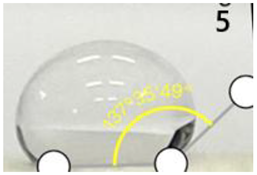
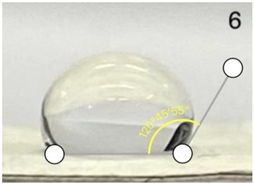
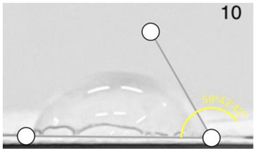
The wettability of the electrospun membranes was evaluated through static water contact angle measurements, offering insights into surface hydrophilicity and potential interactions with osteoblasts. All tested samples exhibited hydrophobic characteristics to varying degrees (
Table 12). While PLA is sometimes described as moderately hydrophilic due to its polar ester groups, in fibrous membrane form, it often displays hydrophobic behavior due to surface roughness and limited surface energy [
19]. Hydrophobic surfaces can resist moisture absorption, helping preserve structural and mechanical integrity under physiological conditions, which may be advantageous for long-term implant stability [
20]. Additionally, reduced bacterial adhesion on hydrophobic surfaces has been noted as beneficial for minimizing infection risks in orthopedic applications [
21].
The pure PLA membranes (sample 1) demonstrated a contact angle of 110°, confirming their high hydrophobicity. This level of surface tension can hinder initial protein adsorption and osteoblast adhesion, consistent with earlier studies showing reduced cell attachment on untreated PLA scaffolds [
18,
22].
To enhance hydrophilicity, MgO nanoparticles were introduced into samples 2–4. However, no significant reduction in contact angle was observed, suggesting that MgO alone did not sufficiently alter the surface chemistry or morphology to affect wettability. Despite MgO’s inherently hydrophilic nature, its effect may have been limited by partial embedding within the PLA matrix, restricting exposure at the fiber surface—a phenomenon previously reported by Zhang et al. [
22].
Gold nanoparticle (AuNP) incorporation (samples 5–7) also did not yield a reduction in contact angle, with values ranging from 120° to 138°. These results align with observations by Yang et al. [
11], who noted that AuNP surface effects depend on particle morphology and distribution. The metallic nature and surface energy of AuNPs can vary depending on their stabilization and interaction with surrounding matrix components.
Notably, the PLA/MgO/AuNP hybrid membranes (samples 8–10) exhibited significantly improved hydrophilicity. Sample 10 showed the lowest contact angle of 59°, indicating a marked increase in surface energy and water affinity. This dramatic change supports a synergistic interaction between MgO and AuNPs, where their combined effects modify the surface microstructure and chemistry in a more favorable manner for cell attachment. Similar synergy has been reported by Abdelaziz et al. [
18], where dual-inorganic modifications enhanced surface wettability and subsequent biological responses.
Overall, the average contact angle across all samples (excluding sample 10) was 124° with a standard deviation of 10.65, reaffirming the predominantly hydrophobic nature of the unmodified and singly modified membranes. The significant reduction in contact angle in sample 10 highlights the effectiveness of dual functionalization in creating an osteoblast-compatible microenvironment. This improved wettability is expected to facilitate protein adsorption, cellular adhesion, and early-stage osteogenic differentiation, key attributes for successful guided bone regeneration [
34,
35].
3.4. Swelling Ability Study
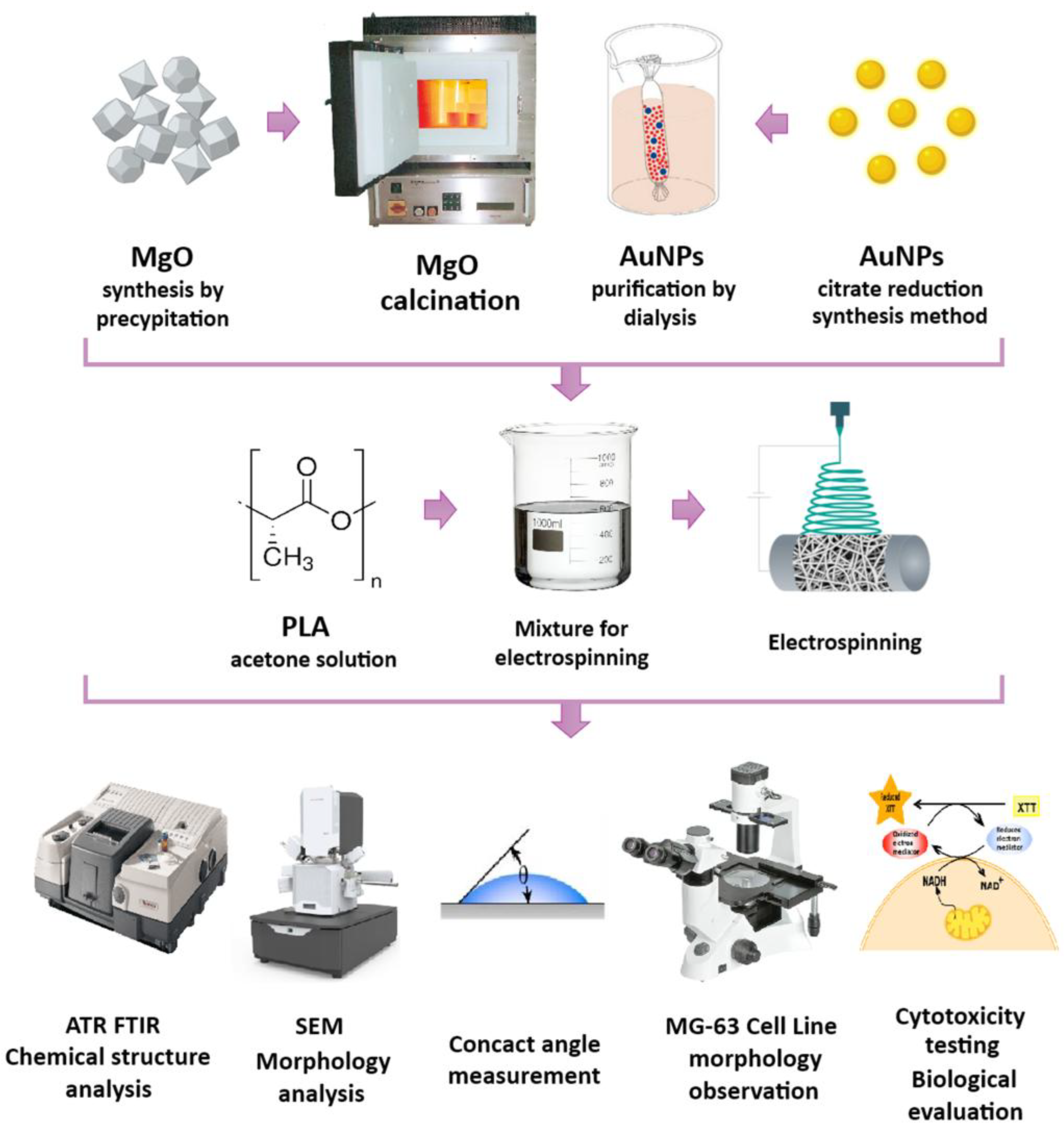
To assess the water uptake ability of the membranes, swelling behavior was examined by immersing the samples in phosphate-buffered saline (PBS, pH 7.4) at 37 °C and measuring weight changes over time (
Table 13). Although pure PLA typically shows minimal swelling due to its hydrophobic nature, the exceptionally high swelling degree observed in the PLA nanofiber scaffold (233.7%) can be attributed to several interrelated factors involving its structural configuration and physicochemical interactions with water.
Electrospun nanofibers possess a high porosity and a large surface-area-to-volume ratio, facilitating rapid water penetration and fluid retention. Additionally, the amorphous regions within the PLA matrix are less densely packed than crystalline regions, allowing more space for water molecules to be absorbed. These findings are consistent with reports from Leonés et al. [
54], who demonstrated that electrospun PLA mats exhibit significant hydration behavior due to microstructural heterogeneity.
Moreover, hydrolytic degradation under physiological conditions contributes to the formation of hydrophilic carboxyl and hydroxyl groups, which further enhance water uptake over time. This dynamic was also discussed by Castañeda-Rodríguez et al. [
21], who emphasized the role of degradation-induced polarity in boosting scaffold swelling.
While the incorporation of MgO nanoparticles was expected to increase water uptake due to MgO’s hydrophilic character, PLA/MgO membranes (samples 2–4) did not exhibit a consistent improvement in swelling. This discrepancy may result from MgO’s encapsulation within the polymer matrix, reducing its direct interaction with water molecules. Furthermore, MgO may contribute to localized structural densification that counters the porosity-related benefits.
PLA/AuNP membranes (samples 5–7) demonstrated moderate swelling behavior. Among these, sample 5 (0.5 mL AuNPs) exhibited superior swelling capacity compared to higher AuNP-loaded variants. This observation may reflect a threshold beyond which increased AuNP concentration leads to surface aggregation and diminished fluid penetration, consistent with findings from Yang et al. [
11] and Farjaminejad et al. [
12].
The most pronounced swelling was recorded for PLA/MgO/AuNP hybrid membranes, particularly samples 9 and 10. These formulations benefit from the combined hydrophilic effects and microstructural modifications imparted by both nanoparticles. Their ability to maintain surface wettability and absorb significant volumes of water likely supports cellular migration and nutrient diffusion, thereby improving scaffold integration with host tissue.
These results confirm that dual functionalization with MgO and AuNPs enhances scaffold swelling capacity, creating a more favorable environment for osteoblast attachment, migration, and tissue regeneration. Enhanced hydration also supports early-stage cellular responses essential for guided bone regeneration, as emphasized in previous studies [
29,
31].
3.5. In Vitro Biodegradation Evaluation
Biodegradation is a critical factor in guided bone regeneration (GBR) applications, as membranes must retain mechanical integrity during the healing phase and subsequently degrade to permit bone tissue infiltration. In this study, degradation behavior was assessed through two main parameters: mass loss over time and pH stability of the degradation medium (
Table 14). Membranes were immersed in simulated body fluid (SBF, pH 7.4, 37 °C) for 1, 7, 14, and 21 days, followed by drying and weighing to evaluate their degradation profile. Pure PLA membranes (sample 1) exhibited a degradation rate of 10.8% ± 0.9, which, while lower than expected from the previous literature, still reflects the polymer’s inherent hydrolytic instability over time. This value is consistent with initial breakdown of ester bonds leading to modest mass loss.
The incorporation of MgO into the PLA matrix (samples 2–4) resulted in progressive increases in degradation: 11.3% ± 1.1 for sample 2, 13.3% ± 1.0 for sample 3, and 17.7% ± 1.3 for sample 4. These values suggest that while MgO may initially buffer degradation byproducts, at higher concentrations, it may also influence microstructural organization and porosity, ultimately accelerating fluid penetration and hydrolysis. This dual role has been described in studies where inorganic additives both stabilize local pH and alter scaffold permeability [
22,
34].
PLA/AuNP membranes (samples 5–7) demonstrated degradation values of 12.8% ± 0.8, 13.6% ± 1.0, and 14.4% ± 0.9, respectively. These findings confirm that AuNPs, while biologically active, do not significantly inhibit degradation. Rather, they may slightly contribute to mass loss by influencing fiber morphology and localized interactions with the aqueous medium. These results align with those of Farjaminejad et al. [
12], who observed modest increases in PLA degradation with AuNP inclusion.
The PLA/MgO/AuNP hybrid membranes (samples 8–10) showed the most substantial degradation values: 16.9% ± 1.1 for sample 8, 19.0% ± 1.2 for sample 9, and 21.1% ± 1.4 for sample 10. While these values are higher than those for pure PLA, they reflect a balanced degradation profile when considering the overall scaffold performance. In these dual-modified samples, MgO provides buffering against acidic byproducts, while the inclusion of both nanoparticles modifies porosity and surface accessibility, contributing to a controlled degradation pace beneficial for GBR. Comparable synergistic effects have been demonstrated in dual-inorganic composite scaffolds designed for staged degradation and tissue remodeling [
10,
11,
30].
To complement mass loss data, pH monitoring of the SBF medium was conducted to assess acidification trends due to PLA hydrolysis. Sample 1 showed a slight pH drop to 7.38, indicating limited acidification. In contrast, MgO-containing samples (2–4) maintained pH levels near 7.54, consistent with MgO’s role as a buffering agent. Samples with AuNPs (5–7) tracked closely with the control, showing minor pH variation. Dual-functionalized membranes (8–10) maintained the most stable pH, ranging from 7.5 to 7.87, further affirming MgO’s effectiveness in mitigating acidic degradation effects. These findings highlight that while MgO enhances pH buffering and AuNPs modulate surface chemistry, both contribute to scaffold degradation profiles in different ways. The PLA/MgO/AuNP membranes, despite showing the highest mass loss, maintain favorable degradation dynamics and pH control, reinforcing their suitability for GBR applications requiring bioactivity, stability, and eventual scaffold resorption [
34,
35].
3.6. Porosity and Density Determination
A porosity level of approximately 40% indicates a moderately porous scaffold architecture, which is often desirable in guided bone regeneration applications. Such porosity is sufficient to allow fluid infiltration, nutrient exchange, and cell migration while preserving mechanical integrity during the early stages of tissue healing. Numerous studies have demonstrated that porous structures in the range of 30–70% can facilitate osteoblast proliferation and neovascularization, providing an optimal microenvironment for bone regeneration [
36,
37]. In particular, the interconnected pore networks formed by electrospun nanofibers enable capillary flow and protein diffusion, critical for cell signaling and tissue integration [
38].
The density of the studied samples, oscillating around 40 mg/mL, reflects the lightweight nature of the fabricated scaffolds (
Table 15). This value is significantly lower than that of natural cortical bone, which ranges between 1.8 and 2.0 g/cm
3 [
39]. However, such moderate density is not inherently disadvantageous. For bioresorbable membrane applications, lower density may enhance biodegradability while minimizing mechanical mismatch with surrounding soft and regenerating tissues. Additionally, lower mass-to-volume ratios may promote gradual scaffold resorption and replacement by the native bone matrix, aligning with physiological remodeling processes [
40].
The observed combination of moderate porosity and low density suggests that the scaffolds strike a functional balance between structural support and biological permissiveness. This architectural profile may contribute to improved osteointegration and cellular infiltration, particularly when combined with the biofunctional effects imparted by MgO and AuNP nanoparticles. Prior work on composite and nanostructured GBR membranes supports the notion that porosity and density are critical parameters for tuning cell–material interactions, degradation kinetics, and mechanical behavior [
41,
42]. Therefore, the measured values confirm that the developed membranes exhibit physical properties aligned with established design criteria for guided bone regeneration scaffolds.
3.7. In Vitro Cytotoxicity Assasement
While MgO and AuNPs individually contribute to membrane performance, their combined incorporation is expected to produce a synergistic effect, enhancing the osteogenic, antibacterial, and regenerative properties of the scaffold. The central hypothesis of this study is that integrating both nanoparticles into electrospun PLA membranes results in a multifunctional GBR scaffold with superior biomechanical performance, enhanced osteoconductivity, and improved cellular interactions. This strategy addresses the known limitations of pristine PLA membranes, including insufficient biological activity, limited osteointegration, and suboptimal surface wettability [
43,
44].
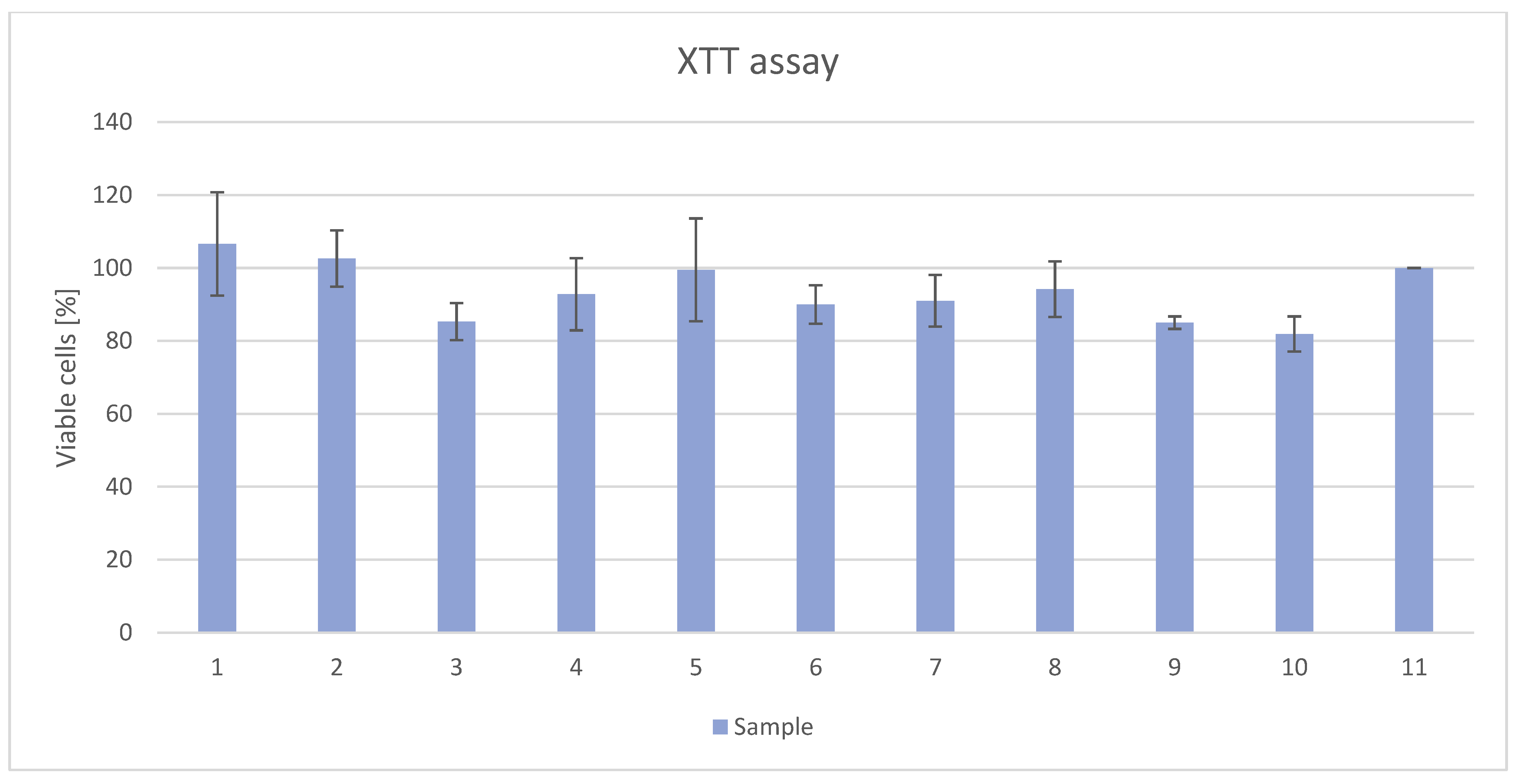
Biocompatibility is a fundamental requirement for GBR membranes, as these biomaterials must promote osteoblast adhesion, proliferation, and differentiation while avoiding cytotoxic responses. To evaluate cytocompatibility, osteoblast-like MG-63 cells were cultured on the modified and unmodified electrospun membranes, and viability was assessed using the XTT assay (
Figure 14).
Pure PLA membranes and those containing 0.05 g MgO exhibited the highest cell viability, exceeding 100%. This result may be attributed to the highly porous nanofibrous architecture, which mimics the extracellular matrix and allows favorable cell–surface interactions. Additionally, PLA’s moderate hydrophobicity minimizes protein denaturation while maintaining a suitable interface for cellular anchorage [
48]. In MgO-modified membranes, the release of Mg
2+ ions may further stimulate integrin-mediated signaling and enhance the expression of osteogenic markers, such as alkaline phosphatase (ALP) and osteocalcin, which contribute to early differentiation and mineralization [
49,
50].
Similarly, the addition of low-concentration AuNPs also enhanced cell viability, which is consistent with evidence that AuNPs can modulate cellular responses by influencing cytoskeletal arrangement, focal adhesion assembly, and gene expression related to osteogenesis [
45,
51]. Moreover, their known antioxidant and anti-inflammatory effects can create a favorable microenvironment for osteoblast proliferation [
52]. However, increasing the concentration of MgO and AuNPs resulted in a slight decrease in viability. This trend may be explained by elevated ion release or surface heterogeneity at higher nanoparticle loads, which may disturb cellular homeostasis or induce mild oxidative stress, as previously reported by [
53,
56].
PLA/AuNP membranes exhibited cell viability in the range of 80–90%, which, while slightly lower than MgO-containing or hybrid membranes, still falls well within the acceptable threshold for cytocompatibility. The moderate bioactivity of AuNPs has been shown to depend on particle size, surface chemistry, and dispersion, with optimal performance typically achieved at lower concentrations [
12,
45].
Most notably, PLA/MgO/AuNP hybrid membranes with the lowest combined concentrations demonstrated the highest viability overall, confirming the anticipated synergistic effect. The hybrid membranes appear to combine the bioactive ionic release of MgO with the surface-modifying and signaling properties of AuNPs, resulting in a conducive environment for cell attachment and proliferation. Previous studies [
7,
47] support this approach, showing that multicomponent nanostructured scaffolds offer superior osteogenic capacity compared to single-phase materials.
According to ISO 10993-5 guidelines [
61], a material is classified as non-cytotoxic if cell viability exceeds 70% relative to the control. In this study, all experimental groups exhibited viability greater than 80%, confirming the biocompatibility of the modified membranes. These results strongly support the potential clinical application of PLA/MgO/AuNP composites as safe and effective GBR membranes. Nonetheless, no clear linear correlation was observed between increasing nanoparticle content and cellular viability, suggesting that biocompatibility is influenced by a complex interplay of factors, including nanoparticle distribution, surface roughness, porosity, and scaffold chemistry. Future research should explore mechanistic insights using gene expression profiling, real-time imaging of cell behavior, and in vivo validation to better understand the cellular responses elicited by these multifunctional membranes.
3.8. Parametric Predicative Modeling
The study by Yu et al. [
56] demonstrated that feature importance analysis in random forests can reveal dominant predictors of nanoparticle cytotoxicity, such as surface chemistry and dissolution rate. Another researcher [
37] showed that the Scikit-learn library, a widely recognized framework for machine learning applications in scientific research, can be utilized. Recent advancements in machine learning have demonstrated random forest regression utility in biomaterials research, particularly for predicting cytotoxicity based on material composition and physicochemical properties [
38]. Noteworthy, the previous study [
56,
57,
58,
59,
60] explored the use of machine learning for biomaterial analysis, emphasizing the importance of feature selection and model interpretability in predicting biological responses. The model architecture was carefully optimized through extensive cross-validation and hyperparameter tuning according to other researchers’ data [
40].
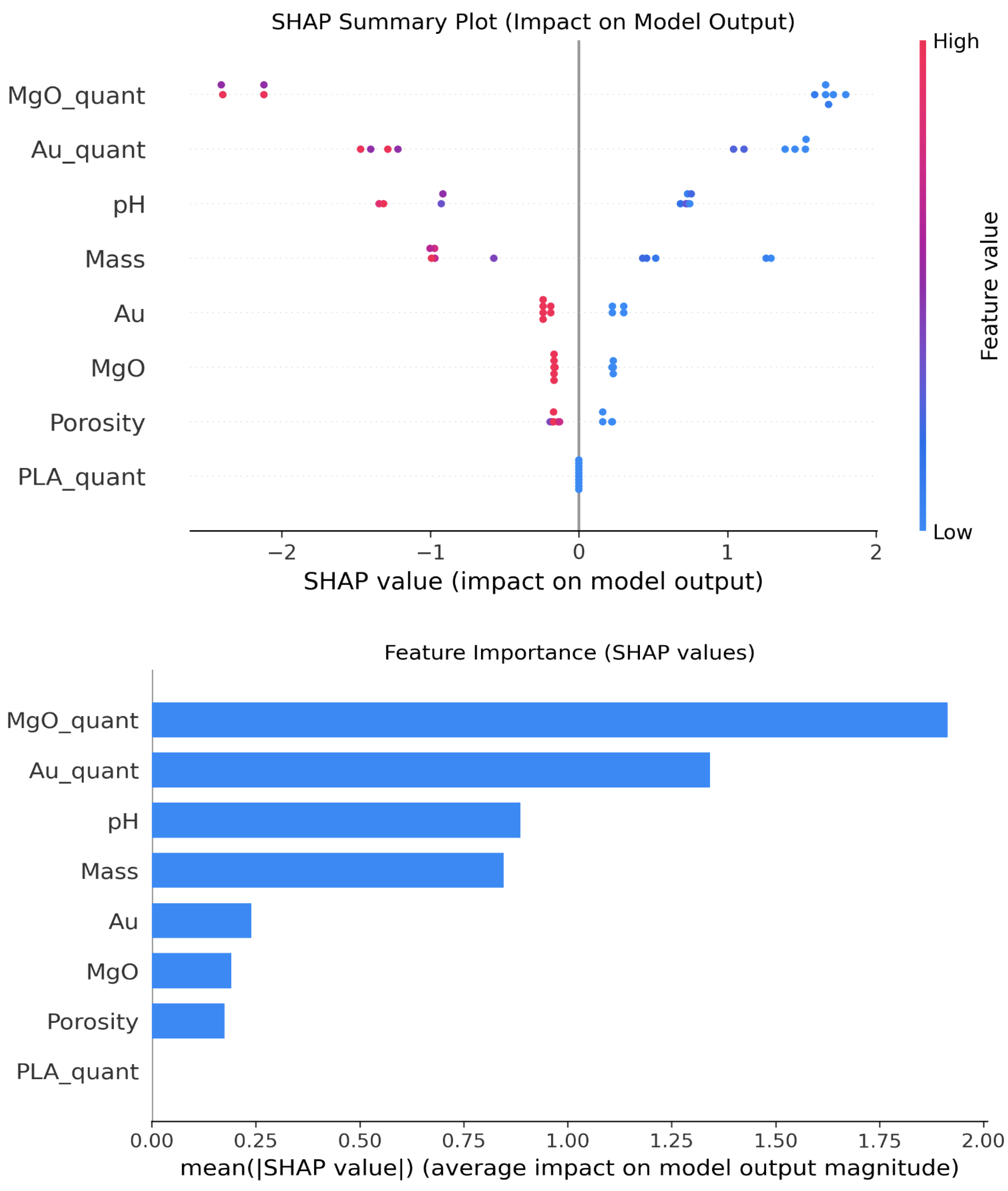
In our study, SHAP analysis indicates that MgO concentration plays a primary role in influencing cell viability, reinforcing the importance of material composition in biomaterial safety assessments (
Figure 14,
Figure 15 and
Figure 16).
Feature engineering and data processing in the model incorporate eight critical features that characterize the biomaterial composites: PLA quantity (g), which represents the base polymer content; MgO presence, a binary indicator of MgO incorporation; MgO quantity (g), the precise amount of MgO; Au presence, a binary indicator of gold nanoparticle incorporation; Au quantity (mL), the volume of gold nanoparticle solution; porosity (%), the material porosity measurement; pH, the pH level after 21 days of incubation; and mass (mg), the sample mass after 3 days. To ensure optimal model performance, a standardization procedure using StandardScaler was implemented, normalizing the numerical features to a common scale.
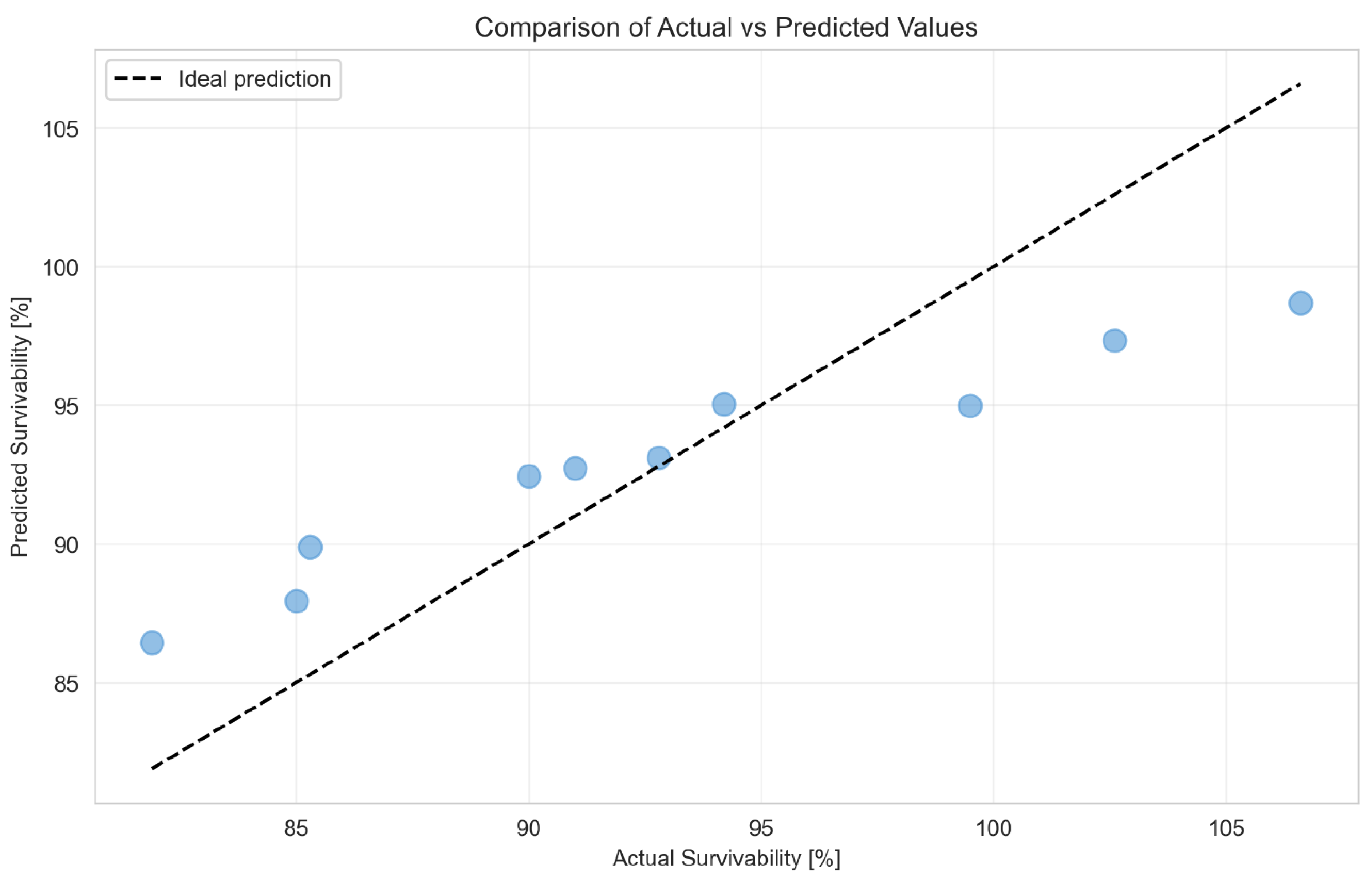
The model demonstrates noteworthy predictive capabilities, achieving a root mean square error (RMSE) of 8.99 (±7.22) through five-fold cross-validation. This performance metric indicates strong predictive power while acknowledging the inherent variability in biological systems. The mean absolute error of 3.51% suggests high practical utility, with predictions typically falling within an acceptable range for biomaterial development applications. Error distribution analysis reveals a minimum error of 0.31% (exceptional accuracy for some predictions), a maximum error of 7.90% (acceptable maximum deviation), a median absolute error of 3.73% (consistent with mean performance), and a standard deviation of error of 2.30% (indicating stable predictions). SHAP (SHapley Additive exPlanations) is a model-agnostic interpretability method based on cooperative game theory. It assigns each feature in a machine learning model a SHAP value, which represents its contribution to a specific prediction. By calculating the average marginal contribution of each feature across all possible combinations, SHAP provides a quantitative and consistent explanation of how input features influence the model’s output, enabling a clearer understanding and trust in complex models like random forests. Through SHAP analysis, valuable insights into the relative importance of different material properties were gained. MgO quantity emerged as a primary determinant of cell viability [%], showing a strong negative correlation with toxicity levels, suggesting that careful control of MgO content could be used to modulate material biocompatibility. Gold nanoparticle concentration demonstrated significant influence, with higher concentrations generally associated with lower cytotoxicity levels, aligning with the existing literature on the biocompatibility of gold nanoparticles. pH and mass showed complex relationships with cytotoxicity, indicating potential interaction effects that warrant further investigation. Porosity exhibited a moderate negative correlation with prediction errors (−0.313), suggesting that higher porosity materials may be more predictable in terms of their cytotoxic behavior.
While the current model demonstrates strong predictive capabilities, several limitations and opportunities for improvement exist. The dataset size, currently limited to a training set of 10 samples, constrains the model’s ability to capture more complex patterns. Extreme value prediction remains a challenge, as the model shows slightly reduced accuracy for very high cytotoxicity values, suggesting room for improvement in handling extreme cases. Additionally, the current implementation could benefit from more sophisticated uncertainty estimation methods. Future research directions include data enhancement by expanding the training dataset with more diverse samples, focusing on collecting data for extreme cytotoxicity cases, and investigating additional material properties that might influence cytotoxicity. Model improvements can be pursued by exploring advanced ensemble methods combining multiple algorithm types and incorporating genetic algorithms from the Mealpy library, as their accuracy appears promising based on initial tests. The authors of the article [
41] employed evolutionary algorithm techniques, specifically genetic algorithms (GAs), for model and band selection in hyperspectral image classification. This approach demonstrates the significant potential of such algorithms in the medical and diagnostic sectors, particularly in optimizing classifiers for forensic-inspired hyperspectral data analysis. Future directions should also include the development of specialized models for different cytotoxicity ranges.
Further improvements in feature engineering should involve investigating interaction terms between features, exploring non-linear transformations of input variables, and considering time-dependent features for long-term toxicity prediction. These advancements will enhance the predictive power and robustness of the model in biomaterial development applications.
The scatter plot highlights the correlation between actual and predicted survivability percentages, with most data points closely following the ideal prediction line. However, deviations, particularly at higher survivability values, suggest potential limitations in the model’s generalization. Given the small dataset size (only 10 samples), the model likely struggles to capture complex patterns, leading to increased variance and reduced predictive accuracy in certain cases. The observed discrepancies indicate that while the random forest regression model effectively captures the overall trend, a larger and more diverse dataset would be necessary to improve prediction reliability and reduce errors in extreme cases.
The SHAP summary plot illustrates the impact of each feature on the model’s output, with MgO quantity (MgO_quant) having the strongest effect, where higher values (blue) reduce survivability, likely due to cytotoxic effects (
Figure 15). Gold nanoparticle concentration (Au_quant) also significantly influences predictions, with high values (blue) generally increasing survivability. pH and mass exhibit moderate effects, suggesting their role in biocompatibility and material stability. Features such as binary presence indicators (MgO, Au), porosity, and PLA quantity contribute less, reinforcing that the amount of MgO and Au is more critical than their mere presence. These insights suggest a need to optimize MgO levels while leveraging Au to improve biomaterial performance.
3.9. Biomineralization Analysis
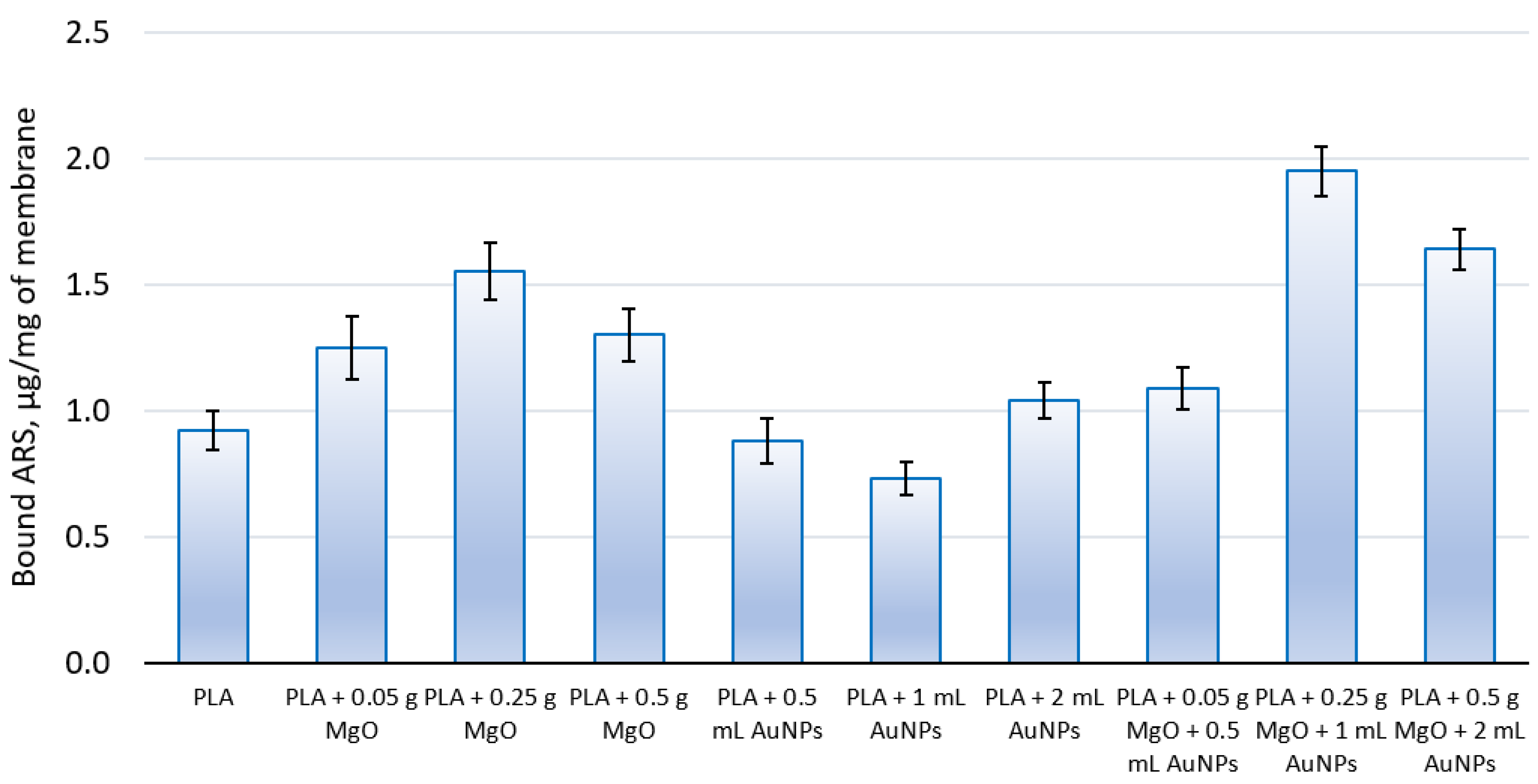
To quantitatively evaluate mineralization, Alizarin Red S (ARS) staining was performed after 21 days of MG-63 cell culture in osteogenic medium.
Figure 17 presents the amount of ARS-bound dye normalized to membrane mass (mg/mg), which reflects the extent of extracellular calcium deposition on each scaffold surface, a hallmark of osteoblast differentiation.
Pristine PLA membranes (sample 1) exhibited the lowest mineralization value (0.00092 mg/mg), confirming their limited osteoinductive capacity due to a lack of bioactive sites and ionic stimulation. This finding is consistent with prior studies highlighting PLA’s bioinert surface and weak mineralization potential unless modified with bioactive components [
22,
25].
PLA membranes modified with MgO (samples 2–4) demonstrated a concentration-dependent increase in mineral deposition, with sample 3 (0.25 g MgO) showing the highest value among them (0.00155 mg/mg). Magnesium ions are well-known to stimulate osteogenic activity, primarily by upregulating alkaline phosphatase (ALP) and modulating intracellular calcium pathways [
33,
37]. Previous research has shown that MgO-containing materials enhance matrix mineralization and improve cell–matrix interactions [
36,
38].
Membranes modified with AuNPs alone (samples 5–7) exhibited relatively lower mineralization, though sample 7 (2 mL AuNPs) showed improved calcium deposition (0.00104 mg/mg) compared to PLA alone. This suggests that AuNPs exert a mild promotive effect on osteogenesis, likely through cytoskeletal modulation and protein adsorption rather than direct ionic bioactivity [
40,
43]. Still, their effect appears to be less potent than that of MgO, particularly in stimulating mineral accumulation over a 21-day culture period.
The most pronounced mineralization effects were observed in dual-functionalized membranes containing both MgO and AuNPs. Sample 9 (0.25 g MgO + 1 mL AuNPs) exhibited the highest ARS staining value (0.00195 mg/mg), suggesting a strong synergistic enhancement in calcium deposition. Sample 10 (0.5 g MgO + 2 mL AuNPs) also demonstrated elevated mineralization (0.00164 mg/mg). These results indicate that the dual incorporation of nanoparticles creates a bioactive interface that supports osteoblast maturation and mineral output. Similar synergistic effects have been described in previous studies on nanocomposite scaffolds, where ionic and structural cues together promote bone-like tissue formation [
34,
44,
50].
These findings are consistent with earlier trends observed in this study, namely, improvements in wettability, swelling, buffering capacity, and cell viability, all of which contribute to the scaffold’s biofunctionality. Enhanced surface hydrophilicity promotes protein adsorption and cell adhesion, while Mg
2+ release and localized AuNP cues facilitate intracellular signaling required for differentiation [
25,
29].
Taken together, the ARS staining results confirm the superior osteoinductive capacity of PLA/MgO/AuNP membranes, particularly at optimized concentrations of both nanoparticles. These hybrid nanocomposites represent a promising platform for guided bone regeneration, combining structural suitability with biochemical functionality supported by cumulative evidence across in vitro models [
35,
36,
50].



 ,
,