Article

Performance Development of Fluidic Oscillator Nozzle for Cleaning Autonomous-Driving Sensors

1
Mechanical Engineering Department, Kongju National University, 1223-24, Cheonan-Daero, Seobuk-gu, Cheonan-si 31080, Republic of Korea
2
Cae Team, Soosan CSM, 2F, 10, Gwangpyeong-ro 56-gil, Gangnam-gu, Seoul 06367, Republic of Korea
3
Future Automotive Engineering Department, Kongju National University, 1223-24, Cheonan-Daero, Seobuk-gu, Cheonan-si 31080, Republic of Korea
*
Author to whom correspondence should be addressed.
Appl. Sci. 2024, 14(4), 1596; https://doi.org/10.3390/app14041596
Submission received: 17 January 2024 / Revised: 4 February 2024 / Accepted: 8 February 2024 / Published: 17 February 2024
(This article belongs to the Special Issue Advances and Applications of CFD (Computational Fluid Dynamics))

Abstract

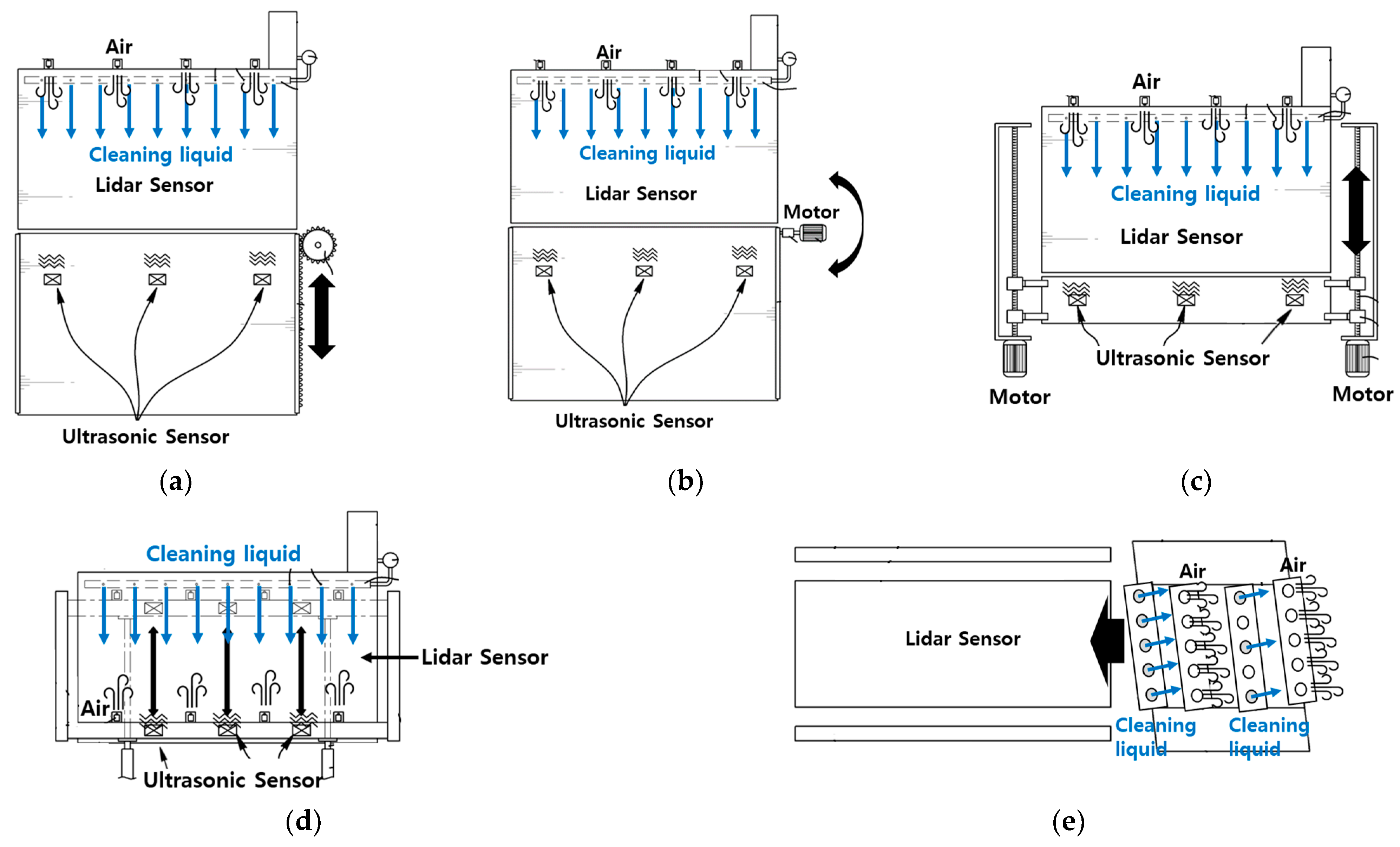
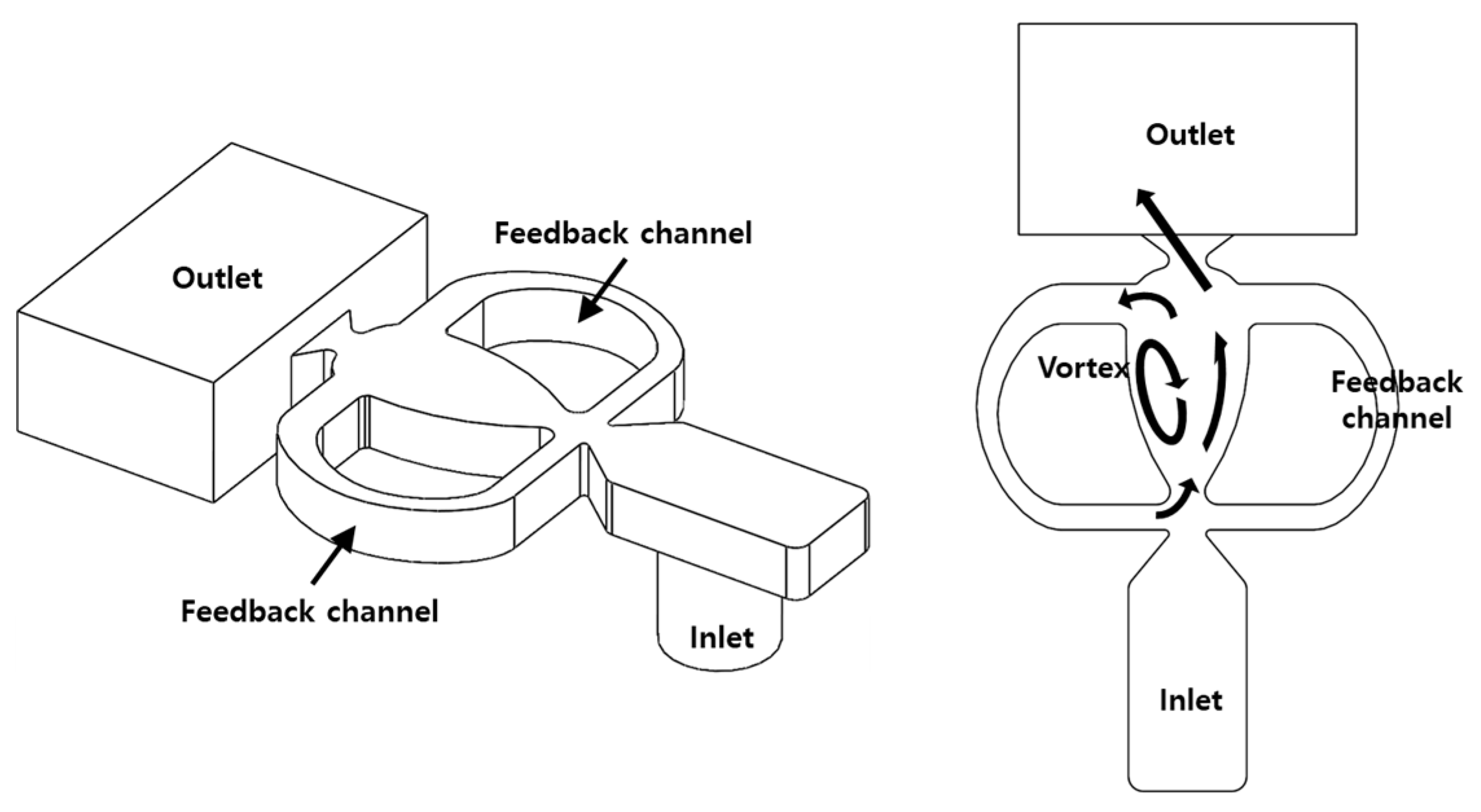
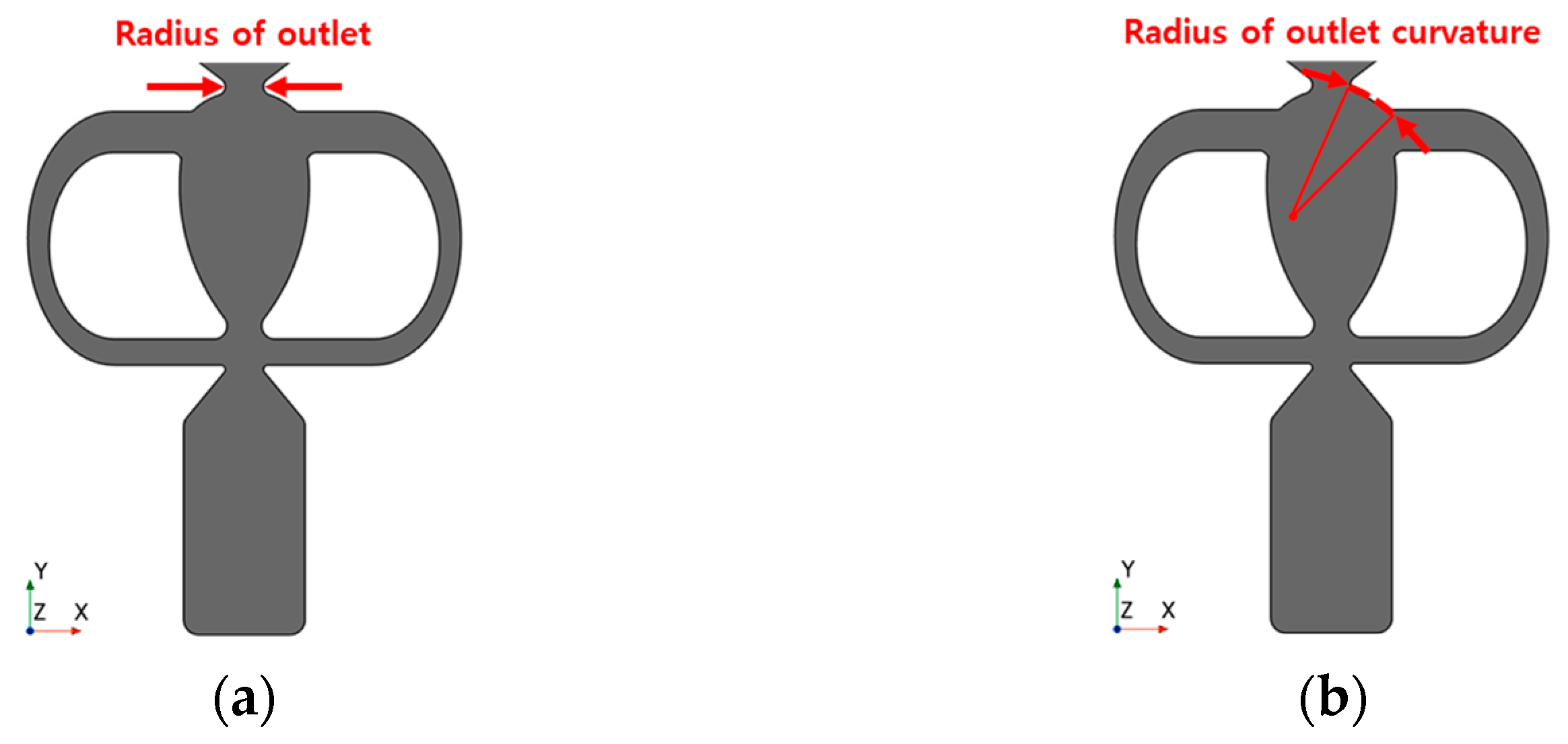
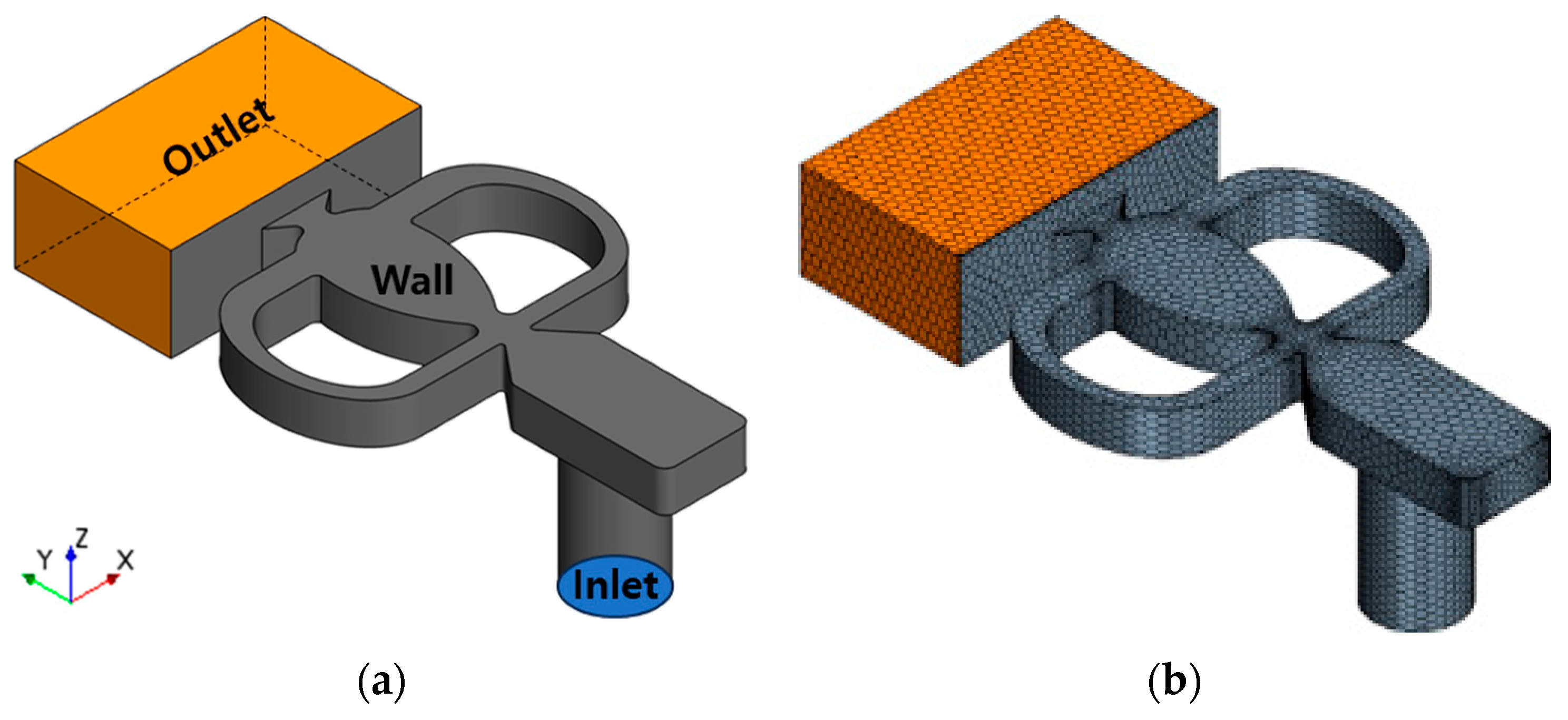
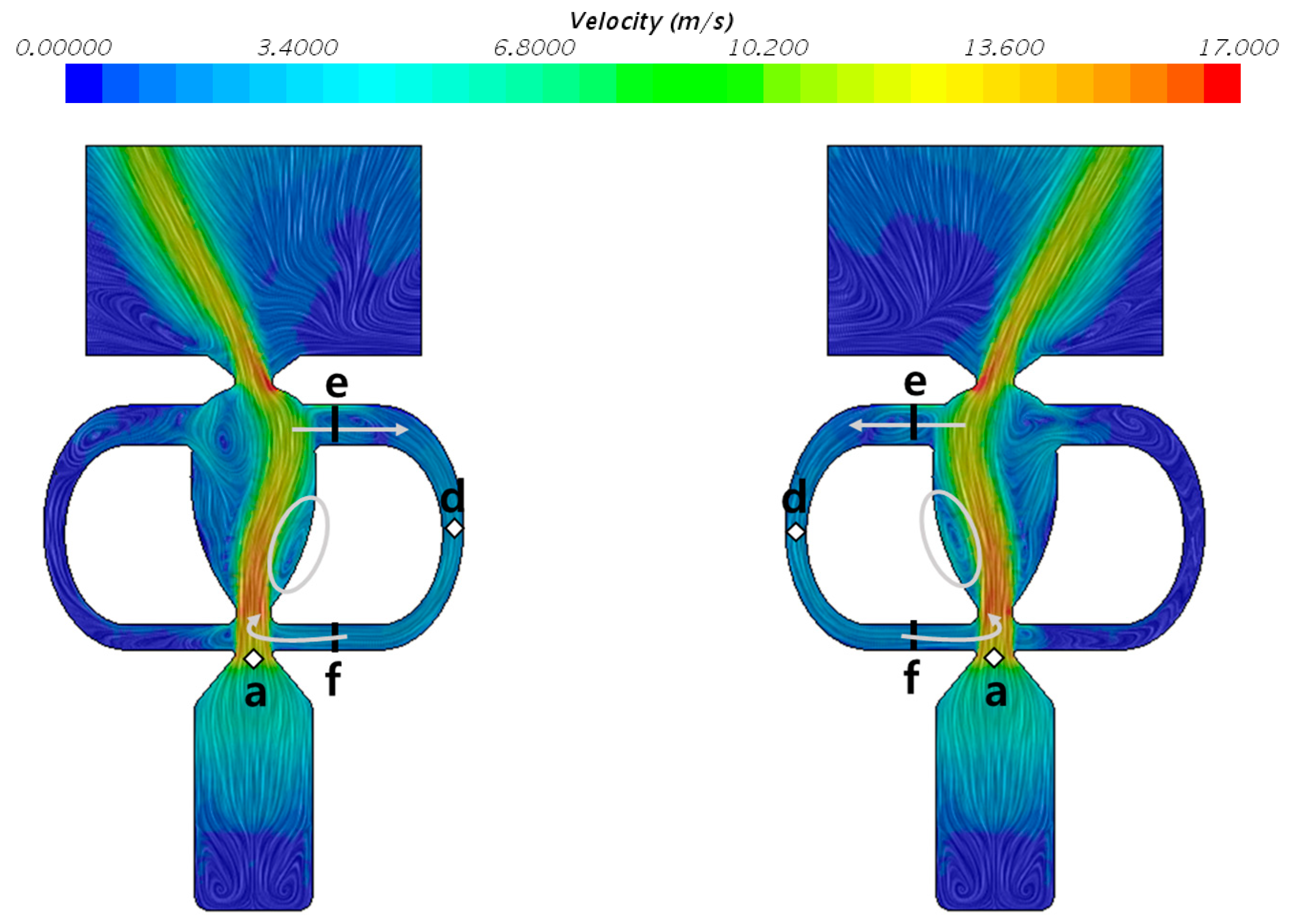
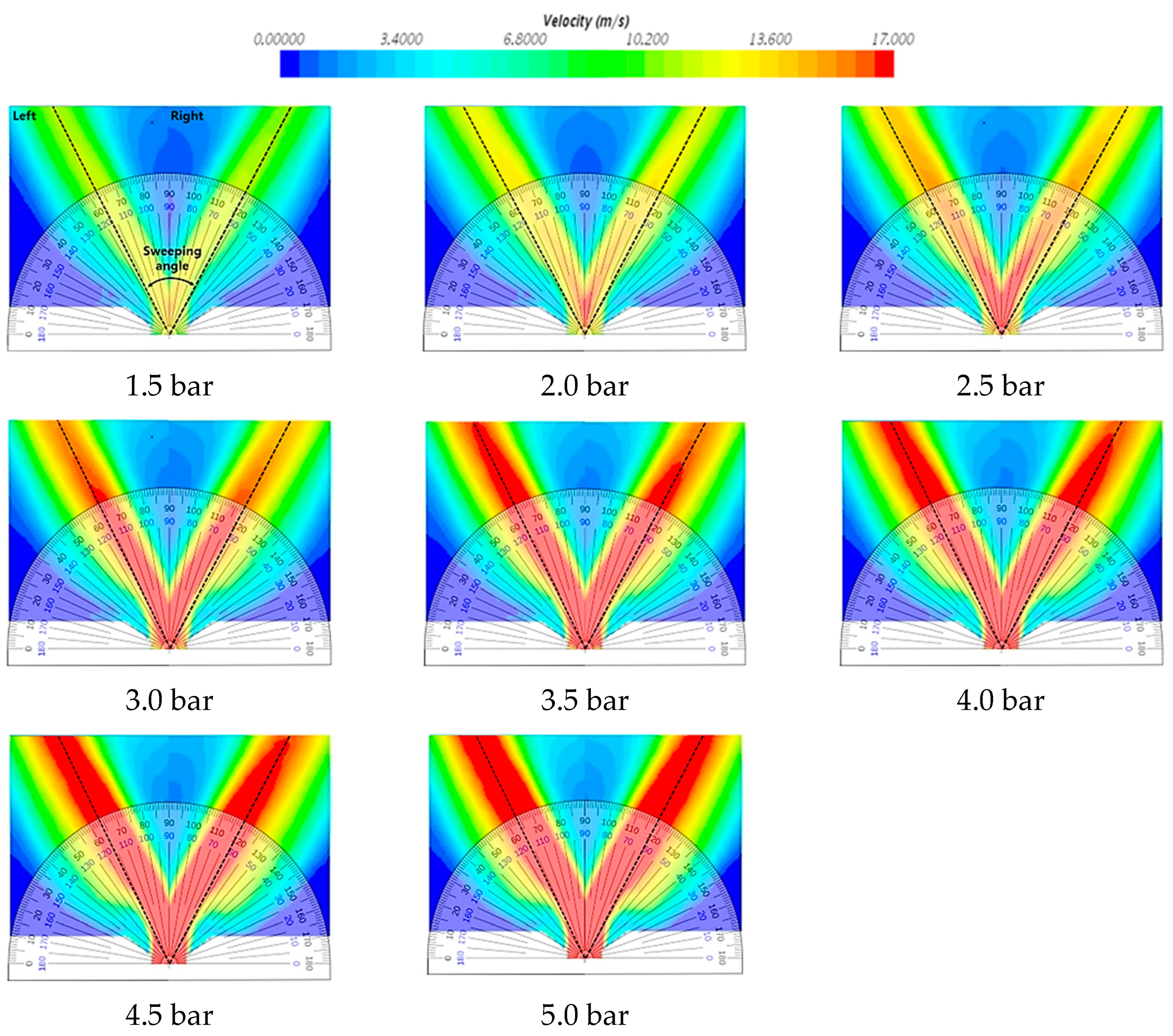
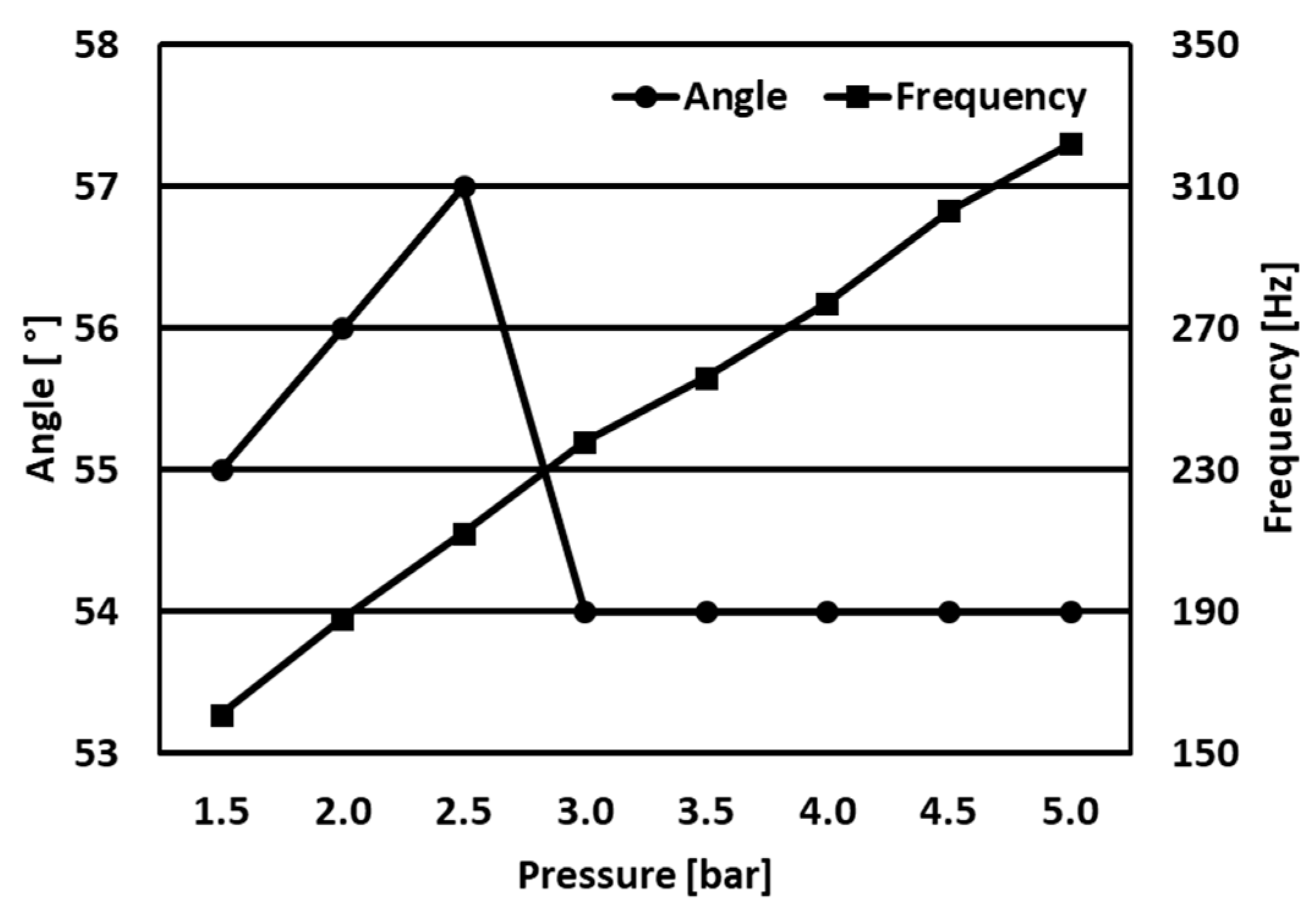
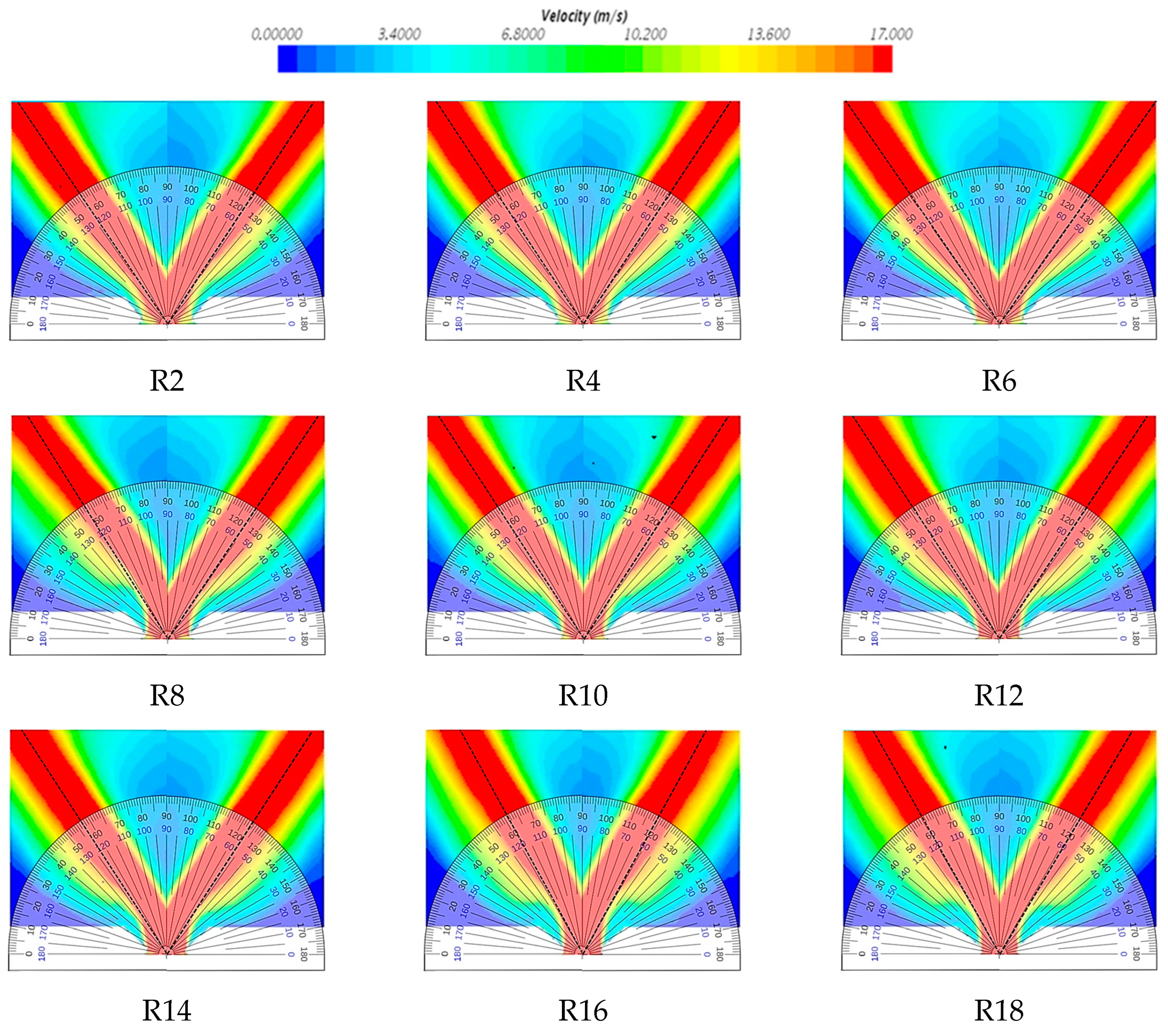
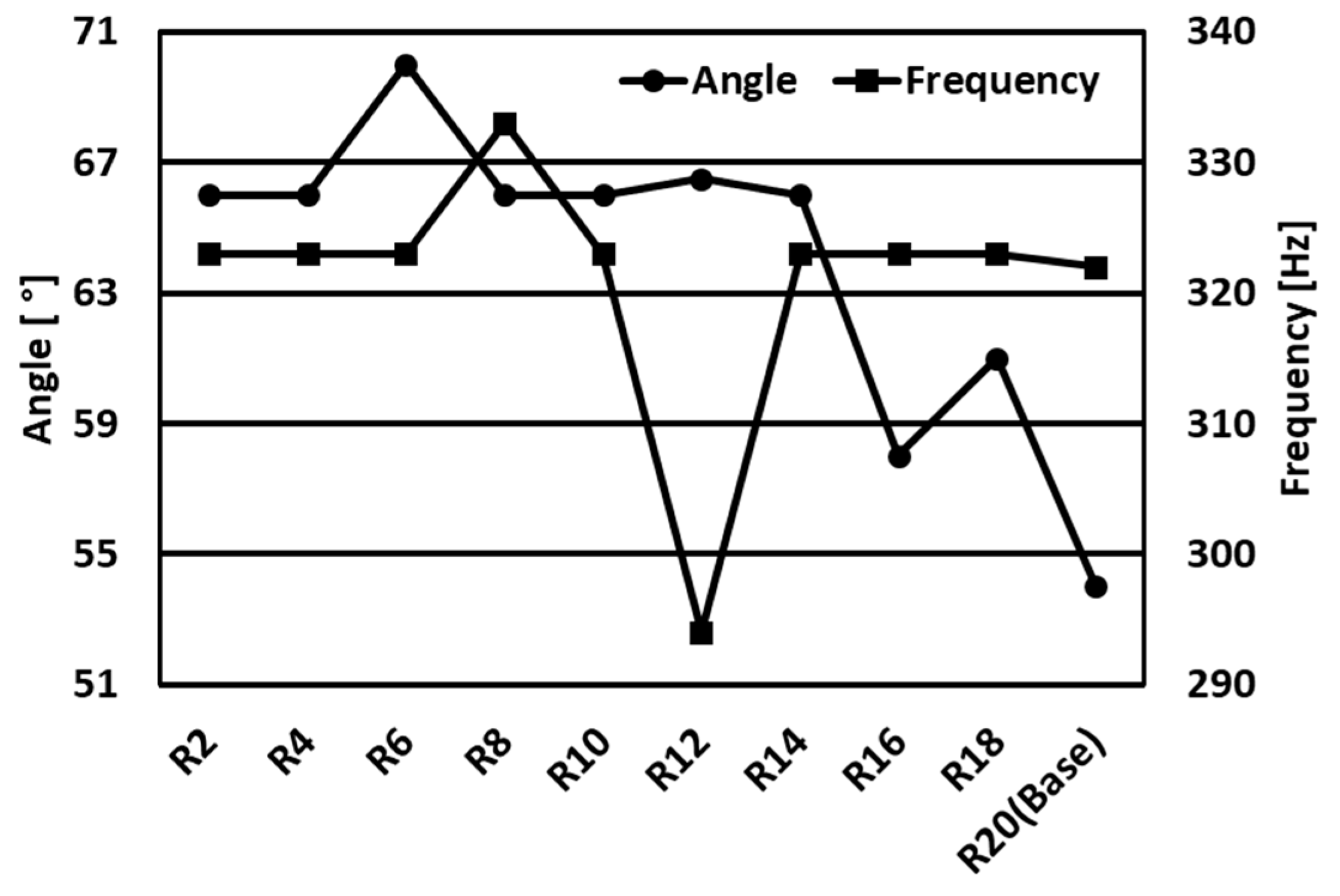
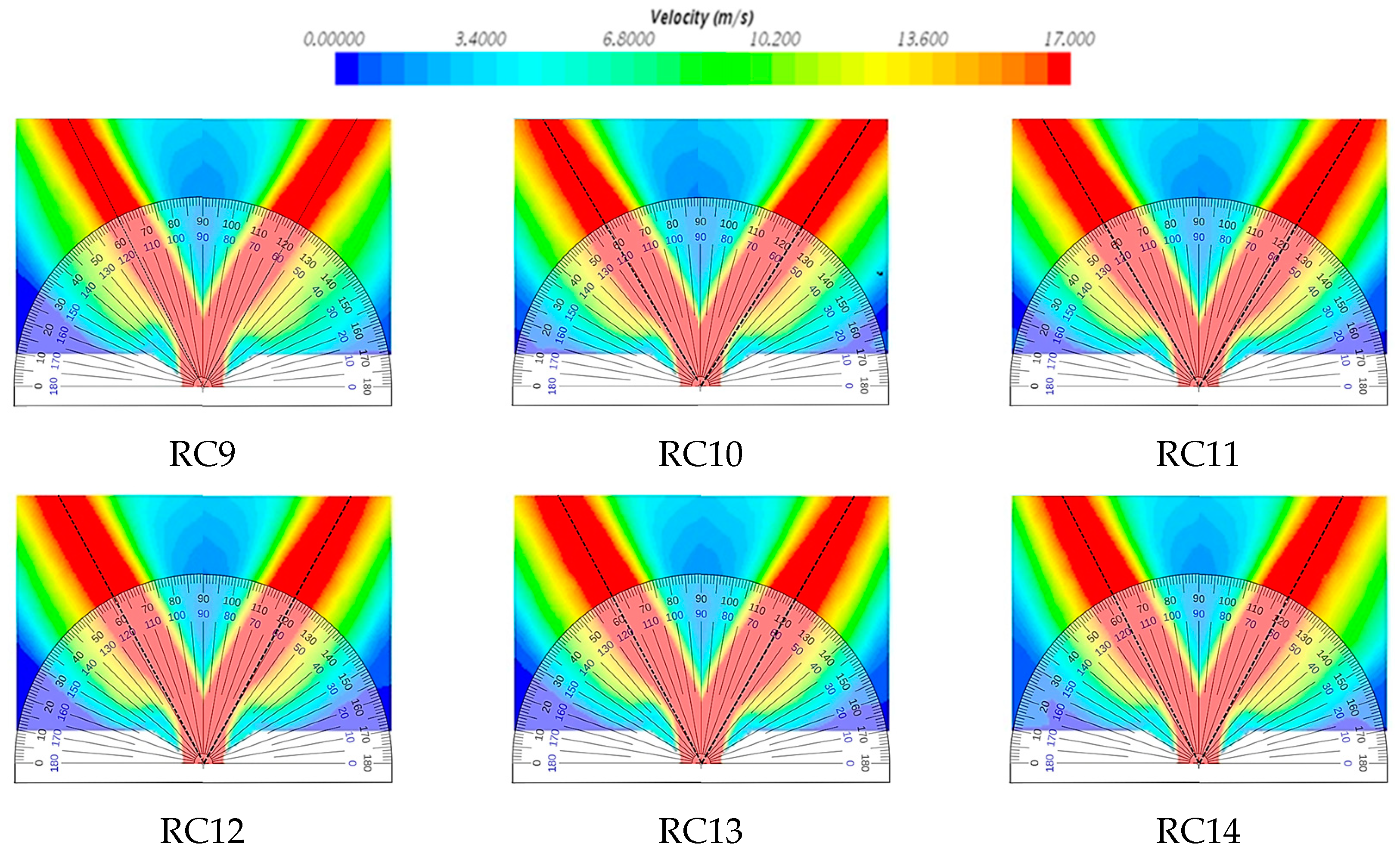
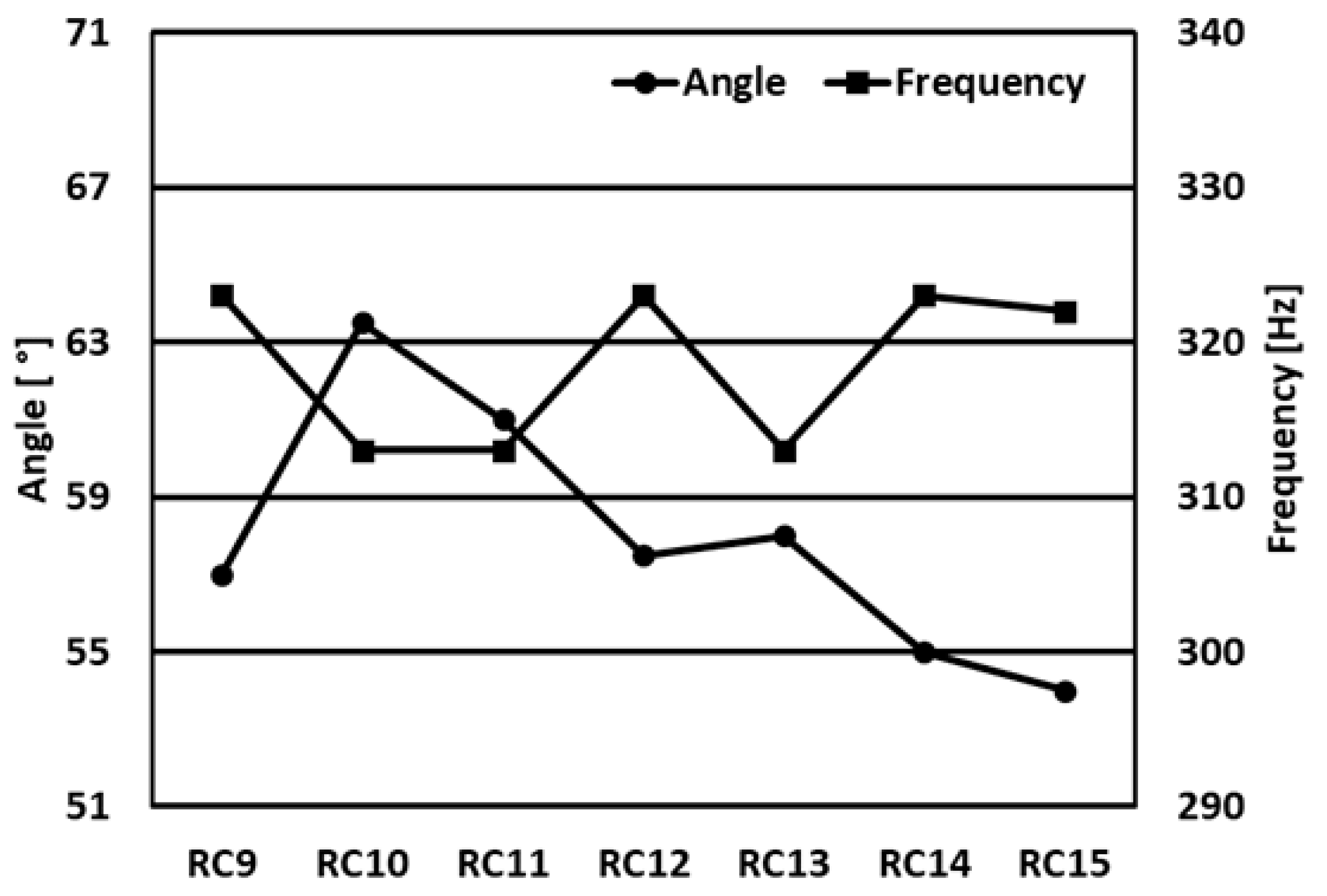
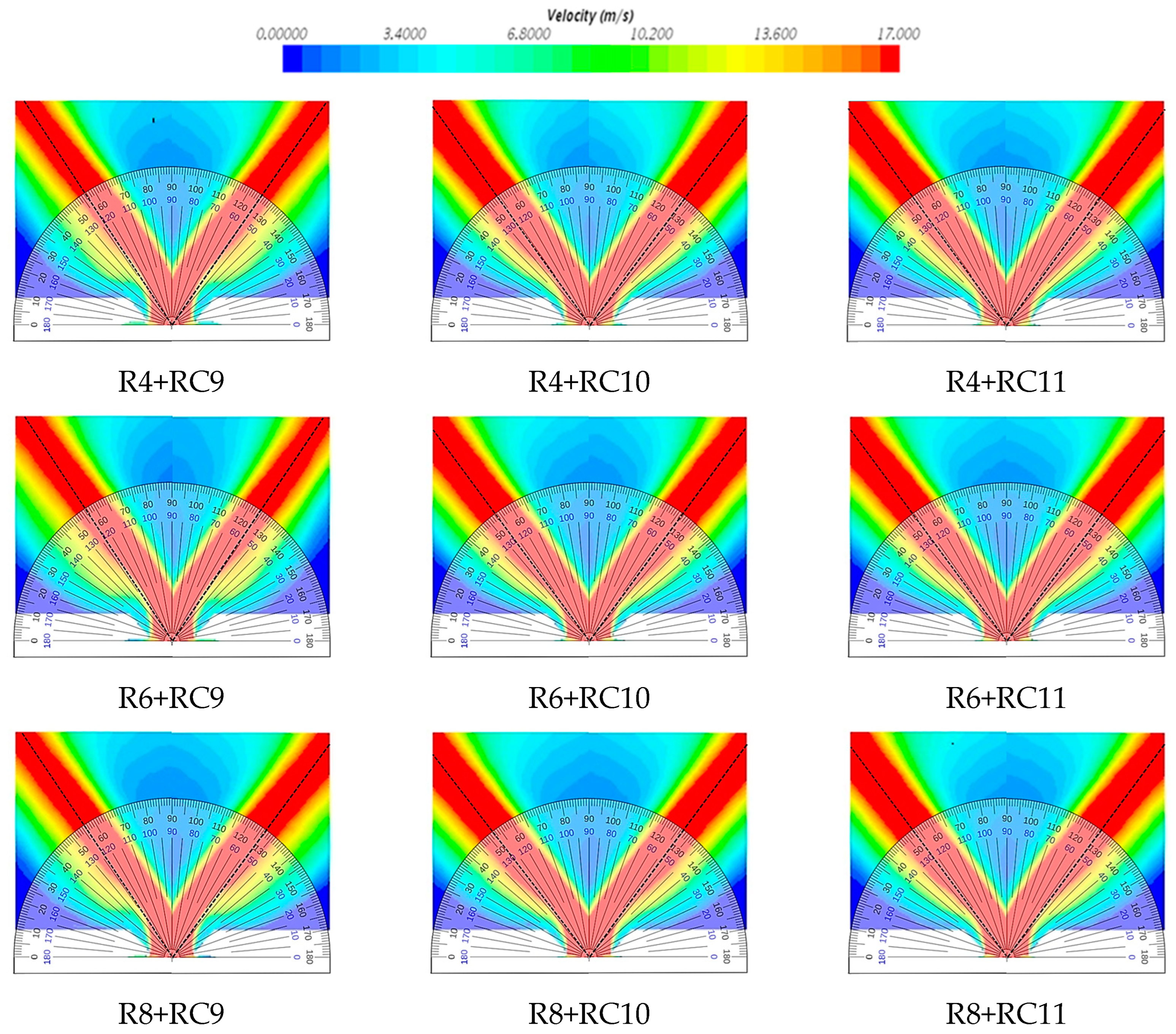
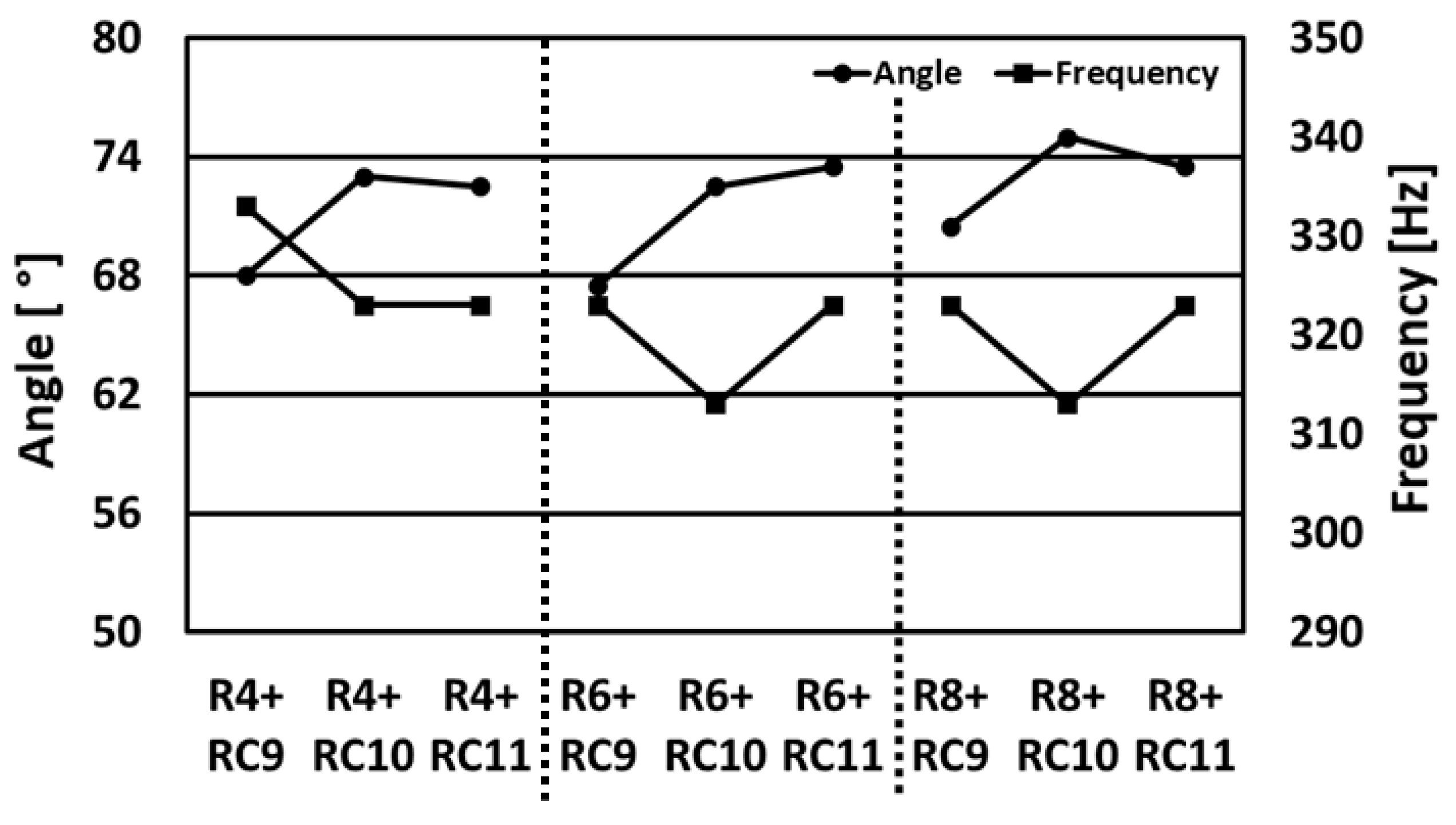
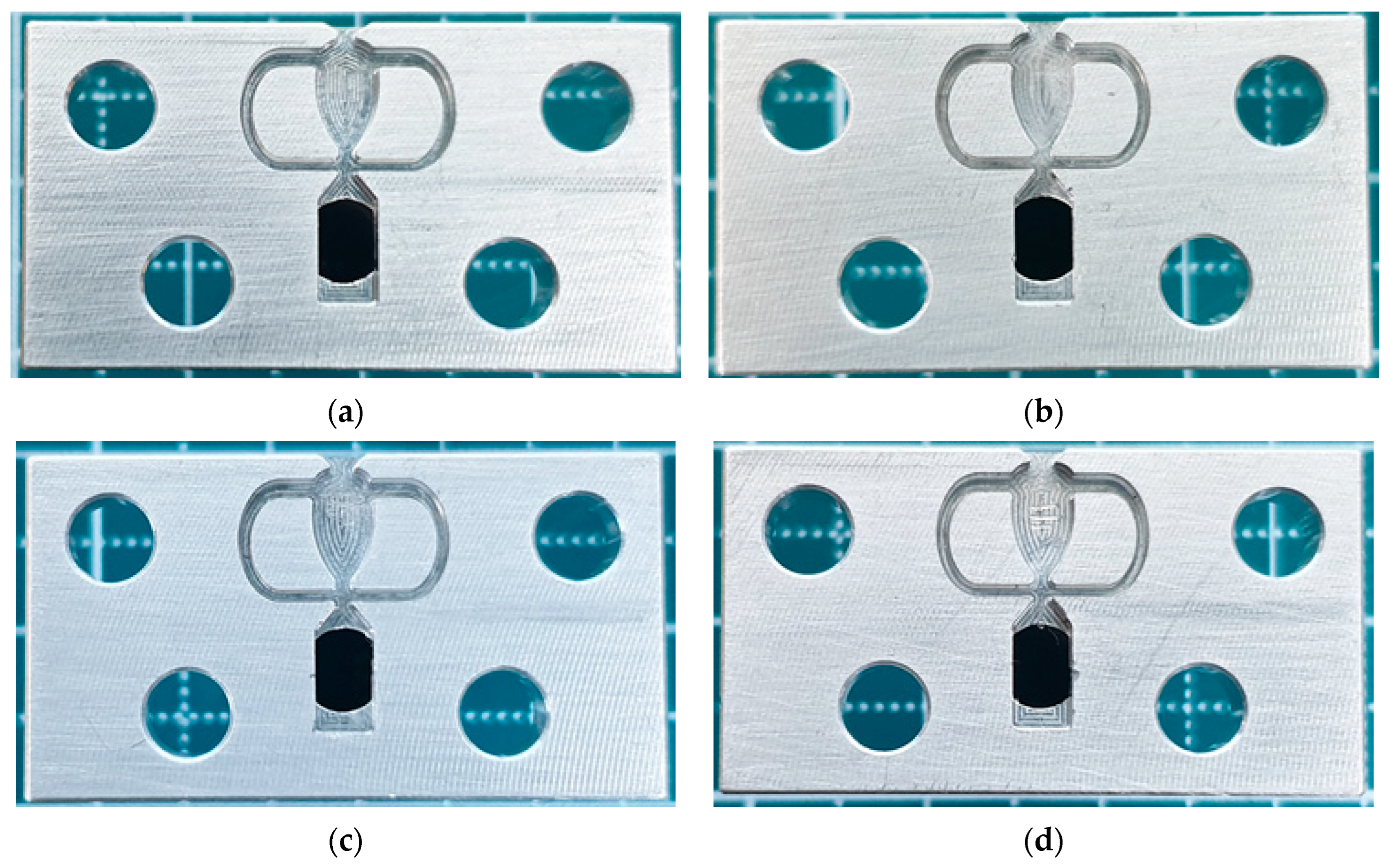
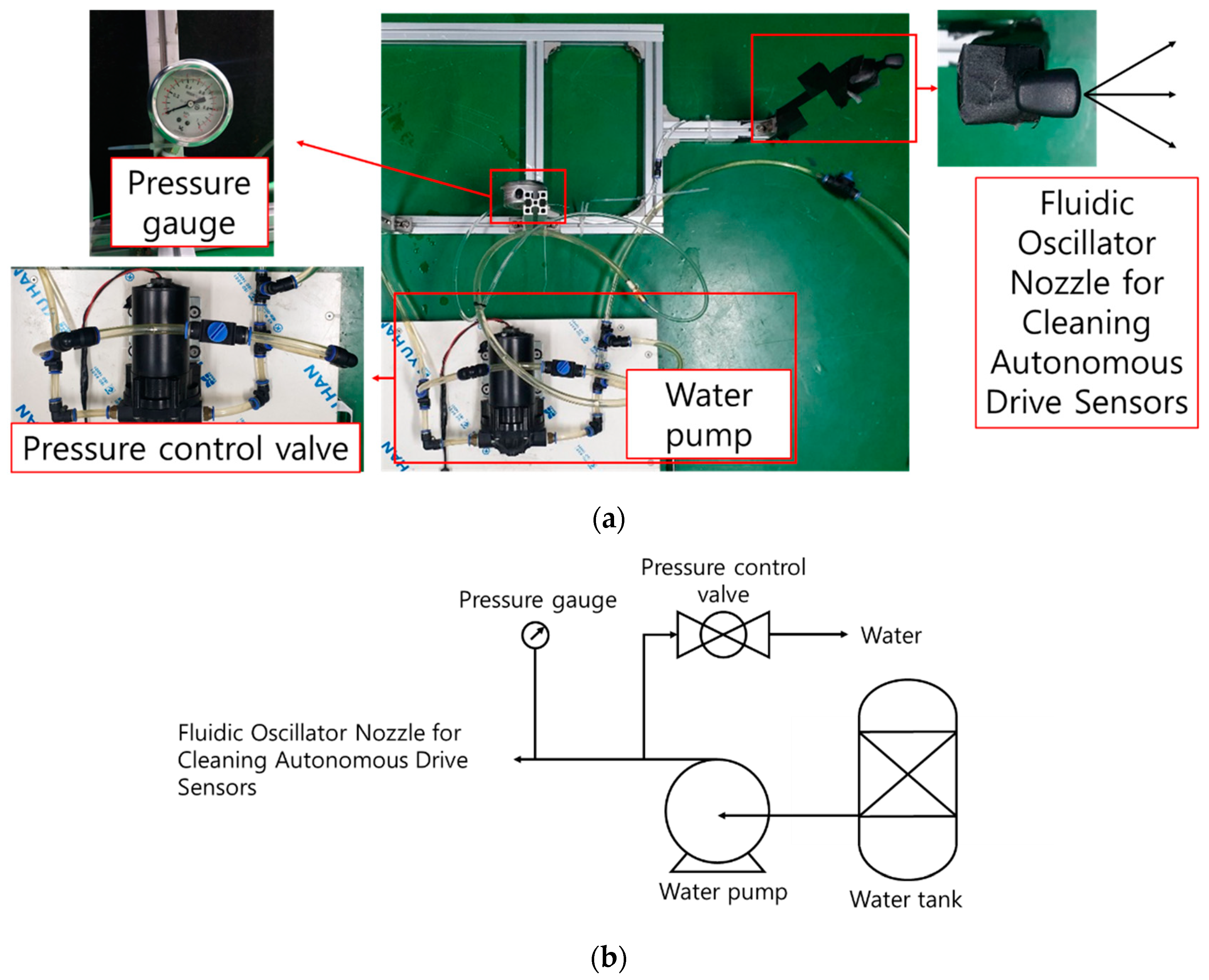
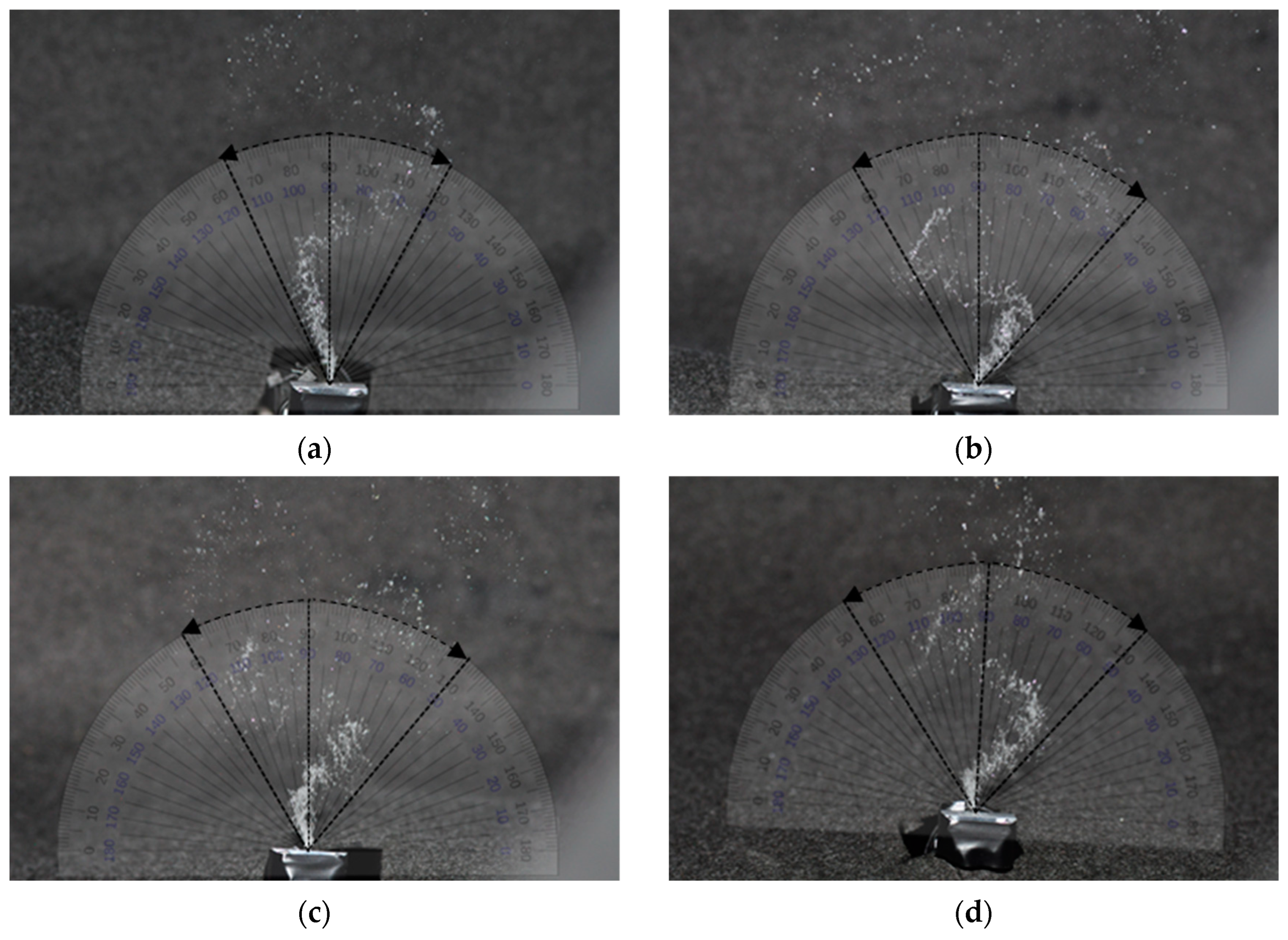
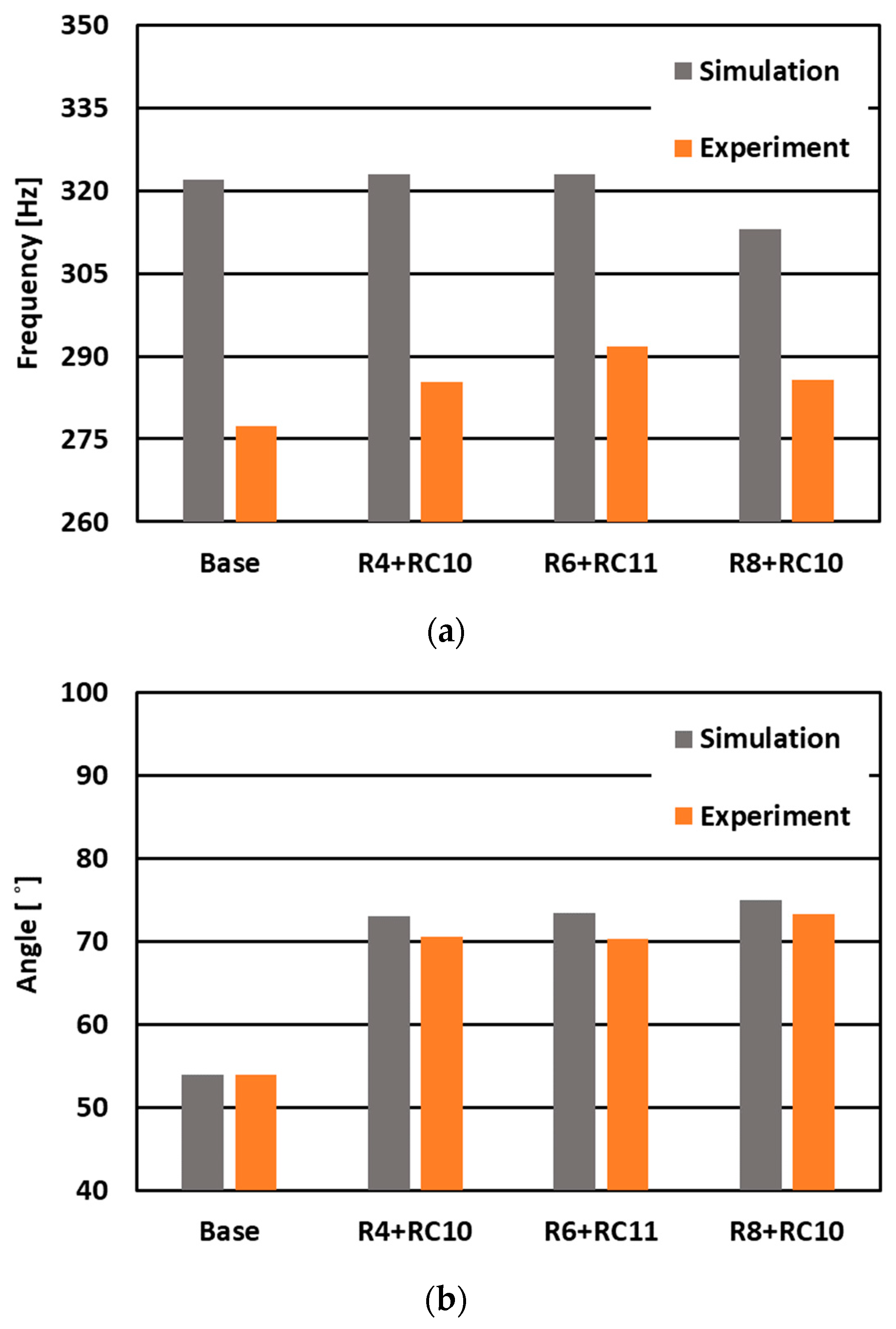
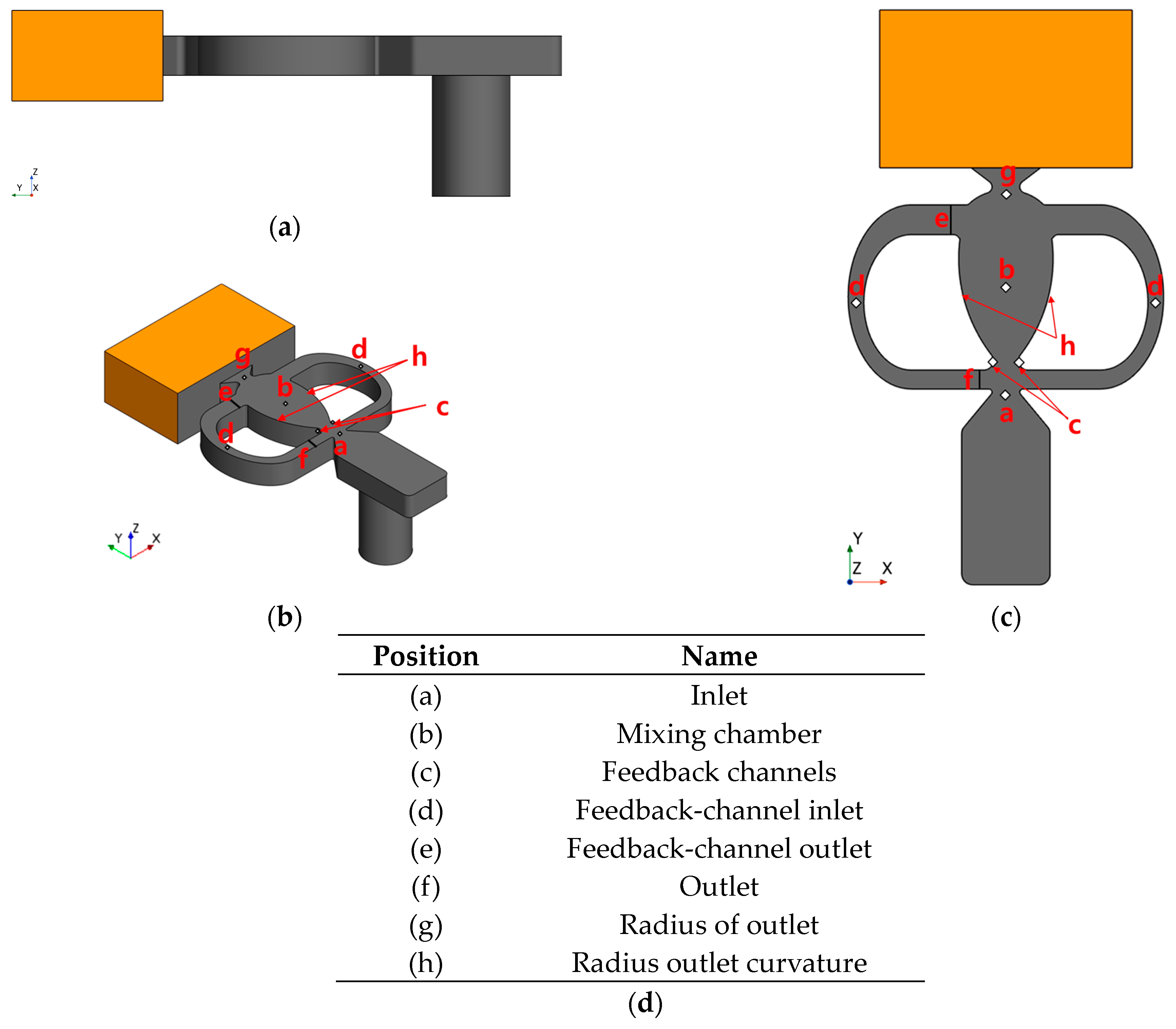
Contaminated autonomous-driving sensors frequently malfunction, resulting in accidents; these sensors need regular cleaning. The autonomous-driving sensor-cleaning nozzle currently used is the windshield-washer nozzle; few studies have focused on the sensor-cleaning nozzle. We investigated the flow characteristics of the nozzle to improve its performance in cleaning the autonomous-driving sensor. The nozzle concept was based on the fluidic oscillator nozzle. Various performance parameters of the fluidic oscillator nozzle were selected and investigated. Transient fluid flow was simulated to determine the effect of the design parameters to maximize the oscillation flow phenomenon. Additionally, the spray angle and frequency were calculated. Analysis results showed that the change in flow speed affects the frequency, and the change in feedback-channel-inlet flow rate affects the angle change. To verify the simulation result, the three best models (R4+RC10, R6+RC11, R8+RC10) and the base model were manufactured and tested. The test results were consistent with the simulation results within a 6% error.
Keywords: autonomous-driving sensor; fluidic oscillator nozzle; spray angle; frequency; sensor cleaning autonomous-driving sensor; fluidic oscillator nozzle; spray angle; frequency; sensor cleaning