Article

A Realistic Hand Image Composition Method for Palmprint ROI Embedding Attack

1
School of Software, Nanchang Hangkong University, 696 Fenghe Nan Avenue, Nanchang 330063, China
2
Key Laboratory of Jiangxi Province for Image Processing and Pattern Recognition, Nanchang Hangkong University, Nanchang 330063, China
3
School of Electrical and Electronic Engineering, College of Engineering, Yonsei University, 50 Yonsei-ro, Seodaemun-gu, Seoul 120749, Republic of Korea
4
Department of Computer Engineering, Sejong University, Seoul 05006, Republic of Korea
*
Authors to whom correspondence should be addressed.
Appl. Sci. 2024, 14(4), 1369; https://doi.org/10.3390/app14041369
Submission received: 26 December 2023 / Revised: 27 January 2024 / Accepted: 30 January 2024 / Published: 7 February 2024
(This article belongs to the Special Issue Multimedia Systems Studies)

Abstract

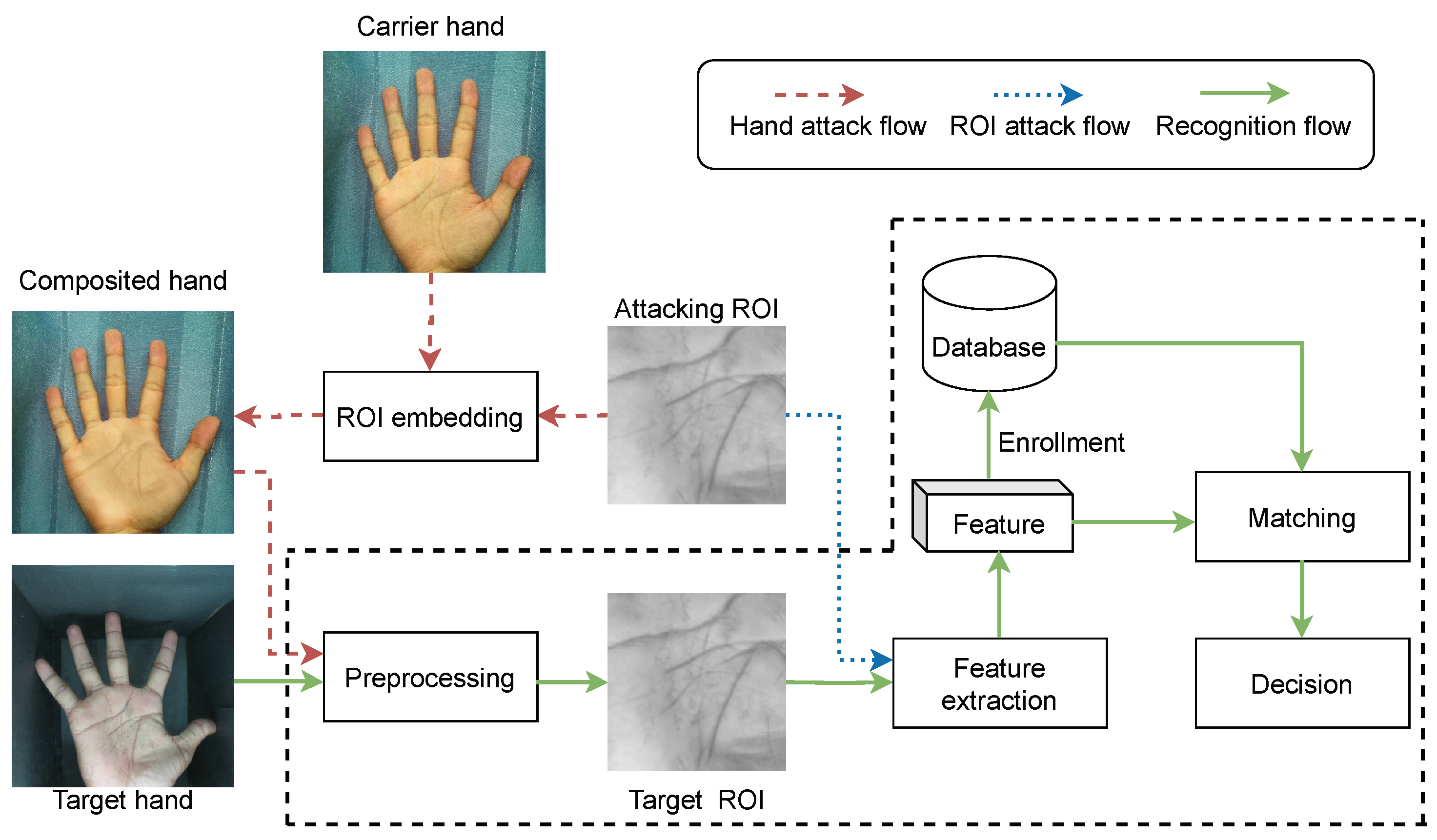
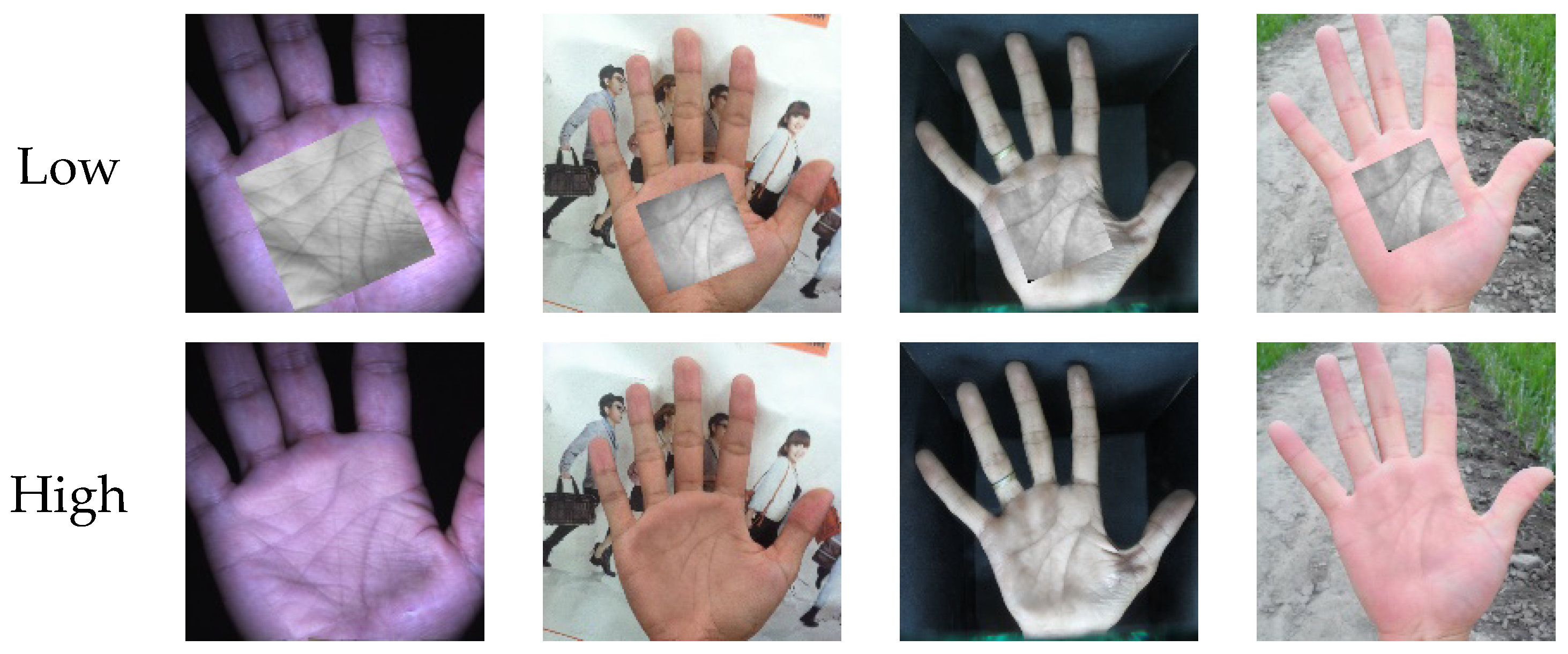
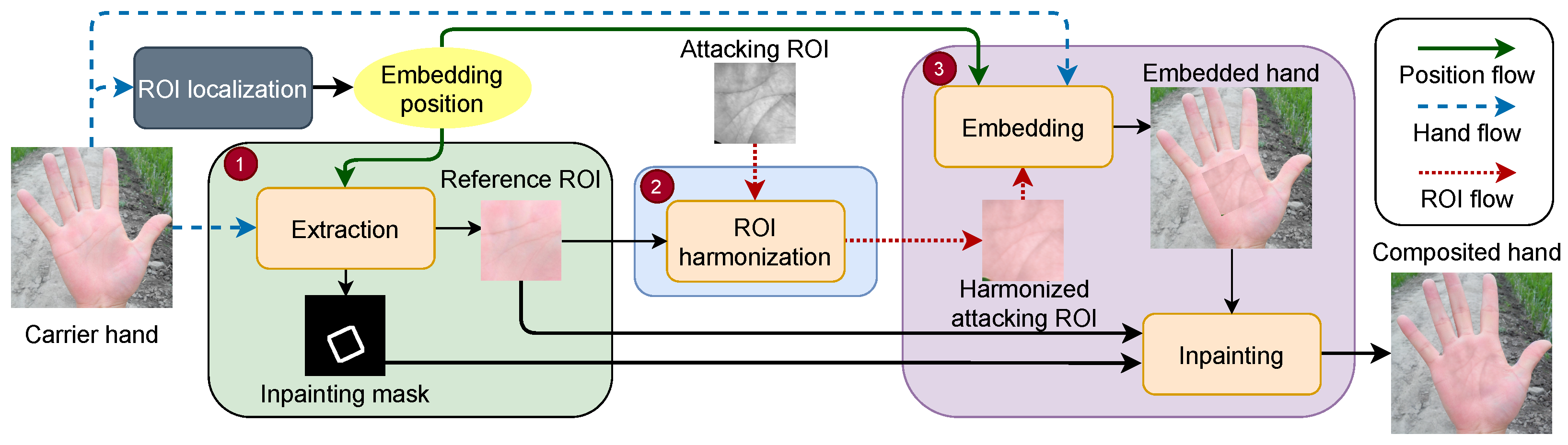
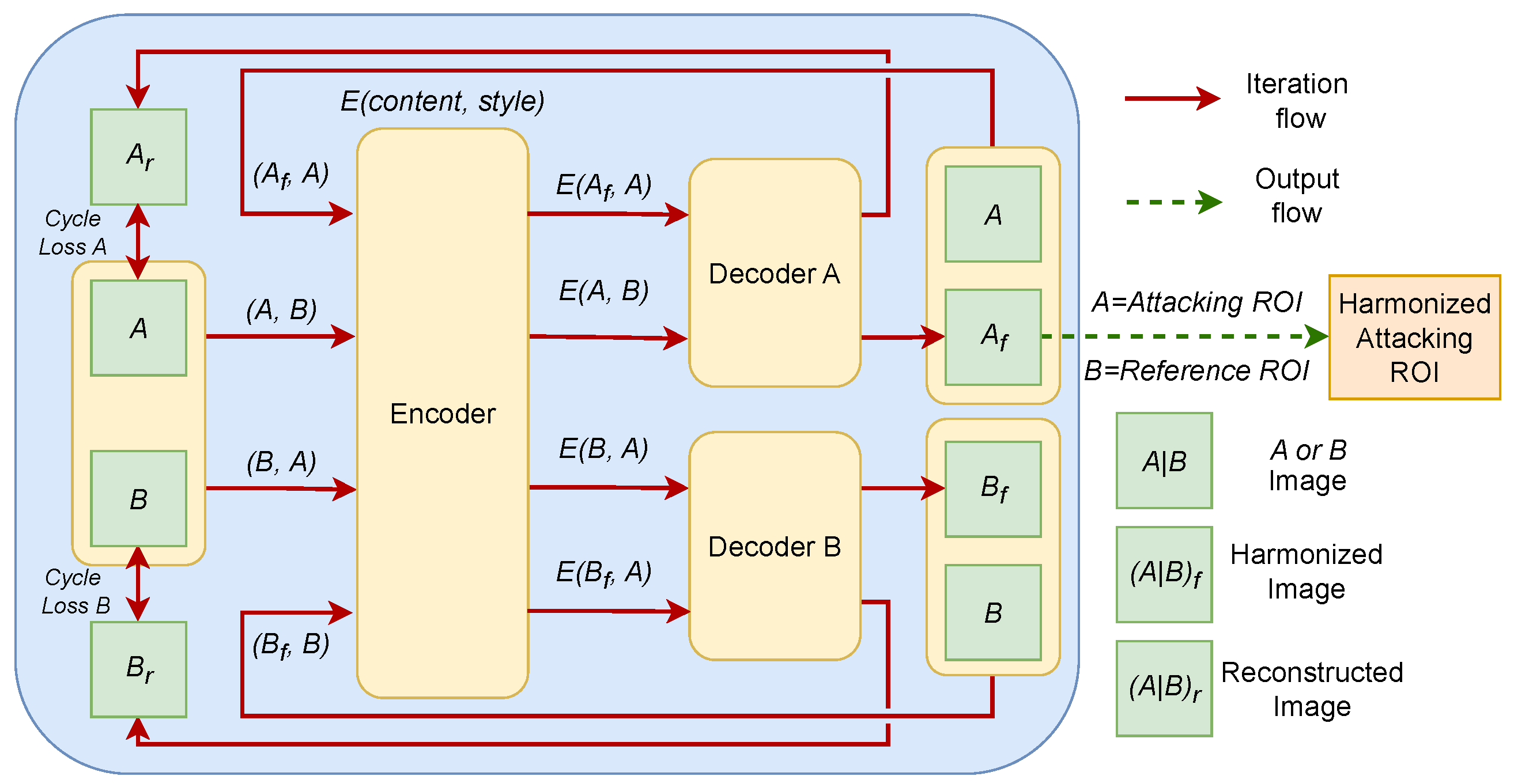
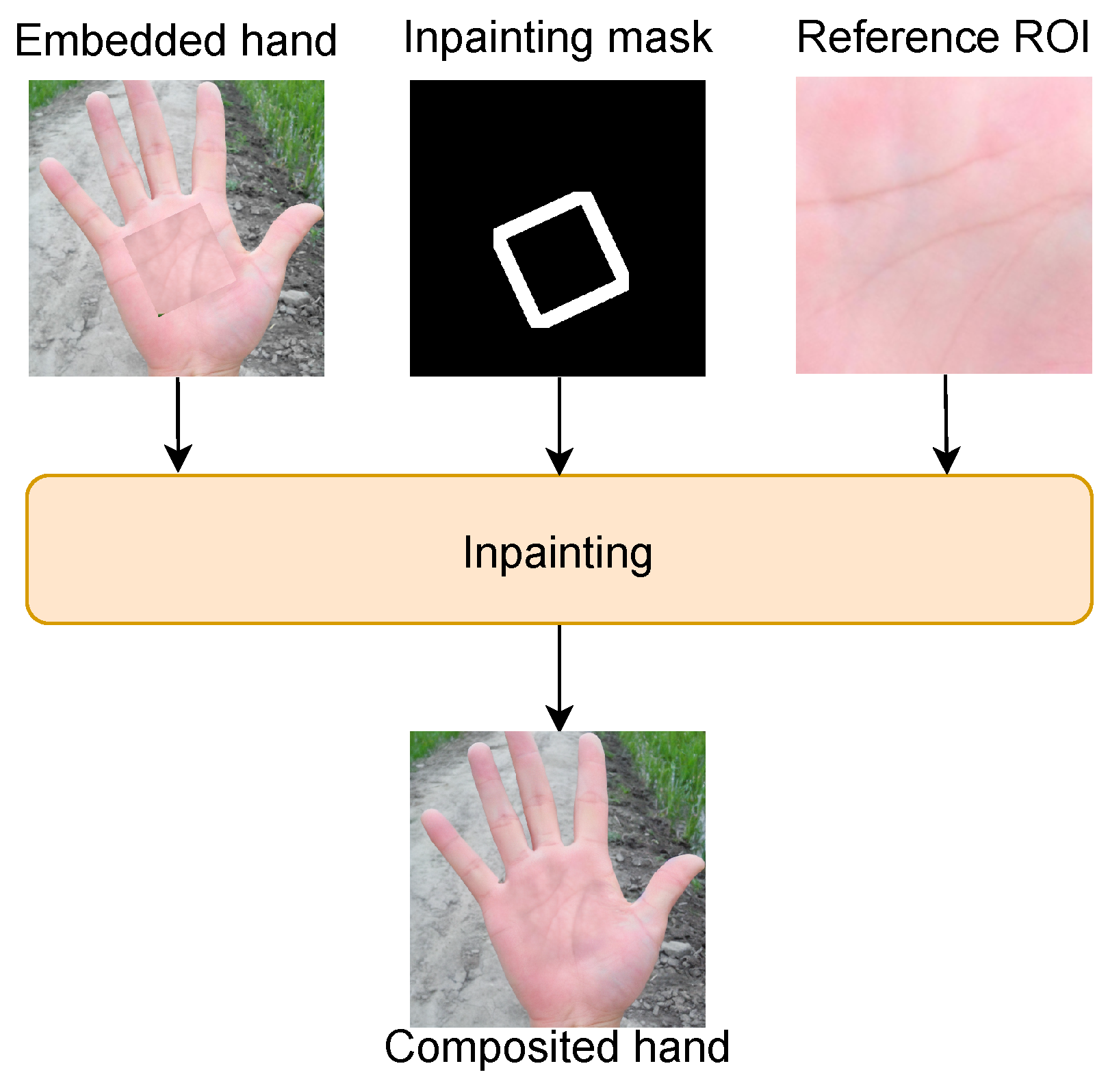
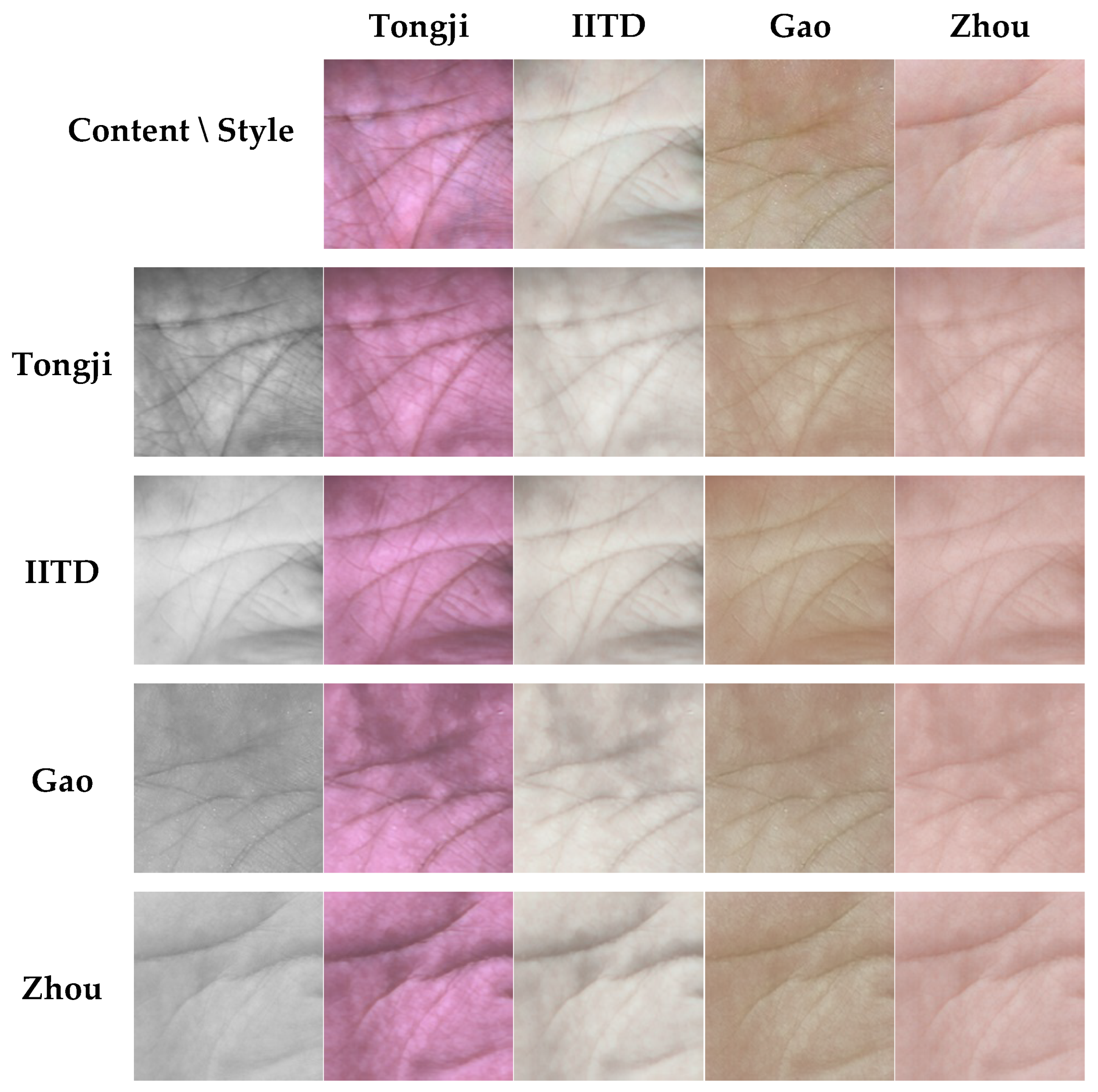
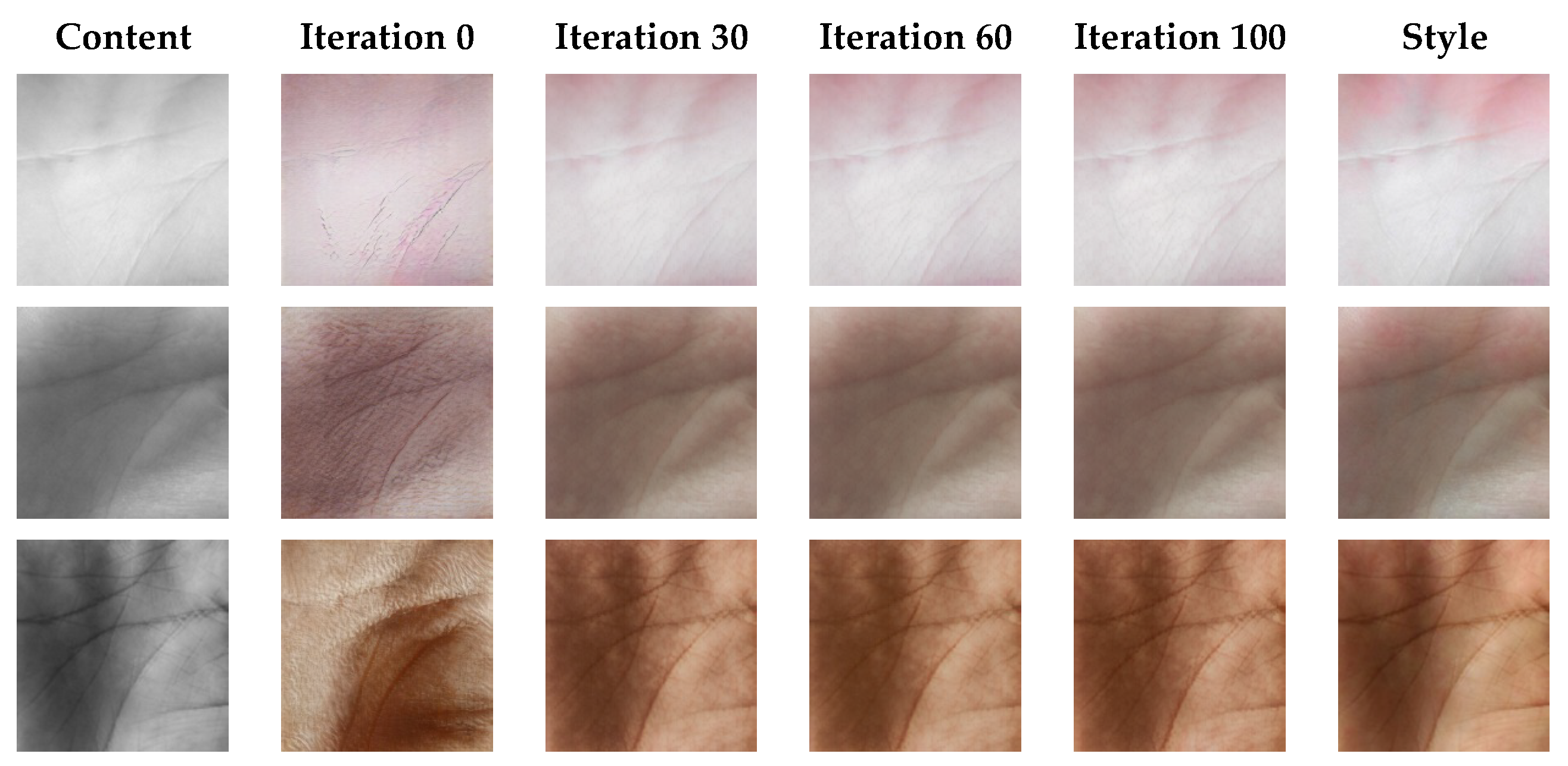
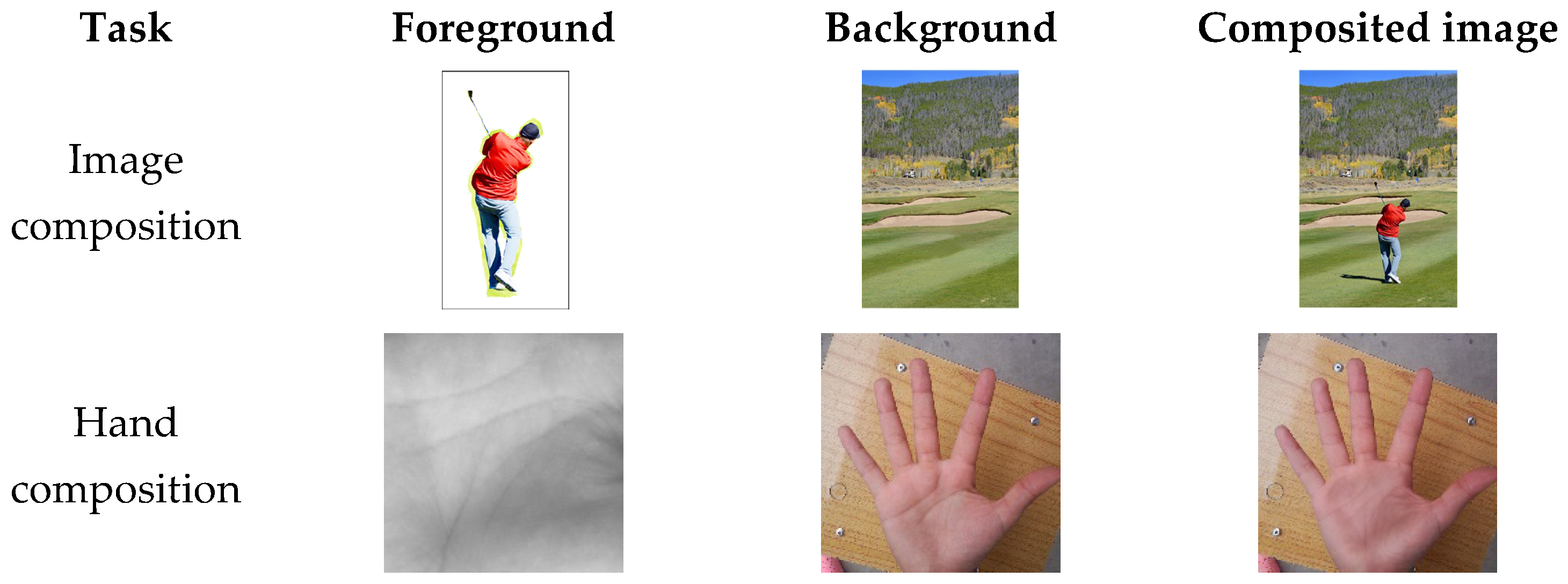
Palmprint recognition (PPR) has recently garnered attention due to its robustness and accuracy. Many PPR methods rely on preprocessing the region of interest (ROI). However, the emergence of ROI attacks capable of generating synthetic ROI images poses a significant threat to PPR systems. Despite this, ROI attacks are less practical since PPR systems typically take hand images as input rather than just the ROI. Therefore, there is a pressing need for a method that specifically targets the system by composing hand images. The intuitive approach involves embedding an ROI into a hand image, a comparatively simpler process requiring less data than generating entirely synthetic images. However, embedding faces challenges, as the composited hand image must maintain a consistent color and texture. To overcome these challenges, we propose a training-free, end-to-end hand image composition method incorporating ROI harmonization and palm blending. The ROI harmonization process iteratively adjusts the ROI to seamlessly integrate with the hand using a modified style transfer method. Simultaneously, palm blending employs a pretrained inpainting model to composite a hand image with a continuous transition. Our results demonstrate that the proposed method achieves a high attack performance on the IITD and Tongji datasets, with the composited hand images exhibiting realistic visual quality.
Keywords: palmprint recognition; palmprint ROI extraction; hand composition; hand attack; ROI harmonization palmprint recognition; palmprint ROI extraction; hand composition; hand attack; ROI harmonization