Article

Spatial Distribution, Risk Index, and Correlation of Heavy Metals in the Chuhe River (Yangtze Tributary): Preliminary Research Analysis of Surface Water and Sediment Contamination


by
Adharsh Rajasekar
1,2,*,
Raphinos Tackmore Murava
1,2,
Eyram Norgbey
1,2 and
Xukun Zhu
3
1
Jiangsu Key Laboratory of Atmospheric Environment Monitoring and Pollution Control (AEMPC), Collaborative Innovation Center of Atmospheric Environment and Equipment Technology (CIC-AEET), Nanjing University of Information Science &Technology, Nanjing 210044, China
2
School of Geography and Environmental Science, University of Reading, Reading RG6 7BE, UK
3
Department of Life Sciences, Imperial College London, London SW7 2AZ, UK
*
Author to whom correspondence should be addressed.
Appl. Sci. 2024, 14(2), 904; https://doi.org/10.3390/app14020904
Submission received: 9 December 2023 / Revised: 11 January 2024 / Accepted: 17 January 2024 / Published: 20 January 2024
(This article belongs to the Special Issue Water Treatment: From Membrane Processes to Renewable Energies)

Abstract

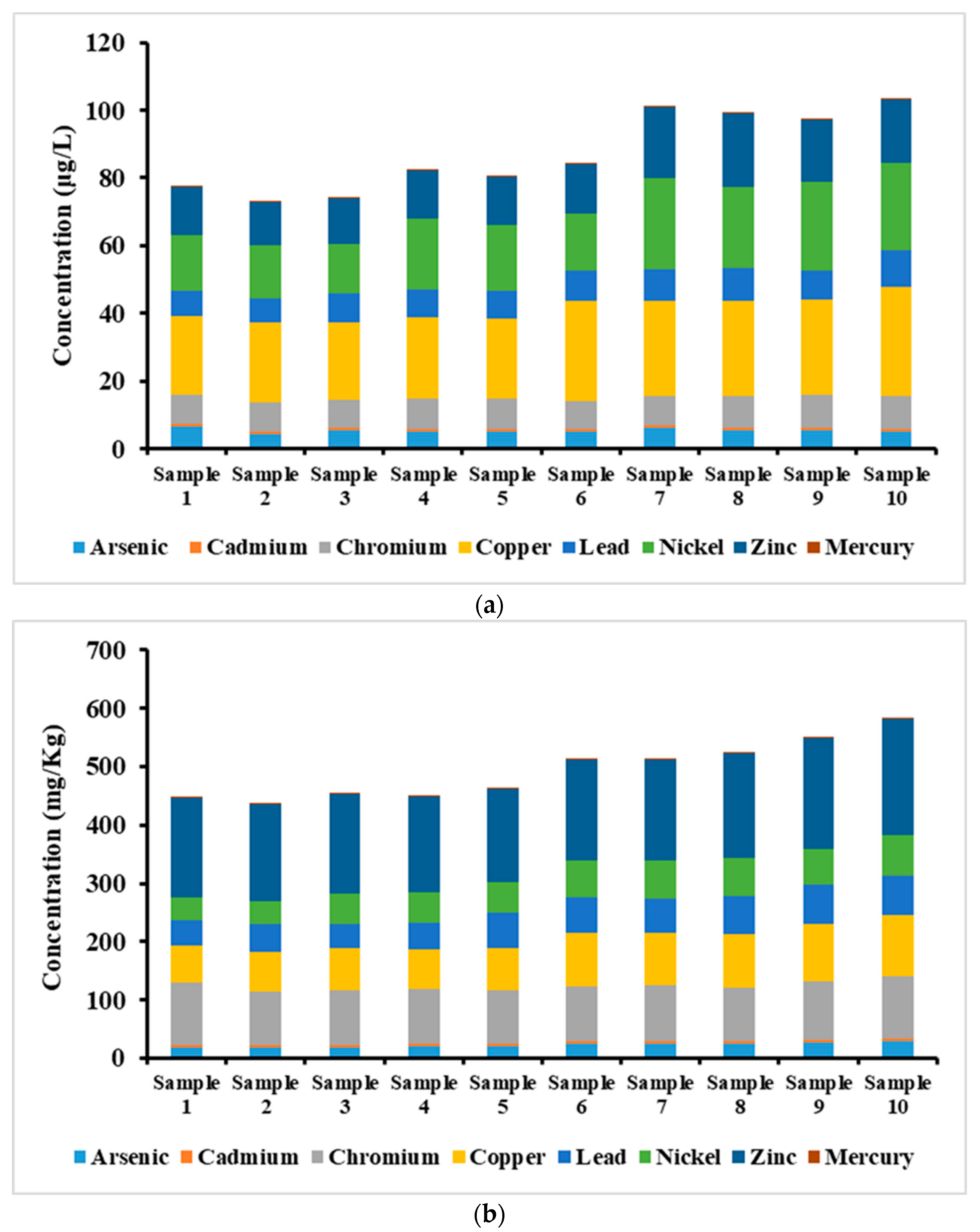
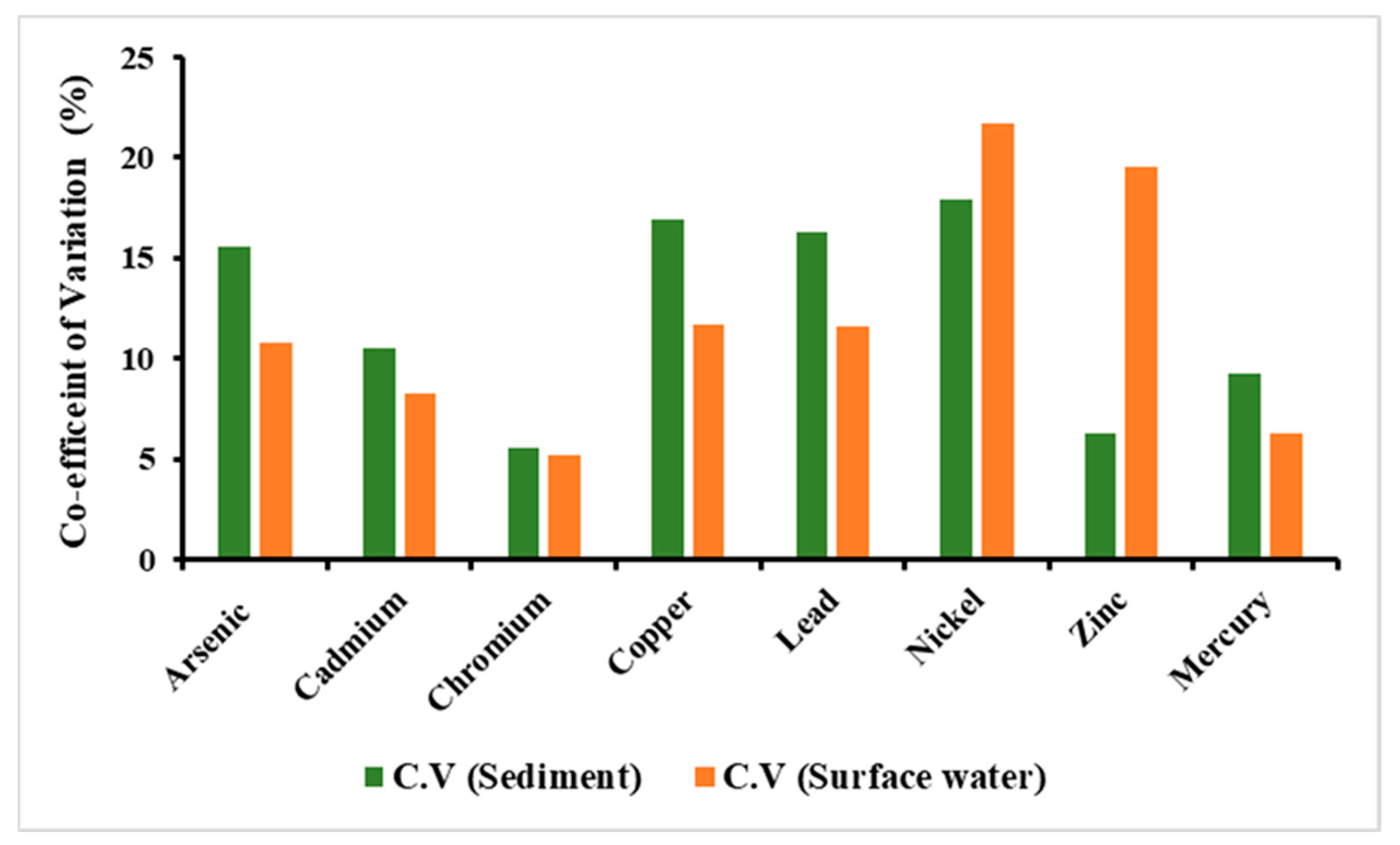
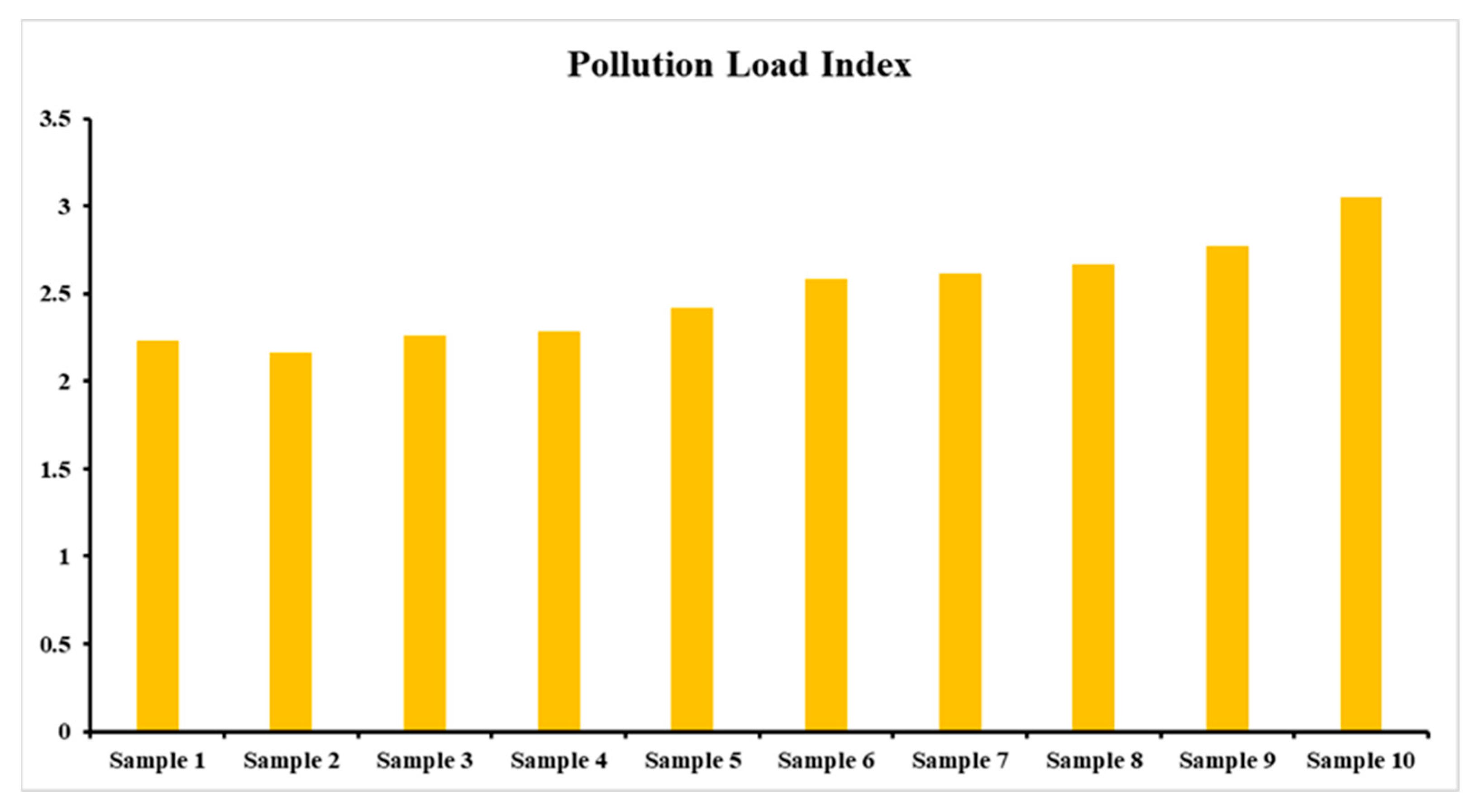
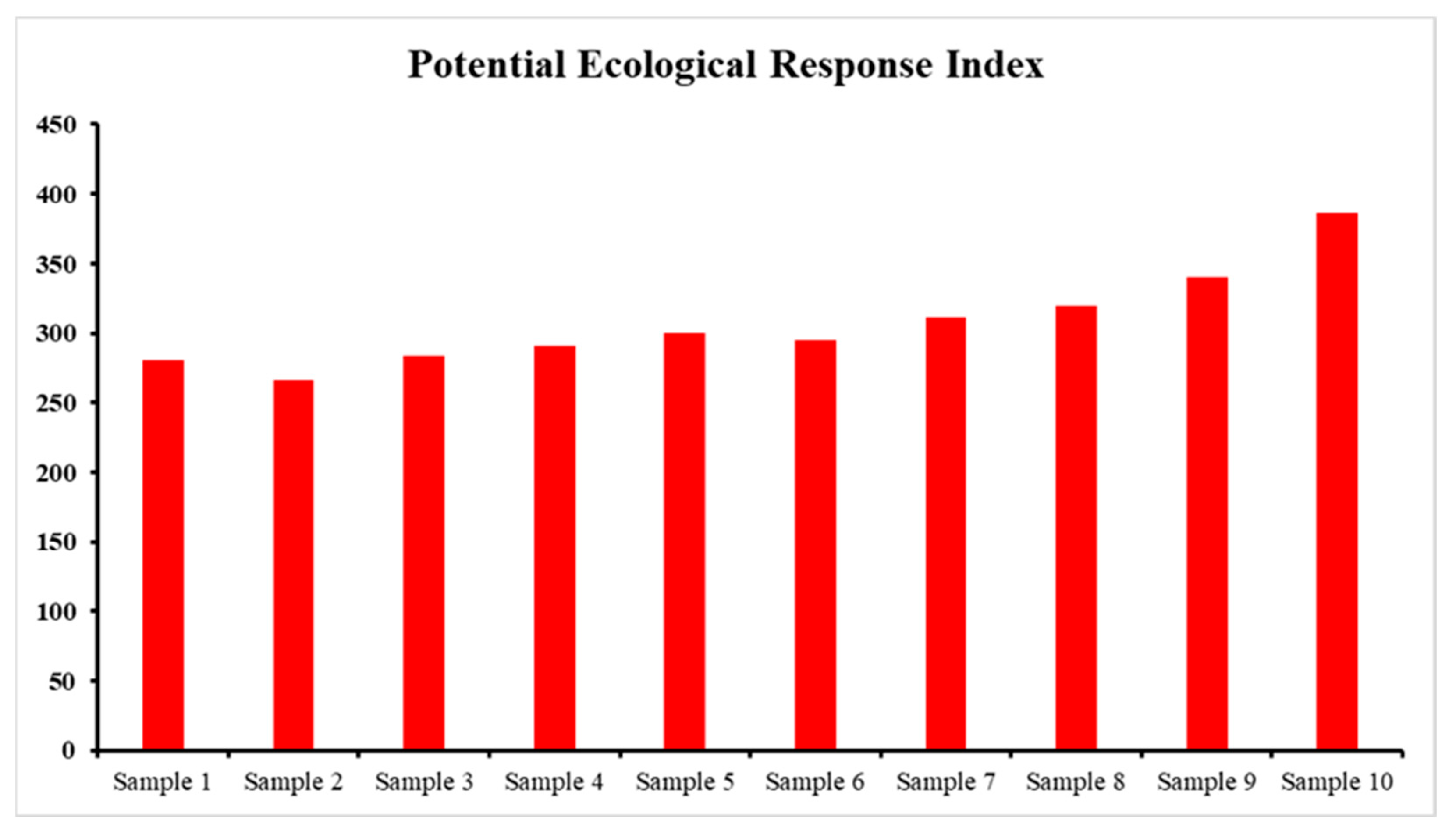
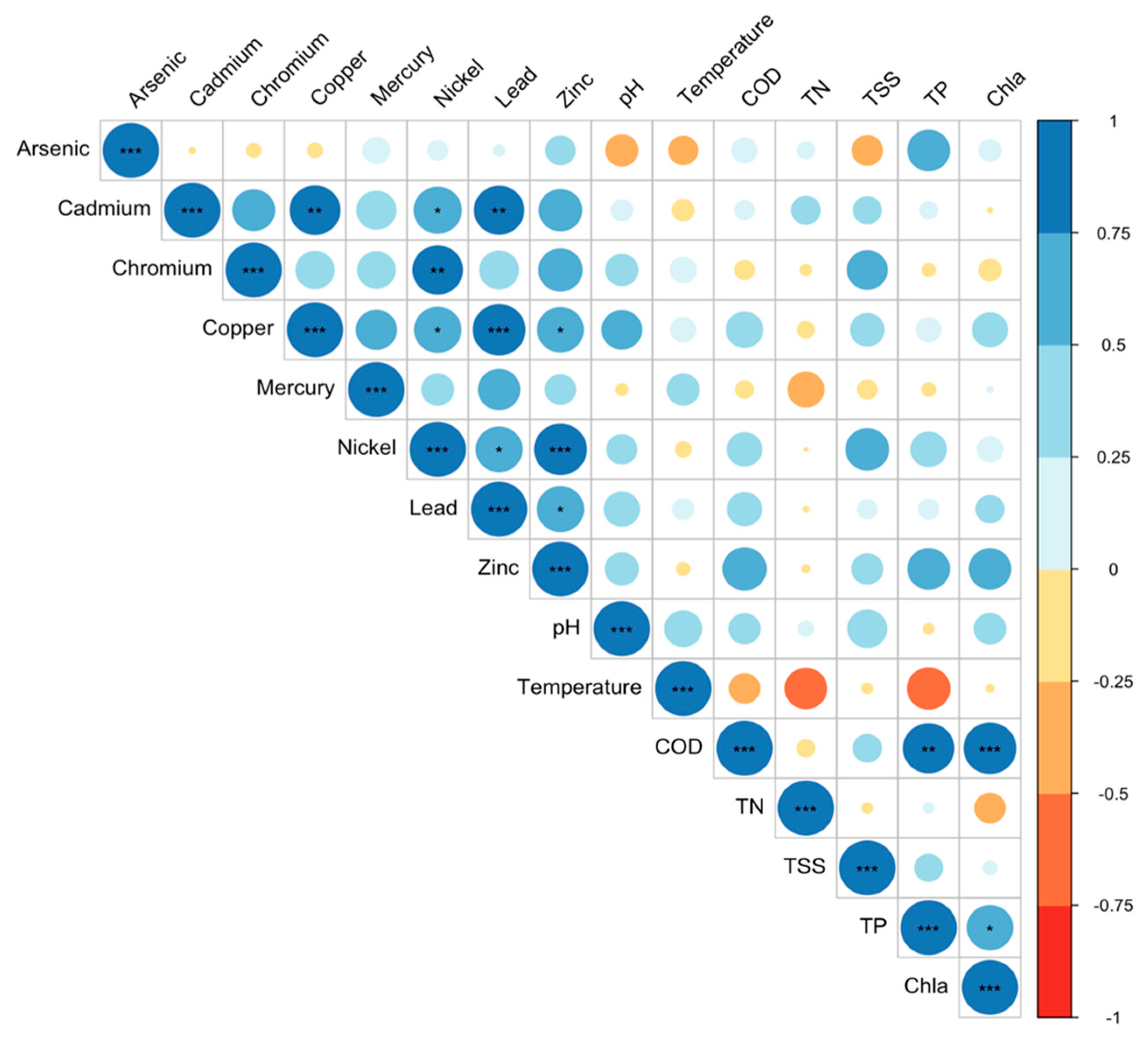
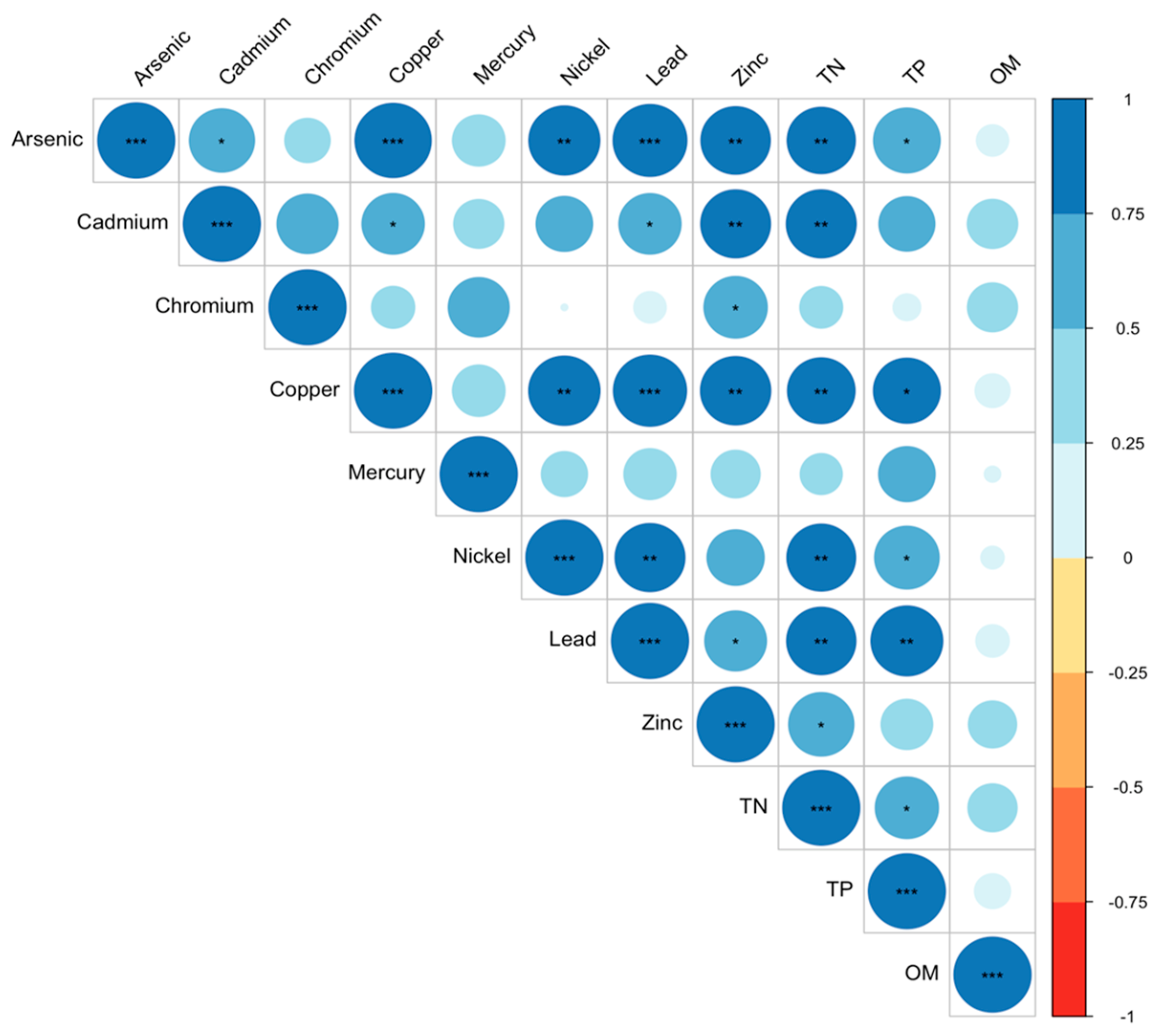
This comprehensive study aimed to evaluate the water quality and sediment contamination in the Chuhe River in Nanjing. The spatial assessment of 10 samples collected in September highlighted that, in surface water, Copper (Cu) > Nickel (Ni) > Zinc (Zn) > Chromium (Cr) > Lead (Pb) > Arsenic (As) > Cadmium (Cd) > Mercury (Hg), whereas in sediments, Zn > Cr > Cu > Pb > Ni > As > Cd > Hg. The coefficient of variation (CV) for Ni and Zn in surface water was >15, whereas As, Cu, Pb, and Ni had a CV that was higher than 15 in sediments, indicating variability in contamination sources. The Pollution Load Index values ranged between 2.16 and 3.05, reflecting varying contamination levels across samples. The Geoaccumulation Index data also showed moderate-to-considerable contamination, especially for elements such as Cd and Cu. Correlation analyses in water and sediments unearthed significant relationships, with notable links between Cu and Pb in the water and strong correlations between As and Cu and between Cr and Ni in sediments. In sediments, Total Nitrogen and Phosphorus were significantly correlated with As, Cu, Pb, and Ni. The Potential Ecological Response Index for sediments indicated that they are at medium to high risk (307.47 ± 33.17) and could be potentially detrimental to aquatic life in the tributary. The tributary, influenced by agricultural runoff, residential areas, and other anthropogenic activities, showed that despite Nemerow pollution index values for water samples being below 1, sediment analysis indicated areas of concern. Principal Component Analysis (PCA) was conducted to identify the potential sources of heavy metal contamination. In surface water, shared negative loadings on PC 1 (60.11%) indicated a unified influence, likely from agricultural runoff, while PC 2 (14.26%) revealed additional complexities. Sediments exhibited a unique signature on PC 1 (67.05%), associated with cumulative agricultural impacts, with PC 2 (18.08%) providing insights into nuanced factors, such as sediment composition and dynamic interactions. These findings offer a complete insight into the Chuhe River tributary’s condition, underlining the urgency for ongoing monitoring and potential remediation measures.
Keywords: Yangtze tributary; metal concentrations; Nemerow pollution index; Geoaccumulation Index (Igeo); Pollution Load Index (PLI) Yangtze tributary; metal concentrations; Nemerow pollution index; Geoaccumulation Index (Igeo); Pollution Load Index (PLI)