Article

Gasification Performance of Barley Straw Waste Blended with Lignite for Syngas Production under Steam or Carbon Dioxide Atmosphere


by
Despina Vamvuka
* and
Konstantina Zacheila
School of Mineral Resources Engineering, University Campus Chania, Technical University of Crete, 73100 Hania, Crete, Greece
*
Author to whom correspondence should be addressed.
Appl. Sci. 2024, 14(2), 665; https://doi.org/10.3390/app14020665
Submission received: 15 December 2023 / Revised: 5 January 2024 / Accepted: 9 January 2024 / Published: 12 January 2024
(This article belongs to the Special Issue Research Progress in Waste Resource Utilization)

Abstract

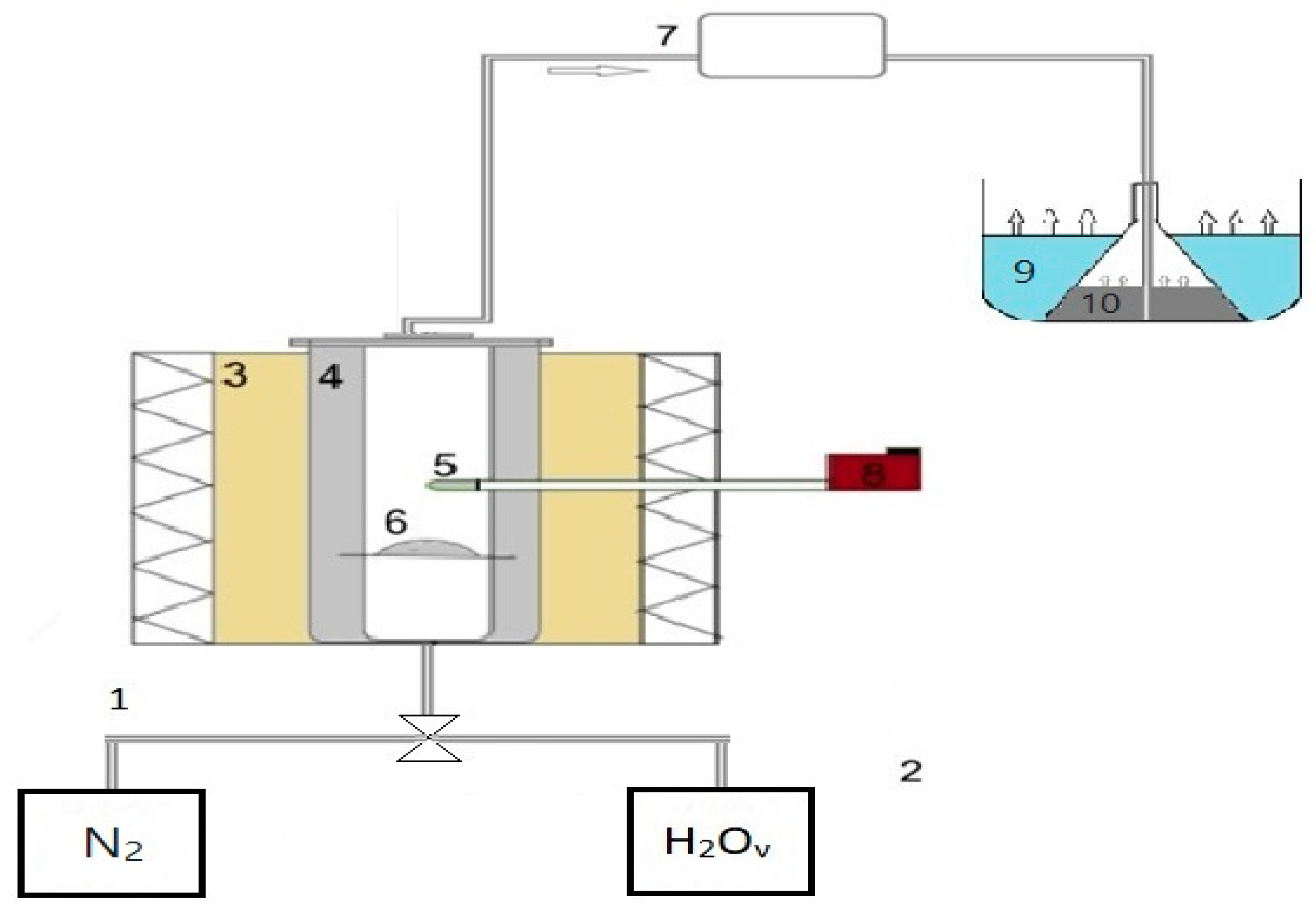
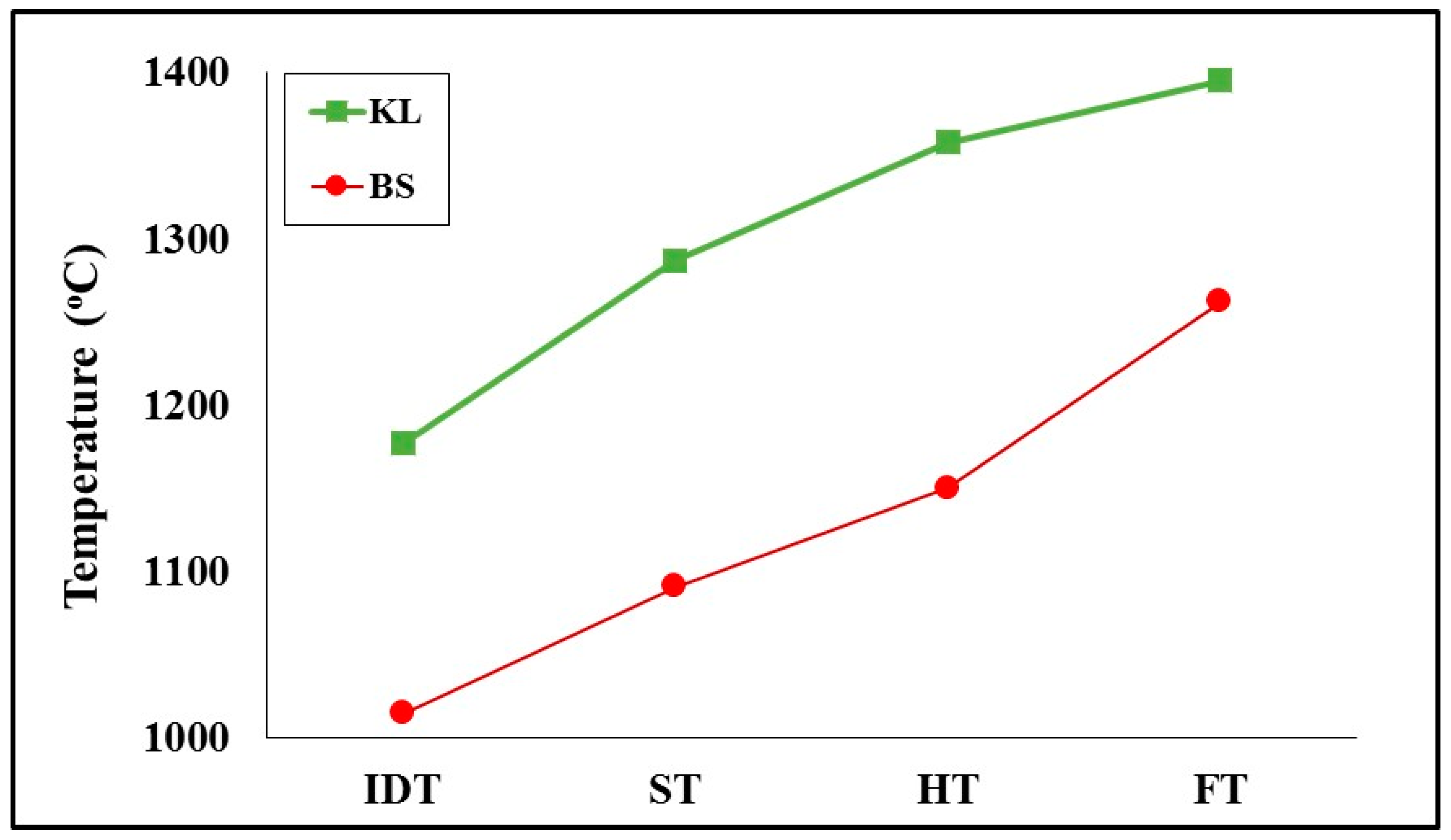
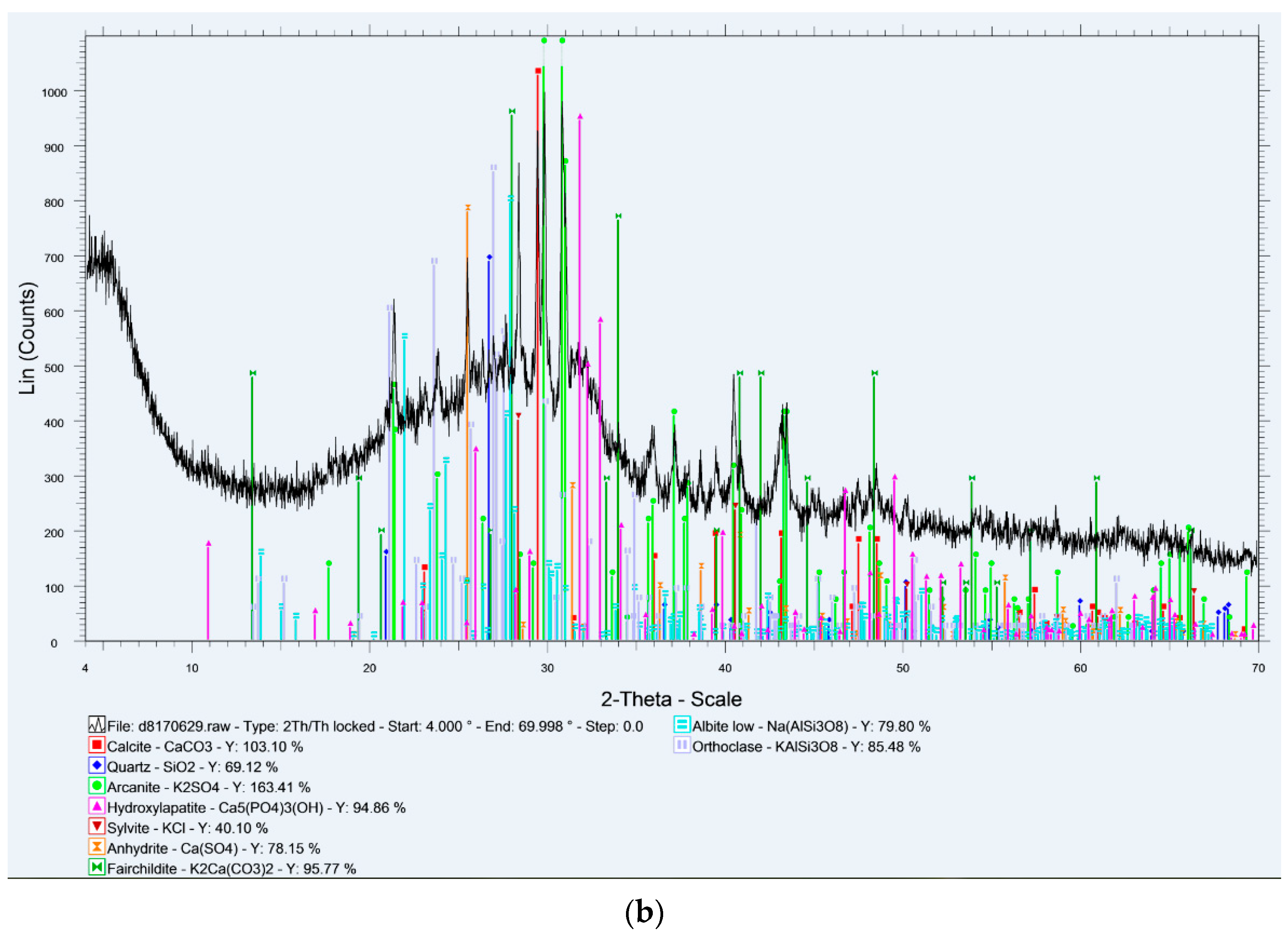
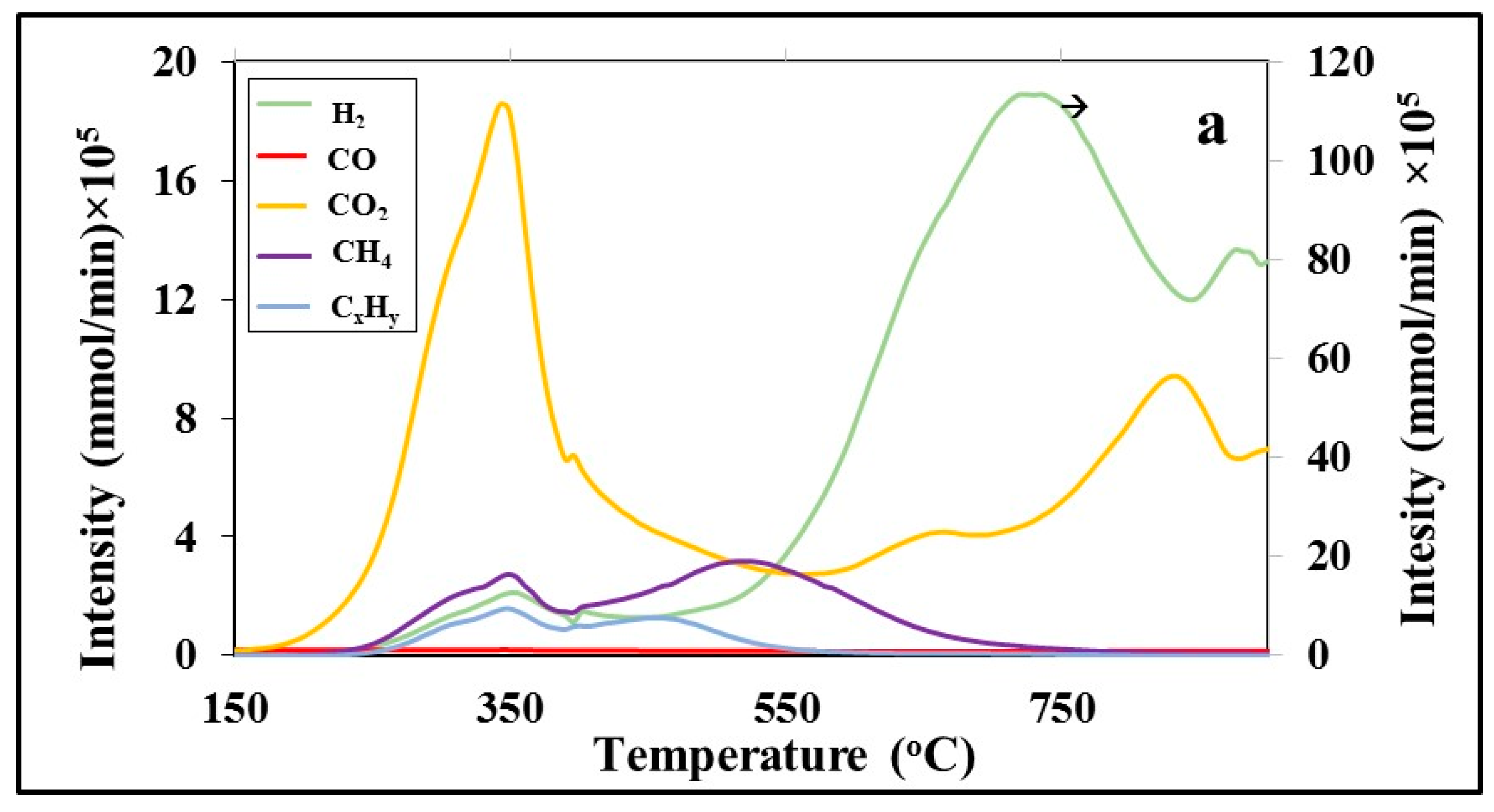
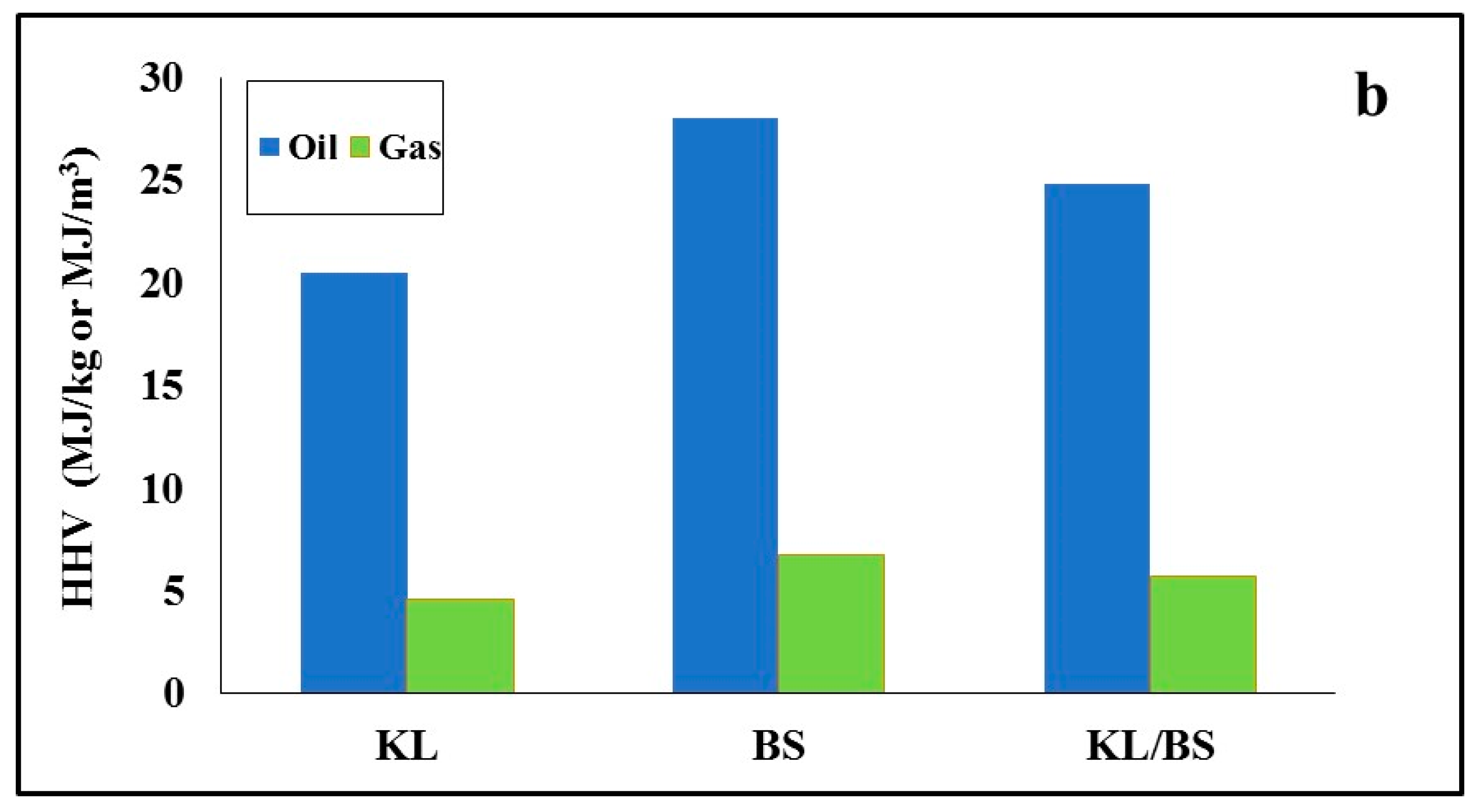
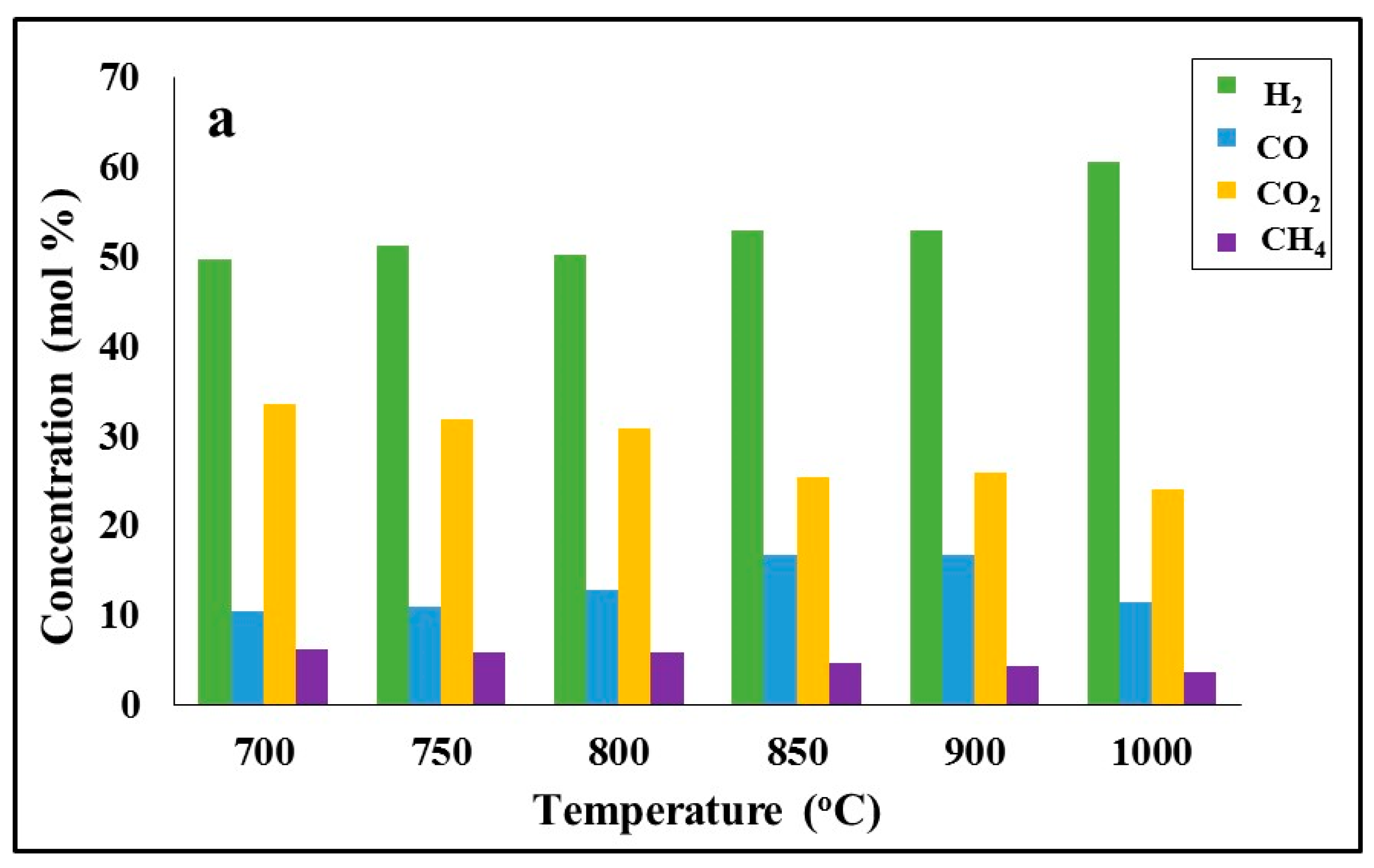
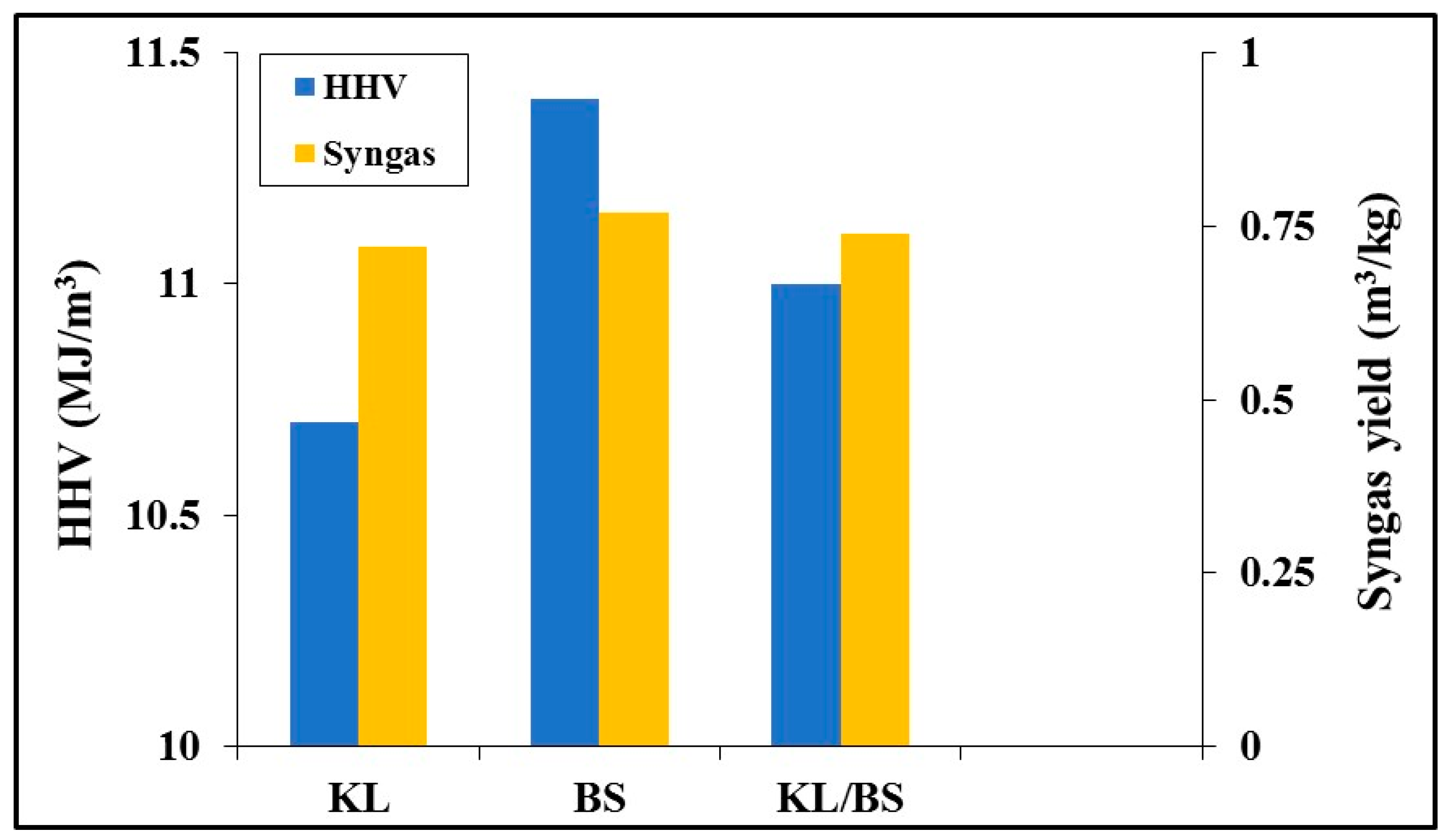
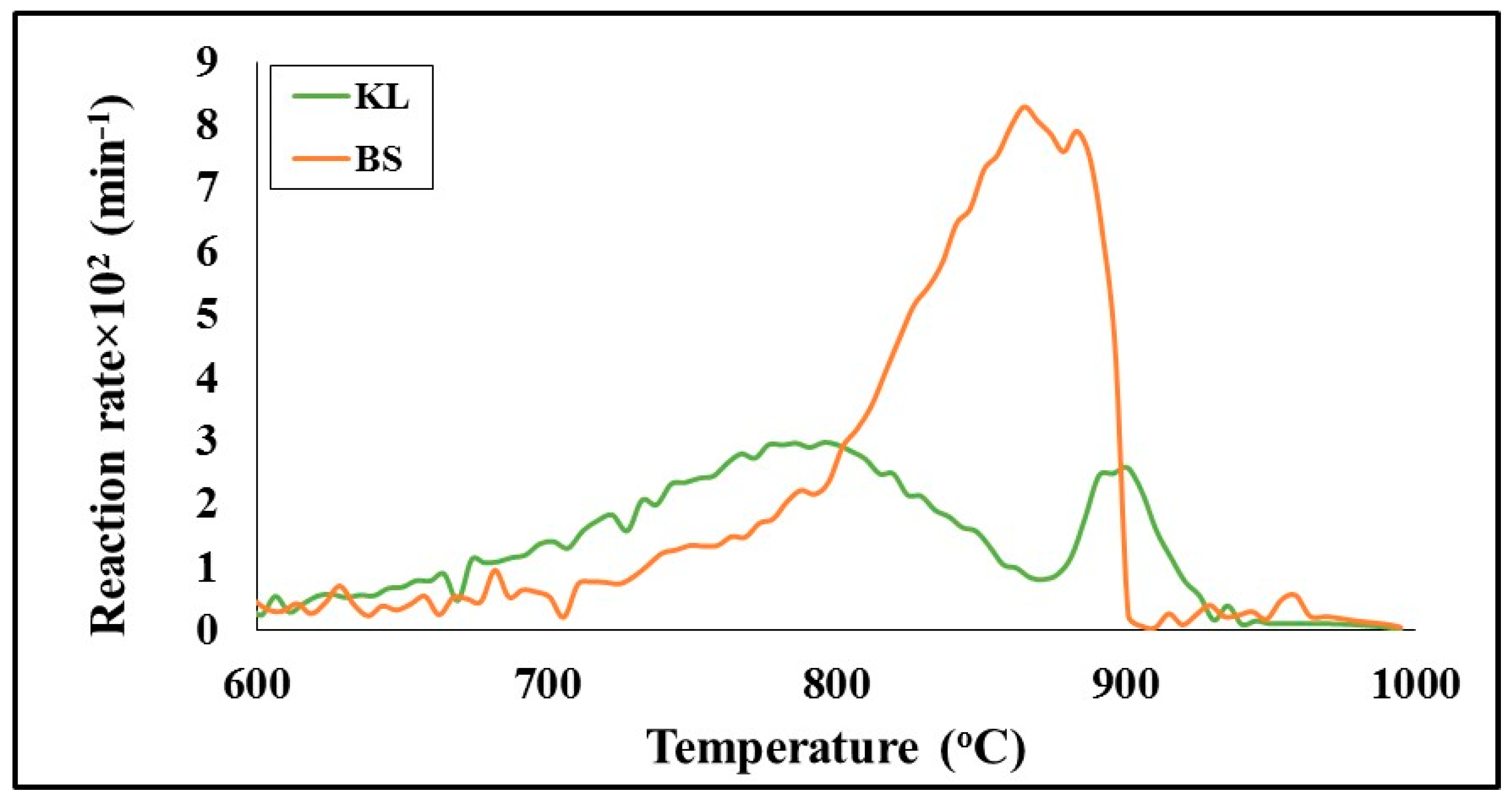
The gasification performance of lignite/barley straw mixtures for syngas production was investigated. The experiments were carried out under a steam or carbon dioxide atmosphere, in fixed-bed and thermogravimetric–mass spectrometry systems. The thermal behavior, reactivity, conversion, product gas composition, liquid and gaseous by-products and interactions between fuels were determined and correlated with the structural characteristics and inherent minerals in ashes, which were analyzed via mineralogical, chemical and fusibility tests. Devolatilization of the materials up to 600 °C resulted in the carbon enrichment of chars and a 30–90-fold increase in the specific surface area. Gaseous and liquid by-products with higher heating values of 5–7 MJ/m3 and 20–28 MJ/kg could offer valuable energy. Upon steam gasification up to 1000 °C, product gas was enriched in hydrogen and carbon monoxide. The syngas yield and heating value of the gas mixture were higher for barley straw fuel (0.77 m3/kg, 11.4 MJ/m3), which, when blended with the lignite, produced upgraded products. Upon carbon dioxide gasification up to 1000 °C, barley straw char exhibited a 3-times higher rate than the lignite, as well as higher conversion (94.5% vs. 62.9%) and a higher syngas yield (0.84 m3/kg vs. 0.55 m3/kg). Lignite/barley straw blends showed synergistic effects and presented higher gasification reactivity and conversion in comparison to lignite. The overall performance of lignite was improved with the steam reagent, while that of barley straw was improved with the carbon dioxide reagent.
Keywords: gasification; steam; carbon dioxide; lignite; barley straw gasification; steam; carbon dioxide; lignite; barley straw