Article

Lane Line Type Recognition Based on Improved YOLOv5

School of Mechanical Engineering, Tianjin University of Science and Technology, Tianjin 300222, China
*
Author to whom correspondence should be addressed.
Appl. Sci. 2023, 13(18), 10537; https://doi.org/10.3390/app131810537
Submission received: 24 August 2023 / Revised: 14 September 2023 / Accepted: 19 September 2023 / Published: 21 September 2023

Abstract

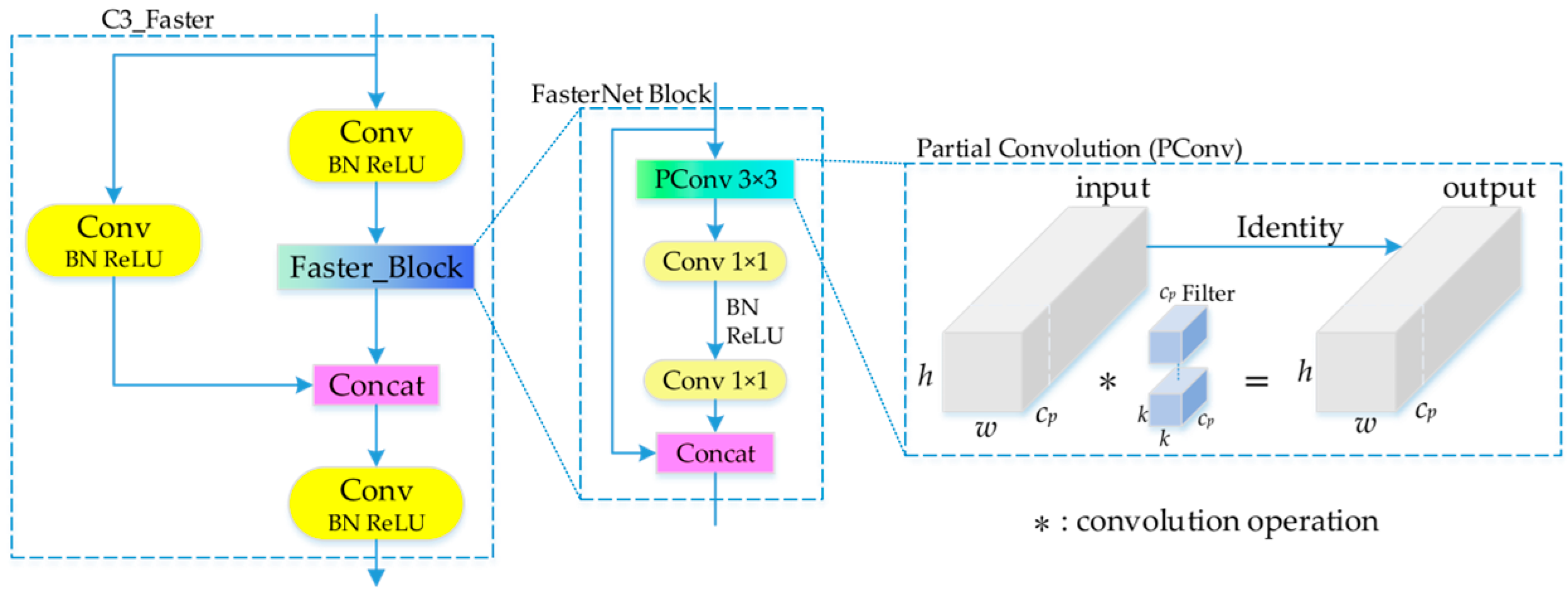
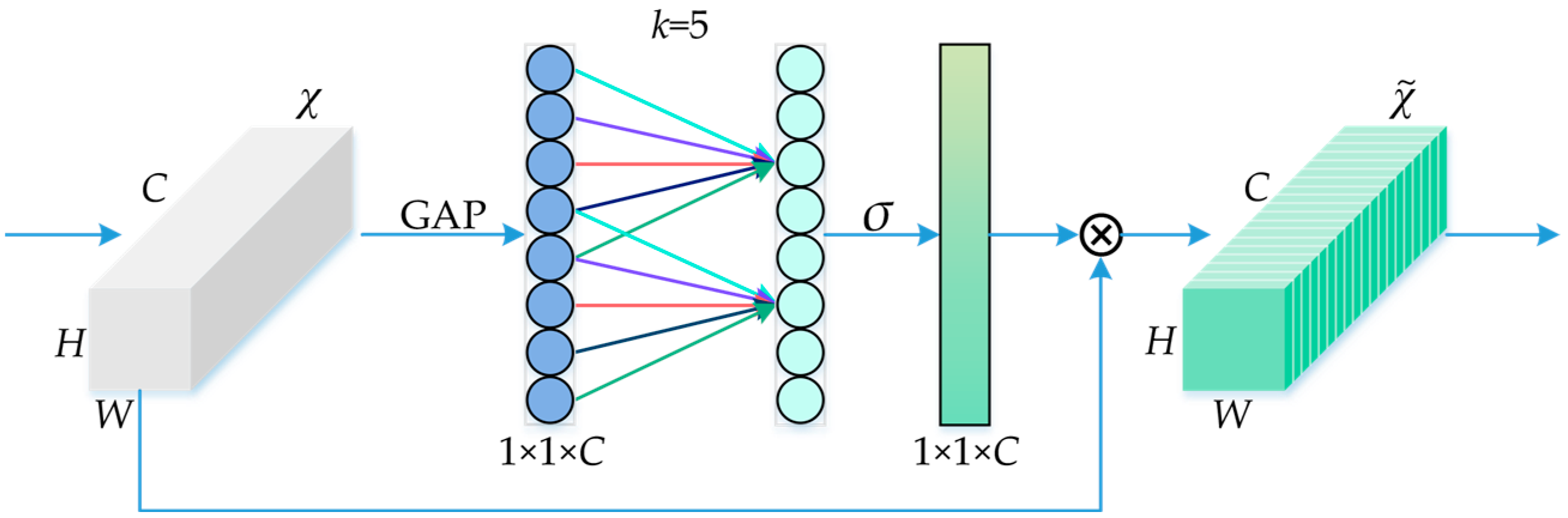
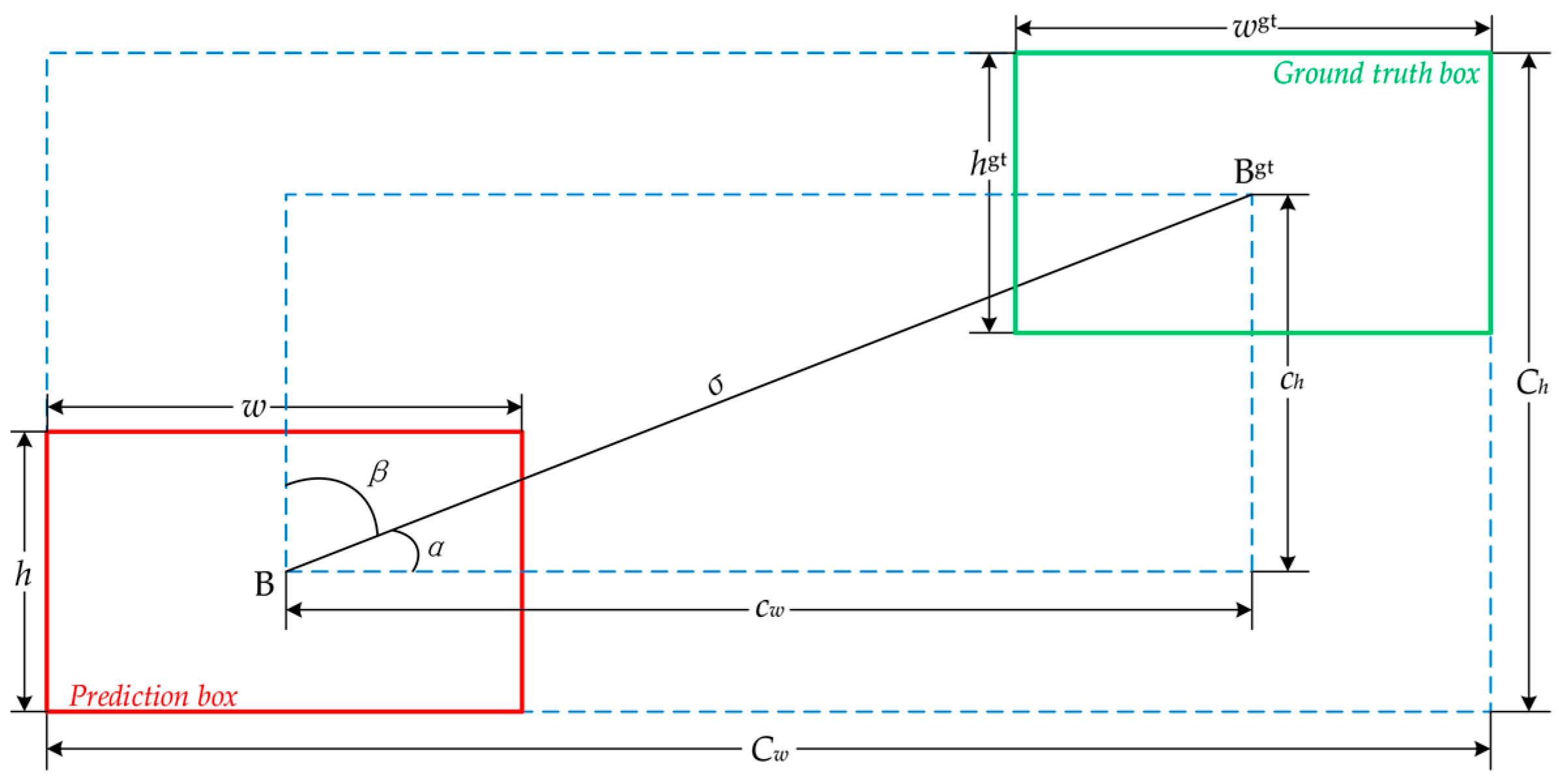
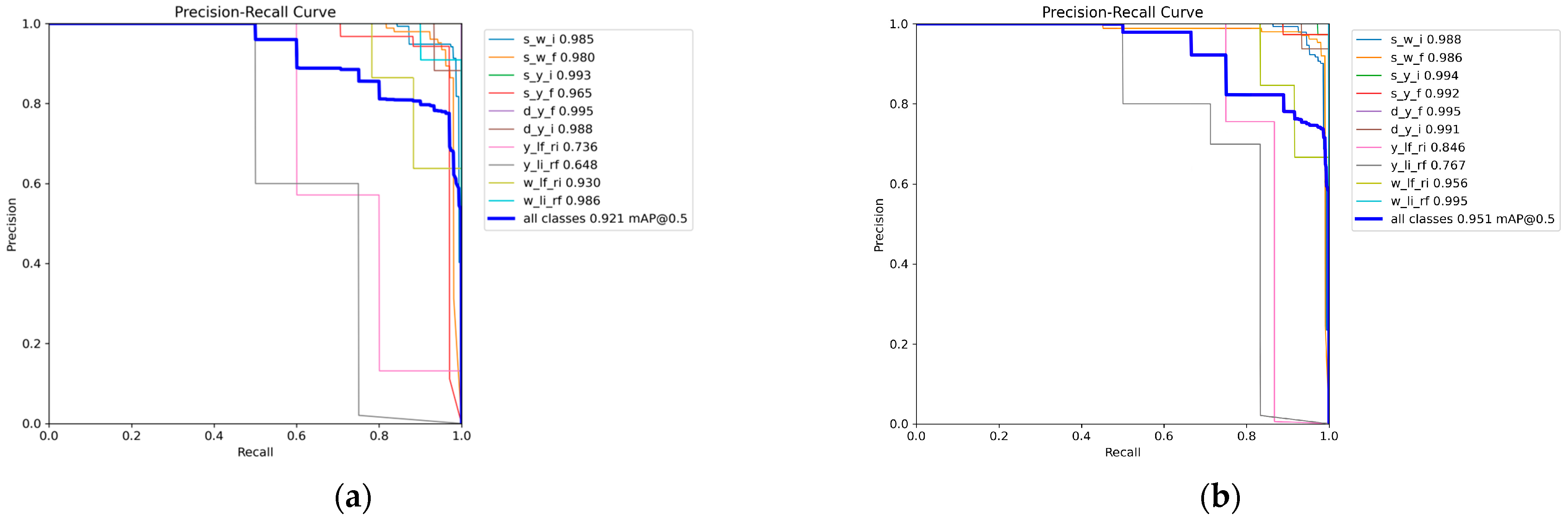
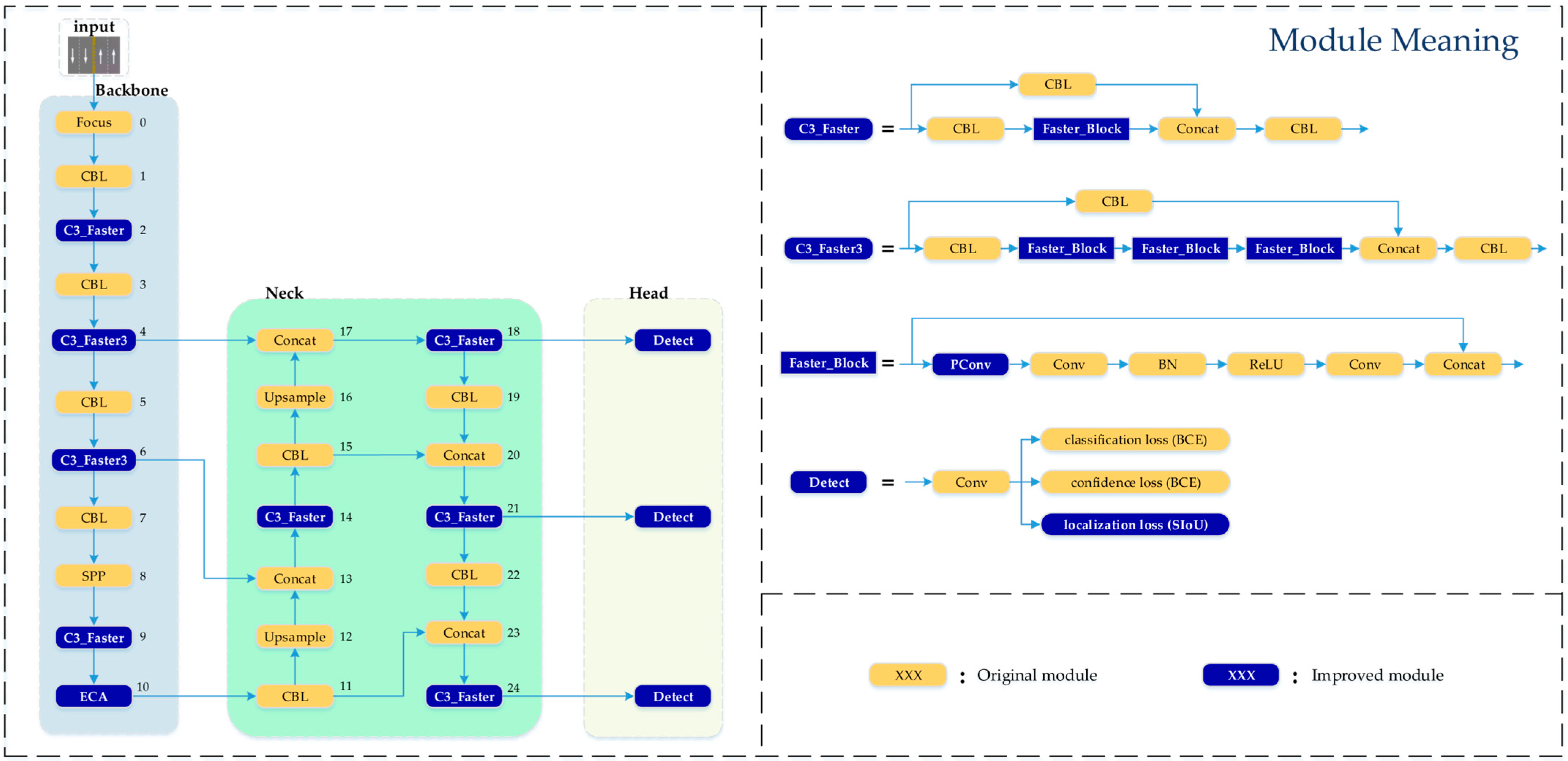
The recognition of lane line type plays an important role in the perception of advanced driver assistance systems (ADAS). In actual vehicle driving on roads, there are a variety of lane line type and complex road conditions which present significant challenges to ADAS. To address this problem, this paper proposes an improved YOLOv5 method for recognising lane line type. This method can accurately and quickly identify the types of lane lines and can show good recognition results in harsh environments. The main strategy of this method includes the following steps: first, the FasterNet lightweight network is introduced into all the concentrated-comprehensive convolution (C3) modules in the network to accelerate the inference speed and reduce the number of parameters. Then, the efficient channel attention (ECA) mechanism is integrated into the backbone network to extract image feature information and improve the model’s detection accuracy. Finally, the sigmoid intersection over union (SIoU) loss function is used to replace the original generalised intersection over union (GIoU) loss function to further enhance the robustness of the model. Through experiments, the improved YOLOv5s algorithm achieves 95.1% of mAP@0.5 and 95.2 frame·s−1 of FPS, which can satisfy the demand of ADAS for accuracy and real-time performance. And the number of model parameters are only 6M, and the volume is only 11.7 MB, which will be easily embedded into ADAS and does not require huge computing power to support it. Meanwhile, the improved algorithms increase the accuracy and speed of YOLOv5m, YOLOv5l, and YOLOv5x models to different degrees. The appropriate model can be selected according to the actual situation. This plays a practical role in improving the safety of ADAS.
Keywords: ADAS; YOLOv5; FasterNet lightweight network; ECA mechanism; SIoU loss function ADAS; YOLOv5; FasterNet lightweight network; ECA mechanism; SIoU loss function