Featured Application
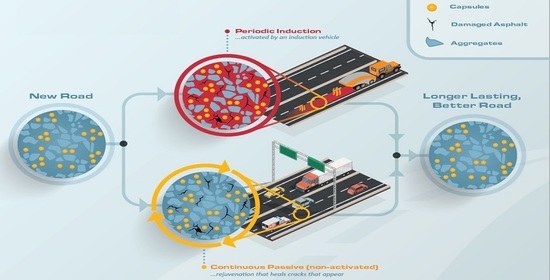
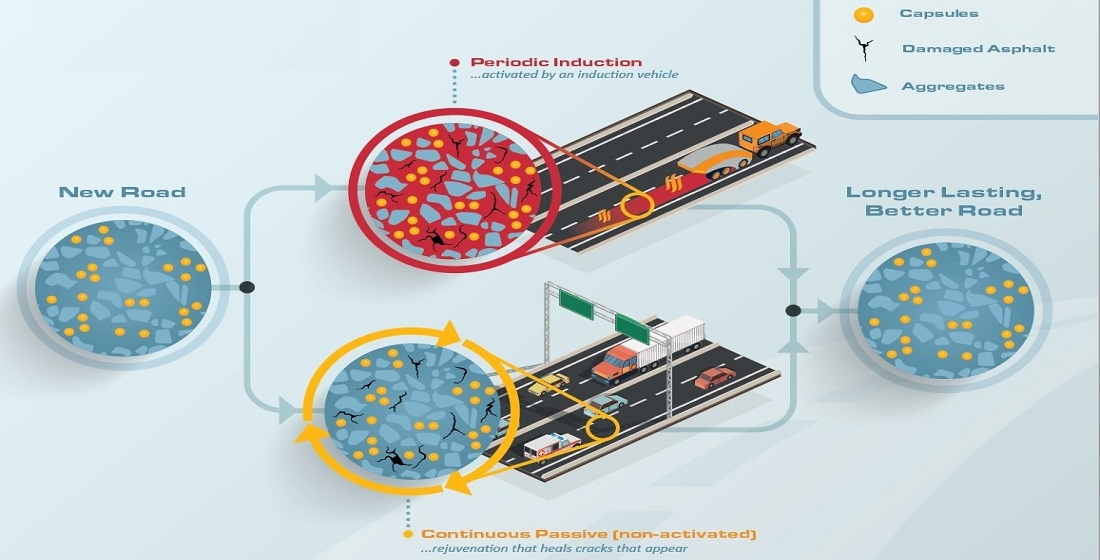
Conductive alginate capsules encapsulating a bitumen rejuvenator (HealRoad capsules) is a unique self-healing asphalt technology which reinforces the asphalt pavement by improving its tensile and compressive strength and enhances its autonomous healing properties. The concept combines two existing self-healing asphalt technologies (induction heating and rejuvenator encapsulation) to create a self-healing system which provides quick and effective asphalt pavement repair. The induction heating is used to repair asphalt damage (cracks and ravelling) while the rejuvenator is released to rejuvenate aged asphalt binder (bitumen).
Abstract
Conductive alginate capsules encapsulating a bitumen rejuvenator (HealRoad capsules) has demonstrated good healing abilities in pure bitumen and mortar mixes. HealRoad capsules can efficiently heal damage via induction heating. They also release the encapsulated rejuvenator, thereby rejuvenating aged bitumen. These findings indicate that HealRoad capsules and induction heating systems combined could represent a possible asphalt pavement maintenance method. This paper investigated the effect of HealRoad capsules on the mechanical performance of the 10 mm stone mastic asphalt mix and measured the damage repair (healing) efficiency of the capsules in an asphalt mix. The results indicate that in small amounts, >1%, HealRoad capsules do not degrade the mix performance (indirect tensile strength and rutting resistance) and in some cases, the HealRoad capsules actually improve mix performance, e.g., in terms of the indirect tensile strength ratio (water sensitivity). However, the HealRoad capsules are unable to stimulate induction healing due to the small volume of capsules within the mix. Further investigation demonstrated that increasing the capsules in the mix to >5% can stimulate induction heating effectively. However, it also indicated that a high content of HealRoad capsules reduces the asphalt mix strength. The study has shown that HealRoad capsules are an effective healing system for high bitumen content mixtures such as mortar mixtures but is an inefficient healing system for a full asphalt mix, such as the 10 mm stone mastic asphalt mix.
1. Introduction
For the past two decades, researchers have been intensively developing self-healing asphalt technology as a cheaper, safer and more sustainable method of maintaining and repairing asphalt roads [1,2,3,4]. The idea of the self-healing road stemmed from the concept of the “forever open road”, motivated by the need to avoid the traffic disruption and associated risk of accidents caused by road maintenance activities on busy roads. The challenges for the road industry are to improve road material performance (make roads more durable), improve the sustainability of road construction methods (by introducing green technology) and improve the safety of the roads for both road users and road construction workers [5,6,7]. Self-healing asphalt technology has the potential to address several of the technical, economic, environmental and safety challenges currently facing the road industry. For example, self-healing asphalt technology has the potential to reduce the need for maintenance-related road closures, thereby reducing the risk to road maintenance workers, while simultaneously reducing the environmental impact of road construction and maintenance. It is estimated that self-healing asphalt technology could reduce energy consumption and CO2 emissions by 30% over the lifetime of a road [8].
To date, researchers have tested three extrinsic self-healing methods for asphalt pavements, which are [1]: induction heating [1,9,10,11,12], microwave heating [4,13,14], rejuvenation (rejuvenator encapsulation) [2,15,16,17,18].
The rejuvenator encapsulation approach represents a more favourable method of asphalt self-healing as it is a passive healing system and does not require external action in order to initiate healing. The rejuvenation enables the aged bitumen to return to its original chemical, physical and mechanical properties. However, there are limitations with this method of self-healing because the healing rate is slow and healing efficiency low [2,18]. Researchers have demonstrated that the induction and microwave heating methods are efficient methods for healing asphalt damage (3 to 5 min) in comparison to rejuvenation [2,19]. However, a challenge with both methods is that the heating process (both induction and microwave) ages the bitumen, causing binder brittleness and the premature failure of the asphalt [9,20].
Hybrid self-healing systems provide a solution to the challenges associated with induction, microwave and encapsulated rejuvenation. The hybrid self-healing technology combines induction heating and encapsulated rejuvenation [2]. In this process, induction heating is used to repair the asphalt damage (and the cracks), while rejuvenation is used to replenish the aged asphalt binder (bitumen). Xu et al. [2] demonstrated that a hybrid healing system improves healing efficiency allowing for rapid damage repair and a simultaneous rejuvenation of the aged asphalt. However, a challenge with this approach is that the bituminous mix must be adjusted to accommodate both capsules and steel fibres. A solution to this challenge lies in combining the induction and rejuvenation into one product. Wan et al. [4,21] developed calcium alginate/nano-Fe3O4 composite capsules for controlled rejuvenator oil release using microwave heating. Wan et al. showed that the capsules demonstrated superior levels of healing with microwave heating due to the combined effect of thermal induction and rejuvenator healing. Wen et al. showed that hybrid Fe3O4–calcium alginate capsules encapsulating a rejuvenator have a higher self-healing capacity (8.6%) when compared to the mix containing pure calcium alginate capsules encapsulating a rejuvenator and 19.3% in comparison to a standard asphalt mix. The asphalt mix containing 2% of the capsules achieved up to 87.2% healing after 40 s of healing time.
The author (Tabaković et al. [3]) has developed a novel extrinsic self-healing asphalt technology: conductive alginate capsules encapsulating a bitumen rejuvenator (HealRoad capsules). The HealRoad technology combines two existing self-healing asphalt methods: (i) rejuvenator encapsulation and (ii) induction heating. Initial results demonstrated that the HealRoad capsules had sufficient thermal and mechanical strength to survive the asphalt mixing process and also that they sufficiently healed the asphalt bitumen damage [3]. Initial results also demonstrated that the capsules can improve the mechanical properties of the asphalt mix in terms of improving tensile strength and stiffness. With a capsule content of 20% in pure bitumen, the mix strength of the material increased to 118%, whereas for mortar bituminous mixtures (bitumen + fine aggregates − sand), the mix strength of the material increased by up to 67%.
This study evaluated the effect of HealRoad capsules in a 10 mm stone mastic asphalt (SMA) mix. The aim of the work was to investigate whether the HealRoad capsules can efficiently repair the damage in an asphalt mix (close cracks and restore asphalt mix strength). A second aim of the research was to ascertain how the inclusion of HealRoad capsules would affect the mechanical performance of the asphalt mix. Indirect tensile strength (ITS), water sensitivity and resistance to rutting tests were conducted to evaluate the effect of HealRoad capsules in the 10 mm stone mastic asphalt (SMA) mix.
2. Materials and Methods
2.1. Materials
2.1.1. The 10 mm Stone Matic Asphalt Mix
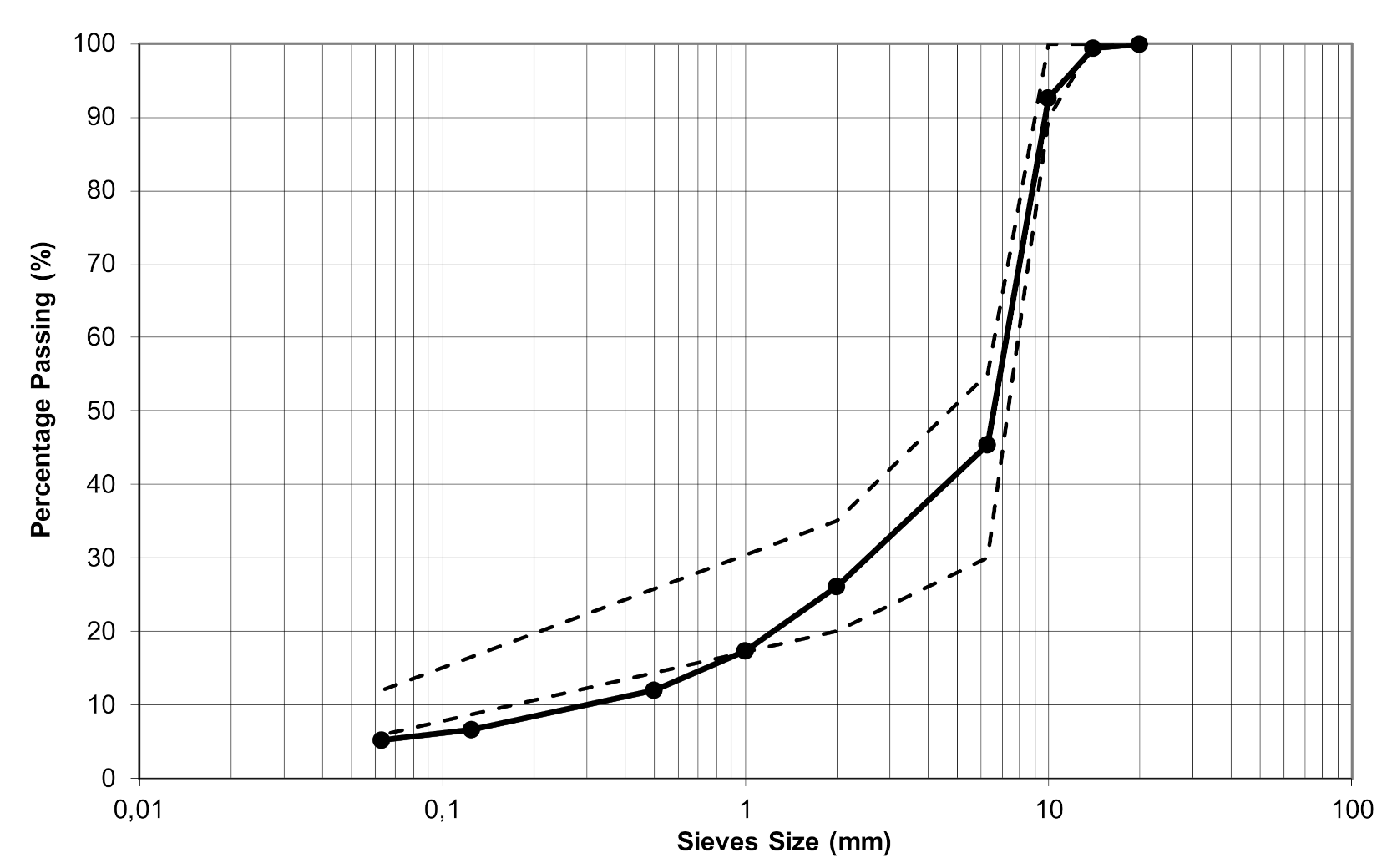
The 10 mm Stone Mastic Asphalt (SMA) mix was prepared in accordance with the Transport Infrastructure Ireland (TII) Specification for Road Works Series 900 guidance. The aggregate was an Irish Metasandstone PSV60. The filler was an imported limestone filler to EN. The bitumen was a polymer-modified 65/105-60 bitumen. Figure 1 shows the mix grading curve.
Figure 1.
The 10 mm SMA grading curve.
Table 1 summarises the SMA mix constituents and shows their proportions in the mix, both with and without capsules. The HealRoad capsules were added in amount of 0%, 0.31%, 0.44%, 0.64%, 1.02% and 1.45%. These proportions reflect the following proportions of capsules in the capsule and bitumen portion of the mix: 0%, 5%, 7%, 10%, 15% and 20%. The HealRoad capsules are assumed to comprise the bitumen portion of the mix as their purpose is to initiate healing and rejuvenate the bitumen.
Table 1.
Mix constituents proportions.
2.1.2. Capsule Design
The HealRoad capsules were prepared using a drop process [16,22] from an emulsion of rejuvenator suspended in a water solution of sodium alginate. To this aim a 6 wt % solution of sodium alginate in deionized water was prepared. At the same time, a 2.5 wt % poly(ethylene-alt-maleic-anhydride) (PEMA) polymeric surfactant solution was prepared by dissolving the copolymer in water at 70 °C and mixing it for 60 min. After the PEMA was dissolved in water, it was allowed to cool to room temperature (20 ± 2 °C) and was then combined with the rejuvenator. For this study, a vegetable oil of 0.9 g/cm3 density at room temperature (20 ± 3 °C) was used, forming a bitumen healing agent solution, in a PEMA/rejuvenator with a 1/1.5 proportion by weight. The sodium alginate solution was mixed with iron powder (40 μm particle size), at 700 rpm for 1 h to allow the uniform dispersal of iron particles within the alginate mix. Following the initial investigation [3], an Alginate (Alg):iron powder (Fe) mix ratio was prepared in proportion by weight of dry constituents ratios: 20:80. After the sodium alginate and iron solution was fully mixed, the PEMA and rejuvenator (oil) solution was added to the alginate—iron powder solution mix in a ratio of 70% rejuvenator:30% sodium alginate [23]. The full capsule solution (20 L) was then mixed at 700 rpm for 20 min. More detail on capsule production can be found elsewhere [3]. All chemicals used in the production of the HealRoad capsules were purchased from the Merck Group—Sigma Aldrich, Wicklow, Ireland, except for the rejuvenator (vegetable oil) which was purchased from a local supermarket.
2.1.3. Test Specimen Compaction
Cylindrical test specimens were compacted following EN 12697-31:2019. A Coopers Gyratory CRT-GYR-EN was used to compact the test specimens. Test specimens were compacted in dimensions of 100 mm diameter and 70 mm height. After 12 h of curing, specimens were cut, using a masonry saw to a diameter of 100 mm and a height of 32 mm.
2.2. Methods
The 10 mm SMA mix containing varying percentages of capsules were evaluated following the TII Series 900 Asphalt mix design. The aim was to optimize the 10 mm SMA mix containing HealRoad capsules, i.e., to determine the optimum capsule content for the 10 mm SMA mix.
2.2.1. Binder Drainage Test
The binder drainage test was conducted in accordance with EN12697-18 using the Schellenberg method. A sample of mixed 10 mm SMA material was placed in the glass jar and kept at 180 °C for 1 h. The contents of the jar were then emptied out and the jar reweighed to calculate the amount of binder remaining on the inside of the glass jar.
The principle behind the binder drainage test is to quantify the amount of material lost by drainage, i.e., the material that has adhered to the truck or mixer at the plant. Therefore, it is important to verify what effect the addition of capsules would have on the binder drainage of the 10 mm SMA mix. The equation employed for calculating the binder drainage is as follows:
where: BD = the drained material (%); W3 = mass of the empty beaker (g); W4 = mass of the beaker plus batch (g); W5 = mass of the beaker plus retained material after upturning (g); W6 = mass of the dried residue retained on the sieve (g).
2.2.2. Water Sensitivity Test—Indirect Tensile Strength Ratio (ITSR)
An indirect tensile strength ratio (ITSR) was used to evaluate the asphalt mix resistance to the moisture damage. The ITSR test was performed in accordance with European standard EN 12697-12. For each mix, six specimens were prepared. The specimens were then divided into two subsets of three. One set was stored in the laboratory at room temperature, 20 ± 3 °C, and the second set was placed under distilled water and subjected to a vacuum of 6.7 kPa for 30 min. After conditioning in vacuum, the second set was placed into a water bath at 40 °C for 72 h. Both sets of test specimens were then conditioned at a test temperature of 15 °C for two hours prior to testing. The dry set was conditioned in a temperature-controlled air chamber, and the wet set conditioned in a temperature-controlled water bath. A Controls 34T-107 compression testing machine with a Controls Digimax Plus (ver2.11-1) data acquisition instrument was employed to complete the indirect tensile strength test (ITST) in accordance with EN 12697-23.
2.2.3. Indirect Tensile Strength Test
The indirect tensile strength (ITS) test was conducted in accordance with EN 12697-23. The test specimens were conditioned in a temperature-controlled chamber at 15 °C for 2 h. The tests were conducted at 15 °C. The ITS test applies a vertical compressive strip load at a constant loading rate, in this case 50 mm/min, to the cylindrical specimen. The load is distributed over the thickness of the specimen through two loading strips at the top and bottom of the test specimen [24]. The specimens were loaded until the load value had fallen back to zero or the specimen had fully split into two. Use of the ITS test created two halves of a test specimen that could then be recombined and subjected to induction heating.
2.2.4. Wheel Tracking Test
The wheel tracking test is a test conducted on an asphalt material in order to establish the asphalt materials ability to resist the accumulation of permanent deformation under repeated loading, also known as rutting. The wheel tracking tests were conducted out in accordance with EN 12697-22. These tests were conducted on specimens oscillating under a wheel with a load of 700 N at a frequency of 26.5 cycles per minute for 10,000 cycles at the temperature of 45 °C. The specimen slabs had a depth of 40 mm and a length and width of 305 mm × 305 mm. The wheel tracking test was conducted on asphalt mixes containing 0%, 0.44% and 0.64% of HealRoad capsules.
2.2.5. Extrinsic Healing Regime
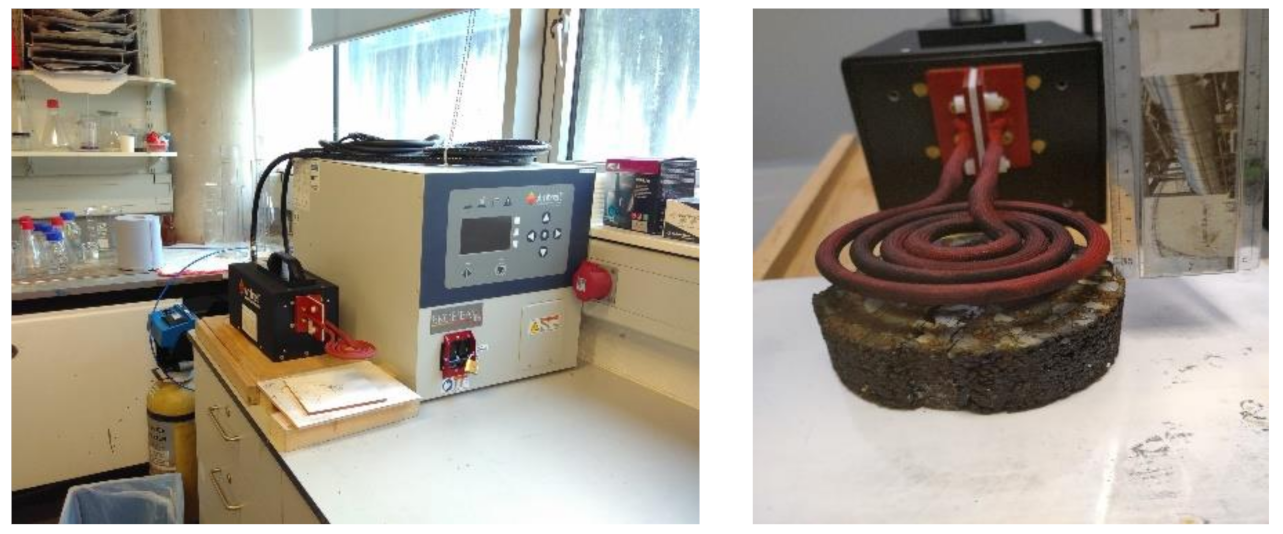
The aim of the healing test was to determine the optimum volume of HealRoad capsules in the mix in order to achieve full repair of the test specimen after the ITS test. The healing was performed using the induction heating system Abrell EKO 10/100C, PWR, CNTRL EKOHEAT® 10/100C, ES, with a solid-state induction power supply CE rated (input: WYE configured, 360–520 VAC, 50/60 Hz, 3-phase; output: 10 kW terminal, 50–150 kHz). A solenoid coil was used to apply the induction heating to the test specimen. Figure 2 shows the induction system set up. The heating (healing) was performed at 7.6 kW and 148 Hz induction machine energy output for a duration of 300 s (5 min). The temperature of the specimen during the healing period was measured using Eventek Infra Red Non-Contact Digital Laser Temperature gun with a temperature range between −50 °C and 420 °C.
Figure 2.
Ambrell Ekoheat 10 kW induction machine—laboratory induction apparatus.
The healing index (HI) was calculated employing the following rule [16,25]:
where: ITSi—initial ITS test result (MPa), ITSh—ITS test result after healing (MPa).
3. Results
3.1. Binder Drainage Test
Table 2 summarizes the binder drainage test results of six 10 mm SMA mixes containing varying amounts of HealRoad capsules. The results show that the HealRoad capsules slightly increase binder drainage, but that they remain within acceptable limits. The mix containing 0.44% of capsules shows the same drainage level as the control mix (0% of capsules), whereas the mixes containing 0.64% and 1.45% of HealRoad capsules demonstrate an increased binder drainage level. This is probably due to the release of the rejuvenating oils caused by exposure to high temperatures of 180 °C.
Table 2.
Binder Drainage.
3.2. Indirect Tensile Strenght Test
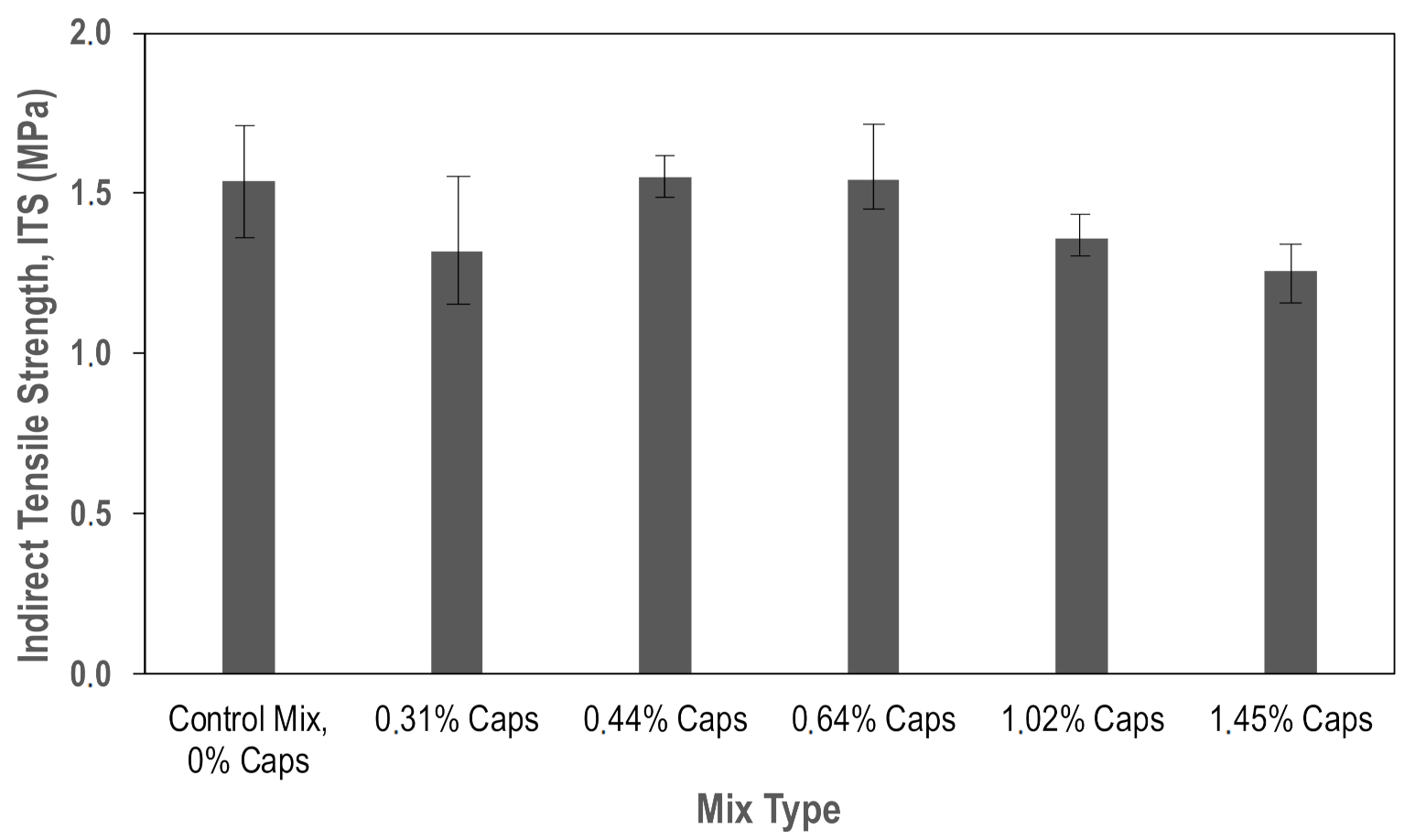
Figure 3 shows the effect of the HealRoad capsule content in the 10 mm SMA mix. The results indicate that the mixes containing 0.44% and 0.64% of HealRoad capsules are the only mixes performing as well as the control mix. The results also indicate that increasing the capsule content above 1% results in a decreased ITS. These results indicate that in terms of 10 mm SMA mix strength performance, the optimal HealRoad capsule content is between 0.44% and 0.64%.
Figure 3.
Indirect tensile strength test results.
3.3. Water Sensitivity Test
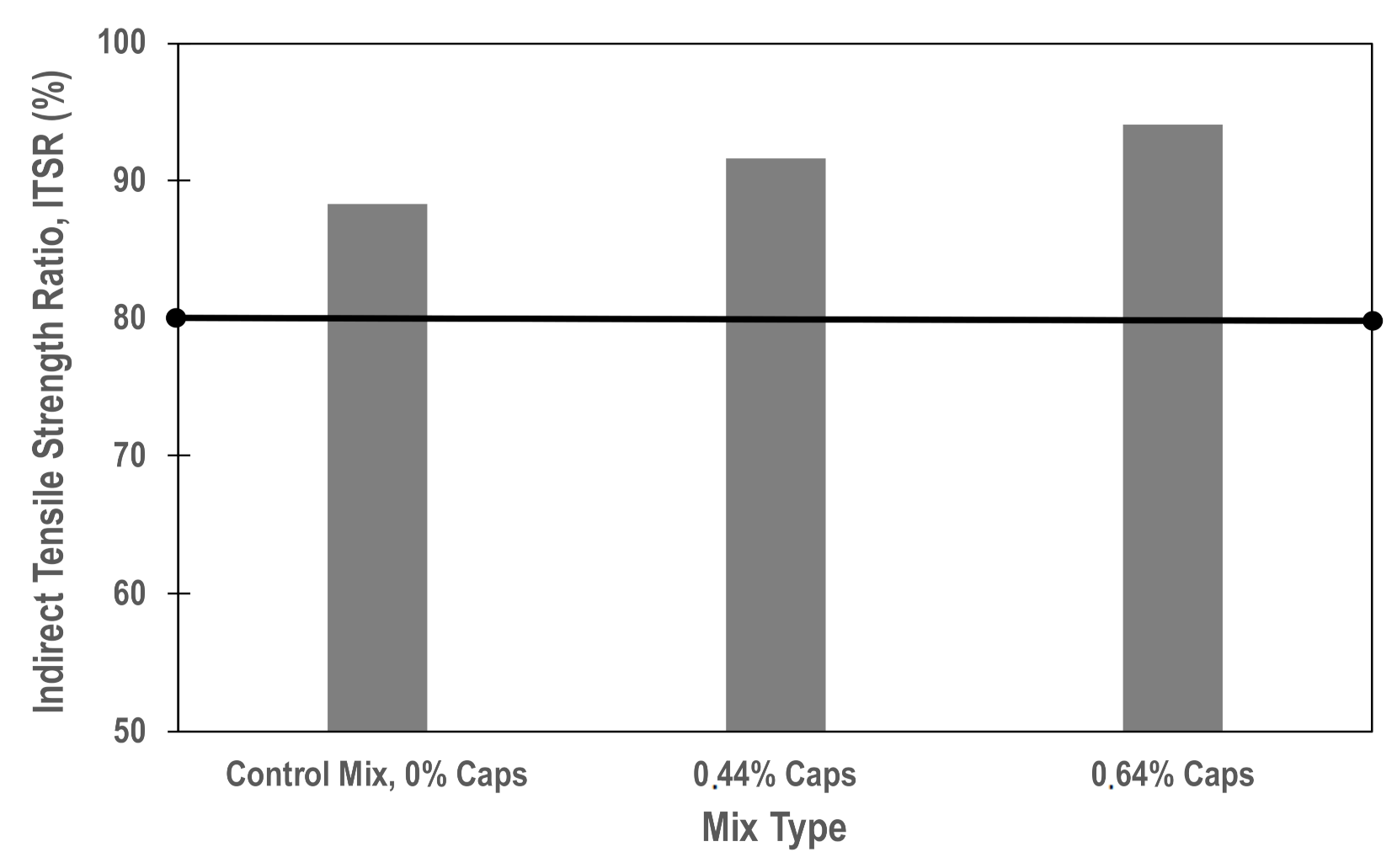
Following the ITS test, it was decided to focus on mixtures containing 0.44% and 0.64% of HealRoad capsules to further investigate the effect on the 10 mm SMA mix. Figure 4 shows the indirect tensile strength ratio of the mixes. The results show that all mixes outperform the standard ITSR requirement of 80%. Furthermore, the results demonstrate that the HealRoad capsules have a positive effect on the water sensitivity of the 10 mm SMA mix. An increase of HealRoad capsule content in the mix, up to 0.64%, results in an increased ITSR. The ITSR value for both mixes containing HealRoad capsules is higher than 90%.
Figure 4.
Water sensitivity test results—ITSR.
3.4. Wheel Tracking Test
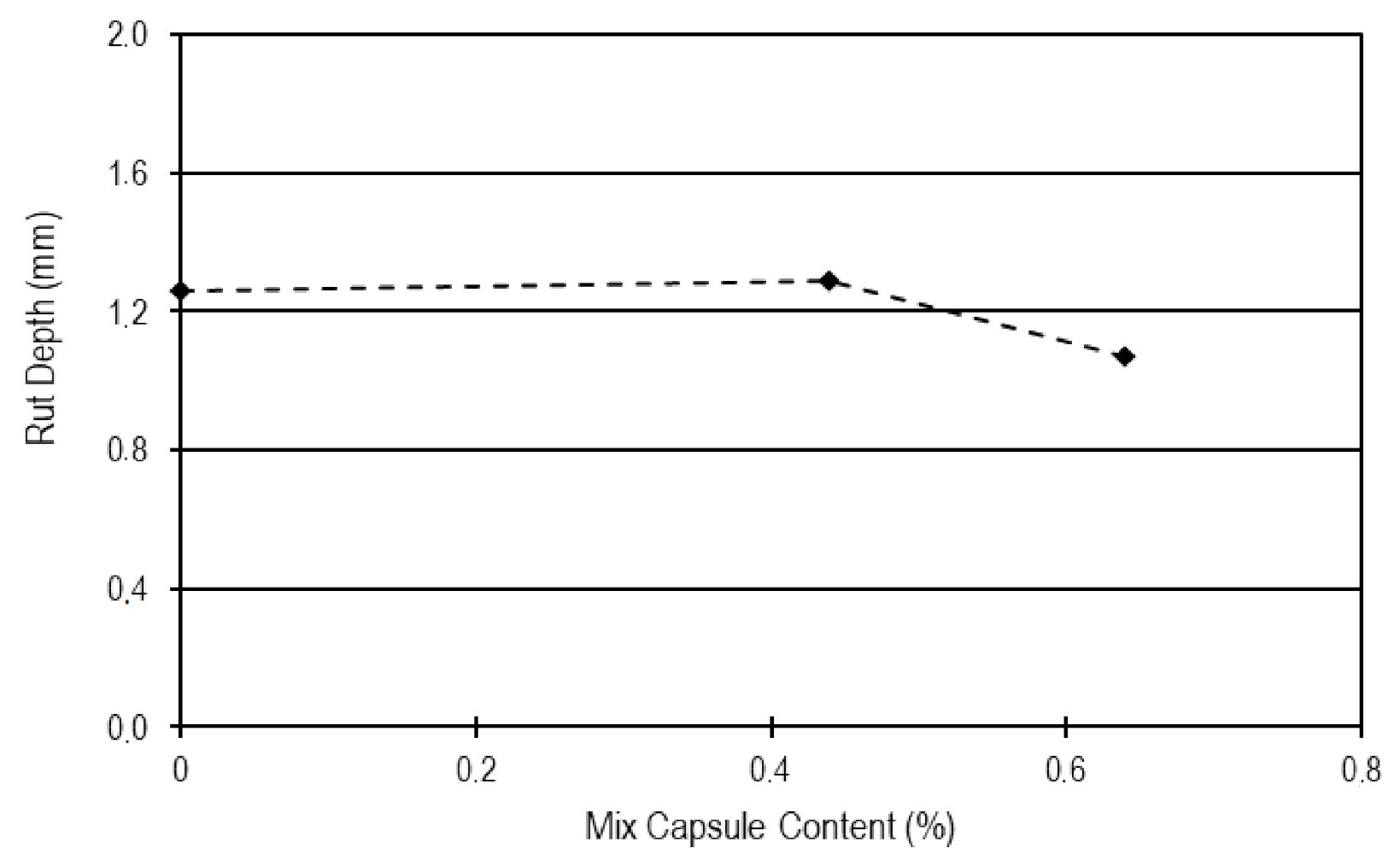
The wheel tracking tests results are presented in Figure 5. The results show a very slight increase in rut depth with 0.4% of HealRoad capsules in the mix. The results also show that by increasing the HealRoad capsule content to 0.64%, the rut depth within the mix decreases by 15%, to below the control mix. These results indicate that the HealRoad capsules can improve the mix resistance to rut deformation.
Figure 5.
Wheel tracking results—resistance to rut deformation.
3.5. Extrinsic Healing
3.5.1. SMA Mix with Low Capsule Content
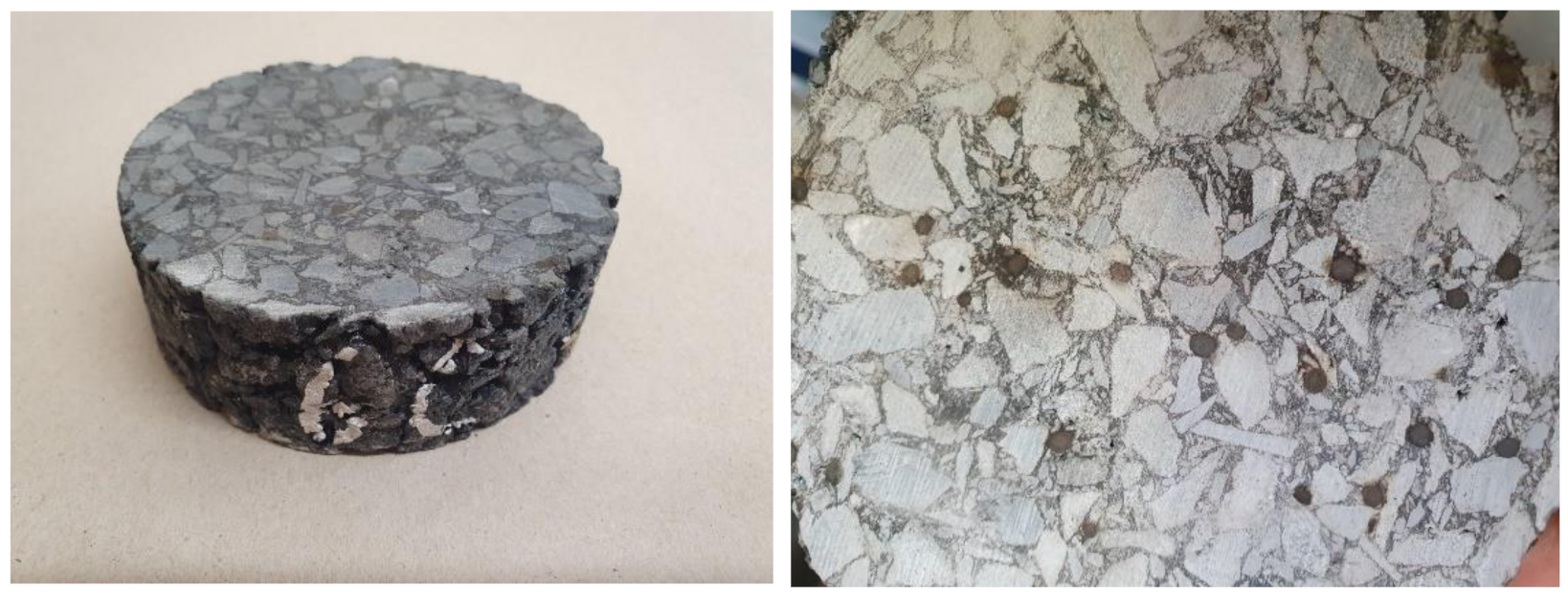
Following the ITS tests (see Section 3.2), cylindrical test specimens were subjcted to induction heating. The aim was to determine whether the HealRoad capsules within an asphalt mix can conduct induction energy and initiate asphalt healing. Unfortunately, none of the asphalt mixtures demonstrated healing capacity. This is because of the low volume and high dispersion rate of the HealRoad capsules within the mix, which resulted in poor conductivity of the induction energy. Figure 6 shows a cross section of test specimen containing the highest volume of HealRoad capsules—1.45%. The image shows that the HealRoad capsules are well embedded in the test specimen, however, such capsule dispersion causes the HealRoad capsules to have poor induction energy conductivity.
Figure 6.
Image of 10 mm SMA—mix 6 containing 1.45% capsules in the mix.
3.5.2. High Capsule Content SMA Mix
In order to test the HealRoad capsules for induction heating in an asphalt mix, the amount of HealRoad capsules was increased to 5%, 10% and 20% (when capsule content is higher than 20%, the HealRoad capsules do not disperse evenly in the mix). The percentages of constituent material in each mix are summarized in Table 3. These mixtures were not investigated for standard mix performance, the aim was only to test whether the increased volume of HealRoad capsules had the capacity to initiate induction heating and self-heal. Figure 7 shows the images of 10 mm SMA mix containing varying percentages of HealRoad capsules, 0–20%. From the Figure 7c,d, it is evident that the mixes containing 10% and 20% of HealRoad capsules show evidence of corrosion. Another finding is that the mixes containing 20% of HealRoad capsules had fewer large aggregates in comparison to mixtures without HealRoad capsules. This could be an issue for the material strength as large angular aggregates, which determine the load carrying performance of a mix, are replaced by softer, round HealRoad capsules.
Table 3.
The 10 mm SMA mix designs.
Figure 7.
The 10 mm SMA mix containing varying amounts of capsules: (a) 0% capsules, (b) 5% capsules, (c) 10% capsules and (d) 20% capsules.
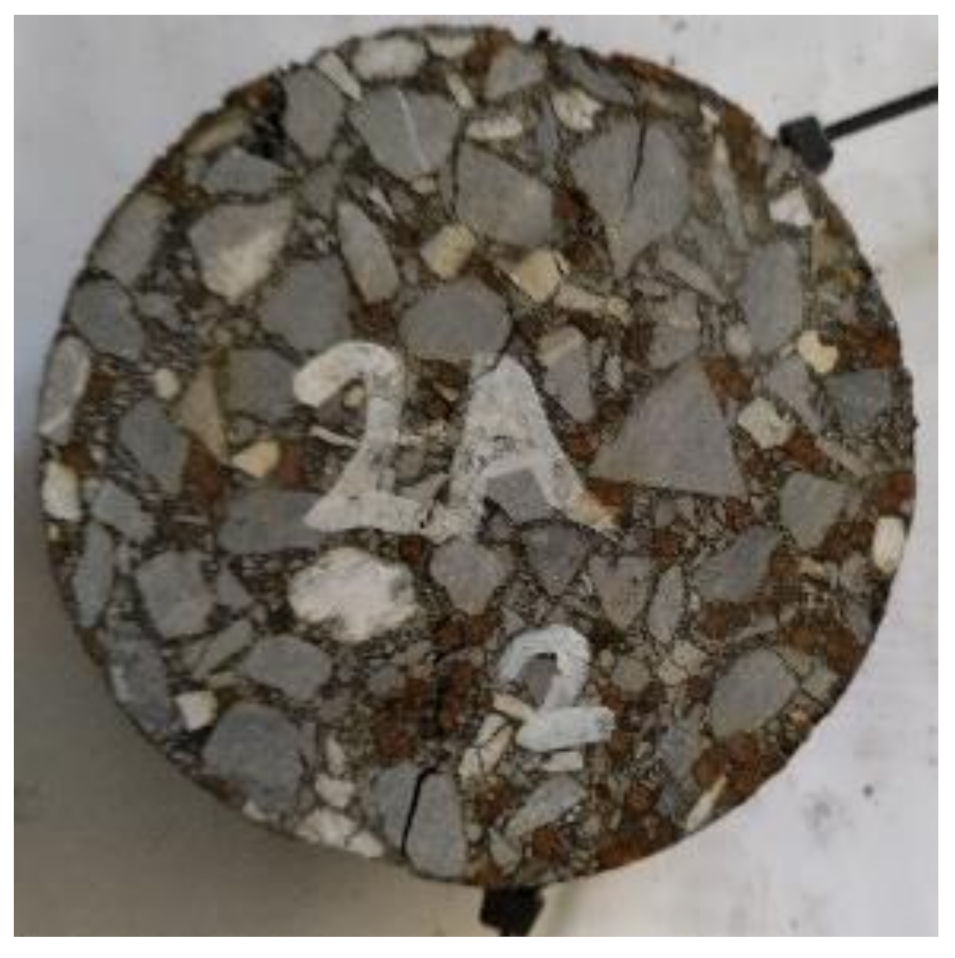
The specimens were subjected to the ITS test protocol described in Section 2.2.4 and test specimen healing was performed following the protocol described in Section 2.2.5. After the ITS test, the test specimens were tied with cable ties to join two test specimen parts and to allow test specimens without HealRoad capsules to heal. Figure 8 shows the tied test specimens.
Figure 8.
The 10 mm SMA test specimen containing 5% capsules ready for induction healing.
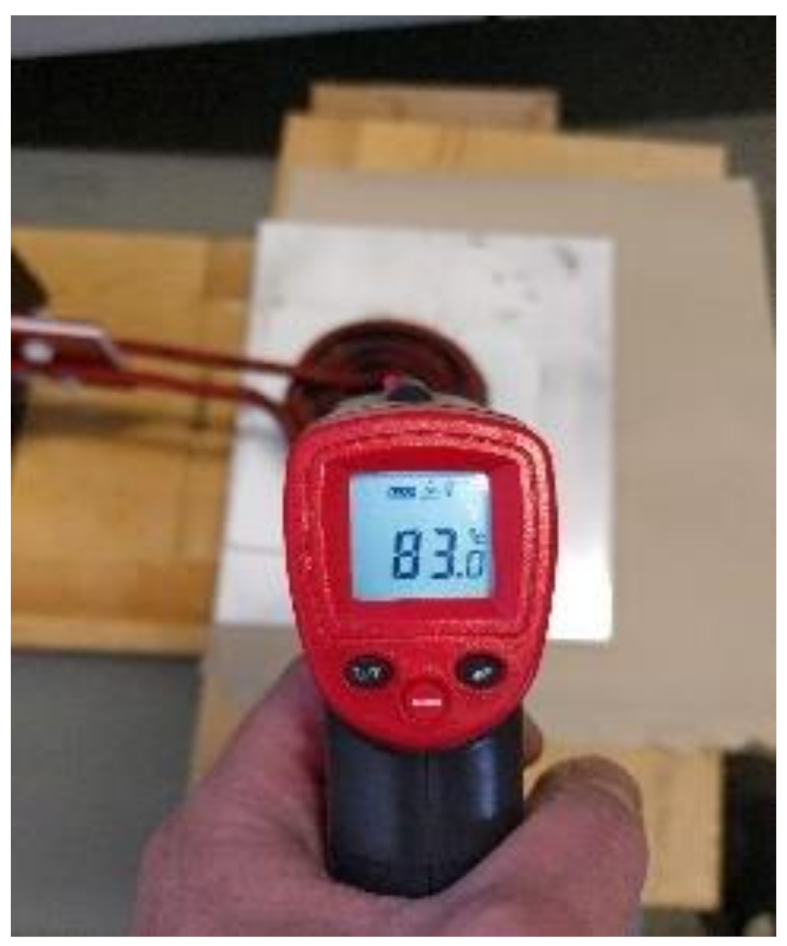
The healing results show a positive response to induction heating with a test specimen temperature increase. As expected, test specimens containing higher amounts of HealRoad capsules were able to reach high temperatures, while test specimens containing 20% of HealRoad capsules reached a temperature of 80 °C. Figure 9 shows the temperature readings (measured using an infrared laser temperature gauge).
Figure 9.
Temperature reading of the induction healing.
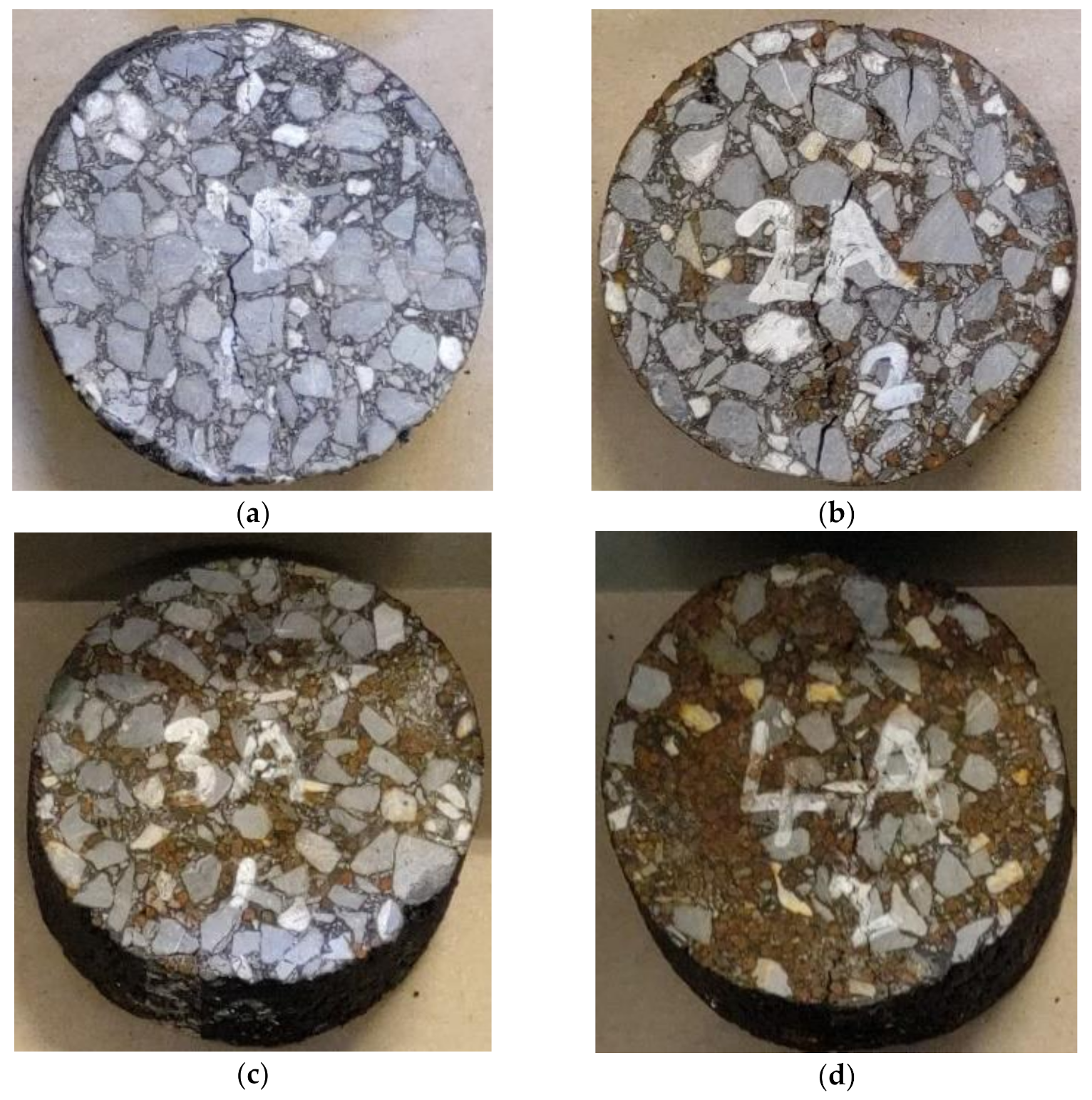
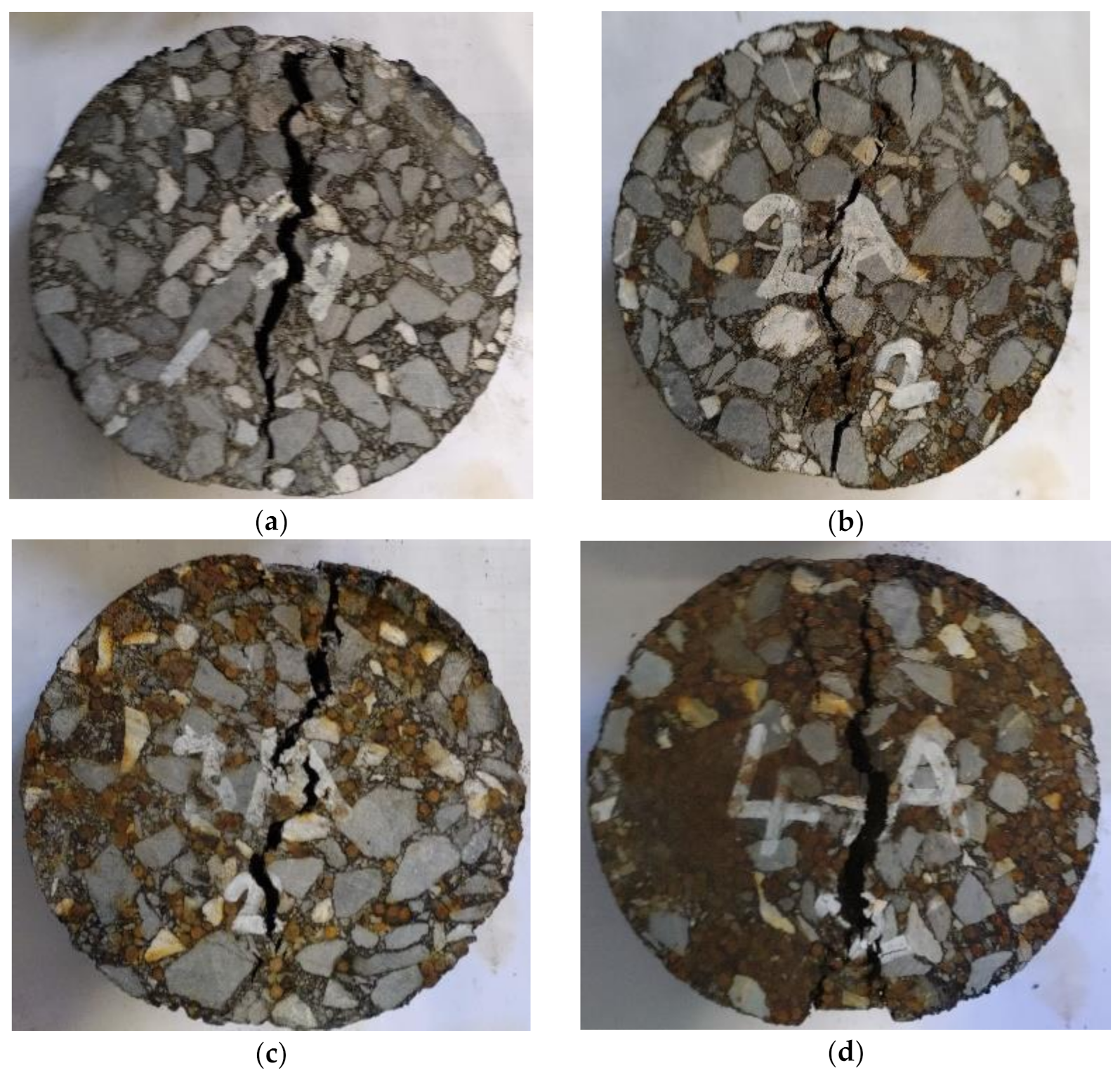
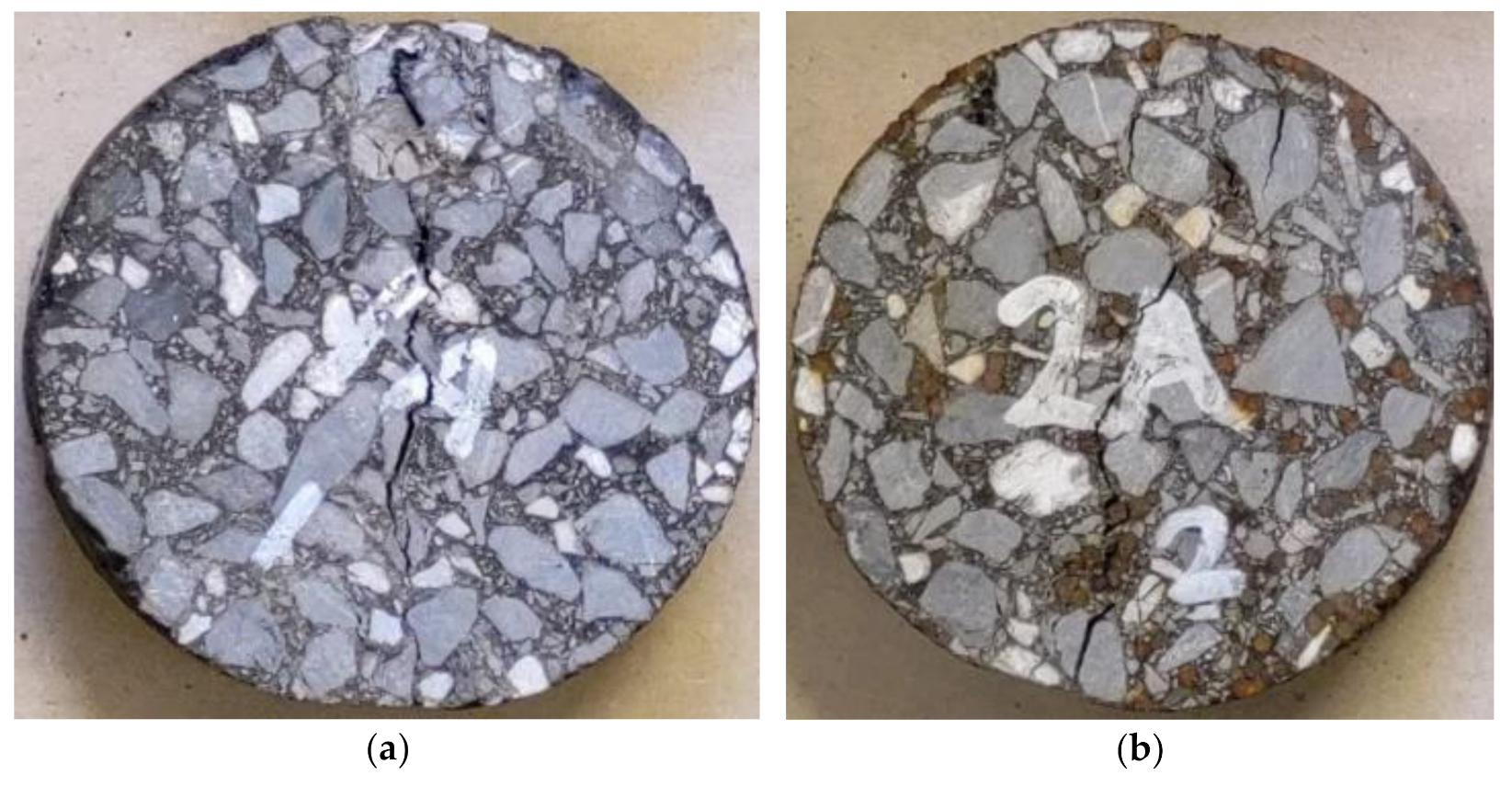
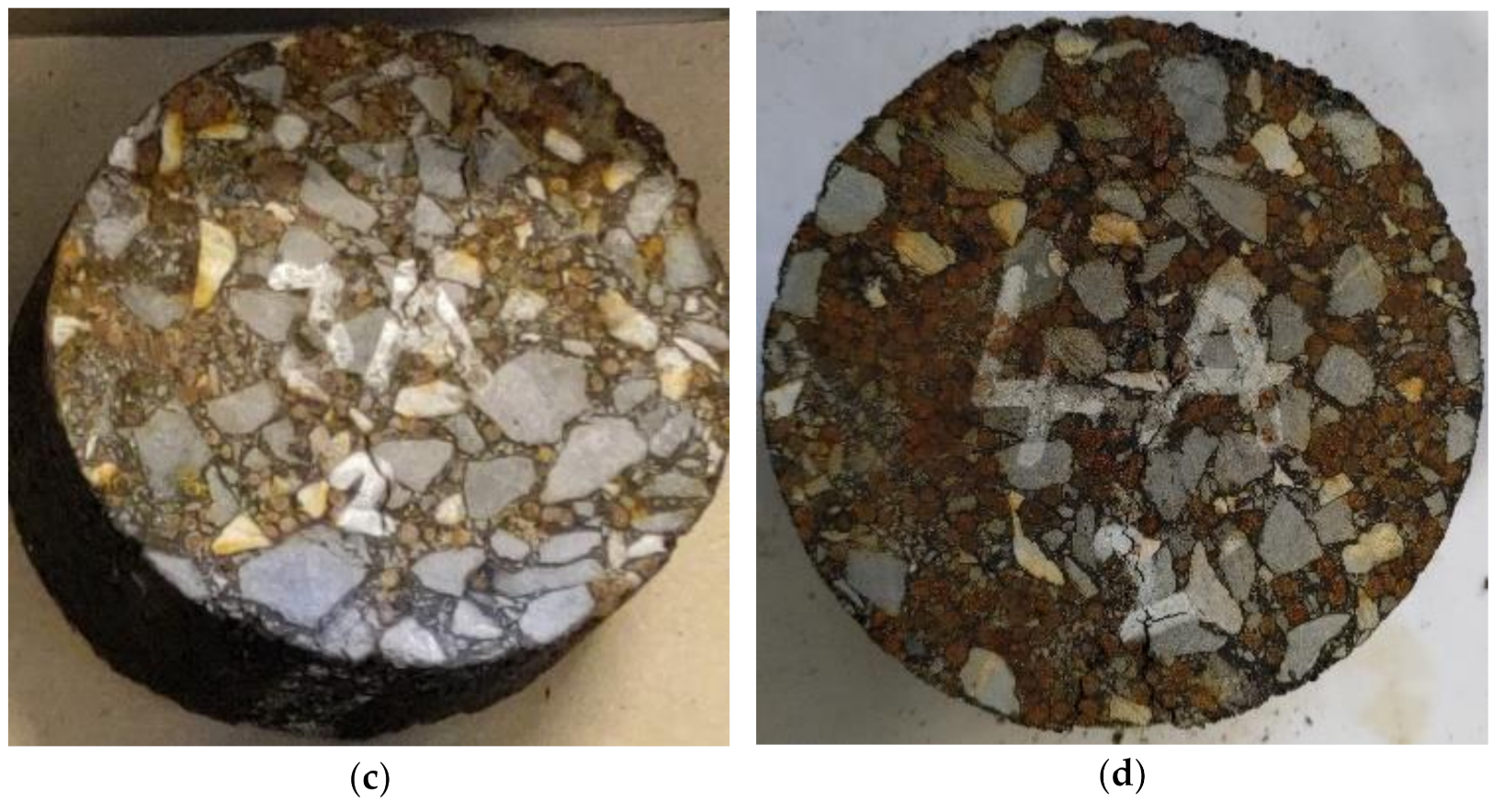
Figure 10 shows the test samples after the ITS test and before healing. The damage in the mixture containing 20% of HealRoad capsules was significant. We believe that this was caused by the high proportion of capsules in the mix, which replaced larger aggregates. Large aggregates (angular, flaky and elongated aggregates) in an asphalt mix form a load carrying skeleton which is responsible for pavement strength and for resistance to rutting [26]. Figure 11 shows the images of the same samples after healing. It is evident that mixtures with a high HealRoad capsule content—Mix 3 with 10% of capsules and Mix 4 with 20% of capsules—more efficiently repaired the damage, i.e., closed the cracks, in comparison to the control mix—Mix 1 containing 0% of capsules and Mix 2 containing 5% of capsules.
Figure 10.
Images of test specimens after ITS test: (a) control mix—Mix 1, (b) Mix 2–5% capsules, (c) Mix 3–10% capsules and (d) Mix 4–20% capsules.

Figure 11.
Images of test specimens after induction healing: (a) control mix—Mix 1, (b) Mix 2–5% capsules, (c) Mix 3–10% capsules and (d) Mix 4–20% capsules.
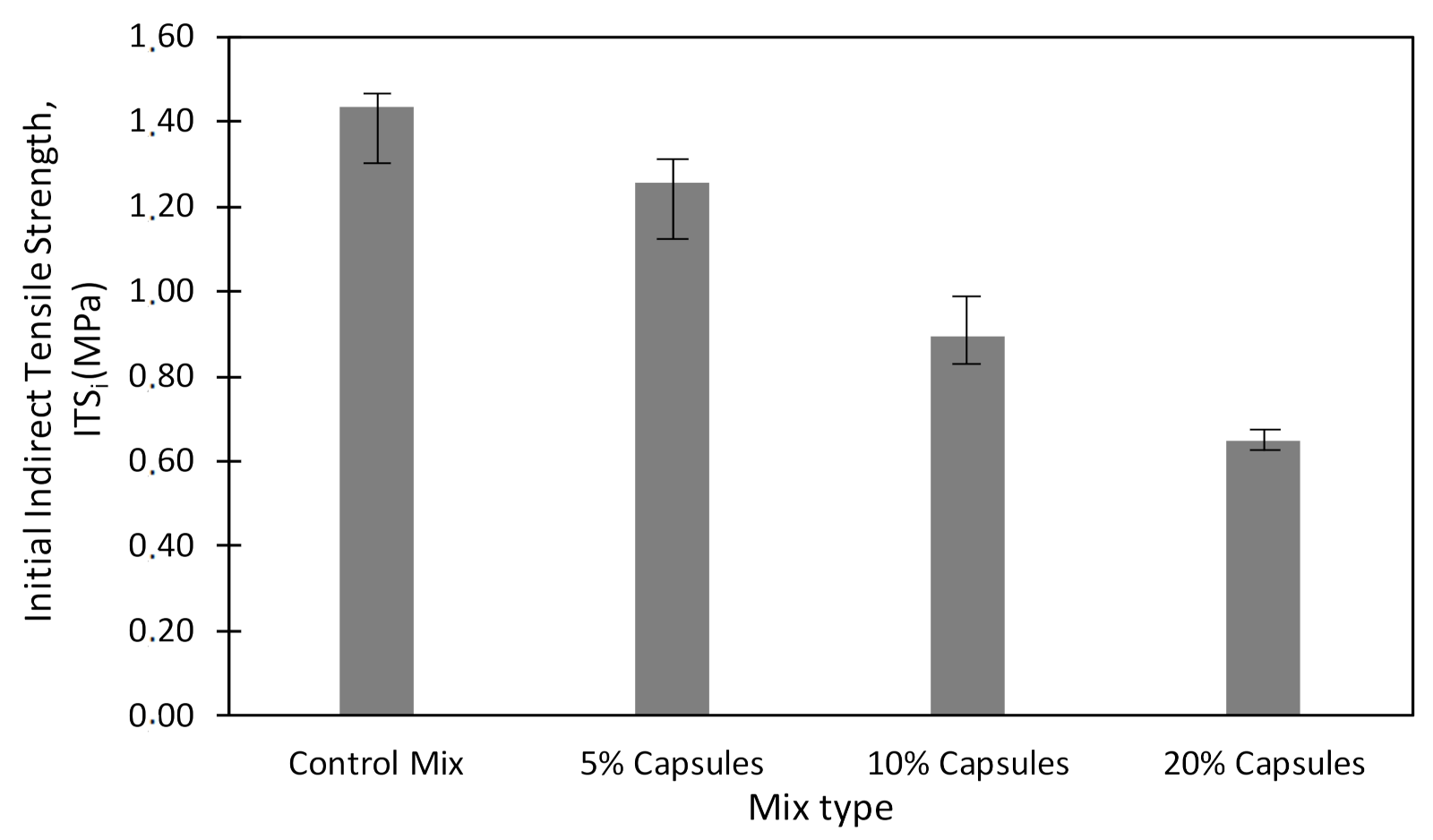
Figure 12 shows the initial ITS result for mixtures with a HealRoad capsule content of ≥5%. When compared with data from the initial tests, for mixes containing <1.45% of HealRoad capsules, the material strength was reduced as capsule content increased. In mixes containing 20% of HealRoad capsules, the ITS was reduced by 55%. There are two possible reasons for this:
Figure 12.
Initial ITS results.
- The increased amounts of circular aggregates in the mix reduces the quantity of large aggregates, thereby reducing the interlocking strength of the material,
- The release of the rejuvenator during the mixing stage results in the softening of the bitumen.
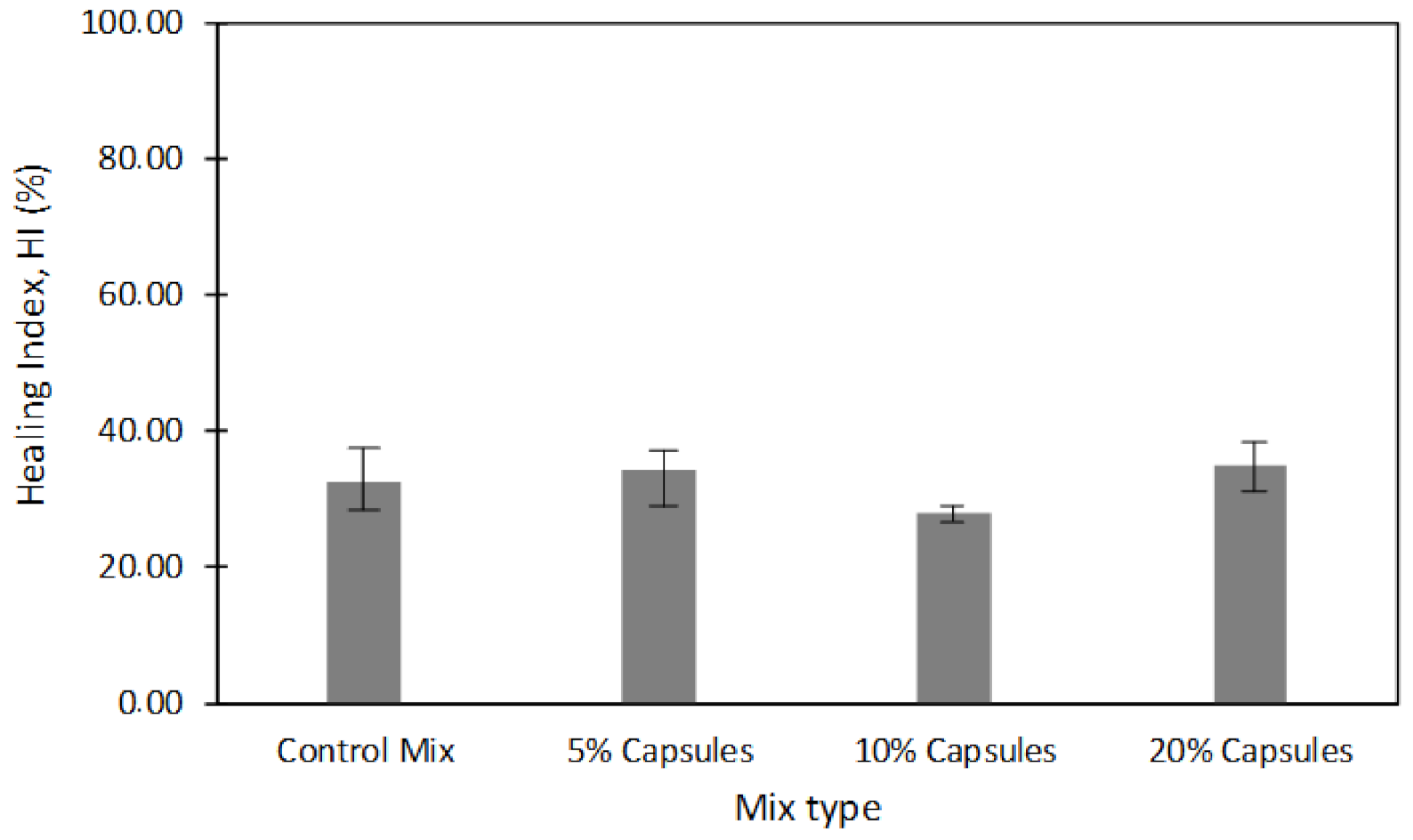
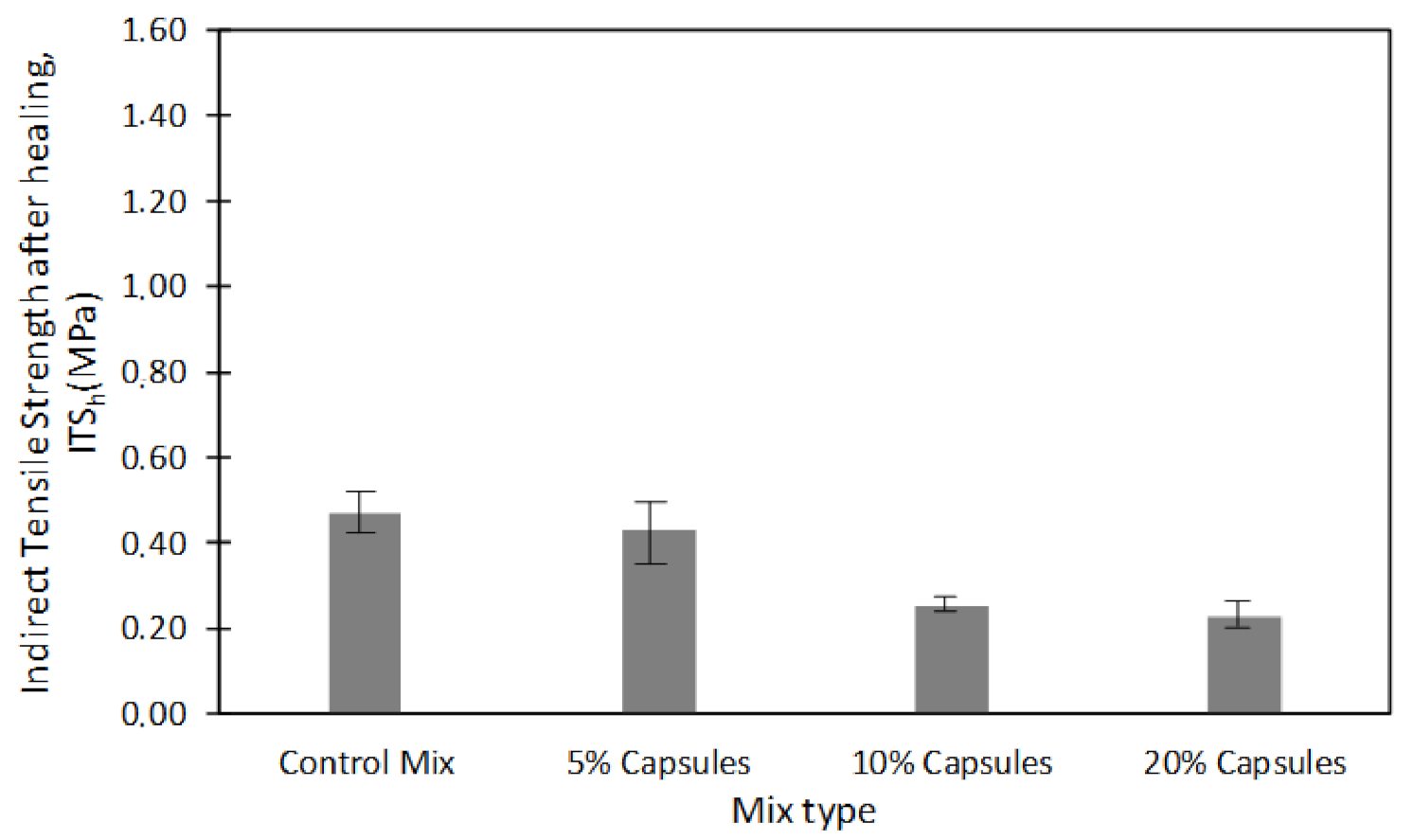
Figure 13 illustrates the ITS results after healing. The results demonstrate that mixes containing HealRoad capsules did not achieve the expected healing. Figure 14 shows the healing index of each mix indicating that HealRoad capsules did not improve material strength recovery, whereas the control mix achieved up to 32.5% of strength recovery and the mix containing 20% of HealRoad capsules achieved up to 35.07% of strength recovery. However, looking at the initial material strength (Figure 12) and recovered material strength (Figure 13), it is evident that the control mix has the highest strength level both before and after healing. This indicates that there are no benefits to be accrued from including the HealRoad capsules in the asphalt mix.
Figure 13.
ITS results after healing.
Figure 14.
Healing index of the 10 mm SMA mix with and without capsules.
4. Conclusions
The asphalt mix performance test results indicate that mixes containing low amounts of HealRoad capsules (0.44% and 0.64%) have as good and better mix performance as the control mix in terms of strength, water sensitivity and rutting. Unfortunately, mixes containing a low amount of HealRoad capsules, 0–1.45%, do not conduct inductive energy and therefore do not initiate healing. This is due to the poor conductivity properties of iron powder and the high dispersion of the HealRoad capsules in the mix. However, increasing the HealRoad capsule content of the mix to >5% demonstrates increased temperatures when test specimens are subjected to the induction heating. The results show that mixtures containing 20% of HealRoad capsules can reach a temperature >80 °C and can recover up to 35% of its initial ITS. However, mixes without HealRoad capsules recovered 32.5% of their initial strength, without increased temperature. This indicates that although HealRoad capsules are capable of heating the mix and efficiently initiate self-healing, they do not assist the mix in recovering its material strength. Furthermore, increasing the HealRoad capsule content in the mix above 5% gradually decreases the mix strength, whereas the mix containing 20% of HealRoad capsules has a 55% lower initial ITS in comparison to the control mix, i.e., mix without capsules. These results show that HealRoad is not an efficient asphalt damage repair system. The results of our initial investigation [3], where HealRoad capsules were tested in pure bitumen and bitumen mortar mixes, indicated that HealRoad capsules may be suitable for use in asphalt mixtures with high bitumen and low aggregate content. Further studies will therefore focus on testing HealRoad capsules as a healing system in asphalt plug joint mixes. To enhance the conductivity of HealRoad capsules, the pure iron powder (Fe) will be replaced with magnetite (Fe3O4) as a conductive material. Wan et al. [4,21] have demonstrated that alginate capsules containing magnetite as a conductive material have good conductive properties. The assumption is that a more conductive material can improve energy conduction and perhaps also the healing efficiency of the system. Despite weak healing performance, HealRoad capsules may still have the potential to improve asphalt mix performance, paving the way for further improvement and development of the self-healing systems for asphalt pavement mixes.
5. Patents
An intellectual property application titled: “A Conductive Alginate Capsule Encapsulating a Healing Agent”, was submitted by the TU Dublin and Amir Tabaković to the European Patent Office, international patent application number: PCT/EP2021/075254. The objective of the IP application is to ring-fence specific capsule formulation for potential production and licensees’ particular applications.
Author Contributions
Conceptualization, A.T.; methodology, A.T. and D.O.; validation, A.T., C.F. and D.O.; formal analysis, A.T.; investigation, A.T.; resources, A.T.; data curation, A.T. and C.F.; writing—original draft preparation, A.T.; writing—review and editing, A.T., C.F. and D.O.; visualization, A.T.; project administration, A.T.; funding acquisition, A.T. All authors have read and agreed to the published version of the manuscript.
Funding
This research was funded by the Enterprise Ireland, grant number CF 20191063P.
Acknowledgments
The Authors would like to acknowledge Technological University Dublin (TU Dublin) for hosting the project between 2019 and 2021 and TU Dublin CREST research Centre for providing the space and equipment for production of the capsules.
Conflicts of Interest
The authors declare no conflict of interest. The funders had no role in the design of the study; in the collection, analyses, or interpretation of data; in the writing of the manuscript, or in the decision to publish the results.
References
- Xu, S.; García, A.; Su, J.; Liu, Q.; Tabaković, A.; Schlangen, E. Self-Healing Asphalt Review: From Idea to Practice. Adv. Mater. Interfaces 2018, 5, 1800536. [Google Scholar] [CrossRef]
- Xu, S.; Liu, X.; Tabaković, A.; Schlangen, E. A novel self-healing system: Towards a sustainable porous asphalt. J. Clean. Prod. 2020, 259, 120815. [Google Scholar] [CrossRef]
- Tabaković, A.; Mohan, J.; Karač, A. Conductive Compartmented Capsules Encapsulating a Bitumen Rejuvenator. Processes 2021, 9, 1361. [Google Scholar] [CrossRef]
- Wan, P.; Liu, Q.; Wu, S.; Zhao, Z.; Chen, S.; Zou, Y.; Rao, W.; Yu, X. A novel microwave induced oil release pattern of calcium alginate/ nano-Fe3O4 composite capsules for asphalt self-healing. J. Clean. Prod. 2021, 297, 126721. [Google Scholar] [CrossRef]
- Seneviratne, S.; Tabaković, A. Self-healing Asphalt HealRoad Customer Discovery and Needs Analysis Report. 2020; Unpublished. [Google Scholar]
- United Kingdom Government. Road Accidents and Safety Statistics. 2021. Available online: https://www.gov.uk/government/collections/road-accidents-and-safety-statistics (accessed on 18 February 2022).
- National Work Zone Safety. Work Zone Fatal Crashes and Fatalities. 2021. Available online: https://www.workzonesafety.org/crash-information/work-zone-fatal-crashes-fatalities/#national (accessed on 18 February 2022).
- Butt, A.A.; Birgisson, B.; Kringos, N. Optimizing the Highway Lifetime by Improving the Self Healing Capacity of Asphalt. Procedia-Soc. Behav. Sci. 2012, 48, 2190–2200. [Google Scholar] [CrossRef] [Green Version]
- García, Á.; Schlangen, E.; van de Ven, M.; Liu, Q. Electrical conductivity of asphalt mortar containing conductive fibers and fillers. Constr. Build. Mater. 2009, 23, 3175–3181. [Google Scholar] [CrossRef]
- García, Á.; Schlangen, E.; van de Ven, M.; Liu, Q. A simple model to define induction heating in asphalt mastic. Constr. Build. Mater. 2012, 31, 38–46. [Google Scholar] [CrossRef]
- Liu, Q. Induction healing of porous asphalt concrete. In Faculty of Civil Engineering and Geosciences; TU: Delft, The Netherlands, 2012. [Google Scholar]
- Bueno, M.; Arraigada, M.; Partl, M.N. Damage detection and artificial healing of asphalt concrete after trafficking with a load simulator. Mech. Time-Dependent Mater. 2016, 20, 265–279. [Google Scholar] [CrossRef]
- Norambuena-Contreras, J.; Garcia, A. Self-healing of asphalt mixture by microwave and induction heating. Mater. Des. 2016, 106, 404–414. [Google Scholar] [CrossRef]
- Norambuena-Contreras, J.; Serpell, R.; Vidal, G.V.; Gonzalez, A.; Schlangen, E. Effect of fibres addition on the physical and mechanical properties of asphalt mixtures with crack-healing purposes by microwave radiation. Constr. Build. Mater. 2016, 127, 369–382. [Google Scholar] [CrossRef]
- Tabaković, A.; Post, W.; Cantero, D.; Copuroglu, O.; Garcia, S.; Schlangen, E. The reinforcement and healing of asphalt mastic mixtures by rejuvenator encapsulation in alginate compartmented fibres. Smart Mater. Struct. 2016, 25, 084003. [Google Scholar] [CrossRef] [Green Version]
- Xu, S.; Tabaković, A.; Liu, X.; Schlangen, E. Calcium alginate capsules encapsulating rejuvenator as healing system for asphalt mastic. Constr. Build. Mater. 2018, 169, 379–387. [Google Scholar] [CrossRef] [Green Version]
- Gonzalez-Torre, I.; Norambuena-Contreras, J. Recent advances on self-healing of bituminous materials by the action of encapsulated rejuvenators. Constr. Build. Mater. 2020, 258, 119568. [Google Scholar] [CrossRef]
- Tabaković, A.; Schuyffel, L.; Karač, A.; Schlangen, E. An Evaluation of the Efficiency of Compartmented Alginate Fibres Encapsulating a Rejuvenator as an Asphalt Pavement Healing System. Appl. Sci. 2017, 7, 647. [Google Scholar] [CrossRef] [Green Version]
- Tabaković, A.; Schlangen, E. Self-Healing Technology for Asphalt Pavements. In Self-Healing Materials; Hager, M.D., van der Zwaag, S., Schubert, U.S., Eds.; Springer International Publishing: Switzerland, Cham, 2016; pp. 285–306. [Google Scholar]
- Xu, S.; Liu, X.; Tabaković, A.; Schlangen, E. The influence of asphalt ageing on induction healing effect on porous asphalt concrete. RILEM Tech. Lett. 2018, 3, 98–103. [Google Scholar] [CrossRef]
- Wan, P.; Wu, S.; Liu, Q.; Xu, H.; Wang, H.; Peng, Z.; Rao, W.; Zou, Y.; Zhao, Z.; Chen, S. Self-healing properties of asphalt concrete containing responsive calcium alginate/nano-Fe3O4 composite capsules via microwave irradiation. Constr. Build. Mater. 2021, 310, 125258. [Google Scholar] [CrossRef]
- Zemskov, S.V.; Jonkers, H.M.; Vermolen, F.J. Two analytical models for the probability characteristics of a crack hitting encapsulated particles: Application to self-healing materials. Comput. Mater. Sci. 2011, 50, 3323–3333. [Google Scholar] [CrossRef]
- Tabaković, A.; Braak, D.; van Gerwen, M.; Copuroglu, O.; Post, W.; Garcia, S.J.; Schlangen, E. The compartmented alginate fibres optimisation for bitumen rejuvenator encapsulation. J. Traffic Transp. Eng. 2017, 4, 347–359. [Google Scholar] [CrossRef]
- Tabaković, A.; Karač, A.; Ivanković, A.; Gibney, A.; McNally, C.; Gilchrist, M.D. Modelling the quasi-static behaviour of bituminous material using a cohesive zone model. Eng. Fract. Mech. 2010, 77, 2403–2418. [Google Scholar] [CrossRef]
- Xu, S.; Liu, X.; Tabaković, A.; Lin, P.; Zhang, Y.; Nahar, S.; Lommerts, B.J.; Schlangen, E. The role of rejuvenators in embedded damage healing for asphalt pavement. Mater. Des. 2021, 202, 109564. [Google Scholar] [CrossRef]
- Fladvad, M.; Arnhild, U. Large-size aggregates for road construction—a review of standard specifications and test methods. Bull. Eng. Geol. Environ. 2021, 80, 8847–8859. [Google Scholar] [CrossRef]
Publisher’s Note: MDPI stays neutral with regard to jurisdictional claims in published maps and institutional affiliations. |
© 2022 by the authors. Licensee MDPI, Basel, Switzerland. This article is an open access article distributed under the terms and conditions of the Creative Commons Attribution (CC BY) license (https://creativecommons.org/licenses/by/4.0/).