Article

Numerical Modeling of Flexible Net Panels under Steady Flow Using a Coupled Fluid–Structure Partitioned Scheme
1
College of Shipbuilding Engineering, Harbin Engineering University, Harbin 150001, China
2
Yantai Research Institute and Graduate School, Harbin Engineering University, Yantai 264006, China
3
Ningbo Institute, Dalian University of Technology, Ningbo 315016, China
*
Author to whom correspondence should be addressed.
Appl. Sci. 2022, 12(7), 3399; https://doi.org/10.3390/app12073399
Submission received: 16 February 2022 / Revised: 20 March 2022 / Accepted: 23 March 2022 / Published: 27 March 2022
(This article belongs to the Section Marine Science and Engineering)

Abstract

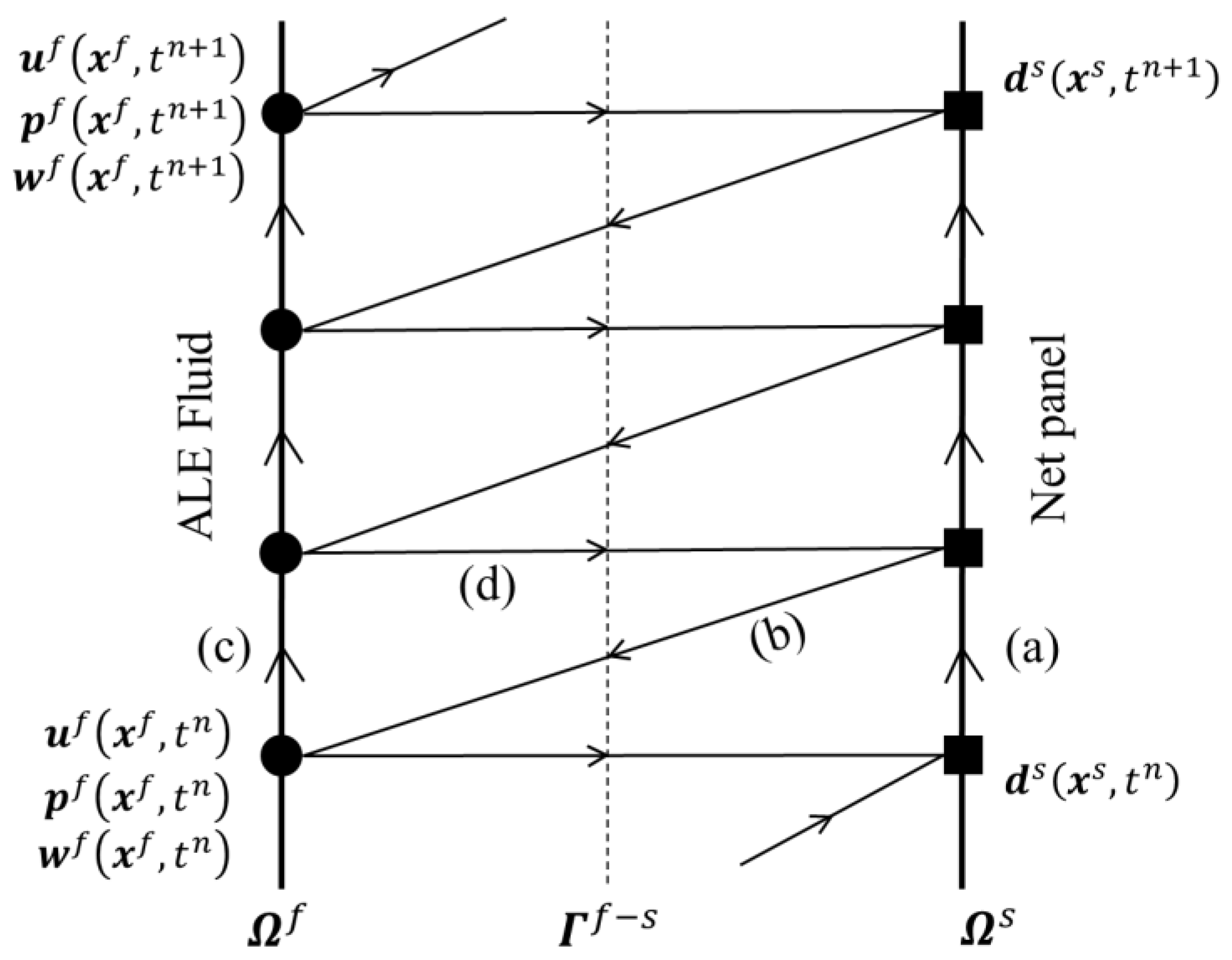
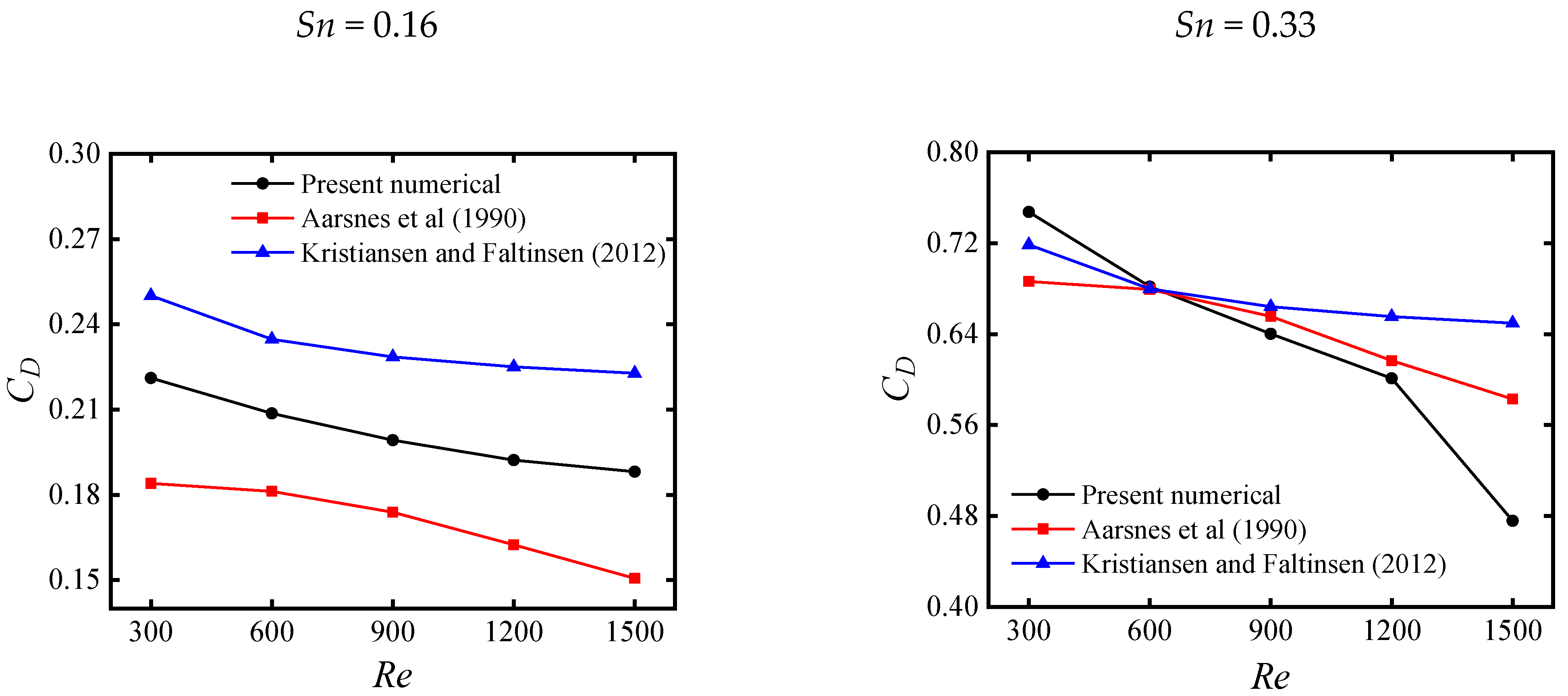
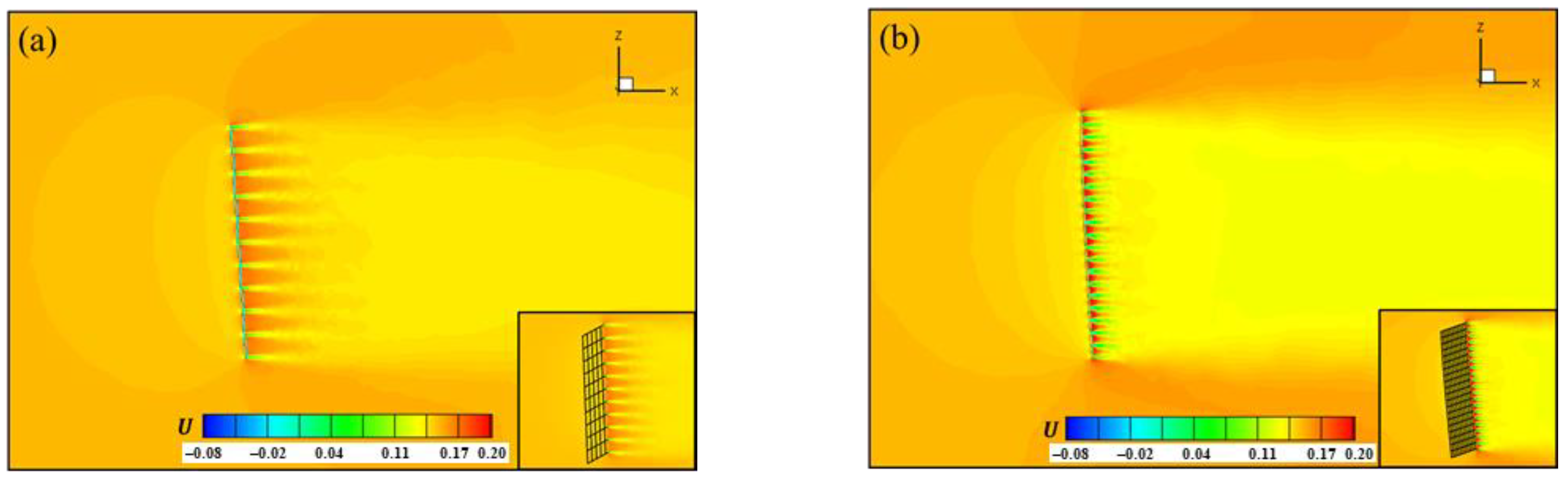
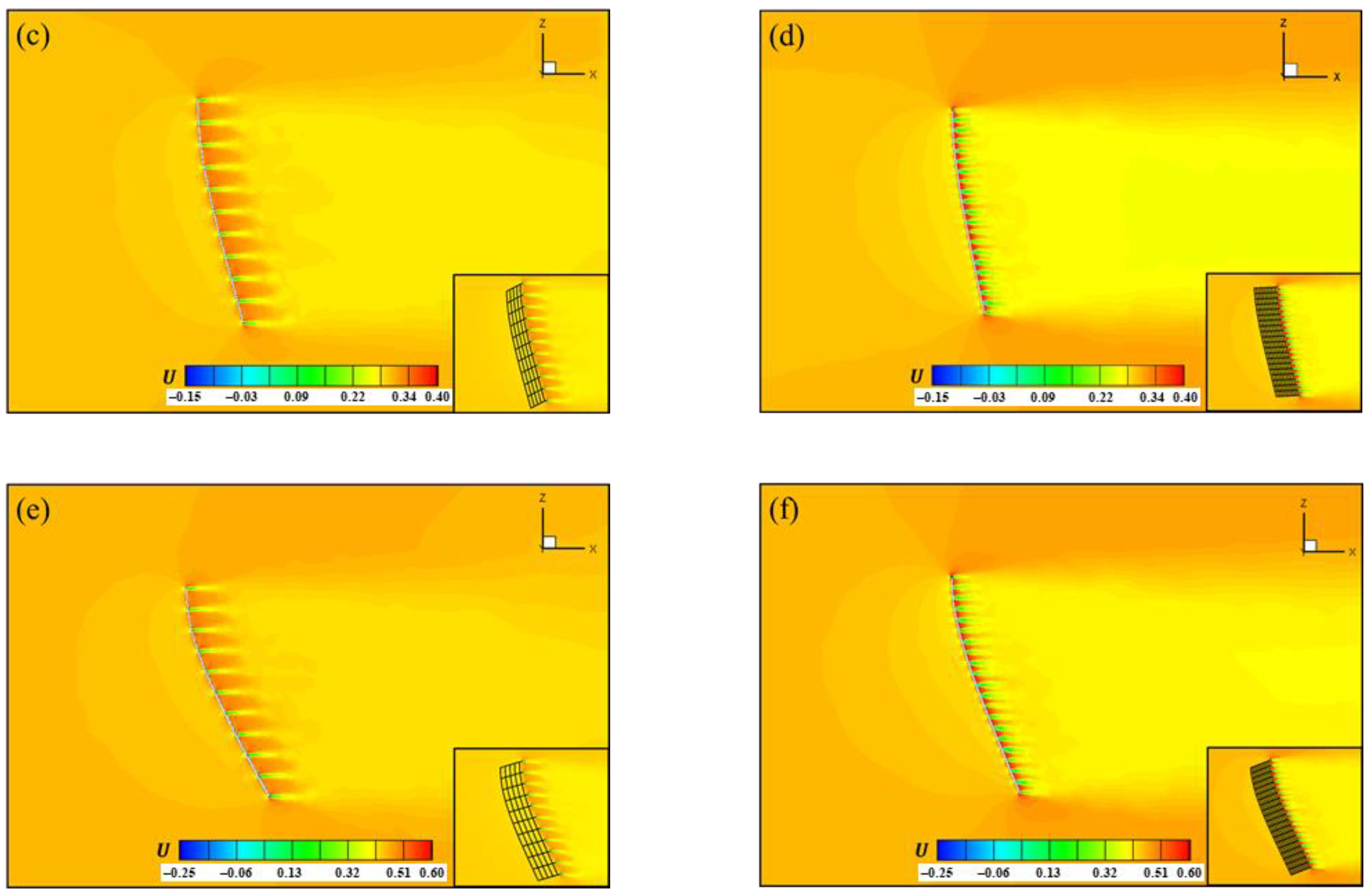
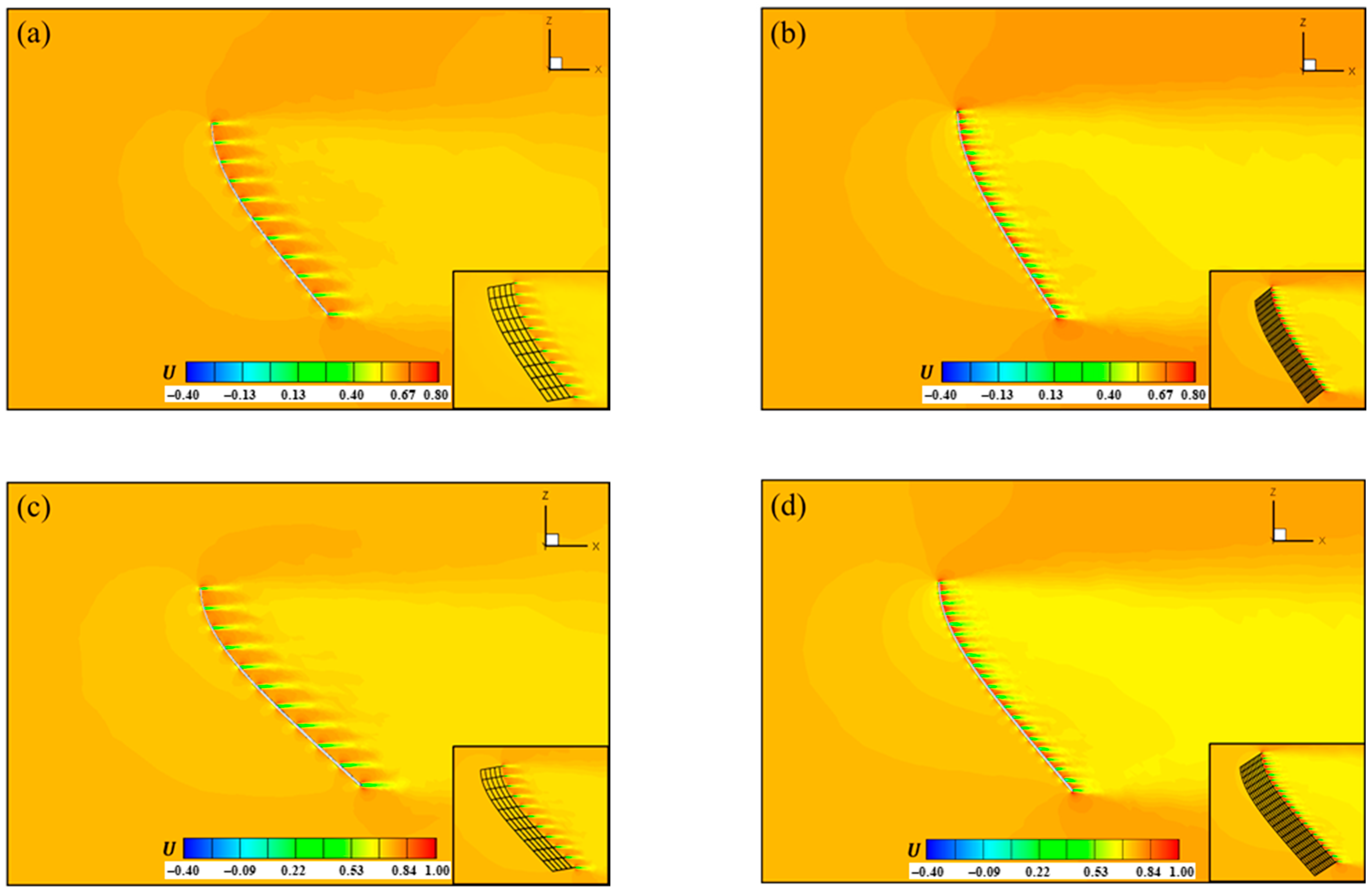
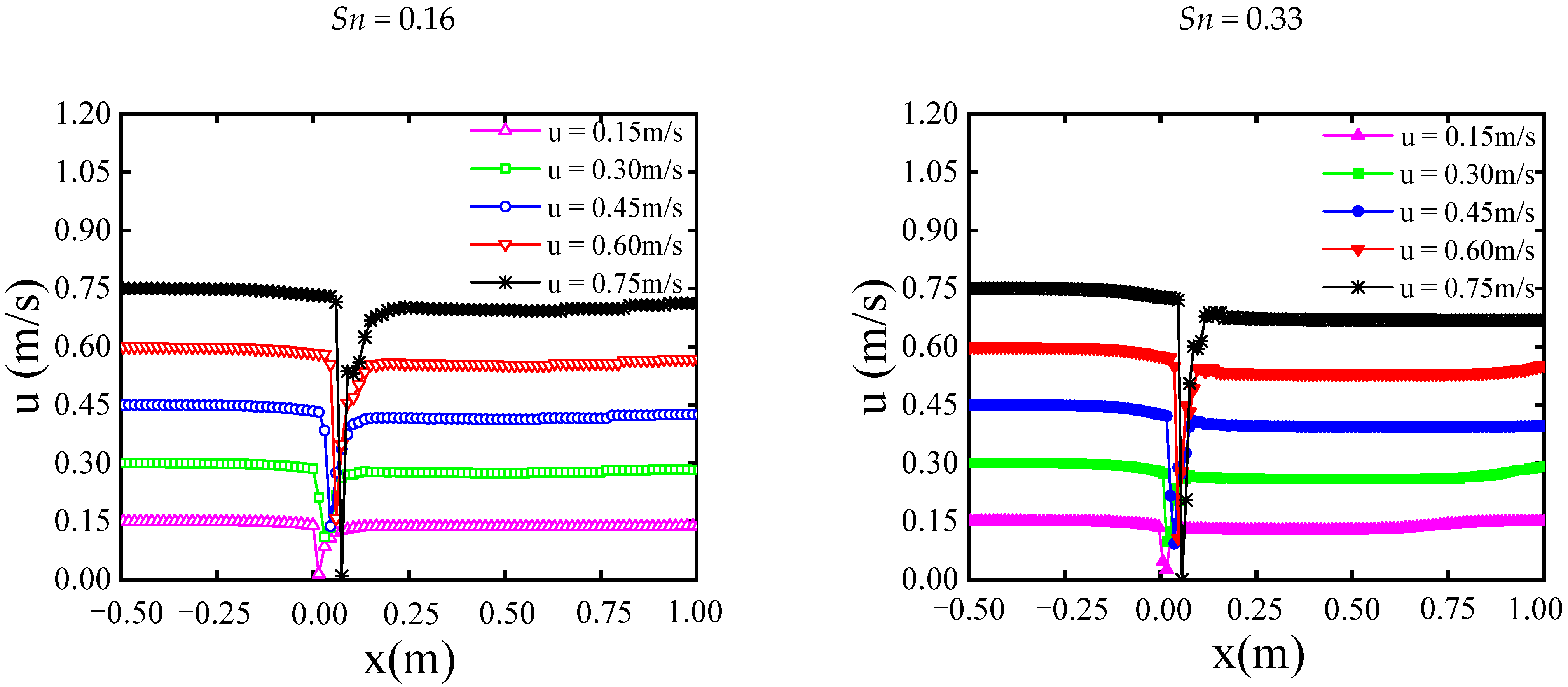
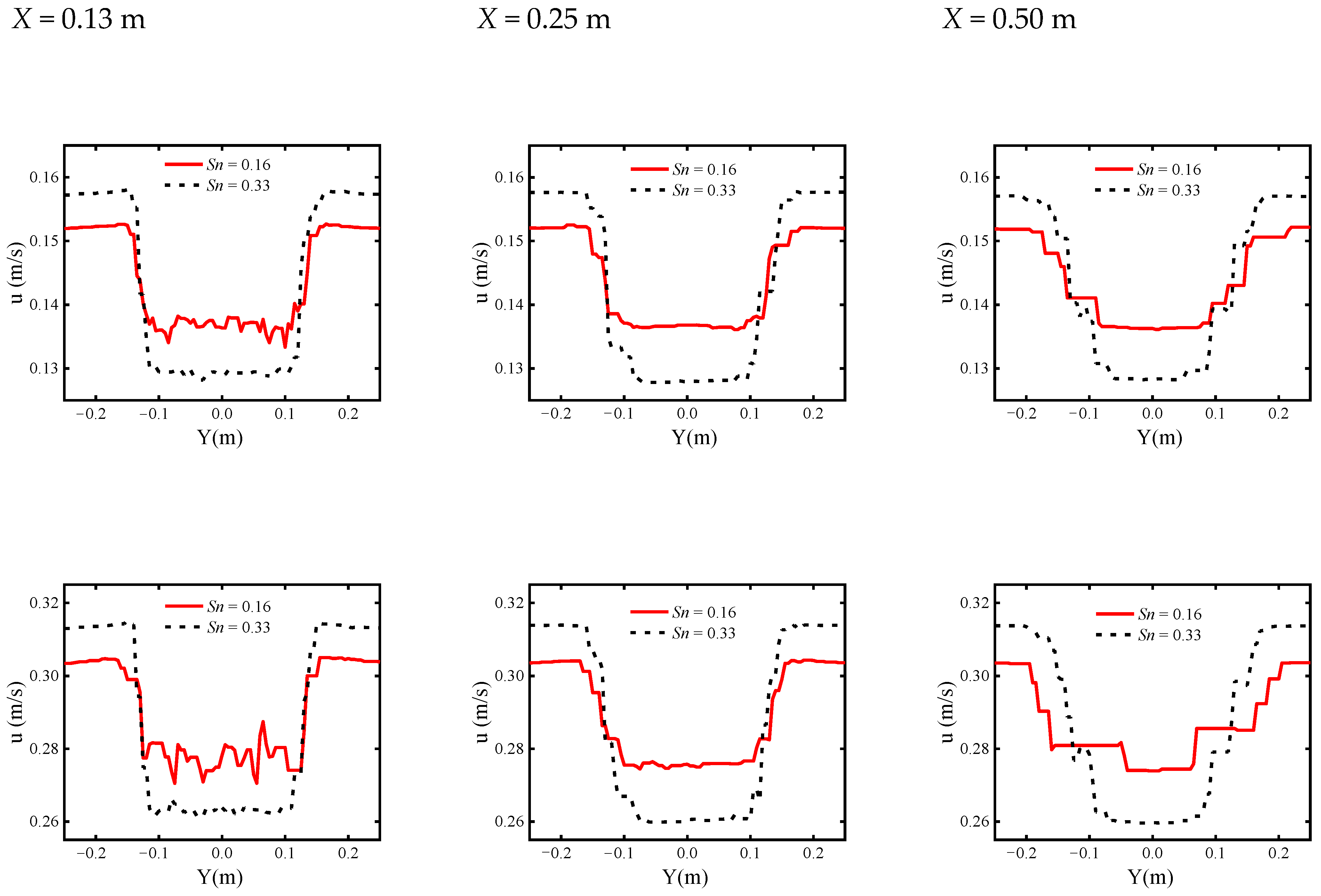
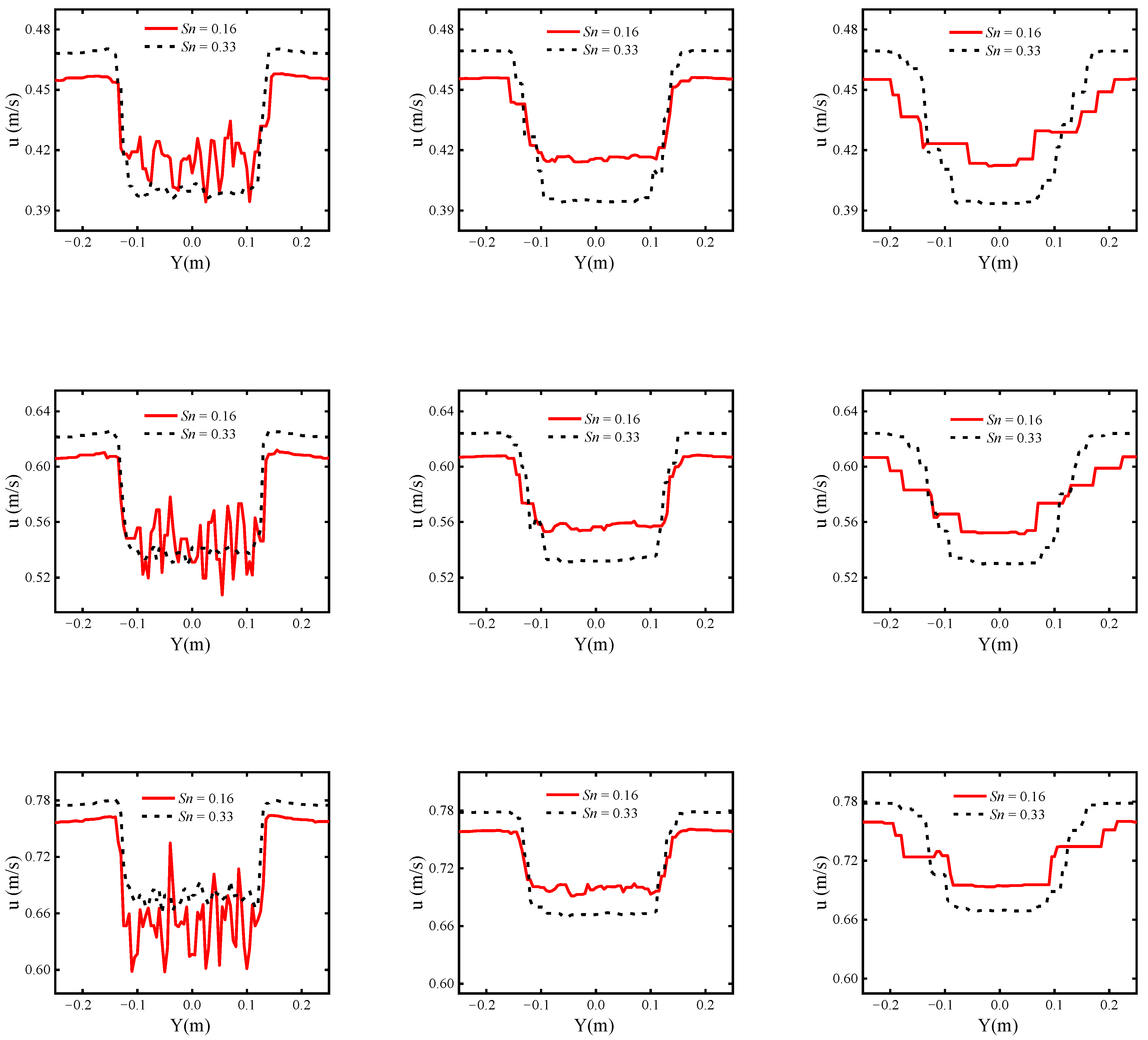
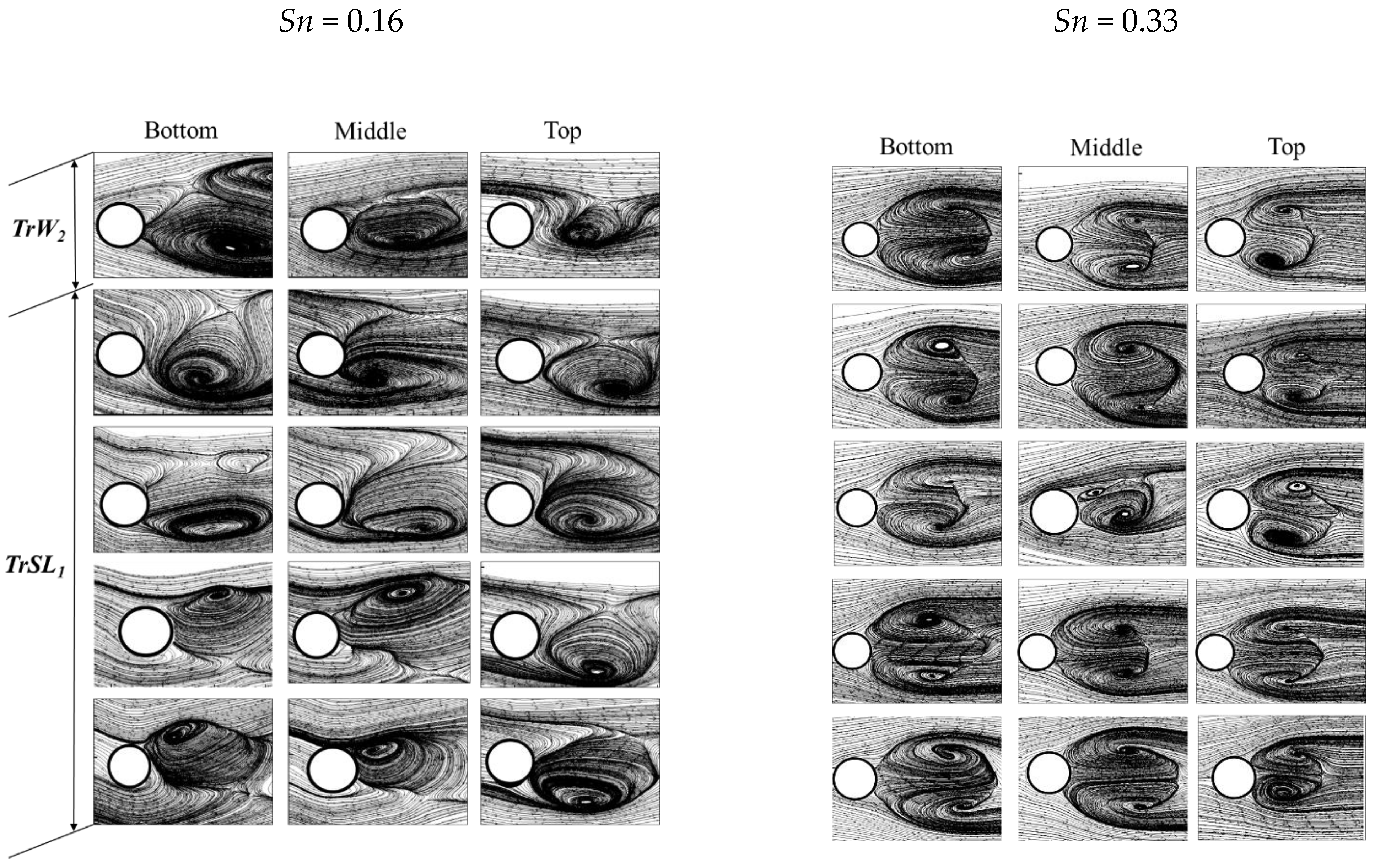
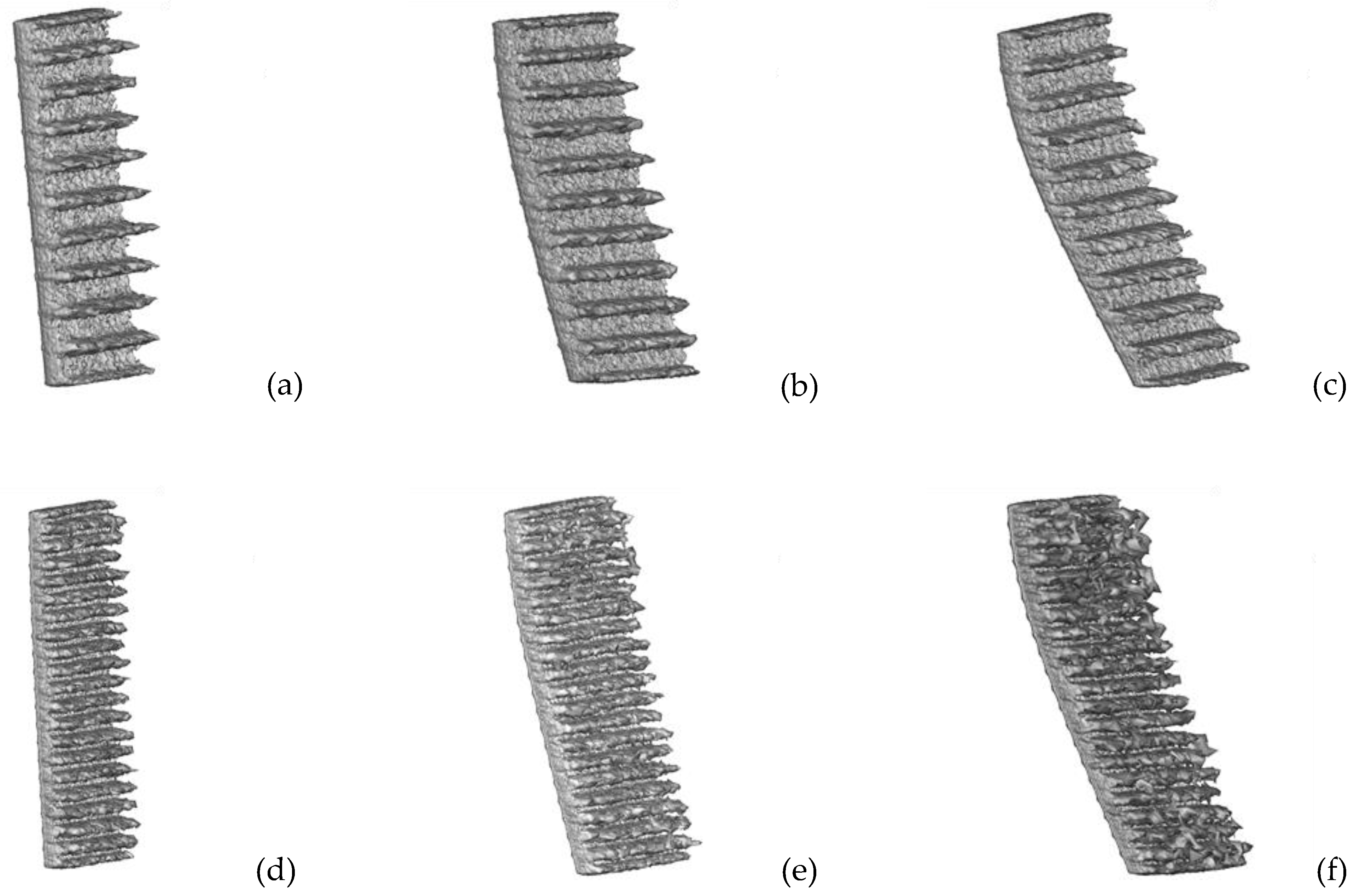
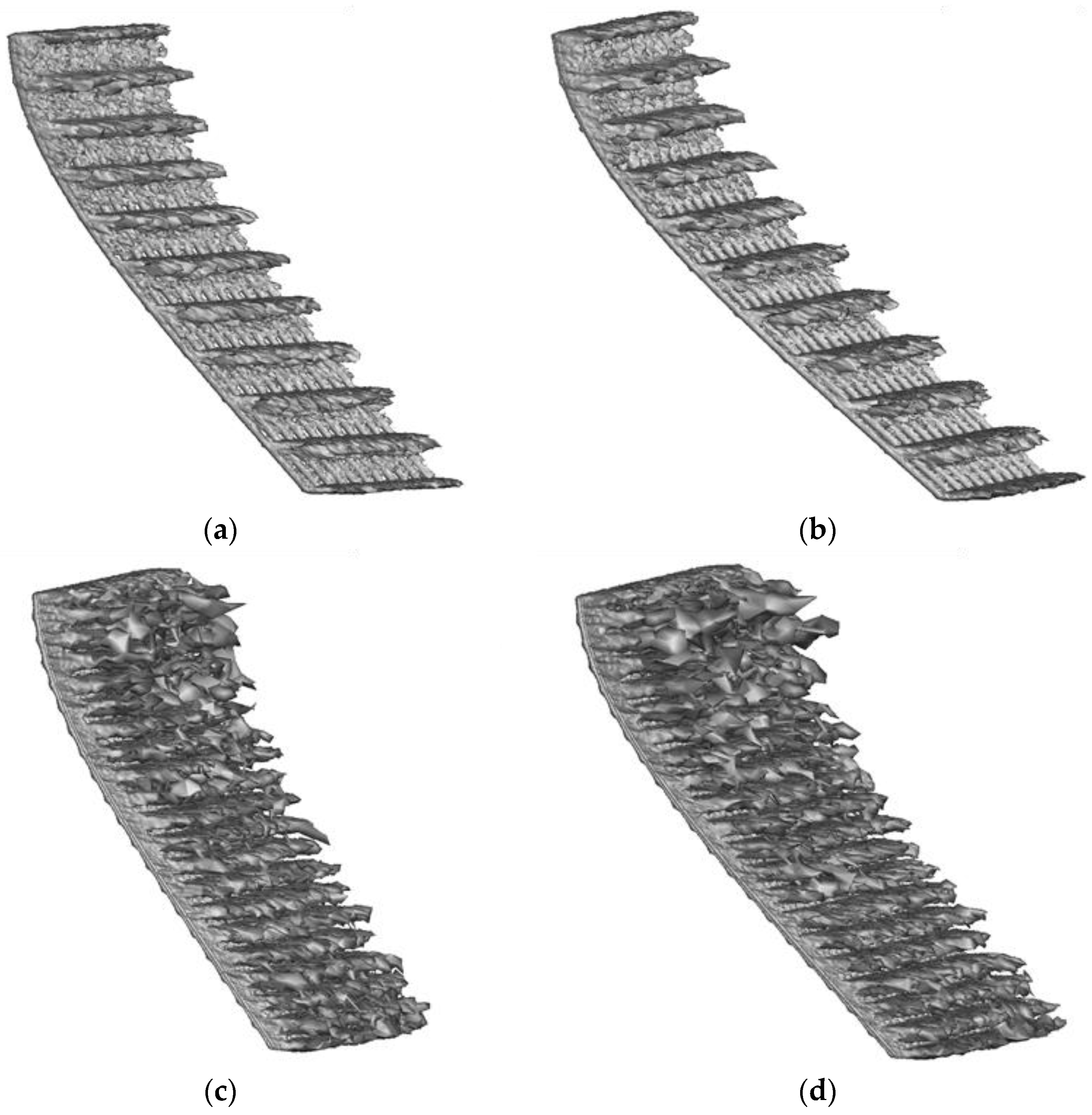
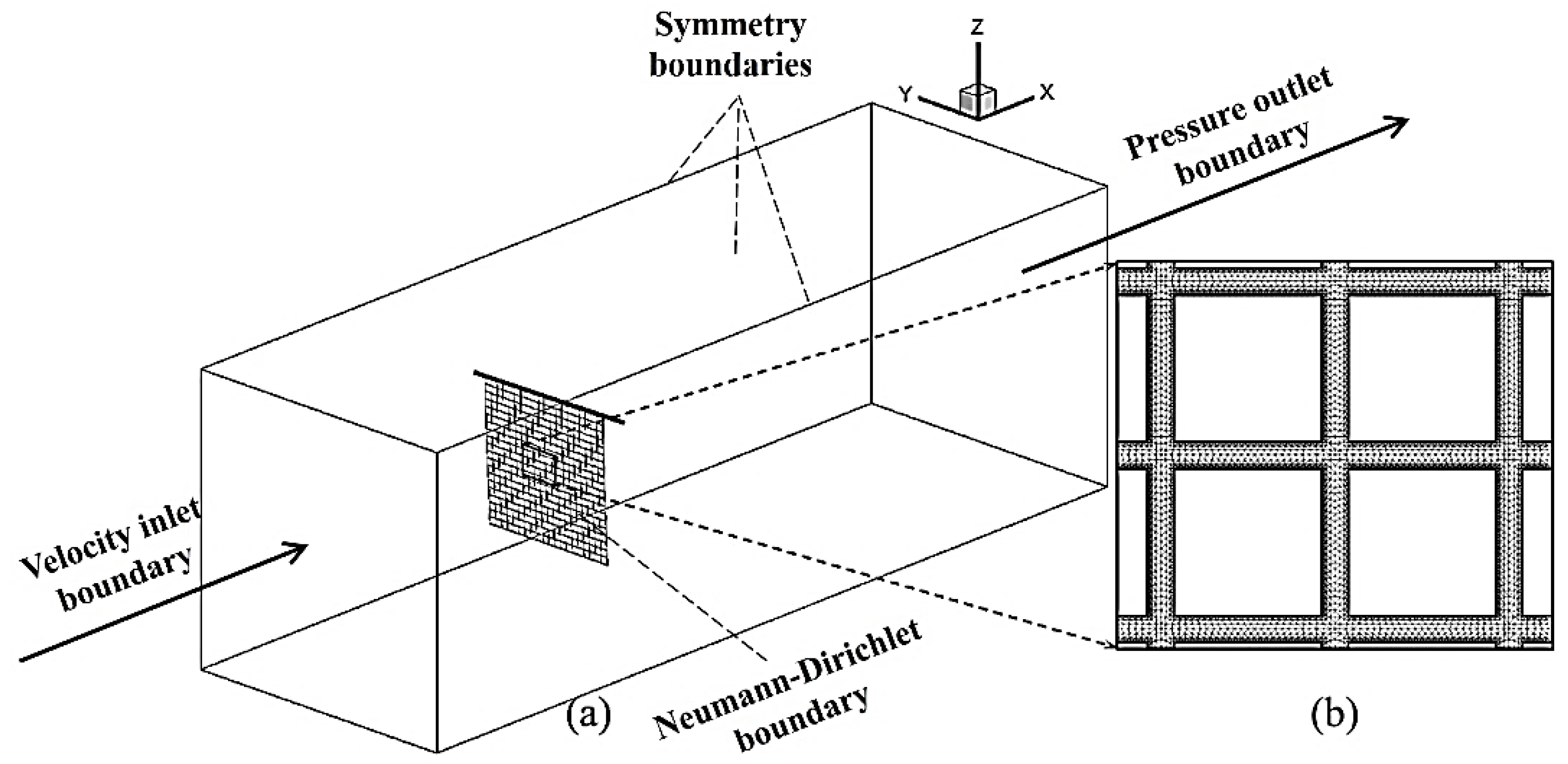
Fluid–structure interactions of flexible net panels are complex and lack sufficient exploration. To examine the flow characteristics of flexible net panels with large deformation, we propose a partitioned coupling scheme in this paper. The coupled fluid–structure equations are solved separately under finite volume and finite element frameworks. The interface traction from the fluid solver is considered as a Neumann boundary condition for the solid domain, and the interface velocity is applied as a Dirichlet boundary condition for the fluid problem. Then, the forces can be transferred along the interface via Dirichlet-to-Neumann mapping. The results show that both the drag coefficient and the velocity reduction increase alongside the net solidity ratio (Sn), but they decrease as the Reynolds number/attack angle increases. A comparative study of drag coefficients is made between the present numerical simulations and the analytical predictions. This paper also examines the velocity distribution and vortex formation of flexible net panels. A single vortex forms in the shear layers and the wake when Sn = 0.16, and a pair of vortices mostly forms in the wake when Sn = 0.33. The vertical net twines predominantly affect the formation of the vortex behind the net, leading to delayed vortex shedding. The flow exhibits wake interactions due to the interference between the net twines in the high-solidity net panel. No such interference occurs in the low-solidity net panel, but the altered shear layers could cause severe velocity fluctuations in the near field.
Keywords: flexible net panel; fluid–structure interactions; partitioned coupling scheme; vorticity flexible net panel; fluid–structure interactions; partitioned coupling scheme; vorticity