Article

Cutting Flute and Thread Design on Self-Tapping Pedicle Screws Influence the Insertion Torque and Pullout Strength

1
Department of Orthopedics, Shuang Ho Hospital, Taipei Medical University, New Taipei City 23561, Taiwan
2
Department of Orthopaedics, School of Medicine, College of Medicine, Taipei Medical University, Taipei City 110, Taiwan
3
Graduate Institute of Biomedical Materials and Tissue Engineering, College of Biomedical Engineering, Taipei Medical University, Taipei City 100, Taiwan
4
Division of Neurosurgery, Department of Surgery, National Taiwan University Hospital, Taipei City 100, Taiwan
5
Department of Orthopedic Surgery, Wan Fang Hospital, Taipei Medical University, Taipei City 110, Taiwan
*
Author to whom correspondence should be addressed.
Appl. Sci. 2022, 12(4), 1956; https://doi.org/10.3390/app12041956
Submission received: 19 January 2022 / Revised: 8 February 2022 / Accepted: 9 February 2022 / Published: 13 February 2022
(This article belongs to the Special Issue Applied Sciences in Orthopaedics)

Abstract

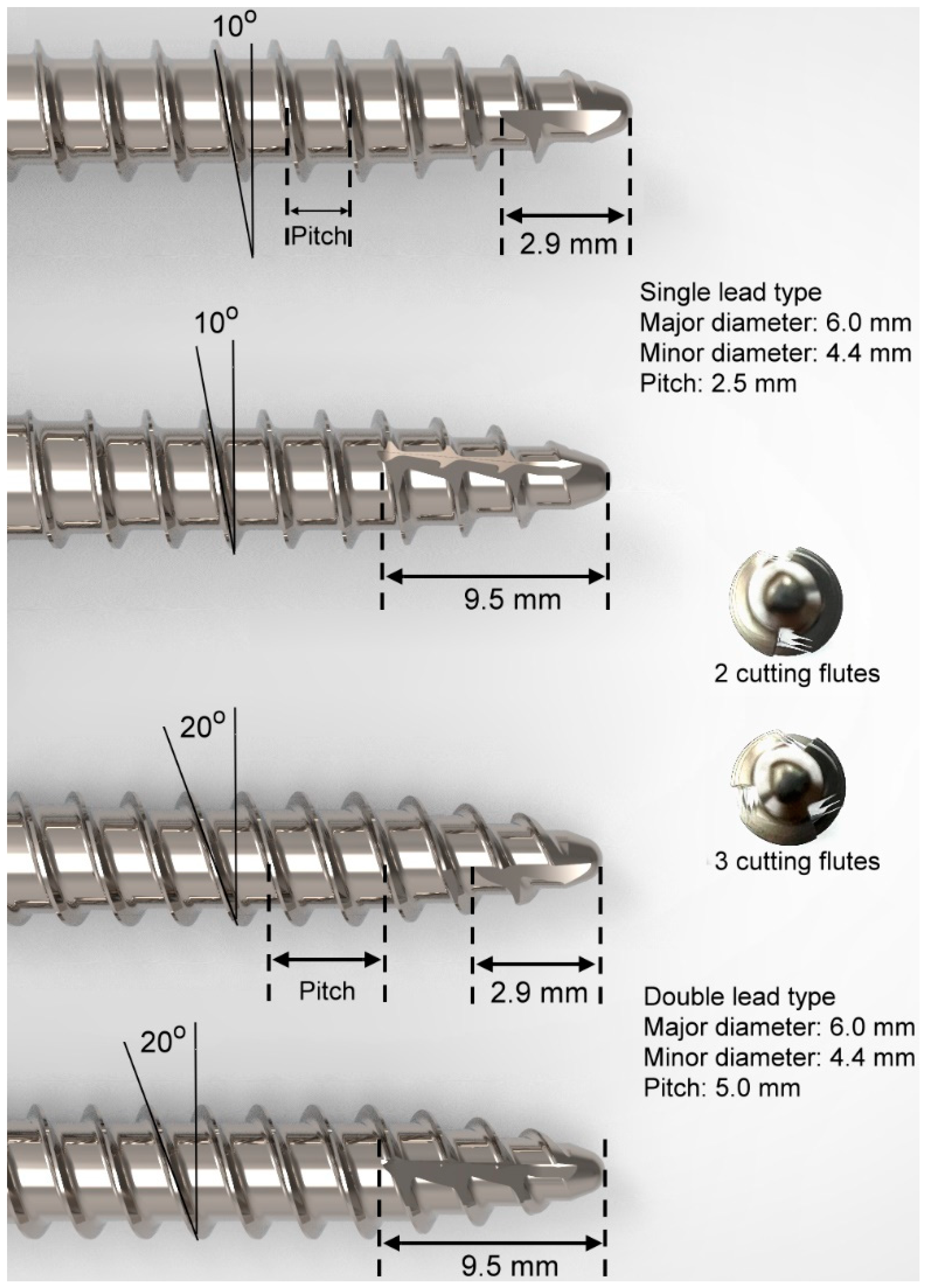
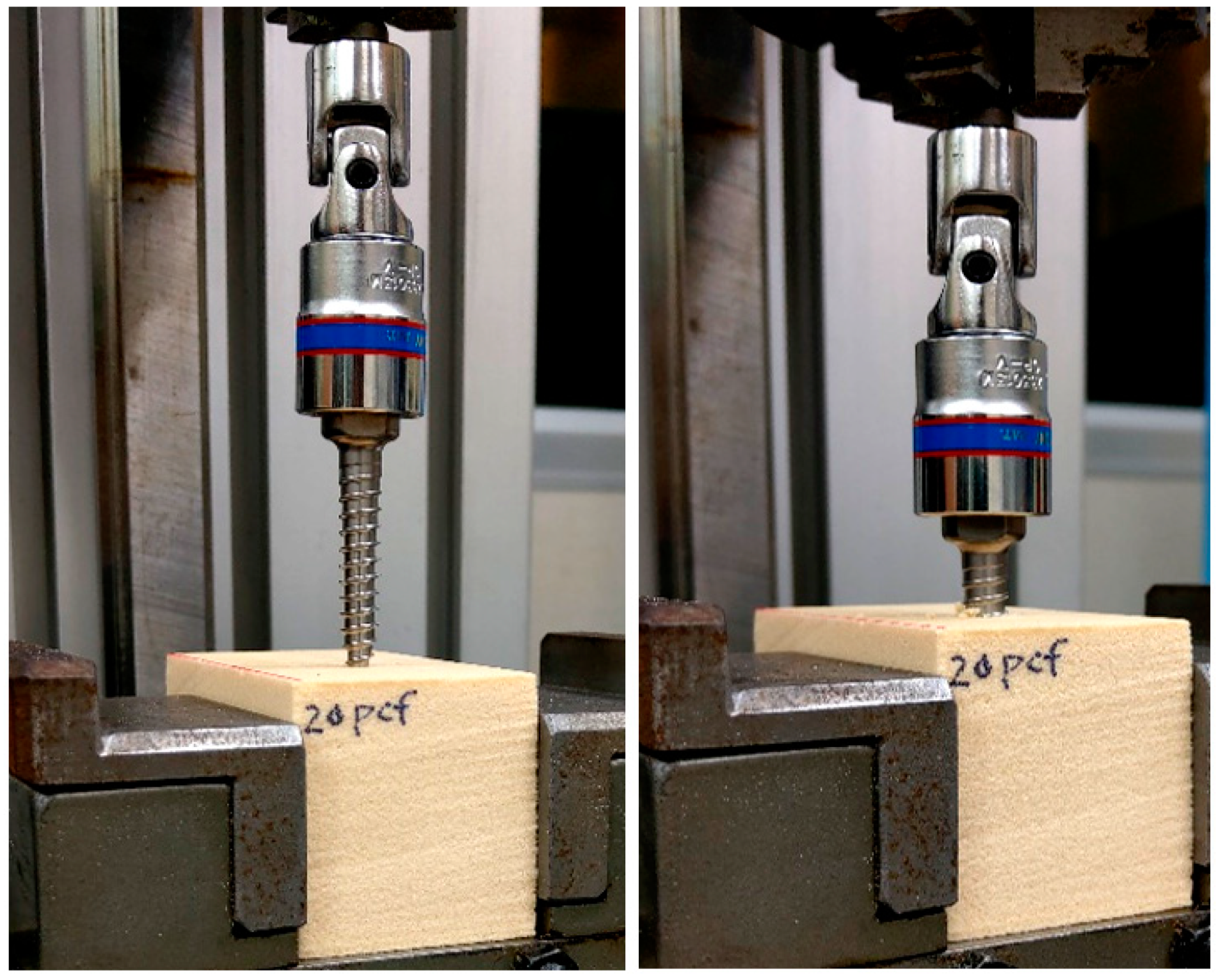
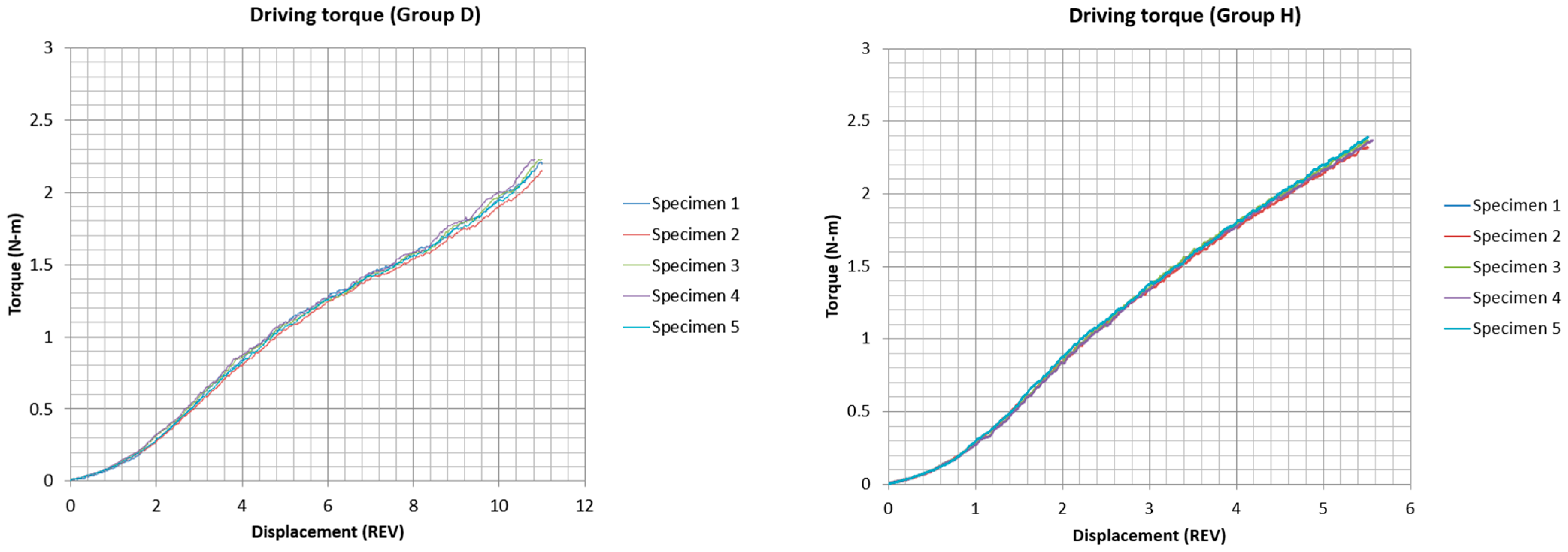
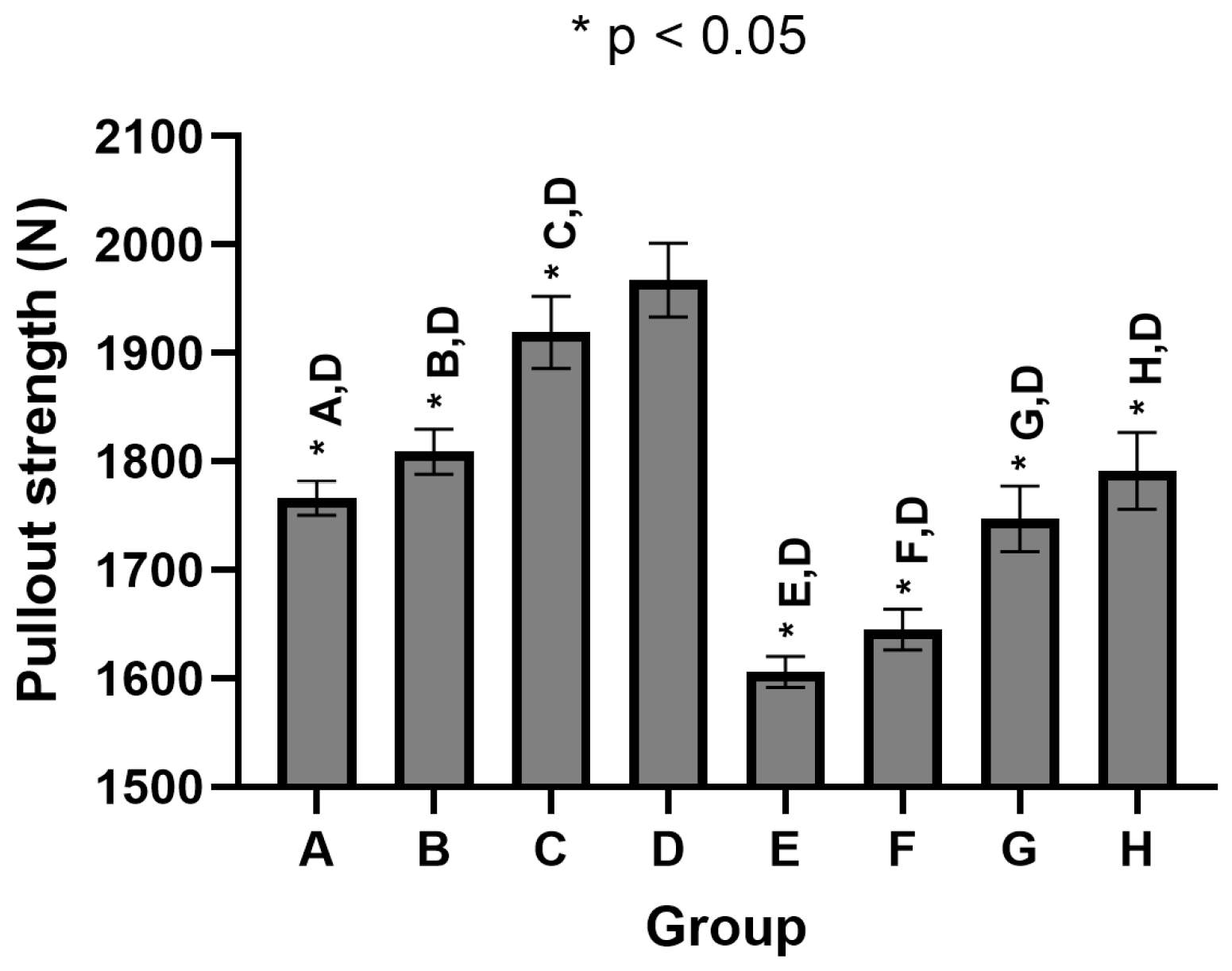
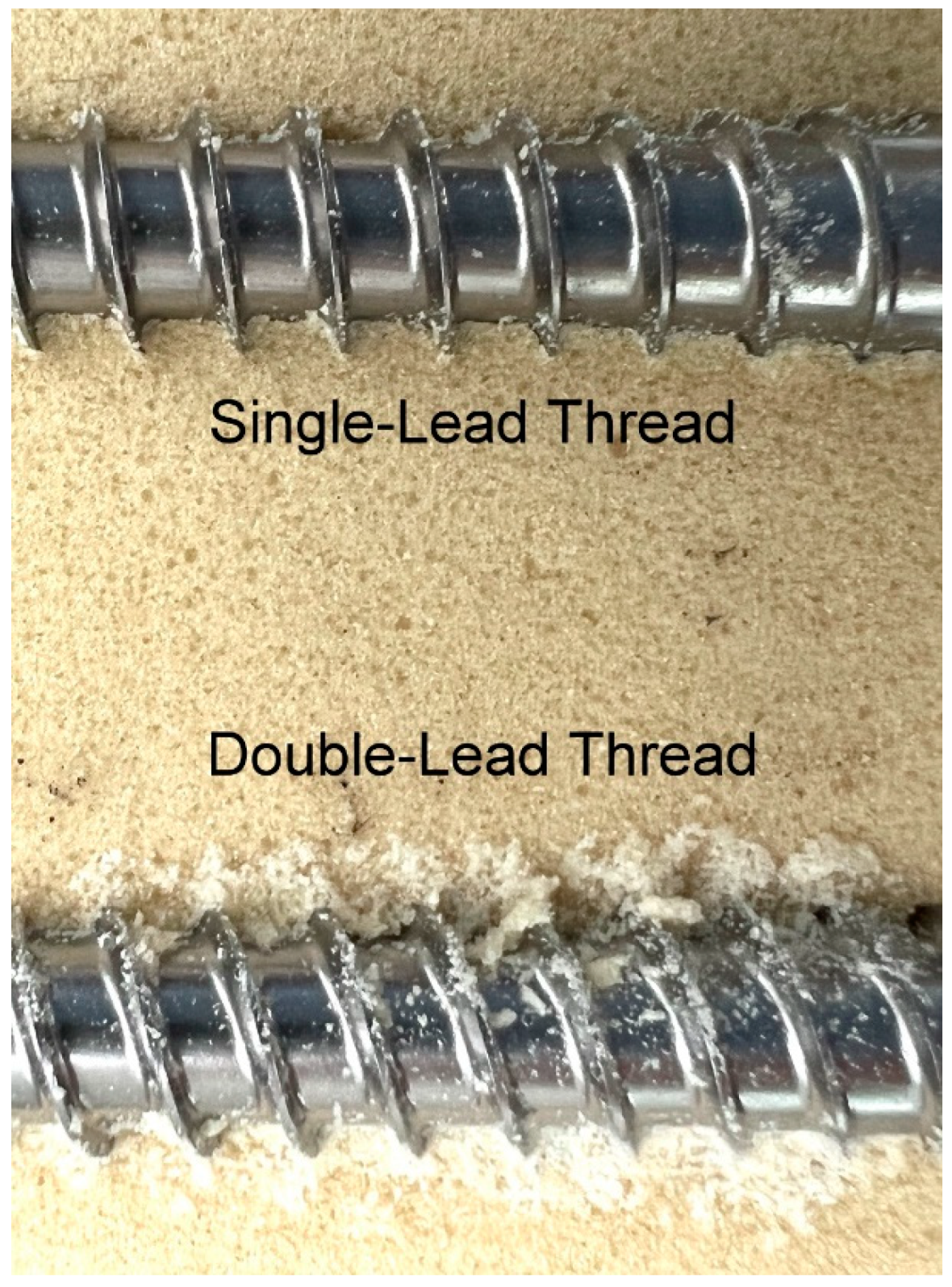
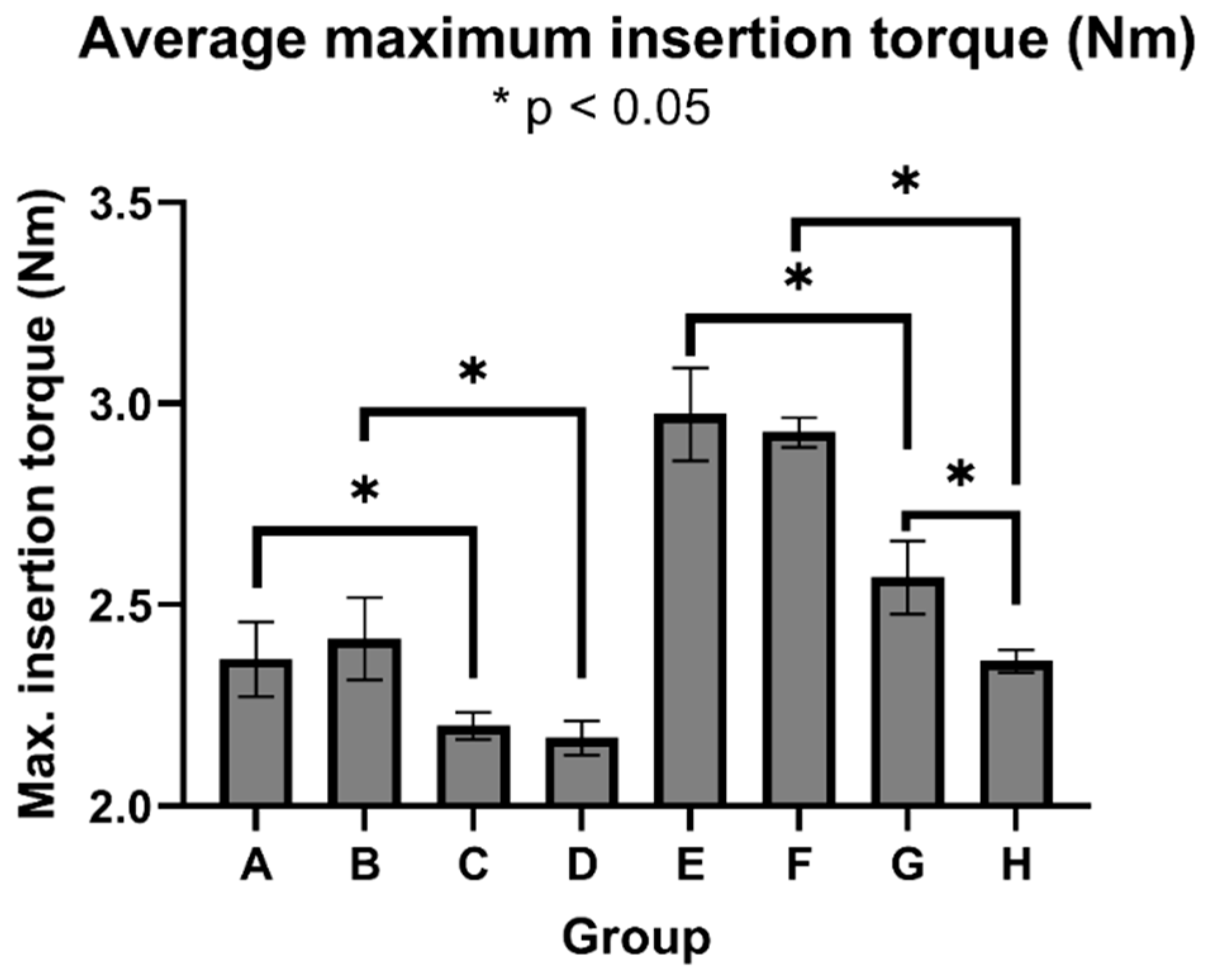
Self-tapping screws are commonly used in trauma and maxillofacial surgery and are increasingly used for pedicle screw insertions. In order to evaluate how the quantity and length of cutting flutes on self-tapping pedicle screws affect the insertion torque and pullout strength, eight different self-tapping pedicle screw designs were evaluated. All screws had a threaded length of 35 mm and featured variations in the number of leads, as well as the length and quantity of cutting flutes. Five samples of each design were inserted into pre-drilled, untapped holes (ø2.7 mm, length 35 mm) in sawbone blocks of density 20 PCF. The insertion torque and pullout strength were measured according to ASTM F543. The results showed that screws with a longer cutting flute of 9.5 mm had a lower mean maximum insertion torque than screws with shorter 2.9 mm cutting flutes. Pedicle screws with a double-lead thread design had a greater insertion torque than their single-lead counterparts, and the use of three cutting flutes produced a lower torque than two cutting flutes. The results demonstrated a greater pullout strength in screws with a single-lead thread rather than a double-lead, three cutting flutes instead of two, and a longer length for the cutting flute. In conclusion, to provide immediate stability and reduce the surgical insertion time, a single-lead, self-tapping pedicle screw incorporating three long cutting flutes is recommended because of the significantly greater pullout strength. This design could also reduce the risk of implant loosening in comparison to double-lead, self-tapping pedicle screw designs.
Keywords: self-tapping screws; pedicle screws; cutting flute; insertion torque; pullout strength self-tapping screws; pedicle screws; cutting flute; insertion torque; pullout strength