Review

A Study of Network Intrusion Detection Systems Using Artificial Intelligence/Machine Learning

1
Department of Electronic and Computer Engineering, University of Limerick, V94 T9PX Limerick, Ireland
2
Confirm—SFI Centre for Smart Manufacturing, Park Point, Dublin Rd, Castletroy, V94 C928 Limerick, Ireland
3
Department of Computer Sciences, Munster Technological University (MTU), T12 P928 Cork, Ireland
4
Software Research Institute, Technological University of the Shannon, Midlands Midwest, N37 HD68 Athlone, Ireland
*
Author to whom correspondence should be addressed.
Appl. Sci. 2022, 12(22), 11752; https://doi.org/10.3390/app122211752
Submission received: 25 October 2022 / Revised: 11 November 2022 / Accepted: 15 November 2022 / Published: 18 November 2022
(This article belongs to the Special Issue Information Security and Privacy)

Abstract

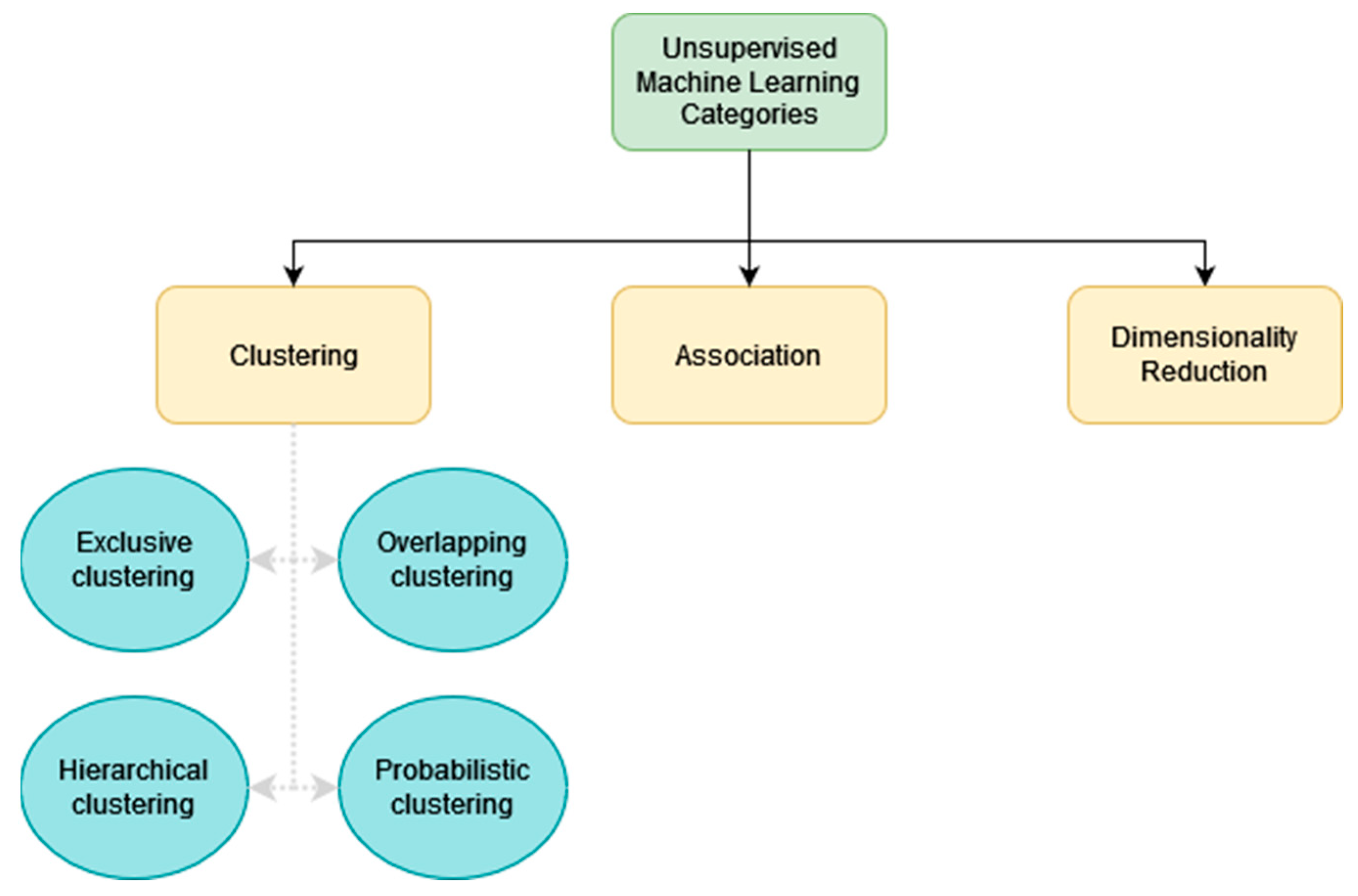
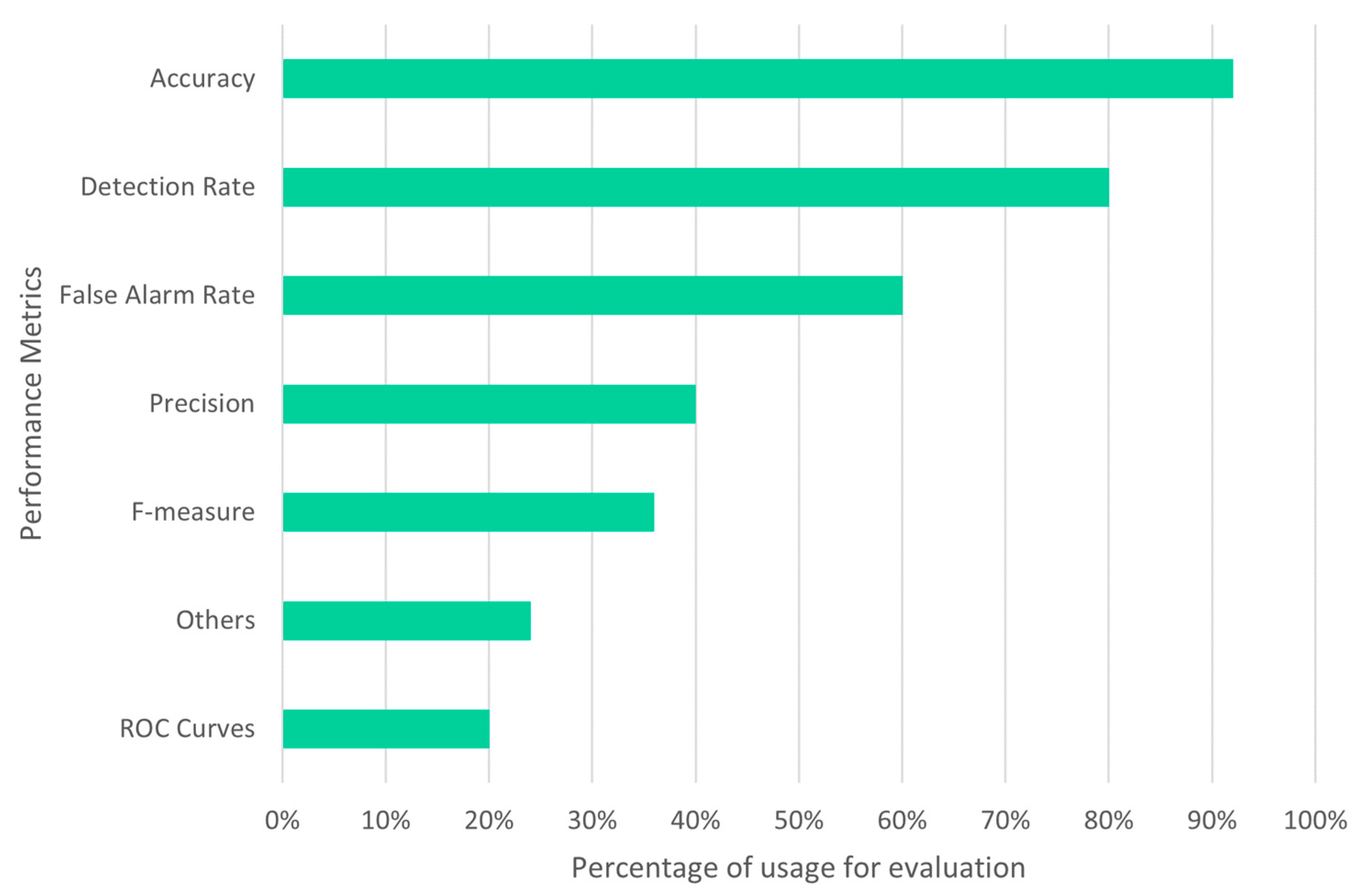
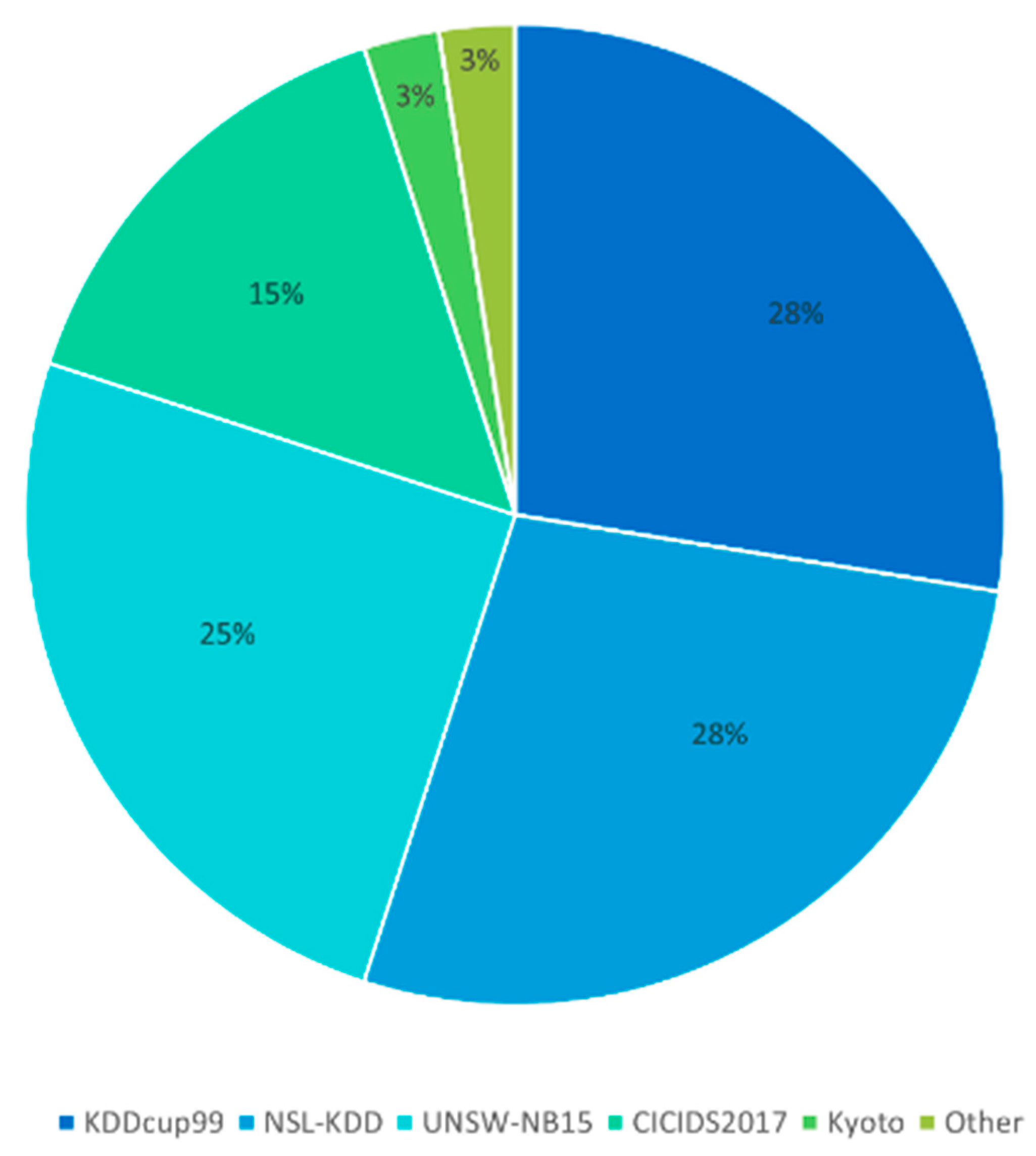
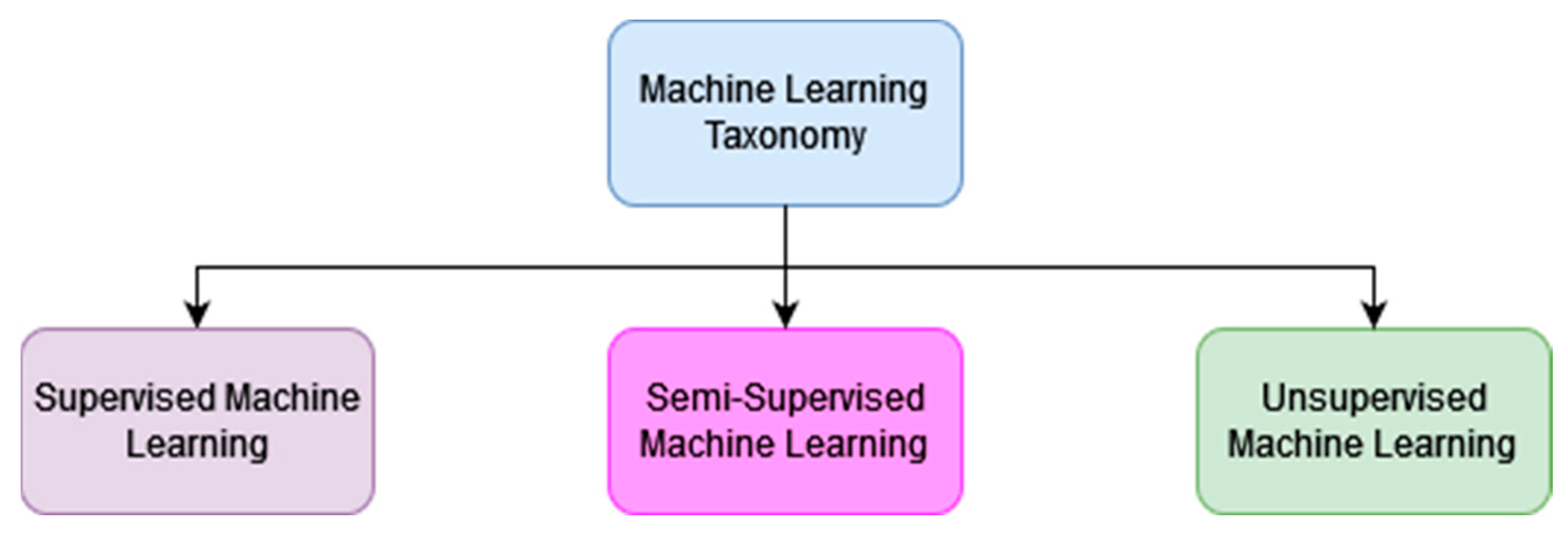
The rapid growth of the Internet and communications has resulted in a huge increase in transmitted data. These data are coveted by attackers and they continuously create novel attacks to steal or corrupt these data. The growth of these attacks is an issue for the security of our systems and represents one of the biggest challenges for intrusion detection. An intrusion detection system (IDS) is a tool that helps to detect intrusions by inspecting the network traffic. Although many researchers have studied and created new IDS solutions, IDS still needs improving in order to have good detection accuracy while reducing false alarm rates. In addition, many IDS struggle to detect zero-day attacks. Recently, machine learning algorithms have become popular with researchers to detect network intrusion in an efficient manner and with high accuracy. This paper presents the concept of IDS and provides a taxonomy of machine learning methods. The main metrics used to assess an IDS are presented and a review of recent IDS using machine learning is provided where the strengths and weaknesses of each solution is outlined. Then, details of the different datasets used in the studies are provided and the accuracy of the results from the reviewed work is discussed. Finally, observations, research challenges and future trends are discussed.
Keywords: Intrusion Detection Systems (IDS); machine learning; network security; Intrusion Prevention Systems (IPS); deep learning algorithms Intrusion Detection Systems (IDS); machine learning; network security; Intrusion Prevention Systems (IPS); deep learning algorithms