Article

Evaluation and Comparison of Spatial Clustering for Solar Irradiance Time Series

1
Sciences for Environment Laboratory, University of Corsica Pasquale Paoli, UMR CNRS 6134, 20000 Ajaccio, France
2
Department of Electronic Engineering, School of Exact Sciences and Engineering, Universidad Sergio Arboleda, 11000 Bogotá, Colombia
3
Radiotherapy Unit, Hospital of Castellucio, 20000 Ajaccio, France
4
Universidad Politécnica de Madrid, UPM, Avd. Puerta de Hierro, 2, 28040 Madrid, Spain
*
Author to whom correspondence should be addressed.
Appl. Sci. 2022, 12(17), 8529; https://doi.org/10.3390/app12178529
Submission received: 27 July 2022 / Revised: 22 August 2022 / Accepted: 23 August 2022 / Published: 26 August 2022
(This article belongs to the Special Issue New Developments and Prospects in Clean and Renewable Energies)

Abstract

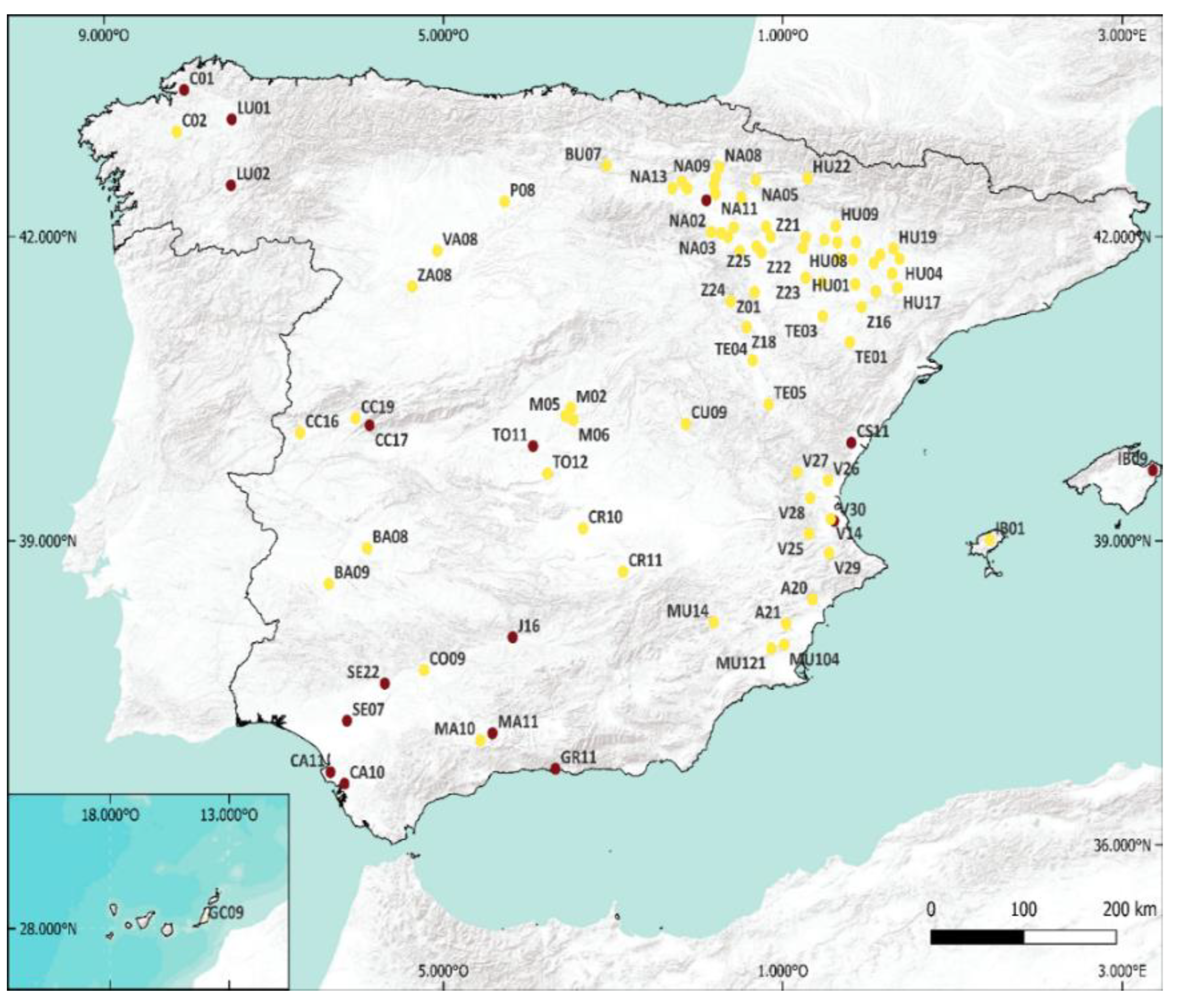
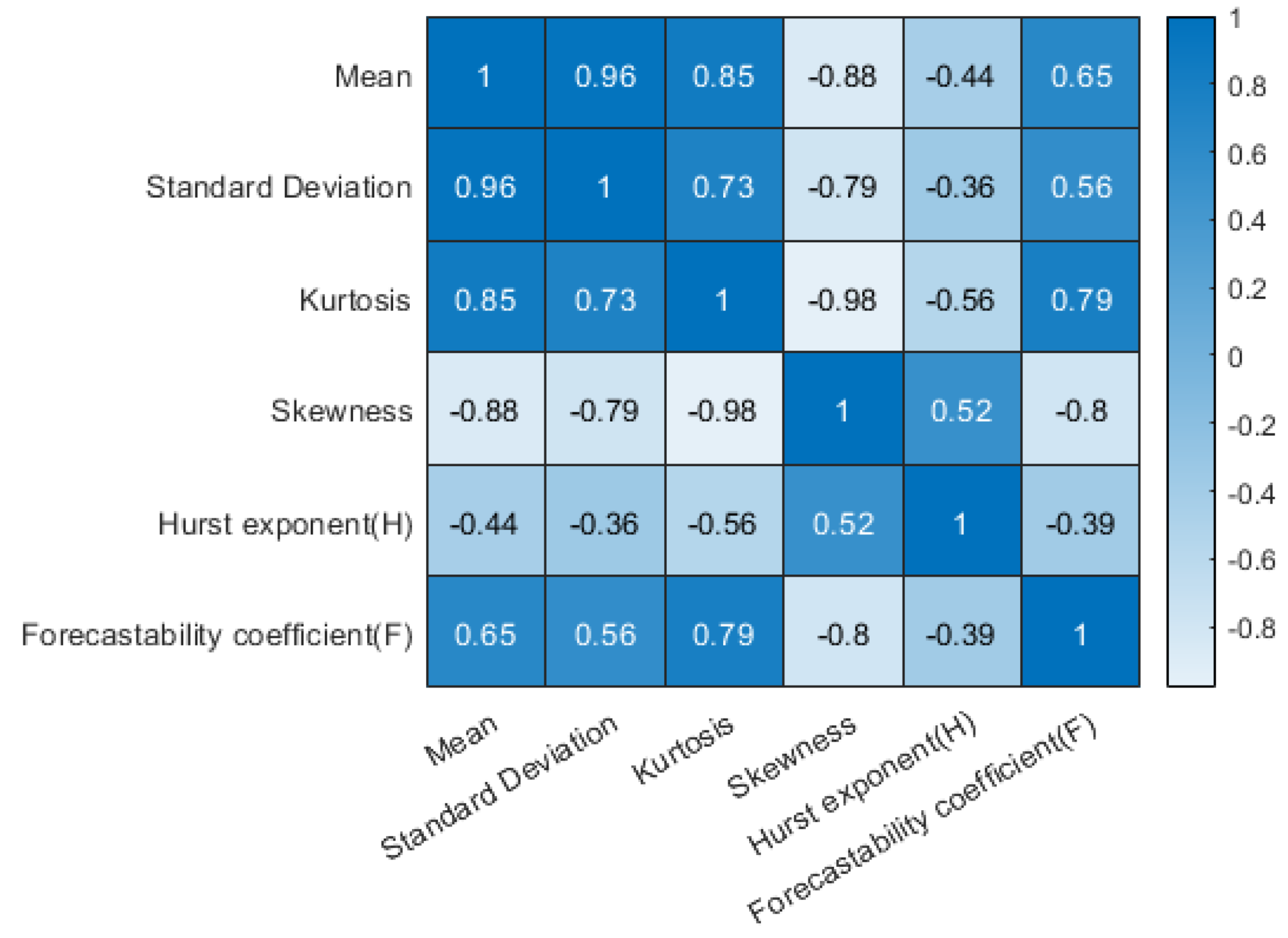
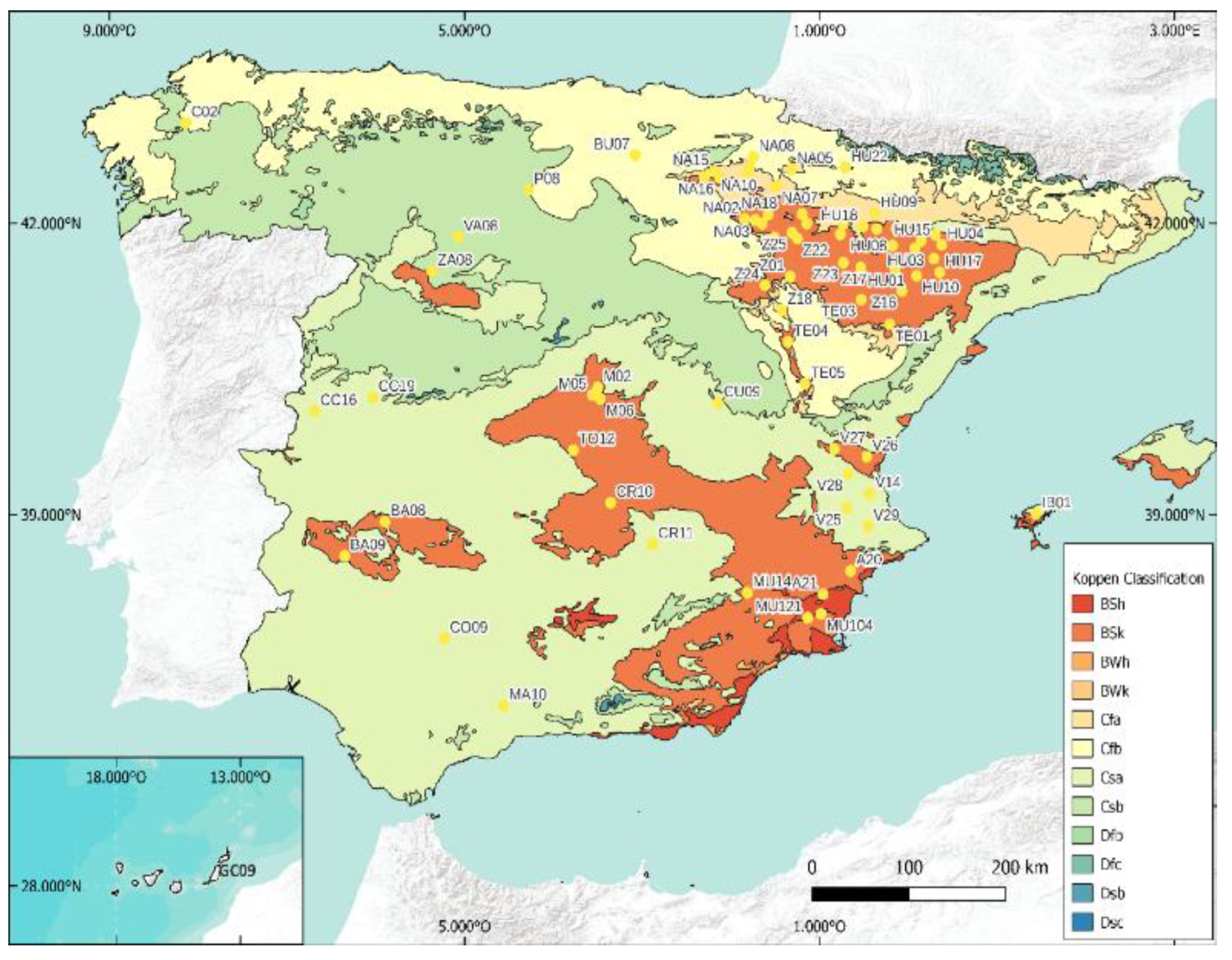
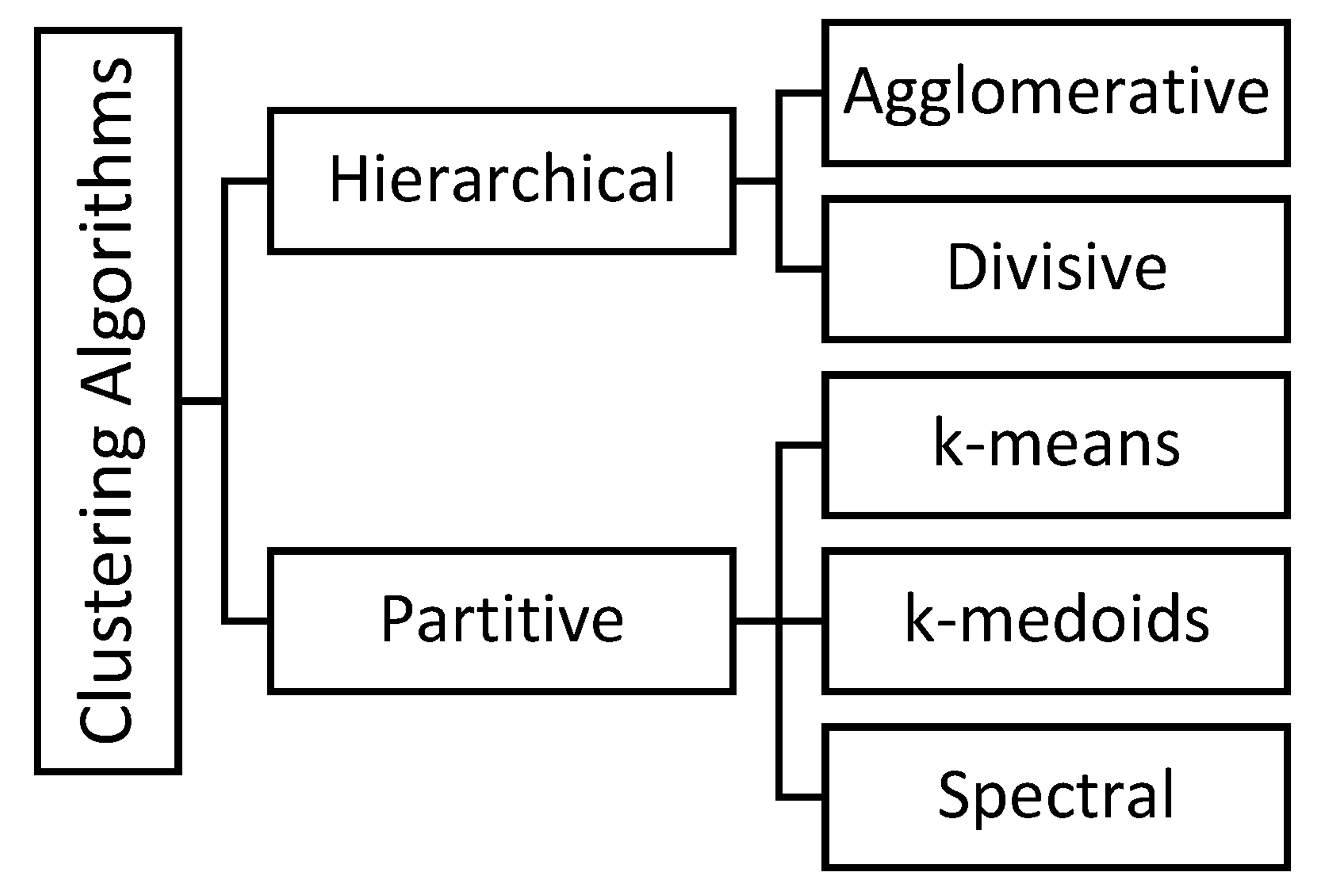
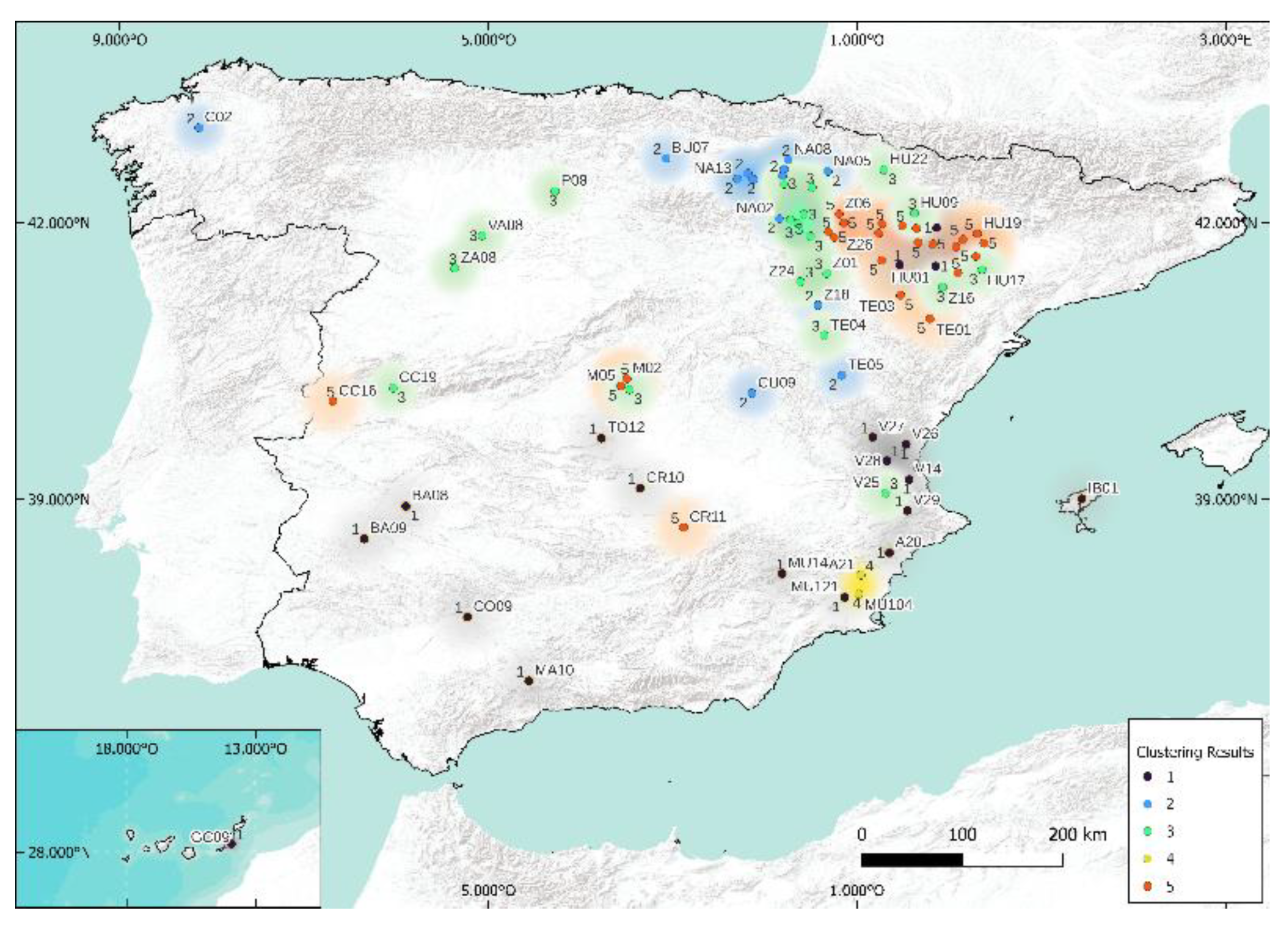
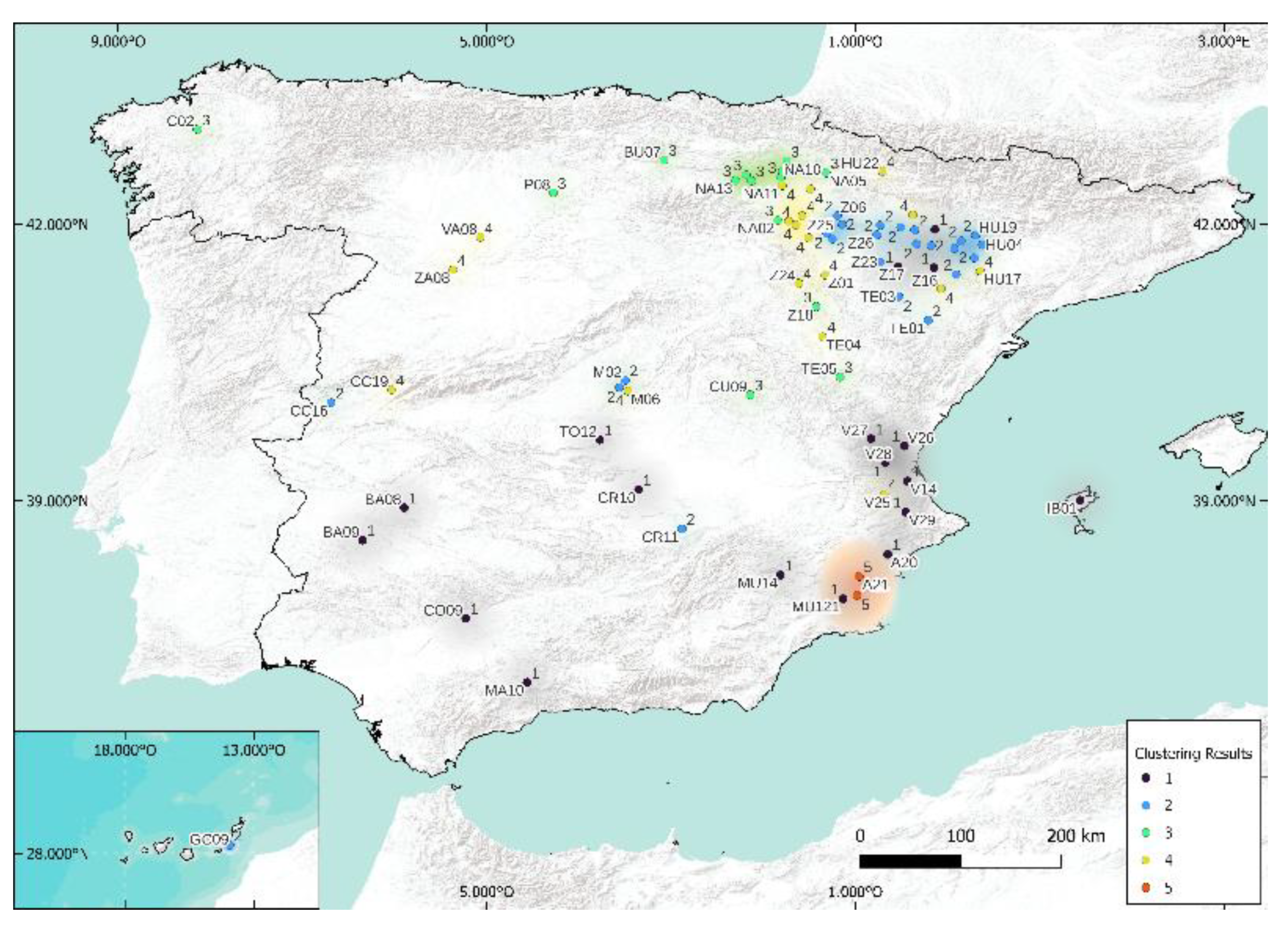
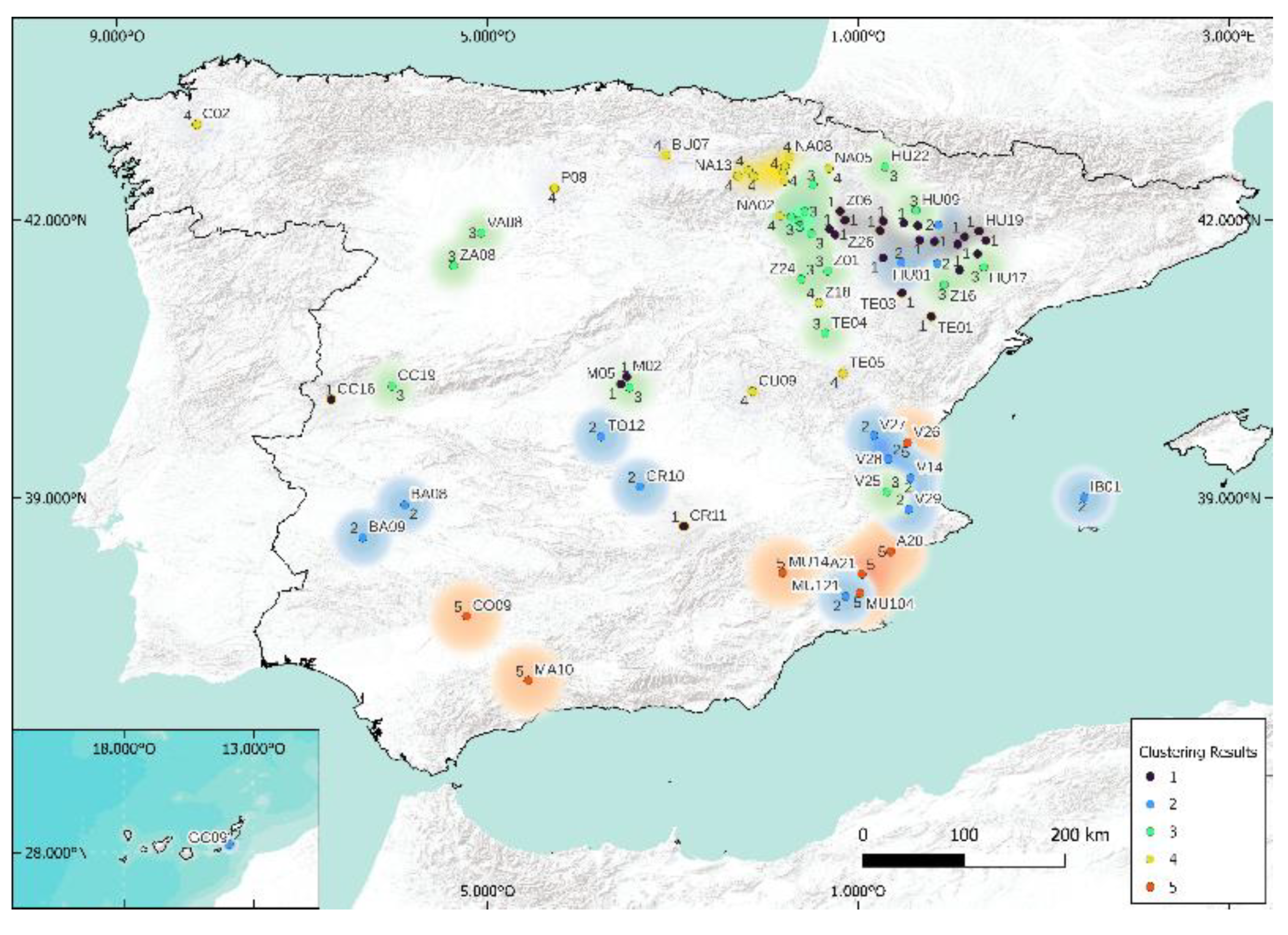
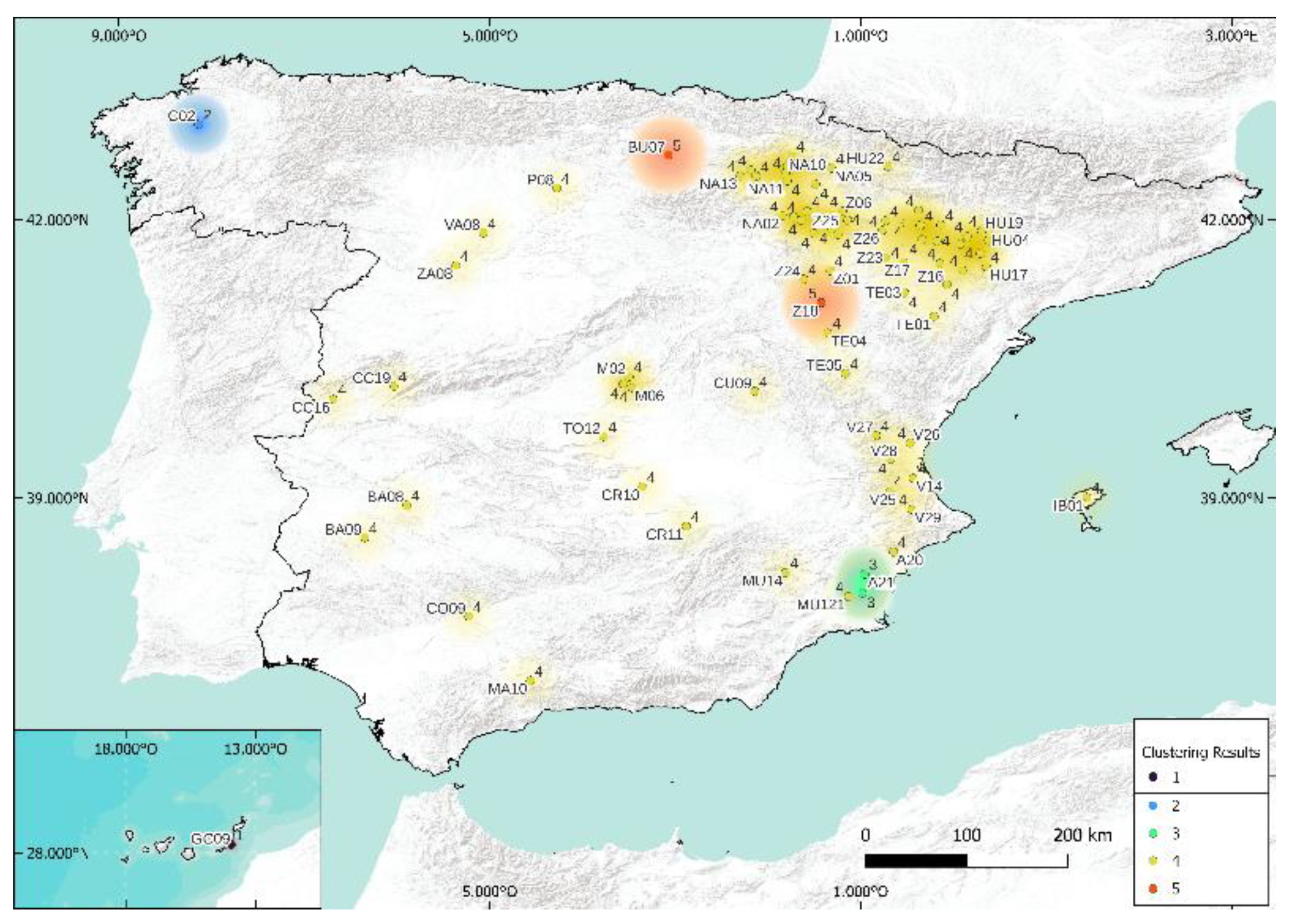
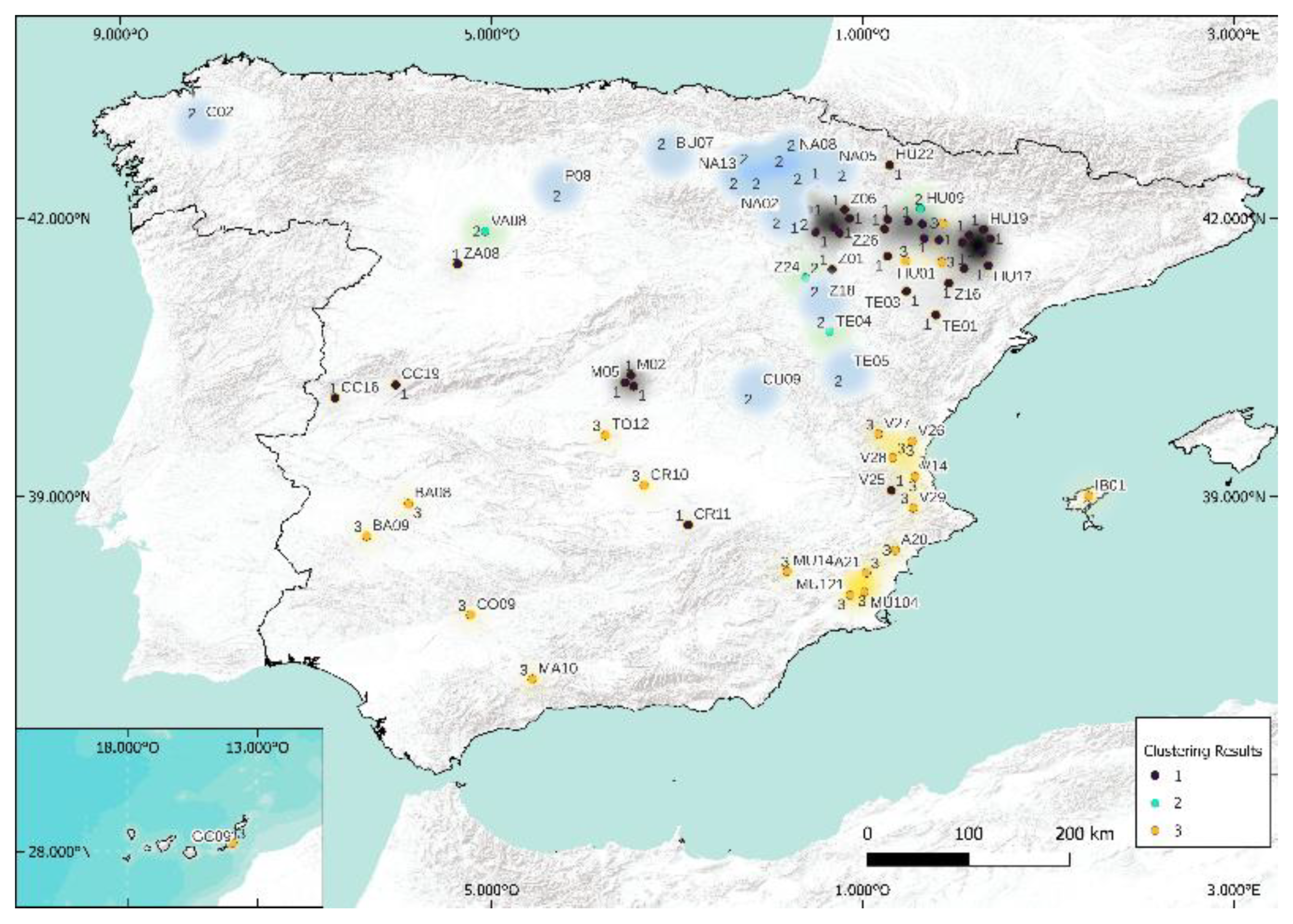
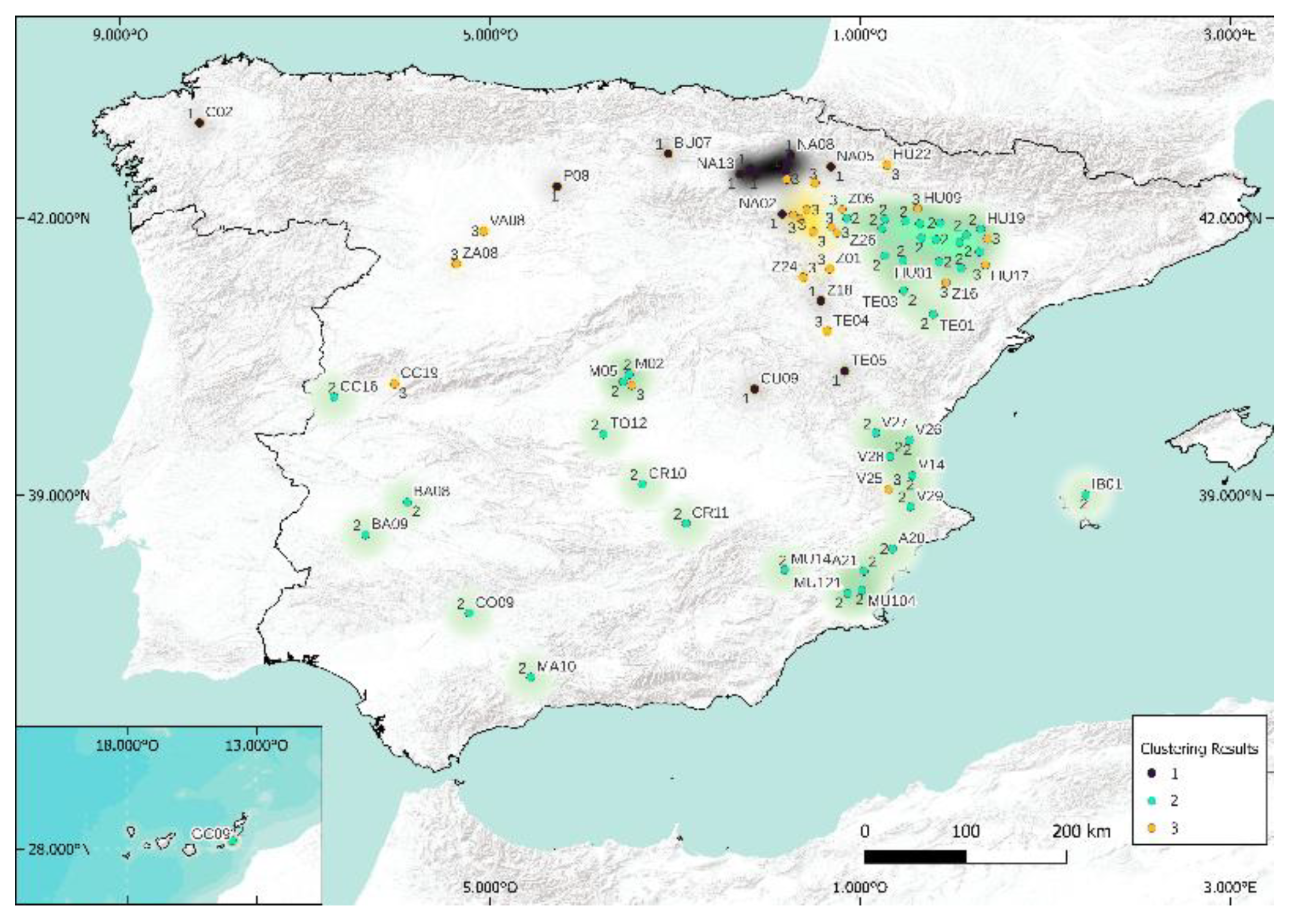
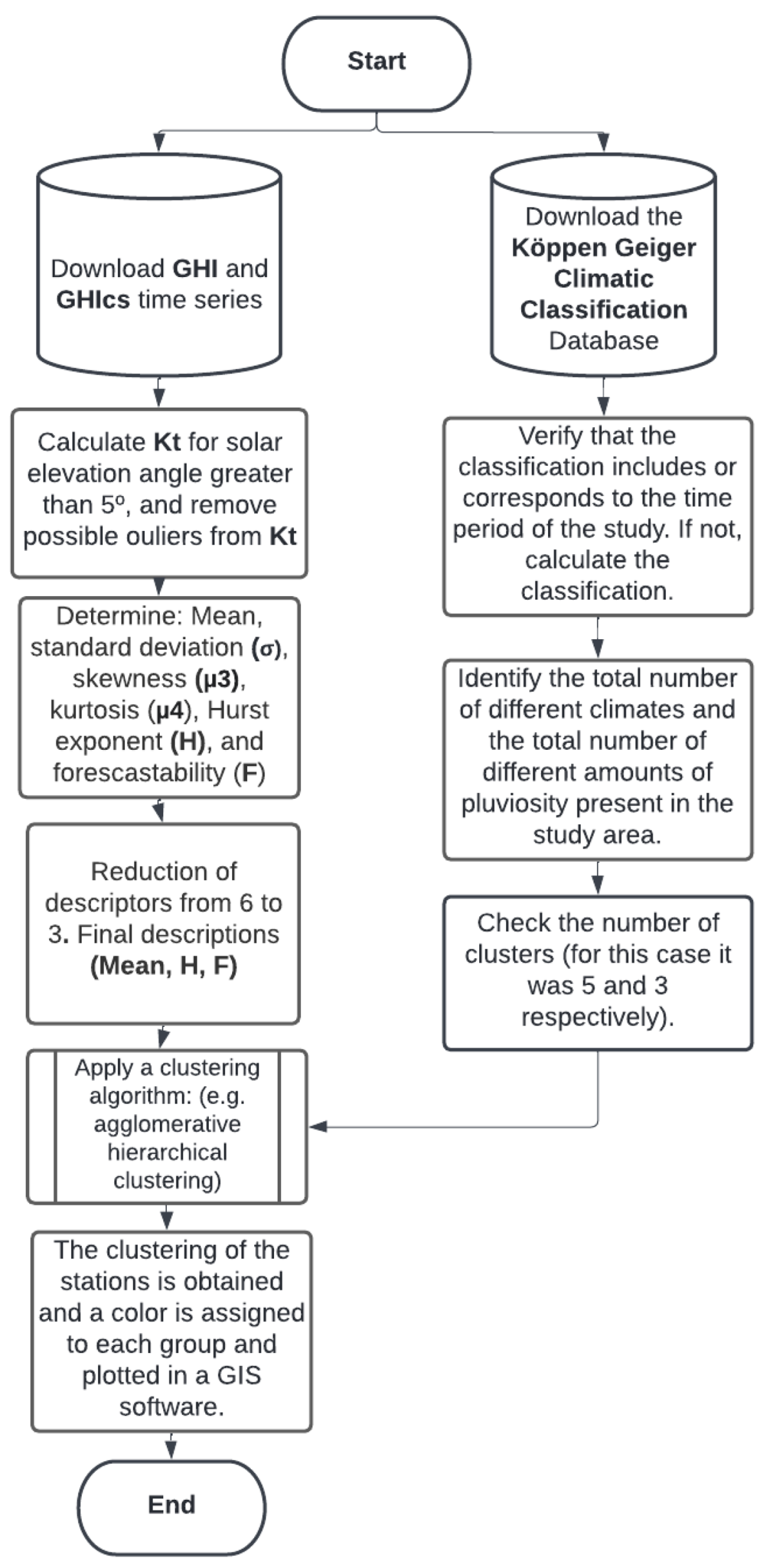
This work exposes an innovative clustering method of solar radiation stations, using static and dynamic parameters, based on multi-criteria analysis for future objectives to make the forecasting of the solar resource easier. The innovation relies on a characterization of solar irradiation from both a quantitative point of view and a qualitative one (variability of the intermittent sources). Each of the 76 Spanish stations studied is firstly characterized by static parameters of solar radiation distributions (mean, standard deviation, skewness, and kurtosis) and then by dynamic ones (Hurst exponent and forecastability coefficient, which is a new concept to characterize the “difficulty” to predict the solar radiation intermittence) that are rarely used, or even never used previously, in such a study. A redundancy analysis shows that, among all the explanatory variables used, three are essential and sufficient to characterize the solar irradiation behavior of each site; thus, in accordance with the principle of parsimony, only the mean and the two dynamic parameters are used. Four clustering methods were applied to identify geographical areas with similar solar irradiation characteristics at a half-an-hour time step: hierarchical, k-means, k-medoids, and spectral cluster. The achieved clusters are compared with each other and with an updated Köppen–Geiger climate classification. The relationship between clusters is analyzed according to the Rand and Jaccard Indexes. For both cases (five and three classes), the hierarchical clustering algorithm is the closest to the Köppen classification. An evaluation of the clustering algorithms’ performance shows no interest in implementing k-means and spectral clustering simultaneously since the results are similar by more than 90% for three and five classes. The recommendations for operating a solar radiation clustering are to use k-means or hierarchical clustering based on mean, Hurst exponent, and forecastability parameters.
Keywords: solar irradiation; data mining; time-series clustering; artificial intelligence; statistics methods solar irradiation; data mining; time-series clustering; artificial intelligence; statistics methods