Article

An Evolutionary-Based Sentiment Analysis Approach for Enhancing Government Decisions during COVID-19 Pandemic: The Case of Jordan
1
King Abdullah II School for Information Technology, The University of Jordan, Amman 11942, Jordan
2
Department of Management Information System, Dhahran 34754, Saudi Arabia
3
School of Computing and Informatics, Al Hussein Technical University, Amman 11831, Jordan
4
Information Systems and Networks Department, Faculty of Information Technology, The World Islamic Sciences and Education University, Amman 11947, Jordan
5
School of Science, Technology and Engineering, University of Granada, 18010 Granada, Spain
*
Author to whom correspondence should be addressed.
Appl. Sci. 2021, 11(19), 9080; https://doi.org/10.3390/app11199080
Submission received: 14 September 2021 / Revised: 17 September 2021 / Accepted: 23 September 2021 / Published: 29 September 2021

Abstract

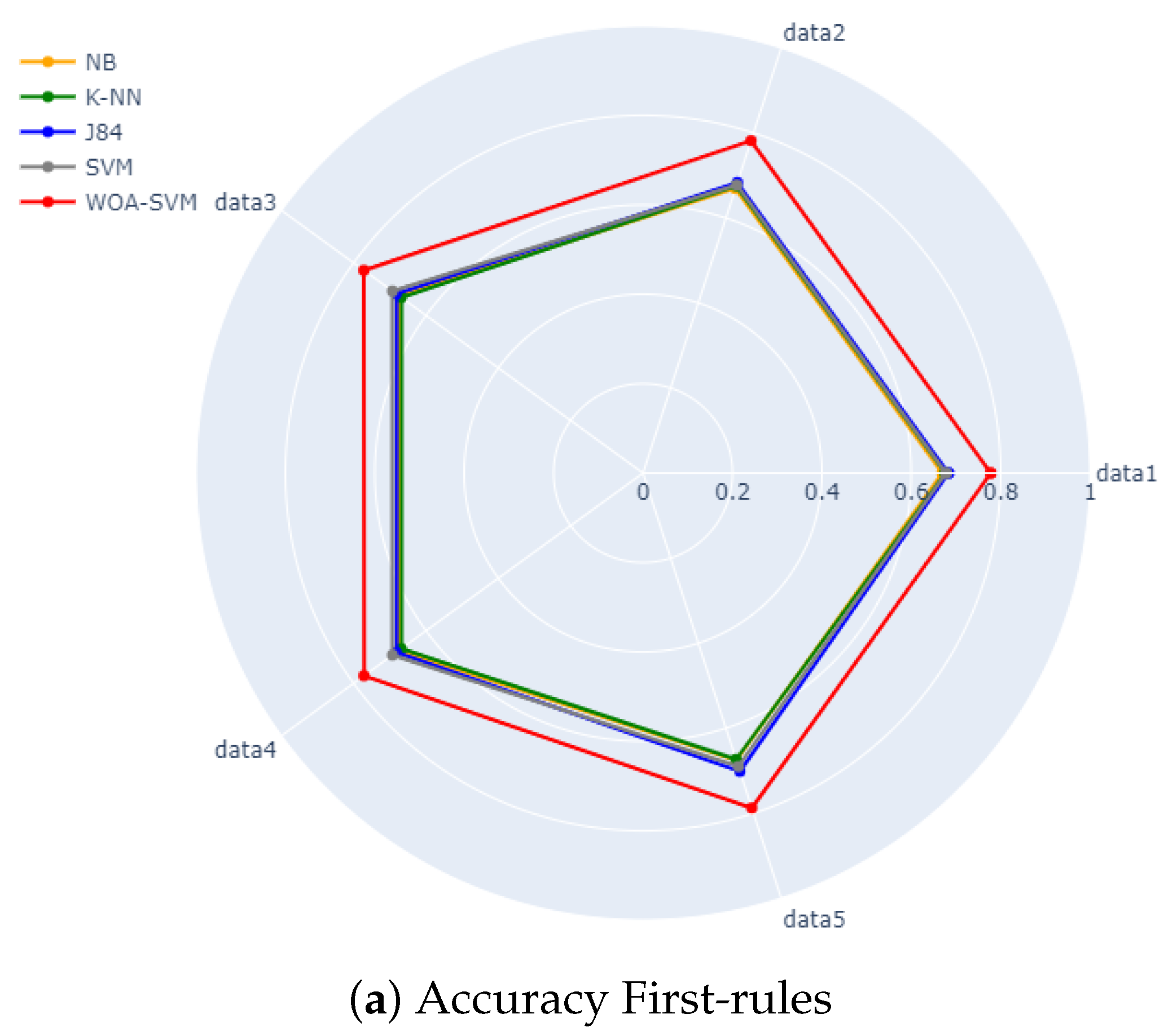
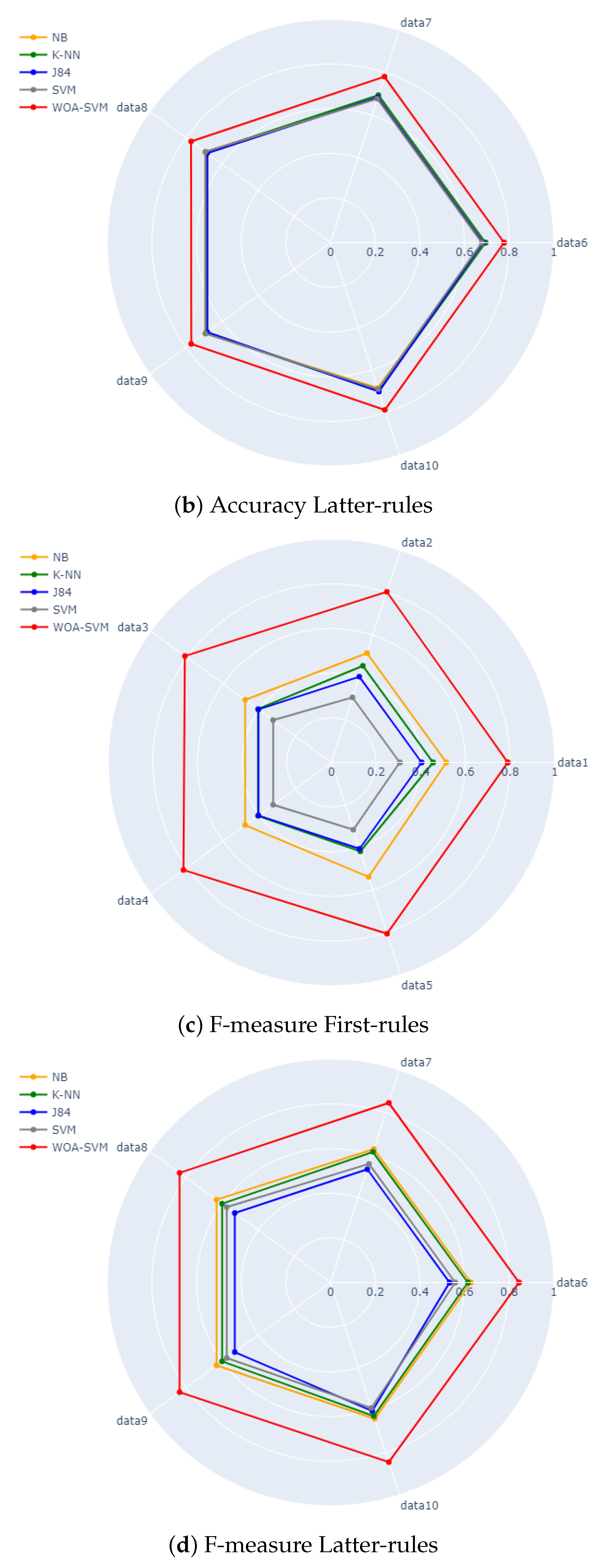
The world has witnessed recently a global outbreak of coronavirus disease (COVID-19). This pandemic has affected many countries and has resulted in worldwide health concerns, thus governments are attempting to reduce its spread and impact on different aspects of life such as health, economics, education, and politics by making emergent decisions and policies (e.g., lockdown and social distancing). These new regulations influenced people’s daily life and cast significant burdens, concerns, and disparities on various population groups. Taking the wrong actions and enforcing bad decisions by some countries result in increasing the contagion rate and more catastrophic results. People start to post their opinions and feelings about their government’s decisions on different social media networks, and the data received through these platforms present a very useful source of information that affects how governments perceive and cope with the current the pandemic. Jordan was one of the top affected countries. In this paper, we proposed a decision support system based on the sentiment analysis mechanism by combining support vector machines with a whale optimization algorithm for automatically tuning the hyperparameters and performing feature weighting. The work is based on a hybrid evolutionary approach that aims to perform sentiment analysis combined with a decision support system to study people’s posts on Facebook to investigate their attitudes and feelings toward the government’s decisions during the pandemic. The government regulations were divided into two periods: the first and latter regulations. Studying public sentiments during these periods allows decision-makers in the government to sense people’s feelings, alert them in case of possible threats, and help in making proactive actions if needed to better handle the current pandemic situation. Five different versions were generated for each of the two collected datasets. The results demonstrate the superiority of the proposed Whale Optimization Algorithm & Support Vector Machines (WOA-SVM) against other metaheuristic algorithms and standard classification models as WOA-SVM has achieved 78.78% in terms of accuracy and 84.64% in term of f-measure, while other standard classification models such as NB, k-NN, J84, and SVM achieved an accuracy of 69.25%, 69.78%, 70.17%, and 69.29%, respectively, with 64.15%, 62.90%, 60.51%, and 59.09% F-measure. Moreover, when comparing our proposed WOA-SVM approach with other metaheuristic algorithms, which are GA-SVM, PSO-SVM, and MVO-SVM, WOA-SVM proved to outperform the other approaches with results of 78.78% in terms of accuracy and 84.64% in terms of F-measure. Further, we investigate and analyze the most relevant features and their effect to improve the decision support system of government decisions.
Keywords: decision support system; COVID-19; sentiment analysis; support vector machine; SVM; whale optimization algorithm; WOA decision support system; COVID-19; sentiment analysis; support vector machine; SVM; whale optimization algorithm; WOA