Communication

Air Pollution: Sensitive Detection of PM2.5 and PM10 Concentration Using Hyperspectral Imaging
1
Department of Radiology, Ditmanson Medical Foundation Chia-yi Christian Hospital, Chia-yi City 60002, Taiwan
2
Department of Mechanical Engineering, Advanced Institute of Manufacturing with High Tech Innovations (AIM-HI), and Center for Innovative Research on Aging Society (CIRAS), National Chung Cheng University, 168, University Rd., Min Hsiung, Chia Yi 62102, Taiwan
*
Author to whom correspondence should be addressed.
These authors contributed equally to this work.
Appl. Sci. 2021, 11(10), 4543; https://doi.org/10.3390/app11104543
Submission received: 11 April 2021 / Revised: 4 May 2021 / Accepted: 11 May 2021 / Published: 17 May 2021

Abstract

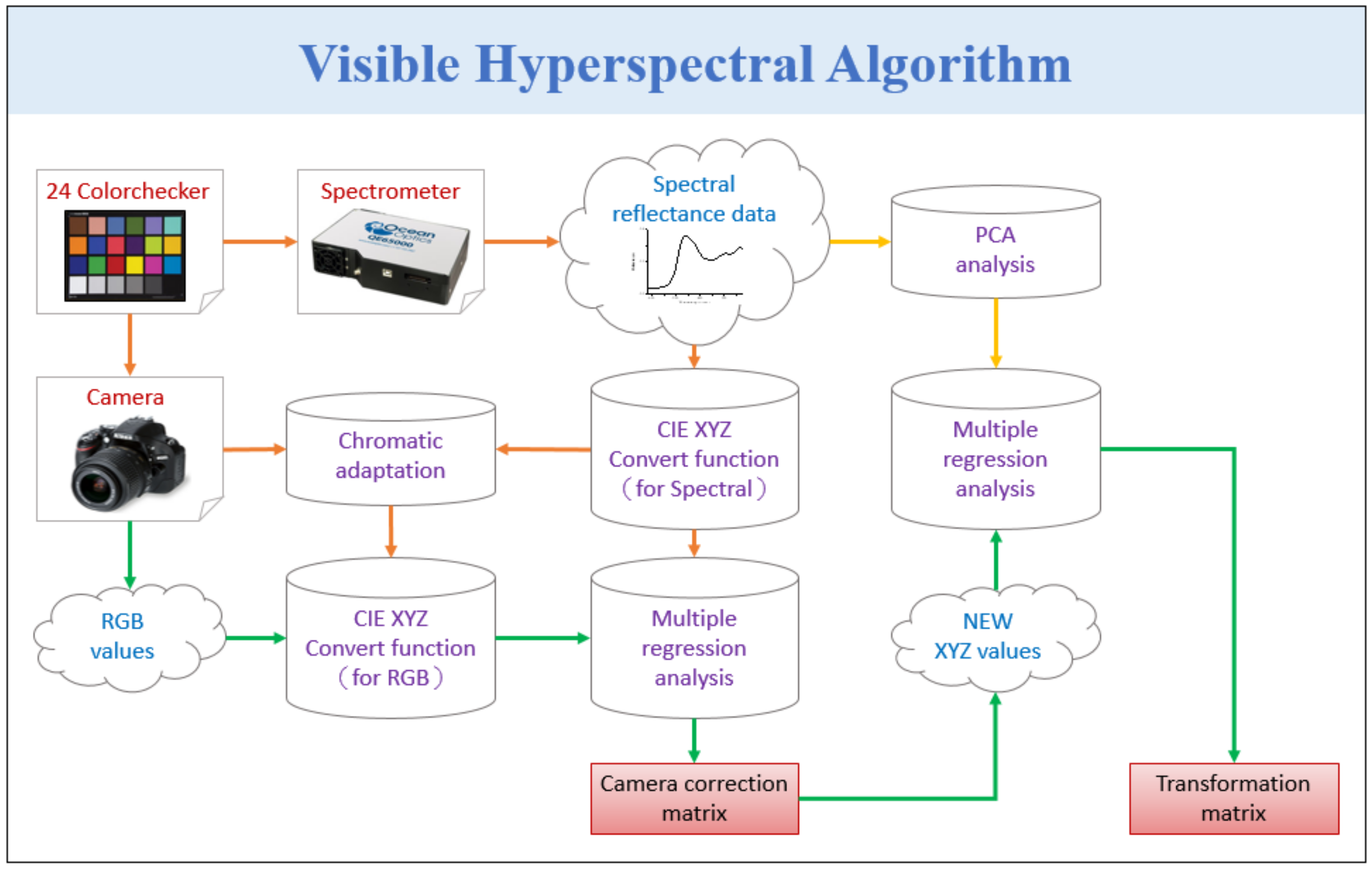
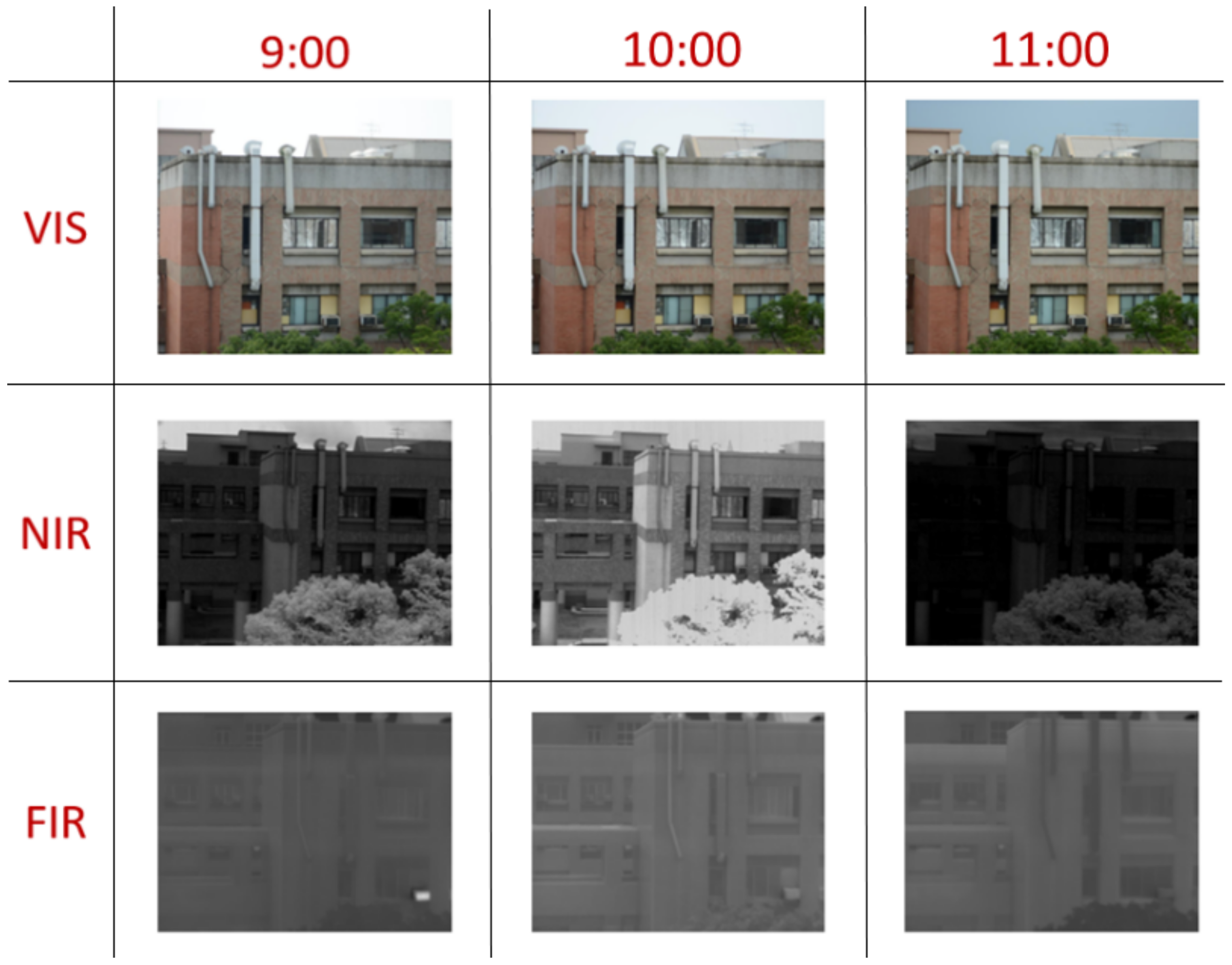
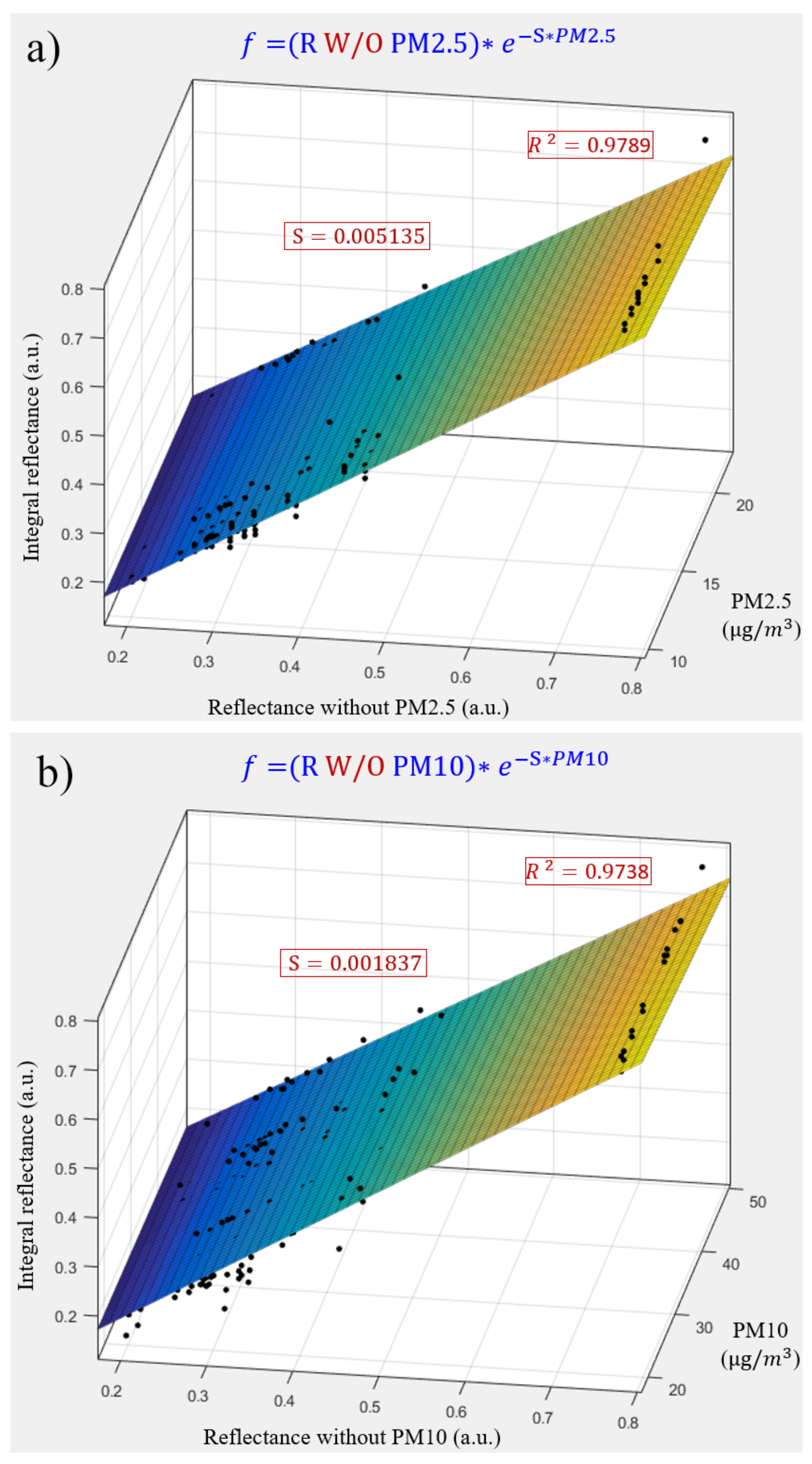
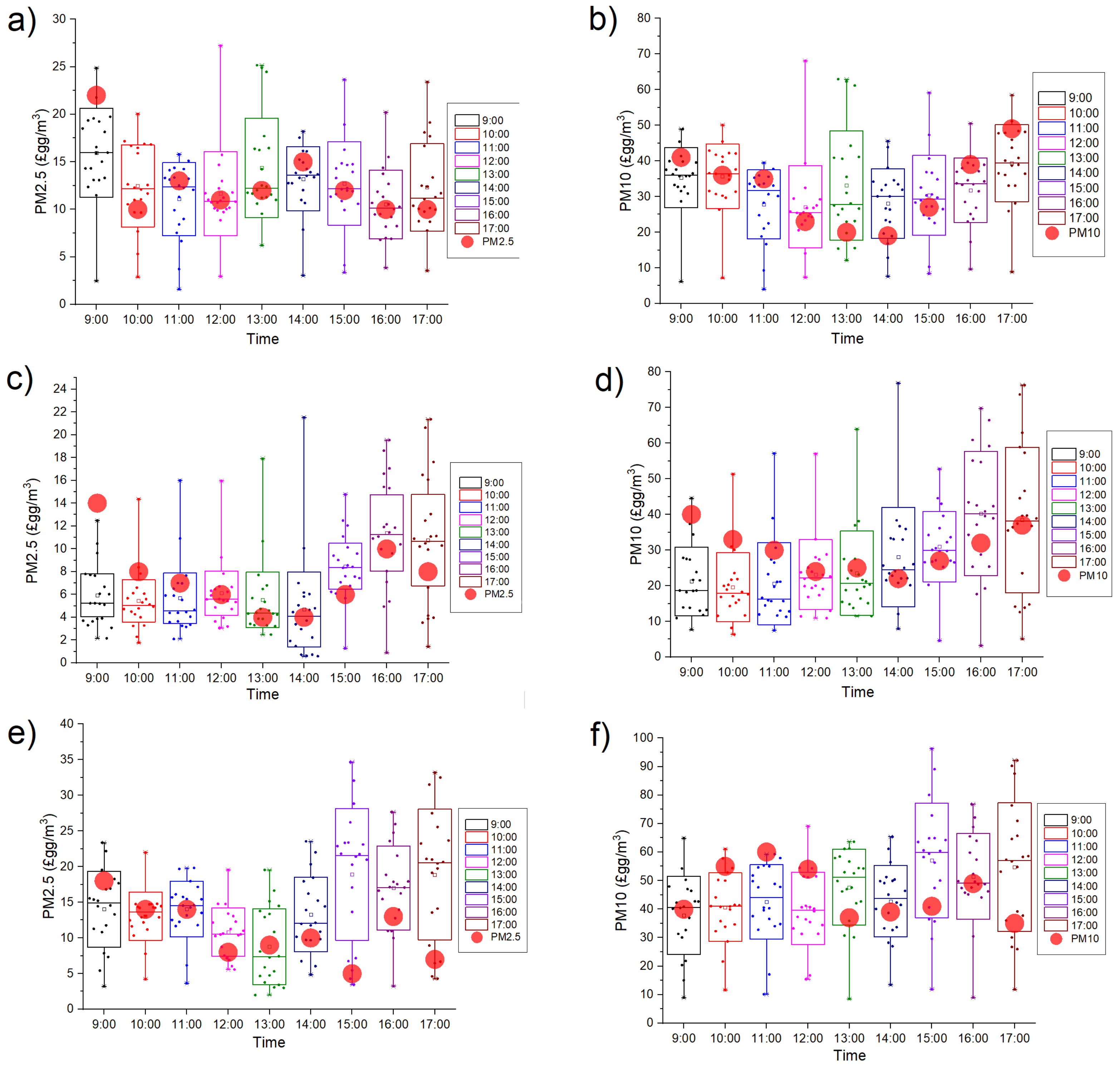
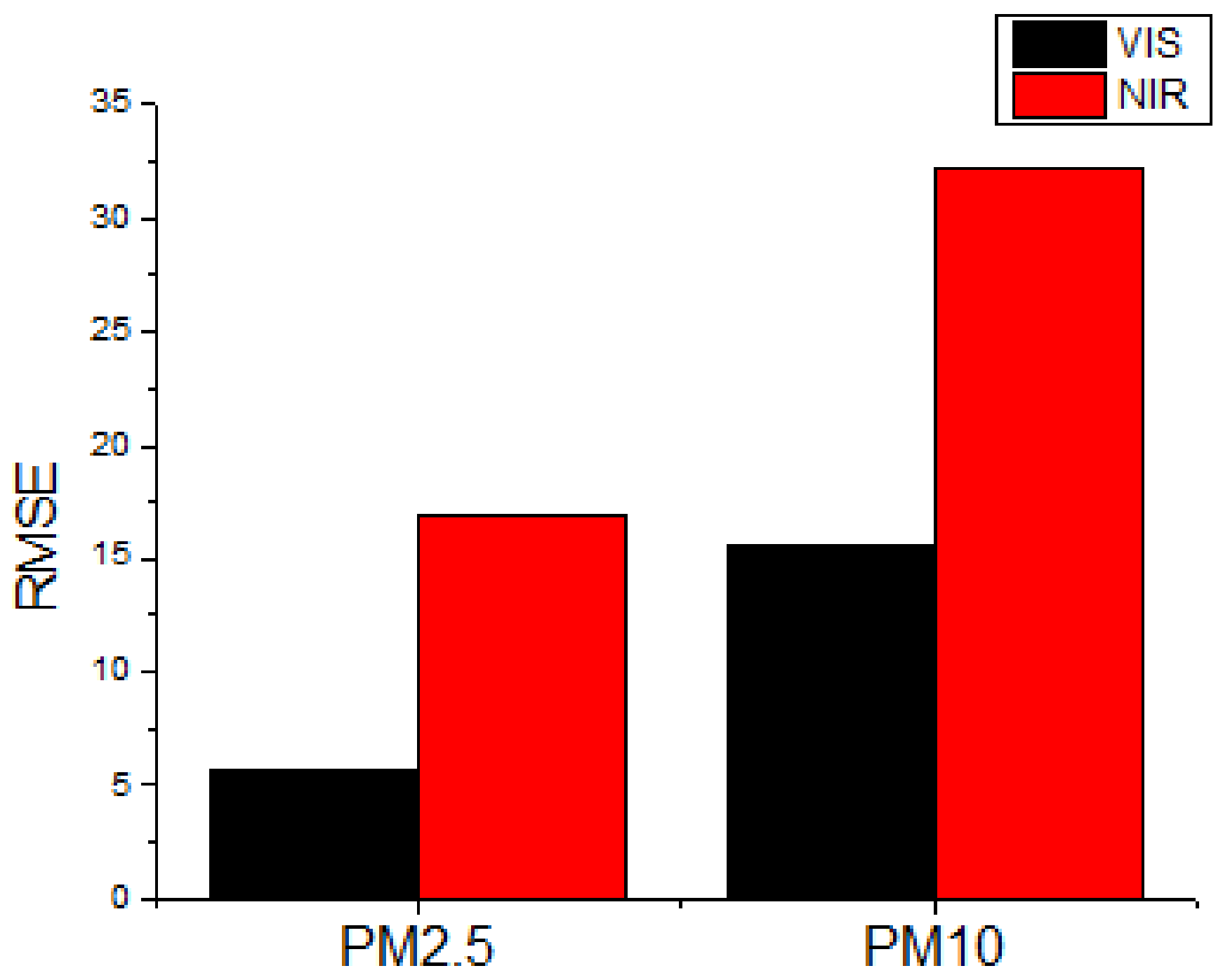
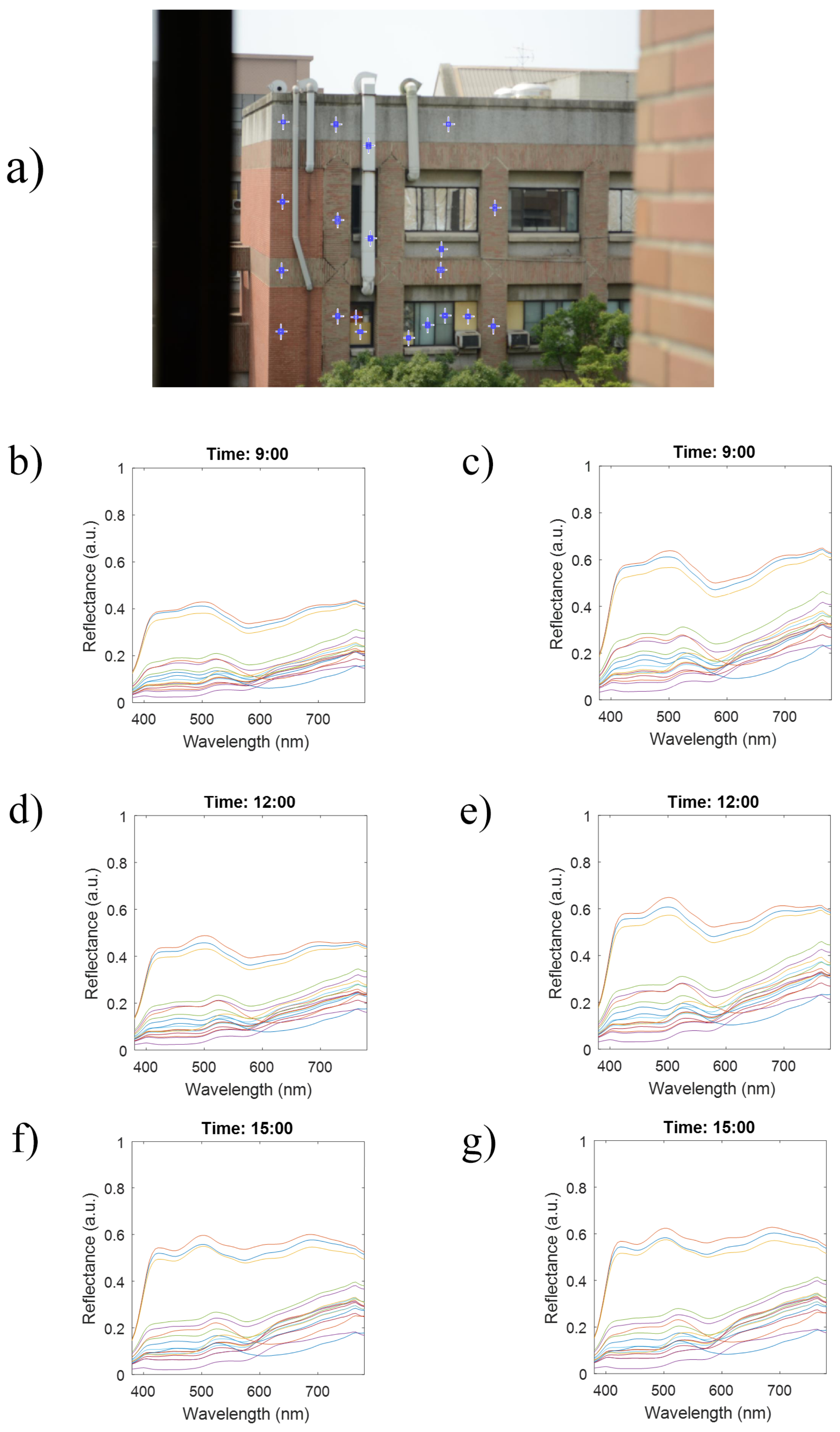
This paper proposes a method to detect air pollution by applying a hyperspectral imaging algorithm for visible light, near infrared, and far infrared. By assigning hyperspectral information to images from monocular, near infrared, and thermal imaging, principal component analysis is performed on hyperspectral images taken at different times to obtain the solar radiation intensity. The Beer–Lambert law and multivariate regression analysis are used to calculate the PM2.5 and PM10 concentrations during the period, which are compared with the corresponding PM2.5 and PM10 concentrations from the Taiwan Environmental Protection Agency to evaluate the accuracy of this method. This study reveals that the accuracy in the visible light band is higher than the near-infrared and far-infrared bands, and it is also the most convenient band for data acquisition. Therefore, in the future, mobile phone cameras will be able to analyze the PM2.5 and PM10 concentrations at any given time using this algorithm by capturing images to increase the convenience and immediacy of detection.
Keywords: hyperspectral imagining; principle component analysis; multivariate regression analysis; suspended particles; near-infrared band; far-infrared band hyperspectral imagining; principle component analysis; multivariate regression analysis; suspended particles; near-infrared band; far-infrared band