Article

Consumer Decision-Making in Food Choices: The Role of Health, Environmental Awareness, and Sustainability


by
Ömer Kürşad Tüfekci
1,
Ferdi Akbiyik
2,
Lidija Kraujalienė
3,*,
Andreea Marin-Pantelescu
4,
Alytis Gruodis
3 and
Saulius Kromalcas
3
1
Faculty of Tourism, Isparta University of Applied Sciences, Eğirdir 32500, Türkiye
2
Buyukkutlu Faculty of Applied Sciences, Isparta University of Applied Sciences, Isparta 32400, Türkiye
3
Social and Business Innovation Laboratory, Institute of Research and Innovation, Kazimieras Simonavičius University, LT-02188 Vilnius, Lithuania
4
Faculty of Business and Tourism, Bucharest University of Economic Studies, 010374 Bucharest, Romania
*
Author to whom correspondence should be addressed.
Adm. Sci. 2026, 16(6), 280; https://doi.org/10.3390/admsci16060280
Submission received: 7 April 2026 / Revised: 16 May 2026 / Accepted: 28 May 2026 / Published: 10 June 2026
(This article belongs to the Section Organizational Behavior)

Abstract

Consuming fast food draws consumers’ attention to emerging issues related to such consumption. Namely, the consumption of fast food affects environmental sustainability, healthy living, and other sustainable activities. The main objective of this study is to explore how environmental awareness, healthy living, and sustainability-oriented fast-food stimuli may influence neurophysiological response patterns during food-related cognitive processing. Eighteen voluntary subjects, aged 19 to 53 years, who frequently consume fast food and have no physical or mental disorders, took part in the experiment. An experiment was conducted in which data were collected using Electroencephalography (EEG) and analyzed with WinEEG. The waves detected from brain activity signals were digitally converted to data using WinEEG. The resulting digital data was further analyzed using Detrended Fluctuation Analysis, Neural Networks (NN) algorithms, and K Nearest Neighbors (k-NN) algorithms. Herewith, the findings suggest that fast-food-related visuals associated with healthy living may elicit stronger patterns of cognitive engagement among participants. The findings provide exploratory insights into implicit cognitive engagement associated with healthy-living and sustainability-related fast-food stimuli. Additionally, the discussion helps in understanding sustainability-oriented food perception and consumer neuroscience research.

1. Introduction

Sustainability and environmental concerns have a significant influence on individual consumption behavior (Rana et al., 2025). Individual consumption behavior can change under the influence of sustainable and environmental concerns (Liu & Jiang, 2024). One of the prominent components of contemporary fast-food culture is the widespread consumption of traditional burger products, whose appeal is driven primarily by taste perceptions rather than health or sustainability considerations. However, fast food has negative impacts on both sustainability and human well-being. In this respect, fast food has become a more frequently criticized topic in recent times (Sobolev, 2025).
In particular, the fast-food industry is closely associated with a larger carbon footprint, driven by substantial waste generation and high energy consumption. As a result, individuals are progressively aligning their consumption behaviors with sustainability considerations (Aschemann-Witzel et al., 2019).
Recent research further indicates that environmental concerns and a growing interest in sustainable living play a significant role in shaping individual food consumption patterns (Akbıyık, 2024).
“Green consumer behavior” has emerged because of increased environmental awareness. It addresses not only aspects of product healthiness but also environmental factors associated with product manufacturing (P. Kumar et al., 2023). Previous studies suggest that consumers with stronger environmental and health-related concerns may exhibit a greater preference for fast-food products perceived as healthier, organically sourced, or environmentally responsible than for conventional fast-food alternatives (Nguyen et al., 2021).
Sustainability encompasses economic, social, and environmental dimensions. Consumers’ perceptions of sustainability play a critical role in shaping consumption behavior, purchasing habits, and decision-making, particularly in the development of marketing strategies. Indeed, prior studies (Leonidou et al., 2010; Nguyen et al., 2017; Coderoni & Perito, 2020) have demonstrated that higher levels of environmental awareness are associated with a greater tendency to choose environmentally friendly products.
From both environmental and ethical perspectives, sustainability significantly influences consumer behavior. In the fast-food sector, factors such as the environmental friendliness of packaging, the carbon footprint of the logistics chain, and the use of locally sourced products have become increasingly important determinants in consumers’ decision-making processes (Aschemann-Witzel et al., 2019).
Sustainability concerns are among the key drivers behind the adoption of environmentally friendly practices by businesses, as they play a significant role in shaping marketing strategies (C. Wang et al., 2019; Nishitani & Kokubu, 2020; Yagi & Kokubu, 2020; de Oliveira et al., 2022; Camilleri et al., 2023; Sargın & Dursun, 2023). In this context, firms increasingly implement practices that align with consumers’ environmental sensitivities and encourage more sustainable consumption patterns. To enhance consumer trust, businesses often rely on sustainability certifications. Through these certifications, they aim to reduce information asymmetry, demonstrate environmental responsibility, and reduce environmental impacts while simultaneously promoting long-term sustainable consumption among consumers (Horbach et al., 2023; Widodo et al., 2025).
Consumer decision-making in food choices is increasingly influenced by the interaction between health consciousness, environmental awareness, and sustainability concerns. Consumers are becoming more attentive to the environmental consequences of their consumption patterns and are more likely to evaluate products based on their perceived environmental value and sustainability attributes (Hermassi, 2024). Furthermore, sustainable packaging has been shown to positively influence consumers’ perceived value, environmental concerns, and purchase intentions, highlighting the growing importance of sustainability-related product characteristics in consumer decision-making processes (Duarte et al., 2024). At the same time, food-related decisions involve complex cognitive processes that can be investigated through neurophysiological methods, particularly electroencephalography (EEG), which enables the examination of underlying attention and engagement mechanisms (Sengupta et al., 2017). The analysis of EEG signals often relies on nonlinear approaches such as Detrended Fluctuation Analysis (DFA), which has been widely applied in biomedical signal processing to characterize the complexity and long-range correlations of physiological signals (Kitlas-Golińska, 2012; Sengupta et al., 2017). To identify patterns within these complex datasets, machine learning techniques, including neural networks and k-nearest neighbors (k-NN), have become widely adopted due to their ability to classify behavioral and neurophysiological responses with high accuracy (Mahesh, 2020; Qi et al., 2019; Schmidhuber, 2015). In addition, optimization algorithms such as Adam contribute to improving neural network training efficiency and predictive performance (Jais et al., 2019). The effectiveness of classification models further depends on appropriate validation procedures, such as k-fold cross-validation, which enhances the reliability and generalizability of predictive outcomes (Marcot & Hanea, 2021). Consequently, integrating sustainability-related consumer research with EEG-based analysis and machine learning approaches provides a promising framework for understanding how health, environmental awareness, and sustainability considerations shape food-choice decisions.
Neural network models have become increasingly popular in classification tasks due to their ability to learn complex nonlinear relationships from large datasets, while optimization algorithms such as Adam improve training efficiency and convergence performance (Schmidhuber, 2015; Jais et al., 2019). Consumer neuroscience research increasingly uses EEG-based approaches to investigate subconscious cognitive and attentional processes underlying consumer behavior, sustainability-oriented decision-making, and food-related perception. By measuring the brain’s electrical activity, EEG enables the analysis of consumers’ subconscious responses, thereby providing valuable insights into underlying cognitive and emotional processes (Khondakar et al., 2024). EEG technology enables the objective measurement of emotional and cognitive responses to marketing stimuli. In this respect, EEG is widely used to examine consumers’ perceptions of sustainability and environmental concerns (Costa-Feito et al., 2023). It allows researchers to identify emotional and cognitive reactions that occur during decision-making prior to purchasing products and services. Such insights can assist businesses in developing more effective marketing and advertising strategies (Pozharliev et al., 2015). Furthermore, EEG technology is widely accepted as a complement to traditional research methods. Traditional self-report methods, such as surveys and interviews, are often limited in their ability to capture subconscious cognitive and emotional reactions that emerge during consumer decision-making. In the context of sustainability-oriented food consumption, consumers may offer socially desirable responses regarding environmental awareness and health-living concerns. Therefore, conventional methods may not fully reflect implicit cognitive engagement and emotional processing associated with food-related stimuli. EEG-based approaches offer an important theoretical and methodological contribution by enabling the real-time measurement of neurophysiological responses that occur beyond conscious self-reporting processes (Plassmann et al., 2012; Khushaba et al., 2013). Accordingly, EEG provides additional insights into the subconscious mechanisms underlying sustainability-oriented consumer behavior and food-related decision-making. Furthermore, EEG-based approaches provide additional insights into subconscious attentional and cognitive processes associated with sustainability-oriented food stimuli, thereby complementing conventional consumer behavior research methods (Panteli et al., 2024). For example, EEG is used to evaluate the effectiveness of advertisements. This is because consumer responses can be measured more reliably and objectively with EEG. In other words, EEG is considered a powerful resource for interpreting consumers’ reactions to products and advertising stimuli (V. Kumar et al., 2024; Khondakar et al., 2024). Ultimately, such data enables businesses to refine their marketing strategies and explore new approaches for gaining a deeper understanding of consumer behavior.
Research by Constantinescu et al. (2025) may indicate that economic, social, and technological factors play a significant role in shaping decision-making processes and behavioral patterns. These findings suggest that consumer behavior should be understood not only at the individual level but also within a broader systemic framework, in which factors such as technological accessibility, socio-economic conditions, and environmental pressures influence consumption choices. In the context of fast-food consumption, this implies that consumers’ preferences are shaped not only by convenience and taste but also by evolving sustainability and health-related considerations.
The study by Kromalcas et al. (2024) further highlights the importance of communication elements in influencing consumer perceptions. Their findings indicate that visual stimuli significantly affect attention and engagement, which is particularly relevant to neuromarketing approaches. This supports the methodological foundation of the present research, in which EEG-based measurements are used to capture consumers’ cognitive and emotional responses to fast-food-related visuals. The ability of visual and symbolic elements to elicit measurable neural responses reinforces the argument that sustainability- and health-related messages can meaningfully influence neurophysiological response patterns, even at a subconscious level.
Kraujalienė and Kromalcas (2022) emphasize the critical role of brand positioning in aligning with consumer expectations and values. Their findings suggest that effective positioning strategies must reflect consumer needs and preferences to achieve a competitive advantage. This perspective is directly applicable to the fast-food industry, where companies are increasingly required to integrate environmental and health-related considerations into their communication strategies. The growing importance of sustainability and healthy living in consumer decision-making highlights the need for brands to adapt their position accordingly.
Within the scope of this study, environmental awareness, healthy living, and sustainability were employed as key variables. Environmental awareness is considered to reflect the level of consumer consciousness regarding issues such as environmental protection, resource conservation, pollution reduction, and ecological responsibility. In this context, consumers’ environmental sensitivity and awareness are significant drivers of green consumption behavior (Burkert et al., 2023; Ali et al., 2023). This tendency is evident in consumers’ willingness to pay a premium for environmentally friendly products. As perceived product quality increases dramatically, consumers’ readiness to accept higher prices for green alternatives increases (Zhan et al., 2025). However, despite the increasing level of sustainability awareness, factors such as price sensitivity and a lack of trust in green claims, defined as companies’ assertions that their products or practices are environmentally friendly or sustainable (Chea, 2024), continue to play a critical role in shaping purchasing decisions (White et al., 2023).
In the context of fast-food consumption, individuals with high levels of environmental awareness are more likely to prefer products that align with their sustainability values. Healthy living, in turn, reflects the extent to which consumers prioritize health-oriented lifestyles and behaviors. Accordingly, consumers who place greater importance on healthy living tend to be more selective in their choices, favoring options perceived as less harmful to their health or more consistent with nutritional objectives. Sustainability, on the other hand, refers to consumers’ consideration of the long-term environmental, social, and ethical consequences of their consumption decisions. Individuals who place high importance on sustainability are more likely to support ethical practices, such as sustainable sourcing and environmentally friendly packaging (Kanchana, 2024). In this regard, sustainable consumption behavior is influenced by a range of factors, including subjective norms (Vantamay, 2018), altruism (Yarımoğlu & Binboğa, 2019), ecological intelligence (Hettiarachchi, 2020), affinity toward nature (Dong et al., 2020), attitudes (Hameed et al., 2022), environmental values (Elhoushy & Lanzini, 2021), social and environmental influences (Hosta & Zabkar, 2021), motivation and ability (Soyer & Dittrich, 2021), cultural and educational background (Boca, 2021), social interaction (Y. Cui et al., 2022), emotional connectedness to nature (Taufique, 2022), perceived value (Mastria et al., 2023; Vergura et al., 2023), and cultural bias (do Canto et al., 2023).
Environmental awareness and sustainability are conceptually related but analytically distinct constructs within the present study. Environmental awareness primarily reflects consumers’ sensitivity toward ecological protection, pollution reduction, and environmental responsibility. Sustainability is a broader, multidimensional framework that encompasses long-term environmental, ethical, and societal considerations related to consumption behavior. Accordingly, environmental awareness is treated as a specific dimension within the broader sustainability framework rather than as an identical construct.
Although previous studies have extensively examined sustainable consumption behavior, environmental awareness, and fast-food consumption patterns, limited attention has been paid to the neurophysiological mechanisms underlying consumers’ subconscious responses to sustainability-oriented food stimuli. EEG-based investigations focusing on environmental awareness, healthy living, and sustainability messages within fast-food consumption contexts remain relatively scarce. Therefore, the present study aims to address this gap by integrating consumer behavior research with consumer neuroscience approaches to better understand the implicit cognitive responses underlying food-related decision-making.
Based on the existing literature on sustainable consumer behavior and neuromarketing research, the present study proposes the following exploratory hypotheses:
H1. 
Environmental awareness-related fast-food stimuli may be associated with observable variations in EEG-based cognitive response patterns.
H2. 
Healthy-living-related stimuli may generate relatively stronger EEG-based engagement patterns.
H3. 
Sustainability-related communication may be associated with implicit cognitive processing patterns.
This study aims to evaluate the extent to which environmental awareness, healthy living, and sustainability concerns influence consumers’ fast-food consumption behavior in decision-making. Unlike conventional approaches, this research employs an experimental design using EEG to capture objective, real-time neural responses. Accordingly, the present study contributes to the literature by integrating research on sustainability-oriented consumer behavior with EEG-based consumer neuroscience approaches. Unlike conventional self-report studies, the research aims to explore implicit neurophysiological response patterns to fast-food-related sustainability messages under controlled experimental conditions.
Objectives of the Research:
(a)
To explore the role of environmental awareness, healthy living, and sustainability in shaping consumer food choices.
(b)
To examine neurophysiological response patterns associated with sustainability-oriented fast-food-related visual stimuli.
(c)
To explore implicit EEG-based cognitive engagement patterns associated with environmental awareness, healthy living, and sustainability-related food stimuli.
(d)
To contribute exploratory insights into sustainability-oriented food perception through consumer neuroscience approaches.
The present study was conducted in Türkiye, where fast-food consumption patterns have been increasingly influenced by changing urban lifestyles, growing environmental awareness, and health-related concerns. In recent years, sustainability-oriented consumption trends and awareness of healthy living have become more visible among Turkish consumers, particularly among younger urban populations. Therefore, Türkiye provides an important socio-cultural context for examining the neurophysiological dimensions of sustainability-oriented food perception and consumer decision-making.

2. Research Methodology

The existing literature contains relatively few studies that examine the health risks associated with fast-food consumption, the environmental impact of the waste generated by such consumption, and consumers’ sustainability concerns. In this context, it is critical for both consumers and businesses to adopt more informed and responsible approaches to better understand and manage the perceptions consumers form. Furthermore, studies aimed at promoting sustainability-oriented awareness may provide additional value in this field. Accordingly, the present study investigates how environmental awareness, healthy living, and sustainability concerns related to fast food consumption are reflected in consumer perceptions, employing an experimental approach that differs from traditional methods.
The aim of this study is to examine how environmental awareness, healthy living, and sustainability concerns are reflected in neurophysiological response patterns within the context of fast-food consumption. To achieve this, an analysis was conducted using features extracted from EEG (using equipment: Mitsar-EEG-202 system, Mitsar Co., Ltd., Saint Petersburg, Russia) signals and a purposefully designed set of visual stimuli.
For this purpose, twelve visual stimuli were selected from the top search results associated with the keyword “fast food” on social media platforms. The visual stimuli used in the experiment were selected through a standardized screening procedure. Initially, a pool of fast-food-related visuals was collected from publicly accessible social media and digital advertising content using the keyword “fast food.” The preliminary pool consisted of 36 visuals. Subsequently, the visuals were evaluated against predefined criteria, including visual clarity, thematic relevance, the absence of excessive textual complexity, comparable color intensity, and relevance to environmental awareness, healthy living, or sustainability-related themes. Following this screening process, twelve visuals were selected for the final experimental set. Prior to the EEG experiment, all selected visuals were standardized in size, screen resolution, and presentation format to minimize potential perceptual bias. The experimental procedure followed a fixed and standardized sequence for all participants. Initially, participants completed a 30-min adaptation period in the laboratory environment. Subsequently, EEG equipment preparation and electrode placement procedures were performed. During the experiment, each visual stimulus was presented individually for 7 s, followed by a 5-s inter-stimulus interval consisting of a fixation cross (“+”) displayed at the center of the screen. The fixation interval was included to reduce carry-over cognitive effects and to stabilize attentional focus between consecutive stimuli. All participants were exposed to the same stimulus sequence and presentation duration under identical environmental conditions. Additionally, to reinforce attentional engagement, slogans and/or phrases related to environmental concerns, healthy living, or sustainability were incorporated at the bottom of each visual. In accordance with the experimental protocol, each participant was exposed to the full set of visuals over a total duration of 139 s. The sequence of the experimental procedure is illustrated in Figure 1.
Participation in the study was voluntary, and all participants were screened with a structured pre-experimental questionnaire to rule out neurological disorders, severe psychiatric conditions, visual impairments, or medication that could affect EEG recordings. Prior to data collection, all participants provided written informed consent and received a detailed explanation of the EEG procedure and experimental protocol to minimize potential apprehension. Although the participant age range was relatively broad, the inclusion criteria focused specifically on frequent fast-food consumers to ensure relevance to the experimental context and improve consistency in stimulus familiarity. Participants representing different ages and gender groups, ranging from 19 to 53 years, were included in the study. Although the sample size is relatively limited, EEG-based experimental studies frequently employ smaller participant groups due to the intensive nature of neurophysiological data collection, signal preprocessing procedures, laboratory constraints, and the complexity of EEG analysis (Khushaba et al., 2013; Telpaz et al., 2015). Therefore, the present study should be considered as an exploratory and pilot investigation aimed at identifying preliminary neural response patterns associated with sustainability-oriented food stimuli rather than establishing statistically generalizable population-level conclusions. All participants were screened to confirm the absence of any physical or mental health conditions. The data collection process was conducted following approval from the Ethics Committee of Isparta University of Applied Sciences (Approval No. 198/21, dated 19 August 2025). Data were collected in Türkiye between 20 August and 20 September 2025.
For data collection, a 24-channel Mitsar EEG device (Mitsar-EEG-202 system, Mitsar Co., Ltd., Saint Petersburg, Russia) was employed. The Mitsar EEG device features a Bluetooth 5.0 interface, an input range of ±750 mV, a frequency band of DC (0)-150 Hz, and an input noise of ≤1.5 µV from peak to peak, with impedance measurement capabilities ranging from 2 to 255 kΩ. The data collection procedure employed in this study was based on established methods reported in the literature. The EEG system assembly, amplifier configuration, and electrode placement followed the international 10–20 electrode placement system. A unipolar configuration was used, with electrodes fixed via an EEG cap (19-channel EEG cap based on the international 10–20 electrode placement system, Mitsar Co., Ltd., Saint Petersburg, Russia), and the CPz electrode designated as the common reference for all channels. The 24-channel EEG device recorded signals from the following electrode sites: Fp1, Fp2, F7, F3, Fz, F4, F8, T3, C3, Cz, C4, T4, T5, P3, Pz, P4, T6, O1, and O2. The recorded EEG signals were analyzed across the standard frequency bands, including theta, alpha, beta, and gamma.
Within the scope of the study, participants were given a 30-min adaptation period prior to the experiment to facilitate relaxation and familiarization with the environment. To obtain informed consent for EEG data collection, all participants completed a consent form confirming the procedure’s safety and non-invasive nature.
Subsequently, participants were seated comfortably in front of a laptop displaying the prepared visual stimuli. The laptop, with a 21-inch screen, was positioned approximately 70 cm from the participants. The experimental environment was maintained under controlled conditions, including standard temperature and lighting, to minimize potential distractions. After the relaxation period, an EEG cap was placed on each participant’s head, and conductive EEG gel was applied to all electrodes to enhance signal transmission. Conductive EEG gel/paste was used during EEG recordings to maintain low electrode impedance. The EEG cap was connected to the SmartBCI amplifier (SmartBCI amplifier, Mitsar Co., Ltd., Saint Petersburg, Russia), which was subsequently linked to the laptop computer using the WinEEG acquisition software (WinEEG (Version 2.144.118), Mitsar Co., Ltd., Saint Petersburg, Russia).
In EEG recordings, proper data preprocessing is essential prior to analysis. The primary objective of this stage is to remove noise and irrelevant components that may distort the raw EEG signals. Common sources of noise include power-line interference and ocular artifacts, such as eye blinks (Eye-Tracking Equipment: Pupil Core Eye Tracking Platform, Pupil Labs GmbH, Berlin, Germany. Eye-Tracking Software: Pupil Capture and Pupil Player (version used in the laboratory), Pupil Labs GmbH, Berlin, Germany).
To extract meaningful information, filtering techniques are applied to isolate relevant frequency bands, particularly alpha and beta waves. Given the complexity and high dimensionality of EEG data, segmentation is required to enable effective analysis. Accordingly, the signals are segmented into frames at a sampling frequency of 512 Hz (fs), thereby preparing the dataset for subsequent analysis (Oon et al., 2018).
For experiment was used Machine Learning Software: Python (version used in the laboratory), Python Software Foundation, Wilmington, Delaware, USA; Scikit-learn (version used in the laboratory), Scikit-learn Developers, Open-Source Community; Neural Network (NN) and k-Nearest Neighbors (k-NN) analyses were performed using Python and the Scikit-learn machine learning library.
The human brain possesses a dynamic structure. Systematic data derived from this dynamic nature can be analyzed using nonlinear methods grounded in mathematical theories. EEG signals are generally dynamic structures (Tang et al., 2025). Therefore, they contain complex data. Due to their complex nature, they cannot be completely analyzed with traditional time series analysis or frequency series methods such as the “Fourier Transform” in studies with many stationary data (Rahman et al., 2022). Instead, they can be described as a type of transition rule that specifies how a series of states and systems can move from one state to another. The significance of biological time series lies primarily in the extraction of features based on physiological phenomena and concepts, which can be applied to understanding the nonlinear signals of a dynamic system (Lu et al., 2024). The nonlinear characteristic known as Detrended Fluctuation Analysis was extracted for each participant from the alpha and beta waves of each EEG segment.
To improve technical clarity, all mathematical formulations used in the analysis were standardized with respect to notation and symbol definitions. In the Detrended Fluctuation Analysis procedure, the EEG time series is denoted by B(i), where i = 1, 2, …, N, and Bavg denotes the mean of the signal. The integrated signal is then obtained by subtracting the mean value from each observation and cumulatively summing the resulting values. After this step, the integrated signal is divided into non-overlapping segments of equal length, and a local trend is estimated for each segment using the least squares method. The fluctuation function F(n) is then calculated to quantify the average deviation from the local trend at each segment length n. The scaling exponent α is estimated from the slope of the log–log relationship between F(n) and n, which provides information about the autocorrelation structure of the EEG signal. Initially, the integrated signals are calculated using the following formula:
y k = i = 1 k ( B i B a v g )
In Equation (1), Bavg represents the mean value of the EEG signal, while B(i) denotes the signal value at time point i. The equation describes the cumulative integration of the mean-adjusted EEG signal used in the DFA procedure. The data is then partitioned into segments of length n, and the value yn is estimated as a linear approximation using the least squares method applied separately to each segment. This estimated value reflects the trend within a given segment. The F(n) value showing the average fluctuation value of the signal around the trend is calculated with the Formula (2) below:
F n = 1 N k = 1 N ( y k y n ( k ) ) 2
In this study, calculations based on Equation (2) were performed for all values of n considered. Accordingly, the relationship between F(n) and the segment length n was analyzed. The results generally indicate that F(n) increases with segment length.
A log–log plot (log F(n) versus log n) was constructed to further examine this relationship. The presence of a linear trend in this representation suggests the existence of fluctuations, while the slope of the F(n) curve corresponds to the scaling exponent α (Peng et al., 1995; J. M. Lee et al., 2002; Stam et al., 2005; Moslem et al., 2011):
F n   ~   n
In Equation (3) of the present study, the parameter α—also referred to as the scaling exponent, autocorrelation exponent, or self-similarity parameter—characterizes the autocorrelation properties of the signal (J. M. Lee et al., 2002; R. U. Acharya et al., 2002; Phinyomark et al., 2009; R. Acharya et al., 2005; Stam et al., 2005; Vega & Fernández, 2012; Oon et al., 2018).
The incorporation of α in the analysis enables the identification of important autocorrelation features of EEG signals. Typically, distinct scaling exponents are computed for different time scales, with low n values corresponding to the short-range scaling exponent (fast parameter, α1) and high n values corresponding to the long-range scaling exponent (slow parameter, α2).
Within the scope of this study, classification represents the final stage of EEG signal processing. During this stage, the input feature vector is evaluated, and a hypothesis is formulated based on the classification method’s algorithmic structure (Awang et al., 2012). Accordingly, this study employs both Neural Network (NN) and k-Nearest Neighbors (k-NN) approaches for classification.

Neural Network (NN) and k-Nearest Neighbors (k-NN) Models

Neural networks are commonly classified as a type of supervised learning model. The concept of neural networks is inspired by biological sensory systems, in which signals are transmitted through neurons to the brain and processed to solve complex problems. A neural network consists of an input layer, one or more hidden layers, and an output layer. Each neuron computes a weighted linear combination of its inputs and produces an output through a nonlinear activation function. Neural networks are therefore regarded as information processing systems developed as simplified mathematical representations of human cognition (Soria Morillo et al., 2015).
The decision boundaries produced by neural networks are not necessarily linear (Motamedi-Fakhr et al., 2014). The architecture of the neural network employed in this study is defined as follows: the hidden layer contains 20 neurons, while the output layer consists of 4 or 5 units, depending on the application. Sigmoid activation functions are used in both the hidden and output layers. The model is implemented using Bayesian regularization, and its performance is evaluated using the Mean Squared Error (MSE) function, defined as follows:
E = 1 m i = 1 m >( h x i y i ) 2
In the research, h(xi) is treated as the neural network’s output, as shown in Formula (4). In this study, the data set was split into two parts: 70% for training and 30% for testing.
k-NN is considered an important type of supervised learning algorithm (Suguna & Thanushkodi, 2010). k-NN is a learning algorithm that makes no assumptions about the data and is both nonparametric and nonlinear (Thirumuruganathan, 2010). The classification rules of the k-NN algorithm are derived directly from the training instances, without additional model parameters. The k-NN classification algorithm determines the class of a test sample based on the K training instances that are closest to it and assigns the class with the highest probability (majority vote). A class label is thus attributed to a new or test instance by identifying its k-NN within the training dataset (Murugappan et al., 2014). The performance of the k-NN classification algorithm is strongly influenced by the choice of K, which specifies the number of neighbors considered based on a given distance metric. The optimal value of k depends on the characteristics of the dataset. In general, larger values of k reduce the impact of noise but lead to less well-defined class boundaries (Awang et al., 2012).
For each test instance considered in the study, the following procedure was applied: the minimum distance to the dataset was calculated for each signal to determine its k-NN class. The Euclidean distance metric was used to evaluate the similarity between the dataset and the test instance under examination. The Euclidean distance between two EEG feature vectors was calculated as follows:
d E x , y =   i = 1 N x i y i 2
In Equation (5), N represents the total number of extracted EEG features, while xi and yi denote the values of the corresponding EEG feature vectors used in the distance calculation. To improve analytical reliability and reduce potential overfitting, classifier performance was evaluated using a 10-fold cross-validation procedure. In this approach, the dataset was partitioned into 10 subsets: 9 for training and 1 for testing during each iteration. This iterative validation process was repeated across all partitions to enhance the robustness and consistency of the classification results. Due to the exploratory nature of the study and the relatively limited sample size, the findings are interpreted as preliminary neurophysiological response tendencies rather than statistically generalizable conclusions.

3. Results

In this study, findings on consumers’ perceptions of environmental awareness, healthy living, and sustainability in the context of fast-food consumption were derived from EEG data. The raw EEG signals corresponding to each visual stimulus presentation and fixation interval were continuously recorded throughout the experimental session. During the analysis, four major brain regions (the frontal, temporal, parietal, and occipital lobes) were considered. Classification was performed using alpha and beta waves, as well as their combined features. The combined alpha–beta representation was obtained by integrating the characteristics of both alpha and beta waves into the classifier’s input.

3.1. Determining Consumer Perception Using the k-NN Model

The results from k-NN measurements aimed at determining consumers’ perceptions of fast-food consumption are presented in Table 1. An analysis of k-NN values derived from consumers’ EEG data related to environmental awareness, healthy living, and sustainability concerns indicates that brainwave activity may indicate relatively stronger cognitive engagement patterns associated with healthy-living-related stimuli, as highlighted in Table 1.
As shown in Table 1, alpha, beta, and combined alpha–beta brain waves were used to classify neurophysiological response patterns. An examination of the Euclidean distances calculated using the k-NN algorithm indicates that the alpha and combined alpha–beta wave components exhibit higher values for the “Healthy Living” variable. These elevated values suggest that, in the context of fast-food consumption, consumers’ perceptions are predominantly oriented toward “Healthy Living,” as reflected in their brainwave patterns analyzed through the k-NN approach.

3.2. Determining Consumer Perception Using an NN Model

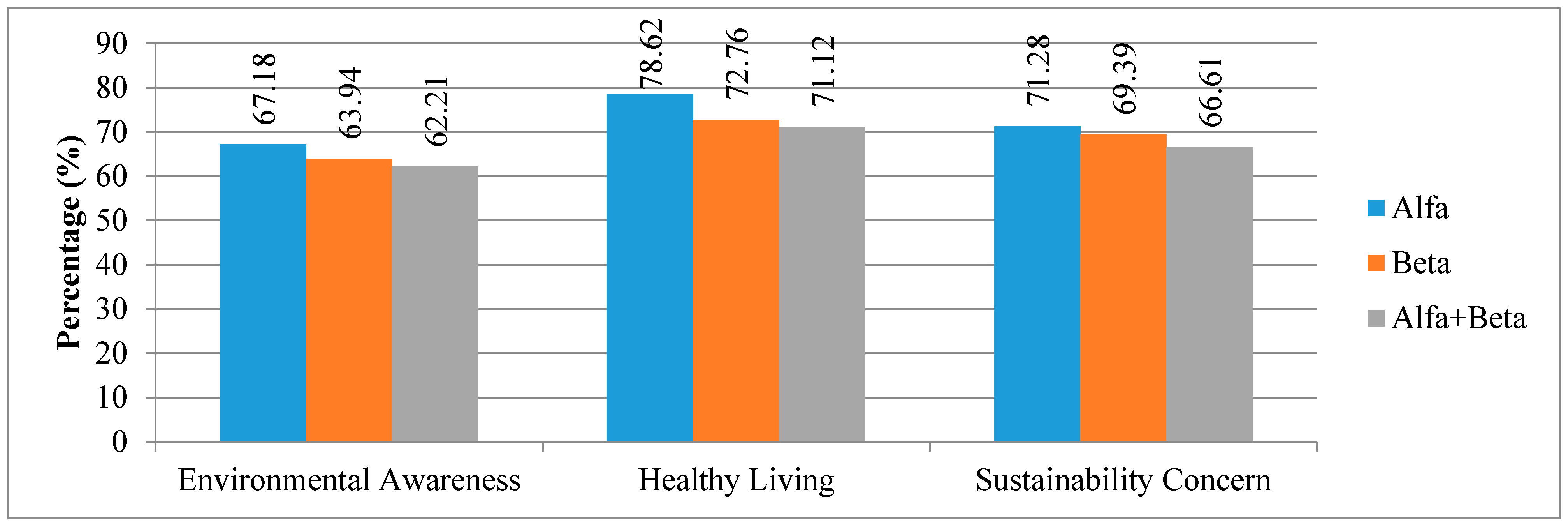
The results from neural network (NN) measurements aimed at identifying consumers’ perceptions of fast-food consumption are presented in Figure 2. An analysis of NN outputs derived from consumers’ EEG data related to environmental awareness, healthy living, and sustainability concerns indicates relatively stronger EEG-based engagement patterns associated with healthy-living-related stimuli in response to fast-food-related visual stimuli. Specifically, the alpha value for healthy living is 78.62%, the beta value is 72.76%, and the combined alpha–beta value is 71.12%. Sustainability concerns rank second, with an alpha of 71.28%, a beta of 69.39%, and a combined alpha–beta of 66.61%. Environmental awareness ranks third, with an alpha of 67.18%, a beta of 63.94%, and a combined alpha–beta of 62.21%.
An examination of Figure 2 indicates that the perception classification generated using the neural network (NN) model is predominantly associated with “Healthy Living.” The relatively higher alpha activity observed for healthy-living-related stimuli may suggest increased attentional engagement and cognitive processing during exposure to these visuals. Accordingly, this result highlights the importance of alpha activity in shaping neurophysiological response patterns in the NN-based classification model.

3.3. Comparison of Average Detrended Fluctuation Analysis Values for Alpha and Beta Waves

In this study, detrended fluctuation analysis (DFA) of alpha and beta waves was performed to examine how fast-food consumption influences consumer perceptions related to environmental awareness, healthy living, and sustainability concerns. The average values for these perceptions were derived from DFA measurements of the frontal brain region. The mean values for environmental awareness, healthy living, and sustainability concerns are presented in Table 2.
The results indicate that environmental awareness stimuli elicited the strongest alpha-band brain activity among the participants. In terms of beta activity, the highest DFA value was observed for healthy living visuals (0.4364), followed by sustainability-related stimuli (0.4272), and environmental awareness stimuli (0.4193). These findings suggest that healthy living stimuli induce greater fluctuations in beta activity, which may be associated with increased cognitive processing or heightened alertness. Overall, the results demonstrate that fast-food-related stimuli influence brain activity across multiple cognitive dimensions. Accordingly, the graphical representations, corresponding parameters, and final equations associated with these brain activity patterns are presented below.
Graphical Output, Parameter Map, and Final Formulation of EEG Analysis Related to Healthy Living are presented below.
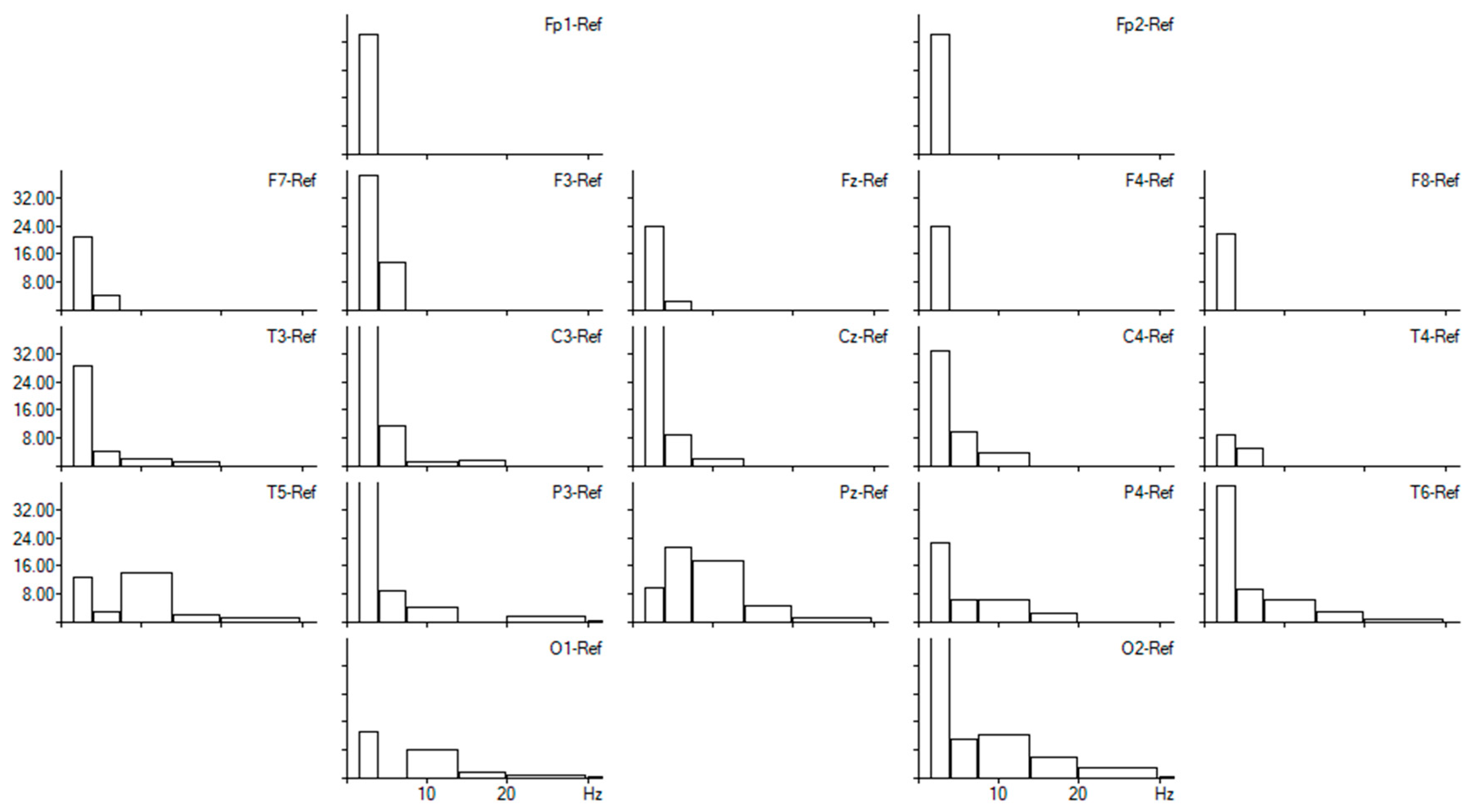
Figure 3 shows the frequency distribution of EEG signals obtained during exposure of volunteer participants to fast food-themed stimuli, based on electrode channels (Fp1, Fp2, F3, F4, C3, C4, P3, P4, O1, O2, etc.) arranged according to the international 10–20 system. Each subgraph represents the distribution of signal strength measured at the corresponding electrode channel, plotted against the frequency (Hz) axis. When the histograms are examined, concentration is observed in low-frequency bands (especially delta and theta), while distributions extending towards the alpha and beta bands on some channels are noteworthy. This reveals that neurocognitive responses to the stimuli differ according to brain regions. The presented graphs show the spectral distributions obtained from preprocessing and frequency analysis of the raw EEG signals. Therefore, the figure is a representative analytical output and aims to reveal frequency-based patterns of brain activity rather than directly presenting anatomical or precise neural localization.
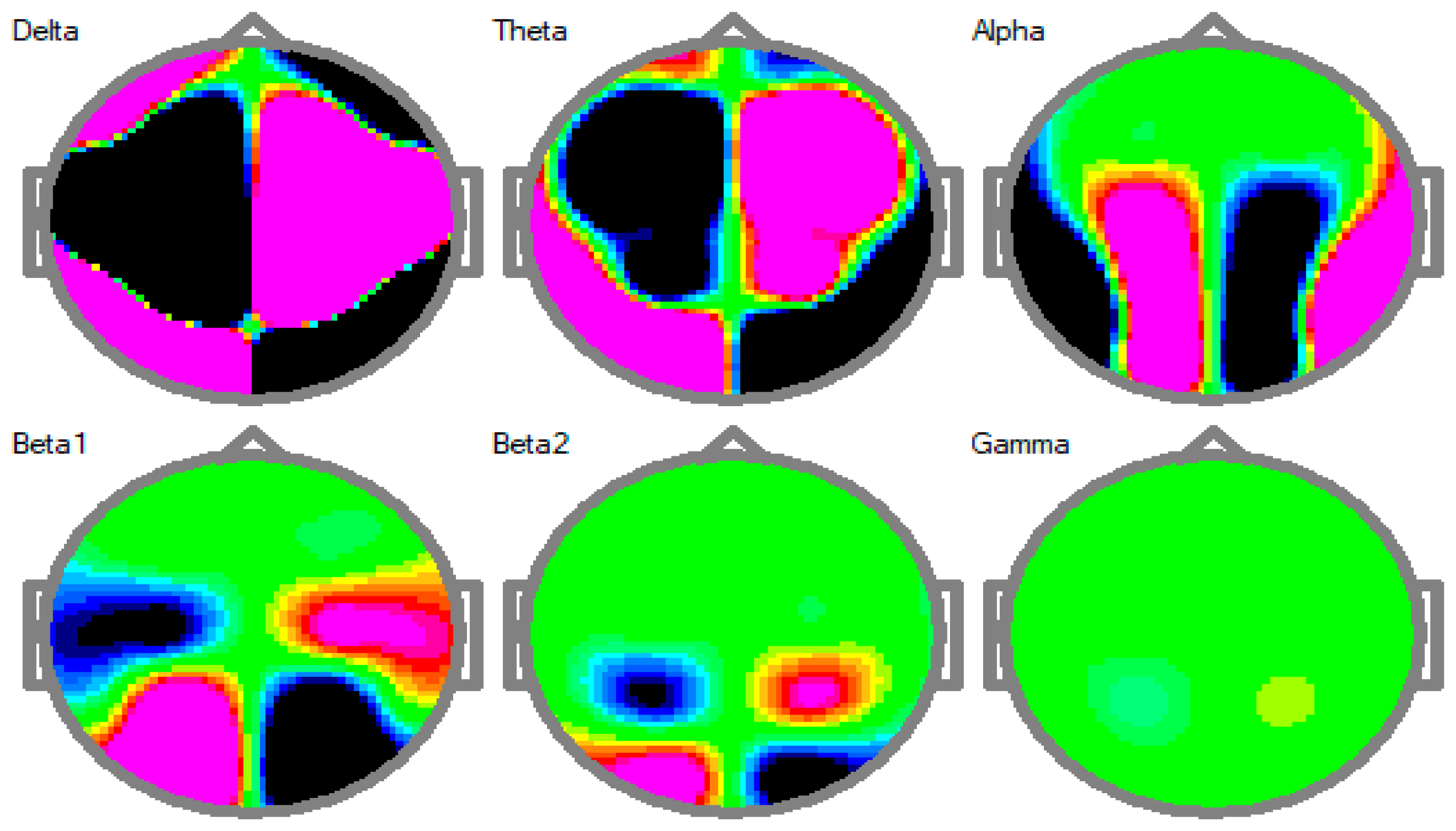
Topographic maps are presented for visualization purposes and do not imply exact neural source localization. Figure 4 shows the topographic distribution of EEG signals obtained during exposure of volunteer participants to fast-food-themed stimuli across different frequency bands (Delta, Theta, Alpha, Beta1, Beta2, and Gamma). The color scale represents the relative activity intensity in the relevant frequency band. Accordingly, warm colors (red, yellow) indicate higher activity, while cool colors (blue, green) indicate lower activity. The presented maps were created to visualize the spatial distribution of neurophysiological activity across different brain regions. Since the images presented here are representative, the figure does not directly provide anatomical measurements or precise localization. The figure reveals the general distribution patterns and relative variations in EEG signals. When the figure is examined, the observed concentrations, especially in the beta and gamma bands, appear to be related to cognitive processing, attention, and arousal levels. This can be considered a visual representation of consumers’ neurocognitive responses to healthy-living and sustainability messages.
In the Figure 4 the color scale represents the relative distribution of EEG activity across scalp regions. Warmer colors (red/pink) indicate higher activity levels, while cooler colors (blue/black) indicate lower activity levels.
The visualization is intended for illustrative purposes and does not imply exact neural source localization. Figure 5 shows a topographical representation of the formulation obtained from detrended fluctuation analysis (DFA) and the mathematical modeling of EEG signals associated with the healthy lifestyle variable. The color distribution in the image reflects the spatial distribution of parameters (especially scaling coefficients and fluctuation characteristics) derived from the processed EEG data. The color scale in Figure 5 represents the relative distribution of EEG activity across scalp regions. Warmer colors (red, orange, and pink) indicate relatively higher activity levels, whereas cooler colors (green, blue, and black) indicate relatively lower activity levels. The presented image shows data derived from mathematical analysis and modeling, not the raw EEG signals themselves. Therefore, the figure is a representative visualization that aims to show the general patterns and relative variations in EEG signals rather than provide precise anatomical localization.

3.4. Evaluation of the Proposed Hypotheses

The findings of the present study provide preliminary support for the proposed exploration hypotheses. First, the observed variations in EEG-based response patterns across environmental awareness, healthy living, and sustainability-related stimuli suggest measurable neurophysiological differences associated with fast-food-related visual exposure, thereby providing exploratory support for H1. Second, both the k-NN and NN classification results showed stronger engagement patterns for healthy-living-related stimuli than for other stimulus categories, which may support H2. Finally, the observed EEG variations associated with sustainability-oriented visual communication suggest that sustainability-related messages may influence implicit cognitive processing when exposed to fast-food visuals, thereby offering preliminary support for H3. However, due to the exploratory nature of the study and the relatively small sample size, these findings should be interpreted with caution and not considered definitive causal evidence.

4. Discussion

The findings of the present study should be interpreted within the context of its exploratory design. Rather than establishing statistically generalizable causal relationships, the study aims to identify preliminary neurophysiological response patterns associated with sustainability-oriented fast-food stimuli. Accordingly, the observed EEG variations may provide additional insights into implicit cognitive engagement related to environmental awareness, healthy living, and sustainability-oriented communication.
The findings of the present study appear broadly consistent with prior research on sustainability-oriented consumer behavior, suggesting that environmental awareness and healthy-living concerns may influence cognitive engagement in food-related decision-making (Phuong et al., 2024). Moreover, a positive relationship between perceptions of green consumption and consumer behavior has been identified (Hermassi, 2024). In this context, it can be argued that both perceptions of green consumption and green purchasing behavior significantly influence consumers’ decision-making processes (Koyuncu, 2020). This is consistent with the objective of the present study, as the findings indicate that environmental awareness is among the factors receiving the greatest attention.
The younger generation is increasingly emerging as a cohort with higher levels of awareness of environmental issues than other generations, which encourages more environmentally responsible consumption behaviors (Nguyen et al., 2017). Indeed, concerns related to sustainability and environmental awareness play a significant role in shaping consumer behavior (Akbıyık, 2024).
In the present study, health-related stimuli elicited relatively stronger EEG-based engagement patterns than environmental awareness- and sustainability-related visuals. This finding may be associated with the immediate personal relevance of health-oriented concerns during food-related cognitive processing. The findings may indicate that health- and sustainability-oriented stimuli are associated with differing levels of cognitive engagement during exposure to fast-food visuals. From a marketing perspective, it is emphasized that consumers’ levels of environmental awareness, sustainability concerns, and their fast-food consumption tendencies should be carefully considered when developing and structuring business marketing strategies (Chen & Chai, 2010).
The use of recyclable materials in product packaging, combined with appropriate design, has been shown to increase consumers’ willingness to repurchase environmentally friendly products (Petkowicz et al., 2024). This is because sustainable packaging positively influences perceived value, environmental concerns (L. Wang, 2025), and brand trust, which emerges as a significant factor in increasing repurchase intention (H. Cui et al., 2026). Furthermore, the provision of reusable packaging can support government initiatives to reduce plastic waste (Rinawiyanti et al., 2023). In this context, implementing green marketing strategies can enhance consumer preference for products (Balasenthil, 2024). Green marketing not only influences purchasing decisions but also fosters long-term brand relationships and, more importantly, promotes broader environmental responsibility among consumers (Kadam & Patil, 2024).
The findings of this study indicate that sustainability plays a significant role in shaping consumers’ food choices. Therefore, the research objective of the present study is consistent with existing literature.
Leonidou et al. (2010) found that consumers with a high level of environmental awareness tend to prefer environmentally friendly products. In other words, individuals who exhibit strong environmental awareness and sensitivity to nature are more likely to consider the environmental impact of products when making purchasing decisions (Leonidou et al., 2010; Waris & Hameed, 2020). For instance, products with recyclable, eco-friendly packaging are more likely to be chosen by environmentally conscious consumers.
In recent years, there has been a notable increase in the number of consumers who demonstrate high environmental sensitivity and actively choose products and services that align with environmental considerations (Hasan et al., 2024). This trend has also influenced changes, leading young consumers to prefer more sustainable and environmentally friendly food options (Zhang et al., 2024).
The findings of the present study are consistent with this perspective. The evaluation of alpha and beta wave values reveals that the higher proportion of these indicators supports the research objectives.
Reshi et al. (2023) examined the effects of demographic factors, such as age and income level, on fast-food consumption behavior and found that fast-food consumption is particularly prevalent among low-income groups, with consumer preferences largely driven by price and convenience. In contrast, other studies suggest that individuals with higher income and education levels may also exhibit higher levels of fast-food consumption (Ağır & Akbay, 2021).
Additionally, frequent consumers of fast-food report that convenience and taste are the primary factors influencing their preferences (K. Lee et al., 2022), highlighting the significant role of these attributes in shaping consumer choices. Despite widespread awareness of the adverse health effects of fast food and convenience-oriented products (Uğur, 2018; Öztürk & Onurlubaş, 2022), consumers continue to favor these products for their perceived taste and convenience. This preference persists even in the presence of concerns about hygiene standards in fast-food establishments (Sayın, 2022).
The existing body of literature provides a comprehensive understanding of the relationship between fast food consumption and consumer behavior. Similarly, the findings of the present study indicate that, regardless of the influence of various factors, healthy living remains a primary concern for consumers (see Table 1).
Similarly, a study conducted in Iran by Majabadi et al. (2016), which aimed to identify the underlying reasons for young people’s fast food consumption habits, revealed that personal attitudes, social influences, and family factors play a significant role in shaping these preferences.
In contrast to previous findings, the present study identifies an additional factor influencing consumers’ preferences for fast-food products. Specifically, the analyses indicate that visual stimuli associated with fast-food consumption influence consumers’ perceptions of healthy living and elicit corresponding brainwave responses.
Dassanayake (2023) investigated consumer behavior in Sri Lanka’s fast-food sector and found that consumer choices and preferences are shaped by a combination of personal preferences and social influences. The study identified perceived value and quality, personal taste and variety, social influence, and convenience as key determinants of fast-food preference.
In addition, previous research has highlighted several other factors influencing fast food consumption, including time-saving considerations and product appeal (Bulut & Kenanoğlu, 2022), product attributes, accessibility, location, and personal satisfaction (Tengiz, 2018), as well as changes in living conditions, lack of cooking skills or facilities, entertainment, socialization, and convenience (Rabotata & Malatji, 2021). Furthermore, consumers’ preferences have been shown to be influenced by factors such as taste, price, food quality, restaurant atmosphere, payment options, service quality, and location, all of which contribute to both enjoyment and social interaction (Akhter, 2019).
Research also indicates that demographic variables such as age and gender are not primary determinants of fast-food consumption, which has become increasingly popular in recent years; rather, factors such as income level and perceived taste play a more significant role (Dowarah et al., 2020). Similarly, Akar et al. (2024) emphasized students’ tendency toward fast-food consumption in their analysis of healthy lifestyle habits, while Öztürk and Onurlubaş (2022) examined fast-food consumption patterns among university students.
Although the literature includes numerous studies on this topic, it consistently highlights a general tendency among young individuals to consume fast food, regardless of the specific target group (Tümer, 2018; Açıkgöz et al., 2018; Korkmaz et al., 2019; Aksungur et al., 2011; Valor et al., 2020). In line with these findings, the present study concludes that fast-food-related visuals and slogans emphasizing these themes influence consumers’ cognitive and emotional responses.
As consumers become increasingly health-conscious, they show a stronger preference for healthier products. The perceived naturalness of products, together with the psychological benefits associated with their consumption, further reinforces this tendency (Huang et al., 2022). The younger generation may indicate relatively high levels of both environmental and health awareness, which significantly influence their consumption patterns within the context of sustainability. Indeed, environmentally conscious young consumers, motivated by a desire to protect nature, tend to prefer fast-food options that minimize environmental impact (Nguyen et al., 2017).
Consistent with these findings, EEG-based results suggest that healthy-living-related themes may elicit relatively stronger neurophysiological response patterns during exposure to fast-food advertisements.
The pursuit of a healthier lifestyle is an additional factor contributing to the decline in fast-food consumption. The increasing prevalence of chronic diseases, such as obesity, diabetes, and cardiovascular conditions, has encouraged individuals to seek healthier dietary alternatives (World Health Organization, 2025). In response, fast-food chains have begun incorporating low-calorie, plant-based, and natural-ingredient options into their menus (Kamiński et al., 2024). Moreover, the number of outlets offering plant-based products has risen in recent years (Burgoine et al., 2018), accompanied by a corresponding increase in fast-food advertisements emphasizing these themes.
Accordingly, the findings of this study highlight the critical role of slogans in social marketing and corporate social responsibility campaigns, as they are instrumental in achieving the intended communication objectives.
The growing influence of green purchasing behavior is compelling companies to adapt their marketing strategies. Contemporary consumers demonstrate a high level of sensitivity to environmental cues, as reflected in their purchasing decisions (Chea, 2024). In this context, strengthening consumers’ pro-environmental attitudes enables practitioners to design initiatives that enhance the intention to choose environmentally friendly products. It appears that both personal and subjective norms of consumers play a role in this situation. Moreover, these norms encourage environmentally conscious behavior. This is because social influence mechanisms are important factors in shaping attitudes and green purchasing intentions (Mihuț et al., 2025; Khoiriah & Imaningsih, 2025).
These observations are supported by the findings of the present study. Notably, one of the most significant results indicates that consumers consistently exhibit a cognitive orientation toward healthy living, regardless of varying conditions.
From a theoretical perspective, the present study contributes to the growing consumer neuroscience literature by demonstrating that sustainability-oriented food perceptions may involve subconscious cognitive processing patterns that are not always directly observable through conventional self-report approaches. The findings suggest that EEG-based measurements can provide complementary insights into consumers’ implicit reactions to environmental awareness and healthy-living messages in fast-food communication contexts.

5. Conclusions

The consumption of fast-food products not only elicits immediate pleasure among consumers but may also give rise to perceptions associated with adverse long-term consequences. This study emphasizes the negative implications of fast-food consumption that extend beyond short-term enjoyment. In particular, the long-term effects of fast-food consumption are considered in relation to promoting environmental awareness, encouraging healthy lifestyle behaviors, and increasing sustainability concerns.
Given the integral role of fast food in contemporary consumer habits, this study aims to examine how environmental awareness, healthy living considerations, and sustainability concerns are reflected in consumers’ perceptions of fast-food consumption.
The analyses indicate that the most prominent negative perception of fast-food advertisements among consumers is associated with concerns about healthy living. Although consumers demonstrate some sensitivity to maintaining a healthy lifestyle, the need for fast-food consumption in a fast-paced context remains significant. The adoption of healthier consumption patterns is therefore recommended, particularly from a sustainability perspective. However, the ease and speed of access to fast food products may undermine consumers’ motivation to pursue healthier lifestyles. Despite the recognized importance of maintaining a healthy, balanced lifestyle, factors such as convenience, accessibility, time efficiency, and cost often lead consumers to prefer fast-food options.
It is not unexpected that fast food advertisements do not explicitly emphasize healthy living; however, the emergence of health-related responses in consumers’ brainwave activity represents a noteworthy finding of this study. When public health-oriented entities such as ministries, institutions, civil society organizations, or volunteer groups implement campaigns that incorporate fast-food imagery, they are likely to directly promote health protection. In this context, particular attention should be paid to the slogans used in such visual content, as they play a critical role in shaping consumer perceptions in either a positive or negative direction. The findings of this research highlight the importance of slogans in social marketing and corporate social responsibility campaigns, as they are essential for effectively achieving the intended communication objectives.
Neuromarketing research offers substantial potential to uncover latent information by analyzing EEG signals associated with brain activity. Such analyses enable the identification of diverse findings that can be applied across various contexts. The present study can be considered to have achieved its objectives by establishing a framework for detecting consumer behaviors that are typically difficult to predict, utilizing EEG data to generate objective insights, and providing a foundation for future research in this field.
As fast-food consumption continues to rise, this consumption culture requires ongoing, systematic investigation. The motivational factors driving consumers toward fast food, the strategic approaches of fast-food businesses, and the policies and practices implemented by such institutions as governmental and non-governmental organizations positioned between businesses and consumers should be continuously examined. Experimental studies conducted in this context should be supported by both qualitative and quantitative research methods. Furthermore, studies encompassing diverse cultural contexts, regions, age groups, and educational levels may yield more comprehensive and meaningful insights. Expanding research in this direction is expected to advance environmental awareness, promote healthy living, and enhance sustainability-oriented consciousness, thereby making significant contributions to the existing body of literature.
This study has several limitations that also provide directions for future research. The research was conducted using an experimental design; however, although experimental approaches can complement both qualitative and quantitative methods, relying solely on this design may be considered a limitation. Therefore, future studies are encouraged to incorporate qualitative and/or quantitative methods to achieve more comprehensive insights. Additionally, the use of a sample drawn from a single region represents another limitation of the study. Expanding the scope of research to include participants from different regions may yield more generalizable and comprehensive results.
Several limitations of the present study should be acknowledged. First, the study was conducted with a relatively small group of participants due to the experimental nature of EEG data collection and laboratory constraints. Therefore, the findings should be interpreted as preliminary and exploratory rather than statistically generalized. Second, the study focused on neurophysiological responses measured under controlled laboratory conditions, which may differ from those in real-life consumption environments. Future studies may benefit from larger samples, cross-cultural comparisons, and the integration of additional biometric or behavioral measurement techniques.
Although the present study provides preliminary insights into EEG-based consumer response patterns, the findings should be interpreted with caution, given the study’s exploratory nature and relatively small sample size. Future studies employing larger samples and inferential statistical approaches may provide stronger validation and broader generalizability of the observed neurophysiological patterns.
The findings of the present study should be interpreted with caution due to the exploratory nature of the research and the relatively small sample size. EEG measurements alone cannot directly explain consumer decision-making behavior; rather, they provide preliminary insights into neurophysiological response tendencies associated with sustainability-oriented food stimuli. Future studies employing larger samples and multi-method approaches may provide broader validation of the observed findings.

Author Contributions

Ö.K.T. and F.A. developed the methodology; Ö.K.T., F.A. and S.K. initiated research concept and design; A.M.-P., L.K. and S.K. reviewed the literature and wrote the theoretical overview; Ö.K.T., F.A. and L.K. created the final version of the article; Ö.K.T., F.A. and A.G. implemented NN and k-NN modeling; Ö.K.T. and F.A. collected and analyzed data. All authors have read and agreed to the published version of the manuscript.

Funding

This research received no external funding.

Institutional Review Board Statement

The study was conducted in accordance with the Declaration of Helsinki, and approved by the Ethics Committee of Isparta University of Applied Sciences (protocol code 198/21 and 19 August 2025).

Informed Consent Statement

Informed consent was obtained from all subjects involved in the study.

Data Availability Statement

The original contributions presented in this study are included in the article. Further inquiries can be directed to the corresponding author.

Conflicts of Interest

The authors declare no conflicts of interest.

Abbreviations

The following abbreviations are used in this manuscript:
EEGEEG (Electroencephalography)
NNNeural Network (NN) model
k-NNk-Nearest Neighbors (k-NN) model
AlfaBrain Wave
BetaBrain Wave

References

  1. Acharya, R., Faust, O., Kannathal, N., Chua, T., & Laxminarayan, S. (2005). Non-linear analysis of EEG signals at various sleep stages. Computer Methods and Programs in Biomedicine, 80(1), 37–45. [Google Scholar] [CrossRef] [Scilit]
  2. Acharya, R. U., Lim, C. M., & Joseph, P. (2002). Heart rate variability analysis using correlation dimension and detrended fluctuation analysis. ITBM-RBM, 23(6), 333–339. [Google Scholar] [CrossRef] [Scilit]
  3. Açıkgöz, A., Akgün, M. F., Korkut, B., Çeçen, E., Kocaoğlu, N. M., & Dayı, A. (2018). Tıp fakültesi öğrencilerinin sağlikli yaşam biçimi davranişlari ve ilişkili etmenler: Gözlemsel araştirma. Dokuz Eylül Üniversitesi Tıp Fakültesi Dergisi, 32(2), 99–110. [Google Scholar] [CrossRef] [Scilit]
  4. Ağır, H. B., & Akbay, C. (2021). Tüketicilerin fast food tüketim sikliğini etkileyen faktörlerin analizi. Tekirdağ Ziraat Fakültesi Dergisi, 18(3), 436–445. [Google Scholar] [CrossRef] [Scilit]
  5. Akar, G., Hancıoğlu, N. F., Örflüoğlu, N., Atik, O., Kaptan, O., Gasimova, N., & Tözün, M. (2024). Bir üniversitenin tip fakültesi öğrencilerinde sağlikli yaşam tarzi alişkanliklarinin değerlendirilmesi. Gümüşhane Üniversitesi Sağlık Bilimleri Dergisi, 13(1), 315–324. [Google Scholar] [CrossRef] [Scilit]
  6. Akbıyık, F. (2024). The mediating role of social media marketing on the effect of green consumption perception on sustainable consumption. Üçüncü Sektör Sosyal Ekonomi Dergisi, 59(4), 2809–2830. [Google Scholar] [CrossRef] [Scilit]
  7. Akhter, M. M. (2019). Consumer attitude toward fast food consumption: A study on university students in dhaka city. Asian Journal of Humanity, Art and Literature, 6, 21–32. [Google Scholar] [CrossRef] [Scilit]
  8. Aksungur, A., Göktaş, B., Önder, Ö. R., & Cankul, İ. H. (2011). Öğrencilerin sağlikli yaşam davranişlarinin değerlendirilmesi. Ankara Sağlık Hizmetleri Dergisi, 10(1), 1–12. [Google Scholar]
  9. Ali, M., Ullah, S., & Ahmad, M. S. (2023). Assessing the impact of green consumption behavior and green purchase intention among millennials toward sustainable environment. Environmental Science and Pollution Research, 30(9), 23335–23347. [Google Scholar] [CrossRef] [Scilit]
  10. Aschemann-Witzel, J., Varela, P., & Peschel, A. O. (2019). Consumers’ categorization of food ingredients: Do consumers perceive them as ‘clean label’ additives? Food Quality and Preference, 71, 117–128. [Google Scholar] [CrossRef] [Scilit]
  11. Awang, S. A., Paulraj, M. P., & Yaacob, S. (2012). Analysis of EEG signals by eigenvector methods. In 2012 IEEE-EMBS conference on biomedical engineering and sciences (pp. 778–783). IEEE. Available online: https://ieeexplore.ieee.org/abstract/document/6498164/ (accessed on 1 December 2025).
  12. Balasenthil, R. S. (2024). Assessing the impact of green marketing strategies on consumer behavior: A comparative analysis of ITC, HUL, WIPRO, and TATA groups. Shanlax International Journal of Arts, Science and Humanities, 11(S2), 94–99. [Google Scholar] [CrossRef] [Scilit]
  13. Boca, G. D. (2021). Factors influencing consumer behaviour in sustainable fruit and vegetable consumption in maramures county, Romania. Sustainability, 13(4), 1812. [Google Scholar] [CrossRef] [Scilit]
  14. Bulut, E. T., & Kenanoğlu, Z. (2022). Tüketicilerin fast food ürünlerine yönelik tüketim tercihleri: İzmir ili örneği. Ege Üniversitesi Ziraat Fakültesi Dergisi, 59(1), 119–133. [Google Scholar] [CrossRef] [Scilit]
  15. Burgoine, T., Sarkar, C., Webster, C. J., & Monsivais, P. (2018). Examining the interaction of fast-food outlet exposure and income on diet and obesity: Evidence from 51,361 UK Biobank participants. International Journal of Behavioral Nutrition and Physical Activity, 15(1), 71. [Google Scholar] [CrossRef] [Scilit]
  16. Burkert, M., Hüttl-Maack, V., Gil, J., & Rahmani, D. (2023). The influence of green consumption values on how consumers form overall sustainability perceptions of food products and brands. Journal of Sustainable Marketing, 10(10), 44–62. [Google Scholar] [CrossRef] [Scilit]
  17. Camilleri, M. A., Cricelli, L., Mauriello, R., & Strazzullo, S. (2023). Consumer perceptions of sustainable products: A systematic literature review. Sustainability, 15(11), 8923. [Google Scholar] [CrossRef] [Scilit]
  18. Chea, A. C. (2024). Green marketing and consumer behavior: An analytical literature review and marketing implications. Business and Economic Research, 14(2), 78–92. [Google Scholar] [CrossRef] [Scilit]
  19. Chen, T. B., & Chai, L. T. (2010). Attitude towards the environment and green products: Consumers’ perspective. Management Science and Engineering, 4(2), 27–39. [Google Scholar] [CrossRef]
  20. Coderoni, S., & Perito, M. A. (2020). Sustainable consumption in the circular economy: An analysis of consumers’ purchase intentions for waste-to-value food. Journal of Cleaner Production, 252, 119870. [Google Scholar] [CrossRef] [Scilit]
  21. Constantinescu, A., Kraujalienė, L., Socol, A. G., Marin-Pantelescu, A., & Roman, M. D. (2025). Economic, social and technological determinants of foreign direct investment inflows: A worldwide analysis. Economic Computation and Economic Cybernetics Studies and Research, 59(3), 114–130. [Google Scholar] [CrossRef] [Scilit]
  22. Costa-Feito, A., González-Fernández, A. M., Rodríguez-Santos, C., & Cervantes-Blanco, M. (2023). Electroencephalography in consumer behaviour and marketing: A science mapping approach. Humanities and Social Sciences Communications, 10, 474. [Google Scholar] [CrossRef] [Scilit]
  23. Cui, H., Zhang, K., Ke, C., Duan, R., & Gui, Y. (2026). How eco-designed retail packaging shapes purchase intention: Exploring the mediating role of green perceived value. Sustainability, 18(3), 1261. [Google Scholar] [CrossRef] [Scilit]
  24. Cui, Y., Lissillour, R., Chebeň, J., Lančarič, D., & Duan, C. (2022). The position of financial prudence, social influence, and environmental satisfaction in the sustainable consumption behavioural model: Cross-market intergenerational investigation during the COVID-19 pandemic. Corporate Social Responsibility and Environmental Management, 29(4), 996–1020. [Google Scholar] [CrossRef] [Scilit]
  25. Dassanayake, D. M. C. (2023). Exploring motivations for fast-food consumption at global chains in Sri Lanka: The mediating role of social influence. Journal of Business Studies, 10(1), 1–20. [Google Scholar] [CrossRef] [Scilit]
  26. de Oliveira, U. R., Gomes, T. S. M., de Oliveira, G. G., de Abreu, J. C. A., Oliveira, M. A., da Silva César, A., & Aprigliano Fernandes, V. (2022). Systematic literature review on sustainable consumption from the perspective of companies, people and public policies. Sustainability, 14(21), 13771. [Google Scholar] [CrossRef] [Scilit]
  27. do Canto, N. R., Grunert, K. G., & Dutra de Barcellos, M. (2023). Goal-framing theory in environmental behaviours: Review, future research agenda and possible applications in behavioural change. Journal of Social Marketing, 13(1), 20–40. [Google Scholar] [CrossRef] [Scilit]
  28. Dong, X., Liu, S., Li, H., Yang, Z., Liang, S., & Deng, N. (2020). Love of nature as a mediator between connectedness to nature and sustainable consumption behaviour. Journal of Cleaner Production, 242, 118451. [Google Scholar] [CrossRef] [Scilit]
  29. Dowarah, L. J., Bhowmick, D. R., & Chakraborty, S. (2020). Fast food consumption behaviour among college students—A case study in Tinsukia. Current Research in Nutrition and Food Science Journal, 8(2), 371–379. [Google Scholar] [CrossRef] [Scilit]
  30. Duarte, P., Silva, S. C., Roza, A. S., & Carmo Dias, J. (2024). Enhancing consumer purchase intentions for sustainable packaging products: An in-depth analysis of key determinants and strategic insights. Sustainable Futures, 7, 100193. [Google Scholar] [CrossRef] [Scilit]
  31. Elhoushy, S., & Lanzini, P. (2021). Factors affecting sustainable consumer behaviour in the MENA region: A systematic review. Journal of International Consumer Marketing, 33(3), 256–279. [Google Scholar] [CrossRef] [Scilit]
  32. Hameed, I., Khan, K., Waris, I., & Zainab, B. (2022). Factors influencing the sustainable consumer behavior concerning the recycling of plastic waste. Environmental Quality Management, 32(2), 197–207. [Google Scholar] [CrossRef] [Scilit]
  33. Hasan, M. M., Al Amin, M., Arefin, M. S., & Mostafa, T. (2024). Green consumers’ behavioral intention and loyalty to use mobile organic food delivery applications: The role of social supports, sustainability perceptions, and religious consciousness. Environmental Development and Sustainability, 26, 15953–16003. [Google Scholar] [CrossRef] [Scilit]
  34. Hermassi, E. (2024). Greenwashing in Istanbul: Effects of greenwashing on migros’ customer attitudes and beliefs toward green consumption [Master’s thesis, Haliç University Institute for Graduate Studies]. [Google Scholar]
  35. Hettiarachchi, W. N. (2020). Ecological intelligence towards ecological behaviour. International Journal of All Research Writings, 3(5), 64–73. [Google Scholar]
  36. Horbach, J., Prokop, V., & Stejskal, J. (2023). Determinants of firms’ greenness towards sustainable development: A multi-country analysis. Business Strategy and the Environment, 32(6), 2868–2881. [Google Scholar] [CrossRef] [Scilit]
  37. Hosta, M., & Zabkar, V. (2021). Antecedents of environmentally and socially responsible sustainable consumer behaviour. Journal of Business Ethics, 171(2), 273–293. [Google Scholar] [CrossRef] [Scilit]
  38. Huang, Z., Zhu, Y.-D., Deng, J., & Wang, C.-L. (2022). Marketing healthy diets: The impact of health consciousness on Chinese consumers’ food choices. Sustainability, 14(4), 2059. [Google Scholar] [CrossRef] [Scilit]
  39. Jais, I. K. M., Ismail, A. R., & Nisa, S. Q. (2019). Adam optimization algorithm for wide and deep neural network. Knowledge Engineering and Data Science, 2(1), 41–46. [Google Scholar] [CrossRef] [Scilit]
  40. Kadam, K. R., & Patil, B. R. (2024). Green marketing and its influence on eco-conscious consumers. UGC Care Group 1 Journal, 54(2), 204–214. [Google Scholar]
  41. Kamiński, M., Juskowiak, M., Kowalewska, N., Barszczewska, L., Kręgielska-Narożna, M., & Bogdański, P. (2024). Nutrient composition of plant-based fast-food meals and their omnivore counterparts: A cross-sectional analysis of e-menus. Nutrition, 120, 112323. [Google Scholar] [CrossRef] [Scilit]
  42. Kanchana, P. (2024). Green marketing in the age of sustainability: Consumer perceptions and brand strategy. Nanotechnology Perceptions, 20(S16), 154–163. [Google Scholar] [CrossRef] [Scilit]
  43. Khoiriah, R. I., & Imaningsih, E. S. (2025). Impact of greenwashing, subjective norm, and perceived behavioral control on purchase intention for eco-friendly packaged fast-moving consumer goods: The mediating role of green trust. International Journal of Social and Management Studies, 6(3), 160–175. [Google Scholar]
  44. Khondakar, M. F. K., Sarowar, M. H., Chowdhury, M. H., Majumder, S., Hossain, M. A., Dewan, M. A. A., & Hossain, Q. D. (2024). A systematic review on EEG-based neuromarketing: Recent trends and analyzing techniques. Brain Informatics, 11, 17. [Google Scholar] [CrossRef] [Scilit]
  45. Khushaba, R. N., Wise, C., Kodagoda, S., Louviere, J., Kahn, B. E., & Townsend, C. (2013). Consumer neuroscience: Assessing the brain response to marketing stimuli using electroencephalogram (EEG) and eye tracking. Expert Systems with Applications, 40(9), 3803–3812. [Google Scholar] [CrossRef] [Scilit]
  46. Kitlas-Golińska, A. (2012). Detrended fluctuation analysis in biomedical signal processing: Selected examples. Studies in Logic, Grammar and Rhetoric, 29(42), 107–115. Available online: https://philpapers.org/rec/KITDFA (accessed on 1 December 2025).
  47. Korkmaz, E. K., Ardahan, M., & Erkin, Ö. (2019). İntörn hemşirelik öğrencilerinde sağlikli yaşam biçimi davranişlari ile obezite arasindaki ilişki. Sağlık ve Toplum, 29(3), 84–92. [Google Scholar]
  48. Koyuncu, M. (2020). Yeşil satin alma davranişlarinin tüketici satin alma kararlari üzerindeki etkisi [Master’s thesis, Afyon Kocatepe Üniversitesi Sosyal Bilimler Enstitüsü]. [Google Scholar]
  49. Kraujalienė, L., & Kromalcas, S. (2022). Brand positioning strategy in the competitive aspect. Business: Theory and Practice, 23(2), 467–475. [Google Scholar] [CrossRef] [Scilit]
  50. Kromalcas, S., Kraujalienė, L., & Ževžikovas, G. (2024). The influence of personal brand communication on consumers. Business: Theory and Practice, 25(1), 95–107. [Google Scholar] [CrossRef] [Scilit]
  51. Kumar, P., Singh, R. K., & Pandey, A. (2023). Green consumer behavior: A meta-analysis and research agenda. Journal of Consumer Behaviour, 22(1), 34–49. [Google Scholar]
  52. Kumar, V., Nayyar, G., & Koneti, C. (2024). Exploring the use of neuromarketing techniques in digital advertising: Insights from 2024. Journal of Informatics Education and Research, 4(3), 1456–1463. [Google Scholar] [CrossRef] [Scilit]
  53. Lee, J. M., Kim, D. J., Kim, I. Y., Park, K. S., & Kim, S. I. (2002). Detrended fluctuation analysis of EEG in sleep apnea using MIT/BIH polysomnography data. Computers in Biology and Medicine, 32(1), 37–47. [Google Scholar] [CrossRef] [Scilit] [PubMed]
  54. Lee, K., Hyun, J., & Lee, Y. (2022). Why do and why don’t people consume fast food?: An application of the consumption value model. Food Quality and Preference, 99, 104550. [Google Scholar] [CrossRef] [Scilit]
  55. Leonidou, L. C., Leonidou, C. N., & Kvasova, O. (2010). Antecedents and outcomes of consumer environmentally friendly attitudes and behaviour. Journal of Marketing Management, 26(13–14), 1319–1344. [Google Scholar] [CrossRef] [Scilit]
  56. Liu, C., & Jiang, M. (2024). Green messaging in the fast-food industry: The role of responsibility, obligation, and values in driving eco-conscious behavior. Sustainability, 16(19), 8445. [Google Scholar] [CrossRef] [Scilit]
  57. Lu, X., Zhang, J., Huang, S., Wang, T., Wang, M., & Ye, M. (2024). Nonlinear analysis and recognition of epileptic EEG signals in different stages. Journal of Neurophysiology, 132(3), 685–694. [Google Scholar] [CrossRef] [Scilit]
  58. Mahesh, B. (2020). Machine learning algorithms—A review. International Journal of Science and Research, 9(1), 381–386. [Google Scholar] [CrossRef] [Scilit]
  59. Majabadi, H. A., Solhi, M., Montazeri, A., Shojaeizadeh, D., Nejat, S., Khalajabadi Farahani, F., & Djazayeri, A. (2016). Factors influencing fast-food consumption among adolescents in tehran: A qualitative study. Iranian Red Crescent Medical Journal, 18(3), e23890. [Google Scholar] [CrossRef] [Scilit]
  60. Marcot, B. G., & Hanea, A. M. (2021). What is an optimal value of k in k-fold cross-validation in discrete Bayesian network analysis? Computational Statistics, 36(3), 2009–2031. [Google Scholar] [CrossRef] [Scilit]
  61. Mastria, S., Vezzil, A., & De Cesarei, A. (2023). Going green: A review on the role of motivation in sustainable behavior. Sustainability, 15(21), 15429. [Google Scholar] [CrossRef] [Scilit]
  62. Mihuț, I. S., Sterie, L.-G., & Mican, D. (2025). The green dilemma: What drives consumers to green purchase intention in an emerging EU economy? Journal of Applied Economics, 28(1), 2536323. [Google Scholar] [CrossRef] [Scilit]
  63. Moslem, B., Diab, M. O., Khalil, M., & Marque, C. (2011). Detrended fluctuation analysis of uterine electromyography. In 2011 1st middle east conference on biomedical engineering (pp. 450–453). IEEE. [Google Scholar] [CrossRef] [Scilit]
  64. Motamedi-Fakhr, S., Moshrefi-Torbati, M., Hill, M., Hill, C. M., & White, P. R. (2014). Signal processing techniques applied to human sleep EEG signals—A review. Biomedical Signal Processing and Control, 10, 21–33. [Google Scholar] [CrossRef] [Scilit]
  65. Murugappan, M., Murugappan, S., & Gerard, C. (2014). Wireless EEG signals based neuromarketing system using fast fourier transform (FFT). In 2014 IEEE 10th international colloquium on signal processing and its applications (pp. 25–30). IEEE. [Google Scholar] [CrossRef] [Scilit]
  66. Nguyen, T. N., Lobo, A., & Greenland, S. (2017). The influence of cultural values on green purchase behaviour. Marketing Intelligence & Planning, 35(3), 377–396. [Google Scholar] [CrossRef] [Scilit]
  67. Nguyen, T. N., Lobo, A., & Greenland, S. (2021). Pro-environmental purchase behavior: The role of consumers’ biospheric values, environmental concern and willingness to pay more. Journal of Retailing and Consumer Services, 33, 98–108. [Google Scholar] [CrossRef] [Scilit]
  68. Nishitani, K., & Kokubu, K. (2020). Can firms enhance economic performance by contributing to sustainable consumption and production? Analyzing the patterns of influence of environmental performance in Japanese manufacturing firms. Sustainable Production and Consumption, 21, 156–169. [Google Scholar] [CrossRef] [Scilit]
  69. Oon, H. N., Saidatul, A., & Ibrahim, Z. (2018). Analysis on non-linear features of electroencephalogram (EEG) signal for neuromarketing application. In 2018 international conference on computational approach in smart systems design and applications (ICASSDA) (pp. 1–8). IEEE. [Google Scholar] [CrossRef] [Scilit]
  70. Öztürk, D., & Onurlubaş, E. (2022). Üniversite öğrencilerinin fast-food tüketim alişkanliklarinin incelenmesi. Gaziosmanpaşa Bilimsel Araştırma Dergisi, 11(3), 221–232. [Google Scholar]
  71. Panteli, A., Kalaitzi, E., & Fidas, C. A. (2024). A review on the use of EEG for the investigation of the factors that affect consumer behavior. Physiology & Behavior, 278, 114509. [Google Scholar] [CrossRef] [Scilit] [PubMed]
  72. Peng, C. K., Havlin, S., Stanley, H. E., & Goldberger, A. L. (1995). Quantification of scaling exponents and crossover phenomena in nonstationary heartbeat time series. Chaos: An Interdisciplinary Journal of Nonlinear Science, 5(1), 82–87. [Google Scholar] [CrossRef] [Scilit]
  73. Petkowicz, A. C., Pelegrini, T., Bodah, B. W., Rotini, C. D., Moro, L. D., Neckel, A., Spanhol, C. P., Araújo, E. G., Pauli, J., & Mores, G. d. V. (2024). Purchasing intention of products with sustainable packaging. Sustainability, 16(7), 2914. [Google Scholar] [CrossRef] [Scilit]
  74. Phinyomark, A., Phothisonothai, M., Limsakul, C., & Phukpattaranont, P. (2009, August 13–14). Detrended fluctuation analysis of electromyography signal to identify hand movement. 2nd Biomedical Engineering International Conference (pp. 324–329), Phuket, Thailand. Available online: https://tinyurl.com/3pwh5sc9 (accessed on 1 December 2025).
  75. Phuong, N. V., Mai, N. T. N., Mergenthaler, M., Cuc, L. T., & Quynh, P. N. H. (2024). The role of social media on green food consumption intention in Hanoi, Vietnam. AGRIS On-Line Papers in Economics and Informatics, 16(2), 107–120. [Google Scholar] [CrossRef] [Scilit]
  76. Plassmann, H., Ramsøy, T. Z., & Milosavljevic, M. (2012). Branding the brain: A critical review and outlook. Journal of Consumer Psychology, 25(1), 18–36. [Google Scholar] [CrossRef] [Scilit]
  77. Pozharliev, R., Verbeke, W. J., Van Strien, J. W., & Bagozzi, R. P. (2015). Merely being with you increases my attention to luxury products: Using EEG to understand consumers’ emotional experience with luxury branded products. Journal of Marketing Research, 52(4), 546–558. [Google Scholar] [CrossRef] [Scilit]
  78. Qi, X., Chen, G., Li, Y., Cheng, X., & Li, C. (2019). Applying neural-network-based machine learning to additive manufacturing: Current applications, challenges, and future perspectives. Engineering, 5(4), 721–729. [Google Scholar] [CrossRef] [Scilit]
  79. Rabotata, S., & Malatji, T. (2021). Factors influencing fast food consumption: A case study of university of venda students, Limpopo, South Africa. Technium Social Sciences Journal, 26, 888–899. [Google Scholar] [CrossRef] [Scilit]
  80. Rahman, M. M., Sarkar, A. K., Hossain, M. A., & Moni, M. A. (2022). EEG-based emotion analysis using non-linear features and ensemble learning approaches. Expert Systems with Applications, 207, 118025. [Google Scholar] [CrossRef] [Scilit]
  81. Rana, M., Kumar, K., & Kapoor, P. (2025). Emerging trends in sustainable marketing: Analyzing the impact of eco-friendly consumer behavior on brand strategies. International Journal of Environmental Sciences, 11(8s), 207–213. [Google Scholar] [CrossRef] [Scilit]
  82. Reshi, I. A., Dar, S. A., & Ansar, S. S. (2023). An empirical study on the factors affecting consumer behavior in the fast-food industry. Journal of Management Research, Utility Finance and Digital Assets, 1(4), 376–381. [Google Scholar] [CrossRef] [Scilit]
  83. Rinawiyanti, E. D., Priska, C. A., & Gunawan, G. (2023). Consumers mapping and green marketing design for products with reusable packaging. Journal of Management and Business Review, 20(3), 311–331. [Google Scholar] [CrossRef] [Scilit]
  84. Sargın, S., & Dursun, Y. (2023). Sustainable consumption behaviour: A conceptual assessment. Business & Management Studies: An International Journal, 11(1), 400–412. [Google Scholar] [CrossRef] [Scilit]
  85. Sayın, K. (2022). A research on the effect of fast-food products on health and the reasons for preference. Journal of Tourism and Gastronomy Studies, 10(1), 302–320. [Google Scholar] [CrossRef] [Scilit]
  86. Schmidhuber, J. (2015). Deep learning in neural networks: An overview. Neural Networks, 61, 85–117. [Google Scholar] [CrossRef] [Scilit]
  87. Sengupta, S., Biswas, S., Nag, S., Sanyal, S., Banerjee, A., Sengupta, R., & Ghosh, D. (2017). Emotion specification from musical stimuli: An EEG study with AFA and DFA. In 2017 4th international conference on signal processing and integrated networks (SPIN) (pp. 596–600). IEEE. [Google Scholar] [CrossRef] [Scilit]
  88. Sobolev, D. (2025). Reimagining fast food: Consumers’ judgments and acceptance of fast food alternatives. Food Quality and Preference, 126, 105420. [Google Scholar] [CrossRef] [Scilit]
  89. Soria Morillo, L. M., García, J. A. A., Gonzalez-Abril, L., & Ramirez, J. O. (2015). Advertising liking recognition technique applied to neuromarketing by using low-cost EEG headset. In International conference on bioinformatics and biomedical engineering (pp. 701–709). Springer International Publishing. [Google Scholar] [CrossRef] [Scilit]
  90. Soyer, M., & Dittrich, K. (2021). Sustainable consumer behaviour in purchasing, using and disposing of clothes. Sustainability, 13(15), 8333. [Google Scholar] [CrossRef] [Scilit]
  91. Stam, C. J., Montez, T., Jones, B. F., Rombouts, S. A. R. B., Van Der Made, Y., Pijnenburg, Y. A., & Scheltens, P. (2005). Disturbed fluctuations of resting state EEG synchronization in Alzheimer’s disease. Clinical Neurophysiology, 116(3), 708–715. [Google Scholar] [CrossRef] [Scilit]
  92. Suguna, N., & Thanushkodi, K. (2010). An improved k-nearest neighbor classification using genetic algorithm. International Journal of Computer Science Issues, 7(2), 18–21. [Google Scholar]
  93. Tang, Y., Sheng, Q., Wu, X., & Zeng, F. (2025). Discriminative power of diverse nonlinear EEG dynamics across consciousness states during auditory stimulation in disorders of consciousness. Frontiers in Human Neuroscience, 19, 1640520. [Google Scholar] [CrossRef] [Scilit]
  94. Taufique, K. M. R. (2022). Integrating environmental values and emotion in green marketing communications inducing sustainable consumer behaviour. Journal of Marketing Communications, 28(3), 272–290. [Google Scholar] [CrossRef] [Scilit]
  95. Telpaz, A., Webb, R., & Levy, D. J. (2015). Using EEG to predict consumers’ future choices. Journal of Marketing Research, 52(4), 511–529. [Google Scholar] [CrossRef] [Scilit]
  96. Tengiz, Z. M. (2018). Üniversite öğrencilerinin fast food tüketimine yönelik tutum ve davranişlarinin değerlendirilmesi [Master’s thesis, Tekirdağ Namık Kemal Üniversitesi Fen Bilimleri Enstitüsü]. [Google Scholar]
  97. Thirumuruganathan, S. (2010). A detailed introduction to K-nearest neighbor (KNN) algorithm. Retrieved March, 20, 2012. [Google Scholar]
  98. Tümer, E. İ. (2018). Lise ve dengi okullardaki öğrencilerin fast food tüketim kararlari. KSÜ Doğa Bilimleri Dergisi, 21(1), 1–6. [Google Scholar] [CrossRef] [Scilit]
  99. Uğur, U. (2018). Gençlerin fast food tüketimlerinin sembolik tüketim kapsamında değerlendirilmesi: Sivas ilinde bir araştırma. Akademik Bakış Uluslararası Hakemli Sosyal Bilimler Dergisi, 67, 1–9. [Google Scholar]
  100. Valor, C., Antonetti, P., & Merino, A. (2020). The relationship between moral competences and sustainable consumption among higher education students. Journal of Cleaner Production, 248, 119161. [Google Scholar] [CrossRef] [Scilit]
  101. Vantamay, N. (2018). Investigation and recommendations on the promotion of sustainable consumption behavior among young consumers in Thailand. Kasetsart Journal of Social Sciences, 39(1), 51–58. [Google Scholar] [CrossRef] [Scilit]
  102. Vega, C. F., & Fernández, F. J. R. (2012). Recognition of mental task with the analysis of long-range temporal correlations on EEG brain oscillation. In 2012 ISSNIP biosignals and biorobotics conference: Biosignals and robotics for better and safer living (BRC) (pp. 1–4). IEEE. [Google Scholar] [CrossRef] [Scilit]
  103. Vergura, D. T., Zerbini, C., Luceri, B., & Palladino, R. (2023). Investigating sustainable consumption behaviors: A bibliometric analysis. British Food Journal, 125(13), 253–276. [Google Scholar] [CrossRef] [Scilit]
  104. Wang, C., Ghadimi, P., Lim, M. K., & Tseng, M.-L. (2019). A literature review of sustainable consumption and production: A comparative analysis in developed and developing economies. Journal of Cleaner Production, 206, 741–754. [Google Scholar] [CrossRef] [Scilit]
  105. Wang, L. (2025). The impact of environmentally friendly materials in sustainable packaging design on consumer purchase intentions. Advances in Economics, Management and Political Sciences, 172(1), 62–68. [Google Scholar] [CrossRef] [Scilit]
  106. Waris, I., & Hameed, I. (2020). Promoting environmentally sustainable consumption behavior: An empirical evaluation of purchase intention of energy-efficient appliances. Energy Efficiency, 13(8), 1653–1664. [Google Scholar] [CrossRef] [Scilit]
  107. White, P., Winton, T., & Moriarty, L. (2023). Green marketing strategies and their influence on consumer behavior. Proceedings of the International Conference on Economics and Business, 2(2), 63–66. [Google Scholar] [CrossRef] [Scilit]
  108. Widodo, A., Rubiyanti, N., & Madiawati, P. N. (2025). Investigating the influence of eco-labels on consumer behavior in Indonesia’s developing green market. Management & Sustainability: An Arab Review. Advance online publication. [Google Scholar] [CrossRef] [Scilit]
  109. World Health Organization. (2025). Obesity and overweight. Available online: https://www.who.int/news-room/fact-sheets/detail/obesity-and-overweight (accessed on 23 July 2025).
  110. Yagi, M., & Kokubu, K. (2020). A framework of sustainable consumption and production from the production perspective: Application to Thailand and Vietnam. Journal of Cleaner Production, 276, 124160. [Google Scholar] [CrossRef] [Scilit]
  111. Yarımoğlu, E., & Binboğa, G. (2019). Understanding sustainable consumption in an emerging country: The antecedents and consequences of the ecologically conscious consumer behavior model. Business Strategy and the Environment, 28(4), 642–651. [Google Scholar] [CrossRef] [Scilit]
  112. Zhan, Y., Ren, Y., & Xu, J. (2025). Willingness to pay a premium for eco-label products in China: A mediation model based on quality value. Scientific Reports, 15, 1783. [Google Scholar] [CrossRef] [Scilit]
  113. Zhang, Y., Quoquab, F., Zhang, J., & Mohammad, J. (2024). What does it take to drive young consumers to purchase green food? Perceived usefulness, environmental problem, or fear of pandemic recurrence? Cogent Food & Agriculture, 10(1), 2413917. [Google Scholar] [CrossRef] [Scilit]
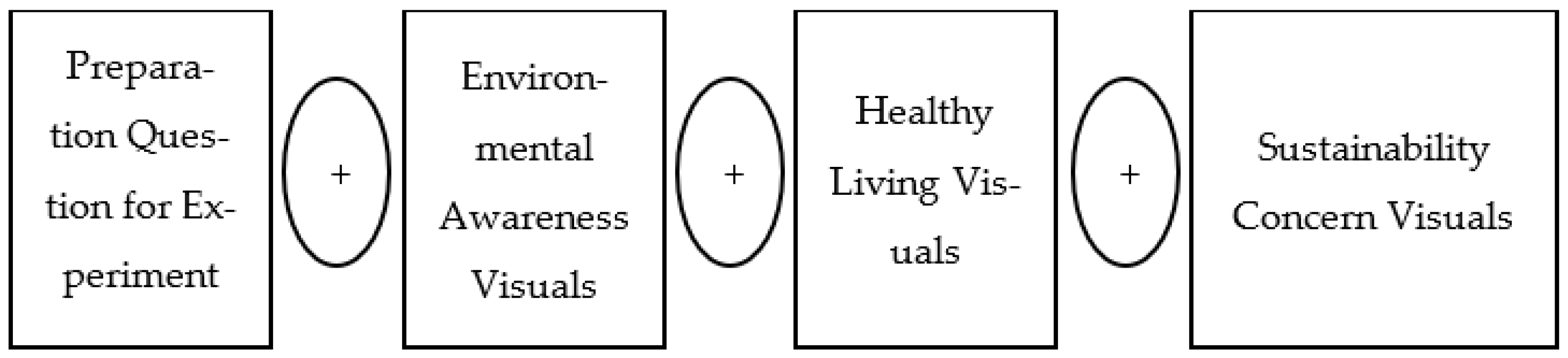
Figure 1. Experimental process approach.
Admsci 16 00280 g001
Figure 2. Perception Classification Using an NN Model.
Admsci 16 00280 g002
Figure 3. Graphical output of the healthy living variable.
Admsci 16 00280 g003
Figure 4. Parameter map of healthy living variable.
Admsci 16 00280 g004
Figure 5. Healthy living variable’s formulation.
Admsci 16 00280 g005
Table 1. Classification of Consumer Perception Using k-NN.
Brain WavekEnvironmental AwarenessHealthy LivingSustainability ConcernTotal
Alfa241.8482.6162.7458.64
352.2784.2766.4264.17
Beta256.1160.7243.8444.91
366.2862.9448.3148.39
Alfa & Beta242.8684.2153.7453.27
353.1988.6756.2755.38
Table 2. Average Values of Detrended Fluctuation Characteristics for Alpha and Beta Waves.
Average Values of Detrended Fluctuation Analysis CharacteristicsAlfa WavesBeta Waves
Environmental Awareness0.75280.4193
Healthy Living0.71640.4364
Sustainability Concern0.72940.4272
Disclaimer/Publisher’s Note: The statements, opinions and data contained in all publications are solely those of the individual author(s) and contributor(s) and not of MDPI and/or the editor(s). MDPI and/or the editor(s) disclaim responsibility for any injury to people or property resulting from any ideas, methods, instructions or products referred to in the content.