

Article

Greening the Mining Industry: Influencing Environmental Performance Through Green Organisational Culture—The Mediating Effect of Green Employee Behaviours


by
William Makumbe
* and
Emmanuel Mutambara
Business School, Northwest University, Potchefstroom 2531, South Africa
*
Author to whom correspondence should be addressed.
Adm. Sci. 2026, 16(5), 205; https://doi.org/10.3390/admsci16050205
Submission received: 14 January 2026 / Revised: 9 April 2026 / Accepted: 20 April 2026 / Published: 28 April 2026
(This article belongs to the Special Issue Emerging Trends in Employee Green Behavior and Organizational Impact)

Abstract

The rapid and accelerating depletion of natural resources has spurred governments and pressure groups to call for effective environmental management initiatives. One such initiative is the creation of a green organisational culture to combat environmental degradation. As a result, there has been a burgeoning of the literature on the concept of green organisational culture; however, the research is still in its nascent stage. For this reason, this study investigated the mediating role of green employee behaviours in the relationship between green organisational culture and environmental performance in the mining industry. Data were systematically collected from 277 participants and analysed using SMARTPLS 4. The results revealed that, while green organisational culture significantly impacted environmental performance, green employee behaviours partially mediated this relationship. These results offer important insights for mine managers.

1. Introduction

Mining companies play a vital role in the global economy, providing employment and materials for infrastructure development (PWC Global Mine, 2024). With global revenues exceeding $700 billion in 2022 (www.statista.com, accessed on 9 September 2024), the mining industry contributes significantly to the growth of many economies worldwide. However, mining also causes severe environmental degradation. Its detrimental effects include water contamination, air pollution, land degradation, and damage to biodiversity (Worlanyo & Jiangfeng, 2021). Consequently, protecting the environment has become a priority for many corporations and governments worldwide. In fact, the United Nations Sustainable Development Goal 13 clearly emphasises the need to combat climate change and its impact. The adverse effects of climate change and environmental degradation are particularly severe in Africa, which relies heavily on mining and other natural resources for economic growth. Africa’s dependence on natural resources and its vulnerability to climate change pose risks to future economic development (Sharma et al., 2021). Nevertheless, Africa’s vast untapped mining resources also offer significant opportunities for green business development (UNDP, 2024).
Despite accounting for only 4% of global emissions through mining and other activities, Africa includes 30 of the world’s most vulnerable countries in terms of climate adaptation capacity and ecosystem damage (UNDP, 2024). A significant shift in the organisational culture of mining companies is therefore essential for them to harness their potential in addressing environmental challenges (Aggarwal & Agarwala, 2025). As Khaddage-Soboh et al. (2024) argue that an organisation’s cultural structure is a key factor influencing its environmental practices. In organisational settings, pro-environmental behaviours can be cultivated through the development of a green organisational culture. Such a culture embeds environmental concern in its core values, ensuring widespread adoption and practice across all organisational entities (Abbas & Sağsan, 2019). Building on earlier research by Fok et al. (2022), the present study argues that establishing a green organisational culture within mining companies can improve environmental performance through employee green behaviours. These include waste reduction, effective waste management, and energy conservation initiatives (Al-Swidi et al., 2021).
Although a green organisational culture has been recognised as a solution to environmental challenges, the literature suggests that the concept is relatively new and sparsely researched (Aggarwal & Agarwala, 2025). Authors such as Al-Alawneh et al. (2024) and (Muisyo & Qin, 2021) observe that there is a scarcity of research linking green organisational culture and companies’ environmental performance. For this reason, the present study investigated the mediation effect of employee green behaviours on the relationship between green organisational culture and environmental performance. An analysis of available relevant literature indicates that the few available green organisational studies have focused on industries such as textiles. (Alotaibi et al., 2024; Sharma et al., 2021) and manufacturing (see Abbas & Dogan, 2022; Abbas & Sağsan, 2019; Allameh et al., 2011; Mirahsani et al., 2024; Mirhadian et al., 2024; Muisyo & Qin, 2021), and pointed to the role of higher education (Al-Alawneh et al., 2024; Aggarwal & Agarwala, 2025). Accordingly, the present study investigated the topic under scrutiny in the context of the mining industry in Zimbabwe. This study focused on selected mining companies operating in the rich coalfields of northern Zimbabwe. The mining and processing of coal pose a significant risk to the environment through groundwater depletion air and water pollution.
The present investigation provides significant new insights into green management studies, particularly in the African context. While Africa lags in improving green performance, a response to frequent calls for extensive empirical studies on green management in developing countries is essential (Mondal et al., 2024). The present study, therefore, extends the body of evidence on the link between green organisational culture and companies’ environmental performance, an issue which is under-reported in the scholarly literature (Muisyo et al., 2022).

2. Theoretical Framework

As in previous studies (see Al-Alawneh et al., 2024; Al-Swidi et al., 2021; Muisyo et al., 2022; Muisyo & Qin, 2021; Yeşiltaş et al., 2022), the Ability–Motivation–Opportunity (AMO) theory was selected to underpin the present study. The AMO theory suggests that employee performance is a function of their ability (A), level of motivation (M), and the availability of opportunities (O) to utilise their skills. Ability is described as the physiological and cognitive capabilities that enable an individual to perform tasks effectively (Bos-Nehles et al., 2023). The capabilities include knowledge, skills, competencies, and proficiencies that are critical in task performance. Motivation is the willingness to undertake tasks (Zhang et al., 2021). Opportunities are environmental forces that surround an individual, enabling or constraining task performance (Bos-Nehles et al., 2023). The AMO model suggests that organisational systems and practices enhance performance when they develop employees’ competencies (ability), stimulate their willingness to exert effort (motivation), and create participative structures that enable behavioural enactment (opportunity). In the strategic human resource management literature, the AMO framework provides a behavioural explanation of how organisational-level practices translate into firm-level outcomes.
In this study, green organisational culture refers to a system of shared environmental values, norms, and expectations that shapes employee behaviour in the mining industry. Drawing on the AMO framework, a green organisational culture enhances employees’ green abilities by promoting environmental training, knowledge sharing, and eco-related skill development. It strengthens green motivation by embedding sustainability values, reinforcing pro-environmental norms, and recognising environmentally responsible conduct. Furthermore, it creates green opportunities by empowering employees to participate in environmental initiatives, report ecological risks, and contribute to sustainability decision-making.
The AMO framework, therefore, provides the microfoundational logic linking green organisational culture to environmental performance. While organisational culture establishes the strategic orientation toward sustainability, it is employees’ green behaviours, such as energy conservation, waste reduction, compliance with environmental standards, and proactive eco-initiatives, that directly influence environmental outcomes. In environmentally intensive industries such as mining, operational-level employee actions are critical determinants of pollution control, resource efficiency, and regulatory compliance. Thus, green employee behaviours constitute the behavioural mechanism through which organisational culture translates into measurable improvements in environmental performance.
Accordingly, this study posits that a green organisational culture enhances employees’ ability, motivation, and opportunities to engage in pro-environmental behaviours, thereby improving environmental performance. By applying the AMO framework to the mining sector, this research extends the model into the domain of green organisational culture and sustainability, offering a theoretically grounded explanation of how behavioural processes mediate the organisational culture–performance relationship.

2.1. Green Organisational Culture

Organisational culture constitutes both a concept and a tool for establishing routines that link organisational practices to set goals (Fok et al., 2022); hence, it can play a pivotal role in organisations pursuing their environmental agenda. The need to protect the environment has thus given rise to the concept of green organisational culture. Unsurprisingly, there has been a plethora of research on green organisational culture (see Abbas & Dogan, 2022; Abbas & Sağsan, 2019; Aggarwal & Agarwala, 2025; Al-Alawneh et al., 2024; Al-Swidi et al., 2021; Muisyo et al., 2022; Muisyo & Qin, 2021; Yeşiltaş et al., 2022). Abbas and Dogan (2022) posit that organisational culture is a shared system of beliefs, attitudes, and values that mould or redirect people’s behaviours. Hence, in the context of the present research, it implies that organisations pursuing sustainability efforts can create shared beliefs around greening organisational practices. Accordingly, a green organisational culture can be defined as a set of values and beliefs that guide organisational practices towards environmental friendliness (Aggarwal & Agarwala, 2025).
In organisations where green values are emphasised, employees are expected to incorporate them into their daily routines (Yeşiltaş et al., 2022), thereby enhancing environmental performance. Institutionalising green culture in an organisational context requires employees to have a deep awareness and understanding of managerial practices (Aggarwal & Agarwala, 2025). This implies that greenness must be an inherent part of an organisation’s mission and vision. Organisational mission and vision serve to direct people’s behaviours; hence, employees can become attuned to exhibit pro-environmental behaviour. The extent to which green organisational culture is practised in an organisation can be analysed using the Harris and Crane (2002) model, which identified three dimensions of green organisational culture as follows:
(a)
The degree of cultural greening, which refers to the extent to which managers feel that green values and sustainability goals are reflected in organisational creations and artefacts.
(b)
The diffusion of cultural greening, which refers to the extent to which managers believe these feelings and behaviours are exhibited throughout the organisation.
(c)
Depth of cultural greening, which refers to the extent to which managers value green initiatives.
An analysis of these three dimensions facilitates a clearer understanding of how widely and deeply shared green values have permeated an organisation.

2.2. Green Environmental Performance

The enhancement of green environmental performance for the benefit of future generations has become a significant focus for policymakers (Pinzone et al., 2016). Accordingly, the concept of green environmental performance has attracted the attention of several scholars and practitioners (see Al-Alawneh et al., 2024; Ben Arfi et al., 2018; Muisyo & Qin, 2021; Sahoo et al., 2023; Zaid et al., 2018; Zhou et al., 2020). Green performance refers to a company’s initiatives to meet and exceed societal expectations for environmental management goals (Awan et al., 2023). Such performance can be influenced by factors such as green product and process innovations, which enable the integration of environmental sustainability into product development and business procedures. This assertion is supported by Sahoo et al. (2023), who state that green environmental performance is achieved through techniques that maximise resource efficiency while safeguarding sustainability goals through pollution control and waste reduction. Factors such as training and development programmes that focus on employee competence in recycling, waste management, and workplace energy efficiency can also enhance green performance (Awan et al., 2023). Furthermore, authors such as Al-Alawneh et al. (2024) argue that green organisational culture also enhances environmental performance. This is because a system of shared beliefs about green thinking can lead to extensive employee effort to achieve green ecological goals.

2.3. Green Employee Behaviour

Numerous environmental challenges, such as noise, urban pollution, global warming, and biodiversity issues, are attributed to human behaviours (Alotaibi et al., 2024). This implies that a paradigm shift in human conduct is paramount to achieving environmental goals. For this reason, employee green behaviour has received attention in recent years as organisations and employees realise the importance of environmental sustainability (see Alotaibi et al., 2024; Al-Swidi et al., 2021; Katz et al., 2022). Employee green behaviour is defined as any behaviour that has a positive environmental impact (Al-Swidi et al., 2021). Factors that determine an employee’s green behaviour include individual values and attitudes, organisational culture, and environmental knowledge (Alotaibi et al., 2024). In essence, organisational culture facilitates the spread of green behaviour within an organisation. Employee green behaviours thus include practices such as effective waste management, recycling, and reduction in energy consumption. According to Katz et al. (2022), Employee green behaviour can be performed as part of employees’ tasks or done directly through employees acting independently. This means that both the organisation and its employees are crucial to achieving environmental goals. However, how people act and behave in organisations is critical, as organisations cannot accomplish their sustainability goals without employees at different hierarchical levels demonstrating green behaviours (Katz et al., 2022).

2.4. Hypotheses Development

2.4.1. Green Organisational Culture and Green Performance

Little research has been done on the impact of green organisational culture on environmental performance (Al-Alawneh et al., 2024). This investigation aims to fill this gap. An organisation’s culture binds people together in pursuit of a common goal. In this research, fostering an environmentally conscious culture among employees can lead to reduced pollution, less waste, and lower energy consumption. This assertion is supported by Noor Faezah et al. (2024), who opine that, when an organisation embraces a green culture, employees develop a sense of responsibility for environmental protection. Indeed, the culture of an organisation has been identified as a key determinant of ecological consciousness (Yeşiltaş et al., 2022). When a green culture is adopted throughout the entire organisation, this can lead to improvements in employees’ criteria for performing daily tasks (Noor Faezah et al., 2024), resulting in more efficient production methods, including better water use and material recycling. Previous research suggests that a green organisational culture enhances environmental performance (see Abbas & Dogan, 2022; Abbas & Khan, 2023; Al-Alawneh et al., 2024; Noor Faezah et al., 2024).
It can therefore be hypothesised that:
H1: 
Green organisational culture positively influences environmental performance.

2.4.2. Green Organisational Culture and Employee Green Behaviour

It seems highly probable that environmental sustainability goals can be achieved through the efforts of an organisation’s employees (Alotaibi et al., 2024). This implies that employees must have adequate green knowledge and demonstrate sustainability values. In this regard, an organisation’s culture is crucial for enhancing employees’ understanding of green knowledge and values, which are essential for achieving environmental sustainability goals. This view is supported by Yeşiltaş et al. (2022), who state that a green organisational culture influences employee green behaviour by enhancing environmental consciousness. If employees understand that cultural values require them to act ecologically, such values will probably trigger pro-environmental behaviour. At the core of spreading green knowledge throughout the entire organisation is a culture of knowledge sharing. Yeşiltaş et al. (2022) argue that successful environmental management requires green values to be shared among organisational members. In an organisational context, explicit green knowledge can be shared through procedure manuals, textbooks, and journals, whereas implicit green knowledge can be disseminated through workshops and meetings. Past research indicates that a green organisational culture promotes green behaviour among employees (see Katz et al., 2022; Noor Faezah et al., 2024; Zhang et al., 2021).
Hence, it can be hypothesised that:
H2: 
Green organisational culture positively influences employees’ green behaviour.

2.4.3. Green Employee Behaviours and Environmental Performance

As highlighted, employees play a pivotal role in preserving and improving the environment (see Zacher et al., 2023; Katz et al., 2022). For instance, the green behaviour of employees may decrease the generation and dumping of harmful substances, as well as reduce the consumption of organisational resources (Zhang et al., 2021), thus improving the environment. Green employee behaviours are primarily driven by their attitudes towards environmental greening and their green knowledge. If the attitude is positive and green expertise is available, this can lead to extensive pro-environmental behaviour. These pro-environmental behaviours include environmentally oriented organisational citizenship behaviour and the development of environmentally friendly products (Zhang et al., 2021). Other voluntary green behaviours, such as actively sharing environmental knowledge, identifying environmental issues, and providing pro-environmental suggestions to management, are critical to enhancing environmental performance (Mirahsani et al., 2024). Previous research argues that employee green behaviour has a positive impact on environmental performance (see Alshebami, 2021; Al-Swidi et al., 2021; Zhang et al., 2021).
Hence, it can be hypothesised that:
H3: 
Green employee behaviour positively influences environmental performance.

2.4.4. The Role of Green Employee Behaviour

The mediating role of employee green behaviour in environmental studies has been examined (see Alshebami, 2021; Nisar et al., 2024). In the context of the present research, the culture of an organisation is reflected through employees’ green behaviours, which are instrumental in improving environmental performance. As part of building a green culture, an organisation can instil green values that are assimilated throughout the organisation (Alshebami, 2021). These values can be incorporated into employees’ daily job tasks (Alotaibi et al., 2024). This implies that, as employees carry out their daily routines, they will readily advance the environmental agenda. A conducive organisational culture that encourages environmental initiatives can also be created. This can involve setting aside idea times to discuss environmental protection issues and rewarding environmental protection idea champions. Such an environment may see employees performing voluntary acts, such as personal environmental initiatives that exceed organisational expectations, as well as environmental protection lobbying and activism (Alshebami, 2021).
It can therefore be hypothesised that:
H4: 
Green employee behaviour mediates the relationship between green organisational culture and environmental performance.

3. Materials and Methods

3.1. Research Paradigm and Design

This research adopted the ontological position of objectivism and the epistemological position of positivism. Accordingly, a cross-sectional design was employed, and a quantitative approach was adopted to test the hypotheses underlying this study. This aligns with Saunders et al. (2009), who stated that positivism emphasises quantifiable observations that can be analysed statistically, as in this case. Further, in a similar vein, Yilmaz (2013) opined that quantitative research is based on the objectivist epistemology and thus seeks to develop explanatory universal laws in social behaviour by statistically measuring and analysing causal relationships amongst variables. In this study, the relationships among green organisational culture, green employee behaviours, and environmental performance were examined.

3.2. Population and Sampling

Zimbabwe’s mining sector is highly diversified, mining nearly 40 different minerals. The main minerals include platinum-group metals (PGMs), chrome, gold, coal, lithium, and diamonds. Northern Zimbabwe has abundant coal deposits, and large companies are involved in extracting and processing the resource. This area was therefore a valuable source of information for green studies. The research targeted 900 employees in selected coal mining companies. These employees were selected based on their direct involvement in mining operations. According to Israel (1992), at a 95% confidence level, a sample size of at least 277 participants is sufficient for a population of this magnitude. In adherence with the simple random sampling technique, a complete sampling frame was obtained, and each population element was assigned a unique identification number from 1 to 900. Using a computer-generated random number procedure, 277 cases were selected, ensuring that each member of the population had an equal and independent probability of selection
This study adhered to all relevant ethical procedures and guidelines. Additionally, participants were assured of confidentiality and could opt out of the research at any time without pressure. A structured questionnaire, including an informed consent section, was created and uploaded to SurveyMonkey. An online link generated by the platform was sent to participants’ email addresses, obtained from the Human Resources divisions of the selected companies. The participants’ demographics are summarised in Table 1 below:

3.3. Research Instrument Measures

The research variables were examined using previously validated measurement items in the literature. The structured questionnaire items were piloted with individuals from the research population. A five-point Likert scale was used to measure the constructs, ranging from 1 ‘strongly disagree’ to 5 ‘strongly agree’.
Green organisational culture: Green organisational culture was operationalised with a scale developed by Yeşiltaş et al. (2022). A sample item from the scale is: ‘Our organisation makes a concerted effort to make every employee understand the importance of environmental protection.’
Employee green behaviour: Employee green behaviour was measured using a combination of items adapted from the work of Mirahsani et al. (2024) and Yeşiltaş et al. (2022). A sample item from the scale is: ‘Today I completed my tasks in an environmentally friendly way.’
Environmental performance: The environmental performance scale used in this study was based on the work of Muisyo and Qin (2021). A sample item from the scale is: ‘Our company uses resource materials that reduce pollution.’

3.4. Reliability and Validity

The data were assessed for validity and reliability as discussed below:
Indicator reliability: If a reflective indicator loading is higher than 0.5, the item is a good measurement of a latent construct (Hulland, 1999). Accordingly, all the indicator loadings exceeded 0.5 (see Table 2).
Internal consistency reliability: This study assessed internal consistency reliability using Composite Reliability (CR) and Cronbach’s alpha. Gefen et al. (2000) state that a CR value of at least 0.7 indicates adequate internal consistency reliability. Hair et al. (2012) suggest that Cronbach alpha (α) values greater than 0.60 are widely considered desirable in research to indicate internal consistency reliability. Cronbach’s alpha and Composite Reliability thresholds were met.
Convergent reliability: Convergent reliability is the extent to which a measure correlates positively with alternative measures of the same construct (Hair et al., 2012). Average Variance Extracted is used to assess convergent reliability and should exceed 0.5. Table 2 below confirms that AVE values are acceptable.

3.5. Discriminant Validity

According to Hair et al. (2012), discriminant validity can be evaluated using the Fornell–Larcker criterion. This method compares the square roots of the AVEs with the correlations of the latent variable with other constructs. The square root of the AVE for each construct should be greater than its correlation with any other construct, as shown in Table 3 below:

3.6. Empirical Results

3.6.1. Common Method Bias (CMB)

This study employed Harman’s one-factor test (Harman, 1976) and the Variance Inflation Factor (VIF) (Kock, 2015) to assess Common Method Bias (CMB). According to Harman’s test, no single factor should account for more than 50% of the variance among variables, while VIF values should remain below 3.3 (Kock, 2015). The results met both criteria: a single factor explained 29.51% of the variance, and VIFs for all items were under 3.3 (see Table 2), indicating the dataset was free from CMB.

3.6.2. Evaluation of the Structural Model

This study assessed the predictive and explanatory power of the structural model. The predictive accuracy was assessed using the Q2 values, whereas the explanatory power was assessed using the Coefficient of Determination (R2) and the Effect Size (F2) (Rubel et al., 2020).
In SMART PLS, the Q2 is calculated using the blindfolding technique. As suggested by Chin (1988), the Q2 value should be greater than zero (0). The Q2 values were 0.13 and 0.11 for environmental performance and green employee behaviours, respectively. This implies that the model’s predictive accuracy was strong.
The R2 was used to evaluate the model’s explanatory power. As shown in Table 4 below, green organisational culture and green employee behaviours explained 41.1% of the variance in environmental performance. However, green employee behaviours accounted for a greater explanatory contribution (0.497), whereas green organisational culture accounted for 0.239 of the variance. On the other hand, green organisational culture explained 20.2% of the variance in green employee behaviours. These results indicate a strong explanatory model.
According to Cohen (1988), f2 values are interpreted as follows: values close to 0.02 = small, 0.15 = medium, and 0.35 = large. Accordingly, as shown in Table 5 below, green employee behaviours had the greatest effect size on environmental performance (0.298). Green organisational culture had a high effect on green employee behaviours and a medium impact on environmental performance (0.175). These results imply that exogenous variables had an explanatory power on the endogenous variables.

4. Structural Equation Modelling

SMARTPLS 4 was conducted to test the hypotheses of this study. The results are shown in Figure 1 below:

4.1. Direct Effects

Table 6 below shows that a green organisational culture significantly impacted environmental performance and green employee behaviours (β = 0.239, p-value = 0.00; β = 0.450, p-value = 0.00). Hence, H1 and H2 were accepted. Furthermore, green employee behaviours significantly impacted environmental performance (β = 0.497, p-value = 0.00). Hence, H3 was accepted.

4.2. Mediation Effects of Green Employee Behaviours

The results showed that green employee behaviours partially mediated the relationship between green organisational culture and environmental performance (β = 0.224, p = 0.00); hence, H4 was accepted.

5. Discussion

The present study provides insights that may be of value from both theoretical and managerial perspectives. It is one of the earliest known attempts to examine the effect of green organisational culture on environmental performance in the Zimbabwean mining industry. In other words, this investigation extends our understanding of the joint effect of green organisational culture and green employee behaviours on environmental performance, both of which are relatively new areas of study (Al-Alawneh et al., 2024; Anwar et al., 2020). The empirical findings of the present study confirm all four stated hypotheses. Through the mediation analysis, this study confirmed the mediator role of green employee behaviours. A brief synopsis of the findings is presented below:
Firstly, a green organisational culture was found to positively impact environmental performance (β = 0.239, p < 0.001). This finding aligns with the work of authors such as Abbas and Dogan (2022), Abbas and Khan (2023), and Al-Alawneh et al. (2024), who state that an organisation’s culture is a critical ingredient in effectively managing the environment. The culture of an organisation emphasises strict adherence to values that emphasise respect for nature, sustainable living, and responsible consumption. In the mining industry, these values include prioritising recycling, conserving energy and water, reducing waste, supporting local and organic food, choosing sustainable transportation, and reclaiming mined land. All such values, if pursued, can lead to a better immediate environment and a broader one.
Secondly, corresponding with the findings of Yeşiltaş et al. (2022), a green organisational culture has a significant impact on green employee behaviours (β = 0.450, p < 0.001). This implies that a green organisational culture influences green employee behaviours. This occurs through a culture that enhances environmental awareness among employees. In an organisation that emphasises green ethical values, employees are likely to engage in green behaviours (Alotaibi et al., 2024). In the mining industry, managers can instil green values in employees by focusing on education and practical training, and by fostering a strong ethical climate that prioritises sustainability. This involves demonstrating how environmental responsibility aligns with the company’s overall goals and highlights the positive impact of green practices on the environment and the business.
Thirdly, green employee behaviours significantly impacted environmental performance (β = 0.497, p < 0.001). This corroborates the work of Zhang et al. (2021). Since human behaviour contributes to environmental degradation, promoting green employee behaviours can help protect the environment. People in the workplace are responsible for daily work routines; hence, positive ecological actions from employees can help reduce environmental degradation. Green employee behaviours essential for environmental protection include active participation in environmental knowledge-sharing symposia, identification of environmental issues, and suggestions to enhance environmental management (Zhang et al., 2021). Lastly, green employee behaviours were established to be an essential mediator in the link between green organisational culture and environmental performance (β = 0.224, p < 0.001)—a finding that is consistent with the work of Shahzad et al. (2023). Green employee behaviours can be conceived as the core of environmental sustainability because organisations cannot accomplish their ecological sustainability goals without the assistance of their employees (Katz et al., 2022), Hence, the employee complement can facilitate the achievement of environmental goals.

5.1. Theoretical Significance

This study makes several distinct theoretical contributions to the literature on green organisational culture, green employee behaviours, and environmental performance.
First, this study extends the explanatory scope of the Ability–Motivation–Opportunity theory by embedding environmental sustainability within its core logic. While the AMO theory traditionally explains employee performance through ability, motivation, and opportunity, this study demonstrates that a green organisational culture operates as an integrative contextual mechanism that simultaneously activates all three dimensions. In doing so, this study reframes the AMO theory as a performance-enhancing and sustainability-enabling framework, thereby broadening its theoretical applicability to environmental management contexts.
Second, this study contributes by explicitly theorising and empirically validating the mediating role of green employee behaviours in the relationship between green organisational culture and environmental performance. Prior research has largely treated these constructs independently or examined direct effects, offering limited insight into the underlying mechanism linking organisational context to environmental outcomes. By introducing a behavioural mediation model, this study provides a clearer explanation of how and why green organisational culture translates into improved environmental performance, thereby advancing a more process-oriented and internally coherent theoretical framework.
Third, this study offers a theoretically meaningful contextual extension by situating the model within the mining industry in the Global South. Unlike service or low-impact industries commonly examined in prior research, mining is characterised by high environmental risk, operational rigidity, and strong dependence on physical processes. This context introduces important theoretical boundary conditions, showing that internal organisational mechanisms, such as organisational culture and employee behaviour, remain effective drivers of environmental performance even in resource-intensive and highly constrained settings. Consequently, this study strengthens the external validity of existing theories while demonstrating their applicability in contexts where environmental impact is most pronounced.
Finally, this study strengthens the conceptual linkage between organisational culture and environmental performance, which has remained underdeveloped in the prior literature. By integrating organisational culture, employee behaviour, and environmental outcomes into a single empirically tested model, this study moves beyond fragmented approaches and offers a more unified theoretical explanation. This positions green organisational culture as a central antecedent of environmental performance and clarifies its role within broader sustainability theory.

5.2. Practical Implications

This study provides actionable insights for mining organisations seeking to improve environmental performance through internal organisational mechanisms.
First, the findings suggest that cultivating a green organisational culture can serve as a cost-effective alternative to capital-intensive environmental management systems. To operationalise this, mining firms should embed environmental values into formal organisational systems. This can be achieved by integrating sustainability criteria into performance management systems, such as including environmental Key Performance Indicators (KPIs) (e.g., emissions-reduction targets, waste minimisation rates, and energy-efficiency metrics) in employee appraisal processes. Additionally, organisations can institutionalise green culture through formal artefacts such as sustainability charters, standard operating procedures, and internal environmental audits.
Second, this study highlights the critical role of leadership in shaping a green organisational culture. Mining executives should translate their environmental commitment into visible, measurable leadership practices. For example, senior managers can set quarterly environmental targets, allocate dedicated sustainability budgets, and link executive compensation to environmental performance outcomes. Regular communication, such as sustainability briefings, dashboards, and site-level reporting, can further reinforce shared environmental priorities and ensure alignment across operational units.
Third, the findings underscore the importance of targeted green human resource management (GHRM) practices in driving green employee behaviours. Mining organisations should implement structured training programmes focused on practical sustainability skills, such as the use of energy-efficient equipment, waste segregation, and land rehabilitation techniques. These programmes should be continuous and evaluated using measurable indicators (e.g., training participation rates, post-training behavioural assessments, and reductions in resource usage). In addition, recruitment and selection processes can incorporate environmental criteria by assessing candidates’ environmental awareness and prior sustainability experience.
Fourth, the results emphasise that green employee behaviours are a direct driver of environmental performance, highlighting the need for behavioural reinforcement mechanisms. Organisations can introduce incentive systems that reward environmentally responsible actions, such as recognition programmes, financial bonuses tied to environmental KPIs, or team-based sustainability competitions. At the same time, embedding green behaviours into job descriptions and standard work procedures can ensure that sustainability becomes part of routine operational practice rather than discretionary effort.
Finally, from a policy and industry perspective, the findings suggest that regulators and industry bodies can play a facilitative role by introducing targeted incentives and accountability mechanisms. These may include tax incentives linked to verified environmental performance metrics, mandatory sustainability reporting standards, and industry-specific guidelines for mine rehabilitation and resource efficiency. Such measures can complement firm-level initiatives by creating an enabling environment that reinforces organisational efforts toward sustainability.

6. Conclusions

This study examined the relationship between green organisational culture, green employee behaviours, and environmental performance in the mining industry. The findings reveal that green organisational culture significantly enhances both environmental performance and green employee behaviours. Additionally, green employee behaviours significantly improve environmental performance.mportantly, green employee behaviours were found to partially mediate the relationship between green organisational culture and environmental performance. This indicates that while green culture directly strengthens environmental outcomes, part of its influence operates through shaping employees’ pro-environmental actions.
Overall, the results highlight that cultivating a strong green organisational culture is a strategic pathway to improving environmental performance, particularly when it translates into meaningful green employee behaviours.

7. Limitations and Future Research

This study has several limitations that suggest directions for future research. First, the use of self-reported data may introduce common method bias and social desirability effects, potentially inflating the observed relationships among green organisational culture, green employee behaviours, and environmental performance. Future studies should employ multi-source data, such as combining employee responses with objective environmental metrics or supervisor evaluations, to enhance validity.
Second, the cross-sectional design restricts causal inference, as all variables were measured at a single point in time. Although the findings support the hypothesised relationships, reverse causality cannot be ruled out. Longitudinal research is therefore recommended to examine the dynamic evolution of green organisational culture and its impact on behaviour and performance.
Finally, the focus on the mining sector may limit generalisability. Future research could test the model across different industries and incorporate moderating variables, such as leadership or regulatory pressure, to provide a more comprehensive understanding of the proposed relationships.

Author Contributions

Conceptualization, W.M.; methodology, W.M.; software, W.M.; validation, E.M.; formal analysis, E.M.; investigation, W.M.; resources, E.M.; data curation, E.M.; writing—original draft preparation, W.M.; writing—review and editing, E.M. All authors have read and agreed to the published version of the manuscript.

Funding

This research received no external funding.

Institutional Review Board Statement

Ethical review and approval were waived because the study involved anonymous, voluntary participation and posed no foreseeable risk to participants.

Informed Consent Statement

Informed consent was obtained from all subjects involved in the study.

Data Availability Statement

Data may be available upon reasonable request.

Conflicts of Interest

The authors declare no conflicts of interest.

References

  1. Abbas, J., & Dogan, E. (2022). The impacts of organisational green culture and corporate social responsibility on employees’ responsible behaviour towards society. Environmental Science and Pollution Research, 29(40), 60024–60034. [Google Scholar] [CrossRef]
  2. Abbas, J., & Khan, S. M. (2023). Green knowledge management and organisational green culture: An interaction for organisational green innovation and green performance. Journal of Knowledge Management, 27(7), 1852–1870. [Google Scholar] [CrossRef]
  3. Abbas, J., & Sağsan, M. (2019). Impact of knowledge management practices on green innovation and corporate sustainable development: A structural analysis. Journal of Cleaner Production, 229, 611–620. [Google Scholar] [CrossRef]
  4. Aggarwal, P., & Agarwala, T. (2025). Green organisational culture: An exploration of dimensions. Global Business Review, 26(4), 1103–1126. [Google Scholar] [CrossRef]
  5. Al-Alawneh, R., Othman, M., & Zaid, A. A. (2024). Green HRM impact on environmental performance in higher education with mediating roles of management support and green culture. International Journal of Organizational Analysis, 32(6), 1141–1164. [Google Scholar] [CrossRef]
  6. Allameh, M., Zamani, M., Mohammad, S., & Davoodi, R. (2011). Procedia computer the relationship between organizational culture and knowledge management (A case study: Isfahan university). Procedia Computer Science, 3, 1224–1236. [Google Scholar] [CrossRef]
  7. Alotaibi, H. S., Hashim, F., Nguyen, N. T., Alatawy, K., Alam, M. N., & Mashi, M. S. (2024). The effect of organisational green culture and organisational environmental ethics on green employee behaviour: The role of green innovative performance and green communication and feedback among employees of garment industry in Bangladesh. International Journal of Environment, Workplace and Employment, 8(1), 44–70. [Google Scholar] [CrossRef]
  8. Alshebami, A. S. (2021). Evaluating the relevance of green banking practices on Saudi Banks’ green image: The mediating effect of employees’ green behaviour. Journal of Banking Regulation, 22(4), 275–286. [Google Scholar] [CrossRef]
  9. Al-Swidi, A. K., Gelaidan, H., & Saleh, R. M. (2021). The joint impact of green human resource management, leadership and organizational culture on employees’ green behaviour and organisational environmental performance. Journal of Cleaner Production, 316, 128112. [Google Scholar] [CrossRef]
  10. Anwar, N., Mahmood, N. H. N., Yusliza, M. Y., Ramayah, T., Faezah, J. N., & Khalid, W. (2020). Green Human Resource Management for organisational citizenship behaviour towards the environment and environmental performance on a university campus. Journal of cleaner production, 256, 120401. [Google Scholar] [CrossRef]
  11. Awan, F. H., Dunnan, L., Jamil, K., & Gul, R. F. (2023). Stimulating environmental performance via green human resource management, green transformational leadership, and green innovation: A mediation-moderation model. Environmental Science and Pollution Research, 30(2), 2958–2976. [Google Scholar] [CrossRef]
  12. Ben Arfi, W., Hikkerova, L., & Sahut, J. M. (2018). External knowledge sources, green innovation and performance. Technological Forecasting and Social Change, 129, 210–220. [Google Scholar] [CrossRef]
  13. Bos-Nehles, A., Townsend, K., Cafferkey, K., & Trullen, J. (2023). Examining the ability, motivation and opportunity (AMO) framework in HRM research: Conceptualization, measurement and interactions. International Journal of Management Reviews, 25(4), 725–739. [Google Scholar] [CrossRef]
  14. Chin, W. W. (1998). The partial least squares approach to structural equation modeling. In Modern methods for business research (pp. 295–336). Psychology Press. [Google Scholar]
  15. Cohen, J. (1988). Statistical power analysis for the behavioural sciences (2nd ed.). Erlbaum. [Google Scholar]
  16. Fok, L., Zee, S., & Morgan, Y. C. T. (2022). Green practices and sustainability performance: The exploratory links of organizational culture and quality improvement practices. Journal of Manufacturing Technology Management, 33(5), 913–933. [Google Scholar] [CrossRef]
  17. Gefen, D., Straub, D., & Boudreau, M.-C. (2000). Structural equation modeling and regression: Guidelines for research practice. Communications of the Association for Information Systems, 4, 7. [Google Scholar] [CrossRef]
  18. Hair, J. F., Sarstedt, M., Ringle, C. M., & Mena, J. A. (2012). An assessment of the use of partial least squares structural equation modeling in marketing research. Journal of the Academy of Marketing Science, 40(3), 414–433. [Google Scholar] [CrossRef]
  19. Harman, H. H. (1976). Modern factor analysis. University of Chicago Press. [Google Scholar]
  20. Harris, L. C., & Crane, A. (2002). The greening of organizational culture: Management views on the depth, degree and diffusion of change. Journal of organizational change management, 15(3), 214–234. [Google Scholar] [CrossRef]
  21. Hulland, J. (1999). Use of partial least squares (PLS) in strategic management research: A review of four recent studies. Strategic Management Journal, 20(2), 195–204. [Google Scholar] [CrossRef]
  22. Israel, G. D. (1992). Determining sample size. Available online: https://www.psycholosphere.com/Determining%20sample%20size%20by%20Glen%20Israel.pdf (accessed on 25 November 2025).
  23. Katz, I. M., Rauvola, R. S., Rudolph, C. W., & Zacher, H. (2022). Employee green behavior: A meta-analysis. Corporate Social Responsibility and Environmental Management, 29(5), 1146–1157. [Google Scholar] [CrossRef]
  24. Khaddage-Soboh, N., Yunis, M., Imran, M., & Zeb, F. (2024). Sustainable practices in Malaysian manufacturing: The influence of CSR, transformational leadership, and green organizational culture on environmental performance. Economic Analysis and Policy, 82, 753–768. [Google Scholar] [CrossRef]
  25. Kock, N. (2015). Common method bias in PLS-SEM: A full collinearity assessment approach. International Journal of E-Collaboration (Ijec), 11(4), 1–10. [Google Scholar] [CrossRef]
  26. Mirahsani, N., Azizan, O., Shahriari, M., Rexhepi, G., & Najmi, A. (2024). Green culture toward employee green behavior; the mediation roles of perceived support and green identity. Environment, Development and Sustainability, 26(6), 16149–16172. [Google Scholar] [CrossRef]
  27. Mirhadian, N., Azizan, O., & Shahriari, M. (2024). The impact of green culture on employee organizational commitment: The mediating role of green identity. Journal of Human Behavior in the Social Environment, 34(6), 906–925. [Google Scholar] [CrossRef]
  28. Mondal, S., Singh, S., & Gupta, H. (2024). Examining the impact of green entrepreneurship drivers on sustainable development in the context of emerging country. Benchmarking, 32(9), 3584–3630. [Google Scholar] [CrossRef]
  29. Muisyo, P. K., & Qin, S. (2021). Enhancing the FIRM’S green performance through green HRM: The moderating role of green innovation culture. Journal of Cleaner Production, 289, 125720. [Google Scholar] [CrossRef]
  30. Muisyo, P. K., Su, Q., Ho, T. H., Julius, M. M., & Usmani, M. S. (2022). Implications of green HRM on the firm’s green competitive advantage: The mediating role of enablers of green culture. Journal of Manufacturing Technology Management, 33(2), 308–333. [Google Scholar] [CrossRef]
  31. Nisar, Q. A., Haider, S., Ali, F., Gill, S. S., & Waqas, A. (2024). The role of green HRM on environmental performance of hotels: Mediating effect of green self-efficacy & employee green behaviors. Journal of Quality Assurance in Hospitality and Tourism, 25(1), 85–118. [Google Scholar] [CrossRef]
  32. Noor Faezah, J., Yusliza, M. Y., Ramayah, T., Teixeira, A. A., & Alkaf, A. R. (2024). Mediating role of green culture and green commitment in implementing employee ecological behaviour. Journal of Management Development, 43(3), 253–282. [Google Scholar] [CrossRef]
  33. Pinzone, M., Guerci, M., Lettieri, E., & Redman, T. (2016). Progressing in the change journey towards sustainability in healthcare: The role of “Green” HRM. Journal of Cleaner Production, 122, 201–211. [Google Scholar] [CrossRef]
  34. PWC Global Mine Report. (2024). Preparing for impact (21st ed.). Available online: https://www.pwc.com/gx/en/mining/assets/pwc-global-mine-2024.pdf (accessed on 1 November 2025).
  35. Rubel, M. R. B., Kee, D. M. H., & Rimi, N. N. (2020). The influence of green HRM practices on green service behaviors: The mediating effect of green knowledge sharing. Employee Relations, 43(5), 996–1015. [Google Scholar] [CrossRef]
  36. Sahoo, S., Kumar, A., & Upadhyay, A. (2023). How do green knowledge management and green technology innovation impact corporate environmental performance? Understanding the role of green knowledge acquisition. Business Strategy and the Environment, 32(1), 551–569. [Google Scholar] [CrossRef]
  37. Saunders, M., Lewis, P., & Thornhill, A. (2009). Research methods for business students. Pearson Education. [Google Scholar]
  38. Shahzad, M. A., Jianguo, D., & Junaid, M. (2023). Impact of green HRM practices on sustainable performance: Mediating role of green innovation, green culture, and green employees’ behavior. Environmental Science and Pollution Research, 30(38), 88524–88547. [Google Scholar] [CrossRef]
  39. Sharma, S., Prakash, G., Kumar, A., Mussada, E. K., Antony, J., & Luthra, S. (2021). Analysing the relationship of adaption of green culture, innovation, green performance for achieving sustainability: Mediating role of employee commitment. Journal of Cleaner Production, 303, 127039. [Google Scholar] [CrossRef]
  40. UNDP. (2024). Africa green business and financing report 2024. Available online: https://www.undp.org (accessed on 24 November 2025).
  41. Worlanyo, A. S., & Jiangfeng, L. (2021). Evaluating the environmental and economic impact of mining for post-mined land restoration and land-use: A review. Journal of Environmental Management, 279, 111623. [Google Scholar] [CrossRef]
  42. Yeşiltaş, M., Gürlek, M., & Kenar, G. (2022). Organizational green culture and green employee behavior: Differences between green and non-green hotels. Journal of Cleaner Production, 343, 131051. [Google Scholar] [CrossRef]
  43. Yilmaz, K. (2013). Comparison of quantitative and qualitative research traditions: Epistemological, theoretical, and methodological differences. European Journal of Education, 48(2), 311–325. [Google Scholar] [CrossRef]
  44. Zacher, H., Rudolph, C. W., & Katz, I. M. (2023). Employee green behavior as the core of environmentally sustainable organizations. Annual review of organizational psychology and organizational behavior, 10(1), 465–494. [Google Scholar] [CrossRef]
  45. Zaid, A. A., Jaaron, A. A. M., & Talib Bon, A. (2018). The impact of green human resource management and green supply chain management practices on sustainable performance: An empirical study. Journal of Cleaner Production, 204, 965–979. [Google Scholar] [CrossRef]
  46. Zhang, B., Yang, L., Cheng, X., & Chen, F. (2021). How does employee green behavior impact employee well-being? An empirical analysis. International Journal of Environmental Research and Public Health, 18(4), 1669. [Google Scholar] [CrossRef]
  47. Zhou, M., Govindan, K., & Xie, X. (2020). How fairness perceptions, embeddedness, and knowledge sharing drive green innovation in sustainable supply chains: An equity theory and network perspective to achieve sustainable development goals. Journal of Cleaner Production, 260, 120950. [Google Scholar] [CrossRef]
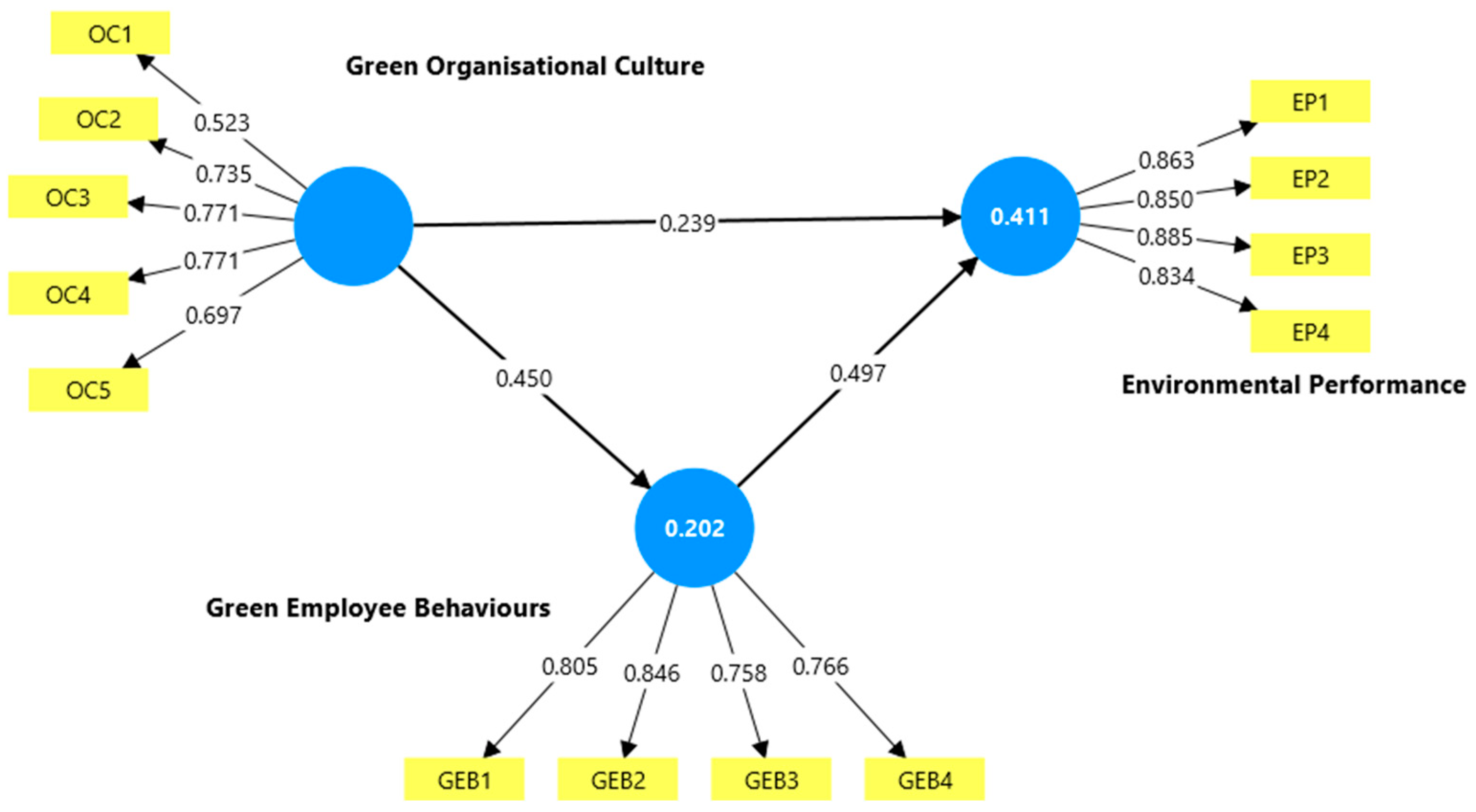
Figure 1. Path relationships. Source: SMARTPLS 4.
Admsci 16 00205 g001
Table 1. Participants’ demographics.
NPercentage
Educational level
High school 2610%
Diploma 13950%
Degree 11240%
Organisation tenure<10 Years8330%
10–15 years11040%
>15 years8430%
Source: Author’s Own Work.
Table 2. Factor Scores, Mean, Average Variance Extracted (AVE), Composite Reliability (CR), and Variance Inflation Factor (VIF).
VariableFactor ScoreAlphaAVECRVIF
Green organisational culture 0.740.500.83
GOC1Our organisation makes a concerted effort to make every employee understand the importance of environmental protection0.523 1.765
GOC2Our organisation has a clear policy statement urging environmental awareness in every area0.735 1.675
GOC3Preserving the environment is a central corporate value in our organisation0.771 1.876
GOC4Our organisation links environmental objectives with our corporate goals0.771 1.897
GOC5Our organisation designs processes that minimise environmental impact0.697 1.876
Green employee behaviours 0.810.630.87
GEB1Today I completed my tasks in an environmentally friendly way.0.805 1.777
GEB2I always perform my job duties using environmentally friendly solutions0.846 1.765
GEB3I take part in environmentally friendly programmes0.758 1.877
GEB4At work, I perform environmental tasks that are beyond organisational expectations0.766 1.654
Environmental performance 0.890.740.92
EP1Our company uses resource materials that reduce pollution0.863 1.786
EP2Our organisational processes lead to waste reduction0.850 1.766
EP3This organisation is keen on the economic consumption of resources0.885 1.654
EP4Our organisation is committed to recycling efficiency0.834 1.777
Source: Author’s Own Work.
Table 3. Discriminant validity.
Environmental PerformanceGreen Employee BehavioursGreen Organisational Culture
Environmental performance0.858
Green employee behaviours0.6050.794
Green organisational culture0.4630.4500.705
(The discriminant validity values are shown diagonally in bold). Source: Author’s Own Work.
Table 4. Coefficient of Determination (R2).
Exogenous VariableEndogenous VariableR2
Green organisational culture + Green employee behavioursEnvironmental performance0.411
Green organisational culture Green employee behaviours0.202
Source: Author’s Own Work.
Table 5. Effect Size (F2).
Exogenous VariableEndogenous VariableF2
Green organisational cultureEnvironmental Performance0.175
Green organisational cultureGreen Employee Behaviours0.222
Green employee behavioursEnvironmental Performance0.298
Source: Author’s Own Work.
Table 6. Path coefficients and probability values.
HypothesisPathPath Coefficientp-ValueDecision
H1Green organisational culture >>> Environmental performance0.2390.00Accepted
H2Green organisational culture >>> Green employee behaviours0.4500.00Accepted
H3Green employee behaviours >>> Environmental performance0.4970.00Accepted
Source: Author’s Own Work.
Disclaimer/Publisher’s Note: The statements, opinions and data contained in all publications are solely those of the individual author(s) and contributor(s) and not of MDPI and/or the editor(s). MDPI and/or the editor(s) disclaim responsibility for any injury to people or property resulting from any ideas, methods, instructions or products referred to in the content.



