Article

Decisions Beyond Data: Narrative Reporting Practices in Decision-Making


1
Doctoral School of Regional and Business Administration Sciences, Széchenyi István University, 9026 Győr, Hungary
2
Kautz Gyula Faculty of Business and Economics, Széchenyi István University, 9026 Győr, Hungary
*
Author to whom correspondence should be addressed.
Adm. Sci. 2026, 16(4), 181; https://doi.org/10.3390/admsci16040181

Submission received: 8 February 2026 / Revised: 29 March 2026 / Accepted: 3 April 2026 / Published: 9 April 2026
(This article belongs to the Section Leadership)

Abstract

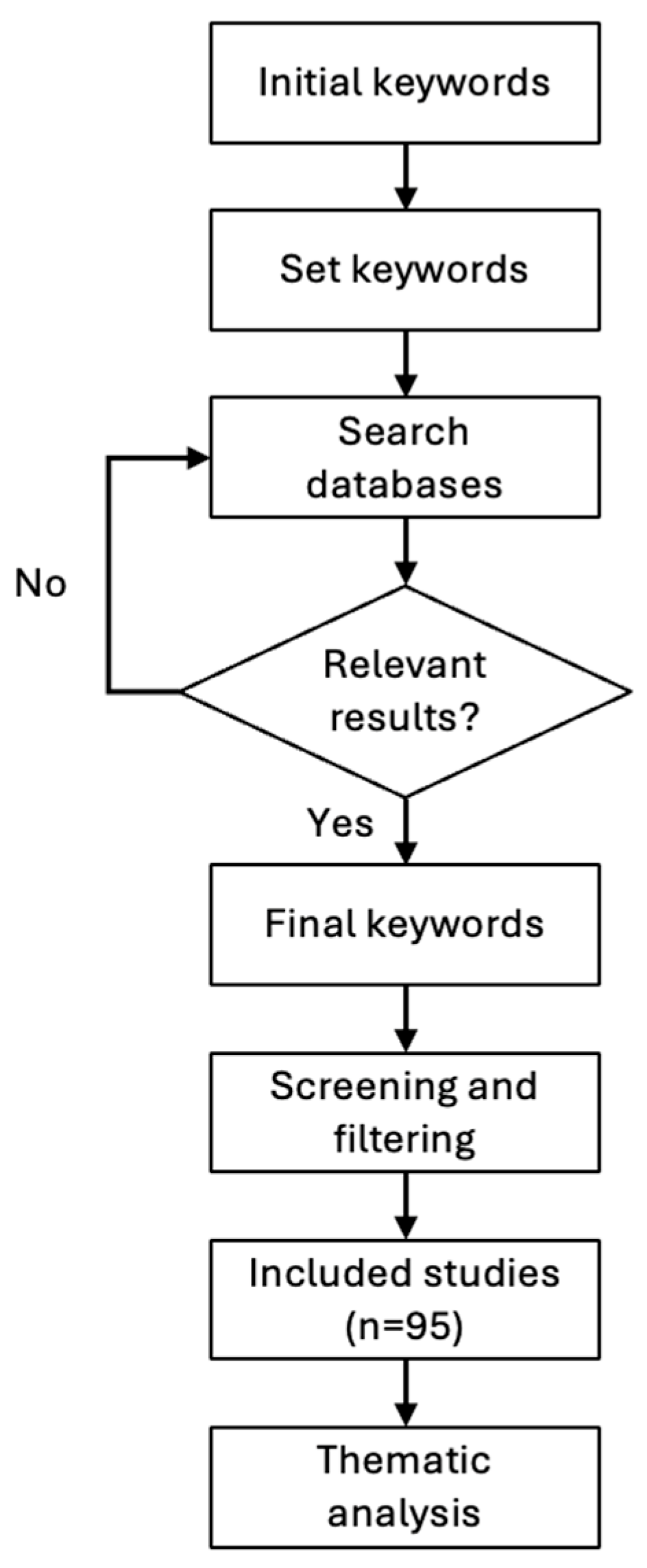
Leaders and managers frequently face the need to make highly complex decisions with incomplete or fragmented information. Traditional decision support systems largely emphasize the visualization of data but often fall short in producing context-sensitive insights that can directly inform decision-making. This paper examines how narrative techniques combined with machine learning can strengthen communication across organizational hierarchies, particularly by improving the transfer of tacit expertise and contextual knowledge. To explore this, a transdisciplinary literature review was conducted using articles published within the last five years from databases such as Scopus, Web of Science, and ScienceDirect. The review highlights that narrative-driven reporting has been most commonly applied in fields such as accounting and sustainability, where expert interpretation replaces purely numerical summaries with more meaningful analytical explanations. Such approaches can also embed sentiment and personalization, commonly referred to as Narrative Disclosure Tone. Building on this foundation, the study investigates how Artificial Intelligence-driven decision support can formally integrate narrative elements to enhance report clarity, usability, and strategic relevance. Findings suggest that combining machine learning with expert-driven narrative reporting supports more innovative decision support systems and facilitates the alignment of tacit knowledge with data-driven insights.
Keywords: business analytics; decision support system; narrative reporting; machine learning business analytics; decision support system; narrative reporting; machine learning