


Membrane Technologies at the Frontier: A Review of Advanced Solutions for Microplastics and Emerging Contaminants in Wastewater
 ,
, 
 and
and 
Abstract
1. Introduction
2. Characteristics of MPs in Wastewater
2.1. Sources and Pathways of MPs
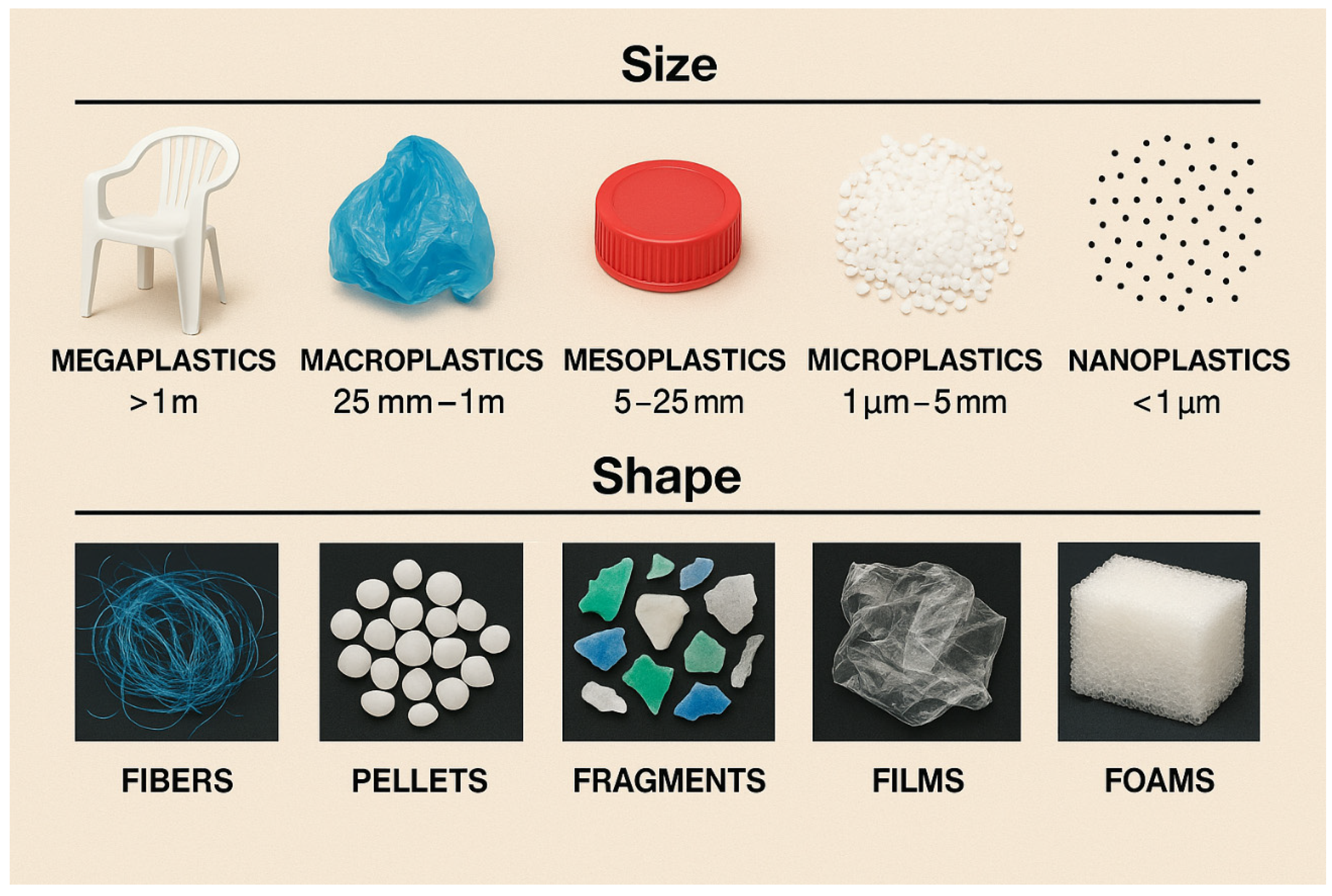
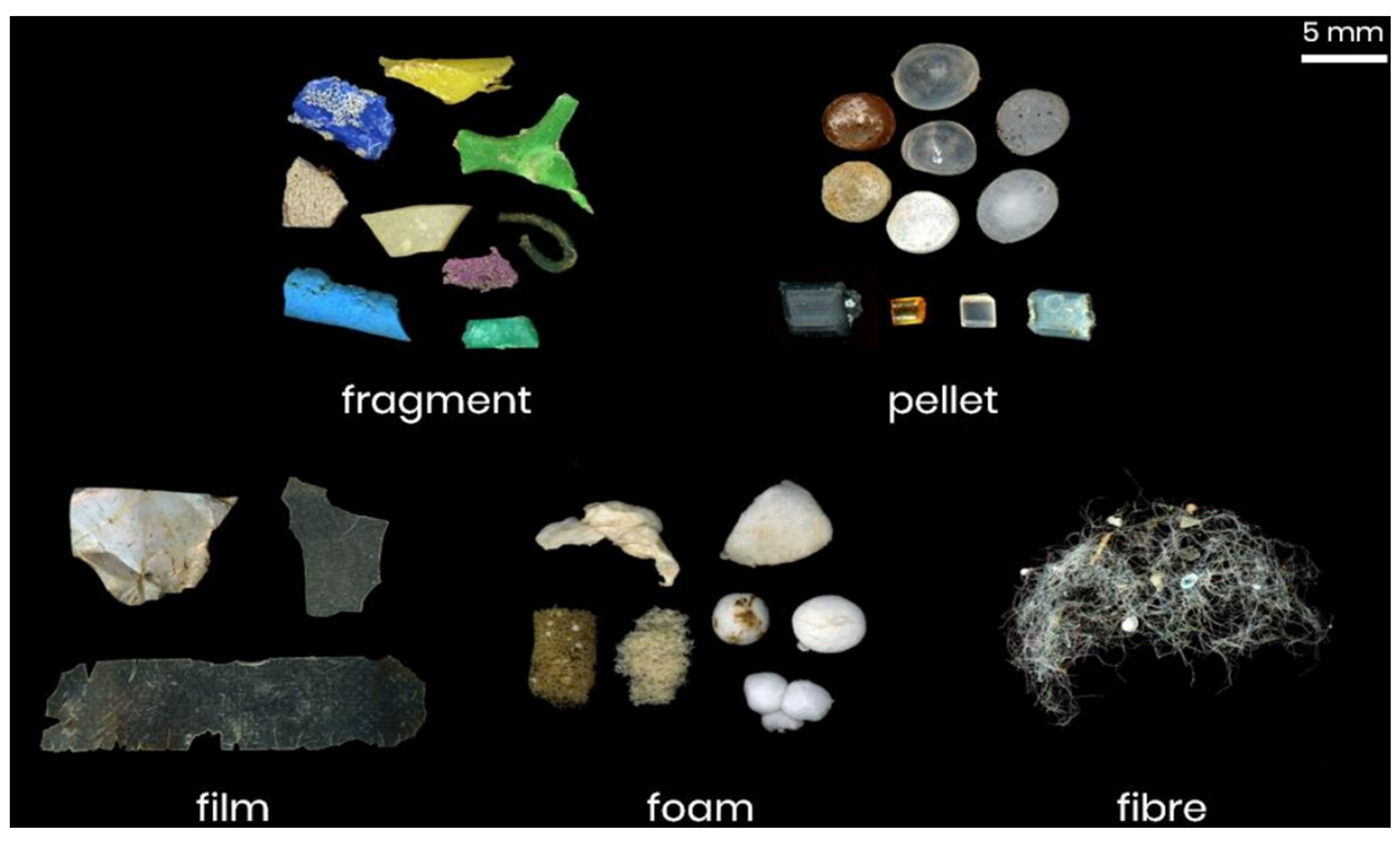
2.2. Types, Sizes, and Shapes of MPs
2.3. Transport and Distribution in the Environment
2.3.1. Behavior of MPs
2.3.2. Distribution of Emerging Contaminants (ECs)
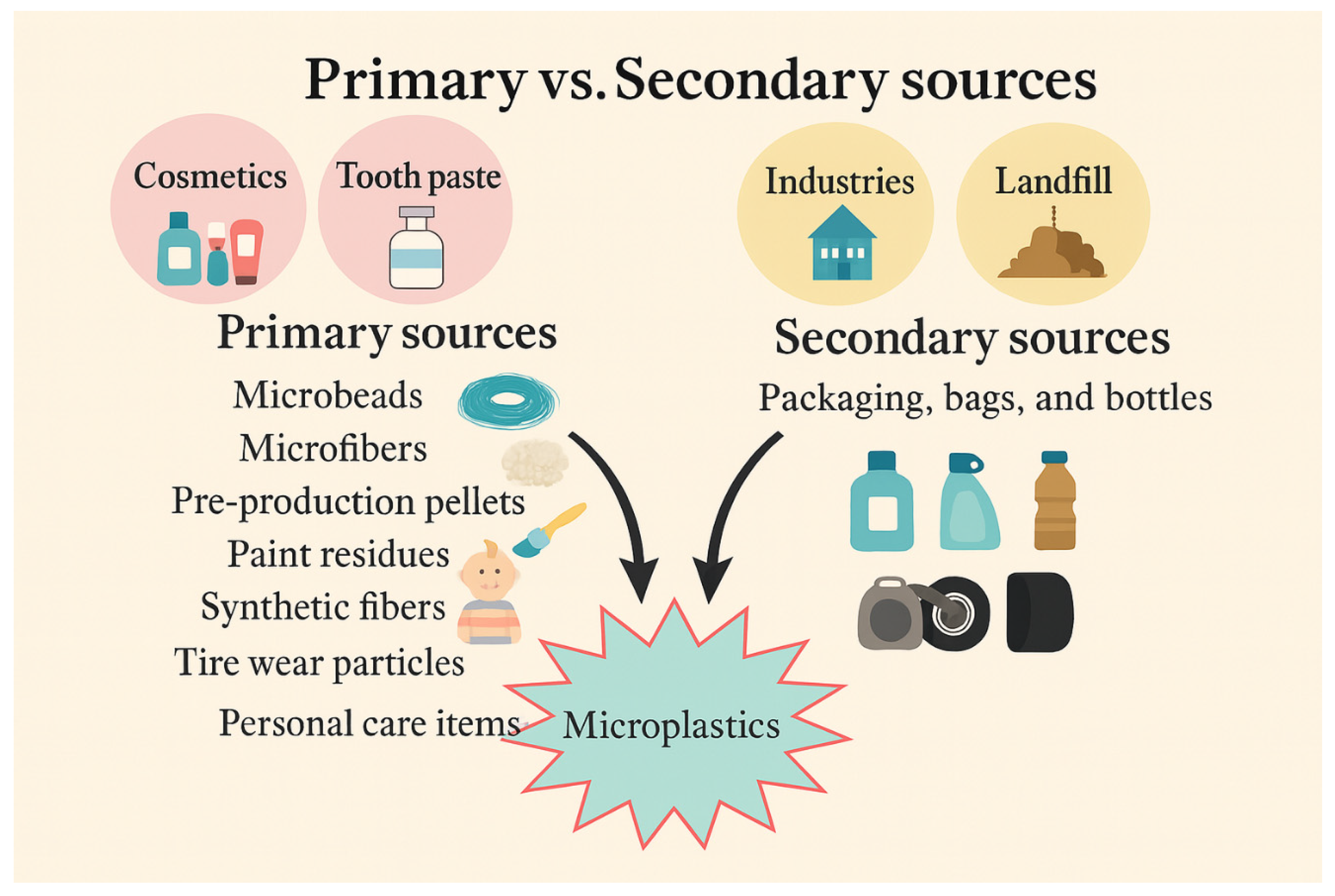
2.4. Primary and Secondary MPs and ECs
2.5. Physicochemical Properties of MPs and ECs
2.6. Physical and Biological Degradation
2.7. Chemical Properties of MPs and ECs
2.8. Physical Properties of MPs and ECs
2.9. Biological Properties and Biodegradation
3. Membrane Technologies for Removal and Recovery
3.1. Conventional Membrane Technologies
3.1.1. Nanofiltration (NF)
3.1.2. Ultrafiltration (UF)
3.1.3. Microfiltration (MF)
3.1.4. Reverse Osmosis (RO)
3.2. Advanced Membrane Materials and Functionalization Nanocomposite Membranes
3.3. MBRs for MPs and ECs: Integration of MBRs in WWTPs
3.4. Hybrid Membrane Processes and Emerging Technologies
4. Mechanisms of Removal and Recovery
4.1. Pre-Treatment and Primary Treatment
4.2. Secondary Treatment
4.3. Tertiary Treatment
4.4. Rapid Sand Filtration (RSF)
4.5. Coagulation
4.6. Disk-Filtration
4.7. Membrane Bioreactor Systems
5. Challenges and Limitations of Membrane Technologies
6. Future Perspectives and Research Directions
7. Conclusions
Author Contributions
Funding
Data Availability Statement
Conflicts of Interest
Abbreviations
| A2O | Anaerobic-Anoxic-Aerobic | PC | Polycarbonate |
| Al2O3 | Alumina | PCBs | Polychlorinated Biphenyls |
| BOD | Biochemical Oxygen Demand | PE | Polyethylene |
| CA | Cellulose Acetate | PEI | Polyetherimide |
| CAS | Conventional Activated Sludge | PES | Polymeric Polyester |
| COD | Chemical Oxygen Demand | PET | Polyethylene Terephthalate |
| DF | Dis-Filter | PFAS | Polyfluoroalkyl Substances |
| ECs | Emerging Contaminants | PP | Polypropylene |
| EVOH | Ethylene Vinyl Alcohol | PS | Polystyrene |
| FRR | Flow Recovery Ratio | PSF | Polysulfone |
| FTIR | Fourier-Transform Infrared Spectroscopy | PTFE | Polytetrafluoroethylene |
| GAC | Granular Activated Carbon | PUR | Polyurethane |
| HDPE | High-Density Polyethylene | PVA | Polyvinyl alcohol |
| LDPE | Low-Density Polyethylene | PVC | polyvinyl chloride |
| MBR | Membrane Bioreactor | PVDF | Polyvinylidene Fluoride |
| MF | Microfiltration | RO | Reverse Osmosis |
| MLSS | Mixed Liquid Suspended Solids | RSF | Rapid Sand Filtration |
| MPs | Microplastics | SiC | Silicon Carbide |
| MT | Metric Tons | SiO2 | Silica |
| NF | Nanofiltration | TFNs | Thin-Film Nanocomposites |
| NP | Nanoplastic | TiO2 | Titania |
| PA | Polyamide | TMP | Transmembrane Pressure |
| Pac | Polyacetylene | UF | Ultrafiltration |
| PAMs | Polyacrylamide | USAMe | Ultrasound–Adsorption–Membrane Filtration |
| PAN | Polyacrylonitrile | UV | Ultraviolet |
| PBDEs | Polybrominated Diphenyl Ethers | WWTPs | Wastewater Treatment Plants |
| PBT | Polybutylene Terephthalate | ZrO2 | Zirconia |
References
- Bachi, O.E.; Halilat, M.T.; Bissati, S.; Al-Ansari, N.; Saggai, S.; Kouadri, S.; Najm, H.M. Wastewater Treatment Performance of Aerated Lagoons, Activated Sludge and Constructed Wetlands under an Arid Algerian Climate. Sustainability 2022, 14, 16503. [Google Scholar] [CrossRef]
- Tayeh, Y.A.; Alazaiza, M.Y.D.; Alzghoul, T.M.; Bashir, M.J. A Comprehensive Review of RO Membrane Fouling: Mechanisms, Categories, Cleaning Methods and Pretreatment Technologies. J. Hazard. Mater. Adv. 2025, 18, 100684. [Google Scholar] [CrossRef]
- Cherian, T.; Ragavendran, C.; Vijayan, S.; Kurien, S.; Peijnenburg, W.J.G.M. A Review on the Fate, Human Health and Environmental Impacts, as Well as Regulation of Antibiotics Used in Aquaculture. Environ. Adv. 2023, 13, 100411. [Google Scholar] [CrossRef]
- Edo, C.; González-Pleiter, M.; Leganés, F.; Fernández-Piñas, F.; Rosal, R. Fate of Microplastics in Wastewater Treatment Plants and Their Environmental Dispersion with Effluent and Sludge. Environ. Pollut. 2020, 259, 113837. [Google Scholar] [CrossRef]
- Simon, M.; van Alst, N.; Vollertsen, J. Quantification of Microplastic Mass and Removal Rates at Wastewater Treatment Plants Applying Focal Plane Array (FPA)-Based Fourier Transform Infrared (FT-IR) Imaging. Water Res. 2018, 142, 1–9. [Google Scholar] [CrossRef]
- Ziajahromi, S.; Neale, P.A.; Rintoul, L.; Leusch, F.D.L. Wastewater Treatment Plants as a Pathway for Microplastics: Development of a New Approach to Sample Wastewater-Based Microplastics. Water Res. 2017, 112, 93–99. [Google Scholar] [CrossRef]
- Rodrigues dos Santos, C.; Pinheiro Drumond, G.; Rezende Moreira, V.; Valéria de Souza Santos, L.; Cristina Santos Amaral, M. Microplastics in Surface Water: Occurrence, Ecological Implications, Quantification Methods and Remediation Technologies. Chem. Eng. J. 2023, 474, 144936. [Google Scholar] [CrossRef]
- Sarker, A.; Deepo, D.M.; Nandi, R.; Rana, J.; Islam, S.; Rahman, S.; Hossain, M.N.; Islam, M.S.; Baroi, A.; Kim, J.-E. A Review of Microplastics Pollution in the Soil and Terrestrial Ecosystems: A Global and Bangladesh Perspective. Sci. Total Environ. 2020, 733, 139296. [Google Scholar] [CrossRef]
- Derraik, J.G. The Pollution of the Marine Environment by Plastic Debris: A Review. Mar. Pollut. Bull. 2002, 44, 842–852. [Google Scholar] [CrossRef] [PubMed]
- Napper, I.E.; Wright, L.S.; Barrett, A.C.; Parker-Jurd, F.N.F.; Thompson, R.C. Potential Microplastic Release from the Maritime Industry: Abrasion of Rope. Sci. Total Environ. 2022, 804, 150155. [Google Scholar] [CrossRef]
- Acarer, S. Microplastics in Wastewater Treatment Plants: Sources, Properties, Removal Efficiency, Removal Mechanisms, and Interactions with Pollutants. Water Sci. Technol. 2023, 87, 685–710. [Google Scholar] [CrossRef]
- MacLeod, M.; Arp, H.P.H.; Tekman, M.B.; Jahnke, A. The Global Threat from Plastic Pollution. Science 2021, 373, 61–65. [Google Scholar] [CrossRef] [PubMed]
- Kabir, M.S.; Wang, H.; Luster-Teasley, S.; Zhang, L.; Zhao, R. Microplastics in Landfill Leachate: Sources, Detection, Occurrence, and Removal. Environ. Sci. Ecotechnol. 2023, 16, 100256. [Google Scholar] [CrossRef] [PubMed]
- Shen, M.; Xiong, W.; Song, B.; Zhou, C.; Almatrafi, E.; Zeng, G.; Zhang, Y. Microplastics in Landfill and Leachate: Occurrence, Environmental Behavior and Removal Strategies. Chemosphere 2022, 305, 135325. [Google Scholar] [CrossRef]
- Rossatto, A.; Arlindo, M.Z.F.; de Morais, M.S.; de Souza, T.D.; Ogrodowski, C.S. Microplastics in Aquatic Systems: A Review of Occurrence, Monitoring and Potential Environmental Risks. Environ. Adv. 2023, 13, 100396. [Google Scholar] [CrossRef]
- Nunes, B.Z.; Huang, Y.; Ribeiro, V.V.; Wu, S.; Holbech, H.; Moreira, L.B.; Xu, E.G.; Castro, I.B. Microplastic Contamination in Seawater across Global Marine Protected Areas Boundaries. Environ. Pollut. 2023, 316, 120692. [Google Scholar] [CrossRef]
- Mintenig, S.M.; Löder, M.G.J.; Primpke, S.; Gerdts, G. Low Numbers of Microplastics Detected in Drinking Water from Ground Water Sources. Sci. Total Environ. 2019, 648, 631–635. [Google Scholar] [CrossRef] [PubMed]
- Muhib, M.I.; Uddin, M.K.; Rahman, M.M.; Malafaia, G. Occurrence of Microplastics in Tap and Bottled Water, and Food Packaging: A Narrative Review on Current Knowledge. Sci. Total Environ. 2023, 865, 161274. [Google Scholar] [CrossRef]
- Samandra, S.; Johnston, J.M.; Jaeger, J.E.; Symons, B.; Xie, S.; Currell, M.; Ellis, A.V.; Clarke, B.O. Microplastic Contamination of an Unconfined Groundwater Aquifer in Victoria, Australia. Sci. Total Environ. 2022, 802, 149727. [Google Scholar] [CrossRef]
- Tong, H.; Jiang, Q.; Hu, X.; Zhong, X. Occurrence and Identification of Microplastics in Tap Water from China. Chemosphere 2020, 252, 126493. [Google Scholar] [CrossRef]
- Mason, S.A.; Welch, V.G.; Neratko, J. Synthetic Polymer Contamination in Bottled Water. Front. Chem. 2018, 6, 407. [Google Scholar] [CrossRef] [PubMed]
- Dris, R.; Gasperi, J.; Saad, M.; Mirande, C.; Tassin, B. Synthetic Fibers in Atmospheric Fallout: A Source of Microplastics in the Environment? Mar. Pollut. Bull. 2016, 104, 290–293. [Google Scholar] [CrossRef]
- Renzi, M.; Guerranti, C.; Blašković, A. Microplastic Contents from Maricultured and Natural Mussels. Mar. Pollut. Bull. 2018, 131, 248–251. [Google Scholar] [CrossRef]
- Hossain, N.; Bhuiyan, M.A.; Pramanik, B.K.; Nizamuddin, S.; Griffin, G. Waste Materials for Wastewater Treatment and Waste Adsorbents for Biofuel and Cement Supplement Applications: A Critical Review. J. Clean. Prod. 2020, 255, 120261. [Google Scholar] [CrossRef]
- Frias, J.; Pagter, E.; Nash, R.; O’Connor, I.; Carretero, O.; Filgueiras, A.; Viñas, L.; Gago, J.; Antunes, J.; Bessa, F.; et al. Standardised Protocol for Monitoring Microplastics in Sediments; WP4 Deliverable D4.2; JPI-Oceans: Bruxelles, Belgium, 2018. [Google Scholar] [CrossRef]
- Koelmans, A.A.; Mohamed Nor, N.H.; Hermsen, E.; Kooi, M.; Mintenig, S.M.; De France, J. Microplastics in Freshwaters and Drinking Water: Critical Review and Assessment of Data Quality. Water Res. 2019, 155, 410–422. [Google Scholar] [CrossRef]
- Niccolai, E.; Colzi, I.; Amedei, A. Adverse Effects of Micro- and Nanoplastics on Humans and the Environment. Int. J. Mol. Sci. 2023, 24, 15822. [Google Scholar] [CrossRef]
- Yee, M.S.-L.; Hii, L.-W.; Looi, C.K.; Lim, W.-M.; Wong, S.-F.; Kok, Y.-Y.; Tan, B.-K.; Wong, C.-Y.; Leong, C.-O. Impact of Microplastics and Nanoplastics on Human Health. Nanomaterials 2021, 11, 496. [Google Scholar] [CrossRef]
- Nugnes, R.; Lavorgna, M.; Orlo, E.; Russo, C.; Isidori, M. Toxic Impact of Polystyrene Microplastic Particles in Freshwater Organisms. Chemosphere 2022, 299, 134373. [Google Scholar] [CrossRef] [PubMed]
- Lee, J.-H.; Kang, J.-C.; Kim, J.-H. Toxic Effects of Microplastic (Polyethylene) on Fish: Accumulation, Hematological Parameters and Antioxidant Responses in Korean Bullhead, Pseudobagrus Fulvidraco. Sci. Total Environ. 2023, 877, 162874. [Google Scholar] [CrossRef]
- Woods, M.N.; Stack, M.E.; Fields, D.M.; Shaw, S.D.; Matrai, P.A. Microplastic Fiber Uptake, Ingestion, and Egestion Rates in the Blue Mussel (Mytilus edulis). Mar. Pollut. Bull. 2018, 137, 638–645. [Google Scholar] [CrossRef]
- Choi, J.S.; Jung, Y.-J.; Hong, N.-H.; Hong, S.H.; Park, J.-W. Toxicological Effects of Irregularly Shaped and Spherical Microplastics in a Marine Teleost, the Sheepshead Minnow (Cyprinodon variegatus). Mar. Pollut. Bull. 2018, 129, 231–240. [Google Scholar] [CrossRef] [PubMed]
- Leung, J.; Chan, K.Y.K. Microplastics Reduced Posterior Segment Regeneration Rate of the Polychaete Perinereis Aibuhitensis. Mar. Pollut. Bull. 2018, 129, 782–786. [Google Scholar] [CrossRef] [PubMed]
- Rist, S.; Baun, A.; Almeda, R.; Hartmann, N.B. Ingestion and Effects of Micro- and Nanoplastics in Blue Mussel (Mytilus edulis) Larvae. Mar. Pollut. Bull. 2019, 140, 423–430. [Google Scholar] [CrossRef]
- Yang, X.; Xu, X.; Zhou, Y.; Yao, Y.; Shen, C.; Liu, J. Longitudinal and Vertical Distribution of Microplastics in Various Pipe Scales in an Operating Drinking Water Distribution System. J. Hazard. Mater. 2023, 459, 132108. [Google Scholar] [CrossRef]
- Chen, Q.; Gao, J.; Yu, H.; Su, H.; Yang, Y.; Cao, Y.; Zhang, Q.; Ren, Y.; Hollert, H.; Shi, H.; et al. An Emerging Role of Microplastics in the Etiology of Lung Ground Glass Nodules. Environ. Sci. Eur. 2022, 34, 25. [Google Scholar] [CrossRef]
- Blackburn, K.; Green, D. The Potential Effects of Microplastics on Human Health: What Is Known and What Is Unknown. Ambio 2022, 51, 518–530. [Google Scholar] [CrossRef]
- Enfrin, M.; Dumée, L.F.; Lee, J. Nano/Microplastics in Water and Wastewater Treatment Processes—Origin, Impact and Potential Solutions. Water Res. 2019, 161, 621–638. [Google Scholar] [CrossRef]
- Xiong, X.; Bond, T.; Saboor Siddique, M.; Yu, W. The Stimulation of Microbial Activity by Microplastic Contributes to Membrane Fouling in Ultrafiltration. J. Memb. Sci. 2021, 635, 119477. [Google Scholar] [CrossRef]
- Luo, Y.; Le-Clech, P.; Henderson, R.K. Assessing the Performance of Membrane Photobioreactors (MPBR) for Polishing Effluents Containing Different Types of Nitrogen. Algal Res. 2020, 50, 102013. [Google Scholar] [CrossRef]
- Peng, Y.-Y.; Gao, F.; Yang, H.-L.; Wu, H.-W.-J.; Li, C.; Lu, M.-M.; Yang, Z.-Y. Simultaneous Removal of Nutrient and Sulfonamides from Marine Aquaculture Wastewater by Concentrated and Attached Cultivation of Chlorella Vulgaris in an Algal Biofilm Membrane Photobioreactor (BF-MPBR). Sci. Total Environ. 2020, 725, 138524. [Google Scholar] [CrossRef]
- Feng, T.; Wang, B.; Li, J.; Wang, T.; Huang, P.; Xu, X. Metal–Organic Framework Based Photocatalytic Membrane for Organic Wastewater Treatment: Preparation, Optimization, and Applications. Sep. Purif. Technol. 2025, 355, 129540. [Google Scholar] [CrossRef]
- Aditya, L.; Vu, H.P.; Nguyen, L.N.; Mahlia, T.M.I.; Hoang, N.B.; Nghiem, L.D. Microalgae Enrichment for Biomass Harvesting and Water Reuse by Ceramic Microfiltration Membranes. J. Memb. Sci. 2023, 669, 121287. [Google Scholar] [CrossRef]
- Castro-Muñoz, R.; García-Depraect, O. Membrane-Based Harvesting Processes for Microalgae and Their Valuable-Related Molecules: A Review. Membranes 2021, 11, 585. [Google Scholar] [CrossRef]
- Hashmi, Z.; Idriss, I.M.; Zaini, J.; Abu Bakar, M.S.; Wibisono, Y.; Abdullah, R.; Bilad, M.R. Advancements in Membrane Modifications for Enhanced Microalgae Harvesting: A Comprehensive Review. Sep. Purif. Technol. 2025, 360, 131012. [Google Scholar] [CrossRef]
- Cosenza, A.; Gulhan, H.; Maida, C.M.; Mannina, G. Nutrient Recovery from Wastewater Treatment by Ultrafiltration Membrane for Water Reuse in View of a Circular Economy Perspective. Bioresour. Technol. 2022, 363, 127929. [Google Scholar] [CrossRef] [PubMed]
- Lai, H.; Liu, X.; Qu, M. Nanoplastics and Human Health: Hazard Identification and Biointerface. Nanomaterials 2022, 12, 1298. [Google Scholar] [CrossRef] [PubMed]
- Wang, J.; Peng, J.; Tan, Z.; Gao, Y.; Zhan, Z.; Chen, Q.; Cai, L. Microplastics in the Surface Sediments from the Beijiang River Littoral Zone: Composition, Abundance, Surface Textures and Interaction with Heavy Metals. Chemosphere 2017, 171, 248–258. [Google Scholar] [CrossRef]
- Alibade, A.; Lakka, A.; Bozinou, E.; Lalas, S.I.; Chatzilazarou, A.; Makris, D.P. Development of a Green Methodology for Simultaneous Extraction of Polyphenols and Pigments from Red Winemaking Solid Wastes (Pomace) Using a Novel Glycerol-Sodium Benzoate Deep Eutectic Solvent and Ultrasonication Pretreatment. Environments 2021, 8, 90. [Google Scholar] [CrossRef]
- Lamichhane, G.; Acharya, A.; Marahatha, R.; Modi, B.; Paudel, R.; Adhikari, A.; Raut, B.K.; Aryal, S.; Parajuli, N. Microplastics in Environment: Global Concern, Challenges, and Controlling Measures. Int. J. Environ. Sci. Technol. 2023, 20, 4673–4694. [Google Scholar] [CrossRef]
- Lambert, S.; Sinclair, C.; Boxall, A. Occurrence, Degradation, and Effect of Polymer-Based Materials in the Environment. In Reviews of Environmental Contamination and Toxicology; Springer: Berlin/Heidelberg, Germany, 2014; Volume 227, pp. 1–53. [Google Scholar]
- Anderson, A. Sources, Fate and Effects of Microplastics in the Marine Environment: A Global Assessment: GESAMP Joint Group of Experts on the Scientific Aspects of Marine Environmental Protection. 2015, p. 220. Available online: https://www.gesamp.org/site/assets/files/1275/sources-fate-and-effects-of-microplastics-in-the-marine-environment-part-2-of-a-global-assessment-en.pdf (accessed on 20 January 2026).
- Kershaw, P.; Turra, A.; Galgani, F. Guidelines for the Monitoring and Assessment of Plastic Litter and Microplastics in the Ocean. 2019. Available online: https://www.gesamp.org/site/assets/files/2002/rs99e.pdf (accessed on 1 February 2026).
- Jiang, J.-Q. Occurrence of Microplastics and Its Pollution in the Environment: A Review. Sustain. Prod. Consum. 2018, 13, 16–23. [Google Scholar] [CrossRef]
- Kunz, A. Microplastic Research in Taiwan. 2020. Available online: https://microplasticresearch.wordpress.com/ (accessed on 22 January 2026).
- Zaidi, N.; Mir, M.A.; Chang, S.K.; Abdelli, N.; Hasnain, S.M.; Ali Khan, M.A.; Andrews, K. Pharmaceuticals and Personal Care Products as Emerging Contaminants: Environmental Fate, Detection, and Mitigation Strategies. Int. J. Environ. Anal. Chem. 2025, 105, 8837–8865. [Google Scholar] [CrossRef]
- Morin-Crini, N.; Lichtfouse, E.; Fourmentin, M.; Ribeiro, A.R.L.; Noutsopoulos, C.; Mapelli, F.; Fenyvesi, É.; Vieira, M.G.A.; Picos-Corrales, L.A.; Moreno-Piraján, J.C.; et al. Removal of Emerging Contaminants from Wastewater Using Advanced Treatments. A Review. Environ. Chem. Lett. 2022, 20, 1333–1375. [Google Scholar] [CrossRef]
- Alazaiza, M.Y.D.; Alzghoul, T.M.; Ramu, M.B.; Abu Amr, S.S.; Abushammala, M.F.M. PFAS Contamination and Mitigation: A Comprehensive Analysis of Research Trends and Global Contributions. Case Stud. Chem. Environ. Eng. 2025, 11, 101127. [Google Scholar] [CrossRef]
- Zhang, H.; Shen, N.; Li, Y.; Hu, C.; Yuan, P. Source, Transport, and Toxicity of Emerging Contaminants in Aquatic Environments: A Review on Recent Studies. Environ. Sci. Pollut. Res. 2023, 30, 121420–121437. [Google Scholar] [CrossRef]
- Tisler, S.; Christensen, J.H. Non-Target Screening for the Identification of Migrating Compounds from Reusable Plastic Bottles into Drinking Water. J. Hazard. Mater. 2022, 429, 128331. [Google Scholar] [CrossRef]
- Andrady, A.L. Microplastics in the Marine Environment. Mar. Pollut. Bull. 2011, 62, 1596–1605. [Google Scholar] [CrossRef]
- Isobe, A.; Kubo, K.; Tamura, Y.; Kako, S.; Nakashima, E.; Fujii, N. Selective Transport of Microplastics and Mesoplastics by Drifting in Coastal Waters. Mar. Pollut. Bull. 2014, 89, 324–330. [Google Scholar] [CrossRef]
- SpecialChem Density of Plastics: Technical Properties. Omnexus. Available online: https://omnexus.specialchem.com/polymer-property/density (accessed on 22 January 2026).
- Zhang, Y.; Jiang, H.; Bian, K.; Wang, H.; Wang, C. Is Froth Flotation a Potential Scheme for Microplastics Removal? Analysis on Flotation Kinetics and Surface Characteristics. Sci. Total Environ. 2021, 792, 148345. [Google Scholar] [CrossRef] [PubMed]
- Zhang, W.; Zhang, S.; Wang, J.; Wang, Y.; Mu, J.; Wang, P.; Lin, X.; Ma, D. Microplastic Pollution in the Surface Waters of the Bohai Sea, China. Environ. Pollut. 2017, 231, 541–548. [Google Scholar] [CrossRef] [PubMed]
- Johansen, M.P.; Prentice, E.; Cresswell, T.; Howell, N. Initial Data on Adsorption of Cs and Sr to the Surfaces of Microplastics with Biofilm. J. Environ. Radioact. 2018, 190–191, 130–133. [Google Scholar] [CrossRef] [PubMed]
- Sagawa, N.; Kawaai, K.; Hinata, H. Abundance and Size of Microplastics in a Coastal Sea: Comparison among Bottom Sediment, Beach Sediment, and Surface Water. Mar. Pollut. Bull. 2018, 133, 532–542. [Google Scholar] [CrossRef]
- Wilkinson, J.L.; Hooda, P.S.; Barker, J.; Barton, S.; Swinden, J. Ecotoxic Pharmaceuticals, Personal Care Products, and Other Emerging Contaminants: A Review of Environmental, Receptor-Mediated, Developmental, and Epigenetic Toxicity with Discussion of Proposed Toxicity to Humans. Crit. Rev. Environ. Sci. Technol. 2016, 46, 336–381. [Google Scholar] [CrossRef]
- Wang, H.; Gao, X.; Zuo, Y. Research and Application of Water Treatment Technologies for Emerging Contaminants (ECs): A Pathway to Solving Water Environment Challenges. Water 2024, 16, 1837. [Google Scholar] [CrossRef]
- Sanusi, I.O.; Olutona, G.O.; Wawata, I.G.; Onohuean, H. Occurrence, Environmental Impact and Fate of Pharmaceuticals in Groundwater and Surface Water: A Critical Review. Environ. Sci. Pollut. Res. 2023, 30, 90595–90614. [Google Scholar] [CrossRef]
- Nel, H.A.; Dalu, T.; Wasserman, R.J. Sinks and Sources: Assessing Microplastic Abundance in River Sediment and Deposit Feeders in an Austral Temperate Urban River System. Sci. Total Environ. 2018, 612, 950–956. [Google Scholar] [CrossRef]
- Auta, H.S.; Emenike, C..; Fauziah, S. Distribution and Importance of Microplastics in the Marine Environment: A Review of the Sources, Fate, Effects, and Potential Solutions. Environ. Int. 2017, 102, 165–176. [Google Scholar] [CrossRef] [PubMed]
- Horton, A.A.; Walton, A.; Spurgeon, D.J.; Lahive, E.; Svendsen, C. Microplastics in Freshwater and Terrestrial Environments: Evaluating the Current Understanding to Identify the Knowledge Gaps and Future Research Priorities. Sci. Total Environ. 2017, 586, 127–141. [Google Scholar] [CrossRef]
- Bayo, J.; Olmos, S.; López-Castellanos, J. Microplastics in an Urban Wastewater Treatment Plant: The Influence of Physicochemical Parameters and Environmental Factors. Chemosphere 2020, 238, 124593. [Google Scholar] [CrossRef]
- Cheung, P.K.; Fok, L. Characterisation of Plastic Microbeads in Facial Scrubs and Their Estimated Emissions in Mainland China. Water Res. 2017, 122, 53–61. [Google Scholar] [CrossRef]
- Jujun, R.; Jia, L.; Zhenming, X. Improvements of the Recovery Line of Waste Toner Cartridges on Environmental and Safety Performances. Environ. Sci. Technol. 2013, 47, 6457–6462. [Google Scholar] [CrossRef] [PubMed]
- Anagnosti, L.; Varvaresou, A.; Pavlou, P.; Protopapa, E.; Carayanni, V. Worldwide Actions against Plastic Pollution from Microbeads and Microplastics in Cosmetics Focusing on European Policies. Has the Issue Been Handled Effectively? Mar. Pollut. Bull. 2021, 162, 111883. [Google Scholar] [CrossRef]
- Fok, L.; Cheung, P.K. Hong Kong at the Pearl River Estuary: A Hotspot of Microplastic Pollution. Mar. Pollut. Bull. 2015, 99, 112–118. [Google Scholar] [CrossRef]
- Schöpel, B.; Stamminger, R. A Comprehensive Literature Study on Microfibres from Washing Machines. Tenside Surfactants Deterg. 2019, 56, 94–104. [Google Scholar] [CrossRef]
- Vassilenko, E.; Watkins, M.; Chastain, S.; Mertens, J.; Posacka, A.M.; Patankar, S.; Ross, P.S. Domestic Laundry and Microfiber Pollution: Exploring Fiber Shedding from Consumer Apparel Textiles. PLoS ONE 2021, 16, e0250346. [Google Scholar] [CrossRef]
- Özkan, İ.; Gündoğdu, S. Investigation on the Microfiber Release under Controlled Washings from the Knitted Fabrics Produced by Recycled and Virgin Polyester Yarns. J. Text. Inst. 2021, 112, 264–272. [Google Scholar] [CrossRef]
- De Falco, F.; Di Pace, E.; Cocca, M.; Avella, M. The Contribution of Washing Processes of Synthetic Clothes to Microplastic Pollution. Sci. Rep. 2019, 9, 6633. [Google Scholar] [CrossRef] [PubMed]
- Šaravanja, A.; Pušić, T.; Dekanić, T. Microplastics in Wastewater by Washing Polyester Fabrics. Materials 2022, 15, 2683. [Google Scholar] [CrossRef]
- Periyasamy, A.P.; Tehrani-Bagha, A. A Review on Microplastic Emission from Textile Materials and Its Reduction Techniques. Polym. Degrad. Stab. 2022, 199, 109901. [Google Scholar] [CrossRef]
- Clurman, A.M.; Rodríguez-Narvaez, O.M.; Jayarathne, A.; De Silva, G.; Ranasinghe, M.I.; Goonetilleke, A.; Bandala, E.R. Influence of Surface Hydrophobicity/Hydrophilicity of Biochar on the Removal of Emerging Contaminants. Chem. Eng. J. 2020, 402, 126277. [Google Scholar] [CrossRef]
- Ahmad, N.; Ahmed, S.; Vambol, V.; Vambol, S. Treatment of Drug Residues (Emerging Contaminants) in Hospital Effluent by the Combination of Biological and Physiochemical Treatment Process: A Review. Front. Eng. Built Environ. 2021, 1, 1–13. [Google Scholar] [CrossRef]
- Nawalage, N.S.K.; Bellanthudawa, B.K.A. Synthetic Polymers in Personal Care and Cosmetics Products (PCCPs) as a Source of Microplastic (MP) Pollution. Mar. Pollut. Bull. 2022, 182, 113927. [Google Scholar] [CrossRef]
- Santos, V.S.; Anjos, J.S.X.; de Medeiros, J.F.; Montagner, C.C. Impact of Agricultural Runoff and Domestic Sewage Discharge on the Spatial–Temporal Occurrence of Emerging Contaminants in an Urban Stream in São Paulo, Brazil. Environ. Monit. Assess. 2022, 194, 637. [Google Scholar] [CrossRef]
- Dsikowitzky, L.; Schwarzbauer, J. Industrial Organic Contaminants: Identification, Toxicity and Fate in the Environment. Environ. Chem. Lett. 2014, 12, 371–386. [Google Scholar] [CrossRef]
- Wu, Y.; Jin, R.; Chen, Q.; Du, X.; Yang, J.; Liu, M. Organic Contaminants of Emerging Concern in Global Estuaries: Environmental Occurrence, Fate, and Bioavailability. Crit. Rev. Environ. Sci. Technol. 2023, 53, 550–575. [Google Scholar] [CrossRef]
- Kole, P.J.; Löhr, A.J.; Van Belleghem, F.; Ragas, A. Wear and Tear of Tyres: A Stealthy Source of Microplastics in the Environment. Int. J. Environ. Res. Public Health 2017, 14, 1265. [Google Scholar] [CrossRef]
- Burns, E.E.; Boxall, A.B.A. Microplastics in the Aquatic Environment: Evidence for or against Adverse Impacts and Major Knowledge Gaps. Environ. Toxicol. Chem. 2018, 37, 2776–2796. [Google Scholar] [CrossRef] [PubMed]
- Bond, T.; Ferrandiz-Mas, V.; Felipe-Sotelo, M.; van Sebille, E. The Occurrence and Degradation of Aquatic Plastic Litter Based on Polymer Physicochemical Properties: A Review. Crit. Rev. Environ. Sci. Technol. 2018, 48, 685–722. [Google Scholar] [CrossRef]
- Solayman, H.M.; Robby, M.D.A.; Satriaji, F.V.; Hossain, M.K.; Kang, K.; Abd Aziz, A.; Shiu, R.F.; Jiang, J.J. Mapping global microplastic pollution: Integrating advanced detection and monitoring in aquatic ecosystems. Mar. Pollut. Bull. 2026, 222, 118685. [Google Scholar] [CrossRef] [PubMed]
- Verran, J.; Boyd, R.D. The Relationship between Substratum Surface Roughness and Microbiological and Organic Soiling: A Review. Biofouling 2001, 17, 59–71. [Google Scholar] [CrossRef]
- Gao, S.; Orlowski, N.; Bopf, F.K.; Breuer, L. A Review on Microplastics in Major European Rivers. WIREs Water 2024, 11, e1713. [Google Scholar] [CrossRef]
- Zhang, J.; Yu, Z. Transgenerational Effects of Different Sequential Exposure to 2,2′,4,4′-Tetra-Brominated Diphenyl Ether (BDE47) and Lead (Pb) on Caenorhabditis Elegans. Environ. Sci. Eur. 2020, 32, 44. [Google Scholar] [CrossRef]
- Miranda-Peña, L.; Buitrago-Duque, L.; Rangel-Buitrago, N.; Gracia, C.A.; Arana, V.A.; Trilleras, J. Geographical Heterogeneity and Dominant Polymer Types in Microplastic Contamination of Lentic Ecosystems: Implications for Methodological Standardization and Future Research. RSC Adv. 2023, 13, 27190–27202. [Google Scholar] [CrossRef] [PubMed]
- Erni-Cassola, G.; Zadjelovic, V.; Gibson, M.I.; Christie-Oleza, J.A. Distribution of Plastic Polymer Types in the Marine Environment; A Meta-Analysis. J. Hazard. Mater. 2019, 369, 691–698. [Google Scholar] [CrossRef] [PubMed]
- Koelmans, A.A.; Redondo-Hasselerharm, P.E.; Nor, N.H.M.; de Ruijter, V.N.; Mintenig, S.M.; Kooi, M. Risk Assessment of Microplastic Particles. Nat. Rev. Mater. 2022, 7, 138–152. [Google Scholar] [CrossRef]
- Schwarz, A.E.; Ligthart, T.N.; Boukris, E.; van Harmelen, T. Sources, Transport, and Accumulation of Different Types of Plastic Litter in Aquatic Environments: A Review Study. Mar. Pollut. Bull. 2019, 143, 92–100. [Google Scholar] [CrossRef]
- ter Halle, A.; Ladirat, L.; Martignac, M.; Mingotaud, A.F.; Boyron, O.; Perez, E. To What Extent Are Microplastics from the Open Ocean Weathered? Environ. Pollut. 2017, 227, 167–174. [Google Scholar] [CrossRef] [PubMed]
- Lee, H.; Shim, W.J.; Kwon, J.-H. Sorption Capacity of Plastic Debris for Hydrophobic Organic Chemicals. Sci. Total Environ. 2014, 470–471, 1545–1552. [Google Scholar] [CrossRef]
- Bayo, J.; López-Castellanos, J.; Olmos, S. Membrane Bioreactor and Rapid Sand Filtration for the Removal of Microplastics in an Urban Wastewater Treatment Plant. Mar. Pollut. Bull. 2020, 156, 111211. [Google Scholar] [CrossRef]
- Almeida-Naranjo, C.E.; Guerrero, V.H.; Villamar-Ayala, C.A. Emerging Contaminants and Their Removal from Aqueous Media Using Conventional/Non-Conventional Adsorbents: A Glance at the Relationship between Materials, Processes, and Technologies. Water 2023, 15, 1626. [Google Scholar] [CrossRef]
- Au, S.Y.; Bruce, T.F.; Bridges, W.C.; Klaine, S.J. Responses of Hyalella Azteca to Acute and Chronic Microplastic Exposures. Environ. Toxicol. Chem. 2015, 34, 2564–2572. [Google Scholar] [CrossRef]
- Crawford, C.B.; Quinn, B. Microplastic Pollutants; Elsevier Limited: Amsterdam, The Netherlands, 2016. [Google Scholar]
- Hüffer, T.; Weniger, A.-K.; Hofmann, T. Sorption of Organic Compounds by Aged Polystyrene Microplastic Particles. Environ. Pollut. 2018, 236, 218–225. [Google Scholar] [CrossRef]
- Mueller, R.-J. Biological Degradation of Synthetic Polyesters—Enzymes as Potential Catalysts for Polyester Recycling. Process Biochem. 2006, 41, 2124–2128. [Google Scholar] [CrossRef]
- Jumaah, O.S. Screening of Plastic Degrading Bacteria from Dumped Soil Area. IOSR J. Environ. Sci. Toxicol. Food Technol. 2017, 11, 93–98. [Google Scholar] [CrossRef]
- Ren, L.; Men, L.; Zhang, Z.; Guan, F.; Tian, J.; Wang, B.; Wang, J.; Zhang, Y.; Zhang, W. Biodegradation of Polyethylene by Enterobacter Sp. D1 from the Guts of Wax Moth Galleria Mellonella. Int. J. Environ. Res. Public Health 2019, 16, 1941. [Google Scholar] [CrossRef]
- Zhang, X.; Li, Y.; Ouyang, D.; Lei, J.; Tan, Q.; Xie, L.; Li, Z.; Liu, T.; Xiao, Y.; Farooq, T.H.; et al. Systematical Review of Interactions between Microplastics and Microorganisms in the Soil Environment. J. Hazard. Mater. 2021, 418, 126288. [Google Scholar] [CrossRef]
- Artham, T.; Doble, M. Biodegradation of Aliphatic and Aromatic Polycarbonates. Macromol. Biosci. 2008, 8, 14–24. [Google Scholar] [CrossRef] [PubMed]
- Werber, J.R.; Osuji, C.O.; Elimelech, M. Materials for Next-Generation Desalination and Water Purification Membranes. Nat. Rev. Mater. 2016, 1, 16018. [Google Scholar] [CrossRef]
- Yan, H.; Lai, C.; Wang, D.; Liu, S.; Li, X.; Zhou, X.; Yi, H.; Li, B.; Zhang, M.; Li, L.; et al. In Situ Chemical Oxidation: Peroxide or Persulfate Coupled with Membrane Technology for Wastewater Treatment. J. Mater. Chem. A 2021, 9, 11944–11960. [Google Scholar] [CrossRef]
- Algieri, C.; Chakraborty, S.; Pal, U. Efficacy of Phase Inversion Technique for Polymeric Membrane Fabrication. J. Phase Chang. Mater. 2021, 17, 445–456. [Google Scholar]
- Kayvani Fard, A.; McKay, G.; Buekenhoudt, A.; Al Sulaiti, H.; Motmans, F.; Khraisheh, M.; Atieh, M. Inorganic Membranes: Preparation and Application for Water Treatment and Desalination. Materials 2018, 11, 74. [Google Scholar] [CrossRef]
- Carnesi, M.; Mineo, A.; Amata, S.; Piccionello, A.P.; Rizzo, C.; Mannina, G. Emerging Contaminants in Wastewater Treatment: The Effect of Microplastics in an Integrated Fixed-Film Activated Sludge (IFAS) Membrane BioReactor (MBR). Bioresour. Technol. Rep. 2025, 32, 102374. [Google Scholar] [CrossRef]
- Kang, Y.; Jang, J.; Kim, S.; Lim, J.; Lee, Y.; Kim, I.S. PIP/TMC Interfacial Polymerization with Electrospray: Novel Loose Nanofiltration Membrane for Dye Wastewater Treatment. ACS Appl. Mater. Interfaces 2020, 12, 36148–36158. [Google Scholar] [CrossRef] [PubMed]
- Theodorakopoulos, G.V.; Arfanis, M.K.; Sánchez Pérez, J.A.; Agüera, A.; Cadena Aponte, F.X.; Markellou, E.; Romanos, G.E.; Falaras, P. Novel Pilot-Scale Photocatalytic Nanofiltration Reactor for Agricultural Wastewater Treatment. Membranes 2023, 13, 202. [Google Scholar] [CrossRef]
- Abid, M.F.; Zablouk, M.A.; Abid-Alameer, A.M. Experimental Study of Dye Removal from Industrial Wastewater by Membrane Technologies of Reverse Osmosis and Nanofiltration. Iran. J. Environ. Health Sci. Eng. 2012, 9, 17. [Google Scholar] [CrossRef]
- Zhang, H.; Mao, H.; Wang, J.; Ding, R.; Du, Z.; Liu, J.; Cao, S. Mineralization-Inspired Preparation of Composite Membranes with Polyethyleneimine–Nanoparticle Hybrid Active Layer for Solvent Resistant Nanofiltration. J. Memb. Sci. 2014, 470, 70–79. [Google Scholar] [CrossRef]
- Figoli, A.; Marino, T.; Simone, S.; Di Nicolò, E.; Li, X.-M.; He, T.; Tornaghi, S.; Drioli, E. Towards Non-Toxic Solvents for Membrane Preparation: A Review. Green Chem. 2014, 16, 4034. [Google Scholar] [CrossRef]
- Karimi, A.; Khataee, A.; Vatanpour, V.; Safarpour, M. High-Flux PVDF Mixed Matrix Membranes Embedded with Size-Controlled ZIF-8 Nanoparticles. Sep. Purif. Technol. 2019, 229, 115838. [Google Scholar] [CrossRef]
- Hashmi, Z.; Fahrurrozi; Zaini, J.; Lim, J.W.; Abu Bakar, M.S.; Dani Nandiyanto, A.B.; Bilad, M.R. Current Progress on Filtration Techniques for Recovery of Microalgae-Based Products. In Algal Bioreactors; Elsevier: Amsterdam, The Netherlands, 2025; pp. 71–98. [Google Scholar]
- Bilad, M.R.; Azizo, A.S.; Wirzal, M.D.H.; Jia Jia, L.; Putra, Z.A.; Nordin, N.A.H.M.; Mavukkandy, M.O.; Jasni, M.J.F.; Yusoff, A.R.M. Tackling Membrane Fouling in Microalgae Filtration Using Nylon 6,6 Nanofiber Membrane. J. Environ. Manag. 2018, 223, 23–28. [Google Scholar] [CrossRef]
- Talvitie, J.; Mikola, A.; Koistinen, A.; Setälä, O. Solutions to Microplastic Pollution—Removal of Microplastics from Wastewater Effluent with Advanced Wastewater Treatment Technologies. Water Res. 2017, 123, 401–407. [Google Scholar] [CrossRef]
- Ahmad, N.; Anae, J.; Khan, M.Z.; Sabir, S.; Yang, X.J.; Thakur, V.K.; Campo, P.; Coulon, F. Visible Light-Conducting Polymer Nanocomposites as Efficient Photocatalysts for the Treatment of Organic Pollutants in Wastewater. J. Environ. Manag. 2021, 295, 113362. [Google Scholar] [CrossRef]
- Awad, E.S.; Sabirova, T.M.; Tretyakova, N.A.; Alsalhy, Q.F.; Figoli, A.; Salih, I.K. A Mini-Review of Enhancing Ultrafiltration Membranes (UF) for Wastewater Treatment: Performance and Stability. ChemEngineering 2021, 5, 34. [Google Scholar] [CrossRef]
- Ma, B.; Xue, W.; Hu, C.; Liu, H.; Qu, J.; Li, L. Characteristics of Microplastic Removal via Coagulation and Ultrafiltration during Drinking Water Treatment. Chem. Eng. J. 2019, 359, 159–167. [Google Scholar] [CrossRef]
- Korus, I.; Loska, K. Removal of Cr(III) and Cr(VI) Ions from Aqueous Solutions by Means of Polyelectrolyte-Enhanced Ultrafiltration. Desalination 2009, 247, 390–395. [Google Scholar] [CrossRef]
- Muthumareeswaran, M.R.; Alhoshan, M.; Agarwal, G.P. Ultrafiltration Membrane for Effective Removal of Chromium Ions from Potable Water. Sci. Rep. 2017, 7, 41423. [Google Scholar] [CrossRef]
- Tadsuwan, K.; Babel, S. Microplastic Abundance and Removal via an Ultrafiltration System Coupled to a Conventional Municipal Wastewater Treatment Plant in Thailand. J. Environ. Chem. Eng. 2022, 10, 107142. [Google Scholar] [CrossRef]
- Fabris, R.; Lee, E.K.; Chow, C.W.K.; Chen, V.; Drikas, M. Pre-Treatments to Reduce Fouling of Low Pressure Micro-Filtration (MF) Membranes. J. Memb. Sci. 2007, 289, 231–240. [Google Scholar] [CrossRef]
- Hakami, M.W.; Alkhudhiri, A.; Al-Batty, S.; Zacharof, M.-P.; Maddy, J.; Hilal, N. Ceramic Microfiltration Membranes in Wastewater Treatment: Filtration Behavior, Fouling and Prevention. Membranes 2020, 10, 248. [Google Scholar] [CrossRef]
- Charcosset, C. Ultrafiltration, Microfiltration, Nanofiltration and Reverse Osmosis in Integrated Membrane Processes. In Integrated Membrane Systems and Processes; Wiley: Hoboken, NJ, USA, 2016; pp. 1–22. [Google Scholar]
- Li, L.; Visvanathan, C. Membrane Technology for Surface Water Treatment: Advancement from Microfiltration to Membrane Bioreactor. Rev. Environ. Sci. Bio/Technol. 2017, 16, 737–760. [Google Scholar] [CrossRef]
- Gul, A.; Hruza, J.; Yalcinkaya, F. Fouling and Chemical Cleaning of Microfiltration Membranes: A Mini-Review. Polymers 2021, 13, 846. [Google Scholar] [CrossRef] [PubMed]
- da Costa, I.D.; Nunes, N.N.D.S.; Costa, L.L.; Zalmon, I.R. Are Water Filters Effective Against Microplastics? Water 2024, 16, 3189. [Google Scholar] [CrossRef]
- Tang, K.H.D. Counteracting the Harms of Microplastics on Humans: An Overview from the Perspective of Exposure. Microplastics 2025, 4, 47. [Google Scholar] [CrossRef]
- Licona, K.P.M.; Geaquinto, L.R.D.O.; Nicolini, J.V.; Figueiredo, N.G.; Chiapetta, S.C.; Habert, A.C.; Yokoyama, L. Assessing Potential of Nanofiltration and Reverse Osmosis for Removal of Toxic Pharmaceuticals from Water. J. Water Process Eng. 2018, 25, 195–204. [Google Scholar] [CrossRef]
- Judd, S.; Jefferson, B. Membranes for Industrial Wastewater Recovery and Re-Use; Elsevier: Amsterdam, The Netherlands, 2003. [Google Scholar]
- Tayeh, Y.A. A Comprehensive Review of Reverse Osmosis Desalination: Technology, Water Sources, Membrane Processes, Fouling, and Cleaning. Desalin. Water Treat. 2024, 320, 100882. [Google Scholar] [CrossRef]
- Mohanavelu, A.; Shrivastava, S.; Naganna, S.R. Streambed Pollution: A Comprehensive Review of Its Sources, Eco-Hydro-Geo-Chemical Impacts, Assessment, and Mitigation Strategies. Chemosphere 2022, 300, 134589. [Google Scholar] [CrossRef] [PubMed]
- Sun, J.; Zhu, Z.-R.; Li, W.-H.; Yan, X.; Wang, L.-K.; Zhang, L.; Jin, J.; Dai, X.; Ni, B.-J. Revisiting Microplastics in Landfill Leachate: Unnoticed Tiny Microplastics and Their Fate in Treatment Works. Water Res. 2021, 190, 116784. [Google Scholar] [CrossRef]
- Mohana, A.A.; Rahman, M.; Sarker, S.K.; Haque, N.; Gao, L.; Pramanik, B.K. Nano/Microplastics: Fragmentation, Interaction with Co-Existing Pollutants and Their Removal from Wastewater Using Membrane Processes. Chemosphere 2022, 309, 136682. [Google Scholar] [CrossRef]
- Maliwan, T.; Hu, J. Release of Microplastics from Polymeric Ultrafiltration Membrane System for Drinking Water Treatment under Different Operating Conditions. Water Res. 2025, 274, 123047. [Google Scholar] [CrossRef]
- Alvi, M.A.U.R.; Khalid, M.W.; Ahmad, N.M.; Niazi, M.B.K.; Anwar, M.N.; Batool, M.; Cheema, W.; Rafiq, S. Polymer Concentration and Solvent Variation Correlation with the Morphology and Water Filtration Analysis of Polyether Sulfone Microfiltration Membrane. Adv. Polym. Technol. 2019, 2019, 1–11. [Google Scholar] [CrossRef]
- Yin, J.-Y.; Boaretti, C.; Lorenzetti, A.; Martucci, A.; Roso, M.; Modesti, M. Effects of Solvent and Electrospinning Parameters on the Morphology and Piezoelectric Properties of PVDF Nanofibrous Membrane. Nanomaterials 2022, 12, 962. [Google Scholar] [CrossRef]
- Gebru, K.A.; Das, C. Effects of Solubility Parameter Differences among PEG, PVP and CA on the Preparation of Ultrafiltration Membranes: Impacts of Solvents and Additives on Morphology, Permeability and Fouling Performances. Chin. J. Chem. Eng. 2017, 25, 911–923. [Google Scholar] [CrossRef]
- Srivastava, A.; Raval, H.D. Investigating the Role of Copper and Zinc Oxide Nanomaterials in Abatement of Biofouling of Ultrafiltration Membrane in Dynamic Conditions. J. Appl. Polym. Sci. 2022, 139, 51879. [Google Scholar] [CrossRef]
- Poon, Y.K.; Enche Ab Rahim, S.K.; Ng, Q.H.; Hoo, P.Y.; Abdullah, N.Y.; Nasib, A.; Abdullah, N.S. Synthesis and Characterisation of Self-Cleaning TiO2/PES Mixed Matrix Membranes in the Removal of Humic Acid. Membranes 2023, 13, 373. [Google Scholar] [CrossRef] [PubMed]
- Hashmi, Z.; Bilad, M.R.; Fahrurrozi; Zaini, J.; Lim, J.W.; Wibisono, Y. Recent Progress in Microalgae-Based Technologies for Industrial Wastewater Treatment. Fermentation 2023, 9, 311. [Google Scholar] [CrossRef]
- Kotobuki, M.; Gu, Q.; Zhang, L.; Wang, J. Ceramic-Polymer Composite Membranes for Water and Wastewater Treatment: Bridging the Big Gap between Ceramics and Polymers. Molecules 2021, 26, 3331. [Google Scholar] [CrossRef] [PubMed]
- Shahid, M.; Yusuf, M. Sustainability in Textile Finishing: An Introduction to Current Challenges and Innovations. In Sustainable Finishing Techniques in Textiles; Springer Nature: Singapore, 2025; pp. 283–293. [Google Scholar]
- Gurung, K.; Ncibi, M.C.; Fontmorin, J.M. Incorporating Submerged MBR in Conventional Activated Sludge Process for Municipal Wastewater Treatment: A Feasibility and Performance Assessment. J. Membr. Sci. Technol. 2016, 6, 1000158. [Google Scholar] [CrossRef]
- Bai, Y.; Wu, Y.-H.; Wang, Y.-H.; Tong, X.; Zhao, X.-H.; Ikuno, N.; Hu, H.-Y. Membrane Fouling Potential of the Denitrification Filter Effluent and the Control Mechanism by Ozonation in the Process of Wastewater Reclamation. Water Res. 2020, 173, 115591. [Google Scholar] [CrossRef]
- Echevarría, C.; Valderrama, C.; Cortina, J.L.; Martín, I.; Arnaldos, M.; Bernat, X.; De la Cal, A.; Boleda, M.R.; Vega, A.; Teuler, A.; et al. Techno-Economic Evaluation and Comparison of PAC-MBR and Ozonation-UV Revamping for Organic Micro-Pollutants Removal from Urban Reclaimed Wastewater. Sci. Total Environ. 2019, 671, 288–298. [Google Scholar] [CrossRef]
- Nadeem, K.; Alliet, M.; Plana, Q.; Bernier, J.; Azimi, S.; Rocher, V.; Albasi, C. Modeling, Simulation and Control of Biological and Chemical P-Removal Processes for Membrane Bioreactors (MBRs) from Lab to Full-Scale Applications: State of the Art. Sci. Total Environ. 2022, 809, 151109. [Google Scholar] [CrossRef]
- Prasertkulsak, S.; Chiemchaisri, C.; Chiemchaisri, W.; Yamamoto, K. Removals of Pharmaceutical Compounds at Different Sludge Particle Size Fractions in Membrane Bioreactors Operated under Different Solid Retention Times. J. Hazard. Mater. 2019, 368, 124–132. [Google Scholar] [CrossRef]
- Barreto, C.M.; Garcia, H.A.; Hooijmans, C.M.; Herrera, A.; Brdjanovic, D. Assessing the Performance of an MBR Operated at High Biomass Concentrations. Int. Biodeterior. Biodegrad. 2017, 119, 528–537. [Google Scholar] [CrossRef]
- Lares, M.; Ncibi, M.C.; Sillanpää, M.; Sillanpää, M. Occurrence, Identification and Removal of Microplastic Particles and Fibers in Conventional Activated Sludge Process and Advanced MBR Technology. Water Res. 2018, 133, 236–246. [Google Scholar] [CrossRef]
- Rahman, T.U.; Roy, H.; Islam, M.R.; Tahmid, M.; Fariha, A.; Mazumder, A.; Tasnim, N.; Pervez, M.N.; Cai, Y.; Naddeo, V.; et al. The Advancement in Membrane Bioreactor (MBR) Technology toward Sustainable Industrial Wastewater Management. Membranes 2023, 13, 181. [Google Scholar] [CrossRef]
- Thambiliyagodage, C.; Jayanetti, M.; Mendis, A.; Ekanayake, G.; Liyanaarachchi, H.; Vigneswaran, S. Recent Advances in Chitosan-Based Applications—A Review. Materials 2023, 16, 2073. [Google Scholar] [CrossRef] [PubMed]
- Al-Maliki, R.M.; Alsalhy, Q.F.; Al-Jubouri, S.; Salih, I.K.; AbdulRazak, A.A.; Shehab, M.A.; Németh, Z.; Hernadi, K. Classification of Nanomaterials and the Effect of Graphene Oxide (GO) and Recently Developed Nanoparticles on the Ultrafiltration Membrane and Their Applications: A Review. Membranes 2022, 12, 1043. [Google Scholar] [CrossRef]
- Damiri, F.; Andra, S.; Kommineni, N.; Balu, S.K.; Bulusu, R.; Boseila, A.A.; Akamo, D.O.; Ahmad, Z.; Khan, F.S.; Rahman, M.H.; et al. Recent Advances in Adsorptive Nanocomposite Membranes for Heavy Metals Ion Removal from Contaminated Water: A Comprehensive Review. Materials 2022, 15, 5392. [Google Scholar] [CrossRef]
- Subramaniam, M.N.; Goh, P.S.; Lau, W.J.; Ismail, A.F. Exploring the Potential of Photocatalytic Dual Layered Hollow Fiber Membranes Incorporated with Hybrid Titania Nanotube-Boron for Agricultural Wastewater Reclamation. Sep. Purif. Technol. 2021, 275, 119136. [Google Scholar] [CrossRef]
- Goswami, R.K.; Mehariya, S.; Verma, P.; Lavecchia, R.; Zuorro, A. Microalgae-Based Biorefineries for Sustainable Resource Recovery from Wastewater. J. Water Process Eng. 2021, 40, 101747. [Google Scholar] [CrossRef]
- Pizzichetti, A.R.P.; Pablos, C.; Álvarez-Fernández, C.; Reynolds, K.; Stanley, S.; Marugán, J. Evaluation of Membranes Performance for Microplastic Removal in a Simple and Low-Cost Filtration System. Case Stud. Chem. Environ. Eng. 2021, 3, 100075. [Google Scholar] [CrossRef]
- Abuabdou, S.M.A.; Ahmad, W.; Aun, N.C.; Bashir, M.J.K. A Review of Anaerobic Membrane Bioreactors (AnMBR) for the Treatment of Highly Contaminated Landfill Leachate and Biogas Production: Effectiveness, Limitations and Future Perspectives. J. Clean. Prod. 2020, 255, 120215. [Google Scholar] [CrossRef]
- Cai, Y.; Wu, J.; Lu, J.; Wang, J.; Zhang, C. Fate of Microplastics in a Coastal Wastewater Treatment Plant: Microfibers Could Partially Break through the Integrated Membrane System. Front. Environ. Sci. Eng. 2022, 16, 96. [Google Scholar] [CrossRef]
- Abuabdou, S.M.A.; Bashir, M.J.K.; Aun, N.C.; Sethupathi, S.; Yong, W.L. Development of a Novel Polyvinylidene Fluoride Membrane Integrated with Palm Oil Fuel Ash for Stabilized Landfill Leachate Treatment. J. Clean. Prod. 2021, 311, 127677. [Google Scholar] [CrossRef]
- Zhou, C.; Shao, S.; Xiong, K.; Tang, C.Y. Nanofiltration-Based Membrane Bioreactor Operated under an Ultralow Flux: Fouling Behavior and Feasibility toward a Low-Carbon System for Municipal Wastewater Reuse. ACS ES&T Eng. 2023, 3, 1267–1275. [Google Scholar] [CrossRef]
- Zhang, J.; Li, G.; Yuan, X.; Li, P.; Yu, Y.; Yang, W.; Zhao, S. Reduction of Ultrafiltration Membrane Fouling by the Pretreatment Removal of Emerging Pollutants: A Review. Membranes 2023, 13, 77. [Google Scholar] [CrossRef] [PubMed]
- Abuabdou, S.M.A.; Jaffari, Z.H.; Ng, C.-A.; Ho, Y.-C.; Bashir, M.J.K. A New Polyvinylidene Fluoride Membrane Synthesized by Integrating of Powdered Activated Carbon for Treatment of Stabilized Leachate. Water 2021, 13, 2282. [Google Scholar] [CrossRef]
- Acarer, S. A Review of Microplastic Removal from Water and Wastewater by Membrane Technologies. Water Sci. Technol. 2023, 88, 199–219. [Google Scholar] [CrossRef] [PubMed]
- Bodzek, M.; Bodzek, P. Remediation of Micro- and Nanoplastics by Membrane Technologies. Membranes 2025, 15, 82. [Google Scholar] [CrossRef] [PubMed]
- Elhady, S.; Bassyouni, M.; Mansour, R.A.; Elzahar, M.H.; Abdel-Hamid, S.; Elhenawy, Y.; Saleh, M.Y. Oily Wastewater Treatment Using Polyamide Thin Film Composite Membrane Technology. Membranes 2020, 10, 84. [Google Scholar] [CrossRef]
- Naddeo, V.; Secondes, M.F.N.; Borea, L.; Hasan, S.W.; Ballesteros, F.; Belgiorno, V. Removal of Contaminants of Emerging Concern from Real Wastewater by an Innovative Hybrid Membrane Process—UltraSound, Adsorption, and Membrane Ultrafiltration (USAMe®). Ultrason. Sonochem. 2020, 68, 105237. [Google Scholar] [CrossRef]
- Rout, P.R.; Shahid, M.K.; Dash, R.R.; Bhunia, P.; Liu, D.; Varjani, S.; Zhang, T.C.; Surampalli, R.Y. Nutrient Removal from Domestic Wastewater: A Comprehensive Review on Conventional and Advanced Technologies. J. Environ. Manag. 2021, 296, 113246. [Google Scholar] [CrossRef]
- Bakaraki Turan, N.; Sari Erkan, H.; Onkal Engin, G. Microplastics in Wastewater Treatment Plants: Occurrence, Fate and Identification. Process Saf. Environ. Prot. 2021, 146, 77–84. [Google Scholar] [CrossRef]
- Tufail, A.; Price, W.E.; Mohseni, M.; Pramanik, B.K.; Hai, F.I. A Critical Review of Advanced Oxidation Processes for Emerging Trace Organic Contaminant Degradation: Mechanisms, Factors, Degradation Products, and Effluent Toxicity. J. Water Process Eng. 2021, 40, 101778. [Google Scholar] [CrossRef]
- Xu, Z.; Bai, X.; Ye, Z. Removal and Generation of Microplastics in Wastewater Treatment Plants: A Review. J. Clean. Prod. 2021, 291, 125982. [Google Scholar] [CrossRef]
- Kehrein, P.; van Loosdrecht, M.; Osseweijer, P.; Garfí, M.; Dewulf, J.; Posada, J. A Critical Review of Resource Recovery from Municipal Wastewater Treatment Plants—Market Supply Potentials, Technologies and Bottlenecks. Environ. Sci. Water Res. Technol. 2020, 6, 877–910. [Google Scholar] [CrossRef]
- Wang, Z.; Sedighi, M.; Lea-Langton, A. Filtration of Microplastic Spheres by Biochar: Removal Efficiency and Immobilisation Mechanisms. Water Res. 2020, 184, 116165. [Google Scholar] [CrossRef]
- Ngo, P.L.; Pramanik, B.K.; Shah, K.; Roychand, R. Pathway, Classification and Removal Efficiency of Microplastics in Wastewater Treatment Plants. Environ. Pollut. 2019, 255, 113326. [Google Scholar] [CrossRef]
- Rubio, J.; Souza, M.; Smith, R. Overview of Flotation as a Wastewater Treatment Technique. Miner. Eng. 2002, 15, 139–155. [Google Scholar] [CrossRef]
- Bui, X.-T.; Vo, T.-D.-H.; Nguyen, P.-T.; Nguyen, V.-T.; Dao, T.-S.; Nguyen, P.-D. Microplastics Pollution in Wastewater: Characteristics, Occurrence and Removal Technologies. Environ. Technol. Innov. 2020, 19, 101013. [Google Scholar] [CrossRef]
- Tuan Tran, H.; Lin, C.; Bui, X.-T.; Ky Nguyen, M.; Dan Thanh Cao, N.; Mukhtar, H.; Giang Hoang, H.; Varjani, S.; Hao Ngo, H.; Nghiem, L.D. Phthalates in the Environment: Characteristics, Fate and Transport, and Advanced Wastewater Treatment Technologies. Bioresour. Technol. 2022, 344, 126249. [Google Scholar] [CrossRef]
- Gaur, V.K.; Gupta, S.; Sharma, P.; Gupta, P.; Varjani, S.; Srivastava, J.K.; Chang, J.-S.; Bui, X.-T. Metabolic Cascade for Remediation of Plastic Waste: A Case Study on Microplastic Degradation. Curr. Pollut. Rep. 2022, 8, 30–50. [Google Scholar] [CrossRef]
- Ranade, V.V.; Bhandari, V.M. Industrial Wastewater Treatment, Recycling and Reuse; Butterworth-Heinemann: Waltham, MA, USA, 2014. [Google Scholar]
- Rao, D.G.; Senthilkumar, R.; Byrne, J.A.; Feroz, S. Wastewater Treatment: Advanced Processes and Technologies; CRC Press: Boca Raton, FL, USA, 2012. [Google Scholar]
- Iorhemen, O.; Hamza, R.; Tay, J. Membrane Bioreactor (MBR) Technology for Wastewater Treatment and Reclamation: Membrane Fouling. Membranes 2016, 6, 33. [Google Scholar] [CrossRef]
- Zhang, S.; Li, Y.; Jiao, W.; Qiu, L.; Zhong, J.; Sun, W. Research on Lateral Flow Treatment Technology to Enhance Phosphorus Removal of AAO Process. E3S Web Conf. 2018, 53, 04029. [Google Scholar] [CrossRef]
- Zhou, Z.; Wu, Z.; Wang, Z.; Tang, S.; Gu, G.; Wang, L.; Wang, Y.; Xin, Z. Simulation and Performance Evaluation of the Anoxic/Anaerobic/Aerobic Process for Biological Nutrient Removal. Korean J. Chem. Eng. 2011, 28, 1233–1240. [Google Scholar] [CrossRef]
- Pal, P. Industrial Water Treatment Process Technology; Butterworth-Heinemann: Waltham, MA, USA, 2017. [Google Scholar]
- Hidayaturrahman, H.; Lee, T.-G. A Study on Characteristics of Microplastic in Wastewater of South Korea: Identification, Quantification, and Fate of Microplastics during Treatment Process. Mar. Pollut. Bull. 2019, 146, 696–702. [Google Scholar] [CrossRef]
- Gude, V.G. Sustainable Desalination Using Renewable Energy Sources. In Renewable Energy Technologies and Water Infrastructure; American Society of Civil Engineers: Reston, VA, USA, 2022; pp. 135–149. [Google Scholar]
- Chabi, K.; Li, J.; Ye, C.; Kiki, C.; Xiao, X.; Li, X.; Guo, L.; Gad, M.; Feng, M.; Yu, X. Rapid Sand Filtration for <10 Μm-Sized Microplastic Removal in Tap Water Treatment: Efficiency and Adsorption Mechanisms. Sci. Total Environ. 2024, 912, 169074. [Google Scholar] [CrossRef]
- Li, Y.; Chen, P.; Tang, Y.; Yang, Y.; Zhou, C.; Bu, J.; Zhong, S. Microplastics in Water: A Review of Characterization and Removal Methods. Sustainability 2024, 16, 4033. [Google Scholar] [CrossRef]
- Umar, M.; Singdahl-Larsen, C.; Ranneklev, S.B. Microplastics Removal from a Plastic Recycling Industrial Wastewater Using Sand Filtration. Water 2023, 15, 896. [Google Scholar] [CrossRef]
- Egea-Corbacho, A.; Martín-García, A.P.; Franco, A.A.; Quiroga, J.M.; Andreasen, R.R.; Jørgensen, M.K.; Christensen, M.L. Occurrence, Identification and Removal of Microplastics in a Wastewater Treatment Plant Compared to an Advanced MBR Technology: Full-Scale Pilot Plant. J. Environ. Chem. Eng. 2023, 11, 109644. [Google Scholar] [CrossRef]
- Wang, R.; Zhang, L.; Chen, B.; Zhu, X. Low-Pressure Driven Electrospun Membrane with Tuned Surface Charge for Efficient Removal of Polystyrene Nanoplastics from Water. J. Memb. Sci. 2020, 614, 118470. [Google Scholar] [CrossRef]
- Sembiring, E.; Fajar, M.; Handajani, M. Performance of Rapid Sand Filter—Single Media to Remove Microplastics. Water Supply 2021, 21, 2273–2284. [Google Scholar] [CrossRef]
- Pronk, W.; Ding, A.; Morgenroth, E.; Derlon, N.; Desmond, P.; Burkhardt, M.; Wu, B.; Fane, A.G. Gravity-Driven Membrane Filtration for Water and Wastewater Treatment: A Review. Water Res. 2019, 149, 553–565. [Google Scholar] [CrossRef] [PubMed]
- Jani, V.; Wu, S.; Venkiteshwaran, K. Advancements and Regulatory Situation in Microplastics Removal from Wastewater and Drinking Water: A Comprehensive Review. Microplastics 2024, 3, 98–123. [Google Scholar] [CrossRef]
- Wang, Z.; Lin, T.; Chen, W. Occurrence and Removal of Microplastics in an Advanced Drinking Water Treatment Plant (ADWTP). Sci. Total Environ. 2020, 700, 134520. [Google Scholar] [CrossRef]
- Simon, M.; Vianello, A.; Vollertsen, J. Removal of >10 Μm Microplastic Particles from Treated Wastewater by a Disc Filter. Water 2019, 11, 1935. [Google Scholar] [CrossRef]
- Yi, H.; Li, M.; Huo, X.; Zeng, G.; Lai, C.; Huang, D.; An, Z.; Qin, L.; Liu, X.; Li, B.; et al. Recent Development of Advanced Biotechnology for Wastewater Treatment. Crit. Rev. Biotechnol. 2020, 40, 99–118. [Google Scholar] [CrossRef] [PubMed]
- Luo, Y.; Guo, W.; Ngo, H.H.; Nghiem, L.D.; Hai, F.I.; Zhang, J.; Liang, S.; Wang, X.C. A Review on the Occurrence of Micropollutants in the Aquatic Environment and Their Fate and Removal during Wastewater Treatment. Sci. Total Environ. 2014, 473–474, 619–641. [Google Scholar] [CrossRef]
- Meng, F.; Zhang, S.; Oh, Y.; Zhou, Z.; Shin, H.-S.; Chae, S.-R. Fouling in Membrane Bioreactors: An Updated Review. Water Res. 2017, 114, 151–180. [Google Scholar] [CrossRef]
- Jatoi, A.S.; Hashmi, Z.; Mubarak, N.M.; Ali Mazari, S.; Karri, R.R.; Koduru, J.R.; Dehghani, M.H. Industrial Wastewater Treatment Using Carbon Nanotube Membranes—A Brief Review. In Water Treatment Using Engineered Carbon Nanotubes; Elsevier: Amsterdam, The Netherlands, 2024; pp. 179–207. [Google Scholar]
- Pramanik, B.K.; Pramanik, S.K.; Monira, S. Understanding the Fragmentation of Microplastics into Nano-Plastics and Removal of Nano/Microplastics from Wastewater Using Membrane, Air Flotation and Nano-Ferrofluid Processes. Chemosphere 2021, 282, 131053. [Google Scholar] [CrossRef]
- Hou, B.; Chen, J.; Li, Y.; Liu, P.; Liu, Y.; Lu, J. Development of a Novel Model by Combining the Intermediate Blocking and Cake Filtration Models for Assessment of the Prevailing Fouling Mechanism in a Microbial Fuel Cell-Facilitated Membrane Bioreactor. AIP Adv. 2021, 11, 065224. [Google Scholar] [CrossRef]
- Baena-Moreno, F.M.; Rodríguez-Galán, M.; Arroyo-Torralvo, F.; Vilches, L.F. Low-Energy Method for Water-Mineral Recovery from Acid Mine Drainage Based on Membrane Technology: Evaluation of Inorganic Salts as Draw Solutions. Environ. Sci. Technol. 2020, 54, 10936–10943. [Google Scholar] [CrossRef] [PubMed]
- Zhang, J.; Xu, Z.; Mai, W.; Min, C.; Zhou, B.; Shan, M.; Li, Y.; Yang, C.; Wang, Z.; Qian, X. Improved Hydrophilicity, Permeability, Antifouling and Mechanical Performance of PVDF Composite Ultrafiltration Membranes Tailored by Oxidized Low-Dimensional Carbon Nanomaterials. J. Mater. Chem. A 2013, 1, 3101. [Google Scholar] [CrossRef]
- Anjali, C.; Kizhakayil, R.N. Graphene—The Material of the Era. In Graphene-Based Photocatalysts for Hydrogen Production and Environmental Remediation; Springer: Cham, Switzerland, 2024; pp. 3–47. [Google Scholar]
- Ray, A.; Majumdar, S.; Ghosh, S. Performance Evaluation of Ceramic Membrane Based Process for Microalgal Biomass Harvesting: Analyzing the Effect of Membrane Pore Sizes, Process Optimization and Fouling Behavior. Trans. Indian Ceram. Soc. 2023, 82, 229–238. [Google Scholar] [CrossRef]
- Kuwayama, Y.; Olmstead, S.M. Hydroeconomic Modeling of Resource Recovery from Wastewater: Implications for Water Quality and Quantity Management. J. Environ. Qual. 2020, 49, 593–602. [Google Scholar] [CrossRef]
- Enfrin, M.; Lee, J.; Le-Clech, P.; Dumée, L.F. Kinetic and Mechanistic Aspects of Ultrafiltration Membrane Fouling by Nano- and Microplastics. J. Memb. Sci. 2020, 601, 117890. [Google Scholar] [CrossRef]
- Li, J.; Wang, B.; Chen, Z.; Ma, B.; Chen, J.P. Ultrafiltration Membrane Fouling by Microplastics with Raw Water: Behaviors and Alleviation Methods. Chem. Eng. J. 2021, 410, 128174. [Google Scholar] [CrossRef]
- Behdarvand, F.; Valamohammadi, E.; Tofighy, M.A.; Mohammadi, T. Polyvinyl Alcohol/Polyethersulfone Thin-Film Nanocomposite Membranes with Carbon Nanomaterials Incorporated in Substrate for Water Treatment. J. Environ. Chem. Eng. 2021, 9, 104650. [Google Scholar] [CrossRef]
- Chu, Z.; Chen, K.; Xiao, C.; Ling, H.; Hu, Z. Performance Improvement of Polyethersulfone Ultrafiltration Membrane Containing Variform Inorganic Nano-Additives. Polymer 2020, 188, 122160. [Google Scholar] [CrossRef]
- Ajibade, T.F.; Xu, J.; Tian, H.; Guan, L.; Zhang, K. O-MWCNT/PAN/PVDF Ultrafiltration Membranes with Boosted Properties for Oil and Water Separation. Desalin. Water Treat. 2021, 224, 122–135. [Google Scholar] [CrossRef]
- Sri Abirami Saraswathi, M.S.; Rana, D.; Divya, K.; Gowrishankar, S.; Nagendran, A. Versatility of Hydrophilic and Antifouling PVDF Ultrafiltration Membranes Tailored with Polyhexanide Coated Copper Oxide Nanoparticles. Polym. Test. 2020, 84, 106367. [Google Scholar] [CrossRef]
- Ghezelgheshlaghi, S.; Mehrnia, M.R.; Homayoonfal, M.; Montazer-Rahmati, M.M. Al2O3/Poly Acrylonitrile Nanocomposite Membrane: From Engineering Design of Pores to Efficient Biological Macromolecules Separation. J. Porous Mater. 2018, 25, 1161–1181. [Google Scholar] [CrossRef]
- Koutahzadeh, N.; Esfahani, M.R.; Arce, P.E. Sequential Use of UV/H2O2—(PSF/TiO2/MWCNT) Mixed Matrix Membranes for Dye Removal in Water Purification: Membrane Permeation, Fouling, Rejection, and Decolorization. Environ. Eng. Sci. 2016, 33, 430–440. [Google Scholar] [CrossRef]
- Boopathy, G.; Gangasalam, A.; Mahalingam, A. Photocatalytic Removal of Organic Pollutants and Self-cleaning Performance of PES Membrane Incorporated Sulfonated Graphene Oxide/ZnO Nanocomposite. J. Chem. Technol. Biotechnol. 2020, 95, 3012–3023. [Google Scholar] [CrossRef]
- Geng, Z.; Wang, X.; Jiang, H.; Zhang, L.; Chen, Z.; Feng, Y.; Geng, W.; Yang, X.; Huo, M.; Sun, J. High-Performance TiO2 Nanotubes/Poly(Aryl Ether Sulfone) Hybrid Self-Cleaning Anti-Fouling Ultrafiltration Membranes. Polymers 2019, 11, 555. [Google Scholar] [CrossRef]
- Yu, S.; Xie, S.; Zhu, Y.; Wang, W.; Liu, Z.; Bao, X.; Ma, J. Purifying or Polluting? Tracing Membrane-Based Microplastics Release for Long-Term Drinking Water Safety. Water Res. 2026, 289, 124991. [Google Scholar] [CrossRef] [PubMed]
- Al Mayyahi, A.; Deng, B. Efficient Water Desalination Using Photo-Responsive ZnO Polyamide Thin Film Nanocomposite Membrane. Environ. Chem. Lett. 2018, 16, 1469–1475. [Google Scholar] [CrossRef]
- Zhou, S.; Feng, X.; Zhu, J.; Song, Q.; Yang, G.; Zhang, Y.; Van der Bruggen, B. Self-Cleaning Loose Nanofiltration Membranes Enabled by Photocatalytic Cu-Triazolate MOFs for Dye/Salt Separation. J. Memb. Sci. 2021, 623, 119058. [Google Scholar] [CrossRef]



| Type of MPs | Source | Characteristics | Refs. |
|---|---|---|---|
| Primary MPs | Microbeads, Pre-production Pellets | <5 mm in size, used in cosmetics and manufacturing. | [74] |
| Synthetic Fibers | Released from textiles during washing. | [75] | |
| Volatile Pollutants | Includes micro-polyester and nano-sized particles. | [76] | |
| Secondary MPs | Fragmentation of Larger Plastics | Result from weathering processes. | [78,79] |
| Synthetic Textiles | Emit microfibers during washing. | [81] |
| Type of ECs | Source | Characteristics | Ref. |
|---|---|---|---|
| Pharmaceuticals | Wastewater discharges | Residual chemicals from medical applications. | [86] |
| Personal Care Products | Cosmetics and toiletries | Microbeads and synthetic materials. | [87] |
| Pesticides | Agricultural runoff | Chemicals utilized for pest management. | [88] |
| Industrial Chemicals | Manufacturing processes | Pollutants from various industrial activities. | [89] |
| Hydrophilic ECs | Soluble in water | Easily transported through aquatic environments. | [69] |
| Hydrophobic ECs | Adhere to particulate matter | Increased bioavailability and risk of bioaccumulation. | [90] |
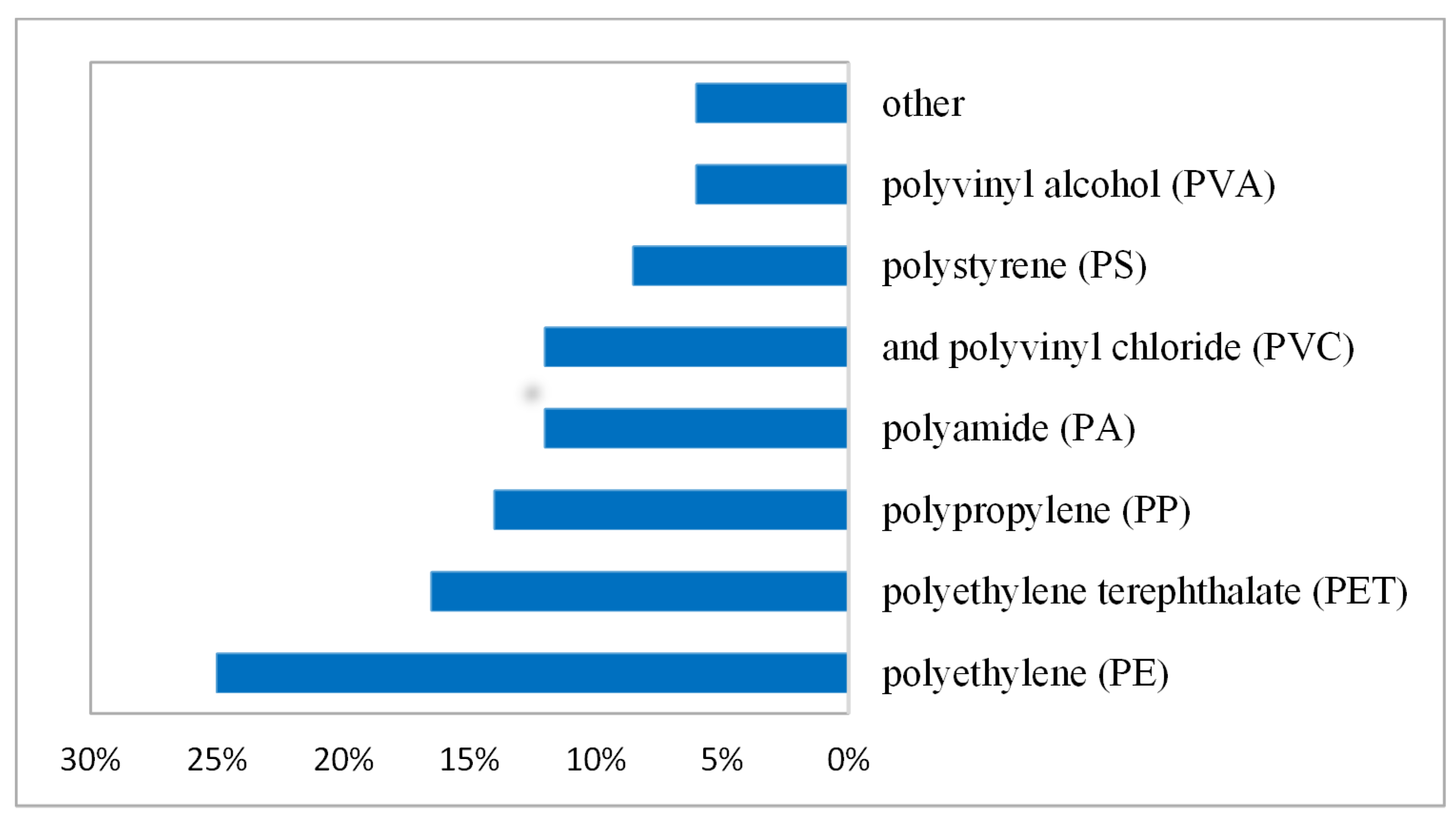
| Study/Compartment | Major Polymers Identified | Approximate % (or Relative Abundance) | Ref. |
|---|---|---|---|
| Lentic ecosystems (lakes, freshwater) | PE, PP, PS | PE ~28% (95% CI 20–36) PP ~18% (95% CI 13–23) PS ~7% (95% CI 3–12) | [98] |
| Marine environment | PE, PP dominate surface; denser polymers at depth | Surface ocean: PE ~42%, PP ~25% Deep Sea: PE and PP ~2–3% | [99] |
| Rivers in Europe | PE, PP, PS | PE + PP + PS ~70–80% in surface waters | [96] |
| Yangtze Estuary | PE, PP, α-cellulose fibers | Surface: PE ~37.3% Sediment: PP ~28.6% | [97] |
| Freshwater microplastics | PE, PP, PS consistently among most reported | Precise % vary widely | [100] |
| Sources, transport and accumulation | PE, PP contribute most in all environments | Not quantified | [101] |
| Membrane Type | Pore Size (µm) | Operating Pressure (bar) | Target Pollutants | Removal Mechanism | MP Removal Efficiency | Refs. |
|---|---|---|---|---|---|---|
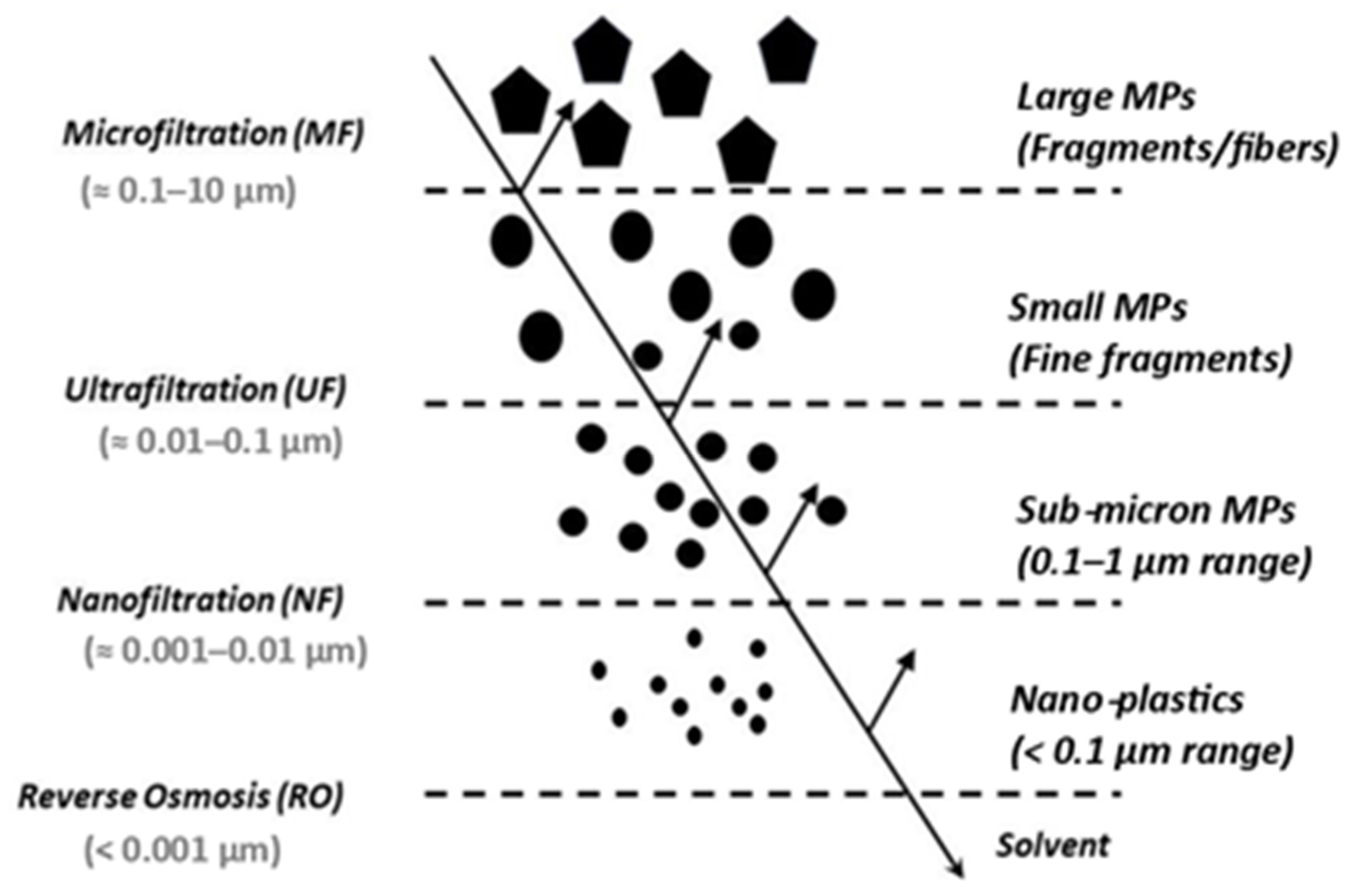
| MF | 0.1–10 | ~0.1–2 | Suspended solids, large MPs | Size exclusion | Moderate (up to ~80%) | [134,135] |
| UF | 0.01–0.1 | 1–10 | Colloids, bacteria, larger MPs | Sieving, adsorption | High (~90–97%) | [130,131,132,133] |
| NF | 0.001–0.01 | 4–30 | Divalent salts, organics, small MPs/ECs | Size exclusion, electrostatic repulsion | Very high (>95%) | [119,120,121,122] |
| RO | <0.001 | >30 | All dissolved solutes, monovalent ions | Diffusion through dense membrane matrix | Extremely high (98–100%) | [145] |
| Membrane Type | Removal Efficiency (%) | Fouling/Operational Issues | Cost and Practical Constraints | Refs. |
|---|---|---|---|---|
| MF | High TSS and turbidity removal (87–96%) in industrial wastewater but lower efficiency for dissolved contaminants and fine particles | Lower fouling relative to tighter membranes; effective pre-treatment stage | Lower capital/energy cost but limited for MPs and ECs alone; needs integration in treatment trains | [169,170] |
| UF | >85% MPs removal reported; strong particle rejection in MBR systems | Moderate fouling increases with organics; long-term flux decline and cleaning needs highlighted | Moderate cost; cleaning/maintenance and membrane replacement key cost drivers | [171,172] |
| NF | NF-based MBR showed high pollutant removal and low fouling under ultralow flux conditions | Fouling significant at higher flux; severe at high pressures if not managed | Higher capital cost than UF/MF; energy lower than RO, but cleaning still required | [170,173] |
| RO | Very high removal (up to 98–100% for dissolved contaminants) reported in wastewater/leachate contexts | Prone to scaling and biofouling; requires rigorous pre-treatment | High energy and maintenance costs; concentrated disposal issues; high initial cost | [174,175] |
| MBR | Up to ~99–99.9% MPs removal in pilot/full systems; superior to conventional activated sludge | Fouling is a major challenge; MPs can intensify biofilm/EPS formation and cake layer growth | Highest operational complexity; requires skilled management but combines biological removal with filtration | [170,176] |
| Technology | Description | Removal Efficiency | Notes | Ref. |
|---|---|---|---|---|
| Hybrid RO with activated carbon | Combines RO membrane filtration with an activated carbon unit for treating high-strength emulsified edible oil effluent. | Up to 99%. | Activated carbon pretreatment enhances permeate flux and overall treatment efficiency. | [178] |
| Ultrasound–Adsorption–Membrane filtration (USAMe) | Integrates ultrasound, adsorption, and membrane filtration to eliminate organic matter from water. | Nearly total elimination | Effective after biological treatment, mitigating the effects of natural organic matter. | [179] |
| Challenge/Limitations | Description | Impact | Refs. |
|---|---|---|---|
| Membrane Fouling | Clogging of membrane pores or accumulation on the surface, leading to reduced flux and increased energy costs. | Lowers membrane performance and operational efficiency. | [176,212] |
| Types of Fouling | Includes standard blocking, total blocking, intermediate blocking, and cake formation, each affecting filtration differently. | Affects filtration efficiency and membrane lifespan. | [176] |
| Chemical Cleaning Damage | Cleaning methods can harm membrane structures, reducing their longevity. | Results in increased replacement costs and downtime. | [213] |
| Mechanical Abrasion | Suspended particles can cause surface degradation, compromising membrane integrity and performance. | Decreases long-term operational effectiveness. | [152,213,214] |
| Scaling | Inorganic salt deposition reduces flux and shortens membrane lifespan | Increases cleaning frequency and operational costs. | [45,126,215] |
| High Operational Costs | Initial capital expenditures for systems like MBRs are higher than traditional technologies, limiting deployment. | Challenges economic viability, especially in municipal settings. | [158] |
| Energy Consumption | High energy requirements, particularly for processes like RO, impact sustainability. | Increases operational costs and environmental impact. | [218,219] |
| Nanomaterial Integration | Advances with hydrophilic nanomaterials improve fouling resistance but require further research on interactions with MPs. | Potential to enhance membrane performance but requires validation | [219] |
| Self-Cleaning Technologies | Photocatalytic membranes can reduce chemical cleaning needs, but effectiveness varies based on conditions. | Promises reduced maintenance and improved sustainability. | [224,225,226,227] |
Disclaimer/Publisher’s Note: The statements, opinions and data contained in all publications are solely those of the individual author(s) and contributor(s) and not of MDPI and/or the editor(s). MDPI and/or the editor(s) disclaim responsibility for any injury to people or property resulting from any ideas, methods, instructions or products referred to in the content. |
© 2026 by the authors. Licensee MDPI, Basel, Switzerland. This article is an open access article distributed under the terms and conditions of the Creative Commons Attribution (CC BY) license.
Share and Cite
Tayeh, Y.; Al-Zghoul, T.M.; Bashir, M.J.K.; Alazaiza, M.Y.D.; Abuabdou, S. Membrane Technologies at the Frontier: A Review of Advanced Solutions for Microplastics and Emerging Contaminants in Wastewater. Environments 2026, 13, 118. https://doi.org/10.3390/environments13020118
Tayeh Y, Al-Zghoul TM, Bashir MJK, Alazaiza MYD, Abuabdou S. Membrane Technologies at the Frontier: A Review of Advanced Solutions for Microplastics and Emerging Contaminants in Wastewater. Environments. 2026; 13(2):118. https://doi.org/10.3390/environments13020118
Chicago/Turabian StyleTayeh, Yousef, Tharaa M. Al-Zghoul, Mohammed J. K. Bashir, Motasem Y. D. Alazaiza, and Salahaldin Abuabdou. 2026. "Membrane Technologies at the Frontier: A Review of Advanced Solutions for Microplastics and Emerging Contaminants in Wastewater" Environments 13, no. 2: 118. https://doi.org/10.3390/environments13020118
APA StyleTayeh, Y., Al-Zghoul, T. M., Bashir, M. J. K., Alazaiza, M. Y. D., & Abuabdou, S. (2026). Membrane Technologies at the Frontier: A Review of Advanced Solutions for Microplastics and Emerging Contaminants in Wastewater. Environments, 13(2), 118. https://doi.org/10.3390/environments13020118