3.2. Chronological Scope and Interdisciplinary Research Trends
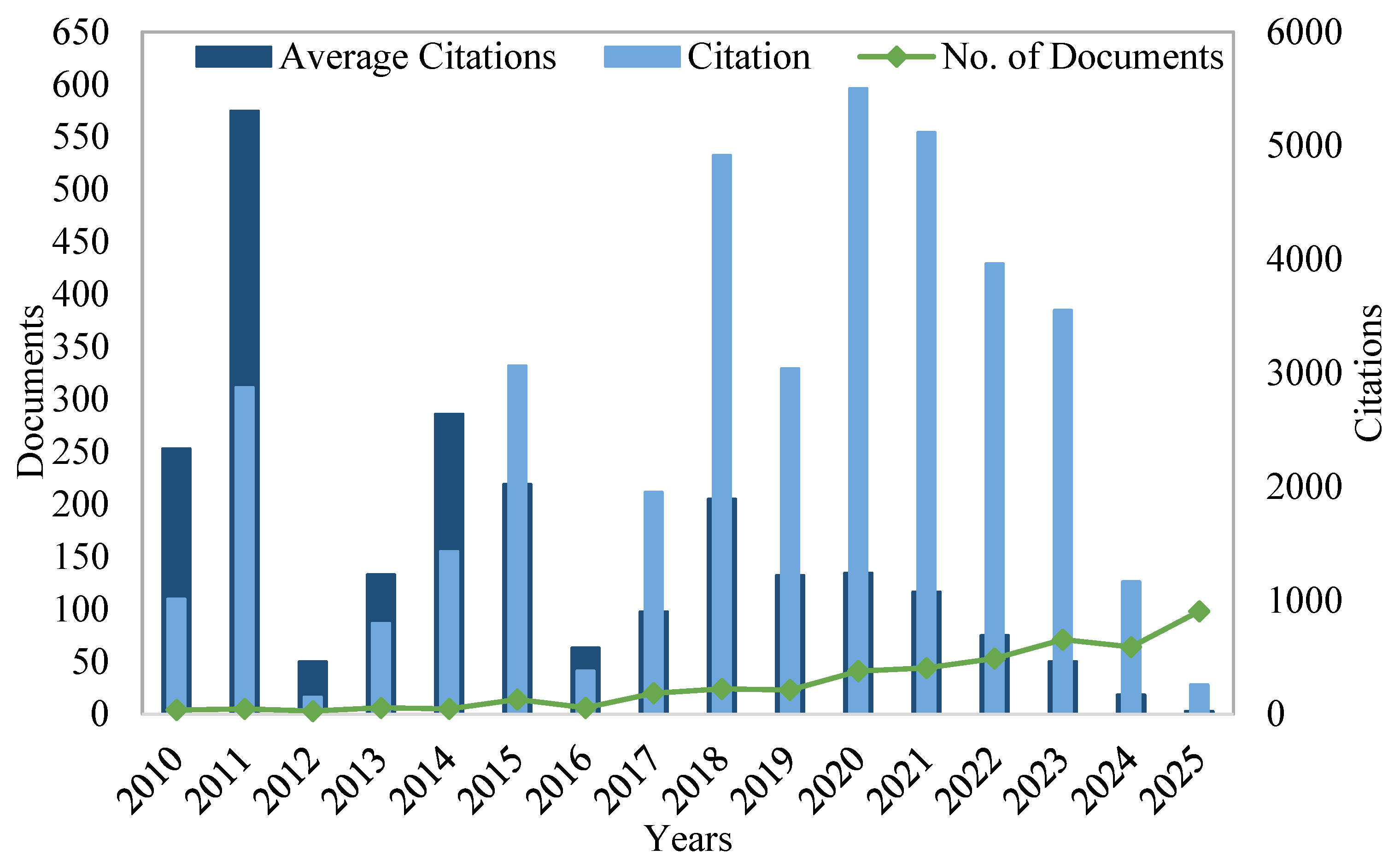
The examination of annual publication trends regarding AOPs in water and wastewater treatment from 2010 to 2025 provides insight into the evolution of research in this field. This analysis considers the number of documents published, total citations, and average citations per document, highlighting patterns of academic engagement and influence (
Figure 1).
In the early years, the field experienced notable impact despite a low number of publications. For example, in 2010, only four documents were published, yet they received 1011 citations (average 252.8 citations per document), reflecting the significance of foundational studies. Similarly, 2011 marked a peak in average citations per document (574.6) due to several highly influential publications. Subsequent fluctuations in average citations occurred as new research emerged and the field expanded, with 2018 and 2020 showing high total citation counts (4914 and 5501, respectively) corresponding to growing research activity. While publication counts have continued to rise in recent years, the average citations per document show a declining trend, particularly from 2023 to 2025. It is important to note that this pattern is primarily due to the citation time-lag effect; newly published papers naturally have fewer citations because they have not been exposed to the academic community for long enough. Therefore, the observed decline in average citations does not necessarily indicate reduced quality, saturation, or lower impact of recent research. Instead, it reflects a common bibliometric artifact inherent in temporal citation analyses. Overall, the analysis illustrates clear growth in publication output from 2010 to 2025, with notable peaks for the number of documents in 2025 (98), total citations in 2020 (5501), and average citations in 2011 (574.6).
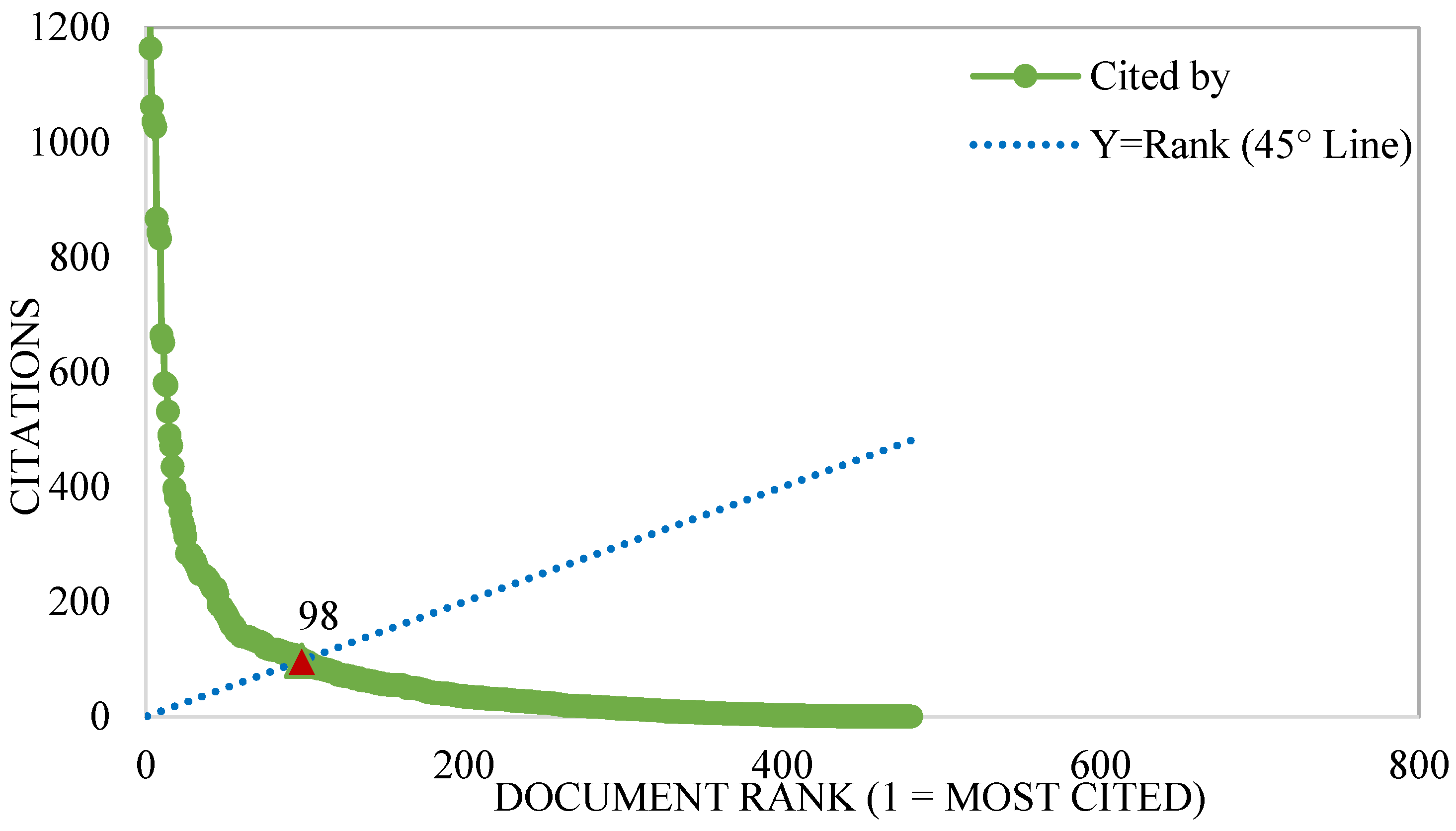
The H-graph in
Figure 2 shows the distribution of citations among publications on AOPs in water and wastewater treatment. The horizontal axis ranks the documents from most to least cited, while the vertical axis indicates the total citations each document has received. The steep initial decline in the green curve demonstrates that a few highly cited studies have had a substantial influence on the field. The intersection of this curve with the 45-degree baseline (marked “H-index = 98”) indicates that 98 publications each received at least 98 citations, reflecting both the volume and significance of impactful research in AOPs.
The initial steep decline followed by a gradual flattening of the curve suggests that while a select few documents are highly cited, there is also a broad base of research contributing to the overall body of knowledge in AOPs. These dynamics highlight the balance between highly impactful papers and a larger volume of research that, while potentially less cited, still plays a critical role in advancing the understanding and application of AOPs in water treatment.
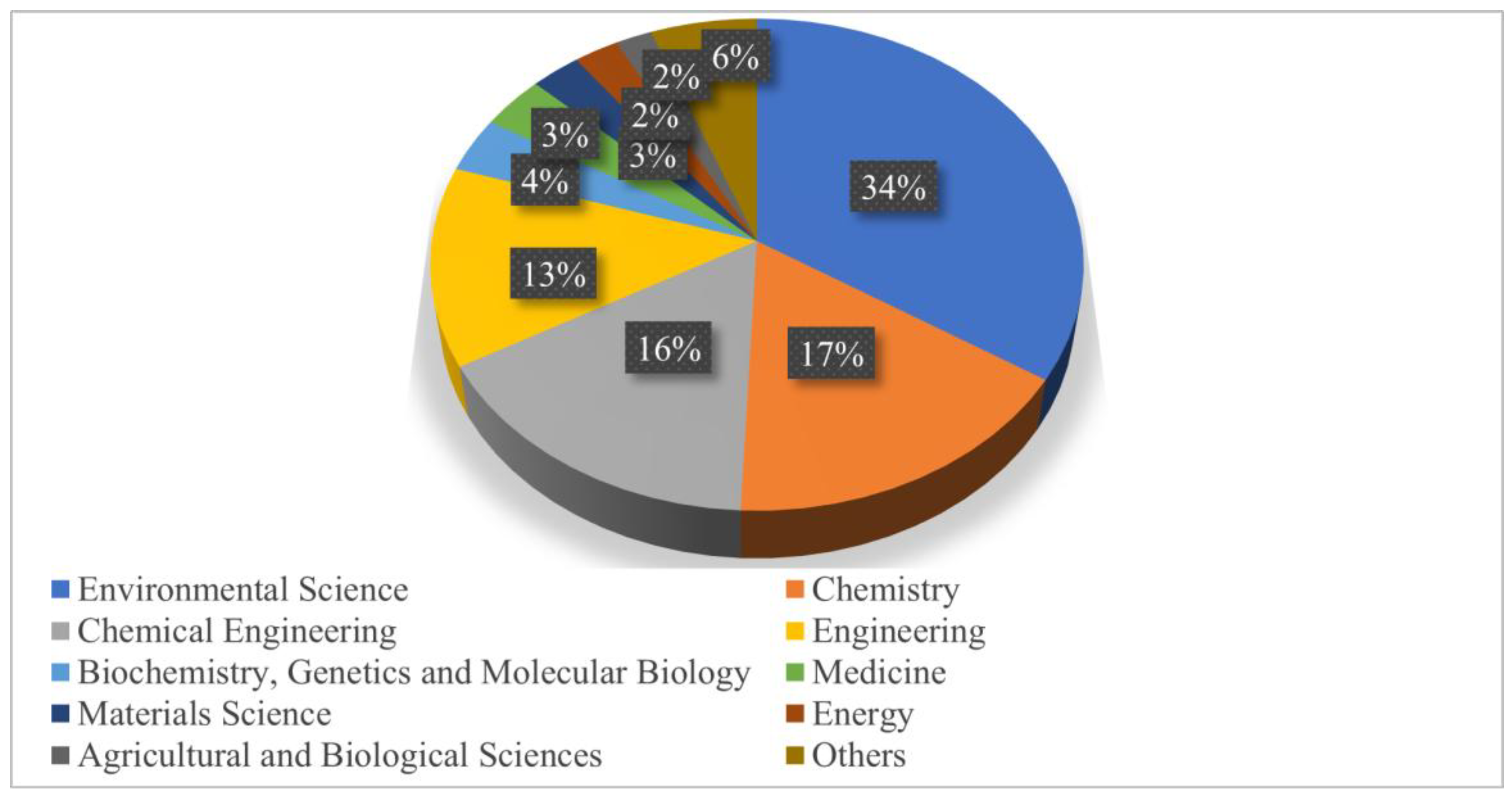
Analysis of research distribution by subject area (
Figure 3) reveals that Environmental Science dominates, with 377 publications (34% of the corpus). This reflects the critical focus on pollution dynamics, ecological impacts, and sustainable water management. Chemistry and Chemical Engineering follow, contributing 17% (184 documents) and 16% (178 documents), respectively. Chemistry provides insight into pollutant behavior and reactive species mechanisms in AOPs, while Chemical Engineering emphasizes the design and optimization of practical treatment systems. The synergy between these disciplines advances both the understanding and implementation of AOP technologies. The role of Chemistry is particularly pertinent to AOPs, as this field provides invaluable insights into the chemical behaviors and properties of pollutants, especially those resistant to conventional treatment methods [
53]. Researchers specializing in Chemistry investigate how reactive species generated in AOPs can effectively degrade organic contaminants, thereby enhancing water treatment efficiency [
51].
Chemical Engineering complements these findings by focusing on the practical applications of chemical knowledge. Approximately 178 documents emphasize the design and optimization of processes that incorporate advanced oxidation processes (AOPs) in water treatment systems [
53]. This includes developing innovative reactors and methodologies that improve the efficacy of AOPs, thereby addressing contaminants that conventional methods often fail to remove [
53]. The collaboration between Chemistry and Chemical Engineering is pivotal in advancing the technology and implementation of AOPs, providing sustainable solutions to complex water treatment challenges.
Moreover, the field of Engineering, accounting for 13% of the publications, plays a crucial role in the practical implementation of AOP technologies in water treatment systems. With approximately 145 documents, engineering research addresses the infrastructure necessary for effective water treatment solutions. This encompasses the design of filtration and reactor systems that utilize AOPs, integrating them within larger treatment frameworks to maximize the contaminant removal efficiency and minimize the operational costs [
38]. In the context of public health, the field of Medicine contributes 6% of the research corpus, with 39 publications that emphasize the health implications associated with water pollution. This domain examines the potential risks that contaminants pose to human health, advocating for the necessity of effective AOPs to ensure safe drinking water. Understanding the health impacts of pollutants underscores the importance of integrating advanced treatment methodologies into existing public health frameworks to protect communities [
65].
Research in Biochemistry, Genetics, and Molecular Biology also plays a significant role, contributing 2% to the literature with approximately 40 documents. These studies focused on the biological mechanisms that pollutants undergo in aquatic environments, particularly how AOPs can influence these processes [
38]. Insights from this discipline are critical for developing targeted interventions that not only remove contaminants but also mitigate their adverse effects on aquatic life and human health. Lastly, the collective “Others” category—including subjects such as Materials Science, Agricultural Sciences, and various multidisciplinary fields—contributes approximately 7.1% to the overall research effort.
Although each of these areas may individually represent a small share of the total output, their contributions are vital for fostering a comprehensive understanding of the complexities surrounding water treatment. For example, advancements in materials science can lead to the development of better catalysts and membranes used in AOPs, thus further enhancing their efficiency and application in various contexts [
66].
Overall, the subject area distribution illustrates a highly interdisciplinary research landscape. Each field, whether contributing a large or small proportion of publications, plays a critical role in advancing AOPs for water and wastewater treatment. The combined efforts of these disciplines enable innovations that enhance water quality, ecological sustainability, and public health, underscoring the dynamic and collaborative nature of the research community.
3.3. Pioneering Research: Leading Journals in AOPs in Wastewater Treatment
Table 2 presents the top 12 journals publishing research on AOPs in water and wastewater treatment, including metrics such as TLS, number of publications, total citations, H-index, and 2024 SJR. These parameters provide a clear view of each journal’s influence and research impact.
“Water Research” leads with 37 publications and 5108 citations, achieving the highest TLS of 251. This indicates the journal’s strong influence and wide recognition in AOP research, supported by an H-index of 396 and a Q1 ranking with an SJR of 3.843. The “Chemical Engineering Journal” follows closely, with 42 publications, 4537 citations, TLS of 147, and an H-index of 337. Its focus on practical engineering applications of AOPs underscores its pivotal role in advancing water treatment technologies. “Chemosphere” ranks third, with 32 publications and 2415 citations (TLS = 192), emphasizing chemical aspects of pollutants and AOP mechanisms. “Environmental Science and Technology” (18 documents, 3463 citations, H-index 504, TLS = 138) demonstrates high impact in environmental technologies, while “Science of the Total Environment” (24 documents, 5963 citations, TLS = 134) covers broader environmental challenges. Other journals, including “Journal of Hazardous Materials,” “Environmental Research,” “Journal of Cleaner Production,” and “Water (Switzerland),” also contribute meaningfully, focusing on specialized aspects of water treatment, pollution management, and sustainability.
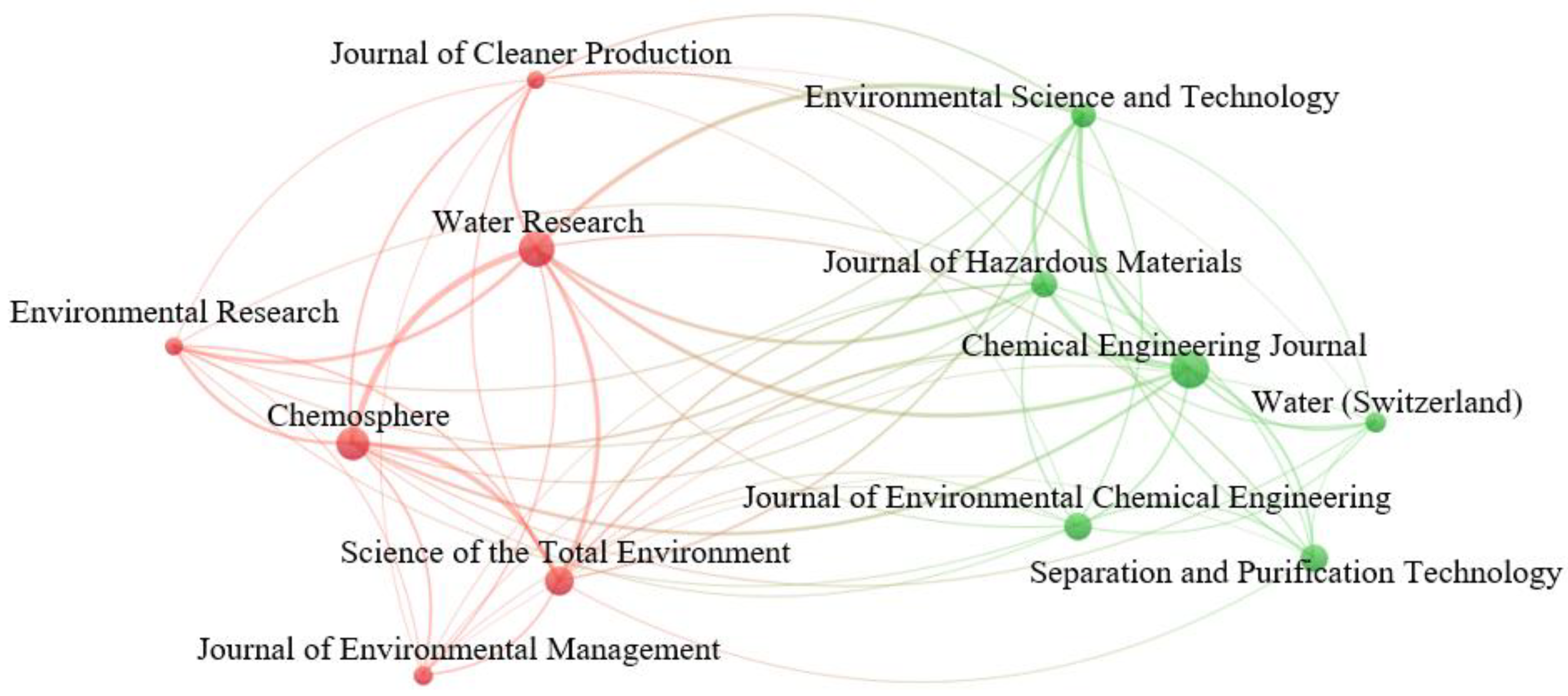
Figure 4 illustrates a co-occurrence map that depicts the relationships among journals with over 10 publications related to AOPs for water and wastewater treatment. This visualization, created using VOSviewer, effectively represents how various journals contribute to the body of knowledge in this essential field. In the diagram, each journal is shown as a labeled node, while the connecting lines indicate collaborative relationships and overlapping citations among these journals. The size of each node reflects the total number of citations received by publications from that journal, highlighting its overall influence in AOP research. Larger nodes signify journals that have produced significant research outputs and are well-regarded in the academic community. The thickness of the lines connecting the nodes represents the strength of the collaborative relationships. Thicker lines indicate a higher degree of citation overlap, suggesting that articles from these journals frequently reference each other’s work, illustrating a strong network of academic cooperation [
62]. This highlights key players in the field and illustrates how knowledge flows among them.
Prominent journals such as “Water Research” and “Environmental Science and Technology” occupy central positions in this network, characterized by their extensive publication outputs and high citation counts. Their importance underscores their leadership roles in advancing AOP research. In contrast, journals such as “Chemosphere” and “Journal of Cleaner Production” reflect specialized focuses, emphasizing the chemical and sustainability aspects of AOPs. The varying sizes and interconnections of the nodes indicate diverse research interests, suggesting that researchers can benefit from exploring collaborative opportunities within this network.
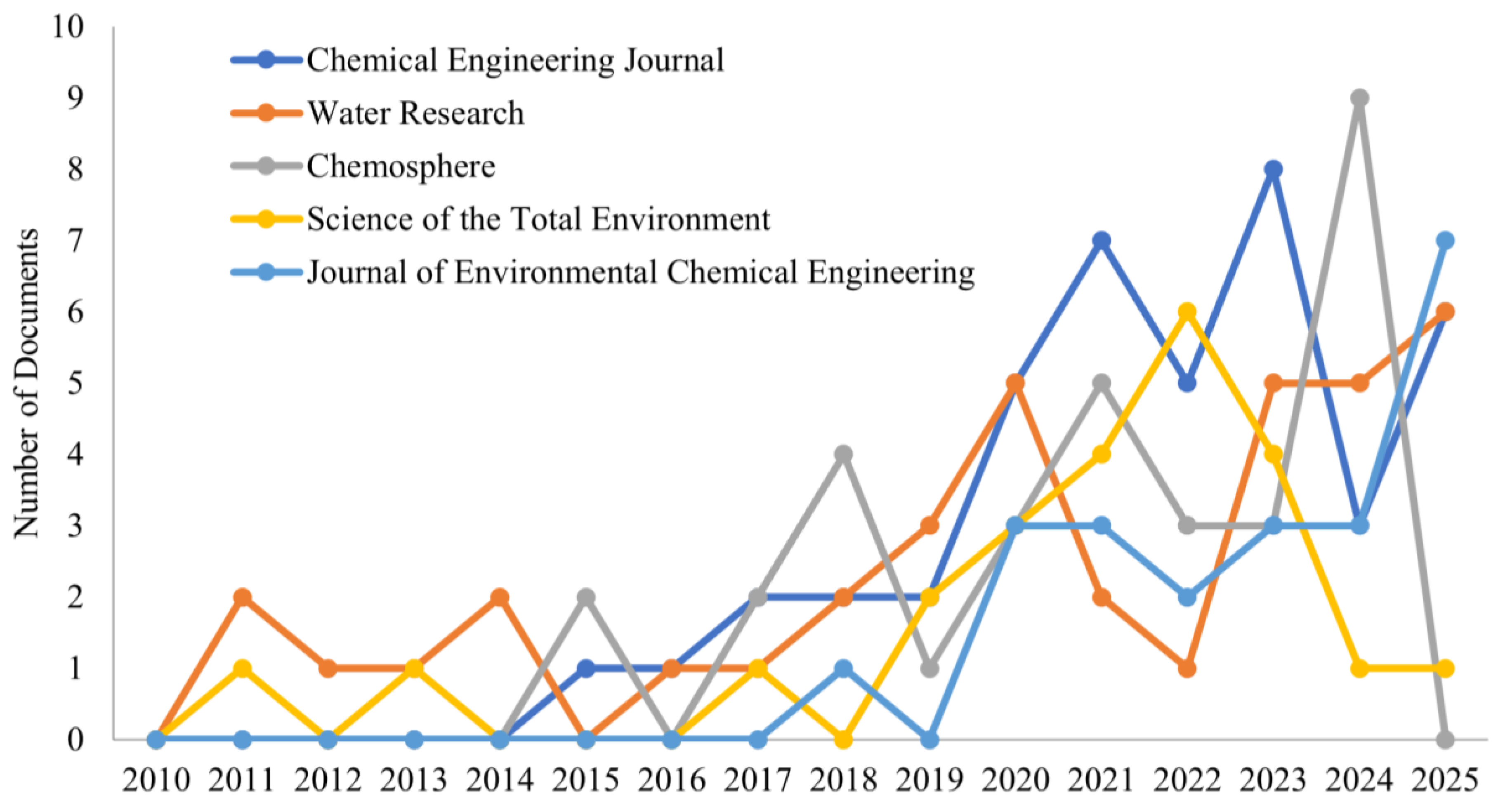
Figure 5 shows publication trends from 2010 to 2025 for five major journals: “Chemical Engineering Journal,” “Water Research,” “Chemosphere,” “Science of the Total Environment,” and “Journal of Environmental Chemical Engineering.” From 2010 to 2014, publication activity was low across all journals, with “Water Research” showing the first contributions. Growth began in 2015, particularly in the “Chemical Engineering Journal” and “Chemosphere.” Between 2018 and 2021, output increased steadily, peaking in 2020 for several journals. In 2023, the “Chemical Engineering Journal” published eight articles, confirming its leadership, while “Water Research” maintained strong contributions. By 2025, “Journal of Environmental Chemical Engineering” had risen to seven publications, indicating expanding research attention across journals.
Overall, the analysis shows a consistent increase in research output on AOPs from 2010 to 2025, with variations reflecting shifting focus areas. Leading journals like the “Chemical Engineering Journal,” “Water Research,” and “Chemosphere” play crucial roles in disseminating knowledge, fostering innovation, and advancing practical and theoretical understanding of advanced oxidation processes for water and wastewater treatment. This growing body of literature supports global efforts to improve water quality and sustainability through interdisciplinary research and technological development.
3.4. Geographical Distribution
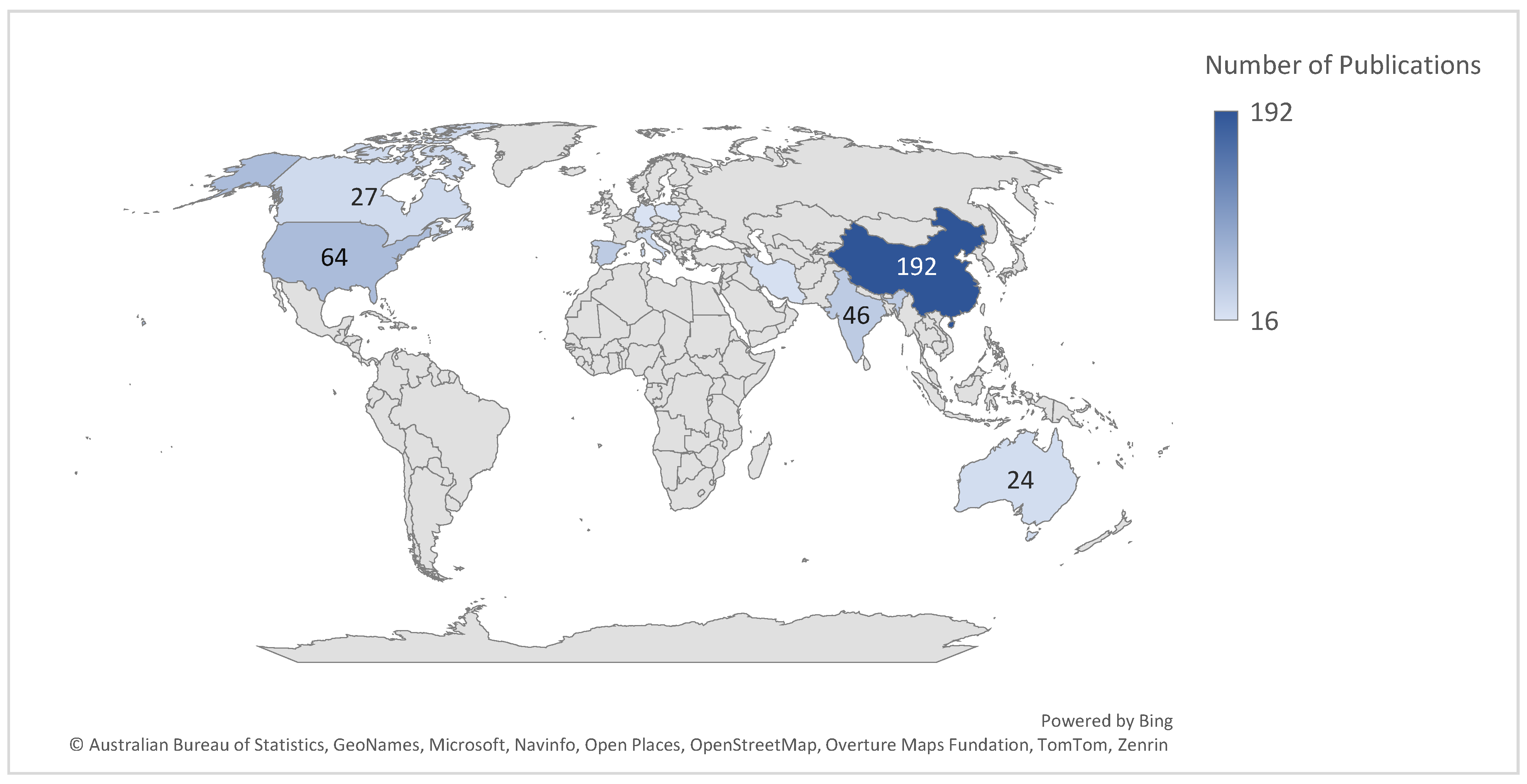
Table 3 presents a breakdown of the top 10 countries contributing to AOP research, ranked by the TLS, number of publications, and total citations. China’s dominance in this arena is evident, with a striking TLS of 1489, supported by 192 publications and 14,951 citations. This prolific output not only underscores China’s extensive research initiatives but also reflects its increasing role as a global leader in environmental science, particularly in innovative water treatment technologies, such as AOPs. The United States, with a TLS of 943 and 64 publications, shows that while its volume of research is lower compared to China, the impact of its contributions remains significant, as evidenced by its high citation count of 7999. This disparity raises questions about the nature of research in these two countries. The U.S. might prioritize quality over quantity, focusing on innovative frameworks that leverage AOPs effectively, which could explain the higher citation rates despite fewer publications. Australia and India also emerged as noteworthy contributors to the field, each demonstrating a balance between publication and citation counts. Australia’s established research infrastructure supports various studies on AOPs, whereas India’s increasing focus on sustainable water management strategies, particularly in urban and rural contexts, illustrates its growing commitment to tackling water quality challenges using advanced technologies.
Canada’s position, with 27 publications and 2859 citations, suggests a solid, albeit modest, footprint in AOP research. This highlights an area for potential growth, as Canada is known for its rich water resources and environmental policies that could catalyze further research on AOPs. European countries, such as Italy and Spain, provide a unique perspective on the research landscape of AOPs, achieving respectable citation counts indicative of impactful research despite their lower publication numbers. Italy, with 29 publications and 3429 citations, showcases that the quality and relevance of research can sometimes outweigh sheer volume in determining a country’s influence in scientific discourse. The accompanying visual representation of geographical research distribution effectively elucidates the varying research intensity across nations, as shown in
Figure 6. The color coding allows for quick identification of research hubs, with China’s darker shades reflecting its substantial contributions to the field. Countries such as Italy, while less prolific in terms of publications, still maintain a presence due to the high impact of their AOP research.
Overall, as nations grapple with water quality issues exacerbated by climate change and urbanization, fostering collaborative research efforts in AOPs could be pivotal in addressing these challenges effectively. The analysis underscores the need for a strategic focus on not only amplifying research outputs but also enhancing their quality and practical applicability in real-world scenarios.
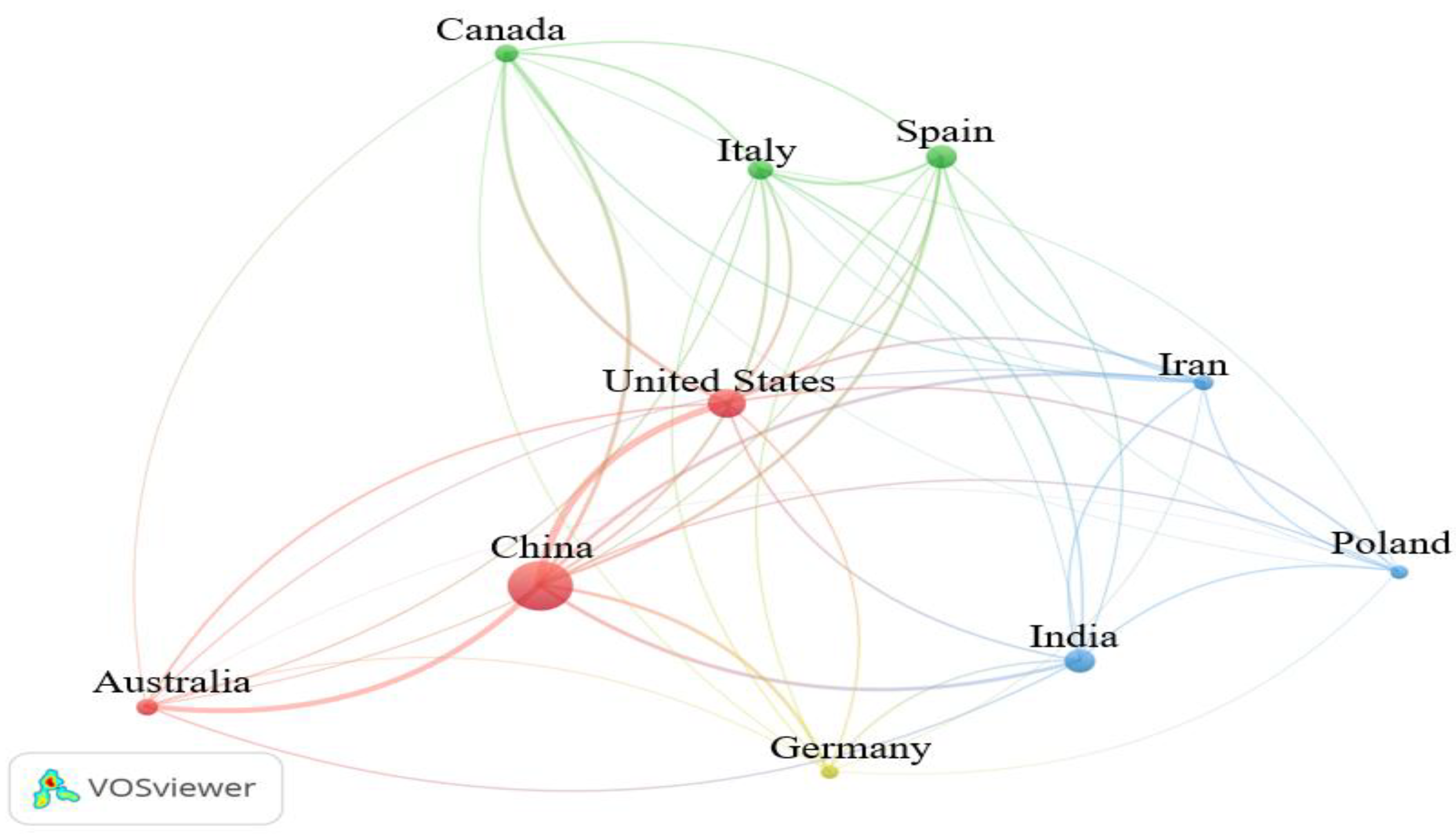
Figure 7 presents a network visualization illustrating the primary countries involved in AOPs for water and wastewater treatment. This visualization serves as a vital tool for understanding international collaboration and the underlying bibliometric relationships within this crucial field of research.
In the network, as shown in
Figure 7, China emerges as the most prominent node, characterized by its size and the density of connections. The significant number of links associated with China reflects its leadership role in AOP research, indicating not only a high volume of publications but also extensive collaborations with other nations. This position emphasizes the central role of the country in shaping the discourse on innovative water treatment technologies. The United States follows closely behind, demonstrating a notable presence through its extensive links with several countries. This indicates an active involvement in collaborative projects, which may enhance the impact and dissemination of its AOP research outputs. The robust connections suggest a strategic focus on building partnerships that leverage shared expertise, thereby fostering advancements in the field.
Countries such as India, Italy, and Spain also feature prominently in the network, exhibiting significant collaborative ties. India’s growing involvement highlights its commitment to addressing water quality challenges, particularly in rapidly urbanizing areas. Italy and Spain, representing European contributions, reflect a tradition of research excellence in environmental science. Collaboration between these countries underscores the importance of cross-border cooperation in addressing global water treatment issues. Iran and Poland appear as additional contributors, with established connections that point to their active participation in the AOP research community. The interlinking of these nations within the visualization suggests a diverse ecosystem of research partnerships that can lead to innovative solutions and shared knowledge.
The color gradients and link thickness in the network visualization further enhance the understanding of these relationships. Thicker lines denote stronger collaborations, whereas color variations indicate deepening connections over time. This evolving landscape of partnerships illustrates how countries adjust and strengthen their research collaborations in response to emerging challenges and scientific requirements. Overall,
Figure 7 effectively encapsulates the collaborative dynamics of AOP research across various nations, showcasing how these countries interact and influence one another. The network not only highlights those leading in research output but also emphasizes the significance of collaborative efforts in advancing AOP technologies for water and wastewater treatment. This analysis serves to inform future research trajectories and collaborative initiatives vital for addressing critical water management issues on a global scale. The implications of this network extend beyond mere participation; they underscore the collective endeavor required in the scientific community to promote sustainable solutions to water-related challenges.
3.8. Pioneering Research: Key Articles in AOPs in Wastewater Treatment
Citation analysis is a vital approach for understanding the intellectual connections among publications, especially when one study references another. This method enables the identification of key research articles within a specific academic discipline while allowing for the exploration of citation trends and patterns [
68]. In this research, we conducted a citation analysis of papers focused on AOPs related to water and wastewater treatment.
Table 7 summarizes the top 30 most-cited publications, reflecting their influence on both academic research and practical applications. Collectively, these studies demonstrate the evolution of AOPs from traditional hydroxyl radical systems toward more sophisticated pathways, including sulfate radicals (SO
4−·), singlet oxygen (
1O
2), and non-radical mechanisms, enhancing efficiency and selectivity in contaminant removal.
The AOPs represent a crucial suite of technologies for addressing persistent organic pollutants in water and wastewater treatment. The collective body of research underscores the evolution and optimization of AOP technologies, revealing a shift from traditional ·OH systems to more advanced mechanisms involving sulfate radicals (SO
4•
−), singlet oxygen (
1O
2), and nonradical pathways [
71,
95,
96,
97,
98,
99]. These studies highlight the ability of AOPs to degrade a wide array of contaminants, including pharmaceuticals, pesticides, and industrial chemicals. Each study contributes unique insights into catalytic materials, reaction conditions, and mechanistic understanding [
86,
100,
101], emphasizing the importance of developing efficient, selective, and sustainable oxidation methods [
102,
103]. The findings demonstrate the capacity of AOPs to effectively degrade a wide range of recalcitrant contaminants while addressing the challenges of byproduct formation and operational efficiency in diverse environmental contexts [
75,
90,
104]. Overall, these investigations reflect a concerted effort to advance the understanding and application of AOPs for improved environmental remediation [
79].
Hama Aziz et al. [
82] highlighted heavy metal contamination as a severe global environmental issue, exacerbated by industrialization, urbanization, and climate change. Their review detailed the toxicological impacts of heavy metals on human health and aquatic ecosystems, emphasizing the necessity for effective removal techniques. AOPs, alongside physicochemical methods like biochar and zeolite ion exchangers, were proposed as viable solutions, addressing the urgent need for innovative and cost-effective wastewater treatment technologies. Yang et al. [
88] focused on persulfate-based AOPs under UV, visible, and solar irradiation, elucidating the role of light in enhancing pollutant degradation. Their review categorized photo-activated processes according to their mechanisms, such as direct UV activation, dye sensitization, ligand-to-metal charge transfer (LMCT), and photocatalytic processes. This categorization is crucial for understanding how light can be harnessed to maximize the efficiency of AOPs. Following this, Yang et al. [
89] critically assessed the influence of dissolved organic matter (DOM) on AOP effectiveness. Their findings indicated that while DOM can scavenge radicals and impede light penetration, it can also facilitate radical formation, suggesting a nuanced interaction that requires careful consideration in AOP applications. This review presents the dual role of DOM—both inhibitory and synergistic—highlighting the complex dynamics during oxidative water purification processes.
Morsi et al. [
91] addressed the challenges posed by emerging pollutants (EPs), which often escape conventional treatment methods. Their investigation into biocatalytic approaches, particularly employing laccases and peroxidases, proposed a greener oxidation route capable of degrading various organic pollutants effectively. This aligns with the growing trend to incorporate biotechnological solutions within AOP frameworks to enhance pollutant degradation. Prieto-Rodríguez et al. [
92] examined the efficacy of solar-assisted AOPs, such as solar photo-Fenton and ozonation, in the removal of micropollutants from municipal wastewater. Their pilot-scale results demonstrated that solar photo-Fenton processes surpassed traditional treatments in eliminating contaminants, highlighting the potential economic benefits and enhanced performance of solar-driven AOP technologies.
Ganzenko et al. [
93] presented electrochemical advanced oxidation processes (EAOPs) as a promising avenue for treating persistent hazardous pollutants originating from industrial and agricultural sources. They emphasized the effectiveness of these methods in degrading contaminants, unlike conventional approaches which primarily transfer pollution from wastewater to sludge. The authors suggested that integrating EAOPs with biological treatments could enhance removal efficiency while reducing operational costs, a promising synergy for wastewater management. Kumar et al. [
94] explored the treatment of pharmaceutical and personal care products (PPCPs) from wastewater, highlighting the urgent need for effective and cost-efficient treatment technologies. They recommended combining conventional and advanced methods, including AOPs, to optimize removal efficiency and minimize costs. In the context of antibiotics, Wang et al. [
83] discussed the growing concern over their prevalence in aquatic environments, which conventional biological treatments fail to eliminate effectively. The study advocated for innovative AOPs, including ionizing radiation combined with Fenton processes, to enhance degradation efficiency, aligning with broader trends in tailoring AOPs to address specific classes of contaminants. Matafonova et al. [
12] reviewed the role of UV LEDs in AOPs, highlighting their potential as alternative mercury-free UV sources for wastewater treatment. Their examination of TiO
2-based photocatalysis showcased the effectiveness of UV-LED-assisted processes, while also noting limitations in practical implementation. The study emphasizes the need for further research to understand energy requirements and efficiency in real water matrices.
Overall, this body of research reflects a notable transition in the field from traditional radical-based degradation methods to more selective, environmentally sustainable systems tailored for specific contaminants. While earlier studies laid the groundwork for understanding the kinetics and mechanisms of AOPs, recent investigations have increasingly focused on the complexities introduced by DOM, the necessity for cost-effective technologies, and the integration of biological and electrochemical methods. The journey towards optimizing AOPs for practical applications involves addressing challenges related to toxicity of byproducts, operational costs, and effectiveness in diverse water matrices. Future research must emphasize the scalability of promising AOP technologies and the synergistic potential of hybrid treatment approaches, paving the way for innovative solutions in water treatment and environmental sustainability.
Table 8 provides a detailed overview of the diverse AOP categories, including Fenton-based, solar/photo-driven, plasma and discharge-based, sulfate/sulfite-based, metal-based heterogeneous, combined/peroxide-based, and electrochemical processes. Each method exhibits unique advantages, such as high mineralization efficiency, broad contaminant removal, and adaptability to complex wastewater matrices, while also presenting limitations related to energy requirements, operational complexity, catalyst stability, by-product formation, and scalability. For instance, Fenton-based processes achieve high removal efficiency but require acidic conditions and careful optimization of catalysts [
105,
106]. Solar-driven AOPs offer sustainable alternatives but depend on light intensity and wastewater characteristics. Metal-based heterogeneous and hybrid catalytic systems enhance selectivity and mineralization but face challenges in reproducibility and operational control [
107,
108].
Table 8 summarizes the diverse AOPs utilized in water and wastewater treatment, presenting a clear picture of their respective advantages and limitations. By analyzing different AOPs, it is evident that while many methods show promising pollutant removal capabilities, they also face challenges such as cost-efficiency, operational complexity, and potential by-product formation. Continuous research and innovation are crucial for enhancing these processes to ensure effective and sustainable application in real-world scenarios.
3.9. Bibliometric Mapping Keywords
This section provides an analysis of the top keywords identified from studies on AOPs related to water and wastewater treatment. This analysis is crucial for understanding the significant research themes and trends within this field. Utilizing data from various published studies, we focused on keywords that demonstrate a minimum occurrence threshold to highlight the most relevant terms. In our study, we extracted a total of 39 keywords, ranked by their occurrence and TLS. The keywords included essential terms such as “Advanced Oxidation Processes,” “Water Treatment,” and “Emerging Contaminants,” each representing central topics in current AOP research. The keywords were clustered based on their thematic relation, illustrating how different research areas are connected and revealing the broader issues being addressed in the literature.
Table 9 displays these keywords along with their respective occurrence counts and TLS, which serve as indicators of their impact and relevance in the research landscape. By examining these keywords, we can gain insight into the evolving focus areas within AOPs, such as the treatment of emerging contaminants in wastewater, the role of photocatalysis, and the increasing significance of specific oxidants like hydrogen peroxide and ozone.
Table 9 highlights the most pertinent keywords derived from research on AOPs in the context of water and wastewater treatment. Central to this analysis are terms such as “Advanced Oxidation Processes,” “Water Treatment,” and “Emerging Contaminants,” which underscore the significant role AOPs play in addressing increasingly complex water pollution issues. AOPs are essential for treating various types of wastewater, particularly those contaminated with persistent organic pollutants [
12], pharmaceuticals [
73], and emerging contaminants [
9]. The keywords “Photocatalysis” [
115], “Ozonation” [
126], and “Hydrogen Peroxide” [
15] indicate some of the commonly utilized AOP technologies. These processes are designed to effectively degrade toxic compounds, ensuring that treated water meets safety standards for environmental discharge or even reuse. Moreover, the mention of “Contaminants of Emerging Concern” and “Micropollutants” emphasizes the growing need to tackle substances that are often resistant to conventional treatment methods [
9,
92]. This highlights a critical challenge in water treatment, where traditional methods may fail to remove certain pollutants, leading to potential risks for human health and ecosystems [
68].
The inclusion of contaminant-related terms such as Pharmaceuticals, Organic Pollutants, and Toxicity further highlights the urgency of implementing advanced treatment solutions capable of mitigating both chemical persistence and associated toxic effects [
12,
37,
73]. In parallel, catalyst- and process-oriented keywords including Fenton, Persulfate, and Heterogeneous Photocatalysis illustrate ongoing technological advancements aimed at enhancing oxidation efficiency and expanding the applicability of AOPs across diverse water [
15,
31,
88]. Overall, these keywords depict a multidimensional research landscape in which AOPs are developed not only to remove pollutants, but also to support sustainable and robust water treatment strategies.
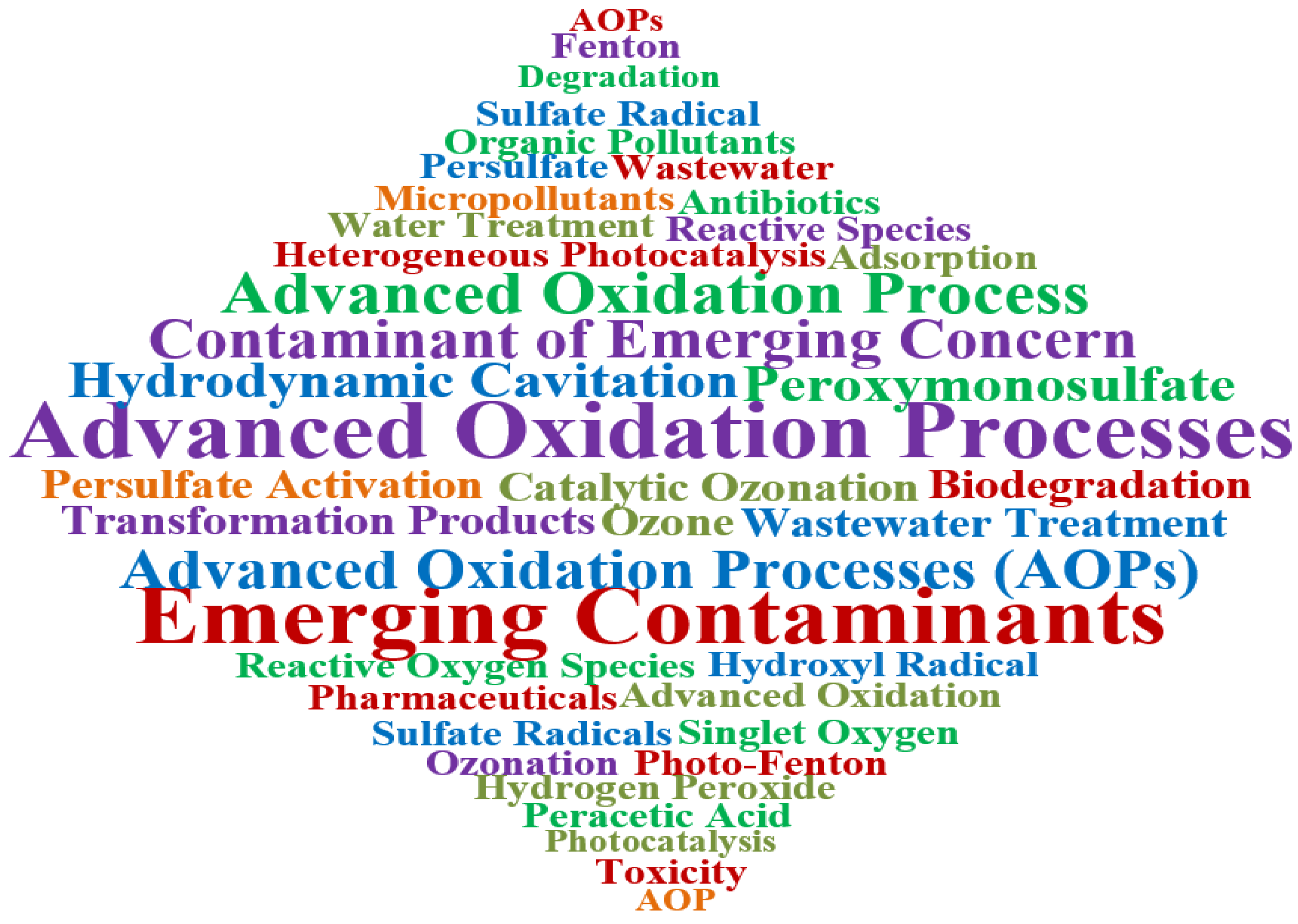
Figure 10 presents a word cloud visualization of the most frequently occurring keywords in the analyzed literature. Notably, the appearance of specific AOP techniques, including Fenton, Hydrodynamic Cavitation, and Sulfate Radical, highlights the diversity of oxidation pathways explored in the literature. Additional terms like Biodegradation, Toxicity, and Reactive Oxygen Species indicate that research efforts extend beyond pollutant removal to include mechanistic understanding and environmental impact assessment.
The spatial proximity and relative size of keywords suggest thematic linkages among degradation mechanisms, contaminant classes, and treatment strategies. For instance, the co-occurrence of AOP, Degradation, and Organic Pollutants reflects a strong focus on oxidation efficiency and degradation pathways, while terms such as Catalytic Ozonation and Persulfate Activation point to methodological specialization within AOP research. Overall, the word cloud provides a concise overview of the major research directions and methodological priorities in the field.
Additionally,
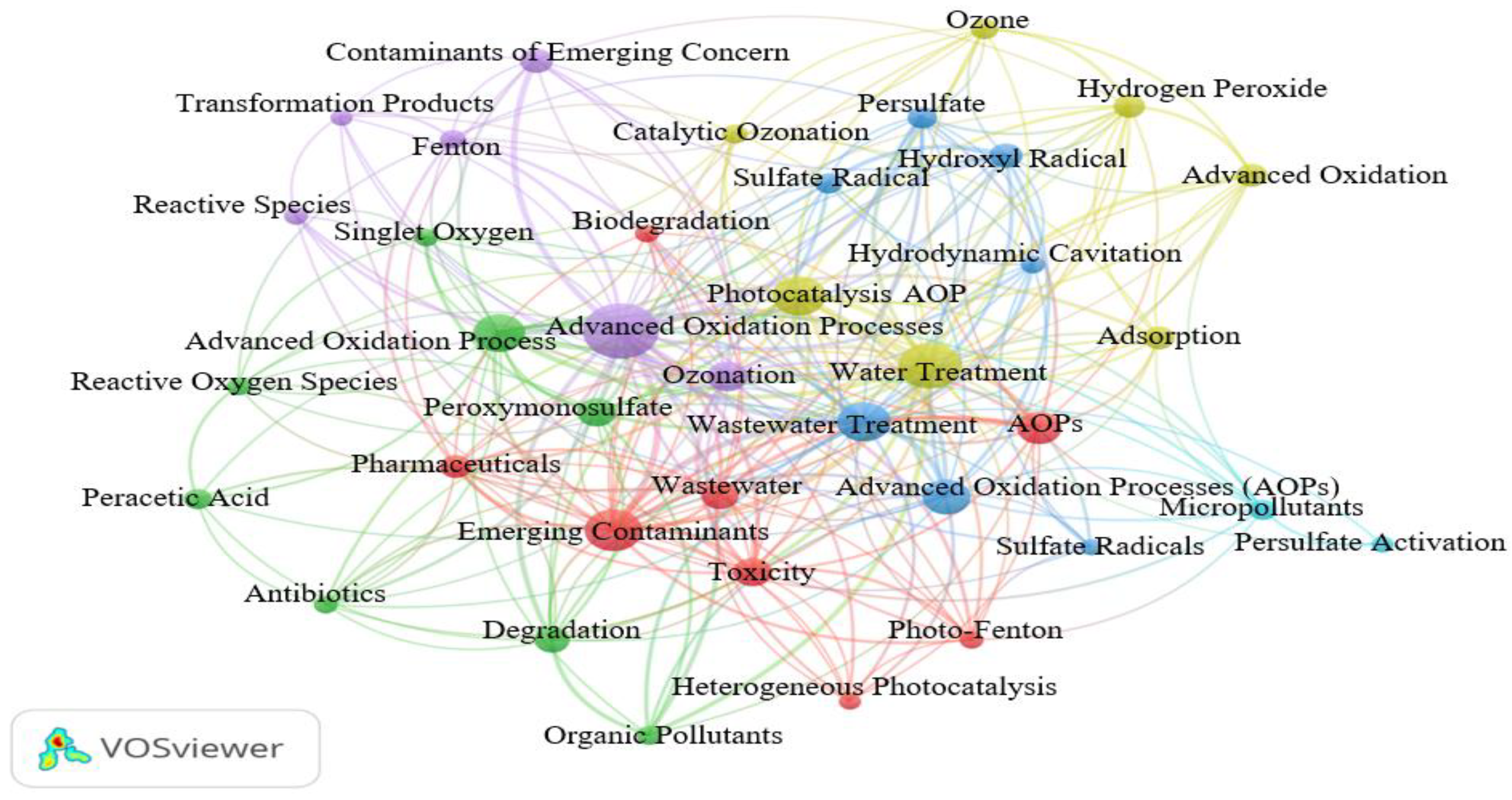
Figure 11 offers a comprehensive depiction of each cluster, highlighting the network of shared keywords and the primary keyword groups found in publications concerning AOPs for water and wastewater treatment.
The network visualization presented in
Figure 11 reveals six well-defined bibliometric clusters, each representing a distinct yet interconnected sub-field within AOPs for water and wastewater treatment. Rather than depicting AOPs as a single homogeneous research domain, these clusters collectively illustrate the diversification of AOP research into specific technological pathways, contaminant targets, and mechanistic frameworks. Together, they reflect how advances in environmental science and public health are driven by the convergence of oxidation chemistry, treatment engineering, and risk-oriented assessment.
Cluster 1, illustrated in red, focuses on keywords such as Emerging Contaminants, Toxicity, Wastewater, Pharmaceuticals, Photo-Fenton, Biodegradation, and Heterogeneous Photocatalysis indicating a research sub-field centered on photo-activated catalytic AOPs. The dominance of Photo-Fenton and heterogeneous photocatalysis highlights the importance of light-driven radical generation in treating biologically active contaminants [
98,
139]. The Photo-Fenton process employs light and iron catalysts to produce hydroxyl radicals, which can efficiently break down complex organic compounds [
98]. Research has shown that optimizing parameters such as light intensity and reaction time can significantly enhance degradation rates, making AOP a promising treatment avenue for tackling the challenges posed by emerging contaminants. Critically, this cluster extends beyond degradation efficiency to address toxicity reduction and biodegradation enhancement, suggesting a shift from mere contaminant removal toward environmental safety and treatment sustainability. The coupling of photocatalytic processes with biodegradation concepts reflects growing recognition that partial oxidation can improve downstream biological treatment performance. This cluster therefore represents a mature AOP sub-field where process effectiveness is evaluated through both chemical removal and ecological impact.
Cluster 2, highlighted in green, 2 is defined by Peroxymonosulfate, Peracetic Acid, Singlet Oxygen, Reactive Oxygen Species (ROS), and Antibiotics, indicating a sub-field focused on oxidant-driven AOP systems. Unlike hydroxyl radical-based processes, this cluster emphasizes the role of specific reactive oxygen species in controlling degradation pathways. The presence of singlet oxygen and peracetic acid reflects increasing interest in selective oxidation mechanisms, particularly for antibiotic compounds that may resist non-selective radical attack [
26,
36]. Recent studies have documented the effectiveness of Peroxymonosulfate in degrading persistent pollutants, revealing that it can be activated through various methods, including thermal and electromagnetic activation [
101]. This versatility in activation methods increases the applicability of peroxymonosulfate in variable environmental conditions [
107]. Furthermore, the ability to degrade widespread contaminants in wastewater (antibiotics) through these processes underscores their critical role in modern treatment paradigms [
65]. The critical implication is that AOPs are no longer applied as universal solutions, but as tailored oxidation systems optimized for specific contaminant classes.
Cluster 3, highlighted in blue, includes Persulfate, Sulfate Radical(s), Hydroxyl Radical, and Hydrodynamic Cavitation, clearly delineating the sulfate radical-based AOP sub-field. The advancements in wastewater treatment technologies are essential to meet regulatory standards and public health needs amidst growing concerns over water quality. Hydroxyl radicals, generated through various AOP methods, are at the forefront of contemporary treatment methodologies [
53]. The application of Persulfate is increasingly recognized for its effectiveness in degrading a broad spectrum of contaminants [
49]. Research has shown that persulfate activation can be achieved through multiple pathways [
97], including thermal, alkaline, and catalytic methods, facilitating the degradation of organic contaminants in wastewater [
97]. For instance, the coupling of persulfate with other treatment methods, such as UV irradiation or heat, can significantly enhance pollutant degradation rates, showcasing potential synergistic effects [
116]. Hydrodynamic Cavitation has emerged as an innovative method for generating hydroxyl radicals within wastewater treatment systems [
39]. This technology employs the rapid formation and collapse of bubbles in liquids to produce high-energy environments conducive to radical formation, demonstrating promising results for achieving higher degradation efficiencies [
39]. The coexistence of sulfate and hydroxyl radicals indicates hybrid radical chemistry, where persulfate activation produces multiple reactive species depending on activation conditions. The integration of hydrodynamic cavitation signifies an emphasis on process intensification, where physical energy input is used to enhance radical formation and mass transfer.
Cluster 4, highlighted in yellow, comprises photocatalysis, hydrogen peroxide, ozone, catalytic ozonation, and adsorption, representing a sub-field focused on hybrid AOP configurations for water treatment. Traditional methods like adsorption remain vital for initial pollutant removal, especially those substances that can be effectively retained by activated carbon or other adsorbents [
111,
126]. This cluster illustrates not just the relevance of existing technologies, but also the necessity for their integration with cutting-edge AOP strategies [
111,
126]. The application of hydrogen peroxide in combination with other oxidizing agents has been shown to bolster the degradation capabilities of existing treatment frameworks [
118]. Photocatalysis, particularly using titanium dioxide and other photocatalysts, has gained traction for its ability to utilize solar energy for pollutant degradation, aligning with the principles of sustainable water management [
36,
92]. Research highlights the potential of combining adsorption and AOP technologies, suggesting that integrated approaches can yield enhanced removal rates for a wider array of contaminants present in wastewater [
111,
126]. This represents a shift toward comprehensive water treatment systems capable of addressing complex contaminant mixtures.
Cluster 5, highlighted in purple, is characterized by ozonation, Fenton, reactive species, and transformation products, identifying a sub-field focused on classical high-oxidation-strength AOPs and their mechanistic consequences. Ozonation has been lauded for its efficiency in breaking down both organic and inorganic contaminants, making it a cornerstone of advanced water treatment [
129]. Studies highlight the critical need for optimization of ozone dosage and exposure time to eliminate target contaminants effectively while minimizing byproduct formation [
128]. The increasing recognition of per- and polyfluoroalkyl substances (PFAS) as emerging contaminants necessitates dedicated research into their degradation [
76]. Research indicates that adapted AOPs, particularly those utilizing ozone and advanced oxidation, can effectively degrade PFAS compounds, presenting a compelling avenue for future studies [
72,
76]. Understanding how these treatment processes influence the transformation products formed during ozonation is crucial for developing strategies that ensure the complete mineralization of harmful substances [
115,
140].
Cluster 6, highlighted in light blue, focusing on micropollutants and the activation of persulfate, underscores the growing recognition of micropollutants as critical environmental challenges. This cluster reflects the increasing need for oxidation strategies capable of addressing pollutants present at low concentrations but with high toxicological relevance [
10,
16,
81]. The potential of persulfate activation to address these pollutants is particularly noteworthy, with ongoing research documenting the effectiveness of thermal, photochemical, and catalytic methods to enhance degradation efficiency [
97]. The integration of persulfate processes within AOP frameworks highlights the necessity for simultaneously addressing multiple contaminants, as traditional methods may fall short on their own [
97].
The differentiation of these six clusters provides clear evidence that AOP research is structured around distinct oxidation sub-fields, each governed by specific reactive species, activation mechanisms, and treatment objectives. This bibliometric structure directly addresses the reviewer’s concern by demonstrating that AOPs are not treated as a homogeneous domain, but rather as a diverse set of specialized and evolving technologies. The cluster organization reflects the field’s progression toward mechanistic understanding, system integration, and application-driven optimization, underscoring the maturity and complexity of contemporary AOP research.






 ,
,