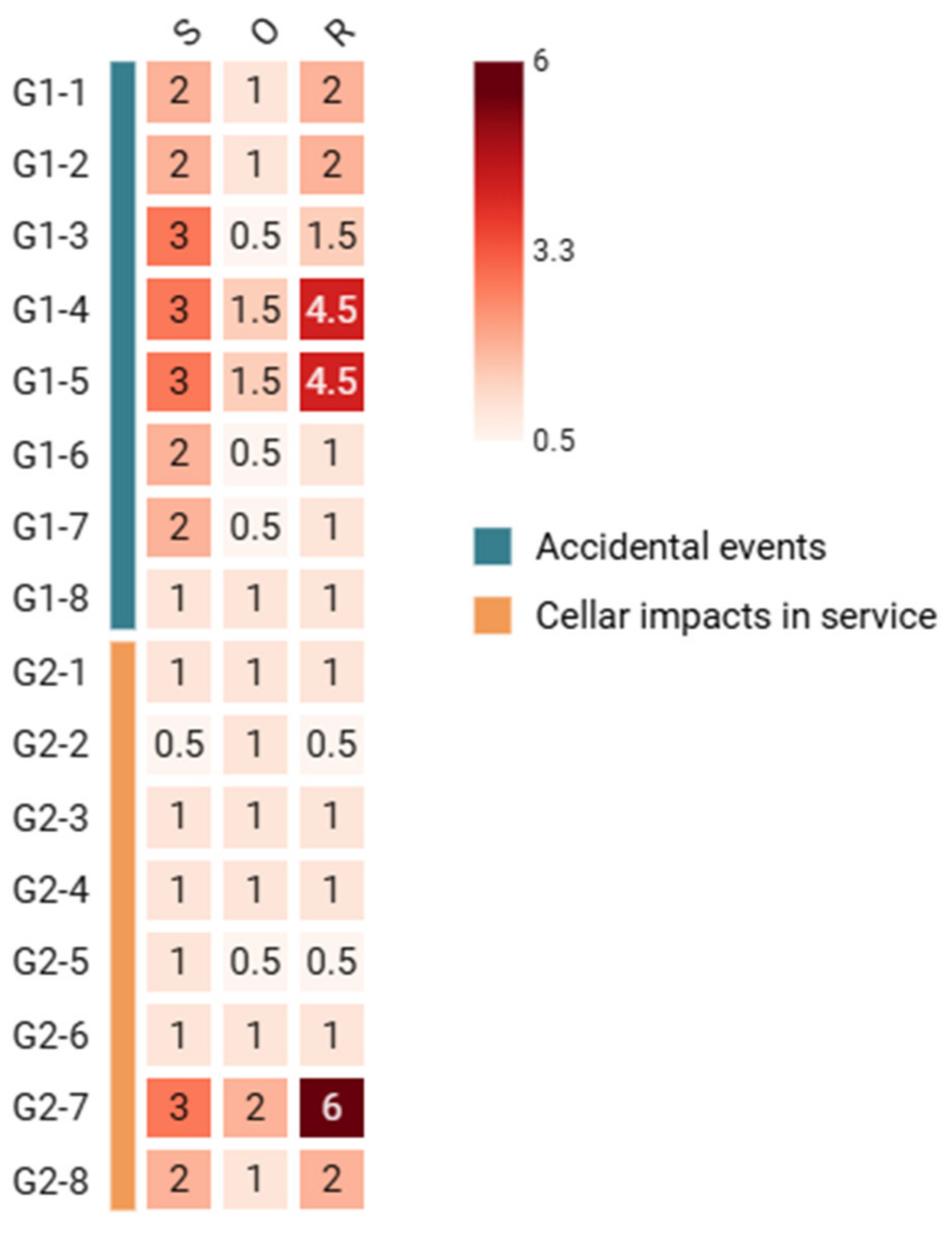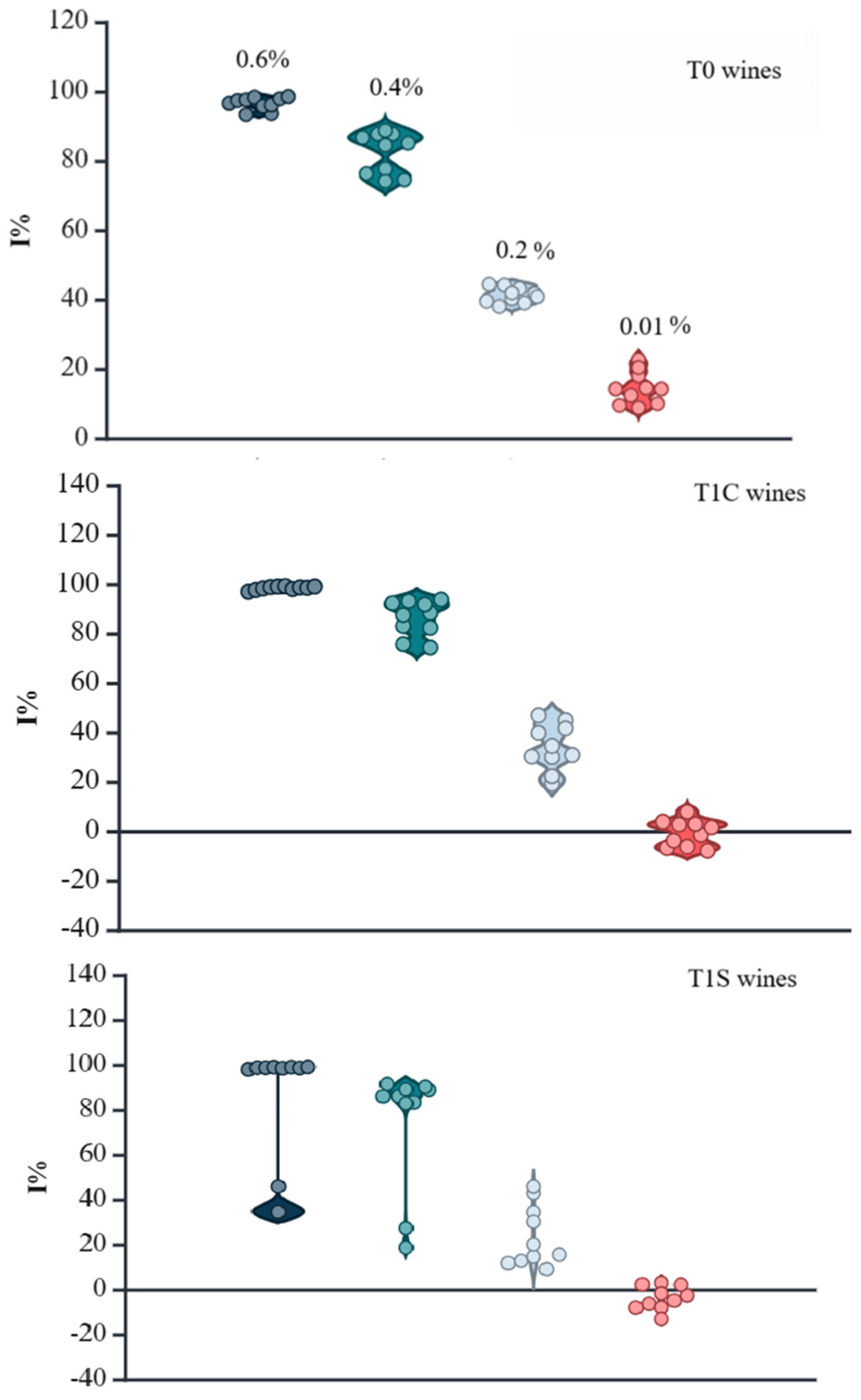

Environmental Impact of Human Activities in Marine-Coastal Area: Underwater Wine Cellar as Case Study (Tuscany, Cetacean Sanctuary)


Abstract
Share and Cite
Anselmi, S.; Provenza, F.; Carusi, G.; Menichetti, S.; Renzi, M. Environmental Impact of Human Activities in Marine-Coastal Area: Underwater Wine Cellar as Case Study (Tuscany, Cetacean Sanctuary). Environments 2025, 12, 36. https://doi.org/10.3390/environments12020036
Anselmi S, Provenza F, Carusi G, Menichetti S, Renzi M. Environmental Impact of Human Activities in Marine-Coastal Area: Underwater Wine Cellar as Case Study (Tuscany, Cetacean Sanctuary). Environments. 2025; 12(2):36. https://doi.org/10.3390/environments12020036
Chicago/Turabian StyleAnselmi, Serena, Francesca Provenza, Giacomo Carusi, Stefano Menichetti, and Monia Renzi. 2025. "Environmental Impact of Human Activities in Marine-Coastal Area: Underwater Wine Cellar as Case Study (Tuscany, Cetacean Sanctuary)" Environments 12, no. 2: 36. https://doi.org/10.3390/environments12020036
APA StyleAnselmi, S., Provenza, F., Carusi, G., Menichetti, S., & Renzi, M. (2025). Environmental Impact of Human Activities in Marine-Coastal Area: Underwater Wine Cellar as Case Study (Tuscany, Cetacean Sanctuary). Environments, 12(2), 36. https://doi.org/10.3390/environments12020036