Article

When Anger Strikes: Using AI Modelling to Understand How Negative Emotions Impact Performance in Digital Math Games

1
Department of Applied Psychology and Human Development (APHD), The Ontario Institute for Studies in Education (OISE), The University of Toronto, Toronto (UofT), Toronto, ON M5S 1V6, Canada
2
Department of Computer Science, The University of Toronto (UofT), Toronto, ON M5S 1A1, Canada
*
Author to whom correspondence should be addressed.
Behav. Sci. 2026, 16(4), 597; https://doi.org/10.3390/bs16040597
Submission received: 26 February 2026 / Revised: 20 March 2026 / Accepted: 30 March 2026 / Published: 17 April 2026
(This article belongs to the Special Issue Play, Learn, Adapt: The Evolution of Flexible and Gamified Education)

Abstract

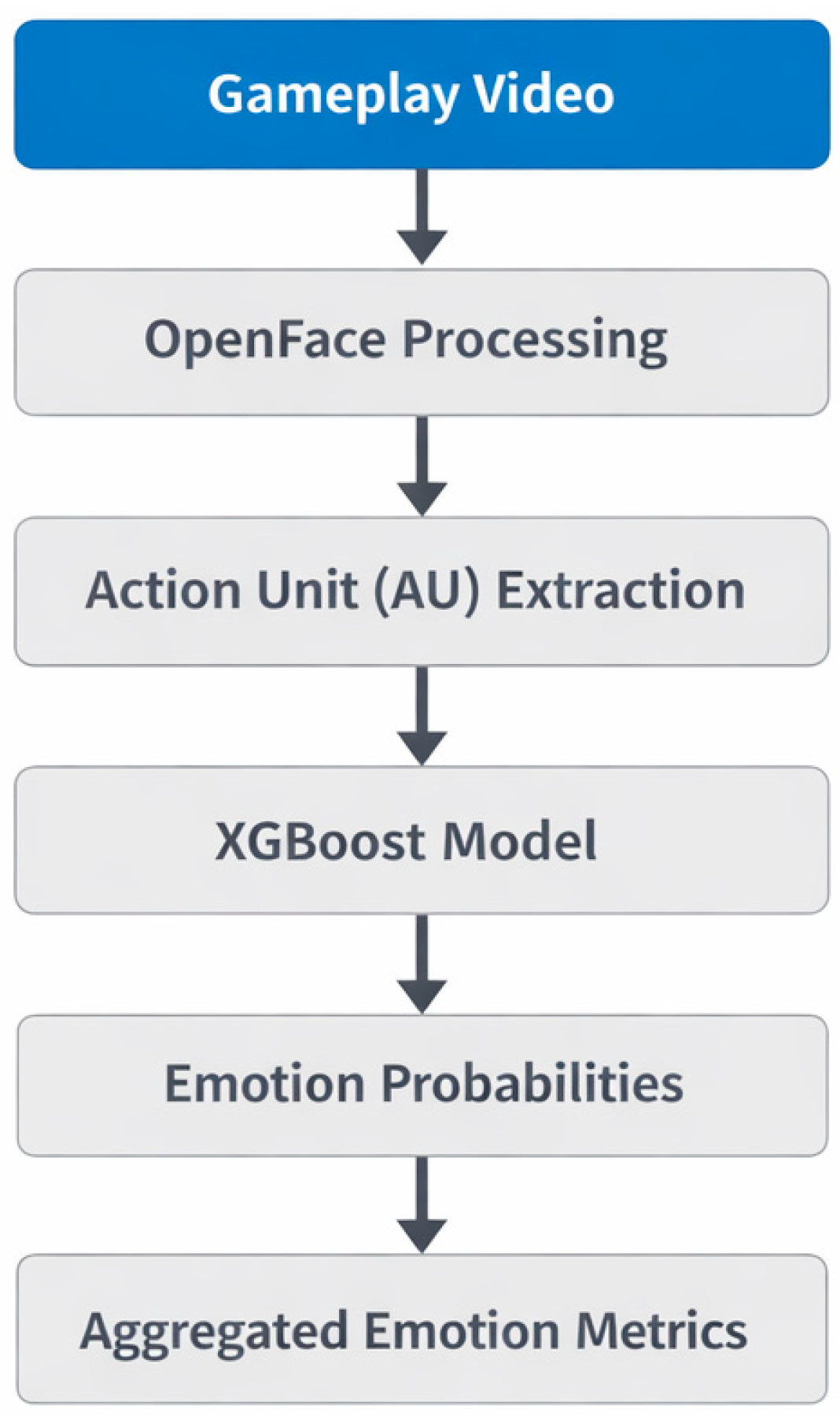
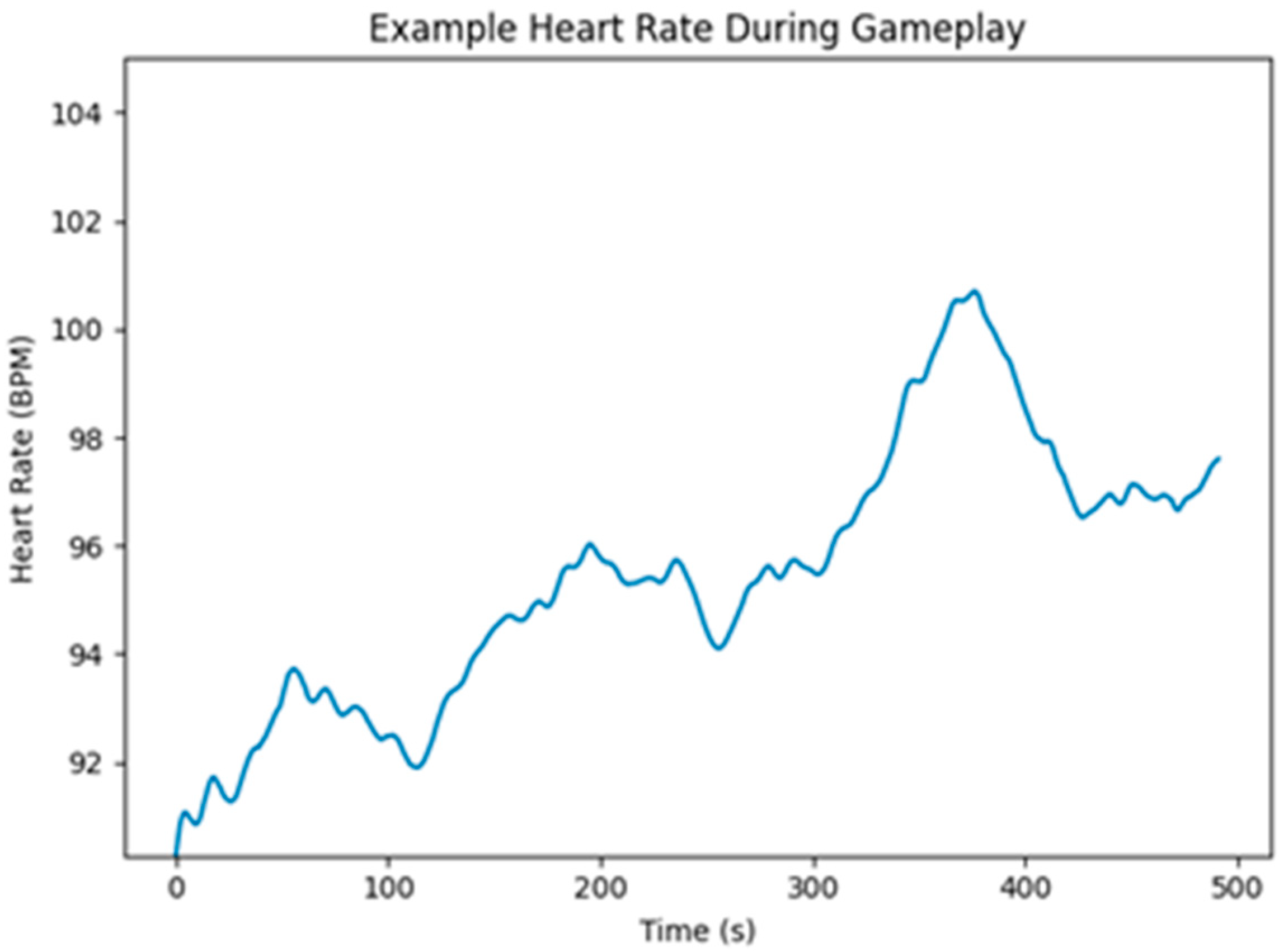
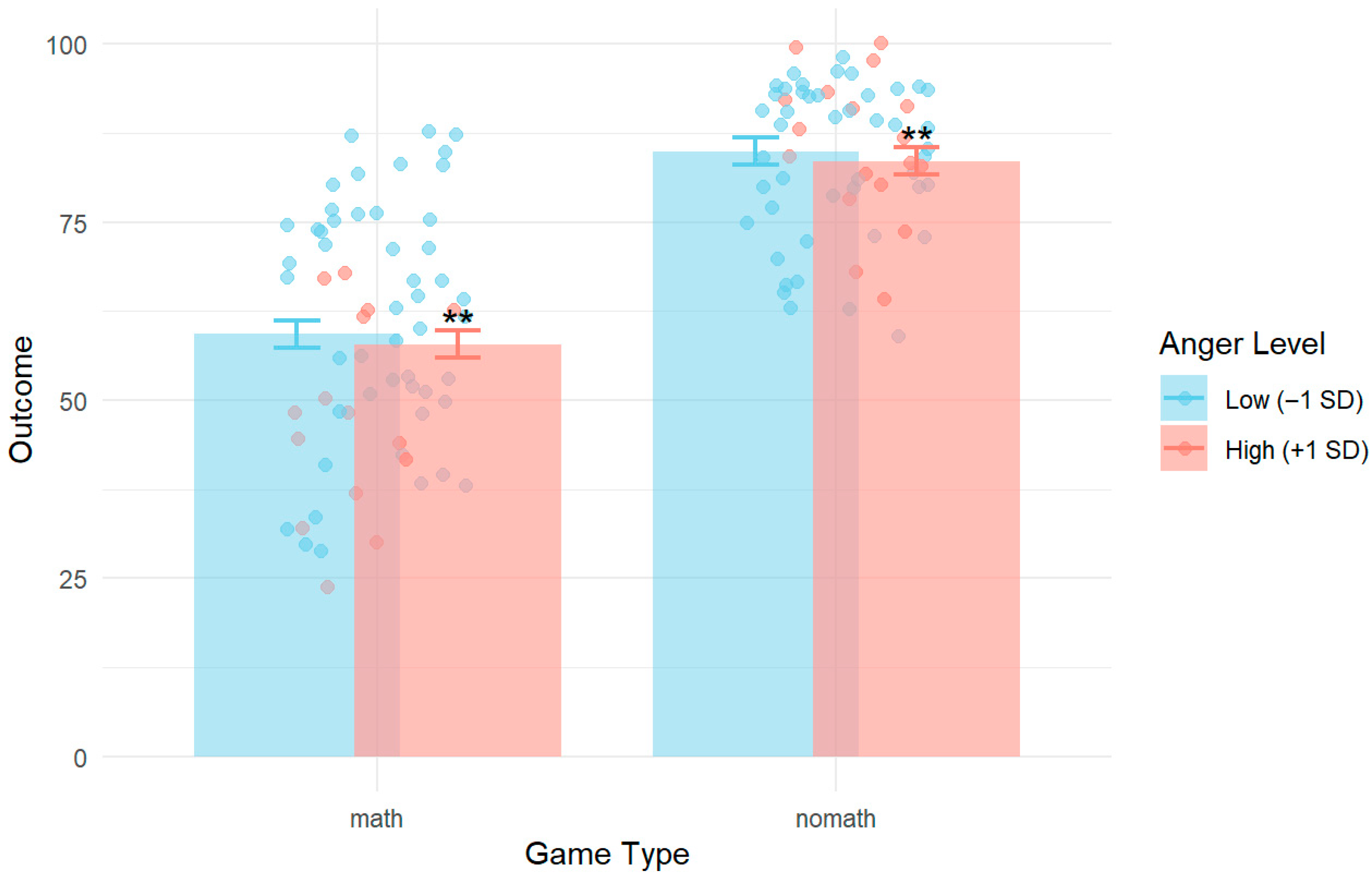
Digital game-based learning environments (DGBLEs) are increasingly integrated into classrooms as learning tools, yet limited research exists regarding the impact of students’ discrete emotions on digital gameplay performance. This study examined the role of emotions and arousal in predicting performance outcomes during digital gameplay. Thirty-two grade 5 students (Mage = 10.99, 62.5% male) played four digital games (two math; two identically designed non-math). During gameplay, real-time heart rate and affective data were collected and analyzed using an interpretable machine learning approach (XGBoost). Results suggest that students performed better on non-math games, as compared to math games. Real-time anger was associated with lower performance, particularly in games, whereas other emotions and physiological measures were not significant predictors. This pilot investigation suggests that discrete emotions, particularly anger, may play a more important role in performance during math gameplay than in comparable non-math activities. The results highlight the importance of supporting emotional regulation during digital math learning, as unmanaged anger may impact performance. This study contributes to the growing literature on affective dynamics in digital game-based learning.
Keywords: Digital Game-Based Learning Environment (DGBLE); affective dynamics; mathematics education; AI Modelling; AI emotion recognition Digital Game-Based Learning Environment (DGBLE); affective dynamics; mathematics education; AI Modelling; AI emotion recognition