Advances in Functional Pet Food Research: Health-Driven Ingredients, Nutritional Targets and Evidence-Based Claims
 , , and
Simple Summary
Abstract
1. Introduction
2. Scientific Publications on Functional Pet Foods
2.1. A Key Research Direction in Functional Pet Food Development
2.2. Functional Evidence by Health Promotion
2.2.1. Gut Health and Microbiota Modulation
2.2.2. Immune Support/Anti-Inflammatory and Antioxidant Outcomes
2.2.3. Weight Management and Metabolic Markers
2.2.4. Renal/Urinary-Related Nutritional Strategies
2.2.5. Skin and Coat

| Functional Ingredients | Food Process | Dog/Cat | Product | Study Type | Factors of Investigation | Method of Investigation (Quality & Safety) | Health Promotion | Major Finding | Ref. |
|---|---|---|---|---|---|---|---|---|---|
| Squid meal; shrimp hydrolysate | Extruded basal diet | Dog | Extruded adult dog diet | in vivo | Inclusion level; palatability; digestibility; fecal traits; microbiota | Proximate analysis; palatability test; in vivo digestibility; fecal fermentation and microbiota assessment | Sustainable marine proteins; gut fermentation and microbiota support | Improved nutrient digestibility; shrimp hydrolysate showed antioxidant potential; both ingredients modulated selected fecal fermentation- and microbiota-related outcomes, although palatability remained lower than the basal diet | [13] |
| Red lentil pasta by-product | Extrusion | Dog | Extruded dry dog food (kibble) | in vivo | Rice replacement; digestibility; fecal traits; glycemic response | Extrusion performance; in vivo digestibility; fecal metabolites; postprandial glucose and insulin | Low glycemic potential; gut fermentation support | Increased SCFAs, lowered fecal pH, and reduced postprandial glucose and insulin at high inclusion, with acceptable fecal quality and palatability | [15] |
| Shrimp (Litopenaeus vannamei) hydrolysate | Extruded isoproteic diet | Dog | Extruded dry diet | in vivo | Diet type; immune markers; glucose; fecal microbiota | Hematology and biochemistry; cytokines; immune cell analysis; fecal microbiota assessment | Immunomodulation; gut microbiota support | Improved selected immune-related and oxidative stress markers, lowered glucose, and altered fecal microbiota | [16] |
| Saccharomyces cerevisiae fermentation product (SCFP) | Extrusion | Cat | Dry extruded adult cat diet (kibble). | in vivo | Intake level; palatability; stool quality; digestibility; microbiome | Feeding trial; digestibility; fecal metabolites; fecal metagenomics | Gut health and immune-associated support | Maintained digestibility and microbial diversity, with improved stool firmness at selected time points and better preference at lower intake level | [17] |
| Yeast β-glucan blend | Extrusion | Dog | Extruded adult dog food (kibble) | in vivo | Β-glucan carry-through; stool quality; digestibility; fecal metabolites | Extrusion stability test; feeding trial; digestibility and fecal analyses | Intestinal health/immune-support ingredient | Β-glucan remained stable after extrusion, but no clear intestinal benefits were observed at the tested levels | [18] |
| Algae blend (Ulva rigida, Fucus vesiculosus, Chlorella vulgaris) | Extrusion | Dog | Extruded kibble with supplement | in vivo | Inclusion level; palatability; digestibility; fecal traits; microbiota | Palatability test; total feces collection; fecal fermentation and microbiota analysis | Gut fermentation and fecal quality support | Improved selected digestibility measures and increased fecal SCFA, with minor microbiota changes; highest inclusion reduced palatability preference | [19] |
| Chenpi powder | Snack supplementation | Dog | Functional snack/treat | in vivo | Antioxidant status; inflammatory markers; fecal odor; fecal sIgA; microbiota | Feeding trial; serum antioxidant and inflammatory assays; fecal odor compounds; microbiota analysis | Gut health; mucosal immunity; fecal odor reduction | Reduced fecal odor compounds, improved selected antioxidant and inflammatory markers, increased fecal sIgA, and shifted microbiota composition | [22] |
| Fish protein hydrolysate + fish oil | Extrusion | Dog | Dry complete adult dog food | in vivo | Palatability; digestibility; fecal traits; omega-3 status; coat quality | Palatability test; crossover feeding trial; digestibility; fatty acid and fecal metabolite analysis | Sustainable circular economy ingredients; GI-related benefits | Maintained digestibility and palatability, improved omega-3 status, and reduced fecal ammonia-N and valerate | [23] |
| Fish protein hydrolysate + fish oil | Extruded kibble | Dog | Complete extruded dog food | in vivo | Cardiometabolic markers; fecal IgA; microbiota | Crossover feeding trial; blood biomarkers; echocardiography; fecal IgA; microbiota analysis | Cardiometabolic and gut microbiome support | Reduced triglycerides and ACE activity, with no adverse cardiac effects; microbiota shifts suggested possible gut-related benefits | [24] |
| Cricket protein hydrolysate | Milled/hot-air dried | Dog | Dry dog food pieces | in vivo + storage stability | Inclusion level; palatability; health markers; storage stability | Feeding trial; hematology and biochemistry; peroxide and acid value analysis | Alternative protein; antioxidant shelf-life support | Low inclusion improved intake, whereas higher inclusion reduced palatability; antioxidant protection during storage was dose-related | [27] |
| Antimicrobial peptides (AMPs) | Feeding trial | Cat | Complete cat diet | in vivo | Diarrhea; inflammatory markers; antioxidant status; microbiota; metabolome | Feeding trial; cytokine and antioxidant assays; fecal microbiota; serum metabolomics | Gut health; anti-inflammatory and antioxidant support | Reduced transport stress diarrhea and inflammatory markers, improved antioxidant status, and altered microbiota and metabolomic profiles | [31] |
| Whole egg powder; chondroitin sulfate | Hydrogel extrusion-based 3D printing | – | 3D-printed functional pet snack (treat) | product development + in vivo model | Printability; ingredient dispersion; anti-inflammatory potential | Rheology; structure and texture analyses; OA mouse model | Functional delivery system; anti-inflammatory support | Improved printability and chondroitin sulfate dispersion; selected formulation showed anti-inflammatory effects in the OA model | [34] |
| Creatine and creatinine profile in commercial cat foods | Commercial extrusion | Cat | Dry extruded adult cat foods | commercial product analysis | Diet category; creatine/creatinine; amino acid adequacy | Nutrient composition and amino acid analyses | Nutrient adequacy/amino acid quality insight | Grain-free diets showed higher creatine and creatinine, while amino acid adequacy depended on formulation and reference pattern | [43] |
| Essential and non-essential elements | Commercial dry vs. canned products | Dog | Adult maintenance commercial dog foods | commercial product analysis | Diet format; mineral adequacy; non-essential element occurrence | Elemental analysis and multivariate comparison | Mineral balance and safety monitoring | Mineral profiles differed between dry and canned products, with variability in essential elements and presence of some non-essential elements | [44] |
| Different dietary protein sources | Extrusion | Dog | High-protein adult maintenance diets | in vivo | Protein source; digestibility; fecal traits; fecal metabolites; microbiota | Feeding trial; digestibility; fecal metabolite and microbiota analyses | Protein selection and gut fermentation outcomes | Protein source influenced digestibility, stool quality, proteolytic metabolites, and microbiota composition | [45] |
| Functional Ingredients | Food Process | Dog/Cat | Product | Study Type | Factors of Investigation | Method of Investigation (Quality & Safety) | Health Promotion | Major Finding | Ref. |
|---|---|---|---|---|---|---|---|---|---|
| Low-molecular-weight polysaccharides from Tremella fuciformis (TFLP) | Freeze-drying | – | Potential antioxidant functional ingredient | in vivo model | Dose level; oxidative stress response; antioxidant enzymes; gene expression; metabolomics | Structural characterization; stress model; biochemical assays; gene expression and metabolomics | Antioxidant and stress resistance potential | Reduced MDA, increased antioxidant enzyme activities, and supported stress resistance through pathways related to antioxidant defense and metabolism | [14] |
| Shrimp hydrolysate | Extruded isoproteic diet | Dog | Extruded dry diet | in vivo | Diet type; immune markers; glucose; fecal microbiota | Hematology and biochemistry; cytokines; immune cell analysis; fecal microbiota assessment | Immunomodulation; gut microbiota support | Improved selected immune-related and oxidative stress markers, lowered glucose, and altered fecal microbiota | [16] |
| Chenpi powder | Fed daily alongside maintenance diet | Dog | Functional snack/treat | in vivo | Antioxidant status; inflammatory markers; fecal odor; fecal sIgA; microbiota | Feeding trial; serum antioxidant and inflammatory assays; fecal odor compounds; microbiota analysis | Antioxidant; anti-inflammatory; gut and mucosal support | Improved selected antioxidant and inflammatory markers, reduced fecal odor compounds, increased fecal sIgA, and shifted microbiota composition | [22] |
| Fish protein hydrolysate + fish oil | Complete extruded kibble diets | Dog | Complete extruded dog food | in vivo | Inflammatory markers; adipokines; lipid profile; ACE activity; cardiac biomarkers; fecal IgA; microbiota | Crossover feeding trial; blood biomarkers; echocardiography; fecal IgA; microbiota analysis | Sustainable omega-3-rich ingredients; cardiometabolic and microbiome support | Reduced triglycerides and ACE activity, with no adverse cardiac effects; microbiota shifts suggested possible gut-related benefits | [24] |
| Microalgae (Chlorella vulgaris, Nannochloropsis oceanica, Tetradesmus obliquus) | Top dressing with extruded diet | Dog | Extruded adult dog food with microalgae supplement | in vivo | Inclusion level; palatability; digestibility; fecal metabolites; microbiota | Palatability and digestibility studies; fecal metabolite and microbiota analysis | Sustainable functional supplementation; gastrointestinal and microbiota support | Maintained intake and digestibility overall, with selected improvements in protein digestibility and microbiota-related outcomes depending on microalgae type | [29] |
| Methylsulfonylmethane (MSM) | Extrusion | Cat | Extruded dry diet for kittens | in vivo | Growth; serum biochemistry; antioxidant status; hair quality; fecal microbiota; metabolome | Feeding trial; serum and hair analyses; fecal microbiota; SCFA and metabolomics | Skin/coat support with safety confirmation | Improved hair quality at low inclusion without adverse effects on growth, serum biochemistry, microbiota, or metabolomic profile | [30] |
| Dried brewer’s yeast product | Extrusion | Dog | Dry dog diet; in vitro fermentation model | in vitro | Inoculum source; fiber substrate; fermentation pattern; microbiota | In vitro fermentation; pH, SCFA, BCFA, and microbiota analysis | Gut health via saccharolytic fermentation and microbiota modulation | Increased SCFA production and reduced pH with fermentable substrates, alongside shifts toward more favorable microbial groups | [32] |
| Botanical blend | Co-incubation with oxytetracycline | Dog | Functional/nutraceutical diet concept | in vitro | Anti-inflammatory activity; cytokine modulation; mitigation of oxytetracycline-induced effects | PBMC assay; cytokine staining; flow cytometry | Anti-inflammatory and immunomodulatory potential | Showed immunomodulatory effects and reduced pro-inflammatory responses under the tested conditions | [33] |
| Millet–chicken nutri-cereal mix | Malting and boiling | – | Dry fortified cereal mix/powdered mix | storage study | Storage condition; nutritional stability; phenolic retention; microbial quality | Proximate analysis; phenolic and mineral analysis; microbial counts | Antioxidant-related nutritional quality during storage | Refrigeration better preserved phenolics, nutritional quality, and microbiological stability during storage | [36] |
| Fish oil, alpha-lipoic acid, fruits and vegetables, high-quality proteins | Feeding trial | Dog | Renal protective food | in vivo | Bioactive level; GFR; protein status; renal biomarkers | Randomized feeding trial; GFR and blood biomarker assessment | Renal function support; antioxidant-oriented nutritional strategy | Increased GFR and improved selected renal risk markers, especially at higher bioactive enrichment | [38] |
| Modified eggshell powder | Drying, thermal treatment, baking | Dog | Calcium-fortified dog biscuits | product development | Microbial safety; calcium release; inclusion level; product quality | Microbiology; SEM/XRD; Ca release; proximate and texture analyses | Calcium supplementation with safety and product functionality | Improved calcium fortification while maintaining acceptable product quality and microbial safety | [46] |
| Casein phosphopeptide–selenium chelate (CPPSe) | Feeding trial | Dog | Functional snack/immune-support supplement | in vivo | Immune markers; transcriptome; metabolome; pathway responses | CBC and cytokine assays; RNA-seq; metabolomics | Immune-support functional ingredient | Modulated immune-related genes, metabolites, and pathways, supporting an immunoregulatory role | [47] |
| Functional Ingredients | Food Process | Dog /Cat | Product | Study Type | Factors of Investigation | Method of Investigation (Quality & Safety) | Health Promotion | Major Finding | Ref. |
|---|---|---|---|---|---|---|---|---|---|
| Red lentil pasta by-product | Extrusion | Dog | Extruded dry dog food | in vivo | Rice replacement; digestibility; fecal traits; glycemic response | Extrusion performance; in vivo digestibility; fecal metabolites; postprandial glucose and insulin | Low glycemic potential; gut fermentation support | Increased SCFA, lowered fecal pH, and reduced postprandial glucose and insulin at high inclusion, with acceptable fecal quality and palatability | [15] |
| Fish protein hydrolysate + fish oil | Extrusion | Dog | Dry complete adult dog food | in vivo | Palatability; digestibility; fecal traits; omega-3 status; coat quality | Palatability test; crossover feeding trial; digestibility; fatty acid and fecal metabolite analysis | Sustainable circular economy ingredients; metabolic support | Maintained digestibility and palatability, improved omega-3 status, and reduced fecal ammonia-N and valerate | [23] |
| Fish protein hydrolysate + fish oil | Complete extruded kibble diets | Dog | Complete extruded dog food | in vivo | Lipid profile; ACE activity; inflammatory markers; microbiota | Crossover feeding trial; blood biomarkers; echocardiography; fecal IgA; microbiota analysis | Cardiometabolic support | Reduced triglycerides and ACE activity, with no adverse cardiac effects; microbiota shifts suggested additional gut-related benefits | [24] |
| Fish oil, alpha-lipoic acid, fruits and vegetables, high-quality proteins | Feeding trial | Dog | Renal protective food | in vivo | Bioactive level; GFR; protein status; renal biomarkers | Randomized feeding trial; GFR and blood biomarker assessment | Metabolic and renal support in aging | Increased GFR and improved selected renal risk markers, especially at higher bioactive enrichment | [38] |
| Barley sprouts | Dry diet supplementation | Dog | Anti-obesity/weight management dog diet | in vivo | Body weight; leptin; serum biochemistry; microbiota | Feeding trial; blood analyses; digestibility; fecal microbiota analysis | Weight management/anti-obesity | Reduced body weight and leptin without adverse hematological or biochemical effects; microbiota changes suggested metabolic remodeling | [39] |
| High amylose rice (Dodamssal) | Formulated diet | Dog | Dry dog diet for obesity prevention/weight management | in vivo | Body weight change; BCS; feed intake; serum biochemistry | Controlled feeding trial; weekly body condition monitoring; blood analyses | Weight management/anti-obesity | Reduced body weight gain and supported short-term weight loss, with lower metabolizable energy and no major safety concerns | [40] |
| Dietary protein level with sucrose-adjusted palatability | Purified diet formulation | Dog | Isoenergetic purified diets | in vivo | Protein %ME; palatability adjustment; intake regulation | Diet selection trial; intake measurement; plasma amino acid analysis | Macronutrient selection and metabolic intake regulation | Dogs regulated protein intake within a target range, while palatability influenced energy selection and feeding behavior | [41] |
| Different dietary protein sources | Extrusion | Dog | High-protein adult maintenance diets | in vivo | Protein source; digestibility; fecal traits; fecal metabolites; microbiota | Feeding trial; digestibility; fecal metabolite and microbiota analyses | Protein selection and metabolic/gut outcomes | Protein source influenced nutrient utilization, stool quality, proteolytic metabolites, and microbiota composition | [45] |
| Functional Ingredients | Food Process | Dog/Cat | Product | Factors of Investigation | Method of Investigation (Quality & Safety) | Health Promotion | Major Finding | Ref. |
|---|---|---|---|---|---|---|---|---|
| Fish oil, alpha-lipoic acid, fruits and vegetables, high-quality proteins | Feeding trial | Dog | Renal protective food | Bioactive level; GFR; protein status; renal biomarkers | Randomized feeding trial; GFR and blood biomarker assessment | Renal function support in aging | Increased GFR and improved selected renal risk markers, especially at higher bioactive enrichment, without adverse effects on body weight | [38] |
| Dietary protein level with sucrose-adjusted palatability | Purified diet formulation | Dog | Isoenergetic purified diets differing in % metabolizable energy from protein | Protein %ME; palatability adjustment; intake regulation | Diet selection trial; intake measurement; plasma amino acid analysis | Macronutrient regulation relevant to nutritional management | Dogs regulated protein intake within a target range, while palatability influenced energy selection and feeding behavior | [41] |
| Fermented soybean-based ingredients with or without Lactococcus lactis | Autoclaving, fermentation, drying and milling | Dog & cat | Soybean-based protein ingredients for pet foods | Ingredient type; amino acid digestibility; protein quality; limiting amino acids | Digestibility assay; amino acid analysis; DIAAS-like evaluation | Sustainable plant protein development; amino acid adequacy guidance | Fermented soybean ingredients showed high amino acid digestibility, while limiting amino acids differed by species and life stage, indicating the need for careful formulation or supplementation | [48] |
| Dried whole black soldier fly larvae (DBSFL) | Feeding trial | Cat | Complete diets for gestation, lactation, and growth | Diet type; reproductive performance; growth; digestibility; clinical safety | Veterinary examination; feeding trial; hematology, biochemistry, urinalysis; digestibility assessment | Sustainable insect protein supporting feline growth and reproduction | Supported normal gestation and lactation in queens and improved nutrient and amino acid digestibility in kittens without major safety concerns | [49] |
| Functional Ingredients | Food Process | Dog/Cat | Product | Factors of Investigation | Method of Investigation (Quality & Safety) | Health Promotion | Major Finding | Ref. |
|---|---|---|---|---|---|---|---|---|
| Fish protein hydrolysate + fish oil | Extrusion | Dog | Dry complete adult dog food | Palatability; digestibility; fecal traits; omega-3 status; coat quality | Palatability test; crossover feeding trial; digestibility; fatty acid and fecal metabolite analysis | Sustainable circular economy ingredients; skin- and coat-related nutritional support | Maintained digestibility and palatability, improved omega-3 status, and supported selected gastrointestinal benefits without affecting coat quality adversely | [23] |
| Methylsulfonylmethane (MSM) | Extrusion | Cat | Extruded dry diet for kittens | Growth; serum biochemistry; antioxidant status; hair quality; fecal microbiota; metabolome | Feeding trial; serum and hair analyses; fecal microbiota; SCFA and metabolomics | Skin and coat support with safety confirmation | Improved hair quality at low inclusion without adverse effects on growth, serum biochemistry, microbiota, or metabolomic profile | [30] |
2.2.6. Other Emerging Endpoints
2.3. Processing and Delivery Effects
2.4. Safety, Limitations, and Research Gaps
| Functional Ingredients | Food Process | Dog/Cat | Product | Factors of Investigation | Method of Investigation (Quality & Safety) | Health Promotion | Major Finding | Ref. |
|---|---|---|---|---|---|---|---|---|
| Rendered animal protein meals with different oxidation levels; antioxidant treatments | Extrusion | Dog | Dry extruded pet food (kibble) | Protein meal type; oxidation level; storage time; sensory quality; owner acceptance | Sensory evaluation; consumer acceptance test; microbiological screening | Quality/shelf-life support through oxidation control | Antioxidant treatment slowed oxidative deterioration and improved product acceptability during storage | [12] |
| Spray-dried animal plasma (SDAP) vs. wheat gluten (WG) | Emulsification, steaming and sterilization | Cat | Wet pet food (chunks in gravy) | Binder type; digestibility; fecal quality | Feeding trial; total feces collection; nutrient digestibility assessment | Digestive support proxy through improved nutrient utilization | SDAP improved apparent nutrient digestibility compared with WG in wet cat food | [20] |
| Yellow mealworm meal (Tenebrio molitor) | Extrusion | Dog | Dry extruded dog food | Inclusion level; nutrient profile; fatty acids; amino acids; texture | Proximate, fatty acid, amino acid, and texture analyses | Sustainable protein source with acceptable product quality | Increased unsaturated fatty acids and maintained feasible product properties up to high inclusion, although some amino acids may require supplementation | [26] |
| Cricket protein hydrolysate | Milled/hot-air dried | Dog | Dry dog food pieces | Inclusion level; palatability; health markers; storage stability | Feeding trial; hematology and biochemistry; peroxide and acid value analysis | Alternative protein; antioxidant shelf-life support | Low inclusion improved intake, whereas higher inclusion reduced palatability; antioxidant protection during storage was dose-related | [27] |
| Cereal fiber sources + sugar beet pulp vs. fruit-derived fiber sources | Extrusion | Dog | Adult dog complete diets | Fiber source; digestibility; fecal score; SCFA; microbiota; blood markers | Crossover feeding trial; digestibility; serum and fecal analyses; microbiota assessment | Ingredient selection for gut, lipid, and immune-related quality outcomes | Fiber source influenced digestibility, microbiota composition, fermentation profile, and selected metabolic markers without major deterioration in fecal consistency | [35] |
| Dietary phosphorus sources (organic vs. inorganic phosphates) | Feeding trial | Dog | Experimental complete maintenance diets | Phosphorus source; mineral homeostasis; postprandial and urinary responses | Feeding trial; blood, urine, and fecal mineral balance analyses | Phosphorus safety relevance in dog food formulation | Inorganic phosphates disrupted calcium–phosphorus homeostasis more strongly than organic phosphorus sources, raising safety concerns | [42] |
| Fish-derived proteins, meals, and hydrolysates | Rendering/enzymatic hydrolysis | Dog | Fish ingredient characterization and dog diets | Ingredient type; composition; digestibility; palatability | Composition analysis; protein quality assessment; palatability testing | High-quality marine protein ingredient selection | Fish hydrolysates and meals showed good protein quality and palatability potential, depending on raw material and processing | [57] |
| Carrot bagasse with different thickeners | Molding (gummies) | Dog | Sauce and gummies (treat prototypes) | Thickener type; concentration; heating; texture; microbiology; acceptance | Texture, physicochemical, microbiological, and acceptance analyses | Nutritional value and palatability in novel treat formats | Formulation and heating influenced texture and stability, while both prototypes showed good canine acceptance | [54] |
| Corn-fermented protein (CFP) vs. CGM and SBM | Extrusion | Dog & cat | Complete extruded pet diets/kibbles | Protein source; extrusion properties; digestibility; stool quality; palatability | Extrusion trials; digestibility testing; fecal scoring; palatability testing | Sustainable coproduct use with acceptable processing performance | CFP supported acceptable kibble production and species-specific palatability, although digestibility was lower than CGM in dogs | [52] |
| Collagen hydrolysate + Salicornia perennans extract | Vacuum mixing and retort sterilization | Dog | Canned meat pâté | Sodium reduction; syneresis; texture; oxidation; color stability | Proximate, texture, oxidation, and color analyses | Sodium reduction with improved product stability | Enabled sodium reduction while improving cohesiveness, oxidative stability, and color retention | [58] |
| Brewed chicken protein (BCP) | Precision fermentation, spray-drying and extrusion | Dog | Dry extruded adult dog food | Inclusion level; GI tolerance; digestibility; fecal metabolites; microbiota; palatability | Long-term feeding trial; digestibility; fecal and blood analyses; microbiota assessment | Safety/tolerance with potential GI benefits | BCP was well tolerated up to high inclusion, improved selected digestibility measures, and reduced proteolytic fecal metabolites | [53] |
| HMTBa-based organic acid mixtures | Post-extrusion coating | – | Coated dry kibbles | Inclusion level; time-dependent pathogen and mold reduction; residual effect | Microbial challenge study; enumeration and efficacy modeling | Post-processing microbial risk control | Coating with HMTBa-containing organic acid blends reduced bacterial and fungal contamination during storage | [56] |
| Crambe seed defatted meal and phytochemical extract | Pressurized liquid extraction | – | Processed flour and extract for formulation use | Solvent composition; extract yield; phenolics; antimicrobial activity; functional properties | Composition, antimicrobial, and functional property analyses | Potential antimicrobial ingredient and high-fiber/protein formulation material | Selected extraction conditions improved phenolic recovery and functional properties while reducing undesirable compounds | [59] |
| Pork by-products, chicken viscera, mechanically separated chicken, salts and pH modifiers | High-moisture model system | – | High-moisture model pet food system | pH; salts; phosphate; water retention; texture | Water retention and texture analyses | Processing-related quality optimization in high-moisture systems | pH had the strongest effect on water retention and texture, while salts had more limited influence | [60] |
| Atlantic salmon by-products; immobilized Alcalase | Enzymatic hydrolysis | – | Salmon oil ingredient for pet food/nutraceutical use | Hydrolysis conditions; oil yield; oxidation quality; enzyme reusability | Yield optimization; oil quality assessment; characterization of immobilized enzyme | Ingredient quality and low-oxidation oil recovery | Optimized hydrolysis gave good oil recovery with low oxidation, and the immobilized enzyme was reusable | [61] |
| Cannabidiol (CBD) | Soft capsule production | Dog | CBD supplement (capsule) with kibble | Long-term tolerance; clinical chemistry; liver markers; urinalysis; wellbeing | Randomized long-term feeding study; clinical and biochemical monitoring | Safety/tolerability of chronic dietary CBD exposure | Daily CBD was generally well tolerated over six months, with transient ALP elevation but no clear adverse clinical effects | [62] |
3. Global Patents on Functional Pet Food Formulations and Technologies
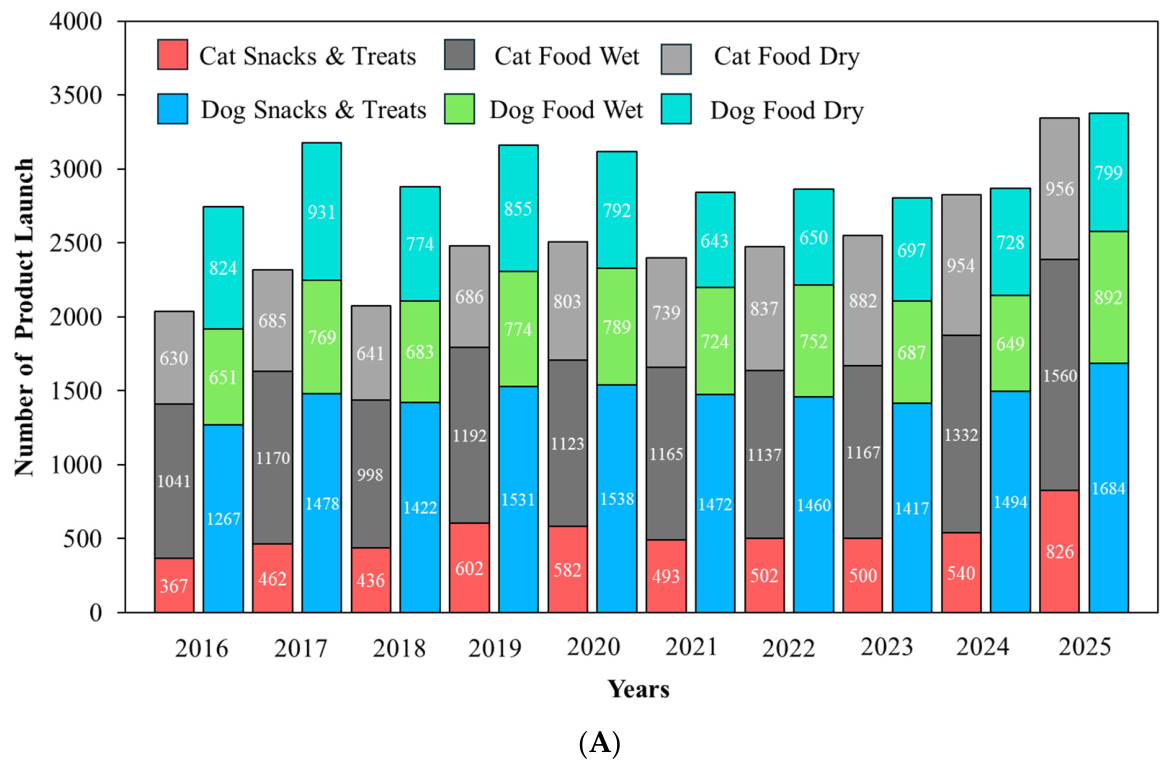
4. Mintel GNPD Market Overview
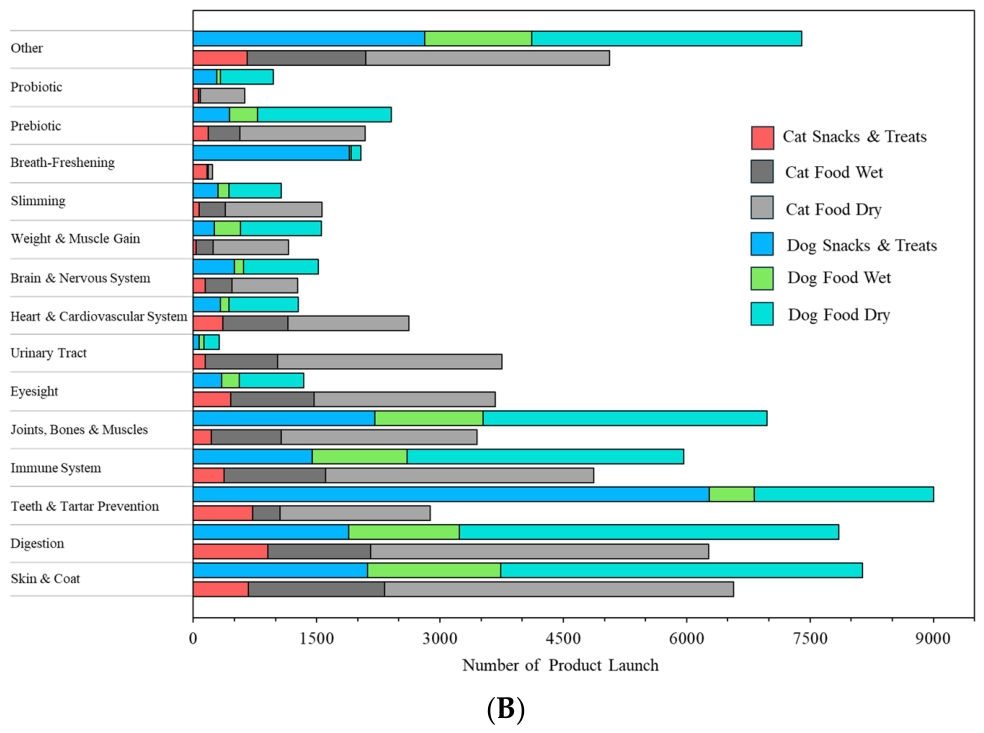
4.1. Functional Health Claims
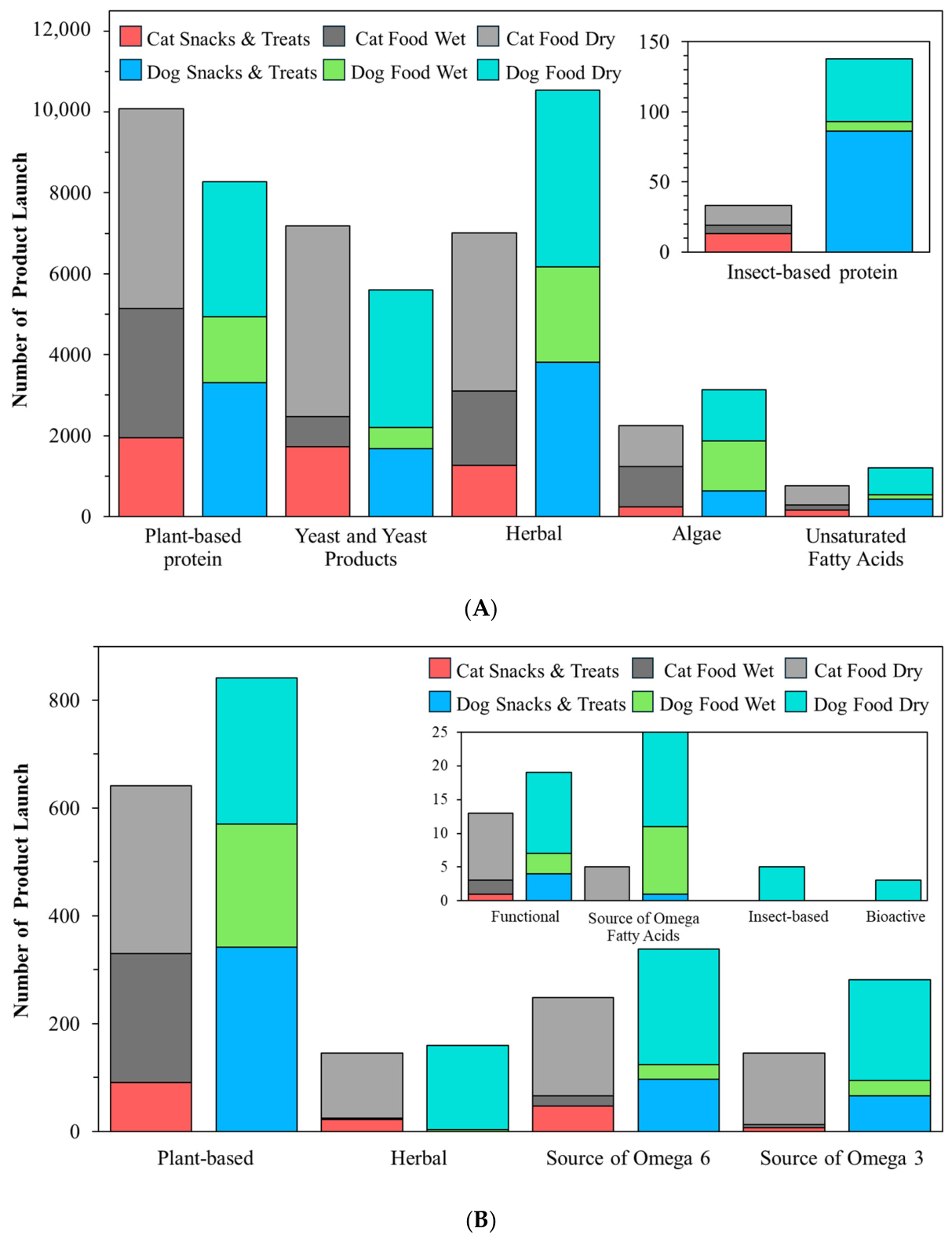
4.2. Functional Ingredient Claims
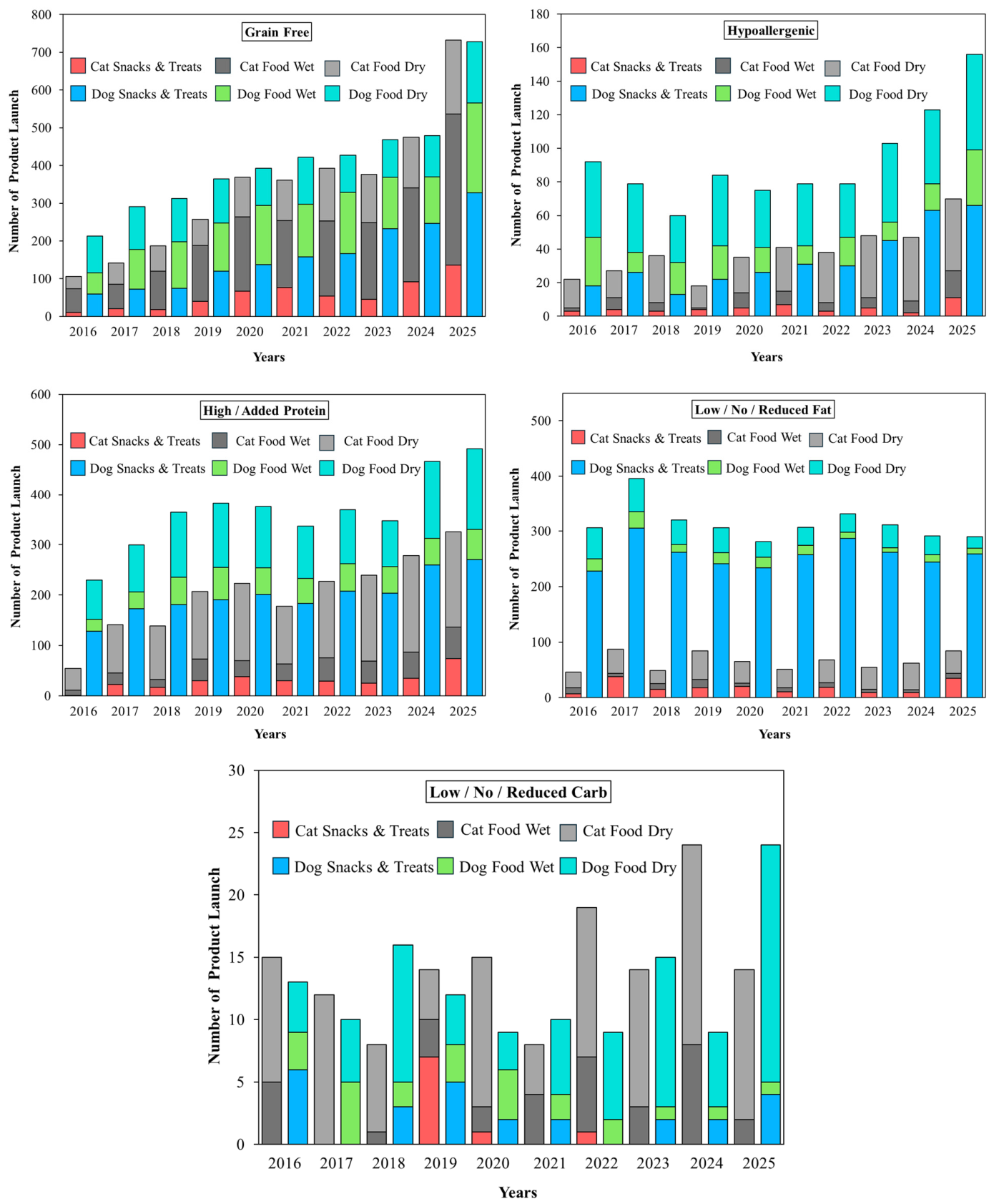
4.3. Functional Nutrition Claims
4.4. Functional Quality/Safety Claims
5. Conclusions
Author Contributions
Funding
Institutional Review Board Statement
Informed Consent Statement
Data Availability Statement
Acknowledgments
Conflicts of Interest
References
- Swanson, K.S.; Carter, R.A.; Yount, T.P.; Aretz, J.; Buff, P.R. Nutritional sustainability of pet foods. Adv. Nutr. 2013, 4, 141–150. [Google Scholar] [CrossRef] [PubMed]
- Di Cerbo, A.; Morales Medina, J.C.; Palmieri, B.; Pezzuto, F.; Cocco, R.; Flores, G.; Iannitti, T. Functional foods in pet nutrition: Focus on dogs and cats. Res. Vet. Sci. 2017, 112, 161–166. [Google Scholar] [CrossRef] [PubMed]
- Bermingham, E.N.; Kittelmann, S.; Young, W.; Kerr, K.R.; Swanson, K.S.; Roy, N.C.; Thomas, D.G. Post-weaning diet affects faecal microbial composition but not selected adipose gene expression in the cat (Felis catus). PLoS ONE 2013, 8, e80992. [Google Scholar] [CrossRef][Green Version]
- Pilla, R.; Suchodolski, J.S. The role of the canine gut microbiome and metabolome in health and gastrointestinal disease. Front. Vet. Sci. 2020, 6, 502799. [Google Scholar] [CrossRef]
- Klinmalai, P.; Kamonpatana, P.; Sodsai, J.; Srisa, A.; Promhuad, K.; Laorenza, Y.; Kovitvadhi, A.; Areerat, S.; Seubsai, A.; Nakphaichit, M. Probiotics in Pet Food: A Decade of Research, Patents, and Market Trends. Foods 2025, 14, 3307. [Google Scholar] [CrossRef]
- Plantinga, E.A.; Bosch, G.; Hendriks, W.H. Estimation of the dietary nutrient profile of free-roaming feral cats: Possible implications for nutrition of domestic cats. Br. J. Nutr. 2011, 106, S35–S48. [Google Scholar] [CrossRef] [PubMed]
- Klinmalai, P.; Kamonpatana, P.; Sodsai, J.; Promhuad, K.; Srisa, A.; Laorenza, Y.; Kovitvadhi, A.; Areerat, S.; Seubsai, A.; Harnkarnsujarit, N. Modern palatant strategies in dry and wet pet food: Formulation technologies, patent innovations, and market evolution. Foods 2025, 14, 2824. [Google Scholar] [CrossRef]
- Bosch, G.; Van Zanten, H.; Zamprogna, A.; Veenenbos, M.; Meijer, N.; Van der Fels-Klerx, H.; Van Loon, J. Conversion of organic resources by black soldier fly larvae: Legislation, efficiency and environmental impact. J. Clean. Prod. 2019, 222, 355–363. [Google Scholar] [CrossRef]
- Alexander, P.; Berri, A.; Moran, D.; Reay, D.; Rounsevell, M.D. The global environmental paw print of pet food. Glob. Environ. Change 2020, 65, 102153. [Google Scholar] [CrossRef]
- Phatthranit, K.; Pitiya, K.; Arisara, T.; Janenutch, S.; Khwanchat, P.; Atcharawan, S.; Yeyen, L.; Attawit, K.; Sathita, A.; Anusorn, S. Comprehensive Review of Alternative Proteins in Pet Food: Research Publications, Patents, and Product Trends in Plant, Aquatic, Insect, and Cell-Based Sources. Foods 2025, 14, 2640. [Google Scholar] [CrossRef]
- Kamonpatana, P.; Klinmalai, P.; Thongpech, A.; Sodsai, J.; Promhuad, K.; Srisa, A.; Laorenza, Y.; Kovitvadhi, A.; Areerat, S.; Seubsai, A. Innovative Non-thermal Processing Technologies for Enhancing Pet Food Safety and Quality: A Comprehensive Review of Publications, Patents, and Market Trends. ACS Omega 2025, 10, 53658–53672. [Google Scholar] [CrossRef]
- Chanadang, S.; Koppel, K.; Aldrich, G. The impact of rendered protein meal oxidation level on shelf-life, sensory characteristics, and acceptability in extruded pet food. Animals 2016, 6, 44. [Google Scholar] [CrossRef]
- Guilherme-Fernandes, J.; Aires, T.; Fonseca, A.J.; Yergaliyev, T.; Camarinha-Silva, A.; Lima, S.A.; Maia, M.R.; Cabrita, A.R. Squid meal and shrimp hydrolysate as novel protein sources for dog food. Front. Vet. Sci. 2024, 11, 1360939. [Google Scholar] [CrossRef]
- Lee, Q.; Xue, Z.; Zheng, M.; Liu, B.; Zeng, F. Antioxidant activity of low molecular weight polysaccharides from Tremella fuciformis in Caenorhabditis elegans based on metabolomics analysis. J. Future Foods 2025, 6, 479–490. [Google Scholar] [CrossRef]
- Penazzi, L.; Freire, T.G.B.; Theodoro, S.d.S.; Frias, J.L.; Ala, U.; Carciofi, A.C.; Prola, L. Lentils pasta by-product in a complete extruded diet for dogs and its effect on extrusion, digestibility, and carbohydrate metabolism. Front. Vet. Sci. 2024, 11, 1429218. [Google Scholar] [CrossRef]
- Guilherme-Fernandes, J.; Barroso, C.; Correia, A.; Aires, T.; Yergaliyev, T.; Camarinha-Silva, A.; Vilanova, M.; Fonseca, A.J.; Lima, S.A.; Maia, M.R. Unraveling the role of shrimp hydrolysate as a food supplement in the immune function and fecal microbiota of beagle dogs. Sci. Rep. 2025, 15, 25510. [Google Scholar] [CrossRef]
- Ishii, P.E.; Teixeira, F.A.; Lin, C.-Y.; Naqvi, S.A.; Sardi, M.I.; Norton, S.A.; Jarett, J.K.; Khafipour, E.; Frantz, N.; Chakrabarti, A. Effects of a Saccharomyces cerevisiae Fermentation Product on Diet Palatability and Feline Intestinal Health, Immunity, and Microbiome. Animals 2025, 15, 2551. [Google Scholar] [CrossRef]
- Kilburn-Kappeler, L.R.; Aldrich, C.G. Evaluation of a yeast β-glucan blend in a pet food application to determine its impact on stool quality, apparent nutrient digestibility, and intestinal health when fed to dogs. Front. Anim. Sci. 2023, 4, 1125061. [Google Scholar] [CrossRef]
- Mota, C.S.; Cabrita, A.R.; Yergaliyev, T.; Camarinha-Silva, A.; Almeida, A.; Abreu, H.; Silva, J.; Fonseca, A.J.; Maia, M.R. Macroalgae and microalga blend in dogs’ food: Effects on palatability, digestibility, and fecal metabolites and microbiota. Algal Res. 2024, 84, 103775. [Google Scholar] [CrossRef]
- Rodríguez, C.; Saborido, N.; Ródenas, J.; Polo, J. Effects of spray-dried animal plasma on food intake and apparent nutrient digestibility by cats when added to a wet pet food recipe. Anim. Feed Sci. Technol. 2016, 216, 243–250. [Google Scholar] [CrossRef]
- Tonyali, B.; Sommers, C.; Ceric, O.; Smith, J.S.; Yucel, U. An analysis of cellulose-and dextrose-based radicals in sweet potatoes as irradiation markers. J. Food Sci. 2020, 85, 2745–2753. [Google Scholar] [CrossRef]
- Wang, W.; Xu, L.; Zhang, Y.; Cao, Y.; Yang, Y.; Liu, G.; Mao, X. Effects of Chenpi (Citrus reticulata cv. Chachiensis) on serum antioxidant enzymes, inflammatory factors, and intestinal health in Beagle dogs. Front. Microbiol. 2025, 15, 1415860. [Google Scholar] [CrossRef]
- Cabrita, A.R.; Maia, M.R.; Alves, A.P.; Aires, T.; Rosa, A.; Almeida, A.; Martins, R.; Fonseca, A.J. Protein hydrolysate and oil from fish waste reveal potential as dog food ingredients. Front. Vet. Sci. 2024, 11, 1372023. [Google Scholar] [CrossRef] [PubMed]
- Cabrita, A.R.; Barroso, C.; Fontes-Sousa, A.P.; Correia, A.; Teixeira, L.; Maia, M.R.; Vilanova, M.; Yergaliyev, T.; Camarinha-Silva, A.; Fonseca, A.J. Assessing functional properties of diet protein hydrolysate and oil from fish waste on canine immune parameters, cardiac biomarkers, and fecal microbiota. Front. Vet. Sci. 2024, 11, 1449141. [Google Scholar] [CrossRef]
- Areerat, S.; Chundang, P.; Lekcharoensuk, C.; Patumcharoenpol, P.; Kovitvadhi, A. Insect-based diets (house crickets and mulberry silkworm pupae): A comparison of their effects on canine gut microbiota. Vet. World 2023, 16, 1627–1635. [Google Scholar] [CrossRef]
- Gałęcki, R.; Pszczółkowski, B.; Zielonka, Ł. Experiences in formulating insect-based feeds: Selected physicochemical properties of dog food containing yellow mealworm meal. Animals 2025, 15, 2087. [Google Scholar] [CrossRef]
- Saejiem, N.; Bunchasak, C.; Poungpong, K. Cricket protein hydrolysate as a sustainable functional ingredient in dog diets: Effects on palatability, health parameters, and antioxidant shelf-life stability. Vet. World 2025, 18, 2678–2688. [Google Scholar] [CrossRef]
- Gugołek, A.; Kowalska, D.; Juśkiewicz, J.; Gugołek, M.; Strychalski, J. EffEct of diEtary supplEmEntation with fish mEal and soybEan mEal on gastrointEstinal function in carnivorous companion animals–using mink (NEOVISION VISION) as a modEl. Ann. Anim. Sci. 2024, 24, 129–137. [Google Scholar] [CrossRef]
- Cabrita, A.R.; Guilherme-Fernandes, J.; Spínola, M.; Maia, M.R.; Yergaliyev, T.; Camarinha-Silva, A.; Fonseca, A.J. Effects of microalgae as dietary supplement on palatability, digestibility, fecal metabolites, and microbiota in healthy dogs. Front. Vet. Sci. 2023, 10, 1245790. [Google Scholar] [CrossRef] [PubMed]
- Guo, D.; Zhang, L.; Zhang, L.; Han, S.; Yang, K.; Lin, X.; Wen, C.; Tong, A.; Zhang, M.; Yin, Y. Effect of dietary Methylsulfonylmethane supplementation on growth performance, hair quality, fecal microbiota, and metabolome in ragdoll kittens. Front. Microbiol. 2022, 13, 838164. [Google Scholar] [CrossRef]
- He, S.; Yang, K.; Wen, J.; Kuang, T.; Cao, Z.; Zhang, L.; Han, S.; Jian, S.; Chen, X.; Zhang, L. Antimicrobial peptides relieve transportation stress in ragdoll cats by regulating the gut microbiota. Metabolites 2023, 13, 326. [Google Scholar] [CrossRef]
- De La Guardia Hidrogo, V.M.; Oba, P.M.; Holt, D.A.; Bauer, L.L.; Rummell, L.M.; Dilger, R.N.; Swanson, K.S. In vitro fermentation characteristics of dietary fibers using fecal inoculum from dogs consuming a dried brewers yeast product. Animals 2025, 15, 3117. [Google Scholar] [CrossRef]
- Guidetti, G.; Di Cerbo, A.; Giovazzino, A.; Rubino, V.; Palatucci, A.T.; Centenaro, S.; Fraccaroli, E.; Cortese, L.; Bonomo, M.G.; Ruggiero, G. In vitro effects of some botanicals with anti-inflammatory and antitoxic activity. J. Immunol. Res. 2016, 2016, 5457010. [Google Scholar] [CrossRef] [PubMed]
- Han, X.; Sun, Y.; Qayum, A.; Liang, Q.; Rashid, A.; Lin, L.; Zhong, M.; Liu, Y.; Xu, B.; Lin, X. Regulatory Effect of Whole Egg Powder on the 3D Printing of Xanthan Gum and Lotus Root Starch Hydrogel and the Application of Encapsulated Chondroitin Sulfate. Food Bioprocess Technol. 2025, 18, 9615–9631. [Google Scholar] [CrossRef]
- Montserrat-Malagarriga, M.; Castillejos, L.; Salas-Mani, A.; Torre, C.; Martín-Orúe, S.M. The impact of fiber source on digestive function, fecal microbiota, and immune response in adult dogs. Animals 2024, 14, 196. [Google Scholar] [CrossRef] [PubMed]
- Sharma, S.; Gautam, P.; Kumar, A.; Joshi, H.C.; Dobhal, A.; Lohani, U.C.; Ahmad, W.; Kumar, S. Effect of storage conditions on the proximate composition, mineral retention, and phenolic contents of millet and chicken-based nutri-cereal mix. Food Humanit. 2025, 5, 100718. [Google Scholar] [CrossRef]
- Tawalbeh, D.; Ahmad, F.; Alu’datt, M.H.; Sarbon, N.M. Production improvement of Kabuli chickpea (Cicer arietinum L.) protein hydrolysates through ultrasonic pre-treatment approach: Impact on techno-functional properties and antioxidant activity. Food Chem. Adv. 2025, 9, 101175. [Google Scholar] [CrossRef]
- Hall, J.A.; Yerramilli, M.; Obare, E.; Yerramilli, M.; Panickar, K.; Bobe, G.; Jewell, D. Nutritional interventions that slow the age-associated decline in renal function in a canine geriatric model for elderly humans. J. Nutr. Health Aging 2016, 20, 1010–1023. [Google Scholar] [CrossRef]
- Cho, H.-W.; Seo, K.; Lee, M.Y.; Lee, S.-Y.; So, K.-M.; Song, S.-Y.; Seo, W.-D.; Chun, J.L.; Kim, K.H. Anti-Obesity Potential of Barley Sprouts in Dog Diets and Their Impact on the Gut Microbiota. Microorganisms 2025, 13, 594. [Google Scholar] [CrossRef]
- Seo, K.; Cho, H.-W.; Chun, J.L.; So, K.M.; Kim, K.H. Body Weight Development in Adult Dogs Fed a High Level Resistant Starch Diet. Animals 2022, 12, 3440. [Google Scholar] [CrossRef]
- Tôrres, C.L.; Hickenbottom, S.J.; Rogers, Q.R. Palatability affects the percentage of metabolizable energy as protein selected by adult beagles. J. Nutr. 2003, 133, 3516–3522. [Google Scholar] [CrossRef] [PubMed]
- Dobenecker, B.; Reese, S.; Herbst, S. Effects of dietary phosphates from organic and inorganic sources on parameters of phosphorus homeostasis in healthy adult dogs. PLoS ONE 2021, 16, e0246950. [Google Scholar] [CrossRef]
- Richards, T.; Braun, U.; Shoveller, A.K.; Pezzali, J.G. A Comparative Analysis of Creatine, Creatinine, Amino Acid Concentrations and Indispensable Amino Acid Scores of Grain-Free and Grain-Inclusive Commercial Extruded Adult Cat Foods. J. Anim. Physiol. Anim. Nutr. 2025, 109, 1120–1129. [Google Scholar] [CrossRef] [PubMed]
- Sgorlon, S.; Sandri, M.; Stefanon, B.; Licastro, D. Elemental composition in commercial dry extruded and moist canned dog foods. Anim. Feed Sci. Technol. 2022, 287, 115287. [Google Scholar] [CrossRef]
- Sieja, K.M.; Oba, P.M.; Applegate, C.C.; Pendlebury, C.; Kelly, J.; Swanson, K.S. Evaluation of high-protein diets differing in protein source in healthy adult dogs. J. Anim. Sci. 2023, 101, skad057. [Google Scholar] [CrossRef] [PubMed]
- Therdthai, N.; Soontrunnarudrungsri, A.; Khotchai, W. Modified eggshell powder using thermal treatment and its application in Ca-fortified dog biscuits. Heliyon 2023, 9, e13093. [Google Scholar] [CrossRef]
- Wang, W.; Xu, L.; Cao, Y.; Liu, G.; Lin, Q.; Mao, X. Transcriptomic and Metabolomic Changes Reveal the Immunomodulatory Function of Casein Phosphopeptide-Selenium Chelate in Beagle Dogs. Vet. Sci. 2023, 10, 345. [Google Scholar] [CrossRef]
- Smola, M.A.; Utterback, P.L.; Parsons, C.M.; Chen, X.; Chen, Z.; Liu, Y.; Ng, P.K.; Swanson, K.S. Amino acid digestibility and protein quality of fermented soybean-based ingredients using the precision-fed cecectomized rooster assay. J. Anim. Sci. 2025, 103, skaf328. [Google Scholar] [CrossRef] [PubMed]
- Banks, I.J.; Adams, D.; Belgrave, J.R.; Lewis, E.A.; Koutsos, E.A. Dried Whole Black Soldier Fly Larvae Consumption Supports Gestation, Lactation, and Growth in Cats. Animals 2025, 15, 1078. [Google Scholar] [CrossRef] [PubMed]
- Leigue, A.A.S.C.; Dantas Filho, J.V.; Pinto, D.F.H.; Cavali, J.B.; Pontuschka, R.B. Development of biscuits with viscera of bullfrog (Lithobates catesbeianus) for adult dogs. Acta Vet. Bras. 2024, 18, 141–150. [Google Scholar] [CrossRef]
- Liu, T.; Bai, H.; Wang, H.; Li, Y.; Wang, Z. Insight into enhancing effect and mechanism of three Chinese herbal extracts on proliferation and lactation performance of canine and feline mammary epithelial cells. Fitoterapia 2025, 187, 106958. [Google Scholar] [CrossRef]
- Smith, S.C.; Aldrich, C.G. Evaluation of corn-fermented protein as a dietary ingredient in extruded dog and cat diets. Transl. Anim. Sci. 2023, 7, txad032. [Google Scholar] [CrossRef]
- Smola, M.A.; Oba, P.M.; Mioto, J.C.; Audibert, P.; Belloso, T.; Swanson, K.S. Safety, efficacy, gastrointestinal tolerance, and digestibility of brewed chicken protein in healthy adult dogs. Front. Vet. Sci. 2025, 12, 1593209. [Google Scholar] [CrossRef] [PubMed]
- Valencia, M.L.; Henao-Rojas, J.C.; Hoyos, L.A.S. Carrot-based functional pet food: A comprehensive study on texture, nutritional value, microbiology, and canine acceptance. Appl. Food Res. 2025, 5, 100845. [Google Scholar] [CrossRef]
- Rocha Junior, C.M.d.; Bertechini, A.G.; Brighenti, C.R.G.; Teixeira, A.d.O.; Rocha, G.C.; Vidigal, M.C.T.R.; Saad, F.M.d.O.B.; Moreira, L.M.; Reis, R.d.S.; Silveira, M.M.B.M. Effect of emulsifiers on the extrusion process and sensory analysis of dry dog food. Semin. ciênc. Agrar 2023, 44, 613–624. [Google Scholar] [CrossRef]
- Deliephan, A.; Dhakal, J.; Subramanyam, B.; Aldrich, C.G. Use of organic acid mixtures containing 2-hydroxy-4-(methylthio) butanoic acid (HMTBa) to mitigate Salmonella enterica, Shiga toxin-producing Escherichia coli (STEC) and Aspergillus flavus in pet food kibbles. Animals 2023, 13, 877. [Google Scholar] [CrossRef] [PubMed]
- Folador, J.; Karr-Lilienthal, L.; Parsons, C.; Bauer, L.; Utterback, P.; Schasteen, C.; Bechtel, P.; Fahey, G., Jr. Fish meals, fish components, and fish protein hydrolysates as potential ingredients in pet foods. J. Anim. Sci. 2006, 84, 2752–2765. [Google Scholar] [CrossRef]
- Shoman, A.; Tokysheva, G.; Makangali, K. Sodium-Reduced Canned Dog Pâtés Enriched with Collagen Hydrolysate and Salicornia perennans: A Sustainable Strategy to Enhance Technological Quality and Oxidative Stability. Appl. Sci. 2025, 15, 11575. [Google Scholar] [CrossRef]
- da Silva, C.; Schmitz, J.A., Jr.; Raspe, D.T.; Stevanato, N.; Hoscheid, J.; Gimenes, M.L.; Bolanho Barros, B.C.; Cardozo-Filho, L. Application of the Biorefinery Concept in the Processing of Crambe (Crambe abyssinica Hochst) Seed Defatted Meal in a Pressurized Medium. Plants 2025, 14, 326. [Google Scholar] [CrossRef]
- Rivera, J.A.; Sebranek, J.G.; Rust, R.E. Functional properties of meat by-products and mechanically separated chicken (MSC) in a high-moisture model petfood system. Meat Sci. 2000, 55, 61–66. [Google Scholar] [CrossRef]
- Liu, Y.; Dave, D. Beyond processing waste: Extraction of oil from Atlantic salmon (Salmo salar) by-products using immobilized Alcalase on chitosan-coated magnetic nanoparticles. Aquaculture 2022, 548, 737546. [Google Scholar] [CrossRef]
- Bradley, S.; Young, S.; Bakke, A.M.; Holcombe, L.; Waller, D.; Hunt, A.; Pinfold, K.; Watson, P.; Logan, D.W. Long-term daily feeding of cannabidiol is well-tolerated by healthy dogs. Front. Vet. Sci. 2022, 9, 977457. [Google Scholar] [CrossRef] [PubMed]
- Paul, A. Hydrolysate of Water Soluble Insect Proteins and Method for Preparation Thereof. U.S. Patent US20250275554A1, 4 September 2025. [Google Scholar]
- Huang, M.; Wang, H.; Huang, J.; Li, X.; Wang, C.; Liu, C.; Wei, X. A functional Pet Food for Cat Urinary Retention Based on Insect Protein Converted from Organic Waste and Compounded with Chinese Herbal Medicine. CN120836668A, 28 October 2025. [Google Scholar]
- Kim, W.-S.; Choi, S.-J.; Lee, D.-S.; Kim, Y.-N. Four Lactobacillus Species with Functional Activity for Improving Atopic Dermatitis of Companion Animals, a Method of Cultivating the Microbes, its Application Method in Manufacturing Functional Pet Food, and Functional Pet Food as the Result. KR102815719B1, 4 June 2025. [Google Scholar]
- Jeong, J.-Y.; Bae, S.-M.; Jeong, D.-H.; Yoo, Y.-M.; Kang, J.-G.; Park, S.-Y.; Jo Ara; Song, B.-G. Cooked Pet Food Composition Comprising Seaweed and Manufacturing Method Thereof. WO2025170220A1, 14 August 2025. [Google Scholar]
- Lin, L.; Hua, Z.; Hu, Z.; Wang, Y.; Hua, J. Functional Pet Food Based on Radioresistant Deinococcin and Preparation Method Thereof. CN119184223A, 27 December 2024. [Google Scholar]
- Xia, D.; Gao, P.; Zheng, L.; Zhang, L.; Ma, R.; Wang, Y. Functional Pet Food and Preparation Method Thereof. CN119423222A, 14 February 2025. [Google Scholar]
- Liu, H.; Li, Z.; Lian, X.; Geng, R. Pet Probiotics Capable of Improving Canine Intestinal Flora Structure and Application Thereof. CN118703407B, 15 November 2024. [Google Scholar]
- Moon, C.-M. Snack Composition for Improving Joint Health of Companion Animal and Manufacturing Method for Snack Using the same. KR102733848B1, 27 November 2024. [Google Scholar]
- Sang-gyu, S.; Im, J.-j.; Kim, M.-s.; Park, H.-d. Separation Method of Fishes and Shellfishes Byproducts. KR20240063225A, 10 May 2024. [Google Scholar]
- Lee, S.-S. Contains Natural Extracts of Liquid Nutritional Supplements for Pets. KR20240116144A, 29 July 2024. [Google Scholar]
- Hong, S.-M.; Jo, H.-S. Composition for the Production of Vitamins or Derivatives Thereof in Fermented Extracts of Hermetia Illucens Comprising Lactococcus Lactis and Its use. KR20240092547A, 24 June 2024. [Google Scholar]
- Chen, W. Functional Pet Food for Promoting Digestion and Production Process Thereof. CN115633728A, 24 January 2023. [Google Scholar]
- Liu, J.; Lai, Y.; Chen, G.; Zeng, X. Functional Pet Food for Improving Activity of Old Pets and Preparation Method Thereof. CN115777842A, 14 March 2023. [Google Scholar]
- Cambou, S.; Niceron, C. Palatability Enhancers Comprising Amino Reactants and Carbonyl Compounds for Use in Cat Food. U.S. Patent US11576405B2, 14 February 2023. [Google Scholar]
- Lee, C.-E. A Functional Feed Composition Containing Taurine as an Ingredient. KR20220099393A, 13 July 2022. [Google Scholar]
- Park, K.-W. Customized Pet Food Using Disease Information from Genetic Testing Companies and Veterinary Hospital Examination Information and Its Manufacturing Method. KR20240099910A, 1 July 2024. [Google Scholar]
- Ahn, J.; Jo, H.-H.; Park, K.-H. Health Functional Pet Food Using Deer Meat and Manufacturing Method Thereof. KR102376726B1, 22 March 2022. [Google Scholar]
- Yoon, H.-S.; Park, C.-M. Functional Feed Composition Containing Oil Cake. KR20200133436A, 30 November 2020. [Google Scholar]
- Huang, J.; Chen, Q.; Lin, H.; Zhang, T. Formula of Cat Combined Complete Grain. CN111919974A, 13 November 2020. [Google Scholar]
- Lee, J.-Y.; Kim, Y.-J.; Ha, I.-S.; Kim, M.-J. Functional Feed Composition for Pet Using Microalgae Having Antiobesity and Antidiabetes. KR20190045763A, 3 May 2019. [Google Scholar]
- Kim, O.-J.; Hong, S.-H. Functional Pet Food to Prevent Dental Calculus and Plaque and Method for Producing the Same. KR101956533B1, 11 March 2019. [Google Scholar]
- Ratuld, A.D. Meat Tissue Digests Having Enhanced Palatability for Use in Pet Food. EP2763548B1, 20 April 2016. [Google Scholar]
- Yoshino, N.; Matsuyama, H.; Ozawa, S. Manufacturing Method of Processed Materials and Processed Products. JP5784486B2, 24 September 2015. [Google Scholar]
- Wu, B.; Yang, C. Pet Dog Biscuit Preparation Method Containing Fructooligosaccharides. CN102228160A, 2 November 2011. [Google Scholar]
- Hodge, J.; Richardson, L.; Studley, N.; Giffard, C.; Collins, S. Foodstuffs and Methods for Their Preparation. CN1202733C, 25 May 2005. [Google Scholar]
- Jobe, M.T.; Downs, K.M. Systematic Review and Meta-Analysis of Quality Claims Associated with Fresh Pet Food: Evaluating Scientific Evidence for Additives, Ingredient Quality, and Effects of Processing in Pet Nutrition. Animals 2025, 16, 41. [Google Scholar] [CrossRef] [PubMed]


| Functional Ingredients | Food Process | Product or Target Application/Major Claim | Country of Patent Applicants | Patent Name | Ref. |
|---|---|---|---|---|---|
| Soluble black soldier fly larvae protein | Enzymatically hydrolyzed | Water-soluble insect proteins: Maillard reaction products of enzymatically hydrolyzed water-soluble black soldier fly larvae protein obtained | USA | Hydrolysate of water-soluble insect proteins and method for preparation thereof | [63] |
| Black soldier fly larvae protein, natural steroid saponin, rosemary extract | Freeze-drying | Functional pet food targeting cat urinary retention: Combines high-quality insect protein with Chinese herbal extracts and micronutrients to assist in treating adult cat urinary retention, improve immunity, promote beneficial gut flora, enhance palatability, and offer a low-cost, nutrient-dense functional diet | China | A functional pet food for cat urinary retention based on insect protein converted from organic waste and compounded with Chinese herbal medicine | [64] |
| Animal meat paste, plant crude protein, insect protein, composite probiotics | Fermentation | Functional fermented pet food: The combined use of animal, plant, and insect proteins with corn fiber and composite fermentation reduces lipid exudation during extrusion, lowers biogenic amine formation, enhances antioxidant capacity, improves flavor profile, and supports immunity and anxiety mitigation | China | Functional pet food and preparation method thereof | [68] |
| White fish meat, glucosamine, chondroitin, methyl sulfonyl-methane, omega-3/omega-6 fatty acids | Mixing, grinding and low-temperature drying | Pet snack: A specific combination and ratio of fish-based protein and joint-supporting functional ingredients, combined with low-temperature, multi-stage drying, improves joint health (including prevention of patellar luxation) while maintaining high palatability and minimizing nutrient degradation | Republic of Korea | Snack composition for improving joint health of companion animals and manufacturing method for snack using the same | [70] |
| Fish oil, hydrolyzed protein | Centrifuging by decanter | Manufacturing pet food and snacks: Centrifuging the hydrolyzate from which the fish bones are separated into fish oil, hydrolyzed protein, and residual water | Republic of Korea | Separation method of fish and shellfish by-products | [71] |
| Black soldier fly | Fermentation | Functional pet food: Fermentation of H. illucens enhances bioavailability and functionality of insect-derived components, improving digestive efficiency, immune response, and palatability compared with non-fermented insect materials | Republic of Korea | Fermented extract of Hermetia illucens and functional pet food comprising the same | [73] |
| Sulfur-containing free amino acids, Total free amino acids | Extrusion | Palatability enhancer: A method for preparing cat food with a palatability-enhancing composition | USA | Palatability enhancers comprising amino reactants and carbonyl compounds for use in cat food | [76] |
| Fish oil, sunflower oil, rapeseed oil, soybean oil, coconut oil, chicken liver hydrolyzate, chicken intestine hydrolyzate, plasma powder, enzyme-hydrolyzed cheese powder, beef seasoning, chicken seasoning, sardine hydrolyzate, shrimp hydrolyzate, tuna hydrolyzate, yeast extract | Drying process by mixing, puffing, baking, or steaming the raw materials | Pet food or pet snacks: The method of manufacturing the prescription-customized functional pet food for companion animals is 100 parts by weight of basic pet food | Republic of Korea | Customized pet food using disease information from genetic testing companies and veterinary hospital examination information and its manufacturing method | [78] |
| Animal proteins, aquatic proteins, plant-based ingredients | Combining | Cat food: The invention enables individualized nutritional supply by modular pellet design, allowing precise adjustment of nutrient composition according to specific physiological and health needs of cats, while reducing reliance on synthetic additives through the use of natural food-based ingredients | China | Formulation of combined complete cat food | [81] |
| Meat tissue digest | Hydrolyzed | Palatability enhancer: A method for preparing a meat tissue digest having enhanced palatability to cats | EU | Meat tissue digests having enhanced palatability for use in pet food | [84] |
| Peptide-based fractions | Optional enzymatic or physicochemical treatment | Health-oriented food products: The disclosed functional material exhibits health-promoting effects when consumed, and its preparation method enables stable incorporation into food-related matrices while retaining functional activity | Japan | Manufacturing method of processed materials and processed products | [85] |
| Functional Ingredients | Food Process | Product or Target Application/Major Claim | Country of Patent Applicants | Patent Name | Ref. | |
|---|---|---|---|---|---|---|
| Lactobacillus plantarum JS-1, Lactobacillus paracasei subsp. tolerans JS-2, Schleiferilactobacillus harbinensis JS-3, Lactiplantibacillus pentosus JS-4 (mixed at equal ratio) | Centrifugation, filtration | Functional pet food: Oral administration of the specific probiotic combination alleviates symptoms of atopic dermatitis by reducing epidermal thickening and inflammatory responses, supporting immune modulation and skin barrier recovery | Republic of Korea | Four lactobacillus species with functional activity for improving atopic dermatitis of companion animals, a method of cultivating microbes, its application method in manufacturing functional pet food, and functional pet food as the result | [65] | |
| Desalinated seaweed | Drying and powdering | Cooked pet food composition designed: Inclusion of desalinated seaweed powder provides antioxidant activity, dietary fiber benefits, and nutrient enrichment, while reducing high salt levels to avoid kidney burden, resulting in a functional pet food with health-improving properties | WIPO/Republic of Korea | Cooked pet food composition comprising seaweed and manufacturing method | [66] | |
| Carotenoid (deinoxanthin) extracted, Taurine, Amino acids, Vitamin–mineral premix | Low-temperature hot-air drying | Functional pet food: Low-dose Deinococcus-derived carotenoid (0.01–0.5 wt%) improves antioxidant capacity, protects against brain oxidative damage, and modulates gut microbiota, thereby enhancing vitality and delaying aging in pets | China | Functional pet food based on radio-resistant Deinococcus and preparation method | [67] | |
| Pediococcus acidilactici DC-S001 | Freeze-drying | Probiotic ingredient: The specific P. acidilactici strain is safe (no virulence or antibiotic resistance genes) and effectively increases beneficial bacteria while suppressing harmful taxa, leading to improved gut microbiota structure compared with antibiotics or commercial probiotics | China | A pet probiotic capable of improving canine intestinal flora structure and its application | [69] | |
| Green-lipped mussel, shark cartilage, marigold extract, barley sprout powder, gardenia powder | Low-temperature pasteurization | Liquid functional feed: Liquid stick-type formulation improves palatability and intake rate, reducing selective feeding associated with solid supplements; low-temperature processing preserves functional nutrients while supporting multi-organ health benefits | Republic of Korea | Contains natural extracts of liquid nutritional supplements for pets | [72] | |
| Probiotics, cereal-based protein sources | Extraction, drying, mechanical mixing | Functional pet food: The composition improves digestive efficiency and health indicators without synthetic chemicals, antibiotics, or hormones, while maintaining palatability through fine particle integration | China | Functional pet food for promoting digestion and production process | [74] | |
| Antioxidants, probiotics, isomaltooligosaccharides, digestive enzymes, yucca saponin, β-cyclodextrin | Freeze-drying | Functional pet food: Dual freeze-drying and cyclodextrin inclusion improve the bioavailability and stability of antioxidants and probiotics, enhance palatability, prolong shelf life, and significantly improve vitality and behavioral responsiveness in aged pets compared with commercial supplements | China | Functional pet food for improving activity of old pets and preparation method | [75] | |
| Taurine, lactoferrin, β-glucan | Freeze-drying | Nutritional snack: Provides high taurine content with improved stability, palatability, and long-term shelf life; prevents taurine-deficiency-related disorders such as retinal degeneration, cardiomyopathy, and growth impairment | Republic of Korea | A functional feed composition containing taurine as an ingredient | [77] | |
| Vitamin, mineral, yucca extract, calcium phosphate, methionine, L-lysine | Extrusion and drying process | Extruded product: A health functional pet food characterized by being coated with a natural coating solution composed of a mixture of one or two additives selected from flavoring or sweetener | Republic of Korea | Health functional pet food using deer meat and manufacturing method | [79] | |
| Oil cake | Molding and thermal processing | Functional pet food: Utilization of oil cake improves satiety and nutrient balance, reduces fecal odor and inflammatory responses, and supports immune function while valorizing agricultural by-products | Republic of Korea | Functional pet food composition comprising oil cake | [80] | |
| Microalgae | Fluidized bed drying, spray coating, granulation, tableting | Functional pet food | Stability and processability of fucoxanthin, enabling effective delivery of anti-obesity and anti-diabetic activity | Republic of Korea | Functional feed composition for pets using microalgae, with anti-obesity and anti-diabetes properties | [82] |
| Agastache rugosa, Haejuksoon, Portulaca oleracea, stevia | Drying | Pet snack: Composition and process claimed to reduce plaque/tartar formation during consumption while maintaining palatability; additional claims of antioxidant/antifungal functionality from botanical additives and potential support for oral health and digestive inflammatory conditions | Republic of Korea | Functional pet food to prevent dental calculus and plaque and method for producing the same | [83] | |
| Fructooligosaccharides | Mixing dough and oven dry | Pet metabolism: Preparation method that produces pet dog biscuits containing FOSs | China | Method for preparing pet dog biscuits with fructooligosaccharides (FOSs) | [86] | |
| Yucca schidigera extract | Controlled heating and mixing | Functional foodstuffs: Reduction in ammonia and sulfur-containing odor compounds in animal excreta by inhibiting urease activity and binding volatile nitrogenous compounds; improves environmental hygiene and animal housing conditions | China | Foodstuffs and methods for their preparation | [87] | |
Disclaimer/Publisher’s Note: The statements, opinions and data contained in all publications are solely those of the individual author(s) and contributor(s) and not of MDPI and/or the editor(s). MDPI and/or the editor(s) disclaim responsibility for any injury to people or property resulting from any ideas, methods, instructions or products referred to in the content. |
© 2026 by the authors. Licensee MDPI, Basel, Switzerland. This article is an open access article distributed under the terms and conditions of the Creative Commons Attribution (CC BY) license.
Share and Cite
Vuthisopon, S.; Kamonpatana, P.; Promhuad, K.; Srisa, A.; Wongphan, P.; Seubsai, A.; Klinmalai, P.; Harnkarnsujarit, N. Advances in Functional Pet Food Research: Health-Driven Ingredients, Nutritional Targets and Evidence-Based Claims. Animals 2026, 16, 1222. https://doi.org/10.3390/ani16081222
Vuthisopon S, Kamonpatana P, Promhuad K, Srisa A, Wongphan P, Seubsai A, Klinmalai P, Harnkarnsujarit N. Advances in Functional Pet Food Research: Health-Driven Ingredients, Nutritional Targets and Evidence-Based Claims. Animals. 2026; 16(8):1222. https://doi.org/10.3390/ani16081222
Chicago/Turabian StyleVuthisopon, Sujira, Pitiya Kamonpatana, Khwanchat Promhuad, Atcharawan Srisa, Phanwipa Wongphan, Anusorn Seubsai, Phatthranit Klinmalai, and Nathdanai Harnkarnsujarit. 2026. "Advances in Functional Pet Food Research: Health-Driven Ingredients, Nutritional Targets and Evidence-Based Claims" Animals 16, no. 8: 1222. https://doi.org/10.3390/ani16081222
APA StyleVuthisopon, S., Kamonpatana, P., Promhuad, K., Srisa, A., Wongphan, P., Seubsai, A., Klinmalai, P., & Harnkarnsujarit, N. (2026). Advances in Functional Pet Food Research: Health-Driven Ingredients, Nutritional Targets and Evidence-Based Claims. Animals, 16(8), 1222. https://doi.org/10.3390/ani16081222