Article

Effect of Bacillus Probiotics on Growth Performance, Diarrhea Incidence, Nutrient Digestibility, and Intestinal Health of Weaned Piglets

1
Key Laboratory of Feed Biotechnology of Ministry of Agriculture and Rural Affairs, Institute of Feed Research, Chinese Academy of Agriculture Sciences, Beijing 100081, China
2
College of Agriculture, Yanbian University, Yanji 133002, China
3
College of Animal Science and Technology, China Agricultural University, Beijing 100193, China
4
Beijing Agricultural Science Animal Nutrition Research Center, Beijing 100021, China
5
Novonesis, Beijing 100085, China
*
Authors to whom correspondence should be addressed.
These authors contributed equally to this work.
Animals 2025, 15(24), 3629; https://doi.org/10.3390/ani15243629
Submission received: 5 November 2025 / Revised: 1 December 2025 / Accepted: 10 December 2025 / Published: 17 December 2025
(This article belongs to the Special Issue Feed Additives in Animal Nutrition)

Simple Summary

Whether the piglets can successfully pass the post-weaning stage directly determines the production efficiency of the farm. Bacillus has shown great potential in the field of animal nutrition because of its important roles in antioxidant capacity, anti-inflammatory effect and immune regulation. This study shows that the addition of Bacillus probiotics can improve the growth performance of weaned piglets, reduce the diarrhea rate, improve the antioxidant and anti-inflammatory ability, and maintain intestinal health.

Abstract

Weaned piglets have a fragile gastrointestinal tract and immature digestive function. Supplementation of Bacillus can enhance intestinal barrier function and improve nutrient digestion and absorption efficiency. It is an important nutritional regulation method to alleviate weaning stress, reduce the incidence of diarrhea and promote growth performance. This experiment was conducted to investigate the effects of Bacillus subtilis, Bacillus pumilus and their combination on growth performance, diarrhea incidence, nutrient apparent digestibility, intestinal morphology and barrier function of weaned piglets. A total of 128 weaned piglets weighing 6.68 kg (±0.35 kg) were selected, divided into 4 treatment groups, and fed with a basal diet (CTR), a Bacillus subtilis (BS1), a Bacillus pumilus (BS2) and a Bacillus subtilis + Bacillus pumilus (BS1 + BS2) for 42 days. Each group had 8 replicates with 4 piglets per replicate. One piglet was selected from each replicate and euthanized to collect intestinal samples. The results showed that compared with the CTR group, the BS1 + BS2 group significantly increased the average daily gain (ADG) of weaned piglets on days 0–14 (p < 0.05), and the BS2 group significantly increased the ADG on days 0–42 (p < 0.05). Compared with the CTR group, the BS1 + BS2 group significantly reduced the full-time diarrhea rate (p < 0.05), and weaned piglets of the BS2 group significantly reduced the incidence of diarrhea on days 0–14, 15–28, and 0–42 of the study, in comparison to the control (p < 0.05). Compared with the CTR group, the piglets in the BS1 + BS2 group significantly decreased the serum tumor necrosis factor-α (TNF-α) content on day 21 (p < 0.05), and the BS1, BS2, and BS1 + BS2 groups significantly decreased the serum TNF-α content on day 42 (p < 0.05). Compared with the CTR group, the BS1 + BS2 group significantly reduced the expression of Interleukin-8 (IL-8) mRNA in the ileum (p < 0.05). The BS1, BS2, and BS1 + BS2 groups significantly reduced the expression of TNF-α mRNA in the ileum, IL-8 mRNA in the jejunum, and TNF-α mRNA in the jejunum (p < 0.05). In addition, compared with the CTR group, the BS2 and BS1 + BS2 groups significantly increased Claudin-1 mRNA expression in the jejunum (p < 0.05). Compared with the CTR group, the BS1 and BS2 groups significantly increased Occludin mRNA expression in the jejunum (p < 0.05). In summary, dietary supplementation with Bacillus-based probiotics can significantly improve growth performance in weaned piglets, reduce diarrhea incidence, alleviate inflammation, and enhance intestinal barrier function.

1. Introduction

With the continued development of intensive breeding, early weaning has become an essential step in pig breeding in recent years. After weaning, piglets experience a series of weaning stressors due to incomplete gastrointestinal development, an immature immune system, and weak disease resistance, as well as the influence of diet composition, feeding environment, and psychological factors, which lead to developmental delay, diarrhea, and even death [1,2]. In the past, antibiotics were added to the diet to alleviate early weaning stress in piglets. However, the addition of antibiotics to the diet could lead to bacterial resistance and result in drug residues in animals [3,4]. The European Union (EU) banned the use of antibiotic growth promoters in animal feed in 2006, which posed a significant challenge for ensuring the healthy growth of weaned piglets. Therefore, any reliable strategy that enhances the anti-stress ability of weaned piglets offers tremendous benefits to the industry [5,6].
At present, it is generally believed that probiotics are living microorganisms. When ingested in sufficient quantities, substances that bring health benefits to the host [7]. Typically, three kinds of probiotics can be fed directly and are beneficial to the host: Yeast, Lactic acid bacteria, and Bacillus [5,8]. More and more studies have shown that adding probiotics to the diet can regulate the intestinal flora and confer numerous health benefits to weaned piglets. Its benefits include improving growth performance and nutrient digestibility, inhibiting pathogen growth, and enhancing immunity [9,10,11]. Compared with other types of probiotics, Bacillus-based probiotics have clear advantages because they can form a thick, hydrophobic spore shell, which effectively enhances their resistance to harsh gastrointestinal environments, thereby laying a foundation for successful colonization in the intestine [12,13]. Up to now, many studies have shown that Bacillus subtilis supplementation could improve the intestinal health of pigs by changing the intestinal barrier function, thereby inhibiting the growth of pathogens, enhancing immune function, improving nutrient utilization and digestibility, reducing the incidence of diarrhea, and ultimately improving the growth performance of piglets [14,15,16]. However, there are few studies on the effects of adding Bacillus pumilus to weaned piglets. Therefore, this experiment was conducted to investigate the effects of Bacillus subtilis, Bacillus pumilus, and their combination on growth performance, diarrhea rate, nutrient apparent digestibility, intestinal morphology, and intestinal barrier function of weaned piglets, and to provide data reference for the in-depth research and development of Bacillus probiotics in animal production.

2. Materials and Methods

2.1. Animal Ethics Approval

The animal procedures in this study were approved by the Animal Care and Use Committee of the Institute of Feed Research of the Chinese Academy of Agricultural Sciences (IFR-CAAS20240515, 15 May 2024). This experiment was carried out in the experimental pig farm of Tianpeng Animal Husbandry Co., Ltd., Langfang City, Hebei Province.

2.2. Animals, Feeding, Experimental Designs and Sample Collection

A total of 128 weaned piglets (Duroc × Landrace × Yorkshire) with an average initial body weight (BW, 6.68 kg ± 0.35) and age (21 ± 1 days) were used. Weaned piglets were randomly assigned to four treatments with eight replicate pens per treatment and four piglets per pen. The experiment lasted 42 days, divided into two stages: the early nursery phase (days 0–14) and the late nursery phase (days 14–42). The diets of the four treatment groups included: control group (CTR): fed a basal diet; three groups (BS1, BS2, and BS1 + BS2) fed a basal diet supplemented with 0.05% Bacillus subtilis, 0.05% Bacillus pumilus, and 0.05% Bacillus subtilis + 0.05% Bacillus pumilus. Novonesis, Kongens Lyngby, Denmark, provided the two Bacillus strains used in this trial. The viable count of both probiotics was 5.4 × 10⁸ CFU/g and the carriers were calcium carbonate. In addition, the strain ID of Bacillus subtilis was O7SKS, while the strain ID of Bacillus pumilus was O72NR7. The corn-soybean meal basal diet was formulated to meet the nutritional requirements of the National Research Council (NRC) [8] and did not contain any antibiotic growth promoters, as shown in Table 1. The temperature in the nursery house was controlled at 26–28 °C, and the relative humidity was maintained at 55–65%. Piglets were given ad libitum access to feed and fresh water through a feed trough and nipples in pens with slatted floors.
One piglet was randomly selected from each pen, and feces were collected on days 21 and days 40, 41, and 42 for subsequent analysis of indices. On days 21 and 42, blood samples were collected from the anterior vena cava. A total of 8 mL of blood was collected from each piglet into a vacuum tube, and then centrifuged at 3000 r/min at 4 °C for 10 min to obtain serum. The serum was stored at −20 °C for analysis of antioxidant capacity, inflammatory factors, and immunoglobulins.
On day 42 of the trial, a piglet with an average body weight (BW) was selected from each replicate. The piglet was stunned in a 100 cm × 65 cm × 54 cm uncovered plastic box using a portable electric shocker (output voltage 220 V), and the piglet was bled quickly to euthanize it. The abdomen was then longitudinally incised to collect the target tissues. About 15 cm of tissue was harvested from the proximal ileum and jejunum. The first intestinal segment, approximately 4 cm, was fixed in fresh 4% paraformaldehyde for 24 h and then stored in 70% ethanol for microscopic evaluation of jejunum morphology (including villus height (VH), crypt depth (CD), and villus height to crypt depth ratio (V:C)). The remaining sections were cut longitudinally to expose the mucosa and washed three times with phosphate-buffered saline to remove mucus and digesta. Then, the mucosa was gently scraped off with a glass microscope slide, placed in a low-temperature cryopreservation tube, quickly frozen in liquid nitrogen, and subsequently used for detection of mucosal antioxidants was performed.
Table 1. Ingredient composition of the diets (%, as-fed basis).
0–14 Day14–42 Day
CTRBS1BS2BS1 + BS2CTRBS1BS2BS1 + BS2
Ingredients, %
Corn46.0046.0046.0046.0060.3260.3260.3260.32
Soybean meal, 43%16.2016.2016.2016.2018.5018.5018.5018.50
Expanded soybean12.9012.9012.9012.907.57.57.57.5
Fish meal, 65%6.006.006.006.004.004.004.004.00
Whey powder14.8014.8014.8014.805.005.005.005.00
Soybean oil1.001.001.001.001.001.001.001.00
Calcium dihydrogen phosphate0.350.350.350.350.600.600.600.60
Limestone0.770.770.770.771.001.001.001.00
Salt0.400.400.400.400.400.400.400.40
L-Lysine HCL, 55%0.380.380.380.380.530.530.530.53
DL-Methionine0.030.030.030.030.050.050.050.05
Threonine0.080.080.080.080.110.110.110.11
Tryptophan00000.010.010.010.01
Bran0.5520.5020.5020.4520.6420.5920.5920.592
Choline chloride, 60%0.050.050.050.050.050.050.050.05
Phytase (10,000) 10.020.020.020.020.020.020.020.02
Premix 20.2680.2680.2680.2680.0880.0880.0880.088
Zinc oxide0.200.200.200.200000
Bacillus subtilis00.0500.0500.0500.05
Bacillus pumilus000.050.05000.050.05
Nutrition composition
Analyzed value
Crude protein20.3720.3320.4620.3619.2919.3419.5519.36
Calcium0.830.790.850.880.730.710.690.75
Total phosphorus0.640.600.620.590.560.530.570.54
Ether extract5.215.395.335.343.964.174.074.27
Crude Ash5.775.825.835.694.924.704.884.83
Calculated value
Metabolizable energy, kcal/kg34003400340034003350335033503350
SID Lysine1.31.31.31.31.151.151.151.15
SID Methionine0.380.380.380.380.360.360.360.36
SID Threonine0.760.760.760.760.680.680.680.68
SID Tryptophan0.210.210.210.210.190.190.190.19
SID Valine0.760.760.760.760.700.700.700.70
SID Isoleucine0.710.710.710.710.640.640.640.64
SID = Standardized ileal digestibility. 1 1 × 10⁴ phytase unit per kg of products (VTR Biotechnology Co., Ltd., Zhuhai, China). 2 Premix supplied per kg of diet: vitamin A, 35.2 mg; vitamin D3, 7.68 mg; DL-α-tocopherol, 128 mg; menadione sodium bisulfite, 8.16 mg; thiamine mononitrate, 4 mg; riboflavin, 12 mg; pyridoxine hydrochloride, 8.32 mg; cyanocobalamin, 4.8 mg; niacin, 38.4 mg; calcium pantothenate, 25 mg; folic acid, 1.68 mg; biotin, 0.16 mg; iron (FeSO4·H2O), 171 mg; manganese (MnSO4·H2O), 42.31 mg; copper (CuSO4·5H2O), 125 mg; selenium (Na2SeO3), 0.19 mg; cobalt (CoCl2), 0.19 mg; iodine (Ca(IO3)2), 0.54 mg.

2.3. Growth Performance and Incidence of Diarrhea

Body weight and feed intake were recorded on days 0, 14, 28, and 42 for each pen to assess average daily gain (ADG), average daily feed intake (ADFI), and feed conversion ratio (FCR). According to the 5-point fecal consistency scoring system, the diarrhea score was recorded by the same person at 9:00 every day: 1 = hard, dry pellet; 2 = firm, formed stool; 3 = soft, moist stool that maintains its shape; 4 = soft, shapeless feces; and 5 = flowable liquid. Liquid form of feces (4–5 points) is considered diarrhea. Diarrhea rate (%) = [total number of diarrhea in each group/(experiment days × number of piglets in each group)] × 100 [17].

2.4. Apparent Digestibility of Nutrients

Apparent total tract digestibility (ATTD) was determined by the endogenous indicator method. Acid-insoluble ash (AIA) was used as an endogenous indicator to analyze moisture (method 930.15) [18] and crude protein (N × 6.25) (Methods 990.03) in diet and fecal samples [18]. Gross energy (GE) was measured using a Parr 6400 calorimeter (Parr Instrument Company, Moline, IL, USA). The apparent digestibility of nutrients was calculated using AIA as an internal marker. The AIA content in the diet and feces was determined according to the method described by Newkirk et al. [19].

2.5. Serum Antioxidant Indexes and Oxidative Stress Biomarker

Thawed serum was evaluated for Superoxide dismutase (SOD, U/mL), malondialdehyde (MDA, nmol/mL), and glutathione peroxidase (GSH-Px, U/mL) in plasma, which were measured by commercial kits (Jiancheng Bioengineering Institute (Nanjing) Co., Ltd., Nanjing, China), and the operation steps were strictly in accordance with the instructions. The activity of SOD was determined by the WST-1 method, and the absorbance was measured at 450 nm. The level of MDA was determined by the thiobarbituric acid method, and the absorbance was measured at 532 nm. The activity of GSH-Px was determined by the dithiodinitrobenzoic acid method, and the absorbance was measured at 412 nm.

2.6. Antioxidant Indexes of Jejunum Mucosa

The protein concentration of the jejunal mucosa was determined by a commercial kit (Huaxing Biotechnology (Beijing) Co., Ltd., Beijing, China). About 50 mg of jejunal mucosa powder was added to 0.2 mL of 0.9% normal saline, homogenized, and fully homogenized. The supernatant was diluted and mixed 10 times, then 20 μL was transferred to 96-well plates, 200 μL of WR working solution was added, incubated at 37 °C for 30 min, and the supernatant was collected for detection. According to the manufacturer’s instructions, the levels of total superoxide dismutase (T-SOD, U/mL), catalase (CAT, U/mL), 8-hydroxydeoxyguanosine (8-OHdG, ng/mL), and total antioxidant capacity (T-AOC, U/mL) in jejunal mucosa were determined using commercial detection kits (Jiancheng Bioengineering Institute (Nanjing) Co., Ltd.).

2.7. Serum Inflammation and Immune Indexes (pg/mL)

The inflammatory markers of serum samples were further analyzed, including interleukin-6 (IL-6), interleukin-1β (IL-1β), tumor necrosis factor-α (TNF-α) and interferon-γ (IFN-γ). The serum immune indexes, including immunoglobulin A (IgA), immunoglobulin G (IgG) and immunoglobulin M (IgM) were measured. The test steps of the above kits follow the instructions (Jiancheng Biotengineering Institute (Nanjing) Co., Ltd.).

2.8. Intestinal Morphology

The jejunum and ileum specimens were dehydrated using a graded ethanol series, rinsed with xylene, and embedded in paraffin. Then, 10 sections, each 5 μm thick were stained with hematoxylin and eosin. Six intact villi and crypt structures were observed under a microscope, and VH and CD measurements were performed using Image-Pro Plus 6.0 (Media Cybernetics, Singapore).

2.9. Real-Time Quantitative PCR

RNA extraction was performed using a commercial kit (Apollo Scientific Instruments (Jiangsu) Co., Ltd., Nantong, China) according to the manufacturer’s instructions. RNA was obtained, and its concentration and quality were determined using a NanoDrop (Thermo Fisher Scientific, Waltham, MA, USA) to ensure that the A260/280 and A260/230 ratios were between 1.8 and 2.1 and 2.0 and 2.5, respectively. The sample concentration was then adjusted to about 1000 ng/μL using RNase-free Water for subsequent reverse transcription. The commercial kit (Takara Biomedical Technology (Beijing) Co., Ltd., Beijing, China) was used for reverse transcription in accordance with the instructions’ operating steps. The reverse transcription system was 20 μL, and the RNA volume required for reaction was calculated according to the above RNA concentration. 4 μL (5× UltraScript RT MasterMix) and 1 μL (gDNA Remover) were added, respectively. The RNase-free Water system was used for reverse transcription using a PCR instrument (Bio-Rad, Hercules, CA, USA) to obtain the cDNA from the sample. After proper dilution and mixing, it was stored at −20 °C for testing. Fluorescent dyes were purchased from the company (Takara Biomedical Technology (Beijing) Co., Ltd.), and the primer sequences were sent to the company for synthesis (Tianyi Huiyuan (Beijing) Co., Ltd., Beijing, China). The primer sequence information is shown in Table 2. The reaction system was 20 μL, including 2 μL sample cDNA, 0.5 μL forward primer, 0.5 μL reverse primer, 10 μL TB Green, and 7 μL RNase-free Water. GAPDH was used as an internal reference gene, and the CFX96 real-time PCR instrument (Bio-Rad, USA) was used for real-time fluorescence quantitative analysis. The relative expression of the target gene was calculated using the 2−ΔΔCT method.
Table 2. Primer sequences for real-time fluorescent quantitative PCR.
GeneAccession NO.Primer Sequences (5′-3′)Product Length, bp
GAPDHNM_001206359.1F: GCTTGTCATCAATGGAAAGG86
R: CATACGTAGCACCAGCATCA
IL-6NM_214399.1F: ACAAAGCCACCACCCCTAAC82
R: CGTGGACGGCATCAATCTCA
IL-8NM_213867.1F: CCGTGTCAACATGACTTCCAA75
R: GCCTCACAGAGAGCTGCAGAA
IL-10NM_214041.1F: GACGATGAAGATGAGGAAGA54
R: AGGTTTTTCTTTGGTTTCCC
TNF-αNM_214022.1F: CTCACGTCCTTCTGGTTTAG96
R: CCCTGATTTCTAAGTGTTGC
Claudin-1NM_001244539.1F: CCTCAATACAGGAGGGAAGC76
R: CTCTCCCCACATTCGAGATGATT
OccludinNM_001163647.2F: TCAGGTGCACCCTCCAGATT112
R: TGGACTTTCAAGAGGCCTGG
ZO-1CV870309F: CGATCACTCCAGCATACAAT111
R: CACTTGGCAGAAGATTGTGA
IL-6, interleukin-6; IL-8, interleukin-8; IL-10, interleukin-10; TNF-α, tumor necrosis factor-α; ZO-1, zonula occludens-1.

2.10. Statistical Analysis

SAS 9.4 (SAS Institute, 2009, Cary, NC, USA) was used to analyze the growth performance data in the experiment by block analysis, the diarrhea rate data in the experiment were analyzed by the chi-square test, the remaining data in the experiment were analyzed by single-factor ANOVA, and Tukey was used for post hoc multiple comparison. Differences were considered statistically significant at p < 0.05. When 0.05 < p ≤ 0.10, the trend was considered significant.

3. Results

3.1. Growth Performance of Weaned Piglets

Table 3 shows the effect of Bacillus probiotics on the growth performance of weaned piglets. Compared with the CTR group, the BS1 + BS2 group showed a significant increase in BW on day 14 (p < 0.05). At the same time, the BS1, BS2 and BS1 + BS2 groups significantly increased the BW on days 28 and 42 (p < 0.05), compared with the BS2 and BS1 + BS2 groups, the BS1 group significantly increased the BW on day 28 (p < 0.05). Compared with the CTR and BS1 groups, the BS1 + BS2 group significantly increased ADG on days 0–14 (p < 0.05); compared with the CTR and BS1 + BS2 groups, the BS1 and BS2 groups significantly increased ADG on days 14–28 (p < 0.05); compared with the CTR group, the BS1, BS2 and BS1 + BS2 groups significantly increased ADG on days 28–42 (p < 0.05); compared with the BS2 and BS1 + BS2 groups, the BS1 group significantly increased ADG on days 28–42 (p < 0.05); compared with the CTR group, the BS1, BS2 and BS1 + BS2 groups significantly increased ADG on days 0–42 (p < 0.05). Compared with the CTR, BS2 and BS1 + BS2 groups, the ADFI of the BS1 group was significantly increased on days 14–28 and 28–42 (p < 0.05); compared with the BS1 + BS2 group, the BS2 group significantly increased ADFI on days 14–28 and 28–42 (p < 0.05); compared with the CTR, BS1 and BS1 + BS2 groups, the BS2 group significantly increased ADFI on days 0–42 (p < 0.05). Compared with the CTR group, the BS1, BS2 and BS1 + BS2 groups significantly reduced FCR on days 0–14 and 14–28 (p < 0.05), and compared with the BS1 + BS2 group, the BS2 group significantly reduced FCR on days 14–28 (p < 0.05); compared with the CTR and BS2 groups, the BS1 and BS1 + BS2 groups significantly reduced FCR on days 28–42 (p < 0.05); compared with the CTR group, the BS1, BS2 and BS1 + BS2 groups significantly reduced FCR on days 0–42 (p < 0.05), and compared with the BS2 group, the BS1 + BS2 group significantly reduced FCR on days 0–42 (p < 0.05).
Table 3. Effects of Bacillus probiotics on growth performance of weaned piglets 1.
CTRBS1BS2BS1 + BS2SEMp-Value
BW, kg
 Day 06.766.856.766.710.100.769
 Day 1411.08 b11.44 ab11.58 ab11.91 a0.190.025
 Day 2816.78 b17.85 a17.96 a17.81 a0.19<0.001
 Day 4226.09 c29.19 a28.10 b28.06 b0.24<0.001
ADG, g
 Day 0–14308 b328 b344 ab371 a11<0.001
 Day 14–28407.14 b457.52 a455.65 a421.88 b8.24<0.001
 Day 28–42665 c810 a724 b732 b21<0.001
 Day 0–42460.20 b531.81 a508.12 a508.44 a6.82<0.001
ADFI, g
 Day 0–1436236437238810.050.252
 Day 14–28624.69 bc653.91 a634.70 b612.44 c5.31<0.001
 Day 28–421189 bc1293 a1231 b1144 c17<0.001
 Day 0–42725.28 b770.30 b745.97 a714.69 b6.69<0.001
FCR
 Day 0–141.203 a1.118 b1.098 b1.057 b0.0300.006
 Day 14–281.552 a1.434 bc1.402 c1.478 b0.0260.001
 Day 28–421.808 a1.623 b1.791 a1.577 b0.0520.003
 Day 0–421.579 a1.455 bc1.477 b1.409 c0.017<0.001
BW, body weight; ADG, average daily gain; ADFI, average daily feed intake; FCR, feed conversion ratio; CTR, base diet without additives; BS1, CTR + 0.05% Bacillus subtilis; BS2, CTR + 0.05% Bacillus pumilus; BS1 + BS2, CTR + 0.05% Bacillus subtilis + 0.05% Bacillus pumilus. 1 n = 8. a, b, c Means with different superscripts means significant difference (p < 0.05).

3.2. Diarrhea Incidence

Table 4 shows the effect of Bacillus probiotics on the diarrhea rate of weaned piglets. Compared with the CTR group, the BS1 + BS2 group significantly reduced the diarrhea rate on days 0–14,14–28, and 28–42 (p < 0.05); compared with the CTR group, the BS1 and BS2 groups significantly reduced the diarrhea rate on days 14–28 (p < 0.05); compared with the CTR group, the BS2 group significantly reduced the diarrhea rate on days 28–42 (p < 0.05); compared with the CTR group, the BS1, BS2 and BS1 + BS2 groups significantly reduced the diarrhea rate on days 0–42 (p < 0.05).
Table 4. Effect of Bacillus probiotics in feed on diarrhea incidence of weaned piglets (%) 1.
CTRBS1BS2BS1 + BS2SEMp-Value
Day 0–1412.39 a10.13 abc10.83 ab7.02 c-0.046
Day 14–288.26 a3.76 b3.38 b4.68 b-0.006
Day 28–422.15 a0.80 ab0.26 b0.54 b-0.041
Day 0–428.34 a5.25 b5.17 b4.33 b-<0.001
CTR, base diet without additives; BS1, CTR + 0.05% Bacillus subtilis; BS2, CTR + 0.05% Bacillus pumilus; BS1 + BS2, CTR + 0.05% Bacillus subtilis + 0.05% Bacillus pumilus. 1 n = 8. a, b, c Means with different superscripts means significant difference (p < 0.05).

3.3. Nutrient Apparent Digestibility

Table 5 shows the effect of Bacillus probiotics on the nutrient apparent digestibility of weaned piglets. Compared with the CTR group, the dry matter (DM) digestibility of weaning piglets in BS1, BS2, and BS1 + BS2 groups was significantly increased on days 14 and 42 (p < 0.05), and compared with the BS1 and BS2 groups, the DM digestibility of the BS1 + BS2 group was significantly increased on day 21 (p < 0.05). In addition, compared with the CTR group, the BS2 and BS1 + BS2 groups significantly increased the digestibility of crude protein (CP) and gross energy (GE) on day 42 (p < 0.05). There was no significant difference in the digestibility of ash content (ASH), calcium (Ca), and ether extract (EE) among the groups (p > 0.05).
Table 5. Effects of dietary Bacillus probiotics on nutrient apparent digestibility of weaned piglets (%, as-DM basis) 1.
CTRBS1BS2BS1 + BS2SEMp-Value
DM
 Day 2169.49 c72.31 b73.10 b76.43 a0.67<0.001
 Day 4274.27 b78.22 a78.39 a78.89 a0.930.009
CP
 Day 2167.2668.2768.7970.632.000.701
 Day 4270.90 b74.35 ab79.26 a78.90 a1.050.004
ASH
 Day 2142.8447.8748.8949.201.880.648
 Day 4235.4537.0138.7743.721.650.441
Ca
 Day 2161.7962.9064.3464.972.000.948
 Day 4261.4063.5463.3170.173.660.104
P
 Day 2160.6567.3967.6668.732.780.212
 Day 4265.94 y67.2266.54 y72.93 x1.060.075
EE
 Day 2166.7470.4169.5572.911.070.277
 Day 4259.28 b66.26 a66.67 a67.19 a1.140.044
GE
 Day 2176.7677.6677.5278.970.930.884
 Day 4279.98 b83.90 a85.46 a85.08 a0.710.011
DM, dry matter; CP, crude protein; ASH, ash content; Ca, calcium; P, phosphorus; EE, ether extract; GE, gross energy. CTR, base diet without additives; BS1, CTR + 0.05% Bacillus subtilis; BS2, CTR + 0.05% Bacillus pumilus; BS1 + BS2, CTR + 0.05% Bacillus subtilis + 0.05% Bacillus pumilus 1 n = 8. a, b, c Means with different superscripts means significant difference (p < 0.05). x, y Means listed in the same row with different superscripts tend to be different (0.05 < p ≤ 0.10).

3.4. Serum Antioxidant Capacity

Table 6 shows the effect of dietary Bacillus probiotics on the serum antioxidant capacity of weaned piglets. Compared with the CTR group, the BS1 + BS2 group had a higher trend of serum SOD activity on day 21 (p = 0.08) and the BS2 and BS1 + BS2 groups had a lower trend of MDA level (p = 0.054). In addition, compared with the CTR group, the BS2 and BS1 + BS2 groups significantly increased SOD activity (p < 0.05) and significantly decreased serum MDA level on day 42 (p < 0.05).
Table 6. Effects of dietary Bacillus probiotics on serum antioxidant capacity of weaned piglets 1.
CTRBS1BS2BS1 + BS2SEMp-Value
SOD, U/mL
 Day 2116.3 y18.6019.0525.2 x1.300.080
 Day 4222.4 b25.56 ab30.14 a26.74 ab1.030.035
MDA, nmol/mL
 Day 215.68 x4.463.88 y3.23 y0.350.054
 Day 425.34 a4.03 b3.95 b3.61 b0.240.040
GSH-Px, U/mL
 Day 21358.59359.29358.18349.415.830.701
 Day 42543.53535.15555.88549.268.100.406
SOD, superoxide dismutase; MDA, malondialdehyde; GSH-Px, glutathione peroxidase. CTR, base diet without additives; BS1, CTR + 0.05% Bacillus subtilis; BS2, CTR + 0.05% Bacillus pumilus; BS1 + BS2, CTR + 0.05% Bacillus subtilis + 0.05% Bacillus pumilus. 1 n = 8. a, b Means with different superscripts means significant difference (p < 0.05). x, y Means listed in the same row with different superscripts tend to be different (0.05 < p ≤ 0.10).

3.5. Antioxidant Capacity of Jejunal Mucosa

Table 7 shows the effect of dietary Bacillus probiotics on the antioxidant capacity of jejunal mucosa of weaned piglets. Compared with the CTR and BS1 groups, the BS2 group significantly increased T-SOD activity (p < 0.05), and compared with the CTR group, the BS1, BS2 and BS1 + BS2 groups significantly increased CAT activity (p < 0.05).
Table 7. Effects of dietary Bacillus probiotics on antioxidant capacity of jejunal mucosa in weaned piglets 1.
CTRBS1BS2BS1 + BS2SEMp-Value
T-SOD, U/mL2.72 b2.72 b3.37 a2.98 ab0.160.025
CAT, U/mL5.23 b11.46 a11.3 a11.33 a0.890.002
8-OHDG, ng/mL82.4375.7571.9277.165.720.601
T-AOC, U/mL2.222.993.512.810.320.695
T-SOD, total superoxide dismutase; CAT, catalase; 8-OHDG, 8-hydroxydeoxyguanosine; T-AOC, total antioxidant capacity. CTR, base diet without additives; BS1, CTR + 0.05% Bacillus subtilis; BS2, CTR + 0.05% Bacillus pumilus; BS1 + BS2, CTR + 0.05% Bacillus subtilis + 0.05% Bacillus pumilus. 1 n = 8. a, b Means with different superscripts means a significant difference (p < 0.05).

3.6. Serum Inflammatory Factors

Table 8 shows the effect of Bacillus probiotics on the content of serum inflammatory factors in weaned piglets. Compared with the CTR group, the BS1 + BS2 group had significantly decreased TNF-α level on day 21 (p < 0.05); compared with the CTR group, the BS1, BS2 and BS1 + BS2 groups had a significantly decreased TNF-α level on day 42 (p < 0.05); there was no significant difference in serum IFN-γ content between the groups (p > 0.05).
Table 8. Effects of dietary Bacillus probiotics on serum inflammatory factors in weaned piglets (pg/mL) 1.
CTRBS1BS2BS1 + BS2SEMp-Value
IL-1β
 Day 2112451128 y1276 x1149240.074
 Day 421288120712511217350.365
TNF-α
 Day 21316.50 a289.23 ab296.44 ab266.81 b9.900.013
 Day 42322 a262 b255 b257 b150.025
IL-6
 Day 2111971123 y1214 x1145200.054
 Day 421109111010651041460.591
IFN-γ
 Day 2154.6754.8558.4658.572.250.427
 Day 4263.4366.2667.5164.243.200.818
IL-1β, interleukin-1β; TNF-α, tumor necrosis factor-α; IL-6, interleukin-6; IFN-γ, interferon-γ. CTR, base diet without additives; BS1, CTR + 0.05% Bacillus subtilis; BS2, CTR + 0.05% Bacillus pumilus; BS1 + BS2, CTR + 0.05% Bacillus subtilis + 0.05% Bacillus pumilus 1 n = 8. a, b Means with different superscripts means a significant difference (p < 0.05). x, y Means listed in the same row with different superscripts tend to be different (0.05 < p ≤ 0.10).

3.7. Serum Immunity

Table 9 shows the effect of Bacillus probiotics on serum immune indexes of weaned piglets. There was no significant difference in serum immune indexes between the groups (p > 0.05).
Table 9. Effects of dietary Bacillus probiotics on serum immunity of weaned piglets (g/L) 1.
CTRBS1BS2BS1 + BS2SEMp-Value
IgA
 Day 2111.029.6510.4010.554.980.301
 Day 429.829.459.8010.724.410.352
IgG
 Day 212.532.502.532.720.850.277
 Day 423.102.963.173.101.990.912
IgM
 Day 212.692.432.892.531.570.215
 Day 422.352.282.462.521.380.629
IgA, immunoglobulin A; IgG, immunoglobulin G; IgM, immunoglobulin M. CTR, base diet without additives; BS1, CTR + 0.05% Bacillus subtilis; BS2, CTR + 0.05% Bacillus pumilus; BS1 + BS2, CTR + 0.05% Bacillus subtilis + 0.05% Bacillus pumilus 1 n = 8.

3.8. Intestinal Morphology

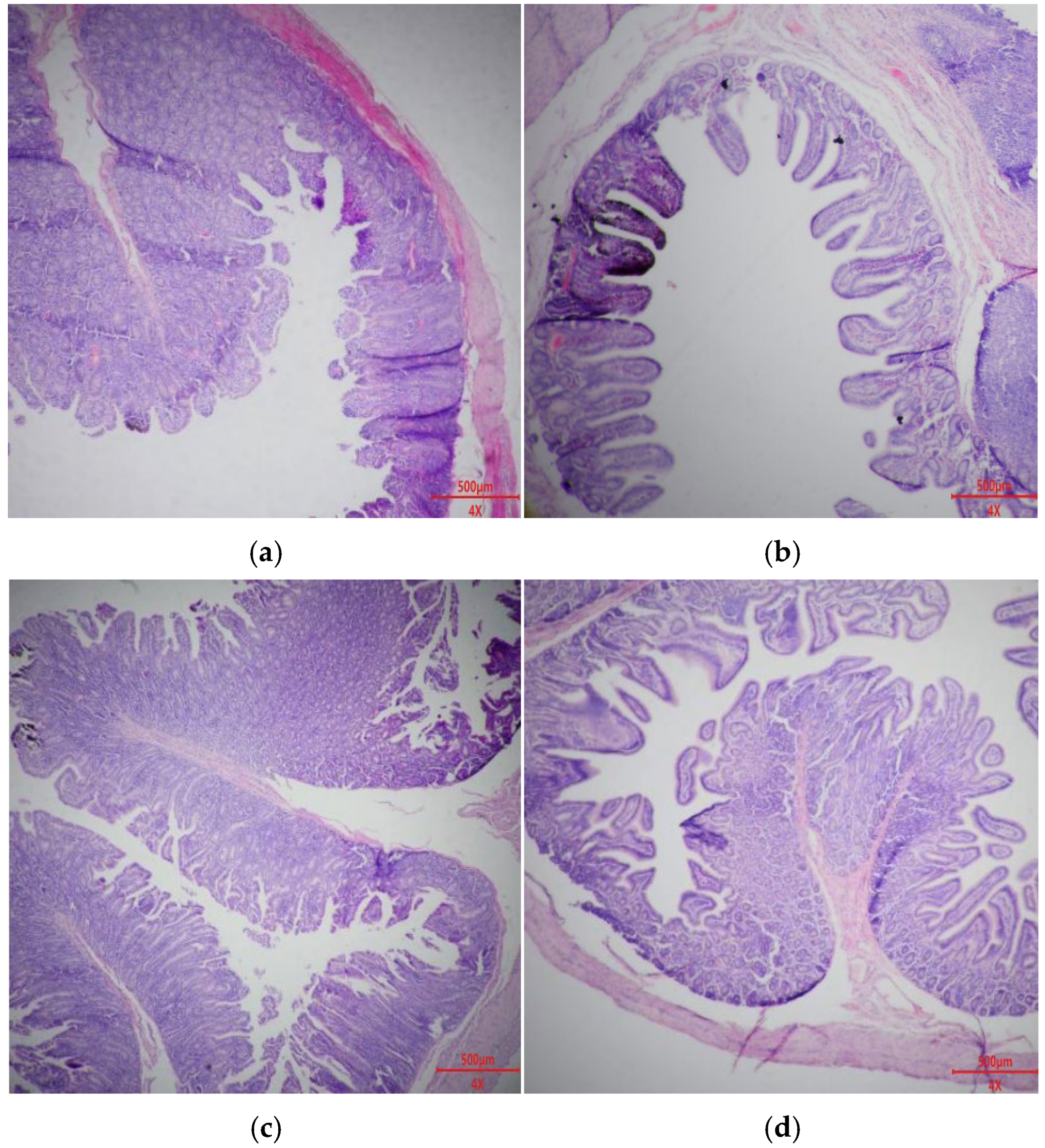
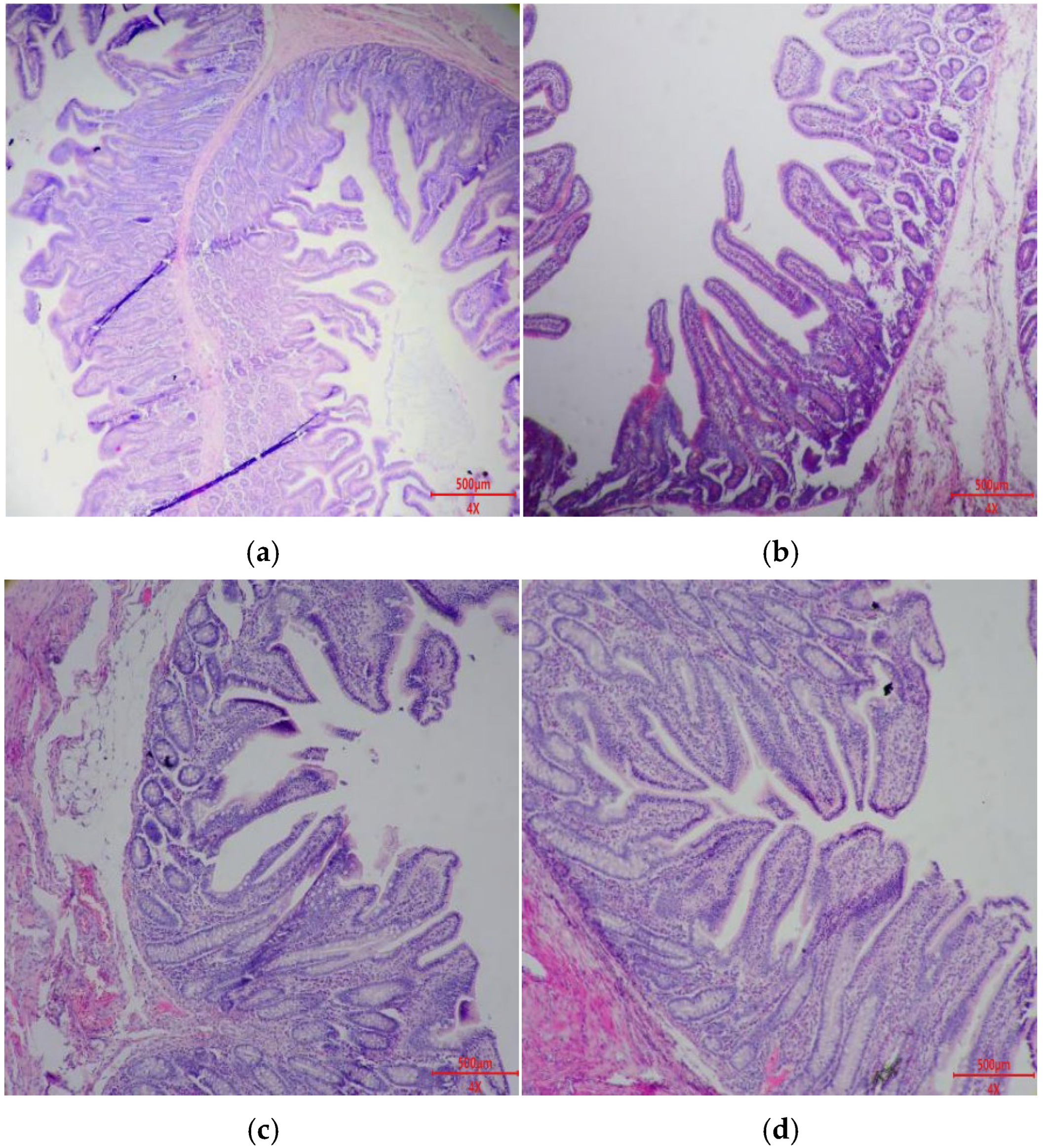
Figure 1 and Figure 2, and Table 10 show the effect of Bacillus probiotics on intestinal morphology of weaned piglets. Compared with the CTR and BS1 groups, the ileum CD and jejunum CD of the BS2 and BS1 + BS2 groups were significantly decreased (p < 0.05). In addition, compared with the CTR and BS1 groups, jejunum V:C in the BS2 and BS1 + BS2 groups was significantly increased (p < 0.05).
Figure 1. HE staining of ileum section (a) CTR, base diet without additives; (b) BS1, CTR + 0.05% Bacillus subtilis; (c) BS2, CTR + 0.05% Bacillus pumilus; (d) BS1 + BS2, CTR + 0.05% Bacillus subtilis + 0.05% Bacillus pumilus. n = 8.
Animals 15 03629 g001
Figure 2. HE staining of jejunum section (a) CTR, base diet without additives; (b) BS1, CTR + 0.05% Bacillus subtilis; (c) BS2, CTR + 0.05% Bacillus pumilus; (d) BS1 + BS2, CTR + 0.05% Bacillus subtilis + 0.05% Bacillus pumilus. n = 8.
Animals 15 03629 g002
Table 10. Effects of dietary Bacillus probiotics on intestinal morphology of weaned piglets 1.
ItemsCTRBS1BS2BS1 + BS2SEMp-Value
Ileum
 VH, µm388461392380140.141
 CD, µm272 a247 a175 b165 b120.008
 V:C1.441.922.272.330.1440.079
Jejunum
 VH, µm483446433443300.241
 CD, µm327 a265 a185 b181 b200.004
 V:C1.49 b1.71 b2.34 a2.48 a0.1420.005
VH, including villus; CD, crypt depth; V:C, villus height to crypt depth ratio. CTR, base diet without additives; BS1, CTR + 0.05% Bacillus subtilis; BS2, CTR + 0.05% Bacillus pumilus; BS1 + BS2, CTR + 0.05% Bacillus subtilis + 0.05% Bacillus pumilus; 1 n = 8. a, b Means with different superscripts means a significant difference (p < 0.05).

3.9. mRNA Expression of Inflammatory Genes in Ileum Mucosa

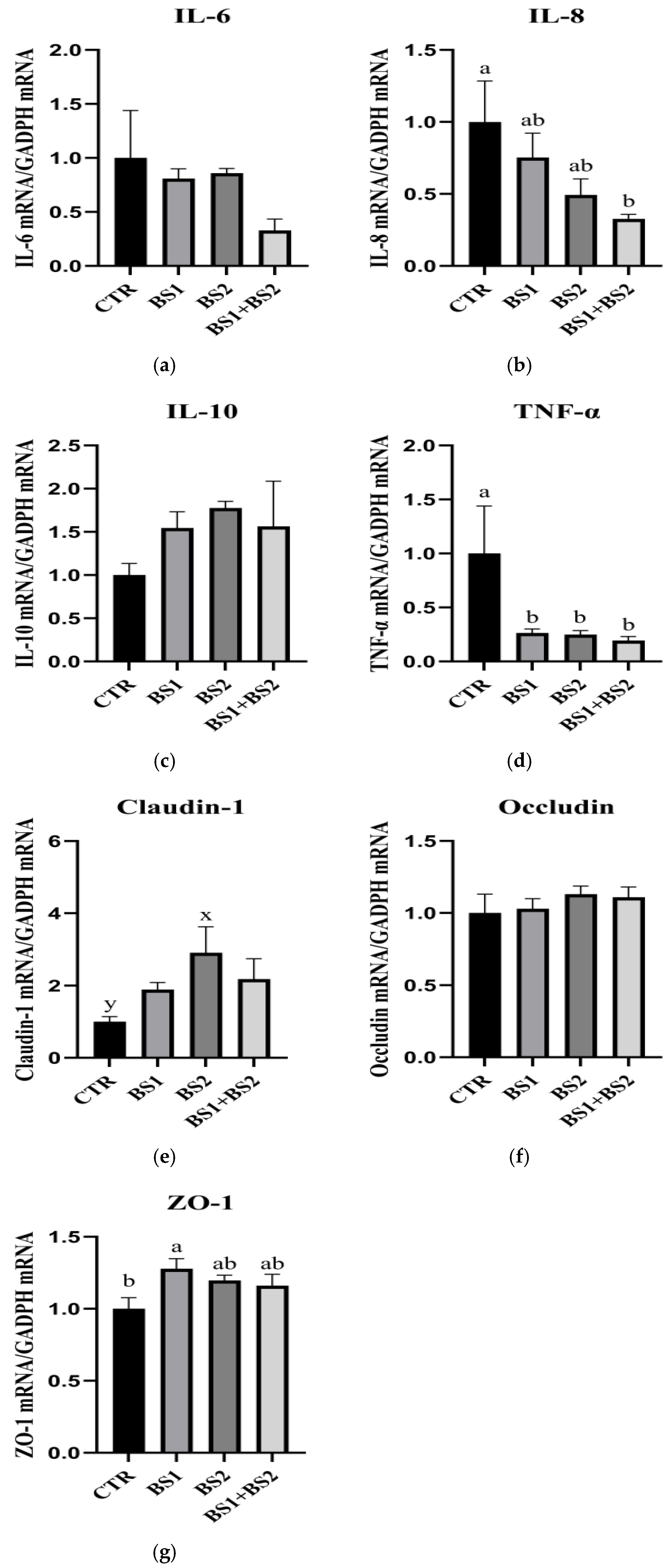
Figure 3 shows the effect of Bacillus probiotics on the mRNA expression of inflammatory genes in the ileum mucosa of weaned piglets. Compared with the CTR group, the BS1 + BS2 group significantly decreased IL-8 mRNA expression (p < 0.05), and the BS1, BS2, and BS1 + BS2 groups significantly reduced TNF-α mRNA expression (p < 0.05). In addition, compared with the CTR group, the BS1 group showed a significant increase in ZO-1 mRNA expression (p < 0.05). The addition of Bacillus to the diet had no significant effect on the expression of IL-6 mRNA, IL-10 mRNA and Occludin mRNA in the ileum mucosa of weaned piglets (p > 0.05).
Figure 3. Effects of dietary Bacillus probiotics on mRNA expression of inflammatory genes in ileum mucosa of weaned piglets. IL-6, interleukin-6; IL-8, interleukin-8; IL-10, interleukin-10; TNF-α, tumor necrosis factor-α. CTR, base diet without additives; BS1, CTR + 0.05% Bacillus subtilis; BS2, CTR + 0.05% Bacillus pumilus; BS1 + BS2, CTR + 0.05% Bacillus subtilis + 0.05% Bacillus pumilus; (a) the expression of IL-6 mRNA; (b) the expression of IL-8 mRNA; (c) the expression of IL-10 mRNA; (d) the expression of TNF-α; (e) the expression of Claudin-1 mRNA; (f) the expression of Occludin mRNA; (g) the expression of ZO-1 mRNA. n = 8. a, b Means with different superscripts means significant difference (p < 0.05). x, y Means listed in the same row with different superscripts tend to be different (0.05 < p ≤ 0.10).
Animals 15 03629 g003

3.10. mRNA Expression of Inflammatory Genes in Jejunum Mucosa

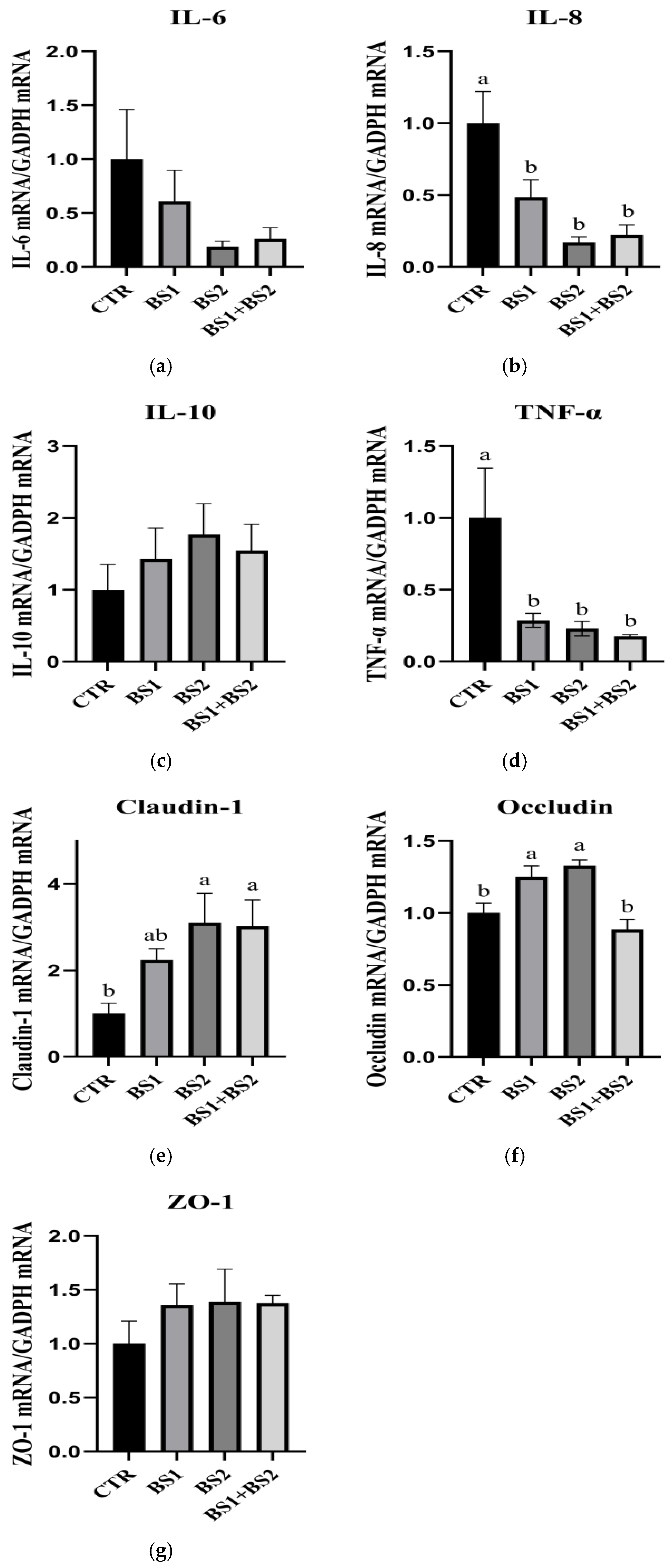
Figure 4 shows the effect of Bacillus probiotics on the mRNA expression of inflammatory genes in the jejunum mucosa of weaned piglets. Compared with the CTR group, the BS1, BS2 and BS1 + BS2 groups significantly decreased IL-8 mRNA (p < 0.05) and considerably reduced TNF-α mRNA expression (p < 0.05). In addition, compared with the CTR group, the BS2 and BS1 + BS2 groups significantly increased Claudin-1 mRNA expression (p < 0.05). Compared with the CTR and BS1 + BS2 groups, the BS1 and BS2 groups significantly increased the expression of Occludin mRNA (p < 0.05). The addition of Bacillus in the diet had no significant effect on the expression of IL-6 mRNA, IL-10 mRNA and ZO-1 mRNA in the jejunum mucosa of weaned piglets (p > 0.05).
Figure 4. Effects of dietary Bacillus probiotics on mRNA expression of inflammatory genes in jejunum mucosa of weaned piglets. IL-6, interleukin-6; IL-8, interleukin-8; IL-10, interleukin-10; TNF-α, tumor necrosis factor-α. CTR, base diet without additives; BS1, CTR + 0.05% Bacillus subtilis; BS2, CTR + 0.05% Bacillus pumilus; BS1 + BS2, CTR + 0.05% Bacillus subtilis + 0.05% Bacillus pumilus. (a) the expression of IL-6 mRNA; (b) the expression of IL-8 mRNA; (c) the expression of IL-10 mRNA; (d) the expression of TNF-α; (e) the expression of Claudin-1 mRNA; (f) the expression of Occludin mRNA; (g) the expression of ZO-1 mRNA. n = 8. a, b Means with different superscripts means a significant difference (p < 0.05).
Animals 15 03629 g004

4. Discussion

The use of probiotics in pig production is increasingly favored because it allows avoidance or partially replacing antibiotics in feed, reducing post-weaning diarrhea and maintaining gastrointestinal health, and ultimately improving the growth performance of piglets. A large number of studies have shown the beneficial effects of probiotics in alleviating weaning stress and reducing diarrhea [20,21,22]; the results of this study showed that the combined addition of the BS1 + BS2 group could significantly increase the ADG and ADFI of days 0–14 and considerably reduce the diarrhea rate; at the same time, we observed that the BS2 group had higher ADG and ADFI on days 0–42, and the addition of Bacillus could significantly reduce the diarrhea rate on days 0–42. Other researchers have found some different results. In terms of BW, Menegat et al. [23] found that there was no direct evidence that there was a difference between the piglet diet supplemented with commercial probiotic products (calcosporin: Bacillus subtilis C-3102) and the piglet diet without commercial probiotic products. The different conclusions may be due to differences in dietary composition or interactions with dietary additives [24]. In addition, we observed that the ADG and ADFI of the BS1 group were slightly higher than those of the BS2 and BS1 + BS2 groups on days 28–42, but its FCR was lower than that of the BS2 group on days 28–42. This may indicate that piglets in the BS1 group may be in a more active growth state. The reason for this phenomenon may be the different growth-promoting mechanisms of probiotics. The BS1 group may improve growth performance by optimizing the intestinal environment for digestion. In contrast, the BS2 group and the BS1 + BS2 group are more focused on repairing the intestinal barrier and reducing inflammatory loss to enhance nutrient absorption efficiency [5]. Bacillus can produce a variety of digestive enzymes in the intestinal tracts of animals, such as proteases, lipases, and amylases [25]. At the same time, Bacillus produces amino acids, growth factors and other nutrients in the process of intestinal colonization and growth, which promotes metabolism in animals [26]. Improving nutrient apparent digestibility is a key factor for improving growth performance. Digestive enzymes and nutrients produced by Bacillus in the intestine may have a certain effect on improving the digestibility of piglets and thus affect growth performance. In our study, dietary supplementation with Bacillus probiotics improved nutrient digestibility, growth performance, and fecal consistency, which is consistent with those of Hu et al. [22]. Wu et al. [27] reported that the addition of fructooligosaccharides and Bacillus licheniformis alone or in combination could significantly improve the digestibility of CP and P, which was consistent with the results of this study.
Weaning stress is usually caused by different physical environments, exposure to pathogens, and changes in diet [28]. The primary antioxidant mechanism is a system composed of antioxidant enzymes and biological antioxidants, which synergistically maintain the generation and scavenging of free radicals, including SOD, GSH-Px [29]. SOD can catalyze the conversion of harmful superoxide to hydrogen peroxide and water, so an increase in SOD activity indicates enhanced antioxidant capacity. MDA is a metabolite of lipid peroxidation and a biomarker of oxidative stress. In this experiment, we observed that piglets in the BS1 + BS2 group had higher SOD activity and lower MDA levels, consistent with the study by Wang et al. [30]. At the same time, the antioxidant enzymes secreted by intestinal epithelial cells are the first line of defense against intestinal redox imbalance [31]. The activity of antioxidant enzymes determines intestinal redox status, the expression of related genes, and the products of oxidative damage [32]. Studies have shown that adding Bacillus probiotics to the diet can effectively reduce MDA levels in jejunal mucosa and improve intestinal antioxidant capacity [33]. The change in antioxidant capacity mainly arises from two sources: endogenous synthesis and exogenous supplementation. The intestinal tract of piglets can absorb substances with antioxidant capacity, such as α-tocopherol and vitamin C, which are absorbed from the feed into the blood, thereby directly improving the serum antioxidant capacity [34,35]. At the same time, the antioxidant components in the serum can also be transported to the intestine via the blood to help supplement dietary intake and resist oxidative damage. This study found that adding Bacillus probiotics to the diet can improve antioxidant capacity in the serum and jejunal mucosa of piglets, similar to the results of Wu et al. [36]. This shows that Bacillus has a specific effect on maintaining the redox homeostasis of the piglet intestine.
Oxidative stress can trigger an inflammatory response, which directly aggravates the redox imbalance [37], and this response is closely associated with the levels of pro-inflammatory cytokines in the body [38]. According to the study, TNF-α concentration is considered an indicator of weaning stress, reflecting the physiological immune status of piglets during weaning [39]. Many studies have shown that Bacillus subtilis affects the concentration of serum inflammatory cytokines in piglets [40,41,42]. However, there are few studies on the effect of Bacillus pumilus on serum inflammatory cytokines in piglets. This study showed that compared with the CTR group, piglets supplemented with the BS1 and BS2 groups had lower TNF-α concentration on day 21, and piglets supplemented with Bacillus had lower TNF-α concentration on day 42. In addition, we noted that dietary supplementation with BS1, BS2, and BS1 + BS2 did not significantly affect the serum levels of IgA, IgG, or IgM in weaned piglets. This result indicates that, under experimental conditions, Bacillus did not induce a systemic humoral immune response [5]. Instead, their immunomodulatory effects are primarily exerted through regulating mucosal immunity and innate immunity, consistent with the observed improvements in intestinal barrier function and inflammatory factors.
The morphological structure of intestinal villi and crypts directly determines nutrient digestion and absorption, as well as the normal function of the intestinal mucosal barrier [43]. Changes in intestinal morphology, such as intestinal villus atrophy and crypt hyperplasia, can destroy intestinal mucosal barrier function and digestion and absorption capacity [44,45]. At the same time, weaning stress can also disrupt intestinal secretion of digestive enzymes, leading to diarrhea in piglets and thus affecting growth performance [46]. This experiment showed that piglets supplemented with BS2 or BS1 + BS2 had lower crypt depth in the ileum and jejunum, suggesting reduced inflammatory stimulation. Generally, the ratio of villus height to crypt depth affects intestinal morphology, which, in turn, influences nutrient digestion [47,48]. This experiment showed that the jejunum of piglets supplemented with BS2 and BS1 + BS2 had higher V:C, indicating improved nutrient digestion, as reflected in improved growth performance and nutrient apparent digestibility.
The intestinal mucosal epithelial barrier prevents the invasion of pathogenic microorganisms and toxic substances [49]. Tight junctions are an essential part of the intestinal mucosal epithelial barrier [50]. The destruction of tight junctions or their loss of function will increase intestinal permeability, allowing infection and inflammatory factors to enter the systemic circulation and ultimately leading to tissue damage and changes in tight junction proteins [51], namely claudin-1, Occludins, and ZO-1, which can lead to intestinal mucosal epithelial barrier dysfunction [52]. The abundance of intestinal functional genes plays a regulatory role in maintaining the integrity of the intestinal barrier [16]. The study of Cao et al. (2018) found that weaning stress significantly down-regulated the expression of tight junction protein genes (Occludin, Claudin-1) in the intestinal tract of piglets, while up-regulated oxidative stress genes (GPX2, SOD3); changes in the expression of these genes directly lead to impaired mitochondrial function in intestinal epithelial cells, which in turn destroys the integrity of the intestinal mucosal barrier and increases intestinal permeability [32]. The results in this experiment showed that compared with the CTR group, the BS1 group increased the expression level of ZO-1 in the ileum of piglets and increased the expression level of Occludin in the jejunum; moreover, the BS2 group increased the expression level of Claudin-1 mRNA in the jejunum of piglets. At the same time, the expression levels of IL-8 and TNF-α in the ileum and jejunum were decreased, which was similar to the results of Zhang et al. [53]. These results suggest that supplementation of BS1 and BS2 increases the mRNA expression levels of the tight junction proteins mentioned above, which may be due to the fact that Bacillus competes with pathogens for binding sites on the intestinal epithelium and produces toxic compounds to pathogens that stimulate the immune system [54]. In general, the BS1 + BS2 group did not show a synergistic effect on many indicators, which may be due to the fact that the two probiotics did not form an optimal ratio.


5. Conclusions

The results of this experiment showed that the addition of Bacillus subtilis and Bacillus pumilus to the diet could improve the growth performance of piglets and reduce diarrhea incidence, improve the antioxidant capacity of serum and intestinal tract, reduce the influence of inflammatory cytokines on the body, and preserve a high degree of intestinal morphological integrity. Therefore, in the BS2 group, the nutrients and energy absorbed may be used more for growth than to counter bacterial invasion and inflammation. Future studies should incorporate metagenomic analyses to further explore the effects of Bacillus subtilis and Bacillus pumilus on the intestinal microbiota of piglets. Large-scale animal experiments are recommended to further evaluate the effects of the two Bacillus species on the growth performance of weaned piglets under commercial conditions.

Author Contributions

Conceptualization, X.W. and X.J.; methodology, S.L. and Z.W.; software, X.W. and S.L.; validation, Y.J. and X.J.; formal analysis, X.W. and S.L.; investigation, X.W.; resources, Z.Z. and X.J.; data curation, C.G.; writing—original draft preparation, X.W.; writing—review and editing, Y.J., Z.Z., C.G., Z.W. and X.J.; supervision, Z.W. and X.J.; project administration, Z.W. and X.J.; funding acquisition, Z.W. and X.J. All authors have read and agreed to the published version of the manuscript.

Funding

This research received no external funding.

Institutional Review Board Statement

The animal study protocol was approved by the Institute Animal Care and Use Committee of the Institute of Feed Research, Chinese Academy of Agricultural Sciences (IFR-CAAS-20240515).

Informed Consent Statement

Not applicable.

Data Availability Statement

Data are available on request from the authors.

Acknowledgments

We appreciate all crew members for their assistance during experiments at the swine base in Hebei province, China.

Conflicts of Interest

The author Chunyan Guo is an employee of Novonesis Ltd., Beijing, China. This employment had no influence on the study design, data analysis, results, or decision to publish. The two Bacillus strains used in this trial were provided by Novonesis, Denmark.

Abbreviations

The following abbreviations are used in this manuscript:
EUThe European Union
BWBody Weight
ADGAverage Daily Gain
ADFIAverage Daily Feed Intake
FCRFeed Conversion Rate
ATTDApparent Total Tract Digestibility
AIAAcid-insoluble Ash
DMDry Matte
CPCrude Protein
AshAsh Content
CaCalcium
PPhosphorus
EEEther Extract
GEGross Energy
SODSuperoxide Dismutase
MDAMalondialdehyde
GSH-PxGlutathione Peroxidase
T-SODTotal Superoxide Dismutase
CATCatalase
8-OHdG8-hydroxydeoxyguanosine
T-AOCTotal Antioxidant Capacity
IL-6Interleukin-6
IL-1βInterleukin-1β
TNF-αTumor Necrosis Factor-α
IFN-γInterferon-γ
IgAImmunoglobulin A
IgGImmunoglobulin G
IgMImmunoglobulin M
VHVillus Height
CDCrypt Depth
V:CVillus Height To Crypt Depth Ratio
IL-8Interleukin-8
IL-10Interleukin-10
ASTAspartate Aminotransferase
ALTAlanine Aminotransferase
ALPAlkaline Phosphatase
TPTotal Protein
ALBAlbumin
TGTriglyceride
CHOCholesterol
HDLHigh-Density Lipoprotein Cholesterol
LDLLow-Density Lipoprotein Cholesterol
GLUGlucose

References

  1. Wijtten, P.; van der Meulen, J.; Verstegen, M. Intestinal barrier function and absorption in pigs after weaning: A review. Br. J. Nutr. 2011, 105, 967–981. [Google Scholar] [CrossRef] [PubMed]
  2. Hu, C.; Song, J.; You, Z.; Luan, Z.; Li, W. Zinc oxide–montmorillonite hybrid influences diarrhea, intestinal mucosal integrity, and digestive enzyme activity in weaned pigs. Biol. Trace Elem. Res. 2012, 149, 190–196. [Google Scholar] [CrossRef]
  3. Vahjen, W.; Pietruszyńska, D.; Starke, I.; Zentek, J. High dietary zinc supplementation increases the occurrence of tetracycline and sulfonamide resistance genes in the intestine of weaned pigs. Gut Pathog. 2015, 7, 23. [Google Scholar] [CrossRef] [PubMed]
  4. Menz, J.; Olsson, O.; Kümmerer, K. Antibiotic residues in livestock manure: Does the EU risk assessment sufficiently protect against microbial toxicity and selection of resistant bacteria in the environment? J. Hazard. Mater. 2019, 379, 120807. [Google Scholar] [CrossRef] [PubMed]
  5. Pettigrew, J. Reduced use of antibiotic growth promoters in diets fed to weanling pigs: Dietary tools, part 1. Anim. Biotechnol. 2006, 17, 207–215. [Google Scholar] [CrossRef]
  6. Liu, Y.; Espinosa, C.; Abelilla, J.; Casas, G. Non-antibiotic feed additives in diets for pigs: A review. Anim. Nutr. 2018, 4, 113–125. [Google Scholar] [CrossRef]
  7. Cremon, C.; Barbaro, M.; Ventura, M. Pre-and probiotic overview. Curr. Opin. Pharmacol. 2018, 43, 87–92. [Google Scholar] [CrossRef]
  8. Council, N.R.; Earth, D.O.; Studies, L.; Committee on Nutrient Requirements of Swine; Division on Earth and Life Studies; National Research Council. Nutrient Requirements of Swine; National Academies Press: Washington, DC, USA, 2012. [Google Scholar]
  9. Che, T.; Song, M.; Liu, Y.; Johnson, R. Pre-and probiotic effects on growth performance and immune responses of weanling pigs. J. Anim. Sci. 2021, 99, skab355. [Google Scholar] [CrossRef]
  10. Huang, C.; Liu, S.; Bhattarai, B.; Lee, T. Live Multi-Strain Probiotics Enhance Growth Performance by Regulating Intestinal Morphology and Microbiome Population in Weaning Piglets. Microorganisms 2024, 12, 2334. [Google Scholar] [CrossRef]
  11. Xu, J.; Li, Y.; Yang, Z.; Li, C. Yeast probiotics shape the gut microbiome and improve the health of early-weaned piglets. Front. Microbiol. 2018, 9, 2011. [Google Scholar] [CrossRef]
  12. Zheng, C.; Kong, Y.; Liu, X.; Niu, M. Oral administration of Bacillus spores for mitigation of radiation-induced intestinal injury by regulating gut microbiota. Chin. Chem. Lett. 2025, in press. [Google Scholar] [CrossRef]
  13. Kim, K.; He, Y.; Xiong, X.; Ehrlich, A.; Raybould, H. Dietary supplementation of Bacillus subtilis influenced intestinal health of weaned pigs experimentally infected with a pathogenic E. coli. J. Anim. Sci. Biotechnol. 2019, 10, 1–12. [Google Scholar] [CrossRef]
  14. Liu, J.; Ma, X.; Zhuo, Y.; Xu, S. The effects of Bacillus subtilis QST713 and β-mannanase on growth performance, intestinal barrier function, and the gut microbiota in weaned piglets. J. Anim. Sci. 2023, 101, skad 257. [Google Scholar] [CrossRef]
  15. Jiao, S.; Zheng, Z.; Zhuang, Y.; Tang, C. Dietary medium-chain fatty acid and Bacillus in combination alleviate weaning stress of piglets by regulating intestinal microbiota and barrier function. J. Anim. Sci. 2023, 101, skac 414. [Google Scholar] [CrossRef]
  16. Liu, Y.; Gu, W.; Liu, X.; Zou, Y. Joint application of Lactobacillus plantarum and Bacillus subtilis improves growth performance, immune function and intestinal integrity in weaned piglets. Vet. Sci. 2022, 9, 668. [Google Scholar] [CrossRef]
  17. Huang, S.; Cui, Z.; Hao, X.; Cheng, C. Dietary fibers with low hydration properties exacerbate diarrhea and impair intestinal health and nutrient digestibility in weaned piglets. J. Anim. Sci. Biotechnol. 2022, 13, 142. [Google Scholar] [CrossRef]
  18. AOAC. Official Methods of Analysis, 18th ed.; Pub AOAC International: Rockville, MD, USA, 2005. [Google Scholar]
  19. Newkirk, R.; Classen, H.; Scott, T.; Edney, M. The digestibility and content of amino acids in toasted and non-toasted canola meals. Poult. Sci. 2003, 83, 131–139. [Google Scholar] [CrossRef]
  20. Zong, X.; Wang, T.; Lu, Z. Effects of Clostridium butyricum or in combination with Bacillus licheniformis on the growth performance, blood indexes, and intestinal barrier function of weanling piglets. Livest. Sci. 2019, 220, 137–142. [Google Scholar] [CrossRef]
  21. Cao, G.; Tao, F.; Hu, Y.; Li, Z. Positive effects of a Clostridium butyricum-based compound probiotic on growth performance, immune responses, intestinal morphology, hypothalamic neurotransmitters, and colonic microbiota in weaned piglets. Food Funct. 2019, 10, 2926–2934. [Google Scholar] [CrossRef] [PubMed]
  22. Hu, J.; Kim, I.-H. Effect of Bacillus subtilis C-3102 Spores as a Probiotic Feed Supplement on Growth Performance, Nutrient Digestibility, Diarrhea Score, Intestinal Microbiota, and Excreta Odor Contents in Weanling Piglets. Animals 2022, 12, 316. [Google Scholar] [CrossRef] [PubMed]
  23. Menegat, M.; Vier, C.; Cemin, H.; Shawk, D. Effect of Calsporin on Nursing Piglet Growth Performance and Fecal Microflora. Kans. Agric. Exp. Stn. Res. Rep. 2017, 3, 9. [Google Scholar] [CrossRef]
  24. O′ Hara, A.; Shanahan, F. Mechanisms of action of probiotics in intestinal diseases. Sci. World J. 2007, 7, 31–46. [Google Scholar] [CrossRef]
  25. Hentges, D. Gut flora and disease resistance. In Probiotics; Springer: Dordrecht, The Netherlands, 1992; pp. 87–110. [Google Scholar] [CrossRef]
  26. Hillman, E.; Lu, H.; Yao, T.; Nakatsu, C. Microbial ecology along the gastrointestinal tract. Microbes Environ. 2017, 32, 300–313. [Google Scholar] [CrossRef]
  27. Wu, F.; Wu, D.; Chen, Z.; Ren, F. Effects of fructo-oligosaccharides and Bacillus licheniformis on performance, nutrient digestibility, hematological properties, and organ development in weaned piglets. Anim. Prod. Sci. 2024, 64, 18. [Google Scholar] [CrossRef]
  28. Campbell, J.; Crenshaw, J.; Polo, J. The biological stress of early weaned piglets. J. Anim. Sci. Biotechnol. 2013, 4, 19. [Google Scholar] [CrossRef]
  29. Wang, Y.; Wang, Y.; Wang, B.; Mei, X. Protocatechuic acid improved growth performance, meat quality, and intestinal health of Chinese yellow-feathered broilers. Poult. Sci. 2019, 98, 3138–3149. [Google Scholar] [CrossRef] [PubMed]
  30. Wang, Y.; Wu, Y.; Wang, B.; Cao, X. Effects of probiotic Bacillus as a substitute for antibiotics on antioxidant capacity and intestinal autophagy of piglets. AMB Express 2017, 7, 52. [Google Scholar] [CrossRef] [PubMed]
  31. Cai, L.; Gao, G.; Yin, C.; Bai, R. The Effects of Dietary Silybin Supplementation on the Growth Performance and Regulation of Intestinal Oxidative Injury and Microflora Dysbiosis in Weaned Piglets. Antioxidants 2023, 12, 1975. [Google Scholar] [CrossRef]
  32. Cao, S.; Wang, C.; Wu, H.; Zhang, Q. Weaning disrupts intestinal antioxidant status, impairs intestinal barrier and mitochondrial function, and triggers mitophagy in piglets. J. Anim. Sci. 2018, 96, 1073–1083. [Google Scholar] [CrossRef]
  33. Chen, B.; Duan, L.; Gao, Y.; Mendoza, S. Effects of Bacillus-Based Probiotic Supplementation on Growth Performance, Antioxidant Capacity, Immunity, and Gut Health of PEDV-Infected Piglets. Probiotics Antimicrob. Proteins 2025, in press. [Google Scholar] [CrossRef]
  34. Hidiroglou, M.; Farnworth, E.; Butler, G. Effects of vitamin E and fat supplementation on concentration of vitamin E in plasma and milk of sows and in plasma of piglets. Int. J. Vitam. Nutr. Res. 1993, 63, 180–187. [Google Scholar]
  35. Vergauwen, H.; Tambuyzer, B.; Jennes, K.; Degroote, J. Trolox and ascorbic acid reduce direct and indirect oxidative stress in the IPEC-J2 cells, an in vitro model for the porcine gastrointestinal tract. PLoS ONE 2015, 10, e0120485. [Google Scholar] [CrossRef] [PubMed]
  36. Wu, Y.; Wang, B.; Zeng, Z.; Liu, R. Effects of probiotics Lactobacillus plantarum 16 and Paenibacillus polymyxa 10 on intestinal barrier function, antioxidative capacity, apoptosis, immune response, and biochemical parameters in broilers. Poult. Sci. 2019, 98, 5028–5039. [Google Scholar] [CrossRef] [PubMed]
  37. Vezza, T.; Molina-Tijeras, J.; Rodríguez-Nogales, A.; Garrido-Mesa, J. The antioxidant properties of Salvia verbenaca extract contribute to its intestinal Antiinflammatory effects in experimental colitis in rats. Antioxidants 2023, 12, 2071. [Google Scholar] [CrossRef] [PubMed]
  38. Cui, W.; Zhou, S.; Wang, Y.; Shi, X. Cadmium exposure activates the PI3K/AKT signaling pathway through miRNA-21, induces an increase in M1 polarization of macrophages, and leads to fibrosis of pig liver tissue. Ecotoxicol. Environ. Saf. 2021, 228, 113015. [Google Scholar] [CrossRef]
  39. Chen, J.; Xie, H.; Chen, D.; Yu, B. Chlorogenic acid improves intestinal development via suppressing mucosa inflammation and cell apoptosis in weaned pigs. ACS Omega 2018, 3, 2211–2219. [Google Scholar] [CrossRef]
  40. Li, H.; Jiang, X.; Qiao, J. Effect of dietary Bacillus subtilis on growth performance and serum biochemical and immune indexes in weaned piglets. Appl. Anim. Res. 2021, 49, 83–88. [Google Scholar] [CrossRef]
  41. Tian, Z.; Wang, X.; Duan, Y.; Zhao, Y. Dietary supplementation with Bacillus subtilis promotes growth and gut health of weaned piglets. Front. Vet. Sci. 2021, 7, 600772. [Google Scholar] [CrossRef]
  42. Rhayat, L.; Maresca, M.; Nicoletti, C.; Perrier, J. Effect of Bacillus subtilis strains on intestinal barrier function and inflammatory response. Front. Immunol. 2019, 10, 431111. [Google Scholar] [CrossRef]
  43. Cera, K.; Mahan, D.; Cross, R.; Reinhart, G. Effect of age, weaning and postweaning diet on small intestinal growth and jejunal morphology in young swine. J. Anim. Sci. 1988, 66, 574–584. [Google Scholar] [CrossRef]
  44. Heo, J.; Opapeju, F.; Pluske, J.; Kim, J. Gastrointestinal health and function in weaned pigs: A review of feeding strategies to control post-weaning diarrhoea without using in-feed antimicrobial compounds. J. Anim. Physiol. Anim. Nutr. 2013, 97, 207–237. [Google Scholar] [CrossRef]
  45. Su, W.; Gong, T.; Jiang, Z.; Lu, Z. The role of probiotics in alleviating postweaning diarrhea in piglets from the perspective of intestinal barriers. Front. Cell. Infect. Microbiol. 2022, 12, 883107. [Google Scholar] [CrossRef]
  46. Tang, X.; Xiong, K.; Fang, R.; Li, M. Weaning stress and intestinal health of piglets: A review. Front. Immunol. 2022, 13, 1042778. [Google Scholar] [CrossRef] [PubMed]
  47. Jha, R.; Fouhse, J.M.; Tiwari, U.P.; Li, L. Dietary Fiber and Intestinal Health of Monogastric Animals. Front. Vet. Sci. 2019, 6, 48. [Google Scholar] [CrossRef] [PubMed]
  48. Pluske, J.R.; Thompson, M.J.; Atwood, C.S.; Bird, P.H. Maintenance of villus height and crypt depth, and enhancement of disaccharide digestion and monosaccharide absorption, in piglets fed on cows’ whole milk after weaning. Br. J. Nutr. 1996, 76, 409–422. [Google Scholar] [CrossRef]
  49. Yu, Y.; Li, Y. Enteric glial cells and their role in the intestinal epithelial barrier. World J. Gastroenterol. 2014, 20, 11273. [Google Scholar] [CrossRef]
  50. Groschwitz, K.; Hogan, S. Intestinal barrier function: Molecular regulation and disease pathogenesis. J. Allergy Clin. Immunol. 2009, 124, 3–20. [Google Scholar] [CrossRef] [PubMed]
  51. Omonijo, F.; Liu, S.; Hui, Q.; Zhang, H. Thymol improves barrier function and attenuates inflammatory responses in porcine intestinal epithelial cells during lipopolysaccharide (LPS)-induced inflammation. J. Agric. Food. Chem. 2018, 67, 615–624. [Google Scholar] [CrossRef]
  52. He, C.; Deng, J.; Hu, X.; Zhou, S. Vitamin A inhibits the action of LPS on the intestinal epithelial barrier function and tight junction proteins. Food Funct. 2019, 10, 1235–1242. [Google Scholar] [CrossRef]
  53. Zhang, B.; Guo, Y. Supplemental zinc reduced intestinal permeability by enhancing occludin and zonula occludens protein-1 (ZO-1) expression in weaning piglets. Briti. J. Nutr. 2009, 102, 687–693. [Google Scholar] [CrossRef]
  54. Cho, J.; Zhao, P.; Kim, I. Probiotics as a dietary additive for pigs: A review. J. Anim. Vet. Adv. 2011, 10, 2127–2134. [Google Scholar] [CrossRef]
Disclaimer/Publisher’s Note: The statements, opinions and data contained in all publications are solely those of the individual author(s) and contributor(s) and not of MDPI and/or the editor(s). MDPI and/or the editor(s) disclaim responsibility for any injury to people or property resulting from any ideas, methods, instructions or products referred to in the content.