An Exploratory Study of Cannabidiol as an Adjunctive Treatment for Refractory Epilepsy in Dogs
by
 , , , and
Kanogwan Kimram
1,2,†, 
Nirut Suwanna
3,†,
Bordin Tiraphut
2,
Sasithorn Limsuwan
4,
Suporn Thongyuan
5 and
Natthasit Tansakul
6,* 1
Graduate Program in Animal Health and Biomedical Sciences, Faculty of Veterinary Medicine, Kasetsart University, Bangkok 10900, Thailand
2
Veterinary Teaching Hospital, Faculty of Veterinary Medicine, Kasetsart University, Bangkok 10900, Thailand
3
Department of Companion Animal Clinical Sciences, Faculty of Veterinary Medicine, Kasetsart University, Bangkok 10900, Thailand
4
Institute of Food Research and Product Development, Kasetsart University, Bangkok 10900, Thailand
5
Department of Veterinary Public Health, Faculty of Veterinary Medicine, Kasetsart University, Nakhon Pathom 73140, Thailand
6
Department of Pharmacology, Faculty of Veterinary Medicine, Kasetsart University, Bangkok 10900, Thailand
*
Author to whom correspondence should be addressed.
†
These authors contributed equally to this work.
Animals 2025, 15(24), 3614; https://doi.org/10.3390/ani15243614
Submission received: 13 November 2025
/
Revised: 8 December 2025
/
Accepted: 8 December 2025
/
Published: 15 December 2025
(This article belongs to the Section Companion Animals)
Simple Summary
Canine epilepsy often resists conventional antiepileptic drugs (AEDs), affecting quality of life. Cannabidiol (CBD) has anticonvulsant properties; however, evidence of its use in canine epilepsy is limited and contradictory. This pilot study evaluated CBD’s potential efficacy, safety, and impact as an adjunct therapy for drug-resistant canine epilepsy. Thirteen dogs with refractory epilepsy, all on 2–6 concurrent AEDs, were enrolled. A 12-week, single-arm, pretest–post-test design was used. CBD was titrated from 0.5 mg/kg BID 2.5 mg/kg q12h. The key outcomes included seizure frequency/severity, cluster reduction, hematological/biochemical parameters, owner-reported adverse events, and quality of life. In the entire cohort, there was a notable reduction in the overall seizure frequency, with 61.5% of the individuals experiencing a reduction of 50% or greater. Furthermore, a significant decrease in the number of seizure clusters was observed. Most hematological/renal parameters remained stable; however, Alkaline Phosphatase (ALP) levels significantly increased. The owners reported positive CBD perceptions and an improved quality of life. CBD shows the potential for refractory canine epilepsy, especially in clusters. Increased hepatic enzyme levels necessitate rigorous monitoring, particularly with the concurrent use of AEDs. A pragmatic “start-low, go-slow” titration strategy was used to optimize the safety and efficacy. These results provide novel clinical insights, indicating that effective dosing is highly personalized and requires a customized approach. To our knowledge, this is the first report of such a strategy and findings in an Asian canine population.
Abstract
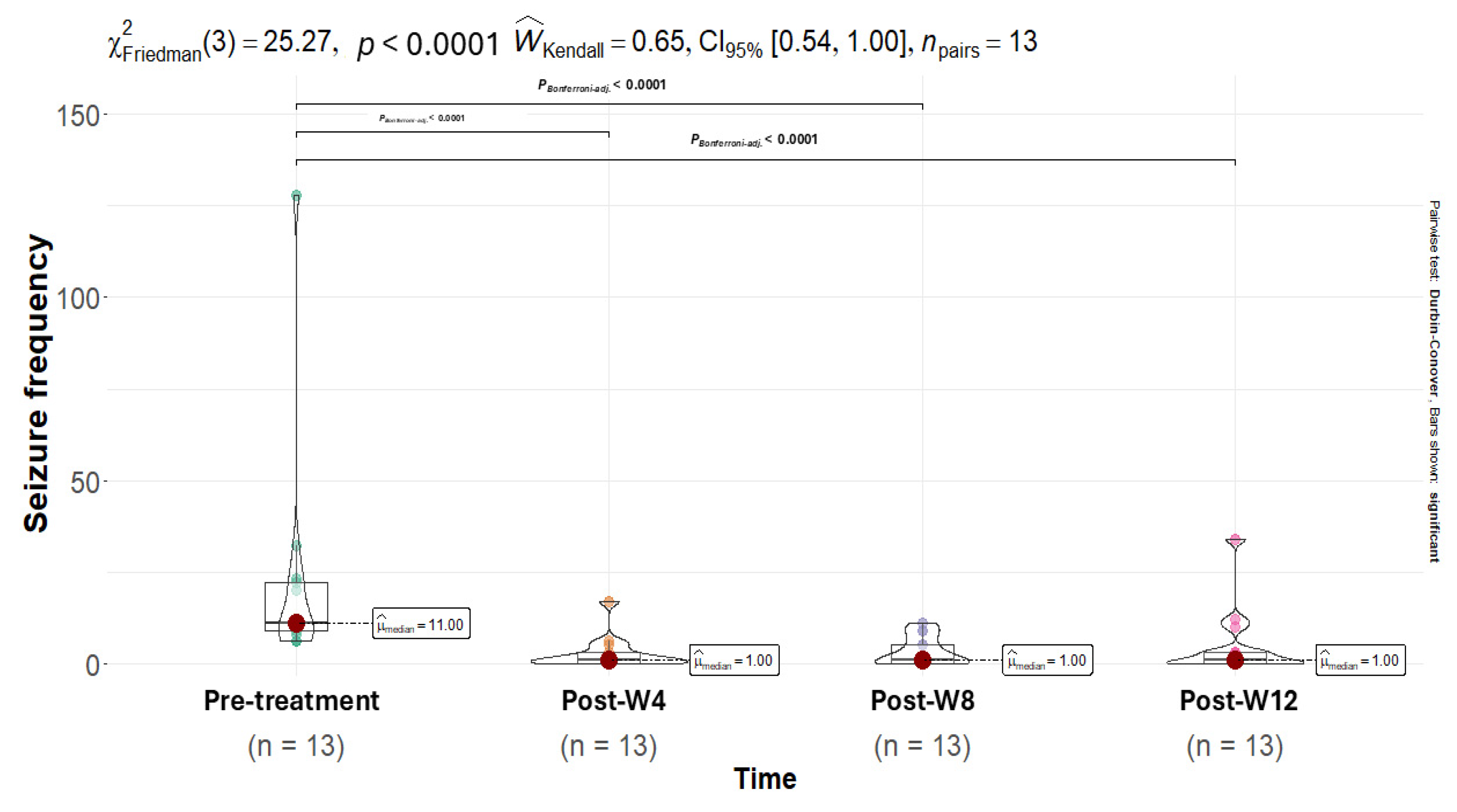
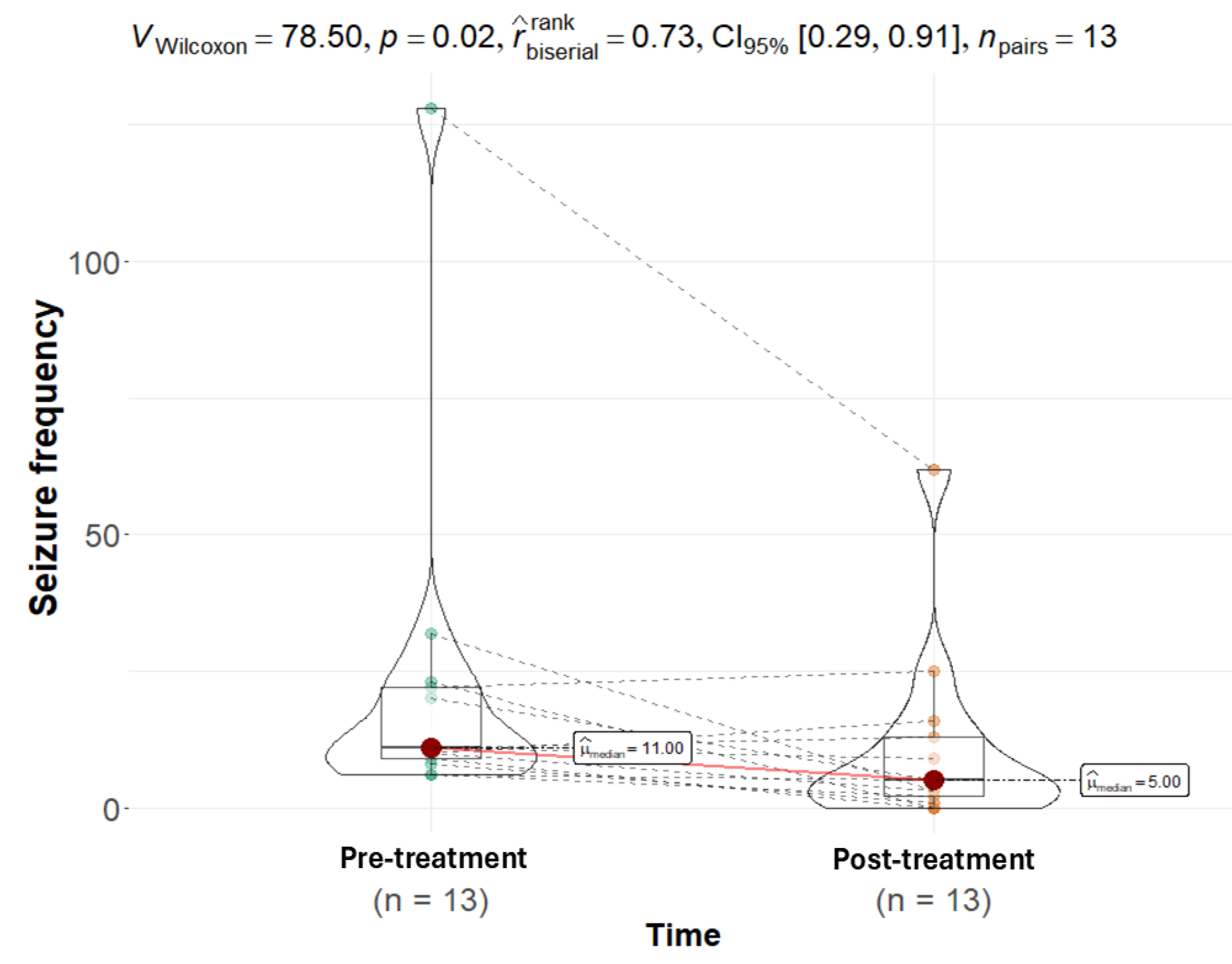
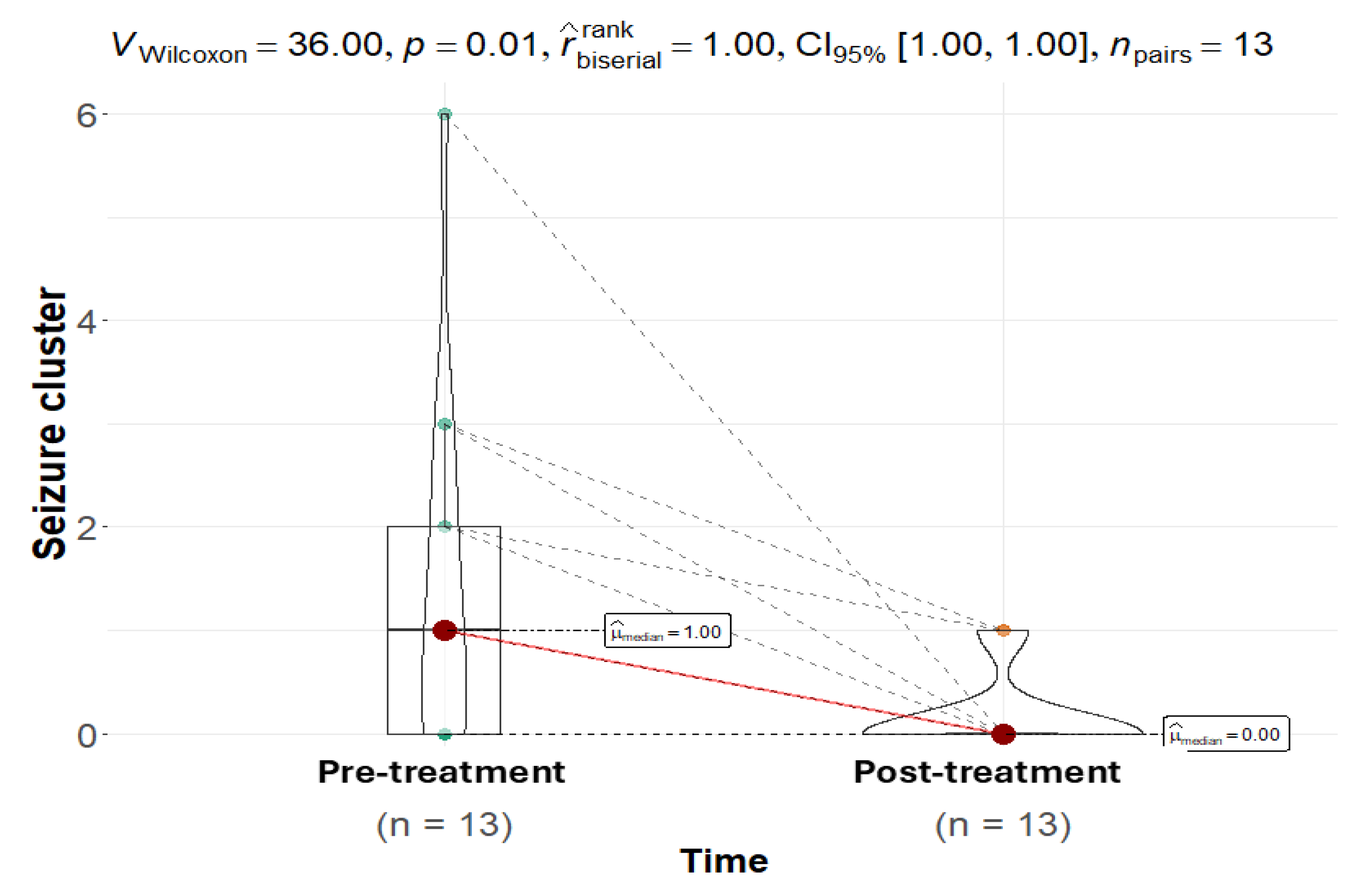
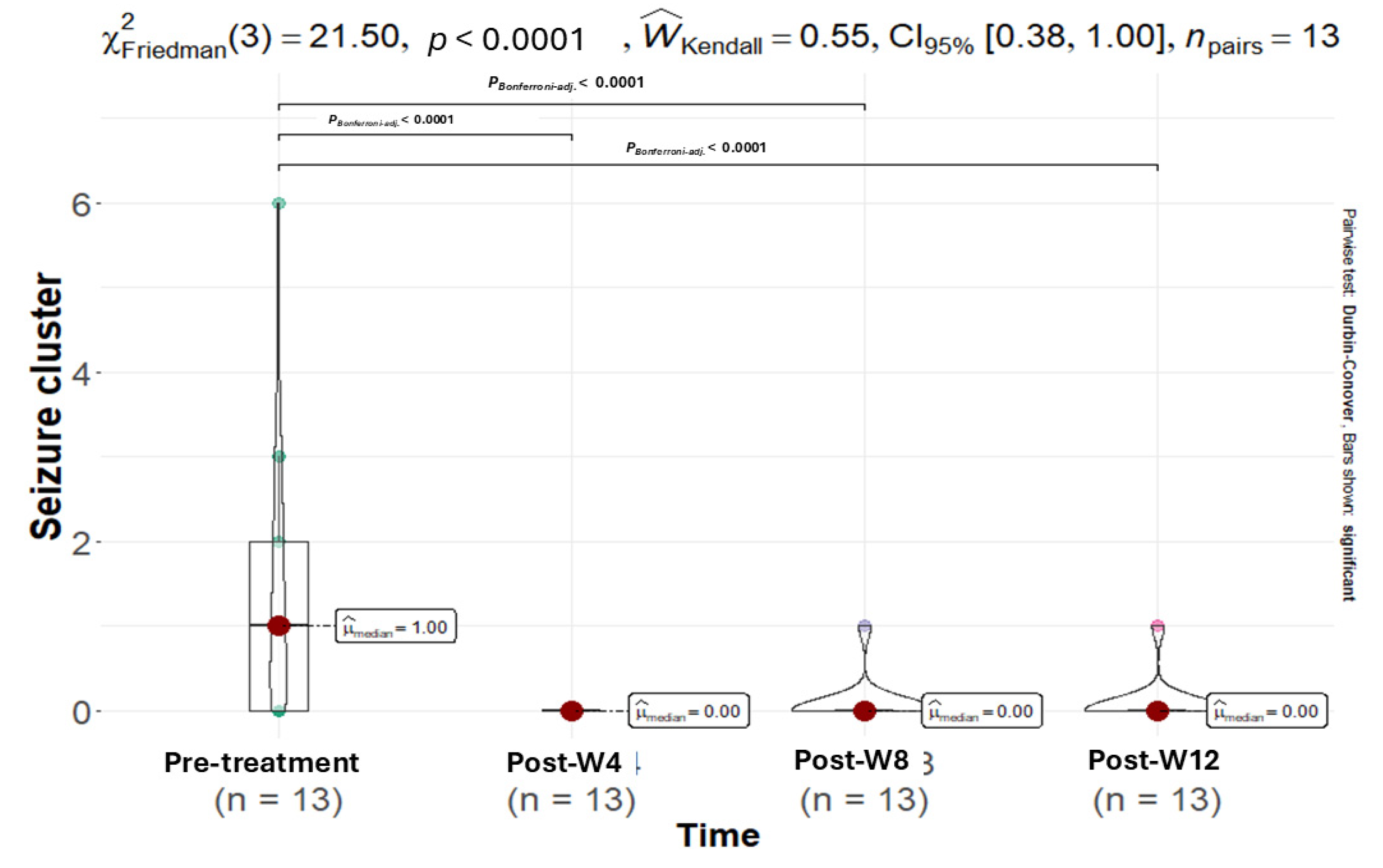
Canine epilepsy often resists conventional antiepileptic drugs (AEDs), which affects their quality of life. Cannabidiol (CBD) has anticonvulsant properties; however, evidence of its use in canine epilepsy is limited and contradictory. This prospective pilot study aimed to investigate the potential advantages, safety profile, and effects of CBD on quality of life when used as an adjunctive therapy in cases of drug-resistant epilepsy in canines. Thirteen dogs with refractory epilepsy, all on 2–6 concurrent AEDs, were enrolled. A single-arm pretest–post-test design was used. CBD was titrated from 0.5 mg/kg BID 2.5 mg/kg q12h. The primary outcome was the change in seizure frequency. Secondary outcomes included changes in seizure severity, seizure cluster, hematological and biochemical parameters, and owner-reported quality of life (QoL). Significant overall seizure frequency reduction (p = 0.02) with the median decreased from 11 (IQR 9–22) during the pre-intervention period to 5 (IQR 2–13) at the post-intervention follow-up. Notably, 61.5% of the dogs achieved a ≥50% reduction in seizure frequency. The number of seizure clusters was significantly decreased (p = 0.001). Most hematological/renal parameters remained stable; however, Alkaline Phosphatase (ALP) levels significantly increased (p < 0.001). The owners reported positive CBD perceptions and an improved quality of life. CBD shows the potential for refractory canine epilepsy, especially in clusters. Increased hepatic enzyme levels necessitate rigorous monitoring, particularly with the concurrent use of AEDs. This groundbreaking study explored the application of CBD in managing canine epilepsy, utilizing a “start-low, go-slow” strategy to minimize adverse effects while effectively controlling seizures. Our findings underscore the necessity of customizing CBD dosages for individual needs and highlight the critical importance of monitoring liver function. This study challenged the traditional one-size-fits-all dosing approach. It provides the first evidence and practical framework for the use of CBD to treat canine epilepsy in Asia, detailing the pioneering approach and the initial findings from this cohort.
Keywords:
cannabidiol; CBD; epilepsy; dog; quality of life