Emodin Improves Juvenile Largemouth Bass (Micropterus salmoides) Liver Health Through Nrf2/NF-κB Pathway and Fat Metabolism: Growth Performance, Immune Response and Resistance Against Aeromonas veronii Infection

1
Institute of Fisheries, Guizhou Academy of Agricultural Sciences, Guiyang 550025, China
2
Guizhou Special Aquatic Products Engineering Technology Center, Guiyang 550025, China
*
Author to whom correspondence should be addressed.
†
These authors contributed equally to this work.
Animals 2025, 15(2), 178; https://doi.org/10.3390/ani15020178
Submission received: 9 December 2024
/
Revised: 31 December 2024
/
Accepted: 9 January 2025
/
Published: 10 January 2025
(This article belongs to the Special Issue Enhancing Aquatic Animal Health Through Feed Additives)
Simple Summary
The largemouth bass Micropterus salmoides is known for its rapid development, delectable flavor, robust disease resistance, and significant economic and nutritional value. It is widely cultivated and has emerged as a crucial aquatic food source in China. However, as the proportion of aquaculture continues to grow, the farming of largemouth bass is faced with various pathogenic microorganisms that cause a high mortality rate during production. Emodin, isolated from Polygonum cuspidatum, Polygonum multiflorum, and Rheum palmatum, has shown an extensive spectrum of pharmacological activities, and has been deemed to be a natural feed additive that can be used to enhance growth performance, antibacterial activity, and antioxidant capacity, as well as innate immunity, in several aquatic studies. The results of the present study suggest that emodin could improve non-specific immunity and resistance to pathogens in juvenile largemouth bass. Our findings also make an important contribution to the development of emodin as a natural feed additive to prevent diseases in the field of aquaculture in the near future.
Abstract
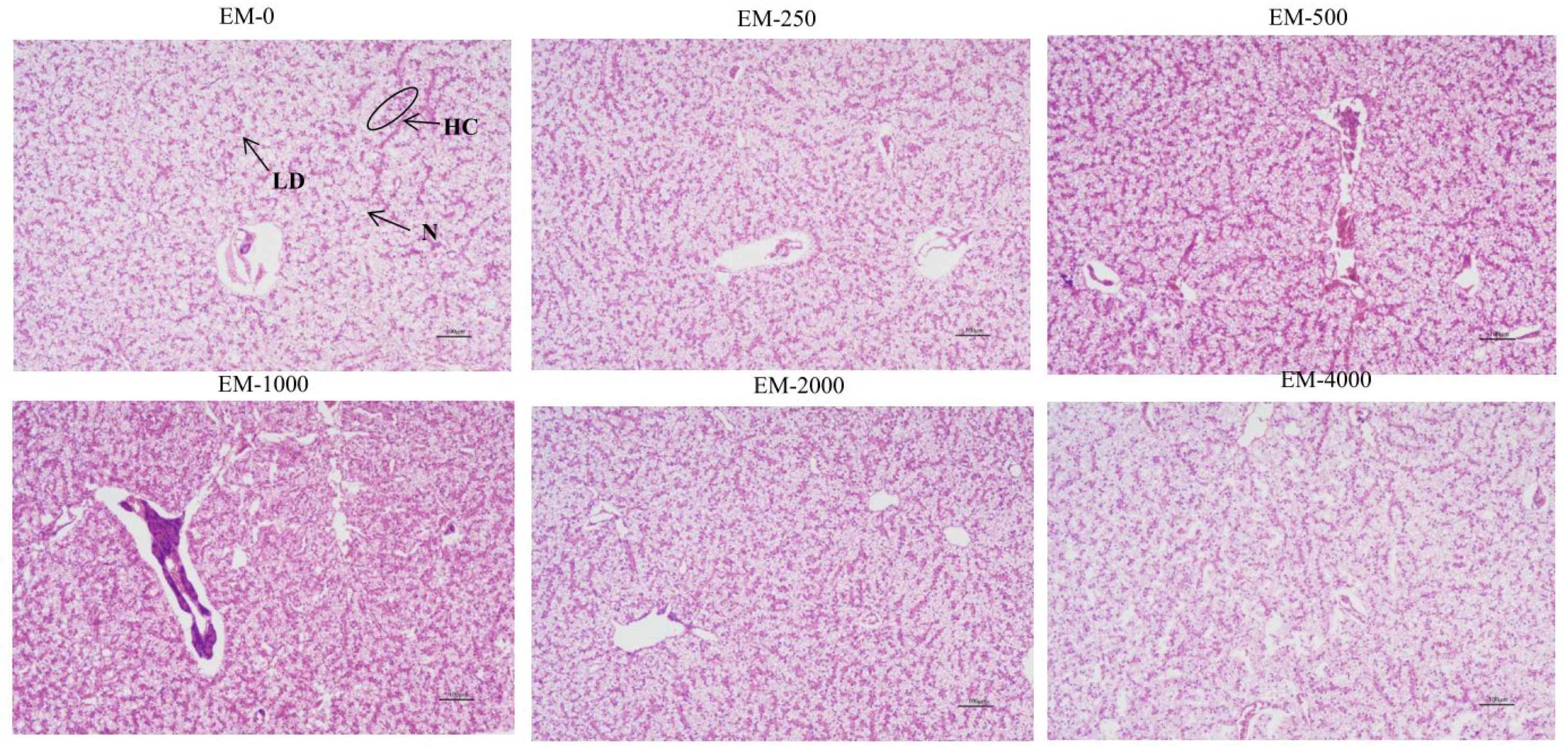
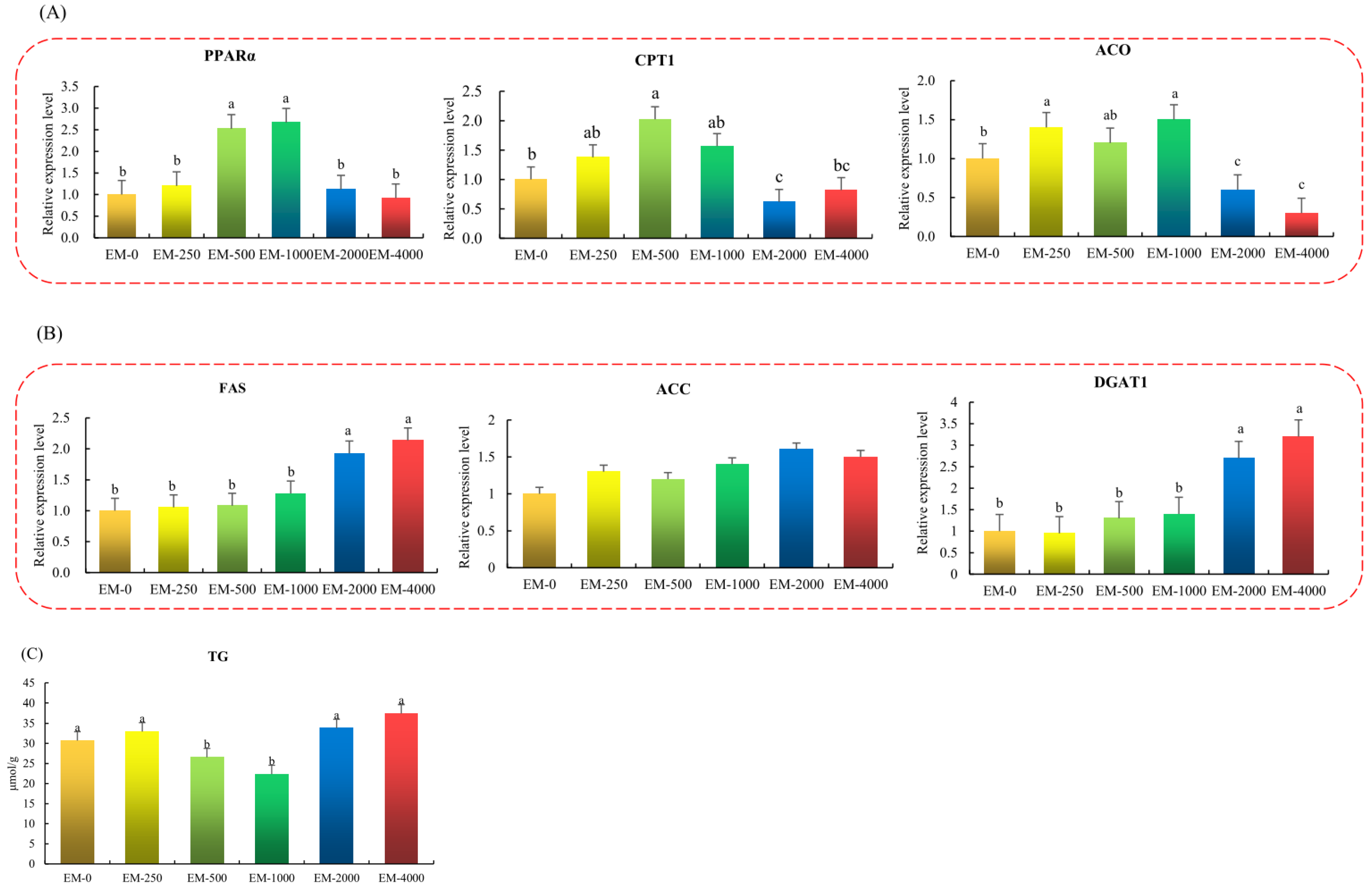
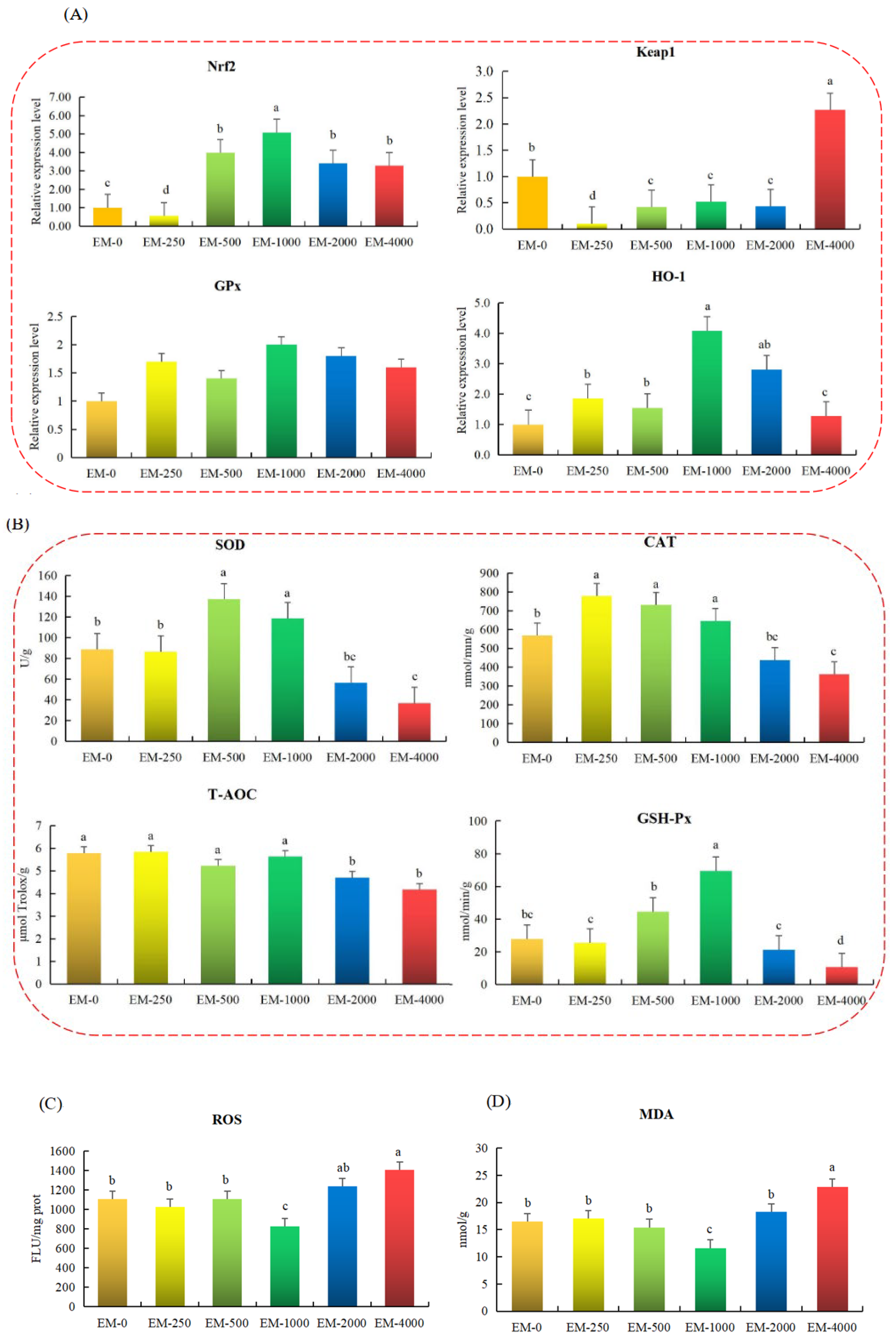
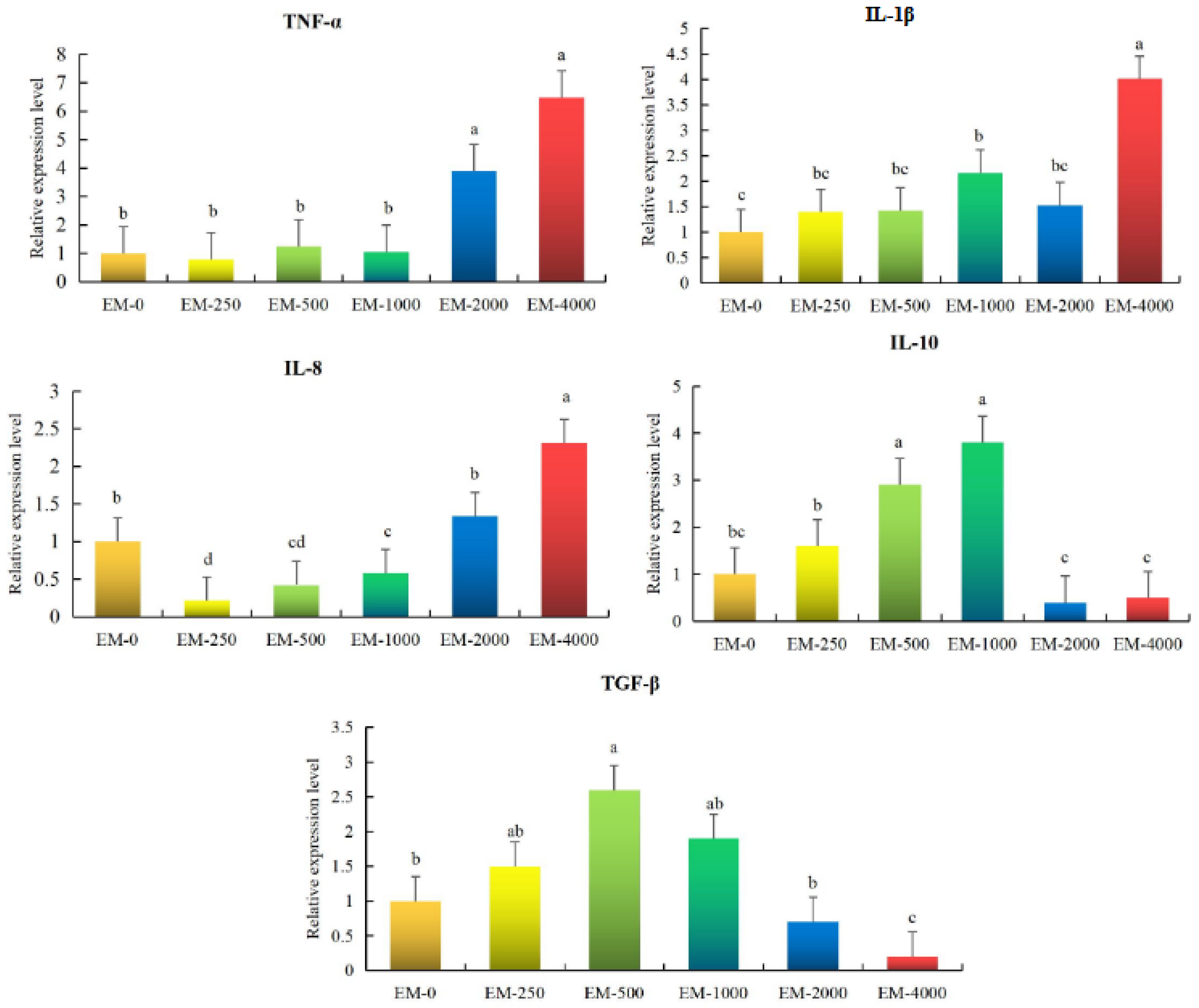
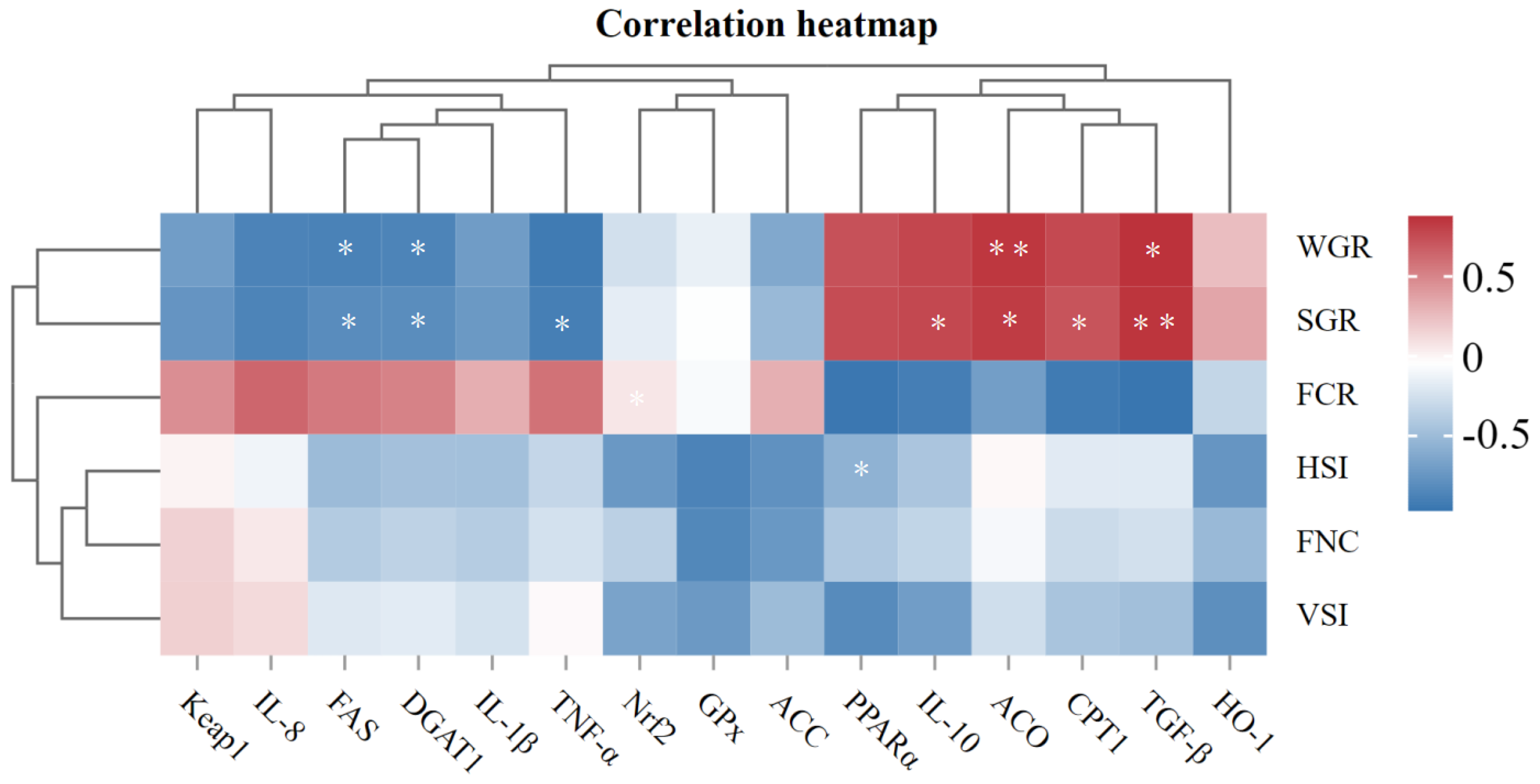
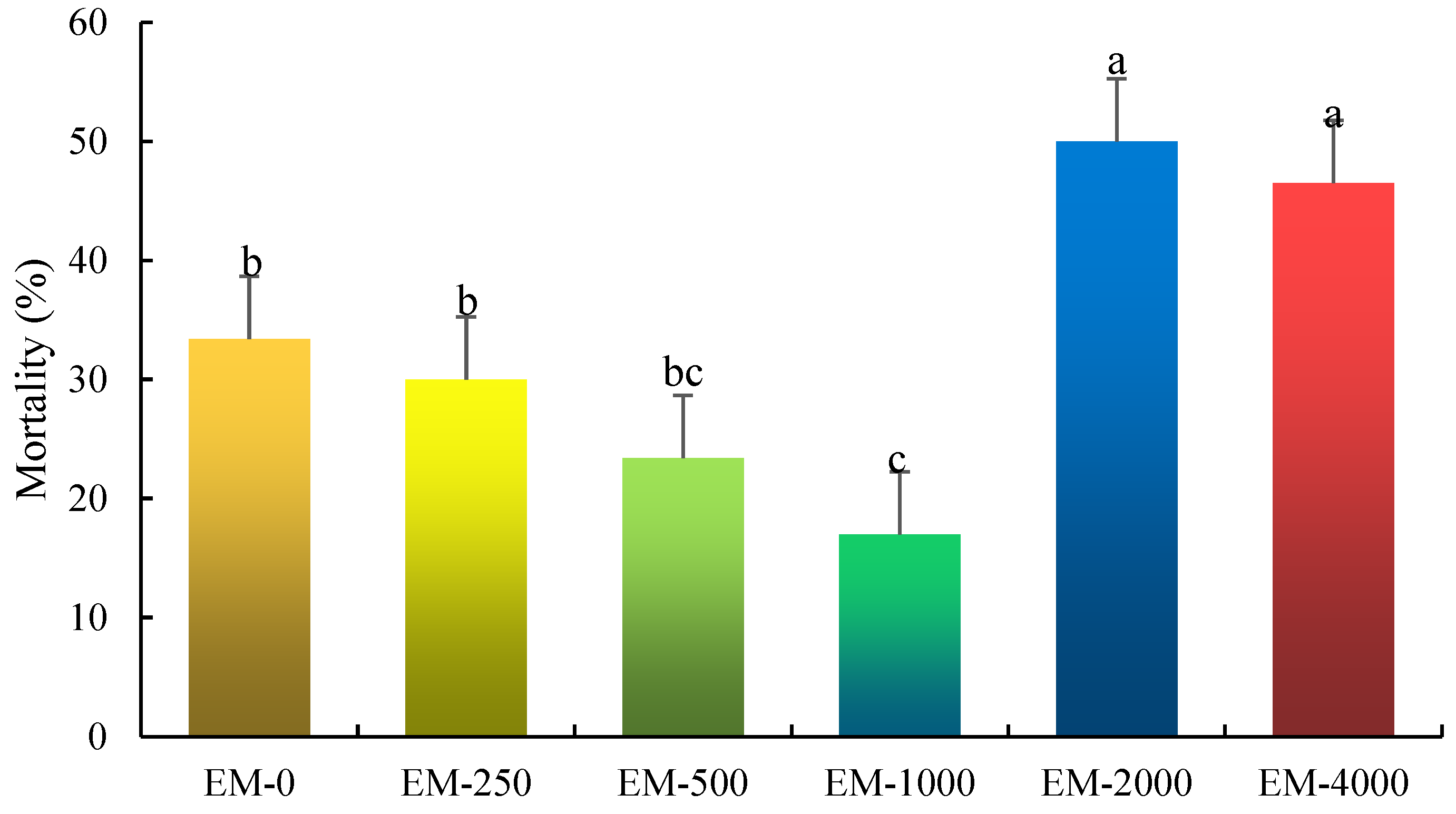
The experiment was aimed at examining the influence of adding emodin to feeds on the growth performance, liver immunity, and resistance against Aeromonas veronii infection among juvenile largemouth basses and other potential mechanisms. A total of 540 fish (45 ± 0.3 g) were randomly divided into 6 diets, including EM-0, EM-250, EM-500, EM-1000, EM-2000, and EM-4000 diets, in which 0, 250, 500, 1000, 2000, and 4000 mg kg−1 emodin was added. Following a 60-day feeding test, it demonstrated that the feed conversion ratio (FCR) of juveniles within the EM-500 and EM-1000 groups remarkably exceeded that of the EM-0 group. Subsequently, unlike those in EM-0 group, the fish in the EM-1000 group showed heightened hepatocyte count, induced hepatic lipolysis-associated expression of peroxisome proliferators-activated receptor α (PPARα) and acyl-coenzyme an oxidase (ACO), and reduced the hepatic triglyceride (TG) levels. Additionally, EM-1000 could up-regulate the expressions of nuclear factor erythroid 2-associated factor 2 (Nrf2) and heme oxygenase-1 (HO-1) in livers compared with controls and boost antioxidant enzymes activities of superoxide dismutase (SOD), glutathione peroxidase (GSH-Px), and catalase (CAT), along with a lower content of reactive oxygen species (ROS) and malondialdehyde (MDA). Meanwhile, the EM-1000 group increased anti-inflammatory cytokines of interleukin-10 (IL-10) while suppressing the interleukin-8 (IL-8) expression of pro-inflammatory cytokines in livers by contrast to controls. In the end, juvenile largemouth bass in the EM-1000 group showed a comparatively highest survival rate, whereas fish in the EM-2000 and EM-4000 groups exhibited a little higher mortality than that of the EM-0 group. To sum up, our study exposed that supplementing emodin with 1000 mg kg−1 in diet could enhance the hepatic antioxidant status and unspecific immunity to reinforce the protective effect on disease resistance, resulting in improving the growth performance in juvenile largemouth bass.